
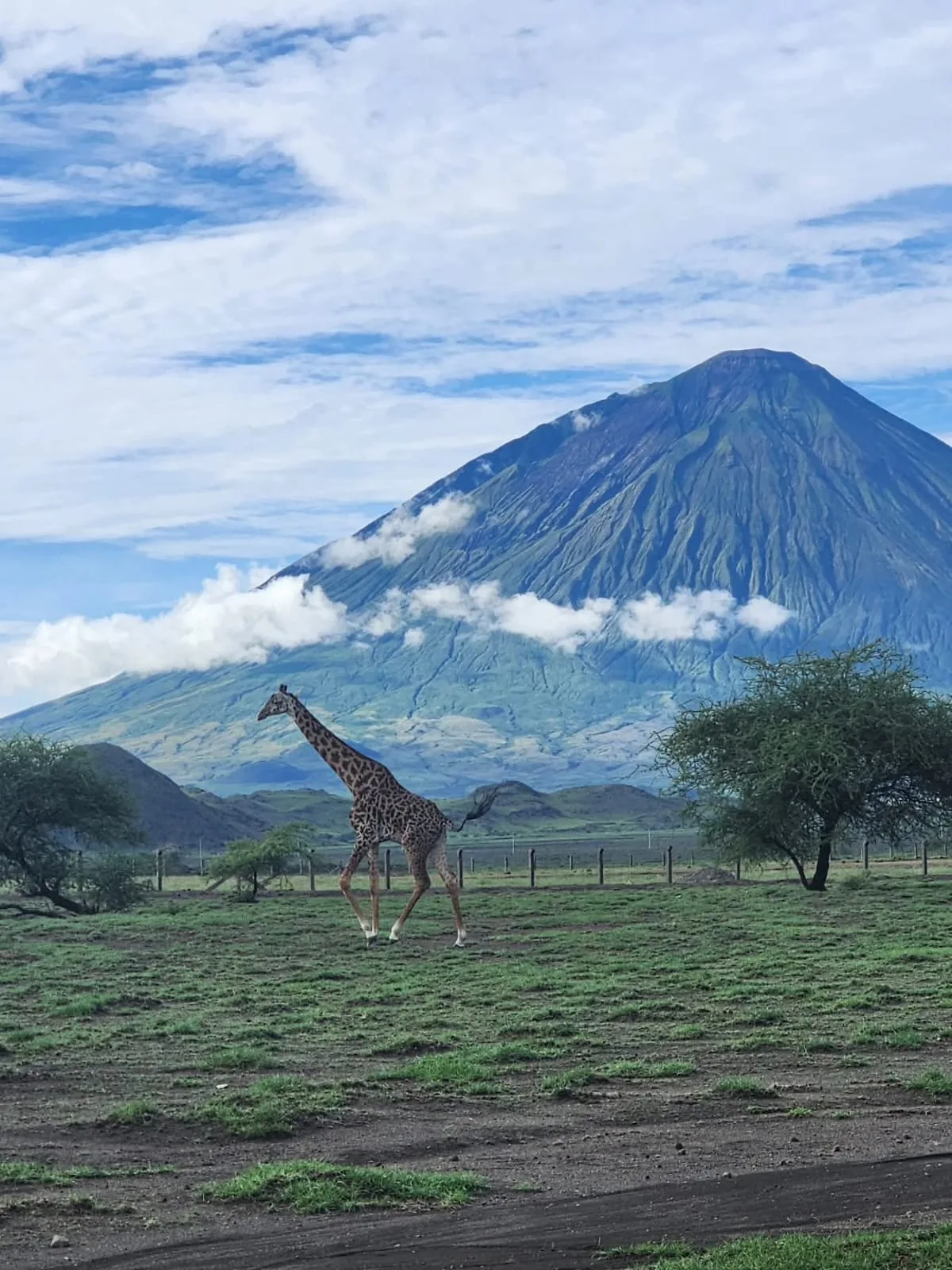
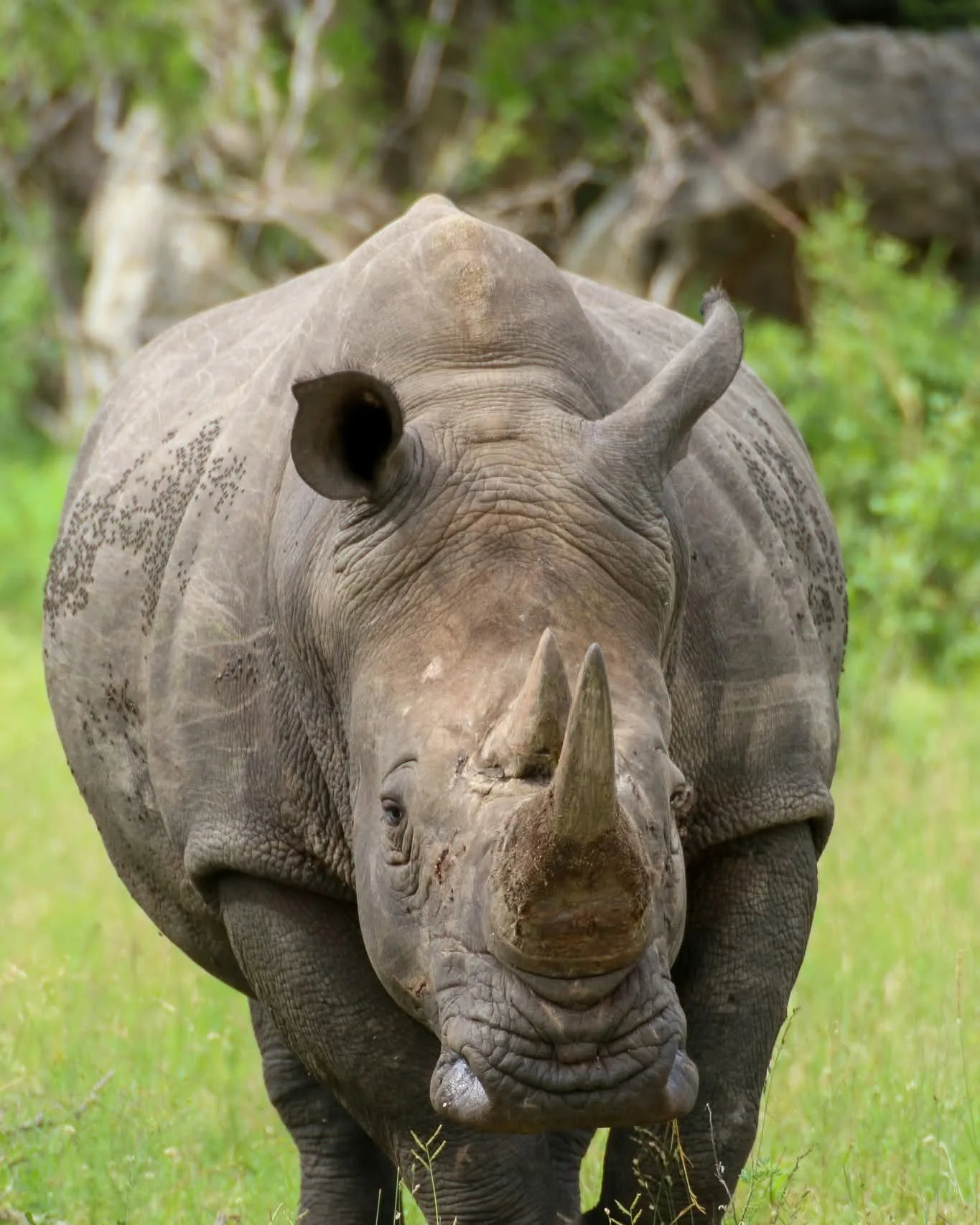
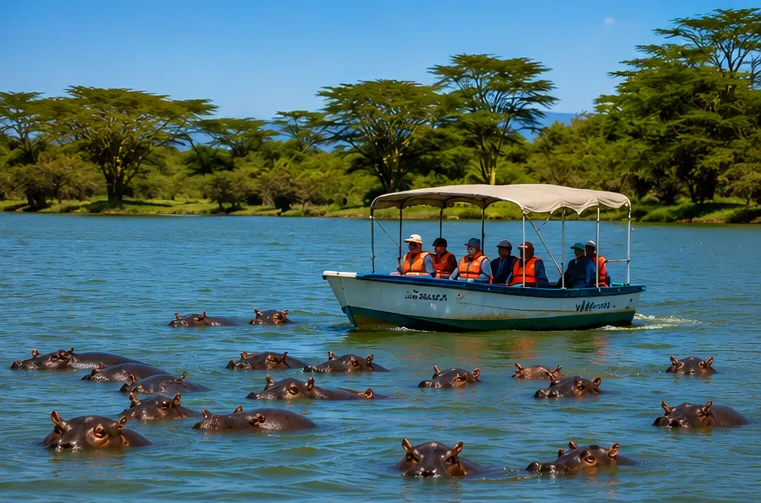
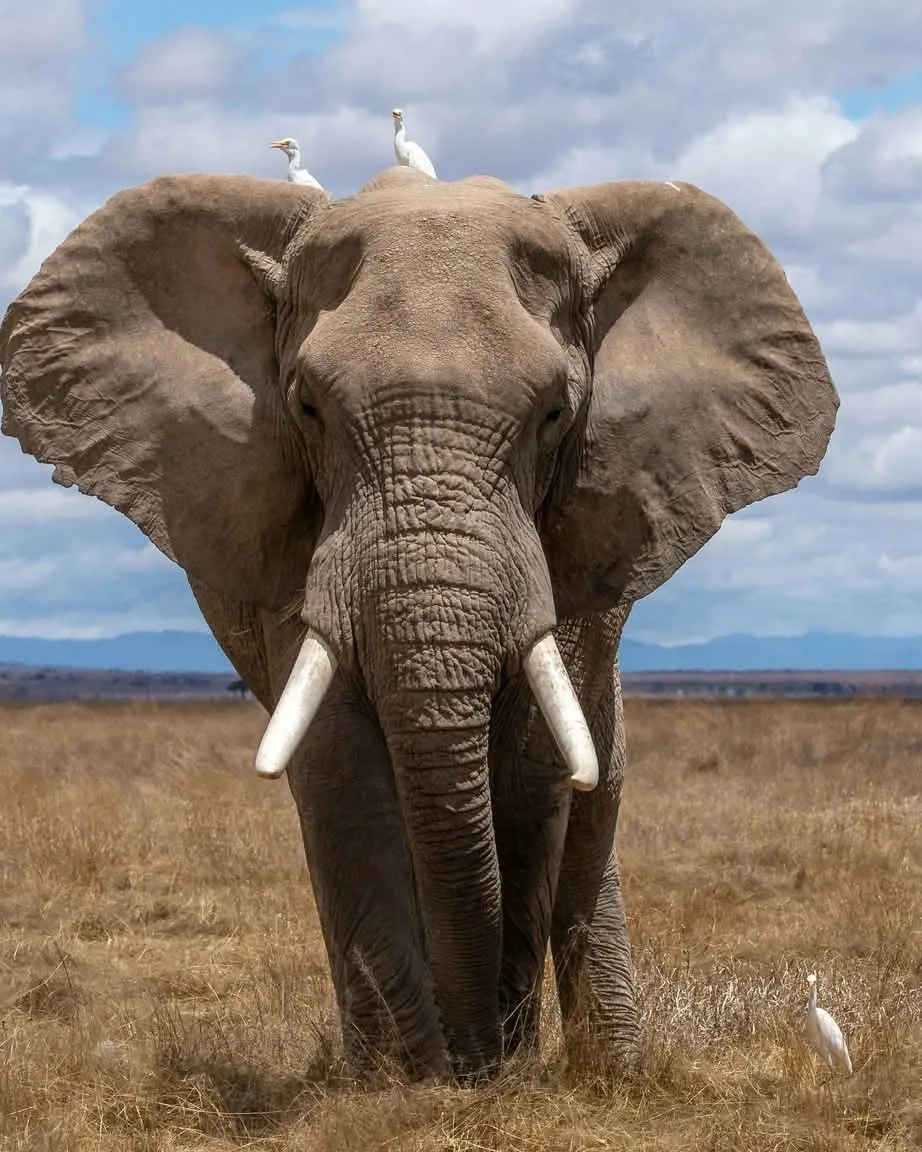
Discover the best time to visit Tanzania for a safari, from the Great Migration in Serengeti to unforgettable wildlife encounters in Ngorongoro Crater and Tarangire. Explore our expert month-by-month guide to Tanzania safari seasons, wildlife highlights, weather, and costs, and find the perfect time for your African adventure.
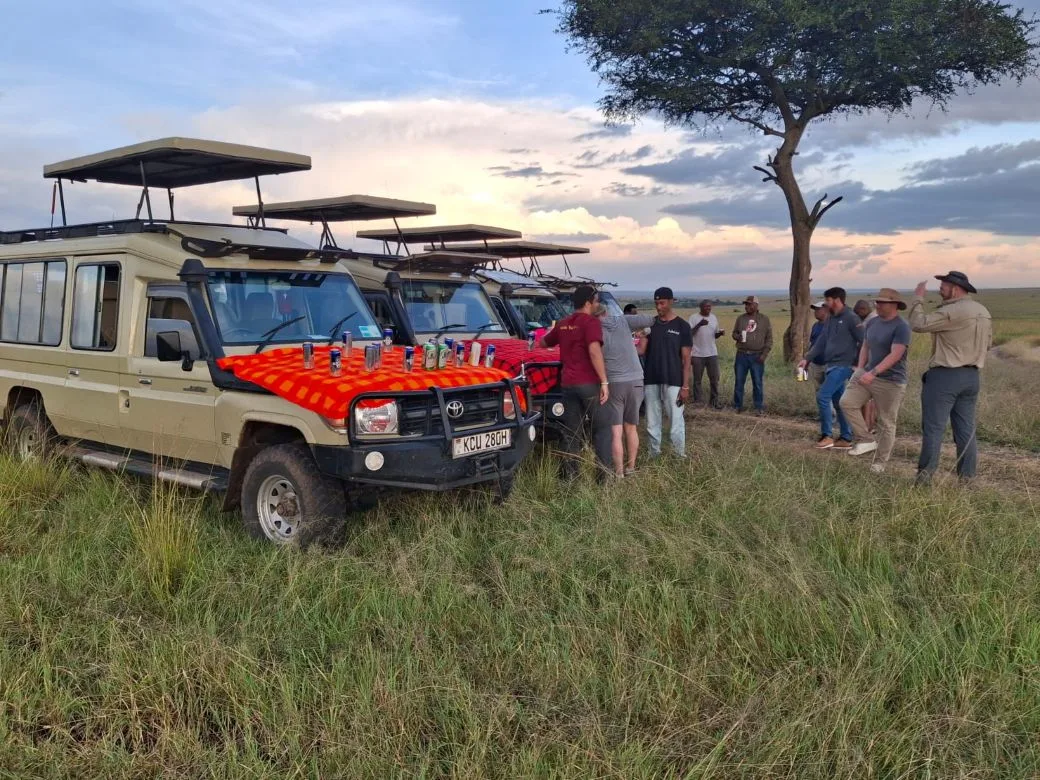
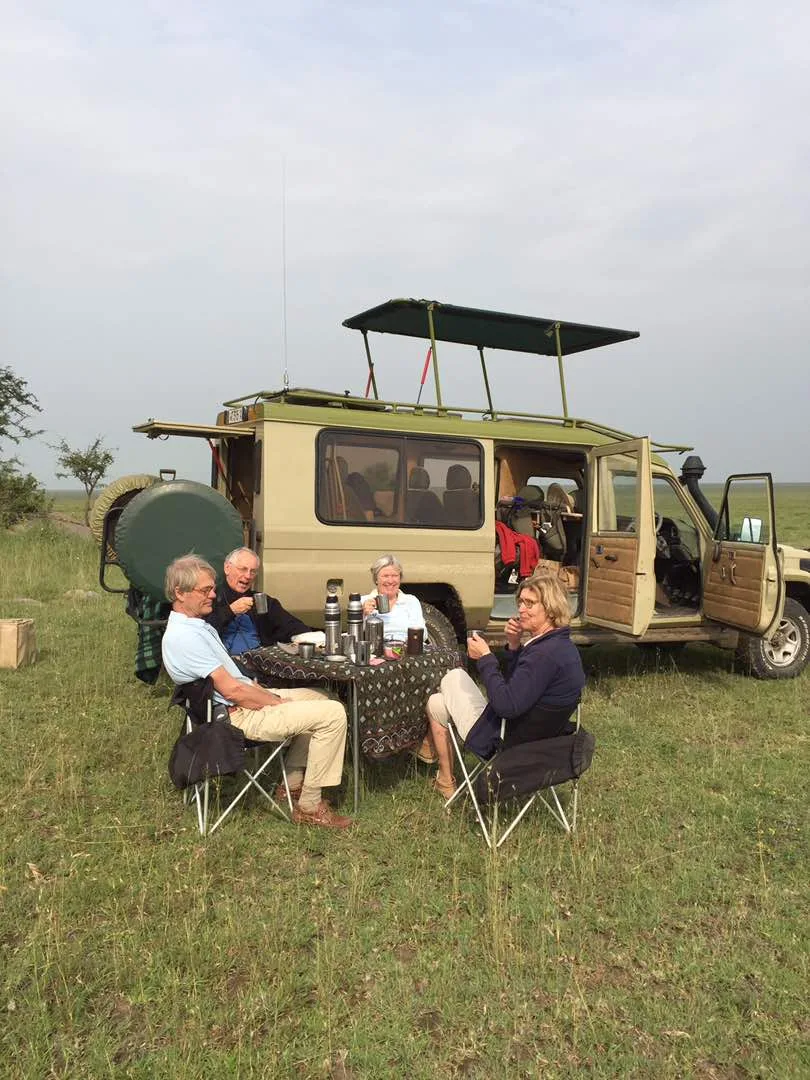
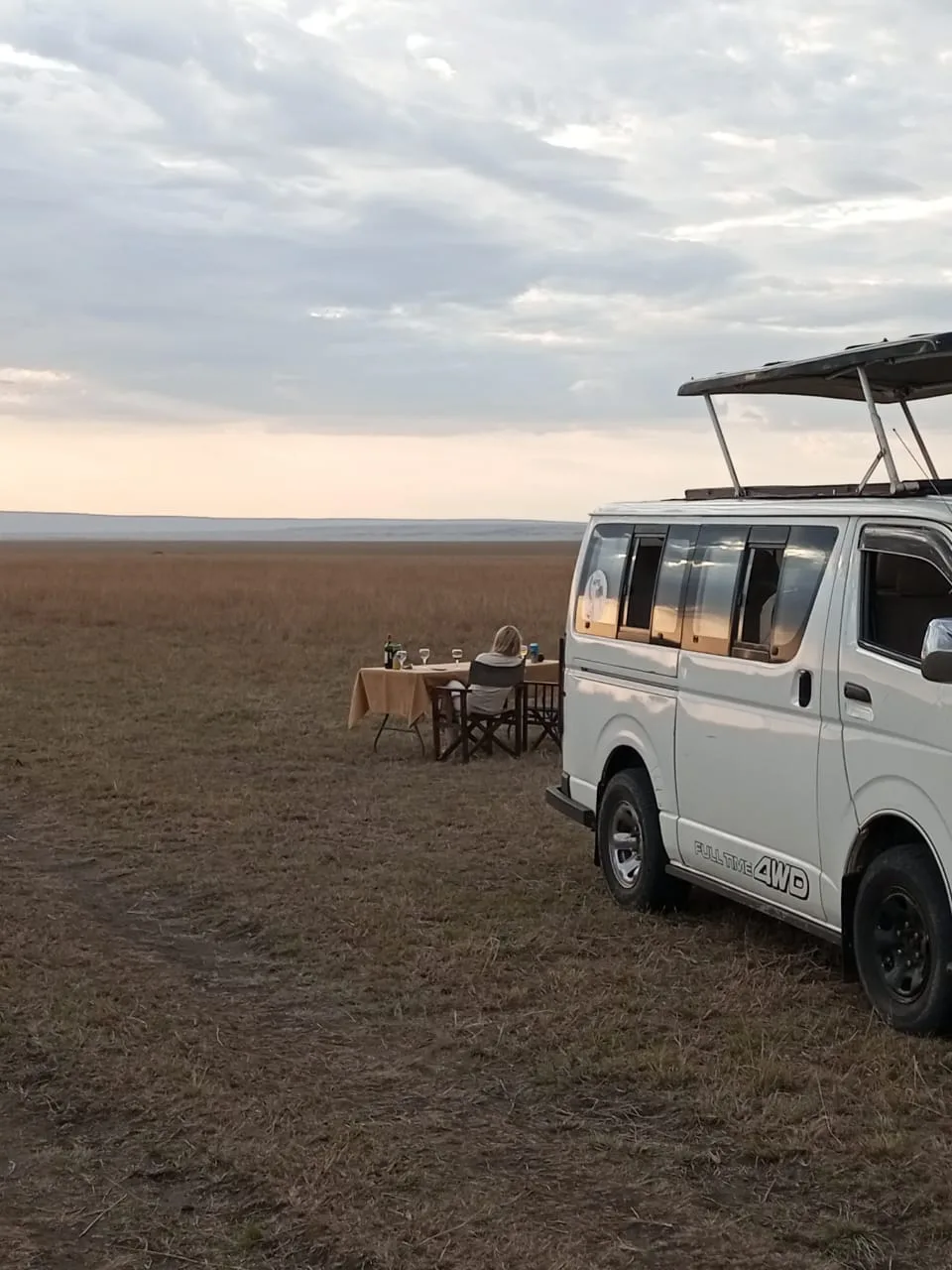
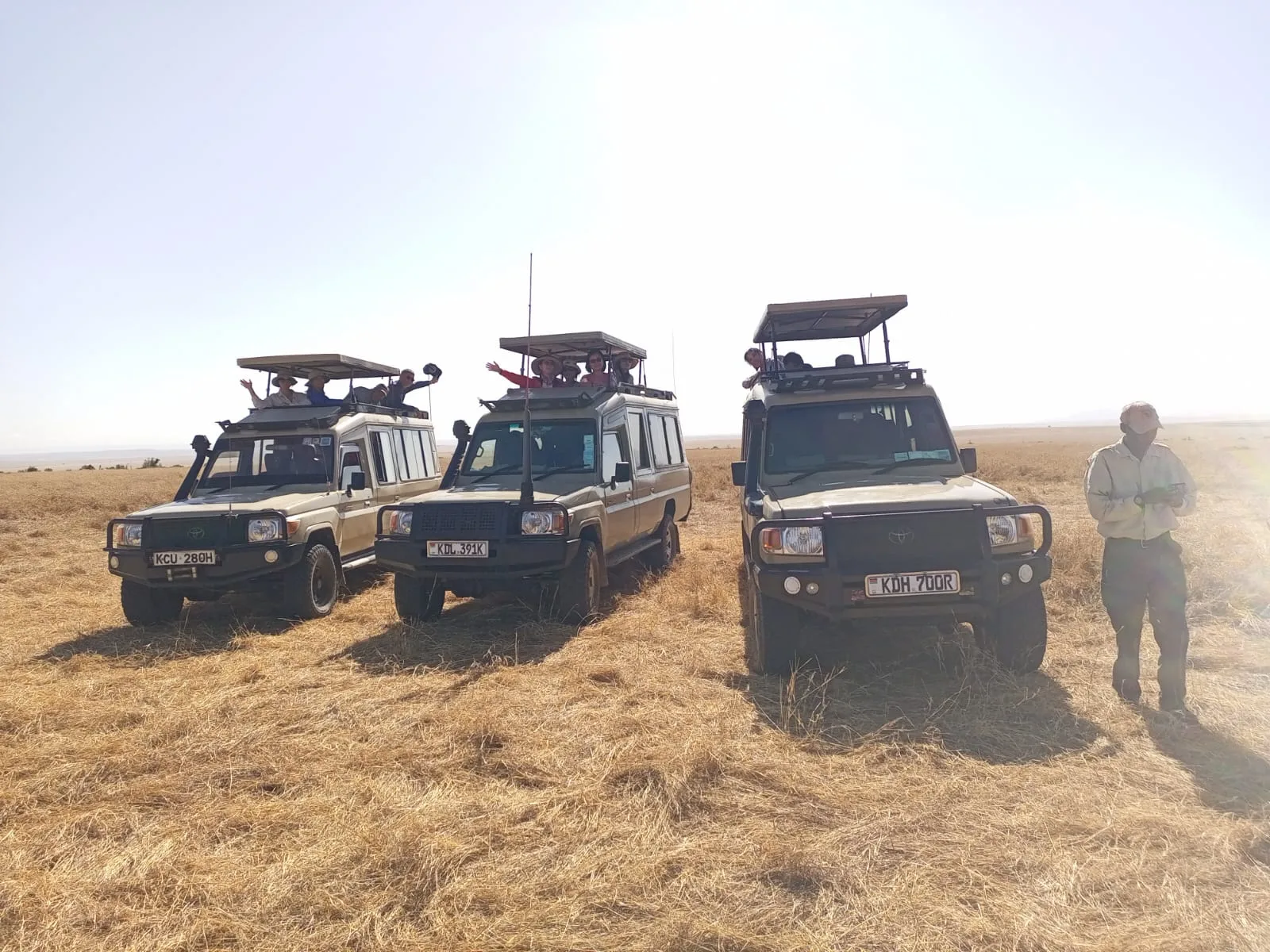
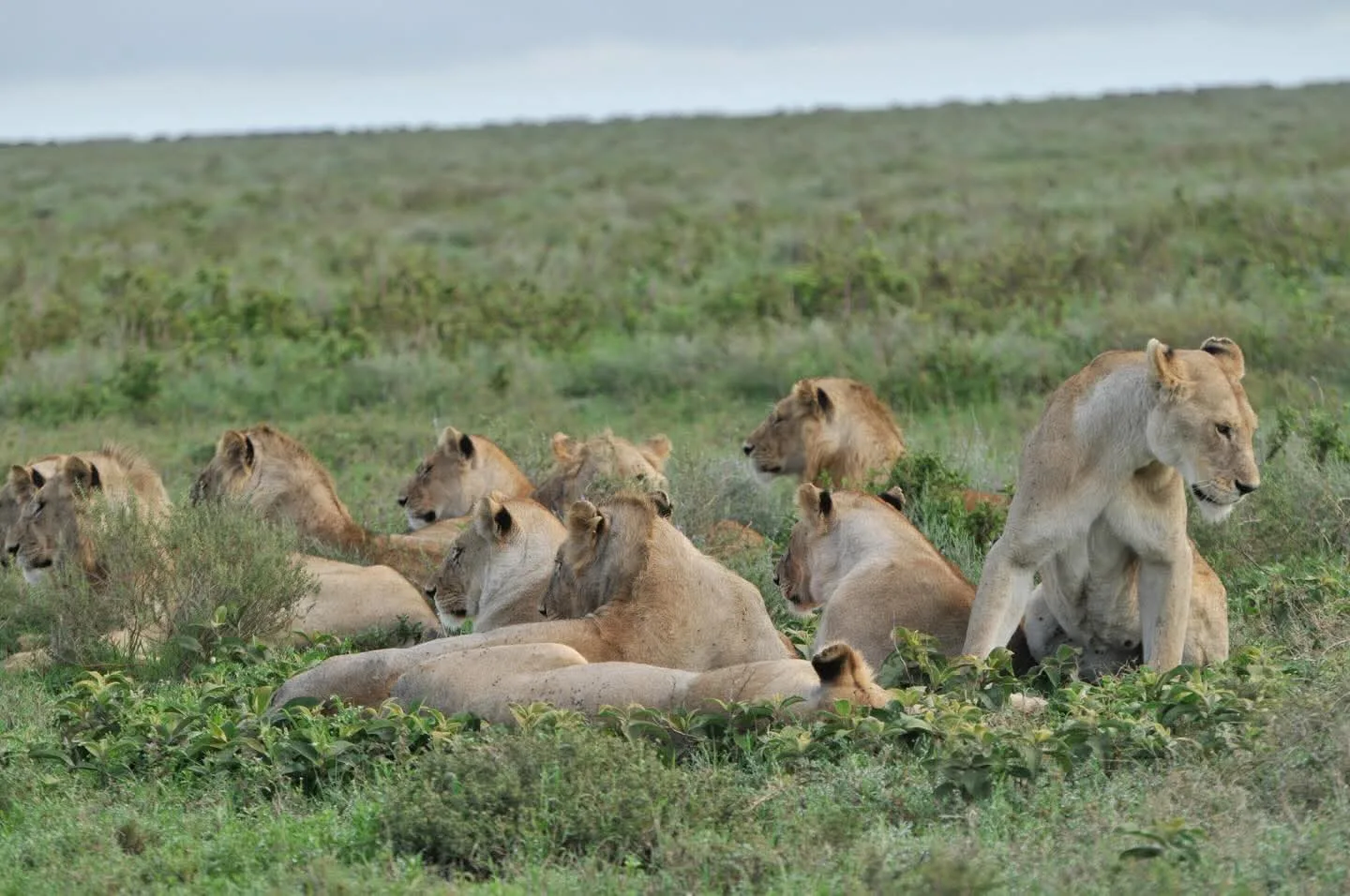
Guide to best time to visit Tanzania for a safari Gallery
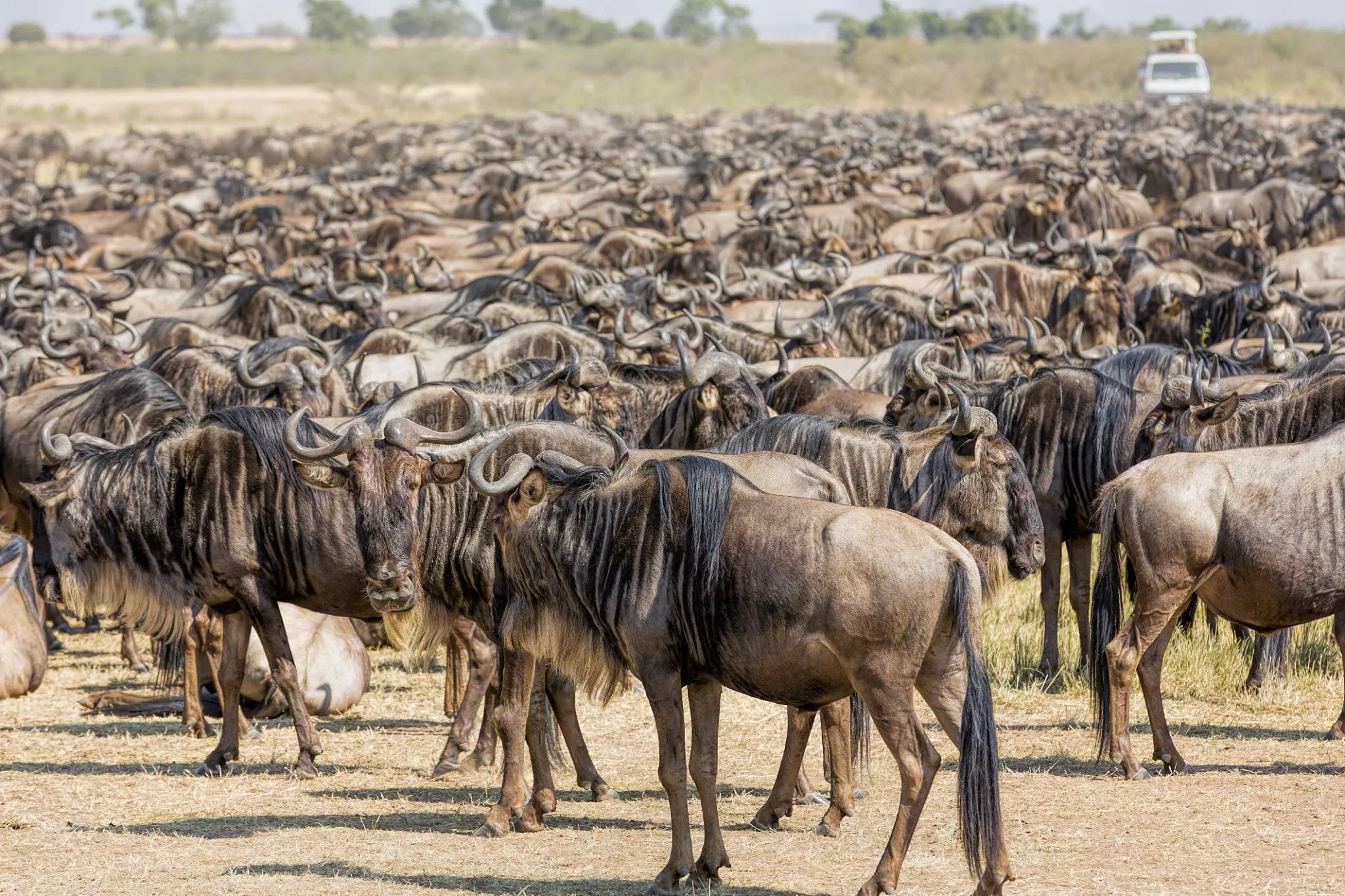
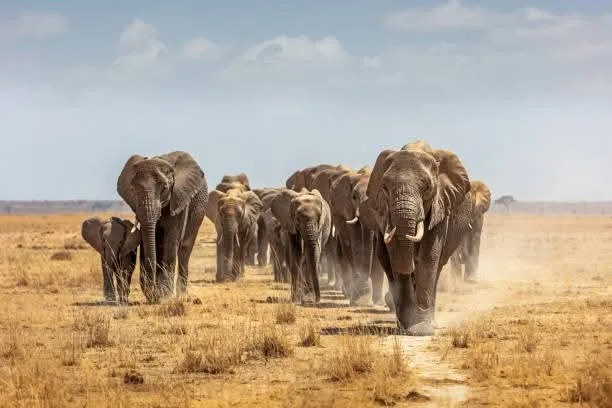
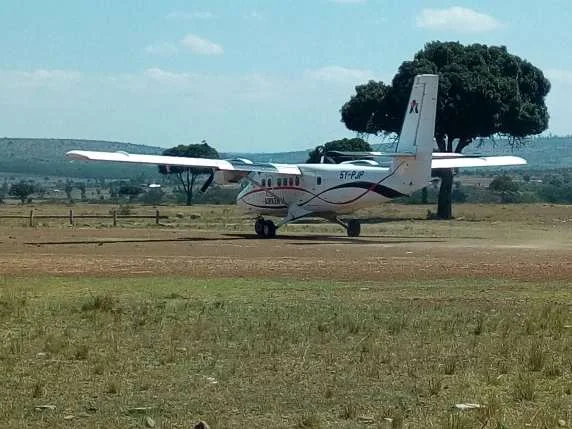
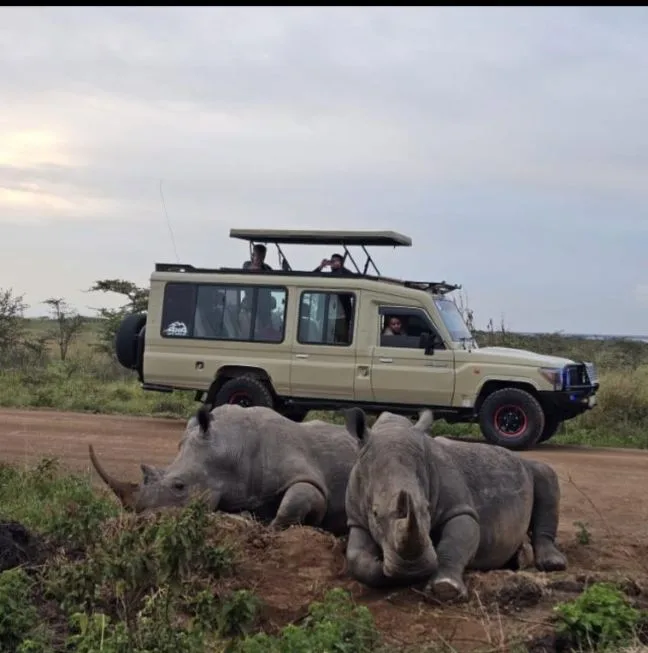
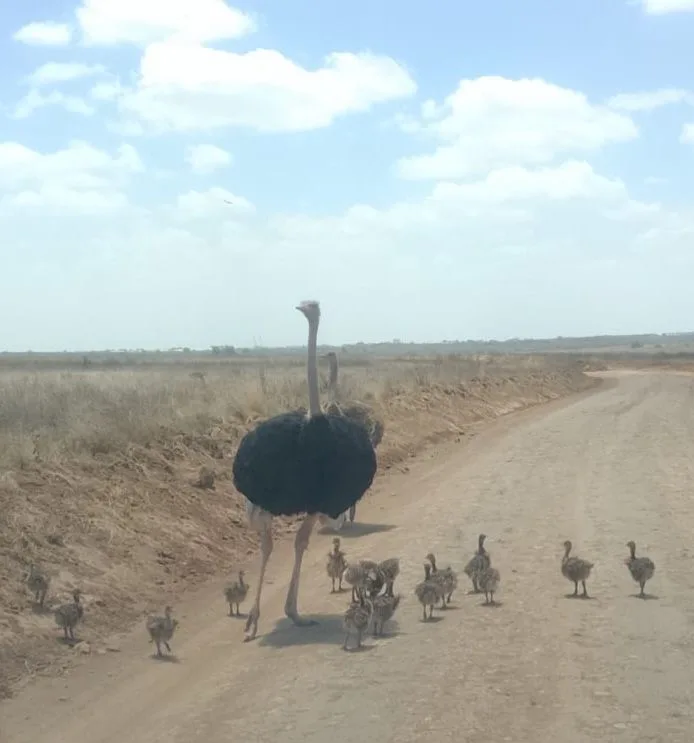
Tanzania Safari Quick Facts – Best Time to Visit in 2027–2028
Planning your African wildlife adventure? These essential Tanzania safari quick facts will help you choose the best travel season, national parks, and safari experience.
| Safari Details | What Travellers Should Know |
|---|---|
| Best Time for Tanzania Safari | June–October for dry-season wildlife viewing |
| Best Time for Great Migration | July–September for potential Mara River crossings in Northern Serengeti |
| Best Time for Wildebeest Calving | January–February in Southern Serengeti and Ndutu |
| Tanzania Safari Rainy Season | March–May (long rains) and November–December (short rains, variable) |
| Best National Parks to Visit | Serengeti, Ngorongoro Crater, Tarangire and Lake Manyara |
| Best Time for Budget Safaris | April–May and parts of November, when some lodges offer lower rates |
| Recommended Safari Duration | 4–7 days for a Northern Tanzania safari |
| Tanzania Safari Starting Point | Arusha, the main gateway to the Northern Safari Circuit |
| Tanzania Safari Starting Price | From USD 895 per person for a 4-day Serengeti and Ngorongoro group safari, subject to availability |
| Popular Safari Options | 4-day Tarangire, Serengeti and Ngorongoro safari or 5-day Tanzania mid-range group safari |
Best Time to Visit Tanzania – Month-by-Month Safari Guide 2027–2028
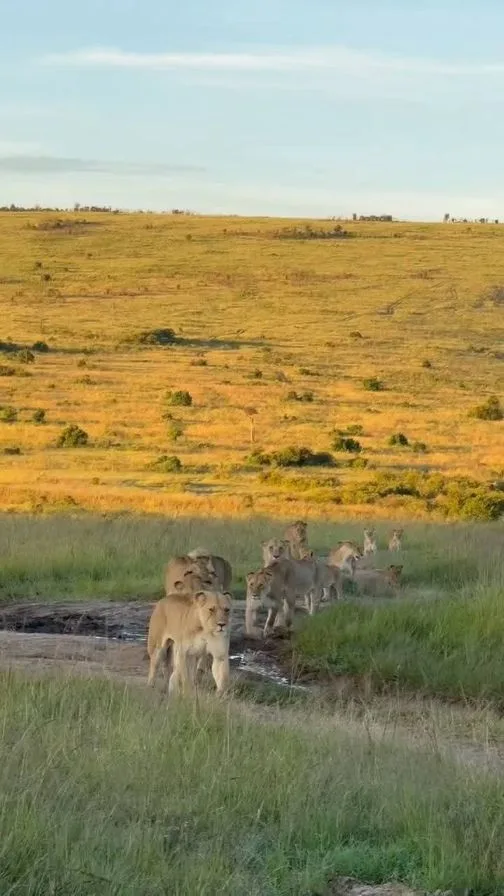
Tanzania offers year-round safaris, but wildlife movements, rainfall and seasonal prices vary. Use this monthly guide to choose the best time for your 2027–2028 safari.
January – Early Wildebeest Calving
Wildebeest gather in Ndutu and Southern Serengeti, attracting predators. Warm weather with occasional rain.
Best parks: Ndutu, Serengeti, Ngorongoro.
Demand: Moderate–high.
Tip: Stay near Ndutu for calving wildlife.
February – Peak Calving Season
Excellent wildebeest calving and predator sightings around Ndutu.
Best parks: Ndutu, Southern Serengeti.
Demand: High.
Tip: Spend 2–3 nights near the calving grounds.
March – Green-Season Wildlife
Increasing rainfall brings lush landscapes, birdlife and fewer safari vehicles.
Best parks: Serengeti, Ngorongoro.
Demand: Moderate.
Tip: Allow flexibility for wet roads.
April – Budget Safari Season
Heavy rains create green scenery, fewer crowds and potential lodge discounts.
Best parks: Central Serengeti, Ngorongoro.
Demand: Low.
Tip: Confirm lodge accessibility.
May – Migration Towards Western Serengeti
Wildebeest may move west as rainfall decreases. Good opportunities for lower-cost safaris.
Best parks: Central and Western Serengeti.
Demand: Low–moderate.
Tip: Check road and camp conditions.
June – Start of the Dry Season
Improving wildlife visibility and potential migration activity near the Grumeti River.
Best parks: Western Serengeti, Tarangire.
Demand: Moderate–high.
Tip: Pack warm morning clothing.
July – Northern Serengeti Migration
Dry-season wildlife viewing improves as wildebeest may approach the Mara River.
Best parks: Northern Serengeti, Ngorongoro.
Demand: High.
Tip: Book migration camps early.
August – Mara River Crossings
Prime season for potential wildebeest crossings and excellent dry-season game viewing.
Best parks: Northern Serengeti, Tarangire.
Demand: Very high.
Tip: Stay near Kogatende; crossings are unpredictable.
September – Excellent Wildlife Viewing
Strong dry-season game viewing, with possible migration activity and large elephant herds.
Best parks: Northern Serengeti, Tarangire.
Demand: High.
Tip: Combine migration and elephant viewing.
October – Late Dry-Season Safaris
Wildlife concentrates near water sources as some migration herds begin moving south.
Best parks: Tarangire, Central Serengeti.
Demand: Moderate–high.
Tip: Confirm migration locations before booking.
November – Short Rains and Safari Value
Green landscapes, migratory birds and fewer visitors offer rewarding safari opportunities.
Best parks: Serengeti, Ngorongoro, Lake Manyara.
Demand: Low–moderate.
Tip: Allow flexibility for occasional showers.
December – Festive Safari Season
Wildebeest may return south, while holiday demand increases accommodation prices.
Best parks: Southern Serengeti, Ngorongoro.
Demand: Moderate–high.
Tip: Book Christmas safaris early.
Expert Tanzania Safari Planning Advice 2027–2028
January–February: Best for wildebeest calving.
July–September: Best for potential Mara River crossings.
June–October: Excellent general wildlife viewing.
April–May and November: Potentially better safari value.
Wildlife movements vary with rainfall. East Africa Jungle helps you choose suitable safari dates, routes and accommodation.
Tanzania Safari Seasons: Dry Season vs Rainy Season
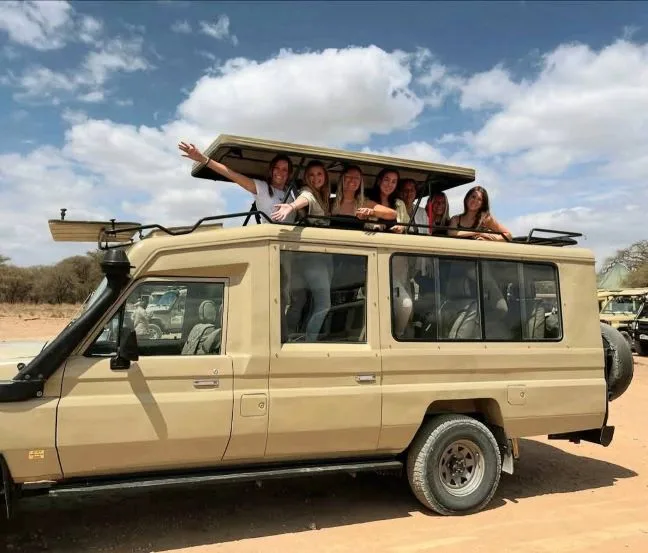
Understanding Tanzania safari seasons helps you choose the best time for wildlife viewing, photography, and your travel budget. Tanzania has two main safari weather patterns: the dry season (June–October) and the rainy seasons (November–May), with rainfall varying by region.
Dry Season Safari – June to October
The Tanzania safari dry season is generally the best period for wildlife viewing. As vegetation thins and water becomes scarce, animals gather around rivers and waterholes, making them easier to spot in Serengeti, Tarangire, and Ngorongoro Crater.
Expect sunny days, cooler mornings, excellent game drives, and higher visitor numbers, especially from July to September.
Best for: Big Five safaris, Great Migration opportunities, and first-time visitors.
Rainy Season Safari – November to May
Tanzania experiences short rains from November to December and long rains from March to May, with January and February often relatively drier.
The rainy season transforms national parks into green landscapes, attracting migratory birds and offering beautiful photography opportunities. Wildlife viewing remains rewarding, particularly during the Southern Serengeti calving season.
April and May may offer lower accommodation rates and fewer visitors, although heavy rainfall can affect road conditions.
Best for: Birdwatching, green landscapes, calving safaris, and budget-conscious travellers.
Tanzania Safari Season Comparison
| Feature | Dry Season | Rainy Season |
|---|---|---|
| Wildlife visibility | Generally excellent | Good, but vegetation is thicker |
| Weather | Mostly dry and sunny | Variable rainfall |
| Visitor numbers | Higher | Generally lower |
| Safari prices | Often higher | Potential seasonal discounts |
| Best experience | Classic game drives | Green scenery and birdlife |
Our recommendation: Choose June–October for classic wildlife viewing or January–February for calving and predator activity. Both offer memorable Tanzania safari experiences.
Best Time to See the Great Migration in Tanzania 2027–2028
The best time to see the Great Migration in Tanzania depends on which wildlife spectacle you want to experience. Every year, more than a million wildebeest, accompanied by zebras and gazelles, move across the Serengeti–Mara ecosystem in search of fresh grazing.
For dramatic Mara River crossings, July to September is generally the best period to visit Northern Serengeti. If you prefer witnessing thousands of newborn wildebeest and intense predator activity, January and February are ideal for visiting Ndutu and Southern Serengeti.
Great Migration Calendar – Where to See the Herds
| Travel Period | Migration Location | Wildlife Highlights |
|---|---|---|
| January–March | Ndutu & Southern Serengeti | Wildebeest calving and predators |
| April–May | Central & Western Serengeti | Large migrating herds |
| June–July | Western & Northern Serengeti | Grumeti River and possible Mara River crossings |
| August–September | Northern Serengeti | Mara River crossing opportunities |
| October–November | Northern & Eastern Serengeti | Herds gradually moving south |
| December | Southern & Eastern Serengeti | Returning herds and green plains |
When Is the Best Time for Mara River Crossings?
July to September offers some of the strongest opportunities to witness wildebeest crossing the Mara River. However, crossings are unpredictable, and herds may remain on the riverbanks for days before moving.
For better opportunities, consider spending at least three nights in Northern Serengeti rather than relying on a single game drive.
When Is the Best Time for Wildebeest Calving?
January and February are particularly rewarding around Ndutu, where large numbers of wildebeest give birth on the short-grass plains. This attracts lions, cheetahs, hyenas, and other predators, creating remarkable wildlife encounters.
Expert Safari Tip: The Great Migration follows rainfall rather than a fixed calendar. For your 2027–2028 safari, choose accommodation close to the expected herd movements and allow flexibility in your game-drive plans.
Best Time to Visit Tanzania's National Parks in 2027–2028
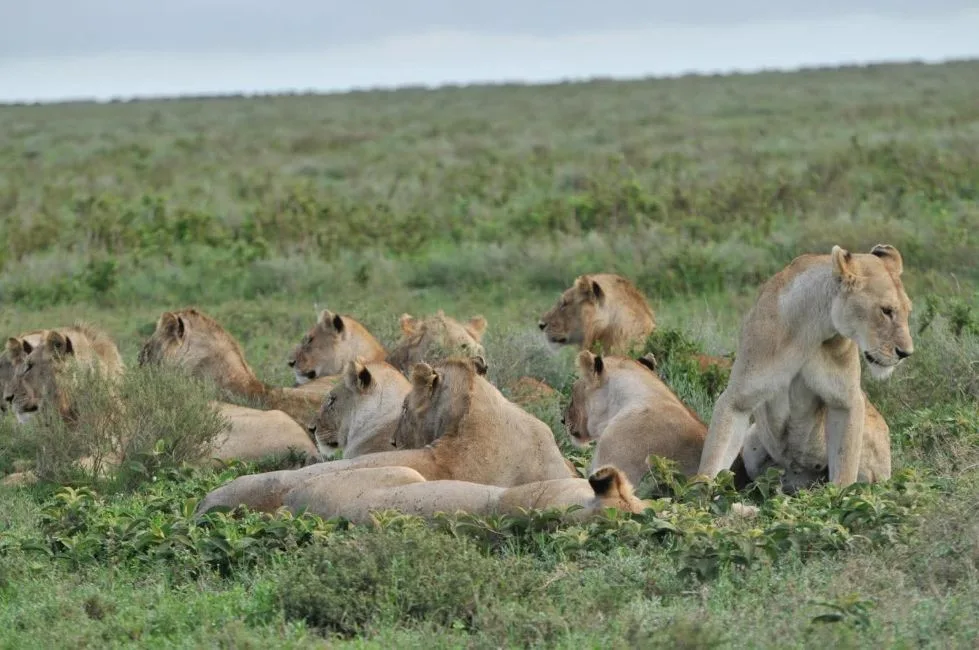
Choosing the best time to visit Tanzania's national parks depends on wildlife movements, rainfall, and the safari experience you're looking for. From the Great Migration in Serengeti to Tarangire's elephant herds, each destination offers something special throughout the year.
1. Serengeti National Park – Best for the Great Migration
Best time: June–October for general wildlife viewing; January–February for calving.
Serengeti National Park offers exceptional year-round game viewing, including lions, cheetahs, leopards, and migrating wildebeest. Visit Northern Serengeti between July and September for potential Mara River crossings, or Southern Serengeti and Ndutu during the calving season.
Best for: Great Migration, big cats, and wildlife photography.
2. Ngorongoro Crater – Best for Big Five Safaris
Best time: Year-round; June–October for generally drier conditions.
Ngorongoro Crater is one of Tanzania's most rewarding wildlife destinations, supporting lions, elephants, buffaloes, hippos, and endangered black rhinos. Its resident wildlife makes game drives worthwhile in every season, although sightings are never guaranteed.
Explore our 2-day Tarangire and Ngorongoro group safari.
Best for: Big Five encounters, families, and first-time visitors.
3. Tarangire National Park – Best for Elephant Herds
Best time: July–October.
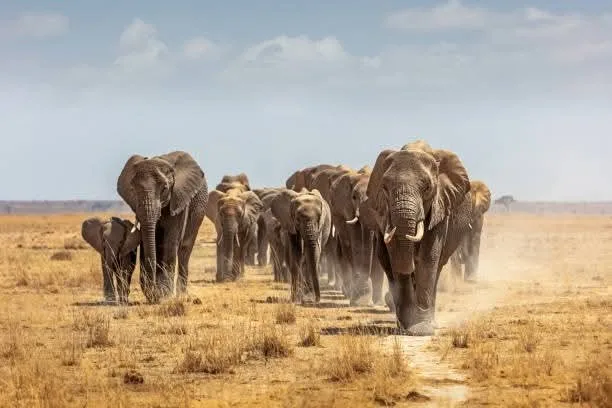
Tarangire is particularly impressive during the dry season, when large elephant herds and other wildlife gather around the Tarangire River. Ancient baobab trees and open savannah landscapes create memorable photography opportunities.
Discover our 4-day Tarangire, Serengeti and Ngorongoro safari.
Best for: Elephants, baobab landscapes, and dry-season wildlife.
4. Lake Manyara National Park – Best for Birdwatching
Best time: June–October for general game viewing; November–April for migratory birds.
Lake Manyara offers beautiful Rift Valley scenery, groundwater forests, elephants, monkeys, and diverse birdlife. Seasonal water levels influence flamingo numbers and other wildlife activity.
Explore our 3-day Tarangire, Lake Manyara and Ngorongoro safari.
Best for: Birdwatching, scenic landscapes, and short safaris.
5. Ruaha National Park – Best for Remote Wilderness
Best time: June–October.
Ruaha offers a quieter safari experience, with impressive lion populations, elephants, leopards, and occasional African wild dog sightings. During the dry season, wildlife concentrates around the Great Ruaha River and remaining water sources.
Best for: Remote safaris, predators, and experienced travellers.
6. Nyerere National Park – Best for Boat Safaris
Best time: June–October.
Nyerere National Park offers vast wilderness, diverse wildlife, and memorable boat safaris along the Rufiji River system. Look for elephants, hippos, crocodiles, lions, and African wild dogs.
Explore our 7-day Ruaha and Nyerere fly-in safari.
Best for: Boat safaris, wilderness experiences, and fewer crowds.
Expert Safari Tip: For first-time visitors, combine Serengeti, Ngorongoro, and Tarangire. For a quieter adventure, consider Ruaha and Nyerere, particularly during the dry season.
Tanzania Safari Prices by Season 2027–2028
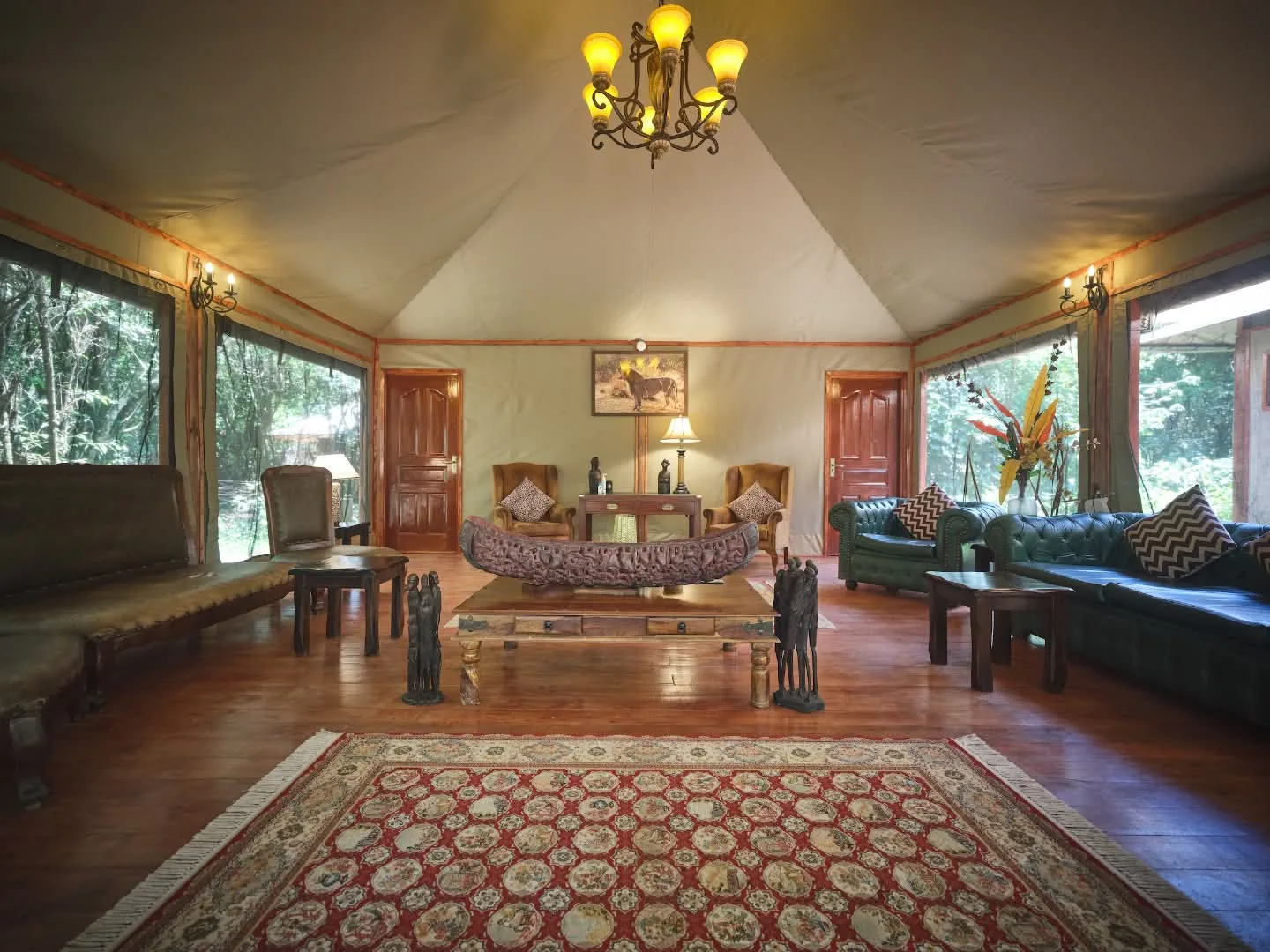
Tanzania safari prices vary according to travel season, accommodation standard, safari duration, group size and whether you choose a shared or private 4×4 safari. Peak-season travel between July and October generally costs more, especially around Northern Serengeti during the Great Migration. January and February can also attract higher accommodation rates around Ndutu during wildebeest calving.
April and May may offer better accommodation value, while June and November can provide a balance between wildlife viewing and safari costs. December holiday periods may attract additional supplements.
Estimated Tanzania Safari Prices by Season
| Travel Season | Budget Safari | Mid-Range Safari | Luxury Safari |
|---|---|---|---|
| January–March | $250–350 | $400–650 | $800–1,500+ |
| April–May | $200–300 | $350–550 | $650–1,200+ |
| June–October | $300–450 | $500–750 | $1,000–2,000+ |
| November–December | $250–400 | $400–650 | $800–1,600+ |
Prices are indicative USD per adult per day, not confirmed East Africa Jungle selling rates. They are broad planning estimates rather than quotations for an identical itinerary. Actual costs depend on destination, accommodation, vehicle occupancy, included park fees and travel dates.
What Is Included in These Safari Price Estimates?
Budget safaris: Generally assume shared 4×4 safari transport, public camping or simple budget accommodation, a professional driver-guide and meals according to the itinerary. Park and conservation fees must be checked against the specific package.
Mid-range safaris: Generally assume comfortable lodges or permanent tented camps, meals according to the itinerary and guided wildlife activities. Prices vary significantly between group-sharing and private arrangements.
Luxury safaris: Generally assume higher-end lodges or luxury tented camps, premium accommodation services and private or small-group arrangements. Domestic flights, premium activities and exclusive-use services may cost extra.
Important pricing assumptions: The estimates do not represent one fixed group size or vehicle occupancy. Private safaris for two travellers usually cost more per person than private safaris for four to six travellers sharing vehicle costs. Solo travellers may obtain better value by joining an available scheduled group safari.
Published East Africa Jungle Safari Starting Prices
For a clearer comparison, these are advertised starting prices for selected Tanzania safari packages:
| Tanzania Safari Package | Starting Price | Safari Type |
|---|---|---|
| 4 Days Serengeti & Ngorongoro Safari | USD 895 per person | Group camping |
| 4 Days Tarangire, Serengeti & Ngorongoro | USD 1,095 per person | Group safari |
| 5 Days Tanzania Mid-Range Safari | USD 1,495 per person sharing | Mid-range group |
| 4 Days Ndutu Calving Safari | USD 1,650 per person sharing | Seasonal safari |
| 4 Days Great Migration Safari | USD 1,650 per person sharing | Private safari, quoted basis to be confirmed |
These are package starting prices, not daily rates. They are subject to applicable validity periods, departure availability, accommodation availability and final quotation. A starting price does not necessarily apply to every date in 2027–2028.
Why Do Tanzania Safari Prices Change by Season?
Safari prices are influenced by accommodation demand, park and conservation fees, travel dates and vehicle occupancy. July–September often brings higher demand for Northern Serengeti accommodation, while January–February is popular for Ndutu calving safaris.
Green-season accommodation discounts can offer savings, but park fees and other fixed operating costs do not necessarily decrease. A longer itinerary, fly-in transfer or additional private vehicle can also increase the total safari price.
Our recommendation: Compare the total package cost, confirmed inclusions and wildlife-viewing opportunities rather than choosing solely by the lowest advertised daily price. Contact East Africa Jungle for a personalized 2027–2028 safari quotation based on your travel month, number of travellers and preferred accommodation category.
Best Time to Visit Tanzania Based on Your Travel Interests
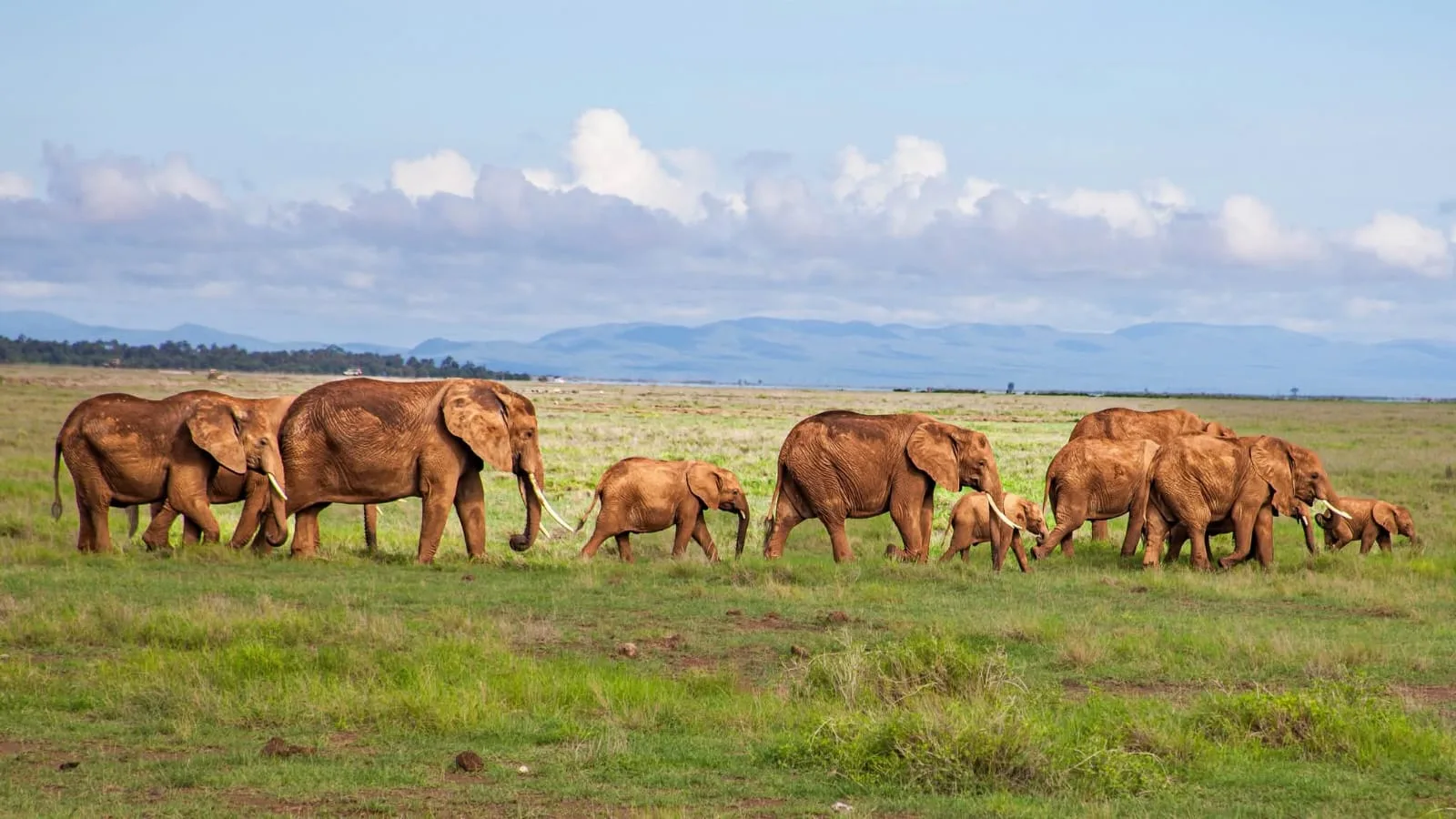
The best time to visit Tanzania for a safari depends on your interests, budget, and preferred wildlife experiences. Whether you're dreaming of the Great Migration, Big Five encounters, a family holiday, or an affordable safari, Tanzania offers memorable adventures throughout the year.
Best for Great Migration Safaris – July to September
Visit Northern Serengeti for potential Mara River crossings or Ndutu between January and February for wildebeest calving. Explore our Great Migration Safari Tanzania Guide.
Best for Big Five Wildlife Viewing – June to October
Dry-season conditions make wildlife easier to spot in Serengeti, Ngorongoro, and Tarangire. Discover our 4-Day Serengeti and Ngorongoro Group Safari.
Best for Wildlife Photography – January to February and June to October
Photograph newborn wildebeest and predators during calving season or enjoy golden savannah landscapes during the dry season. Explore our Ndutu Calving Season Safari.
Best for Budget Tanzania Safaris – April to May
The rainy season often brings fewer visitors and discounted accommodation. Compare options in our Tanzania Safari Cost Guide.
Best for Family Safaris – June to October
Dry weather and excellent wildlife viewing make these months ideal for family adventures. Read our Tanzania Family Safari Guide.
Best for Birdwatching – November to April
Seasonal rains attract migratory birds, creating rewarding birdwatching opportunities around Lake Manyara, Tarangire, and other national parks.
Best for Safari and Zanzibar Holidays – June to October
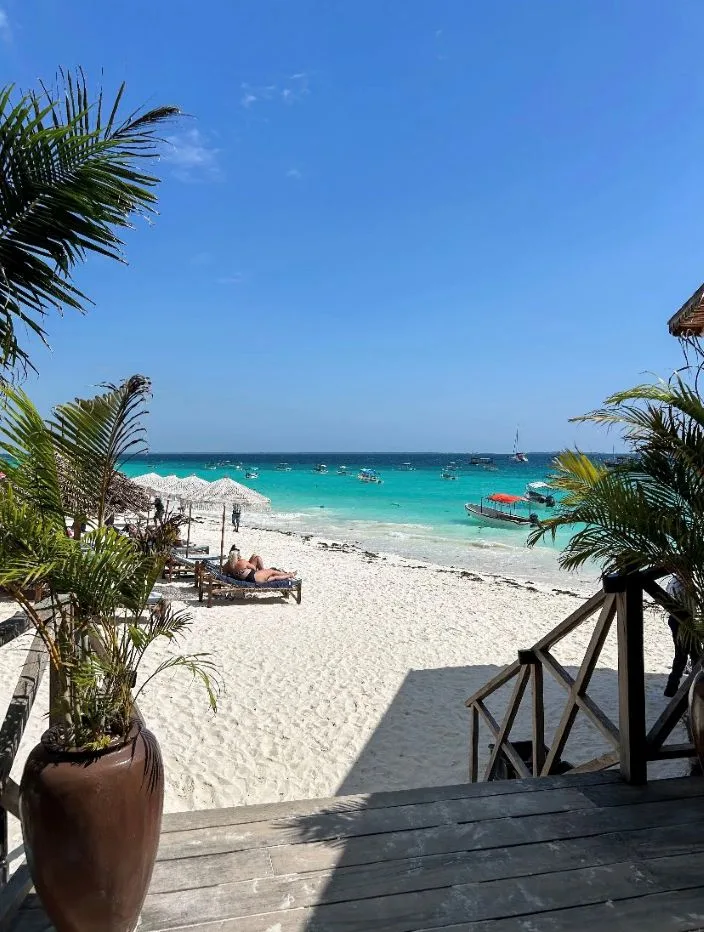
Combine rewarding wildlife encounters in Tanzania's national parks with Zanzibar's beautiful beaches for an unforgettable bush-and-beach holiday.
Expert Safari Tip: Choose your travel dates according to your interests, then select the national parks that offer the best seasonal wildlife opportunities.
Recommended Tanzania Safari Packages 2027–2028

Discover our handpicked Tanzania safari packages for 2027–2028, designed for travellers seeking unforgettable wildlife experiences throughout the year. From affordable group safaris to private Great Migration adventures, these itineraries explore Serengeti, Ngorongoro Crater, Tarangire, and Ndutu during their most rewarding wildlife seasons.
1. 4 Days Serengeti & Ngorongoro Group Safari
From USD 895 per person | Best time: Year-round
Explore the wildlife-rich Serengeti plains and descend into Ngorongoro Crater on an affordable group safari. Ideal for solo travellers, couples, and first-time safari visitors.
Explore 4 Days Serengeti & Ngorongoro Group Safari
2. 4 Days Tarangire, Serengeti & Ngorongoro Group Safari
From USD 1,095 per person | Best time: June–October
Discover Tarangire's elephant herds, Serengeti's big cats, and Ngorongoro's spectacular wildlife on this budget-friendly Northern Circuit adventure.
Explore 4 Days Tanzania Group Safari
3. 5 Days Tanzania Mid-Range Group Safari
From USD 1,495 per person sharing | Best time: Year-round
Enjoy five days exploring Tarangire, Serengeti, and Ngorongoro Crater, with comfortable mid-range accommodation and guided wildlife viewing.
Explore 5 Days Tanzania Group Safari
4. 4 Days Ndutu Calving Safari, Serengeti & Ngorongoro
From USD 1,650 per person sharing | Best time: January–February
Witness the wildebeest calving season around Ndutu, search for lions and cheetahs, and explore the remarkable landscapes of Serengeti and Ngorongoro.
Explore 4 Days Ndutu Calving Safari
5. 4 Days Tanzania Great Migration Safari
From USD 1,650 per person sharing | Best time: July–September for river-crossing opportunities
Follow the seasonal wildebeest migration through Serengeti on a private safari designed around your travel dates, wildlife interests, and expected herd movements.
Explore 4 Days Great Migration Safari
6. 6 Days Tanzania Group Sharing Safari
From USD 1,400 per person sharing | Best time: Year-round
Experience four Northern Circuit destinations—Tarangire, Serengeti, Ngorongoro Crater, and Lake Manyara—with guided game drives and beautiful Rift Valley scenery.
Suggested Tanzania Safari Itineraries by Season 2027–2028
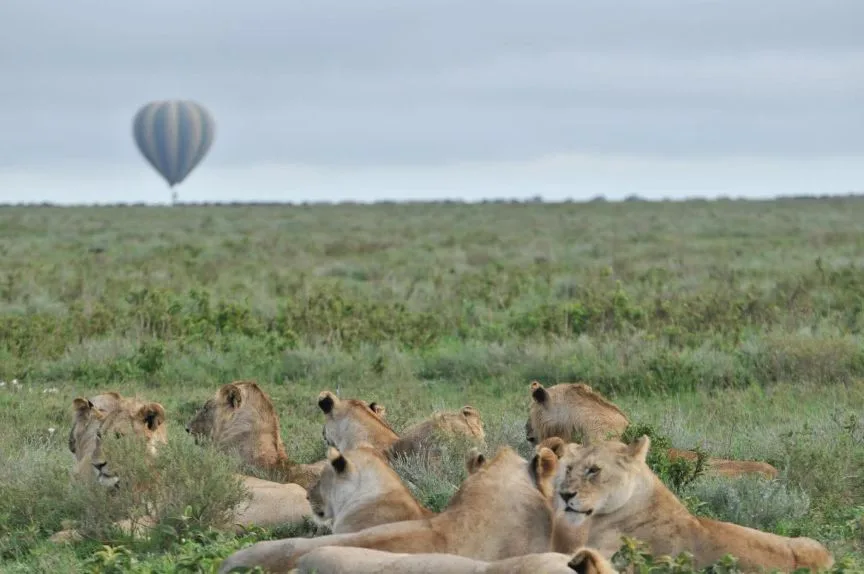
Choosing the right Tanzania safari itinerary depends on your travel month, wildlife interests, and preferred destinations. These recommended safari routes highlight the best seasonal experiences across Tanzania's Northern Circuit.
January–March: Ndutu Calving Season Safari
Experience wildebeest calving, predator activity, and green landscapes in Southern Serengeti. Combine Ndutu with Ngorongoro Crater for exceptional wildlife encounters.
April–May: Green Season Safari
Explore Tarangire, Serengeti, and Ngorongoro during Tanzania's quieter rainy season. Enjoy lush scenery, fewer visitors, and opportunities for seasonal accommodation savings.
June–October: Great Migration Safari
Follow wildebeest herds through Serengeti, with potential Mara River crossings from July to September. Include Ngorongoro for rewarding Big Five game drives.
Explore Great Migration Safari
November–December: Classic Northern Circuit Safari
Discover Tarangire's elephants, Serengeti's big cats, and Ngorongoro's wildlife as seasonal rains refresh the landscape.
Expert Tip: Wildlife movements vary with rainfall. Choose flexible safari routes that match the expected seasonal conditions rather than relying on fixed migration dates.
What to Pack for a Tanzania Safari
Your essential Tanzania safari packing list should include:
Neutral-coloured shirts, lightweight trousers, and comfortable walking shoes.
Warm fleece or jacket for early morning game drives.
Waterproof jacket, particularly during rainy months.
Sunhat, sunglasses, sunscreen, and insect repellent.
Binoculars, camera, spare batteries, and power bank.
Passport, travel insurance, personal medication, and a reusable water bottle.
Expert Safari Tip: Ngorongoro Crater's rim can be surprisingly cold, especially during early morning game drives. Dress in layers, even during the dry season. For fly-in safaris, confirm baggage restrictions; many light aircraft limit luggage to 15 kg per person, including hand luggage, and require soft-sided bags.
Expert Tanzania Safari Planning Tips for 2027–2028
Planning a memorable Tanzania safari in 2027–2028 involves more than choosing the right travel month. From selecting national parks to allowing enough time for wildlife viewing, these practical tips will help you make the most of your African adventure.
1. Choose the Right Safari Season
Visit June–October for excellent wildlife viewing, January–February for wildebeest calving, or April–May for quieter parks and potential savings.
2. Allow Enough Time for Game Drives
Plan at least 4–6 days for Serengeti, Ngorongoro, and Tarangire. Longer itineraries offer more relaxed travel and wildlife-viewing opportunities.
3. Book Peak-Season Safaris Early
For July–September Great Migration safaris, consider booking 6–12 months ahead, especially for popular Northern Serengeti camps.
4. Choose an Experienced Local Safari Operator
Travel with knowledgeable guides who understand seasonal wildlife movements, park regulations, and the best game-viewing areas.
5. Select the Right Safari Vehicle
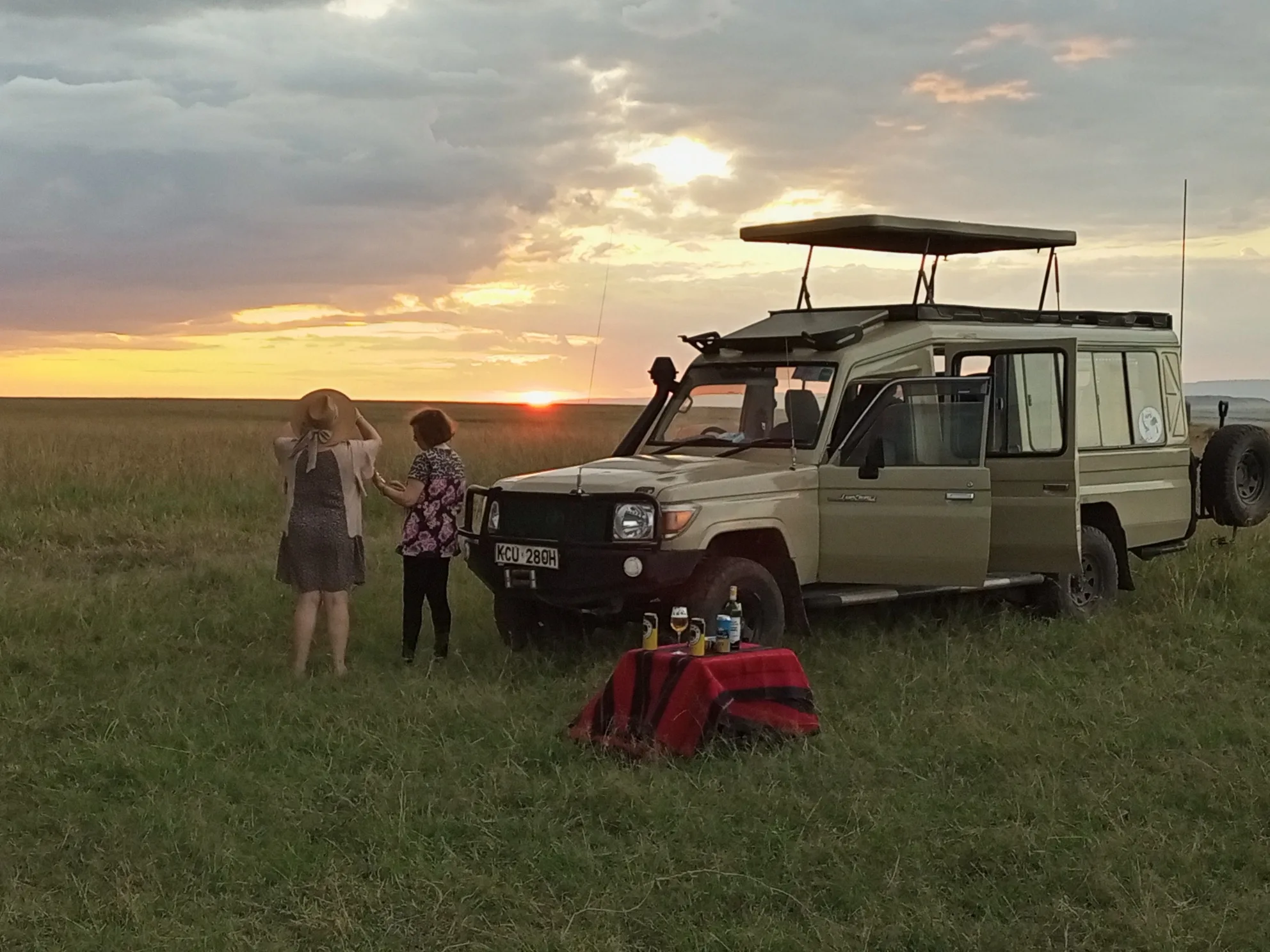
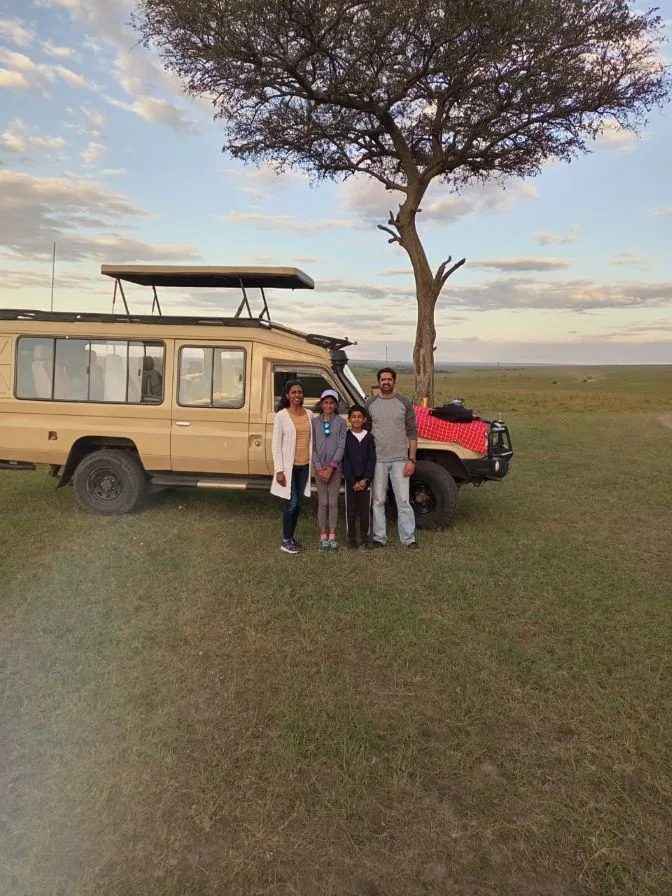
A 4×4 Land Cruiser with a pop-up roof provides excellent wildlife viewing and photography opportunities across Tanzania's national parks.
6. Keep Your Itinerary Flexible
Wildlife movements and weather conditions can change unexpectedly. Allow extra time in key destinations rather than rushing between parks.
Local Safari Insight: The best Tanzania safari combines realistic travel distances, suitable accommodation locations, and enough time to enjoy each wildlife destination.
Why Book Your Tanzania Safari With East Africa Jungle?
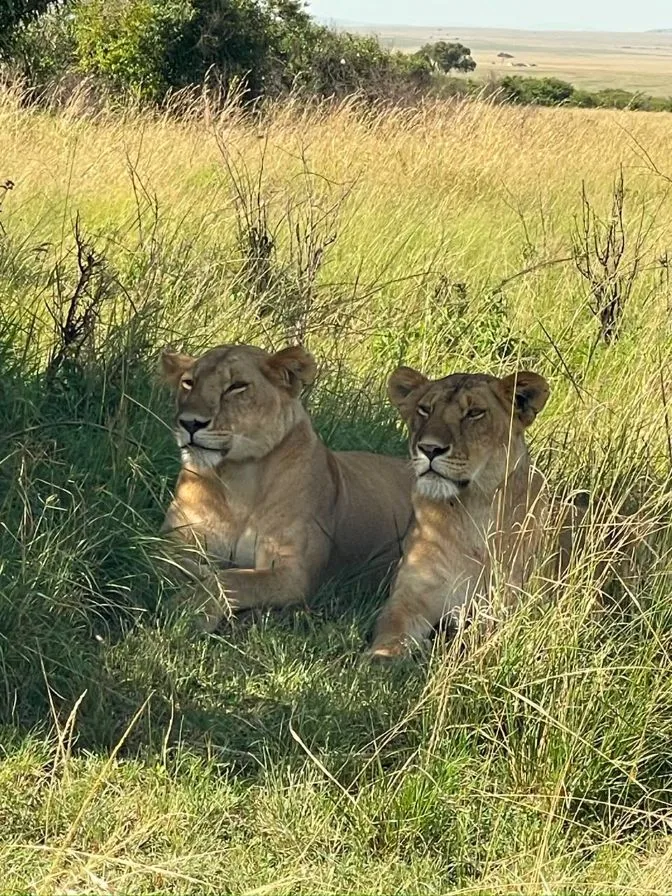
Choosing the best time to visit Tanzania for a safari is only the beginning. At East Africa Jungle, we combine over 16 years of East African safari experience with practical route planning, seasonal wildlife knowledge and locally coordinated safari operations. Our Tanzania safaris are designed around your travel dates, wildlife interests, accommodation preferences and budget.
What Makes East Africa Jungle Different?
1. Seasonal Wildlife Planning Based on Migration Movements
We plan Serengeti safari routes around expected seasonal wildlife movements rather than relying on a fixed itinerary for every month. For January–February, we recommend Ndutu and Southern Serengeti for wildebeest calving. Between July and September, we prioritize Northern Serengeti for potential Mara River crossings. Wildlife movements depend on rainfall, so sightings and crossings cannot be guaranteed.
2. Purpose-Built 4×4 Land Cruisers With Window Seats
Our Tanzania safaris use 4×4 Land Cruisers with pop-up roofs for wildlife viewing and photography. Shared group safaris accommodate a maximum of seven travellers per vehicle, with a window seat for each guest. Private safaris provide a dedicated vehicle and driver-guide for your travelling party.
3. Practical Safari Routes and Accommodation Selection
We coordinate itineraries from Arusha, considering national park distances, entry arrangements and realistic game-drive schedules. Accommodation is selected according to your confirmed safari category and route. For Great Migration safaris, we prioritize suitable camps near the intended wildlife-viewing areas, subject to availability, helping reduce unnecessary travel between destinations.
4. Flexible Group and Private Safari Arrangements
Travellers can choose group-sharing or private Tanzania safaris, with camping, mid-range tented camps and lodge accommodation depending on the package. Solo travellers may join available group departures, while families, couples and private groups can request customized itineraries with suitable accommodation and travel arrangements.
5. Local Coordination and Support During Your Safari
Our operations team coordinates safari departures, driver-guide arrangements, accommodation bookings and transfers. When rainfall, road conditions or unexpected travel disruptions affect an itinerary, we work with the driver-guide and relevant service providers to review practical alternatives while considering park regulations, safety and available services.
Plan Your Tanzania Safari for 2027–2028
Whether you want to experience the Great Migration in Serengeti, wildebeest calving in Ndutu, Tarangire's elephant herds or Ngorongoro Crater's wildlife, East Africa Jungle can help you choose suitable travel dates and a realistic safari route.
Contact East Africa Jungle to check safari dates, availability and prices for 2027–2028.
Verified Traveller Reviews & Tanzania Safari Experiences
Discover what travellers say about exploring East Africa with East Africa Jungle. From unforgettable wildlife encounters to experienced safari guides and carefully selected accommodation, genuine guest experiences help future travellers plan their own adventures.
A Wonderful and Extraordinary Safari Experience
Traveller: Wil & Ghislaine/Christina
Country: Australia
Travel Month: March 2025
Rating: ★★★★★ (5/5)
"We had a wonderful and extraordinary trip. First of all John was a very enjoyable and excellent driver/guide. And the accomodation you arranged made the whole so special. This is one of the best trip we ever did."
An Unforgettable Serengeti & Ngorongoro Safari
Sample Traveller: Sophie Martin
Country: France
Travel Month: February 2026
Rating: ★★★★★ (5/5)
"Our safari through Serengeti and Ngorongoro was absolutely incredible. We saw lions resting beside our vehicle, large elephant herds, and even a rhino in the crater. Our guide was patient, knowledgeable, and always gave us enough time to enjoy the wildlife. Every day brought something special, and the scenery was simply breathtaking."
Amazing Great Migration Experience
Sample Traveller: Daniel Thompson
Country: United Kingdom
Travel Month: August 2026
Rating: ★★★★★ (5/5)
"Watching hundreds of wildebeest cross the Mara River was the highlight of our Tanzania safari. We spent several days exploring Northern Serengeti, and our guide knew where to look for the migrating herds. We also spotted lions, cheetahs, and elephants. The experience exceeded our expectations, and we returned home with unforgettable memories."
A Wonderful Tanzania Family Safari
Sample Traveller: Emily Carter
Country: Australia
Travel Month: July 2026
Rating: ★★★★★ (5/5)
"We travelled to Tanzania with our two children and had an amazing family safari. Our guide made every game drive interesting and enjoyable for the kids, explaining animal behaviour and answering their endless questions. Seeing elephants in Tarangire and lions in Serengeti was magical. The itinerary was well-paced, and we felt comfortable throughout the trip."
Excellent Tanzania Group Safari Experience
Sample Traveller: Michael Schneider
Country: Germany
Travel Month: September 2026
Rating: ★★★★★ (5/5)
"Joining a group safari was one of the best decisions of our Tanzania holiday. We met wonderful fellow travellers and explored Serengeti and Ngorongoro in a comfortable safari vehicle. Our guide was friendly, professional, and excellent at spotting wildlife. We saw lions, giraffes, zebras, and countless wildebeest. It was a fantastic adventure and great value for the experience."
Frequently Asked Questions About the Best Time to Visit Tanzania for a Safari
1. What is the best time to visit Tanzania for a safari?
The best time to visit Tanzania for a safari is June to October, when dry weather and thinner vegetation make wildlife easier to spot. January and February are also excellent for wildebeest calving in Southern Serengeti.
2. What is the best month to see the Great Migration in Tanzania?
July to September offers excellent opportunities to witness Mara River crossings in Northern Serengeti. January and February are best for wildebeest calving around Ndutu. Migration movements depend on rainfall, so sightings cannot be guaranteed.
3. Is January or February a good time for a Tanzania safari?
Yes. January and February are among the best months for a Serengeti calving season safari. Thousands of wildebeest calves are born on the southern plains, attracting lions, cheetahs, and hyenas.
4. When is the cheapest time to visit Tanzania for a safari?
April and May are generally the most affordable months because they fall within the long rainy season. Some safari lodges offer discounted rates, although heavy rainfall may affect road conditions and accommodation availability.
5. Is Tanzania worth visiting during the rainy season?
Absolutely. The Tanzania safari rainy season offers green landscapes, fewer tourists, excellent birdwatching, and rewarding wildlife encounters. However, some roads become muddy, and certain remote safari camps may close temporarily.
6. What is the best time to visit Serengeti National Park?
Serengeti offers excellent wildlife viewing throughout the year. June to October is ideal for general game viewing, July to September for potential river crossings, and January to February for wildebeest calving in the southern plains.
7. How many days do I need for a Tanzania safari?
A 4–7 day Tanzania safari is ideal for exploring Serengeti, Ngorongoro Crater, and Tarangire. Travellers interested in the Great Migration or a more relaxed experience may prefer 7–10 days.
8. Which is better for a Tanzania safari: the dry season or rainy season?
The dry season (June–October) generally offers easier wildlife viewing and more predictable road conditions. The rainy season provides greener scenery, fewer visitors, and potential accommodation savings. Both seasons offer rewarding safari experiences.
9. Can I combine a Tanzania safari with Zanzibar in 2027–2028?
Yes. Combining a Tanzania wildlife safari with a Zanzibar beach holiday is a popular option. June to October and January to February often offer favourable conditions for both wildlife viewing and beach activities.
10. How far in advance should I book a Tanzania safari for 2027–2028?
For Great Migration safaris between July and September, booking 6–12 months in advance is recommended, particularly for popular Northern Serengeti camps. During quieter months, shorter booking windows may be possible, depending on availability.
Related Tanzania Safari Guides and Destinations
Planning a Tanzania safari for 2027–2028? Explore our detailed guides covering safari itineraries, seasonal wildlife movements, costs and accommodation options.
Best Tanzania Safari Itineraries 2027–2028
Compare Tanzania safari itineraries covering Serengeti, Ngorongoro Crater, Tarangire and the Northern Safari Circuit. Find suitable routes for different travel seasons and budgets.
Explore Tanzania Safari Itineraries
Great Migration Safari Tanzania 2027–2028
Discover the best months for wildebeest calving, seasonal migration movements and potential Mara River crossings in Northern Serengeti.
Read the Great Migration Safari Guide
Tanzania Safari Cost Guide 2027–2028
Understand seasonal safari prices, park fees, accommodation categories and the differences between group and private safaris.
Serengeti Safari Packages 2027–2028
Compare Serengeti safari packages, including group-sharing, private and Great Migration itineraries.
Explore Serengeti Safari Packages
Tanzania Family Safari Packages 2027–2028
Plan a family-friendly Tanzania safari with suitable accommodation, private 4×4 transport and flexible game-drive schedules.
Explore Tanzania Family Safaris
Tanzania Budget Safari Packages 2027–2028
Explore affordable Tanzania safaris, including camping, group-sharing and budget-friendly wildlife itineraries.
Plan Your Tanzania Safari 2027–2028 – Check Prices & Availability
Ready to experience Tanzania's incredible wildlife? Let East Africa Jungle help you plan an unforgettable Tanzania safari in 2027–2028, whether you're dreaming of the Great Migration in Serengeti, exploring Ngorongoro Crater, or watching elephants beneath Tarangire's ancient baobab trees.
We offer private and group-sharing Tanzania safaris, with budget, mid-range, and luxury options tailored to your travel dates, interests, and budget.
Contact our local safari specialists to receive a personalised itinerary, current safari prices, and accommodation availability.
Start Planning Your Tanzania Safari Today
Email: sales@eastafricajungle.com
WhatsApp: +254 728 567 308
Website: Explore Tanzania Safari Packages
Request your free safari quotation today and discover the best Tanzania safari experience for your preferred travel season.
Author, Local Expertise & Editorial Review

Written by: John Peter
Position: Senior East Africa Safari Specialist & Operations Manager
Company: East Africa Jungle
Experience: 16+ years in East African safari operations
John Peter has over 16 years of experience planning and coordinating safaris across Tanzania, Kenya, Uganda, and Rwanda. His expertise includes Serengeti wildlife movements, Great Migration seasons, national park itineraries, and safari logistics.
Editorial Review: Safari information is assessed for seasonal accuracy, wildlife migration patterns, park accessibility, and practical travel advice. Content is updated when verified information changes.
Last Updated: 27 October 2026
Next Scheduled Review: January 2027
Why This Guide Helps
Use this page to compare safari packages that match the same travel intent. Each result can be reviewed by itinerary, price, duration, accommodation, route map, image gallery, inclusions, and downloadable program.
Questions
What safari packages match this page?
The packages shown are selected automatically from the filters attached to this Travel Guide.
Can this route be customized?
Yes. Use any listed package as a starting point and request adjustments to route, accommodation, timing, and pace.

 16+ Years
 English