Home / Mount Kilimanjaro Climbing Tours & Trekking Packages 2027–2028
Mount Kilimanjaro Climbing Tours & Trekking Packages 2027–2028
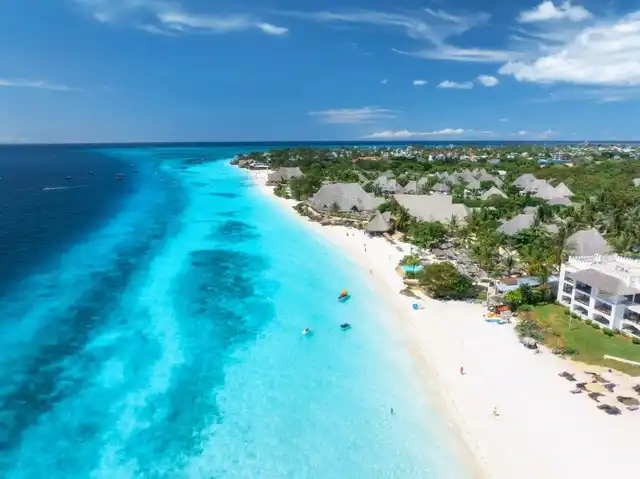
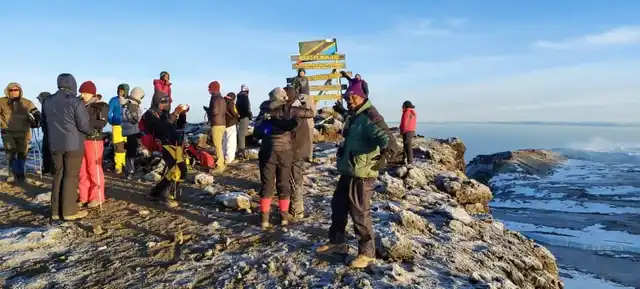
Plan your Mount Kilimanjaro climb in 2027–2028 with East Africa Jungle and compare guided trekking packages on the Machame, Marangu, Lemosho and Rongai routes. Explore affordable Kilimanjaro group climbs, private trekking tours and longer itineraries with additional acclimatisation days, with options for solo travellers, couples and friends. Whether you are researching Kilimanjaro climbing costs, comparing routes or preparing for your first high-altitude trek, browse detailed itineraries to understand mountain accommodation, included services and departure options before booking. Choose Marangu for hut accommodation or explore camping routes such as Machame, Lemosho and Rongai for your journey towards Uhuru Peak, Africa’s highest summit at 5,895 metres. Extend your adventure with a Kilimanjaro climb and Tanzania safari in Serengeti, Ngorongoro or Tarangire, or combine mountain trekking with a Zanzibar beach holiday. Share your dates, budget and trekking experience for help choosing a suitable route and requesting a personalised quotation.
Private or group optionsCompare flexibility, budget, and departure style before enquiring.
Detailed safari pagesClear tour highlights, helpful FAQs, route details, and complete package information.
Helpful travel guidanceUnderstand the destination first, then compare the safari routes that match your plans.
8 Safari Trips Found
Showing 1-8 of 8 matching safaris. Start with the safari overview, then compare the routes, seasons, prices, comfort levels, and inclusions that fit your journey.
Join our 7-day Kilimanjaro Lemosho Route group climb in 2027–2028. Trek with expert guides through scenic landscapes and attempt Uhuru Peak at 5,895...
Climb Mount Kilimanjaro via the scenic 8-day Lemosho Route. Enjoy guided group trekking, mountain camping, acclimatisation and an exciting Uhuru Peak...
Machame, Marangu, Lemosho and Rongai, with route-specific trekking packages.
Trekking Duration
6–8 days on the mountain, depending on your chosen package. Allow additional time for arrival, preparation and onward travel.
Climbing Styles
Group joining climbs and private treks, with options for solo travellers, couples and friends.
Mountain Accommodation
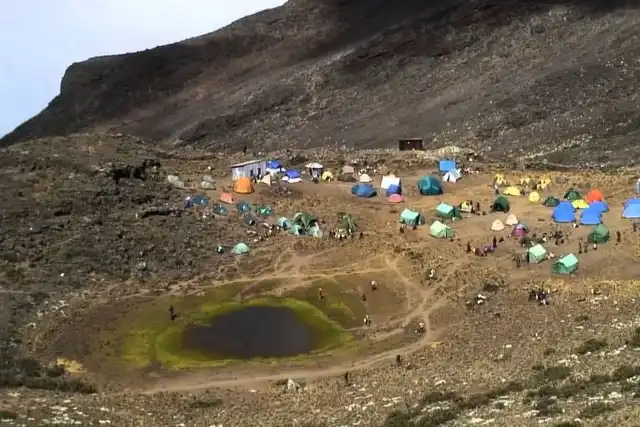
Shared mountain huts on Marangu; tents on Machame, Lemosho and Rongai. Check each itinerary for its overnight arrangements.
Arrival Airport
Kilimanjaro International Airport (JRO) is the main arrival airport for these climbing itineraries.
Starting Point & Transfers
Arusha or Moshi, depending on the package. Your itinerary specifies the meeting point, airport transfers and pre-climb accommodation included.
Fitness & Preparation
Prepare for consecutive days of walking and a demanding summit attempt. High altitude adds difficulty even for fit trekkers.
Acclimatisation
Compare daily altitude gains and overnight stops when choosing a route. Additional mountain days provide more time to acclimatise.
Holiday Extensions
Combine your climb with a Tanzania wildlife safari, a Zanzibar beach holiday, or both.
Planning your 2027–2028 climb? Compare the routes below to choose an itinerary suited to your available time, trekking experience and budget.
Which Kilimanjaro Route Should You Choose?
The best Kilimanjaro route for your 2027–2028 climb depends on your available time, accommodation preference and trekking experience. Compare Machame, Marangu, Lemosho and Rongai below, paying particular attention to the daily altitude profile and time allowed for acclimatisation.
A varied camping route with changing landscapes, steep sections and the Barranco Wall. Suits trekkers comfortable with demanding walking days.
The altitude profile includes opportunities to climb higher before sleeping lower. A seven-day itinerary spreads the ascent over more time than the six-day option.
A scenic western approach through forest and across the Shira Plateau before joining the southern circuit. Offers varied scenery and longer itinerary options.
Seven- and eight-day itineraries allow more time for altitude adjustment than the compressed six-day climb. Compare overnight elevations as well as total duration.
Tents during the ascent; check the itinerary for descent accommodation
A northern approach with a different perspective on the mountain, followed by descent via Marangu. Suits trekkers interested in an alternative to the southern approaches.
A gentler initial approach still leads to a demanding high-altitude summit attempt. An additional acclimatisation day provides more adjustment time than a shorter itinerary.
Durations refer to days on the mountain. Airport transfers, hotel nights, safari extensions and Zanzibar stays may add to the total holiday length. Check the selected package for its exact schedule.
Prefer huts? Start with Marangu. Want a varied camping trek? Compare Machame and Lemosho. Interested in approaching from the north? Explore Rongai.
Give acclimatisation time priority when choosing your itinerary. No route guarantees a summit, and fitness alone does not determine how your body responds to altitude. Share your trekking experience and available dates with East Africa Jungle for help comparing suitable options.
How Much Does It Cost to Climb Kilimanjaro in 2027–2028?
Kilimanjaro climbing prices depend on your chosen route, the number of days on the mountain and whether you join a group or book privately. The following group climbing starting prices are per person sharing mountain accommodation.
Kilimanjaro Route
Mountain Duration
Starting Price Per Person
Accommodation Basis
Lemosho Route
6 days / 5 nights
USD 1,550
Shared tents
Machame Route
6 days / 5 nights
USD 1,600
Shared tents
Marangu Route
6 days / 5 nights
USD 1,750
Shared mountain huts
Lemosho Route
8 days / 7 nights
USD 2,295
Shared tents
Rongai Route
6 days / 5 nights
USD 2,300
Shared mountain accommodation, as detailed in the itinerary
Price validity: These are starting rates for the listed packages, rather than fixed prices for every departure in 2027–2028. Request a quotation for your exact travel dates to confirm the applicable rate.
Group pricing: Rates apply to group joining climbs. Your quotation will state any minimum group requirement and any supplement for a private departure or sole tent occupancy.
Private Kilimanjaro climbs: Prices are quoted according to the route, duration, number of climbers and accommodation arrangements.
Kilimanjaro Group Climbs, Private Treks & Departures
Choose a Kilimanjaro group joining climb to trek alongside other travellers, or book a private Kilimanjaro trek for your own party. For 2027–2028, departure availability depends on your chosen route, mountain duration and travel dates.
Kilimanjaro Group Joining Climbs
Group climbs follow a shared route, departure date and trekking itinerary. They suit travellers who enjoy meeting other climbers and sharing the mountain experience. Before booking, check the itinerary’s daily walking stages, accommodation arrangements and any minimum group requirement.
Choose your route and duration carefully: everyone joins the same planned itinerary, although individual walking pace and altitude response can differ.
Private Kilimanjaro Treks
A private trek is arranged for you and your travelling companions, with a dedicated mountain team for your party. It offers more flexibility when choosing departure dates, route and trip duration before booking.
Private climbs suit couples, friends and families who prefer to travel together. Your quotation sets out the agreed itinerary, accommodation arrangements and price based on the number of climbers.
Can Solo Travellers Join a Kilimanjaro Climb?
Solo travellers can request a place on a group joining climb. Share your preferred dates and route so we can check suitable departures and explain the accommodation-sharing arrangements.
Travelling alone does not automatically mean booking a private climb. However, a group place, tent-sharing arrangement or departure should only be treated as confirmed once accepted in your booking confirmation. Any sole-occupancy supplement will be stated before payment.
Confirmed Departures & Climbs Available on Request
Departure Status
What It Means
What to Check Before Booking
Confirmed departure
A specific route and departure date have been confirmed for operation.
Remaining places, current price and accommodation arrangements. A confirmed departure may still be fully booked.
Available on request
Your preferred date requires an availability check and written acceptance.
Mountain-team availability, applicable price and any minimum group requirement.
Private departure on request
A climb is being arranged specifically for your party.
Agreed dates, route, duration, number of climbers and final quotation.
Check dates before arranging flights. Send your preferred departure date, number of climbers and route choice to receive the current availability and booking conditions for your Kilimanjaro climb.
What Is Included in Your Kilimanjaro Climb?
Compare Kilimanjaro trekking packages by the services covered as well as the price. Park fees, mountain accommodation, meals and crew arrangements are central to your climb, while airport transfers, hotel nights and equipment rentals can differ between itineraries. Check the inclusion list for your selected package before booking.
Mountain Services to Check in Your Package
Service
What to Check
Kilimanjaro park fees
Confirm that the price covers the applicable park entry, camping or hut fees, and rescue fees for every scheduled mountain day. Park rescue fees do not replace personal travel insurance.
Mountain accommodation
Marangu itineraries use shared mountain huts. Machame and Lemosho itineraries use tents. For Rongai, review both the ascent and descent accommodation listed in your itinerary.
Mountain meals
Check which meals are provided from the first trekking day to the final descent, along with drinking-water arrangements and support for dietary requirements.
Mountain crew
Check that your quotation identifies the guiding, cooking and porter services covered, including the personal luggage allowance carried by porters.
Trekking transfers
Confirm transport to the starting gate and collection after the descent, including the agreed pickup and drop-off locations.
Camping equipment
For camping routes, check the provision of sleeping tents, sleeping mats, dining facilities and other shared equipment. Personal sleeping bags should be listed separately.
Services That Differ Between Packages
Item
How Arrangements Can Differ
Airport transfers
Kilimanjaro International Airport transfers may be bundled with a package or charged separately. Check both arrival and departure transfers.
Pre- and post-climb hotels
The number of hotel nights, room-sharing basis and hotel meals vary by itinerary.
Equipment rental
Sleeping bags, trekking poles and other personal equipment may require advance reservation and an additional payment.
Private tent or toilet
Sole tent occupancy and private toilet facilities require a specific arrangement and may carry a supplement.
Safari or Zanzibar extensions
Accommodation, transport, activities and domestic flights depend on the combined itinerary. They are not automatically part of a stand-alone climb.
Costs to Budget for Separately
Unless your quotation expressly includes them, budget separately for:
International flights and Tanzania visa charges.
Travel insurance covering trekking to 5,895 metres, including appropriate emergency evacuation cover.
Tips for mountain guides, cooks and porters.
Personal trekking clothing, boots and equipment.
Equipment rentals and optional upgrades.
Meals, drinks and personal expenses outside the stated itinerary.
Additional hotel nights, transfers or costs arising from changes to your booked programme.
Before paying your deposit, review an itemised quotation showing what your chosen climb includes, what costs extra and which accommodation-sharing arrangements apply.
Best Time to Climb Mount Kilimanjaro
The best time to climb Kilimanjaro is generally January to early March and June to October, when conditions are typically drier and clearer. For your 2027–2028 Kilimanjaro trek, weigh weather and visibility against busier trails and your preferred travel dates. Rain, snow and freezing summit temperatures remain possible in any month.
Climbing Season
Weather & Visibility
Crowds & Planning Tradeoffs
January–February
Generally favourable trekking conditions, with opportunities for clear views. Rain and snow remain possible at higher elevations.
A popular climbing period. Reserve early if you need a particular route or group departure.
March
Early March can offer suitable conditions, but rainfall generally increases as the long rains approach. Cloud can affect visibility.
Conditions become less predictable later in the month; build flexibility into your plans.
April–May
The main rainy season brings wetter trails, more cloud and reduced visibility. Keeping clothing and equipment dry becomes more challenging.
Usually quieter, but fewer climbers come with more demanding trekking conditions.
June–October
Generally drier conditions and good opportunities for mountain views. June can retain cloud or residual rain; exposed areas remain cold.
A popular climbing season, particularly July–September. Book ahead for your preferred dates.
November
Short rains can bring showers, slippery sections and interrupted views, although conditions vary between days.
Often quieter than the main dry season, with greater weather uncertainty.
December
A transitional month with variable rainfall and clearer intervals. Dry conditions are not guaranteed.
Christmas and New Year departures can be busy; arrange holiday climbs well in advance.
For a balance of favourable weather and fewer climbers, consider January–February or early October, while checking availability for your chosen route. If combining Kilimanjaro with a safari or Zanzibar, allow enough time for the mountain itinerary before planning your onward activities.
Choose your trekking duration carefully in every season: favourable weather does not remove the need for acclimatisation.
How Difficult Is Climbing Kilimanjaro?
Climbing Kilimanjaro is a demanding high-altitude trek. The standard Machame, Marangu, Lemosho and Rongai itineraries generally do not require technical mountaineering skills, but consecutive walking days, uneven terrain, cold conditions and increasing altitude make the journey challenging.
Daily Walking & Trail Conditions
Expect several hours of walking each day, with the duration depending on your route, overnight stops and pace. Trails range from forest paths to rocky slopes and loose volcanic scree. Some sections require careful footing; the Barranco Wall on Machame and Lemosho involves scrambling and occasional use of your hands.
The challenge builds over successive days. Training for a single long walk helps, but preparing to walk on consecutive days better reflects the mountain experience.
What Makes Summit Night Challenging?
Summit night is usually the longest and most demanding stage. Many itineraries begin the summit attempt around midnight, followed by a slow ascent in darkness and freezing conditions. Thin air, fatigue and loose ground can make progress feel difficult.
Reaching Uhuru Peak is only part of the day: a substantial descent follows. Your guide may recommend turning back according to your condition, the weather or the time available.
How Should You Prepare?
Build your preparation gradually over several months, adjusting it to your starting fitness:
Walk regularly, increasing distance and time on your feet.
Practise hills and stairs to prepare for sustained climbing.
Include consecutive hiking days to develop endurance.
Strengthen your legs and core for uneven ground and long descents.
Train with your boots and daypack so you can identify discomfort before travelling.
Can First-Time High-Altitude Trekkers Climb Kilimanjaro?
Yes—first-time high-altitude trekkers can consider Kilimanjaro with appropriate preparation and a suitable itinerary. Previous trekking experience is useful, but you do not need to have climbed another major mountain first. Choose a schedule that allows time for acclimatisation and approach the summit as a goal rather than a guarantee.
Fitness and altitude tolerance are different. Fitness helps you manage the physical workload, but it does not reliably predict how your body will respond to reduced oxygen. Even a strong, experienced hiker can develop altitude illness. Walk at the pace advised by your guide, report symptoms promptly and remain willing to descend when necessary.
At 5,895 metres above sea level, Uhuru Peak presents a significant altitude challenge. As you ascend, lower air pressure means less oxygen is available with each breath. Acclimatisation is your body’s gradual adjustment to these conditions, making the ascent schedule an important part of choosing your Kilimanjaro itinerary.
Why Does Itinerary Length Matter?
A longer itinerary can provide more opportunities to adjust to altitude before the summit attempt. However, the daily altitude profile matters alongside the total number of days. Compare sleeping elevations, the pace of ascent and where additional acclimatisation days are placed.
Itinerary Feature
Why It Matters
Additional mountain days
Can spread the ascent over more time, depending on how the itinerary is designed.
Acclimatisation walks
Some itineraries include an ascent to a higher point before returning to a lower overnight camp.
Overnight elevations
Show how quickly your sleeping altitude increases between stages.
Summit and descent schedule
Helps you understand the demands of the longest stage and the walking required afterwards.
A shorter climb may fit your budget and available time, but it compresses the schedule. No route or itinerary length guarantees acclimatisation or a successful summit.
Fitness Does Not Guarantee Altitude Tolerance
Physical preparation helps with long walking days, but even fit trekkers can become unwell at altitude. Tell your guide promptly about headaches, nausea, dizziness, unusual fatigue or breathing difficulties. Do not hide symptoms to continue towards the summit.
Worsening symptoms require attention, and descent may be necessary. Reaching the summit should never take priority over your health.
Confirm Mountain Safety Arrangements Before Booking
Review the arrangements for your specific departure rather than assuming every climbing package provides identical support. Ask for clear information about:
Guides: qualifications, relevant mountain experience and responsibility for decisions during the climb.
Monitoring and equipment: the checks performed and the safety equipment carried.
Communication: how the mountain team contacts its operational support.
Early descent: who accompanies a climber and how onward transfers and accommodation are arranged.
Emergency assistance: how evacuation is coordinated, what limitations apply and which costs remain the traveller’s responsibility.
Arrange travel insurance that explicitly covers trekking to 5,895 metres, emergency medical treatment and evacuation. Check the policy’s conditions before travelling; payment of park rescue fees does not replace personal insurance.
Why Travellers Trust Our Safari Tours
Planned around your travel styleCompare safaris by destination, wildlife interest, comfort level, season, route pace, and starting point.
Clear value comparisonLook beyond price by reviewing duration, accommodation, activities, inclusions, and how each route actually flows.
Rich tour detailOpen each safari for gallery images, route maps, downloadable programs, inclusions, FAQs, and day-by-day travel information.
Frequently Asked Questions
Who should choose a Mount Kilimanjaro?
Mount Kilimanjaro packages are best for travellers who want the activity to guide the itinerary, season choice, accommodation position, and daily pacing.
Can Mount Kilimanjaro be combined with other safari interests?
Yes. Many travellers combine this focus with wildlife drives, cultural visits, beach stays, photography, family travel, or private guiding.
What should I check before booking a Mount Kilimanjaro?
Check the best season, route logic, guide expertise, included permits or park fees, and whether the itinerary gives enough time for the main experience.
Ready to Shape the Route?
Open a package to review the full program, route map, gallery, inclusions, FAQs, and PDF download, then use it as the base for your final safari plan.
The people behind your route planning, destination advice, and on-the-ground safari support.
5team
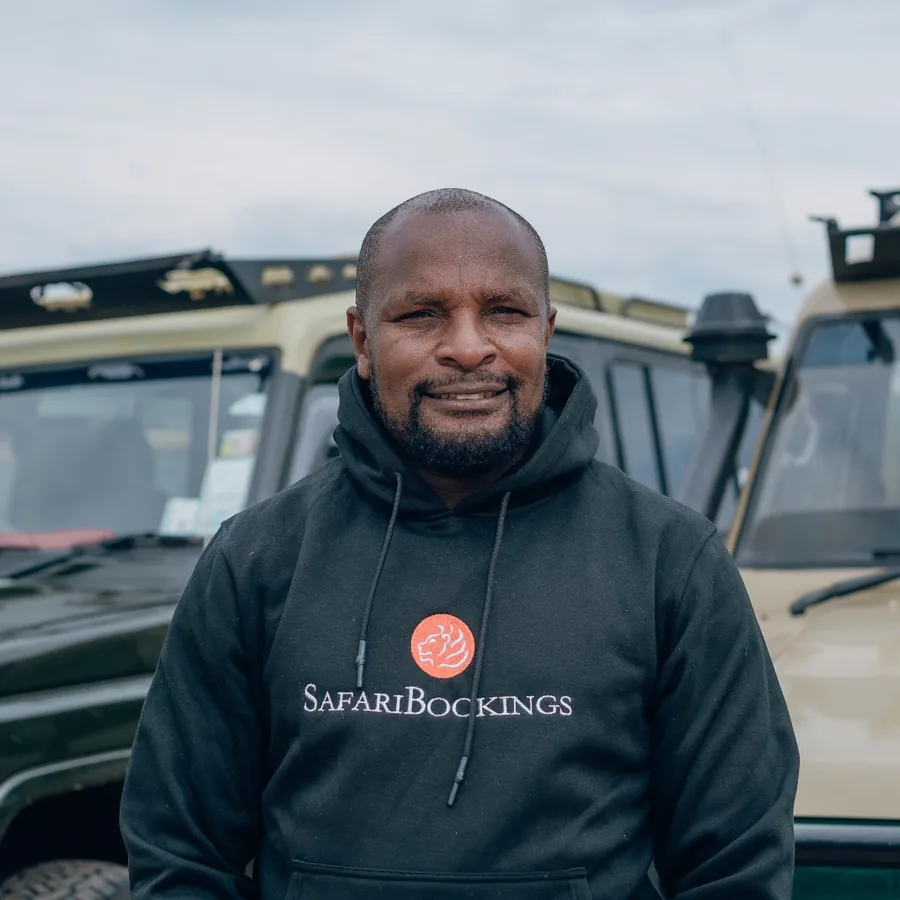
John Peter
Operations
Senior East Africa Safari Specialist and Operations Manager
Specializes in tailor-made safari planning, destination expertise, and personalized travel experiences across East Africa.
16+ Years
EnglishSwahiliFrenchSpanishItalian
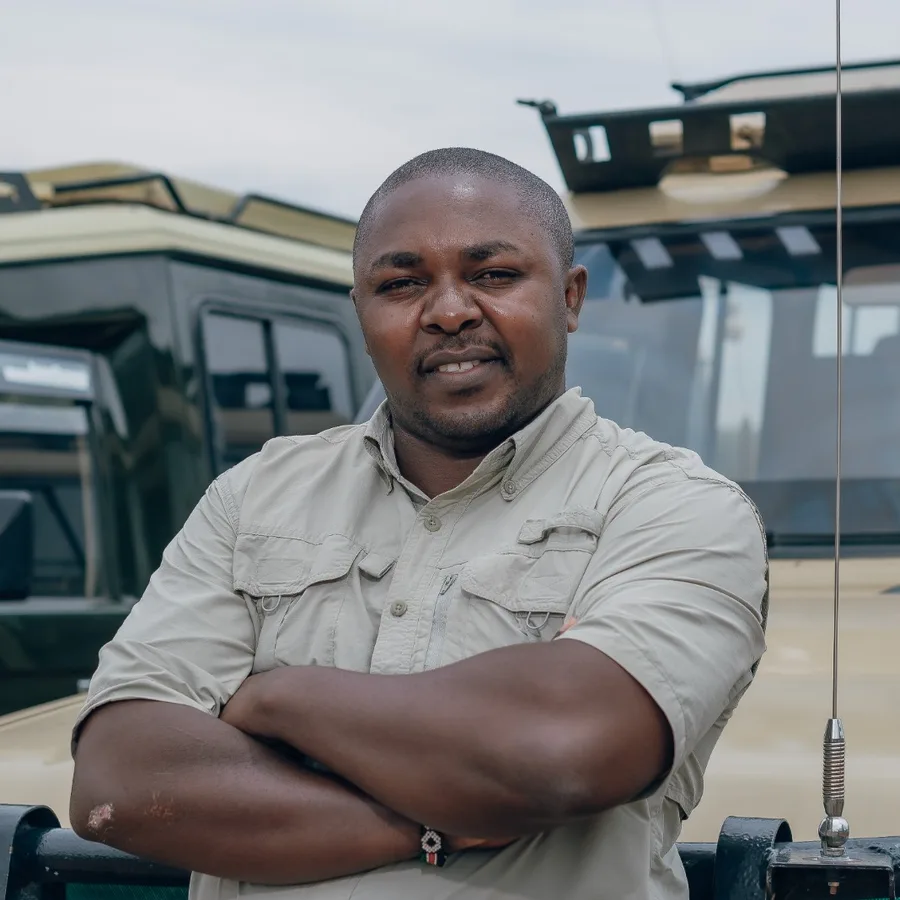
John Githenya
Guide
Tour Guide
Known for exceptional wildlife spotting, local knowledge, and engaging cultural experiences that bring East Africa's landscapes, wildlife, and traditions to life.
20+ Years Guiding
EnglishSwahili
David Muriithi
Guide
Tour Guide
Specializes in wildlife tracking, birdlife, and authentic cultural experiences, creating memorable and informative safari adventures across East Africa.
20+ Years Guiding
EnglishSwahili
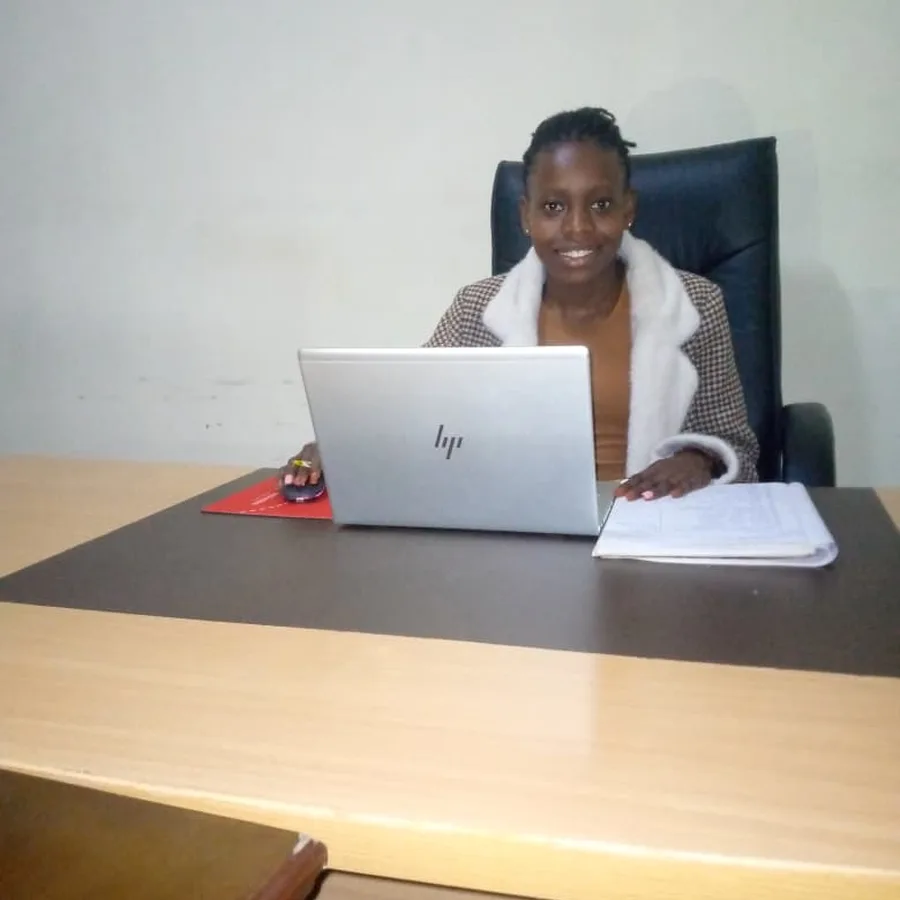
Grace Amore
Consultant
Tour Consultant
A dedicated travel professional who helps guests plan smooth, personalised, and memorable safari experiences.
EnglishSwahiliFrenchGerman
Dewin Wachira
Consultant
Tour Consultant
A friendly and knowledgeable travel professional committed to creating well-organised and enjoyable journeys for every guest.

 12 days / 11 nights

 16+ Years
 English