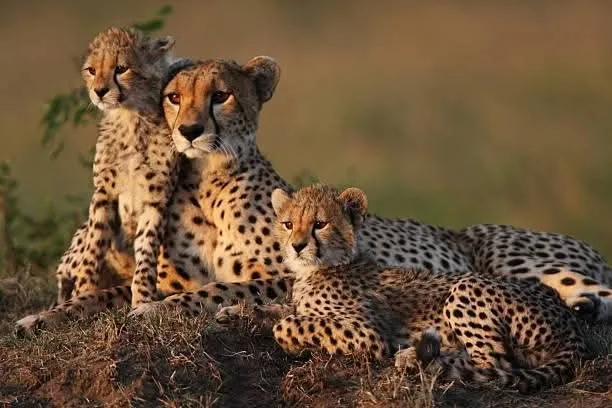
4-Day Ndutu Calving Safari, Serengeti & Ngorongoro Crater 2027/2028
Follow the Great Migration from the Ndutu calving grounds to wildlife-rich Central Serengeti before completing your private safari with a game drive inside Ngorongoro Crater.
Hero facts should show:
- 4 days / 3 nights
- Arusha–Ndutu–Serengeti–Ngorongoro–Arusha
- Private safari
- 4×4 Land Cruiser
- December–March
- From USD 1,650 per person sharing
- 2027/2028 departures
4-Day Ndutu, Serengeti & Ngorongoro Safari Overview
This 4-Day Ndutu Calving Safari, Serengeti & Ngorongoro Crater is a private seasonal Tanzania safari designed around the southern Serengeti’s wildebeest calving period. The journey combines a wildlife experience inside Ngorongoro Crater, dedicated game viewing across the Ndutu plains, and a continuation into Central Serengeti for big cats and resident wildlife around the Seronera area.
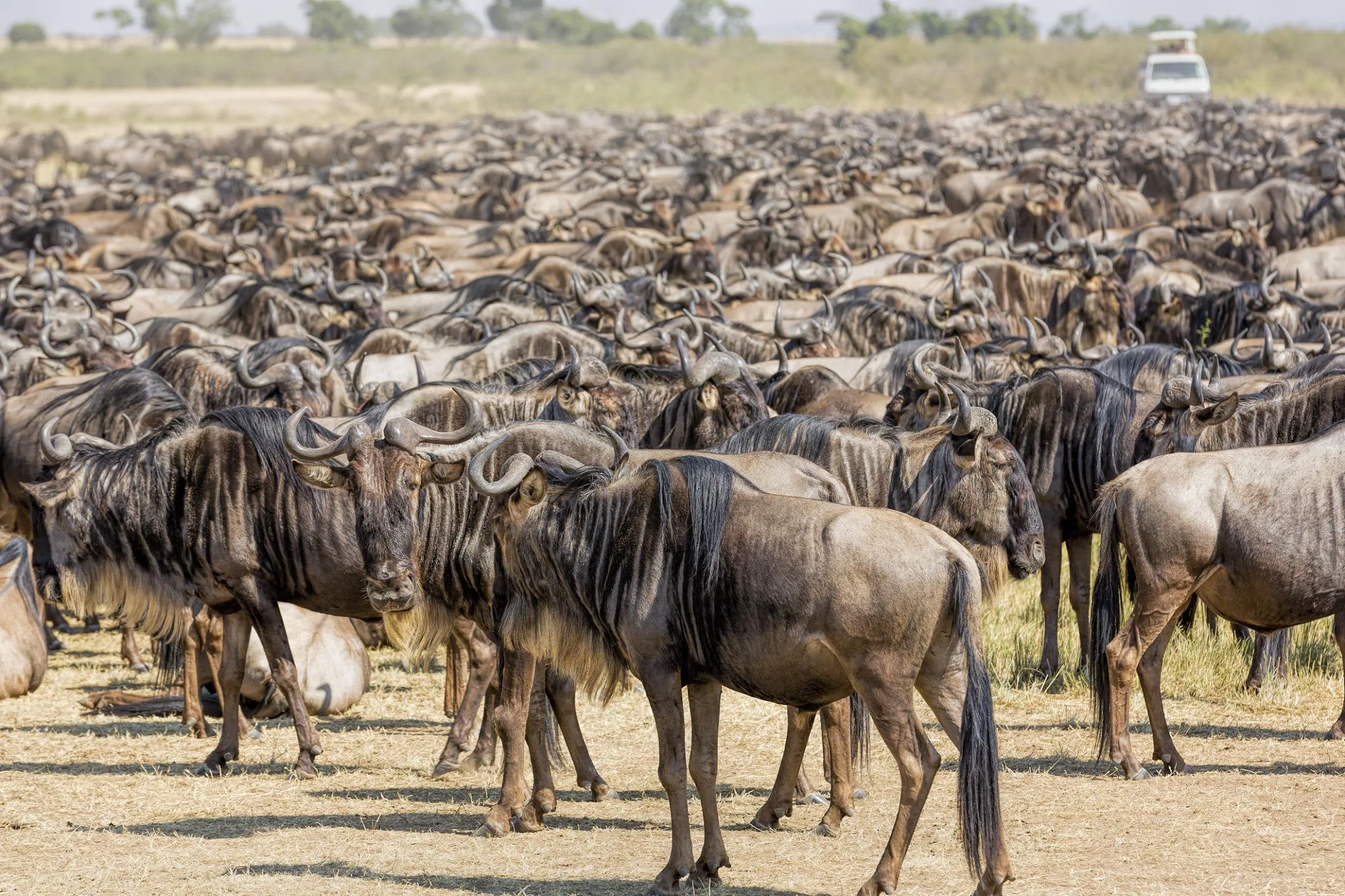
From December to March, large concentrations of wildebeest and zebra can gather across the short-grass plains of Ndutu and the Southern Serengeti, with January and February typically providing some of the strongest opportunities to witness the calving period. Exact herd locations vary according to rainfall, fresh grazing and other natural conditions.
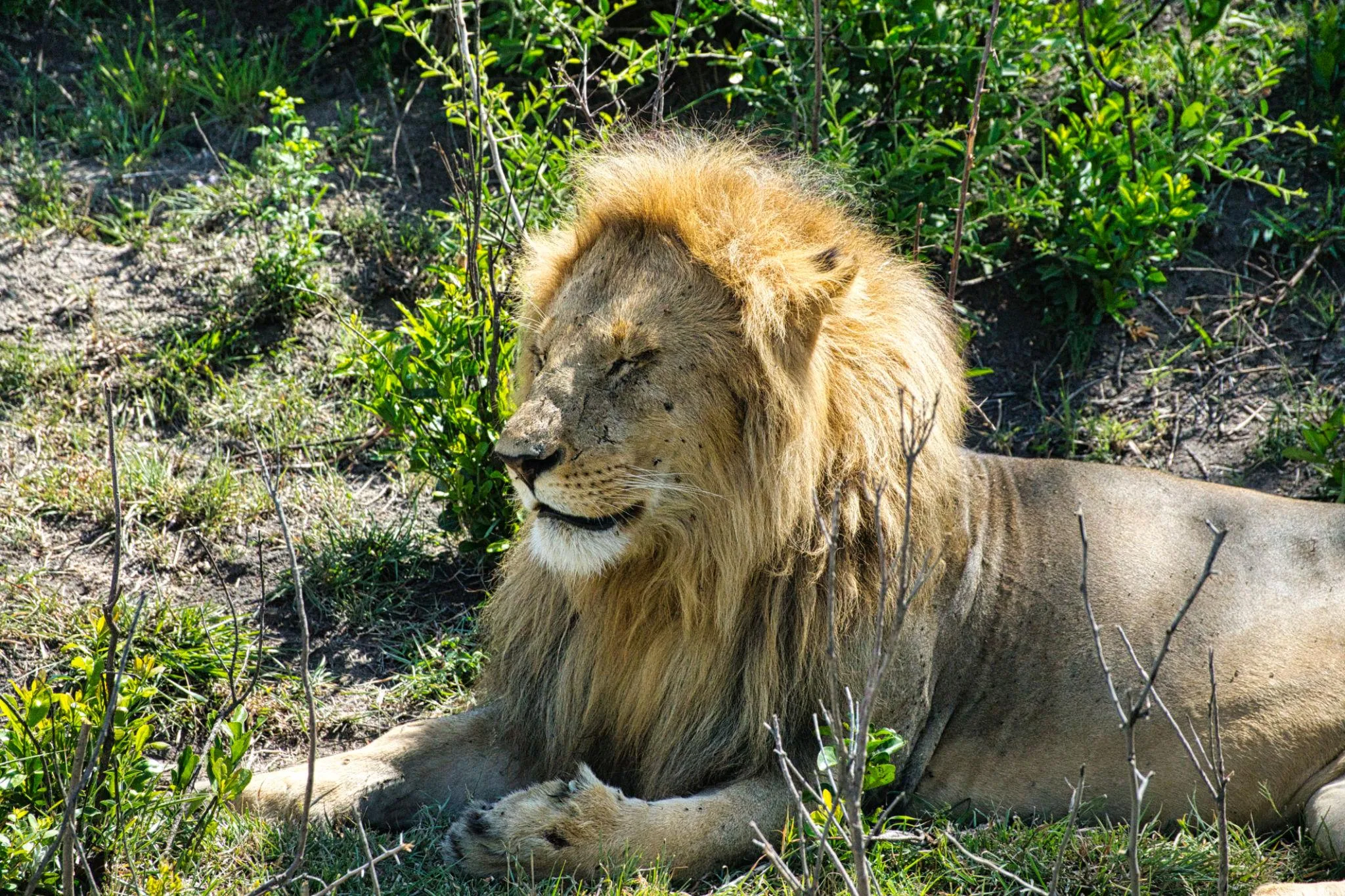
The abundance of wildebeest, newborn calves and other plains game attracts predators across the wider ecosystem. Lions, cheetahs and hyenas are frequently encountered, making this an exciting season for wildlife viewing, predator behaviour and photography.
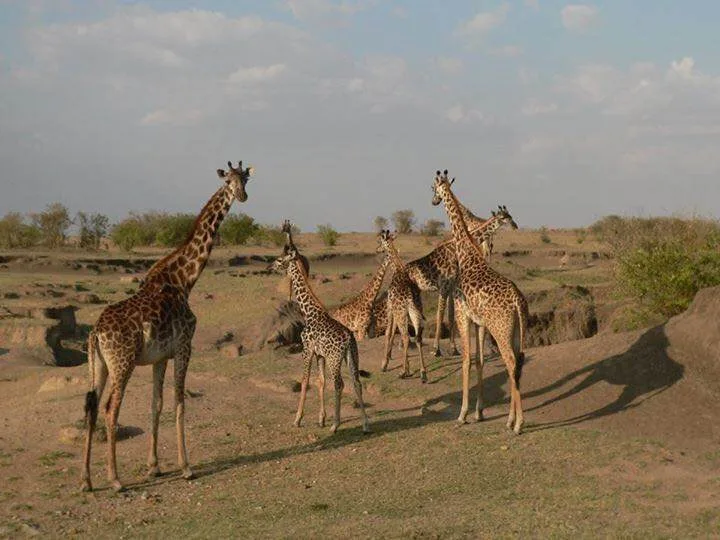
Beyond the seasonal Ndutu plains, the safari continues into Central Serengeti, where the Seronera region supports abundant resident wildlife throughout the year. Here, game drives broaden beyond the migration to search for lions, leopards, cheetahs, elephants, giraffes and other wildlife among the area's open plains, kopjes and river valleys.
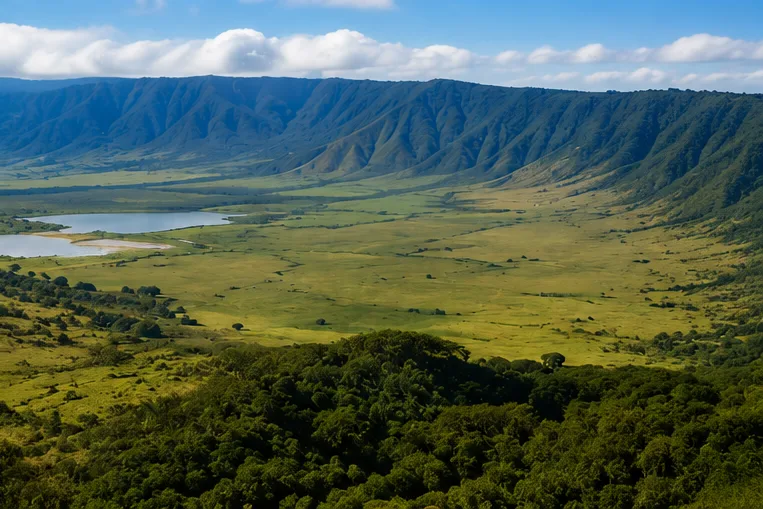
The journey also includes the Ngorongoro Crater, where the crater floor supports a remarkable diversity of wildlife within a relatively compact area. This provides a contrasting safari environment and another opportunity to search for some of Tanzania's iconic mammals.
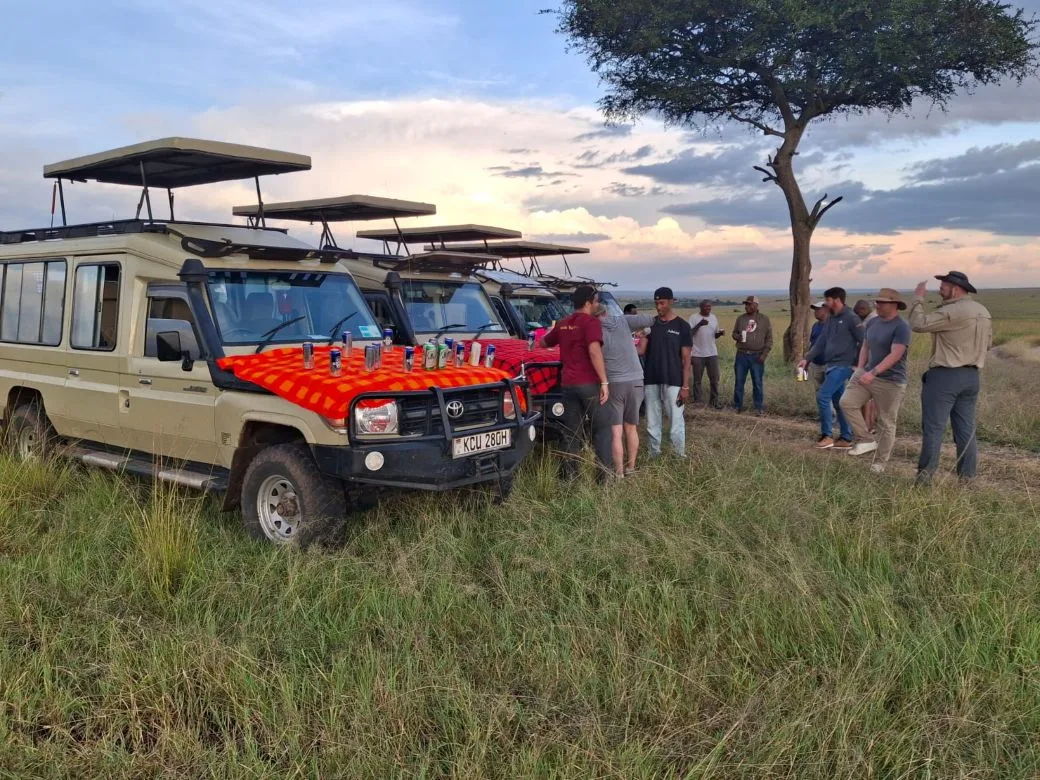
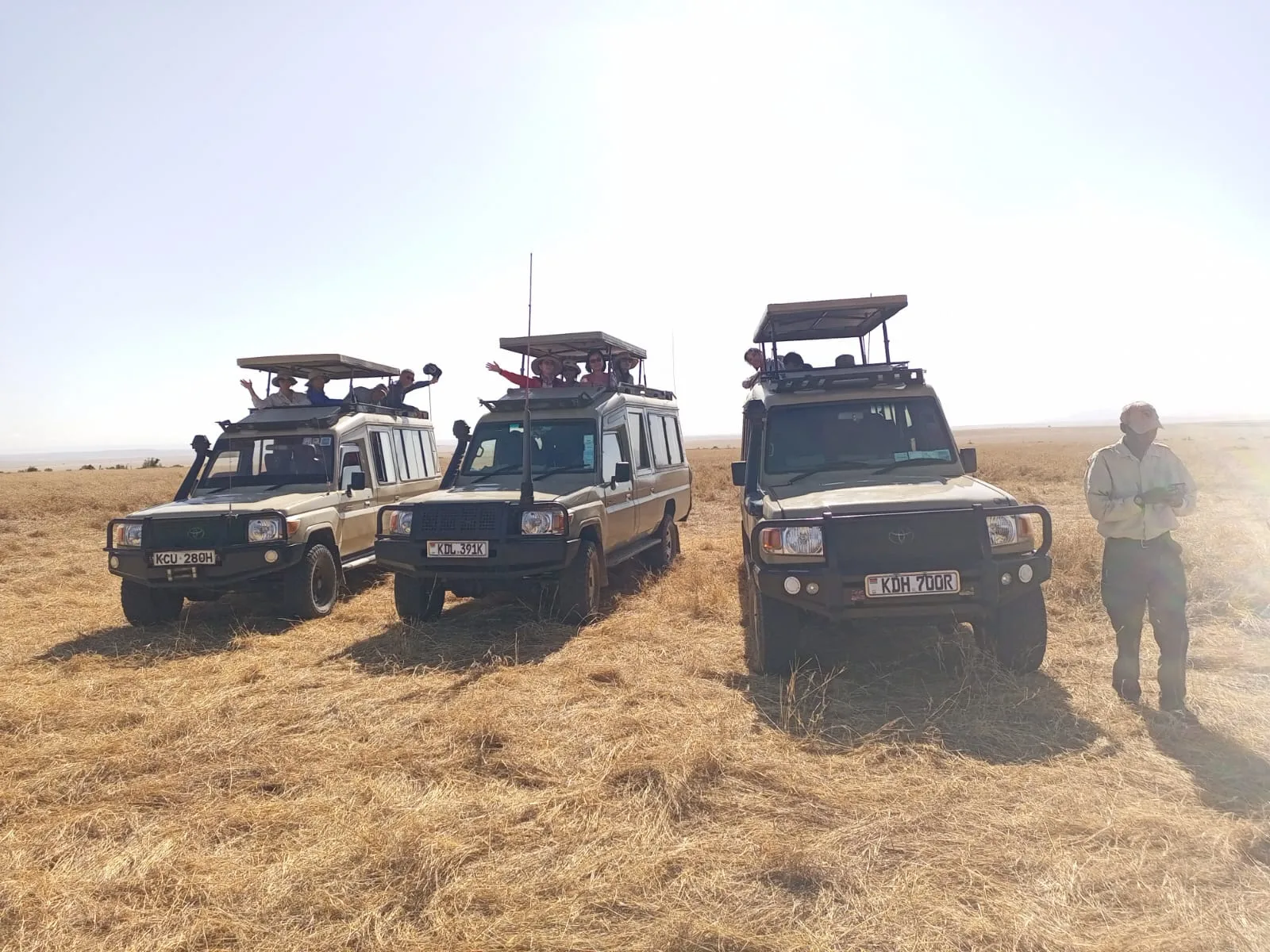
Travelling in a private 4×4 safari vehicle with a professional driver-guide gives you greater flexibility around wildlife sightings and changing conditions. What sets this four-day itinerary apart from our shorter 3-day Ndutu safari is the continuation from the Ndutu calving grounds into Central Serengeti. This extra time combines the seasonal migration and predator activity of the southern plains with the broader resident wildlife and big-cat viewing of the Seronera region, creating a more varied experience within our Tanzania safari packages.
4-Day Safari at a Glance 2027/2028
| Safari Details | Information |
|---|---|
| Duration | 4 days / 3 nights |
| Safari Type | Private Tanzania safari |
| Route | Arusha → Ngorongoro Crater → Ndutu → Central Serengeti → Arusha |
| Main Experience | Ndutu calving season + Serengeti wildlife + Ngorongoro Crater |
| Best Time | December to March |
| Calving Focus | January–February |
| Destinations | Ngorongoro Crater, Ndutu & Central Serengeti |
| Safari Vehicle | Private 4×4 safari vehicle |
| Wildlife Focus | Wildebeest, newborn calves, lions, cheetahs, hyenas and resident Serengeti wildlife |
Why This 4-Day Safari Is Different
The key advantage of this 4-day Ndutu calving safari is that the journey does not end after exploring the seasonal migration grounds. After dedicated game viewing around Ndutu and the southern Serengeti, the safari continues into Central Serengeti, adding a different wildlife environment to the calving-season experience.
Around Ndutu, the focus is seasonal: large wildebeest concentrations, newborn calves and the predators attracted to the herds. In Central Serengeti, particularly around the Seronera region, the emphasis broadens to resident wildlife and year-round big-cat territories, with opportunities to search for lions, leopards, cheetahs, elephants, giraffes and other species.
This makes the four-day itinerary particularly valuable for travellers who want to experience the Great Migration calving season without making the entire safari dependent on the location of the migrating herds. The additional time in Central Serengeti creates a more varied wildlife experience while still keeping Ndutu at the heart of the journey.
4-Day Ndutu Safari Highlights
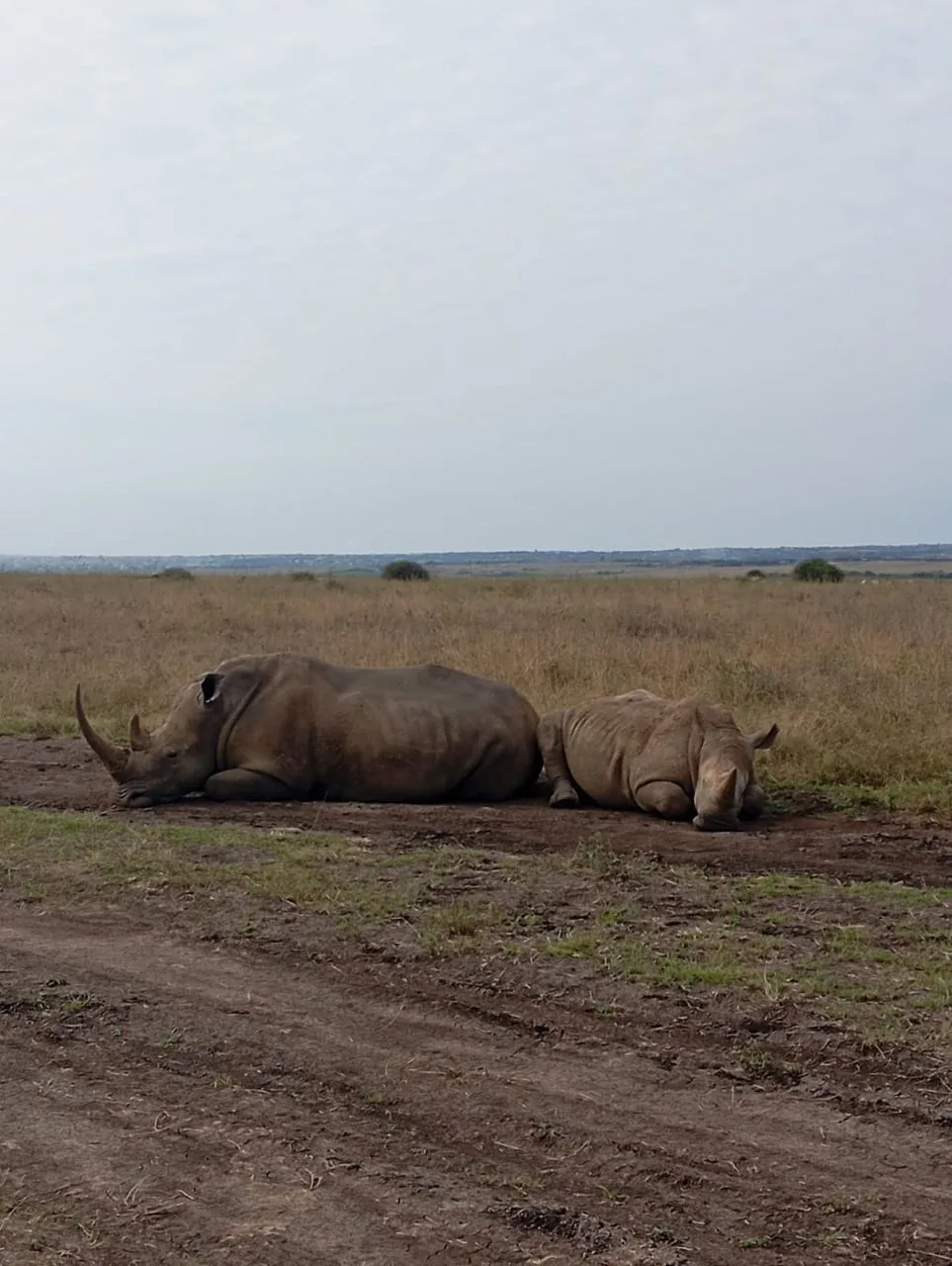
From the wildebeest-filled plains of Ndutu to the predator-rich landscapes of Central Serengeti and the wildlife-packed Ngorongoro Crater, this four-day safari delivers a diverse range of Tanzania’s signature wildlife experiences. Here are the key highlights you can look forward to:
- Explore the Ndutu calving grounds during the seasonal gathering of wildebeest and zebra across the Southern Serengeti ecosystem.
- Witness calving-season predator activity, with opportunities to encounter lions, cheetahs and hyenas following the herds.
- Discover Central Serengeti, known for excellent year-round wildlife viewing, resident big cats and classic savannah landscapes.
- Descend into the Ngorongoro Crater for a game drive across one of Tanzania’s most wildlife-rich natural environments.
- Search for diverse wildlife, including elephants, giraffes, buffaloes, hippos, wildebeest, zebras and, with luck, the endangered black rhino.
- Travel in a private 4×4 safari vehicle, allowing greater flexibility over game-drive pace and time spent at wildlife sightings.
- Enjoy excellent wildlife photography opportunities, from newborn wildebeest and predator interactions to Serengeti plains and Ngorongoro scenery.
- Experience three contrasting safari areas in four days, combining seasonal migration viewing with year-round wildlife habitats.
4-Day Ndutu Safari Price 2027/2028
| Private Safari Size | Price Per Person |
|---|---|
| 2 travellers | From USD 2190 |
| 3 travellers | From USD 1890 |
| 4 travellers | From USD 1750 |
| 5–6 travellers | From USD 1,650 |
Inclusions, Exclusions & Optional Add-Ons
Your 4-day Ndutu, Serengeti and Ngorongoro safari price covers the essential arrangements needed for a private Tanzania wildlife safari. The following breakdown makes it clear what is included in the quoted price, what travellers should budget for separately, and which experiences can be added to customize the safari.
What's Included in Your Safari?
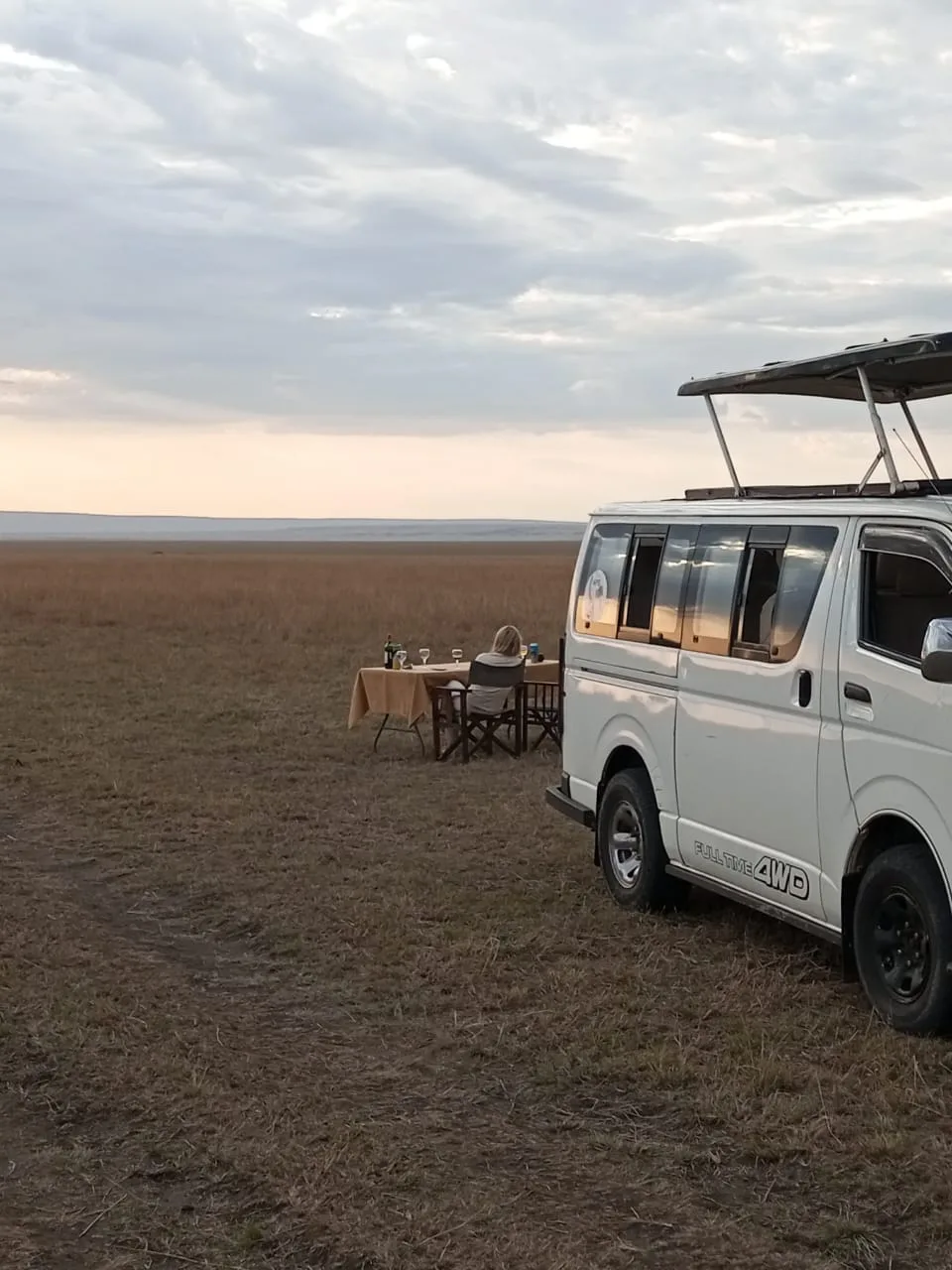
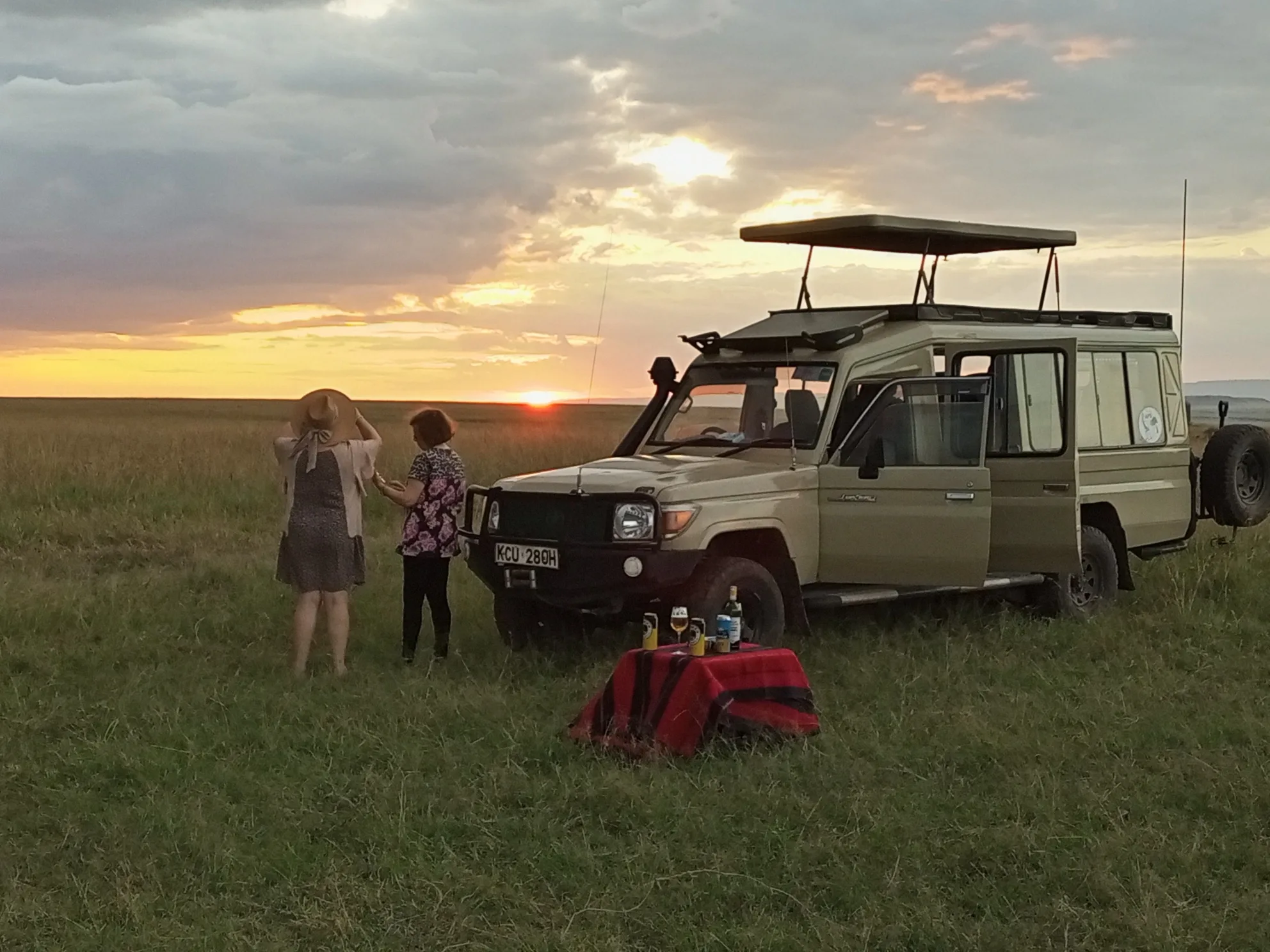
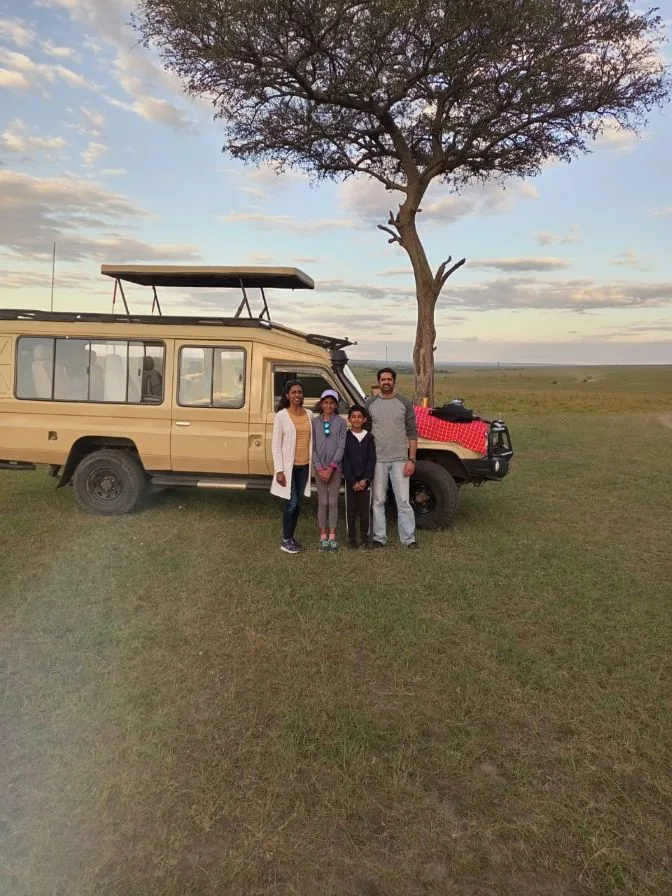
- Private 4×4 safari Land Cruiser with pop-up roof
- Professional English-speaking safari driver-guide
- 3 nights' accommodation in selected safari lodges or tented camps
- Meals as specified in the itinerary
- All scheduled game drives in Ndutu, Central Serengeti and Ngorongoro Crater
- Serengeti National Park entry fees
- Ngorongoro Conservation Area fees
- Ngorongoro Crater service/vehicle fee
- Applicable Ndutu conservation and concession fees according to the selected accommodation
- Bottled drinking water during safari game drives
- Pick-up and drop-off in Arusha
- Government taxes and applicable safari charges
What's Not Included?
- International and domestic flights unless specifically stated
- Tanzania visa and entry requirements
- Travel and medical insurance
- Tips and gratuities for your safari driver-guide and lodge/camp staff
- Alcoholic beverages, soft drinks and premium drinks unless included by the accommodation
- Laundry and other personal expenses
- Optional activities and excursions
- Additional accommodation before or after the safari
- Any services not specifically listed under What's Included
Optional Safari Add-Ons
You can personalize the safari with additional experiences before, during or after the main itinerary.
| Optional Experience | Estimated Cost | Best For |
|---|---|---|
| Serengeti Hot-Air Balloon Safari | From USD 600–700 pp | Aerial views & special occasions |
| Maasai Cultural Village Visit | From USD 20–30 pp | Culture & local traditions |
| Private Airport Transfer | On request | Convenient arrival/departure |
| Arusha Hotel – Pre/Post Safari | From USD 70–200+ pp | Early arrivals or late departures |
| Luxury Accommodation Upgrade | On request | Couples & luxury travellers |
| Single-Room Upgrade | On request | Solo travellers |
| Professional Photography Safari Setup | On request | Wildlife photographers |
| Zanzibar Beach Extension | On request | Safari & beach holidays |
Important: Optional activity prices are estimates and should be confirmed at the time of booking, particularly balloon safaris and accommodation upgrades, as rates and availability can change by season.
4-Day Ndutu, Serengeti & Ngorongoro Safari Itinerary
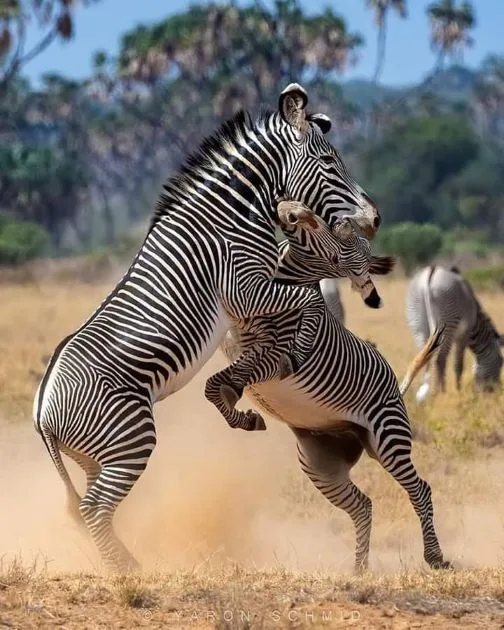
Day 1: Arusha to Ngorongoro Crater and Ndutu
Depart Arusha early in the morning and travel through the northern Tanzania highlands toward the Ngorongoro Conservation Area. Descend into Ngorongoro Crater for a game drive across its grasslands, wetlands and woodland habitats. Search for lions, elephants, buffaloes, zebras, wildebeest, hippos and, with luck, the endangered black rhino.
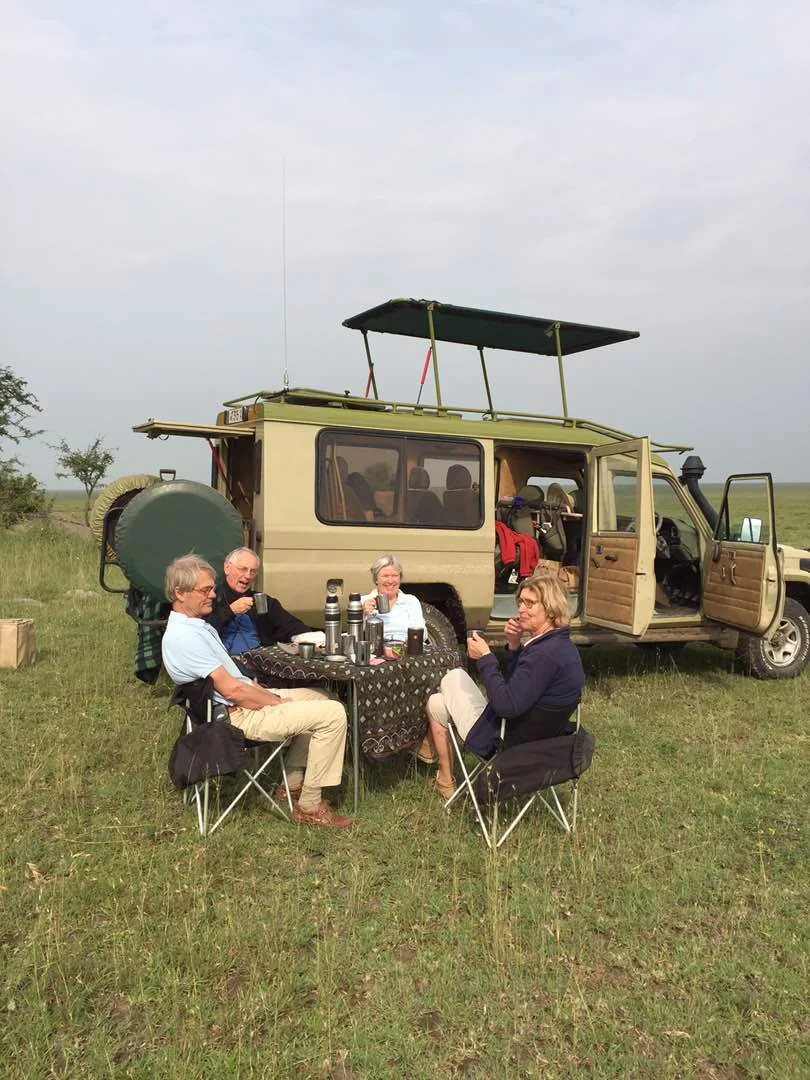
After a picnic lunch inside the crater, ascend and continue toward the Ndutu plains. The landscape gradually changes as you approach the Southern Serengeti ecosystem, where migrating wildebeest and zebras generally gather between December and March. Arrive at your selected Ndutu camp or lodge for dinner and overnight.
Meals: Lunch and dinner
Accommodation: Selected mid-range Ndutu safari camp or lodge
Approximate driving time: 5–6 hours, excluding the crater game drive and stops
Day 2: Full-Day Ndutu Calving Safari
After breakfast, spend the day exploring the Ndutu plains and surrounding Southern Serengeti ecosystem. During January and February, the area can support large wildebeest concentrations, newborn calves, zebras and gazelles. These herds attract predators such as lions, cheetahs and spotted hyenas, making this an especially rewarding period for wildlife observation and photography.
Your driver-guide will adjust the route according to recent rainfall, road conditions and reported herd movements. Enjoy a picnic lunch in the wildlife area and continue your game drive during the afternoon. Return to your Ndutu accommodation for dinner and a second overnight stay.
Meals: Breakfast, lunch and dinner
Accommodation: Selected mid-range Ndutu safari camp or lodge
Game-drive duration: Approximately 6–8 hours, with flexible wildlife-viewing and lunch stops
Day 3: Ndutu to Central Serengeti
Begin with an early game drive around Ndutu, searching for wildebeest herds, young calves and predators before leaving the southern plains. Afterwards, travel north toward Central Serengeti, with wildlife viewing along the way.
As you approach the Seronera region, the landscape changes from the open short-grass plains of Ndutu to savannah, river valleys and rocky kopjes. Central Serengeti supports excellent resident wildlife throughout the year and is particularly known for lions, leopards and cheetahs. Continue with an afternoon game drive before proceeding to your Central Serengeti camp or lodge for dinner and overnight.
Meals: Breakfast, lunch and dinner
Accommodation: Selected mid-range Central Serengeti camp or lodge
Approximate driving time: 3–4 hours, excluding game-viewing and photography stops
Day 4: Central Serengeti Game Drive and Return to Arusha
After an early breakfast, enjoy a final game drive in Central Serengeti, focusing on the Seronera region’s resident wildlife and established predator territories. Search around river valleys, kopjes and open plains for lions, leopards, cheetahs, elephants, giraffes and other wildlife.
After the morning game drive, begin the overland journey back to Arusha, travelling through the Ngorongoro Conservation Area and the northern Tanzania highlands. A picnic lunch will be provided during the journey. Arrival in Arusha is normally expected during the evening, depending on road conditions, park procedures and wildlife-viewing time.
Meals: Breakfast and lunch
Accommodation: Not included – end of safari
Approximate driving time: 7–8 hours, excluding the morning game drive and stops
Because of the long return journey from Central Serengeti, we do not recommend booking an international flight from Arusha or Kilimanjaro Airport on the same evening. An overnight stay in Arusha should be arranged before a next-day departure.
Safari Accommodation in Ndutu, Serengeti & Ngorongoro
Wildebeest Calving Season in Ndutu
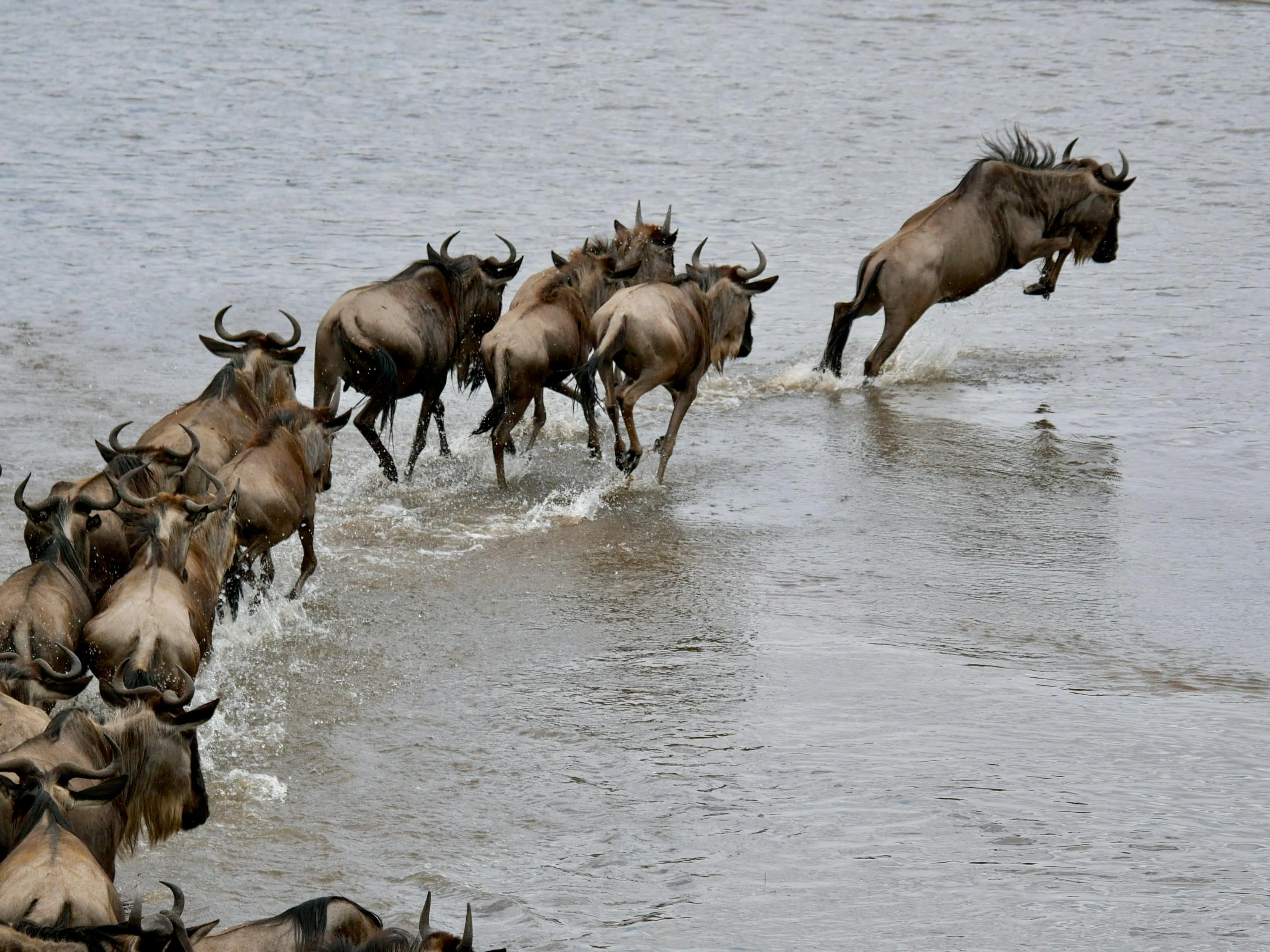
The Ndutu wildebeest calving season is one of the most remarkable stages of the Great Migration and a major reason to visit the Southern Serengeti ecosystem between December and March. Following the seasonal rains, migrating wildebeest and zebra move south in search of fresh grazing across the nutrient-rich short-grass plains of Ndutu and the Southern Serengeti.
The main calving period typically occurs during January and February, when large numbers of wildebeest calves are born across the plains. The concentration of wildebeest, newborn calves and other plains game also attracts predators. Lions, cheetahs, spotted hyenas and other carnivores take advantage of the abundance of prey, creating opportunities to observe natural predator-prey behaviour.
For photographers, Ndutu can be particularly rewarding. Open landscapes provide opportunities to photograph large herds, newborn calves, hunting predators and dramatic interactions against the expansive Serengeti plains.
However, the Great Migration is a natural wildlife movement rather than a fixed schedule. Rainfall, water availability and grazing conditions influence where the herds gather each year. For this reason, exact herd locations, calving activity and individual wildlife sightings cannot be guaranteed. A knowledgeable safari guide can adapt daily game drives according to current conditions and recent wildlife movements.
Wildlife You May See on This Safari
| Safari Area | Wildlife You May See | Wildlife Experience |
|---|---|---|
| Ndutu / Southern Serengeti | Wildebeest, zebra, cheetah, lion, spotted hyena, gazelle | Seasonal migration, calving and predator activity |
| Central Serengeti | Lion, leopard, cheetah, elephant, giraffe, buffalo, hippo | Year-round wildlife and big-cat viewing |
| Ngorongoro Crater | Black rhino, lion, buffalo, hippo, zebra, wildebeest, elephant | Diverse wildlife concentrated within the crater ecosystem |
A Safari Focused on Predators and Plains Game
The December–March calving season can be particularly rewarding for travellers interested in predator behaviour. Large concentrations of wildebeest and other plains game may attract lions, cheetahs and hyenas, while Central Serengeti adds opportunities to search for resident big cats.
The Ngorongoro Crater provides a different wildlife experience and is one of the areas where you may have an opportunity to see the endangered black rhino. However, all animals are wild and move freely, so specific wildlife sightings can never be guaranteed.
Best Time for Ndutu, Serengeti & Ngorongoro Safari
The best time for this 4-Day Ndutu Calving Safari is generally December to March, when the Great Migration moves through the southern Serengeti and Ndutu ecosystem in response to seasonal rainfall and fresh grazing. The main calving period is typically concentrated around January and February, although exact herd locations and timing vary from year to year.
The Ndutu and southern Serengeti plains are the seasonal focus of this itinerary, providing opportunities to see large wildebeest concentrations, newborn calves and increased predator activity. Central Serengeti serves a different role: the Seronera region supports abundant resident wildlife throughout the year and adds opportunities for lions, leopards, cheetahs, elephants and other species even when the migrating herds are concentrated farther south.
| Period | Ndutu / Southern Serengeti | Central Serengeti |
|---|---|---|
| December | Herds may begin arriving as seasonal rains create fresh grazing | Strong resident wildlife and big-cat viewing |
| January | Excellent migration concentrations; calving activity begins increasing | Year-round resident wildlife |
| February | Core calving period; excellent predator activity | Year-round big cats and resident wildlife |
| March | Herds may remain on the southern plains before movements gradually change | Reliable resident wildlife viewing |
| April–November | This particular calving itinerary is generally not the primary seasonal choice | Central Serengeti remains a strong year-round safari destination |
Why December to March Works So Well
Ndutu is the seasonal highlight. January and February typically provide the strongest calving experience, while December and March can still offer large herd concentrations depending on rainfall and grazing.
Central Serengeti provides the year-round element. The Seronera region supports resident wildlife including lions, leopards, cheetahs, elephants, giraffes and buffaloes. This means your safari does not depend entirely on finding the migrating herds.
Ngorongoro Crater provides the Big Five dimension. The crater supports wildlife throughout the year and offers opportunities to see lions, buffaloes, elephants, hippos and, with luck, the endangered black rhino.
Important: Wildebeest migration movements are determined by rainfall, water and grazing conditions. Exact herd locations, calving activity and individual wildlife sightings cannot be guaranteed.
Why Visit Both Ndutu and Central Serengeti?
| Safari Experience | Ndutu / Southern Serengeti | Central Serengeti |
|---|---|---|
| Main Wildlife Focus | Seasonal Great Migration | Resident year-round wildlife |
| Best Known For | Wildebeest calving grounds | Big cats and diverse wildlife |
| Predators You May See | Cheetah, lion, spotted hyena | Lion, leopard and cheetah |
| Landscape | Open short-grass plains | Savannah, kopjes and riverine areas |
| Migration Experience | Major focus from December–March | Herd movements vary by season |
| Best Time | December–March for the calving season | Excellent wildlife viewing year-round |
| Photography | Herds, newborn calves and open landscapes | Big cats, kopjes and classic Serengeti scenery |
Two Different Safari Experiences in One Journey
Ndutu provides the seasonal spectacle. During the green season, migrating wildebeest and zebra may gather across the southern plains, with January and February typically providing the strongest calving activity.
Central Serengeti provides consistency. The Seronera ecosystem supports resident wildlife throughout the year, making it particularly valuable for travellers hoping to search for lions, leopards, cheetahs, elephants, giraffes and buffaloes.
By visiting both regions, your safari is not dependent entirely on the location of the Great Migration herds. You experience the seasonal wildlife concentrations of Ndutu alongside the established wildlife habitats of Central Serengeti before continuing to the Ngorongoro Crater.
Who Is This Ndutu, Serengeti & Ngorongoro Safari Best For?
Planning, Packing & Travel Tips for Your 4-Day Ndutu Safari
A little preparation can make your Ndutu, Central Serengeti and Ngorongoro safari considerably more comfortable. Conditions can vary between the warm open plains, seasonal rains around Ndutu and the cooler Ngorongoro highlands, so packing light and wearing layers is recommended.
Safari Planning Essentials
| Travel Detail | What to Know |
|---|---|
| Safari Vehicle | Travel in a private 4×4 Land Cruiser with a pop-up roof for wildlife viewing and photography. |
| Best Travel Period | December to March for the Ndutu migration season, with January and February typically providing the main calving period. |
| Daily Schedule | Early-morning starts are recommended because wildlife is often more active during the cooler hours. |
| Road Conditions | Some Ndutu and Serengeti tracks can become muddy or rough following seasonal rainfall. |
| Luggage | Soft-sided luggage is recommended because it is easier to store inside safari vehicles. |
| Connectivity | Mobile and Wi-Fi coverage can be limited or intermittent in remote parts of Ndutu and Serengeti. |
| Cash | Carry a small amount of cash for tips, drinks, souvenirs and personal expenses. |
| Travel Insurance | Comprehensive travel and medical insurance is strongly recommended before travelling. |
What to Pack
Pack lightweight, neutral-coloured clothing in breathable fabrics, together with a fleece, sweater or light jacket for early mornings and evenings. Temperatures around the Ngorongoro highlands can feel considerably cooler than the Serengeti plains.
Bring comfortable closed shoes, a sun hat, sunglasses, sunscreen, insect repellent and a small daypack. A lightweight rain jacket is particularly useful during the green season.
For wildlife viewing, consider bringing binoculars and a camera with a zoom or telephoto lens. Pack spare batteries, memory cards and charging equipment, as photography opportunities can arise throughout the day.
Useful Travel Tips
- Keep your camera and binoculars accessible rather than packed inside your main luggage. Wildlife encounters can happen unexpectedly while travelling between safari areas.
- Bring layers that can easily be removed as temperatures rise during the day. Early mornings in Ngorongoro and the Serengeti may be cool before becoming considerably warmer later.
- Remain flexible around Ndutu. The Great Migration is a natural event, and rainfall influences where the wildebeest herds concentrate. Your driver-guide may adjust game-drive routes according to current wildlife movements and road conditions.
- Avoid following a rigid wildlife checklist. Spending more time observing an interesting sighting often creates a more rewarding safari than rushing between locations simply to see as many species as possible.
Getting to Ndutu, Serengeti & Ngorongoro
This 4-day Ndutu, Serengeti and Ngorongoro safari is designed to start and end in Arusha, northern Tanzania’s main gateway to the safari circuit. Travellers can reach Arusha by international or regional flight before continuing overland in a private 4×4 safari vehicle.
By Air
The most convenient international gateway is Kilimanjaro International Airport (JRO), located between Arusha and Moshi. From the airport, a private transfer can be arranged to your Arusha hotel, where you can overnight before beginning the safari the following morning.
Travellers arriving from destinations such as Zanzibar, Dar es Salaam or other safari regions can also use scheduled domestic flights connecting with Arusha Airport (ARK) or nearby safari airstrips.
By Road from Arusha
The safari travels overland from Arusha toward the Ngorongoro Conservation Area and Ndutu, allowing you to experience the changing landscapes of northern Tanzania along the way. From Ndutu, the journey continues through the Serengeti ecosystem to Central Serengeti, before returning toward Ngorongoro for the crater experience.
| Route | Approximate Travel Time* |
|---|---|
| Kilimanjaro Airport → Arusha | 1–1.5 hours |
| Arusha → Ndutu | 5–7 hours |
| Ndutu → Central Serengeti | 2–4 hours |
| Central Serengeti → Ngorongoro area | 3–4 hours |
| Ngorongoro → Arusha | 3–4 hours |
*Driving times are approximate and can vary depending on road conditions, seasonal rainfall, wildlife sightings, park entry procedures and game-drive stops.
Fly-In Option
For travellers who prefer to reduce driving time, a fly-in safari option can also be arranged using scheduled light-aircraft services to an appropriate Serengeti or Ndutu-area airstrip, subject to season and flight schedules. Private road transfers and game drives can then be arranged from the airstrip.
Travel tip: Arriving in Arusha at least one day before your safari begins is recommended, particularly after a long international flight. This provides time to rest before the early departure for Ndutu.
Guide and Travel Expert Insights
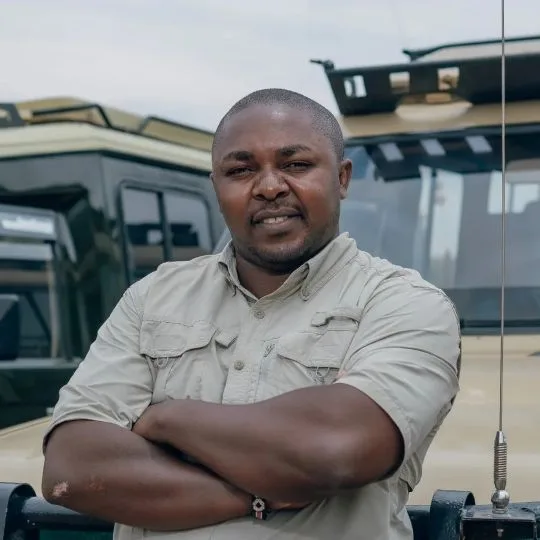
A successful Ndutu calving safari depends on good seasonal planning and the ability to respond to current wildlife conditions. Wildebeest movements are influenced by rainfall, water and fresh grazing, so the most productive game-drive areas can change throughout the season. Your driver-guide will use recent wildlife reports, road conditions and signs observed in the field to decide where to spend time each day.
How Our Guides Approach the Calving Season
Early-morning game drives are particularly valuable because temperatures are cooler, wildlife may be more active and the light is often better for photography. Rather than relying entirely on previous sightings, your guide will look for fresh tracks, herd movement, predator calls, circling vultures and reports from other professional guides.
Ndutu remains the seasonal focus of this itinerary, while Central Serengeti provides dependable resident wildlife and established big-cat territories. Ngorongoro Crater adds a contrasting ecosystem and opportunities to search for wildlife that may not have been encountered on the open plains.
What Our Guides Look For
| Field Sign | What It May Indicate |
|---|---|
| Wildebeest concentrations | Large or rapidly gathering herds may indicate productive grazing and active migration areas. |
| Newborn calves | Groups with very young calves can indicate areas where recent calving activity is concentrated. |
| Cheetahs on open plains | Cheetahs often use open terrain and raised ground to scan for prey. |
| Lion tracks and calls | Fresh tracks, vocalisations and resting prides can reveal areas of recent lion activity. |
| Spotted hyena activity | Hyenas moving purposefully or gathering may indicate hunting, feeding or nearby predator activity. |
| Circling vultures | Concentrations of scavenging birds may point toward a carcass or recent predator activity. |
| Sudden herd movement | Tightly grouped or rapidly moving animals may indicate predators or movement toward fresh grazing and water. |
Practical Travel Expert Advice
- Travel between late January and February for the main calving period. These months typically provide the strongest opportunities to see newborn wildebeest, although exact timing varies with rainfall.
- Keep your Ndutu schedule flexible. Herd locations follow fresh grazing and water rather than a fixed calendar.
- Do not focus only on wildebeest. Ndutu can also provide rewarding encounters with cheetahs, lions, spotted hyenas, gazelles and birdlife.
- Give productive sightings enough time. Patient observation can reveal hunting, social and family behaviour that may be missed when constantly moving between sightings.
- Prepare for changing conditions. Seasonal rain can make some tracks muddy, while early mornings around Ngorongoro and Serengeti can be cool.
- Carry photography equipment within easy reach. Wildlife encounters can occur unexpectedly while travelling between safari areas.
Our Planning Approach
We plan this itinerary with Ndutu as the seasonal wildlife focus, Central Serengeti as the year-round wildlife anchor and Ngorongoro Crater as the final contrasting environment. This balance means the safari does not depend entirely on locating the Great Migration herds and gives travellers a broader northern Tanzania wildlife experience.
Is This the Right Tanzania Safari for You?
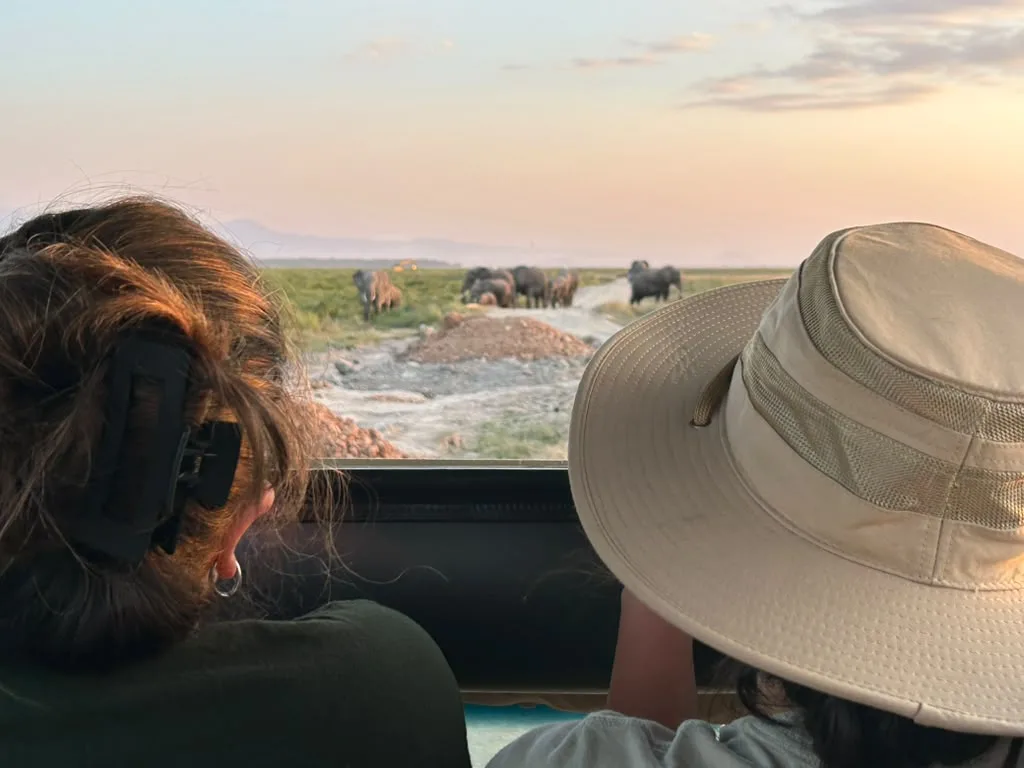
Choosing the right short Tanzania safari depends on your travel month, available time and preferred way of travelling. This four-day itinerary is ideal for travellers who want to combine the seasonal Ndutu calving grounds with Central Serengeti’s year-round wildlife and Ngorongoro Crater. The alternatives below may be more suitable if you have less time, prefer a fly-in safari or are travelling outside the main Ndutu calving season
| Section | Suggested anchor | Destination |
|---|---|---|
| Overview | Tanzania safari packages | Tanzania safari category |
| Calving-season section | Ndutu calving safari | 3-day Ndutu package |
| Central Serengeti section | Serengeti fly-in safari | 3-day Serengeti fly-in package |
| Best-time section | best time to visit Kenya and Tanzania | Best-time guide |
| Migration section | Great Migration safari guide | Migration guide |
| Final comparison | 3-Day Ndutu Calving Safari | 3-day package |
| Final comparison | 3-Day Serengeti Fly-In Safari | Fly-in package |
Which should you choose? If the calving season is your main priority and time is limited, the 3-Day Ndutu Safari provides a more concentrated seasonal experience. Choose this 4-Day Ndutu, Serengeti & Ngorongoro Safari if you want to combine the calving grounds with Central Serengeti's resident wildlife. If you are travelling outside the main Ndutu season, the 3-Day Serengeti Fly-In Safari may be the more suitable short Serengeti option.
Guest Safari Experiences
An Incredible Ndutu Calving Experience
“Ndutu was the highlight of our Tanzania safari. We saw large wildebeest herds spread across the plains and spent time watching cheetahs and lions rather than rushing between sightings. Central Serengeti gave us a completely different landscape and more excellent wildlife encounters. Finishing with the Ngorongoro Crater made the four days feel remarkably complete.”
Rating: 5/5
Daniel Mercer — United Kingdom
Travelled: February 2026
Trip Type: Couple
Safari: Ndutu, Central Serengeti & Ngorongoro
Perfect Balance of Serengeti and Ndutu
“We wanted to experience the calving season but did not want the entire safari to depend on the migration. Combining Ndutu with Central Serengeti was a great balance. We particularly enjoyed having time to watch the big cats and photograph the open landscapes. Our final game drive in Ngorongoro added another completely different wildlife experience.”
Rating: 5/5
Priya Nanduri — Canada
Travelled: January 2026
Trip Type: Family
Safari: Ndutu, Serengeti & Ngorongoro
Excellent Safari for Wildlife Photography
“The private vehicle made a big difference because we could spend longer at the sightings that interested us. The open Ndutu plains were fantastic for photography, while Central Serengeti gave us opportunities to watch resident wildlife and predators. Ngorongoro was an impressive way to finish an already memorable safari.”
Rating: 5/5
Marcus Ellery — Australia
Travelled: February 2025
Trip Type: Friends / Photography
Safari: Ndutu Calving & Serengeti Safari
Frequently Asked Questions About the 4-Day Ndutu, Serengeti & Ngorongoro Safari
Editorial Review: 4-Day Ndutu, Serengeti & Ngorongoro Safari
This 4-day Ndutu, Serengeti and Ngorongoro safari is particularly well designed for travellers visiting northern Tanzania during the December–March migration season. Its main strength is that it does not rely entirely on the wildebeest herds: Ndutu provides the seasonal migration and calving focus, Central Serengeti adds dependable resident wildlife and predator viewing, while Ngorongoro Crater provides a distinctly different final game-drive experience.
From an itinerary-planning perspective, we particularly like the progression from open short-grass calving plains to Central Serengeti and then Ngorongoro. Tanzania's tourism authorities identify Ndutu and the southern plains as important seasonal calving habitat, while Ngorongoro offers rewarding wildlife viewing throughout the year.
The trade-off is pace. Four days is enough to experience all three areas, but travellers wanting slower game drives or more photography time should consider adding an extra night in Ndutu or Central Serengeti.
Best for: Calving-season travellers, wildlife photographers, couples, families and first-time Tanzania safari visitors
Recommended travel period: December–March
Strongest calving window: Typically late January–February
Editorial verdict: An excellent short seasonal safari for travellers wanting Ndutu's migration experience without sacrificing Central Serengeti and Ngorongoro Crater.
Reviewed By
John Peter
Safari Planner & Operations Manager
16+ years of East African safari planning experience
Editorial review updated: August 2026
About the Author

John Peter — East Africa Safari Specialist
John Peter is a safari planner and Operations Manager with more than 16 years of experience designing and coordinating wildlife safaris across East Africa. His experience includes planning private and group journeys through Tanzania’s Serengeti, Ndutu, Ngorongoro Conservation Area and other northern safari destinations, as well as cross-border Kenya and Tanzania itineraries.
His safari planning focuses on practical routing, seasonal wildlife movements, accommodation selection and realistic game-drive schedules. For Ndutu itineraries, particular attention is given to the December–March migration period, current herd movements and balancing seasonal wildlife viewing with the year-round game-viewing opportunities of Central Serengeti and Ngorongoro Crater.
Specialist Areas: Tanzania & Kenya Safaris, Great Migration, Ndutu Calving Season, Serengeti, Ngorongoro & Private East Africa Safaris
Experience: 16+ years
Last reviewed: August 2026
Plan Your 4-Day Ndutu, Serengeti & Ngorongoro Safari
Experience the Ndutu calving season, search for big cats across Central Serengeti and descend into the wildlife-rich Ngorongoro Crater on a private four-day Tanzania safari. We can tailor the itinerary to your travel dates, group size, accommodation preference and budget, with mid-range and luxury options available.
Safari Price: From USD 1,650 per person sharing
Best Travel Period: December–March
Safari Style: Private 4×4 Land Cruiser
Ready to start planning? Contact our safari team for a personalized itinerary and quotation.
WhatsApp: +254 728 567 308
Email: sales@eastafricajungle.com
Request a Free Quote | Customize This Safari
Available Months
Dates are flexible. Request your preferred month and our team will advise the best safari timing.
Safari Route Map
Plan Your Safari Today
Tell us your travel month, budget level, and group size. We will shape this package around your preferred safari style.

 16+ Years
 English