Planning a Tanzania safari starts with choosing the right route for your travel dates, available time and the wildlife experiences you want most. Our Tanzania safari itineraries for 2026/2027/2028 range from short 2–4 day wildlife adventures to longer private Tanzania safari packages exploring Serengeti National Park, Ngorongoro Crater, Tarangire, Lake Manyara and the seasonal Ndutu plains, with the option to finish your journey on Zanzibar.Planning a Tanzania safari starts with choosing the right route for your travel dates, available time and the wildlife experiences you want most. Our Tanzania safari itineraries for 2026/2027/2028 range from short 2–4 day wildlife adventures to longer private Tanzania safari packages exploring Serengeti National Park, Ngorongoro Crater, Tarangire, Lake Manyara and the seasonal Ndutu plains, with the option to finish your journey on Zanzibar.
For first-time visitors, a 5–7 day Tanzania safari itinerary through the Northern Circuit is one of the best ways to experience the country. Spend time searching for lions, elephants, leopards and other wildlife across the Serengeti, descend into Ngorongoro Crater in search of the Big Five, and explore Tarangire's baobab landscapes and famous elephant herds. Travelling between January and March? Consider a Ndutu calving safari. From July to October, a Tanzania Great Migration safari can focus on the northern Serengeti and the possibility of witnessing dramatic river crossings.
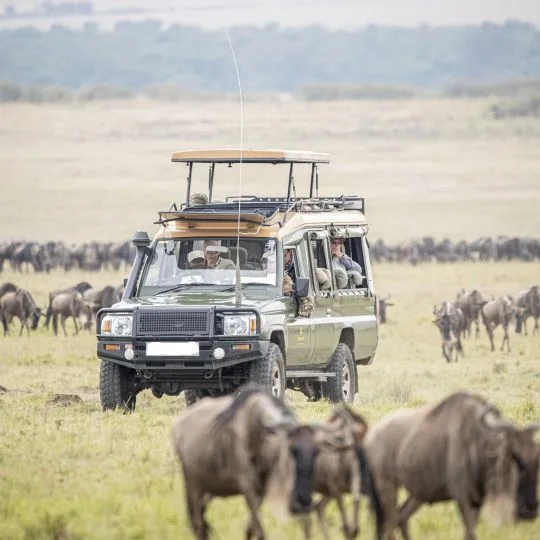
Our Tanzania safari tours are operated in 4×4 safari Land Cruisers and can be customised for couples, families, honeymooners, photographers and private groups. Choose from budget, mid-range and luxury accommodation, or combine your wildlife safari with a relaxing Zanzibar beach holiday.
Compare our Tanzania safari packages below by duration, route, season, travel style and price to find the itinerary that best matches the way you want to experience Tanzania.
Private Tanzania Safaris • 4×4 Safari Land Cruisers • Flexible Dates • Customisable Itineraries
Plan Your Tanzania Safari | Request a Quote | WhatsApp: +254 728 567308
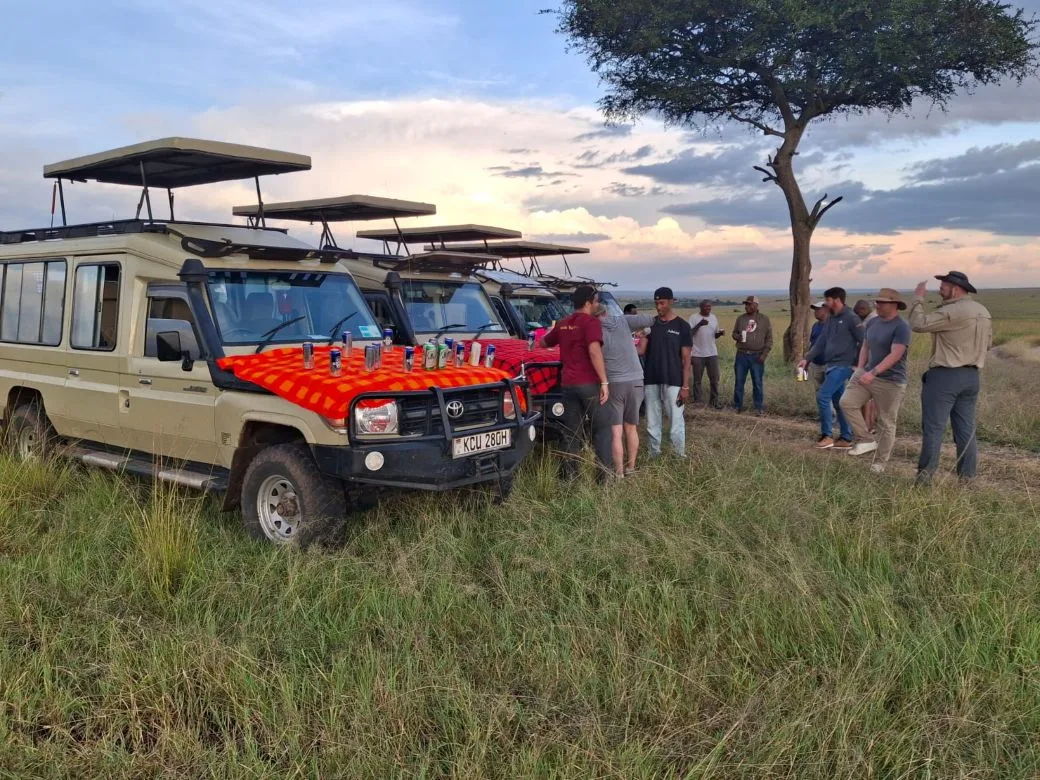
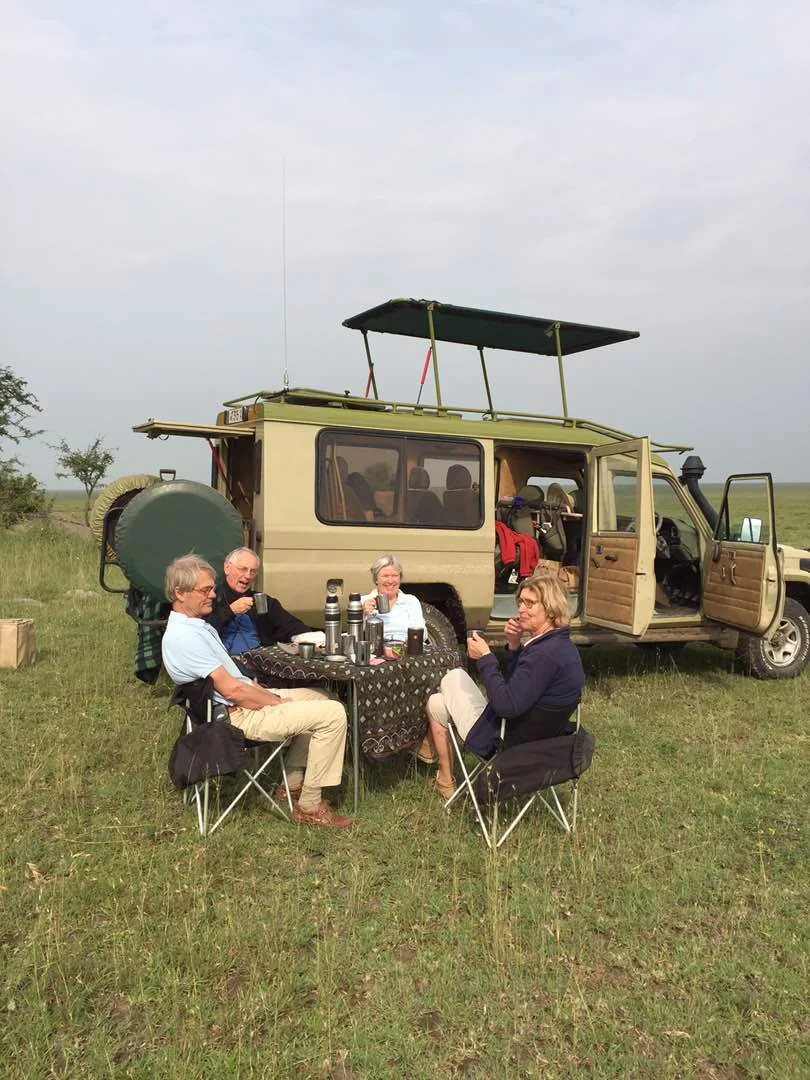
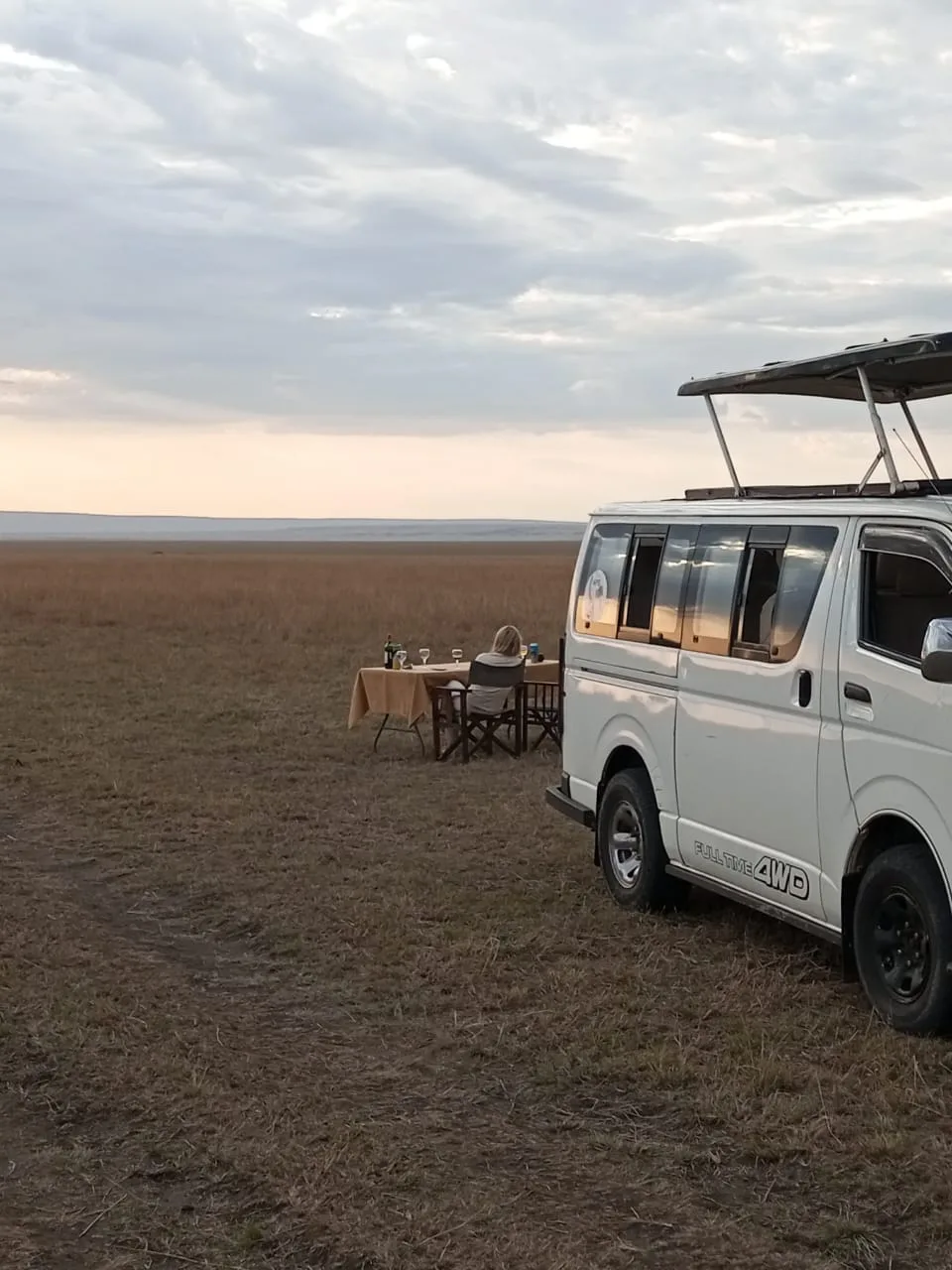
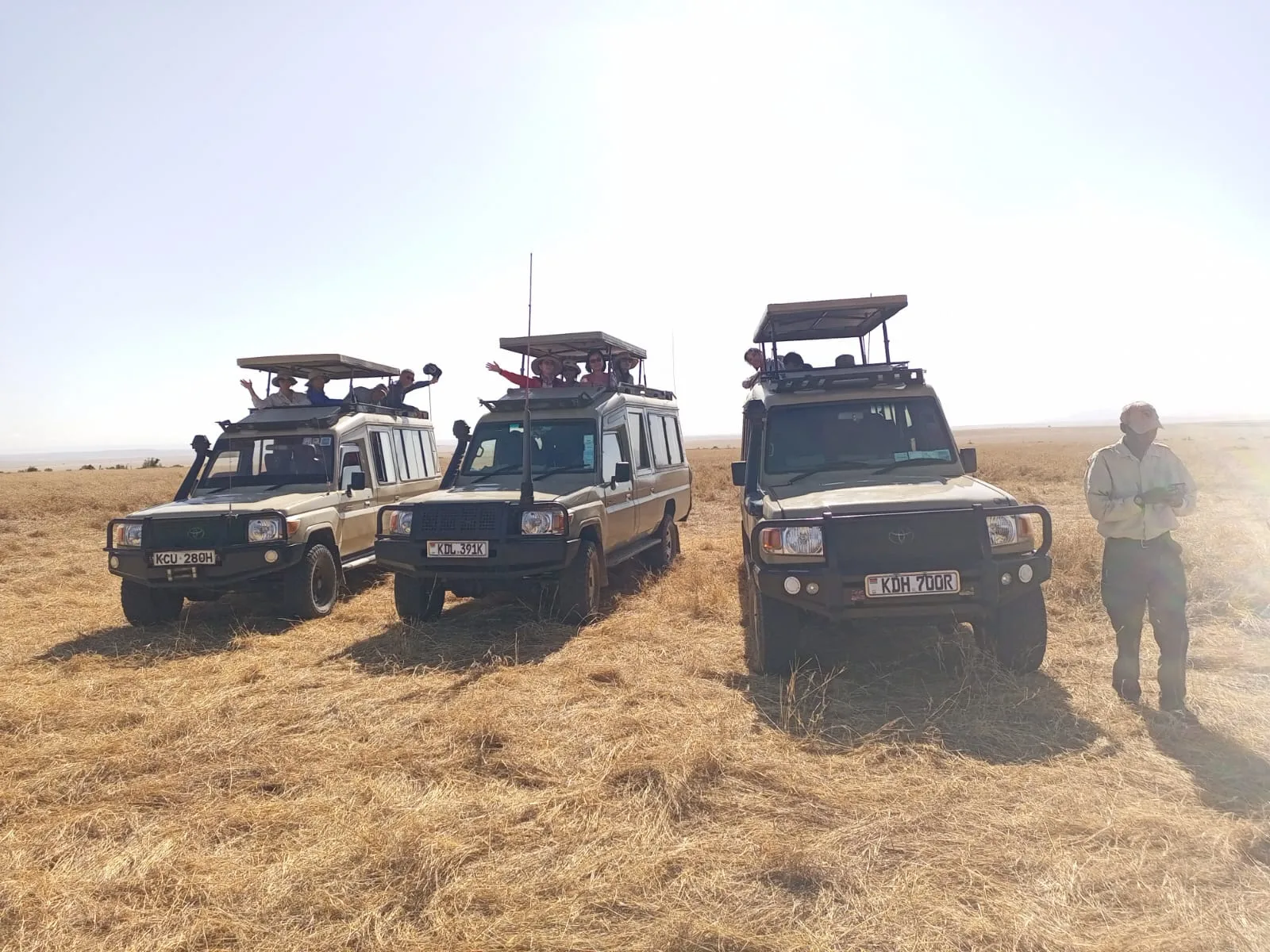
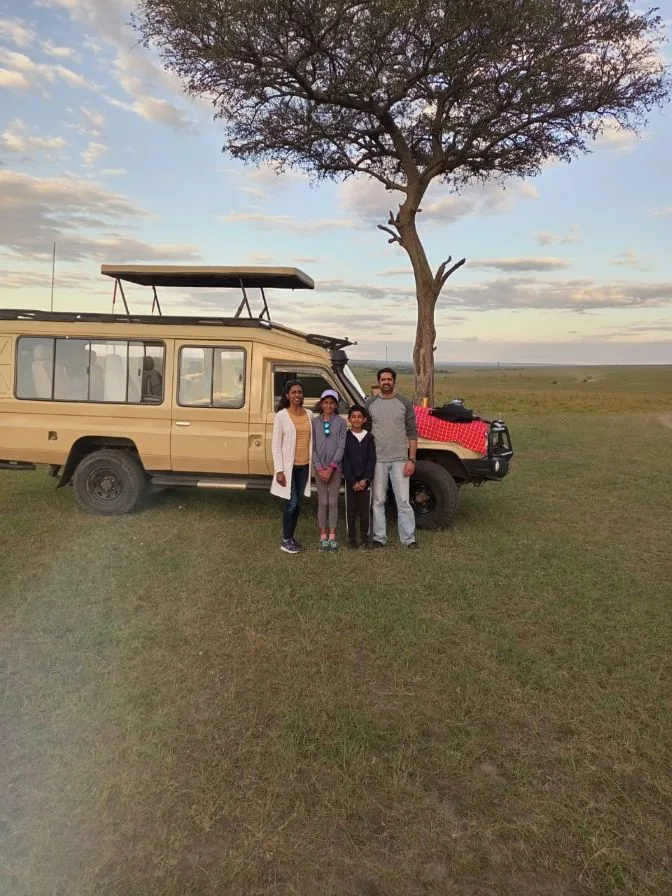
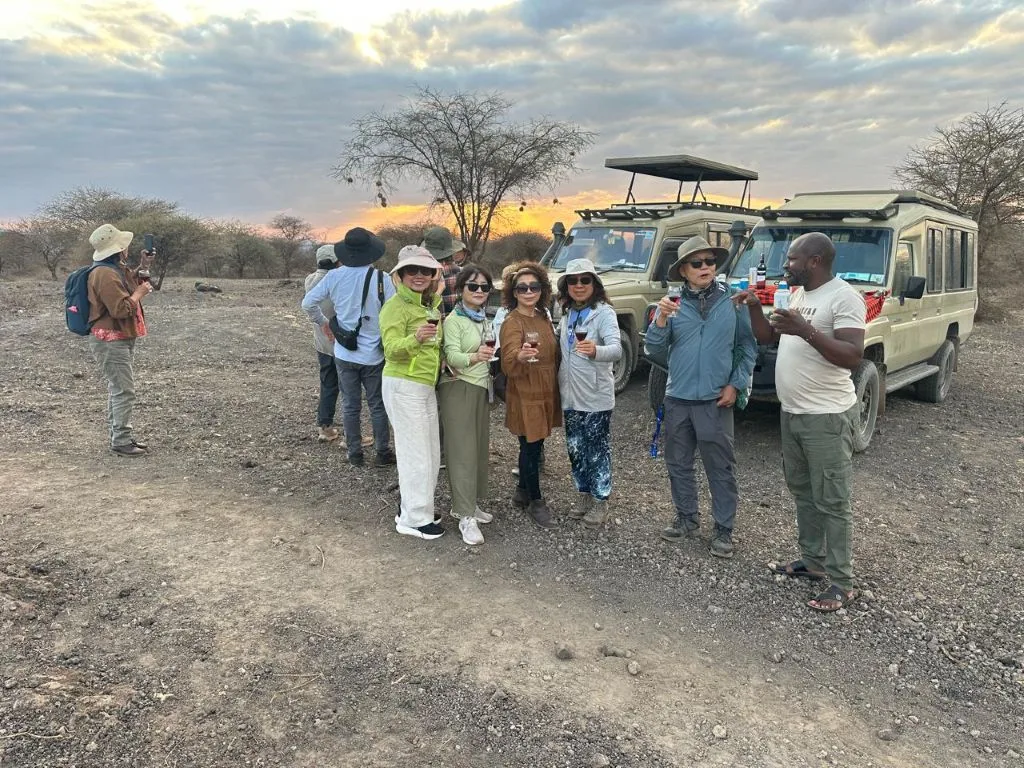
Our Tanzania Safari Itineraries Gallery
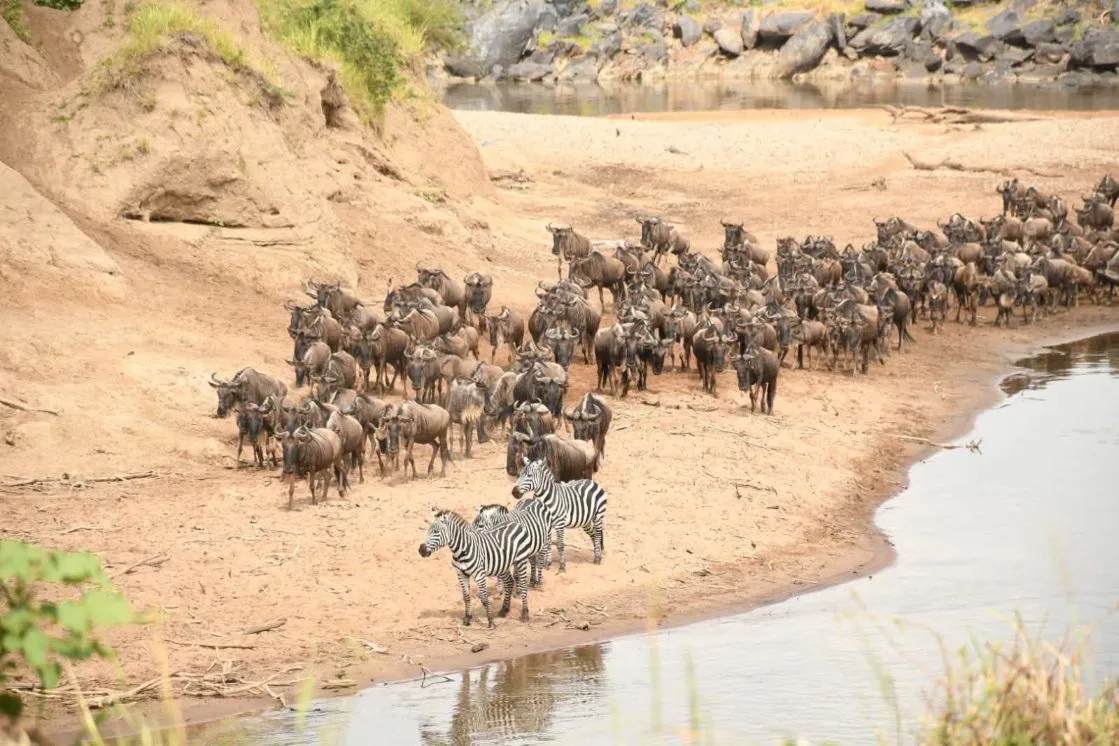
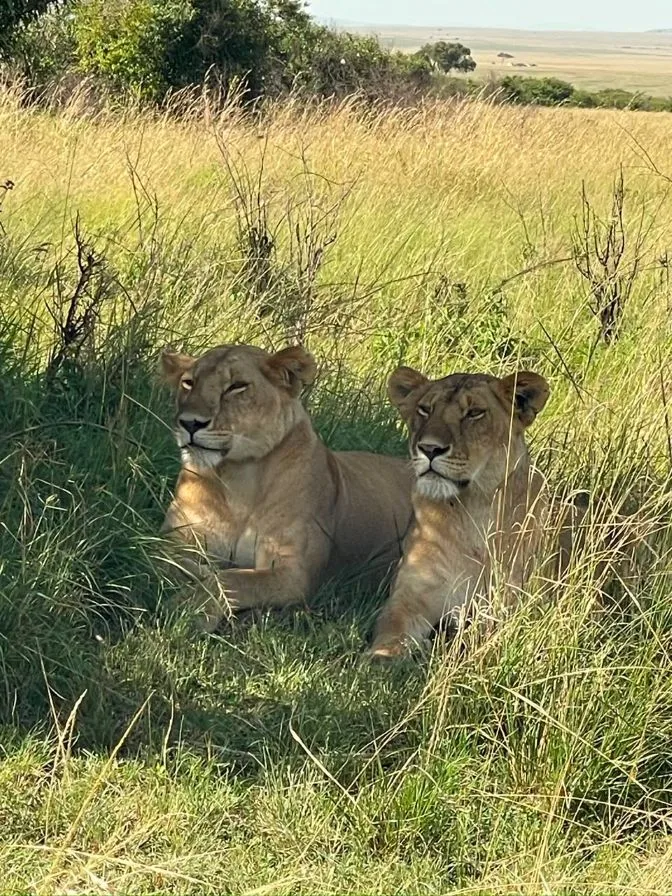
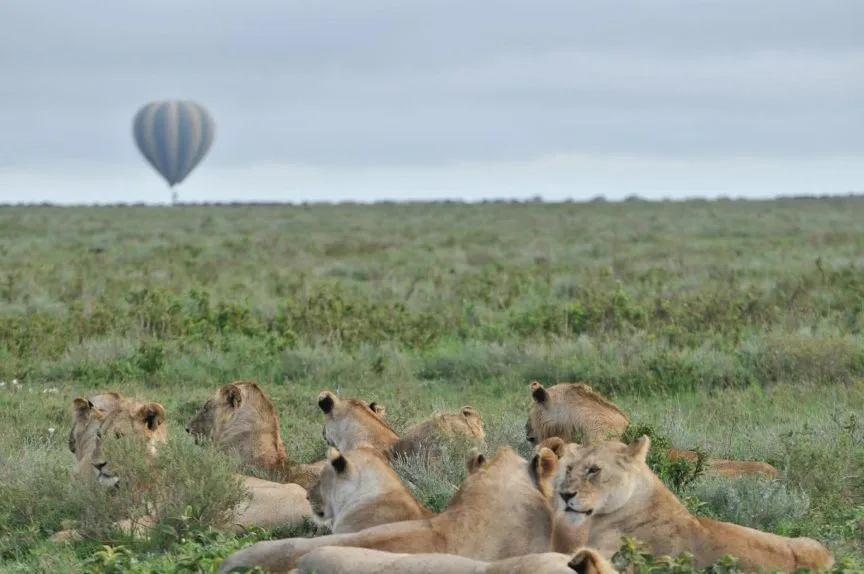
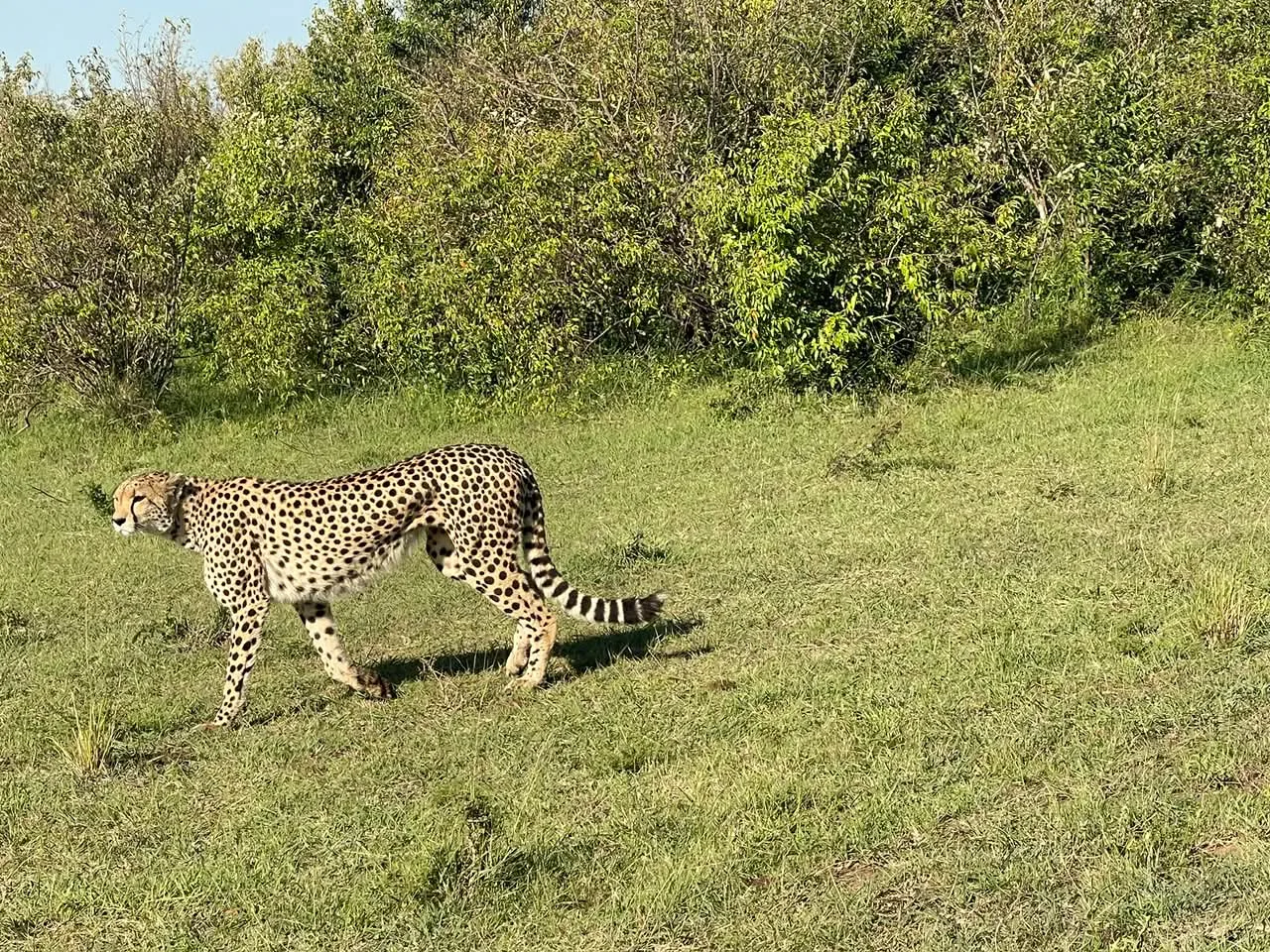
What Is the Best Tanzania Safari Itinerary for 2026/2027/2028?
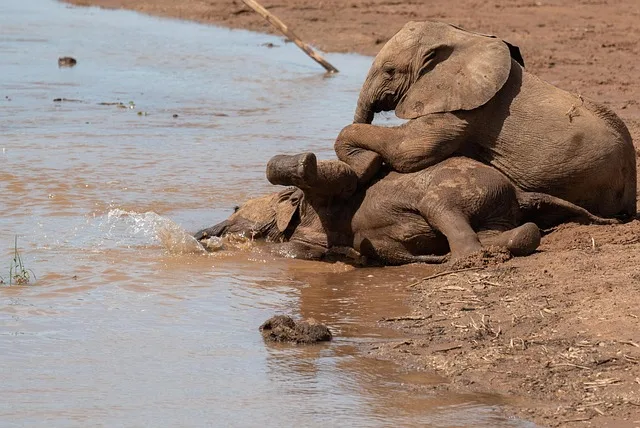
For most first-time visitors, the best Tanzania safari itinerary is a 5–7 day Northern Circuit safari combining Tarangire National Park, Serengeti National Park and Ngorongoro Crater. This route offers a strong mix of landscapes, Big Five game viewing, big cats, elephants and the chance to experience the Great Migration when your dates and route coincide with the herds. Travellers with only 3–4 days should focus on fewer destinations, while 8–10 days allows more time in the Serengeti and a slower safari pace.
Tanzania Safari Itineraries at a Glance
| Safari Length | Recommended Route | Best For | Ideal Time |
|---|---|---|---|
| 2–3 Days | Tarangire + Ngorongoro or Serengeti Fly-In | Short safaris, Zanzibar extensions | Year-round |
| 3–4 Days | Serengeti + Ngorongoro | Wildlife & Big Five | Year-round |
| 3–5 Days | Ndutu + Ngorongoro | Calving season & predators | Jan–Mar |
| 5–7 Days | Tarangire + Serengeti + Ngorongoro | First-time visitors | Year-round |
| 6–8 Days | Tarangire + Serengeti + Ngorongoro + Lake Manyara | Families & relaxed travel | Year-round |
| 7–10 Days | Extended Serengeti + Ngorongoro + Tarangire | Photography & wildlife enthusiasts | Year-round |
| 8–14 Days | Northern Circuit + Zanzibar | Safari & beach holidays | Year-round |
How Many Days Do You Need for a Tanzania Safari?
The ideal Tanzania safari is usually 5–7 days for a first visit, but the right length depends on what you want to experience.
2–3 days: Best when time is limited. Concentrate on Tarangire and Ngorongoro or fly directly into the Serengeti rather than spending much of the safari driving between destinations.
4–5 days: Enough time for a rewarding Serengeti and Ngorongoro safari, with Tarangire added on carefully planned routes. During the calving season, these days can instead be concentrated around Ndutu and Ngorongoro.
6–7 days: Our preferred length for a first Tanzania safari. You can spend multiple nights in the Serengeti while including Tarangire and Ngorongoro without changing accommodation every night.
8–10 days: Ideal if you want a slower pace, additional Serengeti game drives, wildlife photography or more than one Serengeti region.
10–14 days: Best for an extended Tanzania safari or a combination of the Northern Circuit and Zanzibar.
Key Safari Planning Tip
Do not choose your Tanzania safari simply by counting how many parks are included. A well-planned itinerary with three destinations and enough time for game drives can provide a much better wildlife experience than a rushed itinerary covering five or six parks.
For most first-time travellers, we recommend prioritising Tarangire, Serengeti and Ngorongoro, then adding Lake Manyara, Ndutu or Zanzibar when your travel dates, interests and available time make them worthwhile.
Best Tanzania Safari Itineraries by Duration 2026/2027/2028
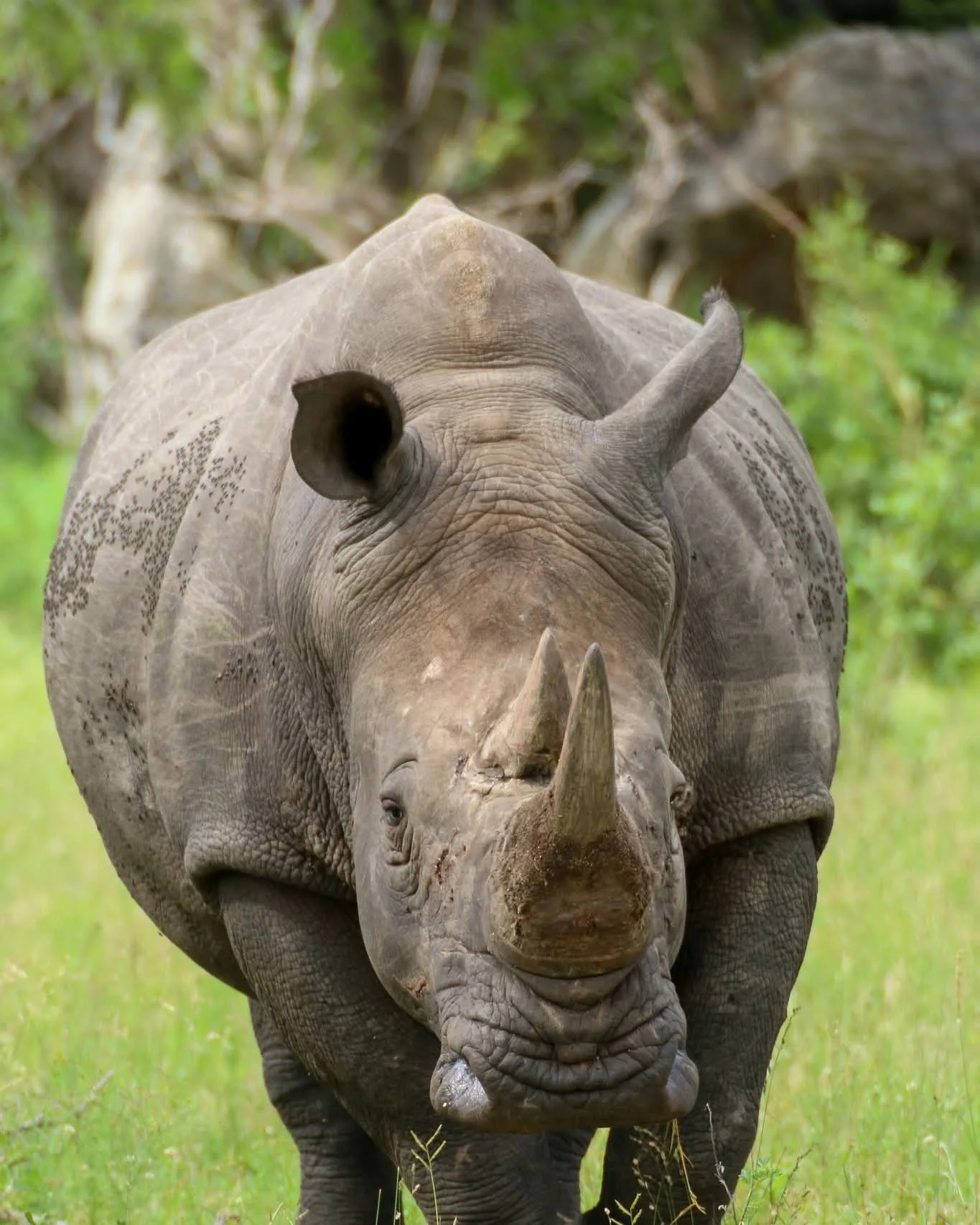
The best Tanzania safari itinerary is not necessarily the one that visits the most parks. It is the one that gives you enough time in the wildlife areas that matter most to you. A short safari can work exceptionally well when it concentrates on one or two destinations, while a longer itinerary gives you more time for game drives, photography and a slower pace.
Below are our recommended Tanzania safari itineraries for 2026/2027/2028, from short Serengeti escapes to longer Northern Circuit journeys.
2–3 Day Tanzania Safari Itineraries – Best for Short Trips
If you have only two or three days, keep your Tanzania safari focused. Trying to combine Tarangire, Serengeti and Ngorongoro in such a short period can mean spending too much of your holiday travelling between parks.
For a two-day road safari from Arusha, Tarangire and Ngorongoro make a practical combination. If the Serengeti is your priority, flying directly into the park gives you considerably more time for wildlife viewing.
Our 3 Days Serengeti Fly-In Safari is designed around this idea. Fly from Arusha into the Serengeti, meet your private safari guide and begin game viewing without the long overland journey. With two nights in the park, you can enjoy an arrival-day game drive, a full day exploring the Serengeti and another wildlife drive before flying out.
Best for: Couples, honeymooners, Zanzibar extensions and travellers with limited time
Main wildlife focus: Lions, leopards, cheetahs, elephants, giraffes and other Serengeti wildlife
Recommended length: 3 days / 2 nights
Safari style: Private fly-in safari
Starting price: From USD 1,650 per person sharing
3–4 Day Tanzania Safari Itineraries – Best for Serengeti & Ngorongoro
With four days available, you can begin combining major wildlife areas while still keeping the safari focused.
A classic option combines Serengeti National Park and Ngorongoro Crater, giving you the open plains and predator-rich ecosystems of the Serengeti followed by a contrasting game drive on the Ngorongoro Crater floor.
During the Great Migration season, consider our 4 Days Great Migration Safari Tanzania. The itinerary can be planned around the seasonal movement of wildebeest and zebra while still providing opportunities to encounter resident Serengeti wildlife.
If you are travelling between December and March, a southern route can be more rewarding than automatically heading north.
Best for: First-time visitors, couples and short wildlife-focused trips
Main wildlife focus: Big cats, Big Five, wildebeest, zebra and elephants
Recommended length: 4 days / 3 nights
Safari style: Private 4×4 safari
Best time: Year-round, with the route adjusted seasonally
3–5 Day Ndutu Calving Safari – Best for January to March
January and February are particularly exciting months in the southern Serengeti ecosystem as large numbers of wildebeest gather around the short-grass plains of Ndutu for the calving season.
Rather than treating Ndutu as a quick stop on a general Serengeti itinerary, we recommend spending meaningful time in the area when calving is your main reason for travelling.
Our 4 Days Ndutu Calving Safari, Serengeti & Ngorongoro Crater combines the seasonal wildlife of Ndutu with Central Serengeti and Ngorongoro Crater.
The attraction is not only the newborn wildebeest. The concentration of prey can create rewarding opportunities to observe lions, cheetahs, hyenas and other predators across the southern plains.
Best for: Calving-season travellers and wildlife photographers
Main wildlife focus: Wildebeest calves, cheetahs, lions, hyenas and migration herds
Best period: December–March
Peak calving focus: January–February
Recommended length: 3–5 days
4 Day Tarangire & Ndutu Safari – Best for Elephants and Calving Season
Travellers visiting during the green season can combine two very different Tanzania safari landscapes in one short itinerary.
Begin among the baobabs and elephant herds of Tarangire before continuing towards the seasonal plains of Ndutu and finishing around Ngorongoro.
Our 4 Days Tarangire & Ndutu Calving Safari is particularly suited to travellers visiting from December through March who want more than a Serengeti-only experience.
Tarangire provides a contrasting landscape and resident wildlife before the safari shifts towards the seasonal wildebeest herds and predator activity farther north.
Best for: Couples, photographers and seasonal wildlife trips
Main wildlife focus: Elephants, wildebeest, newborn calves, lions and cheetahs
Best period: December–March
Safari style: Private 4×4 safari
Starting price: From USD 1,450 per person sharing
5 Day Tanzania Safari – Best for First-Time Visitors
Five days is one of the most useful safari lengths for travellers who want to experience the classic Northern Circuit without committing to a longer holiday.
A well-designed five-day route can combine:
Arusha → Tarangire → Serengeti → Ngorongoro → Arusha
Tarangire introduces you to giant baobabs and elephant country before you continue towards the Serengeti for big cats, plains wildlife and expansive landscapes. Ngorongoro provides a completely different final wildlife experience inside the crater.
Families can consider our 5 Days Tanzania Family Safari, which combines Tarangire, Serengeti and Ngorongoro in a private safari format.
Travelling privately is especially useful for families because game-drive times and reasonable comfort stops can be discussed with your guide rather than being determined by a larger group.
Best for: First-time visitors, families and couples
Main destinations: Tarangire, Serengeti & Ngorongoro
Recommended length: 5 days / 4 nights
Safari style: Private 4×4 safari
Starting price: From USD 1,400 per person sharing
6–7 Day Tanzania Safari – Our Recommended First Safari
If this is your first trip to Tanzania and you have the time, six or seven days is the safari length we recommend most often.
The biggest advantage is not necessarily adding more destinations. It is having more time in the Serengeti.
Instead of arriving one afternoon and leaving the following morning, you can spend two or three nights in the park and dedicate full days to wildlife viewing. This gives your guide greater flexibility to respond to predator activity, fresh sightings and changing wildlife movements.
A typical seven-day Northern Circuit itinerary could follow:
Day 1: Arusha → Tarangire
Day 2: Tarangire → Serengeti
Day 3: Full-day Serengeti
Day 4: Full-day Serengeti
Day 5: Serengeti → Ngorongoro
Day 6: Ngorongoro Crater
Day 7: Lake Manyara or relaxed return to Arusha
You do not necessarily need to follow this exact route. Depending on your travel month, Lake Manyara could be removed and the additional time allocated to Serengeti or Ndutu.
Best for: First-time visitors, couples, families and wildlife enthusiasts
Main destinations: Tarangire, Serengeti, Ngorongoro and optional Lake Manyara
Main advantage: More wildlife time with fewer rushed transfers
Best time: Year-round
7–10 Day Tanzania Safari – Best for Wildlife Photography
Seven to ten days allows the safari to become noticeably more relaxed.
Rather than simply adding more national parks, consider spending additional nights in the Serengeti. This is particularly valuable for photographers because wildlife does not appear according to a fixed itinerary.
A lion pride may remain inactive for hours before beginning to move. A leopard sighting can develop unexpectedly. Cheetahs may begin hunting when conditions change, while migration herds can alter direction according to rainfall, grazing and water.
Extra time gives you the flexibility to stay with worthwhile sightings rather than constantly moving towards the next accommodation.
Depending on the season, a longer itinerary can also divide your Serengeti stay between two regions.
Best for: Wildlife photographers, repeat safari travellers and migration enthusiasts
Recommended length: 7–10 days
Safari pace: Relaxed
Suggested route: Tarangire → Serengeti → Ngorongoro, with additional Serengeti nights
8–12 Day Tanzania Luxury Safari – Best for a Slower Journey
A longer Tanzania safari allows you to reduce road fatigue, choose carefully located camps and include occasional fly-in sectors where they genuinely improve the itinerary.
Luxury should not simply mean expensive accommodation. On safari, one of the greatest luxuries is time.
Staying several nights in one area means fewer mornings spent packing, fewer long transfers and more opportunities to enjoy early and late game drives.
Depending on your travel dates, an 8–12 day private safari can combine Tarangire, different regions of the Serengeti, Ngorongoro and selected cultural or conservation experiences.
Best for: Honeymooners, anniversary trips and travellers who prefer a slower safari
Safari style: Private luxury or fly-in safari
Recommended length: 8–12 days
Main advantage: Fewer rushed transfers and more time in productive wildlife areas
10–14 Day Tanzania Safari & Zanzibar – Best for Safari and Beach
If you have around two weeks in Tanzania, combining safari with Zanzibar creates one of the country's most rewarding journeys.
Spend the first part of your holiday exploring Tarangire, Serengeti and Ngorongoro before flying to Zanzibar.
After early game drives, dusty safari roads and days spent searching for wildlife, Zanzibar provides a completely different pace. You can relax beside the Indian Ocean, explore Stone Town, visit spice farms or simply enjoy several days at the beach.
A balanced itinerary could include:
Days 1–2: Tarangire
Days 3–5: Serengeti
Day 6: Ngorongoro
Day 7: Return/fly onward
Days 8–12: Zanzibar
Days 13–14: Additional beach time or departure
Best for: Honeymooners, couples, families and once-in-a-lifetime holidays
Recommended length: 10–14 days
Safari portion: Approximately 5–8 days
Beach portion: Approximately 3–6 nights
Safari style: Private safari + Zanzibar beach extension
Tanzania Safari Itinerary Comparison 2026/2027/2028
| Days | Recommended Safari | Best For | Main Destinations | Suggested Season |
|---|---|---|---|---|
| 2–3 | Short safari or Serengeti fly-in | Limited time | Serengeti or Tarangire + Ngorongoro | Year-round |
| 3–5 | Ndutu calving safari | Calving & predators | Ndutu + Ngorongoro | Jan–Mar |
| 4 | Great Migration safari | Migration travellers | Serengeti + Ngorongoro | Seasonal |
| 5 | Classic Northern Circuit | First safari & families | Tarangire + Serengeti + Ngorongoro | Year-round |
| 6–7 | Complete Northern Circuit | Best overall first safari | Tarangire + Serengeti + Ngorongoro | Year-round |
| 7–10 | Extended wildlife safari | Photography | Extended Serengeti + Ngorongoro | Year-round |
| 8–12 | Luxury Tanzania safari | Couples & honeymooners | Northern Circuit | Year-round |
| 10–14 | Safari & Zanzibar | Wildlife + beach | Northern Circuit + Zanzibar | Year-round |
Which Tanzania Safari Itinerary Should You Choose?
Choose according to the experience you want, rather than simply selecting the itinerary with the most destinations.
Choose 2–3 days if you have limited time or are adding safari to a Zanzibar holiday.
Choose 4–5 days if you want Serengeti and Ngorongoro or a focused seasonal safari.
Choose 6–7 days if this is your first Tanzania safari and you want a balanced Northern Circuit experience.
Choose 7–10 days if photography, the Great Migration or longer Serengeti game viewing is important.
Choose 10–14 days if you want to combine your Tanzania wildlife safari with Zanzibar.
If you are travelling specifically for the Great Migration, your travel month matters just as much as the number of days. The herds move through different parts of the Serengeti ecosystem throughout the year, so we recommend selecting the safari region and accommodation only after considering your dates.
Read our Best Time to Visit Kenya & Tanzania for Safari guide for a month-by-month look at safari seasons and migration patterns.
Tanzania Safari Prices & Costs 2026/2027/2028
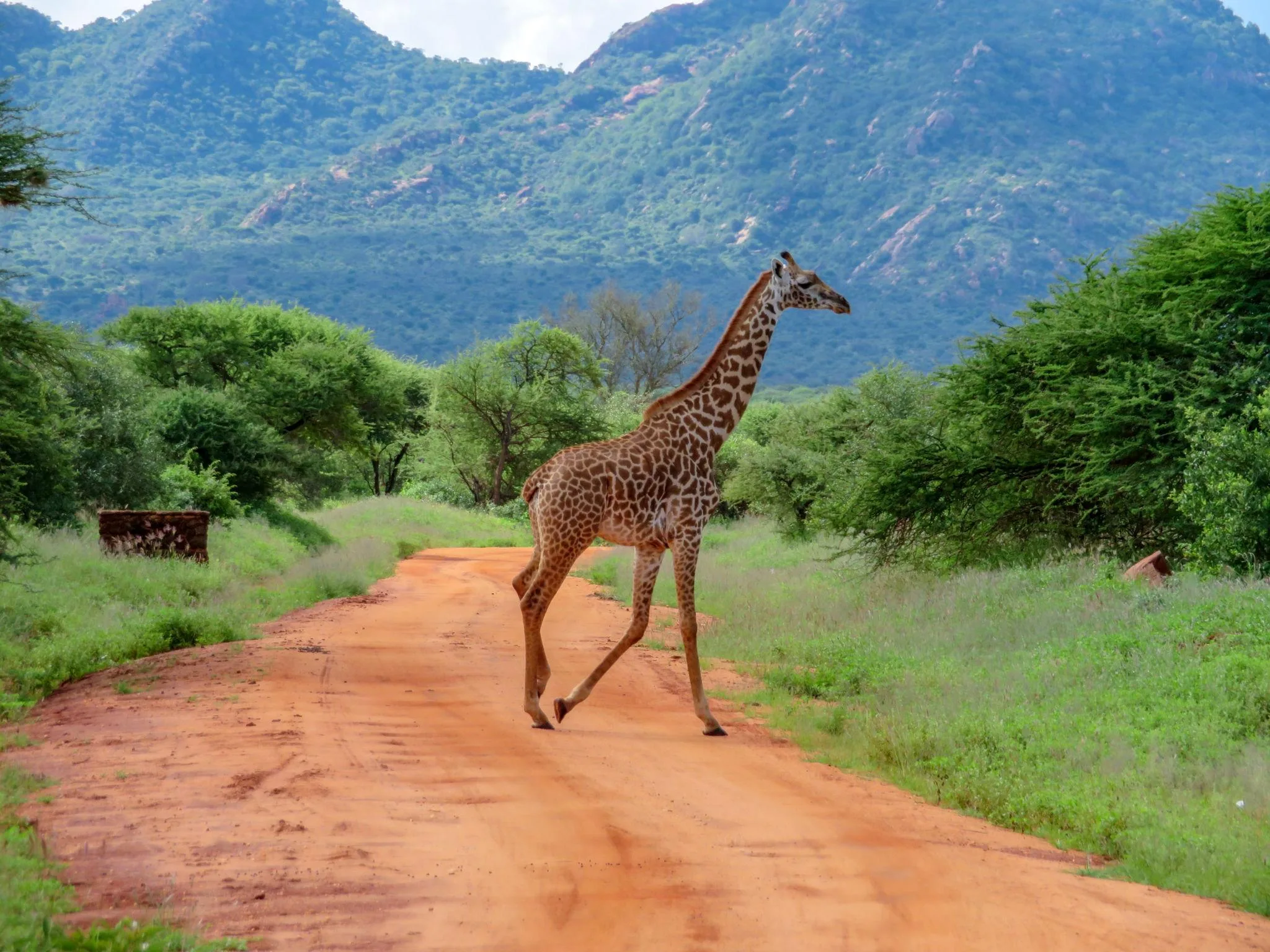
A Tanzania safari typically costs from around USD 250–450 per person per day for a budget safari, USD 400–700 for a mid-range private safari, and USD 700–1,500+ for a luxury safari. The final Tanzania safari cost depends on your group size, travel season, accommodation, itinerary, park fees and whether you travel by road or use internal flights.
Travelling with four to six people can reduce the price per person because the cost of the private 4×4 safari vehicle and guide is shared across the group. Couples and solo travellers generally pay more per person, while luxury lodges, fly-in routes and peak Great Migration dates can increase the overall cost.
Tanzania Safari Price Comparison 2026/2027/2028
| Safari Type | Typical Length | Estimated Price Per Person | Best For |
|---|---|---|---|
| Budget Tanzania Safari | 3–7 days | USD 250–450 per day | Value-focused travellers |
| Mid-Range Tanzania Safari | 4–8 days | USD 400–700 per day | Couples, families & first-time visitors |
| Luxury Tanzania Safari | 5–10 days | USD 700–1,500+ per day | Honeymoons & premium travel |
| Serengeti Fly-In Safari | 3–7 days | USD 550–1,000+ per day | Short trips & reduced road travel |
| Great Migration Safari | 4–10 days | USD 450–1,000+ per day | Migration-focused travellers |
| Tanzania Family Safari | 5–8 days | Varies by family size & children's ages | Families |
| Safari + Zanzibar | 8–14 days | USD 2,500–7,000+ total | Safari and beach holidays |
Important: These are planning ranges rather than fixed quotations. Tanzania safari prices vary considerably according to travel dates, group size, accommodation and the exact route.
How Much Does a Tanzania Safari Cost?
For most travellers, the biggest factors affecting the cost of a Tanzania safari are accommodation, park and conservation fees, number of travellers, season and transport.
A private safari for six travellers can cost significantly less per person than the same itinerary for two because several vehicle-related expenses are shared. Likewise, a comfortable tented camp can produce a very different total from a high-end lodge or exclusive luxury camp.
The best way to compare Tanzania safari prices is therefore to compare like with like: the same number of days, similar accommodation standards, the same parks and a similar number of travellers.
A cheaper quotation is not necessarily better value if it removes game-drive time, uses accommodation far from the areas you want to explore or tries to cover too many destinations in too few days.
Our Tanzania Safari Package Prices 2026/2027/2028
Below are examples of Tanzania safari packages that can be customised according to your travel dates, group size and preferred accommodation level.
| Tanzania Safari Package | Duration | Main Destinations / Experience | Starting Price |
|---|---|---|---|
| 3 Days Ndutu Calving Safari & Ngorongoro | 3 Days | Ndutu + Ngorongoro | From USD 1,150 pp |
| 3 Days Serengeti Fly-In Safari | 3 Days | Serengeti | From USD 1,650 pp |
| 4 Days Tarangire & Ndutu Calving Safari | 4 Days | Tarangire + Ndutu + Ngorongoro | From USD 1,450 pp |
| 5 Days Tanzania Family Safari | 5 Days | Tarangire + Serengeti + Ngorongoro | From USD 1,400 pp |
“From” prices are starting rates and may be based on a specified number of travellers sharing. Your confirmed quotation will depend on group size, travel dates, accommodation availability and applicable park or conservation fees.
What Affects the Cost of a Tanzania Safari?
1. Number of Travellers
Group size has a major effect on the price per person.
A private 4×4 safari Land Cruiser has many fixed operating costs. When two people travel, those costs are divided between two travellers. When five or six people travel together, the same vehicle-related costs are spread across more people.
This is why you may see a package advertised as “From USD X per person based on 6 travellers sharing.”
If you are travelling as a couple, ask for the 2-person price rather than assuming the advertised starting price applies automatically.
2. Accommodation Level
Accommodation can account for a significant part of your Tanzania safari price.
Budget safaris generally use simple camps, public camping or value-oriented lodges.
Mid-range safaris usually combine comfortable lodges and tented camps with private bathrooms, good locations and full-board meals.
Luxury safaris may use premium lodges, small tented camps, suites, highly personalised service and properties in particularly desirable wildlife locations.
Pay attention to where the accommodation is located, not just how luxurious it looks. On safari, a well-positioned camp can sometimes be more valuable than a more elaborate property that requires long transfers to reach productive wildlife areas.
3. Travel Season
Safari prices change throughout the year.
Peak periods such as July to October and the festive season can carry higher accommodation rates because demand is strong.
January and February can also be busy around Ndutu and the southern Serengeti because travellers arrive for the wildebeest calving season.
The green-season months can sometimes offer better accommodation value, fewer vehicles at sightings and beautiful landscapes, although rainfall needs to be considered when planning the route.
4. National Park & Conservation Fees
Tanzania safari packages include significant conservation-related costs.
Depending on the itinerary, these may include national park entrance fees, Ngorongoro Conservation Area charges, crater service fees, camping or concession fees and other statutory charges.
These fees help support protected areas and conservation but also explain why Tanzania safaris can appear expensive compared with ordinary sightseeing holidays.
For current official park information, travellers can consult the Tanzania National Parks Authority.
5. Safari Length
Every additional safari day adds accommodation, meals, guiding, vehicle use and often additional park fees.
However, a longer safari can sometimes offer better value per day because certain transport and logistical costs are spread over a longer itinerary.
We therefore recommend choosing your safari length based primarily on the experience you want rather than simply selecting the shortest itinerary available.
6. Road Safari vs Fly-In Safari
Driving is generally the more economical way to explore Tanzania's Northern Circuit.
A road safari also lets you see changing landscapes between Arusha, Tarangire, Ngorongoro and Serengeti.
Flying becomes particularly valuable when time is limited or when you want to avoid a long transfer.
For example, our 3 Days Serengeti Fly-In Safari is designed for travellers who want to spend a short trip primarily inside the Serengeti rather than using much of it driving there and back.
7. Private vs Shared Safari
A shared safari usually has a lower price per person because several unrelated travellers share the vehicle and guide.
A private Tanzania safari costs more for a couple but provides much greater flexibility. Your party has its own vehicle and can discuss game-drive times, wildlife priorities and stops with the guide.
Private travel becomes particularly attractive for families, photographers, honeymooners and groups of friends.
What Is Usually Included in a Tanzania Safari Price?
Always check the individual itinerary before booking, but our Tanzania safari quotations will normally specify inclusions such as:
Private 4×4 safari Land Cruiser and fuel
Professional safari driver-guide
Accommodation specified in the itinerary
Meals according to the stated meal plan
National park entrance fees
Ngorongoro conservation and crater fees where applicable
Game drives described in the itinerary
Drinking water during safari
Airport or hotel transfers when specified
Government taxes and applicable safari charges
Your quotation should clearly show exactly what is included rather than leaving important safari costs unclear until arrival.
What Is Usually Not Included?
Depending on the package, exclusions may include:
International flights
Tanzania visa or entry requirements
Travel and medical insurance
Optional hot-air balloon safaris
Premium alcoholic drinks unless stated
Personal expenses
Laundry unless provided by the accommodation
Tips and gratuities
Zanzibar accommodation unless included
Optional cultural or conservation experiences
Additional activities requested during the safari
Check the inclusions and exclusions on the individual safari itinerary before comparing prices between operators.
Budget vs Mid-Range vs Luxury Tanzania Safari
| Feature | Budget | Mid-Range | Luxury |
|---|---|---|---|
| Accommodation | Simple camps/lodges | Comfortable lodges & tented camps | Premium camps & lodges |
| Private bathroom | Depends on property | Usually | Yes |
| Safari vehicle | 4×4 Land Cruiser | 4×4 Land Cruiser | 4×4 Land Cruiser / fly-in options |
| Game viewing | Excellent potential | Excellent potential | Excellent potential |
| Meals | Usually included | Usually full board | Full board / enhanced dining |
| Flexibility | Depends on safari type | High on private safari | High |
| Best for | Value | Most first-time visitors | Premium experience |
Does Paying More Mean Seeing More Wildlife?
Not necessarily.
A lion does not behave differently because you are staying in a luxury lodge.
Your wildlife experience depends heavily on where you travel, when you travel, how much time you spend on game drives and the quality of your guide.
Luxury accommodation can provide exceptional comfort, service, dining, privacy and location, but travellers should not assume that the highest room rate automatically produces the best wildlife experience.
For many visitors, a carefully designed mid-range private safari provides an excellent balance between comfort, wildlife time and overall cost.
How to Get Better Value From Your Tanzania Safari
The goal should not simply be finding the lowest Tanzania safari price. It should be getting the greatest value from the days you have available.
Travel with 4–6 people when possible. Sharing the private vehicle can reduce the cost per person.
Spend more nights in fewer places. This reduces unnecessary transfers and gives you more actual safari time.
Choose accommodation by location as well as comfort. A strategically located tented camp can be more useful than a luxury lodge far from your main wildlife area.
Match your route to the season. There is little value in paying for a migration-focused itinerary if the route is poorly matched to the expected location of the herds.
Book early for high-demand periods. Well-positioned camps can fill months ahead during migration and calving periods.
Compare complete quotations. Make sure park fees, crater fees, accommodation, meals, vehicle, fuel and game drives are accounted for before deciding one safari is cheaper than another.
Is a Tanzania Safari Worth the Cost?
For travellers who value wildlife and natural landscapes, Tanzania offers something difficult to reproduce elsewhere: the Serengeti ecosystem, Ngorongoro Crater, Tarangire's elephant country and one of the world's great large-mammal migrations can all form part of a single journey.
But value comes from planning the safari properly.
We would rather recommend five well-planned days with meaningful wildlife time than seven rushed days designed simply to make an itinerary look longer.
Tell us your travel dates, number of travellers, preferred safari length and approximate accommodation level, and we can recommend a route and provide a personalised Tanzania safari price.
Request a Tanzania Safari Quote | WhatsApp: +254 728 567308
Best Places to Visit on a Tanzania Safari 2026/2027/2028
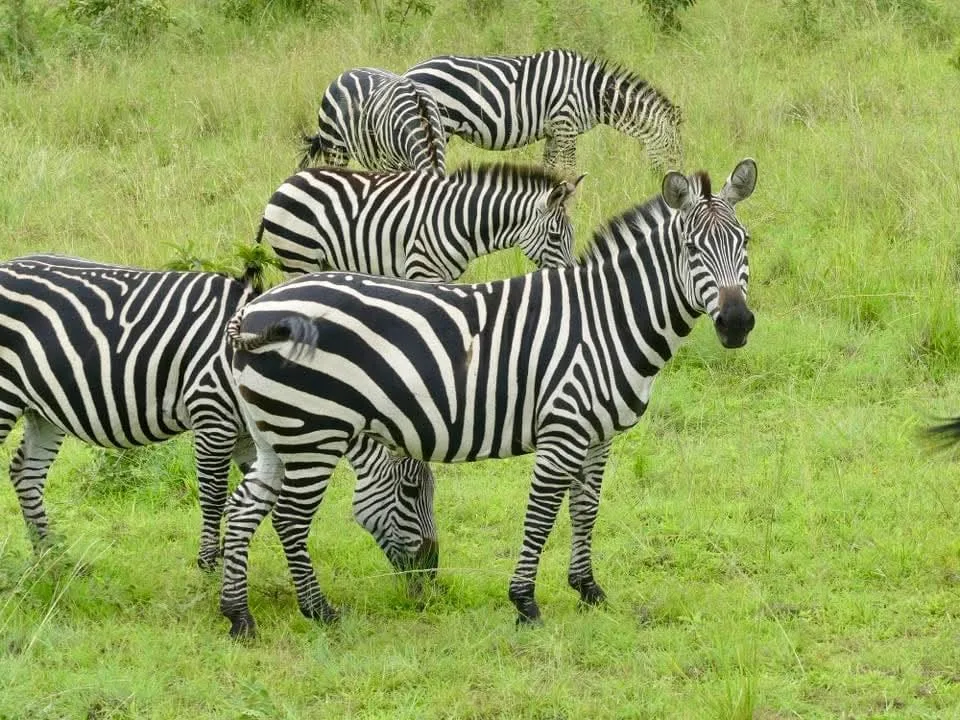
Tanzania has several outstanding safari destinations, but you do not need to visit all of them on one trip. For a first safari, Serengeti National Park, Ngorongoro Crater and Tarangire National Park make one of the strongest combinations. Ndutu becomes especially important during the wildebeest calving season, while Nyerere and Ruaha offer excellent alternatives for travellers interested in southern Tanzania and a more remote safari experience.
The right combination depends on your travel month, number of days and wildlife priorities.
Tanzania Safari Destinations at a Glance
| Destination | Best Known For | Recommended Stay | Best Time | Best For |
|---|---|---|---|---|
| Serengeti National Park | Great Migration, big cats, vast plains | 2–4+ nights | Year-round | First safaris, migration & photography |
| Ngorongoro Crater | Big Five & crater scenery | 1–2 nights | Year-round | First-time visitors |
| Tarangire National Park | Elephants & baobabs | 1–2 nights | Jun–Oct; good year-round | Elephants, families & photography |
| Ndutu | Wildebeest calving & predators | 2–3 nights | Dec–Mar | Calving season |
| Lake Manyara | Rift Valley scenery, forest & birdlife | 1 night | Year-round | Short Northern Circuit additions |
| Nyerere National Park | River scenery & varied safari activities | 2–4 nights | Jun–Oct | Southern Tanzania safaris |
| Ruaha National Park | Remote wilderness & predators | 3–4 nights | Jun–Oct | Repeat visitors & photographers |
| Zanzibar | Beaches, Stone Town & Indian Ocean | 3–6 nights | Year-round | Safari + beach holidays |
Serengeti National Park – Best Overall Wildlife Safari
If you can visit only one major wildlife area in Tanzania, Serengeti National Park deserves serious consideration.
The Serengeti is famous for the Great Wildebeest Migration, but migration is only part of its appeal. Lions, cheetahs, leopards, elephants, giraffes, buffaloes, hyenas and large numbers of plains animals live throughout the ecosystem, making the Serengeti rewarding even when the largest migration herds are elsewhere.
The biggest planning mistake is treating the entire Serengeti as one small destination. It covers a huge area, and different regions become particularly important at different times of year.
Which Part of the Serengeti Should You Visit?
Central Serengeti – Seronera: Excellent year-round wildlife viewing and particularly strong for big cats. It is a good choice for first-time visitors and shorter safaris.
Southern Serengeti & Ndutu: Particularly important from approximately December to March as migration herds gather on the southern short-grass plains.
Western Corridor: Becomes relevant as migration herds move west and north, particularly around the middle part of the year.
Northern Serengeti: Particularly important from approximately July to October, when migration herds may be found around the Mara River and the Tanzania–Kenya border region.
Because wildlife movement varies with rainfall and grazing conditions, we recommend choosing your Serengeti region after considering your travel dates.
Read our Serengeti National Park Safari Guide for more detailed planning information.
Recommended stay: 2–4 nights minimum
Best for: Great Migration, big cats, photography and first-time visitors
Best time: Year-round, with different regions favoured seasonally
Combine with: Ngorongoro, Tarangire, Ndutu or Zanzibar
Ngorongoro Crater – Best for Big Five Game Viewing
Ngorongoro provides one of the most distinctive wildlife experiences on Tanzania's Northern Circuit.
After reaching the crater rim, safari vehicles descend into a vast volcanic caldera where grasslands, woodland, wetlands and lakes support a remarkable concentration of wildlife.
Lions, buffaloes, elephants, hippos, hyenas, wildebeest, zebras and numerous antelope species may be encountered, while Ngorongoro is also one of Tanzania's important areas for the endangered black rhino.
The crater is very different from the Serengeti. Serengeti rewards multiple days and long-distance exploration; Ngorongoro provides a more concentrated safari experience.
This is why the two destinations work particularly well together.
Recommended stay: Usually 1–2 nights in the Ngorongoro/Karatu area
Best for: Big Five, first safaris, families and short itineraries
Best time: Year-round
Combine with: Serengeti, Tarangire, Lake Manyara or Ndutu
How Much Time Do You Need at Ngorongoro?
For most Northern Circuit itineraries, one well-planned crater game drive is sufficient.
If you have additional days available, we would generally recommend adding that time to the Serengeti rather than scheduling repeated crater descents unless you have a particular reason for doing so.
Tarangire National Park – Best for Elephants & Baobabs
Tarangire sometimes receives less attention than Serengeti and Ngorongoro, but it can be one of the highlights of a Northern Tanzania safari.
The landscape feels different immediately: giant baobab trees rise above woodland and open plains, while the Tarangire River plays an important role in the park's ecosystem.
The park is especially famous for elephants. During the dry season, wildlife becomes increasingly concentrated around permanent water sources, creating excellent opportunities to observe elephants alongside zebras, wildebeest, giraffes, buffaloes and predators.
Tarangire also works extremely well as the first destination after leaving Arusha because it introduces travellers to safari without requiring the long drive directly to Serengeti.
Recommended stay: 1–2 nights
Best for: Elephants, baobabs, birdlife and photography
Best period: Particularly rewarding during the dry season
Combine with: Serengeti, Ngorongoro and Lake Manyara
Is Tarangire Worth Adding to a Tanzania Safari?
For a 5–7 day Northern Circuit itinerary, yes.
If you have only three days and the Serengeti is your main priority, it may be better to concentrate on fewer destinations. But with five days or more, Tarangire adds a completely different habitat and wildlife experience to Serengeti and Ngorongoro.
Ndutu – Best for Wildebeest Calving Season
If you are travelling between approximately December and March, Ndutu can become one of the most important areas on your Tanzania safari itinerary.
The wider Ndutu and southern Serengeti ecosystem becomes particularly significant when migration herds move onto the nutrient-rich short-grass plains.
January and February are especially sought after because this period is associated with wildebeest calving.
Thousands of calves appearing across the plains also attract predators. Lions, cheetahs, hyenas and other carnivores take advantage of the concentration of vulnerable young animals.
This makes Ndutu particularly attractive for photographers and travellers who want to experience the Great Migration differently from the famous river-crossing season.
Our 3 Days Ndutu Calving Safari & Ngorongoro is suitable for travellers with limited time, while longer itineraries allow additional time around Ndutu and Serengeti.
Recommended stay: 2–3 nights during calving season
Best for: Wildebeest calving, cheetahs, lions and photography
Best period: December–March
Strongest calving focus: Usually January–February
Combine with: Ngorongoro, Serengeti and Tarangire
Ndutu or Northern Serengeti?
That depends entirely on your travel month.
Choose Ndutu/Southern Serengeti for a migration-focused safari around January and February.
Choose Northern Serengeti when travelling during the main northern migration period, generally between July and October.
Do not choose Northern Serengeti simply because river-crossing photographs are famous. If you are travelling in February, Ndutu is normally the more logical migration-focused destination.
Lake Manyara National Park – Best for a Short Northern Circuit Addition
Lake Manyara is one of the more compact parks on Tanzania's Northern Circuit and can fit naturally between Arusha, Tarangire and the Ngorongoro highlands.
Its appeal is variety.
The landscape includes groundwater forest, woodland, open areas and the lake environment beneath the Rift Valley escarpment. Wildlife can include elephants, giraffes, buffaloes, baboons, blue monkeys, hippos and numerous bird species.
The park is also popularly associated with tree-climbing lions, although sightings should never be promised.
Lake Manyara works particularly well when you have six or seven days and want to add another ecosystem without making the itinerary excessively complicated.
Recommended stay: Day visit or 1 night in the wider area
Best for: Scenery, primates, birdlife and varied habitat
Best time: Year-round
Combine with: Tarangire, Ngorongoro and Serengeti
Tarangire or Lake Manyara?
If you only have time for one, we would generally prioritise Tarangire for a first wildlife-focused safari.
If you have additional time, Lake Manyara provides a useful contrast and fits conveniently into many Northern Circuit routes.
Nyerere National Park – Best for a Southern Tanzania Safari
Not every Tanzania safari needs to follow the Northern Circuit.
Nyerere National Park in southern Tanzania offers an alternative for travellers who want a different landscape and a safari that can include experiences beyond conventional vehicle-based game drives.
The Rufiji River system creates a particularly attractive environment of channels, lakes and woodland, supporting elephants, hippos, crocodiles and diverse birdlife.
Depending on where you stay and the activities permitted in that area, itineraries may include boat safaris as well as traditional game drives.
Nyerere is also relatively accessible from Dar es Salaam and can work particularly well for travellers combining mainland safari with Zanzibar.
Recommended stay: 2–4 nights
Best for: Southern Tanzania, river landscapes and varied safari activities
Best period: Generally June–October
Combine with: Ruaha, Dar es Salaam or Zanzibar
Northern Circuit or Nyerere?
Choose the Northern Circuit for your first Tanzania safari if Serengeti, Ngorongoro and the Great Migration are priorities.
Consider Nyerere if you have visited Tanzania before, want a southern safari, are travelling through Dar es Salaam or Zanzibar, or prefer a different safari style.
Ruaha National Park – Best for Remote Wilderness
Ruaha is one of Tanzania's outstanding choices for travellers who value wilderness, wildlife photography and fewer vehicles.
Its landscapes include river systems, rocky hills, baobab country and broad areas of woodland and savannah.
The park supports elephants, lions, leopards, buffaloes, giraffes, antelopes and African wild dogs, although—as everywhere on safari—specific wildlife sightings can never be guaranteed.
Ruaha deserves time. It is not a destination we recommend squeezing into a rushed itinerary simply to add another park name.
A three or four-night stay gives you a much better opportunity to appreciate the scale and character of the park.
Recommended stay: 3–4 nights
Best for: Experienced safari travellers, photographers and remote wilderness
Best period: Generally June–October
Combine with: Nyerere or a dedicated Southern Circuit itinerary
Zanzibar – Best for Safari & Beach Holidays
Zanzibar is not a safari destination in the traditional sense, but it is one of the easiest and most rewarding additions to a Tanzania wildlife safari.
After several days of early starts and game drives, flying to Zanzibar creates a natural change of pace.
You can spend your time relaxing beside the Indian Ocean, exploring historic Stone Town, visiting spice-growing areas or enjoying marine and coastal activities.
For most travellers, 3–6 nights works well after safari.
A popular combination is:
Tarangire → Serengeti → Ngorongoro → Zanzibar
Flights can connect the safari circuit with Zanzibar, avoiding the need to return every part of the journey by road.
Recommended stay: 3–6 nights
Best for: Honeymoons, couples, families and safari + beach holidays
Best time: Year-round, with seasonal weather differences
Combine with: Serengeti, Ngorongoro, Nyerere or a complete Northern Circuit safari
Which Tanzania Safari Destinations Should You Combine?
The answer depends mainly on how many days you have.
3–4 Days
Keep the itinerary focused.
Consider:
Serengeti + Ngorongoro
or
Tarangire + Ngorongoro
During calving season:
Ndutu + Ngorongoro
5–7 Days
This is where the classic Northern Circuit works particularly well:
Arusha → Tarangire → Serengeti → Ngorongoro → Arusha
With seven days, you can add Lake Manyara or, in many cases, simply spend another night in Serengeti.
7–10 Days
Use the extra time to slow the safari down:
Tarangire → Central Serengeti → another Serengeti region → Ngorongoro
The second Serengeti region should be chosen according to season rather than automatically added.
10–14 Days
Consider:
Tarangire → Serengeti → Ngorongoro → Zanzibar
or, for experienced safari travellers:
Nyerere → Ruaha → Zanzibar
Northern Tanzania or Southern Tanzania – Which Safari Is Better?
For most first-time visitors, we recommend Northern Tanzania.
The Northern Circuit combines several of Africa's best-known wildlife areas within one safari route: Tarangire, Serengeti, Ngorongoro and Lake Manyara. It is also the obvious choice when the Great Migration is a major priority.
Southern Tanzania offers something different.
Nyerere and Ruaha are particularly attractive to travellers seeking larger wilderness areas, a less conventional route and, depending on the destination and camp, a broader mix of safari activities.
| Choose Northern Tanzania If... | Choose Southern Tanzania If... |
|---|---|
| It is your first Tanzania safari | You have already experienced classic East African safari routes |
| Serengeti is a priority | Remote wilderness is a priority |
| You want the Great Migration | You want fewer heavily visited safari areas |
| You want Ngorongoro Crater | You want Nyerere and Ruaha |
| You have 5–7 days | You have time for a dedicated southern itinerary |
| You are starting from Arusha | You are combining safari with Dar es Salaam or Zanzibar |
Neither circuit is universally better. They provide different safari experiences.
For a first visit, however, Tarangire + Serengeti + Ngorongoro remains our preferred starting point.
Our Recommended Tanzania Safari Route for First-Time Visitors
If you are visiting Tanzania for the first time and have approximately seven days, we recommend keeping the itinerary simple:
Day 1 – Arusha to Tarangire National Park
Begin with elephants, baobabs and your first game drives.
Day 2 – Tarangire to Serengeti
Travel through the Ngorongoro highlands towards the Serengeti ecosystem.
Days 3–4 – Serengeti National Park
Dedicate two full days to game viewing rather than rushing through the park.
Day 5 – Serengeti to Ngorongoro
Enjoy another Serengeti game drive before continuing towards the crater area.
Day 6 – Ngorongoro Crater
Descend into the crater for a dedicated wildlife drive.
Day 7 – Return to Arusha
Travel back at a relaxed pace or add another experience according to your onward plans.
Travelling during the calving or northern migration season? We can adjust the Serengeti portion of the itinerary according to the wildlife movement expected during your dates.
Tell us your travel month, number of days and number of travellers, and we can recommend which Tanzania safari destinations make the most sense for your trip.
Plan Your Tanzania Safari | Request a Custom Itinerary | WhatsApp: +254 728 567308
Best Time for a Tanzania Safari 2026/2027/2028 – Month-by-Month Guide
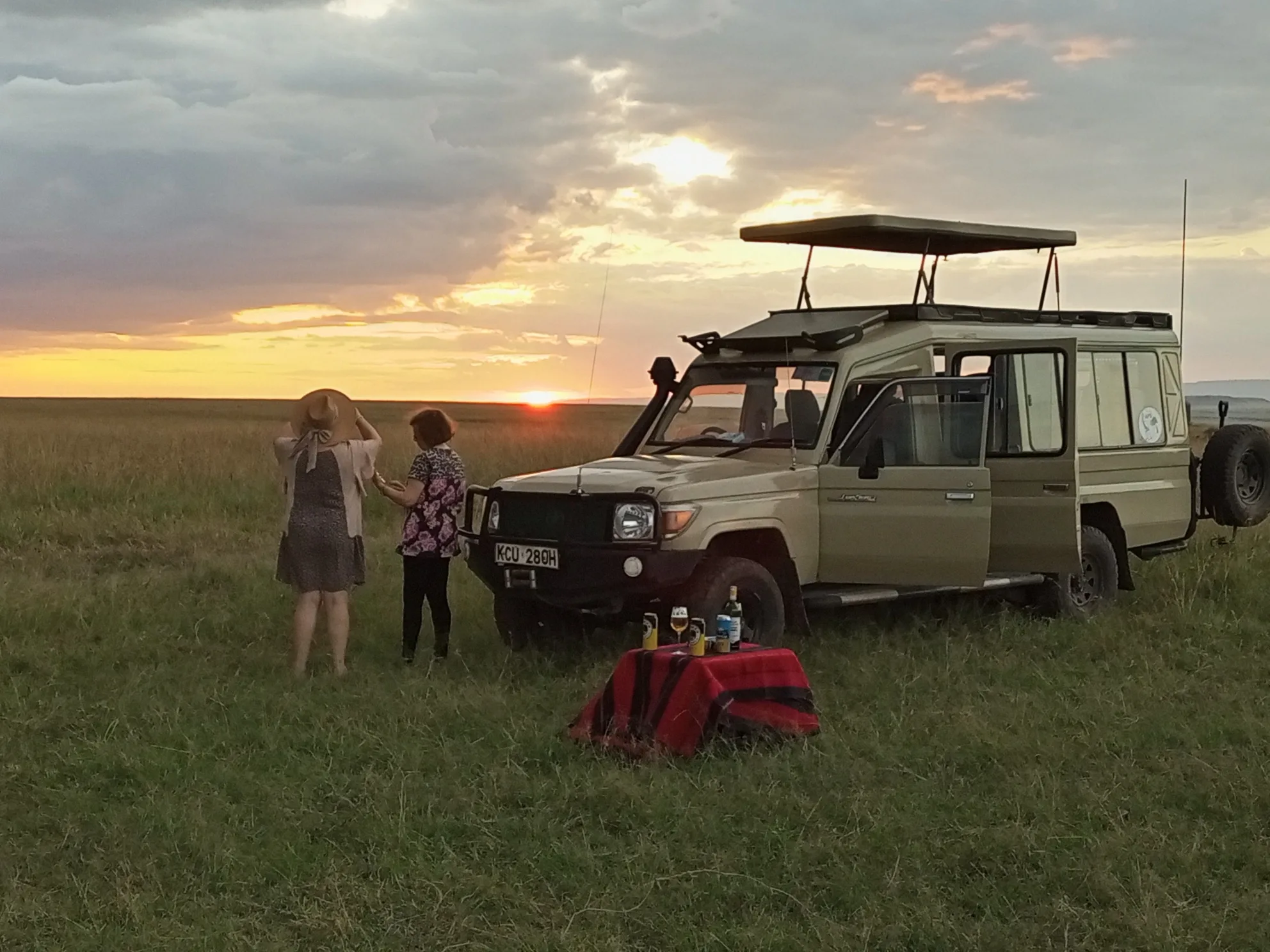
The best time for a Tanzania safari is generally June to October for dry-season wildlife viewing, while January and February are particularly rewarding for the wildebeest calving season around Ndutu and the southern Serengeti. However, Tanzania offers excellent safari experiences throughout the year, and the best month depends on whether your priority is the Great Migration, big cats, photography, fewer visitors or better-value accommodation.
If this is your first Tanzania safari and you are not travelling specifically for the migration, there is no need to restrict yourself to one or two months. Serengeti, Ngorongoro and Tarangire support resident wildlife throughout the year.
Tanzania Safari Seasons at a Glance
| Months | Safari Season | Main Wildlife Experience | Recommended Areas | Visitor Levels |
|---|---|---|---|---|
| Jan–Feb | Green / calving season | Wildebeest calving & predators | Ndutu, Southern Serengeti, Ngorongoro | High in Ndutu |
| March | Late calving / green season | Migration herds & green landscapes | Ndutu, Southern/Central Serengeti | Moderate |
| Apr–May | Long rains | Green scenery, fewer vehicles | Central Serengeti, Ngorongoro | Lower |
| June | Early dry season | Herds moving north/west | Serengeti, Tarangire | Increasing |
| Jul–Oct | Dry / peak season | Migration in northern Serengeti, general wildlife | Northern Serengeti, Tarangire, Ngorongoro | High |
| November | Short rains | Returning green landscapes | Serengeti, Ngorongoro, Tarangire | Moderate |
| December | Green season | Migration moving towards southern plains | Serengeti, Ndutu | Increasing |
What Is the Best Month to Go on Safari in Tanzania?
There is no single best month for every traveller.
Choose January or February if your priority is the wildebeest calving season and predator activity around Ndutu.
Choose June through October if you prefer dry conditions, easier wildlife viewing around water sources and classic peak-season safari conditions.
Choose July through October if your main goal is to explore the northern Serengeti during the period when migration herds may be around the Mara River.
Choose April, May or November if you value greener landscapes, fewer safari vehicles and potentially better accommodation value more than peak-season conditions.
The important point is to match your Tanzania safari itinerary to your month, rather than choosing an identical route throughout the year.
January – Wildebeest Calving Season Begins
January is one of our favourite months for travellers interested in the Great Migration.
Large wildebeest herds are generally associated with the southern Serengeti ecosystem and Ndutu plains during this period, depending on rainfall and grazing conditions.
The landscapes are greener than during the dry season, and the concentration of wildebeest creates opportunities to observe predators such as lions, cheetahs and hyenas.
January is therefore an excellent month for a Ndutu calving safari, particularly for wildlife photographers.
Best for: Migration herds, predators and green landscapes
Where to go: Ndutu, Southern Serengeti, Ngorongoro
Recommended safari: 3–6 days
Weather: Generally warm, with possible showers
February – Best for Wildebeest Calving
February is one of the most sought-after months for wildlife enthusiasts visiting Tanzania.
The southern Serengeti and Ndutu plains are associated with the main wildebeest calving period, when large numbers of calves are born over a relatively short period.
This abundance of young prey also attracts predators.
Cheetahs are a particular attraction in the open plains, while lions and hyenas may also take advantage of the concentration of wildebeest.
If calving is the main purpose of your trip, spend at least two nights around Ndutu rather than treating the area as a brief stop between other destinations.
Consider our 3 Days Ndutu Calving Safari & Ngorongoro for a short seasonal safari.
Best for: Calving, predators and photography
Where to go: Ndutu, Southern Serengeti, Ngorongoro
Recommended safari: 3–7 days
Book early: Yes
March – Green Landscapes & Southern Serengeti
March can still provide rewarding migration viewing around the southern and central Serengeti ecosystem, although herd locations depend on rainfall and grazing.
The plains remain green, young wildebeest are growing stronger and predator activity continues.
Later in the month, rainfall can become more frequent as Tanzania approaches the main rainy season.
For travellers who do not mind occasional rain, March can offer beautiful photographic conditions and a different atmosphere from the busier peak periods.
Best for: Green-season photography, migration and predators
Where to go: Southern/Central Serengeti, Ndutu, Ngorongoro
Visitor levels: Generally lower than peak February periods
April – Green Season & Fewer Safari Vehicles
April is generally associated with Tanzania's long rains.
This does not mean it rains continuously throughout every safari day, but showers can be heavier and some roads may become more challenging.
The advantage is a greener landscape and fewer visitors in many wildlife areas.
Serengeti and Ngorongoro still support abundant resident wildlife, and photographers can enjoy dramatic skies and lush scenery.
Some camps may close seasonally, so accommodation needs to be selected carefully.
Best for: Experienced travellers, photography and fewer crowds
Where to go: Central Serengeti and Ngorongoro
Visitor levels: Low
Consider: Road conditions and seasonal camp closures
May – Quiet Safari & Excellent Green Landscapes
May continues the green-season pattern and can be one of the quieter times to visit Tanzania's Northern Circuit.
The Great Migration is generally moving away from the southern plains as the herds respond to changing grazing and rainfall.
This is not the month we would choose specifically for northern river crossings, but it can be rewarding for travellers who value scenery, fewer vehicles and a relaxed atmosphere.
Accommodation can sometimes provide stronger value than during peak season.
Best for: Fewer visitors, landscapes and value
Where to go: Serengeti and Ngorongoro
Visitor levels: Low
June – Beginning of the Dry Season
June marks an important transition towards the dry season.
Vegetation gradually becomes less dense, wildlife becomes easier to observe in some areas and visitor numbers begin to increase.
Migration herds may be moving through the western and central parts of the Serengeti ecosystem, but their exact position depends on rainfall.
Tarangire also becomes increasingly rewarding as the landscape dries.
June can be an excellent compromise for travellers who want strong wildlife viewing without necessarily travelling during the busiest July–August period.
Best for: General wildlife, migration and photography
Where to go: Serengeti, Ngorongoro, Tarangire
Visitor levels: Moderate and increasing
July – Dry Season & Northern Migration
July is one of Tanzania's peak safari months.
Dry conditions make wildlife viewing rewarding across much of the Northern Circuit, while migration herds may begin reaching the northern Serengeti.
This is also an excellent period for Tarangire, where elephants and other animals increasingly concentrate around water sources.
If your priority is the Great Migration, consider spending several nights in the relevant Serengeti region rather than attempting to visit northern Serengeti as a rushed day trip.
Best for: Great Migration, elephants and general wildlife
Where to go: Northern/Central Serengeti, Tarangire, Ngorongoro
Visitor levels: High
Book early: Strongly recommended
August – Peak Tanzania Safari Season
August is one of the busiest and most popular months for a Tanzania safari.
Northern Serengeti becomes particularly important for migration-focused itineraries, with herds potentially moving through the Mara River region.
However, a river crossing can never be guaranteed.
The wildebeest may cross more than once, cross at an unexpected location, remain on one side for days or change their movement according to rainfall and grazing conditions.
For the best chance of experiencing migration activity, spend multiple nights in the area rather than planning your entire trip around a single afternoon.
Best for: Migration, dry-season wildlife and first-time safaris
Where to go: Northern Serengeti, Tarangire, Ngorongoro
Visitor levels: High
Prices: Generally among the year's higher periods
September – Excellent Wildlife & Migration Season
September remains one of the strongest months for a classic Tanzania safari.
Dry-season conditions continue, northern Serengeti can remain productive for migration-focused travel, and Tarangire is excellent for elephants and other wildlife gathering around permanent water.
It is also a good month for combining Tanzania with Kenya if you are planning a longer East African safari.
Best for: Migration, Big Five and photography
Where to go: Northern Serengeti, Tarangire, Ngorongoro
Visitor levels: High
Recommended safari length: 6–10 days
October – Late Dry Season
October can still offer excellent safari conditions.
Migration herds may remain in the northern Serengeti before beginning their gradual movement south, depending on rainfall.
Tarangire can also remain highly productive before the short rains transform the landscape.
Temperatures can feel warmer and conditions drier, but wildlife viewing can be excellent.
Best for: General wildlife, migration and elephants
Where to go: Serengeti, Tarangire, Ngorongoro
Visitor levels: Moderate to high
November – Short Rains & Fewer Visitors
November usually brings Tanzania's short rains, refreshing landscapes after the long dry season.
The rains are often less disruptive than travellers imagine and can arrive as relatively short showers rather than all-day rain.
Migration herds continue moving through the Serengeti ecosystem in response to rainfall and fresh grazing.
For travellers comfortable with variable weather, November can provide a good combination of wildlife, greener scenery and fewer safari vehicles.
Best for: Photography, quieter safaris and value
Where to go: Serengeti, Ngorongoro, Tarangire
Visitor levels: Moderate
December – Migration Returns South
December is an exciting transition month.
As fresh grass develops across the southern plains, migration herds generally begin moving towards the southern Serengeti and Ndutu ecosystem.
The landscape becomes greener and preparations for the coming calving season begin.
The Christmas and New Year period is busy, however, so accommodation should be reserved well in advance.
Best for: Migration, green landscapes and festive holidays
Where to go: Central/Southern Serengeti, Ndutu, Ngorongoro
Visitor levels: Moderate to high, particularly over festive dates
When Is the Great Migration in Tanzania?
The Great Migration can be experienced in Tanzania during much of the year because the wildebeest herds move continuously through the Serengeti ecosystem rather than appearing only during one short season.
A simplified migration calendar looks like this:
| Period | Approximate Migration Area | Main Experience |
|---|---|---|
| Dec–Mar | Southern Serengeti & Ndutu | Calving and predators |
| Apr–May | Central/western movement | Green-season migration |
| Jun–Jul | Western/northern movement | Moving herds |
| Jul–Oct | Northern Serengeti | Mara River region |
| Oct–Dec | Moving south through Serengeti | Return towards southern plains |
Can You Guarantee a Wildebeest River Crossing?
No.
River crossings are natural events and cannot be scheduled or guaranteed.
Even during the right month, herds may wait beside a river for hours or days before crossing. They can also change direction or use a different crossing point.
We therefore recommend planning a Great Migration safari around the correct region and spending enough time there, rather than promising a particular crossing on a particular day.
Best Time for the Tanzania Wildebeest Calving Season
January and February are generally the best months for a Tanzania calving safari, with Ndutu and the southern Serengeti being the primary areas to consider.
December can be useful as migration herds return south, while March can still offer calving-season wildlife and predator activity.
For a dedicated calving safari, we recommend approximately 2–4 nights around Ndutu, depending on your overall itinerary.
Travellers with additional time can combine Ndutu with Ngorongoro Crater, Central Serengeti and Tarangire.
Best Time to See the Big Five in Tanzania
The Big Five can potentially be seen throughout the year.
Ngorongoro is particularly useful for travellers hoping to encounter several Big Five species within a relatively compact area, while Serengeti provides excellent opportunities for lions, leopards, elephants and buffaloes.
Black rhinos are present in Tanzania but remain endangered and sightings should never be guaranteed.
For general wildlife viewing, the June–October dry season is particularly popular because vegetation is often thinner and animals increasingly use permanent water sources.
However, January–March also provides outstanding wildlife viewing, especially around Serengeti, Ndutu and Ngorongoro.
Best Time to Visit Tarangire National Park
Tarangire is particularly rewarding during the dry season from approximately June through October.
As seasonal water sources diminish, wildlife becomes increasingly dependent on the Tarangire River and other permanent water.
Large elephant herds are one of the park's biggest attractions.
That said, Tarangire remains worth visiting outside peak dry-season months. Green landscapes, birdlife and fewer vehicles can make other periods rewarding as part of a wider Northern Circuit safari.
Dry Season vs Green Season Tanzania Safari
| Dry Season | Green Season |
|---|---|
| Generally Jun–Oct | Generally Nov–May |
| Easier wildlife viewing in some habitats | Lush, green landscapes |
| Wildlife concentrates around water | Excellent photographic scenery |
| Peak migration season in northern Serengeti | Calving season falls within green season |
| Higher visitor numbers | Often fewer safari vehicles |
| Higher accommodation demand | Potentially better accommodation value |
| Dry, dusty landscapes | Rain showers possible |
| Excellent for first safaris | Excellent for photographers & repeat visitors |
Which Is Better?
Choose the dry season if this is your first safari and straightforward wildlife viewing is your main priority.
Choose the green season if photography, lush landscapes, fewer visitors or the wildebeest calving season are more important.
Neither season is universally better.
What Is the Cheapest Time for a Tanzania Safari?
April, May and parts of November can sometimes offer better safari value because visitor demand is lower and some accommodation properties introduce seasonal rates.
However, the cheapest month is not automatically the best-value month.
A deeply discounted lodge is not useful if it is poorly located for the wildlife experience you want.
Instead, consider travelling in the shoulder or green season while selecting an itinerary appropriate for those months.
This can provide a strong combination of wildlife, fewer vehicles and lower accommodation costs.
Best Time for a Tanzania Family Safari
For families travelling around school holidays, June through October is popular because of dry-season conditions.
December holidays can also work well, while January and February are particularly interesting for families who want to experience the wildebeest calving season.
With younger children, safari length and daily driving time can matter more than the exact month.
We recommend a private safari so the family has greater flexibility over game-drive duration, meal stops and daily departure times.
Best Time for a Tanzania Honeymoon Safari
Tanzania works for honeymoons throughout the year.
July through October provides classic dry-season safari conditions, while January and February combine green landscapes with calving-season wildlife.
Couples who prefer fewer visitors may enjoy shoulder-season travel.
If you are combining safari with Zanzibar, consider the weather on both the mainland safari circuit and the coast before selecting your dates.
Our Tanzania Safari Recommendations by Season
January–March
Choose:
Ndutu + Southern Serengeti + Ngorongoro
Best for calving, predators and photography.
April–May
Choose:
Central Serengeti + Ngorongoro
Best for green landscapes and quieter safari experiences.
June
Choose:
Tarangire + Serengeti + Ngorongoro
Excellent transition into the dry season.
July–October
Choose:
Tarangire + Serengeti + Ngorongoro
For migration-focused travel, allocate additional nights to the appropriate northern Serengeti area.
November–December
Choose:
Serengeti + Ngorongoro + Tarangire
As December progresses, consider adding Ndutu according to seasonal herd movement.
When Should You Book a Tanzania Safari for 2026/2027/2028?
For July–October, January–February and Christmas/New Year travel, we recommend planning well in advance.
This is particularly important if you want specific migration camps, family rooms or small luxury properties with limited capacity.
For other months, availability can be more flexible, but booking early still gives you a better choice of accommodation.
The most important step is not simply booking early—it is booking the correct safari region for your travel dates.
Tell us your travel month, number of days, number of travellers and preferred accommodation level, and we can recommend the Tanzania safari itinerary that makes the most sense for your dates.
Plan Your Tanzania Safari 2026/2027/2028 | Request a Custom Itinerary | WhatsApp: +254 728 567308
Wildlife You Can See on a Tanzania Safari 2026/2027/2028
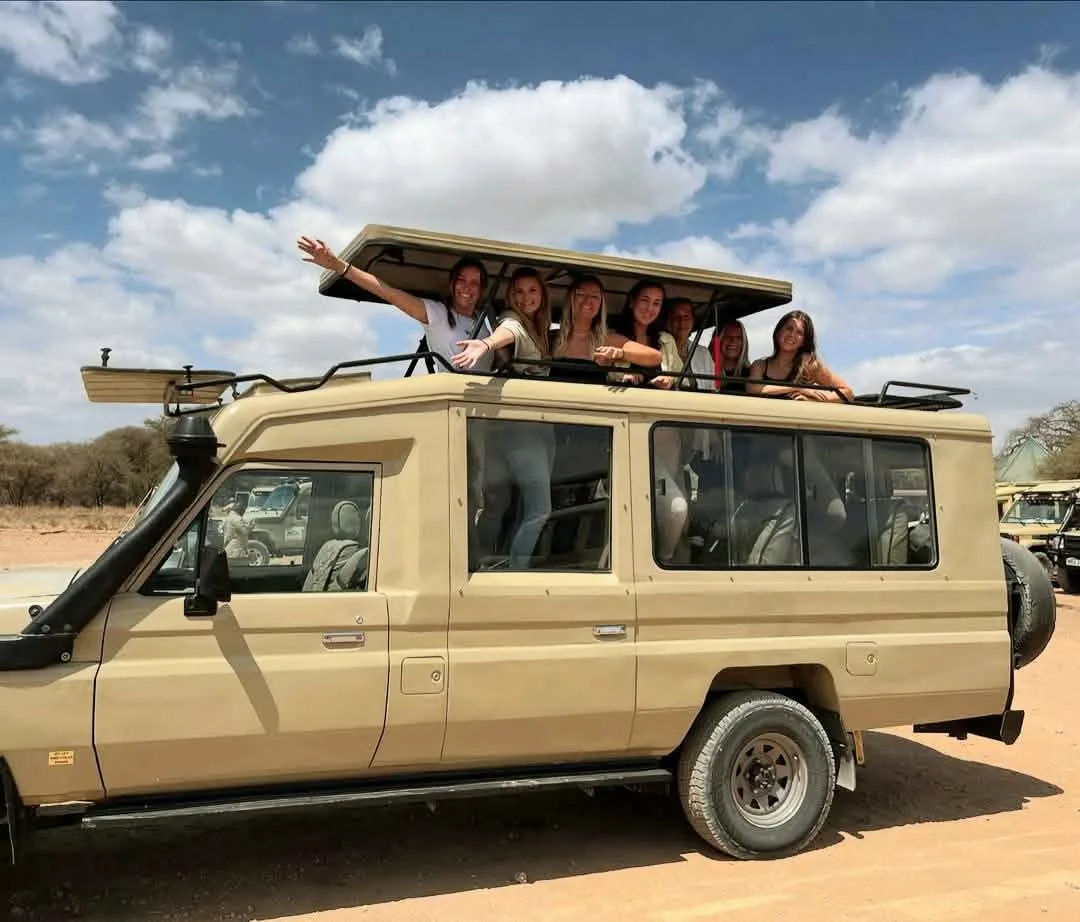
Tanzania offers exceptional wildlife diversity, from the vast wildebeest herds of the Serengeti to elephants beneath Tarangire's baobabs and endangered black rhinos in the Ngorongoro ecosystem. Depending on your route and season, a Tanzania wildlife safari can include the Big Five, big cats, giraffes, zebras, wildebeest, hippos, hyenas, crocodiles, primates and hundreds of bird species.
The key is choosing the right destinations. Serengeti National Park is particularly rewarding for big cats and plains wildlife, Ngorongoro Crater provides opportunities to search for the Big Five within a relatively compact area, while Tarangire National Park is one of our favourite destinations for elephants.
Tanzania Wildlife at a Glance
| Wildlife | Best Places to Look | Particularly Good Time |
|---|---|---|
| Lions | Serengeti, Ngorongoro, Ruaha | Year-round |
| Leopards | Serengeti, Ruaha | Year-round |
| Cheetahs | Serengeti, Ndutu | Year-round; Ndutu excellent in calving season |
| Elephants | Tarangire, Serengeti, Nyerere, Ruaha | Tarangire especially rewarding in dry season |
| Black rhinos | Ngorongoro ecosystem | Year-round |
| Wildebeest | Serengeti, Ndutu | Migration location varies seasonally |
| Zebras | Serengeti, Ngorongoro, Tarangire | Year-round |
| Giraffes | Serengeti, Tarangire, Nyerere | Year-round |
| Hippos | Serengeti, Ngorongoro, Nyerere | Year-round |
| Crocodiles | Serengeti river systems, Nyerere | Year-round |
| African wild dogs | Nyerere, Ruaha | Possible year-round |
| Flamingos & waterbirds | Lake Manyara and suitable seasonal wetlands | Seasonal |
| Baboons & monkeys | Lake Manyara and forested areas | Year-round |
Wildlife is free-ranging, so sightings can never be guaranteed.
Can You See the Big Five in Tanzania?
Yes. Tanzania is home to all five members of the Big Five: lion, leopard, elephant, buffalo and black rhino. A Northern Circuit safari combining Serengeti, Ngorongoro and Tarangire gives travellers opportunities to search for all five, although no responsible safari operator can guarantee every species on a particular trip.
Ngorongoro is particularly important for black rhinos, while Serengeti is excellent big-cat country. Tarangire is renowned for its elephants, and buffaloes occur across several major safari areas.
For travellers hoping to see the Big Five, we recommend allowing at least 5–7 days rather than attempting to complete a wildlife checklist in a rushed two- or three-day itinerary.
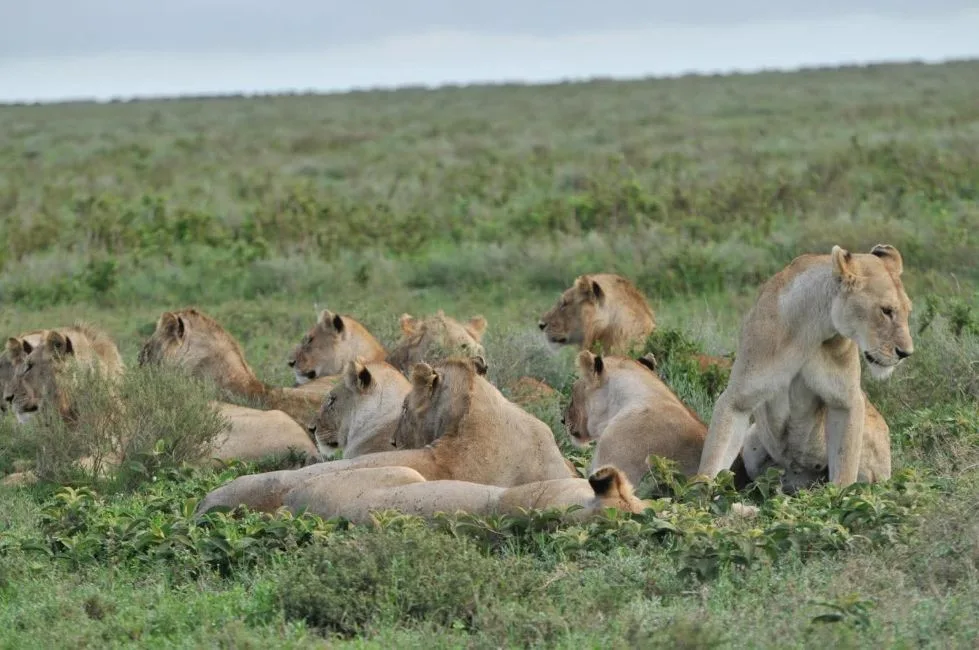
Lions – Tanzania's Most Famous Big Cat
Lions are among the animals travellers most hope to see on safari, and Tanzania offers excellent lion habitat.
The Serengeti supports numerous prides across its plains and woodland areas. Ngorongoro Crater also supports resident lions, while Ruaha is another important destination for travellers exploring southern Tanzania.
Finding lions is only part of the experience. With enough time, you may observe a pride resting together, cubs interacting, territorial behaviour or predators beginning to become active as temperatures cool.
This is one reason we prefer longer game drives and multiple nights in productive wildlife areas rather than racing between parks.
Best places: Serengeti, Ngorongoro, Ruaha
Best time: Year-round
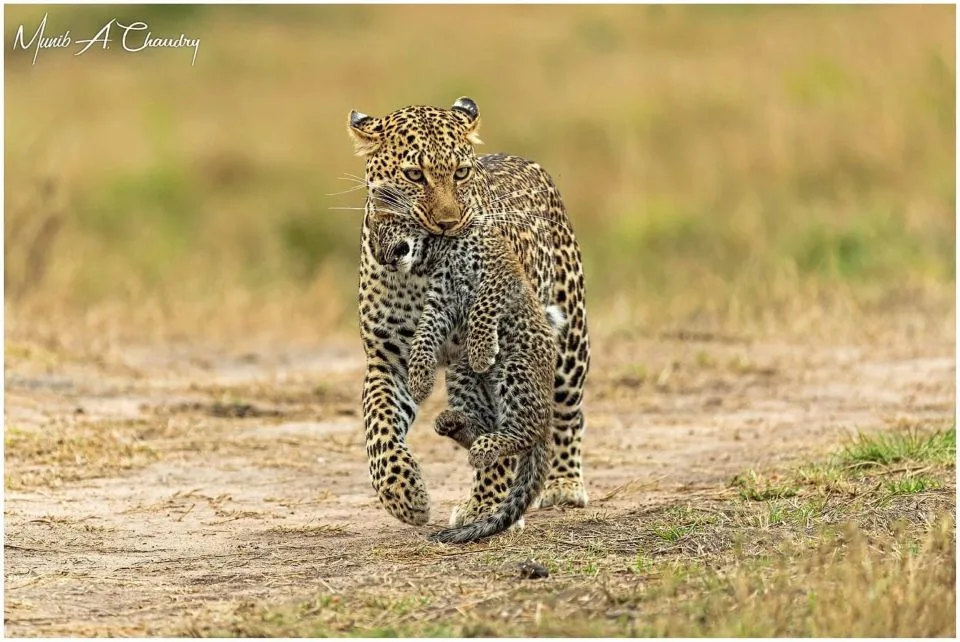
Leopards – The Elusive Member of the Big Five
Leopards can be considerably harder to find than lions.
They are solitary, well camouflaged and often spend time in trees, thick vegetation or secluded areas.
The Serengeti offers good opportunities, particularly where woodland and riverine habitats provide cover. An experienced guide will look for more than the leopard itself—alarm calls, tracks and the behaviour of other animals can provide clues.
Even in excellent leopard country, sightings should never be promised.
Best places: Serengeti and Ruaha
Best time: Year-round
Safari tip: More game-drive time generally gives you more opportunities to search.
Cheetahs – Best Seen on Tanzania's Open Plains
Cheetahs are particularly suited to open landscapes where their speed gives them an advantage while hunting.
The Serengeti ecosystem is one of Tanzania's most important destinations for travellers hoping to encounter them.
The short-grass plains around Ndutu can be particularly interesting during the wildebeest calving period, when large numbers of young animals attract predators.
For photographers, cheetah sightings can reward patience. Rather than immediately leaving after finding an animal, your guide may recommend waiting and observing its behaviour where conditions and park rules allow.
Best places: Serengeti and Ndutu
Best time: Year-round, with Ndutu particularly interesting during calving season
Elephants – Why Tarangire Deserves a Place on Your Safari
If elephants are high on your wildlife list, include Tarangire National Park.
Tarangire is famous for both elephants and its distinctive baobab landscapes. During the dry season, animals increasingly depend on permanent water sources, and elephants can become especially prominent around the Tarangire River ecosystem.
You can also encounter elephants in Serengeti, Ngorongoro, Nyerere and Ruaha, but Tarangire provides one of the strongest elephant-focused additions to a classic Northern Circuit itinerary.
Best place: Tarangire
Particularly rewarding: June–October
Recommended stay: 1–2 nights
Black Rhinos – A Rare Tanzania Safari Sighting
The black rhino is one of the most difficult Big Five animals to encounter.
Ngorongoro is one of Tanzania's important areas for the species and gives safari travellers a chance to search for rhinos while exploring the crater ecosystem.
They may be seen at considerable distance, however, and a sighting is never guaranteed.
This is also an animal where responsible tourism matters more than simply getting a photograph. Rhinos remain under significant conservation pressure, and guides must respect wildlife-viewing regulations and appropriate distances.
Best area: Ngorongoro ecosystem
Best time: Year-round
Sightings: Possible, never guaranteed
The Great Wildebeest Migration
The Great Migration is not a single event. It is a continuous movement involving huge numbers of wildebeest alongside zebras and other grazing animals across the Serengeti–Mara ecosystem.
Different stages provide very different wildlife experiences.
December–March: Herds are generally associated with the southern Serengeti and Ndutu, with the calving period particularly important around January and February.
April–June: Herds gradually move through the Serengeti ecosystem as rainfall and grazing conditions change.
July–October: Northern Serengeti becomes increasingly important, with the possibility of Mara River crossings.
October–December: Herds generally begin moving south again as seasonal rains create fresh grazing.
These timings are approximate. Rainfall influences migration movement, which is why we never guarantee the location of a herd or a river crossing on a particular date.
For a migration-focused trip, choose your Serengeti region according to your travel month and allow enough nights to explore it properly.
Wildebeest Calving & Predator Activity
The Ndutu calving season offers a very different experience from northern Serengeti river crossings.
During approximately January and February, large numbers of wildebeest calves are born across the southern plains.
For travellers, the attraction is not simply seeing newborn animals. The abundance of prey can also create intense predator activity involving cheetahs, lions, hyenas and other carnivores.
If this is your priority, consider spending 2–3 nights around Ndutu rather than trying to visit the area on a rushed transit day.
Our 3 Days Ndutu Calving Safari & Ngorongoro is suitable for shorter trips, while longer itineraries can add Central Serengeti, Tarangire or additional Ndutu nights.
Giraffes, Zebras, Buffaloes & Plains Wildlife
Some of the most memorable safari moments involve animals that never appear on a Big Five checklist.
Giraffes moving between acacia trees, large zebra herds on the Serengeti plains, buffaloes gathering around water and antelope watching cautiously when predators are nearby all form part of the wider ecosystem.
Depending on the destination, travellers may also encounter:
Impalas
Thomson's and Grant's gazelles
Elands
Waterbucks
Hartebeest
Topis
Warthogs
Bushbucks
Dik-diks
Learning how these animals interact with predators, vegetation, water and each other often makes a safari far more interesting than simply counting species.
Hippos & Crocodiles
Tanzania's rivers, pools and wetlands add another dimension to the safari.
Hippos can be encountered in suitable habitats in Serengeti, Ngorongoro and Nyerere, while crocodiles inhabit several river systems.
Nyerere is particularly interesting because the Rufiji River system creates opportunities for a safari experience centred partly around water.
In the northern Serengeti, crocodiles are also associated with the Mara River, where migration crossings can produce dramatic interactions between wildebeest and the river ecosystem.
African Wild Dogs
African wild dogs are among the continent's most fascinating predators, but they are much less predictable to encounter than lions.
Southern Tanzania, particularly Nyerere and Ruaha, can provide opportunities to search for them.
Travellers specifically interested in wild dogs should consider a dedicated Southern Circuit itinerary rather than assuming they will encounter them on a standard Northern Circuit safari.
Best areas: Nyerere and Ruaha
Best for: Repeat safari visitors and predator enthusiasts
Sightings: Possible but never guaranteed
Birdlife in Tanzania
A Tanzania safari is not only about large mammals.
The country supports exceptional bird diversity, from raptors and vultures to ostriches, hornbills, kingfishers, bee-eaters, storks and waterbirds.
Lake Manyara is particularly attractive to travellers interested in birdlife and varied habitats. Flamingos may occur where suitable ecological and water conditions exist, but their numbers and locations vary.
Even travellers who arrive with little interest in birds often become fascinated once a guide begins pointing out colourful species and explaining their behaviour.
Best for birding: Lake Manyara, Tarangire, Serengeti, Nyerere and wetland habitats
Experience: Rewarding throughout the year, with seasonal variation
Which Tanzania Park Is Best for Wildlife?
There is no single park that is best for every animal.
| If You Want to See... | Consider... |
|---|---|
| Big cats | Serengeti |
| Big Five | Serengeti + Ngorongoro + Tarangire |
| Elephants | Tarangire |
| Black rhino | Ngorongoro |
| Great Migration | Serengeti – region depends on month |
| Wildebeest calving | Ndutu / Southern Serengeti |
| Cheetahs | Serengeti & Ndutu |
| Birdlife | Lake Manyara & Tarangire |
| African wild dogs | Nyerere & Ruaha |
| River-based wildlife | Nyerere |
| Remote wilderness | Ruaha |
For most first-time visitors, the combination of Tarangire + Serengeti + Ngorongoro provides the strongest overall introduction to Tanzania's wildlife.
How Many Safari Days Do You Need for the Best Wildlife Experience?
If wildlife is your main reason for visiting Tanzania, we recommend approximately 5–7 days for a first safari.
That does not guarantee more species. What it gives you is time.
Wildlife does not follow a schedule. A leopard can disappear before you arrive. Lions may spend the hottest part of the day sleeping. A cheetah that appears inactive in the morning may begin hunting later, and migration herds can change direction according to weather and grazing.
Spending several nights in productive wildlife areas gives your guide more flexibility to respond to what is actually happening on the ground.
For serious photographers, migration-focused travellers and wildlife enthusiasts, 7–10 days can be even more rewarding.
Can Wildlife Sightings Be Guaranteed?
No—and we recommend being cautious of any safari description that guarantees wild-animal sightings.
Tanzania's wildlife lives in natural ecosystems rather than controlled environments. Guides use their experience, knowledge of animal behaviour, tracks, recent sightings and communication with other guides to improve your chances, but the animals ultimately determine where they go.
That unpredictability is part of what makes safari exciting.
Our approach is to put you in the right wildlife areas, during appropriate seasons, with enough game-drive time and an experienced safari guide rather than promising a sighting that nature cannot guarantee.
Tell us which animals or wildlife experience matters most to you, and we can recommend the Tanzania safari itinerary and season that best fits your interests.
Choose Your Tanzania Safari Style 2026/2027/2028
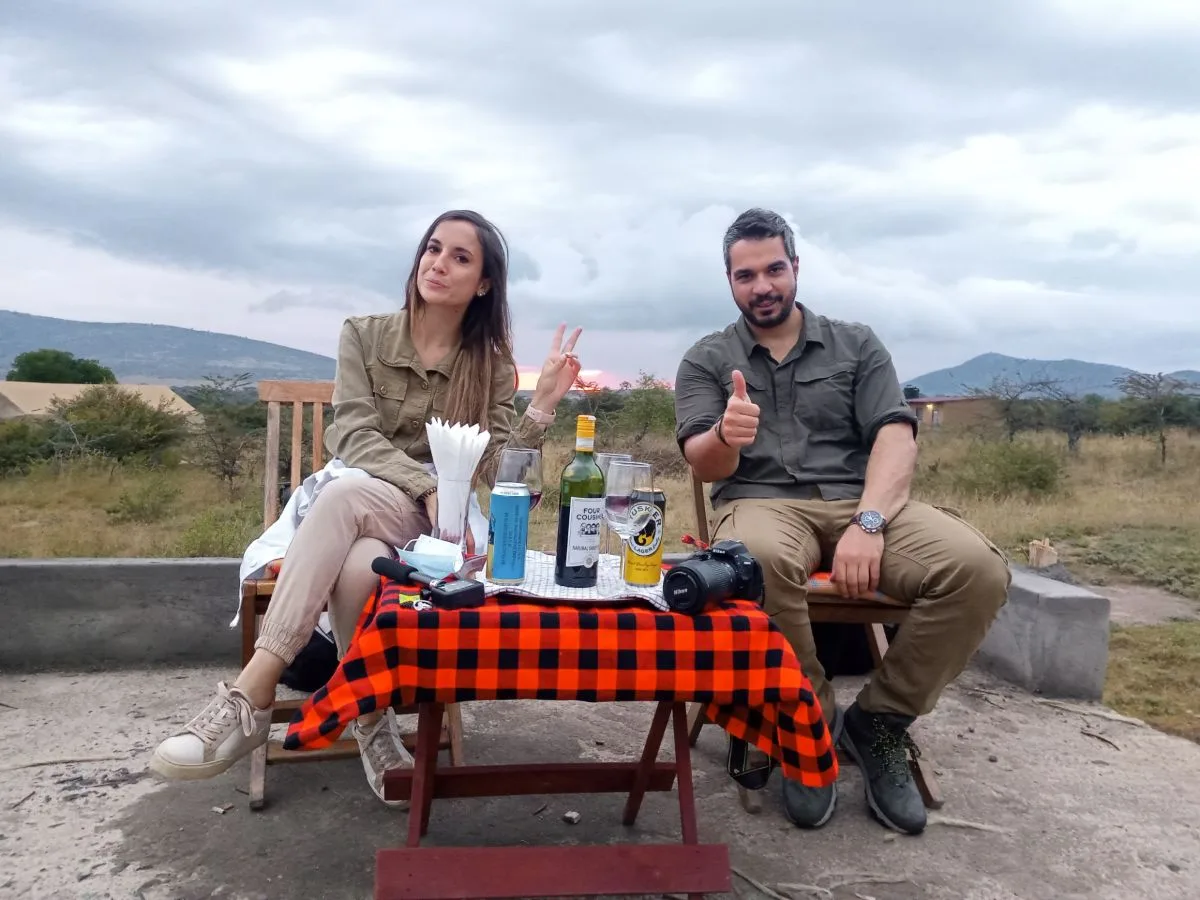
There is no single way to experience Tanzania. Two travellers can follow the same Serengeti and Ngorongoro route but have very different safaris depending on their accommodation, vehicle arrangements, pace and interests.
At East Africa Jungle, our Tanzania safari packages for 2026/2027/2028 can be customised around your travel dates, group size, budget and preferred experience. Whether you want a private first safari, a family adventure, the Great Migration, a honeymoon or several days dedicated to photography, the itinerary should be built around the way you want to travel.
Tanzania Safari Styles at a Glance
| Safari Style | Best For | Suggested Length | Key Advantage |
|---|---|---|---|
| Private Safari | Couples, families & friends | 4–10 days | Your own vehicle & greater flexibility |
| Budget Safari | Value-focused travellers | 3–7 days | Lower overall cost |
| Mid-Range Safari | Most first-time visitors | 5–8 days | Comfort + value |
| Luxury Safari | Honeymoons & premium travel | 6–12 days | High-end camps, service & locations |
| Family Safari | Parents travelling with children | 5–8 days | Flexible private itinerary |
| Honeymoon Safari | Couples | 6–12 days | Privacy & slower pacing |
| Great Migration Safari | Wildlife enthusiasts | 4–10 days | Seasonal migration focus |
| Photography Safari | Wildlife photographers | 7–10+ days | More time at sightings |
| Fly-In Safari | Time-conscious travellers | 3–8 days | Reduces long road transfers |
| Safari + Zanzibar | Couples & families | 10–14 days | Wildlife + Indian Ocean beach |
Private Tanzania Safari – Best for Flexibility
A private Tanzania safari gives your party its own safari vehicle and professional driver-guide.
This does not mean the national parks are private. You will still encounter other safari vehicles, particularly around popular wildlife sightings. The difference is that you are not sharing your vehicle or daily schedule with unrelated travellers.
If your family wants to leave slightly later one morning, you can discuss it with your guide. If you are photographing lions and want to spend more time observing the pride, you do not have to negotiate with strangers who would rather move on.
Our private road safaris in Tanzania are operated using 4×4 safari Land Cruisers with pop-up roofs for game viewing.
Best for: Couples, families, honeymooners, photographers and groups of friends
Main advantage: Flexibility
Recommended group size: Particularly good value for 4–6 travellers
Budget Tanzania Safari – Best for Travellers Prioritising Wildlife
A budget safari does not have to mean compromising on the wildlife experience.
The main savings usually come from accommodation style and how the itinerary is structured rather than reducing the importance of game drives.
Budget options can use simple lodges, tented camps or camping depending on the specific itinerary.
If your priority is spending time in Serengeti and Ngorongoro rather than having a swimming pool, elaborate room or premium dining experience, a carefully planned budget safari can offer excellent value.
We still recommend paying close attention to accommodation location. Saving money on a camp far from the wildlife area you want to explore can result in longer transfers and less game-viewing time.
Best for: Value-conscious travellers and younger travellers
Main priority: Wildlife over accommodation luxury
Recommended length: 3–7 days
Mid-Range Tanzania Safari – Best for Most First-Time Visitors
For many travellers, a mid-range private safari provides the best balance of comfort, location and price.
Accommodation normally consists of comfortable safari lodges or tented camps, typically with private bathrooms, proper beds and full-board meals during the safari.
You still spend the majority of your daylight hours exploring the parks, but return to comfortable accommodation in the evening.
This is the safari style we would recommend to many couples, families and first-time visitors who want a comfortable experience without moving into the highest luxury price category.
Best for: First-time visitors, couples and families
Accommodation: Comfortable lodges & tented camps
Recommended length: 5–8 days
Main advantage: Strong balance between comfort and cost
Luxury Tanzania Safari – Best for Comfort & Exclusivity
Luxury safari planning should involve more than simply selecting Tanzania's most expensive lodges.
Location, camp size, service, guiding arrangements and the amount of time you spend travelling between properties all matter.
A well-designed luxury Tanzania safari may combine intimate tented camps, premium lodges and strategically selected fly-in sectors. It can also reduce the number of accommodation changes so you have more time to enjoy each destination.
For honeymooners and special occasions, additional experiences such as private dining arrangements or a hot-air balloon safari can be considered where available.
Best for: Honeymoons, anniversaries and premium travel
Recommended length: 6–12 days
Main advantage: Comfort, service, privacy and carefully selected locations
Tanzania Family Safari – Best for Travelling With Children
A successful family safari should not be an adult itinerary with children simply added to the booking.
Driving distances, meal times, accommodation layout, swimming pools, family rooms and the age of the children all need to be considered.
A private 4×4 is particularly valuable for families because you have greater control over stops and game-drive duration.
For younger children, we generally prefer fewer accommodation changes and multiple nights in key destinations rather than moving to a different lodge every day.
Our 5 Days Tanzania Family Safari provides a starting point that can be adjusted according to the ages of your children and your preferred accommodation.
Best for: Families with children and teenagers
Recommended length: 5–8 days
Main advantage: Private, flexible pacing
Tanzania Honeymoon Safari – Best for Couples
A Tanzania honeymoon can combine wildlife, privacy and beach time without turning every day into a transfer.
Rather than trying to visit as many parks as possible, we recommend staying longer in a smaller number of carefully selected locations.
A typical honeymoon might combine Tarangire, Serengeti and Ngorongoro, followed by several nights in Zanzibar.
Depending on your budget, we can consider intimate tented camps, luxury lodges, fly-in transfers and special experiences.
But the most valuable luxury is often simply having enough time to enjoy where you are.
Best for: Honeymoons and anniversaries
Recommended length: 8–14 days including Zanzibar
Main advantage: Privacy, relaxed pacing and wildlife + beach combination
Tanzania Great Migration Safari – Best for Seasonal Wildlife
A Great Migration safari should be designed around your travel month, not sold as one identical itinerary throughout the year.
If you travel in January or February, we would generally focus on Ndutu and the southern Serengeti for the calving season.
During the middle of the year, migration-focused itineraries shift according to herd movements.
From approximately July through October, the Northern Serengeti becomes particularly important as herds may gather around the Mara River region.
Exact migration timing varies according to rainfall, water and grazing conditions, and river crossings cannot be guaranteed.
Our 4 Days Great Migration Safari Tanzania can provide a starting point for planning, but your final route should match your actual travel dates.
Best for: Migration enthusiasts and photographers
Recommended length: 5–8 days where possible
Main advantage: Itinerary focused on seasonal herd movement
Tanzania Photography Safari – Best for Time at Wildlife Sightings
Photography safaris benefit from a different pace.
If you find a leopard resting in a tree or cheetahs watching a herd, you may want to remain at the sighting rather than immediately continue to the next location.
Early departures, patient wildlife observation and enough nights in productive areas become particularly important.
For serious photographers, we generally recommend 7–10 days or longer, with several nights in the Serengeti.
A private vehicle also gives you greater freedom to discuss positioning and timing with your guide.
Best for: Wildlife photographers and filmmakers
Recommended length: 7–10+ days
Main advantage: More time and flexibility at sightings
Serengeti Fly-In Safari – Best When Time Is Limited
Flying into the Serengeti can make sense when your biggest constraint is time.
Driving from Arusha allows you to experience Tanzania's changing landscapes and works naturally when combining Tarangire, Ngorongoro and Serengeti. But if you have only three days and Serengeti is your priority, much of a road itinerary can be consumed by transfers.
A fly-in safari reduces that problem.
Our 3 Days Serengeti Fly-In Safari allows you to fly into the Serengeti and begin your wildlife experience after arrival.
Best for: Short trips, couples and Zanzibar combinations
Recommended length: 3–6 days
Main advantage: More safari time, less road transfer time
Tanzania Safari & Zanzibar – Best for Wildlife and Beach
A Tanzania safari and Zanzibar combination gives you two very different holidays in one journey.
Begin with game drives through destinations such as Tarangire, Serengeti and Ngorongoro, then fly to Zanzibar for several nights beside the Indian Ocean.
For most travellers, we recommend completing the safari first and the beach portion afterwards. That means the slower, more relaxed part of the holiday comes after the early safari mornings and longer game-drive days.
A balanced trip could include approximately 5–8 safari days followed by 3–6 nights in Zanzibar.
Best for: Honeymoons, couples, families and anniversary trips
Recommended total length: 10–14 days
Main advantage: Wildlife + beach in one Tanzania holiday
Which Tanzania Safari Style Is Right for You?
If you are still deciding, use this simple guide:
Choose a private safari if flexibility matters most.
Choose budget if wildlife time matters more than accommodation luxury.
Choose mid-range if you want a comfortable first safari without premium-luxury prices.
Choose luxury if accommodation, service and exclusivity are important parts of the experience.
Choose a family safari if travelling with children and you want the itinerary paced around them.
Choose a Great Migration safari if seasonal wildebeest movement is the main reason for travelling.
Choose a photography safari if you want longer game drives and more patience at sightings.
Choose a fly-in safari if you have limited time and Serengeti is your priority.
Choose safari + Zanzibar if you want to finish your wildlife trip with several days at the beach.
Not Sure Which Safari to Choose?
You do not need to decide everything before contacting us.
Send us:
Your travel month or approximate dates
Number of travellers
Number and ages of children, if any
Number of safari days available
Approximate accommodation preference
Wildlife or experiences that matter most
Whether you want Zanzibar
We can then recommend the Tanzania safari itinerary that fits your trip, rather than simply sending you the same package offered to every traveller.
Plan Your Private Tanzania Safari | Request a Custom Itinerary | WhatsApp: +254 728 567308
Tanzania Safari Accommodation 2026/2027/2028 – Where Will You Stay?
Where you stay can have a significant impact on both the cost and pace of your Tanzania safari. Accommodation ranges from simple camps and comfortable mid-range tented camps to luxury lodges and small seasonal migration camps.
When planning an itinerary, we consider more than room quality. Location matters. A well-positioned camp can reduce driving time and allow you to start game viewing earlier, while accommodation far from your main wildlife area may mean spending additional time travelling each morning and evening.
Your Tanzania safari itinerary can be customised around budget, mid-range or luxury accommodation, subject to availability during your travel dates.
Tanzania Safari Accommodation at a Glance
| Accommodation Style | What to Expect | Best For | Price Level |
|---|---|---|---|
| Budget Camping | Simple facilities, practical safari experience | Adventure & value | $ |
| Budget Lodge/Camp | Simple rooms or tents, meals included | Value-focused travellers | $–$$ |
| Mid-Range Tented Camp | Proper beds, private bathrooms, full-board meals | Most safari travellers | $$–$$$ |
| Safari Lodge | Permanent rooms, restaurant and often a pool | Families & first safaris | $$–$$$ |
| Luxury Tented Camp | Spacious tents, high service levels, excellent locations | Couples & honeymooners | $$$–$$$$ |
| Luxury Lodge | Premium rooms, dining and facilities | Luxury travellers | $$$–$$$$ |
| Mobile/Seasonal Camp | Positioned around seasonal wildlife areas | Great Migration safaris | $$–$$$$ |
Budget Tanzania Safari Accommodation
Budget accommodation is designed for travellers who would rather spend their money on game drives and wildlife experiences than high-end rooms.
Depending on the itinerary, this can mean public camping, simple permanent camps or value-oriented safari lodges.
Facilities vary considerably, so it is important to check the exact property rather than relying only on the label “budget.”
A budget safari can still provide excellent wildlife viewing. The animals you see do not depend on the price of your room.
What matters is whether the itinerary gives you enough time in the parks and whether your accommodation is sensibly located for the following day's game drive.
Best for: Value-focused travellers
Main advantage: Lower overall safari cost
Check carefully: Location, bathroom arrangements and facilities
Mid-Range Tanzania Safari Accommodation
For many of our travellers, mid-range tented camps and lodges provide the best balance between comfort, location and price.
A typical mid-range safari camp may provide a proper bed, private bathroom, hot shower, electricity or solar power, restaurant facilities and full-board meals.
Despite the word “tent,” many Tanzania safari tents are very different from ordinary camping.
They can include large canvas rooms built on platforms, private bathrooms, furniture, verandas and comfortable beds.
This accommodation style allows you to retain the atmosphere of being close to nature without giving up the basic comforts most travellers expect.
Best for: Couples, families and first-time safari travellers
Main advantage: Comfort without premium-luxury pricing
Our recommendation: A strong choice for most private Tanzania safaris
Luxury Tanzania Safari Camps & Lodges
Luxury accommodation adds another level of comfort and service.
Properties may include spacious suites or tents, premium dining, highly personalised service, private decks, swimming pools and locations selected for scenery or wildlife access.
However, we do not recommend choosing accommodation based on appearance alone.
A beautiful lodge can still be inconvenient if its location adds unnecessary driving to your itinerary.
For a luxury safari, we prefer to balance location, comfort, service and overall route efficiency rather than simply selecting the most expensive property available.
Best for: Honeymoons, anniversaries and premium safari holidays
Main advantage: Comfort, privacy and service
Recommended approach: Fewer properties, longer stays and carefully selected locations
Tented Camp or Safari Lodge – Which Is Better?
Neither is automatically better.
Choose a tented camp if you want a stronger sense of being immersed in the safari environment.
Choose a lodge if facilities such as a larger swimming pool, permanent buildings or extensive common areas are important to you.
Families with younger children sometimes prefer lodges, while couples and wildlife enthusiasts often enjoy the atmosphere of tented camps.
The best solution can also be a combination—for example, a lodge in Tarangire, a tented camp in Serengeti and comfortable accommodation around Ngorongoro or Karatu.
What Is a Tented Safari Camp?
This is one of the most common questions from first-time safari travellers.
A tented safari camp is not necessarily conventional camping.
Depending on the property, your tent may include:
A full-size bed
Private en-suite bathroom
Hot shower
Flush toilet
Electricity or solar power
Charging facilities
Mosquito netting
Furniture
Private veranda
Restaurant and lounge facilities
At night, you may hear lions, hyenas or other wildlife in the distance.
Camps in wildlife areas normally have safety procedures for moving between tents and communal areas after dark. Always follow the instructions given by camp staff.
Inside the Park or Outside – Does Location Matter?
Yes.
Accommodation inside or strategically close to the wildlife area you want to explore can reduce transfer time and allow you to spend more of the day on safari.
But outside-the-park accommodation can also make sense.
Around Ngorongoro, for example, properties around Karatu can provide good value and convenient access depending on the itinerary.
The right choice depends on:
Your budget
Your next day's route
Park-entry timing
Wildlife priorities
Travel season
Length of stay
We therefore look at accommodation as part of the entire safari route, not as an isolated hotel booking.
Permanent vs Mobile Migration Camps
For Great Migration safaris, you may encounter both permanent and seasonal/mobile tented camps.
Permanent camps remain in the same location throughout the year.
Seasonal or mobile camps may operate in different areas according to the migration season or may be positioned specifically to provide better access to seasonal wildlife concentrations.
For example, a migration-focused itinerary in February should generally prioritise accommodation convenient for Ndutu and the southern Serengeti ecosystem, while a July–October migration safari may require accommodation farther north.
The most famous camp is not automatically the correct camp for your dates.
Location should follow the wildlife season.
Accommodation for Families
When planning a Tanzania family safari, we check more than the room rate.
Important considerations can include:
Family rooms or interconnected rooms
Children's ages accepted by the property
Swimming pool availability
Meal flexibility
Distance between rooms
Camp safety policies
Travel time to the next destination
Number of nights at each property
For families, staying two nights in a suitable property can often be more enjoyable than packing and changing accommodation every morning.
Accommodation for Honeymoons
For honeymooners, privacy and atmosphere can be more important than having the largest possible lodge.
Small tented camps, scenic properties and longer stays can create a more relaxed experience.
Where budget allows, we can also consider a combination of luxury safari camps and Zanzibar beach accommodation, giving you wildlife first and a slower beach experience afterwards.
How We Select Accommodation for Your Safari
We consider five main factors:
1. Location – Is the property well placed for the wildlife area and the following day's route?
2. Comfort – Does it match the accommodation level you requested?
3. Season – Is its location appropriate for migration or other seasonal wildlife priorities?
4. Value – Are you paying for something that meaningfully improves your trip?
5. Availability – Is the property available for your actual travel dates?
If your first-choice camp is unavailable, we recommend an alternative of a similar standard and explain any important difference in location or experience.
Our Accommodation Planning Tip
Do not choose your Tanzania safari solely by lodge names.
A strong itinerary should first put you in the right wildlife area at the right time. Accommodation should then support that route.
For most first-time visitors, we recommend comfortable mid-range lodges and tented camps in practical locations, unless budget, a honeymoon or a special occasion makes luxury accommodation an important part of the trip.
Tell us whether you prefer budget, mid-range or luxury accommodation when requesting your itinerary, and we can build the safari around the level that suits you.
What's Included in Our Tanzania Safari Packages 2026/2027/2028?
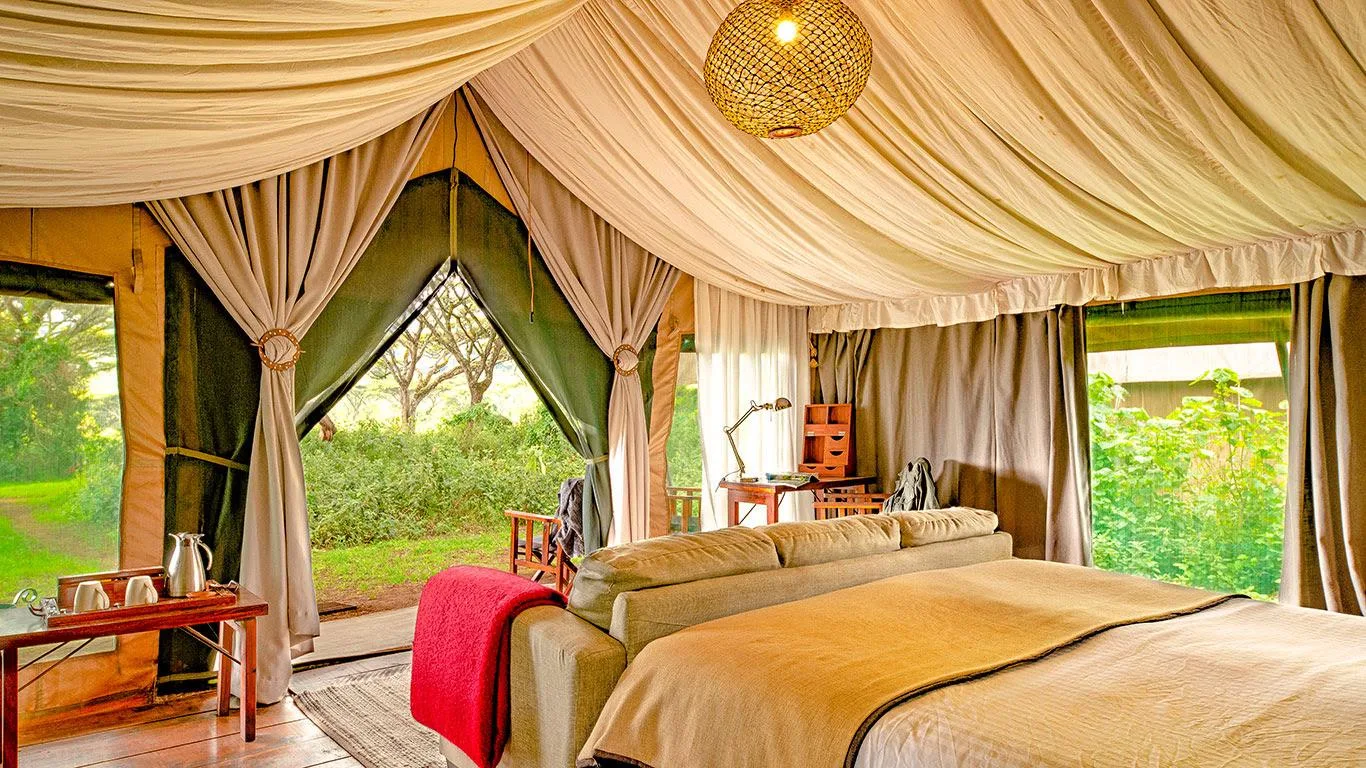
Our Tanzania safari packages for 2026/2027/2028 are designed to include the main services required for your safari, from private transport and professional guiding to accommodation, meals and scheduled game drives.
Exact inclusions vary slightly between itineraries, particularly when domestic flights, Zanzibar accommodation or optional activities are involved. Your final quotation will clearly show what is included before you confirm your safari.
What's Included
Most of our private Tanzania safari itineraries include:
Private 4×4 safari Land Cruiser with a pop-up roof for game viewing
Services of a professional English-speaking safari driver-guide
Fuel and vehicle expenses throughout the safari
Scheduled game drives according to your itinerary
National park entry fees included in the confirmed itinerary
Ngorongoro conservation and crater-related fees where applicable
Safari accommodation as specified in your quotation
Meals according to the stated meal plan
Drinking water during safari game drives
Airport, hotel or Arusha pickup and drop-off where specified
Transfers between safari destinations included in the itinerary
Applicable government taxes and statutory charges included in the confirmed quotation
If your itinerary includes a scheduled domestic flight, the flight will be clearly listed in the inclusions.
What's Not Included
Unless specifically stated in your quotation, Tanzania safari prices generally exclude:
International flights to and from Tanzania
Tanzania visa costs
Travel and medical insurance
International airport-related expenses not specified in the package
Zanzibar accommodation unless included in your itinerary
Optional domestic or regional flights
Hot-air balloon safaris
Optional cultural or community experiences
Premium and alcoholic drinks unless included by your accommodation
Laundry unless provided by the lodge or camp
Telephone calls and personal purchases
Souvenirs
Tips and gratuities for guides and lodge/camp staff
Additional activities not listed in the confirmed itinerary
Changes requested after the safari has begun that result in additional costs
Your quotation will always take priority over this general list because different Tanzania safari packages may include different services.
Optional Tanzania Safari Add-Ons
Your safari can be customised with additional experiences where they fit your route, dates and budget.
Serengeti Hot-Air Balloon Safari
A hot-air balloon safari offers a completely different perspective over the Serengeti landscape.
Flights normally take place early in the morning and are subject to weather conditions, availability and the operating area of the balloon company.
Because spaces can be limited during peak periods, we recommend requesting a balloon safari when you first book rather than waiting until you arrive.
Best for: Honeymoons, anniversaries, photographers and special occasions
Advance booking: Recommended
Zanzibar Beach Extension
After several days of game drives, Zanzibar provides a natural place to slow down.
We can combine your Tanzania safari with a 3–6 night Zanzibar extension, depending on your available time.
Your beach stay can range from comfortable mid-range accommodation to luxury resorts and boutique properties.
A popular combination is:
Tarangire → Serengeti → Ngorongoro → Zanzibar
Flights can be incorporated into the itinerary to connect the safari circuit with Zanzibar.
Serengeti Fly-In Safari
If you have limited time, domestic flights can reduce long road transfers.
For example, instead of spending much of a short itinerary driving between Arusha and Serengeti, you can fly to an airstrip in or near the relevant safari area and begin game viewing after arrival.
Our 3 Days Serengeti Fly-In Safari is particularly suitable for travellers with limited time or those combining Serengeti with Zanzibar.
Accommodation Upgrades
You can upgrade selected nights from budget or mid-range accommodation to luxury camps and lodges.
You do not necessarily need to upgrade every night.
For some travellers, spending more on a particularly well-located Serengeti camp while using comfortable mid-range accommodation elsewhere provides better overall value than choosing luxury properties throughout the entire safari.
Cultural Experiences
Depending on your itinerary and interests, cultural experiences may be incorporated into your safari.
Where available, these should be approached respectfully and should complement rather than dominate the wildlife itinerary.
If cultural interaction is important to you, mention this when requesting your quotation so it can be planned into the route rather than added hurriedly during the safari.
Additional Safari Nights
One of the best upgrades is often simply more time.
If your budget allows, adding an extra night in Serengeti can provide more value to a wildlife-focused trip than adding another park simply to make the itinerary look longer.
An additional night can mean:
Another early-morning game drive
More time searching for big cats
Greater flexibility around wildlife sightings
Less pressure to leave a productive area
A slower overall safari pace
For migration and photography safaris, additional time in the correct Serengeti region can be particularly valuable.
What Is Included in Tanzania National Park Fees?
Park and conservation charges vary according to the destinations included in your itinerary.
Depending on your route, these can include national park entry charges, conservation fees and specific charges associated with visiting areas such as Ngorongoro Crater.
When these fees are included in your confirmed safari package, you should not have to separately pay the same scheduled park-entry charges on arrival at each park.
We incorporate the applicable charges into the quotation so you can understand the overall safari cost before travelling.
Government fees can change, particularly when booking well in advance for 2026, 2027 or 2028. If an official fee change materially affects a future booking, this should be addressed according to the terms of your confirmed quotation.
Are Meals Included on a Tanzania Safari?
Most multi-day Tanzania safari packages operate on a meal plan that includes breakfast, lunch and dinner while on safari, although the exact arrangement depends on the accommodation and itinerary.
On game-drive days, lunch may be provided as a picnic so you can remain inside the wildlife area rather than returning to the lodge.
If you have dietary requirements, tell us before travelling.
Vegetarian and other dietary requests can often be accommodated when communicated to lodges and camps in advance.
Is Drinking Water Included?
Yes, drinking water is normally provided in the safari vehicle during our multi-day Tanzania safari itineraries.
You should still check the inclusions of your individual quotation because it remains the final reference for your booking.
Is the Safari Vehicle Private?
Our private Tanzania safari packages use a private 4×4 safari Land Cruiser with a pop-up roof.
Your vehicle is reserved for your travelling party rather than being shared with unrelated guests.
This gives you greater flexibility over game drives, photography stops and the overall pace of the safari.
If a particular itinerary is offered on different operating terms, this will be clearly stated before booking.
Are Park Fees Included in the Safari Price?
For the safari packages where park fees are stated as included, yes.
This is important when comparing Tanzania safari quotations.
A lower headline price can appear attractive until park fees, conservation charges or other compulsory safari costs are added separately.
When comparing packages, check whether the quotation includes:
National park entry fees
Ngorongoro conservation fees
Crater-related vehicle charges where applicable
Accommodation
Meals
Safari vehicle
Fuel
Professional guide
Game drives
Transfers
Compare the complete safari cost, not only the headline price.
What Should You Check Before Booking a Tanzania Safari?
Before paying a deposit, make sure your quotation clearly confirms:
Exact safari dates
Number of travellers
Safari route
Accommodation names and room type
Meal plan
Private or shared vehicle arrangement
Park and conservation fees
Domestic flights, if applicable
Included and excluded activities
Final price and payment terms
You should also understand the cancellation terms before confirming.
A clear quotation makes it much easier to compare Tanzania safari packages fairly and reduces the chance of unexpected costs later.
Request an All-Inclusive Tanzania Safari Quote
The easiest way to establish the real cost of your safari is to tell us exactly what you are planning.
Send us your:
Travel dates or month
Number of adults
Number and ages of children
Number of safari days
Preferred accommodation level
Wildlife priorities
Interest in the Great Migration
Interest in Zanzibar
Approximate budget, if you have one
We can then recommend a suitable route and provide a quotation showing exactly what is included and excluded.
Private Tanzania Safari • 4×4 Safari Land Cruiser • Customisable Itineraries • 2027/2028
Request Your Tanzania Safari Quote | WhatsApp: +254 728 567308
What to Pack for a Tanzania Safari 2026/2027/2028
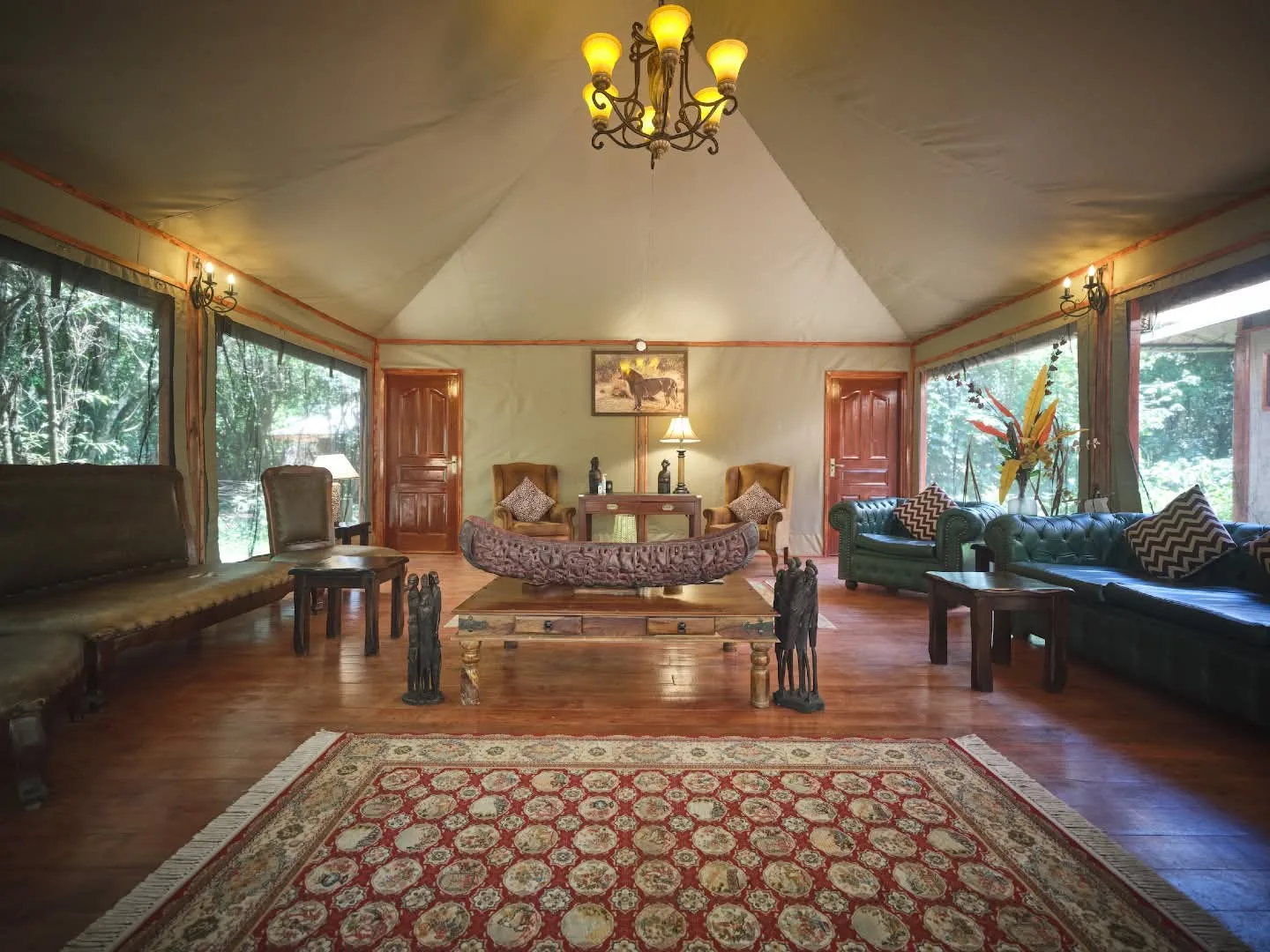
Packing for a Tanzania safari is easier than many first-time travellers expect. Comfortable clothing, sun protection, a light warm layer, suitable footwear and a few useful safari essentials are usually more important than bringing a large suitcase.
Morning game drives can feel cool, particularly around Ngorongoro and during the dry season, while afternoons may become warm. Light layers allow you to adjust throughout the day.
Tanzania Safari Packing Checklist
| What to Pack | Why You Need It |
|---|---|
| Lightweight neutral clothing | Comfortable for game drives |
| Light fleece or warm jacket | Cool mornings and evenings |
| Comfortable walking shoes | Lodges, camps and travel days |
| Hat | Sun protection |
| Sunglasses | Sun, wind and dust |
| Sunscreen | Strong daytime sun |
| Binoculars | Wildlife and bird viewing |
| Camera/phone | Photography |
| Spare batteries/power bank | Long game-drive days |
| Personal medication | Keep essential medication with you |
| Small day bag | Camera, documents and daily essentials |
| Reusable water bottle | Useful during travel |
| Travel documents | Passport, insurance and booking information |
What Clothes Should You Wear on a Tanzania Safari?
Choose comfortable, breathable clothes that can be layered.
Neutral colours such as khaki, beige, brown, olive and grey are practical for safari, although you do not need to buy an entirely new wardrobe just for the trip.
Useful clothing includes:
Lightweight long trousers
Comfortable shorts where appropriate
Short-sleeved shirts or T-shirts
Long-sleeved shirts
Light fleece or sweater
Lightweight jacket
Comfortable socks
Sleepwear
Underwear
Swimwear if your accommodation has a pool
Long sleeves and trousers can also provide additional protection from sun, dust and insects.
Avoid packing excessive clothing. Many travellers discover that they use the same practical safari clothes repeatedly.
Do You Need a Warm Jacket?
Yes, bring at least one warm layer.
Early-morning game drives can be surprisingly cool, especially when travelling in an open-roof safari vehicle before the sun has warmed the landscape.
The Ngorongoro highlands can also be considerably cooler than lower-altitude safari areas.
A heavy winter coat is normally unnecessary, but a fleece, sweater or lightweight insulated jacket is useful.
What Shoes Do You Need for Safari?
For a standard vehicle-based Tanzania safari, you usually do not need heavy hiking boots.
Comfortable trainers, walking shoes or lightweight outdoor shoes are sufficient for most travellers.
If your itinerary includes hiking or a specialised walking safari, footwear requirements may be different.
A pair of sandals or comfortable casual shoes can also be useful around your lodge or camp.
Should You Bring Binoculars?
Yes, if possible.
Some animals will be close to the safari vehicle, but others may be far away. Binoculars are particularly useful for:
Leopards resting in trees
Cheetahs on distant plains
Rhinos
Birds
Migration herds
Wildlife across Ngorongoro Crater
Even if you are not interested in birdwatching, a good pair of binoculars can significantly improve your safari experience.
Camera & Photography Equipment
You do not need professional equipment to enjoy safari photography.
Modern smartphones can produce excellent travel photographs, particularly when animals are relatively close.
If wildlife photography is an important part of your trip, consider bringing:
Camera body
Suitable telephoto lens
Spare memory cards
Spare batteries
Battery charger
Lens-cleaning equipment
Protective camera bag
Power bank
Dust is a normal part of safari, especially during the dry season, so keep camera equipment protected when you are not using it.
For serious photographers, tell us in advance. A private safari gives you more flexibility to discuss vehicle positioning and time at sightings with your guide.
Luggage for Tanzania Fly-In Safaris
If your itinerary includes domestic flights, luggage restrictions may be considerably tighter than international airline allowances.
Small safari aircraft can have restrictions on both luggage weight and bag type, with soft-sided luggage often preferred or required.
Your exact allowance depends on the airline and flight booked.
Before travelling, check the baggage allowance shown in your confirmed flight information rather than assuming your international airline allowance also applies to your safari flight.
If your itinerary includes our 3 Days Serengeti Fly-In Safari, we will confirm the relevant flight and baggage information for your booking.
Important Travel Documents
Keep essential documents easily accessible during your journey.
These may include:
Valid passport
Tanzania visa or entry documentation where applicable
Travel insurance details
Flight confirmations
Safari confirmation
Accommodation information
Emergency contact details
Any health documentation required for your journey
Copies of important documents
Entry and health requirements can change, so check the applicable official requirements before departure.
Medication & Personal Health Items
Bring enough of any regular prescription medication for your entire trip, preferably with some additional supply in case of travel disruption.
Keep essential medication in your hand luggage rather than checked baggage.
A small personal travel kit may also include items such as:
Insect repellent
Sunscreen
Lip balm
Hand sanitiser
Basic first-aid items
Any personal medication
For individual medical advice, vaccinations or malaria-prevention decisions, consult an appropriate healthcare professional or travel-health service before travelling.
Charging Phones & Cameras on Safari
Most established safari lodges and tented camps provide some form of electricity or charging facilities, although availability may differ between properties.
Remote camps may use generators or solar power and sometimes restrict charging to particular hours or designated areas.
Useful items include:
Travel adapter
Phone charger
Camera charger
Power bank
Spare camera batteries
If you rely on medical or specialised electronic equipment, tell us before booking so we can check the facilities at the proposed accommodation.
What Should You Carry in the Safari Vehicle?
Keep a small day bag with the things you are likely to need during game drives.
Useful items include:
Camera
Binoculars
Sunglasses
Hat
Sunscreen
Light jacket
Phone
Power bank
Personal medication
Passport when required
Small amount of cash
Your main luggage can normally remain at the accommodation or be stored in the vehicle during transfer days.
What Not to Pack for a Tanzania Safari
The most common packing mistake is bringing too much.
Try to avoid:
Large amounts of formal clothing
Too many pairs of shoes
Excessive toiletries
Heavy luggage
Unnecessary valuables
Large hard-shell cases when your itinerary includes small-aircraft flights
Safari is generally informal. Comfort and practicality matter much more than dressing formally.
Our Tanzania Safari Packing Tip
Pack for layers, not for every possible situation.
A cool morning can become a warm afternoon within a few hours. A light shirt, fleece and jacket combination is more useful than one very heavy item.
And leave some space in your luggage—you may want it for souvenirs on the journey home.
Once your Tanzania safari is confirmed, use your final itinerary, accommodation and flight arrangements to fine-tune what you bring.
Tanzania Safari Guide & Travel Expert Insights 2026/2027/2028
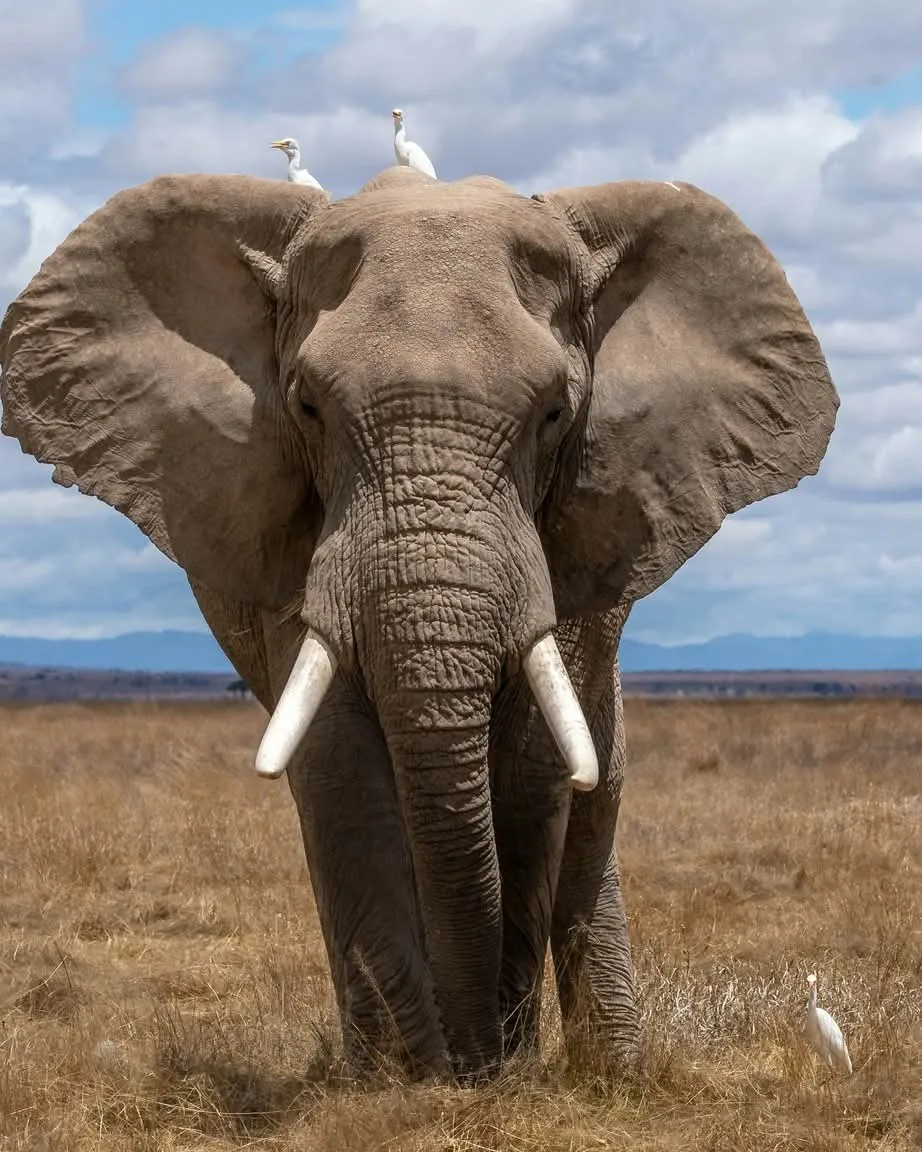
A good Tanzania safari itinerary is not simply a list of national parks connected by road. It should consider travel time, wildlife seasonality, accommodation location, game-drive time and the interests of the people travelling.
After more than 16 years of planning East African safaris, one lesson stands out: trying to visit more parks does not necessarily create a better safari.
For most travellers, spending meaningful time in three carefully chosen wildlife areas produces a better experience than rushing through five or six destinations simply to add more names to the itinerary.
Here are some of the principles we use when planning Tanzania safaris.
1. Start With Your Travel Month, Not the Package Name
If the Great Migration is important to you, your travel dates should influence where you stay in the Serengeti ecosystem.
A February migration safari should not automatically follow the same route as an August migration safari.
During the main calving period, we generally focus more heavily on Ndutu and the southern Serengeti. During the northern migration period, itineraries may need to spend more time farther north.
Rainfall ultimately influences herd movement, so migration itineraries should retain some flexibility.
Expert tip: Tell us your travel dates before choosing your Serengeti region.
2. Do Not Put Too Many Parks Into a Short Safari
This is one of the most common itinerary mistakes.
A safari that includes Tarangire, Lake Manyara, Serengeti and Ngorongoro in only a few days may look impressive on paper, but every additional destination creates another transfer.
If you have only three or four days, concentrate on your highest-priority wildlife areas.
With five to seven days, the classic Tarangire → Serengeti → Ngorongoro route becomes much more comfortable.
With seven to ten days, we would often add more Serengeti time before adding more parks.
Expert tip: Count your meaningful game-drive hours, not just the number of destinations listed.
3. Give the Serengeti Enough Time
The Serengeti is enormous.
Treating it as a one-night stop can mean arriving after a long transfer, completing a limited game drive and leaving again the following morning.
For most first-time visitors on a 5–7 day safari, we recommend at least two nights in the Serengeti, and three or more nights can be even better.
Migration-focused and photography safaris usually benefit from additional time.
Wildlife does not appear according to an itinerary timetable. Extra nights give your guide more opportunity to respond to what is happening in the ecosystem.
Expert tip: If you have one extra safari night available, adding it to Serengeti can often provide more value than adding another destination.
4. Choose Accommodation by Location as Well as Comfort
A beautiful lodge does not automatically create a better safari.
Location affects:
Morning departure times
Transfer distances
Access to wildlife areas
Game-drive duration
Seasonal migration access
How much time you spend travelling rather than watching wildlife
We therefore consider accommodation as part of the route.
A comfortable mid-range camp in the right location can sometimes produce a better overall safari than a luxury property that adds unnecessary driving.
Expert tip: Ask where your camp is located in relation to the area you will actually explore.
5. Your Safari Guide Matters More Than Many Travellers Realise
A good guide does much more than drive between wildlife sightings.
Experienced safari guides read animal behaviour, tracks, landscapes and the reactions of other wildlife. They understand when remaining patient at a sighting may be worthwhile and when moving to another area makes more sense.
They also help explain what you are seeing.
Knowing why zebras and wildebeest often travel together, why vultures circle a particular area or why antelope suddenly become alert can transform a game drive from simply seeing animals into understanding the ecosystem.
Expert tip: When comparing safari quotations, compare guiding and game-drive arrangements—not only lodge names and price.
6. Private Safaris Give You More Flexibility
On our private Tanzania safaris, your travelling party has its own 4×4 safari Land Cruiser with a pop-up roof.
That flexibility matters.
A photographer may want to remain with a leopard rather than move on quickly. A family with younger children may prefer a shorter afternoon drive. A couple interested in birds may want to stop for species another traveller would ignore.
With a private vehicle, the safari can respond more naturally to your interests.
Expert tip: Private safari does not mean a private national park. It means your vehicle and daily safari experience are reserved for your party.
7. Do Not Build Your Entire Safari Around One Wildlife Moment
River crossings are the clearest example.
A dramatic Mara River crossing is an extraordinary experience, but it cannot be scheduled.
Wildebeest can gather beside the river and then turn away. They may cross at another location or at a different time. Rainfall can also affect the movement of the herds.
A strong Great Migration safari therefore focuses on being in the correct ecosystem for several days, rather than promising one specific event.
The same principle applies to leopards, cheetah hunts, rhinos and other sought-after sightings.
Expert tip: Plan for the wildlife experience, not a guaranteed photograph.
8. Early Starts Can Be Worth It
Safari mornings can be some of the most rewarding hours of the day.
Temperatures are cooler, the light can be excellent for photography and some predators may still be active.
That does not mean every day needs to begin before sunrise.
On a longer private safari, we can balance early departures with occasional slower mornings depending on the route, wildlife priorities and your energy levels.
Expert tip: Use flexibility intelligently. Sleep in when it makes sense, but do not miss your best wildlife hours simply because breakfast is comfortable.
9. A Cheaper Safari Is Not Always Better Value
When comparing Tanzania safari prices, look beyond the headline figure.
Check whether the quotation includes:
Park and conservation fees
Private 4×4 safari vehicle
Professional guide
Fuel
Accommodation
Meals
Game drives
Ngorongoro-related charges where applicable
Transfers
Domestic flights where specified
Also look at where you sleep and how much time you actually spend inside the wildlife areas.
Saving money by staying far away from the area you want to explore may create longer transfers and reduce game-drive time.
Expert tip: Compare complete itineraries and inclusions, not just the final price.
10. Mid-Range Is Often the Sweet Spot
Luxury safari camps can be outstanding, but you do not need the most expensive accommodation to have an exceptional wildlife experience.
For many first-time travellers, a private mid-range Tanzania safari provides an excellent balance of:
Comfortable accommodation
En-suite facilities
Good safari locations
Full-board meals
Private 4×4 transport
Strong game-drive time
Manageable overall cost
If your priority is wildlife rather than luxury accommodation, we would usually spend the budget on more time in the right areas before upgrading every lodge.
11. Families Need a Different Safari Pace
Families should not automatically follow the same itinerary we would design for two wildlife photographers.
With younger children, we consider:
Daily driving time
Number of accommodation changes
Family-room availability
Meal times
Swimming pools
Breaks
Children's interests
Game-drive duration
Two nights in one location can sometimes be far more enjoyable than changing camps every morning.
A private safari also makes it easier to adjust the day's pace according to how the family is feeling.
12. Fly When It Actually Improves the Itinerary
Domestic flights can be extremely useful, but they are not automatically better than driving.
A road safari through Tarangire, Ngorongoro and Serengeti allows you to experience changing landscapes and works naturally as a continuous Northern Circuit itinerary.
Flying becomes particularly useful when:
You have limited safari time
Serengeti is your main priority
You are connecting with Zanzibar
You want to reduce a long transfer
Your budget allows it
For a three-day Serengeti trip, flying can make a major difference to the amount of time available for game viewing.
For a seven-day Northern Circuit safari, road travel may form a natural part of the route.
Expert tip: Fly to save meaningful time—not simply because a fly-in safari sounds more luxurious.
13. Leave Space for the Unexpected
Some of the best safari experiences cannot be written into an itinerary.
You may find lions with cubs shortly before leaving a game-drive area. Elephants may cross the road in front of your vehicle. A guide may hear about wild dogs nearby, or you may spend an hour watching a cheetah that initially appeared to be doing nothing.
A good itinerary provides structure without becoming unnecessarily rigid.
That is another reason we prefer realistic driving distances and enough nights in important wildlife areas.
Our Recommended First Tanzania Safari
For a first visit with approximately 6–7 days, our preferred starting point is:
Arusha → Tarangire → Serengeti → Ngorongoro → Arusha
Why?
Tarangire provides elephants, baobabs and a very different landscape from Serengeti.
Serengeti deserves several days because of its size, big cats and extraordinary wildlife diversity.
Ngorongoro then provides a concentrated wildlife experience and the opportunity to search for species such as the endangered black rhino.
If you have another day, we would first consider adding time to Serengeti before automatically adding another park.
If you travel during January or February, we may adjust the route towards Ndutu and the southern Serengeti.
If you travel during the northern migration period, we may recommend allocating more time farther north.
Your travel month changes the details, but the principle remains the same:
Spend enough time in the right places.
A Note From John Peter
I have worked in East African safari planning for more than 16 years, and one of the most important parts of my work is helping travellers understand what is realistic.
A safari should not be designed simply to look impressive on a quotation.
If you have five days, I would rather recommend three destinations that you can enjoy properly than give you five parks and have you spend much of your holiday travelling between them.
The same applies to wildlife. We can put you in areas where lions, elephants, cheetahs, rhinos or migration herds may be found, but we should never promise what a wild animal will do on a particular day.
Our job is to build the route carefully, select suitable accommodation, provide an experienced guide and give you enough time in the field.
That is how we approach the Tanzania safari itineraries we design for 2027/2028.
John Peter
Safari Planner & East Africa Travel Expert
16+ Years of Safari Planning Experience
Last reviewed and updated: September 2026
Why Book Your Tanzania Safari With East Africa Jungle 2026/2027/2028?
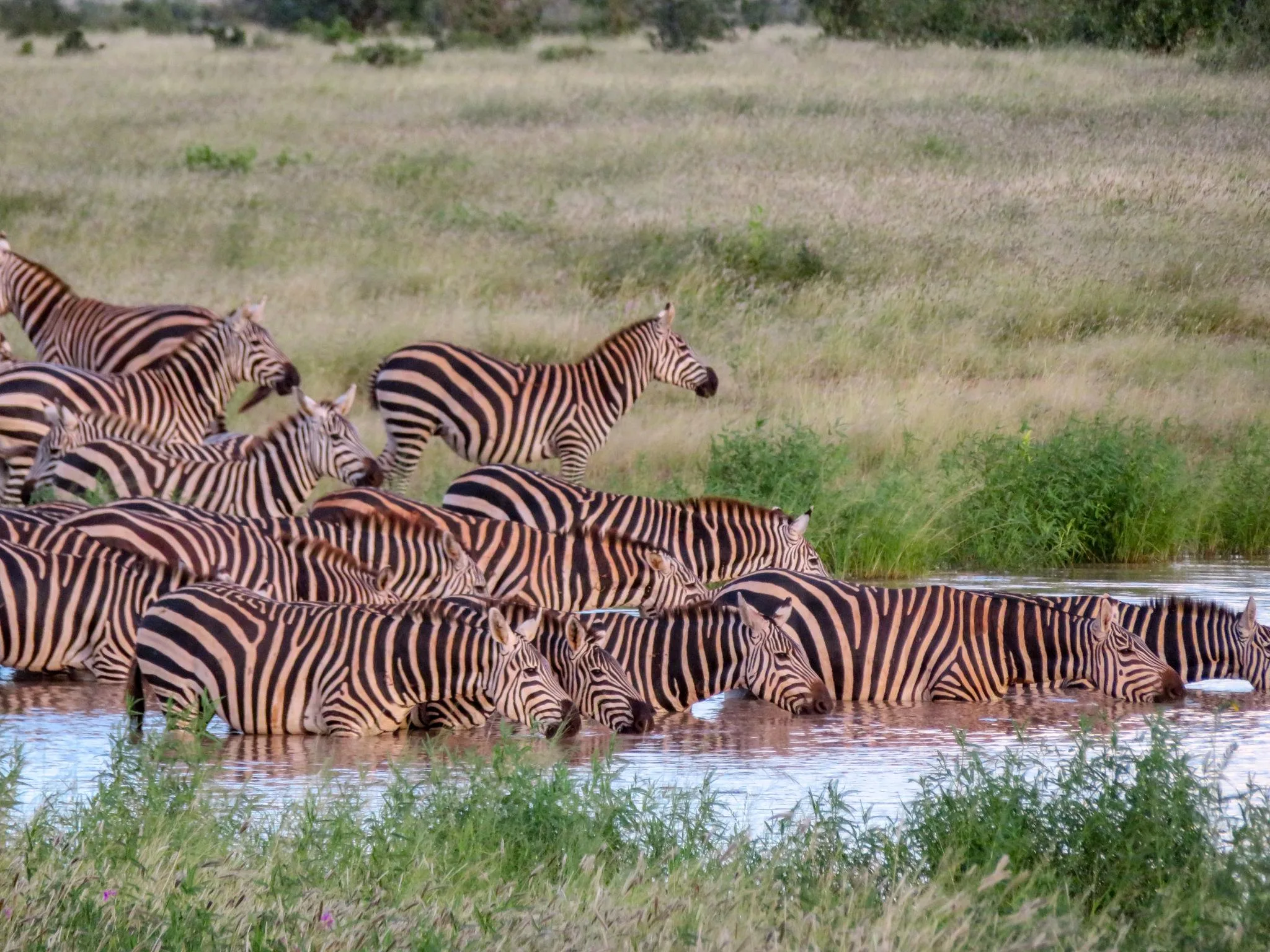
Choosing the right safari operator matters almost as much as choosing the right itinerary. Your safari involves accommodation reservations, park arrangements, transport, guiding and daily decisions on the ground, so you need a team that understands how the entire journey fits together.
At East Africa Jungle, we plan Tanzania safaris around your actual travel dates, available time, group size and wildlife interests rather than trying to fit every traveller into the same route.
Here are six reasons travellers choose to plan their Tanzania safari with us.
1. More Than 16 Years of East Africa Safari Planning Experience
Safari planning involves more than knowing the names of the national parks.
Driving times, seasonal wildlife movement, accommodation locations, park logistics and the pace of the itinerary all affect the experience.
With more than 16 years of safari planning experience, our approach is to build realistic itineraries that give you meaningful time in the destinations you have travelled to see.
If we believe your proposed route is too rushed, we will tell you and recommend a more practical alternative.
2. Private 4×4 Safari Land Cruisers
Our private Tanzania road safaris are operated using 4×4 safari Land Cruisers with pop-up roofs designed for wildlife viewing.
Your vehicle is reserved for your travelling party rather than being shared with unrelated travellers.
That gives you greater flexibility over:
Game-drive duration
Wildlife stops
Photography
Morning departure times
Rest breaks
Family requirements
Daily safari pacing
A private vehicle is particularly valuable for families, couples, photographers and travellers with specific wildlife interests.
3. Tanzania Safari Itineraries Built Around Your Dates
We do not believe a Great Migration itinerary should remain identical throughout the year.
A January safari focused on wildebeest migration may require more time around Ndutu and the southern Serengeti, while a migration-focused safari during the northern season may need to concentrate farther north.
The same principle applies even when migration is not your priority.
We consider your travel month, available days and wildlife interests before recommending the route.
Your itinerary should fit your dates—not the other way around.
4. Budget, Mid-Range & Luxury Options
A good safari does not have to use the most expensive lodge available.
We can plan Tanzania safaris using:
Budget accommodation
Comfortable mid-range lodges
Mid-range tented camps
Luxury safari camps
Premium lodges
Seasonal migration camps
A combination of accommodation levels
For many first-time travellers, we recommend a private mid-range safari because it provides a strong balance between comfort, wildlife access and overall cost.
If your budget is better spent adding another Serengeti night rather than upgrading a room, we will explain that option.
5. Clear Safari Pricing & Inclusions
Comparing safari quotations can be difficult when one price includes park fees, meals and private transport while another leaves compulsory costs to be added later.
We aim to make your quotation clear.
Before confirming your safari, you should be able to see:
Your itinerary
Accommodation
Room arrangements
Meal plan
Safari vehicle
Park and conservation fees included
Domestic flights where applicable
Included activities
Optional activities
Exclusions
Total safari price
We encourage travellers to compare the complete itinerary and inclusions, not simply the lowest headline figure.
6. Experienced Safari Guides & Direct Support
Your safari guide can have a major influence on your experience.
A knowledgeable guide helps locate wildlife, interprets animal behaviour, understands the landscape and manages the practical flow of each safari day.
Good guiding is also about patience.
Sometimes the right decision is to stay with a sighting rather than immediately driving away in search of the next animal.
Alongside your guide in the field, our safari planning team remains available to assist with the arrangements surrounding your trip.
From your first enquiry through the completion of your safari, you are dealing with a team focused on East African travel.
What You Can Expect From Your Tanzania Safari
When you book a private Tanzania safari with East Africa Jungle, our aim is straightforward:
A realistic itinerary, suitable accommodation, a private 4×4 safari vehicle, experienced guiding and enough time to experience the wildlife areas properly.
We cannot control the weather.
We cannot control where a leopard chooses to sleep.
And we cannot guarantee that thousands of wildebeest will cross a river at exactly the moment your vehicle arrives.
What we can do is plan your route around the appropriate season, put you in the right wildlife areas, avoid unnecessary itinerary mistakes and give your guide enough time to work with what nature provides.
That is the difference between simply booking several parks and planning a safari as one complete journey.
Plan Your Tanzania Safari With Us
Not sure which itinerary is right for you?
Send us your:
Travel dates or approximate month
Number of travellers
Children's ages, if applicable
Number of safari days
Preferred accommodation level
Wildlife priorities
Interest in the Great Migration
Interest in Zanzibar
Approximate budget, if you have one
We can recommend a route and adjust it until it fits the way you want to travel.
Private Tanzania Safaris • 4×4 Safari Land Cruisers • Customisable Routes • 2026/2027/2028
Request a Tanzania Safari Quote | WhatsApp: +254 728 567308
Guest Reviews – Tanzania Safari Experiences
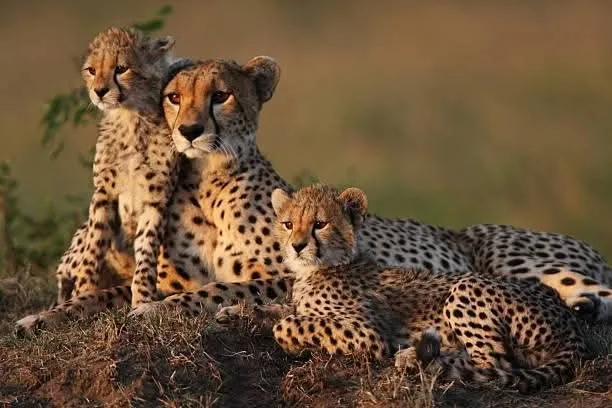
Read what travellers have said about their Tanzania safari experiences with East Africa Jungle. The reviews published here are from genuine guests and are presented to help future travellers understand the guiding, wildlife experiences, accommodation and safari planning they can expect.
★★★★★ Amazing 12 Days East Africa Trip with East Africa Jungle
Traveller: Qin P
Country: USA
Travelled: Aug 2025
Group Type: Family
Safari: Maasai Mara, Serengeti, Ngorongoro, Tarangire
Safari Highlights: Best 12 Days East Africa Trip.
Rating: ★★★★★
★★★★★ The best tour for safari ever!
Traveller: Polly L
Country: Australia
Travelled: Jul 2026
Group Type: [Couple
Safari: Kenya and Tanzania
Safari Highlights: The best tour for safari ever!
Rating: ★★★★★
It’s my first time to travel to Africa, and this tour was the best thing I’ve booked!
First, the tour guides in the trip - Patrick from Masai Mara side was very informative, knowledgeable and helpful. He made the trip so much better. Amani from Tanzania side was also so great, helpful and friendly! They made sure the tour was smooth and safe and fun!
Second, the safari experience - very awesome to see all big 5 and all kinds of animals in wide life. We had a jeep to take us everywhere and it felt safe.
Overall, I highly recommend this trip to everyone if you wanna combine Kenya and Tanzania and made it as once-in-a-lifetime experience!
★★★★★ Incredible Safari Of East Africa
Traveller: Joseph
Country: Netherlands
Travelled: May 2026
Group Type: Friends
Safari: Tanzania, Serengeti
Safari Highlights: Incredible Safari of East Africa.
Rating: ★★★★★
Thank you for the safari tour we booked with you on May 10–11, 2026.
The driver/guide was excellent; he had an answer for all our questions. He gave us his full attention.
The accommodations and food at the hotel were also great, including lunch en route at the “African buffet.”
Thank you for the wonderful experiences.
What Our Tanzania Safari Guests Commonly Value
Across genuine guest feedback, this section can summarise recurring themes only when those themes are supported by the reviews you actually publish, such as:
Knowledgeable safari guiding
Wildlife viewing
Clear communication before arrival
Private 4×4 safari experience
Serengeti and Ngorongoro game drives
Accommodation arrangements
Flexible itinerary planning
Support throughout the safari
Planning Your Own Tanzania Safari?
Every safari is different. Your wildlife sightings, weather and migration experience will depend on your dates and natural conditions, but careful itinerary planning can put you in the right areas and give you enough time to enjoy them.
Tell us when you want to travel, how many days you have and what you most want to experience, and we can recommend a suitable Tanzania safari itinerary.
Request a Tanzania Safari Quote | WhatsApp: +254 728 567308
Editorial Review & Author

Written & Reviewed by John Peter – East Africa Safari Expert
John Peter is an East Africa safari specialist with more than 16 years of experience planning and coordinating safaris across Tanzania, Kenya and the wider East African region. His experience includes designing private and customised safari itineraries, selecting suitable routes and accommodation, and helping travellers plan trips around wildlife seasons and the Great Migration.
Areas Reviewed: Serengeti National Park, Ngorongoro Crater, Tarangire National Park, Lake Manyara, Ndutu and the wider Northern Tanzania safari circuit.
Specialist Areas: Tanzania safari itinerary planning, Great Migration safaris, Ndutu calving-season trips, family safaris, private safaris and Kenya–Tanzania combination tours.
Editorial Approach: This guide is reviewed for route practicality, realistic driving times, seasonal wildlife movements, accommodation options, safari costs and traveller experience. We aim to provide practical information that helps travellers choose an itinerary suited to their available time, interests and budget.
Important: Wildlife sightings and Great Migration movements cannot be guaranteed. Migration timing varies according to rainfall, grazing conditions and herd movements, while safari prices, park and government fees, accommodation availability and regulations may change. Current details are reconfirmed when preparing each safari quotation.
Last Reviewed & Updated: 8 September 2026
Author: John Peter
Role: East Africa Safari Planner & Travel Expert
Experience: 16+ Years in East African Safari Planning
Specialist Areas: Tanzania & Kenya Safaris, Serengeti, Great Migration, Ngorongoro, Private Safari Itineraries
Last Reviewed & Updated: 8 September 2026
Why This Guide Helps
Use this page to compare safari packages that match the same travel intent. Each result can be reviewed by itinerary, price, duration, accommodation, route map, image gallery, inclusions, and downloadable program.
Questions
1. How Many Days Do You Need for a Tanzania Safari?
For most first-time visitors, 5–7 days is an excellent length for a Tanzania safari. This gives you enough time to combine destinations such as Tarangire, Serengeti and Ngorongoro without rushing between parks. If you only have 2–4 days, concentrate on fewer destinations. Travellers with 7–10 days can spend more time in Serengeti, explore seasonal migration areas or enjoy a slower safari pace. For a safari combined with Zanzibar, approximately 10–14 days works particularly well.
2. How Much Does a Tanzania Safari Cost?
As a general planning range, a Tanzania safari may cost approximately USD 250–450 per person per day for budget travel, USD 400–700 for mid-range private safaris and USD 700–1,500+ for luxury safaris. The final price depends on your group size, travel season, accommodation, number of safari days, park fees and whether you travel by road or include domestic flights. Always compare complete quotations because the cheapest headline price may not include the same services.
3. What Is the Best Tanzania Safari Itinerary for First-Time Visitors?
For a first visit, we generally recommend a 5–7 day Northern Circuit safari combining Tarangire National Park, Serengeti National Park and Ngorongoro Crater. This route provides varied landscapes, excellent wildlife viewing and opportunities to search for the Big Five. With additional time, you can add Lake Manyara, spend another night in Serengeti or adjust the route towards Ndutu or northern Serengeti according to the migration season.
4. What Is the Best Time to Visit Tanzania for Safari?
Tanzania offers rewarding wildlife viewing throughout the year. June through October is popular for dry-season conditions and general wildlife viewing, while January and February are particularly important for the wildebeest calving season around Ndutu and the southern Serengeti. July through October can be suitable for migration-focused safaris in northern Serengeti. The best time ultimately depends on the wildlife experience you want.
5. When Is the Great Migration in Tanzania?
The Great Migration moves through the Serengeti ecosystem during much of the year. December through March is generally associated with the southern Serengeti and Ndutu, including the important calving period. During the middle of the year, herds move through other parts of the ecosystem, while approximately July through October can place large numbers of wildebeest in northern Serengeti. Exact timing varies with rainfall, water and grazing conditions, and river crossings cannot be guaranteed.
6. Can I See the Big Five on a Tanzania Safari?
Yes. Tanzania is home to lion, leopard, elephant, buffalo and black rhino. A safari combining Serengeti, Ngorongoro and Tarangire provides opportunities to search for all five. Ngorongoro is particularly important for travellers hoping to encounter black rhinos, while Serengeti is excellent big-cat country and Tarangire is renowned for elephants. Wildlife remains free-ranging, however, so seeing every member of the Big Five cannot be guaranteed.
7. Are Your Tanzania Safaris Private?
Yes, our private Tanzania safari packages are operated for your travelling party rather than combining you with unrelated guests. You travel with your own professional safari driver-guide in a private 4×4 safari Land Cruiser with a pop-up roof. This gives you greater flexibility over game-drive stops, photography, departure times and the overall pace of your safari.
8. What Vehicle Is Used for a Tanzania Safari?
Our Tanzania road safaris are operated using 4×4 safari Land Cruisers with pop-up roofs designed for wildlife viewing. The raised roof provides better visibility during game drives while the 4×4 capability is suited to safari roads and changing conditions. For private safaris, the vehicle is reserved for your travelling party.
9. Are Tanzania Safaris Suitable for Families With Children?
Yes. Tanzania can be an excellent family safari destination. We recommend designing the itinerary according to the children's ages rather than simply using an adult itinerary. Important considerations include driving time, family rooms, swimming pools, meal arrangements and the number of accommodation changes. A private safari is particularly useful for families because game-drive duration and daily pacing can be adjusted more easily.
10. Should I Choose a Road Safari or Fly-In Safari?
Choose a road safari when you want to explore several Northern Circuit destinations such as Tarangire, Serengeti and Ngorongoro as one continuous journey. Consider a fly-in safari when time is limited, Serengeti is your main priority or you are connecting with Zanzibar. Flying can reduce long transfers, while road travel allows you to experience more of Tanzania's changing landscapes. The better option depends on your itinerary and budget.
11. Can I Combine a Tanzania Safari With Zanzibar?
Yes. Combining a wildlife safari with Zanzibar is one of Tanzania's most popular holiday options. A balanced itinerary might include 5–8 days on safari followed by 3–6 nights in Zanzibar. We generally recommend completing the safari first and relaxing at the beach afterwards. Flights can connect the safari circuit with Zanzibar, depending on your route.
12. What Is Included in a Tanzania Safari Package?
Most of our private Tanzania safari packages include a 4×4 safari Land Cruiser, professional driver-guide, fuel, scheduled game drives, specified accommodation, meals, drinking water and applicable park and conservation fees included in the confirmed itinerary. Transfers and domestic flights are included when specifically stated. International flights, visas, travel insurance, tips and optional activities such as balloon safaris are generally excluded unless otherwise confirmed in your quotation.
13. How Far in Advance Should I Book a Tanzania Safari for 2027/2028?
For travel during July–October, January–February and the Christmas/New Year period, booking well in advance is recommended, particularly if you want specific migration camps, family rooms or small luxury properties. Other periods may offer greater flexibility, but early planning still provides a wider choice of accommodation. Your safari can normally be refined after the initial enquiry once your dates, group size and preferred accommodation level are known.
14. Can a Tanzania Safari Itinerary Be Customised?
Yes. Our Tanzania safari itineraries can be customised around your travel dates, number of days, group size, accommodation preference, wildlife interests and budget. You can add or remove destinations, spend additional nights in Serengeti, focus on the Great Migration, upgrade accommodation, include domestic flights or finish your safari in Zanzibar. We recommend customising the route for your season rather than simply adding more parks.
15. Is a Tanzania Safari Safe?
Tanzania is a well-established safari destination, but travellers should follow the instructions of their professional guide, lodge staff and relevant authorities throughout the trip. During game drives, remain inside the vehicle unless your guide confirms it is safe and permitted to leave. At unfenced safari camps, wildlife can move through the surrounding area, so guests should follow camp procedures, particularly after dark. Travellers should also arrange appropriate travel insurance and check current official travel and entry advice before departure.

 16+ Years
 English