Private 4×4 Safaris • Great Migration Tours • Fly-In Safaris • Family & Luxury Options
Explore the Serengeti with flexible safari packages designed around your travel dates, budget and the wildlife experiences you want to see. Choose from short Serengeti tours, Great Migration safaris, fly-in adventures and longer Tanzania itineraries combining the Serengeti with Ngorongoro Crater and other Northern Circuit parks.
Travellers planning a longer holiday can also compare our Tanzania safari packages, including routes combining Serengeti, Ngorongoro and Tarangire.
Serengeti Safaris From USD 1,150 Per Person
Private 4×4 Land Cruiser • Customisable Itineraries • Local Safari Guides • 2026–2028 Departures
Request a Quote | View Serengeti Safaris | WhatsApp +254 728 567308
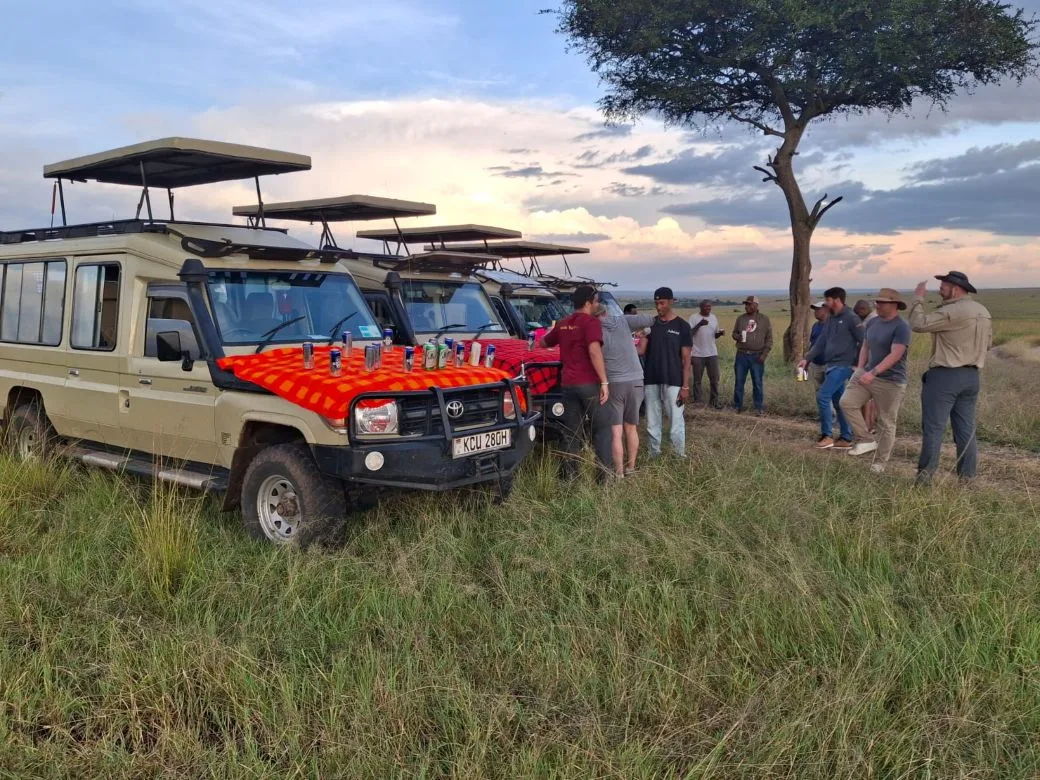
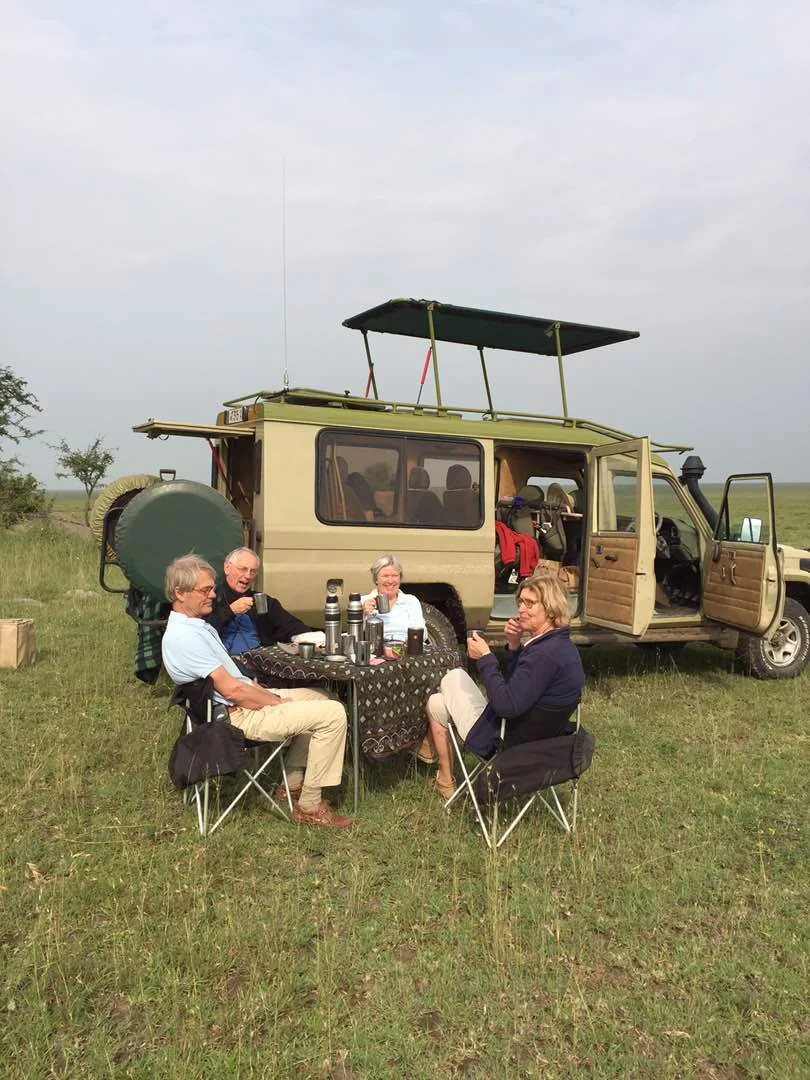
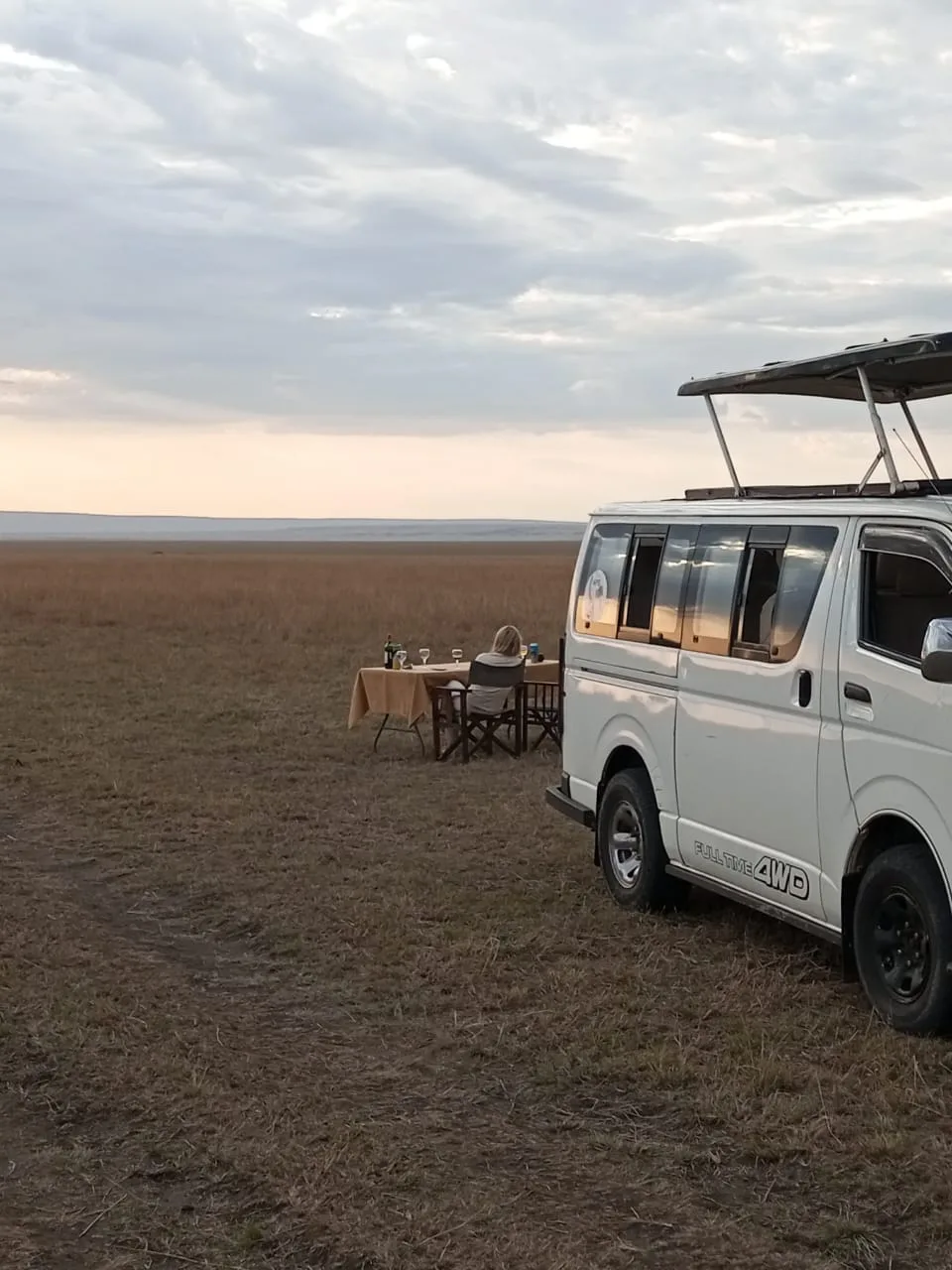
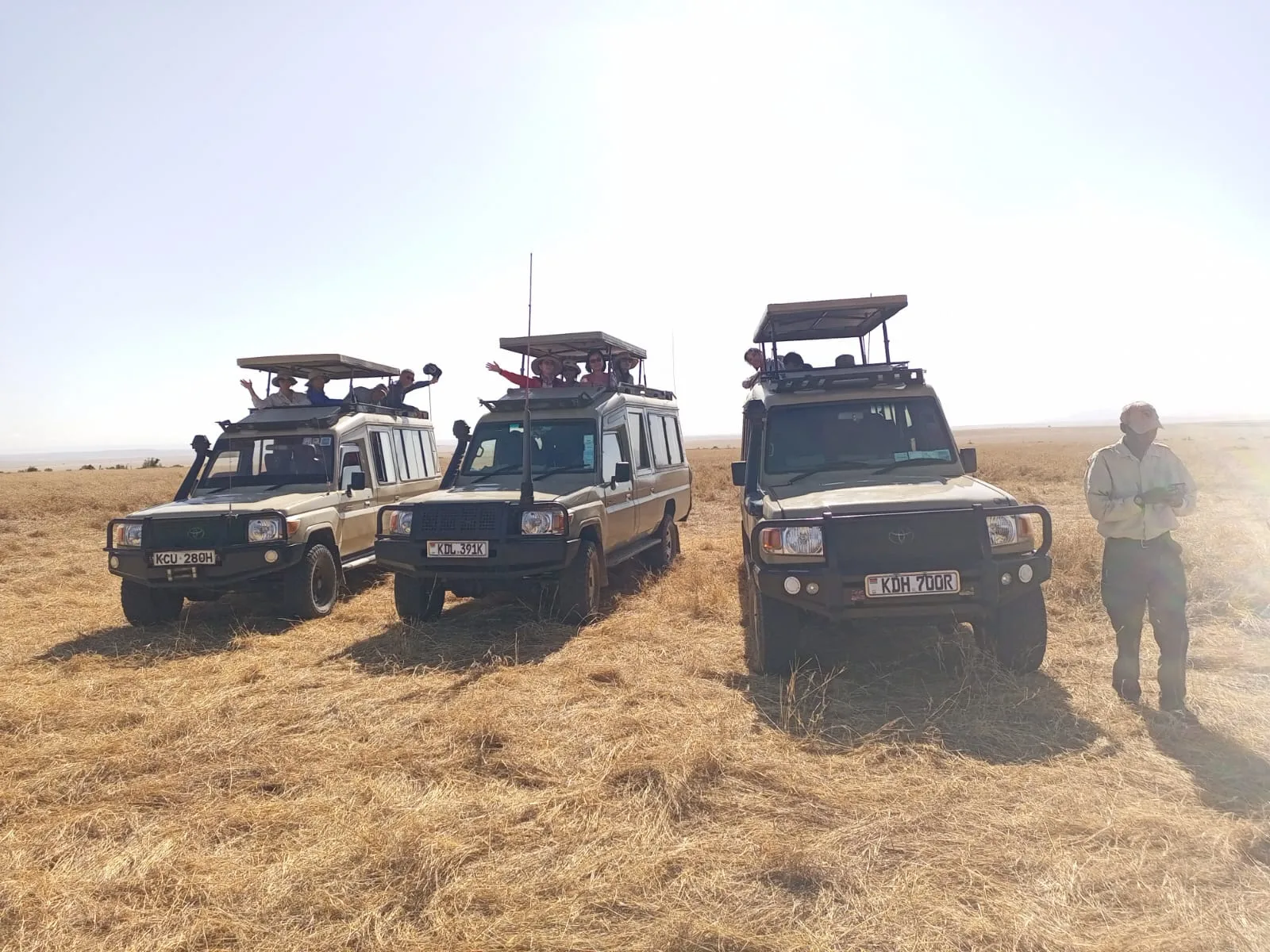
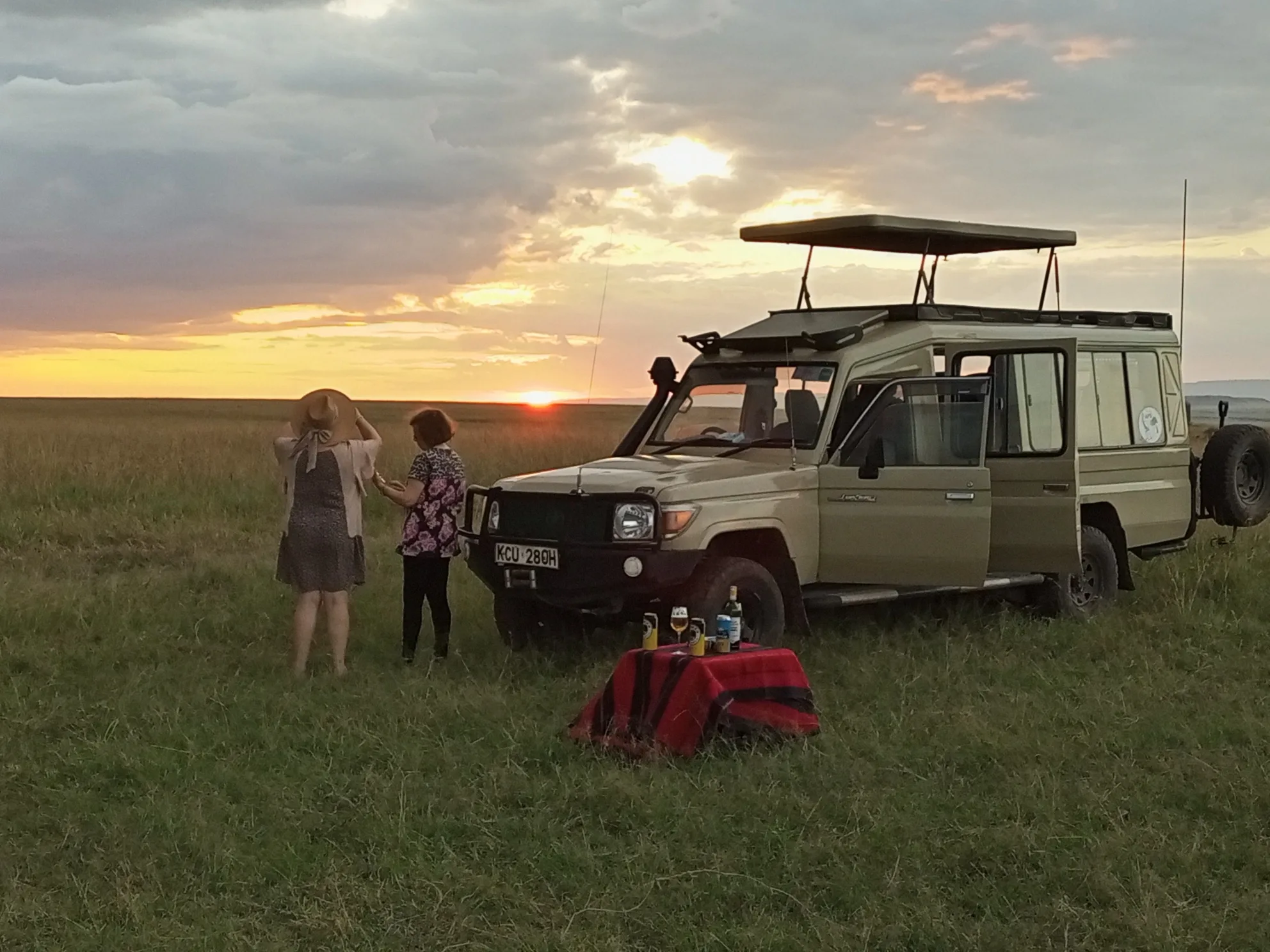
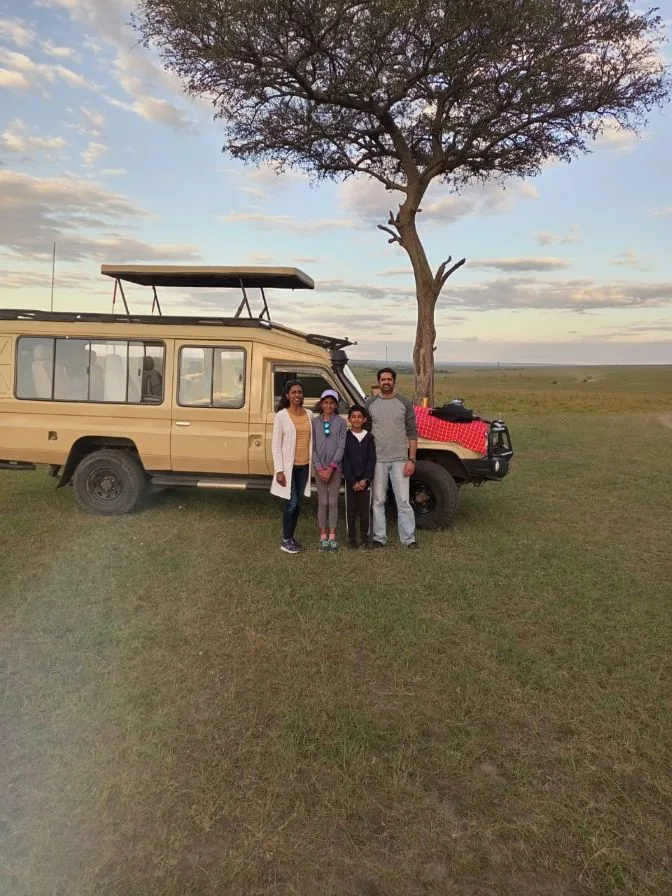
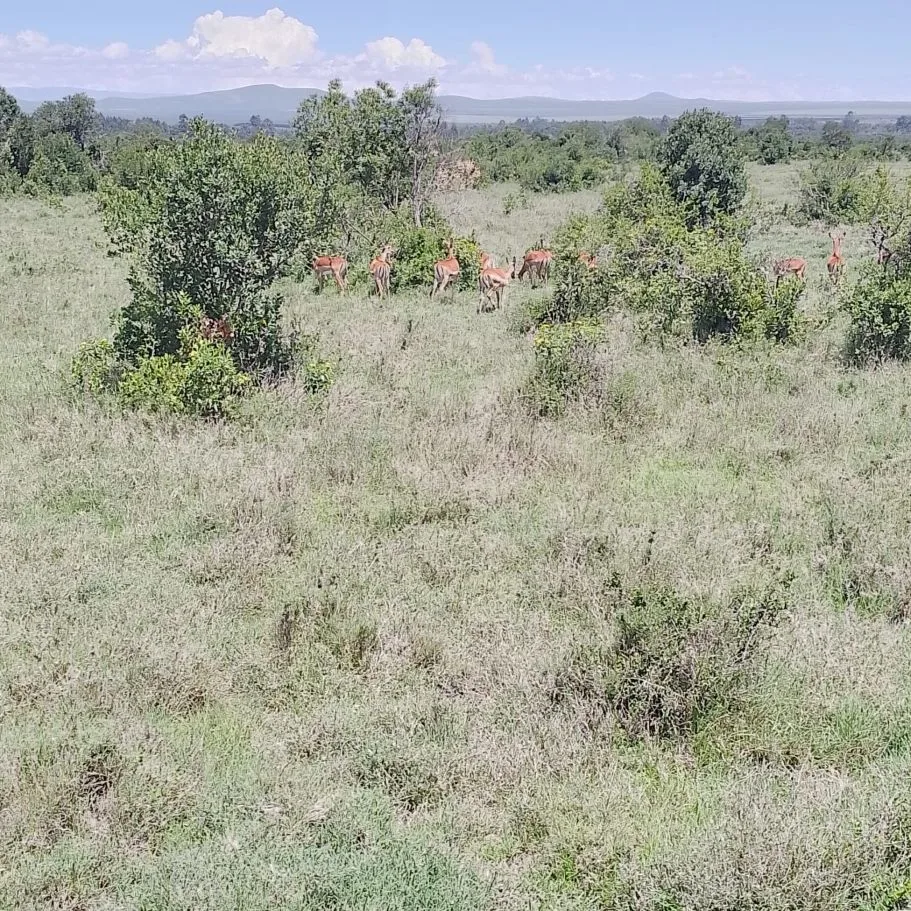
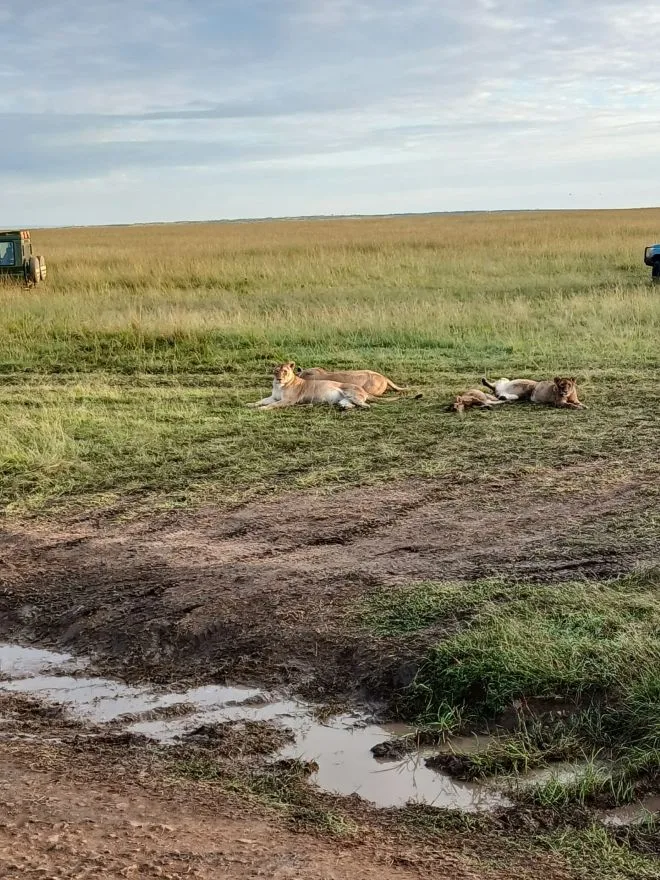
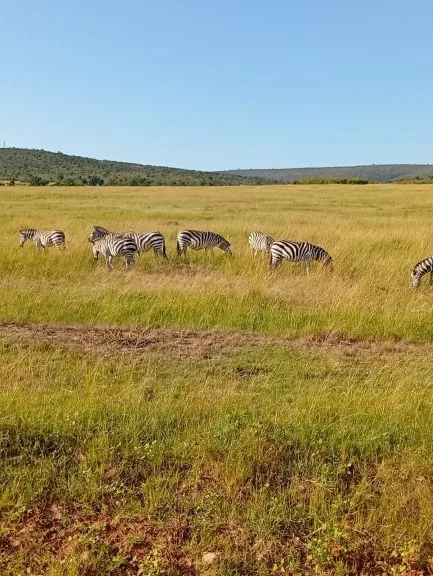
Serengeti safari packages Gallery

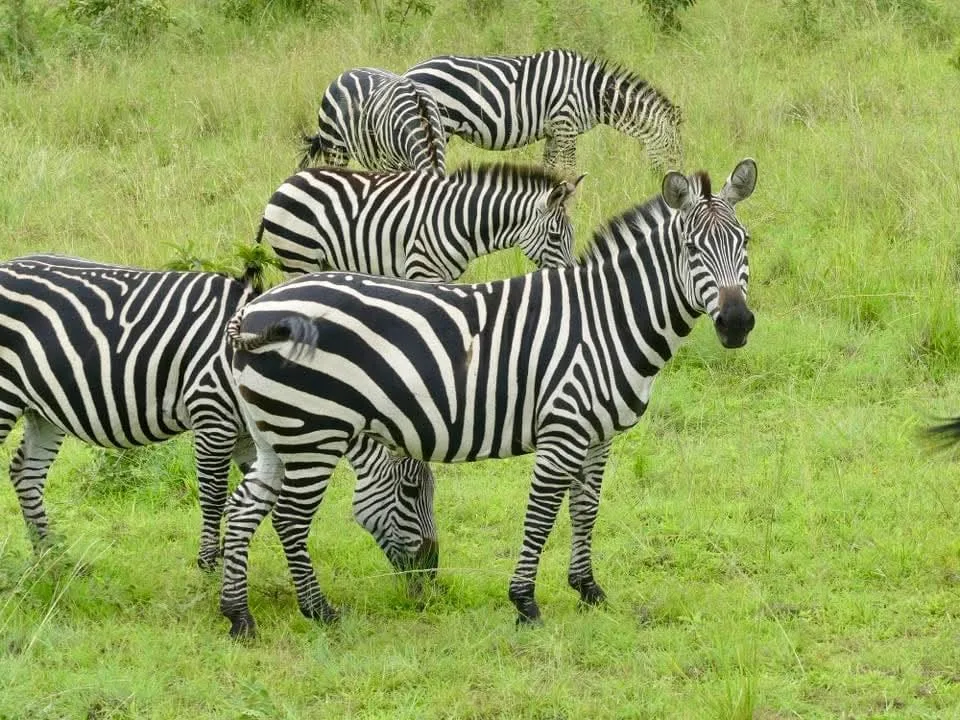
What Is a Serengeti Safari Package?
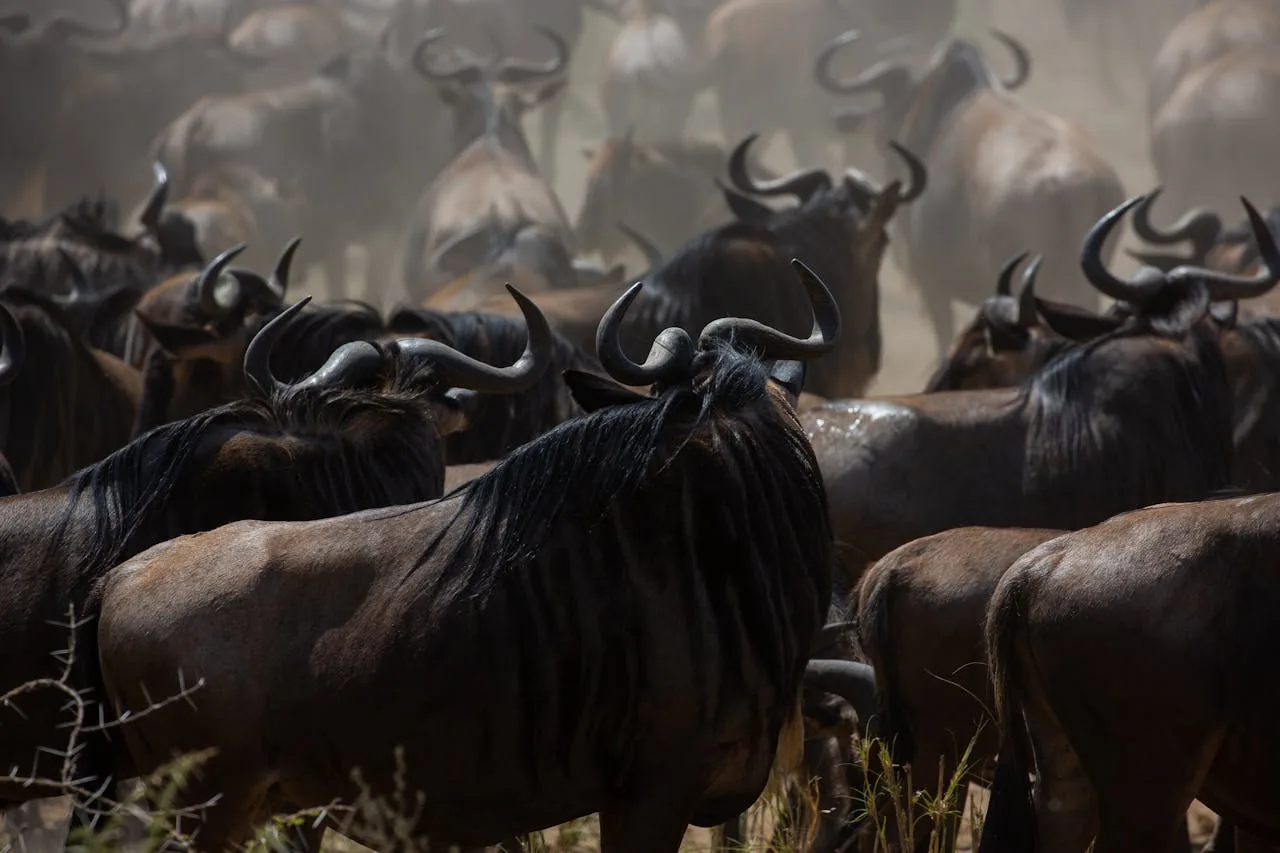
A Serengeti safari package is a planned Tanzania wildlife tour combining game drives in Serengeti National Park with accommodation, park fees, meals, professional safari guiding and private 4×4 transport.
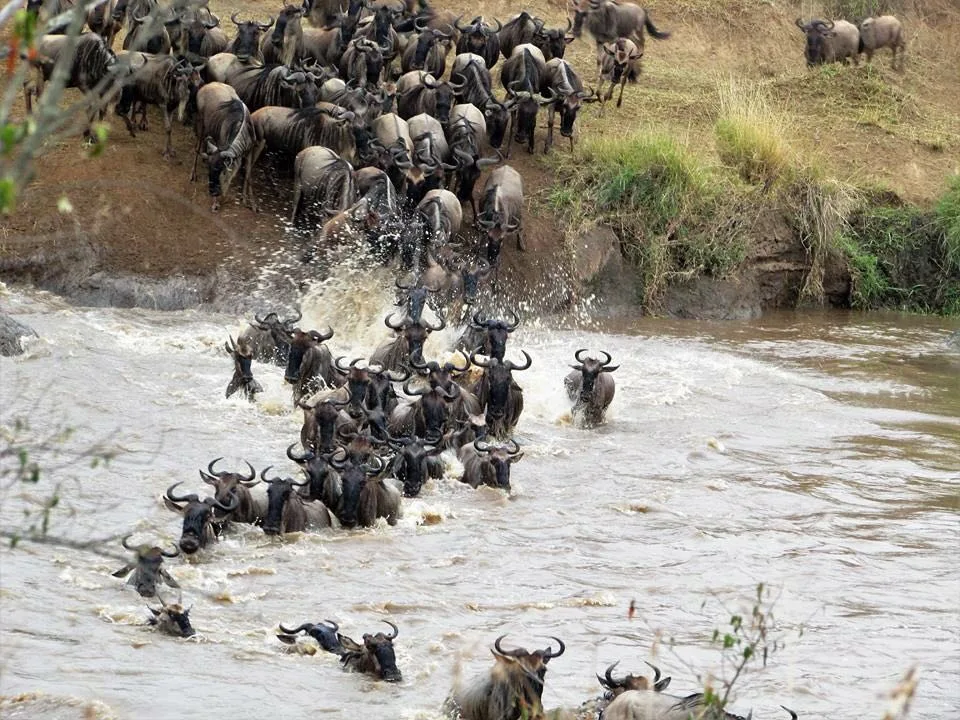
The Serengeti is internationally recognised for its vast savannah ecosystem, exceptional wildlife and the annual movement of wildebeest, zebra and other grazing animals across the wider Serengeti–Mara ecosystem. It is recognised as a UNESCO World Heritage Site for its outstanding natural importance and biodiversity.
Packages typically range from 3 to 7 days and may combine the Serengeti with Ngorongoro Crater, Tarangire or Lake Manyara. Travellers can choose private road safaris, Great Migration tours, fly-in safaris, family trips and luxury itineraries.
The best Serengeti safari depends on your travel month, budget, available time and the wildlife experience you want to see.
Quick Safari Facts
| Safari Detail | Information |
|---|---|
| Destination | Serengeti National Park, Tanzania |
| Recommended Duration | 3–7 days |
| Safari Style | Private, Fly-In, Great Migration, Family & Luxury |
| Transport | Private 4×4 Safari Land Cruiser |
| Starting Price | From USD 1,150 per person |
| Best Time | Year-round |
| Great Migration | Location varies by season |
| Start/End | Arusha, Kilimanjaro or fly-in options |
| Customisable | Yes |
| Travel Years | 2026, 2027 & 2028 |
Planning a Serengeti safari? Tell us your travel dates, number of travellers and preferred safari style, and we can recommend an itinerary suited to your trip.
WhatsApp: +254 728 567308
Email: sales@eastafricajungle.com
Request a Quote | View Serengeti Safari Packages
Best Serengeti Safari Packages 2026/2027/2028
The best Serengeti safari package depends on how much time you have, whether you prefer to travel by road or air, and what you hope to experience. A three-day safari works well for travellers with limited time, while four to seven days allows a more relaxed pace and more time in different parts of the Serengeti.
For the Great Migration, the itinerary should also match your travel month. The wildebeest herds move through different parts of the Serengeti ecosystem during the year, so there is no single camp or route that is best in every season.
Here are some of our recommended Serengeti safari tours for 2026, 2027 and 2028.
1: 3 Days Serengeti & Ngorongoro Safari – Best Short Road Safari
From USD 1,195 per person
A practical choice for travellers who want to experience both the Serengeti and Ngorongoro Crater within three days. Travel from Arusha by private 4×4 Land Cruiser, enjoy game drives in the Serengeti and finish with a descent into Ngorongoro Crater.
Best for: First-time visitors, couples and travellers with limited time
Route: Arusha → Serengeti → Ngorongoro → Arusha
Safari style: Private road safari
View 3 Days Serengeti & Ngorongoro Safari
2: 3 Days Serengeti Fly-In Safari – Best for Saving Travel Time
From USD 1,650 per person
Flying into the Serengeti avoids much of the long road journey from Arusha and gives you more time for wildlife viewing. After landing at a Serengeti airstrip, your private safari guide meets you for game drives in a 4×4 Land Cruiser.
Best for: Couples, honeymooners, photographers and shorter holidays
Route: Arusha → Serengeti by air → game drives
Safari style: Fly-in + private 4×4
View 3 Days Serengeti Fly-In Safari
3: 3 Days Ndutu Calving & Ngorongoro Safari – Best for Calving Season
From USD 1,150 per person
Designed around the southern Serengeti–Ndutu ecosystem, this seasonal safari is particularly rewarding when large wildebeest herds gather on the short-grass plains. The itinerary combines wildlife viewing around Ndutu with a Ngorongoro Crater safari.
Best for: Wildlife photographers, repeat safari travellers and migration enthusiasts
Best period: Approximately December–March, with conditions varying each year
Safari style: Seasonal private 4×4 safari
View 3 Days Ndutu Calving & Ngorongoro Safari
4: 4 Days Serengeti & Ngorongoro Fly-In Safari – Best Short Premium Option
From USD 1,950 per person
This four-day itinerary combines the convenience of flying into the Serengeti with private game drives and a visit to Ngorongoro Crater. The additional day provides a better balance between travel time and wildlife viewing than many very short Tanzania itineraries.
Best for: Couples, honeymooners and travellers who value time
Route: Fly to Serengeti → Serengeti → Ngorongoro → Arusha
Safari style: Fly-in + private 4×4
View 4 Days Serengeti & Ngorongoro Fly-In Safari
5: 5 Days Tanzania Northern Circuit Safari – Best Balanced Itinerary
Combine the Serengeti with other highlights of Tanzania's Northern Circuit for a more varied safari. With additional time, you can experience contrasting habitats rather than rushing between destinations simply to fit more parks into the itinerary.
Best for: First-time Tanzania visitors, families and couples
Highlights: Serengeti wildlife, Ngorongoro Crater and Northern Circuit landscapes
Safari style: Private 4×4 safari
6: 6–7 Days Serengeti & Northern Tanzania Safari – Best for More Game-Viewing Time
Travellers with six or seven days can slow the itinerary down and dedicate more time to the Serengeti. Depending on the season, additional nights can also be positioned in Central, Northern or Southern Serengeti to improve your chances of seeing the wildlife activity you are travelling for.
Best for: Wildlife enthusiasts, photographers, families and first-time visitors wanting a less rushed safari
Safari style: Private and fully customisable
Price: Based on travel dates, group size and accommodation level
Which Serengeti Safari Should You Choose?
Choose a 3-day safari if your time is limited, a fly-in safari if you want to reduce road travel, an Ndutu safari for the southern migration and calving season, or a 5–7 day Serengeti safari if wildlife viewing is the main purpose of your Tanzania holiday.
If you are unsure, tell us when you are travelling, how many people are in your group and how many days you have. We can recommend the Serengeti route and accommodation area that make the most sense for those dates.Seasonal patterns are useful for planning, but rainfall can vary from year to year. Travellers can check current and seasonal information from the Tanzania Meteorological Authority before travelling.
Request a Quote | WhatsApp +254 728 567308 | Email: sales@eastafricajungle.com
Serengeti Safari Prices 2026/2027/2028
Serengeti safari packages start from USD 1,150 per person for selected seasonal itineraries. Year-round Serengeti and Ngorongoro road safaris start from USD 1,195 per person.
The prices below are useful starting points when comparing Serengeti safari packages for 2026, 2027 and 2028. Your final quotation will be based on your exact travel dates, group size and preferred accommodation.
Serengeti Safari Price Comparison
| Safari Package | Duration | Safari Style | Price From |
|---|---|---|---|
| Ndutu Calving & Ngorongoro Safari | 3 Days | Private seasonal safari | USD 1,150 pp |
| Serengeti & Ngorongoro Safari | 3 Days | Private road safari | USD 1,195 pp |
| Serengeti Fly-In Safari | 3 Days | Fly-in + private 4×4 | USD 1,650 pp |
| Serengeti & Ngorongoro Fly-In Safari | 4 Days | Fly-in + private 4×4 | USD 1,950 pp |
| 5 Days Tanzania Northern Circuit Safari | 5 Days | Private 4×4 safari | Request current price |
| 6–7 Days Serengeti Safari | 6–7 Days | Private & customisable | Request a quote |
Prices are starting rates and may change according to season, accommodation availability, group size and itinerary.
For a broader explanation of park fees, seasonal rates, accommodation levels and private safari pricing, read our Tanzania safari cost guide.
Road Safari vs Fly-In Safari
The choice between driving and flying to the Serengeti affects the price, travel time and overall route.
| Consideration | Road Safari from Arusha | Serengeti Fly-In Safari |
|---|---|---|
| Best for | Longer Northern Circuit itineraries | Short holidays and travellers prioritising time |
| Travel experience | Scenic overland route through northern Tanzania | Scheduled flight to a Serengeti airstrip |
| Typical duration | 4–7 days | 3–5 days |
| Cost | Generally more economical | Higher because of scheduled flights |
| Parks that can be combined | Tarangire, Lake Manyara and Ngorongoro | Serengeti, Ngorongoro or Zanzibar connections |
| Game drives | Private 4×4 throughout | Private 4×4 after landing |
| Main advantage | Better overall route value | Less transfer time |
A road safari is usually the better choice when you have at least four or five days and want to combine the Serengeti with Ngorongoro, Tarangire or Lake Manyara. Although the journey is longer, the route becomes part of the safari and allows you to experience several Northern Circuit landscapes.
A fly-in safari is more suitable when you have only three or four days or want to avoid lengthy road transfers. Your guide meets you at the Serengeti airstrip, and game drives continue in a private 4×4 Land Cruiser.
For some travellers, a road-in and fly-out itinerary offers the best balance: you experience Ngorongoro and the Northern Circuit by road before flying from the Serengeti to Arusha, Kilimanjaro or Zanzibar.
The least expensive option is not automatically the best value. Choose according to your available time, preferred pace and wider Tanzania itinerary.
Which Serengeti Safari and Duration Are Right for You?
The right Serengeti safari depends on your available time, travel month, budget and wildlife priorities. A three-day itinerary can work for travellers with limited time, while four or five days offers a better balance between travel and game viewing. Migration-focused travellers and photographers should consider six or seven days, particularly when wildlife is spread across different parts of the ecosystem.
| Traveller or Priority | Recommended Safari | Suggested Duration | Why It Works |
|---|---|---|---|
| First-time visitor | Serengeti and Ngorongoro | 4–5 days | Combines two major wildlife areas at a manageable pace |
| Limited holiday time | Serengeti fly-in safari | 3–4 days | Reduces road transfers and increases game-viewing time |
| Great Migration traveller | Seasonal migration safari | 4–7 days | Allows the route and camp location to match seasonal herd movements |
| Family safari | Private Serengeti safari | 4–6 days | Offers flexible game drives, comfort stops and an exclusive vehicle |
| Couple or honeymoon | Private fly-in or luxury safari | 4–6 days | Combines convenience, privacy and carefully selected accommodation |
| Wildlife photographer | Private specialist safari | 5–7 days | Provides more time at sightings and greater flexibility |
| Budget-conscious traveller | Private road safari | 3–5 days | Shares vehicle costs within your party and can include other parks |
Is Three Days Enough for a Serengeti Safari?
Three days can be enough for a short, carefully planned safari, particularly when flying into the Serengeti or combining Central Serengeti with Ngorongoro Crater. On a road safari from Arusha, however, transfer time reduces the hours available for game drives. Three days is best for travellers with limited time rather than those seeking a slow or migration-focused experience.
Why We Recommend Four to Five Days
Four or five days provides a better balance for most first-time visitors. It allows more than one game drive in the Serengeti, creates flexibility around wildlife sightings and makes it practical to include Ngorongoro Crater without making every day feel like a transfer day.
A five-day Northern Circuit itinerary can also include Tarangire, although travellers primarily interested in the Serengeti may prefer to allocate the additional night inside the park.
When to Choose Six or Seven Days
Six or seven days is particularly useful for Great Migration safaris, wildlife photography and travellers who prefer a slower pace. The additional time may allow you to divide your stay between Central Serengeti and a seasonal migration area such as Ndutu or Northern Serengeti.
More time does not guarantee particular sightings or river crossings, but it provides additional game drives and greater flexibility when wildlife movements or weather conditions change.
Our Recommendation
For a first Tanzania safari, we generally recommend four or five days combining the Serengeti with Ngorongoro Crater. Choose a fly-in safari when time is limited and a six- or seven-day itinerary when the Great Migration, photography or an unhurried pace is your priority.
Tell us your travel dates, number of travellers and available safari days, and we can recommend the most suitable Serengeti region, route and accommodation level.
Which Part of the Serengeti Should You Visit?
The Serengeti National Park covers a vast area, and choosing where to stay can have as much impact on your safari as choosing when to travel. Central Serengeti is a reliable choice throughout the year, while northern, western and southern areas become particularly important during different stages of the Great Migration.
Instead of choosing a camp simply because it looks attractive, consider your travel month, wildlife priorities and available safari time first. We can then position your accommodation in the Serengeti region that makes the most sense for your trip.
Serengeti Regions at a Glance
| Serengeti Area | Best For | When to Consider It | Typical Wildlife Experience |
|---|---|---|---|
| Central Serengeti – Seronera | First visits & big cats | Year-round | Lions, leopards, cheetahs and resident plains game |
| Southern Serengeti & Ndutu | Calving season | Dec–Mar | Large wildebeest herds, newborn calves and predators |
| Western Corridor | Migration movement | May–Jul | Migrating herds, Grumeti region and riverine habitat |
| Northern Serengeti | Mara River season | Jul–Oct | Migration herds, river crossings and resident wildlife |
| Eastern Serengeti | Space & photography | Seasonal | Open plains, predators and generally quieter landscapes |
Central Serengeti – Best for Year-Round Wildlife
The Central Serengeti, particularly the Seronera area, is one of the most dependable choices for a first Serengeti safari. Permanent water sources and varied habitats support resident wildlife throughout the year.
The region is especially well known for predators, including lions, leopards and cheetahs, alongside elephants, giraffes, buffalo, zebra and numerous antelope species.
Central Serengeti also works well logistically because it can be incorporated into both road and Serengeti fly-in safaris. If your dates do not correspond closely with a particular migration stage, Central Serengeti is often a sensible place to concentrate your game-viewing time.
Southern Serengeti & Ndutu – Best for Calving Season
From roughly December through March, attention shifts towards the short-grass plains of the southern Serengeti ecosystem and the neighbouring Ndutu area.
Large numbers of wildebeest gather across these nutrient-rich plains during the calving period. The presence of young animals also creates opportunities to observe predator activity involving lions, cheetahs and hyenas.
A Ndutu calving safari can therefore be particularly rewarding for photographers and travellers specifically interested in the Great Migration's southern phase.
Rainfall influences the exact location of the herds, so migration movements should always be treated as natural rather than scheduled events.
Western Corridor – Best for the Migration Moving West
As seasonal conditions change, migration herds generally move towards the Western Corridor, an area characterised by woodland, open plains and river systems including the Grumeti.
This region becomes especially interesting around May to July, although migration timing varies from year to year.
The Western Corridor can be a good choice for travellers who want to experience another side of the Serengeti away from the better-known Seronera and Mara River areas.
Northern Serengeti – Best for Mara River Migration Season
The Northern Serengeti becomes particularly sought after when migrating wildebeest and zebra move towards the Mara River, generally during the July to October period.
This is the region to consider if witnessing the famous river-crossing season is one of your main reasons for visiting Tanzania.
However, a crossing cannot be scheduled or guaranteed. Herds may gather near the river for hours or days before crossing, change direction, or cross at a different location.
For this reason, we recommend allowing enough time in Northern Serengeti rather than planning an itinerary around a single game drive.
Eastern Serengeti – Best for Open Landscapes & Quieter Game Drives
Eastern Serengeti offers expansive landscapes and can provide rewarding predator sightings, particularly when wildlife movements and seasonal conditions favour the area.
For photographers and repeat visitors, the attraction is often the combination of open scenery and areas that can feel quieter than some of the Serengeti's busiest wildlife circuits.
It is not automatically the best region for every itinerary, so we generally include it when the season and overall safari route justify the additional time.
Which Serengeti Region Is Best for a First Safari?
For most first-time visitors who are not travelling specifically for a seasonal migration event, Central Serengeti is the most versatile starting point because of its strong year-round resident wildlife.
If your main purpose is the Great Migration, the better approach is different: choose the region according to your travel month and allow enough time for unpredictable wildlife movements.
That could mean Ndutu and the southern ecosystem early in the year, the Western Corridor as the herds move west, or Northern Serengeti during the Mara River season.
Tell us your travel dates and what you most want to see, and we can recommend where to spend your Serengeti nights.
Plan My Serengeti Safari | WhatsApp +254 728 567308 | Email: sales@eastafricajungle.com
Great Migration in the Serengeti – Where to Go by Month
The Serengeti Great Migration is a continuous movement of wildebeest, zebra and other grazing animals through the wider Serengeti–Mara ecosystem. There is no single “Great Migration season” and no fixed timetable. Where you should stay depends largely on your travel month, recent rainfall and the movement of the herds.
For a Great Migration safari, we recommend choosing the Serengeti region first and then selecting accommodation that works with that route. This is usually more effective than booking one lodge for every season and expecting the migration to come to you.
Travellers visiting during the northern migration period can consider our 8 Days Tanzania Great Migration Safari, with additional time around Northern Serengeti and the Mara River.
Serengeti Great Migration Month-by-Month Guide
| Month | Likely Area to Consider | What You May Experience |
|---|---|---|
| January | Southern Serengeti & Ndutu | Large herds gathering on the short-grass plains |
| February | Ndutu & Southern Plains | Peak calving-period wildlife activity and predators |
| March | Ndutu / Southern Serengeti | Calves, predators and herds beginning to disperse |
| April | South-Central Serengeti | Herds gradually moving north and west as conditions change |
| May | Central / Western Serengeti | Migration herds moving through the western side of the ecosystem |
| June | Western Corridor | Large herds, river areas and movement towards the north |
| July | Western to Northern Serengeti | Herds moving north; Mara River activity may begin |
| August | Northern Serengeti | One of the key periods for potential Mara River crossings |
| September | Northern Serengeti | Migration herds and possible river-crossing activity |
| October | Northern Serengeti | Herds may remain in the north before moving south again |
| November | Central / Eastern Serengeti | Returning herds following seasonal rains southwards |
| December | Southern Serengeti / Ndutu | Herds increasingly return towards the southern plains |
Migration locations are approximate. Rainfall and grazing conditions influence the timing and route each year.
January to March – Calving Season & Southern Plains
During the early months of the year, large migration herds are generally associated with the southern Serengeti ecosystem and Ndutu plains. February is particularly well known for wildebeest calving, although wildlife does not operate according to exact calendar dates.
This period can be excellent for photographers because large concentrations of herbivores attract predators such as lions, cheetahs and hyenas.
For travellers visiting between January and March, a Ndutu and Ngorongoro safari can make more sense than automatically spending every night in Central Serengeti.
April to June – Herds Moving North & West
As the long rains influence grazing conditions, the herds generally begin moving away from the southern plains through central and western parts of the ecosystem.
By May and June, the Western Corridor and Grumeti region can become increasingly important.
This period is sometimes overlooked by travellers concentrating only on calving and Mara River crossings, yet it can provide dramatic concentrations of wildebeest and an interesting transition in the migration cycle.
July to October – Northern Serengeti & Mara River Season
From approximately July onwards, large numbers of wildebeest and zebra may reach Northern Serengeti, where the Mara River becomes one of the migration's major natural obstacles.
August and September are particularly popular months for travellers hoping to witness a river crossing.
However, Mara River crossings cannot be guaranteed. Herds can gather near the river without crossing, cross unexpectedly, move to another crossing point or even cross more than once.
If river-crossing activity is your main priority, spending several nights in Northern Serengeti gives you a more realistic opportunity than attempting a single-day visit.
November to December – The Return South
With the arrival of seasonal rains, migration herds generally begin their journey back through eastern and central parts of the Serengeti towards the southern short-grass plains.
By December, increasing numbers may be found around the southern Serengeti and Ndutu ecosystem, preparing for another calving cycle.
This transition period can be rewarding for travellers who want migration activity without designing their entire safari around a river crossing.
What Is the Best Month for a Serengeti Migration Safari?
There isn't one best month for everyone.
Choose January to March if calving, predators and the southern plains are your priority. Consider May to June for migration movement through central and western areas, and July to October if your main interest is Northern Serengeti and the possibility of Mara River crossings.
For general wildlife rather than migration alone, the Serengeti remains a rewarding safari destination throughout the year.
Can We Guarantee a Great Migration River Crossing?
No. A responsible safari operator should never guarantee a wildebeest river crossing on a particular date or game drive.
What we can do is plan your itinerary around the most appropriate Serengeti region for your travel dates, use current local information where available and give you enough time in the area to improve your opportunities.
That distinction is important: we plan around wildlife behaviour; we don't promise that wild animals will follow a timetable.
Planning a Great Migration safari? Tell us your travel month and available safari days, and we can recommend the Serengeti region and itinerary that best fit that period.
Plan My Migration Safari | WhatsApp +254 728 567308 | Email: sales@eastafricajungle.com
Best Time to Visit the Serengeti for Safari
The best time to visit the Serengeti depends on what you want from your safari. Wildlife viewing is rewarding throughout the year, but weather, vegetation, visitor numbers and the location of the Great Migration change with the seasons.
For classic dry-season game viewing and the possibility of seeing migration activity in Northern Serengeti, June to October is particularly popular. Travellers interested in wildebeest calving and predator activity should consider the southern Serengeti–Ndutu ecosystem between roughly January and March. The greener months can appeal to photographers and travellers who prefer fewer visitors and dramatic landscapes.
Best Time for a Serengeti Safari by Experience
| Safari Priority | Recommended Period | Why Consider It |
|---|---|---|
| General Wildlife Viewing | Year-round | Resident wildlife makes the Serengeti rewarding beyond the migration |
| Wildebeest Calving | Jan–Mar | Large herds, young calves and increased predator activity in the southern ecosystem |
| Mara River Migration Season | Jul–Oct | Migration herds may concentrate in Northern Serengeti |
| Big Cats | Year-round | Lions, cheetahs and leopards are resident across suitable Serengeti habitats |
| Photography | Jan–Mar & green-season periods | Green landscapes, dramatic skies and seasonal wildlife activity |
| Drier Conditions | Jun–Oct | Less rainfall and generally easier wildlife viewing |
| Fewer Visitors | Selected green/shoulder periods | Some areas can feel quieter outside peak travel months |
| Family Safari | Jun–Oct or school-holiday periods | Generally favourable conditions, although peak dates require early booking |
| Birdwatching | Nov–Apr | Resident species are joined by seasonal migrants |
| Potential Better Value | Shoulder/green periods | Some accommodation may offer more attractive seasonal rates |
June to October – Dry Season
The dry season is one of the most popular periods for a Serengeti safari. Vegetation becomes less dense in many areas, water sources become increasingly important to wildlife, and rainfall is generally lower.
July through October is also associated with migration activity in the northern Serengeti, although herd movements and river crossings remain unpredictable.
The trade-off is demand. Popular camps can fill well in advance, especially during the peak migration months, so early planning is worthwhile.
November to March – Green Season & Calving
Seasonal rains transform parts of the Serengeti into greener landscapes from around November. As the migration cycle progresses south, the southern plains and Ndutu ecosystem become increasingly important.
January to March is particularly attractive for travellers interested in the calving period, predators and wildlife photography.
The green scenery can also create a very different photographic experience from the drier landscapes of July and August.
April & May – Should You Visit?
April and May are generally wetter, and some travellers automatically exclude them. That isn't always necessary.
The Serengeti remains a functioning wildlife ecosystem during the rains. Landscapes can be beautifully green, visitor numbers may be lower and photographers can find dramatic skies and softer light.
However, heavy rainfall can affect road conditions and some seasonal properties may operate differently, so the itinerary and accommodation need to be selected carefully.
Is There a Bad Time to Visit the Serengeti?
There is no single bad month for a Serengeti safari if the itinerary is planned around realistic expectations.
The Serengeti has substantial resident wildlife, so you do not need to travel during a river-crossing period to have an excellent safari. Lions, elephants, giraffes, buffalo, cheetahs, leopards and numerous plains animals can be encountered outside the headline migration months.
Wildlife You Can See on a Serengeti Safari
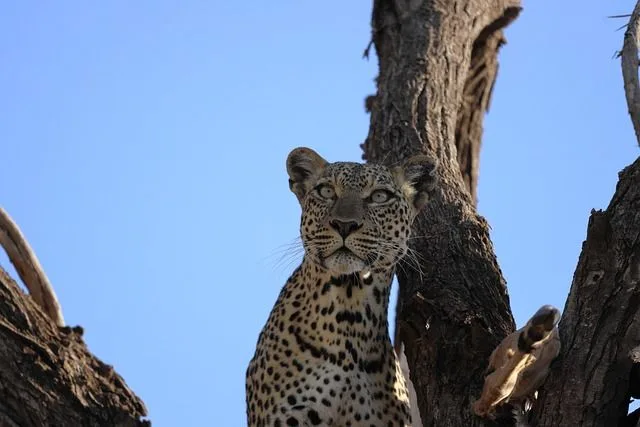
The Serengeti supports an exceptional variety of wildlife throughout the year. What you see will depend on the region, season, weather and natural animal movements. The Great Migration is seasonal, while many predators and resident herbivores remain within the wider ecosystem year-round.
| Wildlife Category | Species You May See | Where or When to Look |
|---|---|---|
| Big cats | Lions, cheetahs and leopards | Central Serengeti is productive year-round; cheetahs favour open plains, while leopards are often associated with riverine woodland |
| Migration herds | Wildebeest, zebras and gazelles | Location changes seasonally between Southern, Central, Western and Northern Serengeti |
| Large herbivores | Elephants, buffaloes, giraffes, elands and hartebeest | Found across woodland, riverine and open-grassland habitats |
| Smaller mammals | Warthogs, jackals, hyenas, mongooses and bat-eared foxes | Distribution varies according to habitat and season |
| River wildlife | Hippos and Nile crocodiles | Rivers, pools and permanent water sources |
| Rare or localised wildlife | Black rhinos and African wild dogs | Possible but uncommon; sightings should never be expected or guaranteed |
| Birdlife | Eagles, vultures, secretary birds, ostriches, kori bustards and seasonal migrants | Rewarding throughout the year, with additional migratory species during the greener months |
Big Cats of the Serengeti
The Serengeti is one of East Africa’s strongest destinations for predator viewing. Lions are widely distributed and may be seen resting near kopjes, hunting on the plains or following large herbivore herds. Cheetahs favour open areas where they can use their speed, while leopards are more elusive and commonly associated with riverine woodland and trees.
Spotted hyenas, jackals and other carnivores also play an important role in the ecosystem. Predator activity varies throughout the day, so early-morning and late-afternoon game drives can be particularly productive.
Wildebeest, Zebra and Other Herbivores
The Great Migration involves large numbers of wildebeest, zebras and gazelles moving through the wider Serengeti–Mara ecosystem in response to rainfall, grazing and water availability. Their location changes throughout the year, and no fixed lodge or region offers the best migration viewing in every month.
The Serengeti also supports resident elephants, buffaloes, giraffes, hippos, warthogs, elands, topis and several antelope species. These animals can be rewarding even when the main migration herds are in another part of the ecosystem.
Serengeti Birdlife
The Serengeti offers excellent birdwatching, with raptors, vultures, ostriches, secretary birds, kori bustards, hornbills, rollers and numerous grassland species. Rivers, woodland and seasonal wetlands provide additional habitats for waterbirds and smaller species.
Birdlife is rewarding throughout the year, while the greener months generally bring additional migratory species, breeding activity and more colourful landscapes. Binoculars are recommended even for travellers whose main interest is large mammals.
Wildlife sightings remain natural and cannot be guaranteed. A suitable route, experienced guide and sufficient game-viewing time can improve your opportunities, but animal behaviour and seasonal movements remain unpredictable.
Serengeti Accommodation – Budget, Mid-Range and Luxury Options
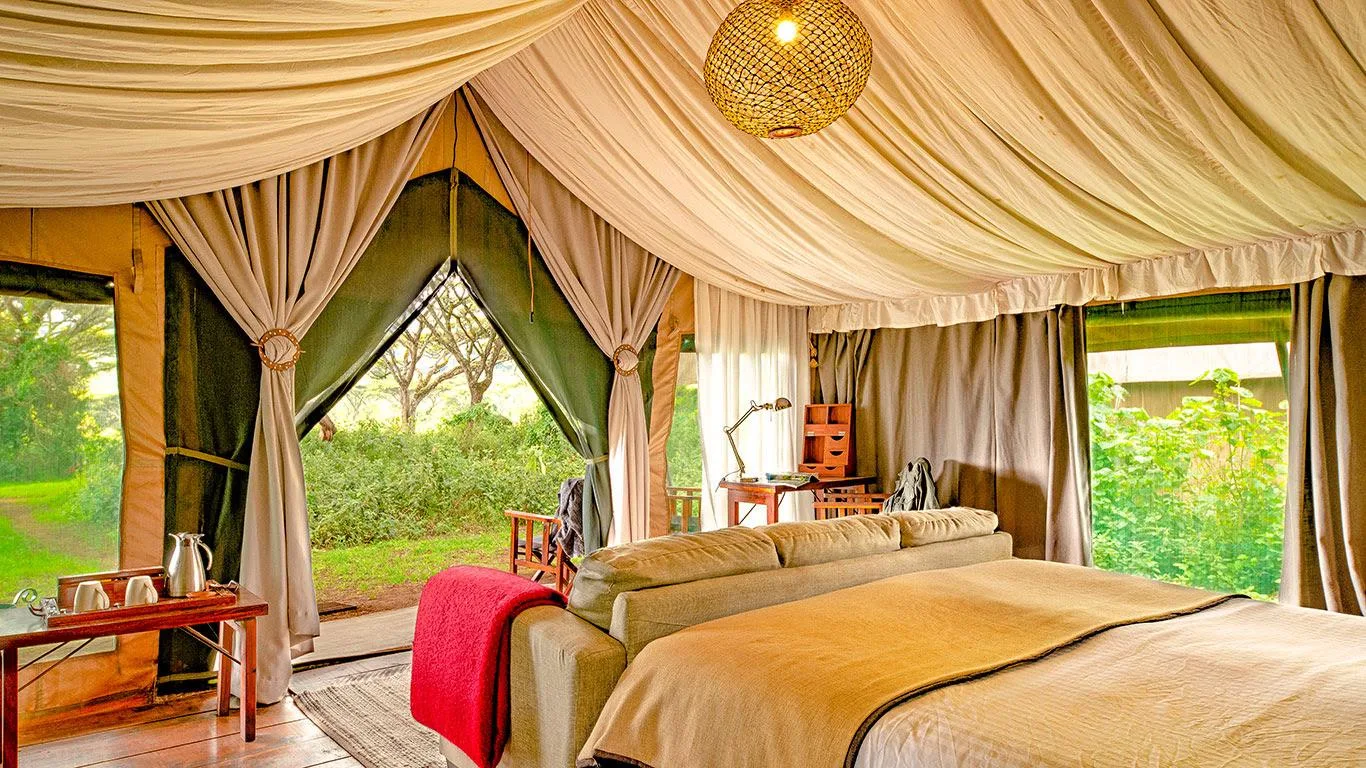
Serengeti accommodation ranges from simple camps to comfortable tented camps and high-end lodges. The most expensive property is not automatically the best choice. Location, season, driving time and how the accommodation fits your safari route can be more important than luxury level alone.
| Accommodation Level | Typical Features | Best For | Main Consideration |
|---|---|---|---|
| Budget | Simple rooms or tents, private or shared facilities depending on the property, basic meals and essential services | Travellers prioritising wildlife viewing and overall safari value | Some options may be outside prime game-viewing areas or offer fewer facilities |
| Mid-range | Comfortable ensuite tents or lodge rooms, full-board meals, hot showers and well-positioned safari locations | Couples, families and most first-time Serengeti travellers | Prices and availability vary considerably by season |
| Luxury | Spacious suites or tents, premium dining, personalised service and carefully selected locations | Honeymoons, special occasions and travellers seeking additional comfort | A higher price does not necessarily mean better access to the wildlife area you want to visit |
| Seasonal migration camp | Tented accommodation operating in or near areas associated with seasonal herd movements | Great Migration travellers and wildlife photographers | Location and operating dates must match your travel month |
| Permanent lodge or camp | Year-round structure with established facilities and consistent operations | Families, first-time visitors and year-round safaris | It may not be close to the main migration herds during every season |
Location matters: A well-positioned mid-range camp can provide a better safari experience than a more luxurious property requiring lengthy drives to reach the area you want to explore. Central Serengeti is practical for dependable year-round wildlife viewing, while Northern Serengeti and the Southern Serengeti–Ndutu ecosystem become particularly important during specific migration periods.
Staying inside or close to the relevant game-viewing area can reduce transfer time and allow earlier access to productive wildlife locations. Accommodation outside the park may cost less, but the daily driving distance, gate opening times and route should be considered before booking.
Permanent versus seasonal camps: Permanent camps and lodges generally operate throughout the year and provide established facilities in one location. Seasonal camps operate during selected periods and may be positioned closer to areas associated with expected migration movements.
Seasonal camps do not guarantee proximity to the wildebeest herds because rainfall and wildlife movements vary each year. Their operating dates, exact location, accessibility and availability should always be confirmed for your travel period.
Our accommodation recommendations are based on your travel month, safari route, budget, room requirements and preferred comfort level. We prioritise practical location and game-viewing time before recommending unnecessary upgrades.
Private vs Group Serengeti Safari – Which Is Better?
Both private and group safaris can reach the Serengeti, but they offer different levels of flexibility.
| Safari Feature | Private Safari | Group Safari |
|---|---|---|
| Vehicle | Exclusive to your party | Shared with other travellers |
| Game-drive schedule | Flexible | Follows the group program |
| Wildlife stops | Based on your interests | Balanced across the group |
| Photography | More freedom to position and wait | Limited by shared preferences |
| Family travel | Easier to adjust around children | Less flexible |
| Price | Higher for one or two travellers | Often lower for solo travellers |
| Best for | Couples, families, photographers and private groups | Solo travellers and fixed budgets |
Our Serengeti packages operate in a private 4×4 safari Land Cruiser. This gives your party greater control over game-drive pacing, photography stops and daily departure times. Private does not necessarily mean luxury—the accommodation can be budget, mid-range or high-end.
A group safari can make sense for solo travellers who want to reduce costs and are comfortable following a fixed itinerary. However, travellers should check the group size, vehicle type, luggage arrangements and guaranteed departure conditions before booking.
For families, couples and travellers whose main priority is wildlife viewing, we generally recommend a private safari because of the additional flexibility.
Serengeti + Ngorongoro vs Serengeti Only – Which Safari Should You Choose?
The Serengeti and Ngorongoro Crater offer different but complementary safari experiences. The best choice depends on your available days, travel season and wildlife priorities.
| Option | Best For | Recommended Time | Main Experience |
|---|---|---|---|
| Serengeti only | Migration safaris, photography and repeat visitors | 3–6 days | Extensive plains, predators and seasonal herd movements |
| Serengeti and Ngorongoro | First-time Tanzania visitors | 4–6 days | Varied landscapes and two major wildlife areas |
| Serengeti, Ngorongoro and Tarangire | Longer Northern Circuit safaris | 5–7 days | Serengeti plains, crater wildlife and Tarangire elephants |
Why Combine Serengeti and Ngorongoro?
The Serengeti provides a vast safari landscape with extensive game drives, resident predators and seasonal Great Migration movements. Ngorongoro Crater offers a contrasting experience, with wildlife concentrated within a volcanic caldera.
Combining the two destinations gives first-time visitors greater habitat variety and a broader Tanzania safari experience. Depending on the route, you can travel between the Serengeti and Ngorongoro by private 4×4 without returning to Arusha between the parks.
We normally recommend at least four days for this combination. A three-day itinerary is possible, but it includes considerable driving and limited time in the Serengeti.
When Is a Serengeti-Only Safari Better?
A Serengeti-only safari makes sense when wildlife photography, big cats or the Great Migration is your main priority. Rather than using time to visit several parks, you can dedicate additional game drives to Central, Northern or Southern Serengeti according to the season.
It is also suitable for fly-in travellers. You can land at a Serengeti airstrip, remain in one or two carefully selected regions and fly onward to Arusha, Kilimanjaro or Zanzibar.
Travellers should remember that migration locations change with rainfall, grazing and water availability. River crossings and specific wildlife sightings cannot be guaranteed.
What About Adding Tarangire?
Tarangire is a valuable addition when you have at least five or six days. Its baobab landscapes, elephant herds and seasonal wildlife concentrations provide another contrast to the Serengeti and Ngorongoro.
If you have fewer than five days, it is usually better to protect your Serengeti game-viewing time instead of adding another park simply to make the itinerary appear more extensive.
Our Recommendation
For a first Tanzania safari, choose Serengeti and Ngorongoro over Serengeti alone. Choose a Serengeti-focused itinerary when the Great Migration, wildlife photography or more game-drive time is your primary objective. Add Tarangire when you have enough days to include it without rushing.
What Is Included in Our Serengeti Safari Packages?
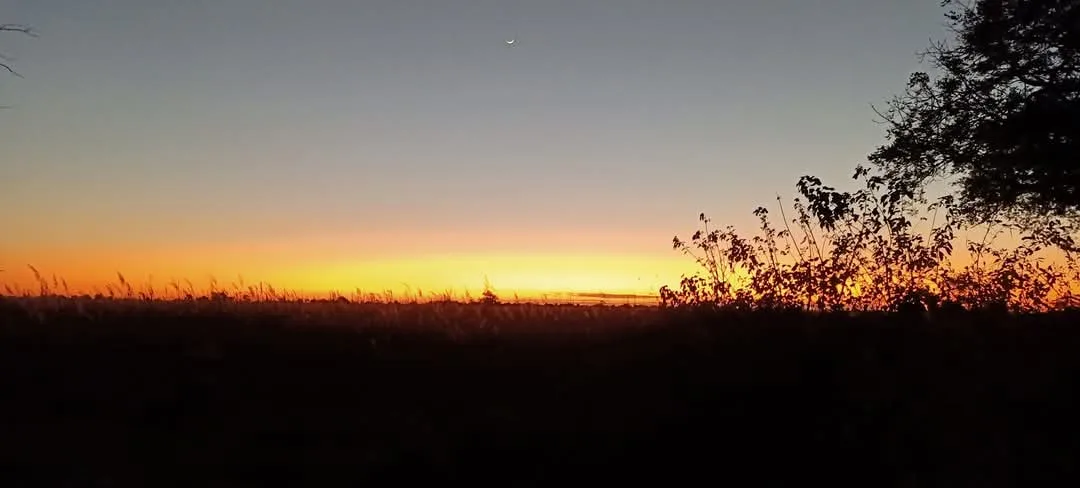
Our Serengeti safari packages are designed to include the main services required from the start to the end of your safari. Exact inclusions vary by itinerary, so your final quotation will clearly show the accommodation, meals, transfers and activities included in your specific package.
Safari Price Includes
Private 4×4 safari Land Cruiser for the safari itinerary
Professional English-speaking safari driver-guide
Serengeti National Park entry and conservation fees included in the confirmed itinerary
Ngorongoro and other park fees where those destinations form part of the package
Ngorongoro Crater service/conservation charges where applicable to the confirmed itinerary
Safari accommodation as specified
Meals according to the stated meal plan
Game drives shown in the itinerary
Drinking water during safari
Airport or hotel transfers where specified
Government taxes and statutory safari charges applicable to the confirmed package
Scheduled internal flight where specifically stated as part of a fly-in package
Safari Price Does Not Include
Unless specifically stated in your quotation, the safari price normally excludes:
International flights to and from Tanzania
Tanzania visa costs
Travel and medical insurance
Tips and gratuities for guides and camp/lodge staff
Alcoholic drinks, soft drinks and premium beverages unless included by the accommodation
Personal expenses such as laundry, souvenirs and telephone charges
Optional activities not listed in the confirmed itinerary
Additional accommodation before or after the safari unless specified
Changes or additional services requested during the trip
Items described as optional in your quotation
Optional Serengeti Safari Add-Ons
Your safari can be customised with additional experiences depending on your itinerary, travel dates and availability.
| Optional Experience | Best For | Notes |
|---|---|---|
| Serengeti Hot-Air Balloon Safari | Couples, families & photographers | Early-morning experience; advance booking recommended |
| Fly-In / Fly-Out Upgrade | Travellers with limited time | Reduces long road transfers |
| Additional Serengeti Night | Wildlife enthusiasts | Adds more game-viewing time |
| Great Migration Routing | Seasonal migration travellers | Region selected according to travel period |
| Ngorongoro Crater Extension | First-time visitors | Easy combination with many Serengeti road itineraries |
| Tarangire Extension | Elephant & landscape enthusiasts | Particularly useful on longer Northern Circuit trips |
| Zanzibar Extension | Safari + beach holidays | Fly from the safari circuit to Zanzibar |
| Private Airport Transfer | Arrival/departure convenience | Can be arranged around flight schedules |
Serengeti Hot-Air Balloon Safari
A Serengeti balloon safari can be added to selected itineraries, subject to availability and the area of the park in which you are staying.
The experience normally begins before sunrise, with the flight offering a very different perspective over the Serengeti landscape. Because balloon operations depend on location, season and availability, we recommend requesting this when you first book your safari rather than waiting until arrival.
Can We Customise What Is Included?
Yes. Our Serengeti safari packages are customisable.
You can adjust the number of safari days, accommodation level, Serengeti region and additional destinations. We can also structure itineraries around families, couples, honeymooners, photographers or travellers combining Tanzania with a Zanzibar beach stay.
Before confirming your safari, we provide the exact itinerary and quotation so you can see what is included rather than relying on a generic package description.
Tell us your travel dates, number of travellers and preferred safari style for a personalised Serengeti quotation.
Request a Quote | WhatsApp +254 728 567308 | Email: sales@eastafricajungle.com
Serengeti Safari Packing & Planning Information

Pack light, practical clothing that works for changing temperatures and dusty game drives. Mornings can be cool, afternoons warm and rain possible during the greener months. These ten essentials cover most Serengeti safari requirements:
Neutral safari clothing: Pack lightweight shirts, trousers and shorts in neutral colours such as khaki, beige, brown or olive. Avoid military-style camouflage clothing and excessively bright colours.
Warm layers: Bring a fleece, light jacket or sweater for early-morning and evening game drives. Temperatures can feel surprisingly cool before sunrise, particularly around Ngorongoro and during the dry season.
Comfortable footwear: Closed walking shoes or trainers are suitable for most safari activities. Heavy hiking boots are unnecessary unless your itinerary includes trekking or extended walking.
Sun and rain protection: Carry a wide-brimmed hat, sunglasses, sunscreen and a lightweight waterproof jacket. Rain protection is particularly useful between November and May.
Camera equipment: Bring your camera, spare batteries, memory cards, chargers and a dust-resistant storage bag. A telephoto lens is helpful for wildlife photography, but avoid packing equipment you will not use.
Binoculars: A personal pair of binoculars improves wildlife viewing, particularly for birds, distant predators and animals across the open plains. A magnification of approximately 8×42 or 10×42 works well for most travellers.
Travel documents: Keep your passport, visa documents, travel insurance details, flight information, vaccination records where applicable and safari itinerary accessible. Store digital copies separately from the originals.
Medication and personal supplies: Pack prescribed medication in its original packaging, together with insect repellent, basic toiletries and any personal health items you regularly use. Consult a qualified travel-health professional about vaccinations and malaria precautions before travelling.
Soft-sided luggage: Scheduled safari flights commonly allow approximately 15–20 kg per passenger in soft-sided bags, including hand luggage, although limits vary by airline and route. Confirm the exact allowance shown in your flight booking before packing.
Useful safari extras: A reusable water bottle, small day bag, power bank, universal travel adaptor and a small amount of cash for tips or personal purchases can be helpful. Avoid bringing unnecessary valuables.
Travel insurance covering medical treatment, trip interruption, delayed baggage and emergency evacuation is strongly recommended. Your final packing list should reflect your travel month, safari route, accommodation style and any onward journey to Zanzibar or another destination.
Guide & Tanzania Safari Expert Insights
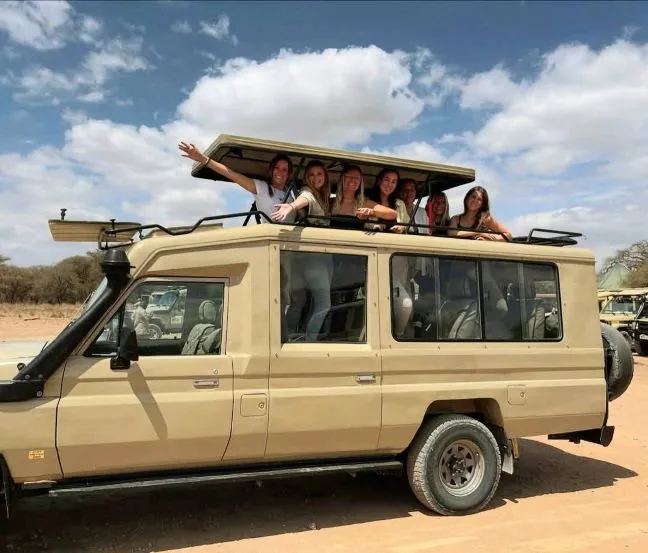
Good Serengeti planning involves more than selecting a lodge and counting the number of safari days. The route should reflect your travel month, available time and wildlife priorities.
1. Match the Serengeti Region to Your Travel Month
Wildlife is present throughout the year, but Great Migration herds move through different parts of the wider ecosystem according to rainfall, grazing and water availability. Southern Serengeti and Ndutu are especially important during the early-year calving period, while Northern Serengeti becomes a popular migration area later in the year.
Camp location should therefore be selected after considering your travel dates—not simply because a particular property is well known.
2. Protect Your Game-Viewing Time
A longer itinerary is not automatically better if too much of it is spent transferring between parks. For most first-time visitors, two or three Serengeti nights provide a more rewarding experience than one rushed overnight stay.
If the Serengeti is the main purpose of your trip, allocate enough time for repeated game drives rather than adding destinations solely to create a longer route.
3. Never Plan Around a Guaranteed River Crossing
Mara River crossings are natural events and cannot be scheduled or guaranteed. Wildebeest may gather near the river, turn back or cross unexpectedly.
Travellers visiting during the appropriate season can improve their opportunities by spending several nights in Northern Serengeti, but no responsible operator should promise a crossing on a particular date.
4. Use Flights When They Protect Limited Holiday Time
Driving from Arusha works well for travellers combining Tarangire, Ngorongoro and the Serengeti. When only three or four days are available, flying can reduce transfer time and provide more hours for game drives.
A road-in and fly-out itinerary can also work well, particularly when continuing to Zanzibar or another East African destination.
5. Choose the Vehicle and Guide Carefully
Accommodation is important, but the guide and safari vehicle influence every game drive. A private 4×4 Land Cruiser provides flexibility over departure times, wildlife stops and photography.
Our planning approach is to combine an appropriate Serengeti region, sufficient game-viewing time, practical accommodation and a private vehicle. Wildlife sightings remain natural and cannot be guaranteed, but thoughtful routing gives travellers a stronger and less rushed safari experience.
Guest Reviews – Serengeti Safari Experiences
The following reviews are from guests who travelled with East Africa Jungle. Some itineraries included destinations outside the Serengeti, so the safari type is identified for clarity. Review headings and “Safari Highlights” are editorial summaries; the quoted testimonial wording remains the guest’s own.
★★★★★ “Combined Kenya and Tanzania Big Five Safari”
Julius G – Australia | Couple Safari
Travel Month & Year: August 2025
Safari Type: Combined Kenya and Tanzania safari
Group Type: Couple
Safari Highlights: Big Five sightings, private Jeep travel and guiding in Kenya and Tanzania
“It’s my first time to travel to Africa, and this tour was the best thing I’ve booked!
First, the tour guides in the trip – Patrick from Masai Mara side was very informative, knowledgeable and helpful. He made the trip so much better. Amani from Tanzania side was also so great, helpful and friendly! They made sure the tour was smooth and safe and fun!
Second, the safari experience – very awesome to see all big 5 and all kinds of animals in wide life. We had a jeep to take us everywhere and it felt safe.
Overall, I highly recommend this trip to everyone if you wanna do Tanzania and made it as once-in-a-lifetime experience!”
★★★★★ “A Memorable Serengeti Family Safari”
Nelly K – United States | Family Safari
Travel Month & Year: September 2024
Safari Type: Serengeti and Ngorongoro safari
Group Type: Family
Safari Highlights: Serengeti family game drives and Ngorongoro Crater
“We had the perfect time with my family. Peter ensured that we had the best guide available for our Tour. From the vast Srengeti to the glorious Ngorongoro conservancy, our tour could never have been better.
We will be back next year to explore the beauty of Zanzibar.
Thanks East Africa Jungle for the amazing tour. Kudos.”
★★★★★ “A Well-Organised Private Group Safari”
Michael | Country Not Provided
Travel Month & Year: December 2023
Safari Type: Private Tanzania wildlife safari
Group Type: Friends – Private group of 28 travellers
Safari Highlights: Private group of 28, dedicated safari vehicles and personalised celebration arrangements
“East Africa Jungle did an incredible job. John Peter walked me through the safari, how it would go, different options etc. My group (28) was taken care of every step of the way. The drivers (Rueben, Dennis, John, Andrew, and Daniel) were knowledgeable, approachable and accommodating. We had birthdays and engagements on the trip all of which John Peter helped to make sure were special. I look forward to our next safari and recommend them 10/10.”
Why Book Your Serengeti Safari With East Africa Jungle?
Choosing a Serengeti safari company involves more than comparing prices. The quality of the itinerary, guide, vehicle, accommodation location and pre-safari planning can significantly influence your experience. Here is what you can expect when planning your Serengeti safari with us.
1. Private 4×4 Safari Land Cruisers
Our Serengeti safaris operate in private 4×4 safari Land Cruisers, giving your party its own vehicle and professional driver-guide. This allows greater flexibility over departure times, wildlife stops, photography and the pace of each game drive. Private transport is particularly valuable for families, couples and photographers who do not want to follow the timetable or interests of unrelated travellers.
2. Routes Planned Around Your Travel Dates
Different parts of the Serengeti become more rewarding at different times of the year. We consider your travel month, available safari days and wildlife priorities before recommending a route. This may involve Central Serengeti for dependable year-round game viewing, Ndutu during the early-year calving period or Northern Serengeti during the seasonal Mara River migration period.
3. Customisable Safari Itineraries
Your safari can be adjusted according to your dates, group size, budget and preferred travel pace. We can change the number of nights, accommodation category and destinations or arrange a road-in and fly-out itinerary. The Serengeti can also be combined with Ngorongoro Crater, Tarangire, Lake Manyara or Zanzibar when sufficient travel time is available.
4. Accommodation Selected for Location and Value
We assess accommodation according to its location, comfort, seasonal suitability and value—not simply how luxurious it appears. A well-positioned tented camp can reduce unnecessary driving and provide more time for game viewing. We recommend suitable budget, mid-range, luxury or seasonal migration camps based on your itinerary, room requirements and the Serengeti region appropriate for your travel dates.
5. Clear Quotations and Practical Planning
Before confirming your safari, you receive a detailed itinerary and quotation showing the accommodation, transport, meals, park fees, transfers and scheduled flights included in the price. Optional activities and exclusions are identified separately. If you request changes during the planning stage, we explain how they affect the route, game-viewing time and final cost before you make a decision.
6. Licensed Operator and Direct Safari Support
East Africa Jungle is a licensed safari operator with planning and operational experience across Kenya, Tanzania and Uganda. You communicate directly with our safari team before your trip and can contact us with questions about routes, accommodation, transfers and travel preparation. Our Tourism Regulatory Authority licence details are displayed on the website and can be verified through the official verification service.
Ready to plan your Serengeti safari? Send us your travel dates, number of travellers and preferred safari duration for a personalised recommendation.
Editorial Review & Author

John Peter – Safari Planner & East Africa Travel Expert
Written & Reviewed by John Peter – Senior East Africa Safari Specialist & Operations Manager
East Africa Safari Experience: 16+ Years
Last Reviewed & Updated: September 2026
John Peter is a safari planner and East Africa travel specialist with more than 16 years of experience arranging wildlife itineraries across Tanzania, Kenya and the wider East African safari circuit. His work includes planning private safaris, Great Migration itineraries, family trips, fly-in safaris and multi-destination East Africa journeys.
His Serengeti planning approach focuses on matching the itinerary to the traveller's dates, available time, budget and wildlife priorities, rather than using the same route throughout the year.
Editorial Review
This Serengeti Safari Packages 2026/2027/2028 guide has been reviewed to provide practical information for travellers comparing Serengeti routes, prices, safari durations and travel styles.
Particular attention has been given to seasonal wildlife movements, realistic driving and game-viewing time, road versus fly-in options, accommodation location and the number of nights needed in the Serengeti.
Great Migration locations and seasonal periods are presented as planning guidance rather than guarantees because rainfall, grazing conditions and wildlife behaviour can change from year to year.
Safari prices shown on this page are starting rates and should be reconfirmed for specific travel dates, group sizes and accommodation choices before booking.
Our editorial principle is simple: recommend the itinerary that makes practical sense for the traveller, not the itinerary with the greatest number of destinations.
Questions about this guide or planning a Serengeti safari?
Email: sales@eastafricajungle.com | WhatsApp: +254 728 567308
Related Serengeti & Tanzania Safaris
Not sure which Serengeti itinerary fits your trip? Compare these closely related Tanzania safaris based on your available time, preferred travel style and wildlife priorities.
3 Days Serengeti & Ngorongoro Safari
Best for: Short road safari • First-time visitors
Combine game drives in the Serengeti with a Ngorongoro Crater safari on a compact private itinerary from Arusha.
From USD 1,195 per person
View 3 Days Serengeti & Ngorongoro Safari →
3 Days Serengeti Fly-In Safari
Best for: Limited time • Less road travel
Fly into the Serengeti and spend more of your short safari on game drives rather than the long outbound road journey.
From USD 1,650 per person
View 3 Days Serengeti Fly-In Safari →
3 Days Ndutu Calving & Ngorongoro Safari
Best for: December–March • Calving-season wildlife
Explore the southern Serengeti–Ndutu ecosystem during the early-year migration period before continuing to Ngorongoro Crater.
From USD 1,150 per person
View 3 Days Ndutu Calving & Ngorongoro Safari →
4 Days Serengeti & Ngorongoro Fly-In Safari
Best for: More game-viewing time • Fly-in convenience
Combine a Serengeti fly-in experience with Ngorongoro while keeping the itinerary compact enough for travellers with limited holiday time.
From USD 1,950 per person
Book Your Serengeti Safari 2026/2027/2028
Experience the Serengeti on a safari planned around your travel dates, available time and wildlife priorities. Whether you're looking for a short Serengeti tour, Great Migration safari, fly-in itinerary, family adventure or a longer Tanzania journey, we'll help you choose a route that makes practical sense.
Serengeti Safaris From USD 1,150 Per Person
Private 4×4 Safari Land Cruiser • Customisable Itineraries • Professional Safari Guide • Year-Round Departures
Tell us your travel dates, number of travellers, preferred number of safari days and accommodation level, and we'll prepare a personalised Serengeti safari proposal.
Request a Safari Quote | Book Your Serengeti Safari | WhatsApp +254 728 567308
Email: sales@eastafricajungle.com
Why This Guide Helps
Use this page to compare safari packages that match the same travel intent. Each result can be reviewed by itinerary, price, duration, accommodation, route map, image gallery, inclusions, and downloadable program.
Questions
1. How much does a Serengeti safari cost?
The cost of a Serengeti safari depends on the number of travellers, safari duration, season, accommodation level and whether you travel by road or air. Our shorter private Serengeti packages currently start from around USD 1,150–1,195 per person, while fly-in, luxury and longer safaris cost more. Request a quotation for your exact dates and group size.
2. How many days do you need for a Serengeti safari?
For most travellers, 3 to 5 days works well. Three days is suitable for a short, carefully planned safari, while four or five days provides more game-viewing time and a more relaxed pace. Consider 6–7 days if photography or the Great Migration is a major priority.
3. What is the best time to visit the Serengeti?
The Serengeti offers rewarding wildlife viewing throughout the year. January to March is particularly attractive for the southern Serengeti–Ndutu calving period, while July to October is popular for Northern Serengeti and potential Mara River migration activity. The best month depends on the wildlife experience you want.
4. Can you see the Great Migration throughout the year?
The Great Migration is a year-round cycle, but the herds move through different parts of the Serengeti–Mara ecosystem according to rainfall, grazing and water availability. Your safari should therefore be planned around the region most appropriate for your travel period rather than one fixed lodge or location.
5. Are Mara River crossings guaranteed?
No. Mara River crossings cannot be guaranteed on a particular date or game drive. Wildebeest may gather near the river, change direction or cross unexpectedly. During the appropriate season, spending several nights in Northern Serengeti can provide more opportunities than relying on a single game drive.
6. Is it better to fly or drive from Arusha to the Serengeti?
Driving is generally better for travellers with enough time to combine the Serengeti with Ngorongoro, Tarangire or other Northern Circuit destinations. Flying costs more but reduces road-transfer time and can be particularly useful for a three- or four-day Serengeti safari. A road-in and fly-out itinerary can also provide a good balance.
7. Is Serengeti better than Ngorongoro Crater?
They offer different experiences. The Serengeti provides a vast ecosystem, extensive game drives, resident predators and seasonal migration movements. Ngorongoro Crater offers concentrated wildlife viewing within a volcanic caldera. For first-time visitors with enough time, we generally recommend combining both rather than choosing only one.
8. Are your Serengeti safaris private?
Yes. Our Serengeti safari packages are operated using a private 4×4 safari Land Cruiser, giving your party its own vehicle and professional driver-guide. This provides greater flexibility over game-drive pacing, wildlife stops and photography than a standard shared safari.
9. Can Serengeti safari packages be customised?
Yes. We can customise the number of days, accommodation level, safari route and additional destinations according to your travel dates, group size and budget. Serengeti itineraries can also be combined with Ngorongoro, Tarangire, Lake Manyara, Zanzibar or other suitable East African destinations.
10. What is included in a Serengeti safari package?
Exact inclusions depend on the itinerary, but packages generally include a private 4×4 Land Cruiser, professional safari guide, accommodation, specified meals, scheduled game drives, park fees, drinking water and transfers stated in the itinerary. International flights, visas, travel insurance, tips and optional activities are normally excluded unless specifically stated.

 16+ Years
 English