Affordable Serengeti, Ngorongoro, Tarangire & Lake Manyara Safaris | Camping & Budget Lodge Options | Local Tanzania Safari Planning
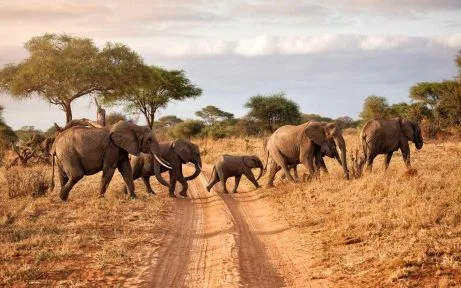
A Tanzania safari does not have to mean luxury lodges and a five-figure holiday. Well-planned Tanzania budget safari packages give you access to the same national parks, wildlife and game-viewing areas while keeping accommodation and operating costs under control.
Explore affordable safari options from Arusha, compare camping and budget lodge safaris, understand what your money actually pays for, and choose an itinerary that gives you enough time in the parks without paying for unnecessary extras.
Popular Routes: Tarangire • Serengeti • Ngorongoro Crater • Lake Manyara
Recommended Duration: 3–7 days
Safari Styles: Budget Camping • Budget Lodge • Group Joining • Private 4×4
Best For: Solo travellers • Couples • Friends • Students • Value-conscious families
View Tanzania Safari Itineraries | Request a Budget Safari Quote: +254 728 567308 | Email: sales@eastafricajungle.com
Guide to Tanzania Budget Safari Packages Gallery
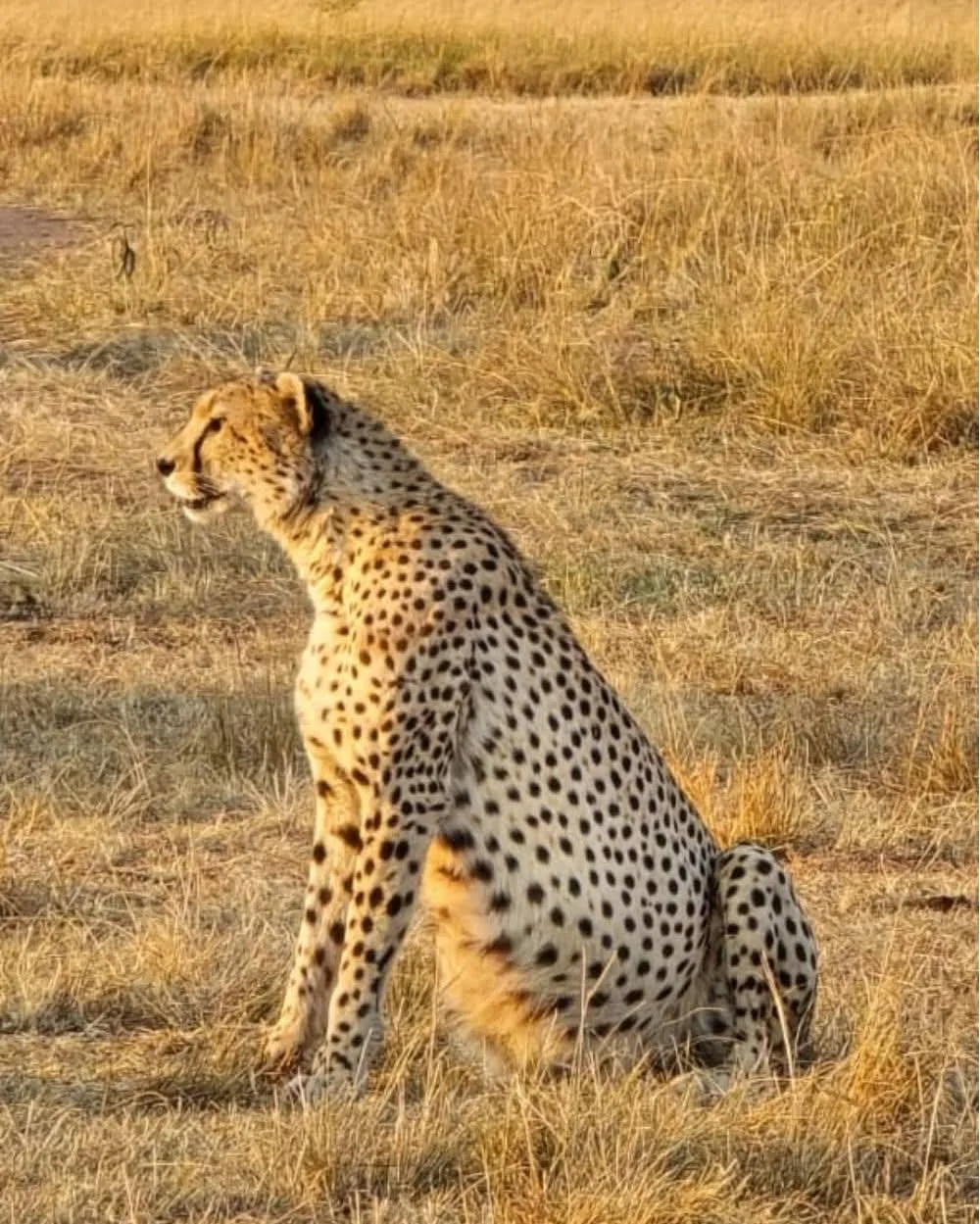
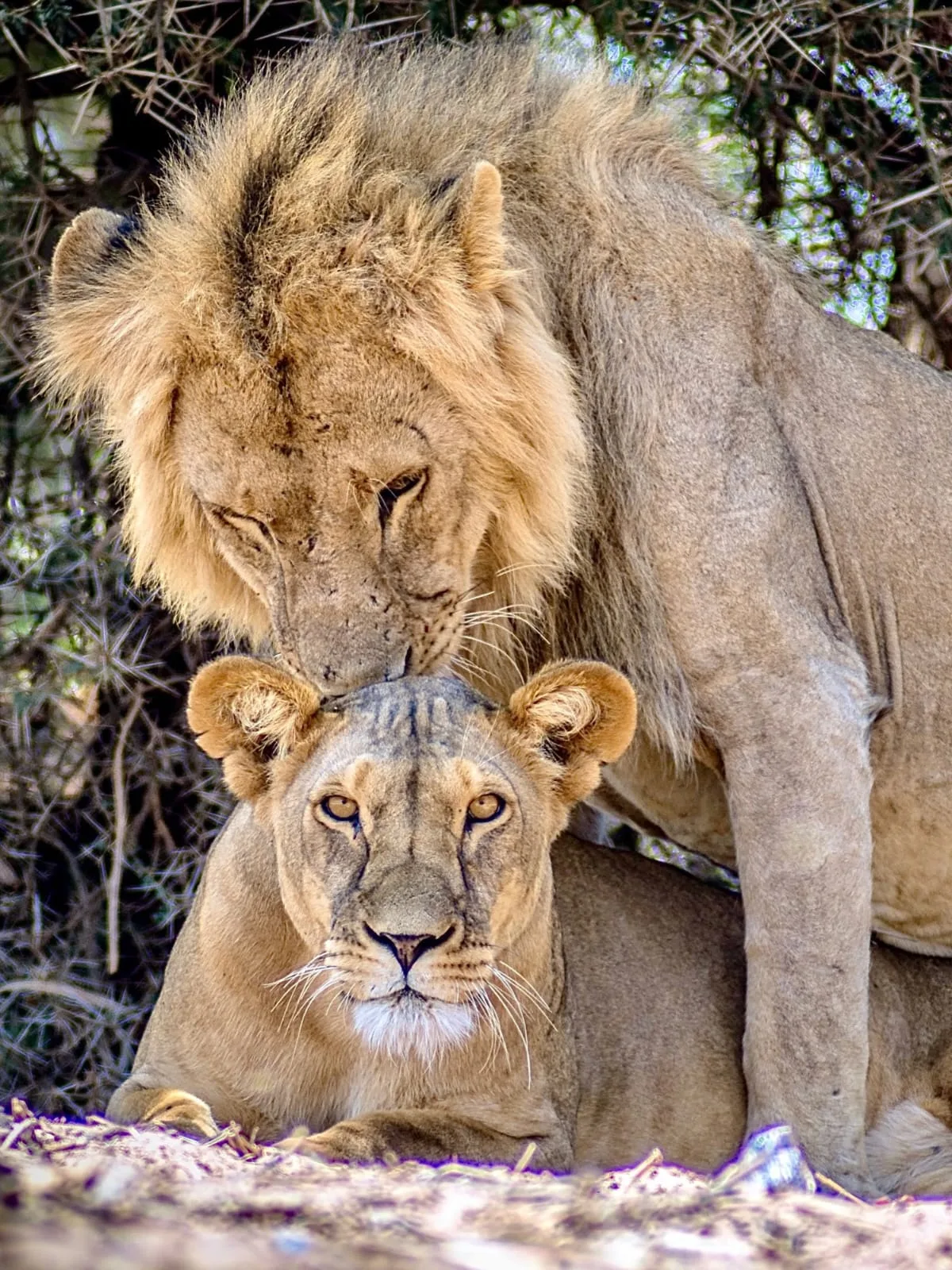

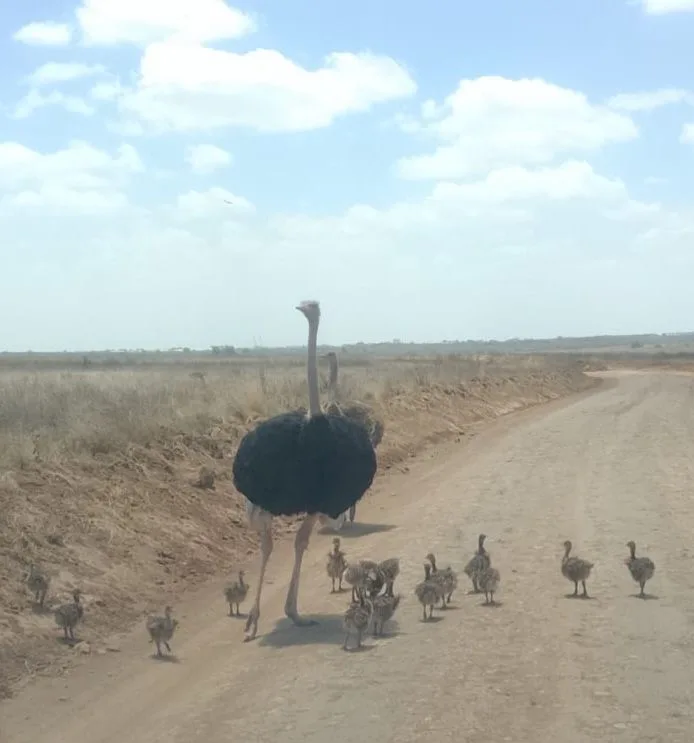
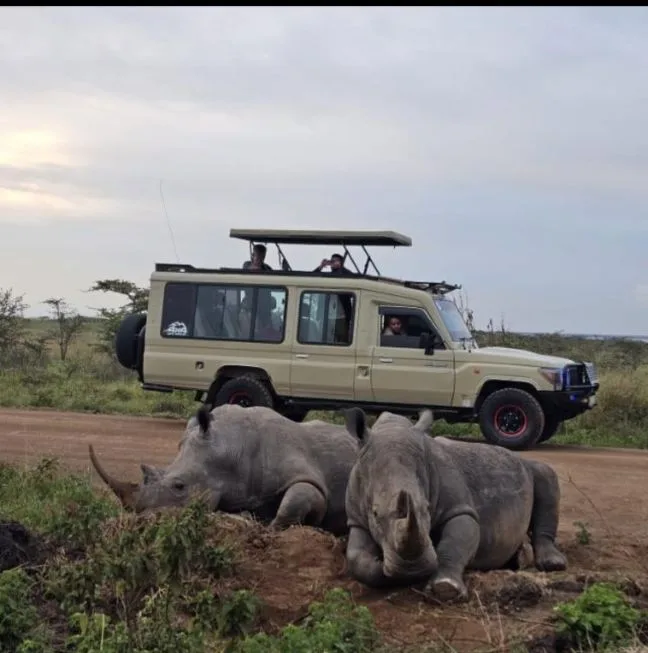
Tanzania Budget Safaris: See More of Tanzania Without Paying for Unnecessary Luxury
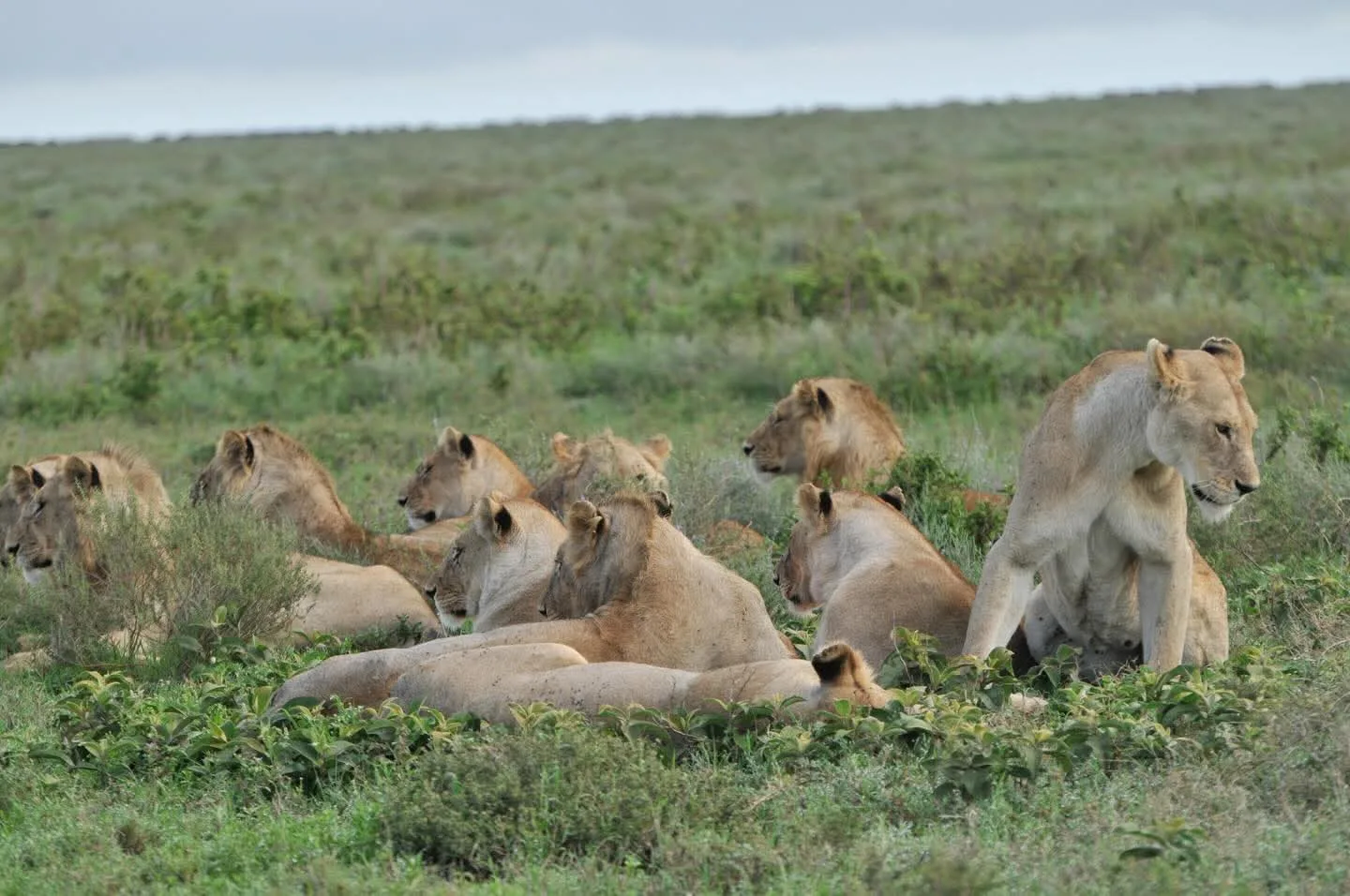
Planning a Tanzania budget safari is less about finding the cheapest tour and more about spending your money where it matters: a reliable safari vehicle, an experienced guide, national park access and enough time to enjoy the wildlife. Our Tanzania budget safari packages are designed for travellers who want to experience the Serengeti, Ngorongoro Crater, Tarangire and Lake Manyara without paying for high-end safari camps and luxury extras.
Options range from a Tanzania camping safari using public campsites to comfortable Tanzania budget lodge safaris, group-joining departures and affordable private itineraries. Depending on your available time, you can choose a short 2–3 day Tarangire and Ngorongoro safari or spend 4–7 days combining the Serengeti with Tanzania's northern parks.
The important difference is value. An affordable Tanzania safari can still include rewarding game drives, Big Five opportunities, spectacular landscapes and experienced local guiding. Accommodation is simply kept practical.
If you're comparing routes, explore our Tanzania Safari Itineraries 2026/2027/2028 before deciding how many days you need. Travellers whose dates are flexible should also check our Best Time to Visit Kenya & Tanzania for Safari guide, as travelling outside the busiest months can sometimes provide better overall safari value.
This guide explains Tanzania budget safari costs, accommodation choices, recommended itineraries, destinations, seasons and the practical compromises worth considering before you book.
Tanzania Budget Safari Prices 2026/2027/2028
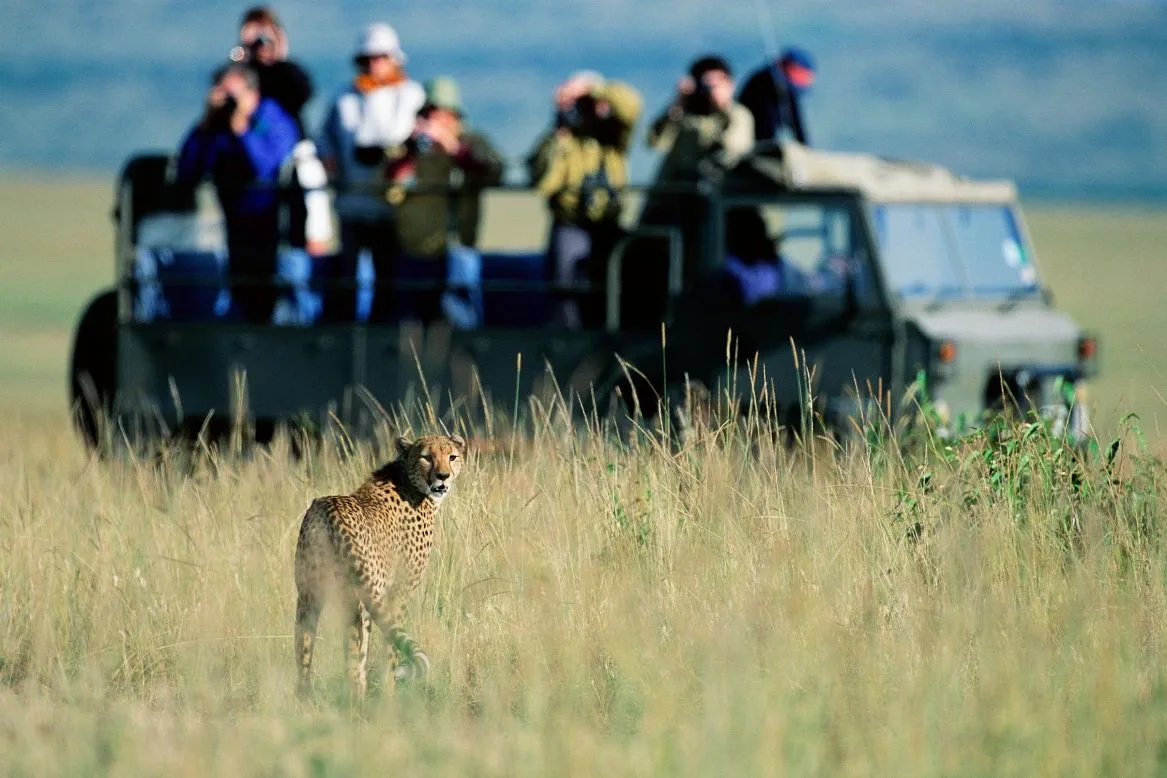
The cost of a Tanzania budget safari depends on more than the number of days you travel. Group size, accommodation style, parks visited, season and whether you choose a private or group-joining safari can all make a noticeable difference to the final price.
As a general planning guide, shorter budget safaris focusing on Tarangire, Lake Manyara and Ngorongoro usually cost less than itineraries that include several days in the Serengeti. This is partly because reaching and staying in the Serengeti involves additional driving, fuel, park fees and accommodation costs.
Tanzania Budget Safari Price Comparison 2027–2028
Duration | Safari destinations | Safari type | Starting price per person |
|---|---|---|---|
2 days | Tarangire National Park | Mid-range lodge, group | From $725 |
3 days | Serengeti & Ngorongoro | Group joining | From $1,195 |
4 days | Tarangire, Serengeti & Ngorongoro | Budget camping, group | From $1,095 |
5 days | Tarangire, Serengeti & Ngorongoro | Budget camping, group | From $1,095 |
6 days | Northern Tanzania safari circuit | Group joining | From $1,400 |
7 days | Extended northern Tanzania circuit | To be confirmed | Request a quote |
Important Safari Pricing Information
The prices shown above are indicative starting rates per person and may vary depending on travel dates, group size, accommodation category and seasonal availability. Your personalised quotation will confirm the final safari price, applicable park fees, accommodation, transport, meals and other inclusions before booking.
For 2027–2028 departures, contact East Africa Jungle for an updated quotation based on your preferred itinerary and travel dates.
What Affects the Cost of a Tanzania Budget Safari?
Group size: Safari vehicle, fuel and guide costs are shared between travellers. A safari for five or six people will therefore usually have a lower per-person operating cost than the same private itinerary for one or two travellers.
Parks included: A safari visiting the Serengeti and Ngorongoro generally costs more than a shorter Tarangire or Lake Manyara itinerary because of additional park, conservation, accommodation and transport costs.
Accommodation: Public camping is generally the most economical option. Budget lodges and permanent tented camps cost more but normally provide private rooms or tents, ensuite bathrooms and additional comfort.
Travel season: Accommodation prices can increase during high-demand periods, particularly around the main safari seasons. Travelling during selected shoulder or low-season months can sometimes reduce accommodation costs.
Private vs group joining: Group-joining safaris allow several travellers to share operating costs. A private safari costs more per person, particularly for couples or solo travellers, but provides greater flexibility over the daily programme.
Don't Compare Tanzania Safaris by Price Alone
A lower headline price does not automatically represent better value.
When comparing two Tanzania budget safari prices, check whether both quotations include the same national park fees, Ngorongoro fees where applicable, number of game drives, accommodation standard, meals, safari transport and transfers.
For example, an inexpensive quotation that excludes important park or conservation fees may ultimately cost more than a package where those expenses are already included.
The better question is therefore not simply “Which Tanzania safari is cheapest?” but:
“What exactly am I getting for the price?”
A well-designed budget safari saves money on unnecessary luxury while protecting the parts of the trip that matter most: time in the parks, reliable transport, knowledgeable guiding and wildlife viewing.
How Much Does a Budget Tanzania Safari Cost in 2027–2028?
A Tanzania budget safari typically costs USD 200–450+ per person per day, depending on group size, accommodation, parks, season and private or shared arrangements. Group camping generally costs less, while private lodge and Serengeti-focused safaris tend to cost more.
Typical Tanzania Budget Safari Cost Per Day
These are planning estimates, not fixed quotations. Prices depend on travel dates, route, group size and accommodation availability.
What Makes Up the Cost?
Even budget safaris must cover park and conservation fees, a reliable 4×4 vehicle, fuel, professional guiding, accommodation and meals. Camping reduces accommodation costs, while lodges provide additional comfort at a higher price.
How Duration and Group Size Affect Price
Longer safaris may spread some fixed costs across more days, but each extra day adds accommodation, meals and potentially park fees. A three-day safari therefore does not necessarily cost half as much as a six-day trip.
Sharing vehicle and guide costs among more travellers usually lowers the per-person price. Group-joining safaris can offer savings for solo travellers, while families and friends can share a private vehicle.
For many first-time visitors, a 4–6 day northern Tanzania safari balances cost, driving and wildlife-viewing time.
Budget Safari Expert Tip
Save on optional comforts before cutting game-drive time. Arriving late in the Serengeti and leaving early the next morning can leave little time to explore despite paying to reach the park. Prioritise a realistic route and meaningful wildlife viewing over the lowest headline price.
What Does a Tanzania Budget Safari Include?
Typical Tanzania Budget Safari Inclusions
| Usually Included | Usually Excluded |
|---|---|
| 4×4 safari transport and English-speaking guide | International flights and Tanzania visa |
| Scheduled game drives and specified park fees | Travel insurance and gratuities |
| Ngorongoro conservation/crater fees where applicable | Optional activities, including balloon safaris |
| Campsite, lodge or tented camp accommodation | Personal expenses and alcoholic/premium drinks |
| Specified meals and safari drinking water | Zanzibar accommodation unless included |
| Airport/Arusha transfers when specified | Unspecified transfers and other extras |
| Applicable government taxes | Items not expressly included |
Before You Book
Confirm accommodation, room or tent type, meals, parks, duration, transfers and private or shared arrangements. Check that applicable park and conservation fees are included, then compare accommodation locations and actual game-drive time—not just headline prices.
Where to Save
Choose simpler accommodation while protecting a reliable vehicle, experienced guide, realistic route and sufficient wildlife-viewing time. A good Tanzania budget safari reduces optional comforts while preserving the experience you came for.
Tanzania Budget Camping Safari vs Budget Lodge Safari: Which Should You Choose?
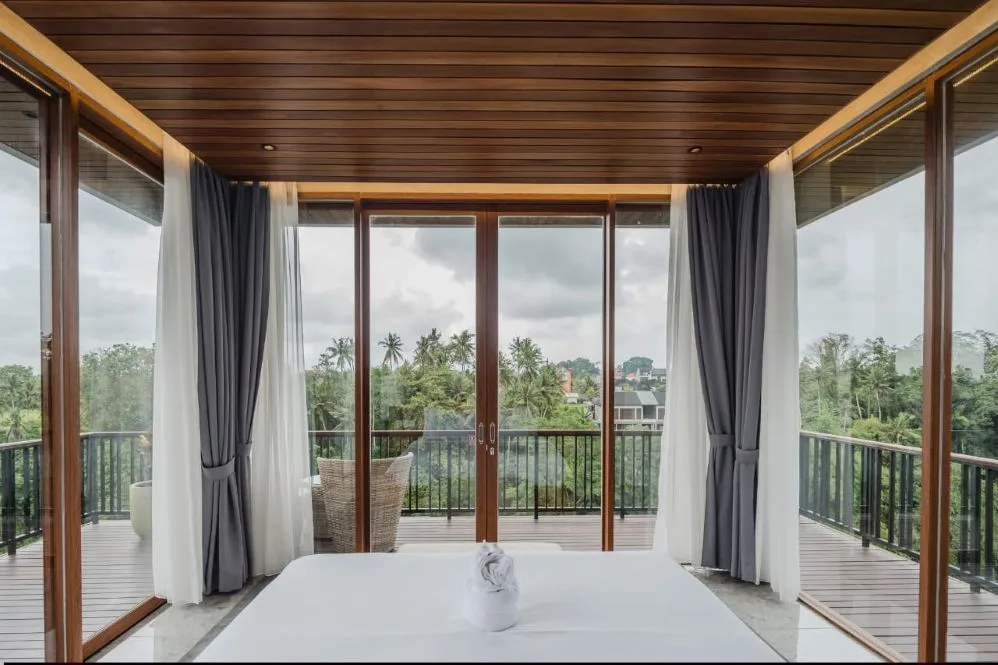
Choosing accommodation is an important part of planning a Tanzania budget safari. Camping and affordable lodges or tented camps can visit the same national parks and offer rewarding game drives. The main differences are comfort, facilities, privacy and price.
| Feature | Budget Camping Safari | Budget Lodge Safari |
|---|---|---|
| Accommodation | Basic tents at designated campsites | Simple lodges, guesthouses or permanent tented camps |
| Bathrooms | Often shared | Usually private ensuite |
| Meals | Usually prepared by the safari crew | Served at the property |
| Comfort & privacy | Basic facilities; less privacy | Proper beds and greater privacy |
| Wildlife & game drives | Can explore the same parks and wildlife areas | Can explore the same parks and wildlife areas |
| Price | Generally more economical | Higher accommodation costs |
| Best for | Adventurous travellers prioritising savings | Couples, families and travellers wanting more comfort |
What Is a Tanzania Budget Camping Safari?
A Tanzania budget camping safari uses simple tents and designated campsites to reduce accommodation costs. Facilities are generally basic, with shared bathrooms. Depending on the package, camping staff assist with meals and camp arrangements.
Camping offers a close-to-nature experience and suits travellers comfortable with simpler facilities between game drives.
What Is a Tanzania Budget Lodge Safari?
A Tanzania budget lodge safari uses affordable lodges, guesthouses or permanent tented camps, usually with proper beds and private bathrooms.
The additional cost pays for greater comfort, privacy, dining facilities and amenities such as housekeeping and charging facilities, depending on the property. It offers a practical balance between affordability and comfort while exploring Tarangire, Serengeti and Ngorongoro Crater.
Does Camping Mean Seeing Less Wildlife?
Camping does not inherently reduce wildlife-viewing opportunities. Your experience depends more on the route, accommodation location, time in the parks, season, guide and wildlife movements than on room price. Specific sightings cannot be guaranteed with either option.
Which Option Suits You?
- Couples: Budget lodges or permanent tented camps provide private space and comfort; camping suits couples who enjoy outdoor travel.
- Families: Lodges are usually more practical with younger children. Camping can suit adventurous families with older children accustomed to outdoor travel.
- Solo travellers: A group-joining camping safari helps reduce costs by sharing the vehicle and guide. Group lodge tours offer more accommodation comfort, while private travel generally costs more per person.
Our Practical Recommendation
Choose budget camping for maximum savings if you are comfortable with basic facilities. Choose a budget lodge safari if private bathrooms, permanent beds and evening comfort matter to you.
Protect a realistic route and sufficient game-drive time when allocating your budget. Simpler accommodation with more useful time in the Serengeti and Ngorongoro can offer better value than an expensive lodge combined with a rushed itinerary.
Best Tanzania Budget Safari Packages by Duration
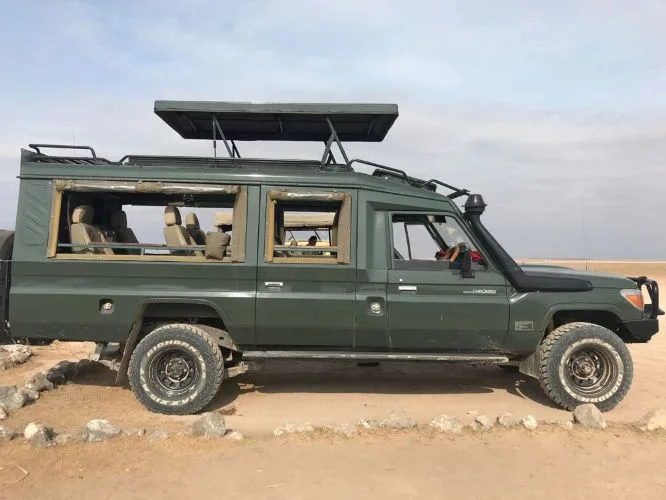
The best Tanzania budget safari package depends on how much time you have and which wildlife areas matter most to you. A 2–3 day safari can work well if you are already in Arusha and want a short wildlife experience, while 4–7 days gives you more realistic time for the Serengeti, Ngorongoro and other northern Tanzania parks.
If the Serengeti is your main priority, we recommend allowing enough time to justify the journey rather than adding it to an itinerary simply to tick it off a list.
Tanzania Budget Safari Packages at a Glance
Safari duration | Best for | Recommended choice |
|---|---|---|
2 days | Travellers with limited time | Tarangire-focused safari |
3 days | First-time safari travellers | Serengeti & Ngorongoro |
4 days | Budget-conscious travellers | Classic northern circuit camping |
5 days | Best balance of time and cost | Tarangire, Serengeti & Ngorongoro |
6 days | Travellers wanting more game drives | Extended Serengeti circuit |
7 days | Travellers wanting a relaxed itinerary | Custom northern Tanzania safari |
Prices vary according to travel dates, accommodation, group size and availability. Starting prices should be treated as planning guidance until your individual safari quotation is confirmed.
2 Days Tanzania Budget Safari – Tarangire & Ngorongoro
A 2 day Tanzania budget safari is best for travellers with very limited time before or after another part of their Tanzania holiday.
From Arusha, one practical combination is Tarangire National Park and the Ngorongoro Crater. Tarangire introduces you to classic northern Tanzania landscapes, including baobab country and areas known for elephant viewing, while Ngorongoro provides a very different game-drive environment inside the crater.
The compromise is pace. Two days gives you meaningful wildlife viewing, but there is little room for delays, additional parks or a relaxed schedule.
We would not recommend trying to squeeze Tarangire, Serengeti and Ngorongoro into two days by road. If the Serengeti is important to you, add more time rather than spending much of your short safari transferring between destinations.
Best for: Short stays, business travellers adding a safari, couples with limited time and travellers continuing to Zanzibar.
Suggested Route: Arusha → Tarangire → Karatu → Ngorongoro Crater → Arusha
3 Days Tanzania Budget Safari – Tarangire, Lake Manyara & Ngorongoro
From USD 1,150 per person on a six-person basis
This 3 day Tanzania budget safari is a practical choice if you want to experience several northern Tanzania landscapes without travelling all the way into the Serengeti.
The itinerary combines Tarangire National Park, Lake Manyara and the Ngorongoro Crater. Each destination offers a different environment, giving a short safari considerably more variety than concentrating on a single park.
It also keeps driving distances relatively manageable.
For travellers interested in elephants, varied scenery and a Ngorongoro Crater game drive—but who do not consider the Serengeti essential—this can offer very good value.
Best for: First-time safari travellers, couples, friends and visitors combining safari with Kilimanjaro or Zanzibar.
Suggested Route: Arusha → Tarangire → Lake Manyara/Karatu → Ngorongoro → Arusha
3 Days Serengeti & Ngorongoro Budget Safari
From USD 1,195 per person
If seeing the Serengeti is non-negotiable but your available time is limited, a 3 day Serengeti and Ngorongoro safari provides a compact alternative.
The route concentrates on Tanzania's two internationally recognised safari areas rather than trying to fit every northern park into three days.
Expect a faster itinerary and longer road transfers than the Tarangire–Manyara–Ngorongoro option. The advantage is that you reach the Serengeti and have an opportunity to experience its open plains and wildlife before continuing toward Ngorongoro.
This is a good example of why the cheapest package is not automatically the right one: choose this route because the Serengeti matters to you, not simply because you want to include the largest possible number of famous destination names.
Best for: Time-conscious travellers whose priority is the Serengeti.
Suggested Route: Arusha → Serengeti → Ngorongoro → Arusha
4 Days Tanzania Budget Safari – Tarangire, Serengeti & Ngorongoro
For many first-time visitors, 4 days is where a northern Tanzania budget safari begins to feel more complete.
A practical itinerary combines Tarangire with the Serengeti and Ngorongoro. You still need to accept some driving, but the extra day creates more useful wildlife-viewing time than a compressed three-day circuit.
This route gives you three contrasting safari environments: Tarangire's baobab landscapes and elephant country, the extensive Serengeti ecosystem and the concentrated wildlife experience of the Ngorongoro Crater.
If your budget permits four days rather than three, the additional time can be more valuable than upgrading your accommodation.
Best for: First-time visitors, couples and travellers wanting the classic northern circuit within a limited timeframe.
Suggested Route: Arusha → Tarangire → Serengeti → Ngorongoro → Arusha
5-Day Tanzania Budget Safari – From USD 1,095 Per Person
Explore Tarangire National Park, Serengeti National Park and the Ngorongoro Crater on an affordable five-day group-joining safari from Arusha.
Budget camping packages start from USD 1,095 per person sharing, subject to departure dates and availability. Travellers who prefer additional comfort can request a mid-range lodge or tented-camp safari, with prices from USD 1,990 per person sharing, subject to confirmation.
The final quotation will specify accommodation, meals, park fees, transport, group size and any applicable seasonal supplements.
6 Days Tanzania Budget Safari – Northern Circuit
With 6 days in Tanzania, the itinerary becomes noticeably less compressed.
You can combine Tarangire, Serengeti, Ngorongoro and Lake Manyara, or use the extra time to stay longer in the Serengeti instead of adding another park.
For wildlife-focused travellers, we often prefer the second approach.
Visiting four parks may look impressive on paper, but spending an additional morning or afternoon exploring the Serengeti can sometimes provide more value than adding another destination simply to increase the park count.
Six days also provides more breathing room for photography, wildlife stops and longer game drives.
Best for: Wildlife enthusiasts, photographers, couples and travellers who dislike rushed itineraries.
Suggested Route: Arusha → Tarangire → Serengeti → Ngorongoro → Lake Manyara → Arusha
7 Days Tanzania Budget Safari – Complete Northern Tanzania Experience
A 7 day Tanzania safari gives you enough time to explore northern Tanzania at a more comfortable pace while keeping the trip affordable through carefully selected accommodation.
A typical route can combine Tarangire, Serengeti, Ngorongoro and Lake Manyara, with additional time allocated to the Serengeti.
Rather than treating the Serengeti as a single overnight stop, a longer itinerary gives you opportunities for morning and afternoon game drives and allows your guide more flexibility when locating wildlife.
Seven days is particularly attractive for travellers flying a long distance to reach East Africa. The additional safari time can make better use of the international travel involved.
You do not need luxury accommodation every night to make a seven-day safari memorable. Selecting simpler camps and lodges can allow more of the budget to go toward time inside Tanzania's wildlife areas.
Best for: Wildlife-focused travellers, photographers, couples, families and visitors making Tanzania their main holiday.
Suggested Route: Arusha → Tarangire → Serengeti → Ngorongoro → Lake Manyara → Arusha
Which Tanzania Budget Safari Duration Should You Choose?
If you have 2–3 days, concentrate on fewer destinations and accept that your safari will move quickly.
With 4–5 days, the Serengeti, Ngorongoro and Tarangire can form a much more balanced northern circuit.
With 6–7 days, you gain something more valuable than simply another destination: time. Longer stays allow more game-drive flexibility, fewer rushed transfers and greater opportunity to experience each ecosystem.
If your budget is fixed, we would generally prioritise an extra safari day over a more luxurious room.
You can sleep in a simpler lodge.
You cannot add yesterday's missed Serengeti game drive after the safari is over.
Best Tanzania Budget Safari Destinations
Northern Tanzania has several outstanding wildlife destinations, but trying to include every park does not always produce the best-value safari. The right combination depends on your available days, wildlife priorities, travel season and budget.
For most Tanzania budget safari packages, the key destinations are Serengeti National Park, Ngorongoro Crater, Tarangire National Park and Lake Manyara National Park. Each offers a different landscape and wildlife experience.
Tanzania Budget Safari Destinations at a Glance
| Destination | Known For | Recommended Time | Budget Safari Value |
|---|---|---|---|
| Serengeti National Park | Big cats, vast plains, Great Migration | 2–3+ days | Worth prioritising if wildlife is the main goal |
| Ngorongoro Crater | Dense wildlife, dramatic crater scenery | 1 day | Excellent for shorter itineraries |
| Tarangire National Park | Elephants, baobabs, seasonal wildlife concentrations | 1 day | Excellent value from Arusha |
| Lake Manyara National Park | Forest, lake scenery, birdlife and varied habitats | Half/full day | Useful addition to northern circuits |
Serengeti Budget Safari – Make Time for the Wildlife
For many travellers, a Serengeti budget safari is the main reason for visiting Tanzania.
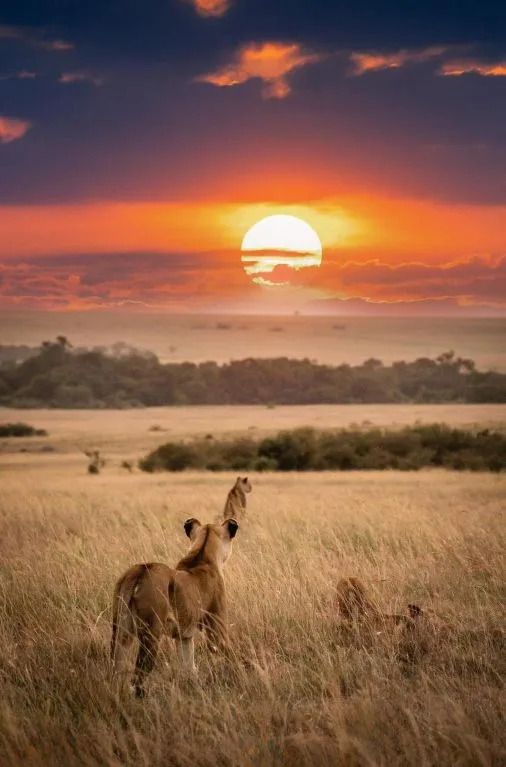
The Serengeti is famous for its extensive plains, predators and the wider wildebeest migration ecosystem. Lions, elephants, giraffes, zebras, wildebeest, buffalo and numerous antelope species can be encountered, while cheetahs and leopards are among the predators visitors hope to see.
The key consideration for a budget traveller is time.
Reaching the Serengeti by road requires a meaningful journey, so travelling all the way there for a rushed overnight stay may provide poor value even if the headline package price looks attractive. When possible, allow at least two nights so that more of your time can be spent exploring rather than transferring between parks.
You also don't need a luxury lodge to experience the Serengeti. Public camping, simple tented camps and carefully selected affordable accommodation can reduce the overall safari cost while keeping you close to the wildlife areas.
The Serengeti is recognised as a UNESCO World Heritage Site for its exceptional ecosystem and large-scale animal migration. For further destination information, see the official UNESCO Serengeti National Park page.
Best for: Big cats, migration interest, photographers and wildlife-focused travellers.
Budget Planning Tip: Save on accommodation before cutting valuable Serengeti game-drive time.
Ngorongoro Budget Safari – Exceptional Wildlife in a Compact Area
The Ngorongoro Crater fits particularly well into shorter Tanzania budget safaris because a single game-drive day can provide access to remarkably varied wildlife and scenery.
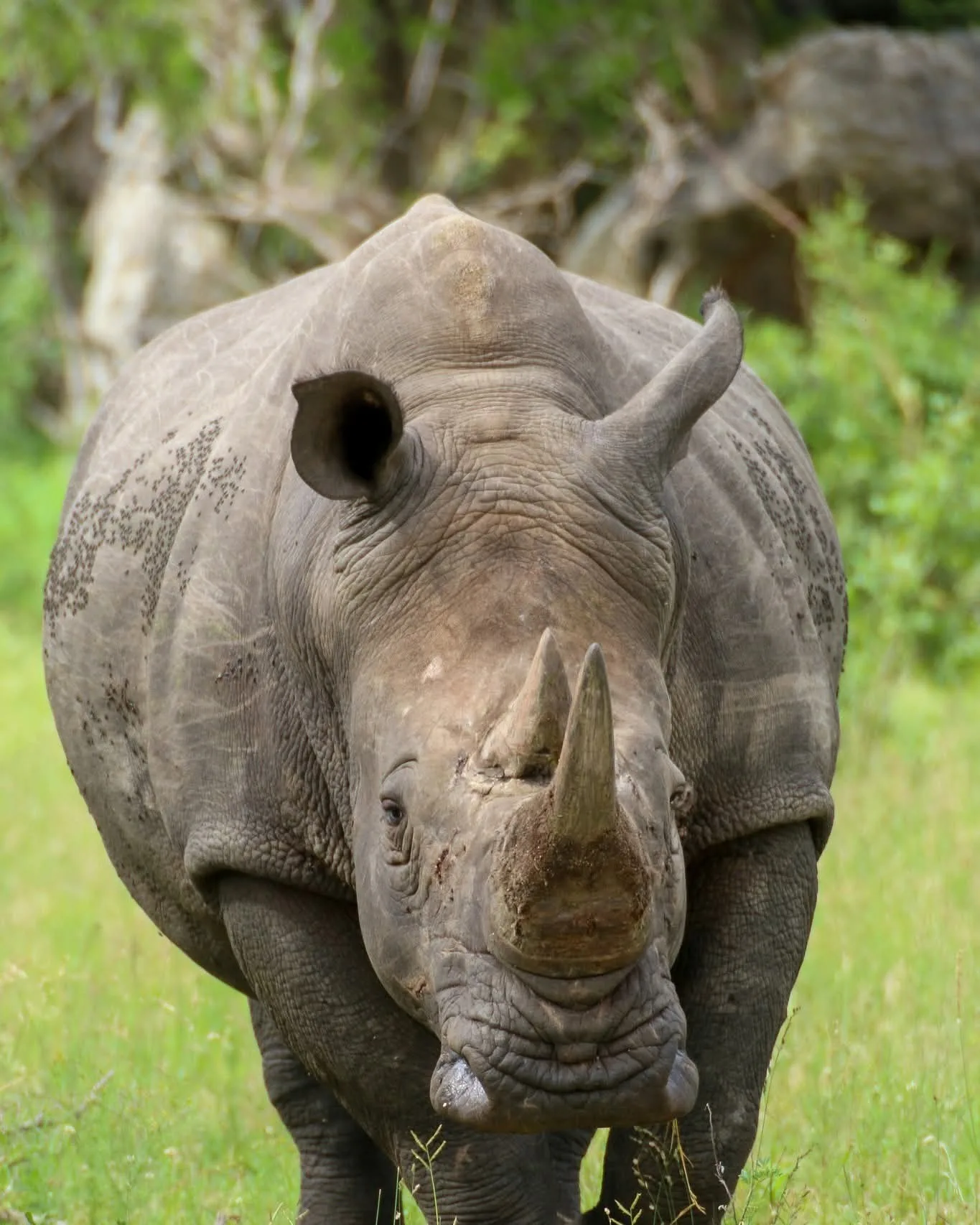
After descending from the crater rim, the landscape opens into grassland, wetlands and woodland habitats. Depending on wildlife movements and luck on the day, visitors may encounter lions, elephants, buffalo, zebras, wildebeest, hippos, hyenas and numerous antelope species. The crater is also one of the areas where safari travellers hope to encounter the endangered black rhino, although sightings are never guaranteed.
Ngorongoro works naturally with both Serengeti and Tarangire itineraries, making it practical for 3–7 day northern Tanzania safaris.
It is important, however, to account for conservation and crater-related fees when comparing prices. A cheaper quotation that does not clearly include the required fees may not represent a cheaper safari once all costs are added.
Best for: First-time safari travellers, shorter itineraries, varied wildlife and dramatic scenery.
Budget Planning Tip: Ngorongoro can deliver substantial wildlife variety in one game-drive day, making it particularly useful when safari time is limited.
Tarangire Budget Safari – Elephants, Baobabs & Excellent Value
A Tarangire budget safari is one of the easiest ways to add a rewarding wildlife experience to a short northern Tanzania itinerary.
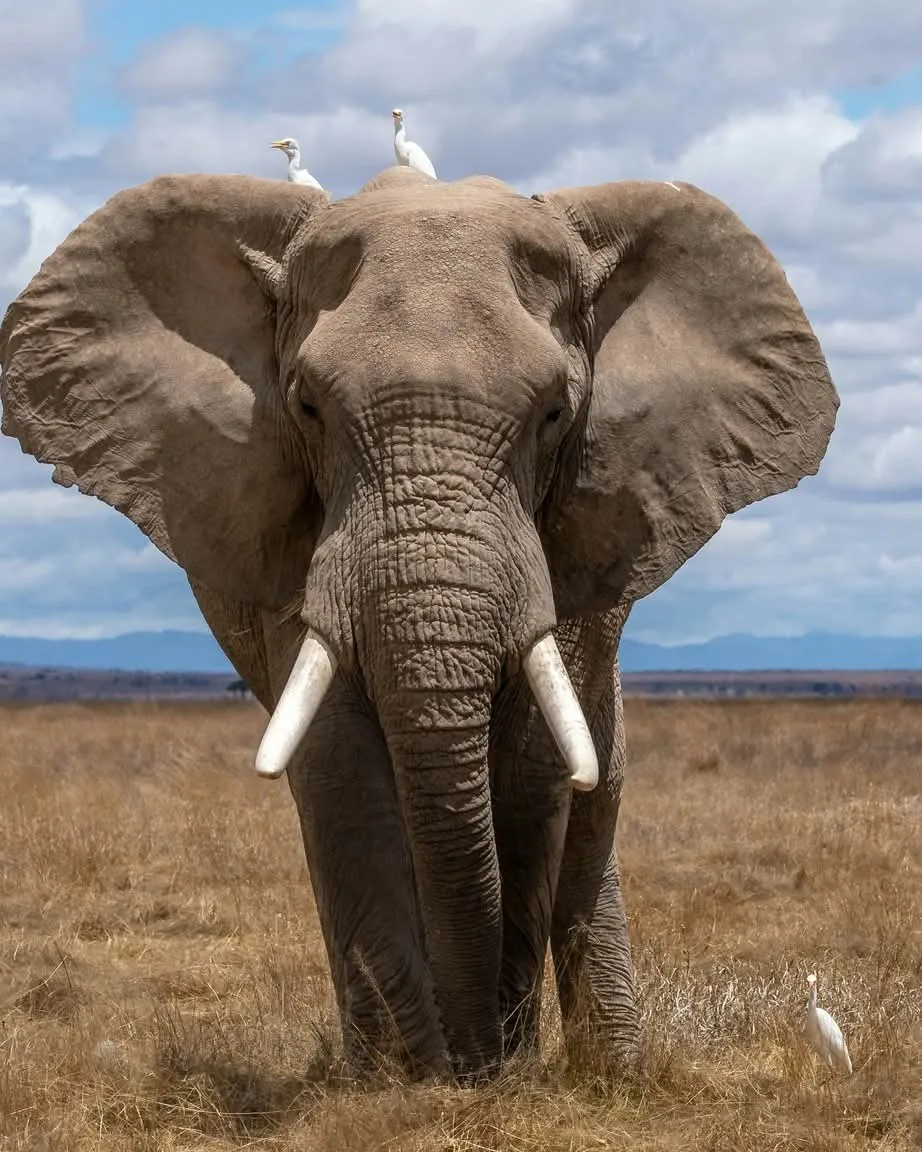
The park is particularly known for its elephants and distinctive baobab-dotted landscapes. Wildlife concentrations vary with the season, with the Tarangire River playing an important role during drier periods.
Its location also makes Tarangire relatively practical to reach from Arusha compared with the Serengeti. This means travellers can spend less time on long transfers while still experiencing a major Tanzanian national park.
Tarangire works especially well as the first day of a longer route continuing toward the Ngorongoro Highlands and Serengeti. It can also be combined with Ngorongoro for travellers who have only two days available.
Rather than viewing Tarangire simply as a stop on the way to the Serengeti, allow enough time for a proper game drive. Its landscapes and wildlife make it a destination in its own right.
Best for: Elephants, baobab landscapes, short safaris and northern circuit itineraries.
Budget Planning Tip: Tarangire's accessibility from Arusha makes it particularly useful for travellers trying to maximise wildlife viewing on a shorter itinerary.
Lake Manyara Budget Safari – A Compact Park with Varied Habitats
Lake Manyara National Park can add ecological variety to a budget safari in northern Tanzania, particularly when travelling between Arusha and the Ngorongoro Highlands.
The park combines groundwater forest, woodland, open areas and the lake environment within a relatively compact destination. Visitors may encounter elephants, giraffes, zebras, buffalo, monkeys, baboons and a variety of birdlife, although wildlife sightings naturally vary.
Lake Manyara can work well when you have enough time to add another contrasting ecosystem, but it should not automatically be included simply to increase the number of parks listed in the itinerary.
If choosing between a rushed additional park and more meaningful game-drive time in the Serengeti, we may recommend spending longer in the Serengeti instead.
For travellers with sufficient time, however, Lake Manyara provides an enjoyable change of scenery and fits conveniently into many northern circuit routes.
Best for: Birdlife, varied habitats, scenery and travellers wanting a broader northern circuit.
Budget Planning Tip: Add Lake Manyara when it improves the itinerary—not simply because visiting four parks sounds better than visiting three.
Which Tanzania Safari Parks Should You Prioritise?
If you have only 2 days, Tarangire and Ngorongoro make a practical combination without the long road journey into the Serengeti.
With 3 days, you can either combine Tarangire, Lake Manyara and Ngorongoro or concentrate on Serengeti and Ngorongoro if the Serengeti is your main priority.
With 4–5 days, Tarangire, Serengeti and Ngorongoro provide a strong balance between destination variety and actual game-drive time.
With 6–7 days, you can add Lake Manyara or, often more importantly, give yourself additional time in the Serengeti.
The objective should not be to visit the greatest possible number of parks. A good Tanzania budget safari itinerary uses the available budget to create enough time in the destinations you genuinely want to experience.
Private vs Group-Joining Tanzania Budget Safari: Which Offers Better Value?
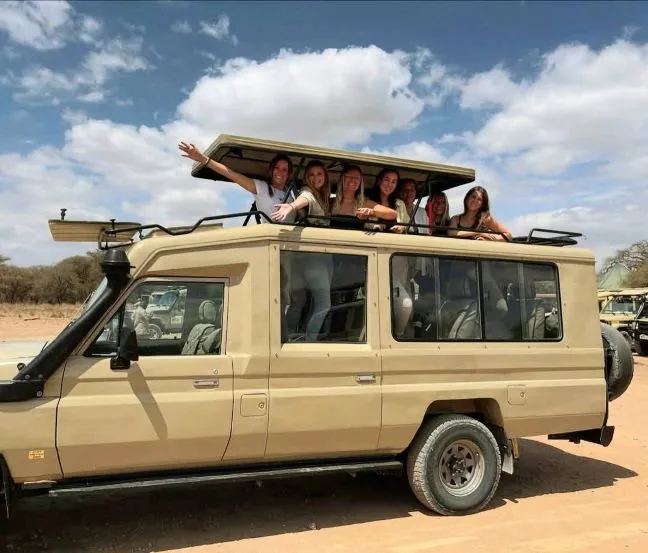
Choosing between a private Tanzania budget safari and a group-joining safari can have a significant effect on both your price and the way you experience the trip.
A group-joining safari keeps costs lower by sharing the safari vehicle, guide and some operating expenses among several travellers. A private safari costs more per person—particularly for solo travellers or couples—but gives your party greater control over the daily schedule, game-drive pace and wildlife stops.
The right choice therefore depends on more than price.
Private vs Group-Joining Tanzania Safari Comparison
| Feature | Group-Joining Safari | Private Budget Safari |
|---|---|---|
| Cost per Person | Generally lower | Generally higher |
| Safari Vehicle | Shared with other travellers | Dedicated to your party |
| Guide | Shared | Dedicated to your party |
| Departure Dates | Usually scheduled | More flexible |
| Daily Schedule | Shared programme | Greater flexibility |
| Wildlife Stops | Group decision | More control |
| Photography | Less flexibility at sightings | Easier to spend longer at selected sightings |
| Accommodation | Usually predetermined | More choice |
| Solo Travellers | Excellent way to reduce costs | Higher per-person cost |
| Couples | Good for sociable travellers | Greater privacy and flexibility |
| Families | Possible | Often more practical |
| Groups of Friends | Good | Can offer excellent value when vehicle costs are shared |
What Is a Tanzania Group-Joining Safari?
A Tanzania group-joining safari brings travellers with similar routes and departure dates together in one safari vehicle.
Instead of one or two people paying most of the vehicle, fuel and guide costs, those expenses are shared among several travellers. This can substantially reduce the per-person price and is one reason group tours are popular with solo travellers and visitors working with tighter budgets.
Group safaris can also be sociable. You may spend several days travelling with people from different countries who share an interest in wildlife and Africa.
The compromise is flexibility.
Departure dates, accommodation and the basic itinerary are usually fixed. During game drives, decisions about when to leave a sighting or stop for lunch must also consider the other travellers in the vehicle.
For someone whose main goal is an affordable Tanzania safari, those compromises can be entirely reasonable.
What Is a Private Tanzania Budget Safari?
A private Tanzania budget safari gives your booking its own safari vehicle and professional driver-guide.
Private does not necessarily mean luxury.
You can stay at simple lodges, permanent tented camps or budget accommodation while retaining the flexibility of travelling privately. This combination is particularly useful for travellers who want to control accommodation costs without giving up flexibility during game drives.
Your guide can structure the day around your group's interests within park regulations and practical operating conditions. If you enjoy photography, for example, you may prefer spending longer observing a particular animal rather than moving on because other passengers have different priorities.
Families also benefit from being able to manage stops and daily pacing around their own needs.
The trade-off is cost. Vehicle, guide and fuel expenses are divided among fewer people, so a private safari for one or two travellers will normally cost more per person than a group departure.
Is a Group Safari Better for Solo Travellers?
For many solo travellers, group joining offers one of the most economical ways to safari in Tanzania.
The reason is simple: operating a safari vehicle for one traveller can be expensive. Joining other guests spreads those costs across the group.
It can also avoid or reduce some of the additional expense associated with travelling alone, although accommodation arrangements and single-room supplements should always be checked before booking.
A group safari is particularly suitable if you are comfortable meeting new people and following a predetermined itinerary.
If photography, privacy or complete control over your schedule matters more than obtaining the lowest possible price, a private safari may still be worth considering.
Is a Private Budget Safari Better for Couples?
Couples should compare both options.
A group-joining Tanzania safari generally provides the lower price, particularly when only two people are travelling.
A private safari, however, gives you your own vehicle and greater control over the game-drive experience. You can discuss wildlife priorities with your guide, manage stops more freely and travel without coordinating every decision with unrelated guests.
One useful way to keep a private safari affordable is to choose budget or mid-range accommodation rather than converting the entire trip to group joining.
You are then spending more on the part of the safari that affects flexibility—the vehicle and guide—while saving on the room.
What About Families?
Private safaris are often particularly practical for families.
Children may need additional comfort stops, earlier finishes or a different daily pace. Having a dedicated vehicle makes these adjustments easier than on a shared departure.
A family of four, five or six can also distribute the vehicle cost across several travellers, reducing the per-person difference between group joining and private travel.
For families travelling on a budget, we would therefore compare the total private safari price rather than assuming that group joining must automatically be cheaper or more suitable.
Can Friends Save Money with a Private Safari?
Yes.
A small group of friends can often achieve strong value from a private Tanzania safari because vehicle and guide costs are shared across the group.
As the number of travellers increases, the per-person operating cost can fall significantly.
This is why a private safari for five or six friends can look very different financially from the same itinerary operated privately for one traveller.
When requesting a quotation, always provide the correct number of travellers so that the safari can be priced accurately.
Group Joining or Private Safari: Which Should You Choose?
Choose a group-joining safari if your priority is reducing the per-person price and you are comfortable sharing your vehicle, guide and schedule with other travellers.
Choose a private budget safari if you value flexibility, photography time, privacy or control over the daily programme.
For families and groups of friends, private travel can sometimes offer particularly good value because the vehicle cost is divided among several people.
The important distinction is that private does not have to mean luxury.
You can travel privately in a properly equipped safari vehicle while staying in affordable camps and lodges. For many travellers, that is one of the most effective ways to balance cost, comfort and safari flexibility.
How to Do a Tanzania Safari on a Budget – 10 Practical Ways to Save Money
A Tanzania safari is a significant trip, but there are sensible ways to reduce the cost without undermining the wildlife experience. The key is knowing where to save and where not to cut corners.
Instead of simply searching for the cheapest advertised package, look at the complete itinerary. Accommodation style, group size, travel season, route design and transport choices can all have a major effect on the final Tanzania budget safari cost.
Here are ten practical ways to make your safari more affordable.
1. Travel with More People
Safari vehicle, guide and fuel costs represent a substantial part of an overland safari. When these costs are shared among several travellers, the price per person generally decreases.
This is particularly useful for families and groups of friends. A private safari for five or six travellers can offer much better per-person value than the same itinerary for one or two people.
Solo travellers and couples can achieve a similar saving by considering a group-joining Tanzania safari.
2. Choose Simple Accommodation
You do not need to stay in a luxury lodge to see lions in the Serengeti or elephants in Tarangire.
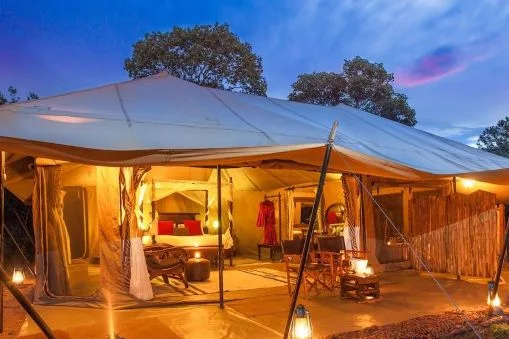
Choosing public camping, simple tented camps or affordable safari lodges can substantially reduce accommodation costs while preserving the core wildlife experience.
Before booking the cheapest room, however, consider its location. A slightly more expensive camp that reduces unnecessary driving can sometimes provide better overall value.
3. Consider a Group-Joining Safari
A Tanzania group-joining safari allows travellers to share the vehicle and guide with other guests following a similar itinerary.
This can be especially valuable for solo travellers because operating a private safari vehicle for one person is comparatively expensive.
The trade-off is flexibility. Departure dates and itineraries are normally predetermined, and game-drive decisions must work for the group.
If the lowest practical price is your priority, that compromise may be worthwhile.
4. Travel During Selected Shoulder or Low-Season Periods
Accommodation prices vary throughout the year, and selected shoulder or lower-demand periods can provide better value than peak-season travel.
The trade-off can be less predictable weather, and some seasonal properties may close during wetter periods.
Rather than choosing dates solely because they are cheaper, consider what you want to see and the conditions you are comfortable travelling in.
If your dates are flexible, compare seasonal conditions before deciding when to travel.
5. Avoid Unnecessary Internal Flights
Flying between safari destinations can save considerable time, but it also increases the overall holiday cost.
For travellers whose priority is affordability, a road safari from Arusha is often the more economical way to explore Tarangire, Serengeti, Ngorongoro and Lake Manyara.
Flights can still make sense when time is extremely limited or when combining distant destinations. The objective should be to use them where they materially improve the itinerary rather than automatically including them.
6. Don't Add Parks Just to Make the Itinerary Look Bigger
More destinations do not automatically create a better safari.
Every additional park can involve more driving, additional entrance fees and another accommodation change. A rushed itinerary visiting four parks may therefore offer less meaningful wildlife time than a carefully designed trip visiting three.
If you have five days, for example, an additional day in the Serengeti may provide more value than adding another park simply to increase the destination count.
7. Spend More Nights in Fewer Places
Changing accommodation every night can make an itinerary feel busy and increase the amount of time spent packing, checking in and driving between destinations.
Where the route allows, spending multiple nights in an important wildlife area can create a more relaxed safari and give your guide greater flexibility.
This is particularly relevant in the Serengeti, where an additional morning or afternoon game drive can be more useful than racing toward another destination.
Budget travel should mean efficient travel, not necessarily faster travel.
8. Compare What Is Included, Not Just the Headline Price
A low advertised price can be attractive, but always check the details.
Ask whether the quotation includes:
National park and conservation fees
Safari vehicle and fuel
Professional driver-guide
Accommodation
Meals
Drinking water
Ngorongoro-related fees where applicable
Airport or Arusha transfers where stated
Government taxes
Two packages advertised at different prices may become much closer once excluded costs are added.
A transparent Tanzania budget safari package should make the major inclusions and exclusions easy to understand.
9. Combine Safari and Zanzibar Carefully
A safari followed by Zanzibar can be an excellent Tanzania holiday, but unnecessary transfers can increase both cost and travel time.
If you plan to include the beach, build the safari route around the most practical connection to Zanzibar rather than treating the two parts as completely separate trips.
For some itineraries, flying to Zanzibar after completing the northern circuit makes sense. For others, an additional flight or transfer may offer little benefit.
Plan the entire holiday before booking individual transport sectors.
10. Book for Value, Not Simply the Lowest Price
The cheapest safari is not necessarily the least expensive once missing fees, poor routing or unnecessary extras are considered.
Before booking, look at the vehicle, guide arrangements, accommodation, park fees, driving times and actual time allocated to game drives.
An itinerary that costs slightly more but gives you another meaningful day in the Serengeti may provide much better value than a cheaper trip that spends most of that day transferring.
The objective is not to make the safari as cheap as possible.
It is to make every dollar you spend contribute to the experience you travelled to Tanzania for.
Where Should You Not Cut Costs on a Tanzania Safari?
There are four areas where we recommend prioritising reliability and quality: your safari vehicle, professional guide, realistic itinerary and sufficient game-drive time.
A well-maintained safari vehicle matters because northern Tanzania involves long distances and rough park roads. Your guide also plays a central role in interpreting animal behaviour, finding wildlife and managing each day's route.
Likewise, an itinerary needs enough time to work in practice.
Saving money by removing a night from the Serengeti can be a false economy if you then spend much of your limited visit driving into and out of the park.
If your budget needs to come down, we would normally look first at accommodation level, optional activities and travel style before removing the wildlife-viewing time that forms the heart of the safari.
Cheapest & Best Time for a Tanzania Budget Safari 2026/2027/2028
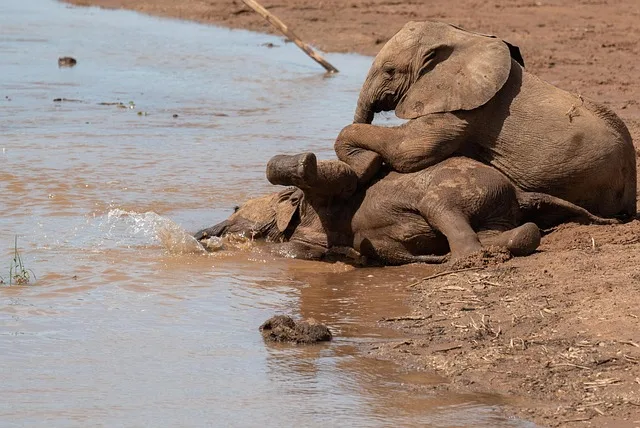
The best time for a Tanzania budget safari depends on what you value most: lower prices, drier weather, fewer visitors or a particular wildlife experience.
Tanzania offers safari opportunities throughout the year, but accommodation demand and seasonal conditions change considerably. The main dry-season months generally attract stronger demand, while parts of the green and shoulder seasons can offer lower accommodation rates and fewer safari vehicles.
For budget-conscious travellers with flexible dates, travelling outside the busiest months can therefore provide excellent value. However, the lowest price should not be the only consideration. Rainfall, road conditions, seasonal camp closures and the location of migratory wildlife should also influence your decision.
Tanzania Budget Safari Month-by-Month Guide
| Month | General Season | Typical Price Level | Safari Conditions | Budget Value |
|---|---|---|---|---|
| January | Green / calving period | Moderate–High | Green landscapes; southern Serengeti/Ndutu activity | Good |
| February | Calving season | High in migration areas | Excellent predator and calving interest around Ndutu | Moderate |
| March | Transition | Moderate | Green scenery; rainfall may begin increasing | Good |
| April | Long rains | Lower | Wet conditions; fewer visitors; some camps may close | Excellent for savings |
| May | Long rains / transition | Lower–Moderate | Green landscapes; quieter parks | Excellent for savings |
| June | Dry season begins | Moderate–High | Improving dry conditions and strong wildlife viewing | Very Good |
| July | Peak dry season | High | Popular wildlife season; high demand | Lower for strict budgets |
| August | Peak dry season | High | Excellent general safari conditions; busy | Lower for strict budgets |
| September | Dry season | High | Strong wildlife viewing and generally dry conditions | Moderate |
| October | Dry/transition | Moderate–High | Good wildlife viewing; changing conditions later in month | Good |
| November | Short rains | Moderate | Greener scenery and generally fewer visitors | Very Good |
| December | Green season / holidays | Moderate–High | Green landscapes; holiday demand affects prices | Good outside festive peak |
Seasonal conditions and wildlife movements vary from year to year. Rainfall cannot be predicted precisely, and migratory wildlife does not follow fixed calendar dates.
What Is the Cheapest Time to Go on Safari in Tanzania?
For travellers focused primarily on reducing accommodation costs, April and May can be among the more affordable periods to consider a Tanzania safari.
These months fall within the long-rains period, when visitor numbers are generally lower and some camps and lodges may offer reduced seasonal rates.
There are trade-offs.
Heavy rain can affect road conditions, afternoon showers may interrupt activities, and some seasonal camps close temporarily. Travellers should therefore choose this period because they are comfortable with green-season conditions—not simply because they have found a lower room rate.
The advantage is a quieter safari atmosphere, lush landscapes and potentially significant accommodation savings.
When Is the Best Value Time for a Tanzania Safari?
The best-value period is not necessarily the absolute cheapest.
For many budget-conscious travellers, June, parts of October and November can provide an attractive balance between wildlife opportunities, visitor numbers, weather and accommodation pricing.
The exact choice depends on your route.
A traveller primarily interested in Tarangire may have different seasonal priorities from someone hoping to follow the wildebeest migration through the Serengeti ecosystem.
This is why we recommend deciding what you most want from the safari first, then looking for the most affordable period that suits that experience.
Is July or August Good for a Budget Safari?
Yes, but they are not normally the easiest months for finding the lowest accommodation prices.
July and August fall within Tanzania's popular dry-season safari period. Wildlife viewing can be rewarding, road conditions are generally favourable and demand for well-located camps and lodges can be strong.
Budget travellers can still travel during these months by choosing simpler accommodation, travelling as a group and booking sufficiently early.
However, if your dates are flexible and your priority is lower cost rather than peak-season conditions, another month may provide better value.
When Is the Best Time for a Serengeti Budget Safari?
The Serengeti can be visited throughout the year, but the experience changes according to rainfall and wildlife movements.
Travellers interested in the Great Migration should understand that the herds move through a large ecosystem and their precise location depends heavily on rainfall and grazing conditions.
Broadly, the southern Serengeti and Ndutu area receives considerable migration attention during the calving period early in the year. Herds generally move through other parts of the ecosystem as conditions change, with northern Serengeti becoming particularly important during parts of the dry season.
However, river crossings and exact herd locations can never be guaranteed.
If migration is not your only objective, travelling outside the highest-demand period can still provide outstanding Serengeti wildlife viewing at potentially better accommodation rates.
Is the Rainy Season Worth Considering?
Yes—particularly if price, photography and fewer visitors are more important to you than consistently dry weather.
Green-season landscapes can be beautiful, with fresh vegetation and dramatic skies creating excellent photographic conditions. Parks can also feel quieter than during peak travel periods.
The disadvantages are real: rain can affect roads and daily activities, insects may be more noticeable, and certain seasonal properties may not operate.
A rainy-season safari is therefore not automatically better or worse. It is simply a different experience.
For flexible travellers who understand those compromises, it can be one of the more interesting ways to experience an affordable Tanzania safari.
Cheapest Time vs Best Time: Which Should You Choose?
| Your Main Priority | Period to Consider |
|---|---|
| Lowest accommodation costs | April–May |
| Fewer visitors | Green and selected shoulder-season periods |
| Dry-season conditions | June–October |
| Calving-season interest | January–March, particularly around Ndutu |
| Green landscapes & photography | November–May |
| Strict budget | Avoid building the trip around peak-demand dates where possible |
| Great Migration | Choose the Serengeti region according to expected seasonal movement |
Rather than asking only “What is the cheapest month for a Tanzania safari?”, ask:
“Which month gives me the experience I want at a price I am comfortable paying?”
That usually leads to a better safari.
Travellers who want a more detailed seasonal breakdown can also read our Best Time to Visit Kenya & Tanzania for Safari guide before choosing their travel dates.
Tanzania Safari Expert Tip
If your travel dates are flexible, ask for prices across two or three nearby date ranges rather than requesting only one fixed departure.
Moving a safari by several days—or travelling just outside a high-demand period—can sometimes open up different accommodation choices.
But we would not recommend choosing a month purely because a lodge is cheaper.
First decide your wildlife priorities, acceptable weather conditions and available time. Then build the most affordable itinerary around those requirements.
That is a more reliable way to plan a Tanzania budget safari than chasing the lowest advertised price.
Is a Tanzania Budget Safari Worth It?
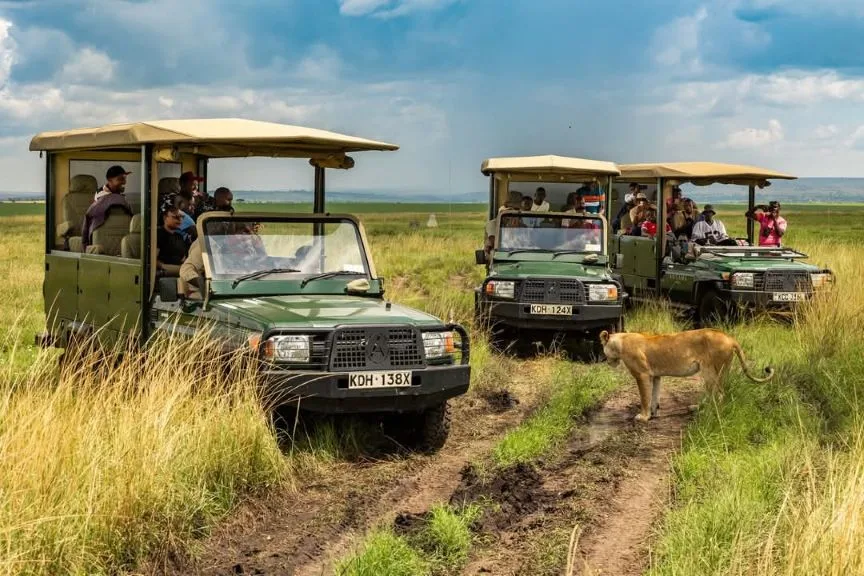
Yes, a Tanzania budget safari can offer excellent value if wildlife, guiding and time in the national parks matter more to you than luxury accommodation. Budget travellers can visit the same major destinations—including Serengeti, Ngorongoro and Tarangire—and look for the same wildlife as guests staying in high-end safari camps.
The main compromises are usually accommodation, privacy, additional services and flexibility, particularly on group-joining tours.
A well-designed budget safari should save money on comforts you can live without while protecting the essentials: a reliable safari vehicle, professional guide, park access and enough time for meaningful game drives.
What Do You Gain and Sacrifice on a Budget Safari?
| Safari Element | Tanzania Budget Safari | Luxury Tanzania Safari |
|---|---|---|
| National Parks | Same major parks | Same major parks |
| Wildlife | Same wild animals and ecosystems | Same wild animals and ecosystems |
| Game Drives | Core safari experience | Core safari experience, sometimes with additional activities |
| Accommodation | Camping/simple lodge/tented camp | High-end lodge or luxury tented camp |
| Bathroom | Shared when camping; usually private in lodges | Private ensuite |
| Meals | Simple to comfortable | More elaborate dining |
| Vehicle | Shared or private depending on package | Often private or premium arrangements |
| Guide | Professional safari guide | Professional safari guide |
| Privacy | Lower on group tours | Generally greater |
| Additional Services | Limited | More extensive |
| Overall Cost | Lower | Significantly higher |
Do Budget Safari Travellers See Less Wildlife?
Not simply because they paid less for accommodation.
Wild animals do not distinguish between a traveller sleeping at a public campsite and someone staying at a luxury lodge.
Both can explore the Serengeti, Ngorongoro, Tarangire and Lake Manyara, subject to their itinerary and park regulations.
Wildlife sightings depend on factors including location, season, animal movements, time spent in the field and luck. No responsible operator should guarantee specific sightings.
This is why we place so much emphasis on itinerary design. Saving USD 100 on accommodation may be sensible. Saving the same amount by cutting an important game drive can be a much poorer trade.
Budget Safari vs Luxury Safari: What Are You Really Paying For?
A higher safari price does not necessarily mean the wildlife itself becomes better.
Much of the additional cost of a luxury safari goes toward the accommodation experience.
That may include larger suites, premium locations, swimming pools, fine dining, personalised service, private decks and additional amenities.
Those things can make a safari considerably more comfortable and may be important for honeymoons, anniversaries or travellers who view the lodge experience as a major part of the holiday.
A budget traveller takes a different approach.
Instead of paying heavily for the hours spent between game drives, more of the available budget is directed toward reaching the parks and spending time exploring them.
Neither style is inherently right for everyone.
The question is what you personally want to pay for.
What Is the Biggest Compromise on a Budget Camping Safari?
Usually comfort.
Public camping can mean basic tents, shared bathrooms and fewer facilities. After a long game-drive day, some travellers are perfectly comfortable with that arrangement; others are not.
If you dislike camping, forcing yourself into the cheapest possible safari can be a false economy.
A budget lodge safari may cost more but provide a proper bed, private bathroom and additional comfort without moving into luxury pricing.
This middle ground works particularly well for couples and families.
When Is Paying More Worthwhile?
There are circumstances where increasing the budget can materially improve the trip.
Location matters. A better-positioned camp may reduce unnecessary driving and allow easier access to important wildlife areas.
Comfort matters on longer trips. After several nights of basic camping, some travellers appreciate an ensuite bathroom and permanent bed.
Private travel can matter. Photographers, families and travellers with specific wildlife interests may benefit from having their own safari vehicle.
Time matters most. If increasing the budget allows you to add a genuinely useful safari day rather than rushing through the Serengeti, that may provide greater value than almost any accommodation upgrade.
The aim is not to avoid spending money.
It is to spend it where it makes a meaningful difference.
Who Should Choose a Tanzania Budget Safari?
A budget safari is particularly suitable for:
Wildlife-first travellers who care more about game drives than luxury rooms.
Solo travellers willing to join a group and share operating costs.
Couples happy with simple camps or affordable lodges.
Friends travelling together who can divide vehicle costs.
Families watching their overall holiday budget, particularly on longer itineraries.
Adventure travellers comfortable with camping and simple facilities.
Travellers combining safari with Zanzibar, Kilimanjaro or another East African destination who need to manage the total trip cost.
Who May Prefer to Spend More?
A higher accommodation or private-safari budget may be worthwhile for travellers who place a high value on privacy, premium dining, lodge facilities or personalised service.
It may also suit honeymooners who want the accommodation itself to form a major part of the experience, travellers who find basic camping uncomfortable, or photographers who require greater control over the vehicle and game-drive schedule.
Being realistic about your expectations before booking is much better than choosing the cheapest safari and discovering midway through the trip that the accommodation style does not suit you.
Our Approach to Budget Safari Planning
We don't believe a good budget safari should simply be the cheapest possible safari.
It should be an intelligently designed version of the experience.
Start with the things that should be protected:
Safari time. Professional guiding. Reliable transport. Sensible routing. Park access.
Then look for savings in areas that matter less to you personally—perhaps accommodation level, optional activities, private versus shared travel or peak-season dates.
That approach can produce a safari that costs substantially less than a luxury itinerary while preserving the reason you came to Tanzania in the first place:
to spend meaningful time experiencing its wildlife and landscapes.
Who Is a Tanzania Budget Safari Best For?

A Tanzania budget safari is best suited to travellers who want to prioritise wildlife, national parks and game-drive time over expensive accommodation and luxury extras.
Budget does not necessarily mean basic in every aspect. You can choose anything from an adventurous camping safari to an affordable lodge itinerary with private ensuite accommodation. The right option depends on your comfort expectations, group size and overall travel budget.
Solo Travellers & Backpackers
For solo travellers, a group-joining Tanzania safari can be one of the most practical ways to reduce costs.
Sharing the safari vehicle, guide and operating expenses avoids carrying the full cost of a private safari alone. It can also provide a sociable experience, particularly for travellers who enjoy meeting people from different countries.
If you are comfortable with fixed departure dates and sharing game-drive decisions with other guests, group joining can offer excellent value.
Couples & Friends
Couples and friends have more flexibility because they can choose between group joining and private budget safaris.
Couples looking for the lowest price may prefer a scheduled group departure, while those wanting more privacy can keep the safari private and save money by choosing simple lodges or tented camps.
Groups of friends can achieve particularly good value because vehicle and guide costs are divided among several travellers.
Families
A budget safari can work very well for families, particularly when the family travels in its own vehicle.
Having a private safari vehicle makes it easier to manage comfort stops, meal times and the daily pace around children while still controlling costs through practical accommodation choices.
Families with younger children may find budget lodges or permanent tented camps more comfortable than public camping, while adventurous families with older children may enjoy the camping experience.
Wildlife-First & Adventure Travellers
Budget safaris are particularly well suited to travellers who would rather spend another day in the Serengeti than upgrade to a more expensive room.
If your priorities are lions, elephants, wildebeest, landscapes, photography and time outdoors, simpler accommodation can be a sensible trade-off.
Camping takes this further by providing a more basic, close-to-nature experience, while budget lodges offer additional comfort without moving into luxury pricing.
Is a Tanzania Budget Safari Right for You?
| Your Travel Priority | Recommended Safari Style |
|---|---|
| Lowest practical cost | Group-joining camping safari |
| Affordable + more comfort | Budget lodge safari |
| Privacy + affordability | Private safari with budget accommodation |
| Solo travel | Group-joining safari |
| Couples | Group or private budget lodge safari |
| Family travel | Private budget lodge safari |
| Photography | Private safari where budget permits |
| Adventure | Camping safari |
| Wildlife above luxury | Any well-planned budget safari |
A Tanzania budget safari is likely to suit you if you are comfortable spending less on your room in exchange for putting more of your holiday budget toward the actual safari experience.
If private bathrooms, permanent beds and greater comfort are important, choose a budget lodge rather than forcing yourself into camping simply to achieve the lowest possible price.
The best budget safari is not necessarily the cheapest option.
It is the least expensive safari that still matches the way you genuinely want to travel.
Packing & Planning for a Tanzania Budget Safari
Packing for a Tanzania budget safari is mostly about practicality. Days can begin early, temperatures can change considerably between morning and afternoon, and road travel can be dusty during the dry season.
You don't need expensive specialist safari clothing. Comfortable neutral-coloured clothes, sensible footwear and a few carefully chosen essentials are usually enough.
10 Tanzania Safari Packing Essentials
| What to Pack | Why You Need It |
|---|---|
| Lightweight neutral clothing | Comfortable for warm daytime game drives |
| Warm fleece or light jacket | Early mornings and Ngorongoro can be cool |
| Comfortable closed shoes | Useful around camps and during transfers |
| Sun hat & sunglasses | Protection during daytime game drives |
| High-SPF sunscreen | Strong equatorial sun exposure |
| Binoculars | Particularly useful for distant wildlife and birds |
| Camera + spare batteries | Charging opportunities can vary at simple camps |
| Power bank | Helpful when camping or staying in remote areas |
| Reusable water bottle | Convenient during longer game drives |
| Small soft-sided travel bag | Easier to handle in safari vehicles and useful if combining safari with flights |
Pack for Cool Mornings as Well as Hot Afternoons
Tanzania is often imagined as permanently hot, but early morning game drives can be surprisingly cool.
The Ngorongoro Highlands can also be much cooler than lower-altitude destinations.
Layering works well: start with a light jacket or fleece and remove layers as the temperature rises.
Bring Your Own Binoculars If Possible
Binoculars can make a substantial difference when watching animals that are some distance from the safari vehicle.
They are particularly useful for birds, leopards resting in trees, animals across the plains and observing wildlife without pressuring your guide to approach too closely.
If wildlife is the main purpose of your trip, binoculars deserve space in your bag.
Keep Electronics Simple
A smartphone and camera may be sufficient for many travellers, but remember that charging facilities can be more limited at basic camps than at large hotels.
Carry spare camera batteries and a power bank where practical.
If photography is important to you, bring sufficient memory-card capacity rather than depending entirely on internet access or cloud uploads while in remote areas.
Camping Safari? Pack for Simpler Facilities
Travellers choosing a Tanzania camping safari should expect fewer conveniences than those staying in lodges.
A headlamp or small torch can be useful around camp after dark. Quick-drying clothing and a compact toiletry kit also make camping easier.
Your operator should tell you what camping equipment is provided, so confirm this before bringing bulky equipment unnecessarily.
Don't Overpack
Safari vehicles have finite luggage space, particularly when several travellers are sharing the vehicle.
Bring clothing that can be reused and layered rather than packing a different outfit for every day.
Soft-sided luggage is generally easier to handle than large hard-shell suitcases and becomes particularly important when an itinerary includes small aircraft, where baggage restrictions may apply.
Before You Leave Home
Before travelling, check your passport validity, Tanzania entry requirements, travel insurance, health advice, flight arrangements and safari booking documents using current official information relevant to your nationality and circumstances.
Entry and health requirements can change, so verify them close to departure rather than relying solely on an old blog article.
Keep digital and offline copies of important travel documents, and make sure your safari operator has your current arrival and departure information.
Tanzania Budget Safari Planning Tip
Pack for the experience rather than the photographs of what a safari traveller is supposed to look like.
You do not need an entirely new wardrobe.
Spend that money where it will make more difference—another safari activity, an extra night where appropriate, good binoculars or simply keeping more of your travel budget available for the trip itself.
Guide & Tanzania Safari Expert Insights
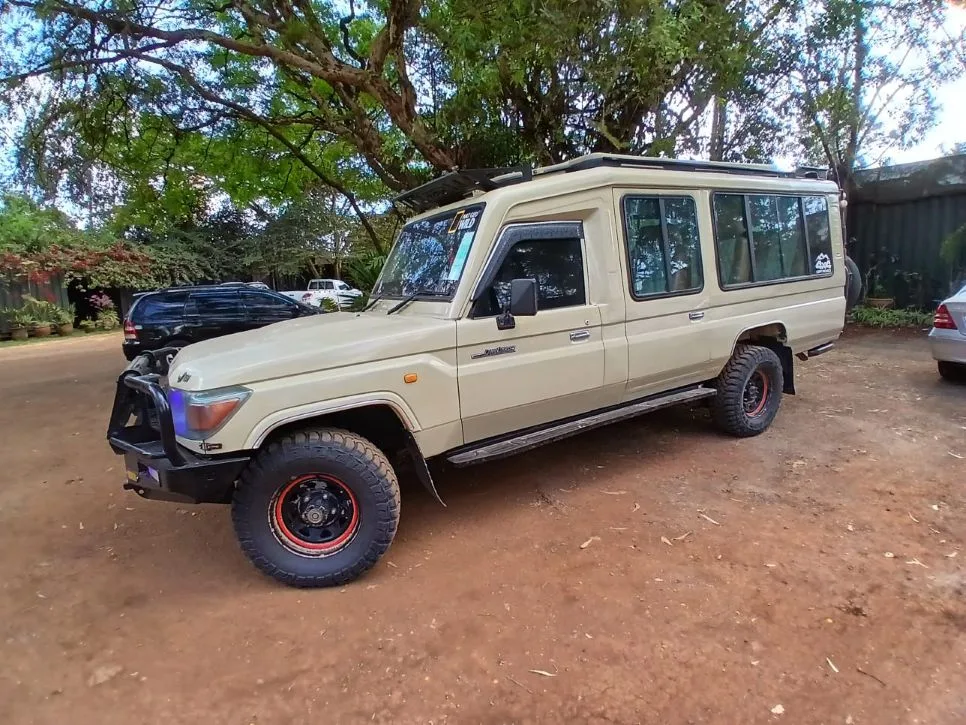
After more than 16 years of planning and operating East Africa safaris, one lesson stands out: the lowest-priced itinerary is not always the best budget safari.
A good Tanzania budget safari is about allocating money intelligently. We look first at the route, driving time, number of nights in important wildlife areas, vehicle, guide and accommodation location. Only after those essentials work do we look for places where the cost can be reduced.
Here are some of the practical considerations we use when planning affordable Tanzania safaris.
1. Don't Put Too Many Parks Into Too Few Days
One of the most common mistakes is trying to fit Tarangire, Lake Manyara, Serengeti and Ngorongoro into an itinerary that is simply too short.
It looks attractive on paper because the traveller sees four famous names.
In practice, every change of destination requires driving, checking in and out of accommodation and passing through park or conservation-area formalities. Eventually, a safari can become more about reaching the next destination than watching wildlife.
If you have limited time, three parks experienced properly can be better than four parks visited hurriedly.
2. Give the Serengeti Enough Time
The Serengeti is not a destination we recommend adding simply to say that you have been there.
Getting there by road takes time. If you arrive late in the day and leave early the following morning, much of your Serengeti experience has effectively become a transfer.
When the budget permits, we prefer to protect meaningful Serengeti game-drive time before upgrading accommodation.
For many travellers, another useful game drive will be remembered long after the difference between two room categories has been forgotten.
3. Your Guide Matters More Than an Expensive Room
Accommodation is easy to compare online because travellers can see photographs of rooms, swimming pools and restaurants.
The quality of guiding is harder to judge before arrival—but it can have a much greater influence on your safari.
A good safari guide understands animal behaviour, habitats, road networks and how to use time effectively. They also know when to wait.
Sometimes the difference between an ordinary sighting and a memorable one is simply having a guide who recognises interesting behaviour and is willing to remain patient.
For a wildlife-focused traveller, we would rather protect the quality of the guide and safari operation than spend the same money upgrading a room.
4. A Budget Safari Still Needs a Proper Safari Vehicle
Budget should describe the price category, not the reliability of the vehicle.
Northern Tanzania involves long road transfers, rough surfaces and extensive driving inside national parks. A properly maintained 4×4 safari Land Cruiser provides the clearance, durability and game-viewing setup required for this environment.
A mechanical problem does more than create inconvenience—it can consume valuable safari time.
This is one area where reducing costs too aggressively can become a false economy.
5. Accommodation Location Can Matter More Than Luxury Level
When comparing camps, don't look only at the room.
Look at the location.
A simple camp in a practical location may provide better safari value than a more luxurious property that requires significant additional driving each morning and evening.
This is particularly important around the Serengeti and other large wildlife areas.
Sometimes paying slightly more for the right location reduces unnecessary transfer time and gives you more useful time in the field.
That is money spent on the safari rather than simply on the accommodation.
6. Compare Complete Quotes, Not Just the Final Number
If one safari costs USD 1,200 and another USD 1,500, it is tempting to assume that the first is automatically the better budget option.
Before deciding, compare:
National parks included
Number of nights
Actual game-drive time
Accommodation and location
Park and conservation fees
Vehicle type
Private versus shared arrangements
Meals and drinking water
Transfers
Taxes and clearly stated exclusions
If important costs are missing from the first quotation, the apparent saving can disappear quickly.
We recommend asking for a clear inclusion and exclusion list before paying a deposit.
7. Don't Plan a Migration Safari Around a Guarantee
The Great Migration is a natural wildlife movement, not a scheduled event.
Rainfall and grazing conditions influence where the herds move. General seasonal patterns help us plan where travellers are more likely to encounter migration activity, but exact locations vary.
The same applies to famous river crossings.
A safari can be positioned in the appropriate region at the appropriate time, but no responsible operator can guarantee that a river crossing will happen during a particular game drive or on a specific date.
Build a migration itinerary around good wildlife areas and sufficient time—not promises that nature may not keep.
8. Sometimes an Extra Safari Day Is the Best Upgrade
When travellers have a little more room in the budget, the first question is often:
“Should we upgrade the lodge?”
Sometimes the better question is:
“Could we add another useful safari day?”
If an additional day gives you more time in the Serengeti, reduces a rushed transfer or allows a more sensible route, it can materially change the experience.
A larger room is enjoyable.
More meaningful time in a wildlife area can change the entire safari.
Common Budget Safari Mistakes We Recommend Avoiding
| Common Mistake | Better Approach |
|---|---|
| Choosing only by the lowest price | Compare complete inclusions and route |
| Visiting too many parks | Prioritise meaningful time in fewer destinations |
| One rushed Serengeti night | Allow more time when budget and schedule permit |
| Spending heavily on rooms | Balance accommodation against safari time |
| Ignoring camp location | Consider daily driving and wildlife access |
| Assuming migration sightings are guaranteed | Plan around seasonal patterns and flexibility |
| Booking flights unnecessarily | Use road transfers where they make logistical sense |
| Choosing an unreliable operation to save money | Protect vehicle, guide and operational quality |
John Peter's Budget Safari Planning Advice
If you tell me you have a fixed safari budget, I would not begin by asking:
“What can we remove?”
I would first ask:
“What matters most to you?”
If your answer is the Serengeti, we should protect enough time there.
If you mainly want elephants and Ngorongoro, we may be able to design a shorter route through Tarangire and the crater without paying for the additional journey into the Serengeti.
If comfort matters, we can use affordable lodges rather than camping.
If price matters above everything else, we can explore group joining and simpler accommodation.
A good budget safari is therefore not a stripped-down version of a luxury safari.
It is an itinerary designed around your priorities, with unnecessary expenses removed while the important parts remain intact.
Related Tanzania Budget Safaris & Planning Guides
Not every traveller needs the same Tanzania safari. If you already know your available time, preferred parks or approximate budget, these related safari itineraries can help you compare practical options.
Popular Tanzania Budget Safari Packages
2 Days Tarangire & Ngorongoro Safari
A compact option for travellers with limited time who still want two contrasting northern Tanzania wildlife destinations.
Tarangire is particularly known for elephants and baobab landscapes, while Ngorongoro offers a completely different safari experience inside the crater.
This route avoids trying to squeeze the Serengeti into an itinerary that is too short.
3 Days Tarangire, Lake Manyara & Ngorongoro Safari – From USD 1,150 Per Person
This three-day northern circuit combines three different environments without requiring the longer road journey into the Serengeti.
It works particularly well for first-time visitors who have only a few days available and want to experience elephants, Rift Valley scenery and the Ngorongoro Crater.
Best for: First-time visitors and travellers wanting a compact northern circuit.
3 Days Serengeti & Ngorongoro Safari – From USD 1,195 Per Person
Choose this itinerary when the Serengeti is your main priority but you have limited time.
The route combines Serengeti game drives with Ngorongoro Crater, giving travellers access to two of northern Tanzania's most recognised wildlife areas in a short itinerary.
Because the journey is compact, expect more driving than on a longer safari.
Best for: Wildlife-first travellers who specifically want Serengeti and Ngorongoro.
5 Days Tarangire, Serengeti & Ngorongoro Safari – From USD 1,400 Per Person
For many first-time travellers, five days provides a stronger balance between cost, wildlife viewing and driving time.
The itinerary combines Tarangire with the Serengeti and Ngorongoro while allowing more useful safari time than very short northern-circuit tours.
If your budget can stretch from three days to five, the additional time can make the overall route feel considerably less rushed.
Best for: First-time visitors, couples, friends and travellers seeking a balanced northern Tanzania safari.
Tanzania Safari Planning Guides
Before choosing a package, these guides can help answer the three questions that influence most safari decisions: When should I travel? How much should I budget? Which itinerary should I choose?
Tanzania Safari Cost Guide
Use our Tanzania Safari Cost Guide to understand how park fees, accommodation, vehicle costs, group size, season and itinerary length affect the final safari price.
Best Time to Visit Tanzania for Safari
Safari conditions change throughout the year. Our seasonal guide explains the dry season, green season, migration periods and other considerations when choosing travel dates.
Tanzania Safari Itineraries
If you are still deciding how many days to spend on safari, compare our Tanzania Safari Itineraries for different trip lengths, destinations and travel styles.
Not Sure Which Tanzania Budget Safari to Choose?
Start with your available days, approximate budget and top wildlife priorities.
If you have two or three days, concentrate on fewer destinations.
If the Serengeti is essential, give it enough time to justify the journey.
If you have four to six days, you can build a more balanced northern circuit without spending most of the safari moving between parks.
And if none of the published itineraries fits exactly, the route can be adjusted around your travel dates, group size and preferred accommodation style.
About Your Tanzania Safari Expert

Written & Reviewed by John Peter – Senior East Africa Safari Specialist & Operations Manager
This Tanzania budget safari guide is written and reviewed by John Peter, a Senior East Africa Safari Specialist & Operations Manager with more than 16 years of experience planning and operating safaris across East Africa.
John's work includes designing Tanzania safari itineraries, coordinating accommodation and transport, planning cross-border East Africa routes and helping travellers balance their available time, wildlife priorities, comfort expectations and safari budget.
His Tanzania safari planning experience covers the major northern circuit destinations, including Serengeti National Park, Ngorongoro Conservation Area, Tarangire National Park and Lake Manyara National Park, as well as safari combinations with Zanzibar and neighbouring East African destinations.
Practical Safari Experience Behind This Guide
The recommendations in this guide are based on the practical questions travellers regularly face when planning Tanzania:
How many days should I spend in the Serengeti?
Is camping worthwhile or should I choose a budget lodge?
Which parks make sense when I only have three or four days?
Should I choose a private or group-joining safari?
Where can I reduce costs without weakening the itinerary?
When is paying slightly more actually worthwhile?
The aim is not simply to identify the cheapest possible safari.
It is to help travellers build an itinerary where the available budget is spent on the parts of the journey that matter most: a sensible route, reliable safari transport, professional guiding and enough time to experience Tanzania's wildlife areas properly.
Local Safari Planning & Operations
Safari planning looks very different on a map from how it feels on the ground.
Driving times, park entry points, accommodation locations, road conditions, seasonal wildlife movements and the amount of useful game-drive time available each day all influence whether an itinerary works well.
This operational perspective is particularly important when designing budget safaris. Trying to include too many destinations simply because they fit on a map can increase fuel costs and driving time while reducing the time available for wildlife viewing.
A carefully designed route can often provide better value without sacrificing the core safari experience.
Editorial Review
Author: John Peter
Role: Senior East Africa Safari Specialist & Operations Manager
Experience: 16+ Years in East Africa Safari Planning & Operations
Specialist Areas: Tanzania Safaris, Kenya Safaris, Serengeti, Ngorongoro, Northern Tanzania Circuit & Kenya–Tanzania Safaris
Last Reviewed & Updated: September 2026
Safari prices, park regulations, accommodation availability and travel requirements can change. This guide is reviewed periodically so that planning information can be updated where necessary.
Plan Your Tanzania Budget Safari for 2027–2028
Ready to explore the Serengeti, Ngorongoro Crater and Tarangire without paying for unnecessary luxury?
At East Africa Jungle, we help travellers compare affordable camping safaris, group-joining departures and comfortable budget lodge itineraries.
Tell us your preferred travel dates, number of travellers, accommodation preference and budget. Our Tanzania safari team will prepare a personalised itinerary with clear pricing, park fees, accommodation and inclusions.
Request Your Tanzania Budget Safari Quote for 2027–2028
WhatsApp: +254 728 567308
Email: sales@eastafricajungle.com
Why This Guide Helps
Questions
1. How much does a Tanzania budget safari cost?
A Tanzania budget safari typically costs around USD 200–450+ per person per day, depending on the route, accommodation, group size, travel season and whether the safari is private or shared. Group camping safaris generally offer the lowest per-person cost, while private lodge safaris and Serengeti-focused itineraries tend to cost more. Always check whether park fees, accommodation, meals, transport and conservation fees are included before comparing quotations.
2. What is the cheapest way to go on safari in Tanzania?
A group-joining camping safari is generally one of the most economical ways to experience Tanzania's northern safari circuit. Travellers share the vehicle, guide and operating costs while staying at simple campsites. You can also reduce costs by travelling with friends, choosing affordable accommodation, avoiding unnecessary flights and considering selected shoulder or lower-demand periods. The cheapest option is not always the best value, so compare the itinerary and inclusions carefully.
3. How many days do I need for a Tanzania budget safari?
For most first-time visitors, 4–6 days provides a good balance between cost, driving time and wildlife viewing. Two or three days can work for Tarangire and Ngorongoro or a fast Serengeti itinerary, while five or more days allows more meaningful time in the Serengeti. If your budget permits, it is often better to spend longer in fewer important wildlife areas than to rush through many parks.
4. Can I visit the Serengeti on a budget?
Yes. A Serengeti safari does not require luxury accommodation. Budget travellers can use public campsites, affordable tented camps or simpler lodges while exploring the same national park. Group joining can further reduce vehicle and guide costs. Because reaching the Serengeti by road takes time, we recommend protecting sufficient game-drive time rather than cutting the itinerary too aggressively simply to achieve the lowest price.
5. Is camping safe on a Tanzania safari?
Safari camping takes place at designated campsites and should be operated according to established camp and park procedures. Wild animals can occur around unfenced wilderness camps, so travellers must follow their guide's instructions, particularly after dark. Do not walk around camp unnecessarily at night or approach wildlife. Before booking, ask what type of campsite is used, what equipment is supplied and what facilities are available.
6. What is included in a Tanzania budget safari package?
Most Tanzania budget safari packages include safari transport, a professional driver-guide, game drives, specified park and conservation fees, accommodation, meals according to the itinerary and drinking water during safari. International flights, visas, travel insurance, tips, alcoholic drinks, personal expenses and optional activities are commonly excluded. Inclusions differ between operators and packages, so always read the quotation carefully before booking.
7. Is a private or group safari cheaper in Tanzania?
A group-joining safari is generally cheaper per person, particularly for solo travellers and couples, because vehicle and guide costs are shared among several guests. A private safari becomes more economical per person as the group size increases. Families and groups of friends can therefore sometimes achieve good value while retaining their own vehicle and guide. Private safaris also provide greater flexibility over the daily programme and wildlife stops.
8. What is the cheapest month for a Tanzania safari?
April and May can be among the more affordable months because they fall within the long-rains period and accommodation demand is generally lower. The trade-offs can include wetter roads, more unpredictable weather and temporary closure of some seasonal camps. November and selected shoulder-season periods can also provide good value. The cheapest month is not automatically the best month if you are travelling for a particular wildlife experience.
9. Can families do a budget safari in Tanzania?
Yes. Families can control costs by using affordable lodges or tented camps while keeping a private safari vehicle. For families with younger children, budget lodges are often more practical than public camping because they generally provide permanent beds, private bathrooms and easier evening routines. A private vehicle also gives the family greater flexibility over stops and the daily pace.
10. Can I combine a Tanzania budget safari with Zanzibar?
Yes. A northern Tanzania safari can be combined with a Zanzibar beach stay, usually by flying to Zanzibar after completing the safari. The best connection depends on where your safari ends and your overall itinerary. Planning the safari and Zanzibar portions together can help avoid unnecessary transfers and additional costs. If you are working with a fixed budget, decide how many days you want for wildlife and how many for the beach before choosing accommodation levels.

 16+ Years
 English