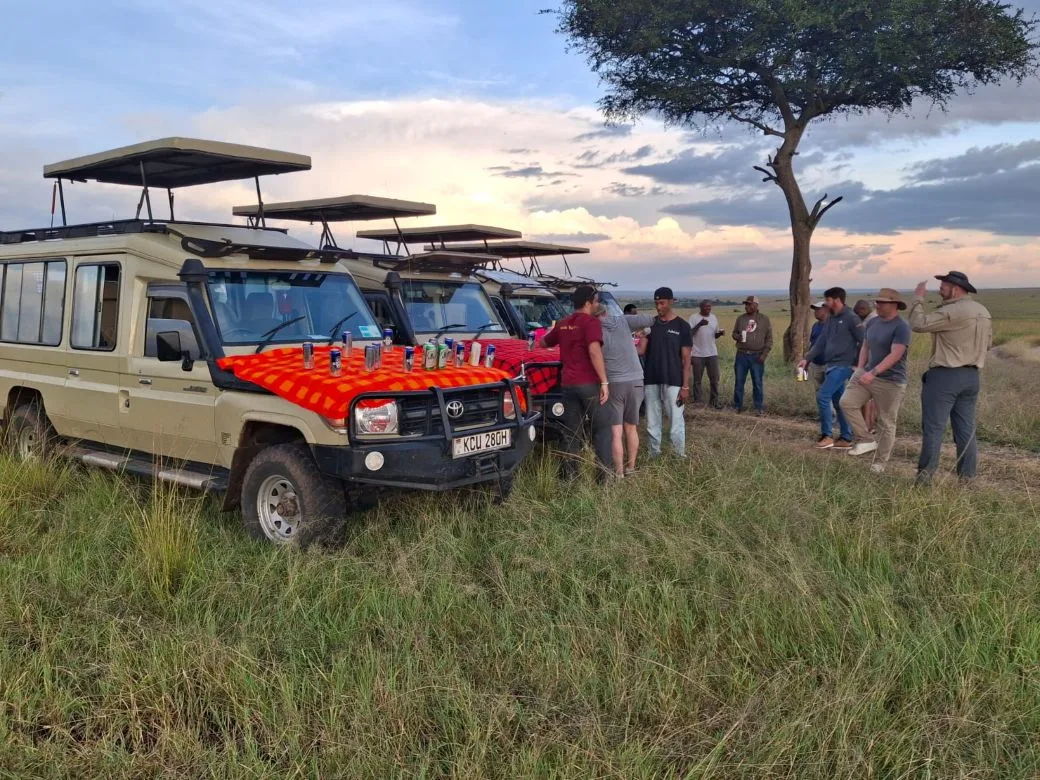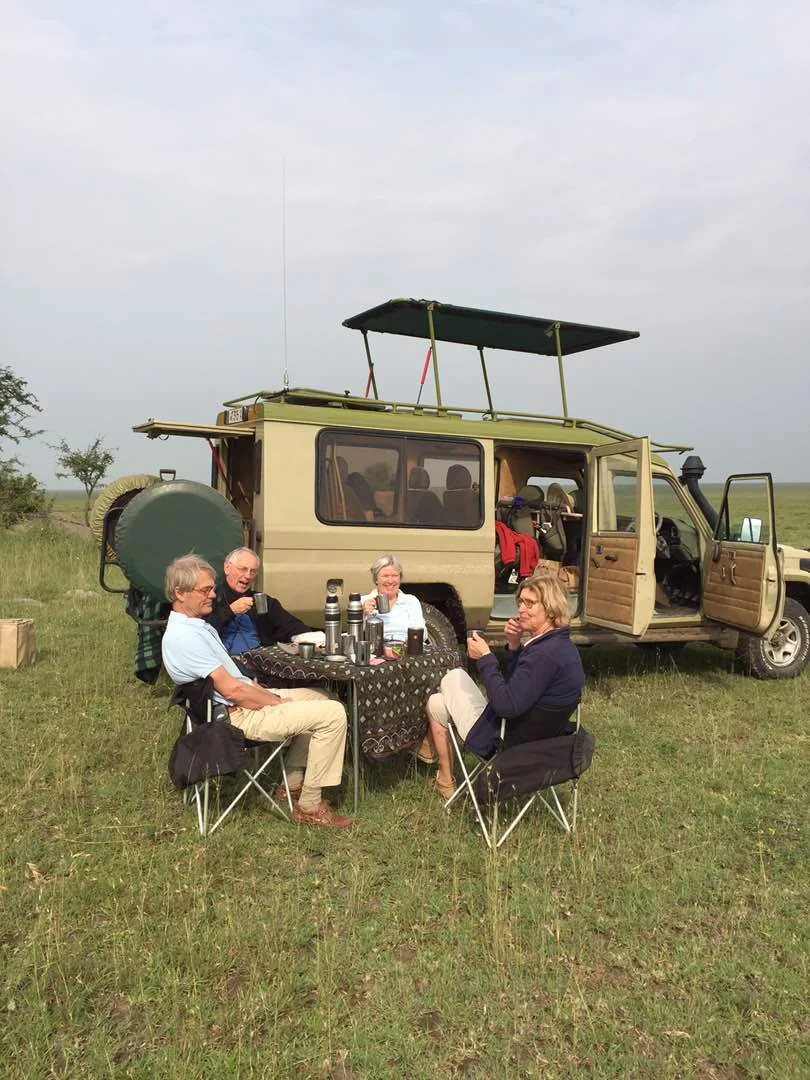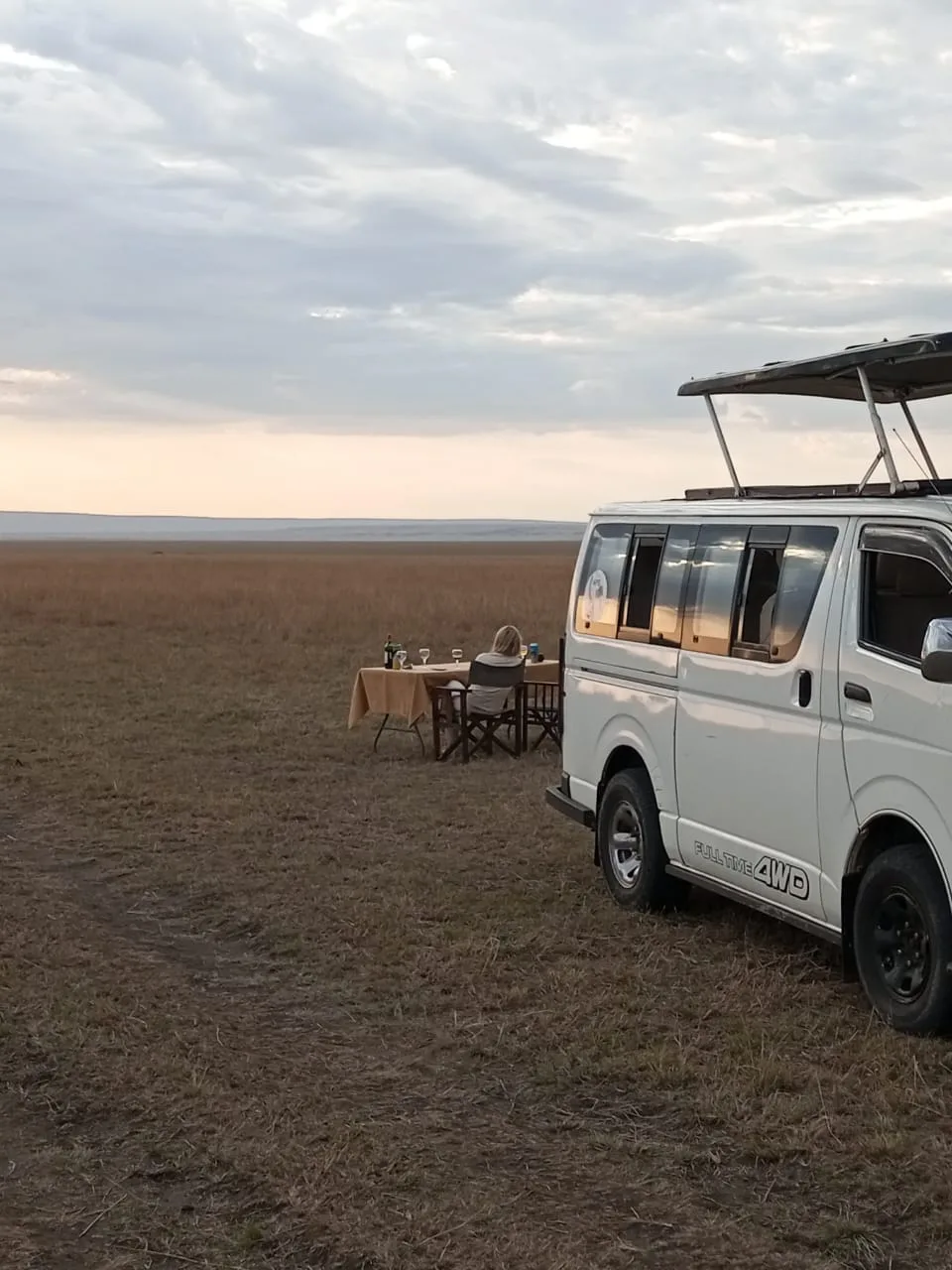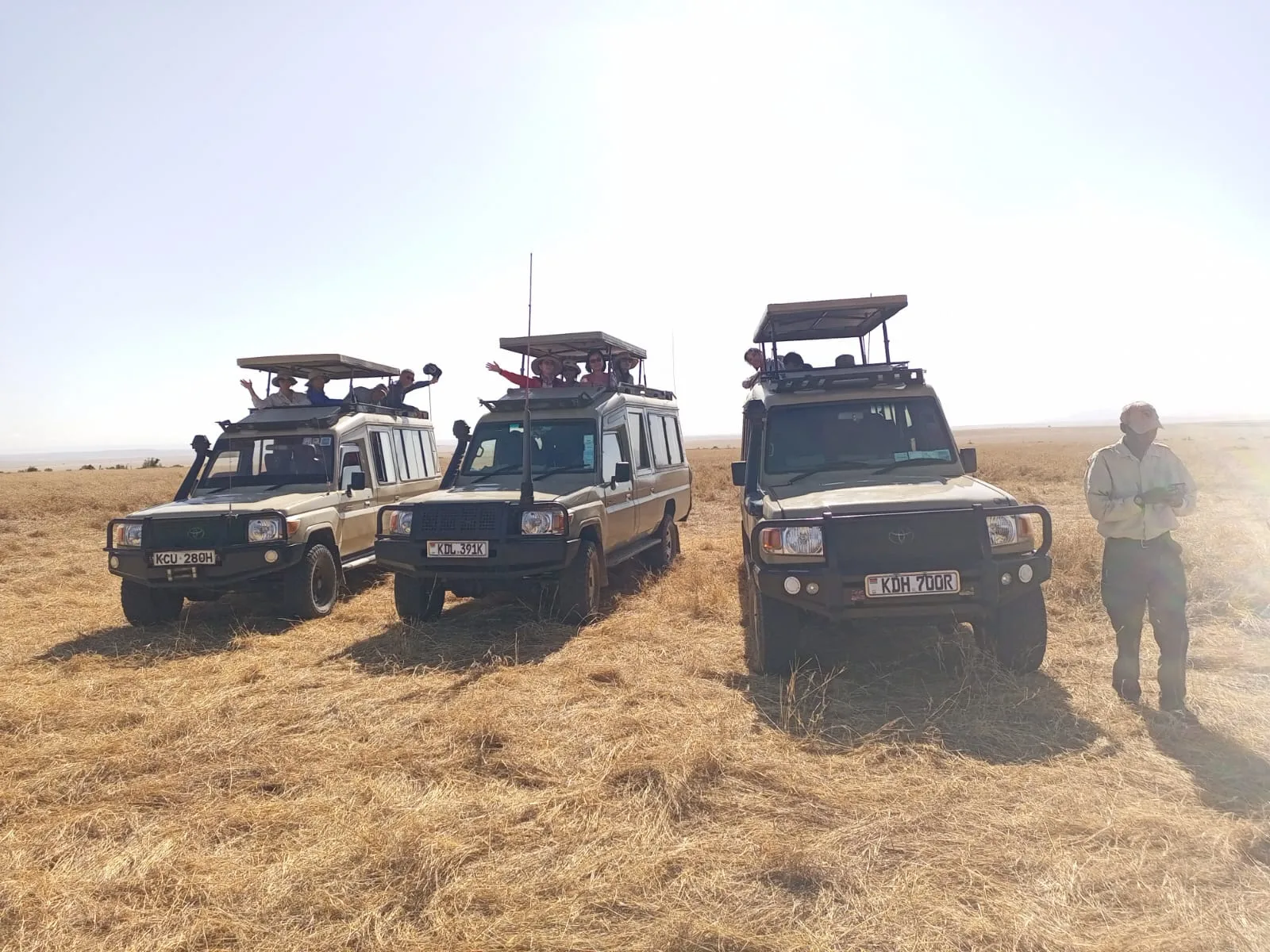

7 Days Ruaha & Nyerere Safari 2027-2028
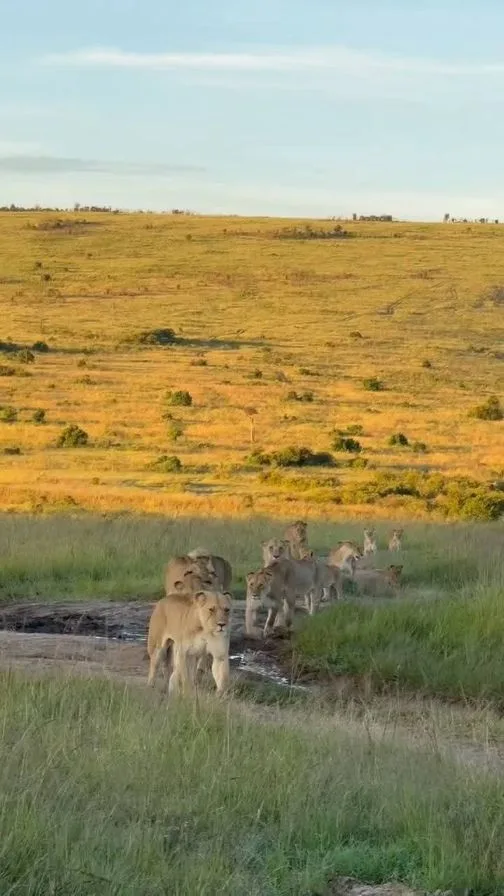
Explore two of Tanzania's most spectacular wilderness destinations on this 7 Days Ruaha & Nyerere Fly-In Safari. Discover the Rufiji River ecosystem of Nyerere National Park, renowned for elephants, hippos, crocodiles and African wild dogs, before flying to Ruaha National Park for unforgettable game drives among baobab landscapes, large elephant herds and remarkable predators.
This private Southern Tanzania safari combines six nights of accommodation, guided wildlife experiences and scheduled bush flights, offering a rewarding alternative to Tanzania's busier northern safari circuit.
7 Days / 6 Nights | Private Fly-In Safari | Nyerere & Ruaha National Parks
From USD 3,250 per person — based on six adults sharing, subject to travel dates and final quotation.
Request Safari Availability & Quote
Whatsapp: +254728567308
Email: sales@eastafricajungle.com
7 Days Ruaha & Nyerere Safari Overview
Our seven-day Southern Tanzania fly-in safari combines the riverine wilderness of Nyerere National Park with the dramatic landscapes of Ruaha National Park. With three nights in each destination, this itinerary provides an excellent balance of game viewing, relaxation and travel time.
Begin in Nyerere, exploring the Rufiji River ecosystem, woodland and open plains in search of elephants, giraffes, buffaloes, lions, hippos and other wildlife. Continue by scheduled bush flight to Ruaha, where baobab trees, the Great Ruaha River and extensive wilderness create rewarding opportunities to observe elephants and predators.
The safari is designed for couples, families, photographers and small private groups seeking a more secluded Tanzanian wildlife experience.
7-Day Safari at a Glance
| Safari Detail | Information |
|---|---|
| Duration | 7 Days / 6 Nights |
| Destinations | Nyerere & Ruaha National Parks |
| Country | Tanzania |
| Tour Type | Private Fly-In Safari |
| Accommodation | 3 nights Nyerere + 3 nights Ruaha |
| Safari Transport | Scheduled bush flights and safari vehicles |
| Activities | Game drives and confirmed river activities |
| Best Time | June–October for classic dry-season wildlife viewing |
| Starting Price | From USD 3,250 per person, six sharing |
| Departure Gateway | Dar es Salaam or Zanzibar, subject to flight arrangements |
| End Point | According to confirmed return flight |
| Meal Plan | Full board during the safari; Day 1 meals as specified |
Is Seven Days Enough for Ruaha & Nyerere?
Yes. With three nights in each park, a seven-day fly-in safari allows time to explore two contrasting wildlife environments without spending several days on long road transfers. Scheduled flights make this combination practical, while additional nights can be arranged for photographers and travellers seeking a slower pace.
Nyerere National Park is one of Southern Tanzania's remarkable wildlife destinations, featuring the Rufiji River, extensive woodlands, floodplains and diverse wildlife habitats. Travellers can learn more about its natural attractions, wildlife and conservation efforts through the official Nyerere National Park information provided by Tanzania National Parks.
Why Choose This 7 Days Ruaha & Nyerere Safari?
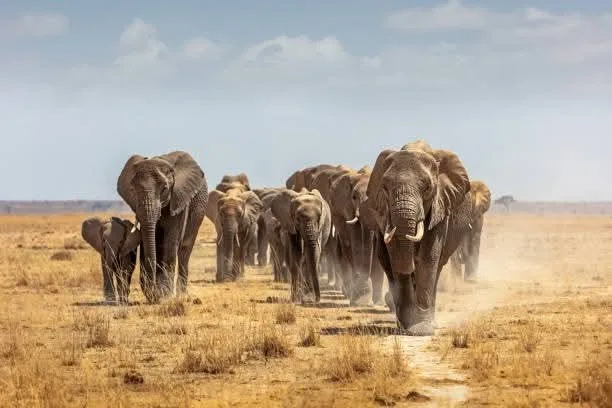
This private Southern Tanzania safari combines two contrasting wilderness areas, offering exceptional scenery, varied wildlife habitats and the convenience of scheduled bush flights.
Safari Highlights
Two iconic Southern Tanzania parks: Experience the river landscapes of Nyerere and the baobab-dotted wilderness of Ruaha.
Three nights in each destination: Enjoy a balanced itinerary with time for multiple game drives.
Scenic bush flights: Reduce long road transfers and enjoy aerial views of Tanzania's wilderness.
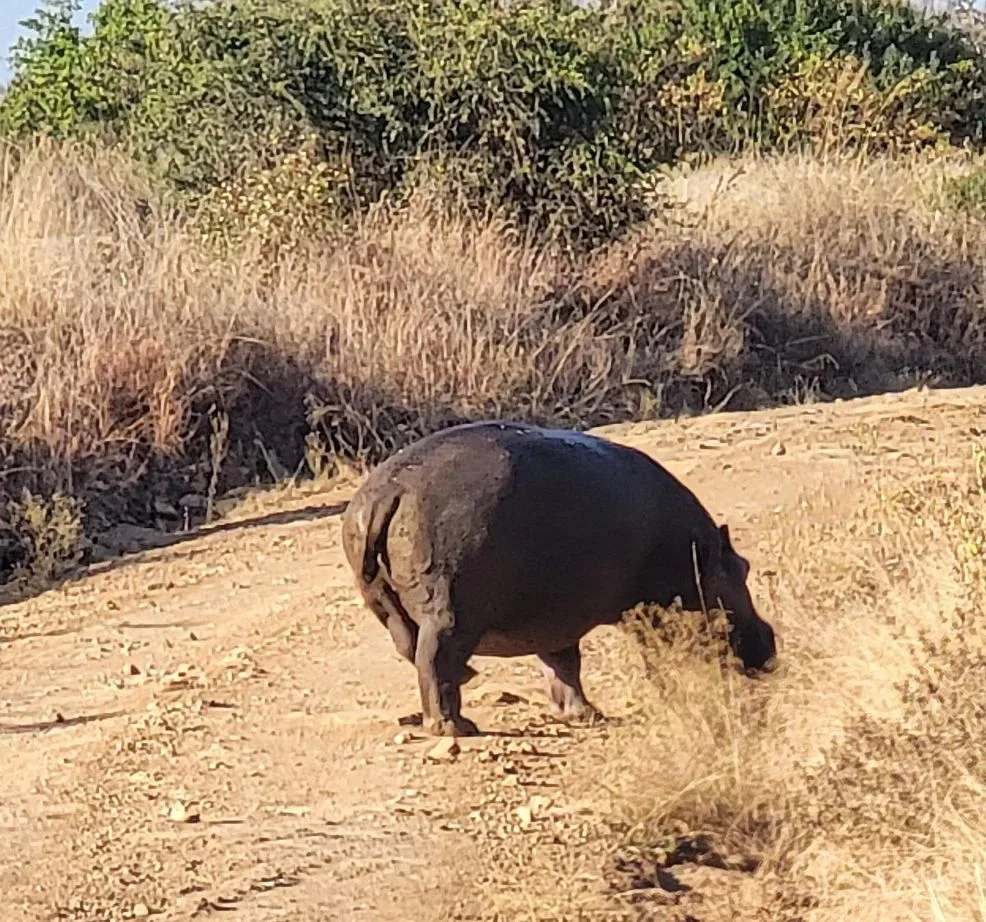
Rufiji River experience: Discover an important wildlife ecosystem known for hippos, crocodiles and birdlife.
Excellent predator habitat: Search for lions, leopards and, with luck, African wild dogs.
Private safari arrangements: Enjoy flexible game-drive planning suited to your interests and wildlife conditions.
Remarkable elephant viewing: Explore habitats supporting elephant populations in both parks.
Customisable accommodation: Choose between mid-range and luxury safari options, with rates quoted separately.
Wildlife sightings depend on natural conditions and cannot be guaranteed.
7 Days Ruaha & Nyerere Safari Cost 2027/2028
The cost of our private Southern Tanzania fly-in safari depends on the number of travellers, travel season, selected accommodation and scheduled bush-flight fares.
Indicative Safari Prices
| Number of Travellers | Price Per Person |
|---|---|
| 2 Adults | USD 3,995 |
| 3 Adults | USD 3,650 |
| 4 Adults | USD 3,450 |
| 5 Adults | USD 3,350 |
| 6 Adults | USD 3,250 |
Starting Price: USD 3,250 per person, based on six adults sharing double or twin accommodation.
Price Validity: These figures are indicative and should not be treated as confirmed 2027/2028 seasonal rates until accommodation contracts, park fees and flight fares have been verified. Your final quotation will specify the applicable dates, room categories and confirmed inclusions.
Safari Price Includes
Six nights of safari accommodation in Nyerere and Ruaha, as confirmed in the quotation.
Meals according to the daily itinerary and selected accommodation.
Scheduled bush flights specifically listed in the confirmed flight itinerary.
Included airport and airstrip transfers.
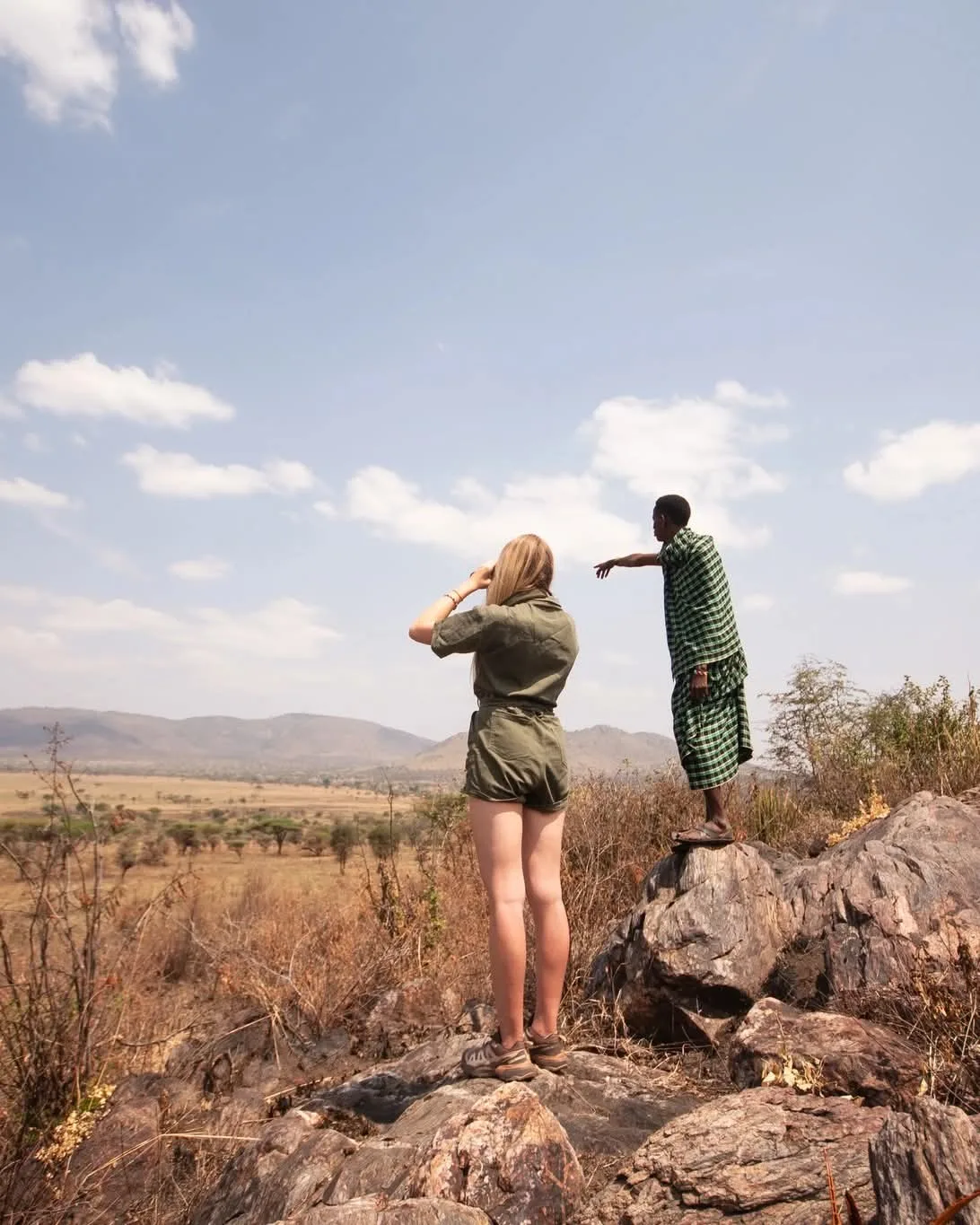
Private game drives with a professional English-speaking safari guide.
Applicable Nyerere and Ruaha National Park entrance fees.
Safari vehicle, fuel and bottled drinking water during game drives.
Government taxes applicable to the confirmed safari services.
AMREF Flying Doctors emergency evacuation cover, if included in the final package.
One guided Rufiji River boat safari in Nyerere National Park, including the boat excursion and services of a qualified local boat guide, subject to seasonal conditions and operational availability.
Safari Price Excludes
International flights.
Tanzania visa and entry costs.
Personal travel and comprehensive medical insurance.
Accommodation before or after the safari.
Drinks outside the selected camp's meal plan.
Tips, gratuities and personal expenses.
Optional walking safaris, private boat upgrades and other additional activities unless specifically included.
Additional flights, transfers or services not listed in the confirmed quotation.
Important Booking Information
The advertised price is not a guarantee of accommodation or flight availability. Please provide your preferred travel dates, number of adults, children's ages where applicable, and desired accommodation category to receive an accurate quotation.
Nyerere vs Ruaha: Which Safari Experience Is Different?
Combining Nyerere and Ruaha National Parks offers two contrasting wildlife experiences in Southern Tanzania. Nyerere is renowned for its Rufiji River ecosystem, while Ruaha features rugged wilderness, baobab landscapes and excellent predator habitat.
| Safari Experience | Nyerere National Park | Ruaha National Park |
|---|---|---|
| Landscape | Rufiji River, wetlands, woodland and plains | Baobabs, river valleys, hills and savannah |
| Wildlife Focus | Elephants, hippos, crocodiles and predators | Elephants, lions, leopards and other wildlife |
| Main Activities | Game drives and permitted boat safaris | Game drives and permitted walking experiences |
| Wildlife Viewing | Diverse riverine and terrestrial habitats | Expansive wilderness and productive water sources |
| Photography | River landscapes, aquatic wildlife and birds | Predators, elephants and dramatic landscapes |
| Overall Character | River-influenced wilderness | Remote inland wilderness |
Ruaha National Park is renowned for its extensive wilderness, ancient baobab landscapes, large elephant populations and impressive predator habitats. For additional information about its wildlife, visitor activities and conservation, explore the official Ruaha National Park website, managed by Tanzania National Parks.
Wildlife You May Encounter
Both parks support elephants, buffaloes, giraffes, lions, leopards, antelopes and extensive birdlife. Nyerere is particularly rewarding for wildlife associated with the Rufiji River, including hippos and crocodiles. Ruaha offers exceptional landscapes and opportunities to search for elephants and predators.
African wild dogs are among the most sought-after sightings in Southern Tanzania, although encounters are unpredictable.
Combining both parks provides greater habitat diversity than visiting either destination alone.
Southern Tanzania vs Northern Tanzania Safaris
Travellers comparing Southern Tanzania's remote wilderness with the famous Serengeti and Ngorongoro can also explore our 7 Days Northern Tanzania Circuit Safari, featuring Tarangire, Serengeti and Ngorongoro Crater.
What to Expect on Safari in Nyerere National Park
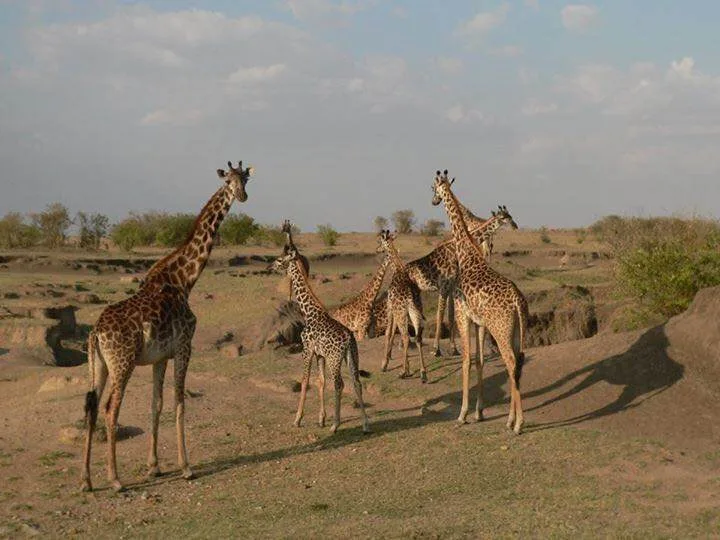
The Nyerere safari portion of this itinerary introduces you to one of Southern Tanzania's great wilderness areas. Wildlife viewing is strongly influenced by the Rufiji River and its network of channels, lakes, woodland and open plains, creating varied habitats for elephants, giraffes, buffaloes, hippos, crocodiles and numerous antelope species.
Game drives explore different sections of the park in search of lions, leopards and other wildlife, while African wild dogs are among Nyerere's most sought-after sightings, although no particular wildlife encounter can be guaranteed. Depending on your itinerary and camp arrangements, the Rufiji River also adds a different dimension to the safari experience, with opportunities to observe wildlife around the waterways.
Nyerere provides an excellent introduction to this journey before you fly onward to the more rugged landscapes of Ruaha National Park.
What to Expect on Safari in Ruaha National Park
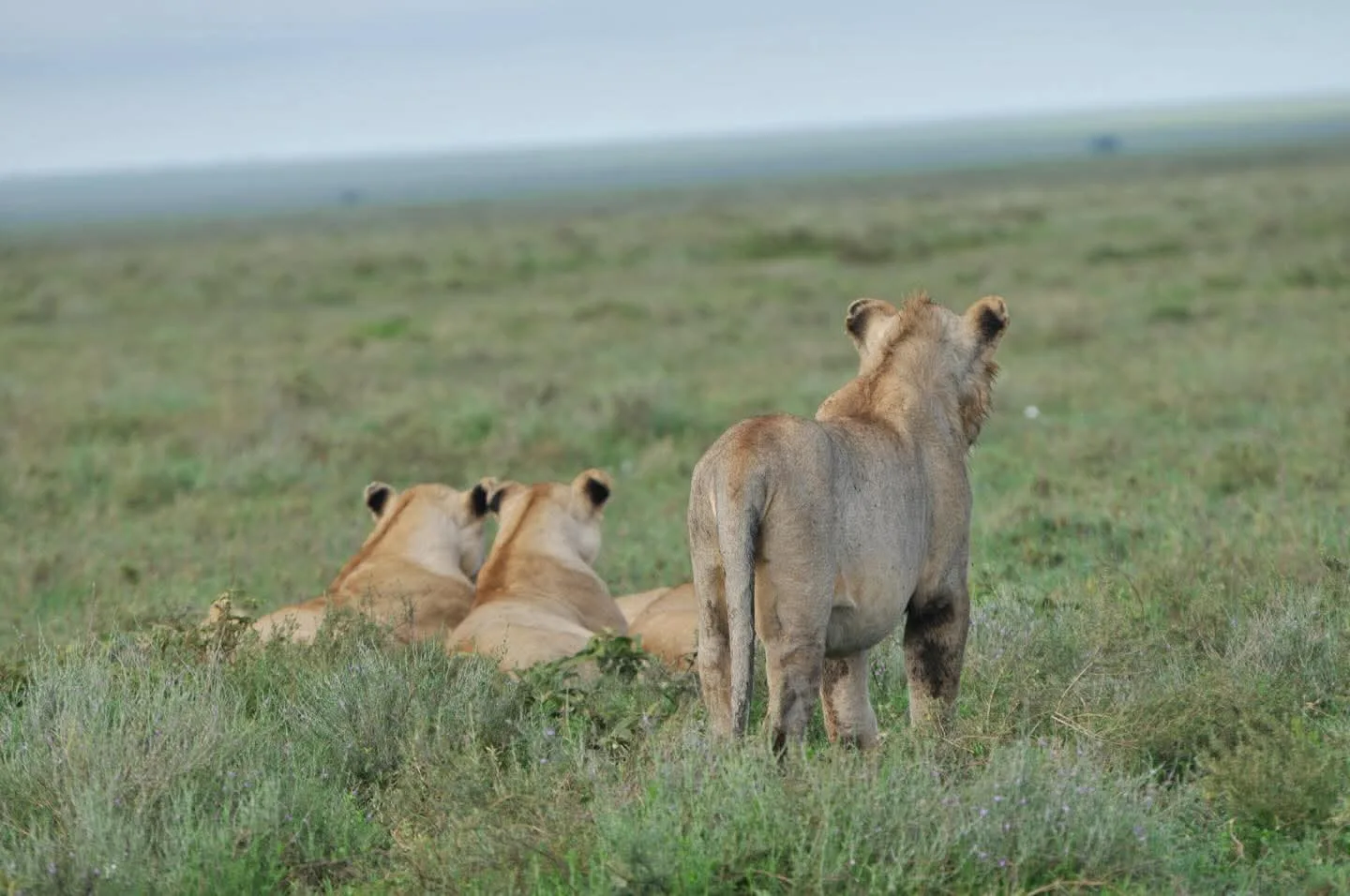
The Ruaha safari experience provides a striking contrast to Nyerere, with expansive wilderness, baobab-dotted landscapes and the Great Ruaha River shaping much of the wildlife-viewing environment. The park is particularly rewarding for travellers interested in elephants and predators, with opportunities to search for lions, leopards and other species during morning and afternoon game drives.
Ruaha's combination of riverine habitat, woodland and open country creates excellent conditions for varied game viewing. During the drier months, wildlife is often drawn toward remaining water sources, making game drives particularly rewarding in productive areas of the park.
Spending several nights in Ruaha allows your guide to explore different wildlife areas rather than concentrating the safari around a single game drive, making it a strong second half of this Ruaha and Nyerere safari.
Southern Tanzania Fly-In Safari: Flights, Airstrips & Travel Information
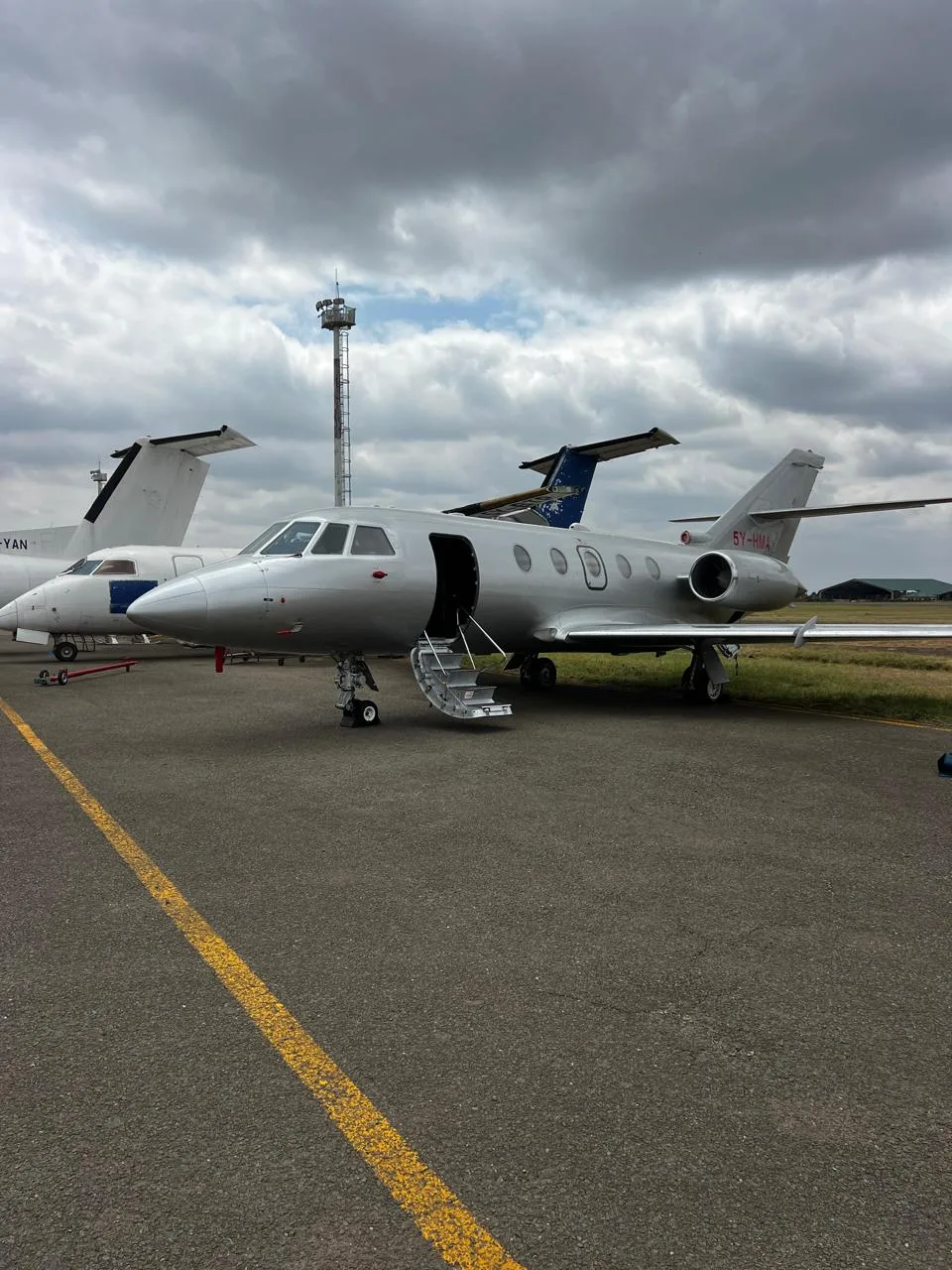
Our Ruaha and Nyerere safari is designed around scheduled light-aircraft flights, reducing lengthy road transfers and allowing more time for wildlife viewing.
Day 1: Fly to Nyerere National Park
Begin your safari with a scheduled flight from the confirmed departure gateway, typically Dar es Salaam or Zanzibar, to an airstrip serving your selected Nyerere accommodation. Your safari representative will meet you for the transfer to camp.
Day 4: Fly from Nyerere to Ruaha
After three nights in Nyerere, transfer to the designated airstrip for your scheduled flight to Ruaha. Depending on the operating airline and travel date, flights may include intermediate stops or connections.
Day 7: Return Flight
Following your stay in Ruaha, transfer to the airstrip for your onward flight to the confirmed destination. We can also arrange a Zanzibar beach extension where flight schedules permit.
Bush Flight Baggage Allowance
Soft-sided safari bags are recommended for light-aircraft travel. Baggage allowances commonly fall within approximately 15–20 kg per passenger, including hand luggage, but the applicable limit must be confirmed with the operating airline.
Airstrip Transfers & Flight Connections
All included airstrip transfers will be identified in your final itinerary. Flight times, routing and operating airstrips depend on your confirmed travel dates and accommodation.
We recommend allowing sufficient connection time before international flights because safari flight schedules may change due to weather or operational requirements.
What to Pack
Bring lightweight neutral-coloured clothing, comfortable shoes, a warm layer for early-morning game drives, sun protection, insect repellent, binoculars, camera equipment, essential medication and valid travel documents.
Other Tanzania Fly-In Safari Options
If you prefer a shorter flying safari focused on Northern Tanzania, consider our 4 Days Serengeti & Ngorongoro Fly-In Safari, combining two iconic wildlife destinations with convenient air transfers.
Detailed 7 Days Ruaha & Nyerere Fly-In Safari Itinerary
Day 1: Airport Pickup – Fly to Nyerere National Park – Afternoon Game Drive
Your 7 Days Ruaha & Nyerere Fly-In Safari begins with a warm welcome from our safari representative at your confirmed departure airport in Dar es Salaam or Zanzibar. After assistance with your scheduled bush flight, enjoy scenic aerial views as you travel towards Nyerere National Park, one of Tanzania's largest protected wilderness areas.
Upon arrival at the designated airstrip, your professional safari guide will meet you and transfer you to your lodge or safari camp for check-in and a freshly prepared lunch.
After lunch and some relaxation, depart for an afternoon game drive, subject to your flight arrival time. Explore Nyerere's beautiful landscapes, searching for elephants, giraffes, buffaloes, zebras, lions and numerous bird species.
Return to your lodge in the evening for dinner and overnight accommodation.
Accommodation: Selected Nyerere Safari Lodge/Camp
Meals: Lunch & Dinner
Activities: Airport pickup, scheduled bush flight, lodge transfer and afternoon game drive, subject to arrival time.
Day 2: Full-Day Nyerere National Park Safari – Morning & Afternoon Game Drives
After an early breakfast at your safari lodge, depart for an exciting morning game drive through Nyerere National Park. This remarkable wilderness is characterised by open grasslands, miombo woodlands, lakes and the Rufiji River ecosystem, which supports an extraordinary diversity of wildlife.
Your professional safari guide will explore suitable wildlife-viewing areas in search of elephants, buffaloes, giraffes, zebras, lions, leopards and, with luck, endangered African wild dogs.
Around midday, return to your safari camp for a freshly prepared lunch and time to relax. This comfortable break allows you to enjoy the lodge facilities before continuing your wildlife adventure.
Later in the afternoon, depart for another game drive when temperatures become cooler and animals may become more active.
Return to your accommodation for dinner and overnight.
Accommodation: Selected Nyerere Safari Lodge/Camp
Meals: Breakfast, Lunch & Dinner
Activities: Morning and afternoon game drives, with lunch at the camp.
Day 3: Nyerere National Park – Game Drive & Rufiji River Boat Safari
After breakfast at your safari lodge, depart for a morning game drive in Nyerere National Park, exploring its diverse woodland, open plains and riverine habitats. Accompanied by your professional safari guide, search for elephants, giraffes, buffaloes, lions and other wildlife while learning about the park's ecosystem.
Return to your lodge for lunch and a short rest before your afternoon adventure.
Later, enjoy an included guided Rufiji River boat safari, subject to seasonal water levels, local regulations and operational conditions. Cruise along the river, observing hippos, crocodiles and an impressive variety of waterbirds. The boat excursion offers a different perspective on Southern Tanzania's wilderness and excellent opportunities for wildlife photography.
Return to your lodge in the evening for dinner and overnight accommodation.
Accommodation: Your selected Nyerere safari lodge or camp
Meals: Breakfast, Lunch & Dinner
Activities: Morning game drive and guided Rufiji River boat safari (included)
Day 4: Fly from Nyerere to Ruaha National Park – Afternoon Safari
After breakfast at your safari lodge, check out and transfer to the designated airstrip for your scheduled bush flight to Ruaha National Park. Depending on the airline's operating schedule, the journey may involve an intermediate stop or connecting flight.
Enjoy aerial views of Southern Tanzania's wilderness before arriving at the designated Ruaha airstrip, where your safari guide will welcome you and arrange the transfer to your selected lodge or safari camp.
Upon arrival, check in and enjoy lunch at your accommodation, with the meal arrangements coordinated around your flight schedule.
If your arrival time permits, embark on an afternoon game drive through Ruaha National Park, renowned for its ancient baobab trees, rugged landscapes, large elephant populations and impressive predator habitat.
Return to your lodge for dinner and overnight accommodation.
Accommodation: Selected Ruaha Safari Lodge/Camp
Meals: Breakfast, Lunch & Dinner
Activities: Scheduled bush flight, airstrip transfer and afternoon game drive if time permits.
Day 5: Full-Day Ruaha National Park Safari – Elephants, Lions & Predators
Wake up to the peaceful sounds of the African wilderness before enjoying breakfast at your safari lodge. Today is dedicated to exploring Ruaha National Park, one of Tanzania's most rewarding destinations for travellers seeking remote landscapes and diverse wildlife.
Depart for a morning game drive through the park's spectacular baobab-studded plains, woodland habitats and river valleys. Ruaha is particularly well known for its elephant populations and predator sightings, including lions, leopards and occasionally cheetahs or African wild dogs.
Your guide will use their knowledge of wildlife movements and seasonal conditions to explore suitable game-viewing areas.
Return to your safari lodge for lunch and relaxation before heading out again for an afternoon game drive.
As the day draws to a close, enjoy the changing colours of Ruaha's dramatic landscape before returning to your accommodation for dinner and overnight.
Accommodation: Selected Ruaha Safari Lodge/Camp
Meals: Breakfast, Lunch & Dinner
Activities: Morning and afternoon game drives, with lunch at the lodge.
Day 6: Explore Ruaha National Park – Great Ruaha River & Wildlife Experience
After breakfast, continue your exploration of Ruaha National Park with a morning game drive through its diverse wildlife habitats. Depending on road access, seasonal conditions and animal movements, your guide may explore areas associated with the Great Ruaha River, an important wildlife corridor within the ecosystem.
During the dry season, suitable riverine areas can attract elephants, buffaloes, giraffes, antelopes and numerous bird species. Lions, leopards and other predators may also be encountered, although wildlife sightings are never guaranteed.
Return to your safari lodge for lunch and time to relax.
In the afternoon, enjoy your final scheduled game drive in Ruaha, taking in the park's remarkable landscapes and searching for wildlife you may not have encountered during previous excursions.
Return to your accommodation for dinner and your final night in Southern Tanzania's wilderness.
Accommodation: Selected Ruaha Safari Lodge/Camp
Meals: Breakfast, Lunch & Dinner
Activities: Morning and afternoon game drives, subject to park access and wildlife conditions.
Day 7: Ruaha National Park – Return Flight – Airport Drop-Off
Enjoy your final morning in Ruaha National Park, beginning with breakfast at your safari lodge. Depending on your scheduled flight departure time, you may have an opportunity for a short morning game drive or additional time to relax and appreciate the surrounding wilderness.
After breakfast and check-out, your safari representative will transfer you to the designated Ruaha airstrip for your scheduled return flight.
Enjoy scenic aerial views as you travel back to your confirmed arrival airport, normally Dar es Salaam or Zanzibar, according to your booked flight itinerary.
Upon arrival, our representative will assist with your airport arrangements where included, marking the conclusion of your unforgettable seven-day Southern Tanzania safari.
Travellers continuing to Zanzibar for a beach holiday or connecting to international flights should allow sufficient connection time.
Accommodation: Not included – End of Safari
Meals: Breakfast
Activities: Optional short morning game drive if flight time permits, airstrip transfer, scheduled return flight and airport drop-off.
End of Your 7 Days Ruaha & Nyerere Fly-In Safari.
Accommodation on Your Ruaha & Nyerere Safari
Our seven-day Southern Tanzania safari offers a choice of comfortable mid-range lodges and exclusive safari camps. Accommodation is selected according to your travel budget, preferred comfort level, proximity to wildlife-viewing areas and scheduled bush-flight arrangements.
Proposed Safari Accommodation
| Nights | Destination | Mid-Range Option | Luxury Option |
|---|---|---|---|
| 1–3 | Nyerere area | Africa Safari Selous | Rufiji River Camp |
| 4–6 | Ruaha area | Ruaha Hilltop Lodge | Mwagusi Safari Camp |
Mid-Range Safari: A comfortable safari experience featuring ensuite accommodation, meals according to the confirmed package and guided wildlife activities.
Luxury Safari: An upgraded experience featuring more exclusive safari camps, enhanced comfort and separately quoted accommodation rates.
Important Accommodation Information
The listed properties are proposed accommodation options rather than guaranteed inclusions at the same price. The final quotation will identify the exact camp, room category, meal plan, location and applicable accommodation rate.
Camp locations and airstrip transfers are considered carefully when preparing the itinerary to ensure practical access to the planned wildlife-viewing areas.
Best Time to Visit Ruaha & Nyerere National Parks
Southern Tanzania offers rewarding wildlife experiences throughout much of the year, although seasonal rainfall, camp operations and flight schedules influence the best travel dates.
| Travel Period | Conditions | Safari Experience |
|---|---|---|
| January–February | Green season | Lush landscapes, birding and photography |
| March–May | Main rains | Seasonal camp closures and possible travel disruptions |
| June | Early dry season | Increasingly favourable game viewing |
| July–August | Dry season | Excellent general wildlife viewing |
| September–October | Late dry season | Strong wildlife concentrations near water sources |
| November–December | Short rains and green conditions | Changing landscapes and rewarding birdlife |
Our recommendation: July to October is an excellent period for travellers primarily interested in wildlife viewing. January and February can appeal to photographers and birdwatchers, subject to camp and flight availability.
Optional Safari Experiences & Upgrades
Guided Walking Safari: Discover tracks, plants, birds and smaller wildlife with qualified guides where permitted.
Private Rufiji River Boat Safari: Upgrade from a shared boat experience to a private excursion where available.
Luxury Safari Camp Upgrade: Request more exclusive accommodation in Nyerere and Ruaha.
Private Charter Flights: Arrange a tailored flight schedule where aircraft availability and budget permit.
Zanzibar Beach Extension: Combine your Southern Tanzania safari with additional nights on Zanzibar's coast.
Extra Safari Nights: Extend your stay in Ruaha or Nyerere for more game drives and photography opportunities.
Optional activities are separately quoted unless specifically included in the confirmed safari package.
Compare Tanzania Safari Routes
Not sure whether Southern Tanzania is the right choice for your holiday? Explore our Tanzania Safari Itineraries 2027/2028 to compare destinations, travel durations, wildlife experiences and safari styles before choosing your preferred route.
Game Drives, Boat Safaris & Walking Safaris
One of the main advantages of a Ruaha and Nyerere safari is the variety of ways you can experience Southern Tanzania's wilderness. Instead of spending the entire seven days inside a safari vehicle, the itinerary can combine traditional game drives with river-based wildlife viewing and guided walks.
Game Drives in Nyerere & Ruaha
Game drives form the core of the safari in both national parks. Travelling with an experienced guide allows you to explore different habitats while searching for elephants, buffalo, giraffes, antelopes, predators and birdlife.
Full-day game drives provide greater flexibility to travel farther from camp and spend longer at interesting wildlife encounters. Your exact route is determined by seasonal conditions and recent wildlife movements rather than following a fixed circuit.
Rufiji River Boat Safari in Nyerere
A boat safari on the Rufiji River is one of the experiences that distinguishes Nyerere from many other Tanzanian safari destinations.
Travelling along the river offers a different perspective on the ecosystem, with opportunities to observe hippos, crocodiles, waterbirds and wildlife approaching the riverbanks. Late-afternoon excursions can also provide attractive light for landscape and wildlife photography.
Guided Walking Safaris
A walking safari slows the experience down and shifts attention from large animals to the wider ecosystem. Accompanied by appropriately qualified guides where available, you can learn about animal tracks, plants, insects, birds and signs of wildlife activity.
Walking activities depend on the selected camp, park regulations, weather, wildlife conditions and operational considerations.
Why Combine All Three Experiences?
Together, game drives, boat safaris and walking safaris provide three different perspectives on Southern Tanzania. Game drives allow you to cover larger distances, the Rufiji boat safari explores Nyerere's aquatic environment, and walking introduces the smaller details of the wilderness.
This variety is one of the strongest reasons to combine Nyerere and Ruaha in a 7-day safari rather than spending the entire trip in a single destination.
Who Is This Southern Tanzania Safari Best For?
This itinerary is particularly well suited to repeat safari travellers, couples, photographers and visitors who want to experience a quieter side of Tanzania beyond the classic northern circuit. Combining Nyerere and Ruaha also works well for travellers who value wilderness, varied landscapes and longer periods of wildlife viewing rather than moving between several destinations in a short time.
Repeat Safari Travellers
Ideal for travellers who have already experienced destinations such as Serengeti, Ngorongoro or the Masai Mara and would like to discover a different side of East Africa, with remote landscapes and a less conventional safari route.
Couples & Honeymooners
Bush flights reduce lengthy road transfers, while intimate safari camps and time in remote wilderness areas make this itinerary particularly appealing to couples and honeymooners seeking a relaxed safari experience.
Wildlife Photographers
Spending several nights in each park gives photographers more opportunities to observe animal behaviour, revisit productive wildlife areas and work with changing morning and afternoon light rather than constantly moving between destinations.
Wilderness & Wildlife Enthusiasts
This itinerary suits travellers who value large natural landscapes, elephants, predators, river ecosystems and the possibility of encountering African wild dogs. Wildlife sightings are never guaranteed, but having multiple days in both parks gives your guide greater flexibility to respond to local conditions and recent sightings.
Expert Safari Planning Advice: Ruaha & Nyerere Fly-In Safari
A successful Southern Tanzania safari depends on choosing the right accommodation, flight connections and wildlife-viewing schedule. At East Africa Jungle, we recommend a well-balanced itinerary that maximises game-viewing opportunities while minimising unnecessary travel.
1. Why Spend Three Nights in Each Park?
Three nights in Nyerere and three nights in Ruaha provide sufficient time for rewarding game drives without rushing between destinations. Nyerere offers diverse riverine habitats, while Ruaha is renowned for elephants, predators and spectacular baobab landscapes.
2. Choose Accommodation Based on Location
Select safari lodges and camps based on their proximity to wildlife-viewing areas and airstrips. Accommodation inside or near the parks can reduce transfer times, allowing more time for game drives. Always confirm room categories, meal plans and park access arrangements.
3. Plan Your Bush Flights Carefully
Scheduled flights reduce lengthy road transfers between Southern Tanzania's parks. However, some flights involve intermediate stops or connections. Confirm flight schedules, baggage allowances and airport transfers before finalising your travel plans.
4. Make the Most of Your Game Drives
Early-morning and late-afternoon game drives often provide excellent wildlife-viewing opportunities. Our itinerary includes breaks for lunch and relaxation at the camp, while guides adjust game-drive routes according to wildlife movements and seasonal conditions.
5. Choose the Best Safari Season
June to October generally offers excellent dry-season wildlife viewing, particularly around rivers and water sources. The greener months provide beautiful scenery and birdwatching opportunities, although rainfall may affect accessibility and camp operations.
6. Combine Traditional Game Drives with a Rufiji River Boat Safari
One of the advantages of combining Nyerere and Ruaha National Parks is the opportunity to enjoy different wildlife-viewing experiences within a single itinerary.
In Nyerere National Park, we recommend combining guided 4×4 game drives with a Rufiji River boat safari. Your seven-day package includes one guided boat excursion, allowing you to experience the river ecosystem and observe aquatic wildlife and birdlife.
Ruaha National Park provides a contrasting wilderness experience, with baobab-dotted landscapes, seasonal river systems and excellent opportunities to search for elephants, lions and other predators.
This combination makes the itinerary particularly appealing to travellers seeking a varied Southern Tanzania safari beyond conventional vehicle-based game drives.
7. Allow Time for Return Flight Connections
Your safari concludes with a scheduled flight from Ruaha to your confirmed airport, typically Dar es Salaam or Zanzibar. Allow sufficient connection time before international departures.
Our Safari Expert Recommendation
For couples, families and private groups, this seven-day Ruaha and Nyerere fly-in safari offers an excellent combination of remote wilderness, diverse wildlife and convenient travel. We recommend prioritising well-located accommodation, reliable flight connections and sufficient time for game drives to enjoy the best of Southern Tanzania.
Ruaha & Nyerere Safari Guest Reviews – Traveller Experiences
Discover what previous travellers have shared about their Southern Tanzania safari experiences. These five guest testimonials highlight wildlife encounters, professional safari guiding, Rufiji River boat excursions, scenic bush flights and the benefits of exploring both Nyerere and Ruaha National Parks.
★★★★★ “A Wonderful Southern Tanzania Safari”
Guests: Daniel & Sophie Weber – Germany
Travelled: August 2025
Group Type: Couple
Safari Route: Nyerere National Park → Ruaha National Park
Safari Highlights: Rufiji River boat safari, wildlife game drives, elephants and professional guiding
“We really enjoyed the combination of Nyerere and Ruaha. The two parks felt very different, and having several nights in each gave us enough time to enjoy the wildlife without rushing. The Rufiji River boat safari was a particular highlight, and our guide was knowledgeable and patient throughout the game drives.”
★★★★★ “Ruaha Was a Highlight of Our Tanzania Holiday”
Guest: Michael Thompson – United Kingdom
Travelled: September 2025
Group Type: Couple
Safari Route: Nyerere National Park → Ruaha National Park
Safari Highlights: Ruaha's wilderness, elephants, lions, wildlife photography and full-day game drives
“Ruaha was everything we hoped for: beautiful landscapes, plenty of time for photography and a wonderful feeling of being in the wilderness. We especially enjoyed the full-day game drives because there was no pressure to rush between sightings. The organisation between the two parks was also very smooth.”
★★★★★ “The Rufiji River Boat Safari Was Unforgettable”
Guest: Claire Martin – France
Travelled: July 2025
Group Type: Family
Safari Route: Nyerere National Park → Ruaha National Park
Safari Highlights: Rufiji River boat safari, hippos, crocodiles, waterbirds and family wildlife experiences
“The boat safari on the Rufiji River was one of our favourite experiences in Tanzania. Seeing hippos, crocodiles and so many birds from the water was completely different from a normal game drive. Combining Nyerere with Ruaha gave our family a great variety of safari experiences.”
★★★★★ “Excellent Organisation from Beginning to End”
Guest: Emma Richardson – Australia
Travelled: October 2024
Group Type: Friends
Safari Route: Zanzibar → Nyerere National Park → Ruaha National Park → Zanzibar
Safari Highlights: Scenic bush flights, professional safari guides, accommodation, wildlife and seamless transfers
“Everything was organised extremely well, from our flight out of Zanzibar to the transfers between the airstrips and camps. We particularly appreciated having three nights in each park because it gave us time to settle in and really enjoy the safari. Both Nyerere and Ruaha were fantastic.”
★★★★★ “A Completely Different Side of Tanzania”
Guests: Robert & Anna van Dijk – Netherlands
Travelled: June 2025
Group Type: Couple
Safari Route: Nyerere National Park → Ruaha National Park
Safari Highlights: Remote wilderness, uncrowded wildlife viewing, scenic landscapes and game drives
“We had previously visited Tanzania’s northern parks and wanted to experience somewhere different. Nyerere and Ruaha were exactly what we were looking for. We loved the quieter wilderness atmosphere, the landscapes and the variety between the river safari in Nyerere and the game drives in Ruaha.”
Why Guest Experiences Matter When Choosing a Southern Tanzania Safari
These traveller experiences illustrate the appeal of combining two of Tanzania's remarkable wildlife destinations in one itinerary. Nyerere National Park offers riverine landscapes and boat-based wildlife viewing, while Ruaha National Park is known for its extensive wilderness, elephants, predators and dramatic baobab scenery.
A carefully planned seven-day itinerary allows travellers to spend three nights in each destination, with time for wildlife photography, game drives and relaxation.
Plan Your Own 7-Day Ruaha & Nyerere Fly-In Safari
Explore Southern Tanzania with East Africa Jungle on a private safari combining Nyerere and Ruaha National Parks, scenic bush flights, experienced guides and six nights of safari accommodation.
Safari Duration: 7 Days / 6 Nights
Destinations: Nyerere National Park & Ruaha National Park
Safari Style: Private Fly-In Safari
Starting Price: USD 3,250 per person, subject to season and availability
Travel Seasons: 2027 & 2028
Contact East Africa Jungle: WhatsApp +254 728 567308
Guest reviews describe individual travel experiences. Wildlife sightings and activities vary according to season, conditions and the booked itinerary.
Frequently Asked Questions
1. Is 7 Days Enough for a Ruaha and Nyerere Safari?
Yes. Seven days provides enough time to experience both parks when travelling by scheduled bush flight. A Ruaha and Nyerere safari works particularly well as a fly-in itinerary because you avoid lengthy overland transfers and can spend several nights in each destination. Travellers wanting a slower pace, additional photography time or extra game drives can extend the itinerary by one or two nights.
2. What Is the Best Time for a Southern Tanzania Safari?
For wildlife-focused travel, the dry season from approximately June to October is generally an excellent period to consider. As conditions become drier, wildlife tends to concentrate around rivers and reliable water sources. A Southern Tanzania safari during the greener months can also be rewarding for birding, photography, lush landscapes and fewer visitors. Camp accessibility and seasonal operations should always be checked for your intended travel dates.
3. How Do You Travel Between Ruaha and Nyerere?
The most practical option for this itinerary is a scheduled bush flight between the two safari areas. Nyerere and Ruaha are remote and separated by considerable distances, so flying avoids spending a large portion of your holiday travelling overland. Airstrip transfers between your camps and scheduled flights are arranged according to the final itinerary.
4. Is a Southern Tanzania Fly-In Safari Better Than Travelling by Road?
For a seven-day itinerary combining Nyerere and Ruaha, flying is generally the more time-efficient option. A Southern Tanzania fly-in safari reduces lengthy road transfers and allows more time for game drives and other safari activities. Road travel may suit longer itineraries or travellers with different budgets and routing preferences, but flights are particularly practical when combining these two remote parks within a week.
5. What Wildlife Can I See on a Nyerere Safari?
A Nyerere safari can offer sightings of elephants, giraffes, buffaloes, hippos, crocodiles, zebras, antelopes and numerous bird species. Predators may include lions and leopards, while African wild dogs are among the park's most sought-after wildlife encounters. The Rufiji River system also creates excellent habitat for aquatic and water-dependent species. As with any safari, specific wildlife sightings cannot be guaranteed.
6. What Wildlife Can I See on a Ruaha Safari?
A Ruaha safari is particularly rewarding for elephants and predator-focused wildlife viewing. Lions are an important attraction, while leopards and other carnivores may also be encountered. The park supports giraffes, buffaloes, antelopes and diverse birdlife, with wildlife often associated with the Great Ruaha River and other water sources during drier periods. African wild dogs may also be encountered, although sightings depend on their movements.
7. How Much Does a 7 Day Tanzania Safari Cost?
The cost of a 7 day Tanzania safari depends on the travel season, accommodation standard, number of travellers, included bush flights and other safari arrangements. A fly-in itinerary combining Nyerere and Ruaha generally costs more than a basic road safari because scheduled light-aircraft flights form an important part of the journey. See the price table on this page for the current starting price and request a personalised quotation for your preferred travel dates.
8. Can I Combine This Tanzania Fly-In Safari With Zanzibar?
Yes. This Tanzania fly-in safari can be combined with a Zanzibar beach stay, making it possible to experience Southern Tanzania's wildlife before relaxing on the coast. The exact flight routing will depend on your travel dates and available scheduled services. We can arrange the safari, connecting flights, Zanzibar accommodation and airport transfers as one itinerary.
9. What Luggage Should I Bring for the Bush Flights?
Soft-sided luggage is recommended for scheduled safari flights because light aircraft have limited baggage-storage space. Avoid large hard-shell suitcases and pack only what you need for the safari. Your final travel documents will confirm the baggage allowance applicable to the airline and flight routing booked for your trip.
10. Are Wildlife Sightings Guaranteed in Nyerere and Ruaha?
No. Nyerere and Ruaha are natural wilderness areas, and wildlife moves freely according to water, food, weather and other environmental conditions. Experienced guides use local knowledge, recent sightings and animal behaviour to improve wildlife-viewing opportunities, but sightings of particular species—including lions, leopards and African wild dogs—can never be guaranteed.
About Your Tanzania Safari Expert

Safari Planning Specialist: John Peter
Position: CEO, East Africa Jungle
Specialisation: Kenya and Tanzania safari itinerary planning, private safaris, group tours, wildlife destinations and East African travel logistics.
This itinerary has been prepared to help travellers understand the practical arrangements involved in combining Nyerere and Ruaha National Parks, including accommodation selection, flight connections, game-drive planning, seasonal considerations and optional safari experiences.
Editorial Approach: Safari information is reviewed against the proposed itinerary, available supplier arrangements and relevant destination guidance. Flight schedules, accommodation availability, activity arrangements and safari prices are subject to confirmation before booking.
Last Reviewed: 8 October 2026
Plan Your Private Ruaha & Nyerere Safari 2027/2028
Discover Southern Tanzania's extraordinary wilderness on a carefully planned seven-day fly-in safari combining Nyerere National Park and Ruaha National Park.
Our safari team will help you select suitable accommodation, coordinate scheduled bush flights and arrange wildlife experiences around your preferred travel dates and budget.
From USD 3,250 per person, based on six adults sharing.
To receive your personalised quotation, please provide your preferred travel dates, number of travellers, children's ages if applicable, departure location and preferred accommodation category.
Request Safari Availability & Personalised Quote
For direct assistance, contact our safari specialists on WhatsApp: +254 728 567308.
Available Months
Dates are flexible. Request your preferred month and our team will advise the best safari timing.
Safari Route Map
Map coordinates are not yet available for these stops, so a route summary is shown.
Plan Your Safari Today
Tell us your travel month, budget level, and group size. We will shape this package around your preferred safari style.

 16+ Years
 English