4 Days Great Migration Safari Tanzania 2027/2028 – Serengeti Wildebeest Migration
Serengeti & Ngorongoro Great Migration Safari from Arusha
Experience one of Africa's greatest wildlife journeys on this 4-day Tanzania Great Migration safari from Arusha, combining the legendary Serengeti National Park with the wildlife-rich Ngorongoro Crater.
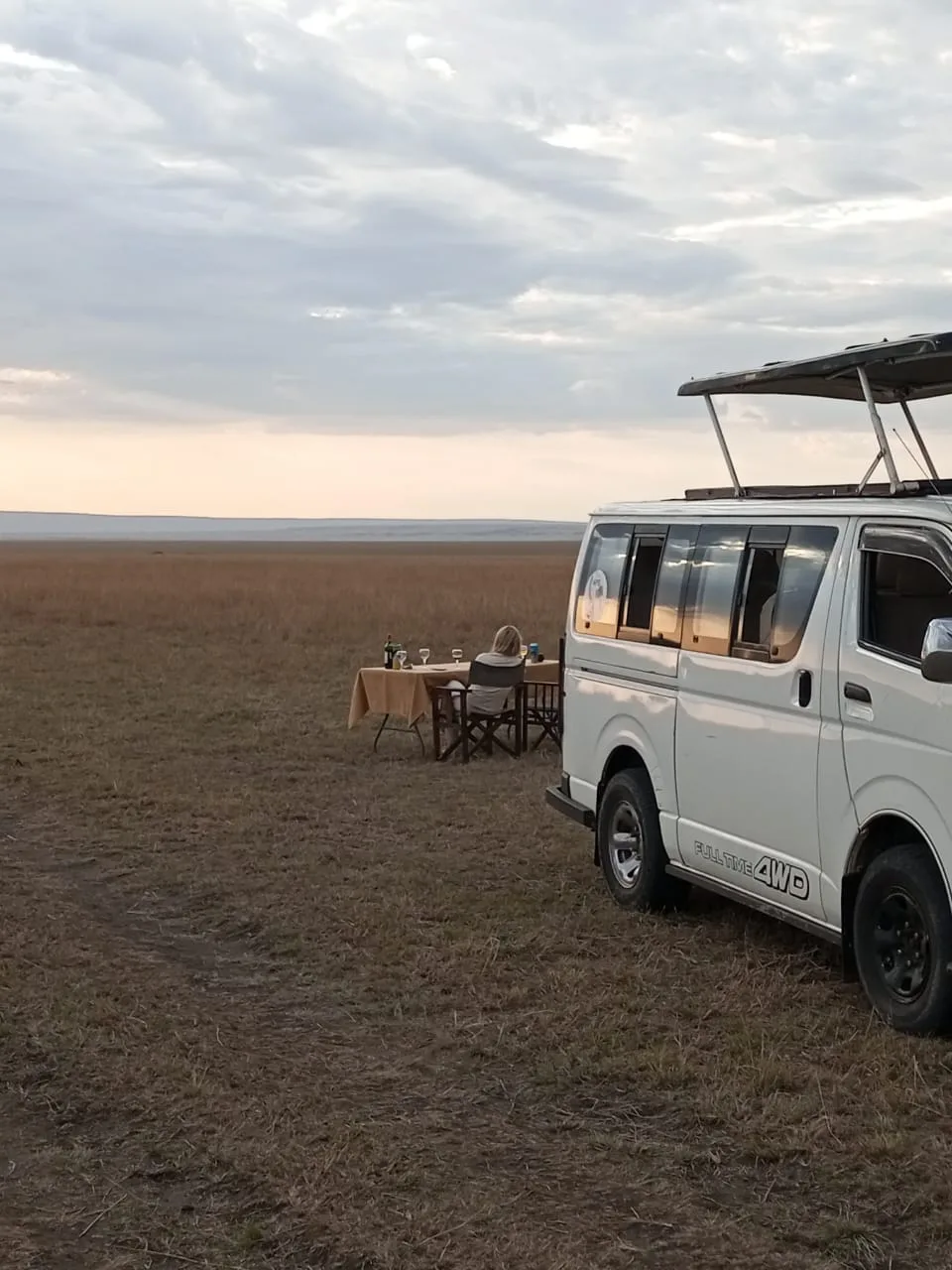
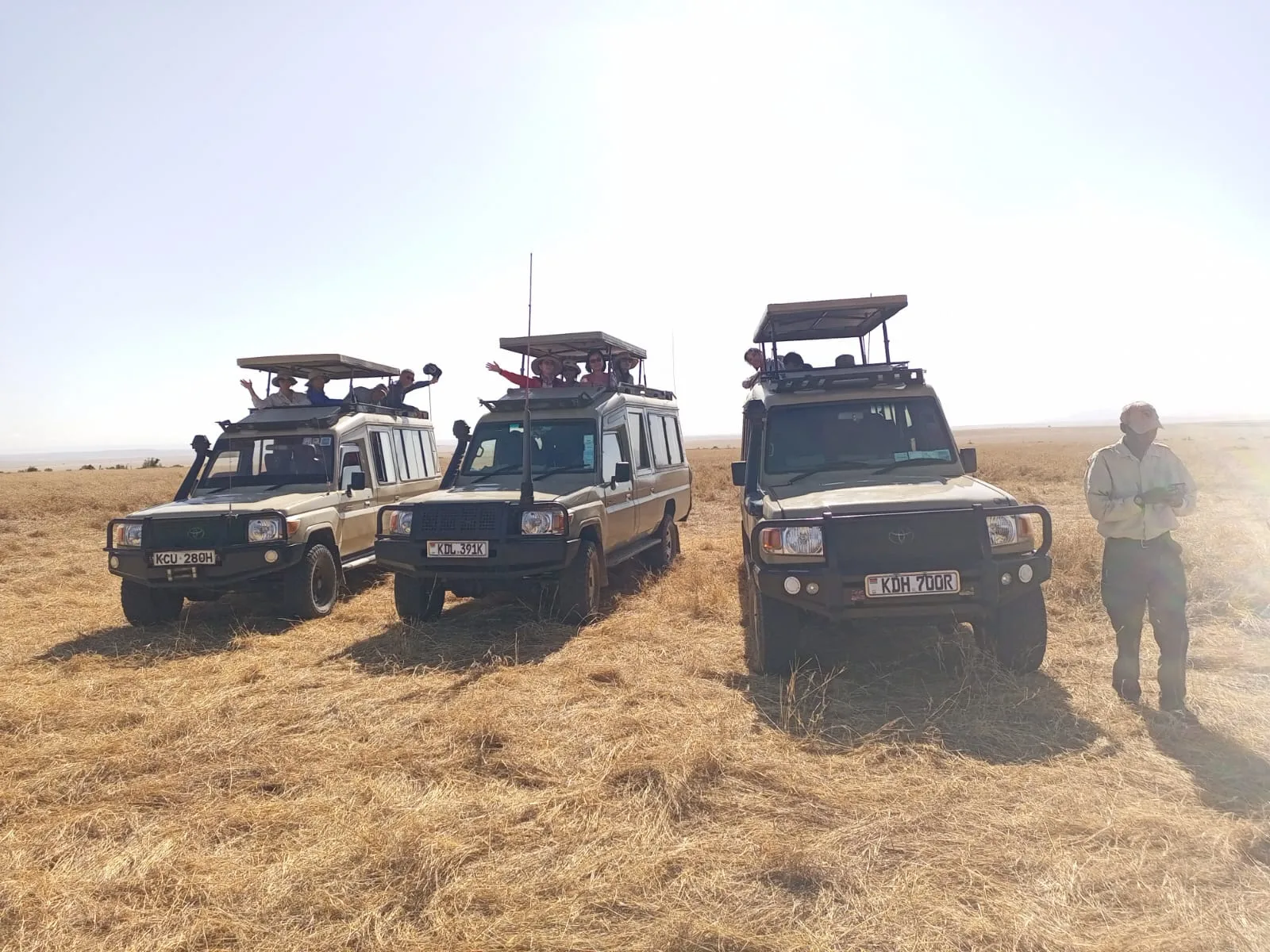
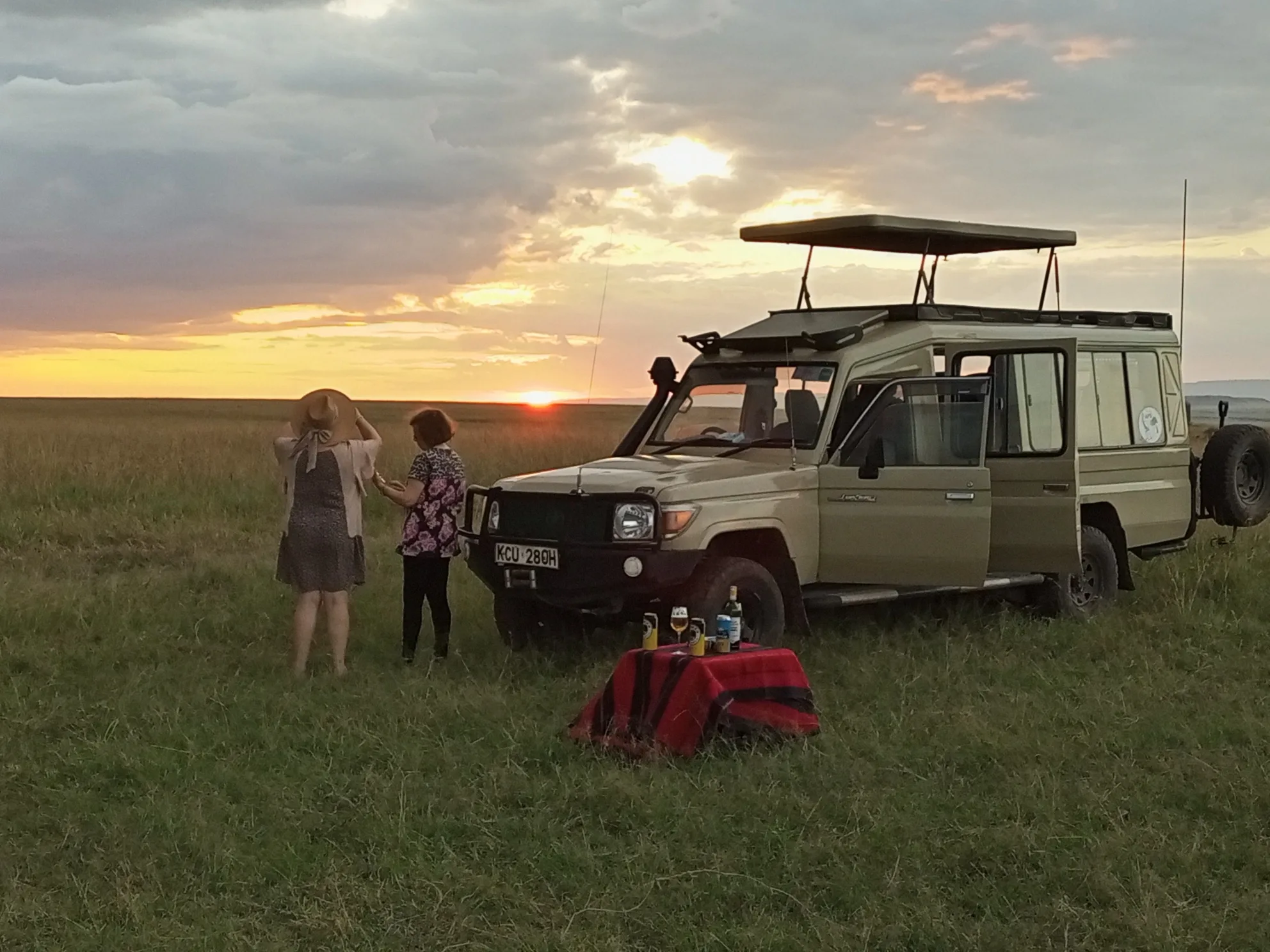
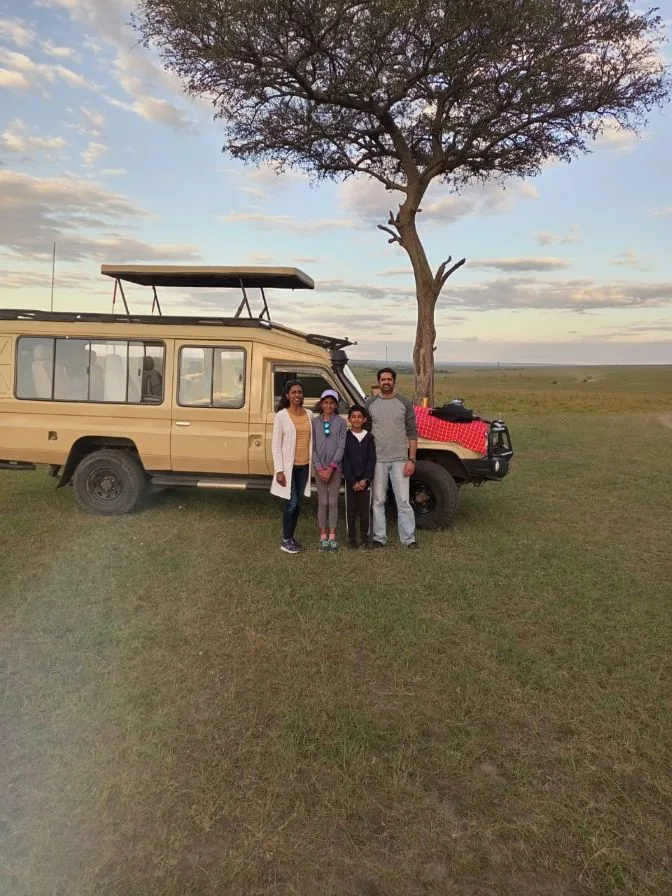
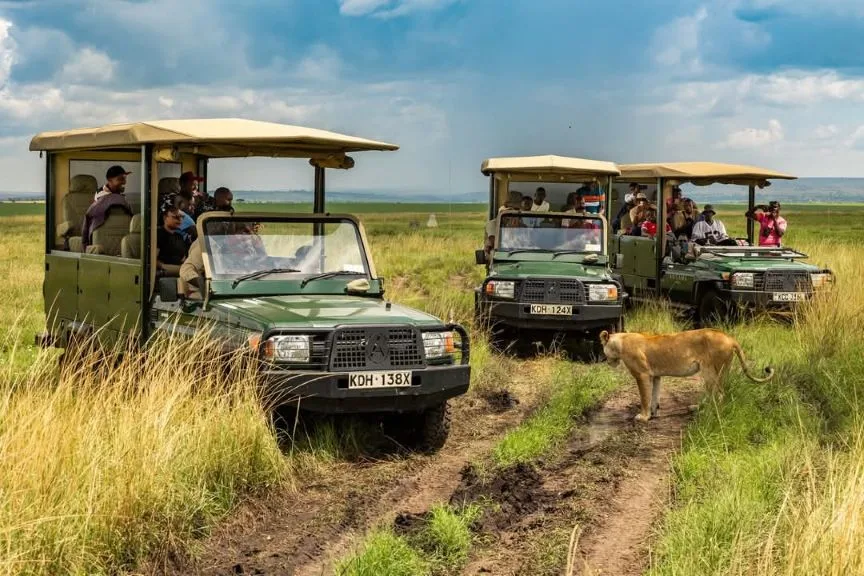
Travel by private 4×4 safari Land Cruiser with an experienced Tanzania safari guide as you explore the Serengeti in search of migrating wildebeest and zebras, lions, cheetahs, elephants, giraffes and other iconic wildlife. The Serengeti area used for migration viewing can be adjusted according to your travel dates and the seasonal movement of the herds.
Your safari concludes with a game drive inside the spectacular Ngorongoro Crater, one of Tanzania's most rewarding wildlife destinations and an excellent location for seeing a remarkable concentration of animals within a relatively small area.
Duration: 4 Days / 3 Nights
Route: Arusha → Serengeti National Park → Ngorongoro Crater → Arusha
Safari Type: Private Great Migration Safari
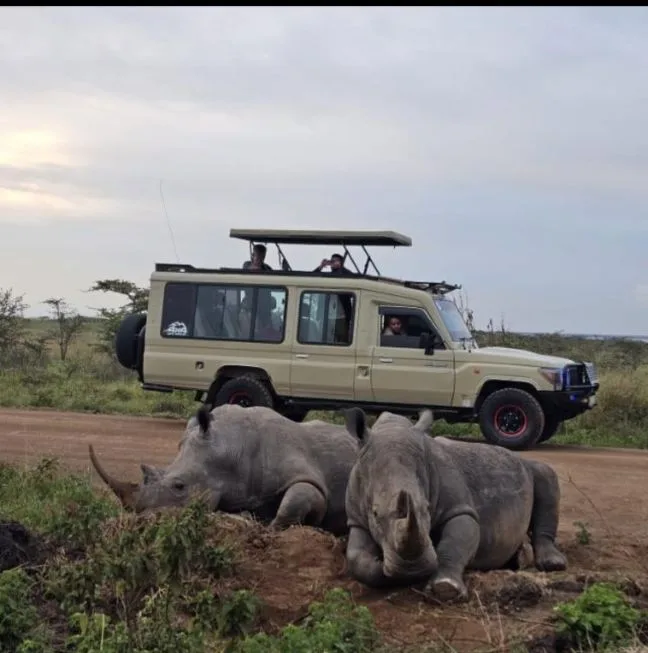
Transport: Private 4×4 Safari Land Cruiser
Accommodation: Mid-range safari lodges & tented camps
Best Time: Year-round, depending on the migration stage you want to experience
Start / End: Arusha, Tanzania
Safari Price: From USD 1,650 per person sharing
4 Days Great Migration Safari Tanzania Tour Overview
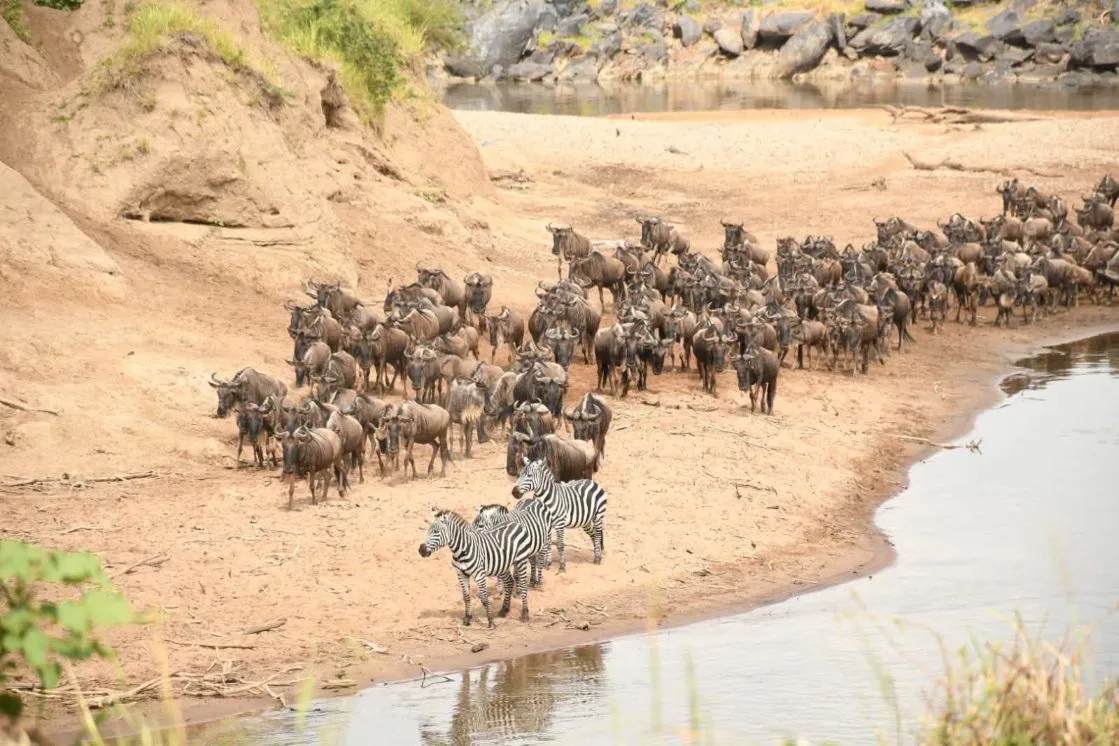
Experience the Great Wildebeest Migration in Tanzania in 2027/2028 on this carefully planned 4-day safari through the Serengeti ecosystem. Designed for travellers with limited time who still want a rewarding wildlife experience, this itinerary combines extensive game viewing with opportunities to encounter large wildebeest and zebra herds as they move through the Serengeti.
The exact migration experience varies by season, rainfall and the natural movement of the herds. Depending on your 2027/2028 travel dates, game viewing can focus on the areas of the Serengeti where migration activity is expected to be strongest. The journey also offers excellent opportunities to see lions, cheetahs, elephants, giraffes and other iconic wildlife.
This 4 Days Great Migration Safari Tanzania 2027/2028 is ideal for couples, families, photographers and first-time visitors looking for a short, wildlife-focused Serengeti safari with comfortable accommodation and professionally guided game drives.
4 Days Tanzania Great Migration Safari at a Glance
This 4-day Tanzania Great Migration safari travels from Arusha through Serengeti National Park to the Ngorongoro Conservation Area. The itinerary combines seasonal migration viewing, classic Serengeti wildlife and a Ngorongoro Crater game drive in a private 4×4 safari Land Cruiser.
Duration: 4 Days / 3 Nights
Start / End Point: Arusha, Tanzania
Route: Arusha → Serengeti National Park → Ngorongoro Conservation Area → Arusha
Destinations: Serengeti National Park and Ngorongoro Crater
Safari Type: Private Tanzania Great Migration wildlife safari
Transport: Private 4×4 safari Land Cruiser with pop-up roof and professional English-speaking safari guide
Accommodation Level: Comfortable mid-range tented camps and safari lodges, with upgrade options available
Best Time: Selected months of 2027/2028 according to the seasonal movement of the Great Wildebeest Migration
Starting Price: From USD [1650] per person sharing
Great Migration Safari Highlights
This 4-day Tanzania Great Migration safari focuses on the wildlife-rich plains of Northern Serengeti and the Mara River during the July–October migration season. With three nights in the region, you have more time to follow the herds, explore different wildlife areas and respond to changing migration movements.
- Three Nights in Northern Serengeti – Stay close to the migration areas around Kogatende and the Mara River, reducing unnecessary travel time and allowing more time for game viewing.
- Mara River Game Viewing – Explore different sections of the Mara River while your guide follows current wildlife activity and herd movements.
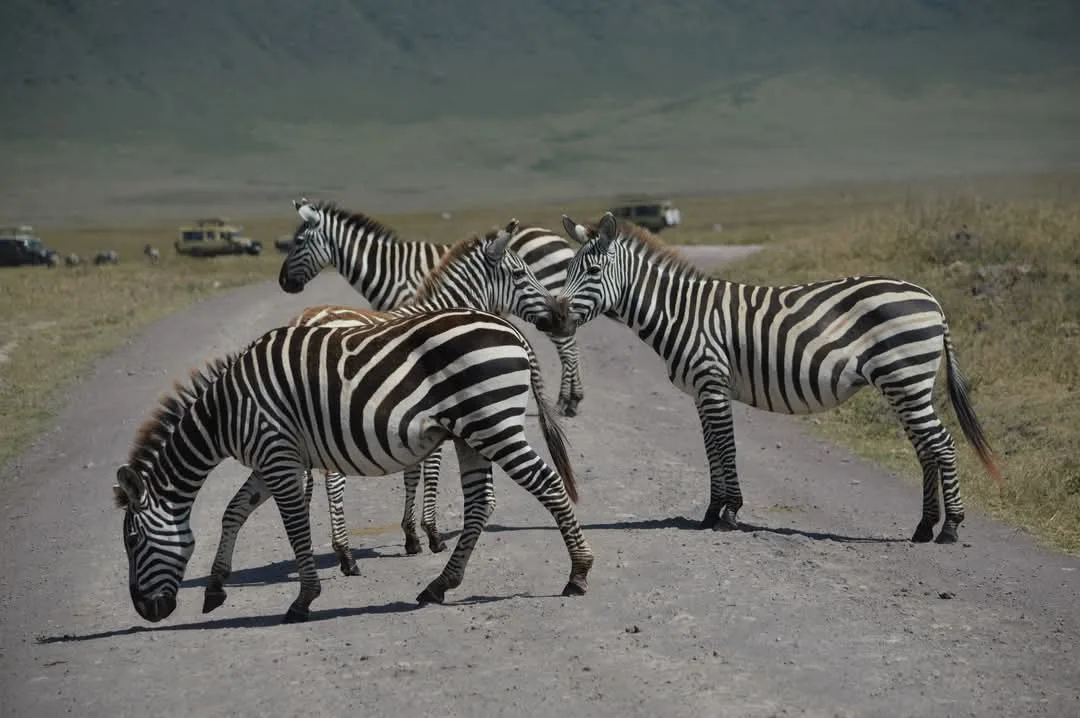
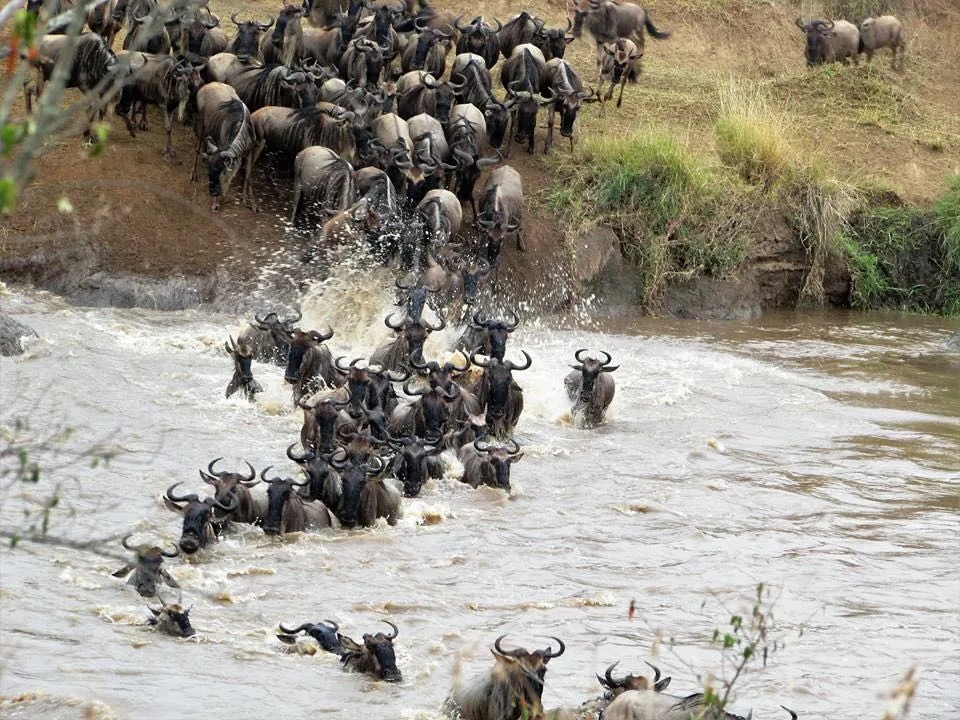
- Wildebeest & Zebra Herds – Witness large concentrations of wildebeest and zebra moving across the northern Serengeti plains during the migration season.
- Mara River Crossing Opportunities – Spend time near potential crossing points where wildebeest may gather before attempting to cross the river. Crossings are natural events and cannot be guaranteed.
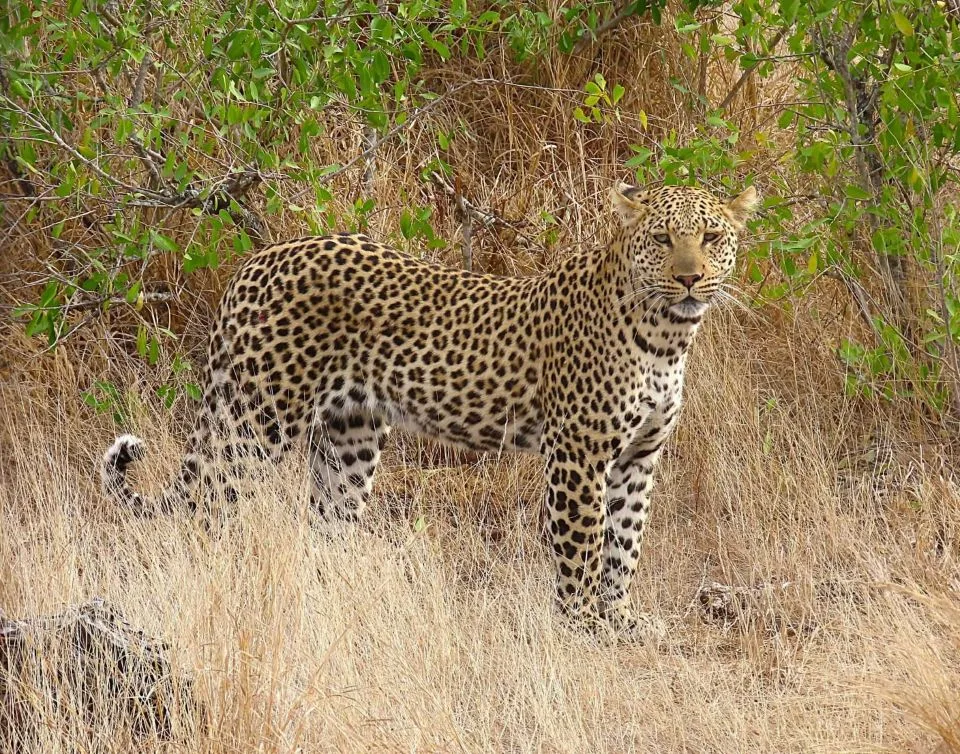
- Predator Sightings – Search for lions, cheetahs, leopards and hyenas attracted by the abundance of prey throughout the migration ecosystem.
- Full-Day Migration Tracking – Dedicate extended game-drive time to following the herds rather than rushing between several distant Tanzania safari destinations.
- Private 4×4 Safari Land Cruiser – Explore Northern Serengeti in a dedicated safari vehicle with a pop-up roof for wildlife viewing and photography.
- Professional Tanzania Safari Guide – Travel with an experienced safari guide who uses local knowledge and current wildlife activity to plan each day's game drives.
4 Days Great Migration Safari Price 2027/2028
The cost of your Great Migration safari depends on the number of travellers, your travel month, the accommodation selected and the area of the Serengeti visited. Travelling as a small group can reduce the per-person cost because safari vehicle and guide expenses are shared.
| Number of Travellers | Price Per Person |
|---|---|
| 2 people | From USD 1,950 |
| 3 people | From USD 1,800 |
| 4 people | From USD 1,700 |
| 5–6 people | From USD 1,650 |
Prices are per person sharing and based on mid-range accommodation.
What Affects the Safari Price?
Group size: The per-person price normally decreases as the number of travellers sharing the safari vehicle increases.
Travel month: Accommodation rates can be higher during peak Great Migration periods, particularly when demand for camps close to the migration is high.
Accommodation level: The standard price is based on comfortable mid-range lodges and tented camps. Luxury and premium accommodation can be arranged at an additional cost.
Migration location: The most suitable safari route and accommodation may change according to the seasonal movement of the wildebeest herds. This can affect accommodation and logistical costs.
Final price: Your exact safari cost will be confirmed according to your travel dates, group size, accommodation preference and availability.
Why Choose This 4-Day Great Migration Safari?
A four-day itinerary gives you something particularly valuable during the Great Migration: time in the right place. Instead of trying to see Northern Serengeti in a rushed two- or three-day trip, this safari includes three nights in the region and two full days dedicated to following the migration around Kogatende and the Mara River.
The extra time matters because the Great Migration does not follow a fixed daily schedule. Wildebeest herds may gather near the river for hours before moving, change direction unexpectedly or remain spread across the northern plains. Having two full migration-focused days allows your guide greater flexibility to respond to current herd movements and wildlife activity rather than following a rigid route.
It also gives you time to explore more than one section of Northern Serengeti. One day may concentrate on the Mara River and potential crossing points, while another can follow wildebeest and zebra herds across the surrounding plains while searching for lions, cheetahs, leopards and hyenas.
For travellers flying into Northern Serengeti, the four-day format also reduces long road transfers and keeps the safari focused on game viewing, photography and migration tracking. Although no itinerary can guarantee a river crossing, spending multiple days close to the migration areas gives you more opportunities to experience the Great Migration as it unfolds.
Who Is This Great Migration Safari Best For?
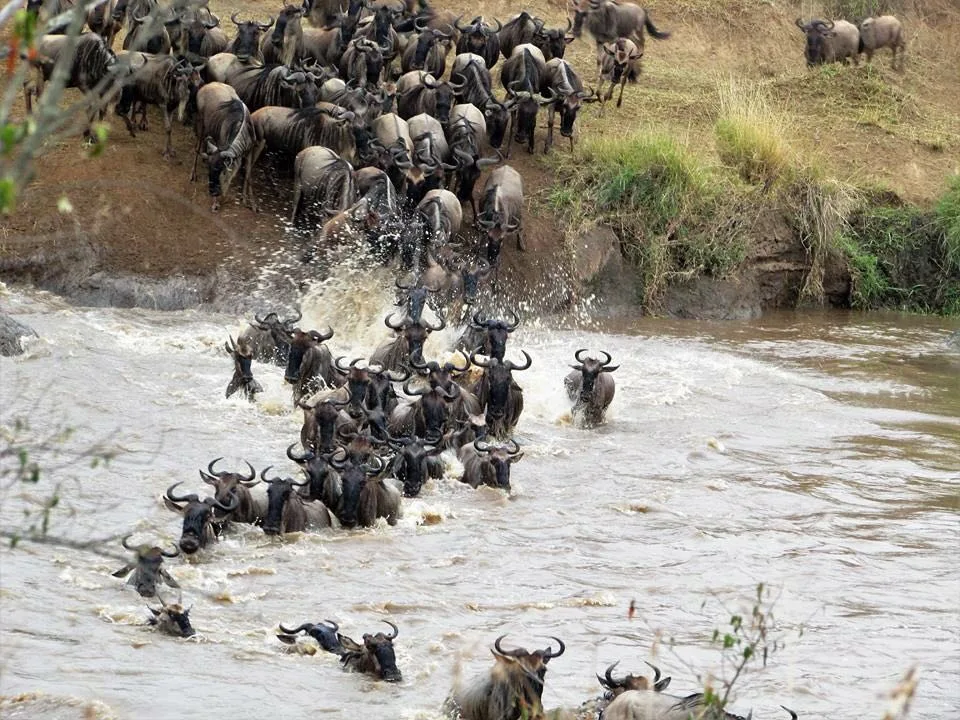
This 4 Days Great Migration Safari Tanzania 2027/2028 is ideal for travellers who want to concentrate their safari time in Northern Serengeti rather than combine several parks in a short itinerary. With three nights in the migration area and two full days for game viewing, it suits several types of travellers:
- First-Time Safari Travellers – A rewarding introduction to the Serengeti, combining the Great Migration with opportunities to see lions, elephants, giraffes, cheetahs, leopards, hyenas and many other species.
- Couples – The fly-in format reduces long road transfers and provides more time for shared wildlife experiences, scenic game drives and relaxed evenings at a migration camp.
- Honeymooners – Combine the excitement of the Great Migration with an intimate safari experience. Luxury tented camps and private game drives can be arranged for couples seeking a more exclusive journey.
- Wildlife Photographers – Two full migration-focused days provide more time to observe changing wildlife activity, wait for photographic opportunities and capture wildebeest, zebra, predators and the landscapes of Northern Serengeti.
- Families – A good choice for families who want a shorter Tanzania safari without spending several days travelling by road between different national parks. Family-friendly accommodation can be selected according to the children's ages.
- Great Migration Enthusiasts – Particularly suited to travellers whose main reason for visiting Tanzania is to experience the wildebeest migration around Northern Serengeti and the Mara River during the July–October season.
The safari can be tailored with mid-range or luxury accommodation, making it suitable for different travel styles while keeping the Great Migration at the centre of the experience.
Best Time for This 4-Day Great Migration Safari
The Great Wildebeest Migration can be experienced in Tanzania during much of the year, but the best location for game viewing changes as the herds move through the Serengeti ecosystem. For a short 4-day safari, choosing the right Serengeti region for your travel month is particularly important because there is limited time for long transfers between different migration areas.
| Travel Period | Typical Migration Area | What to Expect |
|---|---|---|
| January–March | Ndutu & Southern Serengeti | Calving season, large wildebeest herds, newborn calves and excellent predator activity |
| April–May | Southern & Central Serengeti | Herds begin moving north and west as seasonal conditions change |
| June | Western & Central Serengeti | Moving herds, large concentrations of wildebeest and possible Grumeti-area activity |
| July–October | Northern Serengeti | Herds gather around the northern migration corridor, with possible Mara River crossings |
| November–December | Central & Eastern/Southern Serengeti | Herds generally begin moving south again following seasonal rains |
Best Months for This Safari
For travellers primarily interested in the Mara River migration season, July to October 2027/2028 is normally the strongest period to consider, with the itinerary focusing on Northern Serengeti.
For the wildebeest calving season, travel between January and March 2027/2028 and use an itinerary focused on Ndutu and the Southern Serengeti.
The Great Migration is a natural wildlife movement influenced by rainfall, grazing conditions and water availability. Exact herd locations and river crossings cannot be guaranteed. Our safari team uses current local information to plan game drives around the areas offering the strongest wildlife opportunities during your travel dates.
4-Day Tanzania Great Migration Safari Itinerary 2027/2028
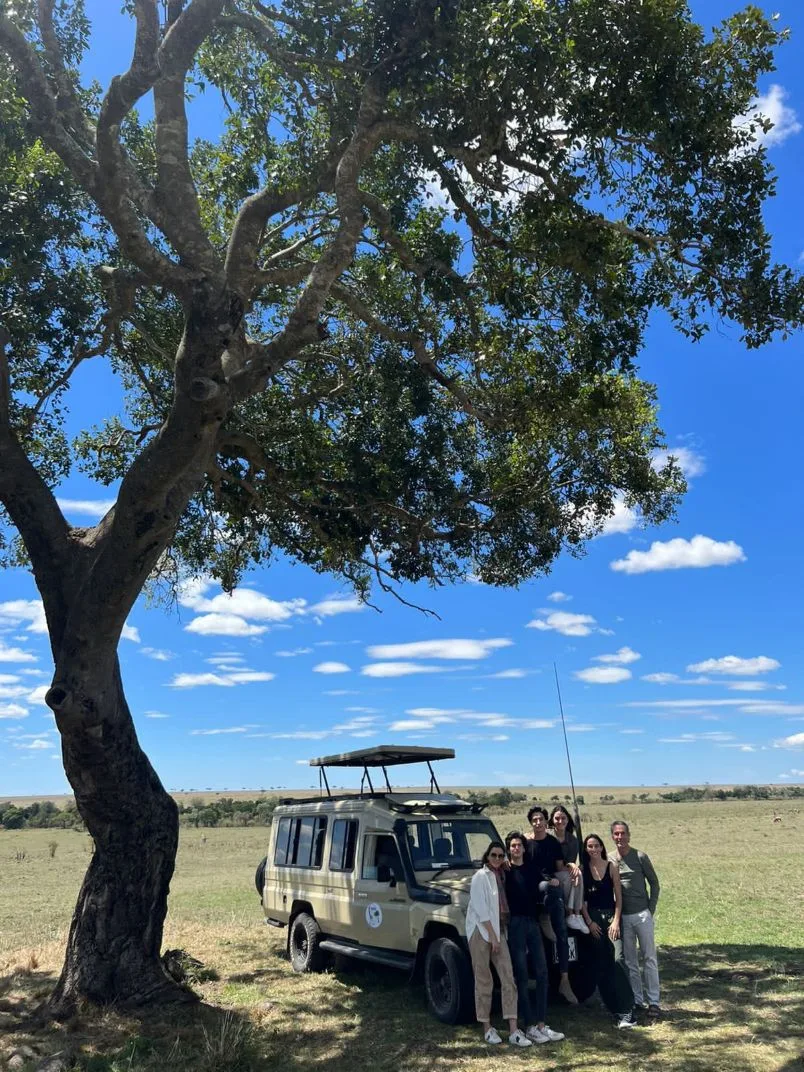
The 4 Days Great Migration Safari Tanzania 2027/2028 is designed around the seasonal movement of the wildebeest herds through the Serengeti ecosystem. The migration is constantly moving, so the strongest game-viewing area depends on your travel dates, rainfall and grazing conditions.
From January to March, the herds are generally concentrated around Ndutu and the Southern Serengeti during the calving season. From April to June, they typically move through the Central and Western Serengeti. Between July and October, migration activity shifts towards the Northern Serengeti, where Mara River crossings may occur. During November and December, the herds generally begin their journey south again.
The itinerary below follows a Central Serengeti and Ngorongoro route. For travellers visiting during the calving or northern migration seasons, the route can be adjusted to focus on the areas offering the strongest migration opportunities.
Day 1: Arusha to Central Serengeti National Park
Your Tanzania Great Migration safari begins in Arusha with an early morning departure towards Serengeti National Park. Travel through the beautiful landscapes of northern Tanzania and the Ngorongoro Conservation Area before descending towards the vast Serengeti plains.
After entering the Serengeti, begin your first game drive while travelling towards Central Serengeti. Depending on the season, you may encounter wildebeest and zebra herds as well as resident wildlife including lions, elephants, giraffes, buffaloes, gazelles and, with luck, cheetahs or leopards. Arrive at your selected tented camp or lodge in the evening for dinner and overnight.
Meals: Lunch and dinner
Accommodation: Selected mid-range Serengeti tented camp or lodge
Approximate driving time: 6–8 hours, depending on road and entry conditions and excluding extended game-viewing stops
Day 2: Full-Day Great Migration Game Drive in Serengeti
After breakfast, spend the day exploring the Serengeti on an extended game drive. Your guide will use local wildlife information and recent sightings to determine the most productive areas to explore, with particular attention given to the seasonal movement of the wildebeest and zebra herds.
The Serengeti supports exceptional wildlife throughout the year, so even when the main migration herds are elsewhere, there are excellent opportunities to see lions, leopards, cheetahs, elephants, buffaloes, giraffes, hippos and numerous antelope species. Enjoy a picnic lunch in the park before continuing your afternoon game drive. Return to your camp or lodge in the evening.
Meals: Breakfast, lunch and dinner
Accommodation: Selected mid-range Serengeti tented camp or lodge
Game viewing: Full day, with timing adjusted according to wildlife activity
Day 3: Serengeti to Ngorongoro Conservation Area
Begin the morning with another game drive across the Serengeti, giving you a final opportunity to search for wildlife and, when the herds are in the area, experience more of the Great Migration.
Later, leave the Serengeti and travel towards the Ngorongoro Conservation Area. The journey provides a gradual change in scenery from the open Serengeti plains towards the volcanic highlands surrounding Ngorongoro. Depending on your departure time and wildlife sightings along the way, the transfer can include game viewing before continuing to your accommodation near the crater area. Spend the evening relaxing and preparing for the following morning's Ngorongoro Crater safari.
Meals: Breakfast, lunch and dinner
Accommodation: Selected mid-range lodge or tented camp in the Ngorongoro/Karatu area
Approximate driving time: 3–4 hours, excluding game-viewing stops
Day 4: Ngorongoro Crater Game Drive – Return to Arusha
After an early breakfast, descend into the Ngorongoro Crater for a rewarding final game drive. The crater's varied habitats support a remarkable concentration of wildlife, including wildebeest, zebra, buffalo, hippos, elephants, hyenas and numerous antelope species. Lions are regularly encountered, while the endangered black rhino may occasionally be seen.
After exploring the crater floor and enjoying a picnic lunch, ascend the crater rim and begin the return journey to Arusha. Arrival is normally expected in the late afternoon or early evening, depending on traffic, road conditions and the duration of your crater game drive.
Meals: Breakfast and lunch
Accommodation: Not included – end of safari
Approximate driving time: 3–4 hours from the Ngorongoro/Karatu area to Arusha, excluding the crater game drive
Important Great Migration Information
The Great Wildebeest Migration is a natural, year-round movement influenced by rainfall, grazing and water availability. Exact herd locations and river crossings cannot be guaranteed.
For January–March 2027/2028, the itinerary can be adapted towards Ndutu and Southern Serengeti for the calving season. For July–October 2027/2028, travellers specifically interested in the Mara River migration should consider a Northern Serengeti itinerary, preferably using scheduled flights for a short 4-day safari to maximise time in the migration area.
Accommodation on Your Great Migration Safari
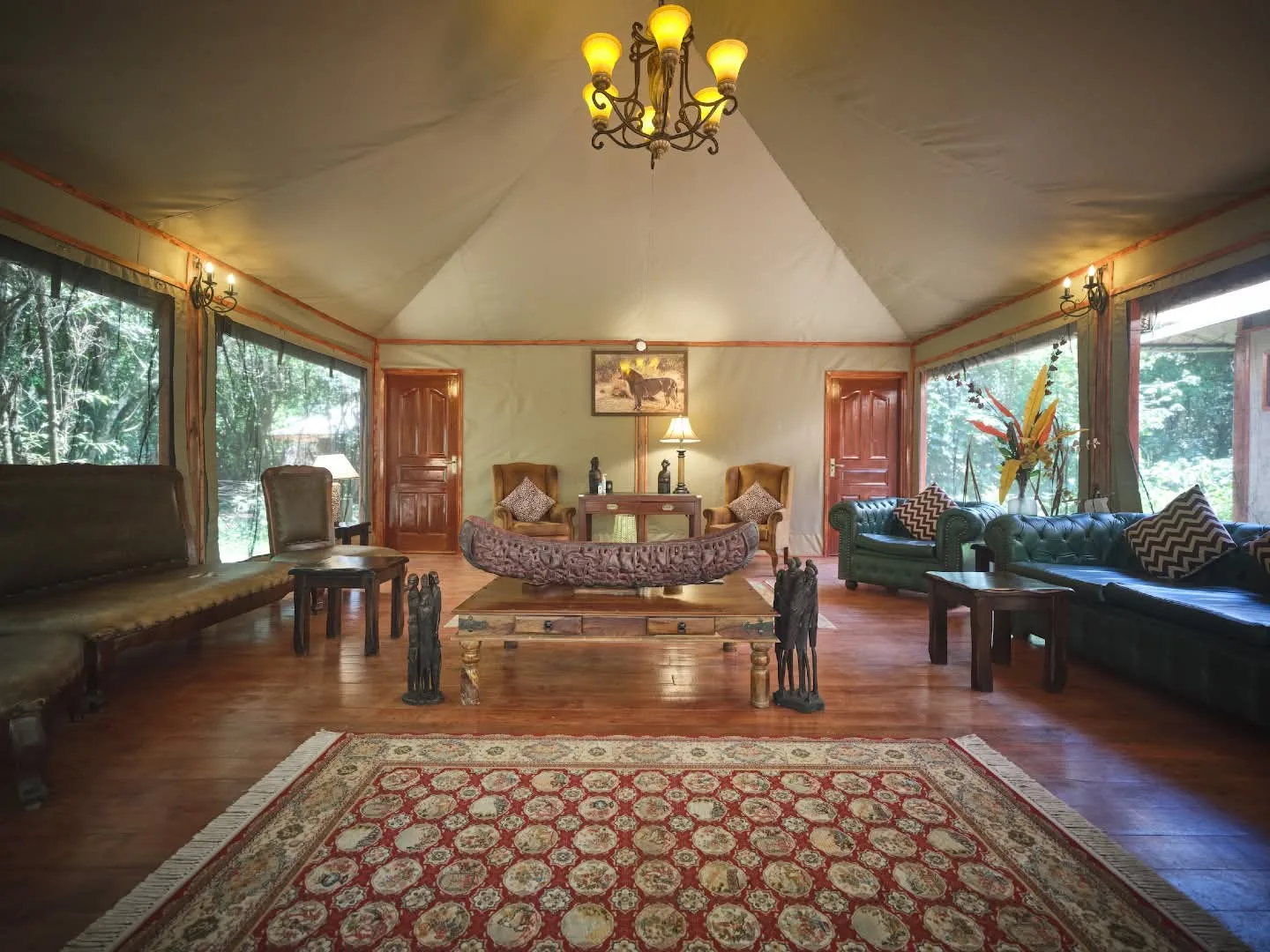
Your accommodation is carefully selected to match the seasonal location of the Great Migration and the route of your safari. The standard package uses comfortable mid-range safari lodges and tented camps, with private en-suite facilities and meals included as specified in the itinerary. Because the wildebeest herds move through different areas of the Serengeti ecosystem during the year, the most suitable camp may vary according to your travel month. Luxury and premium accommodation upgrades are also available on request.
| Migration Area | Example Accommodation | Level |
|---|---|---|
| Central Serengeti | Serengeti Kati Kati Tented Camp | Mid-range |
| Northern Serengeti | Mara Kati Kati Tented Camp | Mid-range |
| Ndutu / Southern Serengeti | Ndutu Kati Kati Tented Camp | Mid-range |
| Ngorongoro / Karatu | Marera Valley Lodge | Mid-range |
What to Expect
The mid-range accommodation included in this safari typically provides comfortable beds, private en-suite bathrooms, hot showers, full-board meals and locations with convenient access to the main wildlife-viewing areas.
Accommodation note: The properties shown above are examples. Final accommodation depends on your travel dates, availability and the seasonal location of the Great Migration. If a listed property is unavailable, a similar-standard alternative will be offered.
Luxury Accommodation Upgrades
Travellers looking for a more exclusive safari experience can request an upgrade to luxury lodges or tented camps. Luxury options generally offer more spacious accommodation, enhanced dining, premium locations and additional guest services. Please ask us for the available upgrade options for your travel dates.
What’s Included in Your 4-Day Great Migration Safari
Your safari price includes the essential services required for your four-day Tanzania wildlife experience:
- Private 4×4 safari Land Cruiser with a pop-up roof for wildlife viewing
- Professional English-speaking safari driver-guide
- Accommodation for 3 nights as specified in the itinerary
- Meals as indicated in the day-by-day itinerary
- Serengeti and other applicable national park entry fees
- Ngorongoro Conservation Area fees where applicable to the itinerary
- Scheduled game drives according to the itinerary
- Drinking water during safari game drives
- Pick-up and drop-off in Arusha as specified in the itinerary
- Government taxes and applicable tourism levies
What's Not Included?
The following services and personal expenses are not included in the standard safari price:
- International and domestic flights unless specifically stated
- Tanzania visa fees
- Travel and medical insurance
- Alcoholic and other premium beverages
- Tips and gratuities for your safari guide and lodge/camp staff
- Personal expenses such as laundry, telephone calls and souvenirs
- Optional activities not included in the confirmed itinerary
- Additional accommodation before or after the safari
- Any services not specifically listed under “What’s Included”
Optional Safari Add Ons
Personalise your 4-day Great Migration safari with a few carefully selected optional experiences and upgrades.
Serengeti Hot-Air Balloon Safari
Experience the Serengeti from above on an early-morning hot-air balloon flight, followed by breakfast in the bush. Balloon safaris are subject to availability, weather conditions and the area of the Serengeti included in your itinerary.
Luxury Accommodation Upgrade
Upgrade from the standard mid-range accommodation to selected luxury safari lodges or tented camps. Available properties and upgrade costs depend on your travel dates, migration location and availability.
Extra Night in the Serengeti
Add an additional night if you would like more time for game drives and wildlife viewing. This can be particularly worthwhile during the Great Migration when herd locations and wildlife activity can change from day to day.
Private Safari Upgrade
If your quoted package is based on a shared departure, you can upgrade to a private 4×4 safari vehicle for greater flexibility with game-drive times, photography stops and wildlife viewing.
Understanding the Mara River Crossing
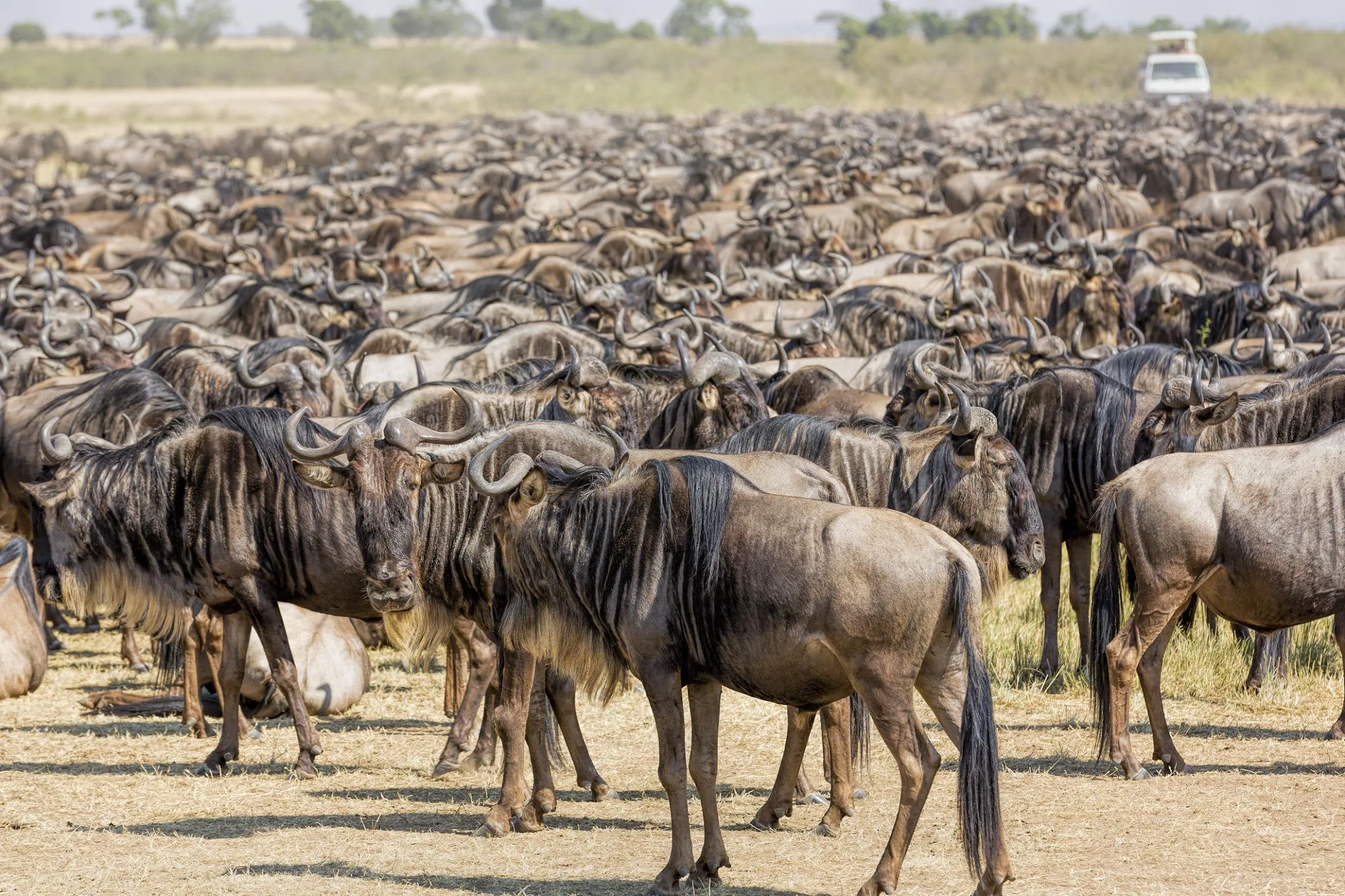
The Mara River crossing is one of the most dramatic stages of the Great Migration, but it is also one of the least predictable. During the Northern Serengeti migration season, wildebeest and zebra move through the ecosystem in search of fresh grazing and water. Their movements may eventually bring large herds to the Mara River, where they must sometimes cross between different grazing areas.
Why Do Wildebeest Cross the Mara River?
Wildebeest do not cross the Mara River for visitors or according to a fixed calendar. Their movement is driven primarily by rainfall, water availability and the search for fresh grazing. As conditions change across the Serengeti–Mara ecosystem, herds continue moving, sometimes bringing thousands of animals toward the river.
When a crossing occurs, wildebeest may enter the water in large numbers while crocodiles wait in the river and predators remain active around the surrounding plains.
Why Can't Mara River Crossings Be Scheduled?
There is no guaranteed crossing time or location. A large herd may approach the river in the morning but remain on the bank for several hours. The animals may eventually cross, move to another section of the river or turn away completely.
For this reason, we never promise that guests will witness a Mara River crossing on a particular day. Even during the peak migration months, wildlife movements remain entirely natural.
How Do Safari Guides Track the Great Migration?
Experienced guides observe recent herd movements, grazing conditions, weather patterns and wildlife activity when deciding where to concentrate each day's game drive.
Guides also use current information from the wider safari network to understand where significant concentrations of wildebeest may be moving. Your daily route can therefore change according to conditions rather than following exactly the same circuit every day.
Why Spend Multiple Days in Northern Serengeti?
This is one of the main advantages of our four-day itinerary. With three nights in Northern Serengeti and two full migration-focused days, you are not relying on a single afternoon or morning around the Mara River.
If migration activity is quiet in one area, your guide has time to explore another. If large herds are gathering near a potential crossing point, you have greater flexibility to remain in the area and observe what develops.
Why Patience Matters During the Great Migration
A successful migration safari is not always about driving farther. Sometimes the better decision is to wait.
Wildebeest can gather near the river without immediately crossing. Leaving too quickly may mean missing activity that develops later, while waiting provides opportunities to observe herd behaviour, predators, birdlife and interactions between different species.
The objective is therefore not simply to chase a river crossing, but to experience the Great Migration as a complete natural event across Northern Serengeti.
Serengeti Great Migration Safari: July to October
The Great Migration typically reaches Northern Serengeti between July and October, but the exact timing and location of the herds change from year to year. Rainfall, grazing conditions and water availability influence how quickly the wildebeest move and how long they remain in a particular area.
The table below should therefore be treated as a general planning guide rather than a fixed migration calendar.
| Month | Typical Migration Experience |
|---|---|
| July | Herds generally begin moving into Northern Serengeti, with increasing concentrations of wildebeest and zebra around the northern plains. Mara River crossing opportunities may begin as herds reach the river system. |
| August | Often a strong period for Great Migration activity around Kogatende and the Mara River. Large herds may gather near different crossing points, although the timing of individual crossings remains unpredictable. |
| September | Wildebeest and zebra can remain widely distributed throughout the Mara River ecosystem, with movements occurring between different grazing areas on both sides of the Tanzania–Kenya border. Further river-crossing opportunities may occur. |
| October | Migration activity can continue in Northern Serengeti, including possible later-season crossings. Depending on rainfall and grazing conditions, some herds may begin their gradual movement south through the Serengeti. |
Which Month Should You Choose?
August and September are particularly popular for travellers whose priority is the Northern Serengeti and Mara River stage of the migration. July can be attractive for travellers wanting to experience the arrival of the herds in the north, while October can offer later-season migration activity as conditions begin to change.
However, there is no single date that guarantees a river crossing. For a 2027 or 2028 safari, we recommend choosing your travel period based on the overall Great Migration experience, rather than planning the entire trip around witnessing one specific crossing.
Is 4 Days Enough for a Serengeti Great Migration Safari?
Yes—four days can be enough for a Serengeti Great Migration safari if the itinerary concentrates on Northern Serengeti rather than spending much of the safari driving between distant parks.
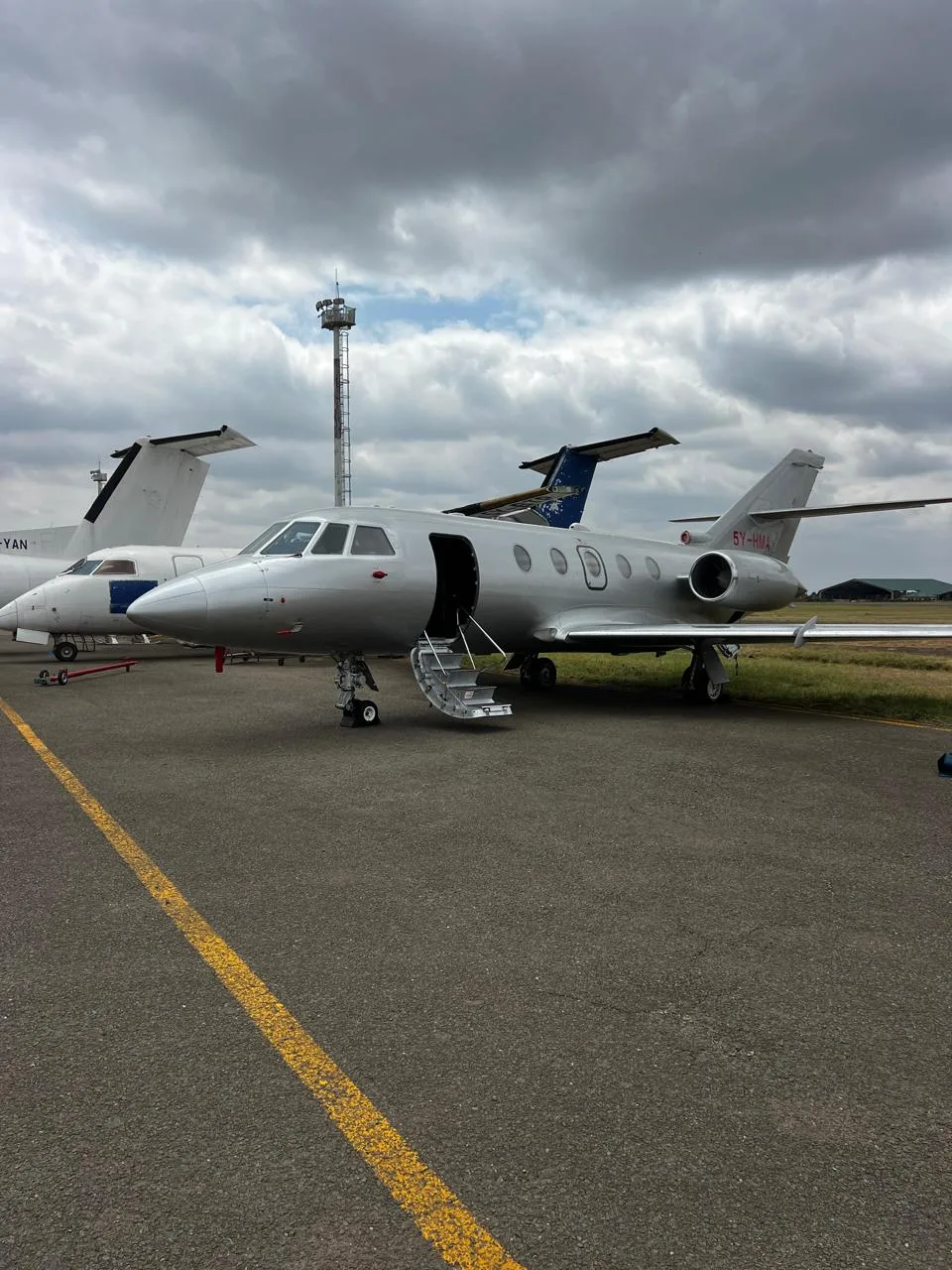
This itinerary uses scheduled flights between Arusha and Kogatende, allowing you to spend three nights in Northern Serengeti and two complete days focused on the Great Migration. Instead of using valuable safari time driving from Arusha through several destinations, you arrive close to the migration area and begin game viewing shortly after meeting your guide.
Four days gives you time to explore the Mara River, follow wildebeest and zebra across the northern plains and search for predators such as lions, cheetahs, leopards and hyenas. It also provides flexibility to revisit productive wildlife areas when conditions change.
What Are the Trade-Offs?
The main trade-off is that this itinerary is deliberately focused on Northern Serengeti. In four days, we do not recommend trying to add Ngorongoro Crater, Tarangire and other distant destinations while still presenting the trip as a dedicated Great Migration safari.
Travellers who want to combine the migration with Central Serengeti, Ngorongoro Crater or Tarangire should consider a longer Tanzania itinerary.
For travellers whose main priority is the Northern Serengeti Great Migration and Mara River ecosystem, however, four d
Great Migration Safari Planning, Travel & Packing Tips 2027/2028
Good preparation can make your 4-day Tanzania Great Migration safari more comfortable and rewarding. Conditions in the Serengeti vary throughout the year, with cool mornings, warm afternoons, seasonal rain and changing wildlife movements. These practical tips will help you prepare for your safari.
Packing Tips
- Pack lightweight, neutral-coloured clothing suitable for warm daytime temperatures.
- Bring a fleece or light jacket for cool early-morning and evening game drives.
- Carry comfortable closed shoes, sunscreen, sunglasses and a wide-brimmed hat.
- Bring insect repellent and any personal medication you require.
- Pack binoculars and a camera with spare batteries, memory cards and a suitable zoom lens if you enjoy photography.
- Use soft-sided luggage, particularly when your safari includes domestic or bush flights.
Tanzania Safari Travel Tips
- Be prepared for early starts, as morning game drives can provide excellent wildlife-viewing opportunities.
- Keep your camera and binoculars accessible while travelling through wildlife areas.
- Carry some cash for tips, drinks, souvenirs and personal expenses.
- Drink plenty of water during game drives and use sun protection throughout the day.
- Follow your guide's instructions and never leave the safari vehicle in wildlife areas unless advised that it is safe.
- Allow sufficient time for onward travel because road conditions, wildlife sightings and game-drive schedules can affect journey times.
Great Migration Planning Tips
- Choose your travel month carefully: Different months offer different migration experiences, from the Ndutu calving season to the Northern Serengeti river-crossing period.
- Match the itinerary to the migration: The best Serengeti region for your safari depends on the expected seasonal location of the wildebeest herds.
- Book peak months early: Camps in popular migration areas can have limited availability during high-demand periods.
- Consider an extra night: Four days can provide an excellent short safari, but an additional night gives you more time to respond to changing herd locations and wildlife activity.
- Choose accommodation by location: A well-positioned camp can reduce unnecessary driving and provide more time for game viewing.
- Keep the itinerary flexible: Rainfall, grazing and water availability influence the movement of the herds, so daily game-drive plans may need to change.
- Consider your arrival and departure times: An overnight stay in Arusha before or after the safari can make the itinerary more comfortable, particularly when connecting with international flights.
Before You Travel
Check your passport validity, Tanzania visa requirements, travel insurance and current entry requirements well before departure. Keep copies of important travel documents accessible during your journey.
Great Migration note: The migration is a natural wildlife movement rather than a scheduled event. Exact herd locations, predator activity and river crossings cannot be guaranteed. Your guide will use current local conditions and wildlife information to maximise your viewing opportunities.
Wildlife You May See on Your Great Migration Safari
The Serengeti ecosystem supports an extraordinary variety of wildlife throughout the year. During this 4-day Great Migration safari, your guide will explore the most productive wildlife areas along your seasonal safari route, looking for migrating herds, predators and resident species. What you encounter will vary according to the time of year, rainfall, grazing conditions and the natural movement of the animals.
| Wildlife | What You May Experience |
|---|---|
| Wildebeest | Large migrating herds may be encountered when your safari route coincides with the seasonal movement of the Great Migration. |
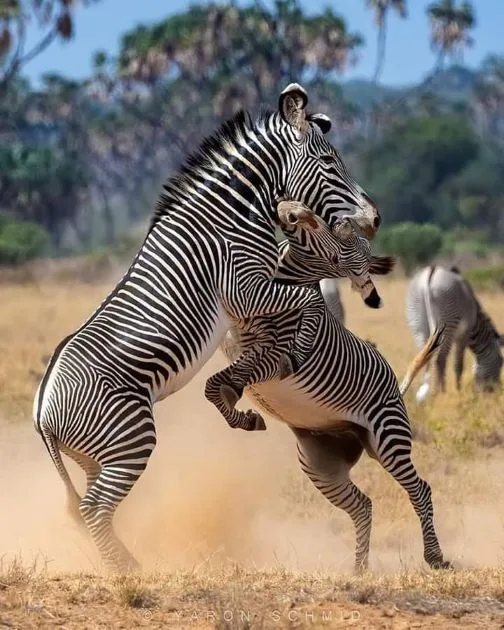
| Zebra | Often travel alongside wildebeest and can form impressive mixed herds across the plains. |
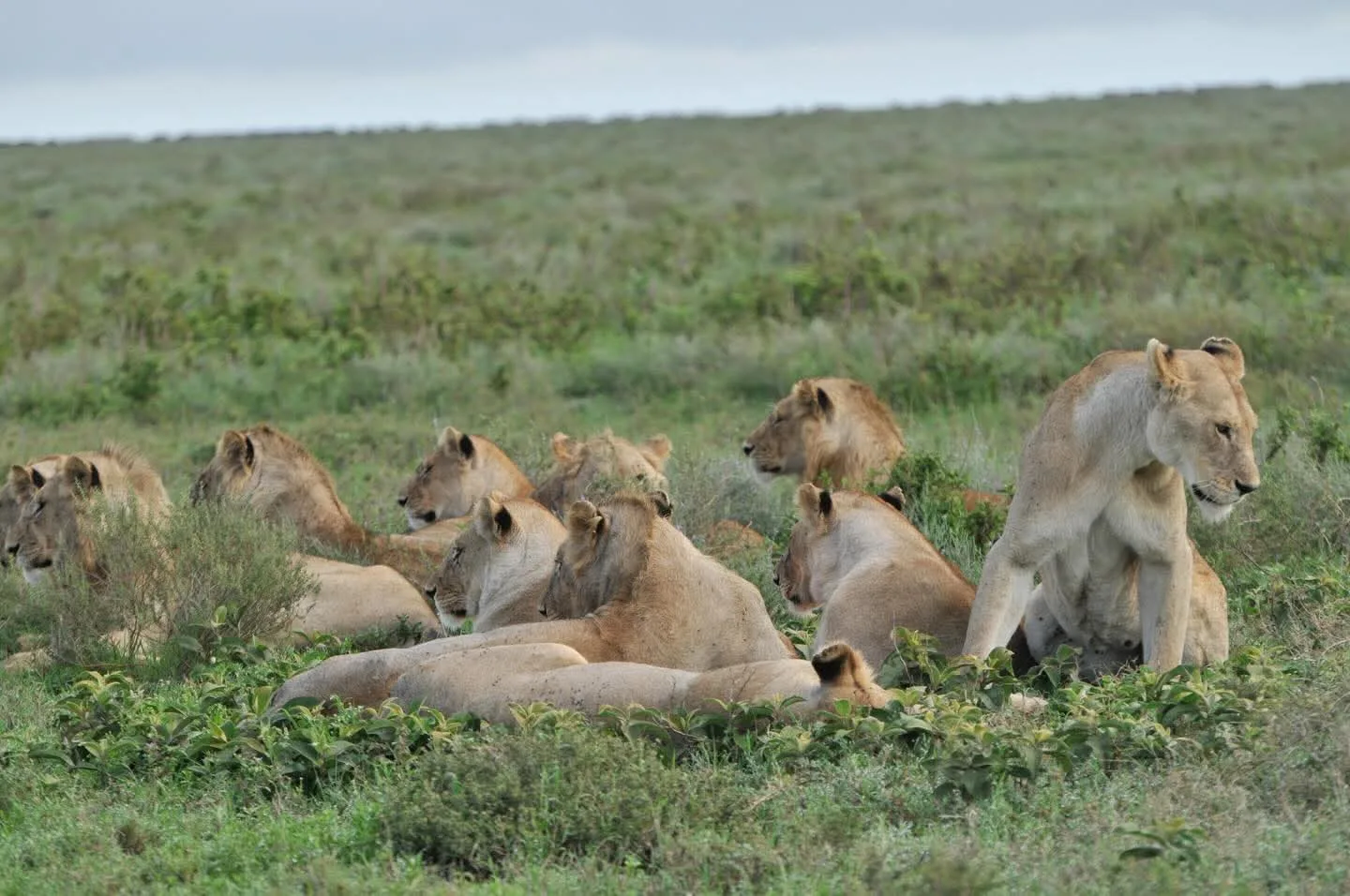
| Lions | Frequently found in the Serengeti ecosystem, particularly around areas with concentrations of prey. |
| Cheetahs | Open grasslands provide good habitat for cheetahs and opportunities to observe them scanning or hunting across the plains. |
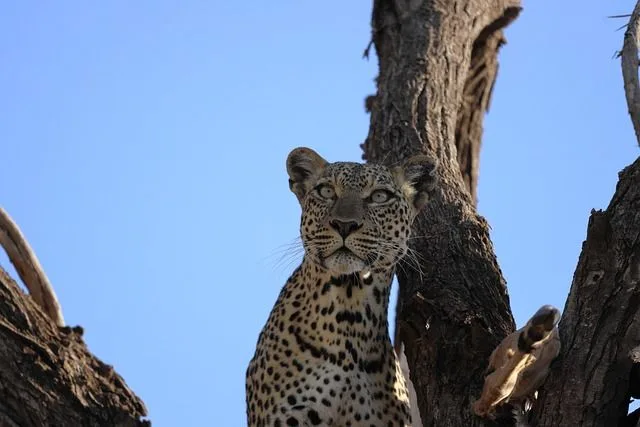
| Leopards | More elusive than lions and cheetahs, but your guide will look for them around suitable woodland and riverine habitats. |
| Elephants | Resident herds can be encountered in several parts of the Serengeti and surrounding conservation areas. |
| Giraffes | Commonly seen browsing in woodland and acacia-dominated areas. |
| Hyenas | Important Serengeti predators and scavengers that are often active around areas with abundant prey. |
Great Migration Sightings
Depending on your travel month and safari route, you may encounter large wildebeest and zebra herds, newborn calves, predator activity or seasonal river crossings. These experiences depend entirely on natural wildlife movements and local conditions.
Wildlife note: The Great Migration is a natural event influenced by rainfall, grazing and water availability. Wildlife sightings, herd locations, predator activity and river crossings cannot be guaranteed. Your safari guide will use current local conditions and wildlife information to maximise your viewing opportunities.
Guide & Travel Expert Insights – Great Migration Safari 2027/2028

The Great Migration is constantly changing, which is why successful migration viewing depends on more than simply following a fixed safari route. Our guides consider recent wildlife reports, rainfall patterns, grazing conditions and the movement of wildebeest and zebra herds when planning each day's game drive.
Follow the Wildlife, Not a Fixed Schedule
Migration herds do not follow an exact calendar. Rainfall and the availability of fresh grass and water can influence how quickly the wildebeest move through the Serengeti ecosystem.
Rather than rushing between predetermined locations, your guide can adjust the game-drive route according to current wildlife activity and information from other professional guides in the area.
What Our Guides Look For
Finding the migration is not only about locating the largest wildebeest herd. Experienced guides also look for signs that can indicate where interesting wildlife activity may develop, including:
The direction and concentration of wildebeest and zebra herds
Recent rainfall and areas of fresh grazing
Predator activity around the herds
Lions and cheetahs positioning themselves near grazing areas
Vultures and other scavenger activity
Vehicle and guide reports from different parts of the Serengeti
River conditions during the northern migration season
These observations help determine where your safari time is likely to be most rewarding.
Mara River Crossings Cannot Be Guaranteed
From approximately July to October, wildebeest may gather around the Mara River in Northern Serengeti. However, a large herd standing close to the river does not necessarily mean a crossing will happen immediately.
The animals may wait for hours, change direction or leave the river entirely before returning later. For this reason, we never guarantee a river crossing on a particular day.
When conditions look promising, patience can be more valuable than continuously changing locations.
Why Multiple Serengeti Game Drives Matter
Spending several game drives in the Serengeti gives your guide more flexibility to respond to changing wildlife conditions. If migration activity is quiet in one area, another game drive provides an opportunity to explore a different region or concentrate on resident wildlife.
Even when the main migration herds are elsewhere, the Serengeti remains excellent for lions, cheetahs, leopards, elephants, giraffes, buffaloes, zebras and numerous antelope species.
Our Travel Expert Recommendation
For a 4-day Great Migration safari, avoid trying to cover too many distant areas in a short period. The safari is usually more rewarding when accommodation is selected close to the migration region expected during your travel dates.
For 2027/2028, we recommend planning the Serengeti region according to the season rather than choosing one permanent camp for every month of the year.
The objective is simple: spend more time watching wildlife and less time driving unnecessarily between distant parts of the Serengeti.
Migration movements are controlled by nature and can vary from year to year. Exact herd locations, predator sightings and river crossings cannot be guaranteed.
Traveller Reviews – Great Migration Safari Tanzania
Read what travellers say about their Great Migration safari experiences in Northern Serengeti. These sample reviews highlight different aspects of the journey, from the Mara River and migrating wildebeest herds to predator sightings, photography and the overall safari experience.
An Incredible Great Migration Experience
Traveller: James Anderson
Country: United Kingdom
Travel month: September 2024
Group type: Couple
Safari highlights: Mara River, wildebeest herds, lions, Northern Serengeti
Rating: ★★★★★
Our Great Migration safari in Northern Serengeti was an unforgettable experience. We witnessed thousands of wildebeest moving across the plains and spent an exciting morning near the Mara River. Our guide was knowledgeable, patient and excellent at finding wildlife. Seeing lions resting near the migration herds was a highlight of the trip. The entire safari was well organised, comfortable and truly memorable.
Amazing Wildlife in Northern Serengeti
Traveller: Sophie Martin
Country: France
Travel month: August 2024
Group type: Family
Safari highlights: Wildebeest, zebra, cheetahs, Kogatende
Rating: ★★★★★
Northern Serengeti exceeded all our expectations. We saw huge herds of wildebeest and zebra around Kogatende, as well as cheetahs and several lions during our game drives. The landscape was beautiful, and every day brought a new wildlife experience. Our guide was friendly and made the safari enjoyable for everyone in the family. It was an amazing adventure from beginning to end.
A Fantastic Mara River Safari
Traveller: Michael and Laura Bennett
Country: United States
Travel month: September 2024
Group type: Couple
Safari highlights: Mara River, migration herds, lions, photography
Rating: ★★★★★
The Mara River was the main reason we chose this safari, and it was an incredible experience. We were fortunate to see large groups of wildebeest gathering near the river, along with crocodiles and hippos. We also enjoyed excellent sightings of lions and other wildlife during our game drives. Our guide gave us plenty of time to observe and photograph the animals without feeling rushed. This was one of the best travel experiences we have ever had.
Perfect Safari for Wildlife Photography
Traveller: Daniel Rossi
Country: Italy
Travel month: October 2024
Group type: Friends
Safari highlights: Great Migration, predators, photography, Serengeti landscapes
Rating: ★★★★★
This safari was perfect for wildlife photography. The Northern Serengeti offered incredible opportunities to photograph wildebeest, zebra, lions and cheetahs in beautiful natural surroundings. Our guide understood our photography interests and positioned the vehicle carefully while always respecting the animals. The changing light over the Serengeti plains was spectacular. We returned home with wonderful memories and thousands of photographs.
Three Nights Made a Big Difference
Traveller: Emma Wilson
Country: Australia
Travel month: August 2024
Group type: Family
Safari highlights: Northern Serengeti, wildebeest, Mara River, game drives
Rating: ★★★★★
Staying for three nights in Northern Serengeti made a big difference. We had enough time to enjoy several game drives, explore different areas and wait patiently for wildlife encounters. We saw large wildebeest herds, elephants, giraffes, lions and many other animals. The visit to the Mara River was especially memorable. The safari was well planned, and our guide made the experience comfortable, informative and enjoyable for the whole family.
Frequently Asked Questions – 4 Days Great Migration Safari Tanzania 2027/2028
1. Is 4 days enough for a Great Migration safari in Tanzania?
Yes. Four days can provide a rewarding Great Migration experience when the itinerary is matched to the expected location of the herds. It is particularly suitable for travellers with limited time. Adding an extra night can provide greater flexibility for wildlife viewing.
2. What is the best time for a Great Migration safari in Tanzania?
The best time depends on the migration experience you want. The herds are generally around Ndutu and the southern plains during the calving season from approximately December to March, moving through central and western areas during subsequent months and towards the Northern Serengeti during the July–October period.
3. Can I see a Mara River crossing on this safari?
River crossings may be possible when visiting the Northern Serengeti during the appropriate migration season, particularly from around July to October. However, crossings are natural events and their timing and location cannot be guaranteed.
4. Where does this 4-day Great Migration safari start and end?
The safari normally starts and ends in Arusha, Tanzania. Airport transfers and additional accommodation before or after your safari can also be arranged according to your travel plans.
5. What type of safari vehicle will we use?
Game drives are conducted in a 4×4 safari Land Cruiser with a pop-up roof designed for wildlife viewing and photography. Your safari is accompanied by a professional driver-guide.
6. What accommodation is included?
The standard package uses comfortable mid-range safari lodges and tented camps. The actual properties depend on your travel dates, availability and the seasonal location of the Great Migration. Luxury accommodation upgrades can be arranged on request.
7. What wildlife can I expect to see?
Depending on the season and route, you may encounter wildebeest, zebra, lions, cheetahs, elephants, giraffes, hyenas and many other species. Wildlife is free-ranging, so individual sightings cannot be guaranteed.
8. Is this safari suitable for families with children?
Yes. The safari can be arranged for families, although parents should consider the amount of driving and the age of their children. A private safari is particularly useful for families because it provides greater flexibility with stops and game-drive schedules.
9. How far in advance should I book?
Booking several months ahead is recommended, particularly for peak Great Migration periods when well-located Serengeti camps can fill quickly. Early booking also provides a better choice of accommodation.
10. Can I customise this 4-day safari?
Yes. The itinerary can be customised according to your travel month, group size, accommodation preference and available time. You can also request luxury accommodation, an additional Serengeti night or other suitable safari extensions.
Why Book Your Great Migration Safari With Us?
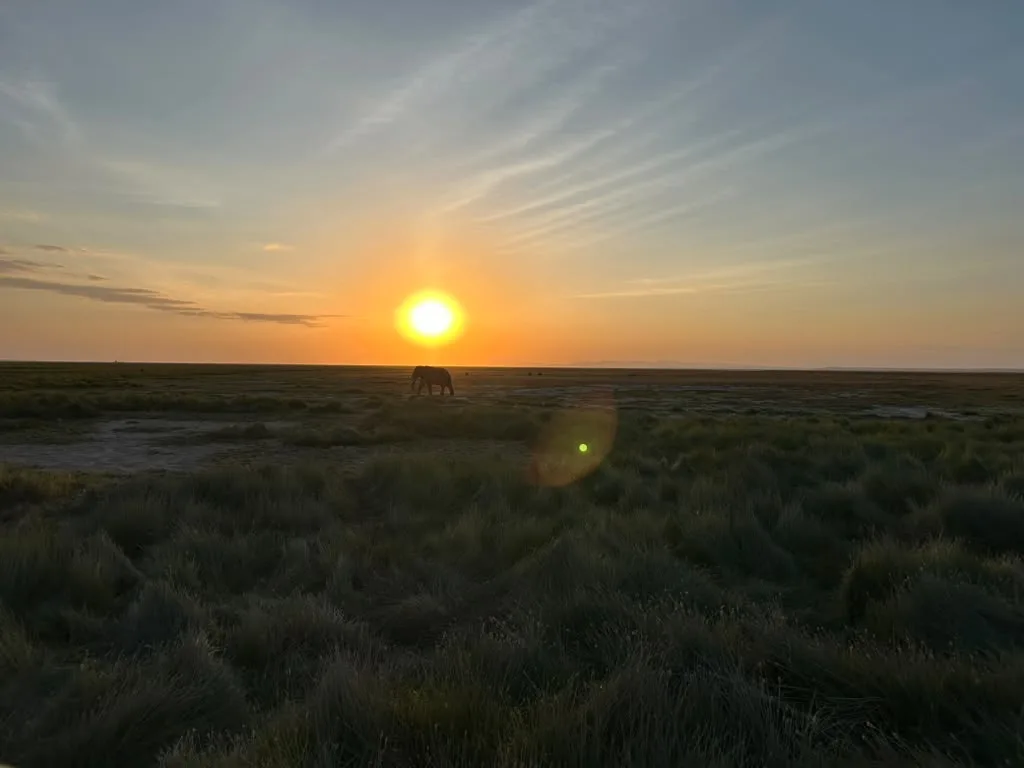
Planning a Great Migration safari requires the right timing, accommodation and local knowledge. At East Africa Jungle, we help you plan each stage of your Northern Serengeti journey, from choosing suitable travel dates and migration camps to arranging safari flights, game drives and extensions.
East Africa Safari Specialists
We specialise in safari travel across East Africa and understand the practical details involved in planning wildlife itineraries in Tanzania. Your safari is designed around realistic travel times, seasonal wildlife movements and the experience you want from your trip.
Private 4×4 Safari Experience
Your Northern Serengeti game drives are operated in a private 4×4 safari Land Cruiser with a professional driver-guide. This gives your travelling party greater flexibility with game-drive timing, wildlife viewing and photography.
More Time in the Migration Area
Rather than spending much of a short safari travelling between distant parks, this itinerary flies you directly to Kogatende in Northern Serengeti. Three nights in the area give you two full days to follow changing migration activity.
Carefully Selected Migration Camps
We select accommodation according to location, comfort, availability and access to the areas you will be exploring. During the Northern Serengeti migration season, staying in the right area can be just as important as the accommodation category itself.
Honest Advice About Mara River Crossings
We do not promise a Mara River crossing on a particular day. Crossings are natural events and cannot be guaranteed.
Instead, we design the safari to give you sufficient time in Northern Serengeti and allow your guide to respond to the wildlife conditions encountered during your visit.
Experienced Safari Guides
Your driver-guide plays an important role in the quality of your safari. During migration game drives, your guide considers herd movements, wildlife behaviour, predator activity, weather and conditions on the ground when deciding which areas to explore.
Clear Safari Pricing
Your quotation clearly explains the safari cost and what is included and excluded. Accommodation, scheduled safari flights, park fees, transportation and other confirmed services are detailed before you make your booking.
Flexible Safari Planning
Every traveller is different. We can adjust accommodation levels, add extra nights in Northern Serengeti or combine your migration safari with Central Serengeti, Ngorongoro Crater, Tarangire or Zanzibar.
Support Before and During Your Safari
From your first enquiry through your safari, our team assists with accommodation, flight arrangements, transfers and other safari logistics. We also provide practical pre-departure information to help you prepare for your Tanzania journey.
Plan Your 2027/2028 Great Migration Safari
Tell us your travel dates, number of travellers and preferred accommodation level, and we will prepare a Great Migration safari proposal based on your plans.
WhatsApp: +254 728 567 308
Email: sales@eastafricajungle.com
Editorial Review – 4 Days Great Migration Safari Tanzania 2027/2028
Our Assessment
This safari is ideal for travellers seeking a focused Great Migration experience in Northern Serengeti from July to October. Flights between Arusha and Kogatende reduce travel time, while three nights in the region allow for two full migration-focused game-drive days.
We recommend it for couples, families, photographers and first-time Tanzania visitors. A Mara River crossing cannot be guaranteed, and travellers wishing to visit other parks should consider a longer itinerary.
Highlights
- Three nights in Northern Serengeti
- Two full migration-focused game-drive days
- Private 4×4 safari vehicle
- Fly-in access between Arusha and Kogatende
- Excellent wildlife and photography opportunities
Editorial Rating
Wildlife Experience: ★★★★★
Great Migration Focus: ★★★★★
Photography Opportunities: ★★★★★
Itinerary Pace: ★★★★☆
Overall Editorial Rating: 4.9/5
Best for: Great Migration travellers, couples, families and photographers
Recommended travel period: July–October 2027/2028
Safari style: Private fly-in safari
Reviewed by: East Africa Jungle Safari Team
Last reviewed: August 2026
About the Author

John Peter – East Africa Safari Specialist
John Peter is an East Africa safari specialist with more than 16 years of experience planning and organising wildlife safaris across Kenya and Tanzania. His experience includes Great Migration safaris, Serengeti fly-in itineraries, Masai Mara safaris, family safaris and customised East African journeys.
Through East Africa Jungle, John works with travellers to design practical safari itineraries based on travel season, available time, accommodation preferences and the wildlife experiences they hope to see.
His approach to Great Migration planning focuses on spending sufficient time in the right safari region, using realistic travel connections and helping travellers understand that wildlife movements and Mara River crossings are natural events that cannot be guaranteed.
Specialist areas: Tanzania safaris, Serengeti Great Migration, Northern Serengeti, Masai Mara, fly-in safaris and tailor-made East Africa itineraries
Experience: 16+ years in East African safari travel
Author: John Peter
Last updated: August 2026
Plan Your 2027/2028 Great Migration Safari
Experience Northern Serengeti during one of Tanzania's most remarkable wildlife seasons. Spend three nights near Kogatende, enjoy two full migration-focused game-drive days and explore the Mara River and surrounding plains with your private safari guide.
Share your travel dates, number of travellers and preferred accommodation level, and we will prepare a personalised quotation for your 4 Days Great Migration Safari Tanzania.
From USD 3,200 per person sharing
WhatsApp: +254 728 567 308
Email: sales@eastafricajungle.com
Start Planning Your Great Migration Safari
Available Months
Dates are flexible. Request your preferred month and our team will advise the best safari timing.
Safari Route Map
Plan Your Safari Today
Tell us your travel month, budget level, and group size. We will shape this package around your preferred safari style.

 16+ Years
 English