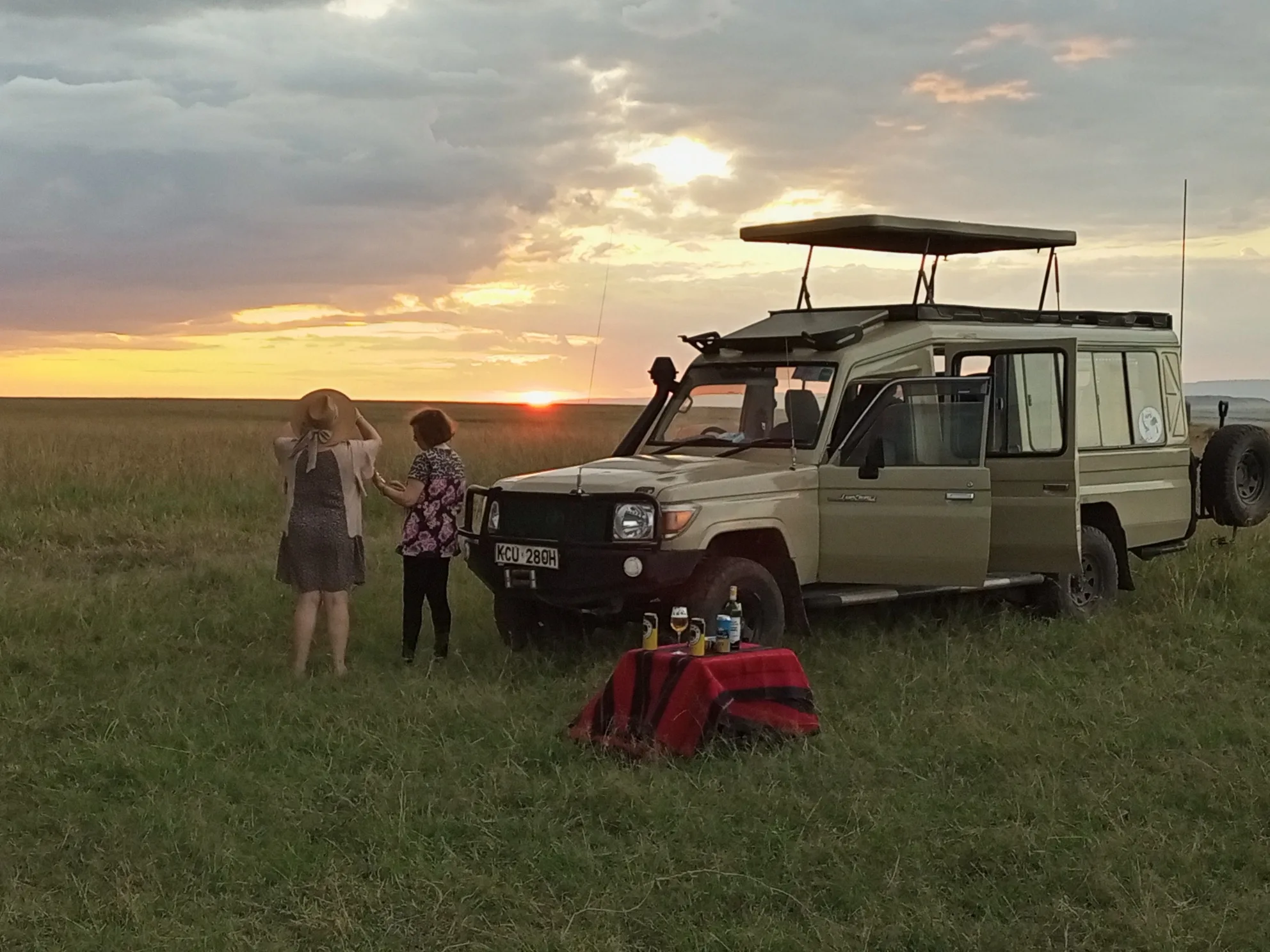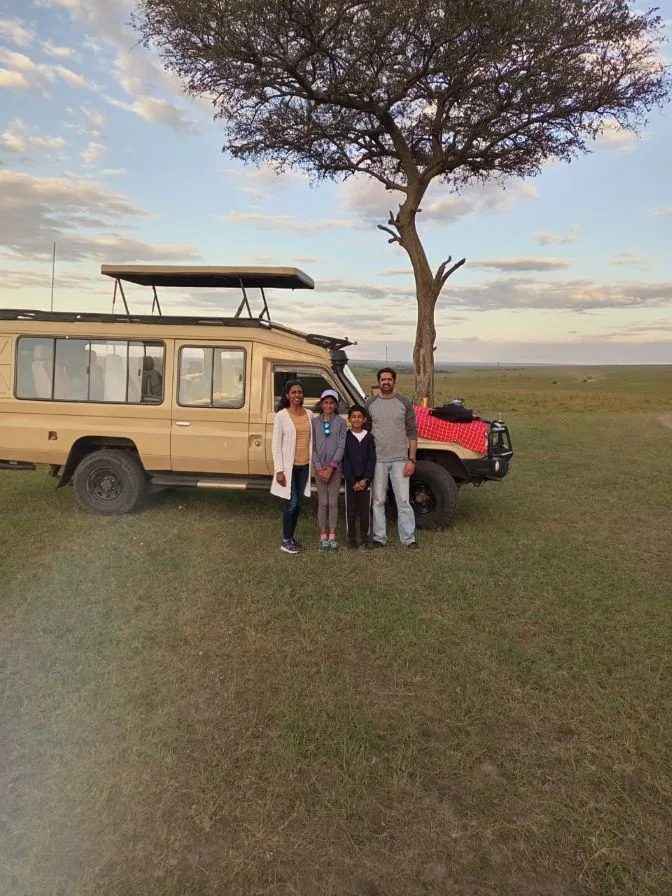
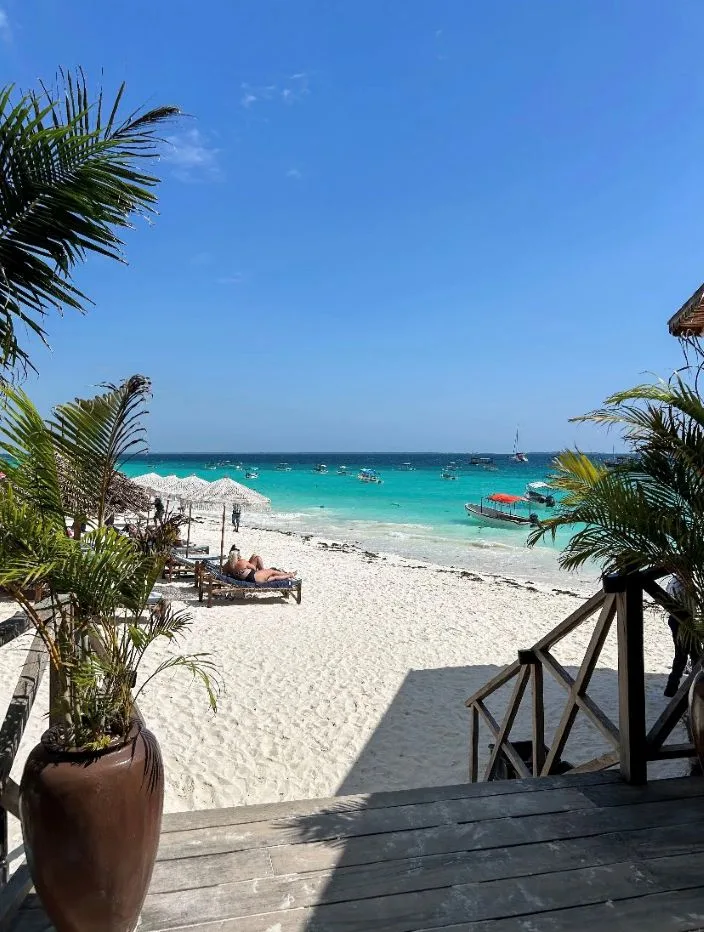

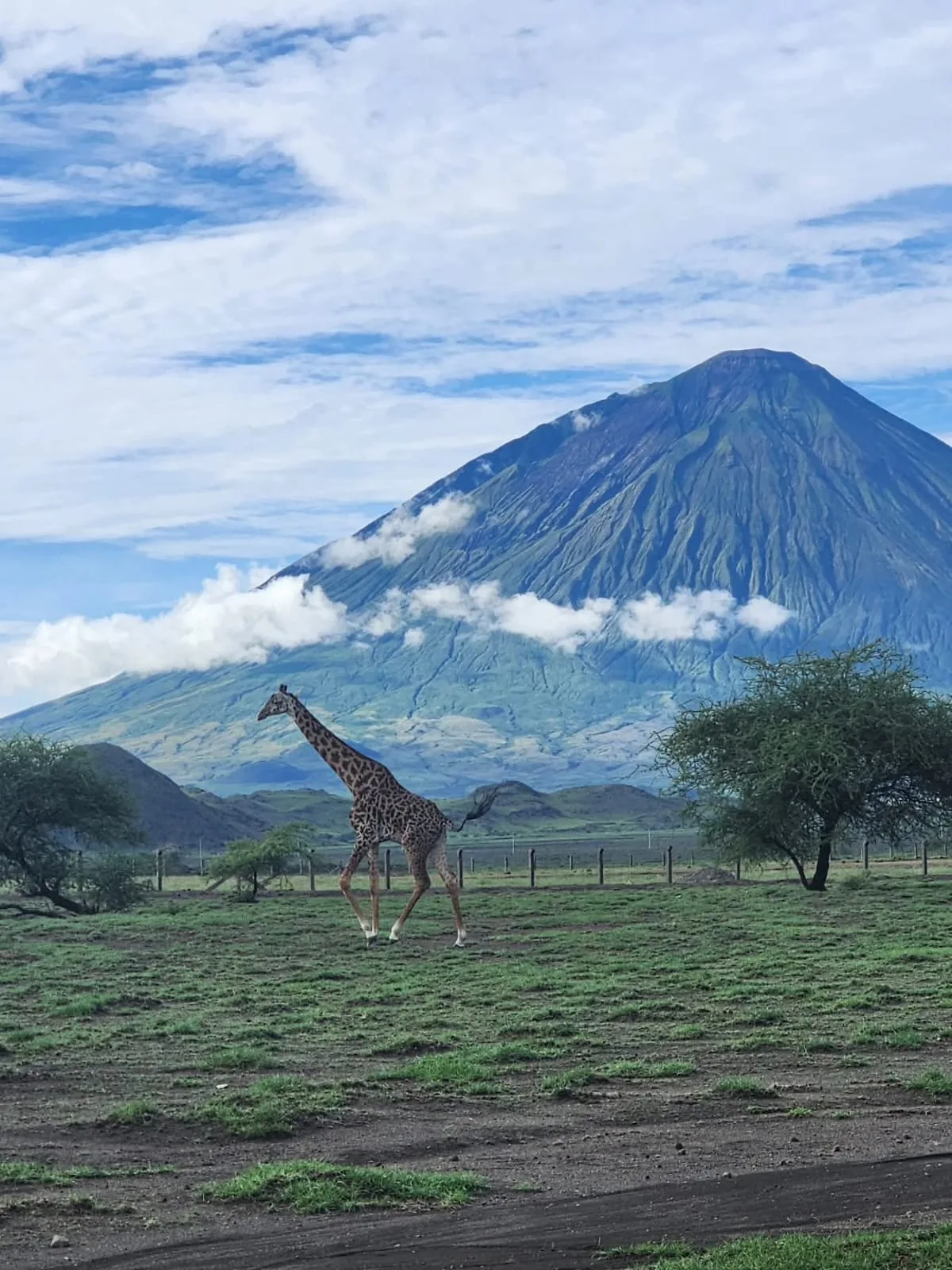
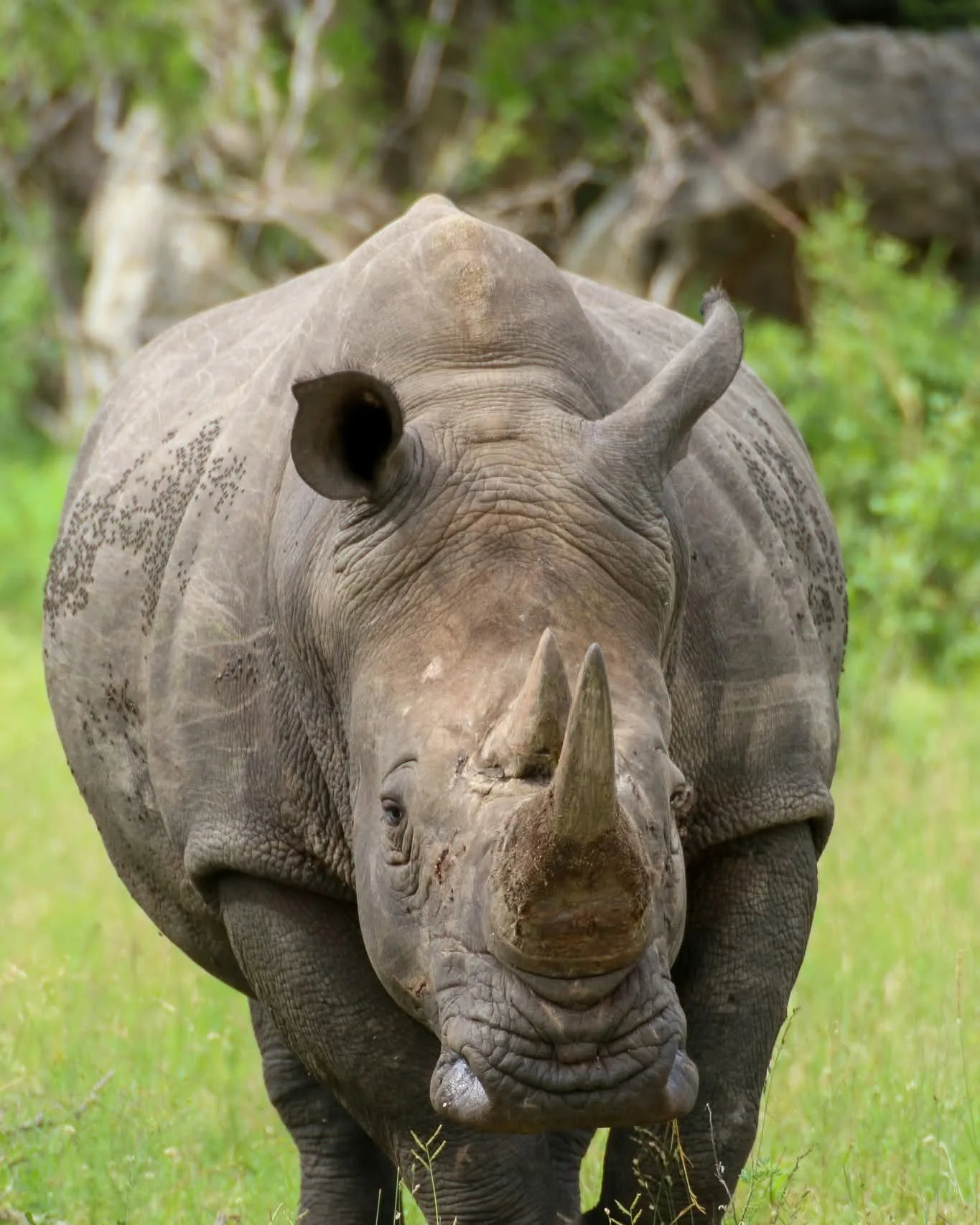
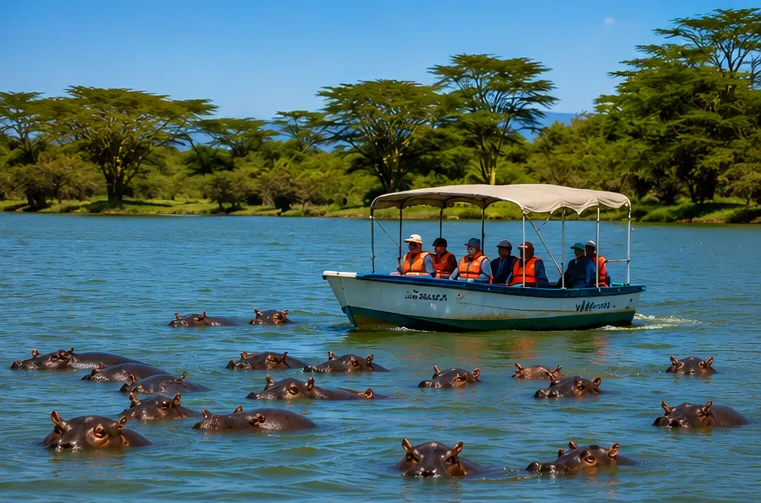
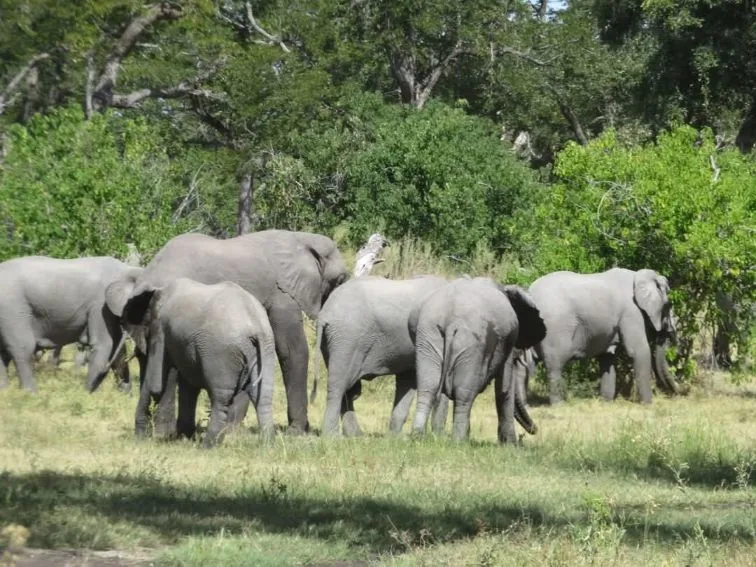
Explore Tarangire, Serengeti and Ngorongoro Crater with your family in a private 4×4 Land Cruiser. Enjoy child-friendly accommodation, flexible game drives and personalised itineraries.
Family safari prices: Request a confirmed 2027–2028 quotation based on your travel dates, number of adults, children's ages and preferred accommodation.
5-Day Private Tanzania Family Safari — From USD 1400 per adult
Based on a minimum of 2 travellers, mid range accommdation, for travel during 2027-2028. Children's rates depend on age and room-sharing arrangements.
Request Your Family Safari Quote | Explore Family Safari Packages | Email: sales@eastafricajungle.com | Whatsapp 254728567308
Guide to Tanzania Family Safari Package Gallery
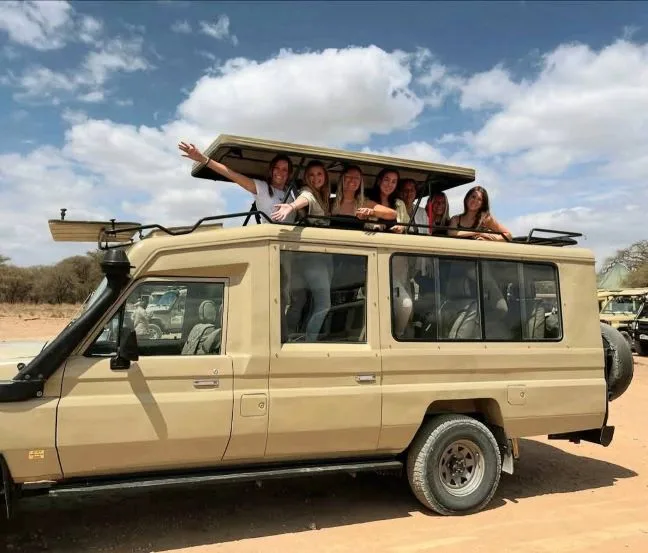
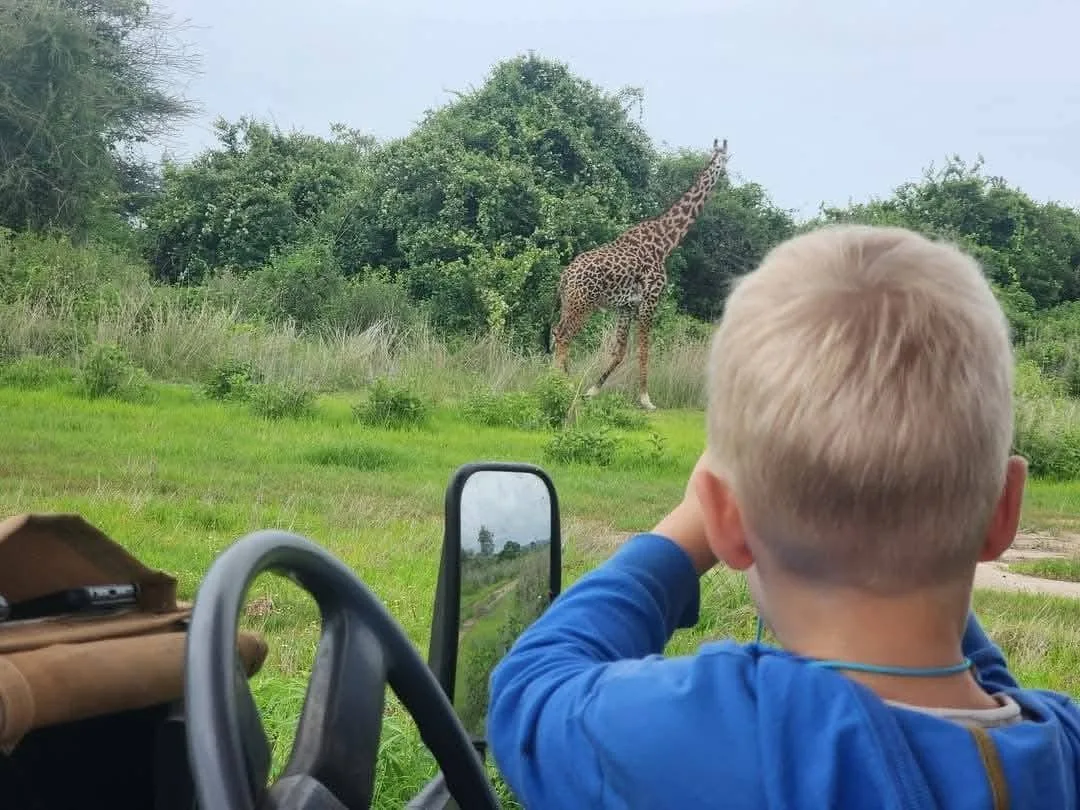
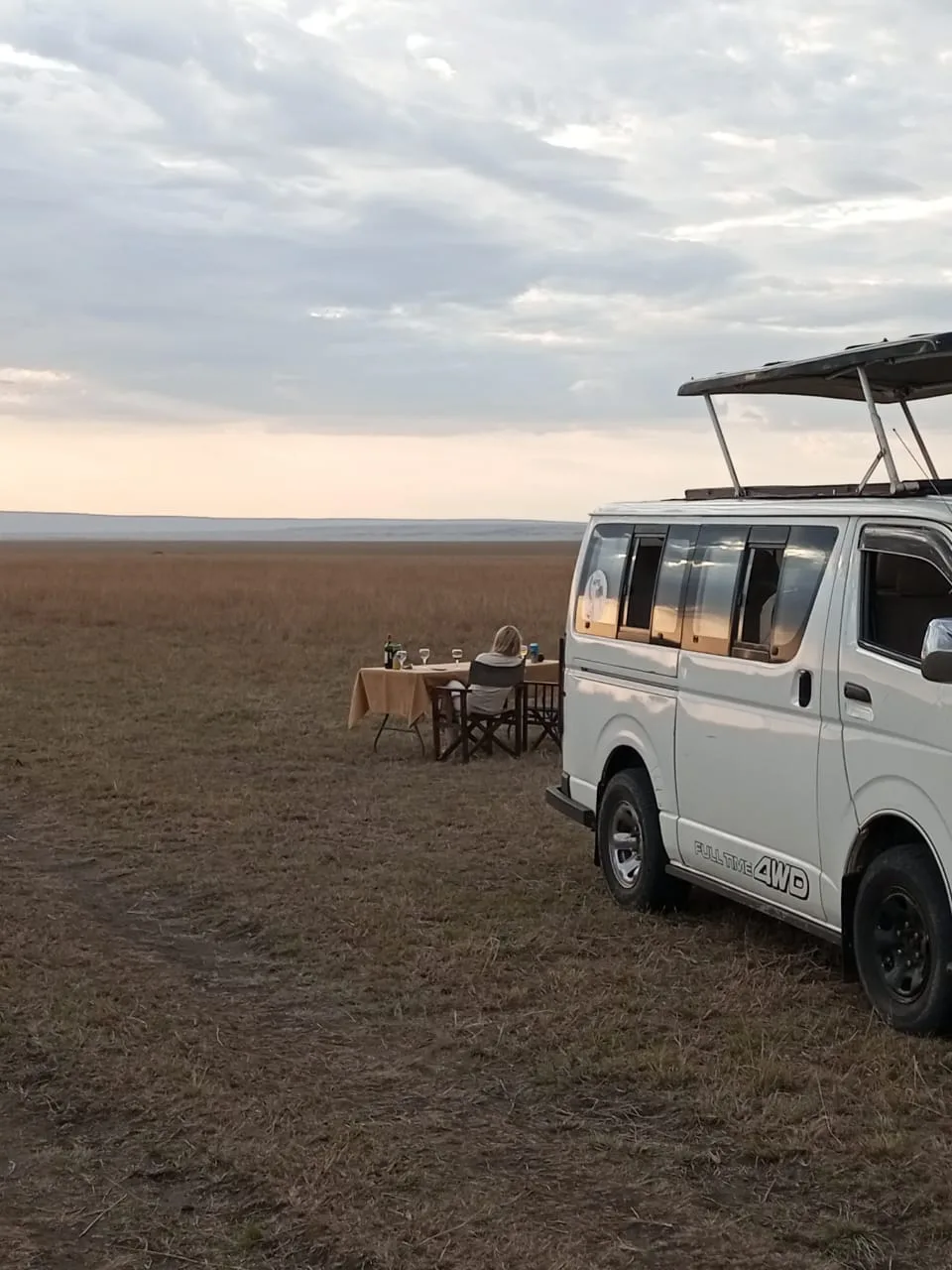
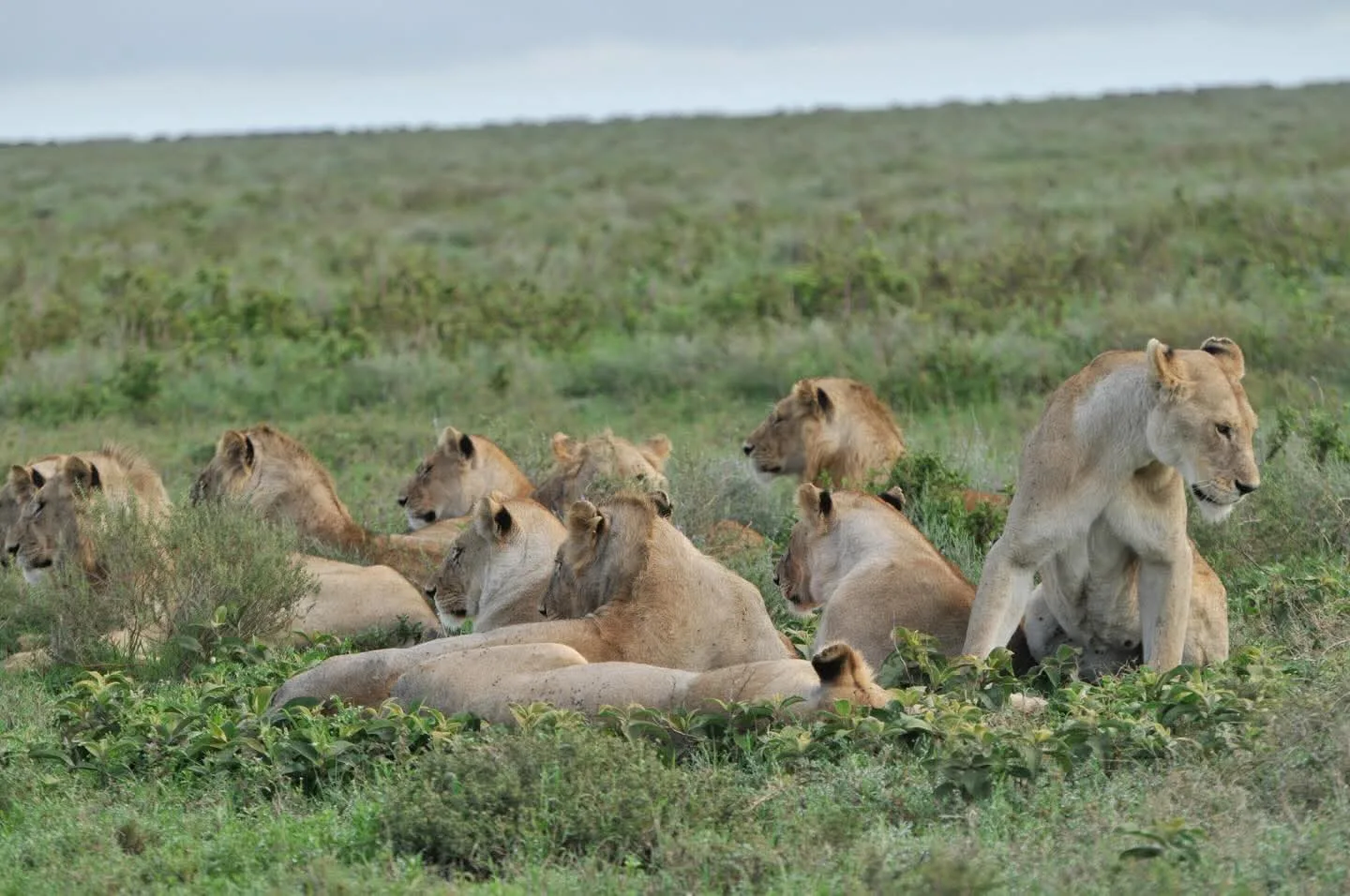
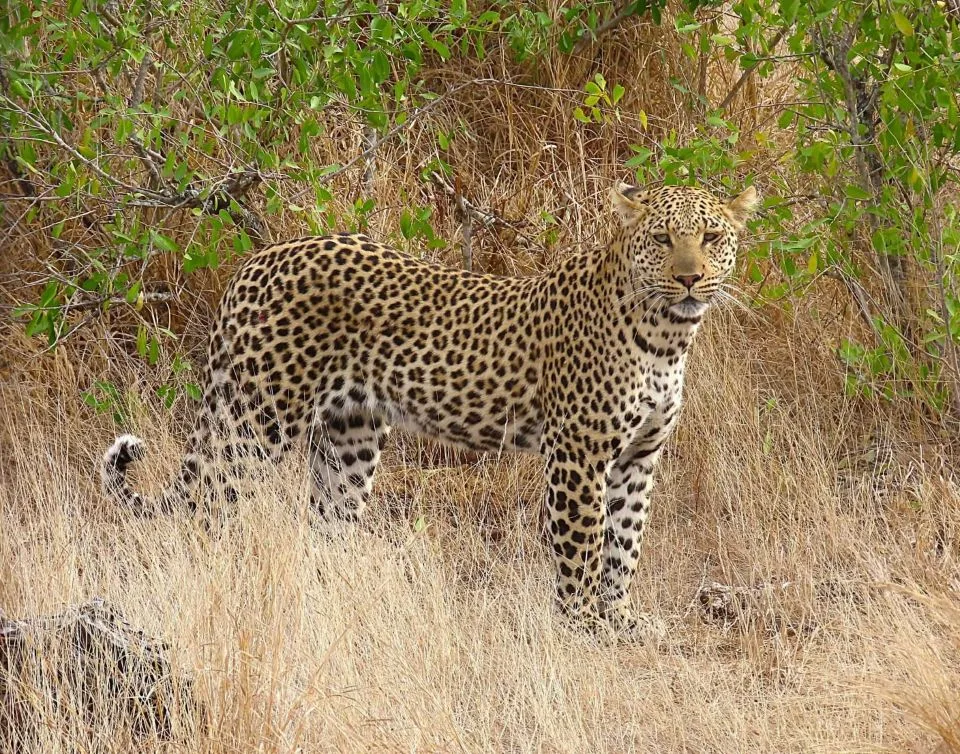
Is Tanzania Good for a Family Safari?
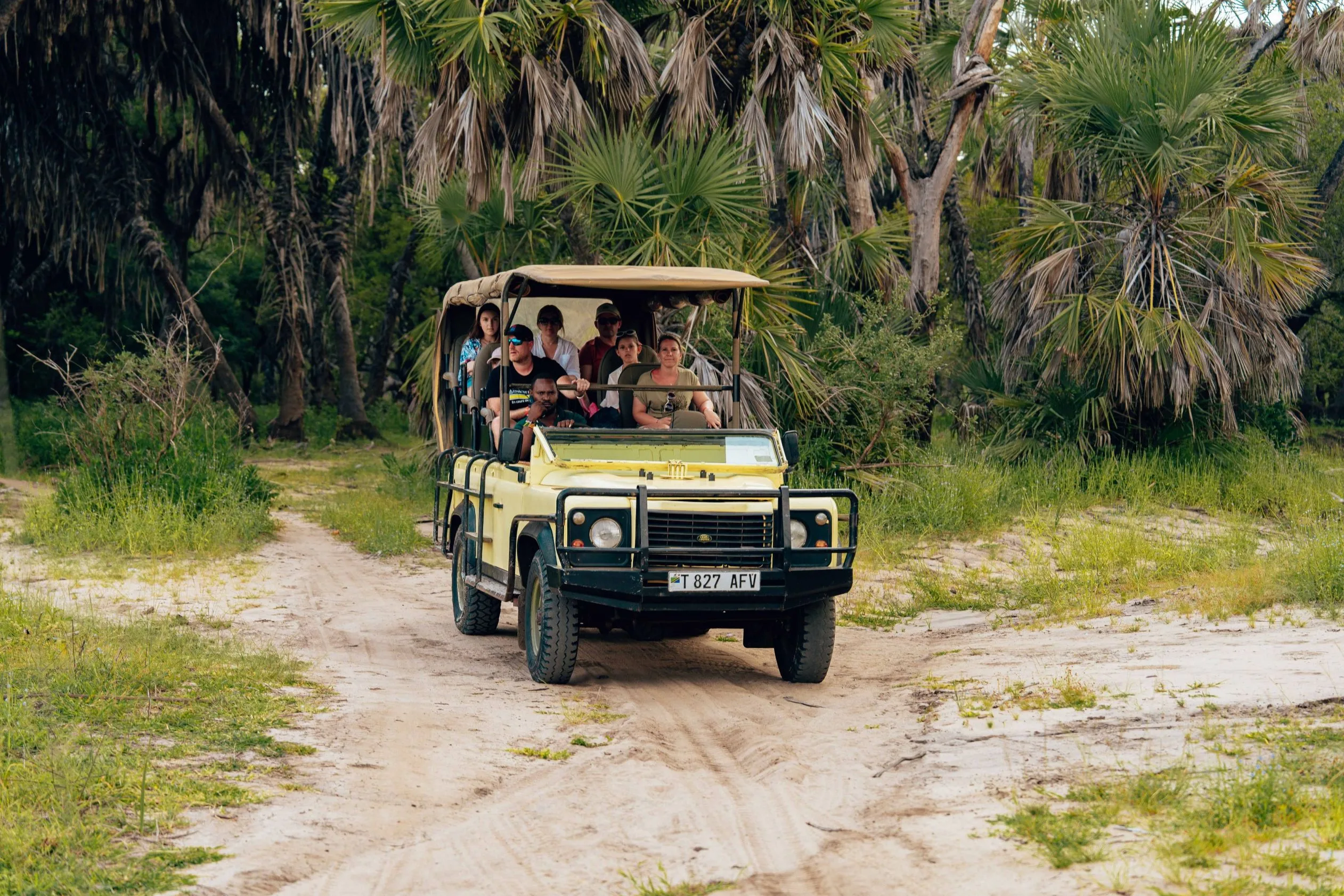
Yes. Tanzania is one of Africa's most rewarding family safari destinations, offering exceptional wildlife, varied national parks, family-friendly accommodation and the opportunity to combine a safari with a Zanzibar beach holiday.
Families can watch elephants among Tarangire's ancient baobab trees, search for lions and cheetahs across the Serengeti plains and explore the remarkable wildlife habitat of Ngorongoro Crater. These experiences give children an opportunity to discover wildlife, ecosystems and conservation beyond what they have seen in books or documentaries.
At East Africa Jungle, we generally recommend private Tanzania family safaris in a 4×4 Land Cruiser. A dedicated vehicle and experienced safari guide allow the daily programme to accommodate your family's interests, preferred game-drive duration and reasonable rest stops, within park regulations.
Tanzania also offers flexibility in accommodation and travel style, from comfortable mid-range lodges to luxury family tented camps. Families with additional holiday time can finish their wildlife adventure with several relaxing days on Zanzibar's beaches.
The most successful family safari is not necessarily the one visiting the most national parks. It is the itinerary that gives everyone enough time to enjoy the wildlife, learn from their guide and experience Tanzania comfortably.
Tanzania Family Safari at a Glance
Planning a Tanzania safari with children is easier when you understand the recommended trip duration, main wildlife destinations, travel seasons and accommodation options. The table below summarises the essential details for families considering a Tanzania safari in 2027–2028.
| Safari Detail | Family Safari Recommendation |
|---|---|
| Best for | Families with children, teenagers and multigenerational groups |
| Entry-level package | 5 Days Private Tanzania Family Safari |
| Ideal first-time duration | 6–7 days |
| Classic family route | Tarangire → Serengeti → Ngorongoro |
| Best overall wildlife experience | Serengeti National Park |
| Best for elephants | Tarangire National Park |
| Best for concentrated wildlife viewing | Ngorongoro Crater |
| Best for the Great Migration | Serengeti ecosystem – location varies by season |
| Popular travel period | June–October |
| Calving season | Approximately January–March in Ndutu/southern Serengeti |
| Starting point | Arusha |
| Safari vehicle | Private 4×4 safari Land Cruiser |
| Accommodation options | Budget, mid-range and luxury lodges/tented camps |
| Family accommodation | Family rooms, family tents or interconnected rooms where available |
| Game-drive style | Private and flexible |
| Suitable ages | Depends on itinerary, lodge and activity restrictions |
| Price basis | Minimum 2 travellers, per person |
| Starting price | From USD 1400 per adult |
| Meals on safari | Typically full board |
| Dietary requirements | Vegetarian and other requirements can be arranged with advance notice |
| International gateway | Kilimanjaro International Airport |
| Best planning approach | Fewer destinations, longer stays and realistic driving times |
Family Safari Pricing Note: Our advertised starting price applies to the specified itinerary, travel dates, group size and accommodation category. Children's rates vary by age, park fee category and room-sharing arrangements. All bookings are subject to availability and written confirmation.
Our Recommended Family Safari Formula
For a family's first safari in Tanzania, we generally recommend:
1–2 nights Tarangire + 2–3 nights Serengeti + 1 night Ngorongoro/Karatu
This combination gives families three noticeably different safari experiences without unnecessarily adding another long transfer.
Tarangire provides a gentle introduction to safari, particularly with its elephants, baobab landscapes and varied wildlife. Serengeti deserves the largest share of the itinerary because of its scale, predator viewing and year-round wildlife, while Ngorongoro Crater provides a final, concentrated game-viewing experience in a dramatically different landscape.
Families with 10–14 days can extend the trip to Zanzibar for 3–6 nights, creating a Tanzania family safari and beach holiday without making the wildlife portion unnecessarily rushed.
Important for Families Travelling for the Great Migration
The Great Wildebeest Migration is a natural, year-round movement, not an event that occurs in one fixed Serengeti location.
Where your family should stay therefore depends on your travel dates, recent conditions and the approximate movement of the herds. Rainfall can affect migration timing, and Mara River crossings and individual wildlife sightings cannot be guaranteed.
For families travelling specifically to experience the migration, the itinerary should be designed around the season first rather than choosing accommodation simply because it carries a Serengeti address.
Why Choose Tanzania for a Family Safari?
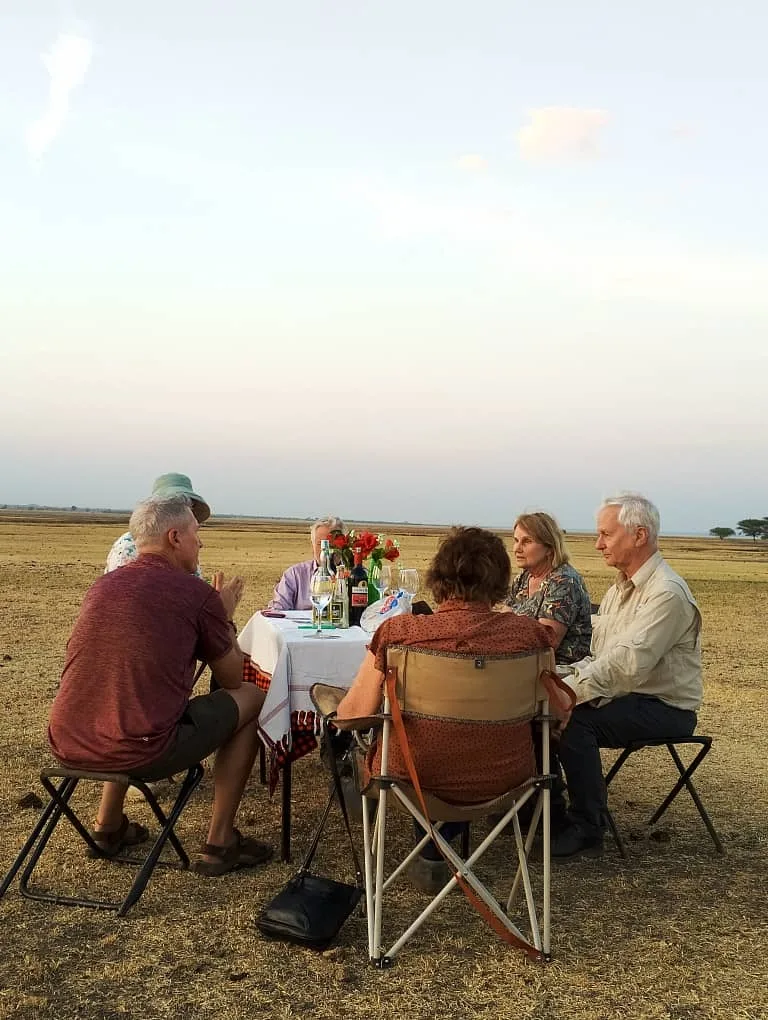
Tanzania is an excellent family safari destination, combining wildlife-rich national parks, comfortable safari lodges and opportunities to explore nature together. Families can see elephants in Tarangire, lions and other predators in Serengeti, and diverse wildlife within Ngorongoro Crater.
Private safaris are particularly suitable for families because departure times, rest breaks and game drives can be adjusted to suit children's ages and interests. Many lodges offer family rooms, swimming pools and child-friendly meals.
For families with additional holiday time, Zanzibar provides a relaxing beach extension after the safari. The best itinerary depends on your children's ages, available days and preferred travel pace.
1. Exceptional Wildlife That Keeps Children Interested
On a Tanzania safari with kids, there is always something new to look for. One moment your family may be watching elephants crossing the road; later, your guide might point out a cheetah scanning the plains or a hippo barely visible above the water.
The Northern Tanzania circuit provides opportunities to see lions, elephants, giraffes, zebras, wildebeest, buffalo, hippos, cheetahs, hyenas and many other species.
For children, this variety matters. A safari becomes more engaging when each game drive feels like a discovery rather than simply another long journey in the vehicle.
2. Three Major Safari Areas Create Very Different Experiences
One of Tanzania's strengths is that Tarangire, Serengeti and Ngorongoro do not feel like versions of the same park.
In Tarangire National Park, enormous baobabs, elephants and the Tarangire River shape the experience.
The Serengeti opens into vast plains and woodland where families can spend several days searching for predators and plains wildlife.
Then there is Ngorongoro Crater, where the descent from the crater rim leads into a compact wildlife area surrounded by steep volcanic walls.
Combining these destinations gives children a sense of travelling through changing ecosystems rather than simply moving between lodges.
3. Private Game Drives Give Families More Flexibility
For most families, we recommend a private 4×4 safari Land Cruiser rather than a shared vehicle.
The reason is simple: children do not always operate according to a safari timetable.
With a private safari, your family and guide can better manage the day's pace within park regulations and the requirements of the itinerary. You can spend longer watching an animal that fascinates the children, discuss appropriate comfort stops with your guide and avoid having to accommodate the interests of unrelated travellers sharing the vehicle.
That flexibility can make a significant difference, particularly on a Tanzania safari with young children.
4. The Great Migration Can Turn Safari Into a Living Nature Lesson
For families travelling during the appropriate season, the Great Wildebeest Migration adds another dimension to a Serengeti safari.
Children may see large herds of wildebeest and zebras moving across the ecosystem while learning from their guide how rainfall, fresh grazing, predators and seasonal movement influence the animals.
The important point is that the migration does not stay in one location throughout the year. Your family's Serengeti itinerary should therefore be matched to the travel month.
Migration movements, river crossings and individual wildlife sightings are natural events and cannot be guaranteed.
5. Safari Can Be Combined With Culture and Learning
A family holiday in Tanzania does not need to consist entirely of sitting in a safari vehicle.
Depending on the itinerary and children's ages, cultural and community experiences can introduce families to everyday life beyond the national parks. This might include an appropriately arranged village experience, learning about local traditions or visiting areas where families can see how people live alongside Tanzania's landscapes and wildlife.
These experiences are most meaningful when they are treated as genuine opportunities to learn rather than simply quick stops between game drives.
6. You Can Finish the Adventure on Zanzibar
Few family safari destinations offer such a natural transition from wildlife adventure to an Indian Ocean beach holiday.
After several early safari mornings, families can fly to Zanzibar and change the pace completely.
Instead of looking for lions at sunrise, you can spend the next few days swimming, relaxing at a family-friendly beach resort or exploring selected cultural and marine experiences.
For families with around 10–14 days, combining a Tanzania family safari and Zanzibar can provide an excellent balance: adventure first, relaxation afterwards.
What Makes Tanzania Particularly Suitable for Families?
It is not simply the number of animals or famous national parks.
The real advantage is the ability to build the holiday around your family.
A first-time family might choose a comfortable Tarangire–Serengeti–Ngorongoro route. Parents travelling with younger children may prefer fewer accommodation changes and shorter days. A family with teenagers might spend longer in the Serengeti, focus on wildlife photography or add more active and cultural experiences.
There is no single perfect family safari itinerary.
The strongest itinerary is the one that gives your family enough time to experience Tanzania rather than simply drive through it.
Best Ages for a Tanzania Safari With Kids
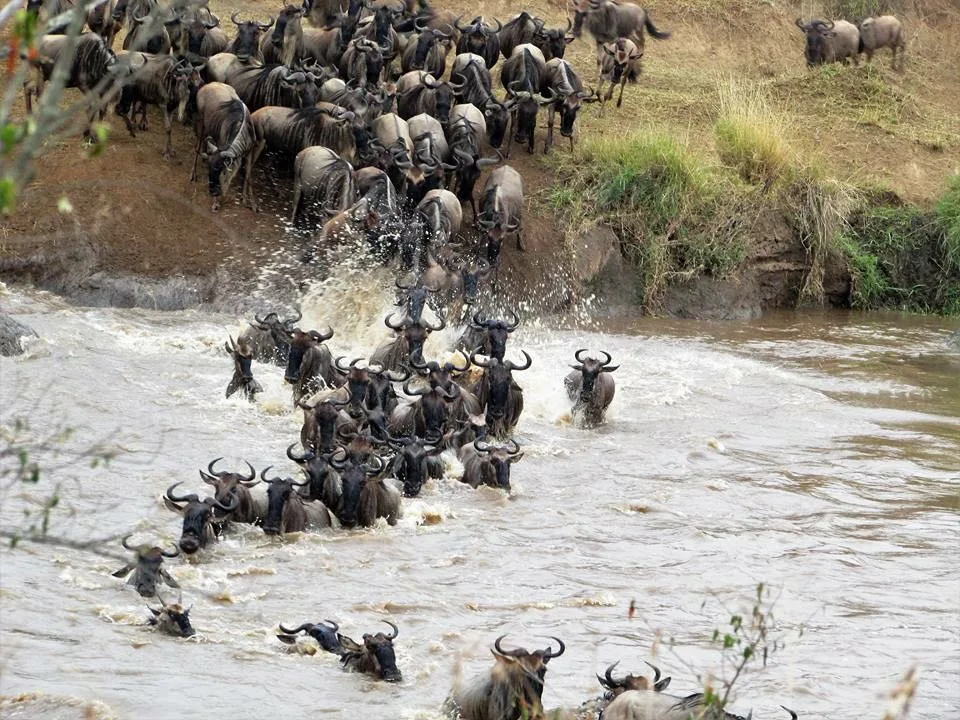
Tanzania Family Safari by Children's Ages
Children of different ages experience safaris differently. Younger children generally benefit from shorter game drives, convenient accommodation and regular breaks, while older children and teenagers may enjoy longer wildlife excursions and educational experiences.
Use the age guide below to choose suitable safari activities, accommodation and travel arrangements. Always confirm lodge age restrictions and minimum ages for specific activities before booking.
Tanzania Safari With Babies and Toddlers — Under 5
A Tanzania safari with babies or toddlers requires additional planning, particularly regarding travel distances, accommodation policies, medical preparation and daily routines.
For families travelling with children under five, we generally recommend shorter itineraries, fewer accommodation changes and lodges that can accommodate young children comfortably.
Tarangire National Park and the Lake Manyara area can be practical options for families seeking wildlife experiences without immediately committing to longer journeys into the Serengeti.
Important considerations:
Confirm minimum-age policies with every lodge and safari activity provider.
Choose accommodation with suitable family rooms, meal arrangements and child supervision facilities.
Allow time for naps, meals and rest between activities.
Discuss child-restraint arrangements and vehicle suitability before booking.
Consult a qualified travel-health professional about vaccinations, malaria prevention and other medical requirements.
Children under five may not be permitted on certain walking safaris, balloon flights or other specialised activities. Restrictions vary by provider.
Tanzania Safari With Children Aged 5–7
Children aged five to seven often enjoy Tanzania's wildlife, especially when game drives include regular opportunities to observe elephants, giraffes, zebras and other easily recognisable animals.
At this age, shorter wildlife-viewing sessions may be more comfortable than spending an entire day in a safari vehicle.
Recommended experiences include:
Elephant and giraffe viewing in Tarangire National Park.
Wildlife viewing around Lake Manyara and Ngorongoro.
Short educational discussions with the safari guide.
Nature and wildlife identification activities where permitted.
Relaxation at a family-friendly lodge between game drives.
A five- to seven-day itinerary can work well, depending on the destinations selected and the family's travel preferences.
Parents should also consider the child's ability to cope with early departures, bumpy roads and changing weather conditions.
Tanzania Safari With Children Aged 8–12
For many families, ages eight to twelve are particularly rewarding for a Tanzania safari.
Children in this age group are often interested in wildlife behaviour, predator-prey relationships, conservation and the different ecosystems found across Tanzania's national parks.
They may also be comfortable with longer game drives, provided the itinerary includes suitable breaks and a balanced daily schedule.
Recommended experiences include:
Searching for the Big Five in Ngorongoro Crater and other suitable wildlife areas.
Exploring the Serengeti plains and observing predators.
Discovering Tarangire's elephants and baobab landscapes.
Learning to identify animal tracks and bird species with a guide.
Visiting approved cultural experiences suitable for families.
A seven- to ten-day Tanzania family safari can provide enough time to explore several destinations without making every day a long transfer.
Tanzania Safari With Teenagers
Teenagers can enjoy a more adventurous Tanzania safari, particularly when the itinerary includes wildlife photography, conservation learning and opportunities to explore different landscapes.
The Serengeti is especially appealing to teenagers interested in large predators, wildlife documentaries and the Great Migration.
Depending on age restrictions and operator availability, families may also consider additional activities beyond traditional vehicle-based game drives.
Recommended experiences include:
Extended Serengeti wildlife viewing and photography.
Great Migration experiences during suitable seasonal periods.
Guided cultural visits and conservation-related activities.
Hot-air balloon safaris where age and other participation requirements are met.
Combining a Tanzania safari with a Zanzibar beach holiday.
An eight- to twelve-day itinerary can provide a good combination of wildlife, cultural experiences and relaxation.
Teenagers may particularly appreciate participating in itinerary planning and choosing the wildlife experiences that interest them most.
Multigenerational Tanzania Family Safaris
Tanzania is also an excellent destination for multigenerational holidays involving children, parents, grandparents and adult children travelling together.
The key is selecting an itinerary that accommodates different energy levels, mobility requirements and accommodation preferences.
Families travelling across generations may benefit from:
Comfortable lodges with suitable room configurations.
Flexible daily schedules and optional rest periods.
Accessible accommodation where required and available.
Private wildlife experiences tailored to the group's interests.
Longer stays in selected destinations to minimise frequent transfers.
A combination of safari activities and relaxation.
For families travelling with adult children, longer Serengeti game drives, wildlife photography and cultural experiences may be suitable, while older relatives may prefer more relaxed daily schedules.
Our safari team can help coordinate accommodation, vehicle arrangements and travel logistics for larger family groups.
Tanzania Family Safari Age Comparison
| Children's ages | Recommended safari approach | Suggested duration | Main considerations |
|---|---|---|---|
| Under 5 | Shorter routes and comfortable lodges | 3–5 days | Lodge policies, rest, health and child restraints |
| 5–7 years | Shorter game drives and accessible destinations | 5–7 days | Breaks, activities and travel time |
| 8–12 years | Multiple parks and educational wildlife experiences | 7–10 days | Wildlife interests and balanced itinerary |
| 13–17 years | Extended wildlife viewing and optional adventures | 8–12 days | Activity age limits and interests |
| Multigenerational | Flexible private itinerary | 7–12 days | Mobility, room configurations and comfort |
These durations are planning suggestions rather than fixed requirements. Every family's needs are different, and age restrictions should be confirmed with the relevant lodges, parks and activity providers before booking.
Planning Tip: Tell East Africa Jungle the ages of your children at the time of travel. We can recommend suitable destinations, accommodation arrangements and a realistic daily safari programme for your family.
Best Tanzania Family Safari Destinations

For most first-time families, we recommend building the safari around Tarangire National Park, Serengeti National Park and Ngorongoro Crater. Lake Manyara can be useful on selected itineraries, while Ndutu and different areas of the Serengeti become particularly important for families travelling specifically for the Great Migration.
Tanzania Family Safari Destinations at a Glance
| Destination | Why Families May Enjoy It | Key Wildlife | Suggested Stay | Family Planning Note |
|---|---|---|---|---|
| Serengeti | Huge wildlife variety and classic safari landscapes | Lions, cheetahs, elephants, wildebeest, giraffes, zebras | 2–4 nights | Give it enough time rather than treating it as a one-night stop |
| Ngorongoro Crater | Many wildlife species within a relatively compact area | Lions, buffalo, hippos, elephants, black rhino | 1 night | Excellent complement to Serengeti |
| Tarangire | Elephants, baobabs and an easy first major park from Arusha | Elephants, giraffes, zebras, lions, antelope | 1–2 nights | Excellent first safari experience |
| Lake Manyara | Varied scenery and a compact addition to some routes | Elephants, giraffes, monkeys, hippos, birdlife | Day trip/1 night | Best when it fits naturally into the route |
| Ndutu | Seasonal migration and calving experience | Wildebeest, zebras, cheetahs, lions, hyenas | 2–3 nights | Particularly relevant around the calving period |
| Zanzibar | Beach time after safari | Marine life, beaches and cultural experiences | 3–6 nights | Ideal for families wanting safari + beach |
The best Tanzania family safari destinations combine rewarding wildlife viewing with manageable travel times and suitable accommodation.
For first-time visitors, Tarangire, Serengeti and Ngorongoro form a popular Northern Circuit itinerary. Lake Manyara is useful on selected routes, while Ndutu is particularly attractive during the wildebeest calving season.
Compare the destinations below to choose the most suitable parks for your family.
1. Serengeti National Park – Best for the Classic Family Safari Experience
For many families, Serengeti National Park becomes the wildlife highlight of the trip.
Its scale is part of the attraction. Grasslands stretch towards the horizon, kopjes rise above the plains, and every game drive offers the possibility of finding something completely different.
Children may encounter lions, elephants, giraffes, zebras, wildebeest, hippos, hyenas, cheetahs and numerous antelope species. Rather than simply ticking animals off a list, spending several days here gives your guide time to introduce the family to animal behaviour and the relationships between predators, prey and the landscape.
How Long Should Families Spend in Serengeti?
We recommend at least two nights and preferably three nights when the overall itinerary allows.
A one-night Serengeti visit often means arriving after a substantial journey and leaving again the following morning. Families may technically have “visited Serengeti” without having much time to experience it.
Three nights creates breathing room for game drives without another suitcase needing to be packed every morning.
Family planning tip: Serengeti is enormous. Choosing the correct area and lodge location can be just as important as choosing the lodge itself.
2. Ngorongoro Crater – Best for Concentrated Wildlife Viewing
The first view over Ngorongoro Crater can be one of the most memorable moments of a family safari.
The following morning, families descend from the crater rim towards grasslands, wetlands and woodland on the crater floor.
Wildlife may include lions, buffalo, zebras, wildebeest, hippos, elephants, hyenas and black rhino, although no particular sighting can be guaranteed.
Ngorongoro works especially well for families because it offers a very different experience from Serengeti. Serengeti gives you scale and multiple days of exploration; Ngorongoro provides a comparatively concentrated game-viewing experience surrounded by dramatic crater walls.
How Long Should Families Spend at Ngorongoro?
For a classic Northern Circuit itinerary, one strategically placed night around Ngorongoro or Karatu can be sufficient, depending on the route.
Families wanting a slower journey may stay longer in the highlands, particularly if other activities are being incorporated.
Family planning tip: Temperatures around the crater rim can be cool, especially early in the morning. Pack a warm layer for children even when the rest of the safari is expected to be hot.
3. Tarangire National Park – Excellent for Elephants & a First Game Drive
If a family asks us where to begin a first Northern Tanzania safari, Tarangire National Park is often high on the list.
From Arusha, it is approximately a 2–2½-hour drive, making it relatively straightforward to incorporate near the beginning of an itinerary.
Then come the elephants.
Tarangire is particularly associated with elephant herds and enormous baobab trees, giving children an immediate sense that they have arrived somewhere completely different.
Wildlife can also include giraffes, zebras, wildebeest, buffalo, antelope and predators.
How Long Should Families Spend in Tarangire?
One or two nights works well for many family itineraries.
Families with more time can stay longer, while travellers on a shorter itinerary can use Tarangire as the first step towards Ngorongoro and Serengeti.
Family planning tip: Don't rush through Tarangire simply because Serengeti has the more famous name. For a child seeing an elephant in the wild for the first time, Tarangire can easily become one of the highlights of the holiday.
4. Lake Manyara National Park – Useful for Selected Family Itineraries
Lake Manyara National Park can work well when its location fits naturally into the family's route.
The landscape changes quickly between groundwater forest, open areas and the lakeshore environment. Wildlife can include elephants, giraffes, monkeys, hippos, antelope and extensive birdlife.
For children interested in birds or primates, this variety can make the park particularly interesting.
However, we do not automatically add Lake Manyara simply to increase the number of national parks on the itinerary.
If including it means making an otherwise comfortable family safari unnecessarily rushed, we may recommend spending that time elsewhere.
How Long Should Families Spend at Lake Manyara?
For many itineraries, a game drive or one night is sufficient.
It can combine naturally with the wider Arusha–Tarangire–Karatu–Ngorongoro route.
Family planning tip: Choose Lake Manyara because it adds something useful to your particular itinerary—not simply because another park sounds better on the itinerary list.
5. Ndutu – Best for Families Interested in the Calving Season
Families travelling around the early part of the year may consider Ndutu and the southern Serengeti ecosystem.
This area becomes particularly important during the wildebeest calving period, when large numbers of animals can gather across suitable southern grazing areas.
The presence of wildebeest and newborn calves also attracts predators, creating opportunities to observe interactions between wildebeest, zebras, lions, cheetahs and hyenas.
For older children interested in nature and animal behaviour, this can be an extraordinary wildlife lesson unfolding in real time.
How Long Should Families Spend in Ndutu?
We generally recommend two or three nights when Ndutu is one of the principal reasons for travelling.
As with the rest of the migration, exact herd locations and wildlife encounters depend on natural conditions.
Family planning tip: Do not add Ndutu automatically to every Serengeti itinerary. It is particularly valuable when your family's travel dates make the southern ecosystem relevant.
Official Tanzania National Park Information
Park regulations, conservation information and visitor information can change. For official information about Tanzania's national parks, travellers can also consult the Tanzania National Parks Authority (TANAPA) when planning their journey.
This is particularly useful for checking official park information rather than relying solely on older travel articles or social-media posts.
How Many Days Do You Need for a Tanzania Family Safari?
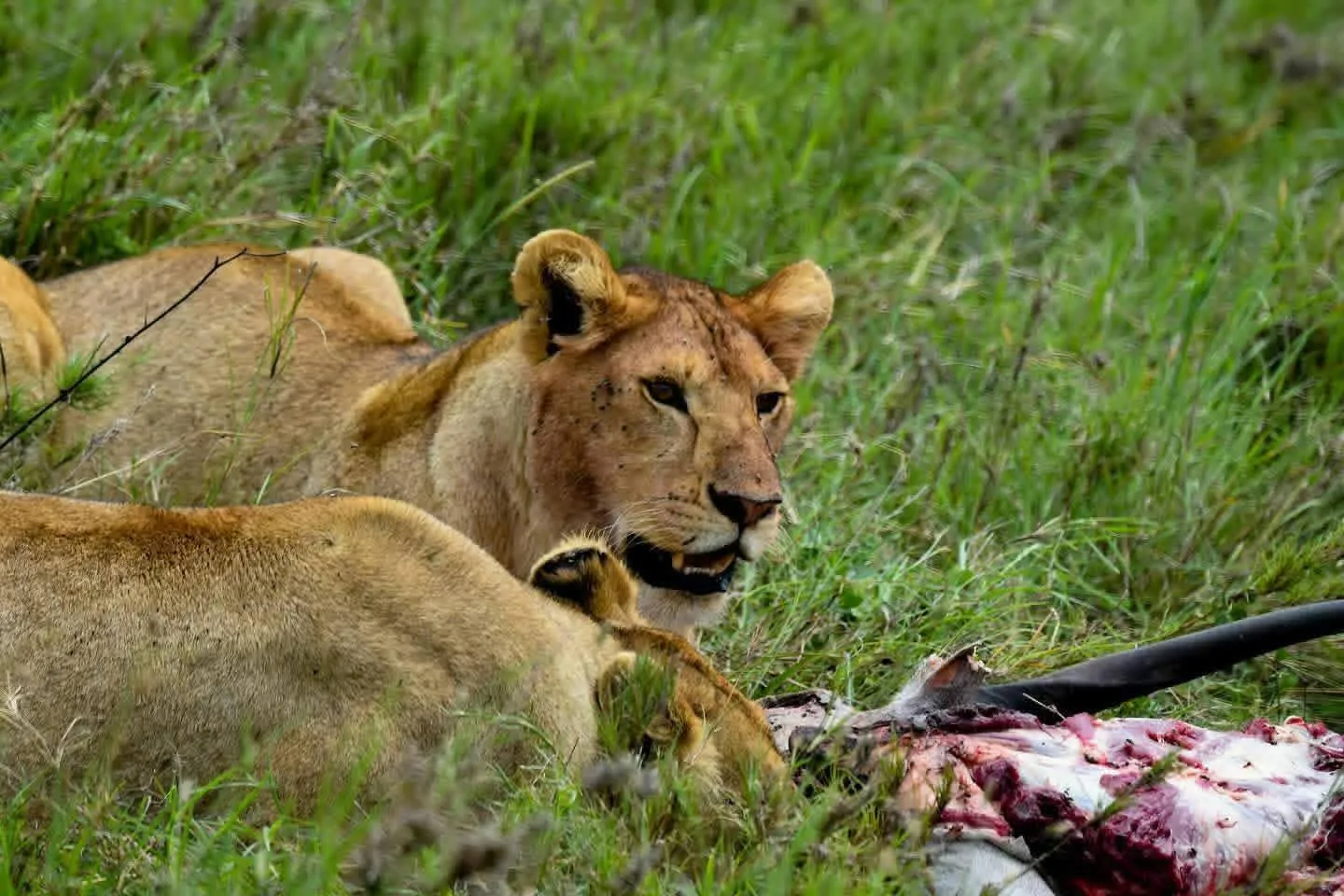
For most families, 6–8 days is an ideal Tanzania safari duration, allowing time to explore Tarangire, Serengeti and Ngorongoro. Shorter 3–5 day itineraries work best with fewer destinations or selected domestic flights.
Families with 10–14 days can combine wildlife viewing with a Zanzibar beach holiday. The right duration depends on your children's ages, travel preferences and available holiday time.
Use the comparison below to choose a suitable safari length.
| Safari Length | What You Can Realistically Do | Family Pace | Our Planning View |
|---|---|---|---|
| 3–4 days | Tarangire + Ngorongoro OR Serengeti fly-in | Fast–moderate | Good for limited time |
| 5 days | Tarangire + Serengeti + Ngorongoro | Moderate | Good compact safari |
| 6–7 days | Tarangire + 2–3 nights Serengeti + Ngorongoro | Comfortable | Excellent first family safari |
| 8–10 days | Slower Northern Circuit with additional Serengeti time or selected extra experiences | Relaxed | Excellent for wildlife-focused families |
| 10–14 days | Northern Tanzania safari + Zanzibar | Relaxed | Excellent safari-and-beach combination |
| 14+ days | Extended safari + culture + Zanzibar or additional regions | Very relaxed | Best for families wanting a broader Tanzania holiday |
Road Safari or Fly-In Safari With Children?
Families do not necessarily need to choose one or the other.
A road safari allows you to watch Tanzania's landscapes change between destinations and is particularly practical along parts of the Northern Circuit.
A fly-in safari can reduce certain long transfers and may be useful when holiday time is limited.
For example, a family spending several days in Zanzibar might fly directly into the Serengeti rather than returning to Arusha and then driving across the Northern Circuit.
The trade-off is cost. Domestic flights generally make a safari more expensive and have stricter baggage allowances than international flights.
For many families, the most practical solution is a combination of driving and flying, depending on the route.
Our Family Safari Planning Rule
When you have an extra day available, ask:
“Should we add another destination—or spend another night somewhere we already know the family will enjoy?”
For family travel, the second option is often better.
A Tanzania safari becomes memorable when children have time to watch a herd of elephants rather than being told after ten minutes that everyone needs to leave because the next lodge is several hours away.
The goal is not to cover Tanzania. The goal is to experience it together.
Best Time for a Tanzania Family Safari 2027–2028
The best time for a Tanzania family safari is generally June to October or January to March, depending on your family's interests, school holidays and budget.
June–October offers drier conditions and excellent wildlife viewing, while January–March is particularly rewarding for the wildebeest calving season in Ndutu and Southern Serengeti.
Tanzania offers wildlife experiences throughout the year, including in Serengeti, Ngorongoro and Tarangire.
Tanzania Family Safari Month-by-Month
| Month | Safari conditions | Wildlife highlights | Family recommendation |
|---|---|---|---|
| January | Warm, occasional rain | Southern Serengeti calving begins | Excellent |
| February | Green landscapes | Wildebeest calving and predators | Excellent |
| March | Increasing rainfall | Calving season and resident wildlife | Good |
| April | Main rainy season | Green scenery, fewer visitors | Flexible travellers |
| May | Rainfall may continue | Migration movements, resident wildlife | Good value |
| June | Dry season begins | Migration and general wildlife viewing | Excellent |
| July | Dry season | Migration in western/northern areas | Excellent |
| August | Dry conditions | Northern Serengeti migration | Excellent |
| September | Generally dry | Northern Serengeti wildlife | Excellent |
| October | Mostly dry | Migration movements and resident wildlife | Excellent |
| November | Short rains may begin | Green season and southward migration | Good |
| December | Warm, greener landscapes | Wildlife and seasonal migration | Excellent |
Migration movements depend on rainfall and grazing conditions. Specific wildlife sightings cannot be guaranteed.
June–October: Best for Dry-Season Family Safaris
June to October offers generally favourable road conditions and excellent wildlife viewing. July and August are particularly popular during school holidays.
Families should book early, especially when requiring connecting rooms or accommodation near important wildlife areas.
January–March: Best for Calving Season
January to March is ideal for families interested in the wildebeest calving season in Ndutu and Southern Serengeti.
Children can observe newborn animals, predators and wildlife behaviour against green landscapes. Herd locations vary with rainfall.
April–May: Green-Season Family Safaris
April and May bring heavier rainfall, but also greener scenery, fewer visitors in some areas and potentially lower accommodation prices.
These months suit families with flexible schedules who are comfortable with changing weather and road conditions.
July–October: Great Migration and River Crossings
Families hoping to witness the famous Mara River crossings should consider Northern Serengeti between approximately July and October.
However, river crossings cannot be guaranteed. Wildlife movements depend on natural conditions, and the region offers rewarding game viewing even without a crossing.
November–December: Family Holiday Safaris
November often brings short rains and greener landscapes. December is popular for Christmas and New Year family holidays.
Families travelling during the festive season should reserve accommodation early, particularly when family rooms are required.
Best Time for a Tanzania Family Safari by Interest
| Family interest | Recommended period |
|---|---|
| First family safari | June–October |
| Wildebeest calving | January–March |
| Possible Mara River crossings | July–October |
| Fewer visitors and potential savings | April–May, November |
| Green landscapes | January–May, November–December |
| School summer holidays | July–August |
| Christmas family holiday | December |
| Safari and Zanzibar | Year-round, depending on priorities |
When Should Families Book?
For July–October and Christmas/New Year holidays, we recommend booking well in advance, particularly when requesting family rooms, connecting accommodation, specific Serengeti camps or domestic flights.
East Africa Jungle's Family Safari Advice
The best safari season depends on your family's available dates and wildlife interests. You do not need to travel during the Great Migration to enjoy an exceptional Tanzania safari.
At East Africa Jungle, we help families choose suitable destinations, accommodation and safari routes based on their travel dates, children's ages and budget.
For more seasonal information, read our Best Time to Visit Kenya and Tanzania for a Safari guide.
East Africa Jungle Family Safari Package Prices 2027–2028
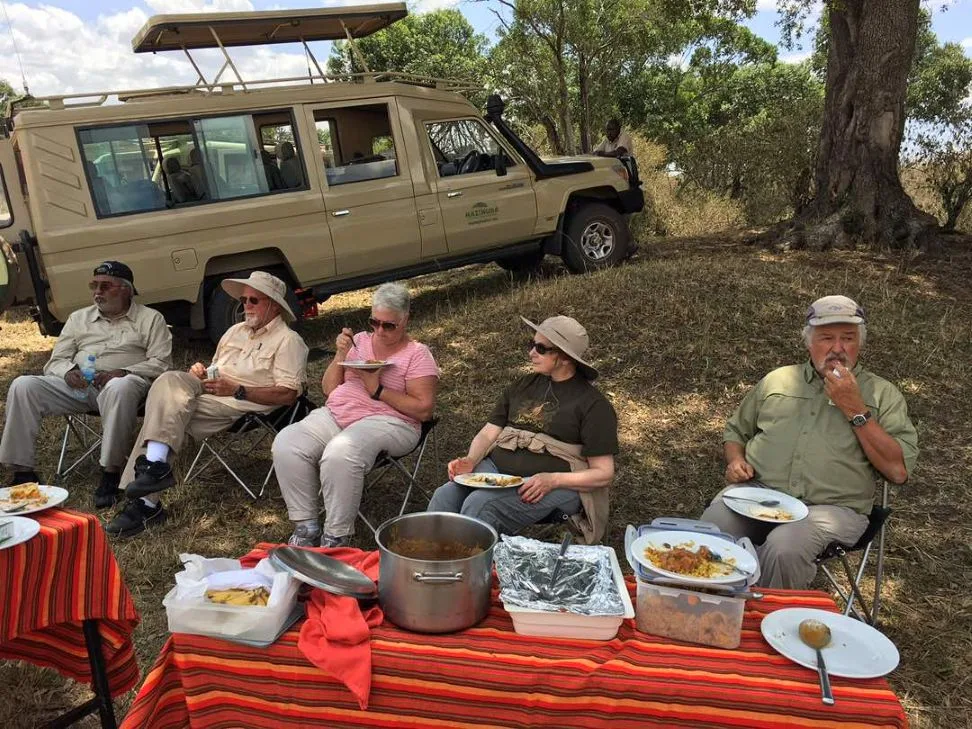
East Africa Jungle offers private Tanzania family safaris tailored to your children's ages, travel dates and accommodation preferences. Our packages include a dedicated safari vehicle and a personalised wildlife itinerary.
| Family Safari Package | Duration | Accommodation | Starting Price |
|---|---|---|---|
| Tanzania Family Wildlife Safari | 5 days | Budget or mid-range | Confirmed quotation required |
| Classic Tanzania Family Safari | 6–7 days | Mid-range lodges | Confirmed quotation required |
| Luxury Tanzania Family Safari | 7–8 days | Luxury lodges and tented camps | Confirmed quotation required |
| Tanzania Family Safari & Zanzibar | 10–14 days | Safari lodges and beach resort | Confirmed quotation required |
What is included?
Your final quotation will specify private safari transport, driver-guide services, accommodation, meals, national park entrance fees, game drives and any included transfers or flights.
Children's safari prices: Child rates depend on age, national park fee categories and room-sharing arrangements. We calculate family prices using the children's ages at the time of travel.
Price validity: Final rates depend on the travel season, accommodation availability, family size and selected itinerary. A written quotation will confirm the applicable dates, total family cost and booking conditions.
Request a Personalised Tanzania Family Safari Quote
Recommended Tanzania Family Safari Itineraries 2027–2028
For most families, 6–8 days is a comfortable duration for a Tanzania safari, allowing time to explore Tarangire, Serengeti and Ngorongoro without rushing between destinations. Families with 10–14 days can combine their wildlife adventure with a Zanzibar beach holiday, while shorter trips are best planned around fewer parks or suitable domestic flights.
At East Africa Jungle, we recommend choosing your safari duration according to your children's ages, available holiday time, preferred destinations and comfort with road transfers.
Our approach is simple: spend enough time enjoying each destination rather than trying to visit every national park in one trip.
Tanzania Family Safari Length Comparison
| Safari duration | Recommended itinerary | Family pace | Best suited for |
|---|---|---|---|
| 3–4 days | Tarangire and Ngorongoro, or Serengeti fly-in | Moderate to active | Short holidays |
| 5 days | Tarangire, Serengeti and Ngorongoro | Active | Families with limited time |
| 6–7 days | Northern Circuit with 2–3 Serengeti nights | Moderate | First-time family safaris |
| 8–10 days | Extended Northern Circuit with additional wildlife time | Relaxed | Wildlife enthusiasts and teenagers |
| 10–14 days | Northern Tanzania safari and Zanzibar | Relaxed | Safari and beach holidays |
| 14+ days | Extended safari, cultural experiences and Zanzibar | Flexible | Longer family holidays |
These are suggested planning durations. Actual travel times and overnight arrangements depend on accommodation locations, flight schedules and road conditions.
1. Short Family Safaris: 3–5 Days
A 3–5 day Tanzania family safari is suitable for travellers with limited holiday time, especially families combining a safari with another destination.
For three or four days, we generally recommend focusing on Tarangire and Ngorongoro rather than attempting to cover the entire Northern Circuit. Families primarily interested in the Serengeti can consider a Serengeti fly-in safari to reduce road transfers.
A five-day road safari can include all three major Northern Circuit destinations:
Day 1: Arusha to Tarangire National Park – game drive and overnight near Tarangire.
Day 2: Transfer to Serengeti with wildlife viewing en route.
Day 3: Full-day Serengeti game drive.
Day 4: Serengeti game drive and transfer towards Ngorongoro.
Day 5: Ngorongoro Crater game drive and return to Arusha.
This is a rewarding but relatively active itinerary, particularly because of the longer transfers to and from Serengeti.
Best for: Families with school-age children or teenagers who are comfortable with longer travel days.
2. Classic Tanzania Family Safari: 6–7 Days
For first-time visitors, six to seven days offers one of the best balances between wildlife viewing and travelling time.
A seven-day safari allows families to visit Tarangire, Serengeti and Ngorongoro while spending more than one night in the Serengeti.
Suggested seven-day itinerary:
| Day | Destination and experience |
|---|---|
| Day 1 | Arusha to Tarangire – afternoon game drive |
| Day 2 | Tarangire to Serengeti – wildlife viewing en route |
| Day 3 | Full-day Serengeti game drive |
| Day 4 | Additional Serengeti wildlife exploration |
| Day 5 | Serengeti game drive and transfer towards Ngorongoro |
| Day 6 | Ngorongoro Crater game drive and overnight in Karatu |
| Day 7 | Return to Arusha or onward connection |
The additional Serengeti time gives families more opportunities to explore different wildlife areas without relying on a single game drive.
Best for: First-time visitors, families with children aged 8–12 and travellers seeking a well-balanced Northern Tanzania safari.
3. Extended Family Safaris: 8–10 Days
An 8–10 day Tanzania family safari allows for a more relaxed itinerary with additional wildlife-viewing opportunities, selected cultural experiences or longer stays at individual lodges.
Families can spend three or four nights in Serengeti, explore different sections of the park according to the season and enjoy more flexibility in their daily programme.
During the Great Migration season, additional time may be useful for exploring areas where herds are expected, although wildlife movements and river crossings are never guaranteed.
Teenagers interested in wildlife photography may particularly enjoy this itinerary because it provides more opportunities to observe animal behaviour.
Best for: Wildlife-focused families, teenagers, photographers and travellers who prefer fewer accommodation changes.
4. Tanzania Family Safari and Zanzibar: 10–14 Days
Families planning a longer holiday can combine a 6–8 day Northern Tanzania safari with approximately 3–6 nights in Zanzibar.
This offers a balance between wildlife adventures and beach relaxation.
Example 12-day itinerary:
| Day | Destination and experience |
|---|---|
| Day 1 | Arrive in Arusha – overnight |
| Day 2 | Tarangire National Park |
| Day 3 | Transfer to Serengeti |
| Days 4–5 | Serengeti wildlife exploration |
| Day 6 | Serengeti to Ngorongoro |
| Day 7 | Ngorongoro Crater game drive |
| Day 8 | Transfer to airport and flight to Zanzibar |
| Days 9–11 | Zanzibar beach holiday |
| Day 12 | Departure |
Families can choose accommodation in Zanzibar according to their preferences, including family beach resorts, connecting rooms and properties offering children's facilities.
Best for: Families travelling during school holidays, multigenerational groups and visitors seeking a combination of wildlife and beach experiences.
5. Road Safari vs Fly-In Safari With Children
Both road and fly-in safaris can work well for families, depending on the itinerary, budget and available holiday time.
Road safaris provide opportunities to experience Tanzania's changing landscapes and visit several Northern Circuit destinations along the way. They are often more economical than itineraries involving multiple domestic flights.
Fly-in safaris can reduce certain long road transfers, particularly when travelling directly to Serengeti from Arusha, Kilimanjaro or Zanzibar, subject to flight availability and routing.
Some families prefer a combination of both approaches, such as driving through Tarangire and Ngorongoro before flying out of Serengeti.
Domestic flights generally involve additional costs and baggage restrictions, so these should be considered when comparing safari options.
Family Safari Driving Times and Recommended Pace
Driving times are important when travelling with children, particularly on routes involving Serengeti National Park.
| Route | Approximate driving time |
|---|---|
| Arusha to Tarangire | 2–2.5 hours |
| Arusha to Lake Manyara | 2 hours |
| Arusha to Ngorongoro Crater | 3–4 hours to the crater rim, plus descent and entry procedures |
| Arusha to Central Serengeti | 7–8 hours or longer |
| Tarangire to Central Serengeti | 5–7 hours or longer |
| Central Serengeti to Ngorongoro/Karatu | 4–6 hours or longer, depending on destination |
Driving times are approximate and may increase due to road conditions, park entry procedures, wildlife viewing, rest stops and accommodation locations.
For families travelling with younger children, we recommend avoiding unnecessary accommodation changes and allowing enough time for meals, rest and suitable comfort stops.
East Africa Jungle's Family Safari Planning Advice
When an additional day is available, consider spending another night in a favourite wildlife destination rather than automatically adding another national park.
For many families, an extra Serengeti night provides greater value through additional wildlife-viewing opportunities, fewer accommodation changes and a more comfortable overall safari experience.
Need help choosing the right itinerary? Contact East Africa Jungle with your travel dates, children's ages, preferred accommodation standard and available holiday duration. Our team can recommend a private Tanzania family safari tailored to your requirements.
Tanzania Family Safari Accommodation – Where Should Families Stay?
Choosing accommodation for a Tanzania family safari involves more than deciding between budget, mid-range and luxury.
For families, we look at the practical details: Can everyone sleep comfortably? Are family rooms available? How far is the lodge from the wildlife area? Is there somewhere for children to relax between game drives? What are the property's age and safety policies?
A beautiful lodge in the wrong location can add unnecessary driving to every safari day. Conversely, a well-positioned mid-range camp may give your family more time watching wildlife and less time travelling to and from the park.
The right choice is therefore the accommodation that fits your family, itinerary and budget.
Family Safari Accommodation at a Glance
| Accommodation Style | What to Expect | Family Advantages | Considerations |
|---|---|---|---|
| Budget / Value | Simple lodges or tented camps | Lower overall safari cost | Fewer facilities; family rooms vary |
| Mid-Range | Comfortable ensuite lodges and camps | Good balance of comfort, location and price | Family units should be booked early |
| Luxury | Premium lodges and tented camps | Larger rooms, higher service levels and excellent locations at selected properties | Higher cost |
| Luxury Fly-In Camps | Premium wilderness camps reached partly by air | Less road travel on selected routes | Higher price and baggage restrictions |
| Family Suites / Villas | Multi-room or larger family units | Privacy and space | Limited availability |
| Interconnected Rooms | Separate bedrooms connected internally | Excellent for families needing privacy | Not available at every property |
Choosing the Right Family Safari Accommodation
The best Tanzania family safari lodge is not necessarily the most luxurious. Accommodation should be selected according to your children's ages, family size, preferred comfort level and the location of your wildlife activities.
Before recommending a lodge or tented camp, East Africa Jungle considers the availability of family rooms, connecting rooms, suitable meal arrangements and facilities for relaxing between game drives.
Some properties offer swimming pools, spacious family tents and children's activities, while others provide a more traditional wilderness experience.
Families with young children should be particularly aware that some safari camps are unfenced and wildlife may move through the surrounding areas. Children must follow lodge safety procedures and remain appropriately supervised.
Room configurations, minimum-age policies and children's facilities vary by property and should be confirmed before booking.
Wildlife to See on a Tanzania Family Safari
A Tanzania family safari offers children the opportunity to see elephants, lions, giraffes, zebras, cheetahs and many other wild animals in their natural habitats.
Tarangire is famous for its elephant herds, Serengeti for big cats and the Great Migration, and Ngorongoro Crater for its diverse wildlife, including the endangered black rhino.
At East Africa Jungle, we plan family safaris around suitable wildlife habitats, seasonal movements and opportunities for children to learn about animal behaviour.
Tanzania Family Safari Wildlife at a Glance
| Wildlife | Best areas to look | Family highlights |
|---|---|---|
| Lions | Serengeti, Ngorongoro, Tarangire | Prides and cubs |
| Elephants | Tarangire, Serengeti | Family herds and calves |
| Cheetahs | Serengeti, Ndutu | Hunting and open plains |
| Leopards | Serengeti, Tarangire | Elusive big-cat sightings |
| Black rhino | Ngorongoro Crater | Rare Big Five species |
| Buffalo | Ngorongoro, Serengeti | Large herds |
| Giraffes | Tarangire, Serengeti, Lake Manyara | Feeding and social behaviour |
| Zebras and wildebeest | Serengeti, Ndutu, Ngorongoro | Migration and large herds |
| Hippos and hyenas | Serengeti, Ngorongoro | Animal behaviour |
| Monkeys and baboons | Lake Manyara, Tarangire | Playful social interactions |
| Birds | All major parks | Ostriches, eagles and colourful species |
Wildlife sightings depend on season, habitat and natural animal movements.
Can Families See the Big Five in Tanzania?
Yes. Tanzania is home to all five iconic safari animals: lion, leopard, elephant, buffalo and black rhino.
Serengeti and Ngorongoro offer opportunities to search for several Big Five species, while Tarangire is particularly rewarding for elephant viewing.
Black rhinos are rare, and leopards can be difficult to locate. Seeing all five animals on one safari cannot be guaranteed.
Best Tanzania National Parks for Family Wildlife Viewing
Serengeti National Park — Big Cats and Great Migration
Serengeti offers excellent opportunities to observe lions, cheetahs, leopards, giraffes, zebras and wildebeest. Families can also learn about predator-prey relationships and seasonal wildlife movements.
Tarangire National Park — Elephants and Baobabs
Tarangire is especially rewarding for families interested in elephants. Children may watch herds feeding, calves playing and animals moving among the park's impressive baobab trees.
Ngorongoro Crater — Big Five and Diverse Wildlife
Ngorongoro provides opportunities to see lions, buffalo, hippos, zebras and occasionally black rhinos within a distinctive volcanic landscape.
Ndutu — Calving Season and Predators
From approximately January to March, Ndutu and Southern Serengeti can offer rewarding wildebeest calving experiences, alongside predators such as lions, cheetahs and hyenas.
Will Children See the Great Wildebeest Migration?
The Great Wildebeest Migration occurs throughout the year, with herds moving across the Serengeti–Mara ecosystem according to rainfall and grazing conditions.
| Approximate period | Migration area |
|---|---|
| January–March | Ndutu and Southern Serengeti |
| April–June | Central and Western Serengeti |
| July–October | Northern Serengeti |
| November–December | Generally moving southward |
Families visiting Northern Serengeti between approximately July and October may have opportunities to witness Mara River crossings.
River crossings and specific migration sightings cannot be guaranteed.
Wildlife Experiences for Children and Teenagers
Younger children often enjoy watching elephants playing, giraffes feeding, hippos in pools and groups of baboons.
Older children and teenagers may be particularly interested in predator behaviour, animal tracking, wildlife photography, conservation and the Great Migration.
Birdwatching can also make game drives more engaging, with opportunities to identify ostriches, hornbills, eagles, storks and kingfishers.
Our safari guides help families understand wildlife behaviour through age-appropriate explanations and observation.
East Africa Jungle's Family Wildlife Viewing Advice
A rewarding Tanzania family safari is about more than completing a Big Five checklist.
Allowing time to observe animals feeding, interacting and moving through their natural habitats can be just as memorable as seeing rare wildlife.
All wildlife encounters are unpredictable. At East Africa Jungle, we recommend suitable destinations and travel seasons, but sightings, migration movements and river crossings are never guaranteed.
Tanzania Family Safari Activities Beyond Game Drives
Game drives are the heart of a Tanzania family safari, but they do not need to be the only experience.
Depending on your children's ages, chosen accommodation and safari route, a family itinerary can include cultural experiences, guided walks, wildlife learning, photography, balloon safaris and beach activities in Zanzibar.
The key is balance.
Trying to schedule an optional activity every morning and afternoon can make a family holiday feel like a school timetable. We prefer to select a few experiences that genuinely add something different while leaving enough time for wildlife viewing and rest.
Family Safari Activities at a Glance
| Activity | Where | Age Considerations | Usually |
|---|---|---|---|
| Private game drives | All major safari parks | Suitable for most ages with appropriate planning | Included |
| Maasai cultural visit | Selected Northern Circuit areas | Generally family-friendly | Optional |
| Guided nature walk | Selected lodges/conservation areas | Minimum ages may apply | Optional / property dependent |
| Wildlife tracking & learning | Selected camps/lodges | Varies by programme | Property dependent |
| Birdwatching | Throughout safari | Excellent for all ages | Included during game drives |
| Family photography | Throughout safari | Excellent for older children/teens | Included |
| Hot-air balloon safari | Serengeti / selected areas | Operator age and safety rules apply | Optional |
| Swimming / lodge downtime | Selected lodges | Adult supervision required | Property dependent |
| Cooking / cultural activities | Selected properties/communities | Usually family-friendly | Optional |
| Zanzibar beach time | Zanzibar | Suitable for families | Beach extension |
| Snorkelling / marine activities | Zanzibar | Age, swimming ability and operator rules apply | Optional |
| Stone Town visit | Zanzibar | Suitable with appropriate pacing | Optional |
Activity availability and minimum ages vary by location, property and activity operator. Exact requirements should be checked before booking.
1. Private Family Game Drives
Game drives remain the main reason to come on safari.
With a private 4×4 safari Land Cruiser, your family can explore according to the day's wildlife conditions rather than following a rigid shared-group schedule.
A private game drive also gives parents more flexibility.
If the children are fascinated by elephants, you can spend longer watching them.
If everyone is tired after an exceptional morning, you may be able to return to the lodge earlier rather than remaining out simply because another passenger wants a full-day drive.
For families, this flexibility is often more valuable than adding another activity.
2. Maasai Cultural Experiences
A cultural visit can introduce children to a side of Tanzania that wildlife alone cannot show.
Depending on the location and programme, families may learn about aspects of Maasai traditions, homes, livestock, clothing and community life.
For children, the experience can encourage questions about how families live differently around the world.
We prefer cultural experiences that involve genuine interaction rather than treating communities as a quick photo stop.
Parents should encourage children to ask respectful questions and listen.
The purpose is not to “see a tribe.”
It is to meet people.
3. Guided Nature Walks
Walking changes the scale of safari.
From a vehicle, families naturally concentrate on larger animals.
On foot, attention shifts towards:
Animal tracks
Plants
Insects
Birds
Dung and other wildlife signs
Smaller details of the ecosystem
However, walking safaris and guided nature walks can have minimum-age restrictions, and the rules vary according to the area, activity and operator.
A full wilderness walking safari should not be confused with a short guided nature walk around a lodge or designated area.
We confirm the exact activity and age requirements before recommending it to a family.
4. Wildlife Tracks & Signs
Children do not need to see a lion every ten minutes for safari to remain interesting.
A skilled guide can show them how to notice evidence that animals leave behind.
What made those tracks?
Why is that branch broken?
Which animal left that dung?
Why are the birds suddenly making alarm calls?
Which direction did the animal travel?
Turning wildlife tracking into a game can make quieter periods much more engaging, particularly for school-age children.
5. Safari Photography for Children & Teenagers
Photography can completely change how an older child experiences safari.
Instead of asking:
“How long until we get back to the lodge?”
they begin looking for:
the elephant framed between two trees, the giraffe against the horizon or the lion cub interacting with its mother.
Teenagers do not need professional camera equipment.
A basic camera or suitable phone can encourage them to observe wildlife more carefully.
Families can even create daily challenges:
Best wildlife portrait
Funniest animal photograph
Best landscape
Best bird photograph
Best family safari moment
The goal is participation, not producing professional images.
6. Birdwatching as a Family Challenge
Tanzania's birdlife can turn quiet periods into a family competition.
Rather than ignoring birds while searching for lions, ask the guide to help the children identify a few distinctive species.
Keep a daily count.
Who finds the first hornbill?
Who spots an eagle?
Who can recognise an ostrich from the greatest distance?
For younger children, this simple activity can keep attention focused outside the vehicle rather than on a screen.
7. Hot-Air Balloon Safari
A Serengeti hot-air balloon safari can be an extraordinary addition for suitable families.
Flights generally take place early in the morning, offering a completely different perspective over the landscape.
However, balloon safaris are optional and subject to the balloon operator's minimum-age, height, mobility and safety requirements.
The activity also involves a very early start.
We therefore do not automatically recommend it for every family.
For older children and teenagers who meet the operator's requirements, it can become one of the standout experiences of the trip.
8. Lodge Swimming & Downtime
Not every memorable family holiday moment needs to involve a lion.
After several hours on safari, children may be perfectly happy spending part of the afternoon swimming.
Selected lodges in Arusha, Karatu and other safari areas have pools.
This can be particularly useful when staying for more than one night.
For younger children, alternating an exciting morning game drive with a relaxed afternoon can sometimes produce a better overall safari than insisting on continuous dawn-to-dusk wildlife viewing.
Pool availability varies, and children should always be supervised according to the property's rules.
9. Family Learning With the Safari Guide
A professional guide can turn Tanzania into an outdoor classroom without making the holiday feel like school.
Children can learn about:
Predator and prey relationships
Why animals migrate
Elephant family structures
Animal tracks
Conservation
Habitats
Local geography
Birds
Plants
Maasai culture
The role of national parks
Older children can ask deeper questions about conservation and the relationship between tourism, protected areas and neighbouring communities.
Learning happens naturally because the subject is standing in front of them.
10. Picnic Lunches in the Parks
A picnic lunch is a simple part of many safari itineraries, but children often enjoy it because it breaks up the game-drive day.
Rather than returning to the lodge, families can stop at an appropriate designated picnic area.
It provides time to stretch, eat and talk about the morning's sightings before continuing the safari.
Parents should remind children that wildlife areas are not ordinary parks and that instructions from the guide and park authorities must always be followed.
11. Zanzibar Beach Time
For families with enough holiday time, Zanzibar provides the biggest contrast to safari.
After early mornings and dusty game drives, children can exchange binoculars for swimsuits.
A family beach extension might include several days simply relaxing, or selected activities such as:
Swimming
Beach walks
Snorkelling
Boat excursions
Cultural visits
Spice experiences
Stone Town
Marine activities
The exact programme should depend on children's ages, swimming ability, weather and individual operator requirements.
We generally recommend 3–6 nights in Zanzibar after the safari rather than trying to squeeze the island into a very short overall holiday.
12. Stone Town With Children
A visit to Stone Town can introduce another layer of Tanzania's history and culture.
Its narrow streets, architecture, markets and historic buildings provide a completely different environment from both Serengeti and the beach.
For families, pacing matters.
A shorter guided visit with stops and a clear focus may work better than expecting younger children to spend an entire day walking through historic sites.
How Many Optional Activities Should Families Add?
Usually fewer than you think.
A safari itinerary does not become better simply because every blank space has been filled.
For a seven-day Northern Circuit family safari, wildlife is already the main activity.
Adding one cultural experience and perhaps one other age-appropriate activity may be enough.
For a longer safari-and-Zanzibar holiday, there is more room to add variety.
The objective is to return home remembering the experiences—not feeling exhausted by the schedule.
Activities by Children's Age
| Age Group | Activities to Consider |
|---|---|
| Under 5 | Short flexible game drives, lodge downtime, pool where available |
| 5–7 | Game drives, simple wildlife identification, cultural experiences, swimming |
| 8–12 | Game drives, tracking/signs, bird challenges, photography, selected nature activities |
| 13–17 | Longer game drives, photography, conservation learning, selected walks, eligible balloon experiences |
| Adult children | Full safari programme and broader optional activities |
| Multigenerational | Flexible game drives, culture, photography, comfortable lodge-based activities |
These are general planning ideas rather than fixed age rules. Individual operators and properties may impose their own restrictions.
Should Children Bring Tablets on Safari?
They can—but we recommend keeping screens as a backup rather than the main entertainment.
A tablet can be useful during longer road transfers or quiet periods at the lodge.
During game drives, however, encourage children to look outside.
Safari becomes much more interesting once they start searching for wildlife themselves.
A useful compromise is to give children:
binoculars + wildlife checklist + camera + notebook
and keep the tablet for the longer non-wildlife journeys.
Our Activity Planning Principle
When planning a Tanzania safari with children, we ask whether an activity genuinely improves the holiday.
If it adds learning, excitement or a useful change of pace, include it.
If it simply fills another hour on the itinerary, leave that hour free.
Children do not need to be entertained every minute.
Sometimes they need enough time to sit quietly and realise that a giraffe is walking past.
Real Tanzania Family Safari Cost Example — 2 Adults & 2 Children
How much does a Tanzania family safari cost for a family of four?
To help families understand safari pricing, here is a breakdown of how East Africa Jungle calculates a private Tanzania family safari for two adults and two children aged 7 and 11.
Family Safari Quotation at a Glance
| Safari Detail | Package Information |
|---|---|
| Safari duration | 6 days / 5 nights |
| Travellers | 2 adults + 2 children |
| Children's ages | 7 and 11 years |
| Destinations | Tarangire, Serengeti and Ngorongoro Crater |
| Safari type | Private family safari |
| Transport | Exclusive 4×4 Land Cruiser with driver-guide |
| Accommodation | Family rooms or two rooms, subject to lodge confirmation |
| Meal plan | Full board during the safari |
| Travel period | [Confirmed travel dates] |
| Total family price | USD [Confirmed total] |
Tanzania Family Safari Cost Breakdown
| Cost Component | What's Covered |
|---|---|
| Accommodation | Five nights in [confirmed lodges], including agreed room arrangements and meals |
| National park fees | Applicable Tarangire, Serengeti and Ngorongoro entrance and conservation fees |
| Ngorongoro Crater | Crater service and vehicle access fees, where applicable |
| Safari transport | Private 4×4 Land Cruiser, fuel and driver-guide |
| Game drives | Wildlife viewing as outlined in the itinerary |
| Transfers | Specified airport or hotel pick-up and drop-off |
| Meals | Breakfast, lunch and dinner as specified |
| Drinking water | Bottled water during game drives |
| Total family safari cost | USD [Confirmed total] |
How Are Children's Safari Prices Calculated?
Children's safari prices depend on their ages, accommodation arrangements and applicable national park fees.
For this example, the children are aged 7 and 11. Their final rates are calculated using the applicable child park fees and the accommodation provider's child-sharing policy.
What is excluded? International flights, visas, travel insurance, tips, personal expenses and optional activities unless otherwise specified.
This quotation should be published with its actual travel dates, accommodation details, confirmed price and validity period. Final booking availability remains subject to confirmation.
Family safari quotation: 6 days / 5 nights, 2 adults at USD 1,895 each, 2 children at USD 950 each. Total USD 5,690. Illustrative rates, not a confirmed booking offer.
Request Your Personalised Tanzania Family Safari Quote
What's Included & Excluded in a Tanzania Family Safari Package?
A Tanzania family safari package should clearly explain what your family is paying for before you confirm the booking.
The lowest advertised price is not necessarily the least expensive safari once park fees, private transport, meals, transfers and other essential services are added.
When comparing Tanzania family safari packages for 2026/2027/2028, compare the complete itinerary and inclusions—not simply the headline price.
At East Africa Jungle, the exact inclusions are listed in your individual safari proposal because they can vary according to the route, accommodation category, children's ages and whether you add domestic flights or Zanzibar.
Tanzania Family Safari Inclusions at a Glance
| Safari Component | Normally Included? | Notes |
|---|---|---|
| Private 4×4 safari Land Cruiser | Yes | For your family's safari itinerary |
| Professional safari guide | Yes | English-speaking; other languages subject to arrangement |
| Game drives | Yes | According to itinerary |
| National park fees | Yes, when specified | Based on parks included in quotation |
| Ngorongoro fees | Yes, when specified | According to itinerary |
| Safari accommodation | Yes | Property/category shown in itinerary |
| Safari meals | Yes | Usually full board during safari |
| Drinking water during safari | Yes | Provided in safari vehicle |
| Airport transfers | When specified | Confirmed in final itinerary |
| Domestic flights | When specified | Included only when listed |
| Zanzibar accommodation | When specified | Included for safari + beach packages |
| International flights | No | Arranged separately unless specifically stated |
| Visa costs | No | Traveller responsibility |
| Travel insurance | No | Strongly recommended |
| Tips | No | Discretionary |
| Balloon safari | Usually optional | Must be booked separately unless included |
| Personal expenses | No | Drinks, shopping, laundry where charged, etc. |
Your final quotation and itinerary always take precedence over this general guide.
What Is Normally Included?
1. Private 4×4 Safari Land Cruiser
Your Tanzania family safari operates with a private 4×4 safari Land Cruiser rather than sharing the vehicle with unrelated travellers.
For families, this provides valuable flexibility.
Your guide can adapt stops and game-viewing time around the family where practical, and everyone has better opportunities to observe and photograph wildlife.
Private transport also means the family remains together throughout the safari.
2. Professional Safari Guide
A professional safari guide is one of the most important parts of the entire trip.
Your guide is not simply a driver.
They help interpret wildlife behaviour, identify animals and birds, plan game drives, manage daily logistics and help children understand what they are seeing.
For a family safari, the ability to communicate with different ages matters.
A child asking their tenth elephant question should feel just as welcome as an adult asking about predator behaviour.
3. National Park & Conservation Fees
Where stated in the quotation, applicable park and conservation fees for destinations included in your itinerary are incorporated into the safari price.
These can represent a substantial part of the overall cost.
Always check whether park fees are included when comparing quotations from different operators.
An apparently inexpensive safari can become considerably more expensive when mandatory fees are added later.
4. Game Drives
Game drives described in the itinerary are included.
Depending on the day's plan, this may involve:
Morning game drives
Afternoon game drives
Full-day game drives
Game viewing during transfers
Ngorongoro Crater game drive
The exact schedule should remain flexible enough to respond to wildlife conditions and the family's energy levels.
5. Safari Accommodation
Accommodation listed in the confirmed itinerary is included according to the agreed room configuration.
For families, this might involve:
one family room, a family tent, interconnected rooms, adjacent rooms or multiple rooms.
Do not assume that the price is based on a particular configuration until it is shown in the quotation.
6. Meals During Safari
Most Tanzania safari accommodation is booked on a full-board basis, generally including breakfast, lunch and dinner.
On full-day game drives, lunch may be provided as a picnic meal.
Vegetarian and other dietary requirements can usually be arranged when communicated in advance.
Families with allergies or important dietary restrictions should provide clear details during the booking process.
7. Drinking Water During Safari
Drinking water is provided during safari travel according to the confirmed package.
Families should remain well hydrated, particularly during warm days and long game drives.
8. Transfers Listed in the Itinerary
Airport, hotel and safari transfers are included when specifically shown in the itinerary.
For example, a package may include collection from an Arusha hotel and final transfer to Kilimanjaro International Airport.
Families combining safari with Zanzibar should check whether the quotation includes transfers at both ends of any domestic flight.
9. Government Taxes & Charges Included in the Quote
The confirmed quotation should clearly state applicable taxes and charges incorporated into the package.
This helps families understand the real safari cost before making a booking decision.
What Is Usually Excluded?
International Flights
Flights from your home country to Tanzania are normally arranged separately unless specifically stated otherwise.
Many Northern Circuit travellers arrive through Kilimanjaro International Airport, although the best flight arrangement depends on the full itinerary.
Tanzania Visa
Visa requirements and costs are normally the traveller's responsibility.
Requirements can differ according to nationality and can change, so families should check current official information before travel.
Travel Insurance
Travel insurance is generally not included in the safari price.
Families should arrange comprehensive cover appropriate to their circumstances, including relevant medical, cancellation, baggage and travel-disruption protection.
Tips & Gratuities
Tips for safari guides, lodge staff and other service personnel are normally discretionary and not included unless specifically stated.
Personal Expenses
Personal spending such as souvenirs, additional drinks, telephone charges and other purchases is normally excluded.
Laundry
Some properties include laundry while others charge separately.
Policies also vary according to the type of garment accepted.
Check individual accommodation details when laundry is important for a longer family trip.
Optional Activities
Activities that are not part of the standard itinerary are normally charged separately.
These can include balloon safaris, selected cultural experiences, additional excursions and Zanzibar activities.
Optional Tanzania Family Safari Upgrades
A family safari does not need every available upgrade.
The most worthwhile upgrade is the one that improves your family's actual experience.
Optional Upgrades at a Glance
| Upgrade | Why Families Consider It | Best For |
|---|---|---|
| Higher-category accommodation | More space, facilities and service | Comfort-focused families |
| Family suite/villa | More privacy and room | Larger families |
| Domestic safari flight | Reduces selected long road transfers | Short holidays / younger children |
| Serengeti balloon safari | Unique aerial experience | Eligible older children & adults |
| Extra Serengeti night | More wildlife time, less rushing | Almost every wildlife-focused family |
| Private cultural experience | Adds human/cultural dimension | School-age children & teens |
| Migration-focused routing | Positions safari according to season | Migration-focused families |
| Zanzibar extension | Rest after safari | Families with 10+ days |
| Premium beach resort | Enhanced beach comfort | Safari + beach holidays |
| Extra arrival night in Arusha | Time to recover from international flight | Long-haul families |
1. Add an Extra Night in Serengeti
If we had to choose between adding another park and adding another Serengeti night, the extra Serengeti night will often provide greater value.
Why?
Because you reduce packing and travelling while gaining another morning and afternoon for wildlife viewing.
For many families, this is one of the smartest upgrades available.
2. Upgrade the Accommodation Strategically
You do not have to make every safari night luxury.
A family can use comfortable mid-range accommodation throughout most of the trip and selectively upgrade where a particular lodge offers:
A better family room
A substantially better location
More useful facilities
A special setting
Reduced driving time
Strategic upgrades can improve the experience without turning the entire safari into a premium-priced itinerary.
3. Add a Domestic Flight
A flight can be worthwhile when it removes a genuinely long transfer.
This is particularly useful for Zanzibar–Serengeti combinations or selected migration-focused itineraries.
Flights add cost, so we use them where they save meaningful time—not simply because flying sounds more luxurious.
4. Serengeti Hot-Air Balloon Safari
A balloon safari offers a completely different view of the Serengeti landscape.
It is normally an optional activity and is subject to the balloon operator's current safety, age, height and participation requirements.
For families with eligible older children or teenagers, it can be a memorable addition.
It should be booked in advance during high-demand periods.
5. Add a Cultural Experience
A well-planned cultural experience can give children context beyond wildlife.
Depending on the route, this might involve visiting a local community or participating in an appropriate cultural activity.
We prefer experiences that allow meaningful interaction rather than simply creating another photograph.
6. Add Zanzibar After Safari
For families with enough time, Zanzibar is one of the most natural extensions to a Northern Tanzania safari.
After several days of early starts and game drives, spending 3–6 nights by the Indian Ocean gives the holiday a completely different rhythm.
Families can relax or add selected activities depending on children's ages and interests.
Which Safari Upgrades Are Actually Worth Paying For?
That depends on the family, but we generally prioritise upgrades in this order:
Better itinerary → better location → enough safari time → suitable family room → reduced unnecessary travel → additional luxury.
A beautiful room is valuable.
But if choosing it means losing an entire day in Serengeti, we would reconsider.
Similarly, an expensive flight is worthwhile when it saves a difficult transfer, but less valuable when the road journey itself is an enjoyable part of the safari.
How to Compare Tanzania Family Safari Quotes
Before choosing between two safari proposals, compare these details:
Is the safari private or shared?
Is the vehicle a 4×4 safari Land Cruiser?
Are park and conservation fees included?
How many nights are actually spent in Serengeti?
Where are the lodges located?
What room configuration is provided for the family?
Which meals are included?
Are airport and hotel transfers included?
Are domestic flights included where shown?
Are optional activities clearly separated from included activities?
Are children's prices based on their actual ages?
Are taxes and mandatory charges clearly disclosed?
A USD 300 difference between two quotations means very little until you know what each safari actually contains.
Our Pricing Transparency Principle
A family should know what is included, what is optional and what still needs to be paid separately before confirming a safari.
The purpose of a detailed quotation is not simply to show the total.
It is to make sure there are no surprises when your family reaches Tanzania.
Who Is a Tanzania Family Safari Best For?
A Tanzania family safari can work for many different types of families, but the itinerary should change according to children's ages, travel style, budget and interests.
The same route should not automatically be sold to parents travelling with a six-year-old, a family with teenagers and a multigenerational group including grandparents.
Here are the families for whom Tanzania can be particularly rewarding.
1. First-Time Safari Families
Tanzania is an excellent choice for families experiencing an African safari for the first time.
A classic route combining Tarangire, Serengeti and Ngorongoro provides three contrasting wildlife environments without requiring an unnecessarily complicated itinerary.
Children can experience elephants, big cats, giraffes, zebras, wildebeest and many other animals while parents benefit from a private vehicle and a route that can be adapted around the family.
For most first-time families, we recommend approximately 6–8 safari days rather than trying to visit too many parks in a shorter period.
Good fit: Families wanting the classic East African wildlife experience.
2. Families With Younger Children
A safari with younger children requires more careful planning—but that does not automatically mean waiting until they become teenagers.
The itinerary should prioritise:
Fewer accommodation changes
Reasonable driving times
Flexible game drives
Family-friendly room arrangements
Downtime between activities
Lodges appropriate to the children's ages
A private safari vehicle becomes particularly valuable because the daily rhythm does not have to match unrelated travellers.
Some camps and activities have minimum-age restrictions, so exact children's ages should always be provided before accommodation is confirmed.
Good fit: Parents willing to choose comfort and pacing over the maximum number of destinations.
3. Families With Teenagers
Teenagers can often handle a more wildlife-intensive itinerary and may enjoy understanding safari at a deeper level.
Photography, animal behaviour, conservation, migration ecology and cultural experiences can turn the trip into much more than simply spotting animals.
Teenagers may also be suitable for a wider selection of optional activities, depending on individual operator age and safety requirements.
Give them binoculars or a camera and encourage them to participate rather than simply sitting in the vehicle.
Good fit: Families wanting longer game drives, photography, wildlife learning and a more active safari.
4. Multigenerational Families
A safari can be an extraordinary way for grandparents, parents and children to share one major family journey.
For a multigenerational Tanzania safari, however, we pay particular attention to:
Walking distances at lodges
Steps and uneven ground
Room locations
Vehicle access
Bathroom arrangements
Rest periods
Dietary requirements
Length of game drives
Number of accommodation changes
The itinerary needs to work for the youngest and oldest travellers without making either group feel that the holiday has been designed entirely around someone else.
Good fit: Families celebrating anniversaries, birthdays, graduations or simply travelling together across generations.
5. Families Wanting a Private Safari
A private safari is particularly suitable for families who value flexibility.
Your family travels in its own 4×4 safari Land Cruiser with a professional guide, rather than joining unrelated travellers.
That means more control over:
when to stop, how long to watch a sighting, when to take a comfort break and how to structure the day's game viewing.
For parents, this removes much of the pressure of worrying whether a child's needs are disrupting other passengers.
Good fit: Families prioritising flexibility, privacy and personalised game drives.
6. Families Travelling on a Sensible Budget
Tanzania family safaris do not have to use luxury camps every night.
Families can prioritise the things that most directly affect the safari:
a good guide, private 4×4 vehicle, sensible route, enough nights in key wildlife areas and well-located accommodation.
Comfortable mid-range or value-focused lodges can keep the trip within budget while retaining the core wildlife experience.
In some cases, having several family members sharing the same safari vehicle can also improve the transport cost per person.
Good fit: Families who care more about wildlife and experience than premium lodge brands.
7. Luxury Family Safari Travellers
Families wanting a higher level of comfort can choose premium lodges, larger family suites, strategically located camps and selected domestic flights.
Luxury can be particularly valuable when it provides something practical:
more space, a better location, less travelling or a family villa that genuinely improves the stay.
We still recommend choosing accommodation according to the route rather than simply selecting the most expensive property available.
Good fit: Families prioritising comfort, privacy, location and higher service levels.
8. Families Wanting Safari + Zanzibar
A Tanzania family safari and Zanzibar holiday is particularly suitable for families who want adventure followed by relaxation.
Spend approximately 6–8 days exploring Northern Tanzania, then fly to Zanzibar for around 3–6 nights.
The combination works well because the two parts of the holiday feel completely different.
One morning you may be watching lions on the Serengeti plains.
A few days later, the family can be swimming beside the Indian Ocean.
Good fit: Families with approximately 10–14 days available.
Which Family Safari Style Fits You?
| Your Family | Safari Style to Consider |
|---|---|
| First safari in Africa | 6–8 day Northern Circuit |
| Young children | Slower private safari with fewer lodge changes |
| Children 8–12 | Wildlife + educational experiences |
| Teenagers | Wildlife-intensive safari + photography/culture |
| Multigenerational | Relaxed private safari with carefully selected lodges |
| Limited time | 3–5 day safari or selected fly-in option |
| Budget-conscious | Private value/mid-range safari |
| Comfort-focused | Luxury private safari |
| Migration priority | Seasonal Serengeti/Ndutu routing |
| Wildlife + beach | 10–14 day safari and Zanzibar |
Who May Need a More Carefully Adapted Itinerary?
A standard Tanzania safari itinerary may not be appropriate for every family.
Extra planning may be required when travelling with:
very young children, travellers with limited mobility, families uncomfortable with long drives, or anyone requiring particular accessibility, dietary or accommodation arrangements.
These circumstances do not necessarily prevent a safari.
They simply mean the route and accommodation should be checked carefully before booking.
A Family Safari Should Feel Like Your Family's Holiday
Some families want to leave camp before sunrise.
Others want breakfast first.
Some children could watch lions for two hours.
Others will be more excited about elephants, birds, animal tracks or getting back to the swimming pool.
There is no reason those families should receive identical itineraries.
The strongest Tanzania family safari package is not the one with the longest list of activities.
It is the one designed around the people actually travelling.
Packing & Planning for a Tanzania Safari With Kids
Packing for a Tanzania family safari does not require specialist expedition equipment. The most useful items are comfortable layered clothing, sun protection, practical footwear, essential medicines, binoculars and a small amount of entertainment for longer transfers.
Families using domestic safari flights should pay particular attention to baggage restrictions, as smaller aircraft often have lower weight limits and may require soft-sided luggage.
The aim is to pack light while making sure the children have what they need for changing temperatures, dusty game drives and several hours in the safari vehicle.
Tanzania Family Safari Packing Checklist
| Essential | Why Your Family Needs It |
|---|---|
| Lightweight neutral clothing | Comfortable for warm safari days |
| Warm layer | Early mornings and Ngorongoro can feel cool |
| Sun hat & sunglasses | Protection during game drives |
| High-SPF sunscreen | Strong equatorial sun |
| Comfortable closed shoes | Lodges, walks and uneven ground |
| Binoculars | Gives children their own wildlife-viewing experience |
| Camera / phone | Wildlife and family photographs |
| Personal medicines | Keep essential medication accessible |
| Small day bag | Water, camera, layers and personal items |
| Reusable water bottle | Useful throughout the trip |
| Wildlife book/journal | Keeps younger travellers engaged |
| Soft-sided luggage | Often important for domestic safari flights |
1. Pack Layers Rather Than Heavy Clothing
Safari temperatures can change considerably during the day.
An early morning in Ngorongoro or the highlands may feel surprisingly cool, while midday on the plains can become warm.
Pack clothing that children can add or remove easily.
Useful items include:
Lightweight shirts
T-shirts
Comfortable trousers or shorts
Fleece or light sweater
Lightweight jacket
Socks
Sleepwear
Neutral colours such as khaki, beige, brown, grey and muted green work well for safari, although families do not need to purchase an entirely new “safari wardrobe.”
Comfort matters more than looking like an explorer.
2. Bring a Warm Layer for Early Game Drives
Parents sometimes assume Tanzania will be hot all day.
It is not always.
Early mornings can be chilly, particularly in higher-altitude areas around Ngorongoro.
Children sitting in a vehicle may also feel colder than adults who are moving around.
Keep a fleece or light jacket inside the day bag rather than packed underneath everyone's luggage.
3. Sun Protection Is Essential
Safari often means several hours outdoors or inside an open-roof viewing vehicle.
Bring:
high-SPF sunscreen, hats, sunglasses and lightweight clothing that provides useful coverage.
Parents should remember to reapply sunscreen during longer game-drive days.
Cloud cover does not eliminate the need for sun protection.
4. Give Children Their Own Binoculars
One of the simplest ways to make safari more interactive is to give children binoculars appropriate to their age.
Instead of waiting for an adult to point everything out, they begin searching for wildlife themselves.
A distant shape suddenly becomes:
“I found the giraffe!”
That sense of discovery can keep children engaged for much longer.
You do not need expensive professional binoculars for every family member, but having more than one pair avoids constant competition for them.
5. Pack a Wildlife Journal or Notebook
A small notebook can become one of the cheapest and most useful safari accessories.
Children can record:
Animals seen
Favourite sighting
New bird species
Interesting facts from the guide
Animal tracks
Places visited
Daily sketches
Funniest safari moment
Younger children can draw animals while older children may enjoy keeping a species count.
By the end of the holiday, the notebook becomes a personal safari souvenir.
6. Keep Essential Medicines in Your Day Bag
Do not place essential medication at the bottom of a suitcase that may be inaccessible during a long transfer.
Keep necessary personal medicines readily available.
Parents should bring enough prescribed medication for the full journey, together with any documentation required for travel.
For medical advice, vaccinations and malaria-prevention decisions, consult an appropriately qualified healthcare professional before travelling.
A safari operator can explain logistics, but personal medical decisions should come from a medical professional familiar with the traveller.
7. Bring a Small Family Day Bag
You do not need everyone's main luggage inside the passenger area during game drives.
A practical day bag might contain:
Sunscreen
Hats
Warm layers
Camera
Binoculars
Essential medication
Tissues
Small personal items
Wildlife notebook
Keep it compact enough to move easily around the safari vehicle.
8. Choose Comfortable Footwear
For a conventional vehicle-based Tanzania safari, children usually do not need heavy hiking boots.
Comfortable closed shoes or trainers are suitable for many safari days.
If your itinerary includes a specific walking activity, check whether different footwear is recommended.
Sandals or similar footwear can be useful around lodges and later in Zanzibar.
9. Pack for Dust
Safari can be dusty, particularly during dry periods and on unpaved roads.
A light scarf or buff can be useful for older children and adults.
Keep cameras protected when they are not being used, and consider simple protective cases for electronic devices.
Dust is a normal part of safari.
Your children may return from a game drive considerably less clean than when they left.
That is usually evidence of a good day.
10. Understand Domestic Flight Baggage Rules
Families taking bush or domestic safari flights should pack differently from travellers completing the entire safari by road.
Smaller aircraft commonly have stricter baggage limits, and soft-sided bags may be required.
Exact weight limits vary by airline and service.
Always use the allowance stated for your confirmed flight rather than assuming the international airline's baggage allowance applies.
If your family is combining safari with Zanzibar and carrying more luggage, ask about storage or transfer options during itinerary planning.
11. Bring Some Entertainment—but Not Too Much
Children may appreciate entertainment during long road transfers or quiet periods at the lodge.
Depending on age, consider:
A book
Drawing materials
Cards
Travel games
Downloaded audiobook
Tablet with offline content
But during game drives, encourage children to keep their attention outside.
A useful safari combination is:
binoculars + camera + wildlife checklist + notebook.
Screens can remain the backup plan.
12. Leave Space in the Suitcase
Families frequently return with more than they brought.
Children may want a small souvenir, parents may purchase locally made items and a Zanzibar extension can add a few extras.
Packing every suitcase to its maximum capacity before departure leaves no flexibility.
Travelling lighter also makes repeated lodge transfers easier.
What Should Children Wear on Safari?
Children do not need camouflage clothing or an expensive safari outfit.
Choose comfortable, breathable clothing in practical colours.
A simple daily outfit might be:
T-shirt or lightweight shirt + trousers/shorts + comfortable shoes + hat
with a fleece or light jacket available for cooler mornings.
Avoid packing only white clothing—it rarely remains white for long on safari roads.
What Should Families Pack for Zanzibar?
If your safari continues to Zanzibar, add:
Swimwear
Lightweight beach clothing
Sandals
Additional sun protection
Suitable modest clothing for cultural areas
Beach footwear where preferred
Zanzibar has a predominantly Muslim local culture, so clothing appropriate for a beach resort may not be suitable when visiting villages, Stone Town or other local communities.
Respectful dress outside beach areas is recommended.
Travel Documents to Check Before Departure
Keep important travel documents organised and accessible.
Depending on your family's circumstances, these may include:
Passports
Required visas
Flight confirmations
Safari itinerary
Travel insurance details
Vaccination/health documentation where applicable
Emergency contact information
Copies of important documents
Documentation required when travelling with minors
Entry and documentation requirements can change and can vary by nationality and family circumstances.
Families should verify current requirements with the relevant official authorities before departure.
Don't Overpack for Safari
The safari vehicle has space for luggage, but travelling with several enormous hard-shell suitcases makes repeated transfers unnecessarily difficult.
This becomes even more important when using small domestic aircraft.
Pack for comfort, practicality and the actual itinerary.
You do not need a different outfit for every game drive.
The lions will not notice.
Our Family Packing Advice
If an item helps your child stay comfortable, protected or interested in the wildlife, it probably deserves space in the bag.
If it is being packed only because an enormous online safari checklist says everyone needs one, reconsider it.
For most families, the essentials are surprisingly simple:
comfortable clothing, layers, sun protection, essential medicines, binoculars, a camera and curiosity.
Guide & Tanzania Family Safari Expert Insights
After years of planning East African safaris, one lesson becomes clear: families rarely need more destinations—they need a better-paced itinerary.
Parents naturally want their children to experience as much of Tanzania as possible. That can lead to itineraries containing Tarangire, Lake Manyara, Ngorongoro, Serengeti and several additional stops within a relatively short holiday.
On paper, that looks impressive.
On safari, it can mean packing every morning and spending too much of the family's holiday travelling between lodges.
For most first-time families, we prefer to build the trip around Tarangire, Serengeti and Ngorongoro, then add other destinations only when they genuinely improve the route.
1. Give Serengeti Enough Time
One of the first things we check is the number of nights in Serengeti.
Travelling all the way into the Serengeti for a single night rarely gives a family much flexibility.
With two or preferably three nights, the experience changes.
There is less pressure to find every animal immediately, the guide can explore different areas and the family has more time to observe wildlife rather than constantly moving towards the next lodge.
If a family has one extra safari day, we will often recommend putting it into Serengeti before adding another park.
2. Count Lodge Changes, Not Just Safari Days
Two seven-day itineraries can feel completely different.
One might involve four accommodation changes.
Another might require moving almost every night.
For adults, repeated packing is inconvenient.
For children, it can become exhausting.
When comparing itineraries, count how many times the family has to:
pack → check out → drive → arrive → unpack → repeat.
Reducing unnecessary lodge changes is one of the simplest ways to improve a family safari without spending more money.
3. The Most Expensive Lodge Is Not Always the Best Choice
We look at location before luxury.
A premium lodge can be beautiful, but if its location adds substantial driving to every game drive, it may not be the strongest choice for a family.
Sometimes a comfortable mid-range camp in the right wildlife area provides a better safari.
For families, we consider:
location + family room + comfort + facilities + route + price
rather than judging accommodation by price alone.
4. Private Vehicles Make a Major Difference
For a couple, joining a shared safari may be perfectly acceptable.
For a family—particularly with younger children—a private 4×4 Land Cruiser changes the experience considerably.
Children may need a comfort stop.
Someone may become tired.
The family might want to stay longer with a herd of elephants.
Or everyone may decide that after an exceptional morning, a relaxed afternoon at the lodge sounds better than another five hours in the vehicle.
A private safari allows much more flexibility to make those decisions.
5. Do Not Make Every Day a Full-Day Game Drive
More game-drive hours do not automatically produce a better family safari.
Some children can happily spend dawn to dusk looking for wildlife.
Others cannot.
For younger travellers, a productive morning followed by lunch and a few hours of downtime can sometimes be more enjoyable than remaining in the vehicle all day.
We prefer to assess the family and adjust the rhythm where the itinerary permits.
The goal is for children to finish the safari wanting another game drive, not celebrating because they never have to enter a Land Cruiser again.
6. The Children's Ages Matter More Than Many Parents Expect
“Two adults and two children” is not enough information to design a family safari properly.
We need the children's exact ages at the time of travel.
A four-year-old and a fourteen-year-old may require completely different:
Game-drive schedules
Accommodation
Room arrangements
Activity choices
Driving expectations
Age can also affect park fees, lodge rates and eligibility for optional activities.
Providing exact ages from the beginning makes both itinerary planning and pricing more accurate.
7. Build the Route Around the Travel Month
A migration-focused safari should not use the same Serengeti accommodation throughout the year.
If a family travels during a period when the southern Serengeti/Ndutu ecosystem is particularly relevant, we consider that when positioning the nights.
During periods when the migration is commonly farther north, Northern Serengeti may become more appropriate.
For families who are not travelling specifically for the migration, Central Serengeti can provide excellent resident wildlife and a practical base.
The route should follow the family's dates—not a generic map copied into every itinerary.
8. Never Promise a River Crossing
Families sometimes arrive with one image in mind:
thousands of wildebeest plunging into the Mara River.
It is an extraordinary natural event.
It is also unpredictable.
The herds can approach the river, wait, turn around or cross when nobody expects them to.
We can position a family in an appropriate area during the relevant season, but we cannot guarantee a Mara River crossing.
A Northern Serengeti safari should still be considered successful if the family experiences excellent wildlife without witnessing that particular event.
9. Think Carefully Before Adding Lake Manyara
Lake Manyara can be a worthwhile destination.
But we do not add it automatically simply because it is famous.
If including Manyara means reducing Serengeti from three nights to two—or creating another one-night stop—we consider whether the trade-off is worthwhile.
Sometimes it is.
Sometimes it is not.
Good itinerary planning means being willing to leave something out.
10. Use Flights Where They Solve a Real Problem
Domestic flights can significantly improve some family itineraries.
They are particularly useful for:
Zanzibar–Serengeti combinations, short holidays and selected long-distance transfers.
But we do not recommend flying simply because it sounds more luxurious.
Road travel between some Northern Circuit destinations is part of the experience and allows families to see changing landscapes along the way.
We use a flight when the time saved justifies the additional cost.
11. Allow Recovery Time After a Long International Flight
Parents often want to land at Kilimanjaro International Airport and begin safari immediately.
Sometimes that works.
But after an overnight international journey with children, an arrival night in Arusha can be money well spent.
Everyone can shower, eat properly and sleep before starting safari the following morning.
The first wildlife day then begins with excitement rather than exhaustion.
12. Zanzibar Works Best When It Has Enough Time
Adding Zanzibar is an excellent idea for many families.
Adding only enough time to arrive, sleep and leave again is not.
Once flight and transfer time are considered, two nights can feel extremely short.
Where the overall holiday permits, we generally prefer approximately 3–6 nights so the beach extension actually provides the relaxation families expect.
Common Family Safari Planning Mistakes
| Common Mistake | Better Approach |
|---|---|
| Trying to visit every Northern Circuit park | Prioritise 3–4 meaningful destinations |
| One night in Serengeti | Spend 2–3+ nights where possible |
| Choosing lodges by price alone | Consider location and family suitability |
| Ignoring children's exact ages | Design around actual ages |
| Booking shared safari for maximum flexibility | Consider a private vehicle |
| Scheduling full-day drives every day | Mix wildlife intensity with downtime |
| Planning migration from a fixed calendar | Adjust route to seasonal conditions |
| Expecting a guaranteed river crossing | Treat crossings as unpredictable wildlife events |
| Adding flights everywhere | Fly only where it saves meaningful time |
| Making Zanzibar too short | Allow enough time to relax |
What We Ask Before Designing a Family Safari
Before recommending an itinerary, we want to know:
1. When are you travelling?
Season affects routing, pricing and accommodation.
2. How many adults and children?
This affects vehicle planning and room configuration.
3. What are the children's ages?
This influences pacing, pricing and activity suitability.
4. How many days do you have?
We build the route around realistic travel time.
5. Is this your first safari?
First-time families often benefit from a classic Northern Circuit route.
6. What matters most—wildlife, migration, comfort, culture or beach?
Not every family needs the same priorities.
7. What accommodation level suits your budget?
Budget/value, mid-range and luxury can all deliver excellent wildlife experiences.
8. Would you like Zanzibar?
If yes, we plan the safari and beach portions together rather than treating Zanzibar as an afterthought.
Our Tanzania Family Safari Planning Philosophy
A family safari should never feel like a race between national parks.
We would rather design a six-day safari with three destinations experienced properly than a six-day itinerary containing five parks simply because the longer destination list looks more impressive.
Children remember experiences.
They remember the elephant that walked beside the vehicle.
They remember the guide who taught them how to recognise a lion track.
They remember the morning everyone woke before sunrise and watched Serengeti come alive.
They rarely remember how many park names were printed on the itinerary.
Expert Review
Written & Reviewed by John Peter – Senior East Africa Safari Specialist & Operations Manager
East Africa Safari Experience: 16+ Years
Specialist Areas: Tanzania & Kenya Safari Planning, Private Family Safaris, Serengeti, Ngorongoro, Great Migration & Multi-Country East Africa Safaris
Last Reviewed & Updated: September 2026
Our recommendations are based on practical East Africa safari planning and operational considerations. Park regulations, accommodation policies, fees, flight schedules and wildlife movements can change, so trip-specific details should always be reconfirmed when booking.
Plan Your Tanzania Family Safari 2027–2028
Explore Tanzania with a private safari designed around your family's interests, travel dates and budget. East Africa Jungle arranges personalised itineraries through Tarangire, Serengeti and Ngorongoro, with family-friendly accommodation and optional Zanzibar beach extensions.
Tell us your preferred travel dates, number of adults, children's ages and accommodation category. Our safari specialists will prepare a detailed itinerary and quotation, including transport, accommodation, park fees and applicable children's rates.
Request Your Family Safari Quote | Explore Family Safari Packages | Email: sales@eastafricajungle.com | Whatsapp 254728567308
Tanzania Family Safari Guest Reviews & Traveller Experiences
Planning advice can explain the best routes, driving times, accommodation and wildlife seasons, but experiences from families who have already travelled in Tanzania provide another useful perspective.
Our family safari guests include parents travelling with young children, families with teenagers and multigenerational groups exploring Tanzania together.
The reviews published in this section should be genuine experiences from East Africa Jungle travellers. We do not create fictional testimonials simply to strengthen a safari page.
★★★★★ “Best Serengeti and Ngorongoro Safari”
Martin Sasse - Italy
Travel Month: July 2026
Group Type: Couples
Safari Route: Serengeti & Ngorongororo
Safari Highlights: A good mixture between modern and tradition. Depends of course where you are
“ We travelled as a couple and made a mixture between tour operator for Serengeti tour and self organized. We had a rented car for 11 days, this was perfect, sometimes challenging, but we enjoyed the freedom. Trafic was not as bad as expected and also police controls were easy.
I was a little worried about to much traffic Jam in Serengeti and Ngorogoro during high season. All over all it was full but not that bad. At the entrence everyone is together but after a while all cars go different directions and you can also enjoy the fantastic landscape alone.
But I heared that in July 2026 there were less tourists than expected.
All accomodations we had during our stay were fantastic. I don´t need it fancy but I must say all places had great atmosphere and great food.
I must say, the people in Tanzania are very very friendly!!!
But we also left the normal touristy paths and there is always a difference how people react to you as an obvious tourist ”
★★★★★ “Best Family Safari”
Federica Fucci - Germany
Travel Month: May 2025
Group Type: Family With Teenagers
Safari Route: Arusha, Tarangire, Serenegti and Ngorongoro
Safari Highlights: SUPER COUNTRY, A LOT OF ANIMALS AND SUPER GOOD VIBE
“ The scenery was absolutely breathtaking, the facilities were exactly what we were looking for, and we managed to see all the animals we had hoped for. It truly felt like being in a dream. ”
★★★★★ “Unforgettable Tanzania Wildlife Safari”
Anika Rother - France
Travel Month: February 2025
Group Type: Friends
Safari Route: Arusha, Serengeti and Ngorongoro
Safari Highlights: Tanzania was truly unforgettable.
The safari was undoubtedly the highlight. Seeing elephants, lions, giraffes, zebras and so many other animals in their natural habitat was something we will never forget. But Tanzania is so much more than its wildlife – the diverse landscapes, vibrant culture and beautiful beaches make it an incredibly special destination.
We came home with countless wonderful memories and would recommend Tanzania to anyone looking for an adventurous, beautiful and truly unique travel experience.
What Families Commonly Value on Safari
While every family travels differently, the aspects worth looking for when reading genuine Tanzania safari reviews include:
A knowledgeable and patient safari guide
A private vehicle with enough flexibility for children
Enough time in Serengeti rather than a rushed one-night visit
Family-suitable accommodation and room arrangements
Realistic driving times
Good communication before and during the safari
A route appropriate to the family's travel month
Time to relax rather than changing lodges every night
Reviews are most useful when they provide specific details about the experience rather than simply saying that a safari was “amazing.”
Have You Travelled With East Africa Jungle?
If your family has travelled with us, your feedback can help future parents understand what a Tanzania safari is really like.
Useful details include the month you travelled, children's ages, safari route, accommodation, favourite wildlife encounters, experience with your guide and any advice you would give another family.
We value genuine feedback because it helps us improve our safaris as much as it helps future travellers plan theirs.
Review Transparency
Guest reviews displayed on this page should reflect genuine traveller experiences. Wildlife sightings, migration locations, weather and individual safari experiences vary from one journey to another.
A previous guest seeing a leopard, cheetah hunt, large migration herd or river crossing does not guarantee that the same sighting will occur on another safari.
Related Tanzania Family Safaris & Planning Guides
Every family has different travel dates, children's ages, available time and budget. These related Tanzania safari itineraries and planning guides can help you compare routes before deciding which option best suits your family.
Recommended Tanzania Family Safari Itineraries
5 Days Northern Tanzania Family Safari
A compact option for families with limited time, combining some of Northern Tanzania's most important wildlife areas.
A typical route can include Tarangire, Serengeti and Ngorongoro, although families with younger children may benefit from extending the trip by another night.
Best for: Families with approximately five safari days who want the classic Northern Circuit.
5 Days Tanzania Safari – Tarangire, Serengeti & Ngorongoro
7 Days Northern Tanzania Family Safari
For many first-time families, seven days provides a better balance between wildlife viewing and travel time.
The additional nights allow more time in Serengeti, fewer rushed game drives and greater flexibility if children need a slower day.
Best for: First-time families, children and teenagers wanting a comprehensive Tanzania wildlife safari.
7 Days Northern Tanzania Safari
4 Days Serengeti & Ngorongoro Fly-In Safari
Families with limited time can consider flying into the safari circuit rather than spending a substantial part of the holiday on longer road transfers.
A fly-in itinerary can provide more time for game viewing, although domestic flights increase the overall safari cost.
Best for: Families with limited time or those prioritising reduced road travel.
4 Days Serengeti & Ngorongoro Fly-In Safari
Tanzania Great Migration Family Safari
Families travelling specifically for the Great Wildebeest Migration should use an itinerary designed around the month of travel rather than a fixed Serengeti route.
Depending on seasonal conditions, this may involve Ndutu, Central Serengeti, Western Serengeti or Northern Serengeti.
Migration movements and river crossings cannot be guaranteed.
Best for: Wildlife-focused families travelling during a relevant migration period.
Tanzania Great Migration Safari
Tanzania Family Safari Planning Guides
A strong family safari starts before anyone enters the safari vehicle. These supporting guides can answer the major planning questions in greater depth.
Best Time to Visit Tanzania for Safari
Use our Best Time to Visit Tanzania for Safari guide to compare weather, wildlife conditions, migration periods, visitor levels and seasonal considerations throughout the year.
This is particularly useful for families whose dates are restricted by school holidays.
Best Time to Visit Tanzania for Safari
Tanzania Safari Cost Guide
Safari prices vary considerably according to season, accommodation, group size, children's ages, park fees and transport arrangements.
Our Tanzania Safari Cost Guide explains these factors in greater detail and can help families establish a realistic budget before requesting a personalised quotation.
Tanzania Safari Itineraries
If you are still deciding how many days to spend on safari, compare our Tanzania Safari Itineraries for different trip lengths, routes and travel styles.
Use these as starting points rather than assuming that every published itinerary must be followed exactly.
About Your Tanzania Family Safari Expert

Written & Reviewed by John Peter
Senior East Africa Safari Specialist & Operations Manager
John Peter has 16+ years of East Africa safari experience, working with safari itineraries and operations across Tanzania and Kenya.
His work includes planning private safaris for families, couples, groups and multigenerational travellers, with particular experience in the Northern Tanzania safari circuit, including Serengeti National Park, Ngorongoro Conservation Area and Tarangire National Park.
Family safari planning involves more than choosing wildlife destinations. It requires balancing driving times, children's ages, lodge locations, room configurations, park logistics, game-drive schedules and the family's overall travel pace.
The recommendations in this guide are written with those operational considerations in mind.
Areas of Experience: Tanzania Family Safaris, Private East Africa Safaris, Serengeti, Ngorongoro, Tarangire, Great Migration Planning, Kenya–Tanzania Safaris & Safari + Zanzibar Itineraries
Experience: 16+ Years
Last Reviewed & Updated: September 2026
Our Editorial & Safari Planning Standards
This Tanzania family safari guide is intended to help families make informed planning decisions rather than simply promote a single itinerary.
When reviewing and updating the page, we aim to:
Distinguish estimated prices from confirmed quotations
Avoid guaranteeing wildlife sightings
Avoid guaranteeing Great Migration river crossings
Explain realistic road-transfer times
Identify activities where children's age restrictions may apply
Distinguish standard inclusions from optional activities
Update safari planning information when operating conditions change
Wildlife movements, park regulations, accommodation policies, fees, domestic flight schedules and entry requirements can change.
Trip-specific arrangements should therefore be reconfirmed when booking.
Why This Guide Helps
Use this page to compare safari packages that match the same travel intent. Each result can be reviewed by itinerary, price, duration, accommodation, route map, image gallery, inclusions, and downloadable program.
Questions
1. Is Tanzania good for a family safari?
Yes. Tanzania is an excellent family safari destination because it combines abundant wildlife, famous parks such as Serengeti, Ngorongoro and Tarangire, family-friendly accommodation and the flexibility of private safari travel. For most first-time families, a Northern Circuit safari provides the easiest combination of major wildlife areas without requiring unnecessary domestic flights between every destination.
2. What is the best age for a Tanzania safari with kids?
There is no single best age for a Tanzania family safari. Children around 8 years and older can often engage particularly well with wildlife, longer game drives and educational experiences, but younger children can also travel successfully when the itinerary is designed around their needs. Exact ages matter because some lodges and optional activities have minimum-age policies.
3. Can toddlers go on safari in Tanzania?
Yes, travelling with toddlers can be possible, but it requires more careful planning. We recommend fewer lodge changes, shorter or flexible game drives, a private vehicle and accommodation selected specifically for younger children. Parents should also check health and travel considerations with an appropriately qualified medical professional before travelling.
4. How many days are enough for a Tanzania family safari?
For most families, 6–8 days is an excellent safari length. This provides enough time to combine Tarangire, Serengeti and Ngorongoro without rushing through each destination. Families with only 3–5 days can still safari successfully by reducing the number of parks or considering a fly-in option.
5. How much does a Tanzania family safari cost?
As a broad planning guide, a private Tanzania family safari may range from approximately USD 300–500 per adult per day for budget/value travel, USD 500–800 for mid-range and USD 800–1,500+ for luxury safari travel. The actual family price depends on travel dates, children's ages, family size, accommodation, room configuration, park fees, safari duration and domestic flights. A personalised quotation is more reliable than a generic per-person figure.
6. Do children pay less for a Tanzania safari?
Children may receive reduced rates for some park fees and accommodation, but there is no universal child discount that applies to every safari component. Rates can depend on the child's age, lodge policy, room-sharing arrangement and itinerary. When requesting a quotation, provide each child's age at the time of travel.
7. What are the best Tanzania safari parks for families?
For many first-time families, the strongest combination is: Tarangire National Park + Serengeti National Park + Ngorongoro Crater. Tarangire is particularly rewarding for elephants, Serengeti provides extensive wildlife and big-cat viewing, and Ngorongoro offers concentrated wildlife in a dramatically different landscape. Lake Manyara and other destinations can be added when they genuinely improve the itinerary.
8. Is Serengeti suitable for children?
vYes. Serengeti can be an outstanding safari destination for children. Families can search for lions, cheetahs, elephants, giraffes, wildebeest, zebras, hippos and many other species. We recommend spending at least two nights, and preferably three where time permits, because travelling into Serengeti for only one night can make the itinerary unnecessarily rushed.
9. Can children see the Big Five in Tanzania?
Tanzania is home to all of the Big Five: lion, leopard, elephant, buffalo and black rhino. However, no individual wildlife sighting can be guaranteed. Ngorongoro and Serengeti are particularly important components of many Big Five-focused itineraries, while Tarangire is especially rewarding for elephant viewing.
10. Can families see the Great Migration?
Yes, families can plan a safari around the Great Wildebeest Migration, but the itinerary should match the travel month. The herds move through the Serengeti–Mara ecosystem according to rainfall, grazing and other natural conditions. Ndutu and the southern Serengeti can be particularly relevant during the calving period, while Northern Serengeti may become important during parts of approximately July–October. Exact herd locations cannot be guaranteed.

 16+ Years
 English