
Explore Tanzania safari packages for 2026, 2027 and 2028, from short Serengeti and Ngorongoro tours to private Northern Circuit safaris, Great Migration adventures, family holidays, luxury safaris and Tanzania safari-and-Zanzibar combinations.
Recommended Duration: 5–7 days for a first Tanzania safari
Top Safari Route: Tarangire → Serengeti → Ngorongoro
Safari Styles: Private • Mid-Range • Luxury • Family • Migration • Fly-In
Start/End: Arusha or Kilimanjaro, depending on your itinerary
Transport: Private 4×4 Safari Land Cruiser
Customisable: Yes
Compare Tanzania Safaris | Request a Custom Quote | WhatsApp +254 728 567308
Guide to Tanzania Safari Packages Gallery
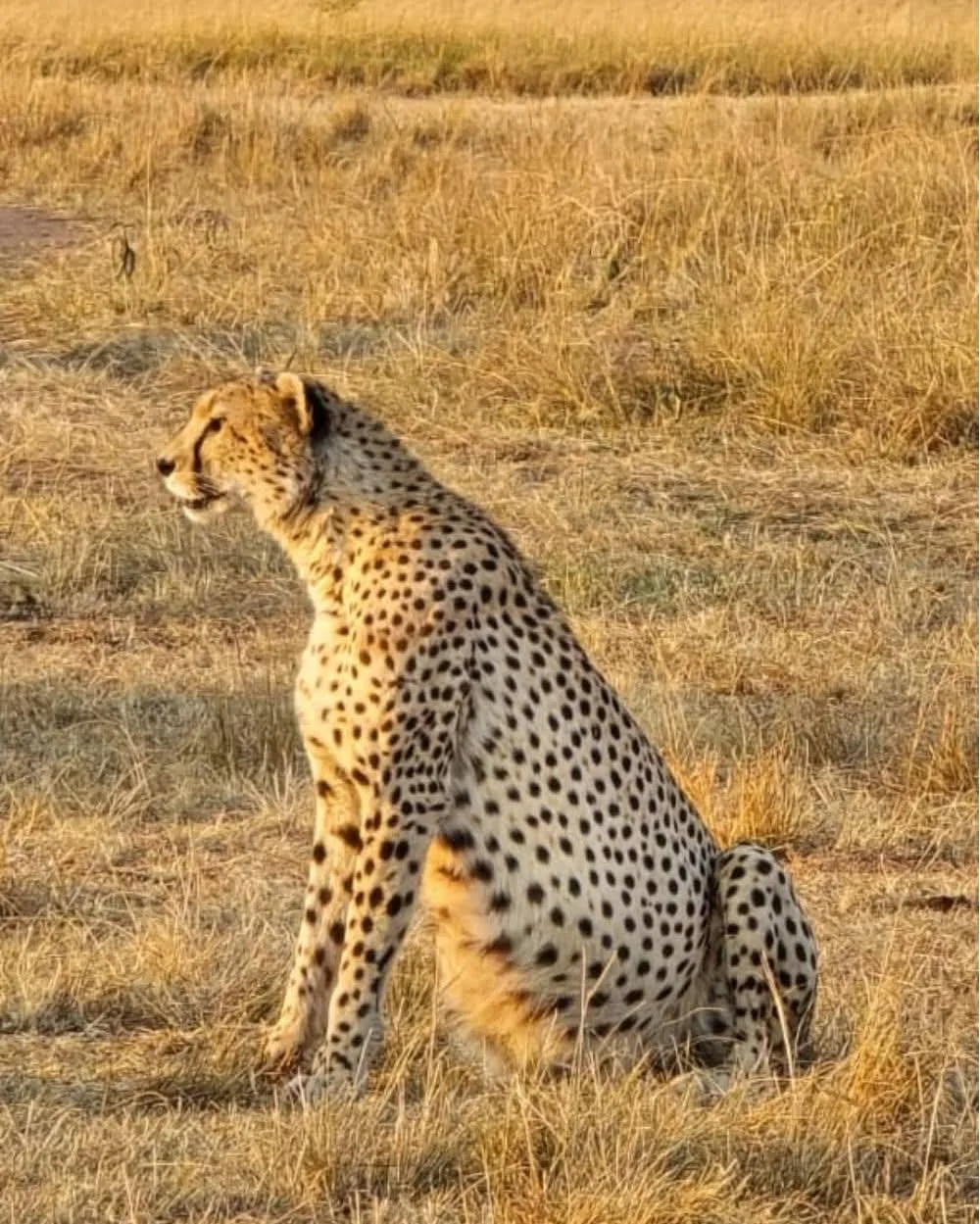
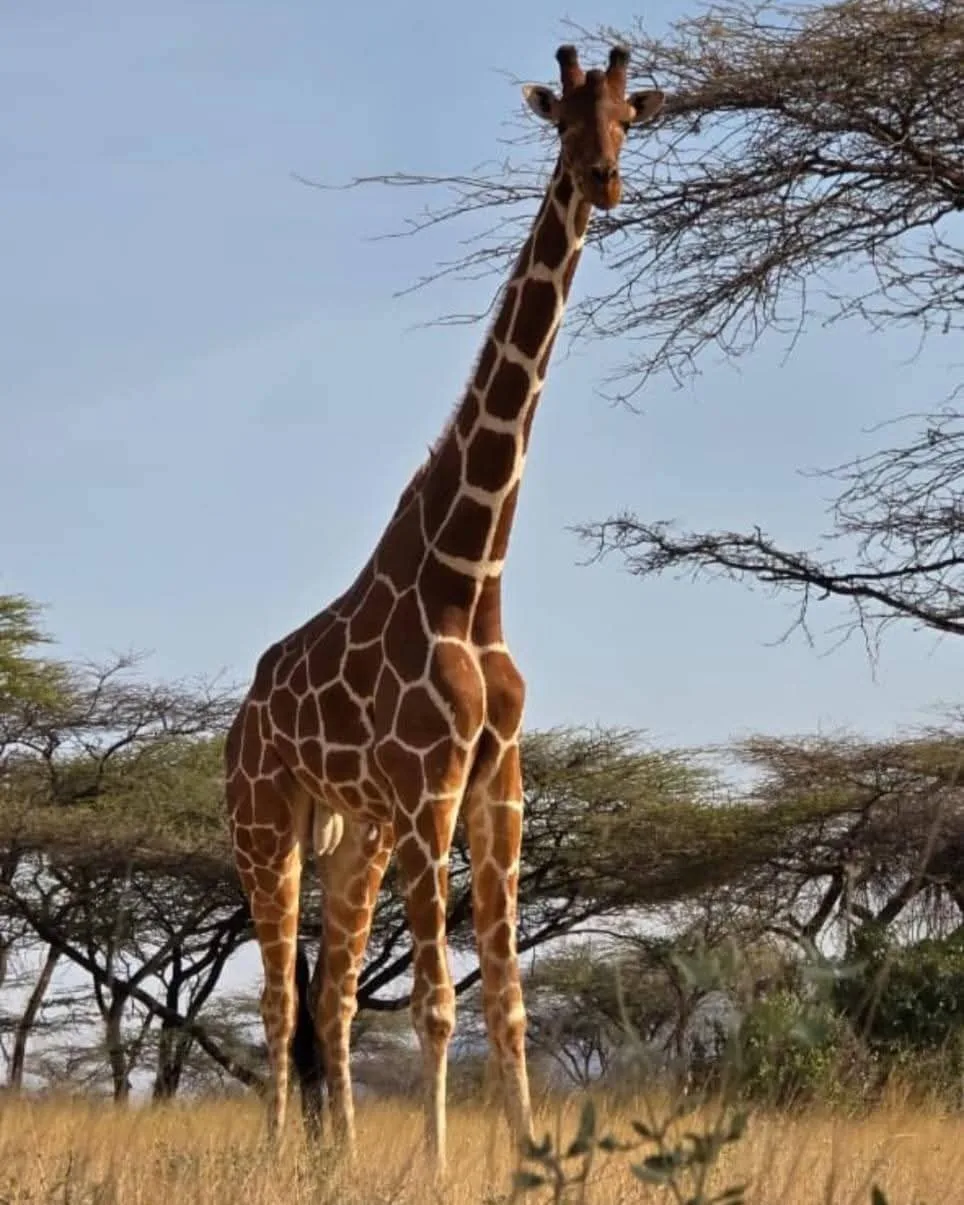
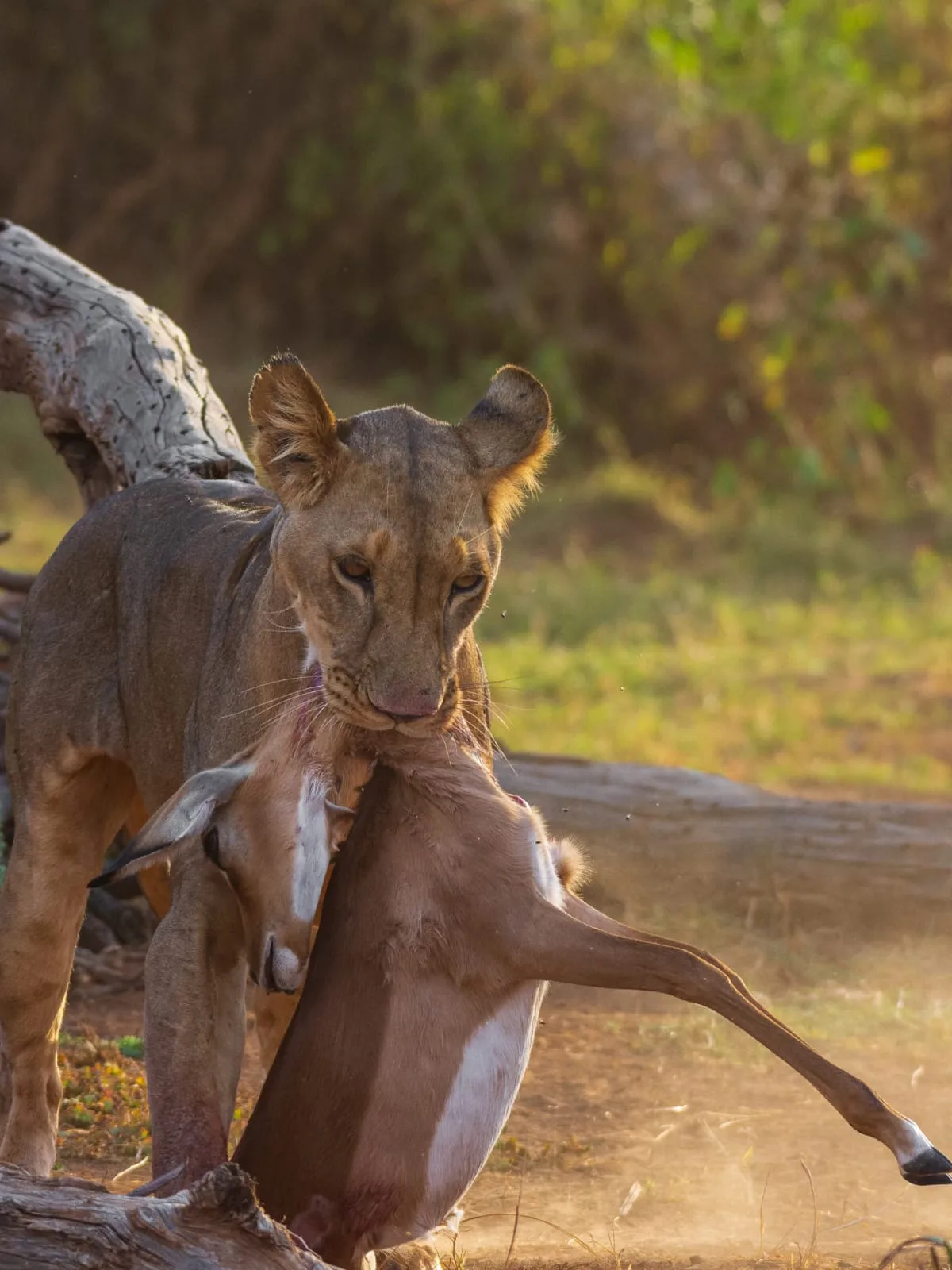
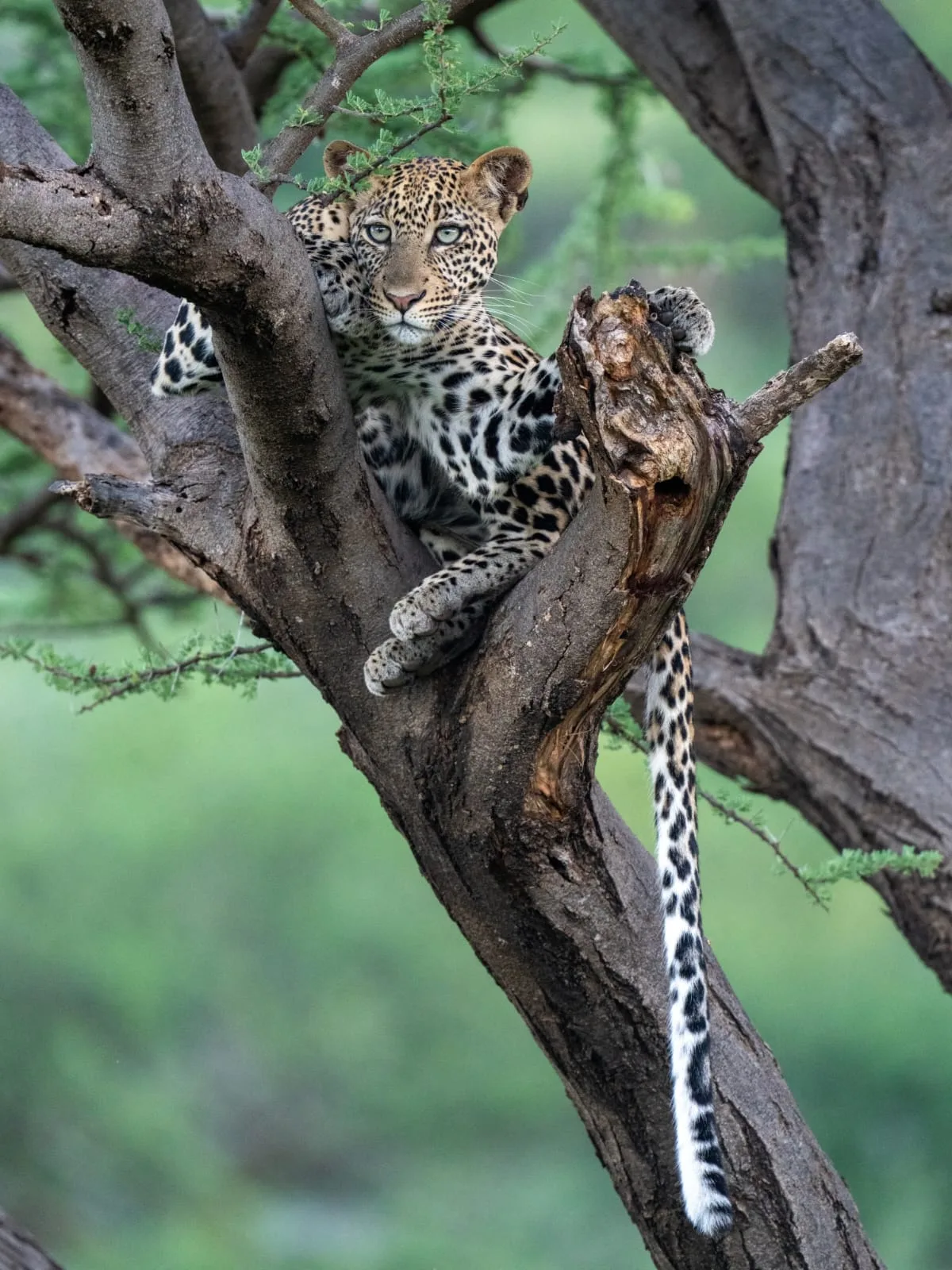
Tanzania Safari Packages 2026/2027/2028
Choosing the right Tanzania safari package starts with three questions: when are you travelling, how many days do you have, and what would you most like to see? Tanzania offers everything from short Serengeti and Ngorongoro safaris to week-long Northern Circuit journeys, Great Migration safaris, family adventures, private luxury trips and longer Tanzania safari and Zanzibar packages.
For most first-time visitors, we recommend spending 5–7 days exploring Tarangire National Park, Serengeti National Park and the Ngorongoro Crater. This gives you time for meaningful game drives without turning your safari into a race between parks. Travellers with fewer days can concentrate on Serengeti and Ngorongoro, while longer itineraries can include Lake Manyara, different regions of the Serengeti or lesser-visited parks in Southern Tanzania.
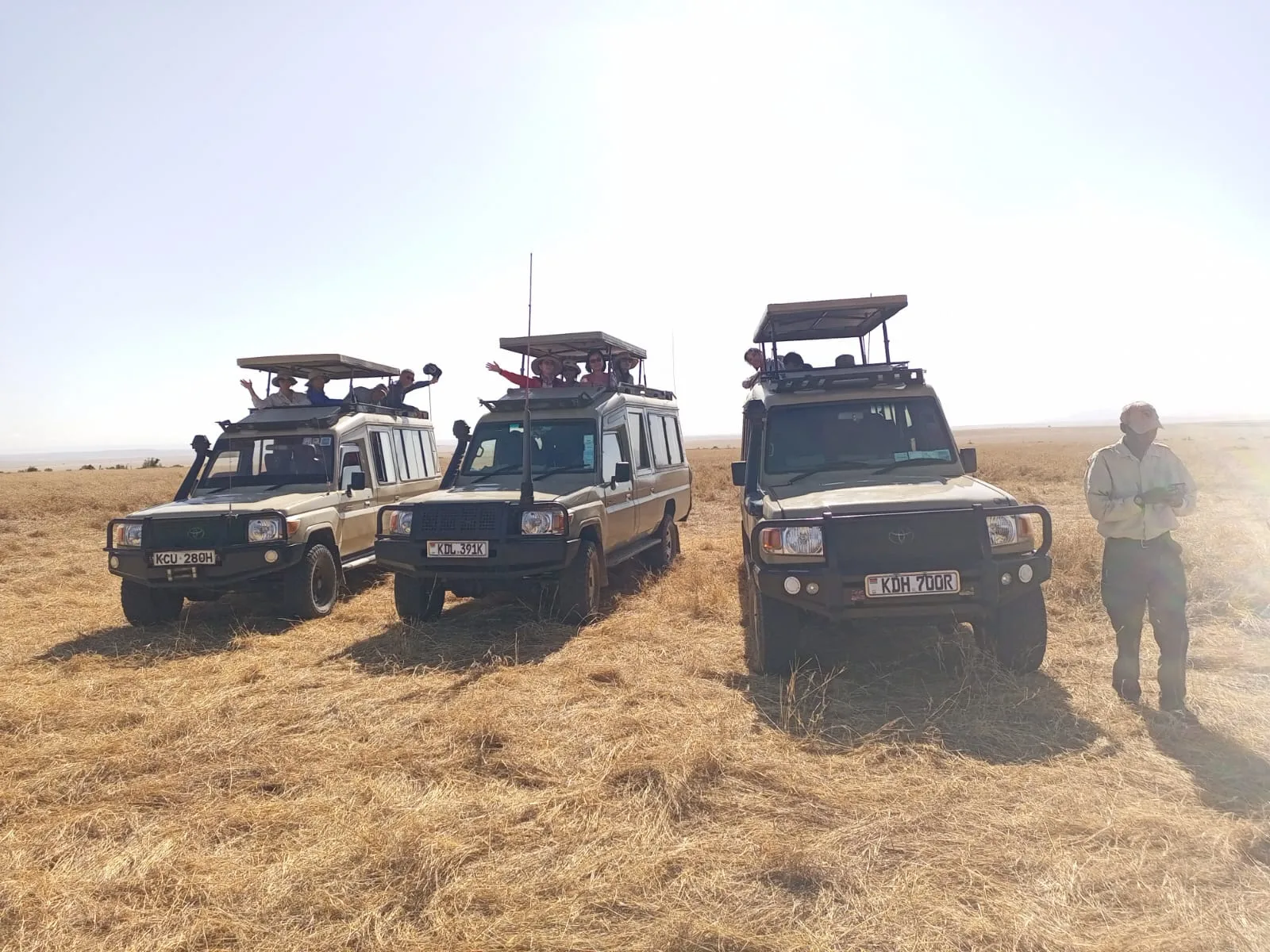
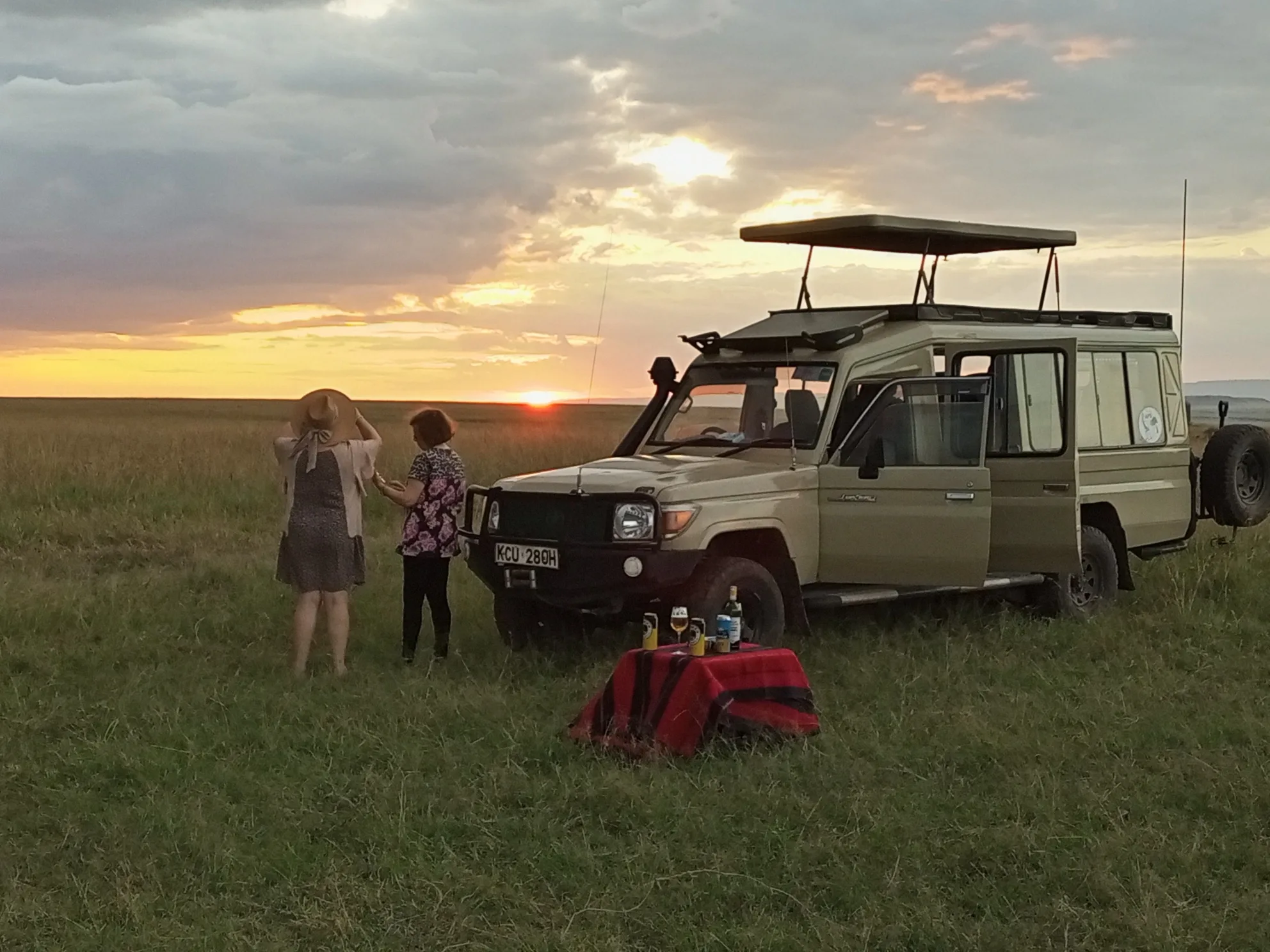
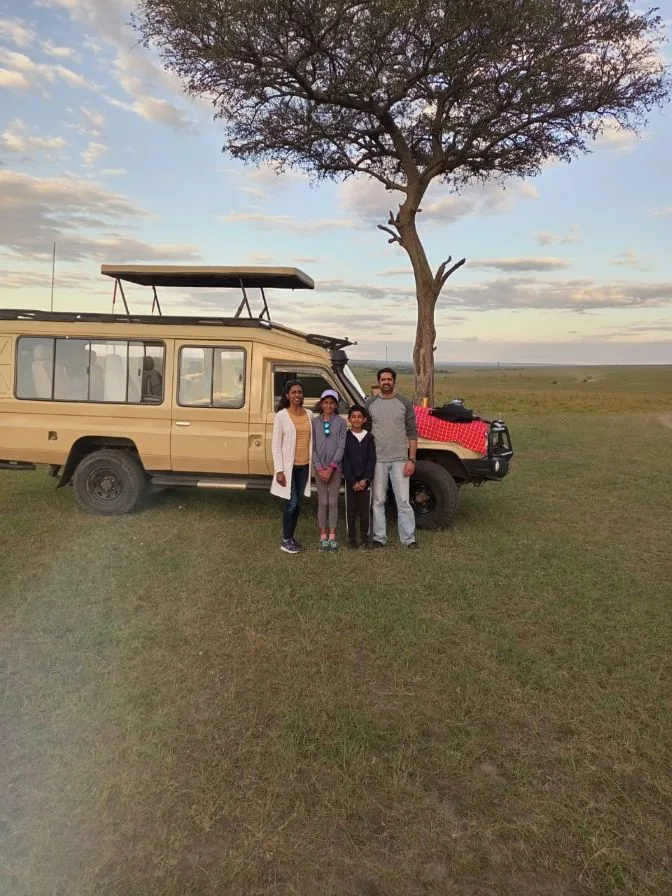
Our Tanzania safari packages for 2026, 2027 and 2028 are planned around your travel dates, group size, accommodation preference and budget. Private safaris use a 4×4 safari Land Cruiser, giving your party its own vehicle and guide throughout the road-safari portion of the trip.
Season also matters. The best route for a February calving safari around Ndutu is different from an itinerary designed for the Serengeti during the dry season. If the Great Migration is your priority, we therefore recommend choosing the right region for your travel month rather than booking the same Serengeti route year-round.
Explore our Tanzania safari itineraries to compare routes and trip lengths, or read our Best Time to Visit Tanzania guide before deciding when to travel.
What Is the Best Tanzania Safari Package?
The best Tanzania safari package for most first-time visitors is a 5–7 day private Northern Circuit safari combining Tarangire National Park, Serengeti National Park and the Ngorongoro Crater. This route balances wildlife viewing, driving time and landscape variety while allowing enough time for at least two nights in the Serengeti.
However, there is no single Tanzania safari itinerary that is best for everyone. Your ideal route depends on your travel month, number of days, budget, group size and wildlife interests.
Best Tanzania Safari Packages at a Glance
| Traveller | Recommended Safari | Ideal Length | Why It Works |
|---|---|---|---|
| First-time visitor | Tarangire, Serengeti & Ngorongoro | 5–7 days | Strong all-round wildlife experience with three contrasting destinations |
| Great Migration traveller | Seasonal Serengeti & Ngorongoro | 6–9 days | Allows the itinerary to follow the most appropriate Serengeti region for the season |
| Short-stay traveller | Serengeti & Ngorongoro | 3–4 days | Concentrates limited time on two of Northern Tanzania's major wildlife areas |
| Family | Tarangire, Serengeti & Ngorongoro | 6–8 days | More relaxed pacing with varied wildlife and fewer rushed transfers |
| Couple or honeymoon | Serengeti, Ngorongoro & Zanzibar | 8–12+ days | Combines wildlife, intimate safari camps and an Indian Ocean beach stay |
| Luxury traveller | Fly-in Serengeti & Ngorongoro | 5–8 days | Reduces some road travel and allows greater emphasis on premium camps and locations |
| Photographer | Serengeti & Ngorongoro | 7–10 days | More time at sightings and fewer unnecessary destination changes |
| Repeat safari traveller | Ruaha & Nyerere | 6–10 days | Offers a different, more remote Southern Tanzania safari experience |
Our Recommendation for a First Tanzania Safari
If this is your first safari in Tanzania, we would normally start with:
Arusha → Tarangire → Serengeti → Ngorongoro → Arusha
Tarangire introduces you to elephant country, baobab landscapes and the Tarangire River ecosystem. The Serengeti provides the greatest amount of time in classic open savannah, with opportunities to search for lions, cheetahs, leopards and large herds of plains game. Ngorongoro then provides a very different game-viewing experience within the crater.
The important part is not adding as many parks as possible. With six or seven days available, an additional night in the Serengeti will often be more rewarding than squeezing another destination into the itinerary.
What About the Great Migration?
If seeing the Great Wildebeest Migration is one of your main reasons for travelling, the best Tanzania safari package depends much more heavily on the month.
For example, January to March itineraries can focus on the Southern Serengeti and Ndutu area for the calving season, while other periods of the year require different Serengeti regions as the herds continue their seasonal movement.
The migration is a natural event influenced by rainfall and grazing conditions, so the exact location of the herds and individual wildlife sightings cannot be guaranteed.
For this reason, we recommend planning a Great Migration safari around your travel dates, rather than choosing a fixed Serengeti itinerary first and hoping the migration happens to be there.
How Much Does a Tanzania Safari Cost in 2026/2027/2028?
A Tanzania safari generally costs USD 250–1,000+ per person per day, depending on the season, group size, accommodation, route and use of internal flights. Private safaris become more economical per person when several travellers share the vehicle and guide costs.
Tanzania Safari Cost Per Day
| Safari style | Indicative cost per person/day | Typical experience |
|---|---|---|
| Budget | USD 250–400 | Simple camps or lodges with a wildlife-focused itinerary |
| Mid-range | USD 400–650 | Comfortable en-suite accommodation and private 4×4 |
| Luxury | USD 650–1,000+ | Premium camps, strong locations and higher service levels |
| Luxury fly-in | USD 900–1,500+ | Bush flights, premium camps and shorter road transfers |
These are planning estimates rather than fixed quotations. A safari for six travellers sharing one vehicle normally costs less per person than the same private itinerary for two.
What Determines the Price?
- Group size: Vehicle and guide costs are shared, so the per-person price usually decreases for groups of four to six. Always check how many travellers an advertised starting price is based on.
- Accommodation: Budget safaris use simpler camps or lodges, while mid-range and luxury itineraries offer greater comfort and service. Location is equally important—a well-positioned Serengeti camp can provide better value by reducing travel time to wildlife areas.
- Travel season: Demand is generally highest during the June–October dry season and important Great Migration periods. January–March is popular for the Ndutu calving season, while greener months may offer lower rates and fewer vehicles.
- Park fees: National park, conservation and Ngorongoro crater fees form a significant part of the total cost and should be included clearly in your quotation. Official park information is available from Tanzania National Parks.
- Road or fly-in safari: Road safaris use a 4×4 Land Cruiser and are generally more affordable. Bush flights cost more but reduce long transfers, particularly when visiting the Serengeti or continuing to Zanzibar.
- Safari length: Longer safaris cost more overall, but they can offer better value by spreading fixed costs across additional days and allowing more time in the principal wildlife areas.
Example Tanzania Safari Prices by Length
| Length | Typical focus | Indicative starting price |
|---|---|---|
| 3 days | Serengeti and Ngorongoro | From USD 1,195 pp |
| 4 days | Tarangire, Serengeti and Ngorongoro | From USD 1,350 pp* |
| 5 days | Classic Northern Circuit | From USD 1,495 pp* |
| 6–7 days | Northern Circuit with more Serengeti time | From USD 1,850 pp* |
| 8–10 days | Migration, photography or extended circuit | From USD 2,450 pp* |
| 10–14 days | Tanzania safari and Zanzibar | From USD 3,200 pp* |
Indicative planning prices. Final costs depend on travel dates, group size, accommodation and itinerary.
What Is Usually Included?
Most Tanzania safari packages include a private 4×4 Land Cruiser, professional driver-guide, specified park fees, accommodation, scheduled meals, game drives and agreed transfers.
International flights, visas, travel insurance, gratuities, personal expenses and optional activities such as balloon safaris are generally excluded unless stated otherwise. Your quotation should provide a complete inclusion and exclusion list.
Is the Cheapest Safari the Best Value?
Not always. Compare the accommodation location, park fees, vehicle type, private or shared arrangements, game-drive time and distance between destinations.
A cheaper itinerary with distant accommodation or long daily transfers may provide less time with wildlife. Good value means spending the right amount of time in the right areas at a comfort level that suits your budget—not simply choosing the lowest headline price.
Best Tanzania Safari Packages by Duration
Your available time will shape your Tanzania safari route. For most first-time visitors, we recommend 5–7 safari days. If you have less time, focus on fewer destinations instead of rushing through the entire Northern Circuit.
2–3 Days – Best for a Short Safari
A two- or three-day safari works best when limited to one or two wildlife areas. From Arusha, two days can combine Tarangire and Ngorongoro. With three days,, consider Serengeti and Ngorongoro, a Serengeti fly-in safari, or Ndutu and Ngorongoro during the January–March calving season.
Best for: Short holidays, business-trip extensions and Zanzibar add-ons.
Our advice: Do not attempt Tarangire, Lake Manyara, Serengeti and Ngorongoro in only three days.
4–5 Days – Best for a Compact Northern Circuit
Four or five days allows you to follow the classic route:
Arusha → Tarangire → Serengeti → Ngorongoro → Arusha
Four days will move relatively quickly, while five days provides more valuable game-viewing time in the Serengeti.
Best for: First-time visitors, couples and travellers combining safari with Kilimanjaro or Zanzibar.
Our advice: Choose five days when possible, particularly if the Serengeti is a priority.
6–7 Days – Best for Most First-Time Visitors
Six or seven days offers the best balance of wildlife viewing, travel time and comfortable pacing. A typical route includes Tarangire, two full days in the Serengeti and Ngorongoro Crater. It can also be adjusted for Lake Manyara, Ndutu or a seasonal Serengeti region.
This duration works especially well for families because it reduces rushed mornings and consecutive long transfers.
Best for: First-time visitors, families, couples and wildlife enthusiasts.
Our advice: Use additional days for more game-viewing time rather than adding as many parks as possible.
8–10 Days – Best for Migration and Photography
Eight to ten days allows several nights in the Serengeti and greater flexibility around predator activity, photography and seasonal Great Migration movements.
A possible route is:
Tarangire → Central Serengeti → Seasonal Serengeti region → Ngorongoro
From January to March, the itinerary may instead focus on Ndutu and the Southern Serengeti.
Best for: Migration travellers, photographers, repeat visitors and anyone preferring a slower safari.
10–14 Days – Best for Safari and Zanzibar
A 10–14-day holiday can combine 5–8 safari days with 4–6 nights in Zanzibar. We normally recommend completing the safari first and relaxing at the beach afterwards.
Accommodation can be tailored for honeymooners, couples or families, with direct flights available from selected safari airstrips to Zanzibar.
Best for: Honeymoons, anniversaries, families and travellers wanting wildlife and the Indian Ocean.
How Many Days Do You Need?
| Available time | Recommended experience |
|---|---|
| 2–3 days | One or two wildlife areas |
| 4–5 days | Compact Northern Circuit |
| 6–7 days | Best overall choice for most first-time visitors |
| 8–10 days | Migration, photography and slower travel |
| 10–14 days | Tanzania safari and Zanzibar |
If your budget permits one improvement, consider adding another safari day before upgrading every night to a more expensive lodge. More time in the wildlife areas often improves the experience more than a higher accommodation category.
Best Tanzania Safari Packages by Travel Style
Best Tanzania Safari Destinations
Tanzania has several outstanding wildlife regions, but you do not need to visit all of them. For most first-time travellers, Serengeti, Ngorongoro and Tarangire provide the strongest combination. Other destinations are better suited to particular seasons, longer holidays or specialist interests.
Serengeti National Park
The Serengeti is the centrepiece of many Tanzania safaris and normally deserves the most nights. Its plains and woodlands support lions, leopards, cheetahs, elephants, buffaloes, giraffes and the Great Wildebeest Migration.
Central Serengeti offers excellent year-round game viewing, while the southern, western and northern regions become important during different migration periods.
Best for: Big cats, Great Migration and photography
Recommended stay: 2–4 nights
Best time: Year-round, with the region matched to your travel month
Ngorongoro Crater
Ngorongoro offers concentrated wildlife viewing across the crater floor. You may encounter lions, buffaloes, elephants, hippos, zebras, wildebeest and hyenas, with an opportunity to search for endangered black rhino.
One well-planned crater game drive is normally sufficient, making Ngorongoro easy to combine with Serengeti and Tarangire. See the Ngorongoro Conservation Area Authority for official information.
Best for: Wildlife variety and first-time visitors
Recommended stay: 1–2 nights
Best time: Year-round
Tarangire National Park
Tarangire is known for elephants, baobab trees, varied landscapes and excellent birdlife. Wildlife becomes particularly concentrated near dependable water sources during the dry season.
Its location makes it a practical first stop from Arusha before continuing to Serengeti and Ngorongoro.
Best for: Elephants, scenery and birdlife
Recommended stay: 1–2 nights
Best time: Year-round, especially the dry season
Lake Manyara National Park
Lake Manyara combines groundwater forest, wetlands, lakeshore scenery and diverse birdlife. Wildlife may include elephants, giraffes, buffaloes, zebras and monkeys. Although the park is associated with tree-climbing lions, sightings are not guaranteed.
Manyara adds variety to longer itineraries, but travellers with only five or six days may gain more by adding time to Serengeti.
Best for: Birdlife, scenery and longer Northern Circuit safaris
Recommended stay: One night or a day visit
Ndutu and Southern Serengeti
Ndutu and the Southern Serengeti are especially important from January to March, when migratory wildebeest gather on the southern plains and the calving season attracts lions, cheetahs and hyenas.
Herd locations vary with rainfall and grazing, so this region should be included when it suits the season.
Best for: Calving season, predators and photography
Recommended stay: 2–3 nights
Best time: January–March
Nyerere National Park
Nyerere offers a different Southern Tanzania experience shaped by extensive wilderness and the Rufiji River. Depending on the camp, activities may extend beyond conventional vehicle-based game drives.
Because it is far from the Northern Circuit, Nyerere works best as part of a dedicated Southern Tanzania safari.
Best for: Remote wilderness and repeat visitors
Recommended stay: 3–4 nights
Best combined with: Ruaha
Ruaha National Park
Ruaha’s remote landscapes appeal to experienced safari travellers, photographers and visitors seeking fewer vehicles. It should be given sufficient time and often works best in a fly-in itinerary.
For a first five- to seven-day Tanzania safari, we would normally prioritise Serengeti, Ngorongoro and Tarangire. Ruaha becomes more compelling for a longer or repeat visit.
Best for: Wilderness and photography
Recommended stay: 3–4 nights
Best combined with: Nyerere
Recommended Destination Combinations
| Available time | Recommended destinations | Why choose it |
|---|---|---|
| 2–3 days | Tarangire and Ngorongoro | Shorter transfers and contrasting landscapes |
| 3–4 days | Serengeti and Ngorongoro | Focuses on two major wildlife destinations |
| 5–7 days | Tarangire, Serengeti and Ngorongoro | Best all-round first Tanzania safari |
| 7–9 days | Tarangire, Serengeti, seasonal region and Ngorongoro | More time for migration or photography |
| 6–10 days | Nyerere and Ruaha | Remote Southern Tanzania wilderness |
| 10–14 days | Northern Circuit and Zanzibar | Wildlife safari followed by the beach |
Choose destinations that work together geographically and seasonally rather than counting how many parks appear in the itinerary. More time in the strongest wildlife areas usually produces a better safari.
Northern Tanzania vs Southern Tanzania Safari – Which Should You Choose?
For most first-time visitors, Northern Tanzania is the stronger choice, especially when Serengeti, Ngorongoro Crater or the Great Migration is a priority. Southern Tanzania better suits travellers seeking lower visitor numbers, remote wilderness or a second Tanzania safari.
Neither region is automatically better; they offer different safari experiences.
Northern vs Southern Tanzania Safari at a Glance
| Feature | Northern Tanzania | Southern Tanzania |
|---|---|---|
| Main Areas | Serengeti, Ngorongoro, Tarangire, Lake Manyara | Nyerere, Ruaha |
| Gateway | Arusha or Kilimanjaro | Dar es Salaam and bush flights |
| Best For | First safaris, Great Migration, classic wildlife circuits | Repeat visitors, remote wilderness, slower travel |
| Great Migration | Yes—Serengeti ecosystem | No |
| Wildlife Strengths | Big cats, elephants and rhino opportunities | Big cats, elephants and lower visitor density |
| Typical Transport | Private 4×4 or road-and-flight combination | Bush flights often make more sense |
| Recommended Length | 5–7 days | 6–10 days |
| Best First Safari? | Yes | Better for specific interests or repeat visits |
Why Choose Northern Tanzania?
Northern Tanzania offers the country’s best-known safari circuit. A classic route begins in Arusha and combines Tarangire, Serengeti and Ngorongoro, with Lake Manyara added when time allows.
These destinations connect naturally: Tarangire offers baobabs and elephants, Serengeti delivers open plains and exceptional predator viewing, and Ngorongoro provides a contrasting crater ecosystem. Northern Tanzania is also the clear choice for the Great Wildebeest Migration, with itineraries adjusted according to seasonal herd movements.
For a first Tanzania safari lasting five to seven days, this is usually our recommended region.
Limitations of Northern Tanzania
Popular areas such as Ngorongoro Crater and parts of Serengeti can become busy during peak seasons and around major wildlife sightings.
Rather than trying to avoid every other vehicle, choose well-located accommodation and allow enough time for your guide to explore beyond the busiest areas. Rushed itineraries often feel more crowded because they concentrate visitors around the same headline attractions.
Why Choose Southern Tanzania?
Southern Tanzania offers a more remote, wilderness-focused experience. Nyerere National Park and Ruaha National Park are particularly suitable for travellers who have already visited Serengeti and Ngorongoro or who value lower visitor density.
Depending on the park, camp and regulations, southern itineraries may also offer a wider variety of safari activities. However, the distances are substantial, so bush flights commonly form part of the itinerary.
Limitations of Southern Tanzania
Southern Tanzania is not the right choice simply because it receives fewer visitors. If Serengeti, Ngorongoro Crater or the Great Migration is central to your dream safari, choose the north.
Southern itineraries may also require additional flights, increasing the total cost. We recommend the region when its parks and safari style genuinely match your interests.
Can You Combine Northern and Southern Tanzania?
Yes, but combining both regions works best on a longer trip. A 10–14-day itinerary could connect Serengeti or Ngorongoro with Ruaha before continuing to Zanzibar, usually using flights.
For a 5–7-day safari, choose one region. Combining both would consume too much time in transit.
Our Recommendation
Choose Northern Tanzania if:
It is your first Tanzania safari.
Serengeti, Ngorongoro or the Great Migration is a priority.
You have approximately 5–7 safari days.
You prefer a classic private 4×4 road safari.
You are combining the safari with Arusha or Kilimanjaro.
Choose Southern Tanzania if:
You have already explored the Northern Circuit.
Lower visitor density is important.
You want a remote, wilderness-focused safari.
Ruaha or Nyerere specifically interests you.
You are comfortable using bush flights.
For a first Tanzania safari, we recommend Tarangire → Serengeti → Ngorongoro. For a second or longer journey, Ruaha and Nyerere reveal a different side of Tanzania.
Best Time to Visit Tanzania for Safari
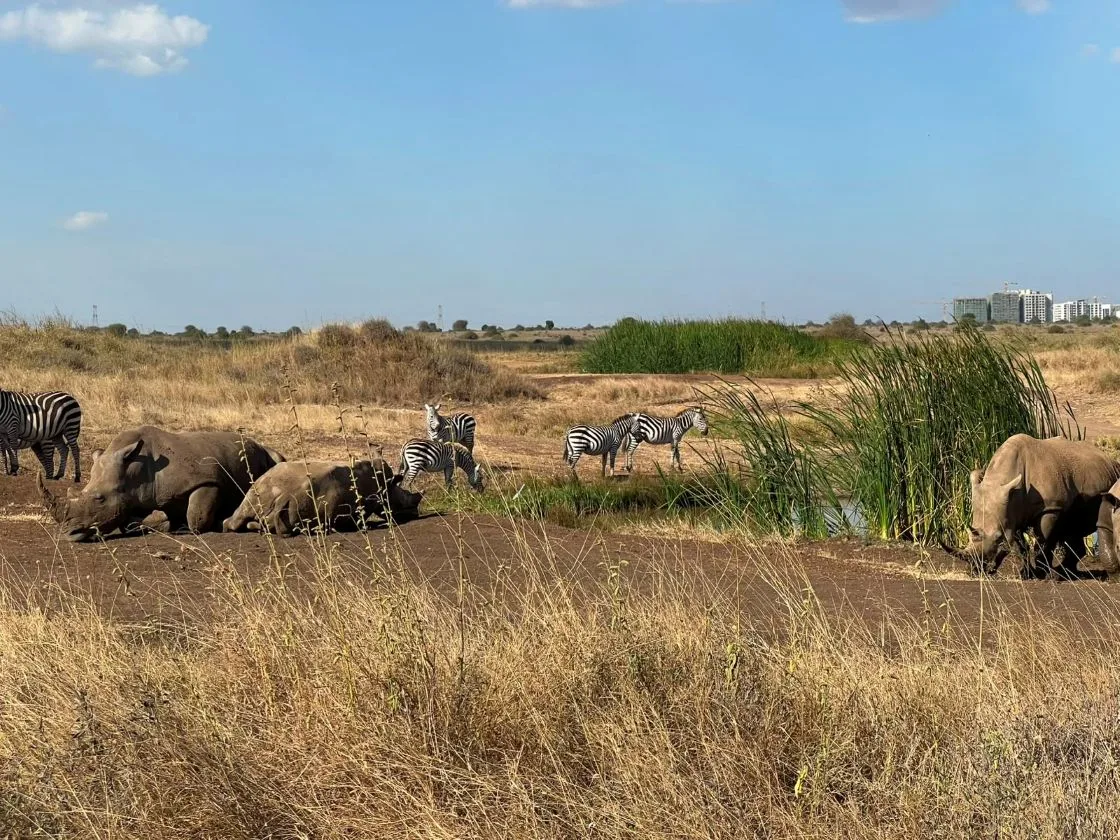
Tanzania offers year-round wildlife viewing. June to October is generally best for classic safaris because dry conditions often concentrate animals around reliable water sources. January to March is especially rewarding for the Ndutu and Southern Serengeti calving season.
The best time depends on whether your priority is general wildlife, the Great Migration, photography, green landscapes, fewer visitors or lower seasonal rates.
Tanzania Safari Seasons at a Glance
| Months | Conditions | Wildlife focus | Our recommendation |
|---|---|---|---|
| January–March | Warm with possible showers | Ndutu calving season and predators | Excellent for migration safaris |
| April–May | Main rainy season | Green landscapes, birdlife and resident wildlife | Best for flexible travellers |
| June | Becoming drier | Strong general wildlife viewing | Excellent transition month |
| July–October | Dry season | Wildlife around water sources and seasonal migration | Best overall safari period |
| November | Short rains possible | Green scenery and changing migration patterns | Good for photography |
| December | Warm and increasingly green | Resident wildlife and southward migration movements | Very good with careful routing |
January to March – Calving Season
This period is ideal for migration-focused safaris in Ndutu and the Southern Serengeti. Wildebeest gather on the southern plains, with the main calving period generally occurring around February. The young animals also attract lions, cheetahs and hyenas.
Herd locations vary with rainfall and grazing conditions.
Best for: Calving, predators and photography
Suggested route: Ndutu, Southern Serengeti and Ngorongoro
Planning tip: Book popular seasonal camps early.
April to May – Green Season
The main rainy season brings green landscapes, excellent birdlife, fewer visitors and possible accommodation savings. However, heavy rain can affect roads, disperse wildlife and limit access to some seasonal camps.
Best for: Scenery, birdlife, photography and fewer visitors
Planning tip: Confirm road and camp accessibility before booking.
June to October – Classic Wildlife Viewing
Drier conditions and thinner vegetation often make wildlife easier to locate in Tarangire, Serengeti and Ngorongoro. July to October is particularly popular, so well-positioned camps can fill early.
This period may offer Great Migration viewing, but river crossings cannot be guaranteed. Your Serengeti region is as important as your travel month.
Best for: First-time visitors, families and general wildlife
Suggested route: Tarangire, Serengeti and Ngorongoro
Planning tip: Reserve peak-season accommodation well in advance.
November to December – Green Landscapes
Short rains begin renewing the landscape and influencing migration movements toward the southern ecosystem. November can offer fewer visitors, while Christmas and New Year bring greater demand and higher prices.
Best for: Green scenery, photography and festive travel
Planning tip: Short rains do not normally mean continuous rain throughout the safari.
Choosing the Best Month
- General wildlife viewing: June–October
- Wildebeest calving: January–March, especially February
- Green scenery and fewer visitors: April–May and November
- Lower seasonal rates: Selected rainy and shoulder periods
- Photography: Year-round, depending on your preferred landscapes and wildlife
Choose your travel dates according to the experience you want. If the Great Migration is your priority, the itinerary should also match the appropriate Serengeti region.
Recommended Tanzania Safari Itineraries
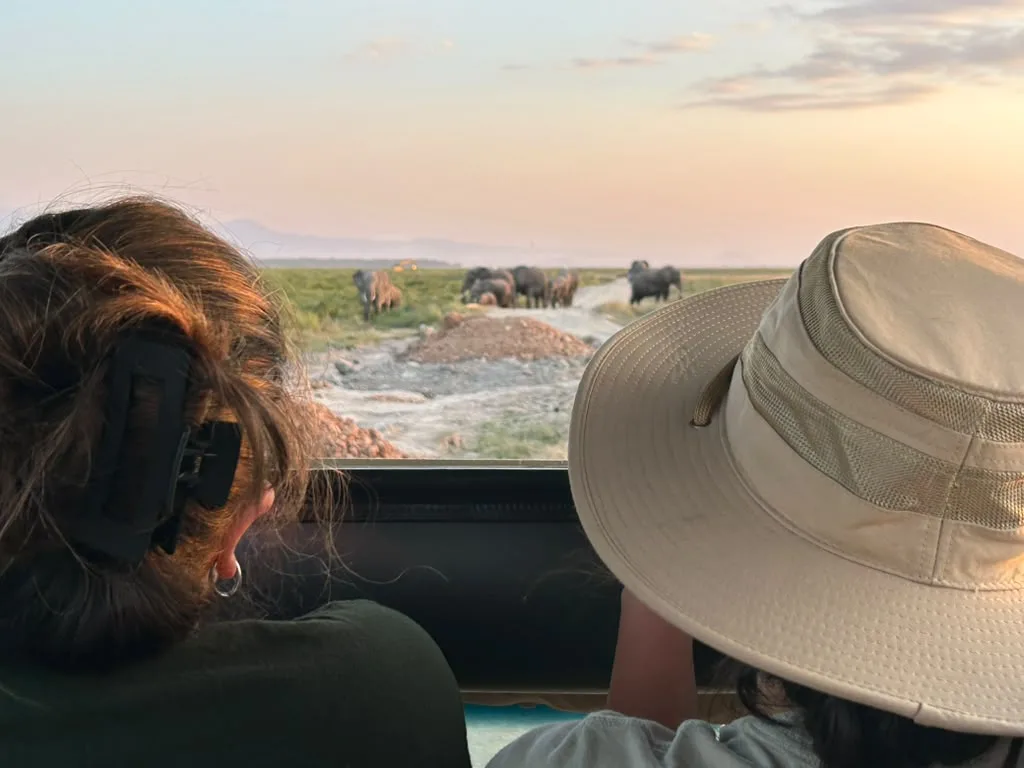
Choose your itinerary according to your available time, travel month and wildlife interests. For most first-time visitors, we recommend 5–7 days combining Tarangire, Serengeti and Ngorongoro.
| Duration | Recommended route | Best for |
|---|---|---|
| 2 days | Arusha → Tarangire → Ngorongoro → Arusha | Short safari and limited time |
| 3 days | Arusha → Serengeti → Ngorongoro → Arusha | Serengeti and crater highlights |
| 4 days | Arusha → Tarangire → Serengeti → Ngorongoro → Arusha | Compact Northern Circuit |
| 5 days | Tarangire → Serengeti → Ngorongoro | First-time visitors and couples |
| 6–7 days | Tarangire → Serengeti → Ngorongoro | Best overall wildlife experience |
| 7 days seasonal | Tarangire → Central Serengeti → seasonal migration region → Ngorongoro | Great Migration and photography |
| 10–14 days | Northern Tanzania safari → Zanzibar | Wildlife and beach holiday |
Best Short Safari: 3 Days
Combine Serengeti and Ngorongoro for a focused introduction to Tanzania’s wildlife. This itinerary suits travellers with limited time, although the road journey makes it relatively fast-paced. A fly-in option can reduce transfer time.
Best First Safari: 5 Days
A five-day route through Tarangire, Serengeti and Ngorongoro provides contrasting landscapes and strong wildlife viewing. It is a good choice for travellers combining safari with Kilimanjaro or Zanzibar.
Our Strongest Recommendation: 6–7 Days
Six or seven days allows more time in the Serengeti and a more comfortable pace. A balanced route includes Tarangire, at least two full days in Serengeti and a Ngorongoro Crater game drive.
Best Migration Safari: 7–10 Days
Migration itineraries should match the travel season. From January to March, include Ndutu and the Southern Serengeti. During other periods, the western, central or northern Serengeti may be more appropriate. Herd locations and river crossings cannot be guaranteed.
Best Safari and Beach Holiday: 10–14 Days
Combine 5–8 safari days with 4–6 nights in Zanzibar. We usually recommend completing the safari first, followed by the beach, with a scheduled flight connecting the safari circuit to Zanzibar.
Expert recommendation: Add time to Serengeti before adding more parks. Fewer destinations with longer stays usually provide a better safari than a rushed itinerary covering too many locations.
Tanzania Safari Accommodation and Inclusions
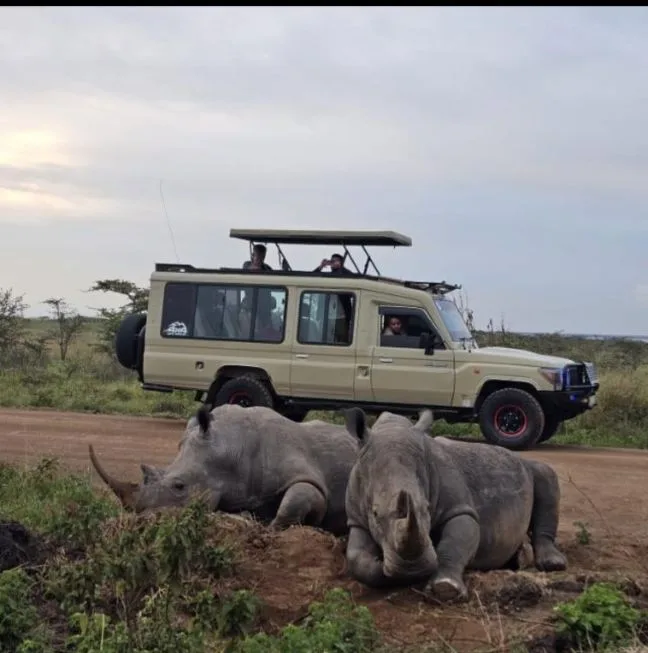
Tanzania safari accommodation ranges from simple lodges and tented camps to exclusive luxury properties. The best choice depends on your budget, preferred comfort level and proximity to the main wildlife-viewing areas.
A well-positioned camp can provide better safari value than a more luxurious property located far from the park or seasonal wildlife area.
Accommodation Options
| Category | Typical accommodation | Best for |
|---|---|---|
| Budget | Simple lodges or tented camps with essential facilities | Price-conscious travellers |
| Mid-range | Comfortable lodges and en-suite tented camps | Most couples, families and first-time visitors |
| Luxury | Premium lodges and smaller camps in strong locations | Honeymoons and special occasions |
| Fly-in luxury | Exclusive camps connected by scheduled bush flights | Travellers prioritising time, privacy and comfort |
Our standard mid-range accommodation normally provides private en-suite facilities, scheduled meals and convenient access to the safari route. Specific properties depend on availability, season and itinerary.
What Is Included?
Most private Tanzania safari packages include:
- Private 4×4 safari Land Cruiser
- Professional English-speaking driver-guide
- National park and conservation fees specified in the itinerary
- Safari accommodation
- Meals indicated in the itinerary
- Private game drives
- Drinking water during the safari
- Airport or hotel transfers stated in the program
- Flying Doctors emergency evacuation cover when specified
What Is Excluded?
Unless specifically included in your quotation:
- International flights
- Tanzania visa
- Travel and medical insurance
- Tips and gratuities
- Alcoholic and premium drinks
- Personal expenses
- Laundry services
- Optional activities
- Zanzibar accommodation or flights not listed
- Additional services caused by changes to the confirmed itinerary
Optional Safari Upgrades
Depending on the route, you may add:
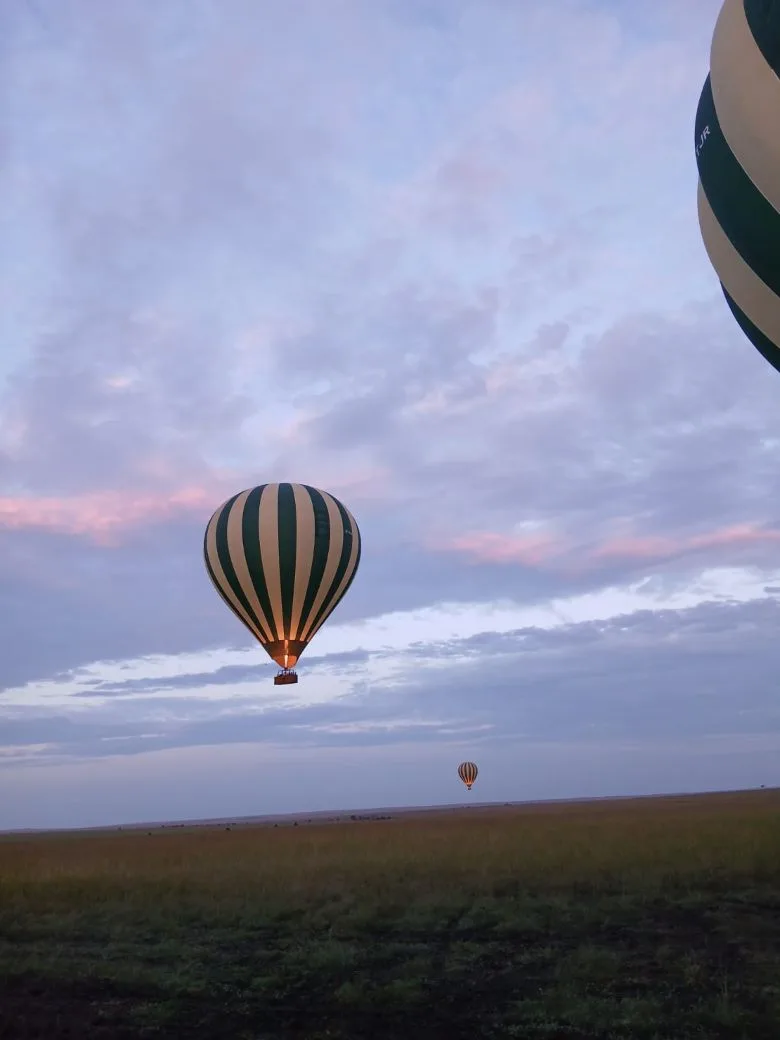
- Serengeti or Ndutu hot-air balloon safari
- Scheduled bush flights
- Luxury accommodation upgrades
- Zanzibar beach extension
- Cultural visits
- Private bush meals
- Extra safari nights or game drives
Every quotation should clearly identify the accommodation, meal plan, park fees, transfers, inclusions and exclusions before booking.
Tanzania Safari Logistics & Getting There
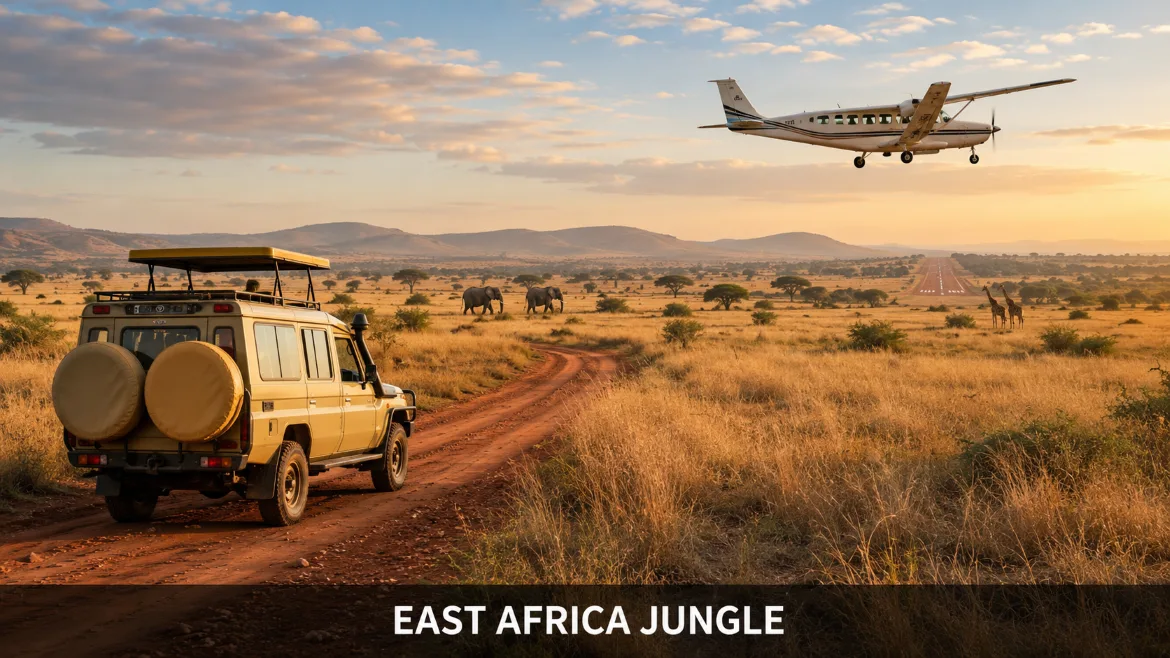
Most Northern Tanzania safaris begin in Arusha, reached through Kilimanjaro International Airport or Arusha Airport. Depending on your itinerary, you can travel entirely by road or combine a private 4×4 safari with scheduled bush flights.
Safari Logistics at a Glance
| Safari detail | Information |
|---|---|
| Main gateway | Kilimanjaro International Airport |
| Safari starting point | Arusha |
| Safari vehicle | Private 4×4 Land Cruiser with a pop-up roof |
| Arusha to Tarangire | Approximately 2–2.5 hours |
| Tarangire to Karatu | Approximately 2–2.5 hours |
| Karatu to Ngorongoro Gate | Approximately 30–45 minutes |
| Ngorongoro to Arusha | Approximately 3–4 hours |
| Serengeti transfers | Vary according to the route, road conditions and camp location |
| Fly-in option | Available for Serengeti and selected remote destinations |
| Zanzibar connection | Scheduled flights operate from selected safari airstrips |
| Recommended luggage | Soft-sided bags; airline limits must be confirmed before travel |
Road safaris allow you to experience changing landscapes between destinations and generally offer better value. Flying is worthwhile when it saves significant transfer time, particularly for short Serengeti safaris or Zanzibar combinations.
Wildlife by Destination
| Destination | Wildlife highlights |
|---|---|
| Serengeti | Lions, leopards, cheetahs, elephants, wildebeest and zebra |
| Ngorongoro Crater | Black rhino, lions, buffaloes, elephants, hippos and hyenas |
| Tarangire | Elephants, giraffes, lions, zebras and abundant birdlife |
| Lake Manyara | Elephants, buffaloes, monkeys, hippos and waterbirds |
| Ndutu | Wildebeest calves, cheetahs, lions, hyenas and zebras |
| Nyerere | Elephants, lions, wild dogs, hippos and crocodiles |
| Ruaha | Elephants, lions, leopards, buffaloes and wild dogs |
A Northern Circuit itinerary combining Tarangire, Serengeti and Ngorongoro provides strong opportunities to search for the Big Five. However, Tanzania’s wildlife is free-ranging, and specific sightings, Migration herd locations and river crossings cannot be guaranteed.
Tanzania Safari and Zanzibar Packages
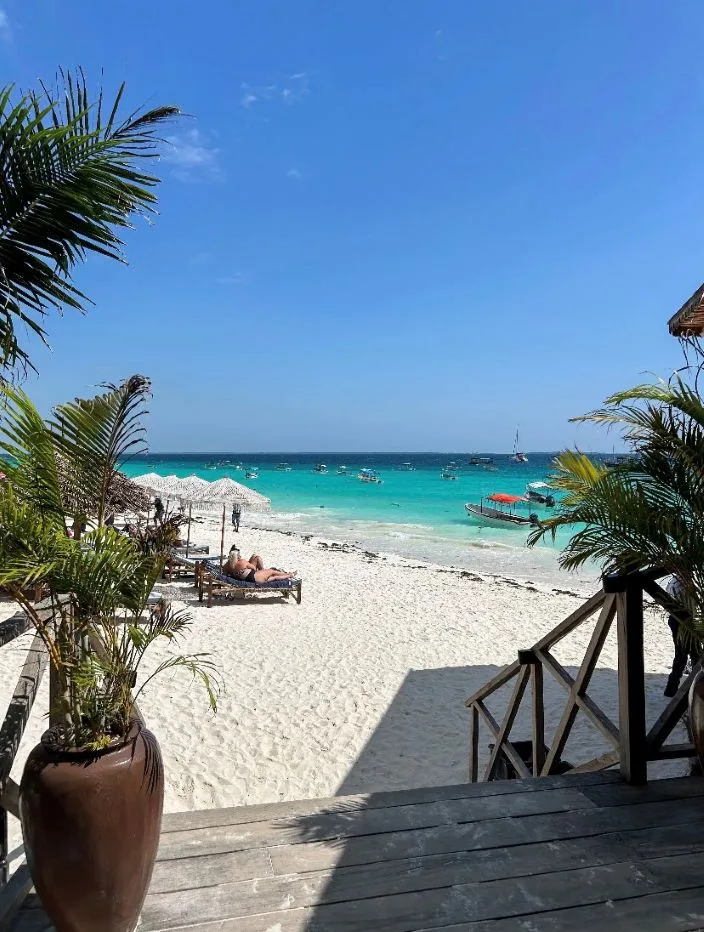
Combining a Tanzania safari with Zanzibar creates a balanced wildlife-and-beach holiday. For most travellers, we recommend 5–8 safari days followed by 4–6 nights in Zanzibar.
Completing the safari first allows you to enjoy early game drives and overland travel before relaxing on the Indian Ocean coast.
Recommended Safari and Zanzibar Itineraries
| Total duration | Suggested arrangement | Best for |
|---|---|---|
| 8–10 days | 4–5 safari days + 4–5 Zanzibar nights | Travellers with limited time |
| 11–12 days | 6–7 safari days + 4–5 Zanzibar nights | Best overall combination |
| 13–14 days | 7–8 safari days + 5–6 Zanzibar nights | Honeymoons, families and relaxed travel |
A popular route is:
Arusha → Tarangire → Serengeti → Ngorongoro → Zanzibar
Scheduled flights can connect selected Serengeti airstrips or Arusha with Zanzibar, reducing unnecessary road travel.
Which Zanzibar Area Should You Choose?
- Nungwi or Kendwa: Swimming, sunsets and lively beach resorts
- Paje or Jambiani: Watersports, relaxed beach stays and changing tides
- Matemwe: Quieter surroundings and access toward Mnemba Island
- Stone Town: History, culture, markets and short city stays
Optional Zanzibar Experiences
- Stone Town guided tour
- Spice farm visit
- Mnemba Island snorkelling
- Safari Blue excursion
- Prison Island visit
- Dolphin or marine excursions
- Romantic sunset cruise
Who Is This Combination Best For?
A Tanzania safari and Zanzibar package suits honeymooners, couples, families and first-time East Africa visitors wanting both wildlife and the coast. Accommodation, internal flights and beach location can be adjusted to match your budget and preferred travel style.
Planning tip: Confirm flight schedules and baggage allowances before finalising the itinerary. Small safari aircraft usually require soft-sided luggage and apply stricter weight limits than international airlines.
How to Choose the Right Tanzania Safari Package
The best Tanzania safari is not necessarily the cheapest or the one visiting the most parks. It should match your available time, travel month, wildlife interests, comfort level and budget.
Eight Important Decisions
- Choose the right duration: Allow 2–3 days for one or two destinations, 4–5 days for a compact Northern Circuit, or 6–7 days for the best first-safari balance. Eight or more days suit migration, photography and slower travel.
- Match the route to the season: Great Migration itineraries should follow seasonal patterns. January–March often favours Ndutu and the Southern Serengeti, while parts of July–October may favour northern areas. Herd locations and river crossings cannot be guaranteed.
- Combine complementary destinations: For most first-time visitors, Tarangire → Serengeti → Ngorongoro provides an excellent balance. Use extra days for more Serengeti time rather than adding unnecessary parks.
- Choose private or shared travel: A private safari provides greater flexibility over game-drive timing, stops and wildlife interests. Shared safaris may cost less but follow a more fixed schedule.
- Select your accommodation level: Mid-range lodges and en-suite camps offer the best balance for many travellers. Prioritise safari duration, camp location and vehicle quality before unnecessary luxury.
- Choose road or fly-in travel: Road safaris offer better value and showcase the changing landscapes. Flights are useful when they save meaningful time, particularly for short Serengeti trips or Zanzibar connections.
- Compare complete prices: Confirm whether park fees, Ngorongoro charges, accommodation, meals, game drives, transfers, drinking water and domestic flights are included.
- Check the operator: Verify the company, vehicle, guide arrangements, payment terms, cancellation policy, emergency support and procedure for accommodation changes.
Tanzania Safari Booking Checklist
| Check before booking | Why it matters |
|---|---|
| Private or shared safari | Affects flexibility and price |
| Vehicle type and passenger numbers | Affects comfort and photography |
| Park fees and Ngorongoro charges | Can significantly affect the total cost |
| Confirmed accommodation and location | Determines comfort and driving time |
| Meals, transfers and flights | Prevents unexpected expenses |
| Full Serengeti game-viewing days | More important than simply counting nights |
| Correct Serengeti region | Essential for seasonal Migration planning |
| Luggage allowance | Important when using bush flights |
| Payment and cancellation terms | Essential before paying a deposit |
| Emergency contact | Provides support during the safari |
Warning Signs
Be cautious if a package:
- Guarantees a river crossing or every member of the Big Five
- Includes too many parks in too few days
- Does not identify whether the vehicle is private or shared
- Omits accommodation details or park fees
- Uses “all-inclusive” without explaining what is covered
- Provides no clear payment, cancellation or support information
Our Recommended Starting Point
For a first Tanzania safari, begin with:
6–7 days · Tarangire · Serengeti · Ngorongoro · Private 4×4 Land Cruiser · Mid-range accommodation
Then customise it around your priorities:
- Adjust the Serengeti region for the Migration.
- Add Serengeti nights for photography.
- Use flights when time is limited.
- Reduce accommodation changes for families.
- Upgrade selected lodges for more comfort.
- Add Zanzibar for a beach extension.
The best package is the one that uses your time and budget in the wildlife areas that matter most to you.
Guide & Tanzania Safari Expert Insights
Guest Reviews – Tanzania Safari Experiences
The reviews below describe individual experiences with safari pacing, guiding, accommodation and seasonal planning. Publish them only if the names, quotations and travel details can be verified from genuine guest records.
★★★★★ “The Extra Serengeti Time Made the Difference”
Diana & Daniel – United Kingdom
Travel Month: July
Group Type: Couple
Safari: Northern Tanzania Circuit
Highlights: Serengeti big cats, Tarangire elephants and Ngorongoro Crater
“We appreciated having enough time in the Serengeti instead of rushing between parks. Our guide was patient at wildlife sightings, and Tarangire was a surprise highlight because of the elephants and scenery. The entire route from Arusha to Ngorongoro felt well planned.”
★★★★★ “A Well-Planned Family Safari”
Guest Family – Australia
Travel Month: August
Group Type: Family
Safari: Private Tanzania Family Safari
Highlights: Elephants, lions, Serengeti wildlife and private game drives
“The private vehicle allowed us to adjust the pace when the children needed a break. The itinerary did not feel overloaded, the accommodation was comfortable and the communication before departure helped us know what to expect.”
★★★★★ “Excellent Migration Safari Advice”
Michael & Anna – Germany
Travel Month: February
Group Type: Couple
Safari: Ndutu and Ngorongoro Safari
Highlights: Wildebeest herds, predators, Ndutu and Ngorongoro
“We initially thought that staying anywhere in the Serengeti would be suitable for the Migration. Focusing the itinerary on Ndutu for our February dates made a significant difference. Nothing was guaranteed beforehand, which we appreciated, and the experience exceeded our expectations.”
★★★★★ “The Perfect Safari and Zanzibar Balance”
Emma & James – Canada
Travel Month: September
Group Type: Honeymoon couple
Safari: Tanzania Safari and Zanzibar
Highlights: Serengeti, Ngorongoro, private safari and Zanzibar
“Completing the safari first and Zanzibar second worked perfectly. Several Serengeti game drives allowed us to enjoy sightings without feeling rushed, and finishing at the beach provided exactly the change of pace we wanted.”
What Our Guests Value
Travellers frequently highlight:
- Sufficient time in the Serengeti
- Flexible private 4×4 game drives
- Knowledgeable and patient guides
- Clear driving-time and itinerary advice
- Well-positioned accommodation
- Seasonal Great Migration planning
- Responsive communication before travel
Review note: Wildlife is free-ranging, and future sightings cannot be guaranteed. Reviews describe individual guest experiences and should not imply that every traveller will encounter the same animals or events.
Why Book With East Africa Jungle?
Choosing a safari company means knowing who plans your trip, what transport is used, what the price includes and who supports you while travelling.
- Experienced safari planning: Routes are designed around driving times, park locations, wildlife seasons and meaningful game-viewing time.
- Private 4×4 Land Cruisers: Tanzania road safaris use a private safari Land Cruiser and professional driver-guide dedicated to your party.
- Seasonal Migration expertise: The Serengeti region and accommodation are selected according to your travel month. Migration movements and river crossings cannot be guaranteed.
- Transparent quotations: Your proposal clearly identifies the route, accommodation, meals, transport, park fees, activities, exclusions, optional extras and payment terms.
- Customised itineraries: Safaris can be adapted to your dates, group size, budget, wildlife interests, family needs, photography priorities and Zanzibar plans.
- Local support: We assist with transfers, luggage, accommodation, routing and optional activities before departure, with guide and operations support throughout the safari.
Our Planning Approach
- Choose the right route.
- Allow enough time in each destination.
- Match the Serengeti region to the season.
- Select accommodation based on location, comfort and budget.
- Explain all costs before booking.
- Never guarantee wildlife behaviour.
Email: sales@eastafricajungle.com
WhatsApp: +254 728 567308
Editorial Review & Author

Written & Reviewed by John Peter
Senior East Africa Safari Specialist & Operations Manager
16+ Years of East Africa Safari Planning Experience
Last Reviewed & Updated: September 2026
This Guide to Tanzania Safari Packages has been written and reviewed using practical experience planning safaris across Tanzania and the wider East African region.
The recommendations are based on factors that directly affect a safari on the ground, including realistic driving times, park combinations, seasonal wildlife movements, accommodation locations, private 4×4 logistics, domestic flight connections and the amount of useful game-viewing time available within each itinerary.
Prices, park fees, accommodation and flight arrangements can change. Package-specific rates and availability should therefore be reconfirmed for the traveller's actual dates before booking.
Great Migration movements, predator activity, Big Five sightings and river crossings are natural events and cannot be guaranteed. Seasonal recommendations indicate typical patterns rather than fixed wildlife locations.
Our editorial approach is straightforward: provide enough practical information for travellers to understand the itinerary, explain important limitations clearly, and recommend routes based on safari quality rather than simply increasing the number of destinations.
John Peter
Senior East Africa Safari Specialist & Operations Manager
East Africa Jungle
Related Tanzania Safaris
Not sure which Tanzania safari package fits your available time? These four itineraries provide useful alternatives, from a short road safari to a more complete Northern Tanzania circuit.
3 Days Serengeti & Ngorongoro Safari
From USD 1,195 per person
Route: Arusha → Serengeti → Ngorongoro → Arusha
A compact road safari for travellers who have limited time but want to experience two of Northern Tanzania's most important wildlife areas. Expect an active itinerary with longer road transfers, balanced by game viewing in Serengeti and Ngorongoro.
If you're deciding whether three days is enough, compare this itinerary with our other Tanzania safari packages ranging from short Serengeti tours to extended Northern Circuit safaris.
Best for: Short stays • Couples • First-time visitors
3 Days Serengeti Fly-In Safari
From USD 1,650 per person
Route: Arusha → Serengeti → Arusha
Choose the fly-in option when Serengeti is your main priority and you want to reduce road-transfer time. Flying allows a greater proportion of a short trip to be spent within the safari region.
Best for: Limited time • Serengeti-focused trips • Couples • Premium short safaris
4 Days Ndutu Calving Safari
From USD 1,650 per person
Route: Arusha → Ndutu/Southern Serengeti → Ngorongoro → Arusha
A seasonal safari designed around the Southern Serengeti and Ndutu ecosystem during the early-year migration and calving period. The route is particularly relevant for travellers visiting around the main calving season and interested in wildebeest herds and predator activity.
Exact herd locations, calving activity and predator sightings cannot be guaranteed.
Best for: Great Migration • Calving season • Wildlife photography • January–March travel
7 Days Northern Tanzania Circuit Safari
Route: Arusha → Tarangire → Serengeti → Ngorongoro → Arusha
For most first-time travellers with a full week available, this is the itinerary style we recommend most strongly. The additional time allows you to experience Tarangire while giving Serengeti more than a rushed overnight visit.
The route can also be adjusted seasonally when the Great Migration is an important part of the trip.
Still comparing trip lengths and safari styles? See our Tanzania safari packages for an overview of routes, prices, accommodation levels and seasonal options.
Best for: First-time Tanzania safaris • Families • Couples • Photographers
Which Safari Should You Choose?
Only 3 days? Choose Serengeti & Ngorongoro.
Want to minimise driving? Consider the Serengeti fly-in safari.
Travelling during the calving season? Look at the Ndutu itinerary.
Have a full week? Choose the 7-day Northern Tanzania Circuit and give the Serengeti more time.
If none of these routes fits your dates exactly, we can customise the itinerary around your travel month, available days, group size, accommodation preference and budget.
Plan Your Tanzania Safari for 2026/2027/2028
We can customise your Tanzania safari around your travel dates, group size, budget, accommodation preference and wildlife interests. Choose a short Serengeti tour, a complete Northern Circuit safari, a seasonal Great Migration itinerary or a safari and Zanzibar holiday.
For most first-time visitors, we recommend a 6–7-day private safari combining Tarangire, Serengeti and Ngorongoro.
Your Tanzania Safari Includes
- Private 4×4 safari Land Cruiser
- Professional driver-guide
- Customisable itinerary
- Budget, mid-range and luxury options
- Seasonal Great Migration planning
- Family, couple and honeymoon safaris
- Fly-in and Zanzibar extensions
Request a Customised Quote
Send us your:
- Travel dates
- Number of adults and children
- Preferred safari duration
- Accommodation level
- Wildlife or destinations of interest
- Zanzibar extension preference
We will recommend a suitable route and provide a detailed quotation covering accommodation, transport, inclusions and costs.
WhatsApp: +254 728 567308
Email: sales@eastafricajungle.com
A successful Tanzania safari is not about visiting every park. It is about choosing the right destinations for the season and allowing enough time to experience them properly.
Why This Guide Helps
Use this page to compare safari packages that match the same travel intent. Each result can be reviewed by itinerary, price, duration, accommodation, route map, image gallery, inclusions, and downloadable program.
Questions
1. How much does a Tanzania safari package cost?
A Tanzania safari can range from approximately USD 250 to more than USD 1,000 per person per day, depending on accommodation level, number of travellers, season, destinations and whether the safari travels by road or includes bush flights. Private safari costs per person generally decrease when more travellers share the vehicle and guide costs. When comparing prices, check whether park fees, accommodation, meals, game drives and transfers are included rather than comparing only the headline figure.
2. How many days are enough for a Tanzania safari?
For most first-time visitors, we recommend 5–7 safari days. This provides enough time to combine Tarangire, Serengeti and Ngorongoro without making every day a long transfer. Three or four days can work if time is limited, particularly for a Serengeti and Ngorongoro safari. Travellers interested in photography or the Great Migration should consider 7–10 days.
3. What is the best Tanzania safari for first-time visitors?
Our recommended starting point is a 6–7 day private Northern Circuit safari combining: Tarangire → Serengeti → Ngorongoro The route combines different landscapes and wildlife habitats while allowing enough time for at least two nights in Serengeti. It can then be adjusted according to your travel month, accommodation preference and budget.
4. What is the best time to go on safari in Tanzania?
Tanzania offers safari opportunities throughout the year. June to October generally brings drier conditions and strong general wildlife viewing, while January to March is particularly important for travellers interested in the Southern Serengeti and Ndutu calving period. April, May and parts of November can bring wetter conditions but also greener landscapes, birdlife and potentially fewer visitors in some areas. The best month depends on what you want to experience.
5. Can I see the Big Five on a Tanzania safari?
Tanzania offers opportunities to see lion, leopard, elephant, buffalo and black rhino, but seeing all five on one safari cannot be guaranteed. Serengeti is particularly strong for predators and plains wildlife, Tarangire is excellent elephant country, and Ngorongoro Crater provides opportunities to search for black rhino. Wildlife is free-ranging, so every safari is different.
6. When is the Great Migration in Tanzania?
The Great Migration is a year-round movement through the wider Serengeti–Mara ecosystem, rather than an event that happens during one fixed month. January to March is commonly associated with the Southern Serengeti and Ndutu calving period. During other parts of the year, herds move through central, western and northern areas according to rainfall, grazing and water availability. Exact herd locations and river crossings cannot be guaranteed.
7. Is a private Tanzania safari better than a group safari?
A private safari provides more flexibility because the 4×4 safari Land Cruiser and driver-guide are dedicated to your travelling party. This can be particularly useful for families, couples, photographers and travellers with specific wildlife interests. Group safaris can reduce the per-person cost, especially for solo travellers or couples, but normally involve sharing the vehicle and following a more fixed itinerary. The better option depends on your budget and preferred travel style.
8. Can children go on a Tanzania safari?
Yes. Tanzania can be an excellent family safari destination when the itinerary is designed around the children's ages and interests. For families, we recommend a private vehicle, manageable driving times, fewer one-night stays and suitable family accommodation. Parents should also check any age restrictions that individual camps, activities or properties may apply. Combining 5–7 safari days with several nights in Zanzibar can create a particularly balanced family holiday.
9. Can I combine a Tanzania safari with Zanzibar?
Yes. Safari and Zanzibar combine very well. For most travellers, we recommend: Safari first → Zanzibar second A balanced first trip might include 6–7 safari days followed by 4–6 nights in Zanzibar. Depending on the itinerary and flight schedule, it may also be possible to fly from a Serengeti airstrip toward Zanzibar rather than returning the entire distance by road.
10. What should I pack for a Tanzania safari?
Pack lightweight, comfortable clothing in neutral colours, a warm layer for cooler mornings, comfortable closed shoes, sun protection, binoculars if you have them, personal medication and camera equipment. If your safari includes a small aircraft, use a soft-sided travel bag and check the confirmed airline's baggage allowance before departure. Avoid packing too much. Laundry may be available at some safari properties, although charges and availability vary.
11. How much should I tip on a Tanzania safari?
Tipping is customary in Tanzania's safari industry but should remain discretionary and based on the service received. Your safari guide, lodge or camp staff may be tipped separately depending on the property and itinerary. Because suggested amounts can change and circumstances differ between private travellers, families and larger groups, ask for the current tipping guidance when your safari documents are prepared rather than treating an online figure as a compulsory charge.
12. How far in advance should I book a Tanzania safari?
For normal travel periods, booking several months ahead provides a better choice of accommodation. For July–October, Christmas/New Year and popular Great Migration periods, booking earlier is advisable, particularly if you want a specific camp, room type or safari region. For specialised migration trips, planning 6–12 months ahead can be helpful. Last-minute safaris are sometimes possible, but accommodation and flight choices may be more limited. The best approach is to confirm once your travel dates are reasonably certain, especially when your itinerary depends on a particular Serengeti region.

 16+ Years
 English