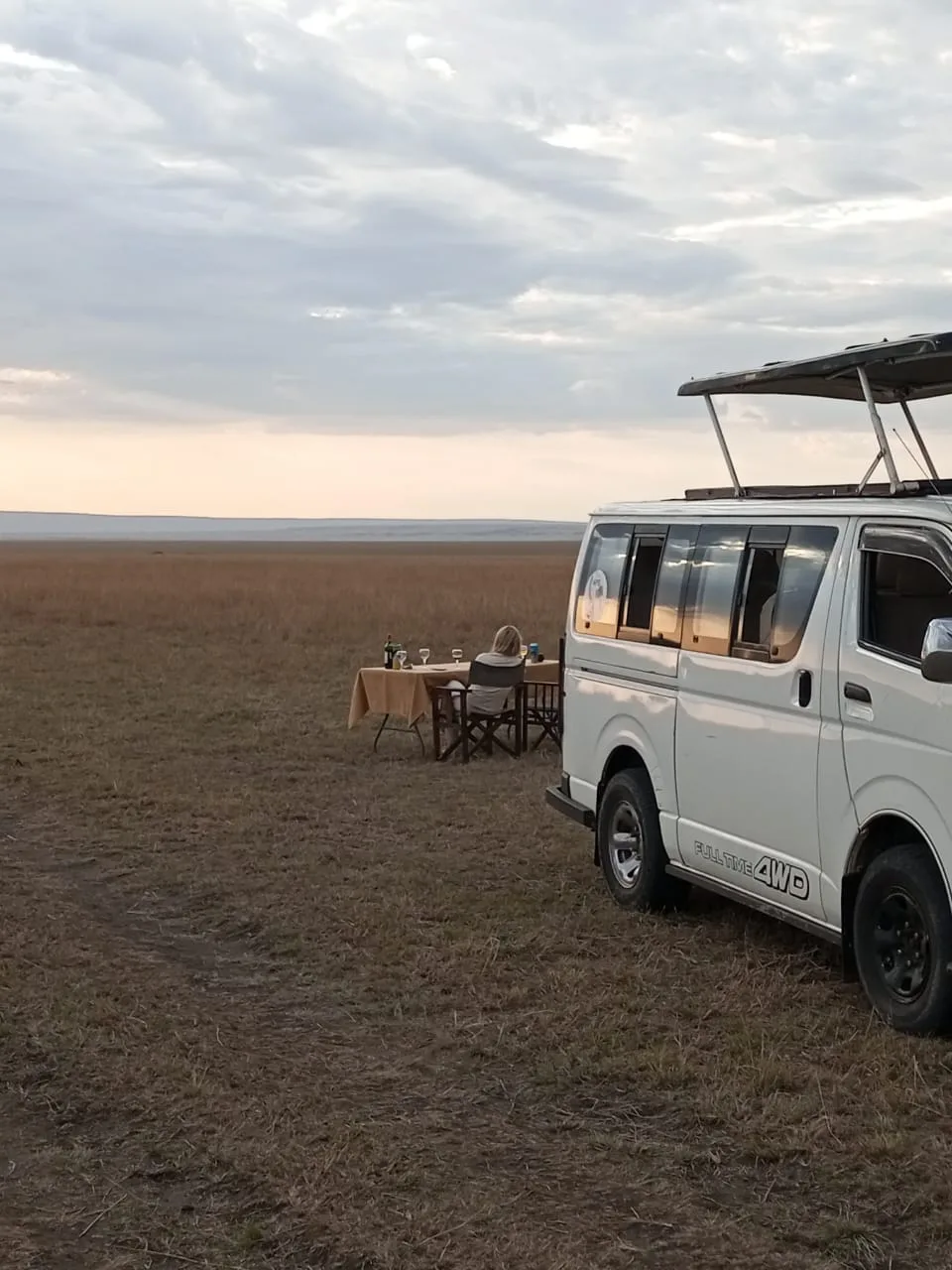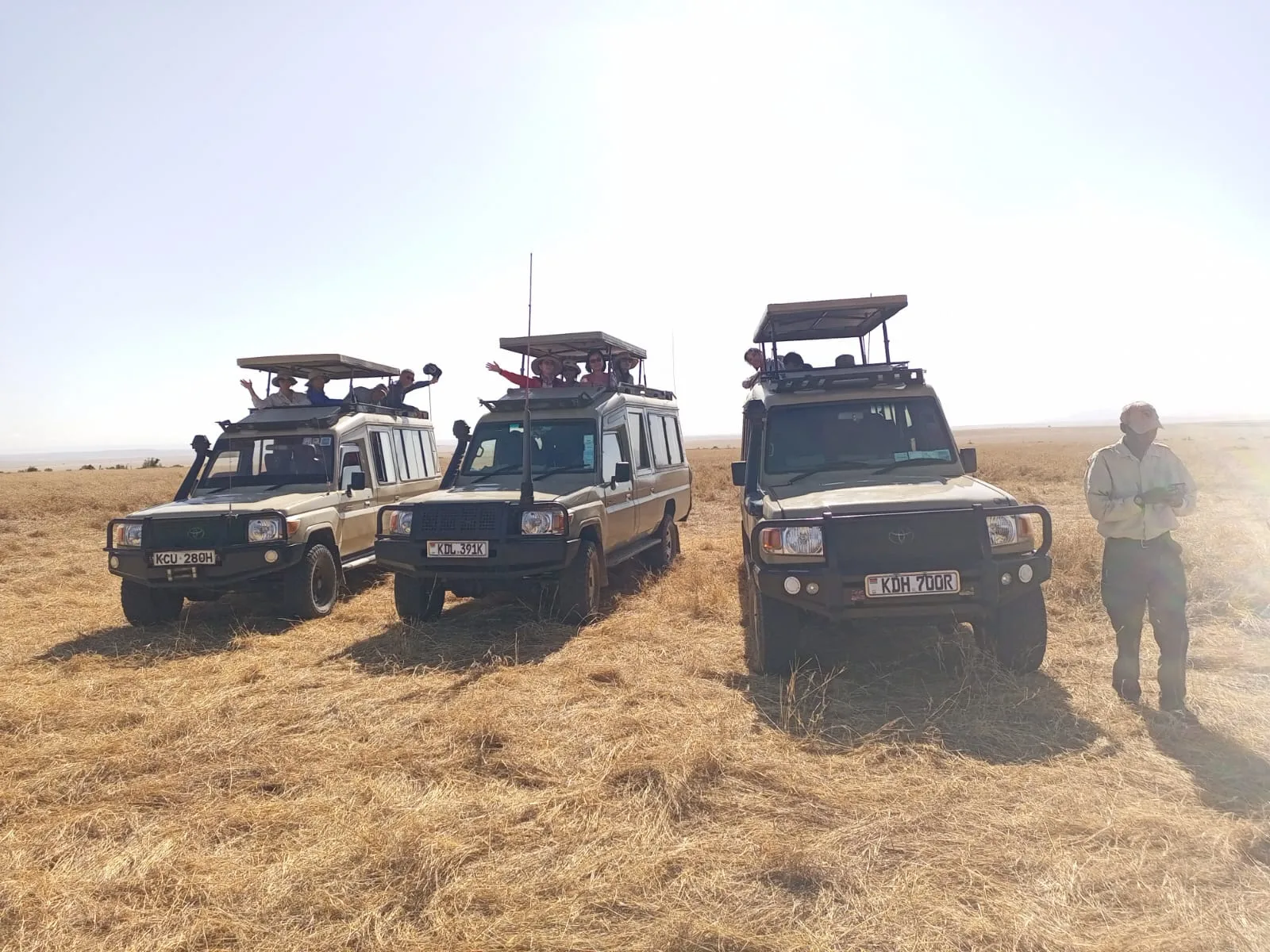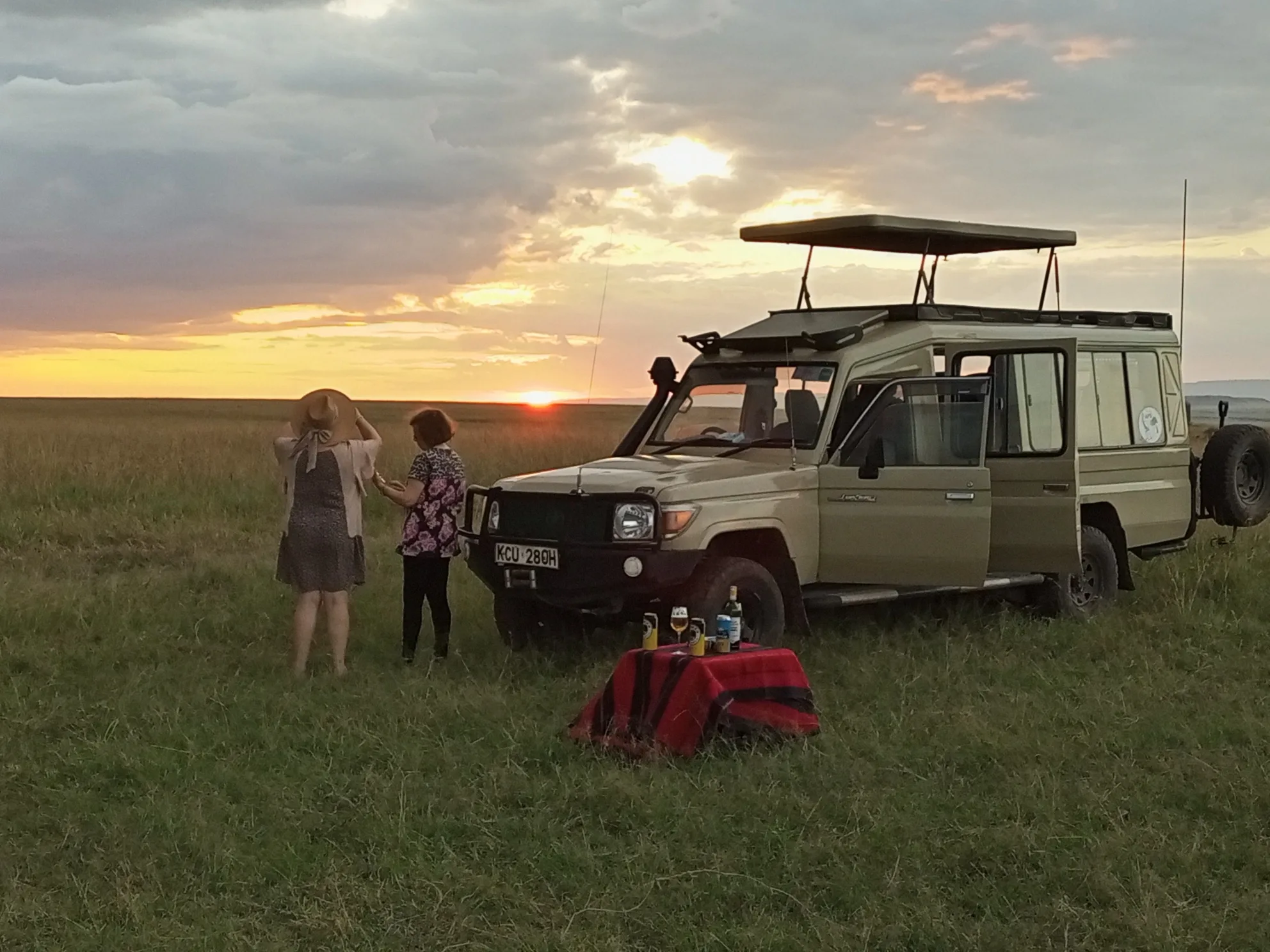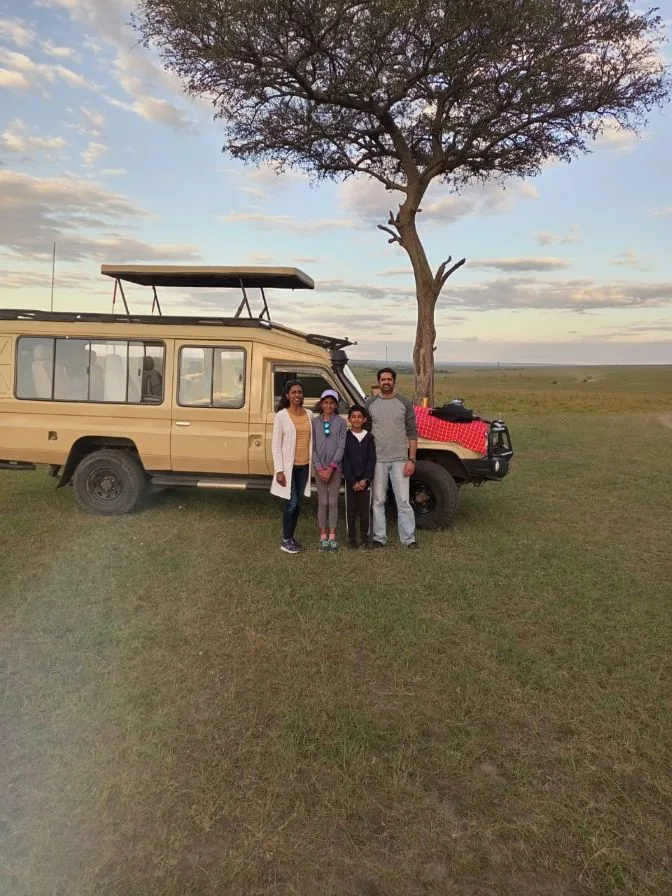
Private, tailor-made Tanzania safaris featuring exceptional wildlife viewing, carefully selected luxury camps, experienced guides and optional fly-in connections.
Tanzania luxury safari packages from USD 2500 per person
Private • Tailor-Made • Luxury Lodges • 2026–2028
Request a Quote | Plan Your Safari | WhatsApp +254 728 567308
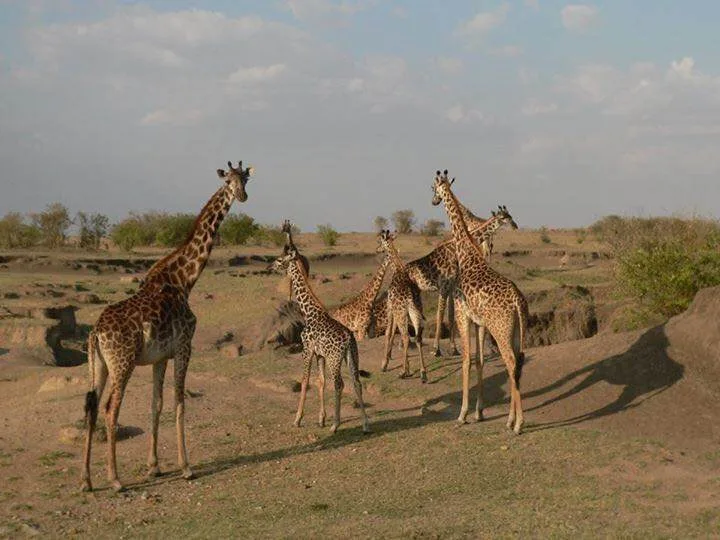
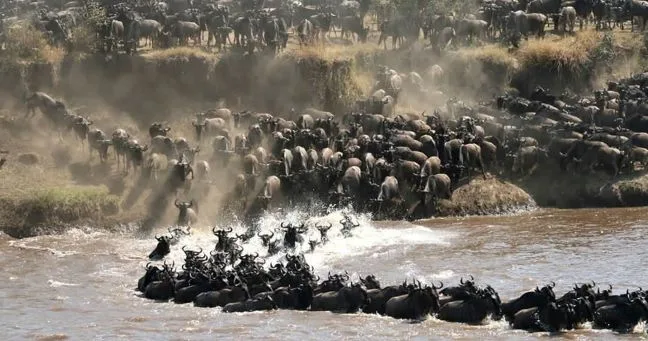
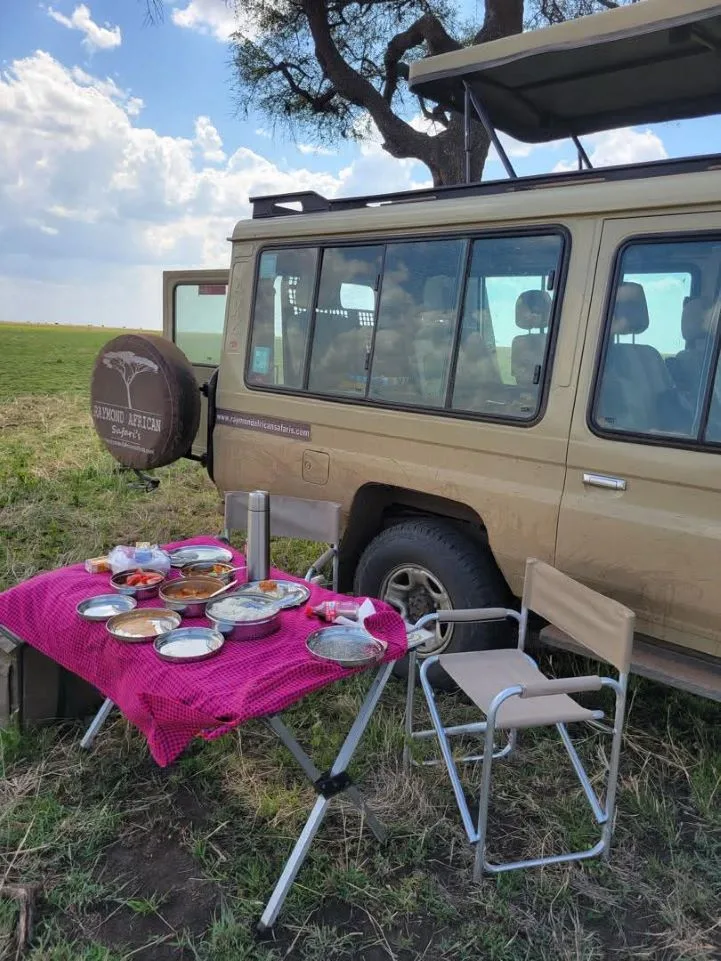
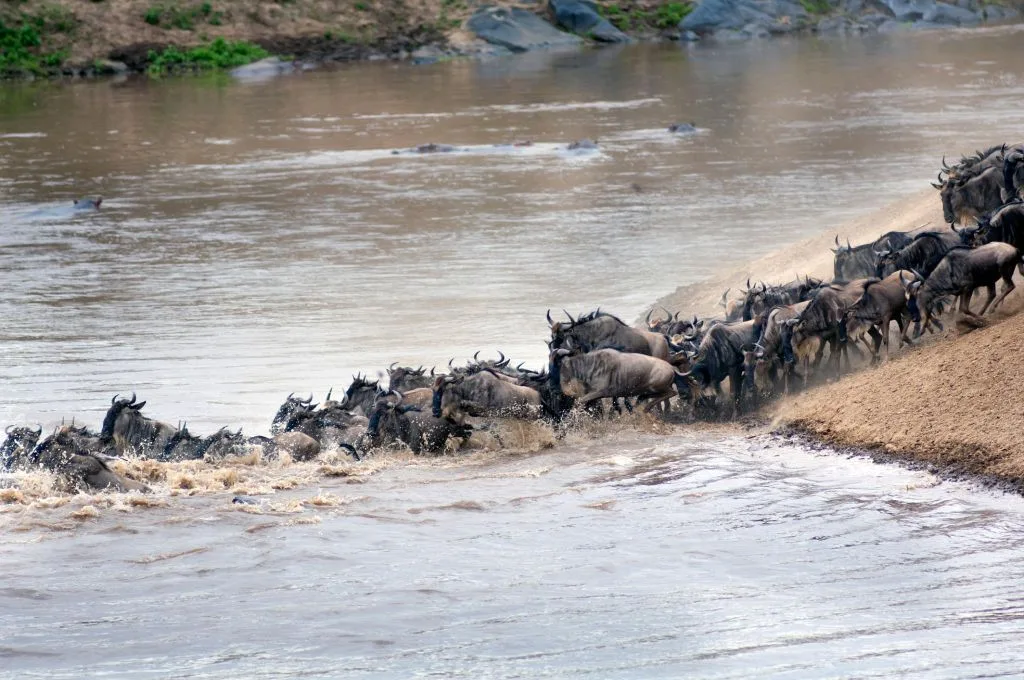
Tanzania Luxury Safari Packages Gallery
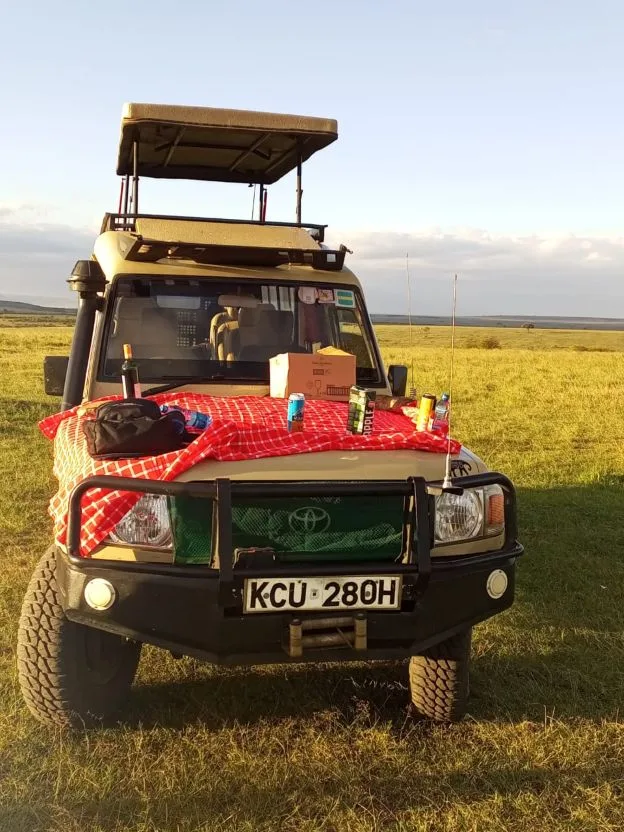
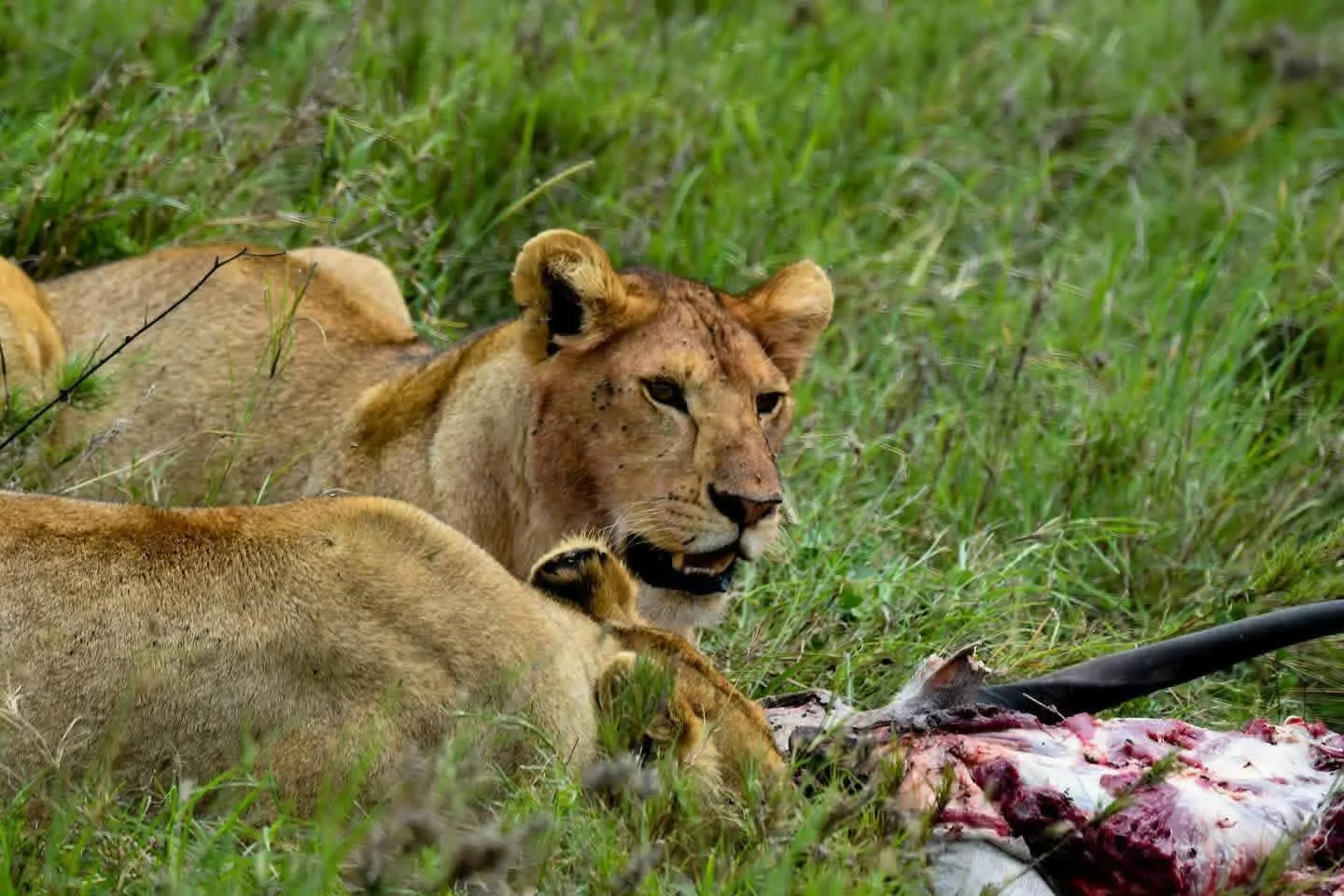
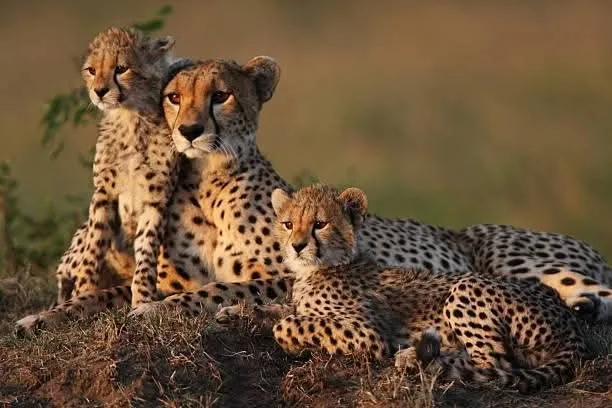
Tanzania Luxury Safari Packages Tailored Around You
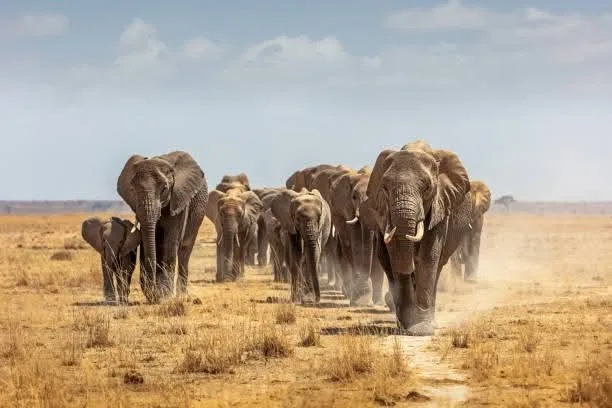
A Tanzania luxury safari is defined by more than an expensive lodge. The real value comes from a thoughtfully planned itinerary, an experienced private guide, a well-equipped 4×4 safari Land Cruiser and accommodation selected for its location, service and wildlife experience.
Our Tanzania luxury safari packages can include Serengeti National Park, Ngorongoro Crater, Tarangire National Park, Nyerere National Park, Ruaha National Park and Zanzibar. Depending on your travel dates and available time, your itinerary can combine scenic road transfers with scheduled or charter flights.
Each safari is tailored around your preferred travel pace, accommodation style, wildlife interests and budget. Options range from intimate tented camps overlooking the savannah to exclusive lodges and private villas. We can also arrange honeymoon safaris, family journeys, photographic itineraries, Great Migration experiences and safari-and-beach holidays.
The result is a private and flexible Tanzania journey built around meaningful wildlife viewing—not simply a collection of luxury hotels.
Tanzania Luxury Safari at a Glance
| Safari Detail | Information |
|---|---|
| Recommended Duration | 7–10 days for a classic Tanzania luxury safari |
| Main Destinations | Serengeti, Ngorongoro Crater, Tarangire & Lake Manyara |
| Seasonal Destination | Ndutu for the wildebeest calving season |
| Safari Style | Private, tailor-made luxury safari |
| Starting Price | From approximately USD 2,500 per person |
| Accommodation | Luxury lodges, boutique safari camps & luxury tented camps |
| Transport | Private 4×4 safari Land Cruiser |
| Fly-In Option | Available for selected routes and Serengeti connections |
| Best Time | Year-round; the best route depends on your travel month |
| Great Migration | Serengeti ecosystem; location varies seasonally |
| Best For | Couples, honeymooners, families, photographers & private groups |
| Safari + Beach | Tanzania safari with Zanzibar extension available |
| Starting Point | Arusha or Kilimanjaro International Airport |
| Ending Point | Arusha, Kilimanjaro Airport or Zanzibar depending on itinerary |
What Makes a Tanzania Luxury Safari Different?
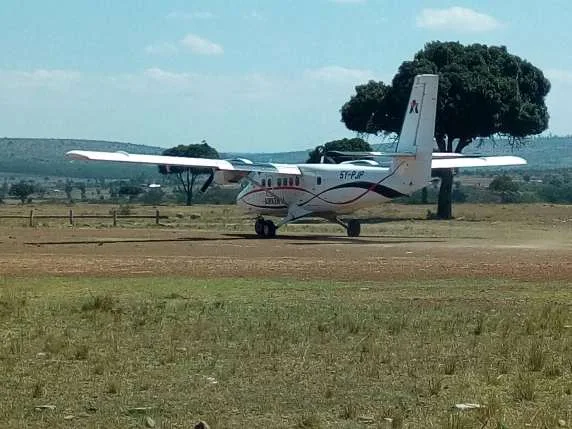
A luxury safari in Tanzania is not defined by an expensive lodge alone. A beautiful suite is valuable, but it will not improve your safari if you spend several hours each day driving to reach the wildlife areas you actually came to see.
The best Tanzania luxury safaris combine excellent guiding, private game drives, well-located accommodation and an itinerary with enough time in each destination. The result is a safari that feels personal and unhurried rather than simply expensive.
1. Your Own Private 4×4 Safari Vehicle
A private safari gives you control over the pace of your game drives. You are not sharing your Land Cruiser with travellers following a different schedule or with different wildlife interests.
Want to spend another 30 minutes photographing a leopard? Stay longer.
Prefer an early breakfast and a full morning game drive? Your guide can adjust the day accordingly.
For couples, families and photographers, this flexibility is one of the most valuable differences between a private Tanzania luxury safari and a shared group tour.
2. Carefully Selected Luxury Lodges & Tented Camps
Where you stay matters, but where the property is located matters just as much.
We select luxury safari lodges and tented camps according to the itinerary, travel season and wildlife priorities rather than choosing accommodation based on appearance alone.
In the Serengeti, for example, the ideal camp can change throughout the year because wildlife and Great Migration movements are seasonal.
Luxury accommodation may include spacious en-suite rooms or tents, excellent dining, swimming pools, private decks, bush views and personalised service. Some premium properties also offer private dining, sundowners, spa treatments and other exclusive experiences.
3. More Time Where the Wildlife Is
A longer list of national parks does not automatically create a better safari.
On a seven-day itinerary, we would rather give you several meaningful game drives in the Serengeti than rush through four or five destinations simply to make the itinerary look impressive.
Wildlife cannot be scheduled. Giving yourself enough time creates more opportunities to watch natural behaviour rather than constantly moving to the next lodge.
4. An Experienced Private Safari Guide
Your guide can influence the quality of your safari as much as your accommodation.
A knowledgeable safari guide does more than identify animals. Good guiding involves reading tracks and behaviour, understanding habitats, positioning the vehicle responsibly for photography and knowing when patience may produce a better sighting.
Because the safari is private, your guide can also adapt the experience around your interests—whether that means big cats, birds, elephants, photography or the Great Migration.
5. Smarter Road & Fly-In Connections
Luxury can also mean not spending unnecessary hours on the road.
Northern Tanzania works extremely well as a road safari, particularly between Arusha, Tarangire, Ngorongoro and the Serengeti. However, selected internal flights can make longer itineraries significantly more comfortable.
For example, after exploring the Serengeti, you may choose to fly back to Arusha or continue by air to Zanzibar instead of retracing the entire route by road.
We often recommend a combination of private road safari and strategically selected flights rather than assuming every luxury safari needs to be completely fly-in.
6. A Safari Designed Around You
There is no single Tanzania luxury safari package that works equally well for everyone.
A honeymoon couple travelling in February to experience the wildebeest calving season needs a different itinerary from a family visiting in July or a photographer hoping to spend several days in the Northern Serengeti.
Your itinerary can therefore be adjusted around your travel month, number of days, wildlife priorities, accommodation preference, budget and preferred pace.
That is ultimately what makes a luxury safari worthwhile: more choice over how you spend your time in Tanzania.
Best Tanzania Luxury Safari Packages 2026/2027/2028
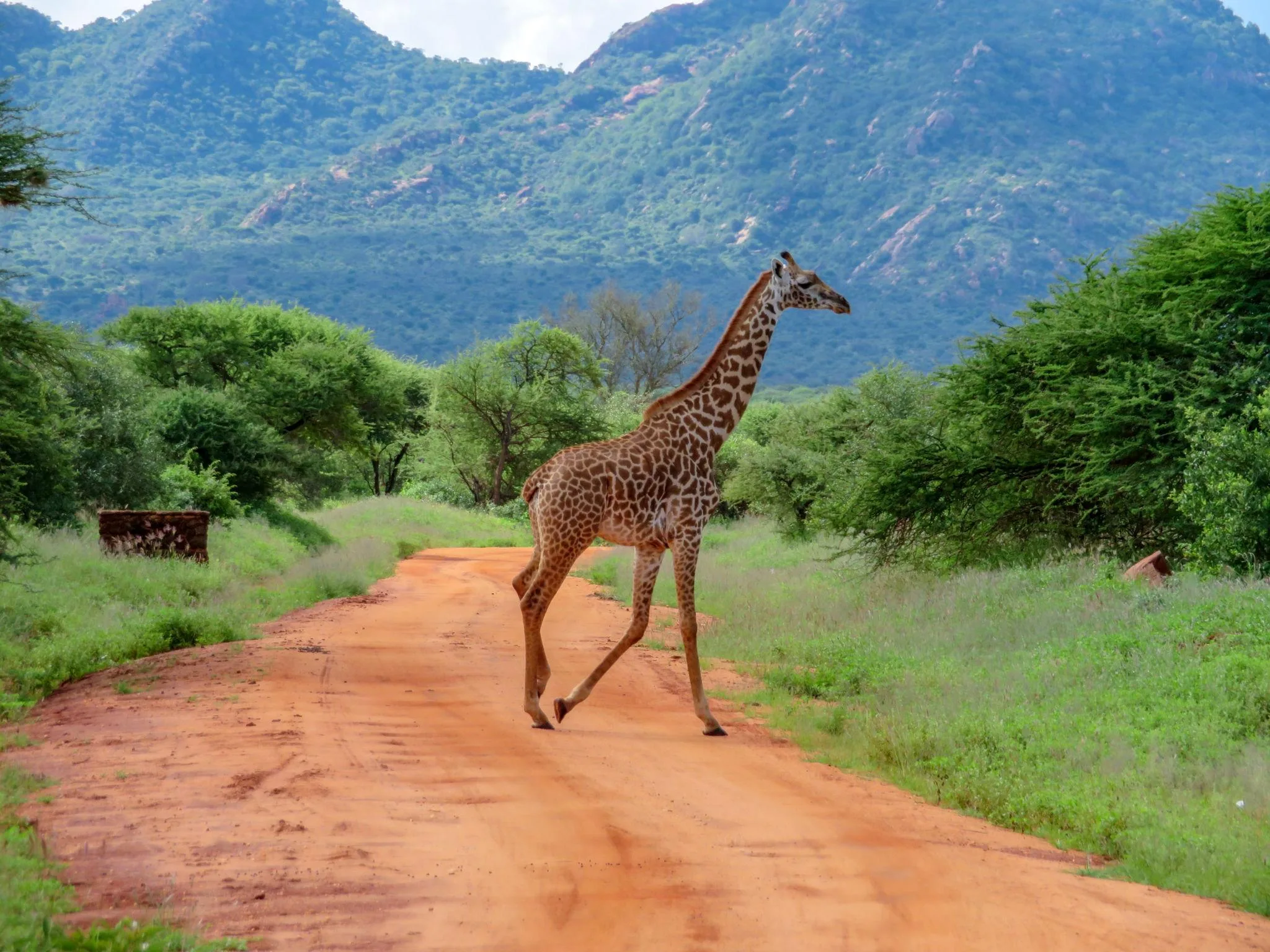
There is no single best Tanzania luxury safari package for every traveller. A five-day safari can work beautifully when time is limited, while seven to ten days gives you more time in the Serengeti and a noticeably more relaxed pace. For honeymoons and longer holidays, combining a private safari with Zanzibar creates an excellent bush-and-beach journey.
Use the comparison below as a starting point. Every itinerary can be adjusted around your travel dates, preferred lodges, Great Migration season and number of travellers. You can also compare more route ideas in our Tanzania Safari Itineraries 2026/2027/2028 guide.
| Luxury Safari Package | Suggested Route | Best For | Recommended Duration | Indicative From Price* |
|---|---|---|---|---|
| 5-Day Tanzania Luxury Safari | Tarangire → Serengeti → Ngorongoro | Short luxury safari | 5 Days | From USD 2,500 pp |
| 7-Day Classic Luxury Safari | Tarangire → Serengeti → Ngorongoro | First-time visitors | 7 Days | From USD 3,500 pp |
| 8-Day Great Migration Luxury Safari | Tarangire → Serengeti → Ngorongoro | Migration & photography | 8 Days | From USD 4,500 pp |
| 10-Day Tanzania Luxury Safari | Tarangire → Serengeti → Ngorongoro → Lake Manyara | Relaxed wildlife safari | 10 Days | From USD 5,500 pp |
| Luxury Tanzania Honeymoon Safari | Tarangire → Serengeti → Ngorongoro | Couples & honeymooners | 7–10 Days | From USD 4,500 pp |
| Tanzania Safari & Zanzibar | Northern Circuit → Zanzibar | Safari + beach | 10–14 Days | From USD 5,800 pp |
| Tanzania Luxury Fly-In Safari | Arusha → Serengeti → Ngorongoro | Less road travel | 5–8 Days | From USD 5,500 pp |
| Ultra-Luxury Tanzania Safari | Tailor-made | Exclusive high-end travel | 7–14 Days | On Request |
Prices are indicative per person sharing and are intended for safari planning. Your final quotation will depend on travel dates, number of travellers, accommodation selected, park fees, internal flights and availability.
1: 5-Day Tanzania Luxury Safari – The Essential Northern Circuit
Route: Arusha → Tarangire → Serengeti → Ngorongoro → Arusha
Best for: Couples and travellers with limited time
Safari style: Private luxury safari
Suggested price: From USD 2,500 per person
Five days is the shortest itinerary we would normally recommend if you want to combine Tarangire, Serengeti and Ngorongoro by road.
You will experience three very different landscapes: elephant country and baobabs in Tarangire, the open plains and predators of the Serengeti, and a game drive on the floor of Ngorongoro Crater. For travellers comparing shorter routes, see our 3 Days Serengeti & Ngorongoro Safari.
The compromise is pace. With only five days, there is less time to explore the Serengeti, so this package suits travellers who value seeing Tanzania's highlights more than having slow mornings or several days in one wildlife area.
Best choice if: You have limited time but do not want to miss the Serengeti.
2: 7-Day Classic Tanzania Luxury Safari – Our Recommended First Safari
Route: Arusha → Tarangire → Serengeti → Ngorongoro → Arusha
Best for: First-time Tanzania visitors, couples & families
Safari style: Private and customisable
Suggested price: From USD 3,500 per person
For most first-time visitors, seven days offers the best balance between wildlife time, driving and comfort.
Instead of simply passing through the Serengeti, you can spend several game-drive periods exploring its plains and searching for lions, cheetahs, leopards, elephants and other wildlife. You also have enough time to experience Tarangire properly before finishing around Ngorongoro.
If your budget allows only one significant upgrade, we would normally prioritise better Serengeti positioning and more time there rather than adding another destination.
Best choice if: This is your first Tanzania safari and you want the classic Northern Circuit without rushing.
3: 8-Day Great Migration Luxury Safari – Follow the Season
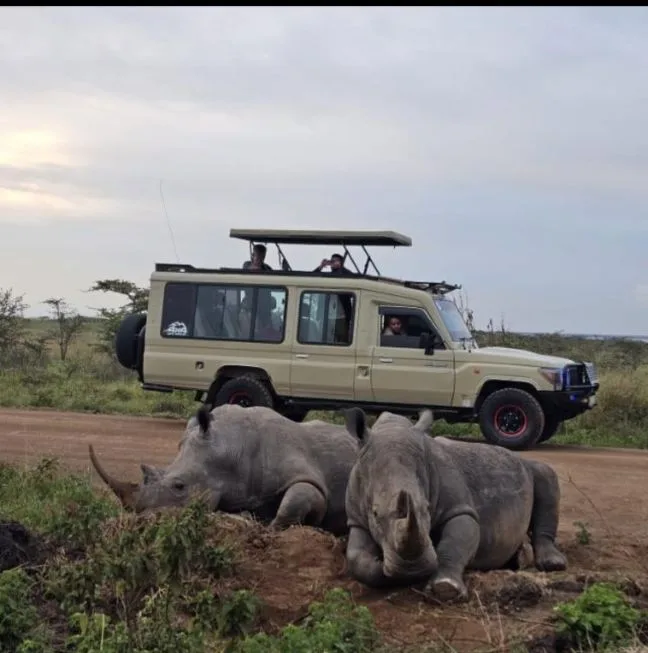
Route: Tarangire → Ngorongoro → Central & Seasonal Serengeti
Best for: Great Migration, wildlife enthusiasts & photographers
Safari style: Private migration-focused safari
Suggested price: From USD 4,500 per person
A Tanzania Great Migration luxury safari should be planned around your travel month rather than following the same route throughout the year. Our Best Time to Visit Kenya & Tanzania for Safari guide explains the seasonal migration pattern month by month.
During the calving period, this may mean spending more time around Ndutu and the Southern Serengeti. During the middle of the year, migration movements shift through other parts of the ecosystem, while the Northern Serengeti becomes particularly important during the period when herds may approach the Mara River. Travellers visiting during the calving period can also compare our 4-Day Ndutu Calving Safari, Serengeti & Ngorongoro Crater.
No responsible safari operator can guarantee a river crossing or the precise location of the herds. Rainfall, grazing and natural wildlife movement influence what happens each year.
Best choice if: The Great Migration is one of the main reasons you are travelling to Tanzania.
4: 10-Day Tanzania Luxury Safari – More Time, Fewer Compromises
Route: Arusha → Tarangire → Lake Manyara → Serengeti → Ngorongoro → Arusha
Best for: Photographers, families & travellers who dislike rushing
Safari style: Private premium safari
Suggested price: From USD 5,500 per person
Ten days changes the character of the safari.
Rather than spending most days checking out of one lodge and driving to another, you can stay longer in productive wildlife areas and build quieter periods into the itinerary.
Depending on the season, those extra nights can be used in Central Serengeti, Northern Serengeti or Ndutu rather than automatically adding another park. Our Tanzania Safari Itineraries guide can help you compare which areas work best for different travel months.
This is also an excellent duration for photographers because a sighting does not have to be abandoned simply because you have a long transfer ahead.
Best choice if: You value time and flexibility more than seeing the maximum number of destinations.
5: 7-Days Tanzania Luxury Honeymoon Safari – Private, Romantic & Unhurried
Recommended route: Tarangire → Serengeti → Ngorongoro
Best for: Honeymoons, anniversaries & couples
Recommended duration: 7–10 days
Suggested price: From USD 4,500 per person
A honeymoon safari should not feel like a wildlife checklist.
We recommend fewer accommodation changes, well-positioned intimate camps and enough free time to enjoy where you are staying. Depending on the properties selected, your safari can also include sundowners, private dining, bush breakfasts or a Serengeti hot-air balloon safari.
Tell us that you are celebrating your honeymoon when requesting a quotation. This allows us to consider room categories, lodge atmosphere and special arrangements while designing the itinerary rather than trying to add them afterwards.
Best choice if: You want privacy and memorable wildlife experiences without an exhausting schedule.
6: 10-Days Tanzania Luxury Safari & Zanzibar – Bush to Beach
Route: Northern Tanzania Safari → Zanzibar
Best for: Honeymooners, couples & longer holidays
Recommended duration: 10–14 days
Suggested price: From USD 5,800 per person
After several early mornings and full safari days, Zanzibar provides a completely different rhythm.
A popular combination is 6–8 days on safari followed by 3–6 nights in Zanzibar. Depending on your itinerary, you can fly from the Serengeti or Arusha toward Zanzibar rather than spending another day retracing your safari route by road.
Your beach stay can then be designed around a luxury resort, boutique hotel or private villa, with time for relaxation and optional cultural or marine experiences.
Best choice if: You want one journey combining Tanzania's wildlife with the Indian Ocean.
7: 5-Days Tanzania Luxury Fly-In Safari – Spend Less Time in Transit
Best for: Short holidays, premium travellers & repeat safari guests
Recommended duration: 5–8 days
Suggested price: From USD 5,500 per person
A fly-in safari uses scheduled or charter flights to reduce selected road transfers and put more of your holiday time into the wildlife areas.
However, flying everywhere is not automatically better.
The road journey through Tarangire, Ngorongoro and Serengeti forms a natural safari circuit. For many guests, the smarter option is to drive into the parks and fly out of the Serengeti at the end.
This creates a good balance between seeing Tanzania's changing landscapes and avoiding unnecessary return driving.
Travellers who specifically prefer flying can also compare our 3 Days Serengeti Fly-In Safari Tour.
Best choice if: Your time is valuable and you would rather spend an extra afternoon on safari than on a long transfer.
Which Tanzania Luxury Safari Package Should You Choose?
If this is your first safari in Tanzania, start with 7 days.
If the Great Migration is your priority, choose the itinerary according to your travel month and allow 7–8 days or more. You can also compare our 4 Days Great Migration Safari Tanzania for a shorter migration-focused option.
If you are a photographer or prefer slower travel, consider 8–10 days.
For a honeymoon, we recommend 7–10 safari days or approximately 10–14 days when combining Tanzania with Zanzibar.
And if you only have five days, do not try to see everything. A shorter safari becomes much better when it focuses on three carefully chosen destinations rather than five rushed ones.
The best Tanzania luxury safari is not necessarily the itinerary with the most parks or the most expensive lodges. It is the one that gives you enough time in the right place, during the right season, at a pace you can actually enjoy.
For official information about Tanzania's protected areas, conservation and current visitor information, travellers can also consult Tanzania National Parks (TANAPA) and the Ngorongoro Conservation Area Authority.
How Much Does a Tanzania Luxury Safari Cost in 2026 - 2028?
A Tanzania luxury safari typically costs from around USD 500 to USD 1,000+ per person per day, while premium and ultra-luxury safaris can cost considerably more. Your final price depends on the season, number of travellers, safari duration, accommodation level, park fees, internal flights and the experiences included.
Rather than comparing headline prices alone, look carefully at what you are receiving for the price. A USD 6,000 safari using a private vehicle and well-positioned Serengeti camps can offer better value than a more expensive itinerary that requires long daily transfers or includes luxury accommodation in less convenient locations.
For travellers still deciding how many days to spend on safari, our Tanzania Safari Itineraries 2026/2027/2028 guide compares routes and recommended stays across the Northern Circuit.
Tanzania Luxury Safari Price Comparison
| Safari Level | Approx. Cost Per Person/Day | What You Can Typically Expect | Best For |
|---|---|---|---|
| Entry Luxury | USD 500–700+ | Private 4×4, quality luxury lodges and tented camps, full-board safari accommodation | Travellers wanting comfort and privacy |
| Classic Luxury | USD 700–950+ | Higher-end camps, strong locations, private guiding and more personalised service | Couples, families & first-time luxury travellers |
| Premium Luxury | USD 950–1,300+ | Exclusive camps and lodges, premium locations and selected internal flights | Honeymoons & special occasions |
| Ultra-Luxury | USD 1,300–2,000+ | Top-tier properties, fly-in logistics, exceptional privacy and highly personalised arrangements | High-end private travel |
These are planning estimates rather than fixed quotations. Rates vary considerably by travel season, accommodation, group size and itinerary.
Estimated Tanzania Luxury Safari Cost by Duration
| Safari Duration | Entry / Classic Luxury | Premium Luxury | Best Suited For |
|---|---|---|---|
| 5 Days | From USD 2,500–3,500 pp | From USD 4,500+ pp | Short Northern Circuit safari |
| 7 Days | From USD 3,500–5,000 pp | From USD 6,000+ pp | First-time Tanzania safari |
| 8 Days | From USD 4,500–6,000 pp | From USD 7,000+ pp | Great Migration & photography |
| 10 Days | From USD 5,500–7,500 pp | From USD 9,000+ pp | Relaxed premium safari |
| 10–14 Days + Zanzibar | From USD 5,800–9,000+ pp | From USD 10,000+ pp | Honeymoon & safari-beach holiday |
PPS / pp = per person sharing.
These figures are useful for initial planning, but we recommend requesting a quotation based on your actual travel dates. A lodge that represents excellent value in May may cost considerably more during peak Great Migration periods.
What Affects the Cost of a Tanzania Luxury Safari?
1. Your Travel Season
Your travel month can have a major effect on the final Tanzania luxury safari price.
July through October is one of the busiest periods in the Northern Circuit, while Christmas, New Year and other high-demand dates can also command premium rates. Some luxury properties offer better value during the greener months.
Season also affects where you should stay in the Serengeti. Paying more for a seasonal camp can make sense when its location places you closer to the wildlife experience you came to see.
If your dates are flexible, compare the seasons in our Best Time to Visit Kenya & Tanzania for Safari.
2. Your Choice of Luxury Lodge or Tented Camp
Accommodation is one of the largest variables in a luxury safari budget.
Tanzania ranges from comfortable luxury tented camps to some of Africa's most exclusive safari properties. Prices can vary dramatically even when two camps are located in the same general region.
But the most expensive lodge is not automatically the best choice.
In wildlife areas such as the Serengeti, we often place greater importance on location, guiding access and seasonal positioning than on choosing the property with the most elaborate room.
3. Private Safari vs Fly-In Safari
A private road safari is generally more economical than an itinerary relying heavily on internal flights.
However, flights can be worthwhile when they eliminate long transfers.
For example, you might travel by private Land Cruiser from Arusha through Tarangire and Ngorongoro into the Serengeti, then fly from the Serengeti back to Arusha or onward to Zanzibar.
Travellers interested in this style can compare our 3 Days Serengeti Fly-In Safari Tour.
This approach keeps the scenic and wildlife-rich sections of the road journey while avoiding unnecessary return driving.
4. Number of Travellers
Private safari costs do not increase evenly with every additional traveller.
A couple travelling alone carries most of the cost of the private vehicle and guide between two people. A family or small private group can divide those costs among more travellers, reducing the per-person safari price.
This is why we recommend giving us the exact number of adults and children when requesting a quotation.
For families, children's accommodation and park-fee policies may also affect the final cost.
5. Number of Nights in the Serengeti
The Serengeti is often one of the most expensive parts of a Northern Tanzania safari—but it is also where many travellers want to spend the most time.
Reducing the Serengeti to one night may lower the price, but it can also undermine the reason for travelling there.
If budget requires adjustment, we would first look at accommodation category, travel season and unnecessary extras before automatically removing valuable wildlife time.
6. Great Migration Season & Camp Location
A Great Migration luxury safari may cost more when it requires seasonal camps in areas such as Northern Serengeti or Ndutu.
This is particularly important because the Great Migration does not remain in one location throughout the year.
If seeing the migration is a major priority, your accommodation should be chosen according to the expected seasonal movement rather than simply booking the same Central Serengeti property in every month.
Our 4 Days Great Migration Safari Tanzania provides an example of a shorter migration-focused itinerary.
7. Optional Luxury Experiences
Optional activities can increase the overall safari cost.
Depending on your route and accommodation, these may include:
Serengeti hot-air balloon safari
Private bush breakfast or dinner
Sundowners
Cultural experiences
Premium drinks
Spa treatments
Private photographic arrangements
Additional internal flights
Zanzibar beach extensions
These experiences can be worthwhile, but you do not need to add all of them simply because you are booking a luxury safari.
Choose the experiences that genuinely matter to you.
What Is Usually Included in a Tanzania Luxury Safari Price?
A well-designed private luxury safari will normally include the core arrangements required to operate the itinerary:
Private 4×4 safari Land Cruiser
Professional English-speaking safari driver-guide
Luxury lodge and/or tented-camp accommodation
Meals as specified in the itinerary
National park and conservation fees
Scheduled private game drives
Airport transfers as specified
Bottled drinking water during safari
Government taxes and applicable levies
Safari planning and local support
Internal flights, premium alcoholic drinks, visas, international flights, travel insurance, gratuities, balloon safaris and certain lodge activities may be excluded unless specifically stated in your quotation.
Is a Tanzania Luxury Safari Worth the Extra Cost?
For many travellers, yes—but only when the money is spent in the right places.
We would prioritise a private vehicle, experienced guide, good lodge location and enough time in the Serengeti before spending heavily on decorative luxury.
A spectacular room is enjoyable after a game drive, but it cannot replace good wildlife positioning.
This is why we do not recommend choosing a Tanzania luxury safari based on lodge photographs or the lowest package price alone. Look at the complete route, number of nights in each park, location of the accommodation, transport arrangements and what is actually included.
The best-value luxury safari is not necessarily the cheapest or most expensive. It is the one where the additional cost produces something you will genuinely notice: more privacy, better locations, smoother logistics, stronger guiding and more time enjoying Tanzania rather than transferring between stops.
Best Time for a Tanzania Luxury Safari 2026 - 2028
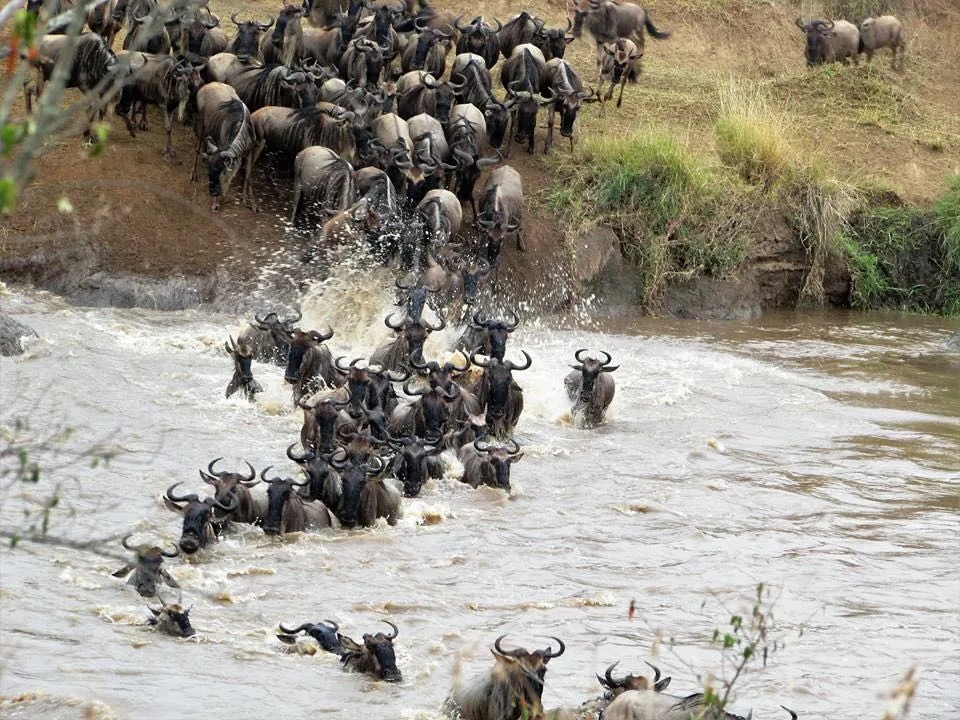
The best time for a Tanzania luxury safari depends on what you want to experience. Tanzania offers rewarding wildlife viewing throughout the year, but the ideal destination, Serengeti region and accommodation can change significantly from one season to another.
For travellers interested in the Great Migration, choosing the right month is especially important. The wildebeest herds move through the wider Serengeti ecosystem in response to rainfall, fresh grazing and water availability, so there is no single lodge or Serengeti region that is best throughout the year.
If your dates are flexible, use the table below as a starting point, then read our Best Time to Visit Kenya & Tanzania for Safari for a more detailed seasonal guide.
Tanzania Luxury Safari Month-by-Month Guide
| Months | Safari Conditions | Great Migration Focus | Visitor Levels | Our Recommendation |
|---|---|---|---|---|
| January | Green landscapes, excellent wildlife | Southern Serengeti & Ndutu | Moderate | Excellent |
| February | Calving season & predator activity | Ndutu / Southern Serengeti | High in migration areas | ★★★★★ |
| March | Calving continues; possible rains | Southern Serengeti | Moderate | ★★★★☆ |
| April | Green season, heavier rains possible | Herds begin moving | Low | ★★★☆☆ |
| May | Green landscapes & fewer visitors | Western movement begins | Low | ★★★☆☆ |
| June | Drier conditions begin | Western/Central Serengeti | Moderate | ★★★★☆ |
| July | Dry season & strong wildlife viewing | Northern movement | High | ★★★★★ |
| August | Excellent dry-season safari | Northern Serengeti | High | ★★★★★ |
| September | Strong wildlife viewing | Northern Serengeti | High | ★★★★★ |
| October | Dry conditions; migration still variable | Northern/Central areas | High–Moderate | ★★★★★ |
| November | Short rains can refresh landscapes | Herds generally moving south | Moderate | ★★★★☆ |
| December | Green season returns | Southern movement / Ndutu | High around holidays | ★★★★☆ |
Great Migration locations are approximate. Rainfall and natural wildlife movements influence the timing each year, and specific herd locations or river crossings cannot be guaranteed.
January to March – Best for the Calving Season
January through March is one of our favourite periods for travellers interested in predator action, photography and the wildebeest calving season.
During this period, migration herds are commonly associated with the Southern Serengeti and Ndutu plains, depending on rainfall and grazing conditions. February is particularly well known for the calving period, when large numbers of wildebeest give birth across the short-grass plains.
The concentration of young animals can also attract lions, cheetahs, hyenas and other predators.
For a luxury safari, the key is staying close to the seasonal wildlife areas rather than travelling long distances each morning from Central Serengeti.
Travellers planning specifically around this season can compare our 4 Days Ndutu Calving Safari, Serengeti & Ngorongoro Crater.
Best for: Calving, predators, photography & Great Migration travellers
Where to stay: Ndutu / Southern Serengeti
Our rating: ★★★★★
April to May – Green Season & Better Luxury Value
April and May are generally wetter months in Northern Tanzania. Roads can become more challenging, and some remote or seasonal camps may close.
However, this period should not automatically be dismissed.
The landscapes can be beautifully green, visitor numbers are generally lower, and some luxury lodges and camps may offer more attractive seasonal rates than during the busiest months.
For travellers who value privacy, scenery and potentially stronger accommodation value more than predictable dry weather, the green season can be interesting.
It is less suitable for someone whose only objective is a particular Great Migration event.
Best for: Lower visitor numbers, green landscapes & value-conscious luxury travellers
Consider: Rainfall and seasonal camp closures
Our rating: ★★★☆☆
June – An Excellent Transition Month
June marks the transition toward Tanzania's main dry season and can provide an attractive balance between wildlife viewing, weather and visitor numbers.
Vegetation begins to dry, animals become increasingly concentrated around reliable water sources, and safari conditions across Tarangire, Ngorongoro and Serengeti can be very rewarding.
Migration herds may be moving through western or central parts of the Serengeti ecosystem, although their exact location varies from year to year.
June is particularly worth considering if you want a high-quality Tanzania luxury safari before the busiest July and August period.
Best for: General wildlife, couples & photographers
Our rating: ★★★★☆
July to October – Best for Classic Dry-Season Safaris
July through October is one of Tanzania's most popular safari periods.
Drier conditions generally make wildlife easier to locate around permanent water sources, while vegetation can become less dense. Tarangire can be particularly rewarding during the dry season as animals gather around the Tarangire River.
For Great Migration travellers, the Northern Serengeti becomes especially important during part of this period as migrating herds may reach areas around the Mara River.
However, this is also one of the busiest and most expensive periods for luxury accommodation.
If you are travelling during July, August or September, we recommend booking well ahead—particularly if you want a specific migration camp or smaller high-end property.
Travellers focused specifically on the migration can also compare our 4 Days Great Migration Safari Tanzania.
Best for: General wildlife, Great Migration, Northern Serengeti & first-time visitors
Consider: Higher accommodation demand and prices
Our rating: ★★★★★
November – Short Rains & Fewer Visitors
November often brings the short rains, although rainfall patterns vary.
The return of rain begins transforming the dry landscape, and migration herds generally start moving south again as fresh grazing develops.
For luxury travellers, November can offer an interesting compromise: good wildlife viewing with fewer visitors than the peak dry-season months.
Rain is possible, but it does not necessarily mean continuous rainfall throughout your safari.
Best for: Couples, photographers, repeat visitors & fewer crowds
Our rating: ★★★★☆
December – Green Landscapes & the Migration Moving South
December can be an excellent month to return to Tanzania's greener landscapes.
Migration herds generally continue their movement toward the Southern Serengeti and Ndutu ecosystem as conditions allow, while resident wildlife remains rewarding throughout the Northern Circuit.
Christmas and New Year are high-demand travel periods, so luxury accommodation can become expensive and availability limited.
If travelling over the festive period, we recommend planning considerably earlier than you might for November or the green-season months.
Best for: Family holidays, couples, migration safaris & festive travel
Consider: Christmas/New Year premium pricing
Our rating: ★★★★☆
Best Time for the Great Migration in Tanzania
There is no single month when the Great Migration suddenly begins or ends. It is a continuous natural cycle involving wildebeest, zebras and other grazing animals moving through the Serengeti–Mara ecosystem.
As a general planning guide:
| Period | Migration Area to Consider | Main Experience |
|---|---|---|
| December–March | Ndutu & Southern Serengeti | Calving season & predators |
| April–May | Central / Western movement | Green season & moving herds |
| June | Western / Central Serengeti | Migration movement |
| July–October | Northern Serengeti | Northern migration & possible river activity |
| November | Movement south | Transition period |
River crossings are never guaranteed. Herds can cross at different locations and times, cross more than once, or remain in an area longer than expected depending on rainfall and grazing.
For this reason, we recommend planning a migration safari around the best general wildlife area for your month, rather than designing the entire holiday around witnessing one specific river crossing.
Best Time for a Tanzania Luxury Honeymoon
For honeymoons, the best month depends on whether wildlife, weather, privacy or price matters most.
January–March works particularly well for couples interested in the calving season.
June and October can provide excellent safari conditions around the edges of the busiest peak months.
July–September offers classic dry-season wildlife viewing but normally comes with stronger demand and higher luxury-lodge prices.
If your honeymoon includes the coast, consider the safari season together with conditions in Zanzibar rather than choosing each part of the holiday separately.
A well-paced combination could include:
Tarangire → Serengeti → Ngorongoro → Zanzibar
with approximately 7–8 days on safari followed by 4–6 nights at the beach.
Is There a Bad Time to Visit Tanzania?
Not necessarily.
Every season involves a trade-off.
The dry season can provide excellent wildlife viewing but also higher prices and more safari vehicles in popular areas. The green season may bring rain but rewards travellers with greener landscapes, fewer visitors and sometimes better luxury accommodation value.
Rather than asking only “What is the best month for Tanzania?”, ask:
“What is the best part of Tanzania for the month I can travel?”
That question usually leads to a better safari.
Your itinerary, Serengeti region and accommodation can then be selected around the season instead of trying to force the same Tanzania luxury safari package to work throughout the year.
Tanzania Luxury Safari Lodges & Tented Camps
Choosing the right Tanzania luxury safari lodge or tented camp is about more than finding the most impressive room. Location, season, wildlife access, atmosphere and the number of nights you are staying can all matter more than whether a property has the longest list of facilities.
In the Serengeti, for example, a smaller luxury tented camp positioned close to the wildlife you want to see may provide a better safari experience than a more elaborate lodge requiring long drives each morning.
For this reason, we prefer to select accommodation after establishing your travel dates and safari route, rather than designing the itinerary around a list of famous lodges.
Tanzania Luxury Safari Accommodation Compared
| Accommodation Style | What to Expect | Best For | Where It Works Particularly Well |
|---|---|---|---|
| Luxury Safari Lodge | Permanent rooms, restaurants, pools and extensive facilities | Families, couples & first-time visitors | Ngorongoro, Tarangire & Serengeti |
| Luxury Tented Camp | En-suite canvas suites, bush atmosphere & personalised service | Couples, photographers & wildlife lovers | Serengeti & Tarangire |
| Seasonal Migration Camp | Camps positioned around seasonal wildlife movements | Great Migration travellers | Northern/Southern Serengeti & Ndutu |
| Boutique Safari Camp | Fewer rooms and intimate atmosphere | Honeymoons & couples | Serengeti, Tarangire & Southern Tanzania |
| Ultra-Luxury Safari Property | Exceptional suites, dining, privacy and highly personalised service | Special occasions & premium travellers | Selected safari areas |
| Private Villa / Exclusive-Use Camp | Private accommodation and greater exclusivity | Families & private groups | Selected reserves and safari areas |
Luxury Lodge vs Luxury Tented Camp – Which Is Better?
Neither is automatically better.
A luxury safari lodge normally uses permanent buildings and may provide larger communal spaces, swimming pools, spa facilities, extensive restaurants and other hotel-style amenities.
A luxury tented camp generally creates a closer connection with the surrounding wilderness.
But “tented” does not necessarily mean basic.
Many luxury safari tents include proper beds, en-suite bathrooms, hot showers, electricity, private verandas and high-quality dining. Some are considerably more luxurious than permanent lodges.
For a first Tanzania safari, we often recommend combining both styles.
You might stay in a comfortable lodge around Ngorongoro and then spend several nights in an intimate tented camp in the Serengeti. This creates variety and allows the accommodation to match the character of each destination.
Luxury Accommodation in the Serengeti
The Serengeti is where accommodation location becomes particularly important.
The ecosystem is enormous, and the best area to stay can change according to your travel month and wildlife priorities.
Central Serengeti
Central Serengeti, particularly the wider Seronera area, is an excellent choice for year-round wildlife viewing.
Resident predators and plains game make it particularly suitable for first-time visitors who are not travelling solely for one specific migration event.
For many classic Tanzania luxury safaris, spending at least two or three nights in Central Serengeti provides a strong foundation.
Northern Serengeti
Northern Serengeti becomes particularly attractive during the period when migration herds may move through the northern ecosystem.
If you are travelling primarily for the Great Migration during approximately July–October, a strategically positioned northern camp can reduce the amount of time spent driving from Central Serengeti toward migration areas.
Southern Serengeti & Ndutu
From approximately December through March, migration-focused itineraries often shift south toward Ndutu and the Southern Serengeti ecosystem.
Seasonal tented camps can be particularly useful here because they are positioned around the expected wildlife movement.
Travellers visiting for calving season can compare our 4 Days Ndutu Calving Safari, Serengeti & Ngorongoro Crater.
For a broader understanding of the Serengeti and its different safari areas, see our Serengeti safari destination guide.
Our advice: Do not choose your Serengeti luxury camp before considering when you are travelling and what you want to see.
Luxury Accommodation at Ngorongoro
Ngorongoro accommodation presents a different decision: stay close to the crater rim or stay around Karatu and the surrounding highlands?
Both can work.
Ngorongoro Crater Rim
Selected properties around the crater rim can provide extraordinary views and convenient access for an early descent into the crater.
This is particularly attractive for premium travellers who value location and want to minimise morning transfer time.
The trade-off is price. Crater-rim accommodation can command a significant premium.
Karatu & the Ngorongoro Highlands
Karatu and the surrounding highlands offer another approach.
Luxury lodges here can provide spacious grounds, gardens, comfortable rooms and a more relaxed atmosphere, while still allowing access to Ngorongoro Crater.
For some itineraries, especially when arriving from the Serengeti and continuing toward Arusha, a well-selected Karatu property can provide better overall value without materially weakening the safari.
Travellers interested in seeing how Ngorongoro fits into a shorter itinerary can compare our 2 Days Tarangire & Ngorongoro Safari from Arusha.
Official conservation and visitor information is also available from the Ngorongoro Conservation Area Authority.
Luxury Safari Lodges in Tarangire
Tarangire offers both traditional safari lodges and smaller tented camps.
The most important consideration is whether your accommodation supports the experience you want from the park.
Travellers staying only one night may prioritise convenient routing. Those spending two nights can consider properties that create a stronger sense of wilderness and allow more time for morning and afternoon game drives.
Tarangire is particularly rewarding for travellers interested in elephants, baobab landscapes and birdlife, and the dry season can bring strong wildlife concentrations around permanent water sources.
If Tarangire is important to you, we would rather give the park two meaningful days than use it simply as a quick stop on the way to the Serengeti.
For a shorter itinerary combining Tanzania's Northern Circuit highlights, see our 4 Days Tarangire, Serengeti & Ngorongoro Safari.
Seasonal Migration Camps – Are They Worth It?
If the Great Migration is one of your main reasons for visiting Tanzania, yes, they can be.
Seasonal camps are designed to position travellers closer to areas where migration activity is expected during particular parts of the year.
The main advantage is not necessarily greater room luxury.
It is location.
Being well positioned can reduce long drives and give you more time exploring productive wildlife areas.
However, migration is a natural event. Rainfall and grazing conditions influence the movement of the herds, so staying in a migration camp does not guarantee a river crossing, calving event or any particular sighting.
Our Best Time to Visit Kenya & Tanzania for Safari explains the seasonal pattern in more detail.
What Should You Look for in a Tanzania Luxury Safari Lodge?
When comparing luxury accommodation, we recommend looking beyond photographs of the bedroom.
Location
How far is the property from the wildlife areas you want to explore?
This is especially important in the Serengeti.
Number of Rooms
A smaller camp can provide a more intimate atmosphere, while a larger lodge may offer more facilities.
Neither is inherently better—it depends on the experience you prefer.
Private vs Shared Activities
Your main safari can be private while certain activities offered by a lodge are shared.
If complete privacy is important, confirm which activities are private before booking.
Family Accommodation
Families should check whether properties offer family tents, suites or interconnected rooms and whether any age restrictions apply.
Swimming Pool
A pool can be valuable during longer stays or when travelling with children, but it should not determine the entire itinerary.
Wi-Fi & Electricity
Connectivity varies considerably between safari properties.
Some camps provide Wi-Fi only in communal areas, while others offer connectivity in individual rooms. Electricity may be solar-powered and available according to camp arrangements.
If reliable connectivity is essential for work or other reasons, tell us before accommodation is selected.
Food & Dietary Requirements
Luxury camps and lodges can generally accommodate common dietary requirements when given advance notice.
Vegetarian and other dietary arrangements should therefore be communicated during the booking process rather than waiting until arrival.
Should You Choose the Most Expensive Safari Lodge?
Not necessarily.
This is one of the biggest mistakes travellers can make when planning a luxury Tanzania safari.
The most expensive room does not automatically produce the best wildlife experience.
Imagine choosing between:
Camp A: Exceptional suite, but a long drive from the wildlife area you want to explore.
Camp B: Slightly simpler luxury tent, but positioned close to productive game-viewing areas.
For a wildlife-focused safari, we may recommend Camp B.
The money saved could then be used for another night in the Serengeti, a private flight, a balloon safari or a Zanzibar extension.
Luxury should improve the whole journey, not just the bedroom.
Our Recommended Accommodation Strategy
For most first-time luxury travellers, we prefer a mix of accommodation styles rather than using the same type of property throughout the safari.
A 7–10 day itinerary might combine:
Tarangire: 1–2 nights in a luxury lodge or tented camp
Serengeti: 3–4 nights in a well-positioned luxury tented camp
Ngorongoro: 1–2 nights at the crater rim or in the highlands
Zanzibar extension: 3–6 nights in a boutique hotel, luxury resort or private villa
During Great Migration periods, the Serengeti accommodation can be adjusted according to the expected seasonal movement.
This approach gives you comfort, variety and better wildlife positioning without automatically paying the highest available room rate at every stop.
The right accommodation is ultimately the property that fits your itinerary, travel season and priorities.
Explore our Tanzania Safari Itineraries 2026/2027/2028 to compare how different destinations and overnight stops can be combined.
Private Road Safari vs Fly-In Luxury Safari – Which Is Better?
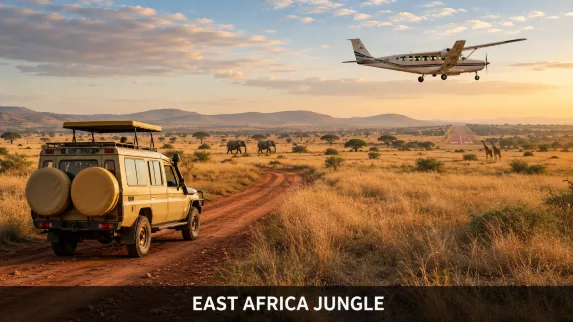
One of the most important decisions when planning a Tanzania luxury safari is whether to travel between destinations by private 4×4 Land Cruiser, use internal flights, or combine both.
There is no single best option.
Northern Tanzania is particularly well suited to a private road safari because Tarangire, Ngorongoro and Serengeti can be connected as part of a natural circuit. Travelling overland also allows you to see Tanzania's changing landscapes rather than experiencing only airports and safari camps.
A fly-in safari, however, can save valuable time—particularly when your holiday is short, you are travelling between distant wildlife areas, or you want to continue directly from the Serengeti to Zanzibar.
For many luxury travellers, our preferred solution is therefore not road or air exclusively, but a carefully planned combination of both.
Tanzania Road Safari vs Fly-In Safari
| Feature | Private Road Safari | Fly-In Safari |
|---|---|---|
| Transport | Private 4×4 Land Cruiser | Scheduled or charter light aircraft |
| Cost | Generally lower | Generally higher |
| Travel Time | Longer between distant areas | Reduces longer transfers |
| Flexibility | Excellent | Dependent on flight schedules |
| Scenery | Experience changing landscapes | Aerial views but less overland travel |
| Game Drives | Private vehicle throughout | Camp vehicle arrangements may vary |
| Photography Equipment | Easier to carry more equipment | Luggage restrictions apply |
| Families | Flexible stops and pacing | Useful for reducing long drives |
| Short Holidays | Can consume more travel time | Excellent |
| Best For | First-time visitors & private touring | Premium travellers & limited time |
Why Choose a Private Road Safari?
A private road safari gives you a dedicated safari vehicle and driver-guide, allowing considerably more flexibility throughout the journey.
You can stop for photographs, adjust departure times and spend longer at interesting wildlife sightings without coordinating your day with unrelated travellers.
The classic route:
Arusha → Tarangire → Ngorongoro → Serengeti
also works naturally by road.
Rather than treating every transfer as lost time, parts of the journey become part of the experience itself.
For first-time visitors with seven or more days available, we generally recommend keeping at least part of the safari overland.
You can compare different Northern Circuit routes in our Tanzania Safari Itineraries 2026/2027/2028.
Why Choose a Tanzania Fly-In Safari?
The biggest advantage of a Tanzania fly-in safari is time.
Instead of spending much of a day travelling between distant areas, a short internal flight can allow you to reach your next safari camp sooner and potentially add another game drive.
Fly-in safaris work particularly well when:
Your Tanzania holiday is short
You prefer to minimise long road transfers
You are visiting remote safari regions
You are combining distant parks
You want to travel from the Serengeti to Zanzibar
Comfort and time matter more than keeping the safari cost down
Travellers specifically interested in a short flying itinerary can compare our 3 Days Serengeti Fly-In Safari Tour.
What About Luggage on Tanzania Safari Flights?
This is an important practical consideration.
Light aircraft operating safari routes normally have stricter baggage allowances than international airlines, and soft-sided luggage is commonly preferred because it is easier to fit into smaller aircraft baggage compartments.
Exact weight limits vary by airline, route and aircraft.
If your itinerary includes an internal flight, we will confirm the applicable baggage allowance before travel. Photographers carrying substantial camera equipment should mention this during the planning stage so that flight and luggage arrangements can be considered before booking.
Are Fly-In Safaris Always More Luxurious?
No.
Flying saves time, but it does not automatically create a better safari.
A road itinerary with an excellent private guide, well-positioned luxury camps and enough nights in each destination can provide a more personalised experience than an expensive fly-in package involving frequent camp changes.
The important question is:
Where does flying genuinely improve your itinerary?
If a flight removes an unnecessary six-hour return transfer, it may be worth paying for.
If it replaces a scenic and logical journey between neighbouring safari areas, it may add cost without adding much value.
Our Preferred Option – Drive In, Fly Out
For many private luxury safaris, we recommend a hybrid itinerary.
For example:
Arusha → Tarangire → Ngorongoro → Serengeti → Fly to Arusha
or:
Arusha → Tarangire → Ngorongoro → Serengeti → Fly to Zanzibar
This allows you to experience the changing landscapes of Northern Tanzania while avoiding the need to retrace the same route at the end of the safari.
It can also give you more time in the Serengeti.
Instead of leaving early for a long return journey, you may be able to enjoy another game drive before transferring to the airstrip for your flight.
Which Option Should You Choose?
Choose a private road safari if you enjoy overland travel, want maximum flexibility, are travelling as a family or private group, and have enough days to explore Tanzania comfortably.
Choose a fly-in safari if your holiday is short, you want to minimise road travel, or you are combining distant destinations.
Choose a drive-in/fly-out safari if you want the advantages of both.
For most first-time luxury travellers exploring Tarangire, Ngorongoro and Serengeti, the third option often provides the best balance of wildlife time, comfort, flexibility and cost.
Tanzania Luxury Safari & Zanzibar – Bush and Beach
A Tanzania luxury safari and Zanzibar holiday combines two very different experiences in one journey: wildlife-filled days in the African bush followed by several nights beside the Indian Ocean.
The combination works particularly well because the beach comes after the safari.
Spend the first part of your holiday exploring Tarangire, Serengeti and Ngorongoro, where early starts and full game-drive days are often part of the experience. Then fly to Zanzibar and completely change the pace—sleep later, enjoy the beach, explore Stone Town or simply relax at your resort.
For most travellers, we recommend 10–14 days in total, with approximately 6–8 days on safari and 4–6 nights in Zanzibar.
If you have fewer than ten days, we would normally reduce the number of safari destinations rather than make both parts of the holiday feel rushed.
For more route ideas, see our Tanzania Safari Itineraries 2026/2027/2028.
How Many Days Do You Need for Tanzania Safari & Zanzibar?
| Total Trip Length | Suggested Safari | Zanzibar | Best For |
|---|---|---|---|
| 10 Days | 6 days | 4 nights | Short safari + beach holiday |
| 12 Days | 7–8 days | 4–5 nights | Couples & first-time visitors |
| 14 Days | 8–9 days | 5–6 nights | Honeymoons & relaxed luxury travel |
| 16+ Days | 9–11 days | 5–7 nights | Slow travel & premium holidays |
10 Days – Best When Time Is Limited
A ten-day itinerary can work well, but the safari portion should remain focused.
Rather than trying to include Tarangire, Lake Manyara, Ngorongoro, several Serengeti regions and Zanzibar, concentrate on the destinations that matter most.
A practical route could be:
Days 1–2: Tarangire
Days 3–5: Serengeti
Day 6: Ngorongoro
Days 7–10: Zanzibar
This gives you a meaningful Northern Tanzania safari followed by enough beach time for Zanzibar to feel like part of the holiday rather than simply a final overnight stop.
Best for: Travellers with limited annual leave who still want both safari and beach.
12 Days – Our Recommended Balance
For many couples and first-time visitors, 12 days provides an excellent balance.
You can spend approximately seven or eight days exploring Tanzania's Northern Circuit and still have four or five nights to relax in Zanzibar.
The additional safari time means you can slow down in the Serengeti rather than constantly moving between lodges.
For example:
Days 1–2: Tarangire
Days 3–6: Serengeti
Days 7–8: Ngorongoro
Days 9–12: Zanzibar
The exact route should still be adjusted according to your travel season, particularly when the Great Migration is an important part of the trip.
Best for: First-time visitors, couples and travellers who want wildlife and beach without extending the holiday to two full weeks.
14 Days – Best for a Luxury Honeymoon
If you have two weeks available, we would normally recommend spending more time in fewer places rather than adding every possible destination.
A relaxed 14-day Tanzania luxury honeymoon might include:
Days 1–2: Tarangire
Days 3–6: Serengeti
Days 7–8: Ngorongoro
Day 9: Fly onward
Days 10–14: Zanzibar
Depending on your season, the Serengeti portion can be adjusted toward Ndutu, Central Serengeti or Northern Serengeti.
This duration also leaves room for optional experiences such as a hot-air balloon safari, slower lodge afternoons, private dining or a Zanzibar excursion without making every day feel scheduled.
Best for: Honeymoons, anniversaries and once-in-a-lifetime luxury holidays.
Why Combine a Tanzania Safari With Zanzibar?
The biggest advantage is contrast.
During safari, your days revolve around wildlife. You may wake before sunrise, spend several hours in a Land Cruiser and move between different landscapes and camps.
Zanzibar changes everything.
The focus shifts to the ocean, beaches, food, culture and relaxation. There is no pressure to wake early unless you have chosen an excursion.
For honeymooners especially, this creates a much better rhythm than spending the entire holiday moving between safari camps.
It also means you do not have to choose between an African wildlife journey and a tropical beach holiday—you can experience both in the same country.
Getting From the Serengeti to Zanzibar
One of the most practical ways to combine safari and beach is to fly from the safari circuit toward Zanzibar rather than driving all the way back through Northern Tanzania.
Depending on your itinerary and available schedules, your route may look like:
Arusha → Tarangire → Ngorongoro → Serengeti → Fly to Zanzibar
This is one of the situations where an internal flight can genuinely improve a luxury itinerary.
Instead of spending a large part of the final safari day retracing the route by road, you can finish in the Serengeti and continue toward the coast.
Flight schedules, routing and baggage allowances vary, so these should be confirmed for your specific travel dates.
Where Should You Stay in Zanzibar?
The best part of Zanzibar depends on what you want from the beach portion of your holiday.
North Zanzibar
The northern coastline is popular with travellers looking for a lively beach atmosphere, resorts, restaurants and easy access to activities.
It can work particularly well for first-time Zanzibar visitors who want both beach time and places to explore nearby.
Northeast & East Coast
The east and northeast offer many attractive luxury resorts, long beaches and a quieter resort atmosphere.
Tides are an important part of the coastal environment here, so the sea can retreat considerably at certain times of day.
This is not necessarily a disadvantage—the changing coastline is part of Zanzibar's character—but travellers who want to swim directly from the beach throughout the day should consider location carefully.
Southeast Zanzibar
The southeast can appeal to travellers looking for a more relaxed coastal atmosphere and activities such as water sports, depending on the area and season.
Stone Town
Stone Town is not where we would normally send someone for a full luxury beach stay.
However, spending one night or part of a day exploring the historic centre can add cultural depth to the holiday before continuing to the coast.
What Can You Do in Zanzibar Besides the Beach?
Zanzibar can be as relaxed or as active as you want.
Optional experiences can include:
Stone Town exploration
Spice farm visits
Snorkelling
Scuba diving
Dhow sailing
Sunset cruises
Marine excursions
Spa treatments
Private beach dinners
Cultural and historical experiences
You do not need to fill every day.
After a week of safari, many travellers discover that having one completely unplanned beach day becomes one of their favourite parts of the holiday.
Is Tanzania Safari & Zanzibar Good for a Honeymoon?
Yes. It is one of the strongest combinations we recommend for couples.
A safari provides shared experiences that are difficult to reproduce elsewhere—watching lions at sunrise, finding elephants beside a waterhole or sitting quietly as the sun sets over the Serengeti.
Zanzibar then gives you time to slow down.
For honeymoon itineraries, we generally recommend fewer hotel changes, intimate safari camps and at least four nights at the beach.
Optional romantic experiences can include:
Serengeti hot-air balloon safari
Sundowners
Private bush dinner
Couples' spa treatment
Sunset dhow cruise
Private beach dinner
Honeymoon room or villa upgrades
The aim should not be to schedule a romantic activity every day. A honeymoon usually benefits from more free time, not more appointments.
Is Tanzania Safari & Zanzibar Suitable for Families?
Yes, particularly when the itinerary is private.
Families benefit from having their own safari vehicle because game-drive times and stops can be adjusted around the children.
After several safari days, Zanzibar also gives younger travellers a change of pace.
For family trips, we normally look for:
Family rooms or interconnected accommodation
Swimming pools where appropriate
Fewer one-night safari stays
Private safari vehicle
Reasonable transfer times
Family-friendly Zanzibar resort
Several unscheduled beach periods
Age restrictions can apply to individual activities and accommodation, so these should be checked when planning the trip.
When Is the Best Time to Combine Tanzania Safari & Zanzibar?
The safari portion should normally drive the timing decision because wildlife season and Great Migration positioning have a greater influence on your route.
July through October is popular for classic dry-season safari conditions, while January through March can be particularly attractive for travellers interested in the Southern Serengeti and Ndutu calving season.
Zanzibar can be visited during much of the year, although coastal conditions, rainfall, wind and tides vary seasonally.
If your dates are flexible, compare the safari seasons in our Best Time to Visit Kenya & Tanzania for Safari.
Our Recommended Tanzania Safari & Zanzibar Itinerary
For a first-time luxury traveller with approximately two weeks, our preferred starting point would be:
2 Nights Tarangire
Elephants, baobabs and a relaxed introduction to safari.
3–4 Nights Serengeti
Big cats, plains wildlife and Great Migration opportunities depending on the season.
1–2 Nights Ngorongoro
Crater scenery and a contrasting wildlife experience.
4–5 Nights Zanzibar
Beach relaxation, optional cultural experiences and the Indian Ocean.
This is only a framework.
During the calving season, we may shift additional time toward Ndutu and Southern Serengeti. During periods when migration activity is concentrated farther north, the Serengeti accommodation can be adjusted accordingly.
The important principle remains the same: do not rush the safari simply to reach the beach, and do not make Zanzibar so short that you leave just as you begin to relax.
A well-designed Tanzania luxury safari and Zanzibar holiday should feel like one journey with two completely different chapters.
Who Is a Tanzania Luxury Safari Best For?
A Tanzania luxury safari is best suited to travellers who value privacy, flexibility, well-planned logistics and carefully selected accommodation rather than simply choosing the cheapest way to visit Tanzania's national parks.
Luxury also means different things to different travellers. For a honeymoon couple, it may mean an intimate Serengeti camp and private dining. For a family, it may mean having a private 4×4 Land Cruiser, spacious family accommodation and the freedom to adjust game-drive times. For a photographer, the real luxury may simply be having enough time at a wildlife sighting without needing to accommodate other passengers.
Here is how we recommend approaching the different travel styles.
Tanzania Luxury Safari by Traveller Type
| Traveller Type | Recommended Duration | Best Safari Style | What to Prioritise |
|---|---|---|---|
| First-Time Visitors | 7–10 days | Classic private safari | Serengeti, Ngorongoro & Tarangire |
| Honeymooners & Couples | 7–14 days | Private safari + optional Zanzibar | Intimate camps, privacy & slower pace |
| Families | 7–10 days | Private family safari | Family rooms, private vehicle & fewer transfers |
| Photographers | 8–12 days | Private specialist safari | Longer stays & wildlife positioning |
| Great Migration Travellers | 7–10 days | Seasonal migration safari | Correct Serengeti region for the month |
| Mature Travellers | 7–10 days | Slower-paced private safari | Comfortable transfers & fewer hotel changes |
| Private Groups | 7–12 days | Tailor-made private safari | Vehicle configuration & suitable accommodation |
| Special Occasions | 7–14 days | Premium or ultra-luxury | Privacy, memorable experiences & exceptional camps |
First-Time Safari Travellers
For a first visit to Tanzania, we generally recommend starting with the Northern Tanzania safari circuit rather than trying to cover the entire country.
A route combining:
Tarangire → Serengeti → Ngorongoro
provides three contrasting safari environments and works particularly well over seven to ten days.
Tarangire introduces you to elephants, baobabs and woodland landscapes. The Serengeti provides the scale, predators and classic open plains many travellers associate with an East African safari. Ngorongoro then adds the dramatic scenery and concentrated wildlife of the crater.
If you have additional time, we would normally add more nights in the Serengeti or a Zanzibar extension before automatically adding several more parks.
Compare different route lengths in our Tanzania Safari Itineraries 2026/2027/2028.
Honeymooners & Couples
Tanzania is particularly well suited to couples because a luxury safari can be designed around privacy and pace.
Rather than changing accommodation every night, we recommend fewer camps with longer stays.
A honeymoon might combine two nights in Tarangire, three or four nights in the Serengeti, one or two nights around Ngorongoro and several nights in Zanzibar.
Depending on your accommodation, optional experiences may include sundowners, private dining, bush breakfasts or a Serengeti hot-air balloon safari.
However, we would not fill every day with extras.
For a honeymoon, having an afternoon with nowhere you need to be can be just as valuable as another scheduled activity.
Our recommendation: Allow 7–10 days for safari, or approximately 10–14 days when combining Tanzania safari and Zanzibar.
Families With Children
A private Tanzania luxury safari works particularly well for families because you are not required to follow the schedule of unrelated travellers.
With your own vehicle and guide, the pace can be adjusted according to the family.
For example, younger children may prefer shorter game drives followed by time at a lodge with a swimming pool, while teenagers may enjoy longer wildlife drives and photography.
We normally prioritise:
Family rooms or interconnected accommodation
Private safari vehicle
Fewer one-night stays
Lodges with suitable family facilities
Sensible driving distances
Flexible meal arrangements
Enough downtime between activities
Families should also consider the children's ages when selecting camps and activities because individual properties may have their own age policies.
For an example of how a family-focused itinerary can be structured, see our 5 Days Tanzania Family Safari.
Wildlife Photographers
For photographers, time and vehicle flexibility are often more important than hotel luxury.
Photography rarely works well when an itinerary is rushed.
If a lion pride is active at sunrise or a cheetah begins hunting late in the afternoon, you want the flexibility to stay rather than leave because another traveller has different priorities.
We therefore recommend:
Private safari vehicle
Window access and good positioning
Longer stays in fewer locations
Early morning game drives
Enough Serengeti time
Accommodation close to productive wildlife areas
Seasonal positioning when photographing the Great Migration
An 8–10 day Tanzania safari generally provides a much better photographic rhythm than trying to cover five or six destinations in the same period.
Photographers travelling with significant equipment should also mention this before booking internal flights because light-aircraft baggage restrictions may need to be considered.
Great Migration Travellers
If the Great Migration is your main reason for visiting Tanzania, your safari should be designed around the season rather than around one fixed itinerary.
This is particularly important when choosing Serengeti accommodation.
Travellers visiting during the calving period may need to concentrate on Ndutu and the Southern Serengeti, while another month may favour Central or Northern Serengeti.
The aim should be to put you in the strongest general wildlife area for your travel period.
It is also important to maintain realistic expectations.
The migration is a natural wildlife movement. River crossings, calving events and exact herd locations cannot be guaranteed.
Compare seasonal patterns in our Best Time to Visit Kenya & Tanzania for Safari.
Mature & Senior Travellers
A luxury safari can work extremely well for mature travellers when the itinerary is planned with comfort and realistic transfer times in mind.
The biggest mistake is trying to visit too many destinations.
Instead, we recommend longer stays, carefully selected accommodation and using internal flights where they genuinely remove an unnecessarily long transfer.
When selecting lodges, practical details may also matter more than marketing descriptions.
These can include:
Distance between rooms and communal areas
Number of steps
Walk-in showers
Vehicle access
Electricity arrangements
Medical considerations
Distance from airstrips
Availability of assistance with luggage
Tell us about any mobility requirements during the planning stage so that accommodation can be selected accordingly.
Private Groups & Multi-Generational Families
Tanzania also works well for groups of friends and multi-generational families.
A private safari allows the itinerary to remain exclusive to your group while still accommodating different interests.
For larger groups, we pay particular attention to vehicle allocation.
Trying to place too many travellers into one vehicle may reduce comfort, visibility and photography opportunities. Depending on group size, using more than one safari vehicle can create a much better experience.
Accommodation should also be selected according to the group structure rather than simply booking whichever rooms remain available.
Families may need a combination of doubles, twins, triples and family units, while groups of friends may prefer twin rooms.
Birthdays, Anniversaries & Special Occasions
A Tanzania safari can be an excellent setting for an anniversary, milestone birthday or other special occasion.
The key is to tell us before the safari is booked.
That gives us the opportunity to discuss suitable accommodation and determine which special arrangements are realistically available.
Depending on the lodge or camp, possibilities may include:
Private dining
Celebration cake
Sundowner
Bush breakfast
Room decoration
Premium room upgrade
Hot-air balloon safari
Private flight
Zanzibar beach extension
Some experiences are complimentary, while others involve additional charges.
We therefore prefer to confirm arrangements rather than advertise every possible celebration experience as automatically included.
Is a Luxury Safari Only for High-Budget Travellers?
Not necessarily.
There is a considerable difference between comfortable luxury, premium luxury and ultra-luxury in Tanzania.
You do not need to stay in the country's most expensive properties every night to create a high-quality private safari.
A better strategy may be to combine carefully selected luxury camps with one or two premium stays where the upgrade genuinely adds value.
For example, you might choose:
Comfortable luxury in Tarangire → premium camp in the Serengeti → quality lodge near Ngorongoro
rather than paying ultra-luxury rates throughout the entire itinerary.
This allows more of your budget to go toward the things that can have the greatest effect on the safari itself: a private vehicle, experienced guide, good camp locations and enough time in the wildlife areas.
Who May Prefer a Different Safari Style?
A luxury safari is not automatically the right choice for everyone.
Travellers whose main priority is the lowest possible safari price may be better suited to a group-joining or budget safari.
Likewise, travellers who enjoy camping and prefer simplicity over lodge facilities may find that paying for luxury accommodation adds little to their personal experience.
Luxury makes the most sense when you value some combination of:
Privacy • Comfort • Flexibility • Better locations • Personalised planning • Fewer compromises
The objective is not to make the safari expensive for the sake of being expensive.
It is to use your budget intelligently to create a more comfortable, better-paced and more personal Tanzania safari.
Who Is a Tanzania Luxury Safari Best For?
A Tanzania luxury safari is best suited to travellers who value privacy, flexibility, well-planned logistics and carefully selected accommodation rather than simply choosing the cheapest way to visit Tanzania's national parks.
Luxury also means different things to different travellers. For a honeymoon couple, it may mean an intimate Serengeti camp and private dining. For a family, it may mean having a private 4×4 Land Cruiser, spacious family accommodation and the freedom to adjust game-drive times. For a photographer, the real luxury may simply be having enough time at a wildlife sighting without needing to accommodate other passengers.
Here is how we recommend approaching the different travel styles.
Tanzania Luxury Safari by Traveller Type
| Traveller Type | Recommended Duration | Best Safari Style | What to Prioritise |
|---|---|---|---|
| First-Time Visitors | 7–10 days | Classic private safari | Serengeti, Ngorongoro & Tarangire |
| Honeymooners & Couples | 7–14 days | Private safari + optional Zanzibar | Intimate camps, privacy & slower pace |
| Families | 7–10 days | Private family safari | Family rooms, private vehicle & fewer transfers |
| Photographers | 8–12 days | Private specialist safari | Longer stays & wildlife positioning |
| Great Migration Travellers | 7–10 days | Seasonal migration safari | Correct Serengeti region for the month |
| Mature Travellers | 7–10 days | Slower-paced private safari | Comfortable transfers & fewer hotel changes |
| Private Groups | 7–12 days | Tailor-made private safari | Vehicle configuration & suitable accommodation |
| Special Occasions | 7–14 days | Premium or ultra-luxury | Privacy, memorable experiences & exceptional camps |
First-Time Safari Travellers
For a first visit to Tanzania, we generally recommend starting with the Northern Tanzania safari circuit rather than trying to cover the entire country.
A route combining:
Tarangire → Serengeti → Ngorongoro
provides three contrasting safari environments and works particularly well over seven to ten days.
Tarangire introduces you to elephants, baobabs and woodland landscapes. The Serengeti provides the scale, predators and classic open plains many travellers associate with an East African safari. Ngorongoro then adds the dramatic scenery and concentrated wildlife of the crater.
If you have additional time, we would normally add more nights in the Serengeti or a Zanzibar extension before automatically adding several more parks.
Compare different route lengths in our Tanzania Safari Itineraries 2026/2027/2028.
Honeymooners & Couples
Tanzania is particularly well suited to couples because a luxury safari can be designed around privacy and pace.
Rather than changing accommodation every night, we recommend fewer camps with longer stays.
A honeymoon might combine two nights in Tarangire, three or four nights in the Serengeti, one or two nights around Ngorongoro and several nights in Zanzibar.
Depending on your accommodation, optional experiences may include sundowners, private dining, bush breakfasts or a Serengeti hot-air balloon safari.
However, we would not fill every day with extras.
For a honeymoon, having an afternoon with nowhere you need to be can be just as valuable as another scheduled activity.
Our recommendation: Allow 7–10 days for safari, or approximately 10–14 days when combining Tanzania safari and Zanzibar.
Families With Children
A private Tanzania luxury safari works particularly well for families because you are not required to follow the schedule of unrelated travellers.
With your own vehicle and guide, the pace can be adjusted according to the family.
For example, younger children may prefer shorter game drives followed by time at a lodge with a swimming pool, while teenagers may enjoy longer wildlife drives and photography.
We normally prioritise:
Family rooms or interconnected accommodation
Private safari vehicle
Fewer one-night stays
Lodges with suitable family facilities
Sensible driving distances
Flexible meal arrangements
Enough downtime between activities
Families should also consider the children's ages when selecting camps and activities because individual properties may have their own age policies.
For an example of how a family-focused itinerary can be structured, see our 5 Days Tanzania Family Safari.
Wildlife Photographers
For photographers, time and vehicle flexibility are often more important than hotel luxury.
Photography rarely works well when an itinerary is rushed.
If a lion pride is active at sunrise or a cheetah begins hunting late in the afternoon, you want the flexibility to stay rather than leave because another traveller has different priorities.
We therefore recommend:
Private safari vehicle
Window access and good positioning
Longer stays in fewer locations
Early morning game drives
Enough Serengeti time
Accommodation close to productive wildlife areas
Seasonal positioning when photographing the Great Migration
An 8–10 day Tanzania safari generally provides a much better photographic rhythm than trying to cover five or six destinations in the same period.
Photographers travelling with significant equipment should also mention this before booking internal flights because light-aircraft baggage restrictions may need to be considered.
Great Migration Travellers
If the Great Migration is your main reason for visiting Tanzania, your safari should be designed around the season rather than around one fixed itinerary.
This is particularly important when choosing Serengeti accommodation.
Travellers visiting during the calving period may need to concentrate on Ndutu and the Southern Serengeti, while another month may favour Central or Northern Serengeti.
The aim should be to put you in the strongest general wildlife area for your travel period.
It is also important to maintain realistic expectations.
The migration is a natural wildlife movement. River crossings, calving events and exact herd locations cannot be guaranteed.
Compare seasonal patterns in our Best Time to Visit Kenya & Tanzania for Safari.
Mature & Senior Travellers
A luxury safari can work extremely well for mature travellers when the itinerary is planned with comfort and realistic transfer times in mind.
The biggest mistake is trying to visit too many destinations.
Instead, we recommend longer stays, carefully selected accommodation and using internal flights where they genuinely remove an unnecessarily long transfer.
When selecting lodges, practical details may also matter more than marketing descriptions.
These can include:
Distance between rooms and communal areas
Number of steps
Walk-in showers
Vehicle access
Electricity arrangements
Medical considerations
Distance from airstrips
Availability of assistance with luggage
Tell us about any mobility requirements during the planning stage so that accommodation can be selected accordingly.
Private Groups & Multi-Generational Families
Tanzania also works well for groups of friends and multi-generational families.
A private safari allows the itinerary to remain exclusive to your group while still accommodating different interests.
For larger groups, we pay particular attention to vehicle allocation.
Trying to place too many travellers into one vehicle may reduce comfort, visibility and photography opportunities. Depending on group size, using more than one safari vehicle can create a much better experience.
Accommodation should also be selected according to the group structure rather than simply booking whichever rooms remain available.
Families may need a combination of doubles, twins, triples and family units, while groups of friends may prefer twin rooms.
Birthdays, Anniversaries & Special Occasions
A Tanzania safari can be an excellent setting for an anniversary, milestone birthday or other special occasion.
The key is to tell us before the safari is booked.
That gives us the opportunity to discuss suitable accommodation and determine which special arrangements are realistically available.
Depending on the lodge or camp, possibilities may include:
Private dining
Celebration cake
Sundowner
Bush breakfast
Room decoration
Premium room upgrade
Hot-air balloon safari
Private flight
Zanzibar beach extension
Some experiences are complimentary, while others involve additional charges.
We therefore prefer to confirm arrangements rather than advertise every possible celebration experience as automatically included.
Is a Luxury Safari Only for High-Budget Travellers?
Not necessarily.
There is a considerable difference between comfortable luxury, premium luxury and ultra-luxury in Tanzania.
You do not need to stay in the country's most expensive properties every night to create a high-quality private safari.
A better strategy may be to combine carefully selected luxury camps with one or two premium stays where the upgrade genuinely adds value.
For example, you might choose:
Comfortable luxury in Tarangire → premium camp in the Serengeti → quality lodge near Ngorongoro
rather than paying ultra-luxury rates throughout the entire itinerary.
This allows more of your budget to go toward the things that can have the greatest effect on the safari itself: a private vehicle, experienced guide, good camp locations and enough time in the wildlife areas.
Who May Prefer a Different Safari Style?
A luxury safari is not automatically the right choice for everyone.
Travellers whose main priority is the lowest possible safari price may be better suited to a group-joining or budget safari.
Likewise, travellers who enjoy camping and prefer simplicity over lodge facilities may find that paying for luxury accommodation adds little to their personal experience.
Luxury makes the most sense when you value some combination of:
Privacy • Comfort • Flexibility • Better locations • Personalised planning • Fewer compromises
The objective is not to make the safari expensive for the sake of being expensive.
It is to use your budget intelligently to create a more comfortable, better-paced and more personal Tanzania safari.
What's Included in a Tanzania Luxury Safari Package?
A well-planned Tanzania luxury safari package should include the essential arrangements needed to travel comfortably between the parks, enjoy private game drives and stay in the agreed safari accommodation.
However, “luxury safari” does not mean that every possible activity, drink, flight or personal expense is automatically included.
Before comparing two Tanzania safari quotations, check the accommodation, vehicle arrangements, park fees, meals, internal transport and optional activities carefully. A lower headline price can become considerably more expensive if important safari costs have been left out.
Tanzania Luxury Safari Inclusions at a Glance
| Category | Usually Included? | What to Check |
|---|---|---|
| Private 4×4 Land Cruiser | ✓ Yes | Private use throughout the road safari |
| Professional Safari Guide | ✓ Yes | English-speaking private driver-guide |
| Luxury Accommodation | ✓ Yes | Exact lodge/camp and room category |
| Meals on Safari | ✓ Yes | Usually full board while in safari areas |
| Park Entry Fees | ✓ Yes | Confirm all parks in the itinerary |
| Conservation Fees | ✓ Yes | Where applicable |
| Ngorongoro Crater Fees | ✓ Yes | Confirm crater descent is included |
| Game Drives | ✓ Yes | As detailed in the itinerary |
| Drinking Water | ✓ Yes | During safari drives |
| Airport Transfers | Usually | Check arrival/departure arrangements |
| Internal Flights | Itinerary dependent | Confirm individual flight sectors |
| Balloon Safari | Usually optional | Must normally be booked separately |
| Premium Drinks | Property dependent | Check lodge meal/drink plan |
| Tips & Gratuities | No | Paid separately |
| International Flights | No | Normally arranged independently |
| Travel Insurance | No | Strongly recommended |
| Tanzania Visa | No | Traveller responsibility |
What Is Included?
Private 4×4 Safari Land Cruiser
Our private Tanzania luxury safaris are operated using a 4×4 safari Land Cruiser designed for wildlife viewing.
Your vehicle is private to your booking rather than shared with unrelated travellers.
This gives you greater control over your safari day. You can spend longer at an interesting wildlife sighting, stop for photography and discuss the day's timing with your guide.
For photographers, couples, families and private groups, this flexibility can be one of the most valuable parts of upgrading from a shared safari.
Professional Safari Driver-Guide
Your guide is much more than the person driving between parks.
A good safari guide helps interpret animal behaviour, identify wildlife, understand tracks and habitats, position the vehicle responsibly and decide how to use the available game-drive time.
Your private guide also remains an important part of the logistics throughout the road safari.
When comparing safari prices, therefore, do not evaluate the accommodation while ignoring the quality of the vehicle and guiding experience.
Luxury Lodges & Tented Camps
Accommodation specified in your confirmed itinerary is included according to the agreed room arrangement.
Depending on the safari, this may include:
- Luxury safari lodges
- Luxury tented camps
- Seasonal migration camps
- Boutique safari properties
- Premium or ultra-luxury camps
We recommend checking the actual property names and room categories rather than accepting a quotation that simply says “luxury accommodation.”
Location matters too.
In the Serengeti, a well-positioned camp can sometimes contribute more to the safari experience than choosing a more expensive property located farther from your main wildlife area.
Meals During the Safari
Safari accommodation is commonly booked on a full-board basis, meaning breakfast, lunch and dinner are included according to the itinerary.
On game-drive days, lunch may sometimes be provided as a picnic so that you can remain inside the park rather than returning to the lodge in the middle of the day.
Meal arrangements can differ before or after the safari and at beach properties, so your final itinerary should clearly state the meal plan for each accommodation.
Dietary requirements should be communicated before arrival.
National Park & Conservation Fees
Applicable park and conservation fees for destinations specified in the confirmed safari itinerary should be clearly shown as included.
These can represent a substantial part of the overall Tanzania safari cost, particularly on longer itineraries.
When comparing quotations, check whether the advertised price includes all required park-entry and conservation charges rather than assuming they will be added later.
Ngorongoro Crater Arrangements
If your itinerary includes a Ngorongoro Crater game drive, the quotation should specify the applicable conservation and crater arrangements rather than simply listing “Ngorongoro” as a destination.
Ngorongoro is managed separately from Tanzania's national parks, and official visitor information is available from the Ngorongoro Conservation Area Authority.
Game Drives
Game drives described in your itinerary are included.
However, the number and length of game drives can differ substantially between two packages with the same number of safari days.
For example, a five-day itinerary that reaches the Serengeti late and departs early the following morning is not equivalent to another five-day safari providing meaningful afternoon and full-day wildlife viewing.
This is why we recommend comparing the day-by-day itinerary, not simply “5 days” against “5 days.”
What Is Usually Not Included?
Some costs normally remain outside the safari quotation unless specifically stated otherwise.
International Flights
Flights between your home country and Tanzania are normally excluded.
Your safari can instead be coordinated around your international arrival and departure schedule.
Tanzania Visa
Visa costs and entry requirements are normally the traveller's responsibility.
Requirements can vary according to nationality and should be checked before travel.
Travel Insurance
Travel insurance is normally excluded from the safari price.
We recommend comprehensive cover appropriate for an African safari, including medical emergencies, trip interruption or cancellation, baggage and the activities included in your journey.
Tips & Gratuities
Tips for safari guides, lodge staff and other service providers are generally not included.
Gratuities remain discretionary and should reflect the service received.
Personal Expenses
Items such as souvenirs, laundry where charged separately, telephone calls, spa treatments and other personal purchases are normally excluded.
Premium & Imported Drinks
Some luxury properties include selected drinks, while others charge separately for alcoholic beverages, champagne, premium spirits or imported wines.
If an all-inclusive Tanzania safari is important to you, check exactly what the lodge means by “all-inclusive.”
Optional Luxury Safari Add-Ons
Optional experiences can be added according to your route, travel dates and interests.
| Optional Experience | Best For | Important to Know |
|---|---|---|
| Serengeti Balloon Safari | Couples, photographers & special occasions | Advance booking recommended |
| Internal Safari Flight | Saving travel time | Baggage restrictions apply |
| Zanzibar Extension | Honeymoons & longer holidays | Allow approximately 4–6 nights |
| Private Bush Dining | Couples & celebrations | Availability depends on property |
| Sundowner Experience | Couples & groups | Camp/location dependent |
| Cultural Experience | Travellers wanting local context | Choose responsible experiences |
| Premium Room Upgrade | Honeymoons & special occasions | Value depends on property |
| Private Charter Flight | Ultra-luxury travel | Significantly increases cost |
Optional experiences should remain optional.
Adding every available upgrade does not necessarily create a better luxury safari. We recommend choosing experiences that genuinely improve your particular trip.
What Should You Check Before Comparing Tanzania Safari Quotes?
Two itineraries can both be advertised as a 7-day Tanzania luxury safari while providing very different experiences.
Before choosing based on price, compare:
- Is the safari private or shared?
Confirm whether the vehicle is exclusively for your booking. - Which lodges and camps are actually included?
“Luxury accommodation” alone is not enough information. - Where are the properties located?
Particularly in the Serengeti, location can affect how much time you spend reaching wildlife areas. - Are all park and conservation fees included?
Check for charges that may otherwise appear later. - How much time is actually spent on game drives?
Look at arrival and departure times, not just the number of days. - Are internal flights included where shown?
A fly-in itinerary should identify which sectors are covered. - What meal plan is provided?
Full board, half board and all-inclusive do not mean the same thing. - Is the quoted price per person sharing?
Solo travellers and single-room arrangements may cost more. - Does the itinerary match the travel season?
This is particularly important for Great Migration safaris. - Which optional activities cost extra?
Balloon safaris, premium drinks and special experiences should be clearly identified.
A Lower Safari Price Is Not Always Better Value
When comparing Tanzania luxury safari packages, the cheapest quotation is not automatically the best value.
A lower price may involve:
fewer Serengeti nights • less conveniently located accommodation • shared transport • longer transfers • fewer game drives • excluded fees
Likewise, the most expensive safari is not automatically the best.
Paying considerably more for a room upgrade makes little sense if the itinerary still leaves you rushing between destinations.
We recommend comparing the whole safari experience:
Route + Accommodation Location + Private Vehicle + Guide + Wildlife Time + Included Fees + Travel Season
That gives you a much more meaningful comparison than looking at the final price alone.
For additional route comparisons, see our Tanzania Safari Itineraries 2026/2027/2028.
East Africa Jungle Pricing Approach
Our Tanzania luxury safari quotations are prepared around your actual travel dates, number of travellers, preferred accommodation level and itinerary.
Before confirming your safari, you should receive a clear itinerary showing the accommodation, transport arrangements, meals, game drives and major inclusions.
If you want to change the price, we can then look at the components individually.
For example, rather than simply shortening the safari, it may be possible to:
- Change one premium lodge
- Adjust the room category
- Travel during a different season
- Replace an unnecessary flight with a road transfer
- Keep more nights in the Serengeti while adjusting accommodation elsewhere
- Remove optional activities that are not important to you
The objective is to protect the parts of the safari that matter most.
A good luxury safari quotation should therefore answer two questions clearly:
What am I paying for?
and
How will that improve my experience in Tanzania?
How to Plan the Perfect Tanzania Luxury Safari
Planning the best Tanzania luxury safari should not begin by choosing the most expensive lodge. Start with your travel dates, number of days and wildlife priorities, then build the route and accommodation around them.
This is particularly important in Tanzania because the best Serengeti region can change with the season, driving distances affect how relaxed the safari feels, and seemingly small decisions—such as adding one more night in the Serengeti—can have a greater impact than upgrading every hotel.
Here is the planning process we recommend.
1. Start With Your Travel Dates
Your travel dates influence almost every other decision.
They can affect:
Great Migration positioning
Wildlife conditions
Accommodation availability
Safari prices
Seasonal camp locations
Visitor numbers
Weather
Zanzibar extensions
If your dates are fixed, we design the safari around the best destinations for that period.
If your dates are flexible, we can work in the opposite direction and recommend a travel period according to what you most want to experience.
For example, a traveller interested primarily in the wildebeest calving season requires a very different Serengeti itinerary from someone travelling in August.
Use our Best Time to Visit Kenya & Tanzania for Safari when comparing seasons.
2. Decide How Many Safari Days You Actually Have
Once your dates are known, establish the number of full days available in Tanzania.
Do not count international arrival and departure days as full safari days unless your flight schedule genuinely allows meaningful activities.
As a general planning guide:
| Available Time | Recommended Approach |
|---|---|
| 4–5 Days | Focus on Tarangire, Serengeti & Ngorongoro |
| 6–7 Days | Classic Northern Circuit with more Serengeti time |
| 8–10 Days | Relaxed luxury safari with longer stays |
| 10–14 Days | Safari plus Zanzibar or a slower premium itinerary |
| 14+ Days | Extended safari, beach stay or additional remote regions |
For most first-time luxury travellers, 7–10 safari days provides an excellent balance.
Compare different trip lengths in our Tanzania Safari Itineraries 2026/2027/2028.
3. Choose Your Priority Wildlife Experience
Next, ask what would make the safari successful for you.
Is your main priority:
Big cats?
The Great Migration?
Wildebeest calving?
Elephants?
Photography?
General wildlife?
Birdlife?
Privacy and wilderness?
Different answers can produce different itineraries.
For example, travellers particularly interested in elephants should give Tarangire meaningful time, while someone whose priority is predators and the Great Migration may benefit from additional Serengeti nights.
If migration is your priority, accommodation should also be positioned according to the season rather than using the same Serengeti camp throughout the year.
4. Build the Route Before Choosing the Hotels
This is one of the most important steps.
Choose the route first.
Then choose accommodation that supports that route.
A classic first-time luxury itinerary might follow:
Arusha → Tarangire → Ngorongoro → Serengeti
Another traveller visiting during calving season might use:
Arusha → Tarangire → Ngorongoro → Ndutu → Serengeti
A honeymoon could continue:
Serengeti → Zanzibar
Starting with famous hotel names and trying to connect them afterwards can create unnecessary transfers and an inefficient itinerary.
The safari should determine where you sleep—not the other way around.
5. Give the Serengeti Enough Time
If the Serengeti is one of the main reasons you are travelling to Tanzania, avoid reducing it to a rushed overnight stop.
For most luxury itineraries, we recommend approximately 3–4 nights in the Serengeti, with additional time for photography or migration-focused travel.
The Serengeti is vast.
Staying several nights gives you more opportunities for early morning and afternoon game drives and reduces the pressure to see everything during one short visit.
It also allows the itinerary to use different Serengeti areas when this makes sense seasonally.
Read our Serengeti safari destination guide when considering how much time to allocate.
6. Choose Accommodation by Location, Not Only Star Rating
Once the route is established, accommodation can be selected.
We look at:
Location
Travel season
Wildlife access
Camp atmosphere
Room configuration
Family suitability
Number of rooms
Facilities
Meal arrangements
Budget
In the Serengeti, location can be particularly important.
A beautiful lodge is less useful if reaching the wildlife area you want to explore requires several unnecessary hours of driving.
For migration safaris, seasonal tented camps may sometimes provide better positioning than permanent properties.
Luxury should therefore improve both comfort and safari logistics.
7. Decide Where Flying Actually Saves Time
You do not need to fly between every destination simply because you are booking a luxury safari.
Tarangire, Ngorongoro and Serengeti work naturally as an overland circuit.
However, internal flights become useful when they remove unnecessary return journeys.
One of our preferred combinations is:
Drive from Arusha through the Northern Circuit → finish in Serengeti → fly out
You can then fly toward Arusha or continue toward Zanzibar, depending on your itinerary.
This gives you the experience of travelling through Northern Tanzania without having to retrace the entire route.
Travellers with limited time can also consider a Serengeti Fly-In Safari.
8. Check Your International Flight Times Before Confirming the Safari
International flights should be considered before finalising the day-by-day itinerary.
Arrival and departure times affect:
Airport transfers
First safari departure
Last game drive
Internal flight connections
Whether an additional hotel night is required
Zanzibar connections
For international arrivals, Kilimanjaro International Airport is a common gateway for Northern Tanzania safaris, while Arusha is the main operational starting point for many road itineraries.
Avoid designing a safari around assumed flight times and checking the flights only afterwards.
9. Tell Us About Children, Mobility & Dietary Requirements Early
Small details can influence which lodge is most suitable.
If you are travelling with children, we need to consider:
Children's ages
Family-room configuration
Camp age restrictions
Meal requirements
Activity restrictions
Driving tolerance
Likewise, travellers with mobility requirements should mention them before accommodation is selected.
Dietary requirements should also be communicated in advance so that lodges and camps can prepare appropriately.
These are easier to accommodate during the planning stage than after reservations have been confirmed.
10. Decide Which Optional Experiences Really Matter
A luxury safari can include many additional experiences, but you do not need all of them.
Possible additions include:
Serengeti hot-air balloon safari
Sundowners
Bush breakfast
Private dining
Cultural visits
Internal flights
Premium room upgrades
Zanzibar extension
Choose the experiences that genuinely add something to your trip.
For example, a photographer may prefer spending money on an additional Serengeti night rather than upgrading to a larger suite.
A honeymoon couple may place greater value on a balloon safari or several additional nights in Zanzibar.
There is no universal luxury checklist.
How Far in Advance Should You Book a Tanzania Luxury Safari?
For peak travel periods, we recommend planning well in advance, particularly if you want smaller luxury camps, specific room categories or accommodation in migration-focused areas.
This is especially important for:
July–October Great Migration travel
February calving-season safaris
Christmas and New Year
Honeymoon properties
Family rooms
Small exclusive camps
Booking earlier gives you more choice.
If you book closer to departure, a safari may still be possible, but the itinerary may need to be designed around the accommodation that remains available rather than your first-choice properties.
What Information Should You Send When Requesting a Quote?
You do not need to have the entire itinerary worked out.
To prepare a useful Tanzania luxury safari proposal, start with:
Travel dates or approximate month
Number of safari days
Number of adults and children
Children's ages
Main wildlife interests
Preferred accommodation level
Approximate budget
Road safari, fly-in or no preference
Whether you want Zanzibar
Any special occasion or requirement
From there, the route can be designed around what is realistic.
Our Guide's Planning Advice
One of the most common mistakes in Tanzania safari planning is trying to fit too much into too little time.
Seeing more park names on an itinerary does not necessarily mean you will see more wildlife.
For a seven-day luxury safari, we would generally prefer:
Tarangire → Serengeti → Ngorongoro
with meaningful time in each destination, rather than adding several additional parks and spending much of the holiday checking out, driving and checking in again.
Likewise, if the Great Migration is important, we would rather position you correctly for the season than advertise a “migration safari” using the same route throughout the year.
The basic planning principle is simple:
Right season → Right route → Right number of nights → Right accommodation → Right transport
Get those decisions right first.
The luxury details can then be added around them.
Guide & Tanzania Safari Expert Insights
A successful Tanzania luxury safari is rarely determined by how many parks appear on the itinerary or how expensive the lodges are. The biggest differences often come from smaller planning decisions: where you stay in the Serengeti, how many nights you allocate to each destination, when you travel and whether a flight genuinely saves useful safari time.
Based on our experience planning East African safaris, these are some of the points we encourage travellers to consider before confirming an itinerary.
1. Spend More Time in Fewer Safari Areas
One of the easiest ways to weaken a Tanzania safari is to include too many destinations.
A seven-day itinerary does not necessarily become better because it visits five parks instead of three.
Every accommodation change involves packing, checking out, driving, checking in and settling into another property. When this happens almost every day, a luxury safari can start to feel surprisingly rushed.
For most first-time visitors, we prefer:
Tarangire → Serengeti → Ngorongoro
with enough time to experience each destination properly.
If you have extra days, adding another night or two in the Serengeti will often improve the safari more than adding another park simply to make the itinerary look longer.
2. In the Serengeti, Location Can Matter More Than the Lodge Name
This is particularly important for Great Migration safaris.
The Serengeti is enormous.
A camp may look perfect online, but if it is located several hours from the wildlife area you want to explore, you can spend a significant part of each day travelling to and from game-viewing areas.
We therefore consider:
Travel month → Expected wildlife area → Camp location → Accommodation standard
in that order.
During the calving period, this may mean concentrating around Ndutu and the Southern Serengeti. During another season, Northern or Central Serengeti may make more sense.
Our Best Time to Visit Kenya & Tanzania for Safari provides a broader month-by-month overview.
3. Do Not Build the Entire Safari Around a River Crossing
Mara River crossings can be extraordinary, but they are also unpredictable.
Nobody can guarantee that wildebeest will cross a particular section of river at a specific time on a particular day.
Wildlife does not operate according to a safari itinerary.
For migration-focused travellers, we recommend spending enough time in the appropriate Serengeti region to enjoy the whole wildlife experience, rather than treating anything other than a river crossing as a disappointment.
The migration itself—large herds, predators, changing landscapes and animal behaviour—is the experience.
A river crossing should be considered a possible highlight, not a guaranteed appointment.
4. Your Private Guide Can Matter More Than an Accommodation Upgrade
Travellers naturally spend a lot of time comparing safari lodges because accommodation is easy to evaluate online.
But most of your wildlife experience happens outside the room.
A knowledgeable guide who understands animal behaviour, tracks, habitats and responsible vehicle positioning can have a greater effect on your safari than moving from an already excellent luxury room to an even more expensive suite.
If working within a fixed budget, we would protect:
Private vehicle + experienced guide + good camp location + enough safari time
before spending heavily on room upgrades that do not change the wildlife experience.
5. Use Internal Flights Strategically
Flying is useful when it solves a real logistical problem.
It does not need to replace every road journey.
Tarangire, Ngorongoro and Serengeti form a logical overland route, allowing you to experience the changing landscapes of Northern Tanzania.
The return journey is different.
After finishing several nights in the Serengeti, flying back toward Arusha—or continuing directly toward Zanzibar—can avoid retracing much of the route.
For many luxury travellers, this makes:
Drive in → Fly out
a particularly effective combination.
Travellers with limited time can also compare our 3 Days Serengeti Fly-In Safari Tour.
6. Do Not Sacrifice Wildlife Time Just to Reduce the Price
When a safari quotation is above budget, the first reaction is often to remove a day.
That is not always the best solution.
Before shortening the itinerary, consider whether the price can be adjusted by:
Changing one accommodation property
Selecting a different room category
Removing an optional activity
Replacing an unnecessary flight
Travelling outside the highest-demand dates
Using comfortable luxury rather than ultra-luxury throughout
We would rather protect three or four meaningful Serengeti nights and adjust accommodation elsewhere than reduce the Serengeti to a rushed overnight visit simply to maintain a premium lodge in every destination.
A Practical Example: Two 7-Day Luxury Safaris
Consider these two itineraries:
| Safari A | Safari B |
|---|---|
| Tarangire – 1 night | Tarangire – 2 nights |
| Lake Manyara – 1 night | Serengeti – 3 nights |
| Serengeti – 1 night | Ngorongoro – 1–2 nights |
| Ngorongoro – 1 night | Carefully planned transfers |
| Additional overnight stops | Fewer accommodation changes |
| More destinations | More wildlife time |
Safari A may initially look more impressive because it includes more stops.
For most wildlife-focused travellers, however, Safari B is the stronger luxury itinerary.
Why?
Because luxury is also about having time.
You have more opportunities for meaningful game drives, less packing and unpacking, fewer rushed transfers and more time to enjoy the places you travelled to Tanzania to see.
Our Tanzania Safari Planning Philosophy
When we design a private Tanzania safari, we try to answer five questions:
Are you travelling to the right wildlife areas for your month?
Do you have enough time in the most important destinations?
Is your accommodation positioned conveniently for the safari you want?
Are the driving and flying arrangements practical?
Is your money being spent on things that genuinely improve the experience?
If those five elements work together, the itinerary does not need to be complicated.
A carefully designed 7-day Tanzania luxury safari can provide a better experience than a poorly planned 10-day itinerary.
That is why we prefer to design the safari around wildlife, season, time and route first—and luxury around those foundations.
Guide's Recommendation
For a first Tanzania luxury safari, we recommend starting with 7–10 days covering Tarangire, Serengeti and Ngorongoro, with at least three nights allocated to the Serengeti where possible.
If the Great Migration is your priority, adjust the Serengeti region according to your travel month.
If you have additional time, consider adding Serengeti nights or Zanzibar before automatically adding more parks.
You can compare different route options in our Tanzania Safari Itineraries 2026/2027/2028.
Guest Reviews – Tanzania Safari Experiences
Our guests travel through Tanzania for different reasons—from first safaris and family holidays to Serengeti wildlife experiences and longer Kenya–Tanzania journeys. The reviews below are from travellers who have experienced Tanzania or combined East Africa safaris with East Africa Jungle.
★★★★★ Amazing 12 Days Tanzania Trip
Traveller: Daniel Thompson
Country: USA
Travel Month: August 2025
Group Type: Family
Safari: Serengeti, Ngorongoro & Tarangire
Safari Highlights: 12-day customised East Africa safari
Daniel travelled as part of a family group on an 11-night, 12-day itinerary through Tanzania. The safari was customised around the group's requirements, with separate safari vehicles arranged for the travelling party.
The experience included some of East Africa's major wildlife destinations, including the Serengeti, Ngorongoro and Tarangire in Tanzania.
Rating: ★★★★★
★★★★★ The Best Tour Ever!
Traveller: Jolly M
Country: Australia
Travel Month: July 2026
Group Type: Couple
Safari: Tanzania
Safari Highlights: Professional guiding, wildlife viewing & Tanzania safari experience
For Jolly's first journey to Africa, the combination of Kenya and Tanzania provided a memorable introduction to East African wildlife.
She particularly highlighted the guides on both sides of the journey, including Amani in Tanzania, describing the guiding as helpful, friendly and important to making the trip run smoothly.
Wildlife viewing and travelling by safari vehicle were also among the highlights of the experience.
Rating: ★★★★★
★★★★★ Incredible Safari of East Africa
Traveller: Joseff
Country: Netherlands
Travel Month: May 2026
Group Type: Friends
Safari: Tanzania & Serengeti
Safari Highlights: Serengeti, knowledgeable guide, accommodation & food
Joseff travelled on safari in Tanzania in May 2026 and particularly valued the quality of the driver-guide.
The guide was attentive throughout the safari and able to answer the group's questions, while the accommodation, meals and arrangements during the journey were also positively reviewed.
Rating: ★★★★★
What Our Tanzania Safari Guests Value
Guest experiences are personal, and wildlife sightings will always vary. However, the feedback we receive helps illustrate some of the elements that can make a well-planned Tanzania safari work particularly well:
Knowledgeable and friendly safari guides
Well-organised itineraries
Private and small-group safari experiences
Serengeti wildlife viewing
Comfortable accommodation
Flexible itinerary planning
Family and couple travel arrangements
Support throughout the safari
These are also the areas we focus on when planning a Tanzania luxury safari. A beautiful lodge is important, but it needs to be supported by good guiding, practical routing and enough time in the wildlife areas.
Planning Your Own Tanzania Luxury Safari?
Your safari will be different from every review above.
Wildlife sightings, weather and Great Migration movements cannot be guaranteed, and the best itinerary depends on your travel dates.
What we can do is carefully plan the elements that can be controlled: your route, accommodation, transport, private safari vehicle and the amount of time allocated to each destination.
Tell us your travel dates, number of travellers, preferred safari duration and accommodation level, and we can recommend a Tanzania luxury safari itinerary suited to your trip.
Request a Tanzania Luxury Safari Quote | WhatsApp +254 728 567308
Why Book Your Tanzania Luxury Safari With East Africa Jungle?
Choosing a Tanzania luxury safari operator is about more than comparing lodge names and prices. The quality of your safari also depends on how realistically the route is planned, where your accommodation is located, how much time you have for wildlife viewing and the experience of the people arranging your journey.
At East Africa Jungle, we focus on private, tailor-made East Africa safaris designed around your travel dates, interests and preferred level of comfort.
1. Local Tanzania & East Africa Safari Expertise
Our team specialises in planning safaris across Tanzania and the wider East African region.
We understand that a Tanzania itinerary needs to work practically on the ground—not simply look impressive on paper.
When designing your safari, we consider:
Realistic driving times
Seasonal wildlife movements
Serengeti camp locations
Number of nights in each destination
Road and flight connections
Accommodation suitability
Family and private-group requirements
Your overall safari pace
This is particularly important for Great Migration itineraries, where the most suitable Serengeti region can change according to the season.
2. Private 4×4 Safari Land Cruisers
Our private Tanzania road safaris use 4×4 safari Land Cruisers with pop-up roofs designed for wildlife viewing and photography.
Your vehicle is reserved for your travelling party rather than being shared with unrelated travellers.
This gives you greater flexibility with:
Game-drive timing
Wildlife stops
Photography
Comfort breaks
Morning departure times
Daily safari pacing
For couples, families, photographers and private groups, having your own safari vehicle can make a significant difference to the experience.
3. Tailor-Made Safari Planning
We do not believe one fixed itinerary is right for every traveller.
A honeymoon couple travelling in February may require a different route from a family travelling in August or a photographer visiting Tanzania specifically for the Great Migration.
Your safari can therefore be adjusted according to:
Travel dates • Number of days • Group size • Children's ages • Wildlife interests • Accommodation preference • Budget • Great Migration priorities • Zanzibar extension
If your proposed itinerary is too rushed, we would rather recommend a more practical route than simply add every destination requested.
Explore our Tanzania Safari Itineraries 2026/2027/2028 when comparing possible routes.
4. Experienced Safari Guides
Your safari guide has a major influence on the quality of your wildlife experience.
A good guide does more than drive from one sighting to another. Guiding involves understanding animal behaviour, habitats, tracks, road conditions and how to position the vehicle responsibly for wildlife viewing and photography.
Because your safari is private, your guide can also take your interests into account.
A photographer may want more time at one sighting, while a family may prefer a different daily pace.
This flexibility is one of the reasons we consider private guiding and sufficient wildlife time more important than simply choosing the most expensive accommodation available.
5. Clear Safari Quotations & Practical Advice
A luxury safari quotation should make it clear what you are paying for.
Before confirmation, your proposal should identify the main arrangements, including:
Safari route
Accommodation
Meal plans
Private vehicle arrangements
Park and conservation fees
Game drives
Transfers
Internal flights where applicable
Major inclusions and exclusions
Optional experiences
If the safari is above your preferred budget, we can look at the itinerary components individually rather than automatically removing valuable safari days.
Sometimes changing one lodge or room category is a better solution than sacrificing an entire night in the Serengeti.
6. Support From Planning to Safari
Safari planning does not end when the itinerary is confirmed.
Before travel, there may still be airport transfers, accommodation arrangements, dietary requirements, flight schedules and other practical details to coordinate.
During your journey, your safari guide and operations team remain part of the overall travel experience.
Our aim is straightforward:
Plan the safari realistically before you arrive, communicate the important arrangements clearly, and support the journey once you are in East Africa.
16+ Years of East Africa Safari Planning Experience
John Peter – East Africa Safari Specialist
John Peter has 16+ years of experience in East Africa safari planning, with experience covering private and customised wildlife itineraries across Tanzania, Kenya and the wider region.
His Tanzania safari-planning experience includes:
Serengeti wildlife safaris
Ngorongoro Crater itineraries
Tarangire safaris
Great Migration journeys
Ndutu calving-season safaris
Family safaris
Private luxury safaris
Kenya–Tanzania combinations
Safari and Zanzibar itineraries
The planning approach is based on a simple principle:
A safari should be designed around the season, wildlife, route and available time—not around how many destinations can be fitted onto the page.
What We Can and Cannot Promise
We can carefully plan your route.
We can select accommodation according to your travel dates and preferences.
We can provide a private safari vehicle and arrange experienced guiding.
We can position your itinerary in the wildlife areas that make the most sense for the season.
But no responsible safari operator can guarantee:
A specific lion sighting • A leopard in a particular tree • A Mara River crossing • Exact Great Migration herd locations • Perfect weather
Wildlife remains wild.
Our responsibility is to give you the strongest practical opportunity for a rewarding safari without turning natural events into promises.
That transparency is especially important when planning a Great Migration safari.
Why Book Direct With a Local Safari Specialist?
Booking directly allows your itinerary to be discussed with a team that understands the practical details of operating safaris in East Africa.
Rather than selecting only from a fixed package, you can discuss:
“Can we spend another night in the Serengeti?”
“Is this route too rushed?”
“Which Serengeti area is better for our month?”
“Can we fly to Zanzibar instead of driving back?”
“Which accommodation upgrade is actually worth paying for?”
Those are the questions that often make the biggest difference to a luxury safari.
Plan Your Tanzania Luxury Safari With East Africa Jungle
Tell us your travel dates, number of travellers, safari duration, preferred accommodation level and wildlife priorities.
We can then recommend a Tanzania luxury safari based on the way you actually want to travel.
Private Tanzania Safaris • Tailor-Made Itineraries • 4×4 Safari Land Cruisers • Local Safari Planning
Request a Custom Quote | WhatsApp +254 728 567308
Editorial Review & Author

Written & Reviewed by John Peter – East Africa Safari Specialist
16+ Years of East Africa Safari Experience
East Africa Jungle
Last Reviewed & Updated: September 2026
John Peter is an East Africa safari specialist with more than 16 years of experience planning wildlife safaris across Tanzania, Kenya and the wider East African region. His work includes private safaris, Great Migration itineraries, family holidays, luxury journeys, Kenya–Tanzania combinations and safari-and-beach trips.
His approach to Tanzania safari planning focuses on practical decisions that directly affect the traveller's experience: seasonal wildlife positioning, realistic driving times, suitable accommodation locations, enough time in major wildlife areas and sensible use of internal flights.
Editorial Assessment of This Tanzania Luxury Safari Guide
This guide has been created for travellers comparing Tanzania luxury safari packages for 2026, 2027 and 2028 and who want more than a list of expensive lodges.
Our assessment is that the strongest first-time Tanzania luxury itinerary is usually built around:
Tarangire → Serengeti → Ngorongoro
with approximately 7–10 days available where possible.
The Serengeti should normally receive the largest share of safari time, particularly for travellers interested in big cats, photography or the Great Migration.
For migration-focused safaris, the Serengeti region should be adjusted according to the travel season rather than using one fixed itinerary throughout the year. Travellers visiting during the calving period may benefit from additional time around Ndutu and the Southern Serengeti, while other periods may favour Central or Northern Serengeti.
For travellers with additional time, we generally recommend adding meaningful safari nights or a Zanzibar extension before adding more parks simply to increase the number of destinations.
Our Editorial Principles
Information on this page is reviewed with several principles in mind:
Wildlife sightings are never guaranteed.
Great Migration locations are seasonal and naturally variable.
River crossings cannot be promised.
Driving and transfer times should be realistic.
Accommodation should be selected according to location as well as comfort.
Safari prices should clearly explain major inclusions and exclusions.
Optional experiences should be identified as optional.
A longer destination list does not automatically create a better safari.
Recommendations should consider the traveller's actual month, available time and priorities.
Where park regulations, conservation fees, flight arrangements or accommodation conditions may change, travellers should confirm the applicable details for their specific travel dates before booking.
Our Overall Recommendation
For most first-time travellers seeking a private Tanzania luxury safari, start with the three destinations that provide the strongest overall Northern Circuit combination:
Tarangire for elephants and baobab landscapes
Serengeti for extensive wildlife viewing, predators and seasonal Great Migration opportunities
Ngorongoro for crater scenery and concentrated wildlife viewing
Then customise around your priorities.
Add Ndutu when the season supports a calving-focused itinerary.
Add Zanzibar when you want safari and beach.
Use a fly-out from the Serengeti when it saves meaningful travel time.
Most importantly, protect enough time in the wildlife areas.
A carefully planned safari using excellent but not necessarily ultra-expensive accommodation can provide a stronger experience than a more expensive itinerary that moves too quickly.
Content Review
This Tanzania luxury safari guide is periodically reviewed to keep its routes, seasonal advice, safari-planning information and travel recommendations useful for upcoming travel years.
Prices shown throughout the page are intended as starting prices or planning estimates unless a specific quotation states otherwise. Final safari costs depend on travel dates, accommodation availability, group size, park and conservation charges, internal flights and selected experiences.
Written & Reviewed by: John Peter
Role: East Africa Safari Specialist
Experience: 16+ Years
Last Reviewed & Updated: September 2026
Related Tanzania Safaris
Not sure which Tanzania safari is right for you? These itineraries provide useful starting points for comparing different routes, seasons and safari durations. Every itinerary can be adjusted according to your travel dates, group size, accommodation preference and wildlife priorities.
3 Days Serengeti & Ngorongoro Safari
A compact Northern Tanzania safari combining the Serengeti and Ngorongoro Crater. This option is best for travellers with limited time who want to concentrate on two of Tanzania's most important wildlife areas rather than trying to cover the entire Northern Circuit.
Best for: Short Tanzania safaris & first-time visitors
Safari style: Private & customisable
View the 3 Days Serengeti & Ngorongoro Safari
3 Days Serengeti Fly-In Safari
Reduce road travel and spend more of your limited time in the Serengeti with a short fly-in safari. This is particularly useful for travellers adding a safari to a wider East Africa holiday or those who place a premium on travel time.
Best for: Short luxury safaris & travellers wanting less road travel
Safari style: Fly-in safari
View the 3 Days Serengeti Fly-In Safari
4 Days Great Migration Safari Tanzania
A migration-focused itinerary for travellers whose main priority is experiencing the Great Migration and Serengeti wildlife. The most appropriate safari area should be selected according to the travel month and expected seasonal movement rather than relying on one fixed migration location.
Best for: Great Migration & wildlife photography
Safari style: Private migration safari
View the 4 Days Great Migration Safari Tanzania
4 Days Ndutu Calving Safari, Serengeti & Ngorongoro
Designed around the wildebeest calving season, this itinerary combines Ndutu with the Serengeti and Ngorongoro. It is particularly suitable for travellers visiting during the southern migration period and interested in young wildebeest, predator activity and wildlife photography.
Best for: Calving season, predators & photography
Safari style: Seasonal private safari
View the 4 Days Ndutu Calving Safari
Plan Your Tanzania Luxury Safari 2026/2027/2028
Your Tanzania safari does not need to follow somebody else's itinerary.
We can design your journey around your travel dates, number of days, wildlife interests, preferred accommodation and budget.
For most first-time luxury travellers, we recommend beginning with Tarangire, Serengeti and Ngorongoro, allowing enough time in the Serengeti rather than rushing through a long list of parks.
If you are travelling for the Great Migration, we can adjust the Serengeti region according to your month.
If you are planning a honeymoon, we can slow the itinerary down and add Zanzibar.
If you are travelling as a family, we can select suitable accommodation and arrange your safari around a private vehicle.
And if your time is limited, we can consider strategic internal flights rather than simply removing important wildlife days.
Tanzania Luxury Safari Packages 2026/2027/2028
From USD 2,500 per person
Private Safari • Tailor-Made • Private 4×4 Land Cruiser • Luxury Lodges & Tented Camps
Request Your Custom Safari Quote
To help us recommend the right itinerary, send us:
Travel dates or month • Number of travellers • Children's ages, if applicable • Number of safari days • Accommodation preference • Approximate budget • Main wildlife interests • Zanzibar extension, if required
You do not need to know exactly which parks or lodges you want.
Tell us how you would like to experience Tanzania, and we can recommend a practical route based on your season, available time and priorities.
Book This Tanzania Luxury Safari | Request a Custom Quote
Email: sales@eastafricajungle.com
WhatsApp: +254 728 567308
Why This Guide Helps
Questions
1. How much does a luxury safari in Tanzania cost?
A Tanzania luxury safari typically starts from around USD 500 per person per day, although prices vary considerably according to the season, safari duration, accommodation level, number of travellers and whether internal flights are included. On this page, our 5-day luxury safari options start from approximately USD 2,500 per person, while longer premium and ultra-luxury itineraries can cost significantly more.
2. How many days do you need for a luxury safari in Tanzania?
For most first-time visitors, we recommend 7–10 days. This provides enough time to combine Tarangire, Serengeti and Ngorongoro without rushing between destinations. Five days can work when time is limited, while 10–14 days allows for a slower safari or a Zanzibar beach extension. Compare different routes in our Tanzania Safari Itineraries 2026/2027/2028.
3. What is the best luxury safari route in Tanzania?
For a first Tanzania safari, one of the strongest routes is: Arusha → Tarangire → Serengeti → Ngorongoro → Arusha This combines Tarangire's elephants and baobabs, the Serengeti's big cats and open plains, and the wildlife-rich Ngorongoro Crater. The exact route should be adjusted according to your travel dates, particularly when the Great Migration is a priority.
4. What is the best time for a Tanzania luxury safari?
Tanzania offers rewarding safaris throughout the year. July–October is popular for dry-season wildlife viewing, while January–March can be excellent for the wildebeest calving season around Ndutu and the Southern Serengeti. The best month depends on the wildlife experience you want, your budget and preferred visitor levels. See our Best Time to Visit Kenya & Tanzania for Safari for a detailed seasonal compariso
5. Are Tanzania luxury safaris private?
Our private Tanzania luxury safari packages use a private 4×4 safari Land Cruiser for your booking rather than sharing the vehicle with unrelated travellers. This gives you greater flexibility over game-drive timing, photography stops and the general pace of the safari. Lodge-operated activities and certain transfers may be shared unless private arrangements are specifically included.
6. Can I see the Great Migration on a luxury Tanzania safari?
Yes, but your itinerary should be designed around your travel month and the expected seasonal movement of the herds. Ndutu and the Southern Serengeti are important during the calving period, while Northern Serengeti becomes particularly relevant during parts of the dry season. Exact herd locations and river crossings cannot be guaranteed because the migration is a natural wildlife movement.
7. Is a Tanzania luxury safari suitable for families with children?
Yes. A private safari is particularly suitable for families because the itinerary and game-drive pace can be adjusted around the children. We recommend family-friendly accommodation, fewer one-night stays and sensible driving distances. Children's ages should be provided when requesting a quotation because accommodation, activity and park-fee policies can vary. See our 5 Days Tanzania Family Safari for an example family itinerary.
8. Should I choose a road safari or fly-in safari in Tanzania?
Both can work. A private road safari is ideal for exploring the Northern Circuit because Tarangire, Ngorongoro and Serengeti connect naturally overland. A fly-in safari saves time on longer transfers. For many luxury travellers, we recommend a drive-in/fly-out itinerary—travelling through the Northern Circuit by Land Cruiser and flying from the Serengeti back to Arusha or onward to Zanzibar.
9. Can I combine a Tanzania luxury safari with Zanzibar?
Yes. Tanzania and Zanzibar make an excellent safari-and-beach combination. We generally recommend approximately 6–8 days on safari followed by 4–6 nights in Zanzibar. A typical route might combine Tarangire, Serengeti and Ngorongoro before flying to Zanzibar for the beach portion of the holiday.
10. What is normally included in a Tanzania luxury safari package?
A private luxury safari normally includes the 4×4 safari vehicle, professional driver-guide, accommodation, meals as specified, park and conservation fees, scheduled game drives, drinking water during safari and transfers listed in the itinerary. International flights, visas, travel insurance, gratuities and optional activities such as balloon safaris are normally excluded unless specifically stated in your quotation.

 16+ Years
 English