
4 Days Serengeti Migration Safari 2026/2027/2028
Experience Tanzania’s legendary Great Migration on this 4 Days Serengeti Migration Safari 2026/2027/2028, designed around seasonal wildebeest movements in Serengeti National Park. Travel with your own professional safari guide in a private 4×4 safari Land Cruiser, with the itinerary planned to maximize wildlife-viewing opportunities according to your travel month.
Duration: 4 Days / 3 Nights
Destination: Serengeti National Park, Tanzania
Safari Style: Private Great Migration Safari
Transport: Private 4×4 Safari Land Cruiser
Starting Price: From USD 1,650 per person sharing
Best For: Great Migration, wildlife, photography, couples and private safaris
Request a Free Safari Quote | WhatsApp Our Tanzania Safari Expert
4 Days Serengeti Great Migration Safari Overview
This 4 Days Serengeti Migration Safari combines seasonal Great Migration viewing with classic Serengeti wildlife and a game drive inside Ngorongoro Crater. Recognised as a UNESCO World Heritage Site, Serengeti National Park protects approximately 1.5 million hectares of savannah and supports one of the world’s most remarkable annual wildlife migrations. Your exact Serengeti game-drive area and accommodation will be selected according to your travel month and the expected seasonal location of the wildebeest herds.
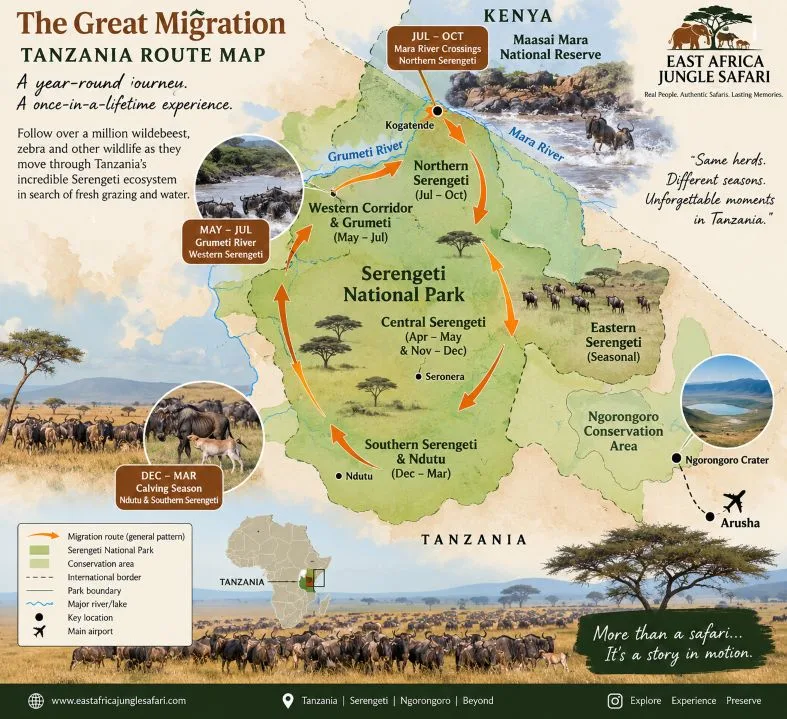
The Great Migration is a year-round movement of wildebeest, zebras and other grazing animals across the Serengeti ecosystem, and their location changes with seasonal rainfall and grazing conditions. Depending on your travel month, migration-focused game viewing may concentrate around the Southern, Central, Western or Northern Serengeti.
Rather than promising a specific herd location or river crossing, we plan this Tanzania safari around the expected seasonal migration patterns while allowing time for lions, elephants, cheetahs, leopards, giraffes and other Serengeti wildlife.
4 Days Serengeti Migration Safari at a Glance
Quickly compare the key details of this 4 Days Serengeti Great Migration Safari 2026/2027/2028, including the safari style, transport, accommodation and seasonal migration focus.
| Safari Detail | Information |
|---|---|
| Duration | 4 Days / 3 Nights |
| Destination | Serengeti National Park, Tanzania |
| Safari Focus | Great Migration & Serengeti wildlife |
| Starting Price | From USD 1,650 per person sharing |
| Safari Style | Private safari |
| Vehicle | Private 4×4 safari Land Cruiser with pop-up roof |
| Accommodation | Mid-range lodges and tented safari camps |
| Start Point | Arusha, Tanzania |
| End Point | Arusha, Tanzania |
| Best Migration Period | Year-round, depending on seasonal herd movements |
| Key Migration Areas | Southern, Central, Western & Northern Serengeti according to season |
| Ideal For | Couples, photographers, families and wildlife travellers |
| Guide | Professional English-speaking Tanzania safari guide |
Is 4 Days Enough for a Serengeti Migration Safari?
Yes, 4 days can be enough for a Serengeti Migration Safari when the itinerary is carefully planned around your travel month and the expected location of the Great Migration. It is a good option for travellers with limited time who still want meaningful game drives in Serengeti National Park and opportunities to see large wildebeest and zebra herds alongside the Serengeti’s resident wildlife.
During a four-day safari, the priority should be quality game-viewing time rather than trying to cover too many distant areas. Migration movements vary throughout the year according to rainfall, grazing conditions and the availability of water, so the most suitable Serengeti region depends on when you travel.
For example, January to March generally favours the Southern Serengeti and Ndutu ecosystem during the calving season, while July to October is associated with the Northern Serengeti and the Mara River area. The months between these periods can see herds moving through Central and Western Serengeti.
When Should You Consider a 5–7 Day Serengeti Migration Safari?
A 5–7 day safari is preferable if the Great Migration is your main reason for visiting Tanzania, particularly if you want more time for photography, multiple full-day game drives or a better opportunity to explore different areas of the Serengeti.
Extra days are especially valuable during the Northern Serengeti river-crossing season, when wildlife movements are unpredictable and crossings cannot be scheduled or guaranteed. A longer itinerary also allows more flexibility if the herds are spread across a wider area than expected.
For travellers with only four days, we recommend concentrating on the Serengeti region most relevant to the season rather than spending valuable safari time travelling between several distant migration areas.
Important: The Great Migration is a natural wildlife movement influenced by rainfall and grazing conditions. Exact herd locations, wildlife sightings and Mara River crossings cannot be guaranteed.
Where Will You See the Great Migration?
The Great Migration moves through different parts of the Serengeti ecosystem throughout the year. The most suitable safari area therefore depends on your travel month rather than one fixed route.
During January to March, large wildebeest and zebra herds usually gather around Ndutu and the Southern Serengeti for the calving season. The herds generally move through Central and Western Serengeti from April to July before reaching Northern Serengeti and the Mara River region between approximately July and October. From November, the migration normally begins moving south again following seasonal rainfall.
Your safari route, game-drive area and accommodation will be selected according to your travel dates and the expected location of the herds.
| Travel period | Typical migration area | Main experience |
|---|---|---|
| January–March | Ndutu and Southern Serengeti | Calving, large herds and predator activity |
| April–May | Southern and Central Serengeti | Northward-moving herds and green-season landscapes |
| June–July | Western and Northern Serengeti | Large concentrations and possible river activity |
| August–October | Northern Serengeti and Mara River | Large herds and possible Mara River crossings |
| November–December | Central and Southern Serengeti | Herds moving south following seasonal rains |
Migration note: These periods are based on typical historical movements. Rainfall, water and grazing conditions influence the animals’ location, so exact herd positions and wildlife sightings cannot be guaranteed.
4 Days Serengeti Migration Safari Highlights
This 4 Days Serengeti Great Migration Safari combines migration-focused wildlife viewing in Serengeti National Park with a game drive in the Ngorongoro Crater. The standard route follows Arusha → Serengeti → Ngorongoro → Arusha, while the Serengeti game-drive focus and accommodation can be adjusted where practical according to your travel month, expected seasonal migration patterns and current wildlife conditions.
Seasonal Great Migration Viewing
Experience different stages of the Serengeti Great Migration according to your travel period. Migration activity may be concentrated around the Southern Serengeti and Ndutu ecosystem during the calving season, farther west or centrally during transitional months, or in Northern Serengeti during the main northern migration period.
Serengeti Wildlife & Big Cats
Alongside migrating wildebeest and zebra, look for lions, cheetahs, leopards, spotted hyenas, elephants, giraffes, buffaloes, gazelles and other resident Serengeti wildlife. Predator activity can be particularly rewarding where large concentrations of grazing animals are present.
Full-Day Serengeti Game Drive
Spend a substantial day exploring the Serengeti with your private safari guide. The day's game-drive route can be adjusted according to recent wildlife activity, seasonal conditions and the expected location of the migrating herds rather than following a rigid sightseeing circuit.
Ngorongoro Crater Game Drive
Complete your safari with a game drive inside the Ngorongoro Crater, adding a different ecosystem and wildlife experience to your Serengeti migration safari. The crater is known for its high concentration of resident wildlife, including lions, buffaloes, zebras, wildebeest, hippos and other species.
Private 4×4 Safari Land Cruiser
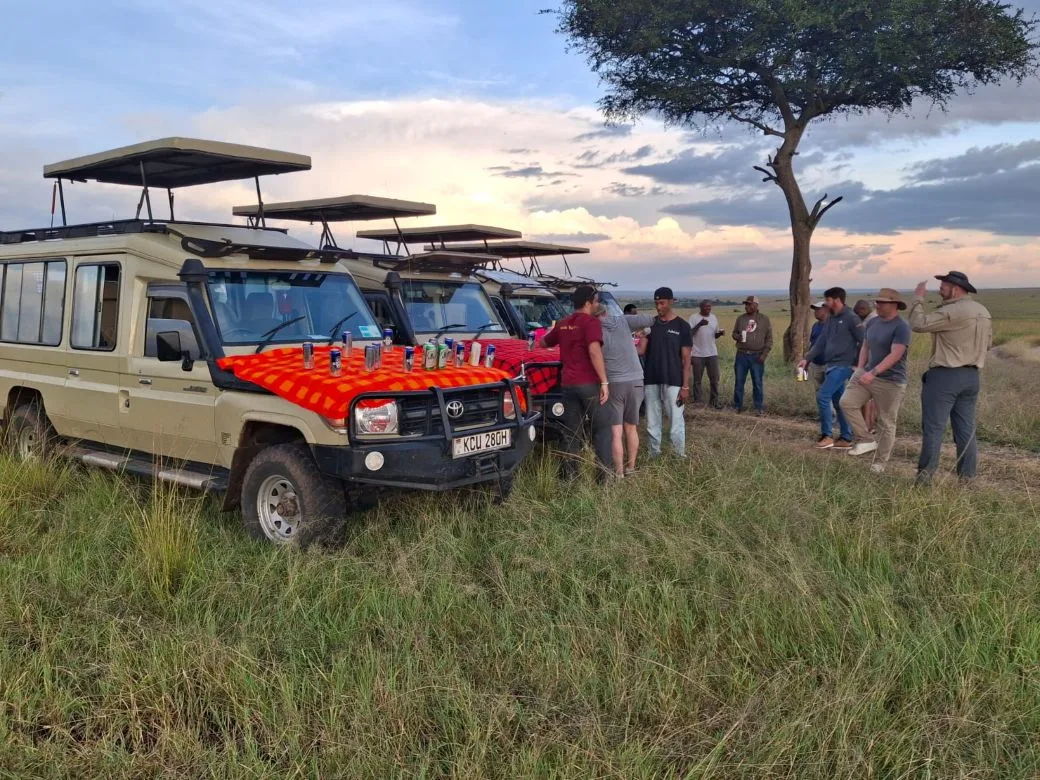
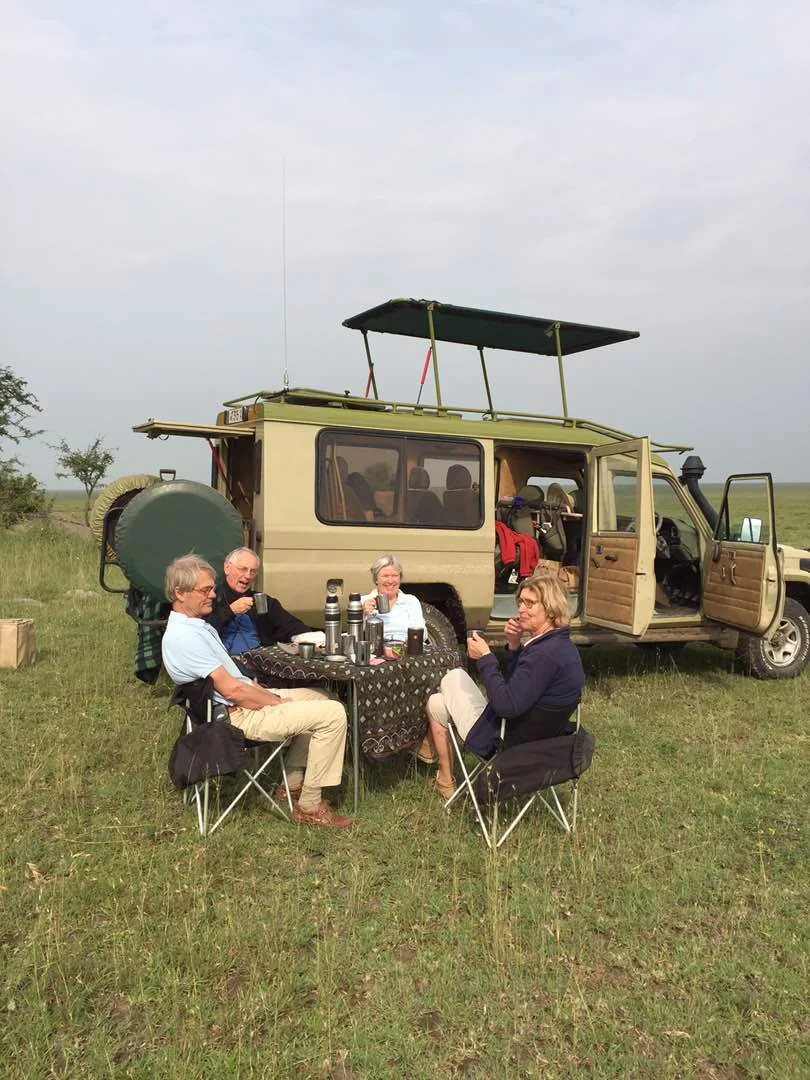
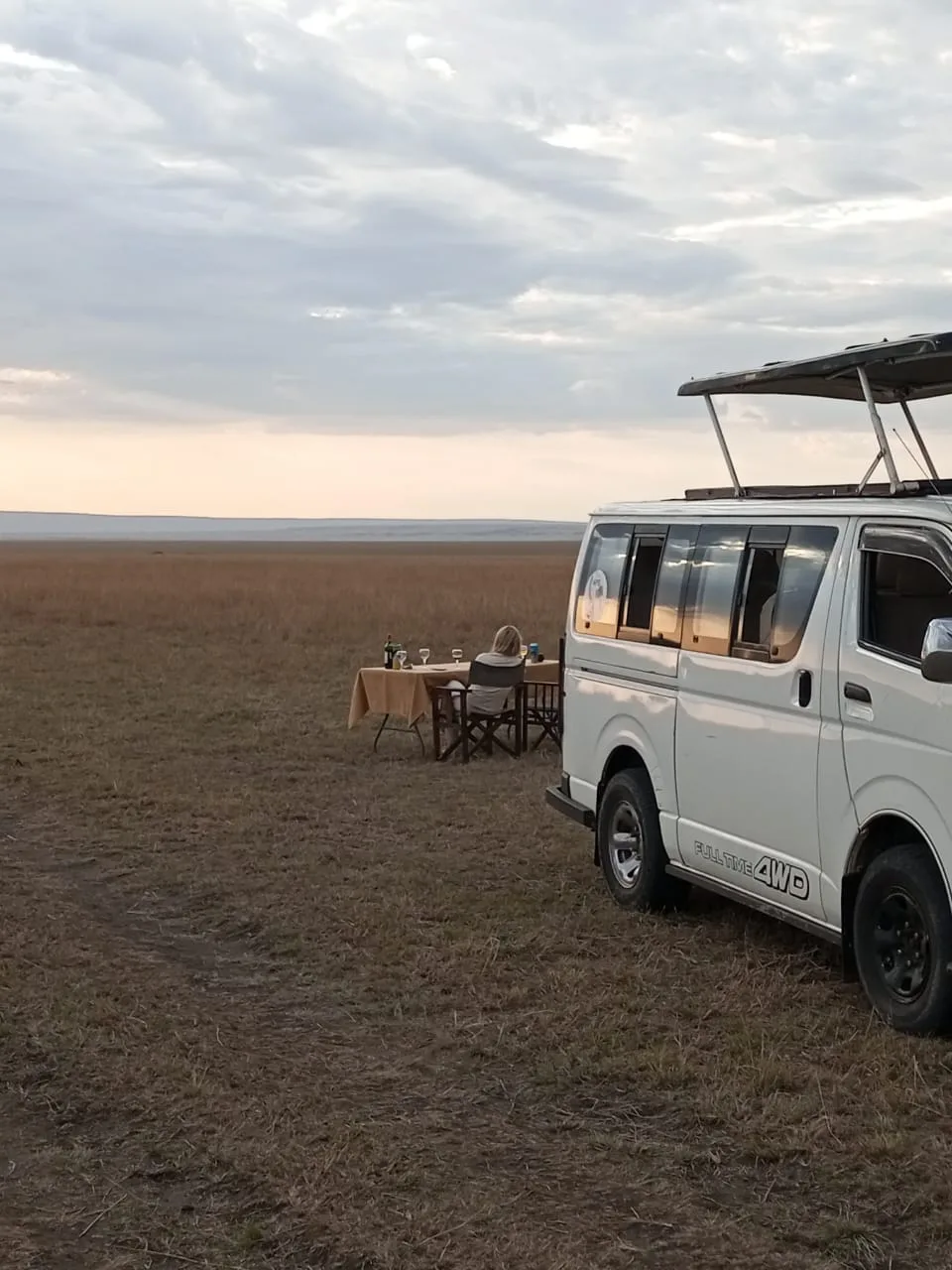
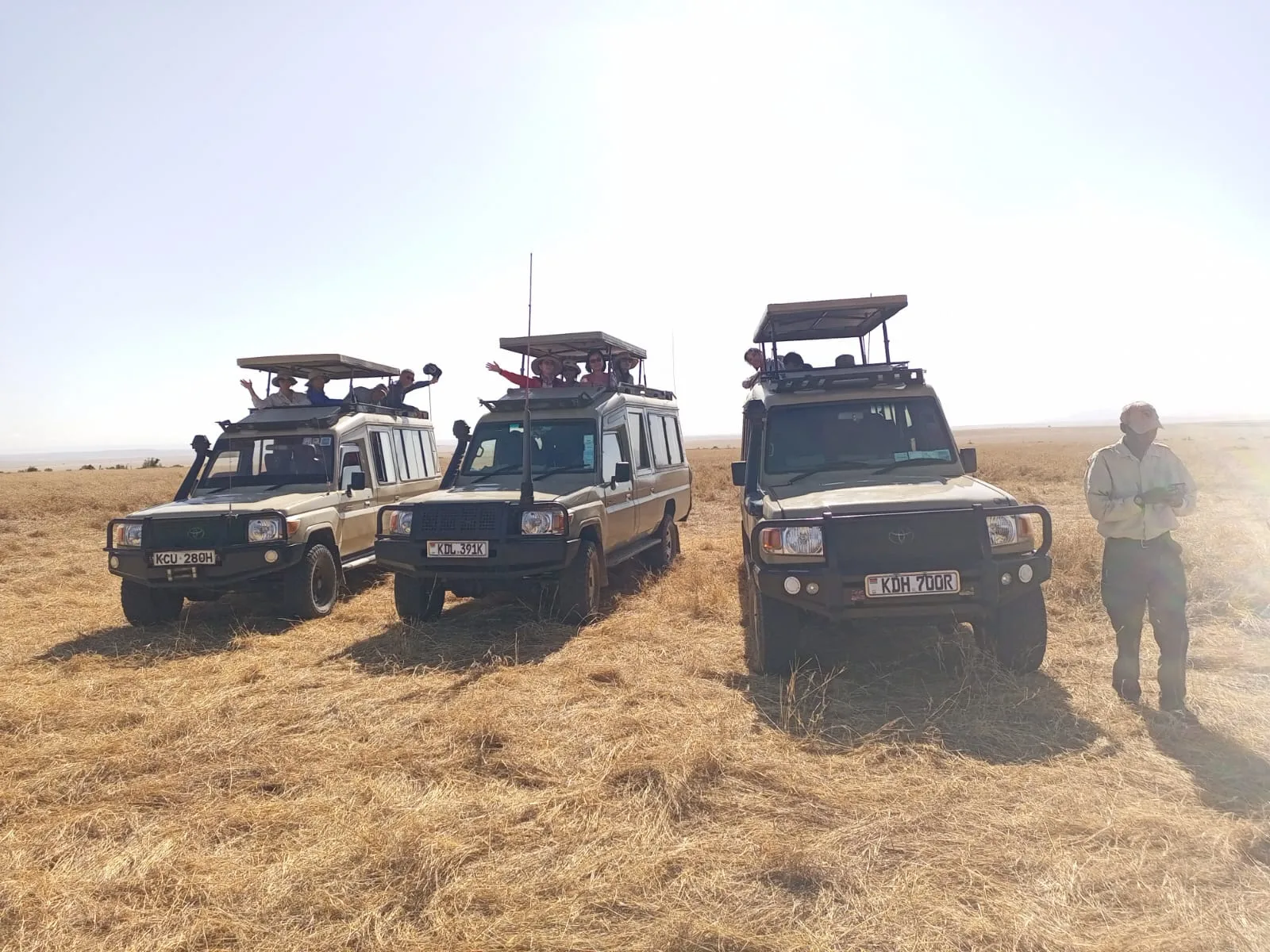
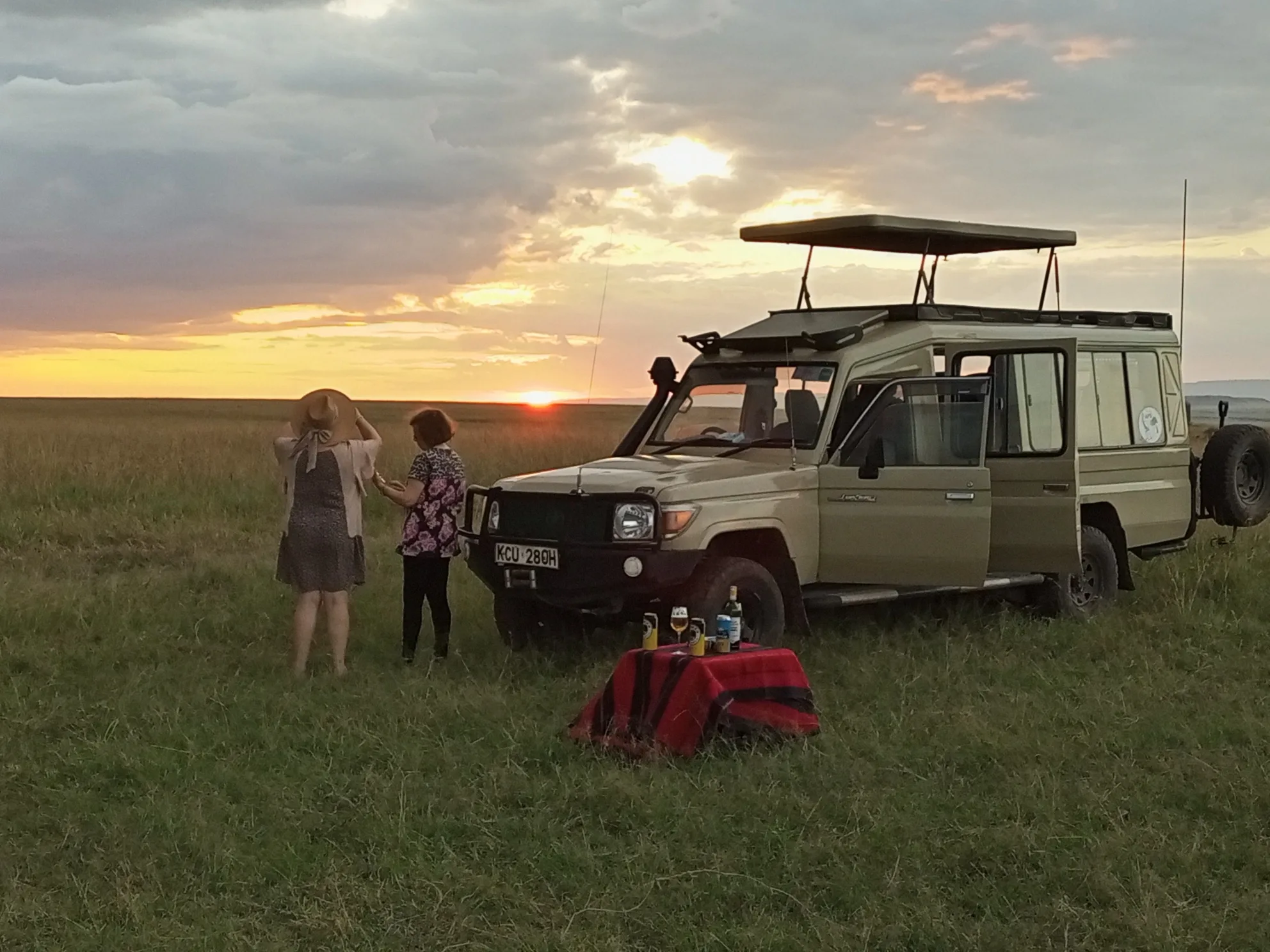
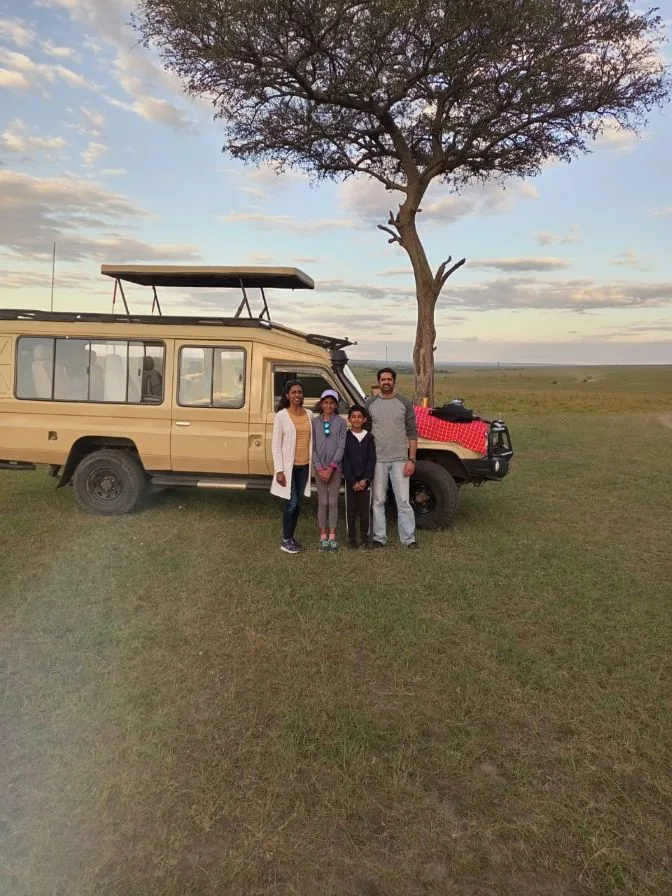
Travel throughout the safari in a private 4×4 safari Land Cruiser with a professional Tanzania safari guide. Private transport provides greater flexibility over wildlife stops, game-drive pacing and daily routing.
Migration-Focused Safari Planning
We consider your travel dates and expected seasonal migration patterns when recommending the most appropriate Serengeti game-drive area and accommodation. This avoids treating the Great Migration as though it occurs in one location throughout the year.
Calving Season Option – January to March
For departures during approximately January–March, the Serengeti portion can focus farther south toward the Southern Serengeti and Ndutu ecosystem when seasonal conditions support the concentration of migrating herds and calving activity.
Northern Migration Option – July to October
Travellers visiting approximately July–October whose main priority is the Northern Serengeti and Mara River migration can request an adapted seasonal itinerary. Depending on the required routing, accommodation and transport, this may involve a different itinerary and price from the standard four-day Serengeti and Ngorongoro safari.
Realistic Great Migration Expectations
The Great Migration is a natural wildlife movement influenced by rainfall, fresh grazing and water availability. Exact herd locations, migration timing and Mara River crossings cannot be guaranteed. Your guide will use seasonal knowledge and current wildlife information to make the most appropriate game-drive decisions during your safari.
Why Choose This 4-Day Migration Safari?
- Serengeti & Ngorongoro in four days – combine migration-focused Serengeti game viewing with the wildlife-rich Ngorongoro Crater.
- Full-day Serengeti game drive – dedicate Day 2 to exploring productive wildlife areas and searching for migrating herds.
- Private 4×4 safari Land Cruiser – enjoy private transport, a pop-up roof and flexible game-drive stops throughout the safari.
- Seasonally planned game viewing – the Serengeti portion is planned according to your travel month, expected herd movements and current wildlife conditions.
- Experienced Tanzania safari guide – your guide uses local knowledge and wildlife information to make the most of the time available.
- Private road safari from Arusha – no scheduled internal safari flights are required for the standard itinerary.
Detailed 4 Days Serengeti Migration Safari Itinerary
The itinerary below combines focused wildlife viewing in Serengeti National Park with the Ngorongoro conservation area. Game-drive locations within the Serengeti may be adjusted according to your travel month, seasonal road conditions and the expected location of the migrating herds.
Day 1: Arusha to Serengeti National Park – Afternoon Game Drive
After breakfast, meet your professional safari guide in Arusha and depart in your private 4×4 safari Land Cruiser for Serengeti National Park. The journey takes you through the changing landscapes of northern Tanzania, with stops arranged along the way as required.
After entering the Serengeti, begin your first game drive en route to your lodge or tented camp. Depending on the season and location, you may encounter wildebeest and zebra herds as well as giraffes, elephants, buffaloes, gazelles and predators such as lions and cheetahs.
Your guide will plan the afternoon around current wildlife conditions rather than following a fixed game-drive route. Arrive at your accommodation in the late afternoon or early evening for dinner and overnight.
Driving: Approximately 6–7 hours from Arusha, depending on route and stops
Meals: Lunch & Dinner
Accommodation: Mid-range Serengeti lodge or tented camp
Day 2: Full-Day Serengeti Migration & Wildlife Game Drive
After an early breakfast, spend the day exploring Serengeti National Park on an extended game drive. This is the main wildlife-viewing day of your safari, allowing your guide to concentrate on areas where animal activity is strongest.
The day's route will depend on the season. At different times of year, migration-focused viewing may take place around the Southern, Central, Western or Northern Serengeti. Your guide will also look for resident wildlife, including lions, leopards, cheetahs, elephants, buffaloes, giraffes, hyenas and numerous antelope species.
Enjoy a picnic lunch at an appropriate location before continuing your afternoon game drive. Because wildlife movements are unpredictable, keeping the day's schedule flexible allows more time to respond to fresh sightings and local conditions.
Return to your camp or lodge in the evening for dinner and overnight.
Game Drive: Full day
Meals: Breakfast, Lunch & Dinner
Accommodation: Mid-range Serengeti lodge or tented camp
Day 3: Serengeti Morning Game Drive – Transfer to Ngorongoro
Begin with breakfast followed by a morning game drive through the Serengeti. Early hours can be particularly rewarding for observing predators and other wildlife before temperatures rise and animals become less active.
Continue exploring as you gradually make your way toward the Ngorongoro Conservation Area. This transition gives you a final opportunity to enjoy the Serengeti's open plains while experiencing a noticeably different landscape as you approach the Ngorongoro highlands.
Depending on wildlife sightings, road conditions and your camp location, your guide will determine the most suitable departure time from the Serengeti. Arrive in the Ngorongoro/Karatu area later in the afternoon, where you can relax before dinner and prepare for the following morning's crater safari.
Driving: Approximately 3–4 hours, excluding game-drive stops and depending on camp location
Meals: Breakfast, Lunch & Dinner
Accommodation: Mid-range lodge in the Ngorongoro/Karatu area
Day 4: Ngorongoro Crater Game Drive – Return to Arusha
After an early breakfast, travel to the Ngorongoro Crater and descend to the crater floor for approximately 4–5 hours of wildlife viewing. The crater supports a remarkable concentration of resident wildlife and provides a contrasting experience to the vast open landscapes of the Serengeti. The crater forms part of the wider Ngorongoro Conservation Area, a protected landscape managed by the Ngorongoro Conservation Area Authority.
During the game drive, look for lions, elephants, buffaloes, zebras, wildebeest, hippos and numerous plains animals. The crater is also one of Tanzania's important areas for black rhino conservation, although sightings of any individual species cannot be guaranteed.
After the game drive and lunch, ascend from the crater and begin the journey back to Arusha. Arrival is generally in the late afternoon or early evening, depending on traffic, road conditions and the day's schedule.
Crater Game Drive: Approximately 4–5 hours
Driving: Ngorongoro/Karatu to Arusha approximately 3–4 hours
Meals: Breakfast & Lunch
End Point: Arusha
How Seasonal Route Adjustments Work
The standard itinerary follows the route Arusha–Serengeti–Ngorongoro–Arusha. Within the Serengeti, the game-drive focus and accommodation can be adjusted according to your travel month and the expected seasonal location of the migration.
A major route change—such as a dedicated Northern Serengeti and Mara River safari—may require scheduled flights, different accommodation and revised pricing. These arrangements will be confirmed in your personalised quotation.
Is 4 Days Enough for a Serengeti Migration Safari?
Four days can provide a rewarding Serengeti migration safari when the route and accommodation are carefully matched to your travel month. The itinerary includes one full day in the Serengeti, together with wildlife viewing on the arrival and departure routes, before continuing to Ngorongoro Crater.
A four-day road safari works particularly well when the migration is expected around Ndutu, Southern Serengeti or Central Serengeti. Reaching Northern Serengeti by road during July to October requires considerably more travel time. Travellers visiting during this period may benefit from a scheduled flight or a longer five- to seven-day itinerary.
Four days is suitable for travellers who want to combine seasonal migration viewing with Ngorongoro Crater. However, travellers whose principal objective is the Mara River and Northern Serengeti should consider additional days for greater flexibility.
Accommodation During Your Serengeti Migration Safari
Accommodation on our 4 Days Serengeti Migration Safari is selected according to the season, your travel dates and the expected location of the Great Migration. We use comfortable mid-range lodges and tented camps in strategic areas of the Serengeti to reduce unnecessary driving and maximise your time on game drives.
| Night | Area | Recommended Property | Meal Plan |
|---|---|---|---|
| Night 1 | Southern Serengeti / Ndutu area | Ndutu Safari Lodge or Kati Kati Tented Camp | Full Board |
| Night 2 | Southern Serengeti / Ndutu area | Ndutu Safari Lodge or Kati Kati Tented Camp | Full Board |
| Night 3 | Southern Serengeti / Ndutu area | Ndutu Safari Lodge or Kati Kati Tented Camp | Full Board |
Seasonal Accommodation Options
The accommodation listed below may be used depending on the location of the migration, availability and your confirmed travel dates.
December–March: Southern Serengeti and Ndutu Area
During the calving season, the herds are usually concentrated around the short-grass plains of Southern Serengeti and the Ndutu area.
Recommended properties include:
- Ndutu Safari Lodge
- Kati Kati Tented Camp
- Lake Ndutu Luxury Tented Lodge
- Serengeti Safari Camp
- Kubu Kubu Ndutu Camp
These properties provide convenient access to the migration herds, predator sightings and the calving plains.
April–June: Central Serengeti and Western Corridor
As the herds begin moving north and west, accommodation is selected in the Central Serengeti or Western Corridor according to the current migration pattern.
Recommended properties include:
- Kubu Kubu Tented Lodge
- Serengeti Serena Safari Lodge
- Seronera Wildlife Lodge
- Kati Kati Tented Camp
- Mbugani Migration Camp
- Kirawira Serena Camp
These properties offer good access to the Seronera Valley, central plains and, when appropriate, the Western Corridor.
July–October: Northern Serengeti
During the northern migration season, accommodation is normally arranged in the Northern Serengeti to provide better access to the Mara River area and the herds' movement toward Kenya.
Recommended properties include:
- Mara Serena Safari Lodge
- Kubu Kubu North Tented Lodge
- Lemala Kuria Hills Lodge
- Serengeti Mara Camp
- Mara Kati Kati Tented Camp
- Nimali Mara Camp
These properties are well positioned for exploring the northern Serengeti and searching for wildlife near the Mara River.
November: Northern and Central Serengeti
Following the short rains, the herds usually begin moving south toward the Central and Southern Serengeti. Accommodation is selected according to the latest migration reports and road conditions.
Recommended properties include:
- Kubu Kubu Tented Lodge
- Kati Kati Tented Camp
- Serengeti Serena Safari Lodge
- Mbugani Migration Camp
- Ndutu Safari Lodge, when the herds have reached the southern plains
Why Camp Location Matters
Choosing accommodation close to the expected migration area means less time spent on long transfers and more time available for game drives. Our team monitors seasonal migration patterns and recommends the most suitable property based on your travel dates, current wildlife movements, availability and safari budget.
All accommodation is subject to availability. If one of the listed properties is unavailable, we will provide a comparable lodge or tented camp in the same area and category. The final accommodation details will be confirmed before your safari booking is finalised.
4 Days Serengeti Migration Safari Price
From USD 1,650 per person sharing
The cost of this 4 Days Serengeti Great Migration Safari depends on the number of travellers, travel dates, accommodation selected and seasonal availability. The standard package is based on a private 4×4 safari Land Cruiser and follows the route Arusha → Serengeti National Park → Ngorongoro Crater → Arusha.
The USD 1,650 per person starting price applies to the applicable group-size basis shown below. Smaller private groups, single-room arrangements, luxury accommodation and significant seasonal itinerary changes may cost more.
| Travellers | Price Per Person |
|---|---|
| 2 travellers | USD 2,350 |
| 3 travellers | USD 2,050 |
| 4 travellers | USD 1,850 |
| 5 travellers | USD 1,750 |
| 6 travellers | USD 1,650 |
Price note: Rates may vary according to travel season, accommodation availability, park-fee changes and requested upgrades. A dedicated Northern Serengeti fly-in itinerary involves different transport and accommodation arrangements and is quoted separately.
Seasonal pricing note: The prices above apply to the standard four-day road safari combining Serengeti and Ngorongoro. A dedicated Northern Serengeti and Mara River itinerary from July to October may require scheduled flights, different accommodation and revised pricing. A personalised quotation will be provided according to your travel dates.
What's Included
- 3 nights' accommodation in selected mid-range Serengeti lodges or tented camps
- Meals on full-board basis while on safari, as specified in the itinerary
- Private safari transport in a 4×4 Land Cruiser with pop-up roof
- Services of a professional English-speaking Tanzania safari guide/driver
- Serengeti National Park entrance fees for the itinerary
- Applicable conservation and concession fees
- Full-day and en-route Serengeti game drives
- Seasonal migration-focused game drives according to the expected location of the herds
- Bottled drinking water during game drives
- Picnic lunches where required during full-day game drives
- Pickup and drop-off in Arusha
- Government taxes and applicable safari-related charges included in the confirmed quotation
Safari Price Excludes
- International flights to and from Tanzania
- Tanzania visa and entry requirements
- Travel and medical insurance
- Accommodation in Arusha before or after the safari unless specifically included
- Domestic or scheduled flights unless stated in your confirmed itinerary
- Alcoholic beverages, soft drinks and other drinks not included by the lodge or camp
- Tips and gratuities for your safari guide and accommodation staff
- Personal expenses such as laundry, telephone calls and souvenirs
- Any activities or services not specifically listed under Safari Price Includes
- Changes or additional services requested during the safari
Optional Safari Add-ons
You can personalise your Serengeti Migration Safari with additional experiences, subject to season and availability:
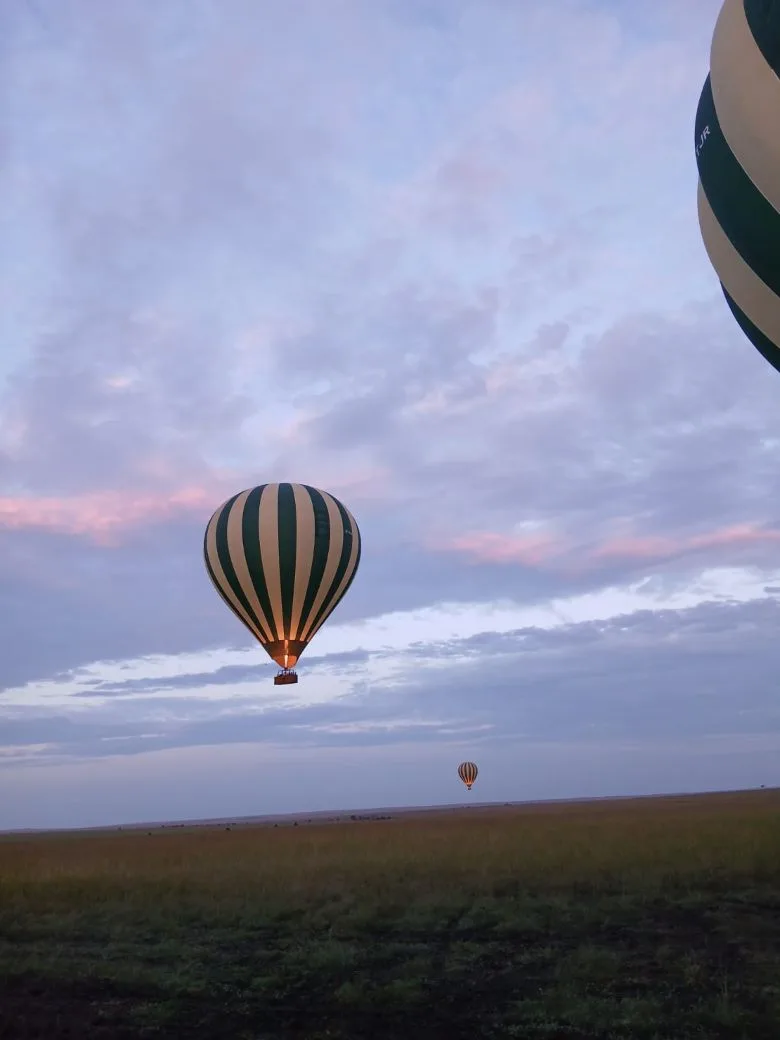
- Serengeti Hot-Air Balloon Safari – Experience the Serengeti from the air during an early-morning balloon flight, normally followed by a bush breakfast.
- Serengeti → Arusha Scheduled Flight – Reduce road-transfer time on the final day and enjoy more time in the Serengeti.
- Arusha → Serengeti Fly-In Upgrade – Particularly useful when the migration is concentrated in more distant areas of the Serengeti.
- Luxury Accommodation Upgrade – Upgrade from mid-range camps to luxury or premium migration camps.
- Private Airport Transfers – Transfers to or from Kilimanjaro International Airport can be arranged according to your flight schedule.
- Additional Serengeti Night – Extend the safari to five days or longer for additional game drives and a more relaxed migration experience.
Please note: Optional activities and upgrades are not included in the starting safari price and will be quoted separately. Balloon flights, domestic flights and specific camps are subject to availability and operating conditions.
Best Time for a Serengeti Great Migration Safari 2026/2027/2028
The Great Migration takes place throughout the year, but the wildebeest and zebra herds move between different parts of the Serengeti ecosystem in response to rainfall, fresh grazing and water availability. The best area for a Serengeti Migration Safari therefore depends on your travel month and the actual movement of the herds.
We use seasonal migration patterns when planning each safari, but these periods should be treated as a guide rather than a fixed timetable.
| Travel Period | Typical Migration Area | What You May Experience | Safari Planning |
|---|---|---|---|
| January–March | Southern Serengeti & Ndutu | Large wildebeest and zebra herds gather on the southern plains. February is commonly associated with the peak calving period and increased predator activity. | Excellent period for calving-season safaris and photography. |
| April–May | Central & Western Serengeti | As seasonal conditions change, herds generally begin moving north and west through the Serengeti ecosystem. | Good for travellers wanting migration viewing with fewer visitors in some areas. |
| June–July | Western Corridor toward Northern Serengeti | Herds may move through the Western Corridor and gradually continue north. River crossings can occur along migration routes, depending on herd location and rainfall. | Camp location should be selected according to current migration conditions. |
| August–October | Northern Serengeti & Mara River | Large herds are often concentrated in Northern Serengeti and may cross the Mara River between Tanzania and Kenya. | Strong period for Northern Serengeti migration safaris; longer stays improve flexibility. |
| November–December | Central & Southern Serengeti | Short rains typically encourage the herds to move south again through the Serengeti toward the southern plains. | Useful period for following the southward migration before the next calving season. |
Not sure which month is right for your safari? Read our Best Time to Visit Kenya & Tanzania for a Safari guide for a detailed month-by-month comparison of the Great Migration, wildlife viewing, weather, visitor levels and seasonal safari conditions.Which Month Is Best for the Serengeti Great Migration?
There is no single best month for every traveller. January to March is particularly attractive for the Southern Serengeti and Ndutu calving season, while August to October is popular for travellers hoping to experience the Northern Serengeti and Mara River migration season.
April through July and November through December can also provide rewarding migration experiences as the herds move between seasonal grazing areas.
Your accommodation and game-drive area should therefore be selected according to your travel dates and expected herd location, rather than using the same Serengeti camp throughout the year.
Migration Note: Great Migration movements are controlled by natural conditions, particularly rainfall, water and grazing. The periods above represent typical historical patterns. Exact herd locations, wildlife sightings and Mara River crossings cannot be guaranteed.
Can a Mara River Crossing Be Guaranteed?
No. Mara River crossings are natural and unpredictable events. Wildebeest may gather beside the river for hours or days, move to another crossing point or cross outside your game-drive time.
Visiting Northern Serengeti between approximately July and October can provide an opportunity to witness a crossing, but no safari operator can guarantee that one will occur. Spending several days in the region provides greater flexibility than relying on a single visit to the river.
Mara River crossings may occur during the Northern Serengeti migration season, but their timing cannot be guaranteed.
Great Migration & Wildlife Viewing Disclaimer
The Great Migration is influenced by rainfall, water and grazing conditions. The areas and months described on this page represent typical historical patterns, but the exact location and timing of the herds can vary.
Wildlife sightings, predator encounters and Mara River crossings are natural events and cannot be guaranteed. East Africa Jungle will plan your route using seasonal knowledge and available wildlife information, but no operator can control animal movements.
Wildlife You May See on a Serengeti Migration Safari
A 4 Days Serengeti Migration Safari offers much more than wildebeest viewing. The movement of huge numbers of grazing animals through the Serengeti ecosystem creates opportunities to observe predators, scavengers and resident wildlife across a variety of habitats.
Wildlife sightings vary according to the season, migration location, rainfall and natural animal movements, but your guide will explore the most productive areas available during your safari.
Wildebeest & Zebra
The wildebeest and zebra herds are the main focus of the Great Migration. At certain times of year, large concentrations can gather across the open plains, while at other times the animals form long columns as they move between seasonal grazing areas.
Zebra often travel alongside wildebeest, benefiting from the same fresh grass and water sources. Thomson's and Grant's gazelles may also be encountered across the plains.
Lions, Cheetahs & Leopards
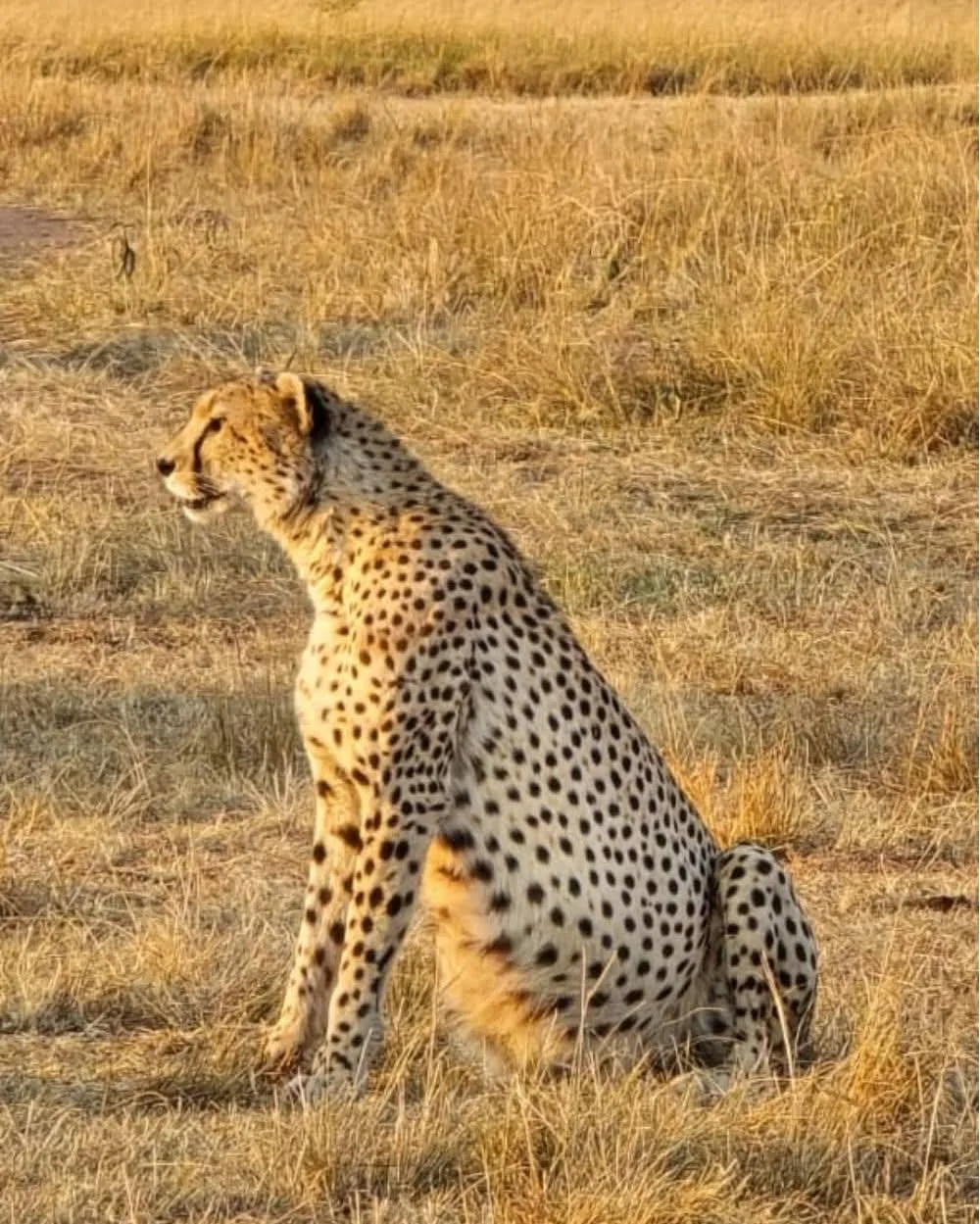
The Serengeti supports an impressive diversity of predators. Lions may be encountered around open grasslands, kopjes and areas with concentrations of prey, while cheetahs are particularly suited to open plains where they can use their speed to hunt.
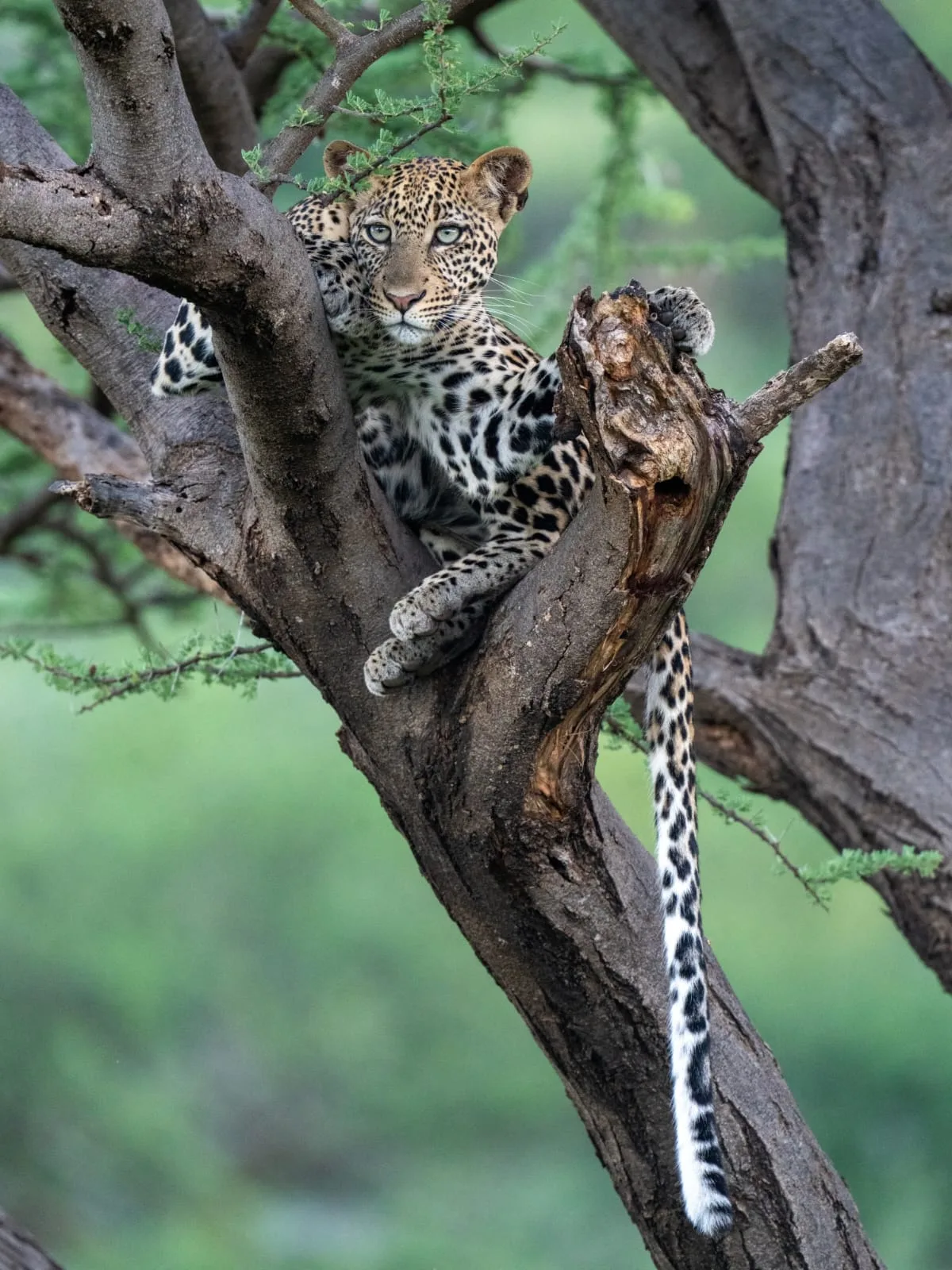
Leopards are generally more elusive and are often associated with riverine woodland and trees where they can rest away from other predators.
Hyenas & Other Predators
Spotted hyenas are an important part of the Serengeti ecosystem and are both skilled hunters and opportunistic scavengers. You may also encounter jackals, servals and other smaller carnivores depending on the area explored.
Predator activity can be particularly interesting during periods when large numbers of wildebeest and zebra are concentrated in one region.
Elephants, Giraffes & Plains Wildlife
Away from the migration herds, the Serengeti is home to abundant resident wildlife. Depending on your game-drive area, you may see elephants, giraffes, buffalo, warthogs, hippos, topi, eland, impala, hartebeest and several species of gazelle.
Different habitats—from open grasslands and rocky kopjes to woodland and river systems—support different combinations of wildlife throughout the year.
Birdlife in the Serengeti
The safari can also be rewarding for birdwatchers. Raptors, vultures, ostriches, secretary birds, kori bustards, storks and many other resident and seasonal species may be observed during game drives.
Wildlife Note: All animals in the Serengeti are wild and move freely within the ecosystem. While our guides use their experience, recent sightings and local knowledge to locate productive wildlife areas, specific species, hunting behaviour, migration herd locations and river crossings cannot be guaranteed.
Who Is This Safari Best For?
The 4 Days Serengeti Migration Safari is designed for travellers who want to concentrate their time on the Serengeti and the seasonal Great Migration rather than visiting several parks in a short itinerary. It is particularly suitable for:
- Couples – A private 4×4 safari provides flexibility, privacy and plenty of time to enjoy wildlife sightings together without following a group-tour schedule.
- Wildlife Photographers – Full-day game drives, flexible stops and a private safari vehicle provide more opportunities to wait for animal behaviour, adjust positioning and photograph migration herds, predators and Serengeti landscapes.
- Families – Families looking for a short Tanzania wildlife experience can enjoy a private itinerary that allows game-drive times and rest stops to be adjusted where practical.
- First-Time Tanzania Visitors – If the Serengeti and Great Migration are your main priorities, this itinerary provides a focused introduction to one of Tanzania's most celebrated wildlife ecosystems.
- Great Migration-Focused Travellers – The safari is planned around your travel month and the expected location of the wildebeest and zebra herds, whether around the Southern Serengeti and Ndutu plains or farther north during the migration season.
- Travellers With Limited Time – Four days can provide a rewarding Serengeti experience without requiring a longer Tanzania itinerary. Where migration areas are particularly distant from Arusha, a fly-in or fly-out option can help maximise game-viewing time.
Travellers who prefer a slower pace, want more photography time, or wish to combine the Serengeti with Ngorongoro Crater, Tarangire or other northern Tanzania destinations may be better suited to a 5–7 day safari.
Getting There & Travel Times
Your 4 Days Serengeti Migration Safari can be arranged as a road safari from Arusha or adapted to include scheduled flights. The best option depends on your travel month, budget and the part of the Serengeti where the Great Migration is expected to be.
For migration areas closer to the Southern and Central Serengeti, travelling by private 4×4 Land Cruiser can work well because the journey becomes part of the safari experience. When the migration is concentrated in the far north, however, flying can significantly reduce transfer time and allow more time for game drives.
Serengeti Road & Flight Travel Times
| Route | Approx. Travel Time | Best Used For |
|---|---|---|
| Arusha → Central Serengeti | 6–8 hours by road | Central Serengeti and road-based safaris |
| Arusha → Ndutu / Southern Serengeti | 5–6 hours by road | December–March migration and calving season |
| Central Serengeti → Northern Serengeti | 4–5 hours by road | July–October migration season |
| Arusha → Northern Serengeti | Approximately 9–11 hours by road | Possible, but lengthy for a 4-day safari |
| Arusha → Serengeti by scheduled flight | Approximately 1–2 hours flying time | Maximising game-viewing time |
| Serengeti → Arusha by scheduled flight | Approximately 1–2 hours flying time | Convenient final-day departure |
Travel times are approximate and can vary according to road conditions, weather, wildlife stops, routing, airstrip and seasonal conditions.
Road Safari from Arusha
A road safari is a good option when the migration is concentrated around the Southern or Central Serengeti. You travel in the same private 4×4 Land Cruiser used for your game drives, allowing the journey to transition naturally into the safari once you reach wildlife areas.
The road option is also useful for travellers who enjoy seeing the changing landscapes of northern Tanzania and prefer to keep domestic flight costs out of the package.
Road Safari or Fly-In Safari?
A private road safari works well when the migration is around Ndutu, Southern Serengeti or Central Serengeti. The journey from Arusha becomes part of the safari, and the same private 4×4 Land Cruiser is used for transfers and game drives.
Northern Serengeti is considerably farther from Arusha. For departures between approximately July and October, scheduled flights can reduce transfer time and provide more time for game drives. A dedicated Northern Serengeti fly-in itinerary has different transport, accommodation and pricing from the standard four-day road safari.
Which Option Is Best for a 4-Day Safari?
For December–March, a road safari to the Southern Serengeti/Ndutu area can be practical, particularly for travellers who want the complete overland safari experience.
For Central Serengeti departures, road travel also works well, although a flight can provide additional game-viewing time.
For July–October Northern Serengeti migration safaris, we generally recommend including at least one scheduled flight, and ideally considering fly-in/fly-out arrangements when budget permits. This avoids spending a disproportionate amount of a short four-day safari on long road transfers.
Once your travel dates are confirmed, we can recommend the most practical combination of road transfers, game drives and scheduled flights based on the expected migration location.
Planning Note: Domestic flight schedules, airstrips and journey times can change according to season and operating conditions. Final arrangements should therefore be confirmed when booking.
Packing & Planning for Your Serengeti Migration Safari
Packing well for your 4 Days Serengeti Migration Safari will help you stay comfortable during early-morning game drives, warm afternoons and long periods of wildlife viewing. Keep your luggage practical and choose lightweight clothing suitable for changing conditions.
- Lightweight Neutral Clothing – Pack comfortable shirts, trousers and safari clothing in neutral colours such as khaki, beige, brown or green.
- Warm Layer or Fleece – Early mornings and evenings in the Serengeti can feel cool, particularly during open-window game drives and the dry season.
- Comfortable Closed Shoes – Lightweight walking shoes or trainers are suitable for camp, transfers and everyday safari use.
- Sun Protection – Bring a wide-brimmed hat, sunglasses and high-SPF sunscreen. The sun can be strong even when temperatures feel comfortable.
- Binoculars – A personal pair of binoculars is useful for observing distant migration herds, predators, birds and wildlife behaviour.
- Camera & Extra Storage – Bring your camera, spare batteries, memory cards and charging equipment. A zoom or telephoto lens is particularly useful for wildlife photography.
- Small Day Bag – Keep your camera, binoculars, sunscreen, documents, medication and other essentials easily accessible during game drives.
- Reusable Water Bottle – Useful for staying hydrated throughout full-day game drives and reducing unnecessary single-use plastic.
- Personal Medication & Basic Essentials – Carry sufficient prescription medication for your entire trip together with any personal health or travel essentials you normally require.
- Travel Documents & Insurance Details – Keep your passport, Tanzania entry documents, safari confirmation, emergency contacts and travel-insurance information accessible during your journey.
Planning for Domestic Flights
If your itinerary includes a scheduled flight to or from the Serengeti, pack as lightly as practical. Safari aircraft normally have stricter baggage allowances than international airlines, and soft-sided bags are generally preferable to hard-shell suitcases. Your confirmed flight documents will specify the applicable baggage allowance.
What to Wear on Safari
There is no need for specialist safari clothing. Comfortable, breathable layers work best. Temperatures can change considerably between an early-morning departure and the middle of the day, so clothing that can easily be added or removed is particularly useful.
Packing Tip: Avoid bringing unnecessary valuables and excessive luggage. A compact safari bag makes transfers between your Land Cruiser, camp and any scheduled aircraft considerably easier.
Guide & Tanzania Migration Safari Expert Insights
After more than 16 years of planning East African safaris, we have learned that a successful migration itinerary depends more on location and timing than on following a rigid daily schedule. Two travellers visiting the Serengeti in different months may require completely different camps and game-drive areas.
For a short four-day safari, we prioritize three practical factors:
Match the Route to Your Travel Month
We recommend accommodation near the area where migration activity is seasonally expected. This reduces unnecessary transfers and gives your guide more time for wildlife viewing.
Allow Flexibility During Game Drives
Wildebeest herds and predators can move between different areas during the day. Your guide may therefore adjust the game-drive route using recent wildlife information and the conditions encountered inside the park.
Choose the Right Transport
Road travel works well for Southern and Central Serengeti itineraries. During the Northern Serengeti season, scheduled flights can save considerable travel time, although they increase the safari cost.
A migration safari should also be appreciated as a complete wildlife experience. Even when a river crossing or very large herd is not encountered, the Serengeti offers outstanding opportunities to see lions, cheetahs, elephants, giraffes, hyenas and other wildlife.
Frequently Asked Questions
1. Is four days enough for a Serengeti migration safari?
Yes. Four days can work well for a Serengeti and Ngorongoro safari, especially when the migration is around Southern or Central Serengeti. A Northern Serengeti itinerary may require flights or additional days.
2. What is the best month for the Serengeti Great Migration?
There is no single best month. January to March is associated with the Ndutu calving season, while July to October is normally best for Northern Serengeti and possible Mara River crossings.
3. Can I see a Mara River crossing?
A crossing may be possible in Northern Serengeti between approximately July and October, but its timing cannot be predicted or guaranteed.
4. Where is the Great Migration in February?
February typically finds large numbers of wildebeest and zebras around Ndutu and the Southern Serengeti, where the calving season takes place. This period can also provide excellent predator viewing as lions, cheetahs and hyenas follow the concentrations of grazing animals.
5. Where is the Great Migration in August?
August is generally associated with the Northern Serengeti and Mara River region, although exact herd locations vary according to rainfall and grazing conditions. Travellers specifically targeting Northern Serengeti in August should choose accommodation close to the expected migration area to reduce unnecessary driving.
6. Is this a private Serengeti safari?
Yes. This safari operates with a private 4×4 safari Land Cruiser and professional Tanzania safari guide. A private vehicle gives you greater flexibility with game-drive timing, photography stops and the amount of time spent at wildlife sightings.
7. Can I add a Serengeti hot-air balloon safari?
Yes. A Serengeti hot-air balloon safari can be added where balloon operations are available near your accommodation and on your travel dates. Balloon flights normally take place early in the morning and should be booked in advance, particularly during the peak migration season. The additional cost depends on the operating area and season.
8. Can the itinerary follow the migration?
Yes. The Serengeti accommodation and game-drive area can be adjusted according to your travel dates. Significant changes to routing, flights or accommodation may affect the price.
9. What wildlife can I see besides the wildebeest migration?
Serengeti National Park supports exceptional resident wildlife throughout the year. Depending on the area and conditions, you may see lions, elephants, cheetahs, leopards, buffaloes, giraffes, hippos, hyenas, zebras, gazelles and numerous bird species. Wildlife sightings remain natural and cannot be guaranteed.
10. Should I choose a 4-day or 5–7-day Serengeti Migration Safari?
Choose 4 days if you have limited time and want a focused Serengeti wildlife experience. Consider 5–7 days if the migration is your main priority, you want more photography time, or you are travelling specifically for Northern Serengeti and potential Mara River crossings. Additional days provide greater flexibility when herd movements or wildlife activity change.
About Your Tanzania Safari Expert
John Peter – Senior East Africa Safari Specialist & Operations Manager
This 4 Days Serengeti Migration Safari has been written and reviewed by John Peter, an East Africa safari specialist with 16+ years of experience planning and coordinating wildlife safaris across Tanzania, Kenya and Uganda.
John's safari-planning experience includes Serengeti Great Migration itineraries, Ngorongoro Crater safaris, seasonal camp selection, private 4×4 safaris and tailor-made East Africa itineraries. His approach to migration safari planning focuses on matching the route and accommodation location to the traveller's month rather than assuming that the wildebeest herds remain in one part of the Serengeti throughout the year.
For short Tanzania itineraries such as this four-day safari, particular attention is given to realistic driving times, game-viewing opportunities and avoiding unnecessary transfers that reduce time in the parks.
Written & Reviewed by: John Peter – Senior East Africa Safari Specialist & Operations Manager
Experience: 16+ Years in East African Safari Planning & Operations
Specialist Areas: Tanzania Safaris, Serengeti Great Migration, Ngorongoro Crater, Seasonal Safari Planning & Private East Africa Safaris
Last Reviewed & Updated: September 2026
Book Your 4 Days Serengeti Migration Safari
Experience the Serengeti on a 4-day / 3-night private Tanzania safari planned around seasonal wildlife and Great Migration movements. Travel with your own professional safari guide in a private 4×4 safari Land Cruiser, with the route and accommodation selected according to your travel dates and expected migration conditions.
Safari Duration: 4 Days / 3 Nights
Starting Price: From USD 1,650 per person sharing
Safari Style: Private Great Migration Safari
Vehicle: Private 4×4 Safari Land Cruiser
Destination: Serengeti National Park, Tanzania
Tell us your travel dates, number of travellers and preferred accommodation level, and our Tanzania safari team will prepare a personalized itinerary and quotation.
Request Your Free Safari Quote
WhatsApp Our Tanzania Safari Expert: +254 728 567 308
Available Months
Dates are flexible. Request your preferred month and our team will advise the best safari timing.
Safari Route Map
Plan Your Safari Today
Tell us your travel month, budget level, and group size. We will shape this package around your preferred safari style.

 16+ Years
 English