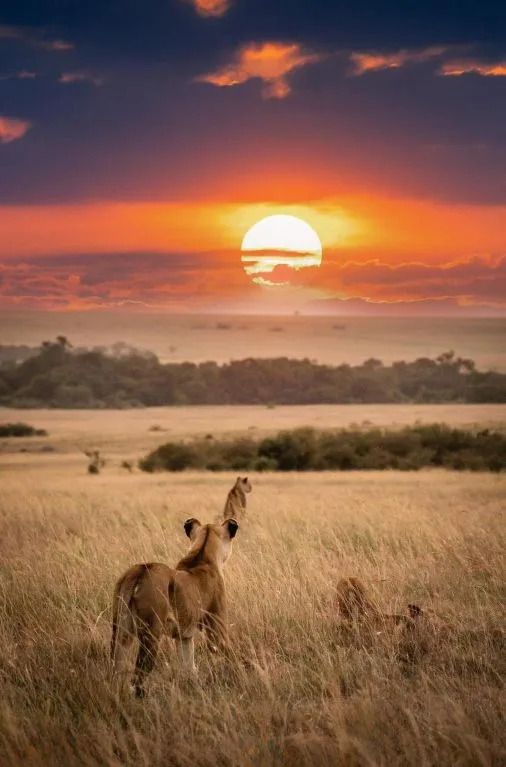
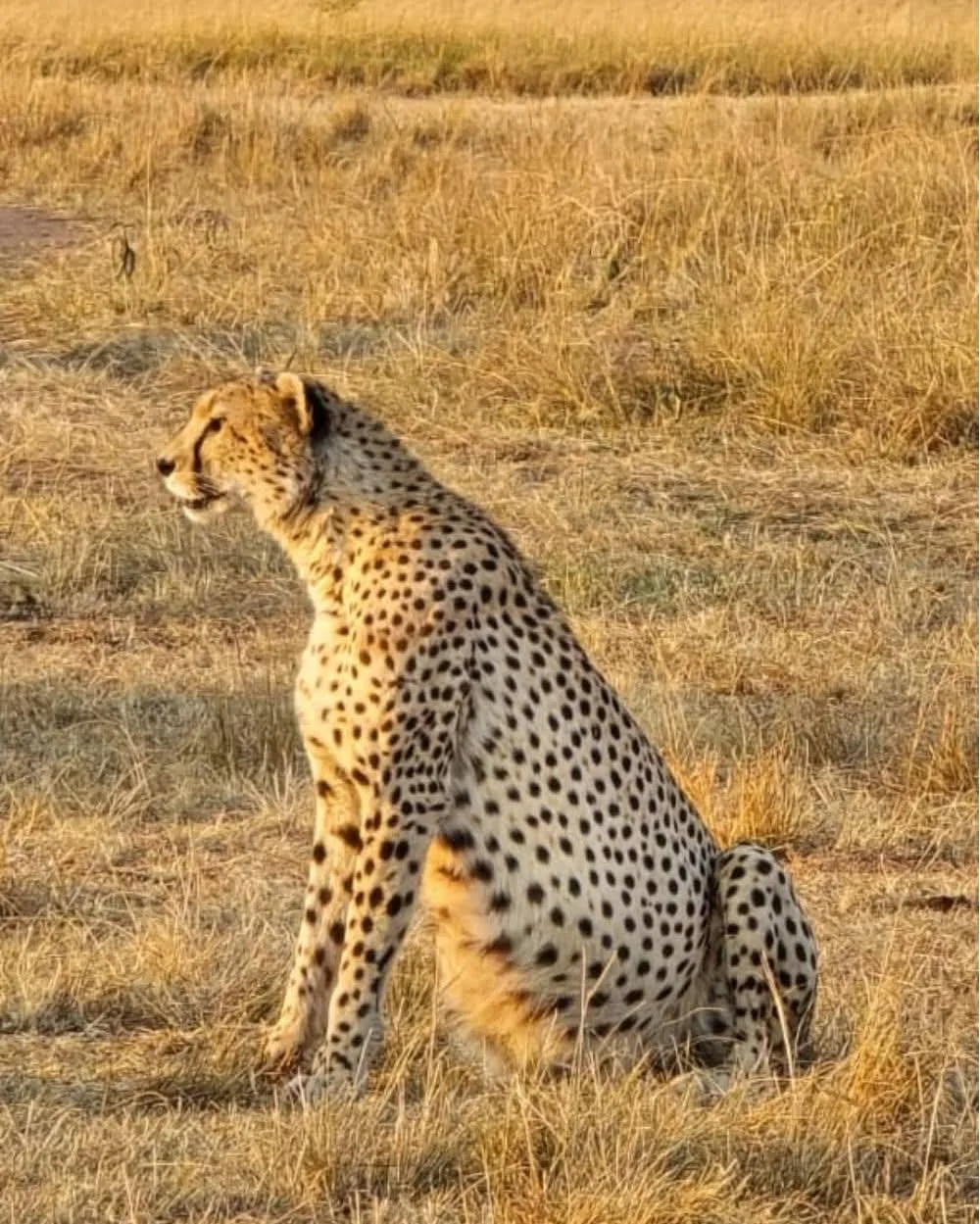

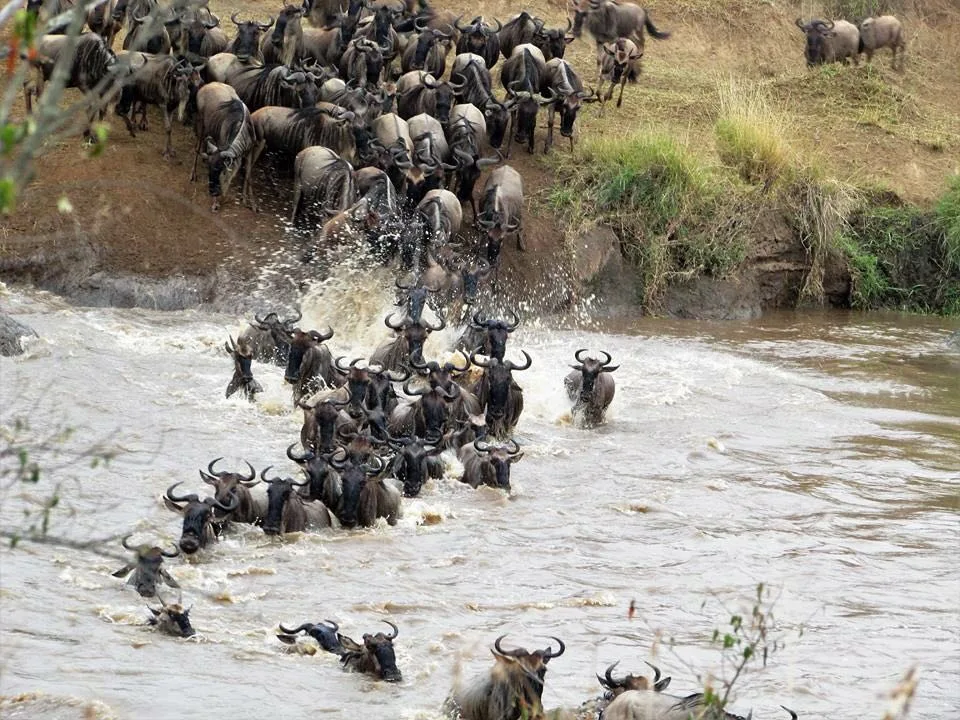
15 Days Kilimanjaro, Serengeti & Zanzibar Tour 2026/2027/2028
Kilimanjaro Trek • Serengeti Safari • Ngorongoro Crater • Zanzibar Beach
Experience three of Tanzania’s greatest adventures in one 15-day journey: climb Mount Kilimanjaro, explore the Serengeti and Ngorongoro Crater on a private 4×4 safari, then unwind on the beaches of Zanzibar.
15 Days / 14 Nights | Kilimanjaro Trek | Private 4×4 Safari | Zanzibar Beach Holiday
From USD 4,795 per person sharing
Route: Kilimanjaro → Serengeti → Ngorongoro → Zanzibar
[Book This 15-Day Tour] [Request a Custom Quote]
15 Days Kilimanjaro, Serengeti & Zanzibar Tour
The 15 Days Kilimanjaro, Serengeti & Zanzibar Tour 2026/2027/2028 combines three of Tanzania’s most rewarding travel experiences in one carefully planned journey: climbing Mount Kilimanjaro, exploring the wildlife-rich Serengeti and Ngorongoro Crater, and relaxing on the tropical beaches of Zanzibar.
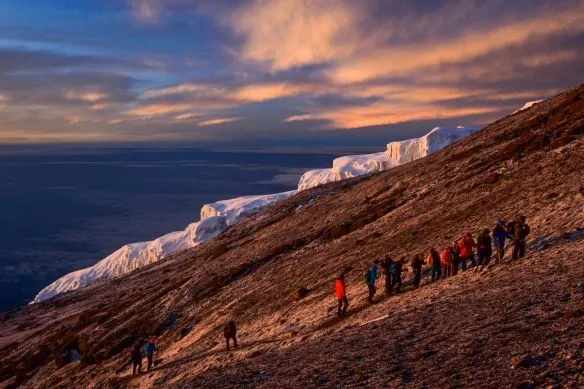
Your adventure begins with the 7-day Machame Route, a scenic Kilimanjaro itinerary that allows gradual altitude gain before the final ascent to Uhuru Peak at 5,895 metres. After completing the climb, the journey changes pace as you travel into Tanzania’s northern safari circuit for game drives across the Serengeti and a visit to the Ngorongoro Crater.
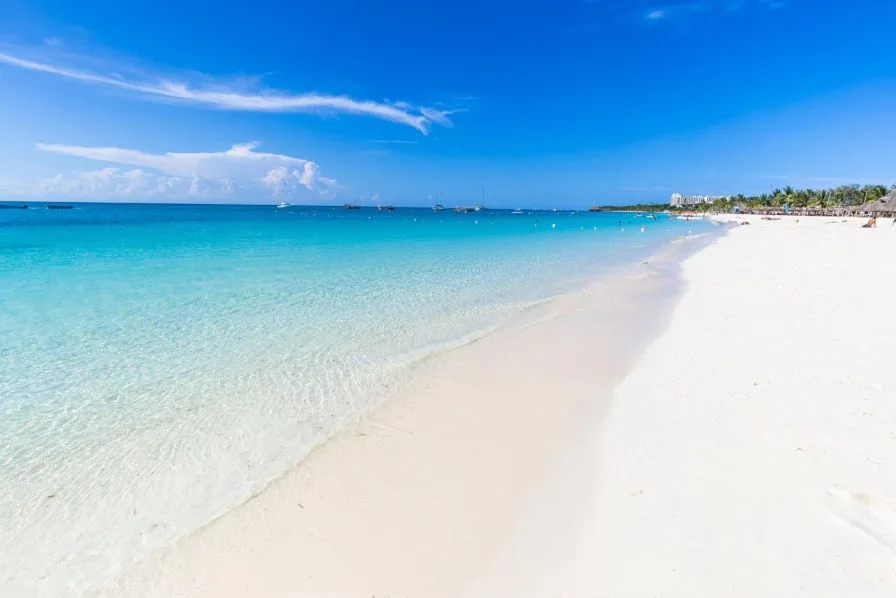
The final part of the tour takes you to Zanzibar, where you can rest after the mountain and safari while enjoying the Indian Ocean, white-sand beaches and optional island activities.
This itinerary is especially suited to travellers who want to experience Kilimanjaro, safari and Zanzibar in a single Tanzania holiday without arranging each part separately.
15-Day Kilimanjaro, Serengeti & Zanzibar Tour at a Glance
This 15-day Tanzania adventure combines a 6-day Kilimanjaro climb via the Machame Route, a private wildlife safari in the Serengeti and Ngorongoro Crater, and a relaxing Zanzibar beach holiday.
| Stage | Experience | Days |
|---|---|---|
| Kilimanjaro | 6-Day Machame Route trek to Uhuru Peak | Days 1–6 |
| Northern Tanzania Safari | Serengeti National Park & Ngorongoro Crater | Days 7–10 |
| Zanzibar | Beach holiday & relaxation | Days 11–15 |
Route: Machame Gate → Mount Kilimanjaro → Arusha → Serengeti National Park → Ngorongoro Crater → Zanzibar
Tour Duration: 15 Days / 14 Nights
Kilimanjaro Route: Machame Route
Safari Style: Private 4×4 Land Cruiser
Beach Stay: Zanzibar
Highest Point: Uhuru Peak – 5,895 m (19,341 ft)
Is 15 Days Enough for Kilimanjaro, Serengeti & Zanzibar?
Yes, 15 days can provide enough time to combine a Kilimanjaro climb, a Serengeti and Ngorongoro safari, and a Zanzibar beach holiday when the itinerary is carefully planned. This tour balances the physical challenge of the 6-day Machame Route with dedicated wildlife-viewing days and time to relax on Zanzibar rather than treating the safari or beach stay as a brief add-on.
Kilimanjaro – 6-Day Machame Route
The Kilimanjaro section follows the 6-day Machame Route, allowing a progressive ascent through the mountain’s changing altitude zones toward Uhuru Peak at 5,895 metres. The climb is demanding, and summit success is never guaranteed, but the itinerary provides the full scheduled trekking period before continuing to the safari.
Serengeti & Ngorongoro – Dedicated Safari Experience
After Kilimanjaro, the journey continues by private 4×4 Land Cruiser into Tanzania’s northern safari circuit. Time in the Serengeti National Park and Ngorongoro Crater provides meaningful wildlife viewing rather than squeezing the safari into a single day.
Depending on the season, travellers may encounter large concentrations of plains game, predators and sections of the Great Migration. Migration movements and individual wildlife sightings remain dependent on natural conditions and cannot be guaranteed.
Zanzibar – Time to Relax After the Adventure
The final part of the journey is spent in Zanzibar, providing a change of pace after the physical demands of Kilimanjaro and early safari starts. Instead of finishing immediately after the safari, the beach stay gives you time to rest, swim and enjoy the Indian Ocean coast before travelling home.
Is 15 Days Right for You?
This itinerary is particularly suitable for travellers who want to experience three very different sides of Tanzania in one trip: climbing Africa’s highest mountain, exploring the Serengeti and Ngorongoro on safari, and finishing with a Zanzibar beach stay.
Travellers wanting more acclimatization time on Kilimanjaro, additional full days in the Serengeti or a longer Zanzibar stay should consider extending the trip beyond 15 days.
Why Choose This Kilimanjaro, Safari & Zanzibar Tour?
This 15 Days Kilimanjaro, Serengeti & Zanzibar Tour is designed for travellers who want to experience Tanzania’s mountain, wildlife and coast in one journey. Rather than treating each experience as a separate holiday, the itinerary connects them in a logical sequence from Kilimanjaro to the Serengeti, Ngorongoro and Zanzibar.
- Three Tanzania experiences in one tour: Combine a Kilimanjaro climb, northern Tanzania wildlife safari and Zanzibar beach holiday.
- 7-day Machame Route: Follow one of Kilimanjaro’s best-known trekking routes, with additional time for gradual altitude gain compared with shorter versions.
- Private safari experience: Explore the Serengeti and Ngorongoro in a private 4×4 safari Land Cruiser with a professional safari guide.
- Serengeti & Ngorongoro wildlife: Search for lions, elephants, buffaloes, giraffes, wildebeest, zebras and many other species across two celebrated wildlife areas.
- Beach recovery in Zanzibar: Finish the active mountain and safari sections with time to relax beside the Indian Ocean.
- Local Tanzania support: Mountain guides, porters, safari guides and ground teams coordinate the different stages of the journey.
15 Days Kilimanjaro, Serengeti & Zanzibar Tour Highlights
The journey combines physically challenging mountain trekking with wildlife viewing and a relaxed tropical finish. Key experiences include:
- Trek the 7-day Machame Route on Mount Kilimanjaro.
- Walk through changing landscapes from rainforest and heath to alpine desert.
- Experience the Lava Tower acclimatization section of the Machame Route.
- Climb the famous Barranco Wall on the way towards Karanga Camp.
- Attempt to reach Uhuru Peak at 5,895 metres, the highest point on Mount Kilimanjaro.
- Explore the Serengeti National Park on private wildlife game drives.
- Look for lions, elephants, giraffes, wildebeest, zebras, cheetahs and other wildlife.
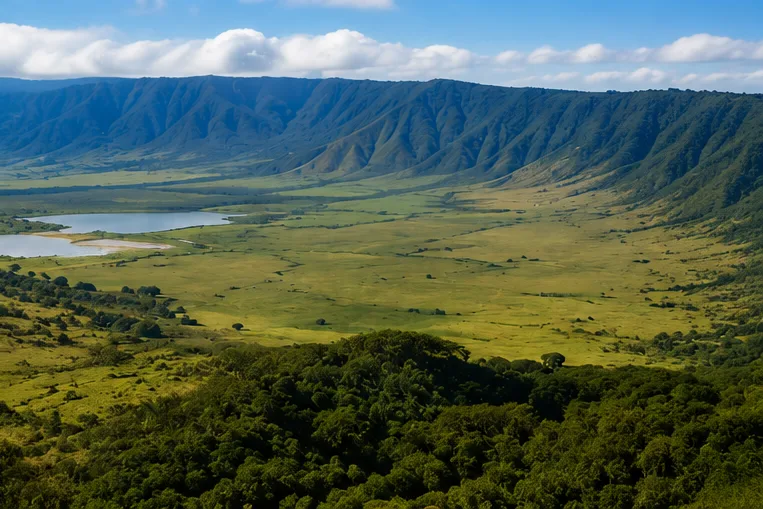
- Descend into the Ngorongoro Crater for a game-viewing experience within the caldera.
- Fly to Zanzibar after the safari and exchange the savannah for the Indian Ocean.
- Relax on Zanzibar’s beaches or choose optional cultural, marine and island activities.
Wildlife sightings and reaching Kilimanjaro’s summit cannot be guaranteed. Mountain conditions, individual acclimatization, weather and wildlife movements can affect each journey.
Driving & Flight Times on This 15-Day Tanzania Tour
This 15-day Kilimanjaro, Serengeti and Zanzibar itinerary combines road transfers, a 6-day Kilimanjaro trek, private 4×4 safari travel and a domestic flight to Zanzibar. The approximate travel times below can help you understand the pace of the journey and how the three parts of the tour connect.
| Route | Approximate Travel Time | Travel Method |
|---|---|---|
| Kilimanjaro International Airport → Arusha/Moshi | 45–90 minutes | Private road transfer |
| Arusha/Moshi → Machame Gate | 1–2 hours | Private road transfer |
| Kilimanjaro trek finishing point → Arusha/Moshi hotel | Approx. 1–2 hours | Private road transfer |
| Arusha → Serengeti National Park | Approx. 6–8 hours | Private 4×4 Land Cruiser |
| Central Serengeti → Ngorongoro Conservation Area | Approx. 3–4 hours | Private 4×4 Land Cruiser |
| Ngorongoro → Arusha | Approx. 3–4 hours | Private 4×4 Land Cruiser |
| Arusha/Kilimanjaro → Zanzibar | Approx. 1–1.5 hours | Domestic flight |
| Zanzibar Airport → Beach Hotel | Approx. 1–1.5 hours* | Private road transfer |
*Zanzibar transfer time depends on the location of your beach hotel.
Important Travel-Time Notes
Safari driving times are approximate rather than fixed. Road conditions, weather, wildlife sightings, park-entry procedures and stops along the way can affect the actual journey time.
The Arusha to Serengeti transfer is one of the longer road journeys on the itinerary, but it becomes part of the safari experience as you travel toward Tanzania's major wildlife areas. If your package includes a scheduled flight to the Serengeti instead, the table and itinerary should show the actual flight arrangement rather than the road-transfer time.
The flight to Zanzibar provides a convenient transition from the active mountain and safari portions of the tour to the beach holiday. Domestic flight schedules are subject to airline operations and may vary according to the travel date.
Kilimanjaro Machame Route: Distance, Elevation & Trekking Times
The Kilimanjaro section uses the 7-day Machame Route, beginning at Machame Gate on the southern side of the mountain and eventually joining the summit approach towards Barafu Camp.
Daily walking times and distances are approximate. Actual trekking time varies according to trail conditions, weather, group pace, rest stops and individual acclimatization.
| Trekking Day | Route | Approx. Distance | Elevation | Approx. Trekking Time |
|---|---|---|---|---|
| Day 2 | Machame Gate → Machame Camp | 11 km | 1,800 m → 3,000 m | 5–7 hrs |
| Day 3 | Machame Camp → Shira 2 Camp | 5 km | 3,000 m → 3,850 m | 4–6 hrs |
| Day 4 | Shira 2 → Lava Tower → Barranco | 10 km | 3,850 m → 4,600 m → 3,950 m | 6–8 hrs |
| Day 5 | Barranco → Karanga Camp | 5 km | 3,950 m → 4,035 m | 4–5 hrs |
| Day 6 | Karanga → Barafu Camp | 4 km | 4,035 m → 4,640 m | 4–5 hrs |
| Day 7 | Barafu → Uhuru Peak → Mweka Camp | 17 km | 4,640 m → 5,895 m → 3,100 m | 11–15 hrs |
| Day 8 | Mweka Camp → Mweka Gate | 10 km | 3,100 m → 1,640 m | 3–4 hrs |
Approximate Machame Route Trekking Distance
The complete 7-day Machame trek covers roughly 60–65 km, depending on the exact trail sections and camp arrangements used.
Highest Point – Uhuru Peak
At 5,895 metres (19,341 ft) above sea level, Uhuru Peak is the highest point on Mount Kilimanjaro and the objective of the summit attempt. The summit climb normally begins around midnight from Barafu Camp, allowing trekkers to ascend during the early morning hours.
The summit day is generally the most demanding part of the trek because of the altitude, cold conditions, steep ascent and long descent afterwards.
Why the Lava Tower Section Matters
The route towards Lava Tower at approximately 4,600 metres takes trekkers considerably higher before descending to Barranco Camp at a lower elevation. This follows the commonly used high-altitude trekking principle of “climb high, sleep low”, giving the body exposure to a higher altitude before sleeping lower.
Important Altitude Note
Kilimanjaro is a high-altitude trek, and reaching the summit is never guaranteed. Travellers should follow their mountain guide’s instructions, maintain a manageable pace, stay hydrated and report symptoms of altitude illness promptly. Anyone with relevant medical concerns should seek appropriate medical advice before undertaking a high-altitude climb.
Detailed 15 Days Kilimanjaro, Serengeti & Zanzibar Tour Itinerary
Day 1 – Arrival at Kilimanjaro International Airport – Transfer to Moshi
Welcome to Tanzania. On arrival at Kilimanjaro International Airport (JRO), you will be met by our representative and transferred to your hotel in Moshi, the gateway to Mount Kilimanjaro. Depending on your arrival time, the remainder of the day is available to rest after your international journey and prepare for the adventure ahead.
Later, you will meet your Kilimanjaro team for a pre-climb briefing. Your guide will explain the 7-day Machame Route, expected trail conditions, altitude considerations, daily routines and essential mountain equipment. Your trekking gear can also be checked so that any missing items can be identified before departure.
Enjoy dinner and an early night as you prepare to begin your Kilimanjaro, Serengeti and Zanzibar adventure the following morning.
Destination: Moshi
Main Activity: Arrival & Kilimanjaro briefing
Accommodation: Moshi hotel
Meals: As booked
Day 2 – Moshi – Machame Gate – Machame Camp
After breakfast, drive from Moshi to Machame Gate, where your Kilimanjaro climb begins. After registration and final preparations, you will meet the mountain crew and start walking through the lush rainforest on the lower slopes of Mount Kilimanjaro.
The trail climbs gradually beneath a dense canopy where mosses, ferns and other highland vegetation thrive. Depending on conditions, you may also encounter some of the wildlife and birdlife found in the forest zone. Your guides will encourage a steady pole pole — slowly, slowly — pace, an important approach as you begin gaining altitude.
After approximately 5–7 hours of trekking, arrive at Machame Camp at around 3,000 metres. Your mountain crew will have prepared camp, allowing you to rest, have dinner and prepare for the following day's ascent.
Trekking: Approx. 11 km / 5–7 hours
Elevation: Approx. 1,800 m → 3,000 m
Accommodation: Machame Camp
Meals: Breakfast, lunch & dinner
Day 3 – Machame Camp – Shira 2 Camp
Wake to your first morning on Mount Kilimanjaro and continue upwards as the vegetation gradually changes from rainforest to heath and moorland. The trail becomes steeper in places as you climb towards the Shira Plateau, one of Kilimanjaro's distinctive high-altitude landscapes.
As you gain elevation, clear weather may provide impressive views across the surrounding plains and towards Kibo, Kilimanjaro's main summit cone. The day's distance is relatively short, but the increase in altitude makes a controlled walking pace important.
You will eventually reach Shira 2 Camp at approximately 3,850 metres. After lunch and rest, your guide may recommend a short acclimatization walk depending on conditions and how the group is feeling. Return to camp for dinner and your second night on the mountain.
Trekking: Approx. 5 km / 4–6 hours
Elevation: Approx. 3,000 m → 3,850 m
Accommodation: Shira 2 Camp
Meals: Breakfast, lunch & dinner
Day 4 – Shira 2 – Lava Tower – Barranco Camp
Today is an important acclimatization day on the Machame Route. After breakfast, trek eastwards through increasingly barren alpine terrain towards Lava Tower, reaching approximately 4,600 metres.
The climb exposes your body to a higher elevation before the route descends again, following the high-altitude trekking principle often described as “climb high, sleep low.” You will stop around Lava Tower for a rest and lunch before beginning the descent towards Barranco.
The landscape changes dramatically as you approach the Barranco Valley, with giant groundsels and other unusual high-altitude vegetation appearing along the trail. You finish the day at Barranco Camp at approximately 3,950 metres, below the impressive Barranco Wall.
Although you sleep at a similar elevation to the previous night, you will have reached considerably higher altitude during the day.
Trekking: Approx. 10 km / 6–8 hours
Highest Point: Approx. 4,600 m
Accommodation: Barranco Camp
Meals: Breakfast, lunch & dinner
Day 5 – Barranco Camp – Barranco Wall – Karanga Camp
After breakfast, begin one of the Machame Route's most memorable sections: the ascent of the Barranco Wall. Despite its dramatic appearance from camp, this section is generally a steep scramble rather than technical rock climbing. Your guides will assist you through the more demanding sections.
From the top, weather permitting, enjoy views across Kilimanjaro's southern glaciers and surrounding high-altitude terrain. The trail then continues through a series of ridges and valleys before descending towards the Karanga Valley and making a final climb to camp.
Arrive at Karanga Camp at approximately 4,035 metres for lunch or later in the afternoon, depending on your pace. The shorter distance is valuable for acclimatization and recovery before moving to Barafu and preparing for the summit attempt.
Trekking: Approx. 5 km / 4–5 hours
Elevation: Approx. 3,950 m → 4,035 m
Accommodation: Karanga Camp
Meals: Breakfast, lunch & dinner
Day 6 – Karanga Camp – Barafu Camp
Today's trek takes you from Karanga towards Barafu Camp, the base for your Kilimanjaro summit attempt. Vegetation becomes increasingly sparse as you enter the exposed alpine desert, with rocky terrain dominating the landscape.
The distance is relatively short, but the high altitude means that maintaining a slow, controlled pace remains important. On reaching Barafu Camp at approximately 4,640 metres, you will have lunch and spend the afternoon resting.
Your guide will conduct a final summit briefing and help you prepare your clothing, headlamp, water and essential equipment. Dinner is served early, followed by several hours of rest before you are awakened late in the evening for the summit climb.
This is the time to conserve energy for the longest and most physically demanding stage of the Kilimanjaro trek.
Trekking: Approx. 4 km / 4–5 hours
Elevation: Approx. 4,035 m → 4,640 m
Accommodation: Barafu Camp
Meals: Breakfast, lunch & dinner
Day 7 – Barafu Camp – Uhuru Peak – Mweka Camp
Your Kilimanjaro summit attempt normally begins around midnight. Equipped for freezing temperatures and darkness, you will climb slowly towards Stella Point on the crater rim. This is a demanding ascent in which altitude, cold and fatigue can make progress challenging.
After reaching Stella Point, continue along the crater rim towards Uhuru Peak at 5,895 metres, the highest point on Mount Kilimanjaro and the African continent. Weather, trail conditions and individual acclimatization determine whether reaching the summit is possible.
After time for photographs and a short celebration, begin the long descent to Barafu Camp for a rest before continuing down to Mweka Camp.
With approximately 11–15 hours of walking, this is normally the longest day of the trek.
Trekking: Approx. 17 km / 11–15 hours
Highest Point: Uhuru Peak – 5,895 m
Accommodation: Mweka Camp
Meals: Breakfast, lunch & dinner
Day 8 – Mweka Camp – Mweka Gate – Moshi
Enjoy your final breakfast on Mount Kilimanjaro before beginning the descent through the forest towards Mweka Gate. As you lose altitude, temperatures become warmer and dense vegetation gradually returns.
The final walk normally takes approximately 3–4 hours. At Mweka Gate, complete the necessary park formalities and say goodbye to the mountain crew who have supported you throughout the climb.
You will then be transferred back to your hotel in Moshi. The remainder of the day is deliberately relaxed, providing time for a hot shower, a proper rest and recovery after seven days on Kilimanjaro.
Your mountain adventure is now complete, but the journey continues. The next stage takes you into Tanzania's famous northern safari circuit for wildlife viewing in the Serengeti and Ngorongoro.
Trekking: Approx. 10 km / 3–4 hours
Elevation: Approx. 3,100 m → 1,640 m
Accommodation: Moshi hotel
Meals: Breakfast & lunch; dinner as booked
Day 9 – Moshi/Arusha – Serengeti National Park
After breakfast, meet your safari guide and begin the wildlife section of your 15-day Tanzania tour. Travel towards the Serengeti, passing through northern Tanzania's changing landscapes before entering one of Africa's best-known wildlife ecosystems.
Your safari will be operated in a private 4×4 Land Cruiser, allowing your guide to adapt game viewing to wildlife activity and conditions. Depending on arrival time, begin your first game drive as you travel towards your camp or lodge.
The Serengeti supports populations of lions, elephants, giraffes, buffaloes, zebras, wildebeest, cheetahs and many other species. Wildlife sightings vary throughout the year, making every safari different.
Arrive at your accommodation in the evening for dinner and your first night in the Serengeti.
Destination: Serengeti National Park
Main Activity: Transfer & game drive
Accommodation: Serengeti safari camp/lodge
Meals: Breakfast, lunch & dinner
Day 10 – Full-Day Serengeti National Park Safari
Spend a full day exploring the Serengeti National Park, giving you considerably more time for wildlife viewing than a simple transit visit.
After breakfast, depart with your private safari guide and explore areas selected according to the season and recent wildlife activity. The Serengeti's open plains, kopjes, river systems and woodland habitats support an extraordinary variety of wildlife.
You may encounter prides of lions resting near rocky outcrops, elephants moving between feeding areas, giraffes browsing acacia trees and large herds of plains game. Cheetahs and leopards are also present, although sightings can never be guaranteed.
During certain periods of the year, parts of the wider Serengeti ecosystem host concentrations associated with the Great Wildebeest Migration. Your guide will use local knowledge to maximize the day's wildlife-viewing opportunities.
Return to your camp or lodge for dinner and overnight.
Destination: Serengeti National Park
Main Activity: Full-day game drive
Accommodation: Serengeti safari camp/lodge
Meals: Breakfast, lunch & dinner
Day 11 – Serengeti – Ngorongoro Conservation Area / Karatu
Begin with breakfast followed by another opportunity for a Serengeti game drive as you make your way towards the Ngorongoro Conservation Area.
This final Serengeti drive allows you to continue searching for wildlife before leaving the open plains behind. Depending on the route and wildlife activity, you may encounter additional herds of wildebeest and zebra, elephants, giraffes, lions, hyenas or other species.
Continue towards the Ngorongoro highlands, where the landscape becomes greener and more elevated. Depending on the final accommodation selected, you will stay either around the Ngorongoro area or near Karatu.
The positioning of this overnight is intentional: rather than attempting to combine a lengthy Serengeti transfer and complete crater game drive in one rushed day, you will be closer to the crater for the following morning's safari.
Route: Serengeti → Ngorongoro/Karatu
Main Activity: Game drive & transfer
Accommodation: Ngorongoro/Karatu lodge
Meals: Breakfast, lunch & dinner
Day 12 – Ngorongoro Crater Safari – Arusha – Fly to Zanzibar
After an early breakfast, drive to the Ngorongoro Crater and descend to the crater floor for a game drive. The caldera contains varied habitats, including grassland, woodland, marshes and seasonal water sources that support a high concentration of wildlife.
Search for buffaloes, zebras, wildebeest, gazelles, elephants, lions, hippos and other animals. The crater is also one of Tanzania's better-known areas for the possibility of seeing the endangered black rhinoceros, although sightings are never guaranteed.
After approximately 4–5 hours of game viewing, ascend from the crater and continue towards Arusha or the appropriate airport for your flight to Zanzibar.
On arrival, meet your transfer driver and continue to your Zanzibar hotel. After Kilimanjaro and the safari, the final stage of your holiday is dedicated to relaxation.
Main Activities: Ngorongoro game drive & flight to Zanzibar
Accommodation: Zanzibar beach hotel
Meals: Breakfast & lunch; dinner according to hotel plan
Day 13 – Zanzibar Beach Holiday
Wake beside the Indian Ocean with a full day to enjoy the slower pace of your Zanzibar beach holiday. After the physical challenge of Kilimanjaro and several days of safari travel, this day is intentionally kept flexible.
Relax on the beach, swim in the warm ocean or enjoy the facilities at your hotel. Travellers wanting additional activities can arrange optional excursions depending on the part of Zanzibar in which they are staying.
Possibilities include snorkeling, diving, a traditional dhow trip, a spice farm visit or exploring local coastal villages. You can also simply spend the day resting without a scheduled programme.
The contrast between Kilimanjaro's high-altitude landscape, the Serengeti's savannah and Zanzibar's tropical coastline is one of the defining features of this 15-day Tanzania itinerary.
Destination: Zanzibar
Main Activity: Beach relaxation / optional activities
Accommodation: Zanzibar beach hotel
Meals: According to hotel plan
Day 14 – Zanzibar Beach Holiday & Optional Island Experiences
Enjoy another full day in Zanzibar. There is no compulsory programme, giving you freedom to choose between relaxation and exploring more of the island.
For a cultural experience, consider visiting Stone Town, where narrow streets, historic buildings and busy markets reflect Zanzibar's long trading history. A spice tour provides an introduction to the crops that helped shape the island's international reputation, while marine excursions can include snorkeling, boat trips or other ocean-based activities.
Alternatively, remain at your beach resort and spend your final full day swimming, relaxing and enjoying the Indian Ocean surroundings.
Keeping this day flexible is particularly valuable after the demanding Kilimanjaro climb and safari section. It gives the itinerary a relaxed conclusion rather than filling every day with transfers and scheduled activities.
Destination: Zanzibar
Main Activity: Beach relaxation / optional excursions
Accommodation: Zanzibar beach hotel
Meals: According to hotel plan
Day 15 – Zanzibar – Departure
Enjoy your final breakfast in Zanzibar and, depending on your international flight schedule, some additional time at the hotel.
Your driver will collect you at the agreed time for the transfer to Zanzibar International Airport, where your 15-day journey comes to an end.
Over the previous two weeks, you will have experienced three very different sides of Tanzania: trekking through multiple ecological zones towards the summit of Mount Kilimanjaro, exploring the wildlife landscapes of the Serengeti and Ngorongoro Crater, and finishing beside the warm waters of the Indian Ocean in Zanzibar.
You depart with memories of mountain landscapes, African wildlife and the tropical coast — all combined into one carefully planned 15 Days Kilimanjaro, Serengeti & Zanzibar Tour.
Destination: Zanzibar Airport
Main Activity: Airport transfer & departure
Meals: Breakfast
Accommodation Throughout the 15-Day Tour
Accommodation changes significantly throughout this journey because the tour combines mountain trekking, safari and beach travel.
| Night | Area | Accommodation | Meal Plan |
|---|---|---|---|
| 1 | Moshi | Selected hotel | As booked |
| 2 | Kilimanjaro | Machame Camp | Full Board |
| 3 | Kilimanjaro | Shira 2 Camp | Full Board |
| 4 | Kilimanjaro | Barranco Camp | Full Board |
| 5 | Kilimanjaro | Karanga Camp | Full Board |
| 6 | Kilimanjaro | Barafu Camp | Full Board |
| 7 | Kilimanjaro | Mweka Camp | Full Board |
| 8 | Moshi | Selected hotel | As booked |
| 9 | Serengeti | Selected safari camp/lodge | Full Board |
| 10 | Serengeti | Selected safari camp/lodge | Full Board |
| 11 | Ngorongoro/Karatu | Selected safari lodge | Full Board |
| 12 | Zanzibar | Selected beach hotel | Selected meal plan |
| 13 | Zanzibar | Selected beach hotel | Selected meal plan |
| 14 | Zanzibar | Selected beach hotel | Selected meal plan |
Accommodation note: Final hotels, safari camps and Zanzibar resorts should be confirmed according to availability, travel dates and the selected accommodation category. Equivalent properties may be used when the listed option is unavailable.
15 Days Kilimanjaro, Serengeti & Zanzibar Tour Price
Our 15-day Kilimanjaro, Serengeti and Zanzibar tour combines a 6-day Machame Route climb, private Serengeti and Ngorongoro safari, and Zanzibar beach holiday in one complete Tanzania itinerary.
Prices are quoted per person and vary according to group size, travel season and accommodation availability.
| Number of Travellers | Price Per Person Sharing |
|---|---|
| 2 People | USD 5,950 |
| 3 People | USD 5,450 |
| 4 People | USD 5,150 |
| 5 People | USD 4,950 |
| 6 People | USD 4,795 |
Starting Price: From USD 4,795 Per Person Sharing
Why Does the Price Change With Group Size?
The Kilimanjaro climb includes many fixed per-person expenses, while the private safari has costs that can be shared between travellers, particularly the 4×4 Land Cruiser, professional driver-guide and selected transfers. For this reason, the per-person tour price generally decreases as the private group becomes larger.
All prices are in US dollars per person sharing. Final prices depend on travel dates, room availability, accommodation selection and any changes to statutory park, conservation or government fees.
Tour Price Includes
Your tour price covers the main arrangements for the 6-day Machame Route climb, private Serengeti and Ngorongoro safari, and Zanzibar beach holiday. Inclusions are separated below so you can clearly see what is provided during each stage of the journey.
Kilimanjaro Climb Includes
- Professional, licensed Kilimanjaro mountain guide
- Assistant guides according to group size
- Porters and mountain support crew
- 6-day Machame Route trek
- Kilimanjaro National Park entry fees
- Camping fees on the mountain
- Applicable mountain rescue fees
- Tented mountain accommodation
- Camping equipment provided by the operator, as specified
- Breakfast, lunch and dinner during the trek
- Drinking water during the climb
- Transfers to Machame Gate at the start of the trek
- Transfer from Mweka Gate after completing the trek
Serengeti & Ngorongoro Safari Includes
- Private 4×4 safari Land Cruiser with pop-up roof
- Professional English-speaking Tanzania safari driver-guide
- Serengeti National Park entry and conservation fees
- Ngorongoro Conservation Area fees
- Ngorongoro Crater service/vehicle fees where applicable
- Unlimited scheduled game drives according to the itinerary
- Safari accommodation as specified in the itinerary
- Meals according to the accommodation meal plan
- Drinking water during safari game drives
- Road transfers between safari destinations
- Applicable government taxes and levies included in the confirmed quotation
Zanzibar Beach Holiday Includes
- Zanzibar accommodation as specified in the itinerary
- Meal plan according to the selected hotel or resort
- Zanzibar Airport transfers
- Transfer between the airport and your beach hotel
- Domestic flight to Zanzibar where specified in the itinerary
- Activities and excursions specifically listed as included in your confirmed itinerary
Tour Price Excludes
The following are normally not included unless specifically stated in your confirmed quotation:
- International flights to and from Tanzania
- Tanzania visa and related immigration costs
- Travel and medical insurance
- Personal trekking equipment and clothing
- Sleeping bag unless specifically included
- Personal expenses such as laundry, telephone calls and souvenirs
- Alcoholic drinks, soft drinks and beverages not included in the accommodation meal plan
- Tips and gratuities for mountain guides, porters, safari guides and hotel staff
- Optional safari activities not specified in the itinerary
- Optional Zanzibar excursions and water activities
- Additional hotel nights before or after the tour
- Changes caused by circumstances outside the planned itinerary
- Any service specifically marked as optional or not included in your confirmed quotation
Important Booking Note
Your final quotation and booking confirmation will specify the exact hotels, meal plans, domestic flights, transfers, activities and other services included for your travel dates. Optional upgrades or additional activities can be added before travel, subject to availability.
Optional Tour Add-ons
The itinerary can be customized with additional experiences before, during or after the main tour.
| Optional Experience | Where | Best For |
|---|---|---|
| Kilimanjaro trekking gear rental | Moshi | Travellers without complete mountain equipment |
| Additional Serengeti safari night | Serengeti | More wildlife-viewing time |
| Serengeti balloon safari | Serengeti | Aerial views and special occasions |
| Olduvai Gorge visit | Ngorongoro/Serengeti route | Archaeology and human-history interest |
| Maasai cultural visit | Northern Tanzania | Cultural experience |
| Stone Town tour | Zanzibar | History and culture |
| Zanzibar spice tour | Zanzibar | Food, culture and local agriculture |
| Snorkeling excursion | Zanzibar | Marine life |
| Scuba diving | Zanzibar | Certified and beginner divers |
| Traditional dhow excursion | Zanzibar | Sailing and coastal scenery |
| Extra Zanzibar nights | Zanzibar | Longer post-safari relaxation |
Extend Your Tanzania Adventure
Travellers who have additional time can extend the tour with an extra Serengeti night, additional Zanzibar beach nights or other northern Tanzania safari destinations. Extensions are particularly useful for travellers who want a slower safari pace or more recovery time after climbing Kilimanjaro.
Kilimanjaro Climb – What to Expect
Climbing Mount Kilimanjaro is the most physically demanding part of this 15-day journey and also one of its defining experiences. The tour follows the 7-day Machame Route, taking you through several distinct ecological zones as you climb from the forested lower slopes towards the high-altitude landscape surrounding Uhuru Peak.
The trek does not require technical mountaineering skills under normal route conditions, but it does require good physical preparation, determination and careful acclimatization. You will walk for several hours each day, with the summit attempt being considerably longer and more challenging.
Changing Kilimanjaro Landscapes
One of the highlights of the Machame Route is the variety of scenery encountered during the climb. The landscape changes noticeably as elevation increases:
- Rainforest: Dense vegetation and humid conditions on the lower slopes.
- Heath and moorland: More open terrain as you climb above the forest.
- Shira Plateau: Expansive high-altitude scenery and views towards Kibo when conditions are clear.
- Alpine desert: Rocky, exposed terrain with limited vegetation.
- Arctic summit zone: Cold, high-altitude conditions approaching Stella Point and Uhuru Peak.
What Is a Typical Day on Kilimanjaro Like?
Most trekking days begin with an early breakfast followed by several hours of walking at a controlled pace. Your mountain team moves ahead to prepare camp while guides accompany you on the trail.
Lunch may be served at camp or during the trek depending on the day's route. Once at the next camp, there is time to rest, eat and prepare for the following day.
The emphasis throughout the climb is on maintaining a manageable pace rather than reaching camp as quickly as possible.
How Difficult Is the Machame Route?
The Machame Route is physically demanding because of the altitude, consecutive trekking days, changing terrain and long summit day. The Barranco Wall also involves some scrambling, although the standard route is not normally considered a technical rock climb.
The summit attempt from Barafu Camp is the toughest stage. Trekkers typically start around midnight and climb through darkness and cold towards Stella Point before continuing towards Uhuru Peak.
Altitude & Acclimatization
Altitude is one of the most important considerations when climbing Kilimanjaro. The 7-day itinerary provides more time than shorter Machame variations, while the route via Lava Tower also provides valuable exposure to higher elevation before descending to sleep lower.
Even with good preparation, reaching Uhuru Peak cannot be guaranteed. Individual acclimatization, weather, physical condition and other factors can affect a summit attempt. Always follow your mountain guide's instructions and report symptoms of altitude illness promptly.
Serengeti Safari Experience
After completing Kilimanjaro, the journey changes completely as you exchange mountain trails for the vast landscapes of Serengeti National Park.
Your Serengeti safari is operated in a private 4×4 safari Land Cruiser, giving you flexibility during game drives and allowing your guide to concentrate on the interests of your travelling party.
The Serengeti contains a mixture of open grasslands, rocky kopjes, seasonal waterways and woodland habitats. These varied environments support an exceptional diversity of wildlife and create different game-viewing opportunities throughout the year.
Wildlife You May See in the Serengeti
Depending on season, location and natural wildlife movements, sightings may include:
- Lions
- Leopards
- Cheetahs
- African elephants
- Giraffes
- Buffaloes
- Wildebeest
- Zebras
- Thomson's and Grant's gazelles
- Spotted hyenas
- Hippos
- Warthogs
- Jackals
- Numerous bird species
Predator sightings are one of the Serengeti's major attractions. Lions are widespread, while cheetahs often favour more open landscapes. Leopards can be more difficult to locate and are frequently associated with woodland and riverine areas.
Full-Day Serengeti Game Drive
Day 10 is dedicated to a full-day Serengeti safari, giving your guide time to explore beyond the immediate surroundings of your accommodation.
Rather than following a rigid route, the day's game drive can be influenced by recent wildlife activity, road conditions and seasonal animal movements. This flexibility is particularly valuable in an ecosystem as extensive as the Serengeti.
Wild animals move freely through the ecosystem, so particular species, predator encounters and other sightings can never be guaranteed.
Great Migration on This 15-Day Tanzania Tour
The Great Wildebeest Migration can be one of the highlights of the Serengeti portion of this 15-day Tanzania tour. More than a single event, the migration is a continuous seasonal movement of wildebeest and other grazing animals through the greater Serengeti–Mara ecosystem in search of fresh grazing and water.
Where the herds are found depends largely on seasonal rainfall, grazing conditions and natural movement patterns. Your safari guide will use current local conditions to help maximise wildlife-viewing opportunities during your Serengeti game drives.
| Travel Period | Typical Migration Area | What You May Experience |
|---|---|---|
| December–March | Southern Serengeti & Ndutu | Large herds gather on the southern plains; the calving season usually peaks around February |
| April–May | Central & Western Serengeti | Herds generally begin moving north and west as seasonal conditions change |
| June–July | Western Corridor toward Northern Serengeti | Herd movements may include the Grumeti area before continuing north |
| July–October | Northern Serengeti & greater Mara ecosystem | Herds are often concentrated farther north; river crossings may occur |
| November | Central & Southern movement | Short rains can encourage the herds to begin moving south again |
Can I See a Great Migration River Crossing?
Travellers visiting during approximately July to October may have opportunities to see migration activity in the northern Serengeti, including possible Mara River crossings. However, river crossings cannot be scheduled or guaranteed. The herds can remain near a river for hours or days before crossing, change direction, or cross at a different location.
If witnessing a river crossing is a major priority, the safari itinerary may need to be adjusted to include sufficient time in Northern Serengeti during the appropriate season.
What About the Calving Season?
Travellers visiting between approximately December and March can consider an itinerary focused farther south toward Ndutu and the Southern Serengeti. The calving season is particularly associated with February, when large numbers of wildebeest calves may be born across the short-grass plains.
This period can also provide excellent predator activity, although individual wildlife encounters cannot be guaranteed.
Will I See the Great Migration on This Tour?
It depends on your travel dates and where the migration herds are located at that time. The Serengeti supports excellent resident wildlife throughout the year, so the safari is not dependent solely on the migration.
For travellers specifically interested in the Great Migration, we can adjust the Serengeti portion of the itinerary according to the season—for example, Ndutu and Southern Serengeti during the calving period or Northern Serengeti during the typical river-crossing season.
Important: Great Migration movements are controlled by nature and vary from year to year according to rainfall and grazing conditions. Exact herd locations, river crossings and wildlife sightings cannot be guaranteed.
Ngorongoro Crater Experience
The safari continues to the Ngorongoro Conservation Area, where you descend into the Ngorongoro Crater for approximately 4–5 hours of game viewing before continuing towards your Zanzibar flight connection.
The crater is a vast volcanic caldera containing grasslands, wetlands, woodland and permanent water sources. Its relatively compact wildlife-viewing area makes it very different from the expansive plains of the Serengeti.
Wildlife in the Ngorongoro Crater
During your crater game drive, you may encounter:
- Lions
- African elephants
- Buffaloes
- Wildebeest
- Zebras
- Hippos
- Spotted hyenas
- Gazelles
- Warthogs
- Jackals
- Numerous waterbirds and other bird species
The Ngorongoro area is also known as one of northern Tanzania's locations where black rhinoceros may sometimes be seen, although sightings are never guaranteed.
Serengeti vs Ngorongoro – Why Include Both?
The two destinations provide contrasting safari experiences.
Serengeti National Park offers immense landscapes, longer game drives and the opportunity to follow wildlife across an extensive ecosystem. It is also the principal Tanzania setting associated with the seasonal Great Migration.
Ngorongoro Crater, by comparison, provides concentrated game viewing within a dramatic volcanic landscape.
Including both gives this tour greater wildlife diversity without adding another major safari destination and making the 15-day itinerary unnecessarily rushed.
From Ngorongoro to Zanzibar
After the crater safari, you leave Tanzania's northern safari circuit and continue towards the airport for the onward journey to Zanzibar.
This marks another major change of scenery: from the summit landscapes of Kilimanjaro and wildlife-rich plains of the Serengeti and Ngorongoro to the tropical coastline of the Indian Ocean.
Zanzibar Beach Holiday
After climbing Mount Kilimanjaro and exploring the Serengeti and Ngorongoro, the final part of your 15 Days Kilimanjaro, Serengeti & Zanzibar Tour takes you to the tropical island of Zanzibar.
The beach stay is intentionally positioned at the end of the itinerary. After several physically demanding days on Kilimanjaro and early safari mornings, Zanzibar provides time to slow down, recover and enjoy the Indian Ocean.
Days 13 and 14 are primarily reserved for relaxation. You can spend your time swimming, walking along the beach, enjoying your resort or simply resting without a fixed schedule. Travellers who prefer to explore can add cultural and marine excursions.
Things to Do in Zanzibar
Optional experiences can include:
- Stone Town tour – Explore Zanzibar's historic old quarter, markets and cultural heritage.
- Spice farm tour – Learn about cloves, cinnamon, vanilla, nutmeg and other crops associated with Zanzibar.
- Snorkeling – Discover coral reefs and tropical marine life.
- Scuba diving – Available for experienced divers and, depending on the operator, introductory participants.
- Traditional dhow excursion – Experience Zanzibar's coastline from a traditional sailing vessel.
- Beach relaxation – Keep the programme completely open and enjoy the Indian Ocean.
- Extra Zanzibar nights – Extend your stay if you want more beach time after the tour.
Why Finish the Tour in Zanzibar?
Placing Zanzibar at the end creates a natural progression:
Challenge → Wildlife → Relaxation
You begin with the physical challenge of Kilimanjaro, transition into wildlife viewing in the Serengeti and Ngorongoro, and finish with several nights on the coast.
Travellers who want a more substantial beach holiday can easily add two, three or more extra Zanzibar nights.
Wildlife You Can See on This Tanzania Tour
The safari section covers two very different wildlife environments: the vast Serengeti National Park and the more concentrated wildlife habitats of the Ngorongoro Crater.
Together, they provide opportunities to see many of Tanzania's best-known mammals, predators and bird species.
| Wildlife | Serengeti | Ngorongoro Crater |
|---|---|---|
| Lion | ✓ | ✓ |
| African elephant | ✓ | ✓ |
| Buffalo | ✓ | ✓ |
| Wildebeest | ✓ | ✓ |
| Zebra | ✓ | ✓ |
| Giraffe | ✓ | Uncommon within crater floor |
| Cheetah | ✓ | Possible |
| Leopard | ✓ | Possible |
| Spotted hyena | ✓ | ✓ |
| Hippo | ✓ | ✓ |
| Black rhino | Possible | Possible |
| Gazelles | ✓ | ✓ |
| Warthog | ✓ | ✓ |
| Jackals | ✓ | ✓ |
Can You See the Big Five?
This itinerary provides opportunities to look for lion, leopard, elephant, buffalo and black rhinoceros, collectively known as the Big Five.
However, seeing all five should never be presented as guaranteed. Leopards can be elusive, while black rhinos are rare and may be difficult to locate.
Your private safari guide will use knowledge of the parks, recent sightings and animal behaviour to improve wildlife-viewing opportunities.
Birdlife
The Serengeti and Ngorongoro also support extensive birdlife. Depending on season and habitat, travellers may see raptors, vultures, storks, bustards, hornbills, weavers and numerous waterbirds.
This makes the safari rewarding even between major mammal sightings.
Important: All wildlife lives freely in natural ecosystems. Specific animals, predator encounters, the Great Migration and river crossings cannot be guaranteed.
Best Time for Kilimanjaro, Serengeti & Zanzibar
The 15 Days Kilimanjaro, Serengeti & Zanzibar Tour can be arranged during much of the year, but weather, trail conditions, wildlife distribution and coastal conditions vary by season.
For a combination itinerary, the objective is not simply to find the best month for one destination. You need to consider Kilimanjaro trekking conditions, Serengeti wildlife patterns and Zanzibar weather together.
Month-by-Month Planning Guide
| Month | Kilimanjaro | Serengeti | Zanzibar | Overall Planning Note |
|---|---|---|---|---|
| January | Generally favourable | Southern migration areas can be active | Warm | Strong combination period |
| February | Generally favourable | Calving-season interest in southern ecosystem | Warm | Excellent for combining trekking and seasonal safari interest |
| March | Conditions can become wetter later | Southern/central wildlife | Hot; rain risk increases | Earlier March may be preferable |
| April | Wetter trails | Green season | Main rains possible | Better for travellers comfortable with wet conditions |
| May | Variable/wetter | Green season and moving herds | Rain can continue | Quieter but weather less predictable |
| June | Drier conditions developing | Herds generally moving north/west | Drier period developing | Strong combination month |
| July | Popular trekking period | Migration activity farther north/west | Generally favourable | Excellent peak-season combination |
| August | Generally favourable | Northern Serengeti season | Generally favourable | Very popular travel period |
| September | Generally favourable | Northern Serengeti remains important | Generally favourable | Strong all-round month |
| October | Generally favourable, conditions can vary | Northern/central transition | Warm | Good combination period |
| November | Short rains possible | Herds generally moving south | Short rains possible | Good wildlife possibilities with variable weather |
| December | Conditions often improve | Southern movement develops | Warm and popular | Attractive festive-season option |
Best Time to Climb Kilimanjaro
The drier periods around January to early March and June to October are commonly preferred for Kilimanjaro because trail and weather conditions are often more favourable.
However, mountain weather can change quickly at any time of year. Temperatures also fall significantly with altitude, particularly during the summit attempt.
Best Time for a Serengeti Safari
The Serengeti offers wildlife viewing throughout the year, but the experience changes seasonally.
Travellers specifically interested in the Great Migration should choose their Serengeti area according to their travel month rather than assuming the herds remain in one location.
Broadly, the southern ecosystem becomes especially important during the calving period early in the year, while the migration generally progresses northwards as the year develops before eventually moving south again.
Migration timing varies with rainfall and grazing conditions and is never completely predictable.
Best Time for Zanzibar
Zanzibar can be visited year-round, although the drier periods are often preferred for a traditional beach holiday. June through October is particularly popular, while January and February can also work well for combining Zanzibar with Kilimanjaro and safari.
April and May typically bring a greater chance of heavier rainfall.
Strong Periods for the Complete 15-Day Tour
For travellers who want favourable conditions across all three components, particularly useful periods to consider are:
January–February – Kilimanjaro plus southern Serengeti seasonal wildlife and Zanzibar.
June–October – Popular for Kilimanjaro trekking, safari and Zanzibar beach travel.
The best month ultimately depends on whether your priority is Kilimanjaro conditions, Great Migration positioning, fewer visitors, price or Zanzibar beach weather.
Who Is This 15-Day Tanzania Tour Best For?
This itinerary works particularly well for travellers who want more than a traditional safari. It combines physical adventure, wildlife viewing and beach relaxation within one Tanzania holiday.
Adventure Travellers
If climbing Africa's highest mountain is a major personal goal but you also want to experience Tanzania's wildlife and coast, this itinerary brings all three experiences together without requiring separate trips.
Couples
Couples can combine the shared challenge of climbing Kilimanjaro with a private Serengeti safari and a relaxed Zanzibar stay. Zanzibar can also be upgraded with higher-end beach accommodation for a more romantic finish.
Friends & Small Groups
The itinerary works well for friends travelling together, particularly when everyone has a similar level of fitness and interest in trekking. The safari section then provides a dramatic change of pace after the mountain.
Solo Travellers
Solo travellers can also undertake the journey. Kilimanjaro involves a professional mountain support team, while the safari and Zanzibar sections can be arranged according to the chosen private-tour configuration.
Active Honeymooners
For couples who prefer adventure to a conventional beach-only honeymoon, the combination of Kilimanjaro, Serengeti and Zanzibar creates a distinctive Tanzania honeymoon itinerary.
The mountain requires genuine physical preparation, however, so it is better suited to couples who actively want trekking to form a major part of their honeymoon.
First-Time Visitors to Tanzania
This tour can be a strong introduction to Tanzania because it combines three of the country's most distinctive travel experiences: Mount Kilimanjaro, northern Tanzania wildlife and Zanzibar.
Who May Prefer a Different Itinerary?
This tour may not be ideal for travellers who want a completely relaxed holiday or those who do not want several consecutive days of high-altitude trekking.
Travellers primarily interested in wildlife may prefer to remove Kilimanjaro and spend additional days in the Serengeti, Tarangire or other safari areas.
Likewise, travellers whose priority is relaxation may prefer a shorter safari combined with a longer Zanzibar stay.
For those who specifically want to climb Kilimanjaro, experience a Serengeti safari and finish on a tropical beach, however, the 15-day format provides a well-balanced way to combine all three.
Kilimanjaro Fitness, Altitude & Acclimatization
Climbing Mount Kilimanjaro does not normally require technical mountaineering skills on the Machame Route, but it is a physically demanding high-altitude trek. Good preparation can make the long walking days more manageable, while the 7-day itinerary provides more time for gradual altitude exposure than shorter Machame variations.
How Fit Do You Need to Be for Kilimanjaro?
You do not need to be an elite athlete, but you should be comfortable walking for several hours on consecutive days over uneven and sometimes steep terrain.
Before travelling, useful preparation can include:
- Regular hiking and long-distance walking
- Hill or stair training
- Cardiovascular exercise
- Leg and core strengthening
- Walking while carrying a light daypack
- Back-to-back training days to simulate consecutive trekking days
- Breaking in your trekking boots well before departure
Training should ideally begin well in advance rather than immediately before the trip.
Understanding Kilimanjaro Altitude
Uhuru Peak stands at 5,895 metres (19,341 ft) above sea level. At this elevation, reduced oxygen availability places additional stress on the body.
Altitude can affect travellers regardless of age or physical fitness. Being very fit does not guarantee that someone will acclimatize successfully.
The Machame itinerary therefore emphasizes a slow walking pace, progressive altitude gain and appropriate acclimatization.
“Pole Pole” – Why Walking Slowly Matters
On Kilimanjaro you will frequently hear the Swahili expression pole pole, meaning “slowly, slowly.”
Your guides deliberately maintain a controlled pace, particularly as altitude increases. Kilimanjaro is not a race, and walking faster does not improve the chances of reaching the summit.
The objective is to conserve energy and allow the body time to respond to increasing elevation.
How the 7-Day Machame Route Supports Acclimatization
The route includes an important acclimatization day from Shira 2 towards Lava Tower at approximately 4,600 metres before descending to Barranco Camp at around 3,950 metres.
This provides exposure to a higher elevation before sleeping lower — an approach commonly described as “climb high, sleep low.”
The additional time offered by the 7-day itinerary is one reason we prefer it to a more compressed Kilimanjaro schedule for this 15-day tour.
Altitude Safety
Headache, nausea, unusual fatigue, dizziness and difficulty sleeping can occur at altitude. Symptoms should be reported to your mountain guide rather than hidden in an attempt to continue climbing.
Your guide will assess conditions and make safety decisions according to the circumstances. Reaching Uhuru Peak is never more important than your health and safety.
Travellers with medical conditions, concerns about high-altitude trekking or questions about medication should consult an appropriately qualified healthcare professional before travelling.
Kilimanjaro Climb on This 15-Day Tanzania Tour
The Kilimanjaro portion of this 15-day Tanzania tour is a real multi-day mountain trek, not simply a visit to the Kilimanjaro region. The climb takes you through changing vegetation and altitude zones toward Uhuru Peak at 5,895 metres (19,341 ft), the highest point on Mount Kilimanjaro.
The mountain trek is followed by a wildlife safari through the Serengeti and Ngorongoro Crater, before the journey finishes with time to relax on the beaches of Zanzibar.
| Kilimanjaro Trek Details | Information |
|---|---|
| Route | Machame Route |
| Trekking Duration | 6 days |
| Starting Gate | Machame Gate |
| Highest Point | Uhuru Peak – 5,895 m (19,341 ft) |
| Accommodation | Mountain tents/camps |
| Difficulty | Challenging high-altitude trek requiring good general fitness |
| Acclimatization | Gradual altitude gain with scheduled trekking stages |
| Mountain Support | Professional mountain guide, assistant guides, porters and mountain crew |
| Meals | Breakfast, lunch and dinner during the trek, with drinking water provided according to the itinerary |
What to Expect on the Kilimanjaro Trek
Climbing Kilimanjaro does not require technical mountaineering experience on the standard trekking routes, but it is a physically demanding high-altitude adventure. Trekking days involve several hours of walking over changing terrain, with temperatures becoming progressively colder as you gain altitude.
The final summit attempt is normally the most demanding part of the climb. It typically begins late at night or around midnight, allowing climbers to make their way toward Stella Point or Gilman’s Point, depending on the route, and ultimately Uhuru Peak around sunrise.
Your mountain crew manages the practical aspects of the trek, while your guide monitors the group's progress and helps maintain an appropriate walking pace. Porters carry group equipment and supplies, while climbers normally carry a daypack containing water, extra clothing, snacks, sun protection and personal essentials.
Reaching Uhuru Peak is the goal, but summit success cannot be guaranteed. Weather, individual acclimatization, fitness and the effects of altitude can all influence how far a climber is able to continue.
Kilimanjaro Fitness, Altitude & Acclimatization
You do not need to be an elite athlete to trek Kilimanjaro, but you should arrive with good cardiovascular fitness, leg endurance and experience walking for several hours at a time. Preparation before travelling can make the trek more comfortable and help you cope with consecutive days of hiking.
Fitness Preparation
In the weeks before your trip, focus on regular walking or hiking, preferably including hills and longer walks while carrying a light daypack. Cardiovascular activities such as cycling, swimming, jogging and stair climbing can complement your hiking preparation.
Whenever possible, build up gradually rather than attempting intense training immediately before departure. Kilimanjaro is an endurance trek, so consistent preparation is generally more useful than short periods of extreme exercise.
Altitude and Acclimatization
The greatest challenge on Kilimanjaro is often altitude rather than technical climbing. As you ascend, the amount of oxygen available decreases, and your body needs time to adjust.
Headache, tiredness, reduced appetite, disturbed sleep and nausea can occur at altitude. Symptoms should always be communicated to your mountain guide. Guides monitor climbers throughout the trek and may recommend stopping the ascent or descending if continuing could be unsafe.
Walking slowly, allowing time for acclimatization, eating adequately and maintaining appropriate hydration are important parts of high-altitude trekking. However, being physically fit does not guarantee immunity from altitude-related illness.
Hydration and Pacing
Kilimanjaro is not a race. Your guides will normally encourage a slow and steady walking pace, often described locally as “pole pole” – slowly, slowly.
Drink regularly throughout the trekking day and carry enough water in your daypack according to your guide's instructions. Your mountain team will advise you about water availability and refilling arrangements at camp.
Summit Night
Summit night is usually the most physically and mentally demanding stage of the Kilimanjaro climb. Climbers generally begin in darkness and face cold temperatures, steep terrain, high altitude and several hours of continuous walking before reaching the crater rim.
Warm layers, gloves, suitable trekking boots, a headlamp and a positive but realistic approach are essential. After reaching the highest point that is safe for you, the route descends to a lower camp for recovery.
Safety Comes Before Reaching the Summit
Our priority is a well-managed mountain experience rather than reaching the summit at any cost. Your guide will assess conditions and your response to altitude throughout the climb.
Uhuru Peak at 5,895 metres is the objective, but no responsible Kilimanjaro operator can guarantee that every traveller will reach the summit. Weather, altitude response, fitness and individual circumstances can affect summit success.
Following your guide's instructions and reporting symptoms promptly are essential throughout the trek.
Packing & Planning for Your Kilimanjaro, Safari & Zanzibar Tour
Packing for this trip requires more planning than a standard safari because you need clothing and equipment for high-altitude trekking, warm safari conditions and a tropical beach stay.
Layering is particularly important on Kilimanjaro, where conditions can range from warm lower slopes to very cold temperatures at high altitude.
Kilimanjaro Trekking Essentials
- Well-broken-in waterproof hiking boots – Do not arrive with boots you have never worn on longer walks.
- Moisture-wicking base layers – Useful for managing changing temperatures while trekking.
- Warm insulating layers – Fleece and insulated clothing become increasingly important at higher elevations.
- Waterproof jacket and trousers – Mountain weather can change quickly.
- Warm summit jacket – A suitable insulated jacket is essential for the cold summit section.
- Warm hat, gloves and sun hat – You need protection from both cold and strong daytime sun.
- Quality sleeping bag – Bring or arrange a sleeping bag suitable for cold high-altitude conditions.
- Headlamp with spare batteries – Essential for the overnight summit attempt.
- Daypack – Large enough for water, additional layers, snacks, camera and personal essentials.
- Reusable water bottles or hydration system – Your guides will advise how much water to carry each day.
- Sunglasses and sun protection – UV exposure can be strong at altitude.
- Personal first-aid and prescribed medication – Carry medication you normally require and discuss altitude-related medication with a qualified healthcare professional.
What to Pack for the Safari
After Kilimanjaro, you can switch to lighter and more comfortable clothing.
Neutral-coloured shirts and trousers, comfortable shoes, a lightweight jacket, sun protection, binoculars and a camera are useful during the Serengeti and Ngorongoro safari.
Early mornings around the Ngorongoro highlands can feel considerably cooler than daytime conditions, so keep at least one warm layer accessible.
What to Pack for Zanzibar
For Zanzibar, include:
- Lightweight breathable clothing
- Swimwear
- Sandals or comfortable walking shoes
- Sun hat
- Sunglasses
- High-SPF sunscreen
- Insect repellent
- Light evening clothing
- A reusable water bottle
When visiting Stone Town, villages or culturally sensitive locations, choose clothing appropriate to the local setting.
Luggage Planning
You will not carry your main mountain bag during normal trekking days. Porters transport designated trekking equipment while you carry a daypack containing items required during the day's walk.
For flights within Tanzania, luggage limits can be more restrictive than international airline allowances, particularly when smaller aircraft are used. Your final flight confirmation should therefore be checked before packing.
Before You Travel
Confirm your passport validity, Tanzania entry requirements, travel insurance and flight arrangements well before departure.
Comprehensive travel insurance should cover the activities included in your trip and provide appropriate protection for high-altitude trekking and other planned activities.
Guide & Tanzania Travel Expert Insights
A successful Kilimanjaro, Serengeti and Zanzibar tour depends on more than simply connecting three famous destinations. The sequence, recovery time, altitude strategy and safari logistics all matter.
Based on our experience planning Tanzania itineraries, these are some of the most important considerations for this 15-day journey.
1. Climb Kilimanjaro Before the Safari
We recommend completing Kilimanjaro first while you are fresh and focused.
Starting with several days of safari or Zanzibar may feel relaxing, but it delays the most physically demanding part of the holiday. By placing Kilimanjaro first, you complete the main challenge before transitioning to increasingly relaxed experiences.
2. Do Not Compress the Machame Route Unnecessarily
When travellers have enough time, we favour the 7-day Machame itinerary rather than trying to save a day on the mountain.
An extra trekking day may not sound significant when planning from home, but altitude is very different from ordinary hiking. The itinerary should provide time for gradual progress rather than focusing only on reaching the summit quickly.
3. Keep a Recovery Night After Kilimanjaro
We deliberately include a night in Moshi after descending from Mweka Gate.
Going directly from the mountain into a long safari transfer can make an already demanding day unnecessarily tiring. A shower, proper meal and night's sleep can make a considerable difference before beginning the safari.
4. Protect the Full Serengeti Day
With only a few safari days available, we would not divide the itinerary among too many parks.
A full day in the Serengeti gives your guide more flexibility to follow wildlife activity rather than treating the park simply as an overnight stop.
This is why the itinerary concentrates on Serengeti and Ngorongoro instead of adding Tarangire or Lake Manyara simply to increase the number of destinations.
5. Match the Serengeti Area to the Season
If the Great Migration is important to you, where you stay in the Serengeti matters.
The herds move through different parts of the wider ecosystem throughout the year. Accommodation should therefore be selected with your travel dates in mind rather than using the same Serengeti camp for every month.
Even with careful positioning, migration movements and river crossings remain natural events and cannot be guaranteed.
6. Do Not Rush Serengeti and Ngorongoro Into One Day
We prefer travelling from the Serengeti towards Ngorongoro or Karatu on Day 11, then visiting the crater on Day 12.
This creates a more comfortable safari flow and provides dedicated time for the Ngorongoro Crater instead of combining too many hours of driving and game viewing into one exhausting day.
7. Finish in Zanzibar
Zanzibar works particularly well after Kilimanjaro and safari rather than before them.
By this stage you have completed the trekking, early starts and safari transfers. The final days can therefore be genuinely relaxed, with optional excursions only if you want them.
Our Planning Recommendation
For travellers with exactly 15 days, we recommend keeping the core route focused:
7-Day Machame Route → recovery → Serengeti → Ngorongoro Crater → Zanzibar.
If you have 16–18 days, the first places we would add time are the Serengeti and Zanzibar, rather than adding several additional parks.
This approach creates a more comfortable journey and gives each of Tanzania's three major experiences — Kilimanjaro, wildlife safari and Zanzibar — enough time to feel meaningful.
Guest Reviews – Kilimanjaro, Serengeti & Zanzibar
Ethan Caldwell – Canada ★★★★★
Travel Month: August 2026
Group Type: Couple
Tour Highlights: Kilimanjaro summit, Barranco Wall, Serengeti lions & Zanzibar beach
“Climbing Kilimanjaro was the biggest challenge of our trip, and our mountain team supported us every step of the way. Reaching the summit was an unforgettable moment. We then had a completely different experience in the Serengeti, where we saw lions, elephants and large herds of wildlife. Finishing in Zanzibar was exactly what we needed after the climb. The whole journey felt well organized from the airport pickup through to our final transfer in Zanzibar.”
Freja Lindström – Sweden ★★★★★
Travel Month: July 2026
Group Type: Friends
Tour Highlights: Machame Route, Uhuru Peak, Serengeti game drives & Ngorongoro Crater
“We travelled as a group of friends and wanted to combine Kilimanjaro with a proper safari rather than flying home immediately after the climb. The seven-day Machame trek was demanding, especially summit night, but our guides kept us moving at a sensible pace. The Serengeti was another highlight, particularly our full day of game viewing. Ngorongoro was spectacular as well. Having Zanzibar at the end gave us time to recover and celebrate what we had achieved.”
Matteo Ricciardi – Italy ★★★★★
Travel Month: February 2026
Group Type: Couple
Tour Highlights: Uhuru Peak sunrise, Serengeti wildlife, Ngorongoro & Zanzibar
“This trip gave us three completely different experiences in one holiday. Kilimanjaro was challenging but incredibly rewarding. Our safari guide was knowledgeable and patient, and we never felt that the game drives were rushed. We especially enjoyed having a full day in the Serengeti before continuing to Ngorongoro. By the time we reached Zanzibar, we were ready for a few quiet days beside the ocean. It was a memorable way to experience Tanzania.”
Hannah Whitmore – United Kingdom ★★★★★
Travel Month: September 2026
Group Type: Solo Traveller
Tour Highlights: Kilimanjaro mountain crew, Serengeti predators & Zanzibar
“I was initially slightly nervous about doing such a big trip on my own, but the organization made everything straightforward. The Kilimanjaro crew were encouraging throughout the trek, particularly during the difficult summit section. On safari, I loved the flexibility of having a private vehicle, and we had some excellent wildlife encounters in the Serengeti. Zanzibar was a peaceful finish after two very active weeks.”
Sophie van Dijk – Netherlands ★★★★★
Travel Month: June 2026
Group Type: Family
Tour Highlights: Machame Route, Serengeti elephants & lions, Ngorongoro Crater and Zanzibar
“We wanted a family adventure that went beyond a normal safari, and combining Kilimanjaro, the Serengeti and Zanzibar worked very well for us. The mountain guides paid close attention to how everyone was feeling and never pressured us to walk faster. After the trek, seeing elephants and lions in the Serengeti felt like beginning a completely new holiday. Ngorongoro was beautiful, and our final days in Zanzibar gave everyone a chance to rest. The variety was what made the trip so special.”
Frequently Asked Questions About the 15 Days Kilimanjaro, Serengeti & Zanzibar Tour
1. Is 15 days enough for Kilimanjaro, Serengeti and Zanzibar?
Yes. A well-planned 15-day Kilimanjaro, Serengeti and Zanzibar itinerary can combine a multi-day mountain trek, a meaningful northern Tanzania safari and time to relax on Zanzibar. This tour uses the 6-day Machame Route, followed by the Serengeti and Ngorongoro before finishing in Zanzibar. Travellers wanting additional Kilimanjaro acclimatization, more Serengeti days or a longer beach stay can extend the itinerary.
2. Which Kilimanjaro route is used on this tour?
This tour uses the 6-day Machame Route, one of Kilimanjaro's established trekking routes. The climb begins at Machame Gate and passes through several vegetation and altitude zones before the summit attempt toward Uhuru Peak at 5,895 metres (19,341 ft). The descent finishes through the Mweka route and exits at Mweka Gate.
3. How difficult is the Kilimanjaro climb?
The 6-day Machame Route is a challenging high-altitude trek. It does not normally require technical climbing skills, but travellers need sufficient fitness for consecutive trekking days, changing terrain, cold conditions and a demanding summit night. Altitude is often a greater challenge than the walking itself, and individual responses to altitude vary.
4. Do I need previous climbing experience for Kilimanjaro?
Previous technical mountaineering experience is not normally required for the Machame Route. However, experience with long walks, hiking and uneven terrain is beneficial. Preparing with regular hiking, cardiovascular exercise and longer walks while carrying a light daypack can help you arrive better prepared for the trek.
5. How fit do I need to be to climb Kilimanjaro?
You should have good general fitness, cardiovascular endurance and leg strength. Kilimanjaro involves several consecutive days of trekking, and summit night can involve many hours of walking at high altitude. Training should ideally include hiking, hill walking, stair climbing and cardiovascular exercise. Being very fit, however, does not guarantee protection from altitude-related illness.
6. What happens if I cannot reach the Kilimanjaro summit?
Reaching Uhuru Peak is never guaranteed. Weather, fatigue, altitude and individual health can affect summit attempts. Your mountain guide will monitor your condition throughout the trek. If continuing upward is considered unsafe, you may be advised to stop or descend. Safety takes priority over reaching the summit.
7. How many days are spent in the Serengeti?
The Serengeti is included as a dedicated part of the safari following the Kilimanjaro climb. The exact number of nights and game-drive days should follow the confirmed itinerary for your departure. The safari is designed to provide meaningful wildlife viewing rather than treating the Serengeti as a short sightseeing stop.
8. Can I see the Great Migration on this tour?
It is possible to experience Great Migration activity, but this depends on your travel dates and the location of the herds. Migration movements are influenced by rainfall, grazing and other natural conditions. Southern Serengeti and Ndutu are typically important from approximately December to March, while Northern Serengeti becomes particularly important during parts of July to October. Exact herd locations and river crossings cannot be guaranteed.
9. How do we travel from the safari to Zanzibar?
After completing the northern Tanzania safari, you return toward Arusha or Kilimanjaro for a domestic flight to Zanzibar, according to the confirmed flight schedule. Flying avoids a lengthy overland journey and provides a convenient transition from the safari to the beach portion of the holiday.
10. How many nights are spent in Zanzibar?
The Zanzibar portion comes at the end of the 15-day itinerary, allowing time to relax after Kilimanjaro and the safari. The exact number of nights depends on the confirmed itinerary and any customisation requested before booking. Additional Zanzibar nights can be added for travellers wanting a longer beach holiday.
11. Is the Serengeti and Ngorongoro safari private?
Yes. The safari portion operates in a private 4×4 safari Land Cruiser with a professional Tanzania driver-guide. This means your group has its own safari vehicle rather than joining unrelated travellers, allowing greater flexibility with game-drive timing, photography stops and wildlife viewing.
12. Can this 15-day Tanzania itinerary be customised?
Yes. The itinerary can be customised according to your travel dates, group size, accommodation preference and interests. Depending on available time, you can add extra Kilimanjaro acclimatization, additional Serengeti nights, a seasonally adjusted migration route or more nights in Zanzibar.
13. What is included in the tour price?
The tour price covers the principal arrangements for the 6-day Machame Route climb, private Serengeti and Ngorongoro safari and Zanzibar stay as specified in your confirmed itinerary. This can include mountain guides and porters, Kilimanjaro and safari park fees, accommodation, meals according to the itinerary, private 4×4 safari transport, selected transfers and the domestic flight to Zanzibar where specified.
International flights, visas, travel insurance, tips, personal trekking equipment and optional activities are normally excluded unless specifically stated otherwise.
14. What should I pack for Kilimanjaro, safari and Zanzibar?
Because this journey combines three very different environments, pack in layers. For Kilimanjaro, you will need suitable trekking boots, warm layers, waterproof clothing, gloves, headwear, a headlamp and a daypack. For the safari, bring lightweight neutral clothing, sun protection, binoculars and a camera. For Zanzibar, pack lightweight beach clothing, swimwear, sandals and sun protection. A detailed packing list should be provided before departure.
15. What is the best month for a Kilimanjaro, Serengeti and Zanzibar tour?
The January–March and June–October periods are often popular for combining Kilimanjaro trekking with safari and Zanzibar because conditions can be comparatively favourable, although weather varies from year to year.
Your best month also depends on your priorities. January–March can work well for southern Serengeti and Ndutu migration activity, while July–October can suit travellers interested in Northern Serengeti migration activity. Zanzibar can be visited throughout much of the year, although seasonal rainfall and humidity should be considered when choosing travel dates.
About Your Tanzania Travel Expert
This 15-day itinerary has been reviewed with particular attention to Kilimanjaro trekking demands, altitude and acclimatization, safari transfer times, seasonal wildlife movements, accommodation flow and the transition from an active mountain climb to safari and beach relaxation.
Why We Recommend Kilimanjaro → Safari → Zanzibar
The order of this itinerary is deliberate. Kilimanjaro comes first because the 6-day Machame Route is the most physically demanding part of the journey. Travellers begin the climb while they are fresh, rather than attempting a high-altitude trek after several days of safari travel or beach relaxation.
After descending Kilimanjaro, the Serengeti and Ngorongoro safari provides a natural change of pace. Safari days can still involve early starts and substantial driving, but the experience is less physically demanding than trekking on the mountain. Travelling by private 4×4 Land Cruiser also gives the itinerary greater flexibility for wildlife viewing and rest stops.
Zanzibar comes last because it provides time to slow down after both the mountain and safari. Finishing beside the Indian Ocean allows travellers to rest, enjoy the beach and recover from the more active stages of the journey before flying home.
Our Planning Assessment
The strength of this itinerary is its variety: it combines Africa's highest mountain, two of northern Tanzania's major wildlife areas and an Indian Ocean beach stay within one journey.
However, 15 days also requires careful allocation of time. The 6-day Machame Route occupies a substantial part of the itinerary, so travellers wanting additional acclimatization days on Kilimanjaro, more full days in the Serengeti or a longer Zanzibar stay should consider extending the tour.
The Serengeti portion should also be planned according to the travel season. Great Migration movements vary according to rainfall and grazing conditions, and specific herd locations, river crossings and individual wildlife sightings cannot be guaranteed. Where appropriate, the safari route can be adjusted seasonally to improve wildlife-viewing opportunities.
Overall, this itinerary is designed for travellers who want an active and varied Tanzania journey rather than a single-focus holiday. The sequence from mountain to safari to beach helps balance physical challenge, wildlife exploration and relaxation without repeatedly moving between very different regions.
Written & Reviewed by John Peter
Senior East Africa Safari Specialist & Operations Manager
16+ Years of East Africa Safari & Tour Planning Experience
John Peter reviews East Africa Jungle itineraries with attention to route practicality, realistic transfer times, park logistics, seasonal wildlife patterns, accommodation selection and the overall traveller experience.
For this itinerary, the editorial review specifically considers the logistics of combining the 6-day Machame Route, Serengeti National Park, Ngorongoro Crater and Zanzibar within a 15-day journey.
Last Reviewed & Updated: September 2026
Book Your 15 Days Kilimanjaro, Serengeti & Zanzibar Tour
Ready to Climb Kilimanjaro, Explore the Serengeti & Relax in Zanzibar?
Experience three extraordinary sides of Tanzania in one journey.
Spend seven days trekking the Machame Route towards Uhuru Peak, continue into the Serengeti National Park and Ngorongoro Crater for private wildlife game drives, and finish your adventure relaxing beside the Indian Ocean in Zanzibar.
Your tour can be customized according to your travel dates, group size, accommodation preference and Zanzibar beach requirements.
Your 15-Day Tanzania Adventure Includes
Mount Kilimanjaro → Machame Route → Uhuru Peak → Serengeti → Ngorongoro Crater → Zanzibar
15 Days / 14 Nights
Private 4×4 Safari Land Cruiser
2026 / 2027 / 2028 Departures
Contact East Africa Jungle
Email: sales@eastafricajungle.com
WhatsApp: +254 728 567308
[Request Your Free Quote]
Tell us your preferred travel dates and number of travellers, and we will prepare your detailed quotation and confirm the available Kilimanjaro, safari and Zanzibar arrangements for your trip.
Climb Kilimanjaro. Experience the Serengeti. Discover Ngorongoro. Relax in Zanzibar.
Available Months
Dates are flexible. Request your preferred month and our team will advise the best safari timing.
Safari Route Map
Plan Your Safari Today
Tell us your travel month, budget level, and group size. We will shape this package around your preferred safari style.

 16+ Years
 English