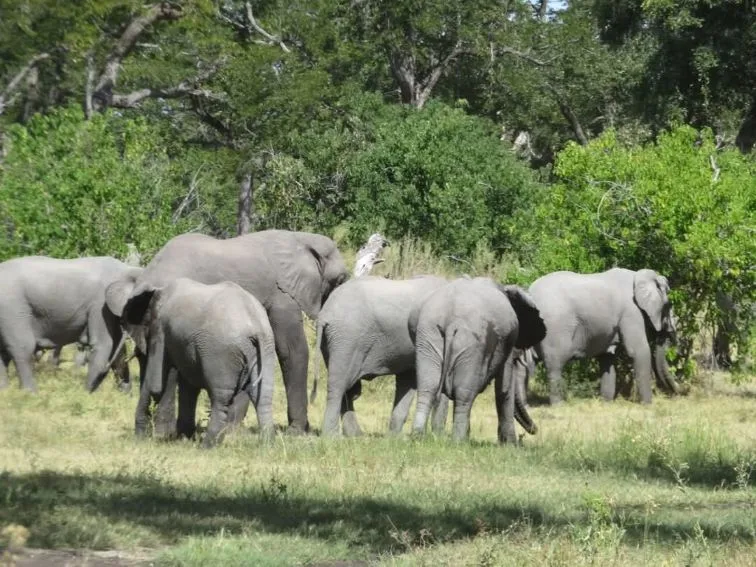
Tour 4-Day Great Migration Safari Kenya 2027/2028 – Masai Mara Tour
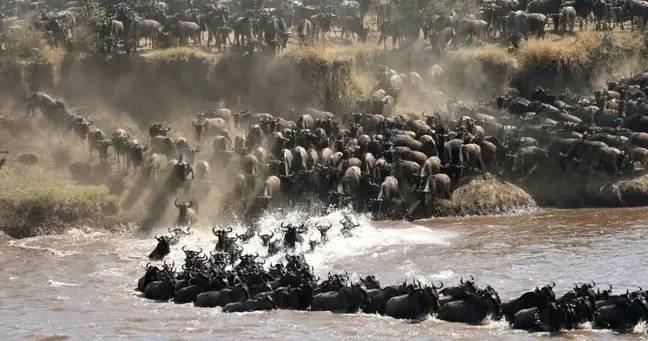
This 4-day Great Migration safari in Kenya includes three nights in the Masai Mara and two full days of wildlife viewing during the July–October migration season. Starting and ending in Nairobi, the tour is available as a private or group safari, using a 4×4 Land Cruiser with an experienced local guide. Game drives focus on migrating wildebeest and zebra herds, Big Five wildlife, predators and possible Mara River crossings. Because migration movements depend on rainfall, no particular river crossing can be guaranteed.
From USD 650 per person sharing | July–October | 4 days/3 nights
Compare this itinerary with our complete Kenya safari packages guide
4-Day Great Migration Safari Price and Quick Facts
Prices depend on the travel month, accommodation category, group size and whether the safari is private or shared. The starting price below should represent the lowest genuine price currently available for a four-day group safari.
| Safari detail | Information |
|---|---|
| Starting price | From USD 1890 per person sharing |
| Duration | 4 days / 3 nights |
| Destination | Masai Mara National Reserve, Kenya |
| Route | Nairobi–Masai Mara–Nairobi |
| Best months | July–October |
| Peak crossing opportunity | August–September |
| Safari style | Private or group joining |
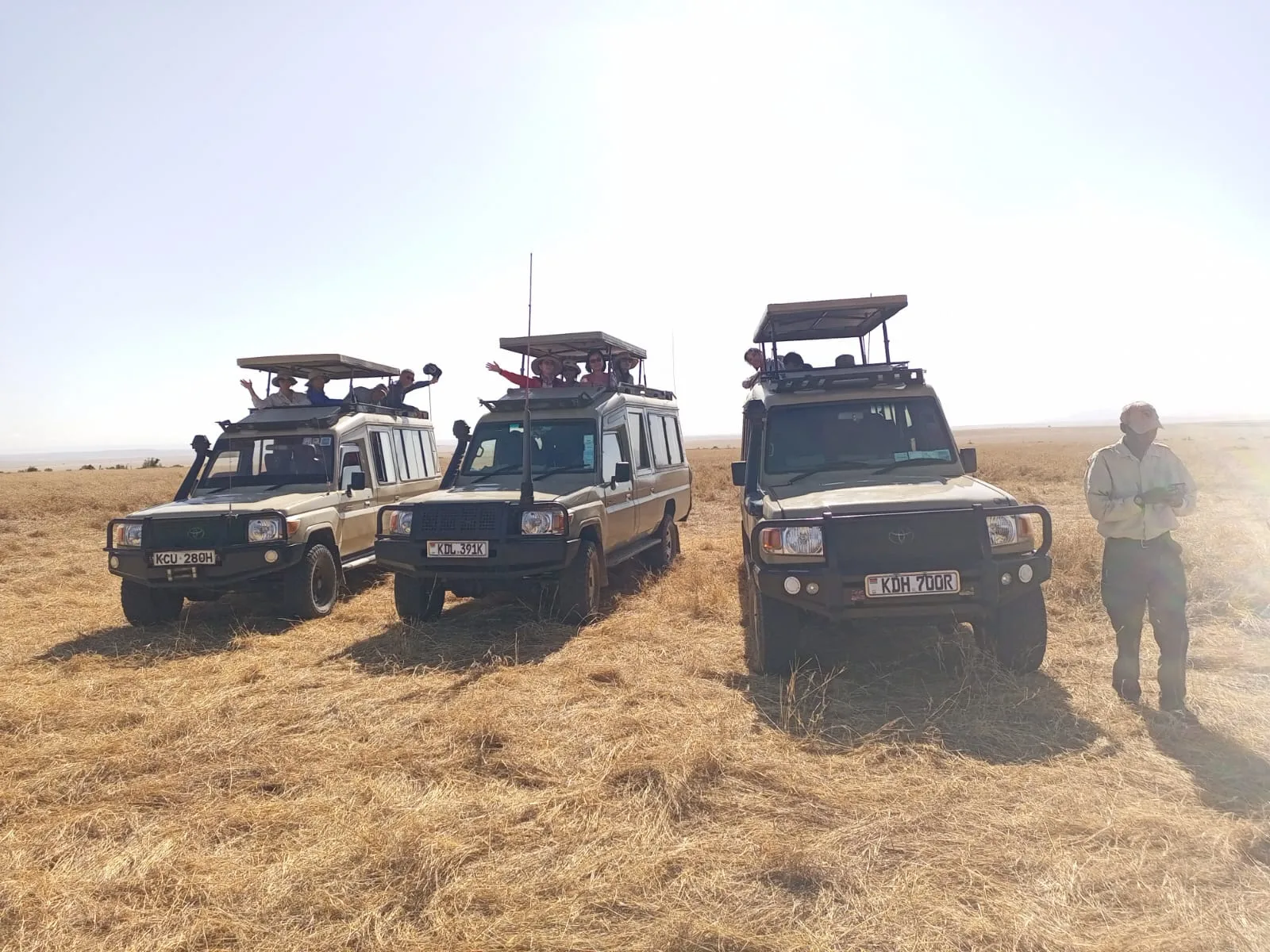
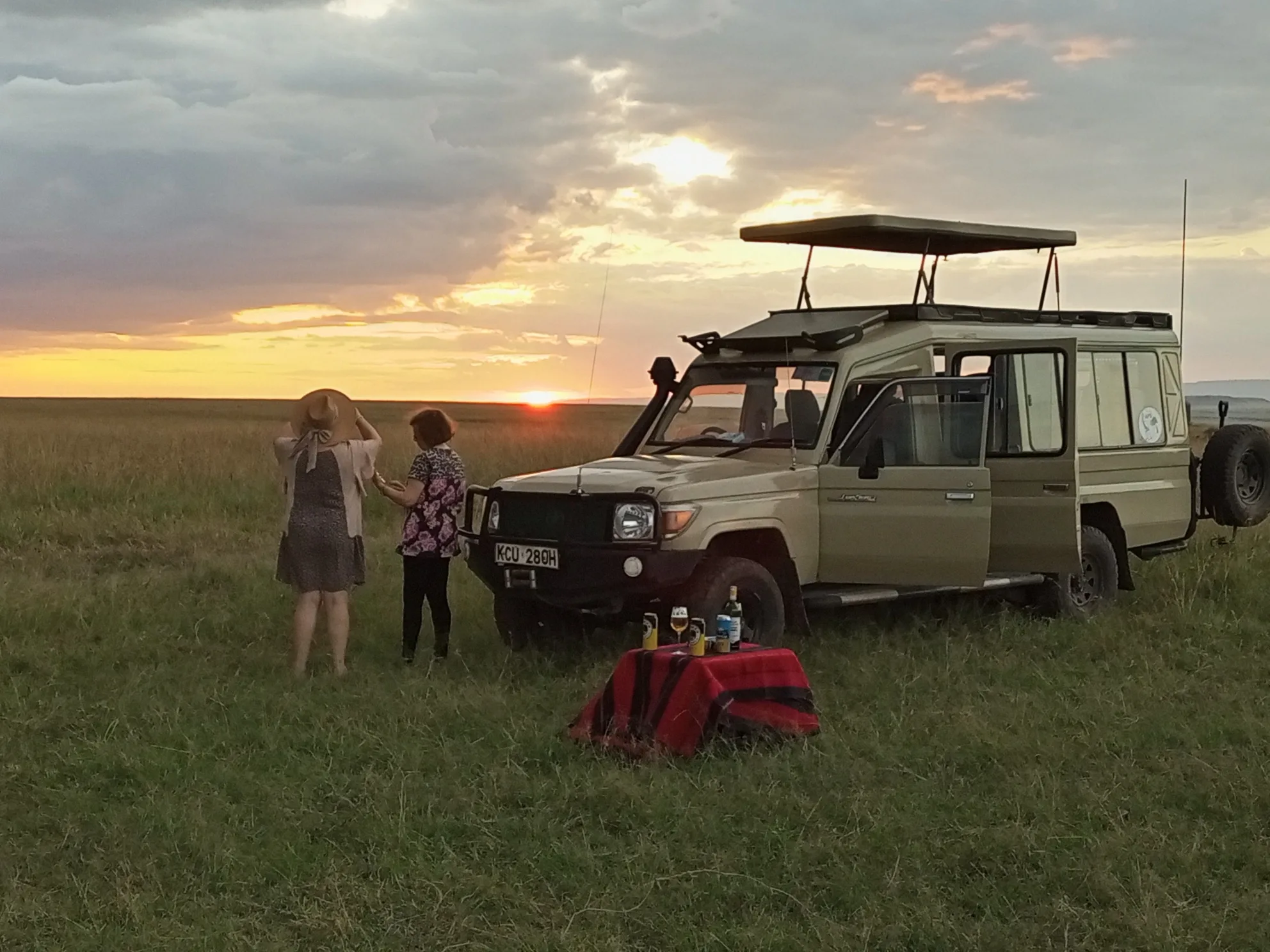
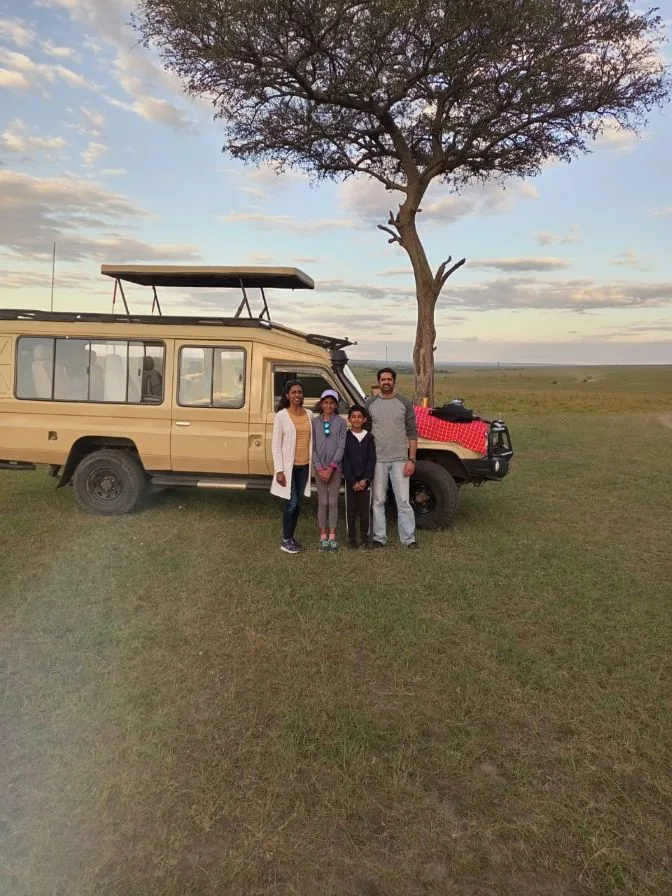
| Vehicle | 4×4 Land Cruiser with pop-up roof |
| Accommodation | Budget, mid-range or luxury |
| Meals | Full board while on safari |
| Game viewing | Afternoon drive and two full-day game drives |
| River crossings | Possible during migration season, but not guaranteed |
| Optional activities | Balloon safari and Maasai village visit |
Price note: The advertised starting price is based on the specified accommodation level and minimum group size. Peak-season supplements, private safari upgrades, flights and optional activities may cost extra. Request a confirmed quotation for your travel dates.
4-Day Great Migration Safari Prices 2026/2027
| Safari level | Starting price per person sharing | Typical arrangement |
|---|---|---|
| Budget group safari | From USD 695 | Shared Land Cruiser and budget camp |
| Private mid-range safari | From USD 1690 | Private Land Cruiser and mid-range tented camp |
| Private luxury safari | From USD 1950 | Private Land Cruiser and luxury camp or lodge |
Add this note immediately below:
Prices vary according to travel month, group size, accommodation availability and camp location. July to October is the busiest period in the Masai Mara, and properties closer to the Mara River normally cost more. Contact us for an exact quotation based on your travel dates.
Safari at a Glance
Get ready for an unforgettable four-day adventure in Kenya's world-famous Masai Mara National Reserve for 2026, 2027 or 2028. This safari is designed to maximise your wildlife viewing opportunities during the Great Wildebeest Migration while providing comfortable accommodation, experienced local guides and unforgettable game drives through one of Africa's richest wildlife ecosystems.
| ✓ | Safari Experience |
|---|---|
| 3 Nights in the Masai Mara National Reserve | |
| Travel in a 4×4 Safari Land Cruiser with Pop-Up Roof | |
| Search for the Big Five – Lion, Leopard, Elephant, Buffalo & Rhino | |
| Witness the Great Wildebeest Migration (Seasonal: July–October) | |
| Visit the Mara River – Home to Hippos & Nile Crocodiles | |
| Morning & Afternoon Game Drives for Excellent Wildlife Viewing | |
| Professional English-Speaking Local Safari Guide | |
| Choice of Budget, Mid-Range or Luxury Accommodation | |
| Full-Board Accommodation Throughout the Safari | |
| Optional Sunrise Hot Air Balloon Safari | |
| Suitable for Couples, Families, Solo Travellers & Small Groups | |
| Excellent Wildlife Photography Opportunities |
Why Choose This Safari?
- Spend three nights in the Masai Mara, giving you more time for wildlife viewing than shorter itineraries.
- Increase your chances of seeing the Great Migration and the Big Five with multiple game drives led by experienced local guides.
- Travel in a comfortable 4×4 Land Cruiser designed for excellent visibility and photography.
- Choose from budget, mid-range or luxury accommodation to suit your travel style and budget.
- Enjoy a flexible itinerary that can be customised for private travellers or booked as a group-joining safari.
Tour Highlights
- Three nights in the Masai Mara.
- Two full migration-season game drives.
- Flexible herd tracking based on current wildlife movement.
- Big cats, elephants, giraffes and plains wildlife.
- Possible Mara River crossing opportunities.
- Private or group safari options.
- Travel in a 4×4 Land Cruiser with a pop-up roof.
- Optional balloon safari and Maasai village visit.
Wildlife You May See During Your 4-Day Great Migration Safari 2027/2028
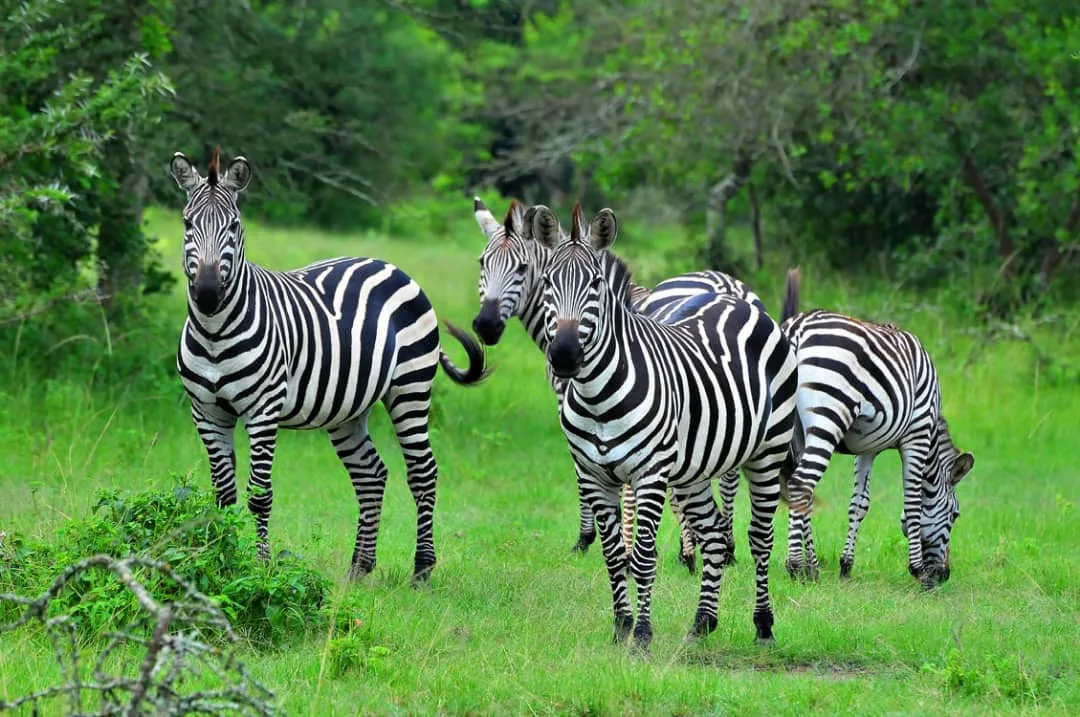
The Masai Mara National Reserve is one of Africa's richest wildlife ecosystems, offering exceptional opportunities to observe the Big Five, the Great Wildebeest Migration and hundreds of other animal and bird species. While wildlife sightings can never be guaranteed because animals roam freely in their natural habitat, experienced local guides use their knowledge and recent sightings to maximise your game-viewing opportunities.
| Wildlife | Chance of Seeing | Where You're Most Likely to See Them |
|---|---|---|
| Lion | Excellent | Throughout the Masai Mara, particularly on open plains |
| African Elephant | Excellent | Along river systems, woodlands and grasslands |
| Cape Buffalo | Excellent | Large herds across the reserve |
| Masai Giraffe | Excellent | Acacia woodlands and open savannah |
| Plains Zebra | Excellent | Frequently seen alongside migrating wildebeest |
| Leopard | Good | Riverine forests and large trees, especially early morning or late afternoon |
| Cheetah | Very Good | Open grasslands where they hunt gazelles and other small antelope |
| Black Rhino | Rare | Occasionally in selected areas of the Masai Mara ecosystem |
| Hippopotamus | Excellent | Mara River and other permanent water sources |
| Nile Crocodile | Excellent | Mara River, particularly near popular crossing points |
| Spotted Hyena | Excellent | Throughout the reserve, especially after sunset and near predator activity |
| Topi, Impala & Thomson's Gazelle | Excellent | Widespread across the open plains |
| Warthog | Excellent | Common throughout the reserve |
| Birdlife | Excellent | More than 450 recorded bird species, including eagles, vultures, secretary birds and ostriches |
Wildlife Viewing Tips
- Early morning and late afternoon game drives usually offer the best wildlife activity.
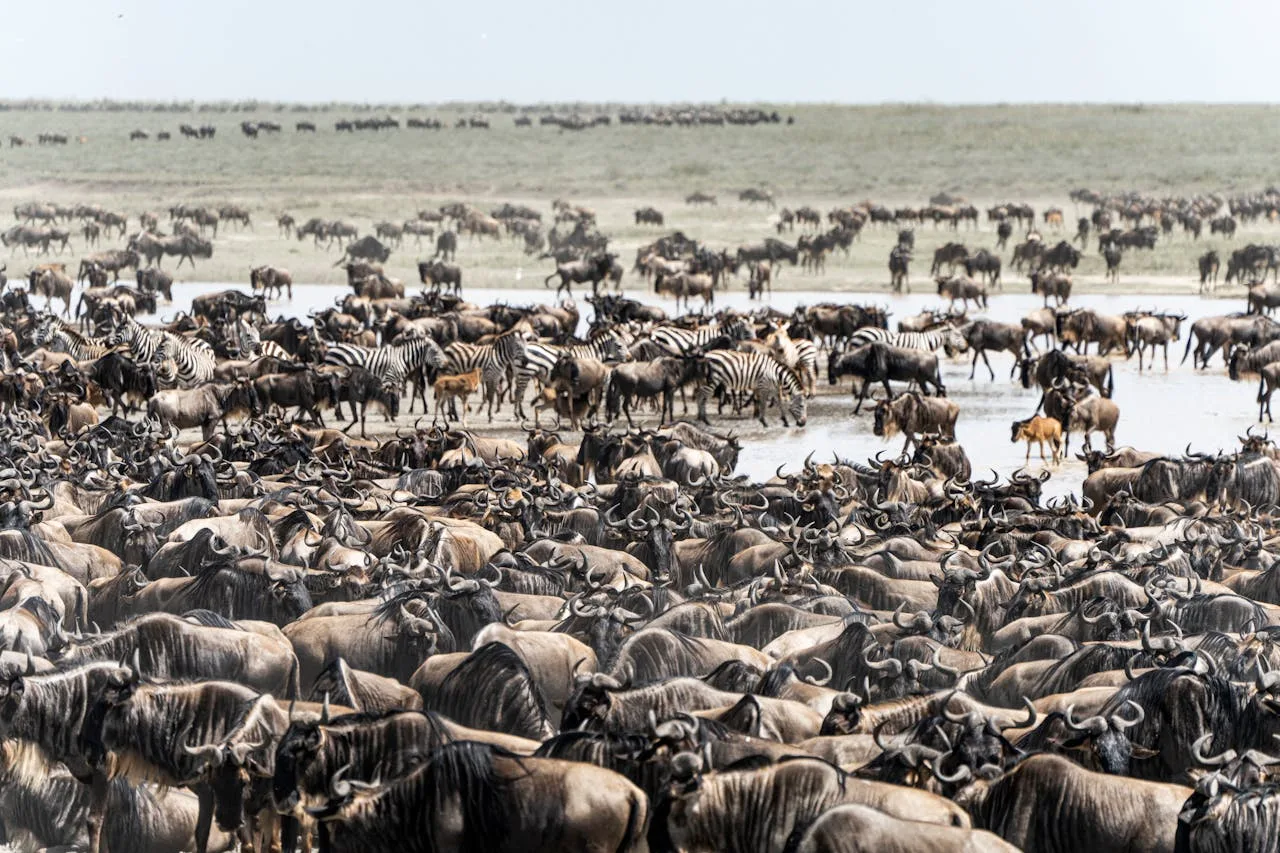
- During July to October, you may witness the Great Wildebeest Migration, with vast herds of wildebeest, zebras and gazelles moving through the Masai Mara ecosystem.
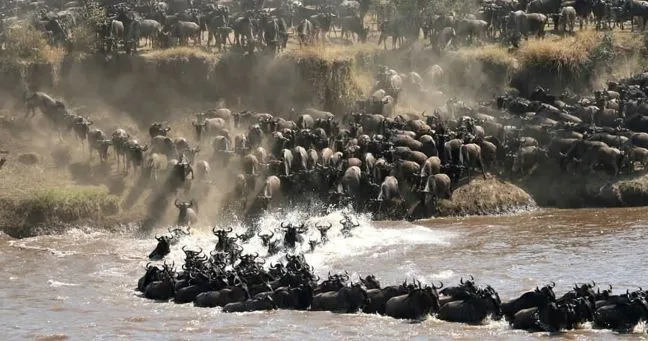
- While Mara River crossings are a highlight for many visitors, they are natural events and cannot be predicted or guaranteed.
- Your guide will adjust each day's route based on current wildlife movements, weather and recent sightings to give you the best possible safari experience.
Why Choose This 4-Day Great Migration Safari?
4-Day Great Migration Safari Kenya Itinerary 2027/2028
Day 1: Nairobi to Masai Mara – Scenic Drive and Afternoon Game Drive
After collection from your Nairobi hotel or the airport, meet your driver-guide for a safari briefing before departing for the Masai Mara. The road journey normally takes approximately five to six hours, depending on traffic, road conditions and the location of your camp. Stop at the Great Rift Valley viewpoint for photographs before continuing through Narok and the surrounding countryside.
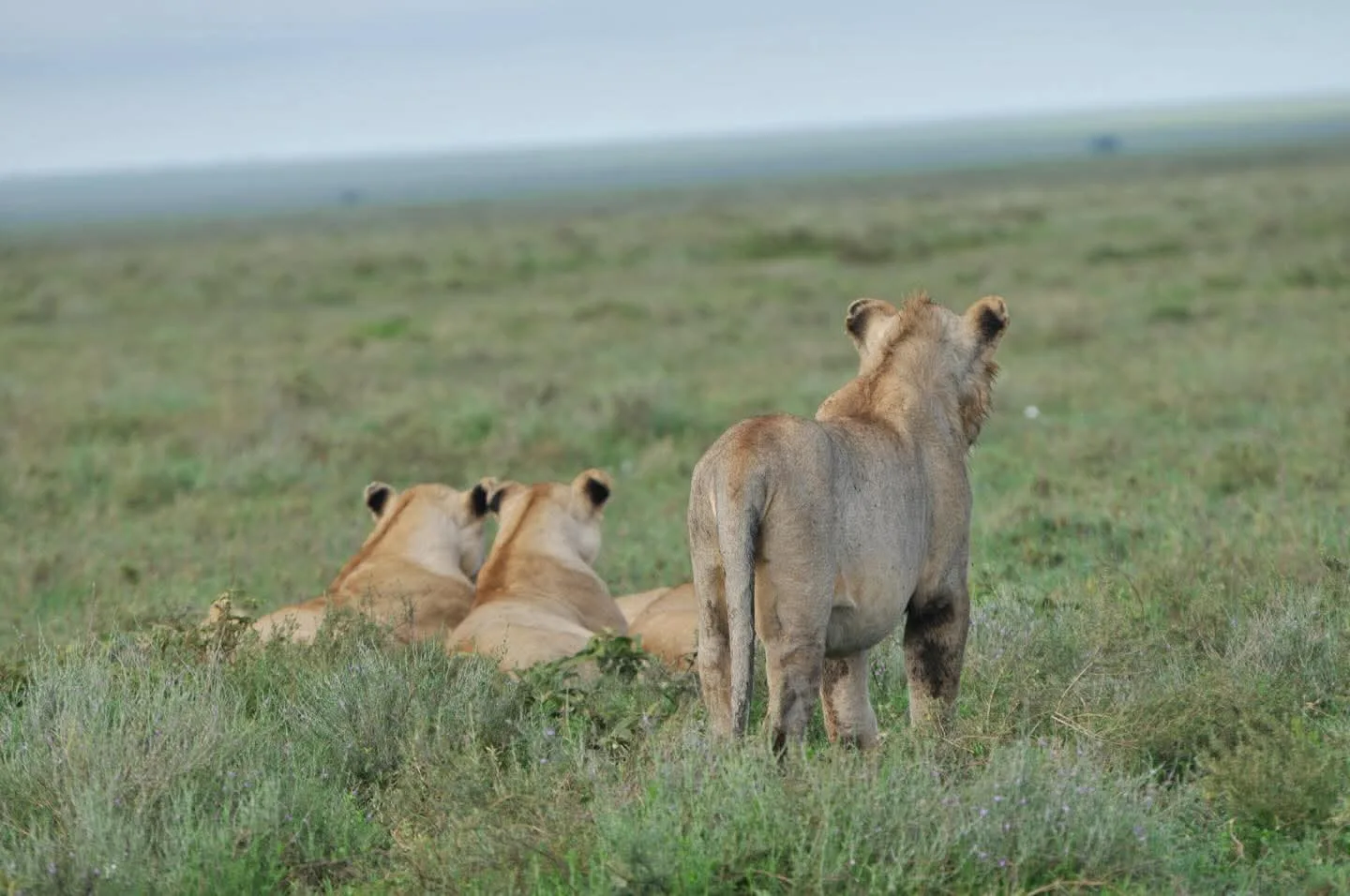
After entering the reserve through the gate closest to your selected accommodation, begin an introductory game drive while travelling towards camp. Depending on your arrival time, the guide may explore nearby plains for elephants, giraffes, antelopes, lions and seasonal wildebeest herds. This first drive helps the guide assess recent wildlife activity and plan the following two full days. Check in at your selected budget, mid-range or luxury camp for dinner and overnight.
Driving time: Approximately 5–6 hours
Game drive: Afternoon or en-route game drive, subject to arrival time
Meals: Lunch and dinner
Accommodation: Budget, mid-range or luxury camp/lodge in the Masai Mara
Day 2: Central Masai Mara – Herd Tracking, Big Cats and River Reconnaissance
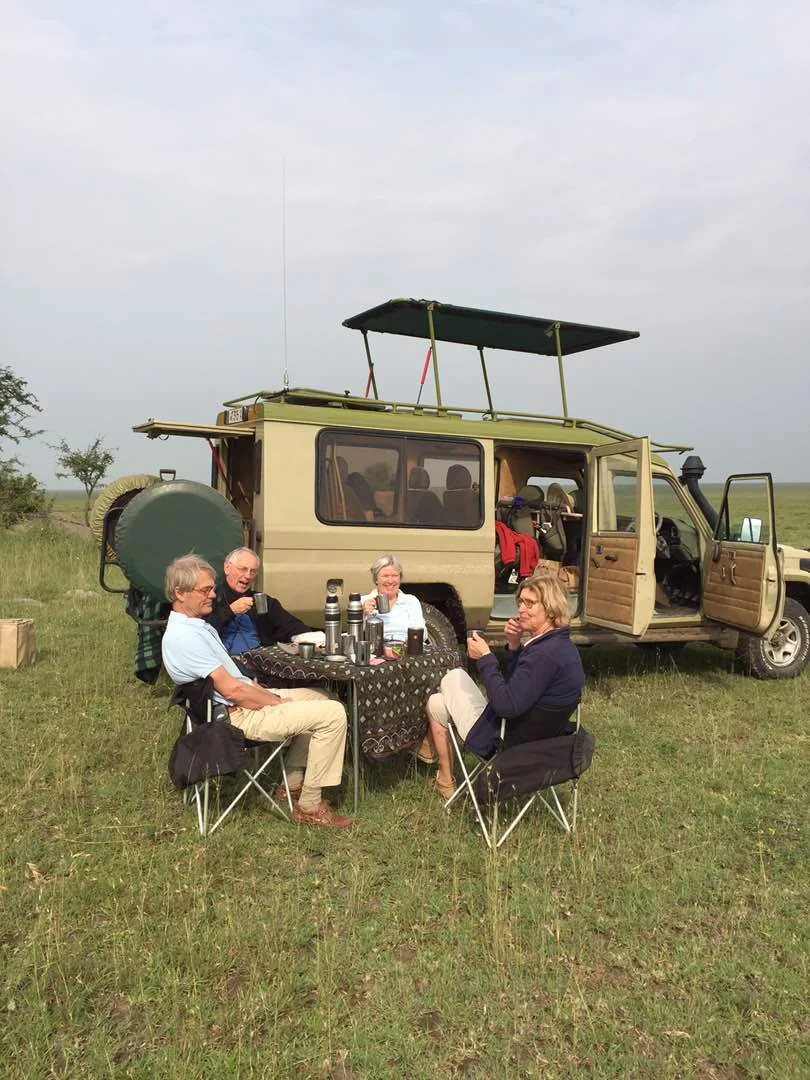
After an early breakfast, depart at approximately 6:30–7:00 am with a picnic lunch for a full-day game drive lasting around eight to ten hours. The guide will normally begin in the central plains or another productive area close to your camp, looking for lions, cheetahs, elephants, giraffes and large concentrations of plains wildlife.
During migration season, the route may be extended towards sections of the Mara or Talek river systems to assess the location and movement of wildebeest and zebra herds. The guide uses sightings from the previous day, direct observations and information shared by other professional guides to determine the most promising route. If herds are gathering near a river, time may be spent monitoring their behaviour; however, crossings cannot be predicted or guaranteed. Enjoy a picnic lunch at a safe designated area before continuing the afternoon game drive and returning to camp before dusk.
Game drive: Full day, approximately 8–10 hours
Migration objective: Locate the main herds and assess possible river activity
Meals: Breakfast, picnic lunch and dinner
Accommodation: Same Masai Mara camp or lodge
Day 3: Flexible Migration Search – Mara River, Western Plains or Northern Mara
Leave camp after an early breakfast with another picnic lunch. Unlike Day 2, today’s route is kept deliberately flexible and is based on the most recent herd positions, rainfall, river conditions and guide reports. If wildebeest are gathering near an accessible section of the Mara River, the guide may travel towards a suitable viewing area and wait patiently for possible crossing activity.
A crossing can happen suddenly, after several hours of waiting, or not occur at all. If the herds move away or a viewing area becomes excessively crowded, the guide may explore another river section or concentrate on the Mara Triangle, Musiara area, central plains or other productive wildlife zones, depending on camp location and road accessibility. The day also provides opportunities to observe predators following the herds, including lions, cheetahs and hyenas. Return to camp in the late afternoon for dinner and your final night in the Masai Mara.
Game drive: Flexible full-day game drive, approximately 8–10 hours
Migration objective: Follow current herd movements and maximise possible crossing opportunities
Meals: Breakfast, picnic lunch and dinner
Accommodation: Same Masai Mara camp or lodge
Day 4: Morning Game Drive and Return to Nairobi
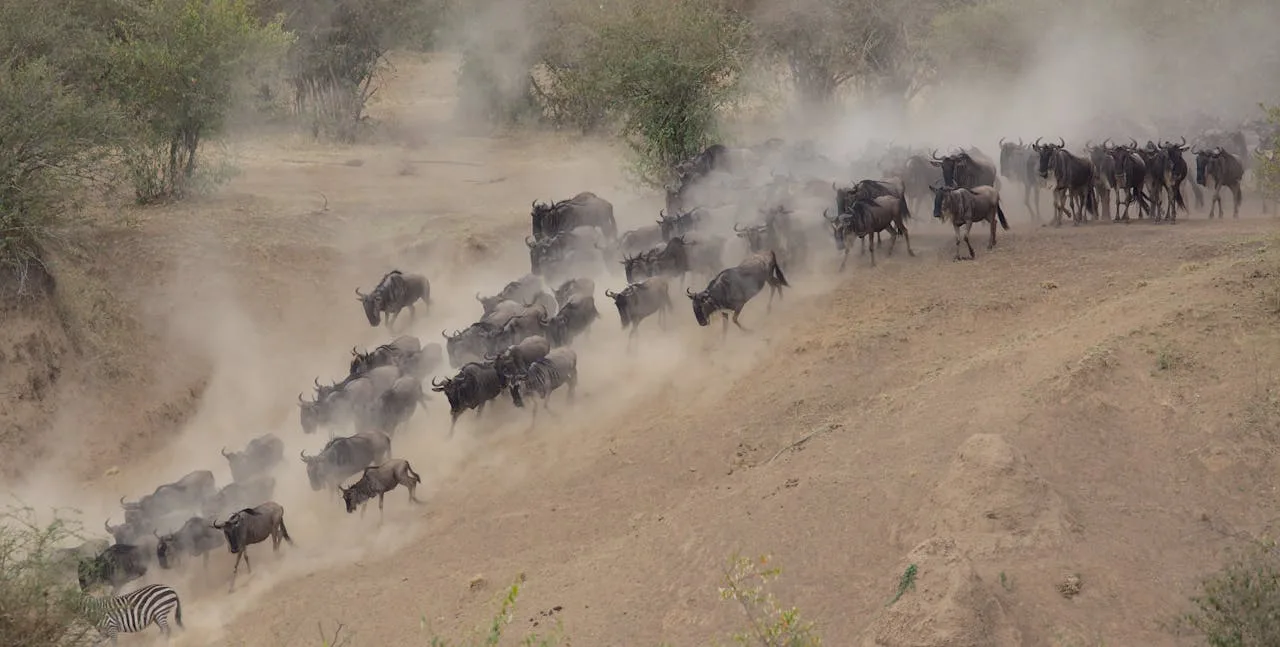
Begin the final day with breakfast at camp. Depending on your accommodation location, park-entry arrangements and the agreed departure schedule, you may enjoy a short morning or en-route game drive while leaving the Masai Mara. This provides a final opportunity to look for wildlife that may have been missed during the previous days, including elephants, giraffes, buffaloes, lions and other plains animals.
Continue through Narok and the Great Rift Valley, stopping for lunch along the way where applicable. The return journey to Nairobi normally takes approximately five to six hours, although traffic can affect the arrival time. Drop-off is available at your Nairobi hotel or Jomo Kenyatta International Airport. An evening flight should be scheduled with sufficient time for possible road delays.
Driving time: Approximately 5–6 hours
Game drive: Short morning or en-route drive, subject to park arrangements
Meals: Breakfast and lunch
Accommodation: Not included; end of safari
Important Migration Note
The Great Migration is a natural, seasonal event influenced by rainfall, fresh grazing and water availability. The itinerary is designed to maximise wildlife-viewing opportunities, but the location of the herds and the timing of Mara River crossings cannot be guaranteed. Your guide will adapt the Day 2 and Day 3 routes according to current conditions.
Optional Fly-in Arrangement
Guests who prefer to avoid the road journey can fly between Nairobi’s Wilson Airport and a Masai Mara airstrip. Flying normally takes approximately one hour, followed by a transfer or game drive to camp. Flight schedules, baggage restrictions and additional costs apply.
Why Book With East Africa Jungle?
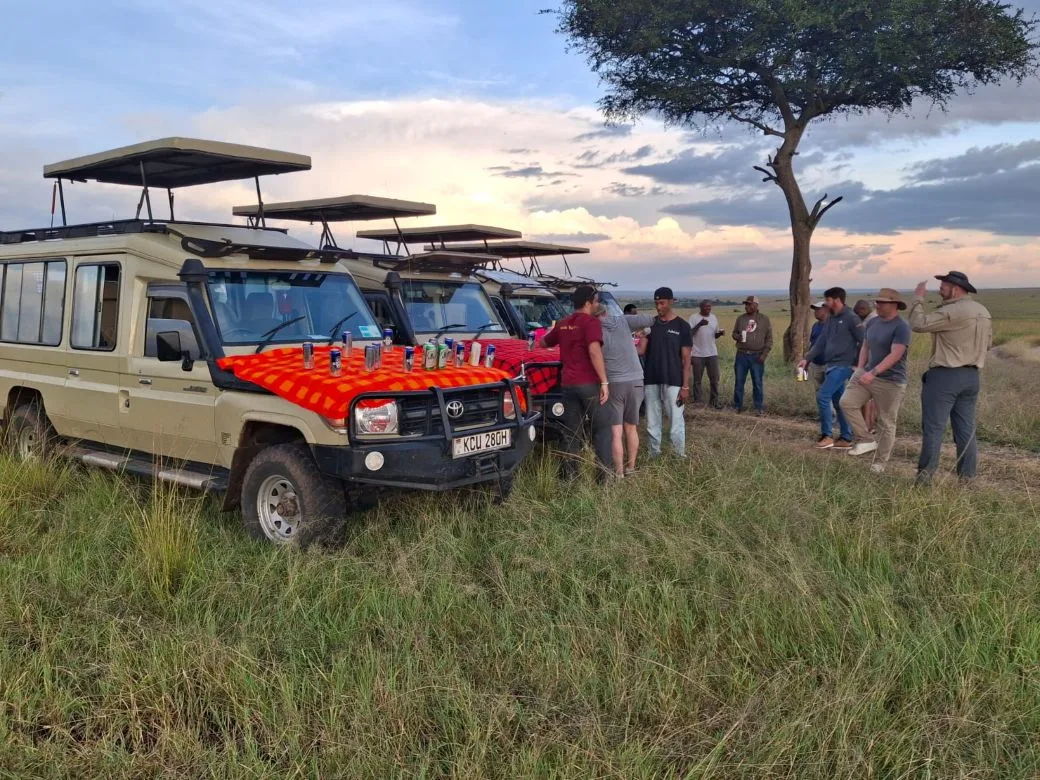
Who Is This 4-Day Great Migration Safari Best Suited For?
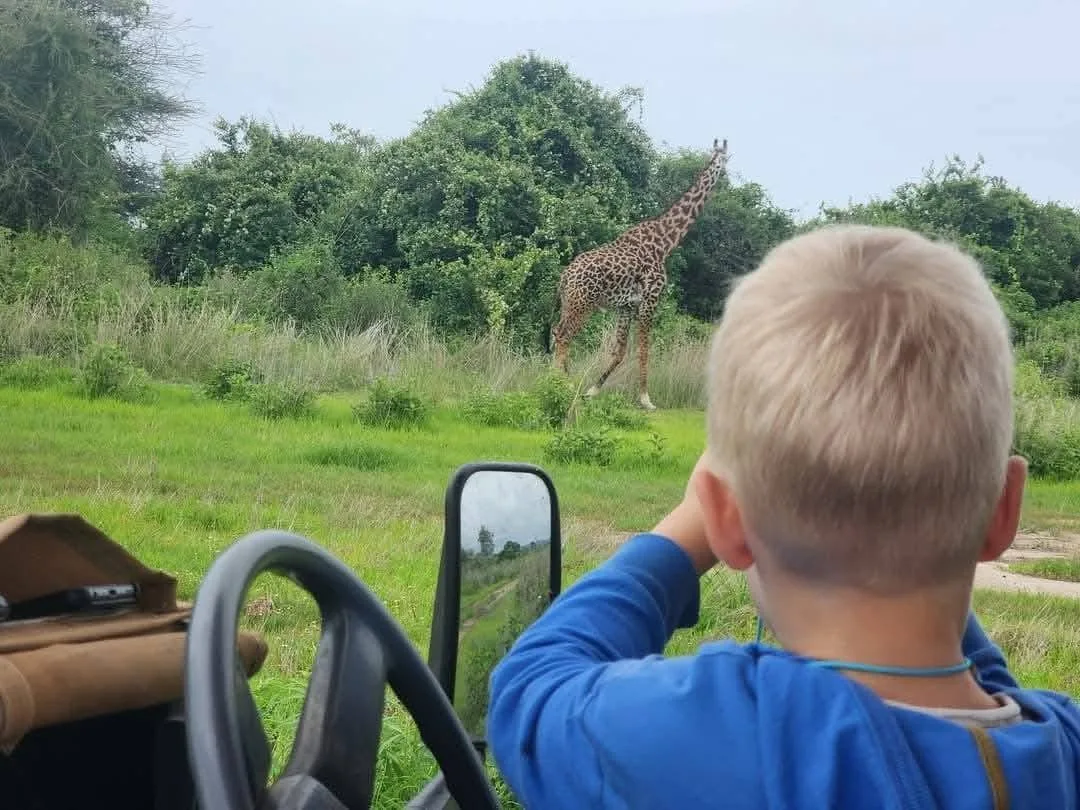
Whether you're travelling as a couple, family, solo adventurer or wildlife enthusiast, this itinerary offers an excellent balance of wildlife viewing, comfort and value. Spending three nights in the Masai Mara provides ample time to explore one of Africa's most celebrated safari destinations while enjoying multiple game drives and the flexibility to tailor the experience to your interests.
| Traveller Type | Recommended | Why It's a Great Choice |
|---|---|---|
| Couples | ⭐⭐⭐⭐⭐ | Romantic wildlife experiences, spectacular scenery and memorable sunsets. |
| Families | ⭐⭐⭐⭐⭐ | Comfortable accommodation, exciting game drives and unforgettable wildlife encounters for all ages. |
| Solo Travellers | ⭐⭐⭐⭐☆ | Available as a group-joining or private safari with opportunities to meet other travellers. |
| Wildlife Photographers | ⭐⭐⭐⭐⭐ | Multiple game drives provide excellent opportunities to photograph the Great Migration and the Big Five. |
| First-Time Safari Visitors | ⭐⭐⭐⭐⭐ | An ideal introduction to Kenya's wildlife with experienced guides and one of Africa's most iconic safari destinations. |
| Honeymooners | ⭐⭐⭐⭐☆ | Upgrade to a luxury tented camp or lodge for a more private and romantic safari experience. |
| Friends & Small Groups | ⭐⭐⭐⭐⭐ | Flexible private departures and shared wildlife experiences make this safari ideal for groups travelling together. |
| Big Five Enthusiasts | ⭐⭐⭐⭐⭐ | Excellent opportunities to search for lions, elephants, buffaloes, leopards and rhinos during your stay. |
Why choose this itinerary?
This safari is particularly well suited to travellers who want to experience the Great Wildebeest Migration without committing to a longer itinerary. With three nights in the Masai Mara, you'll enjoy multiple game drives, increased wildlife viewing opportunities and the flexibility to upgrade your accommodation or add optional activities such as a sunrise hot air balloon safari.
Compare Our Great Migration Safari Tours 2027/2028
| Safari Tour | Duration | Best For | Highlights |
|---|---|---|---|
| 3-Day Great Migration Safari | 3 Days / 2 Nights | Travellers with limited time | Classic Masai Mara game drives and Great Migration wildlife viewing |
| 4-Day Great Migration Safari | 4 Days / 3 Nights | Best overall balance of time and value | Three nights in the Masai Mara, multiple game drives, Great Migration and Big Five |
| 5-Day Great Migration Safari | 5 Days / 4 Nights | Travellers wanting more game drives | Extra full day in the Masai Mara with greater flexibility for wildlife viewing |
| 6-Day Kenya Great Migration Safari | 6 Days / 5 Nights | Travellers wanting multiple destinations | Combines the Masai Mara with another iconic Kenyan park for a broader safari experience |
| 7-Day Kenya Safari & Great Migration | 7 Days / 6 Nights | First-time visitors to Kenya | Comprehensive safari featuring the Great Migration and several of Kenya's top wildlife destinations |
Which Safari Should You Choose?
- Choose the 3-Day Safari if you're short on time but still want to experience the Masai Mara during the Great Migration.
- Choose the 4-Day Safari if you're looking for the best combination of wildlife viewing, comfort and value.
- Choose the 5-Day Safari if you'd like additional game drives and more opportunities to witness the migration and search for the Big Five.
- Choose the 6-Day or 7-Day Safari if you want to combine the Masai Mara with other iconic destinations such as Amboseli National Park, Lake Nakuru National Park or Ol Pejeta Conservancy.
Best Time to Witness the Great Migration in Kenya
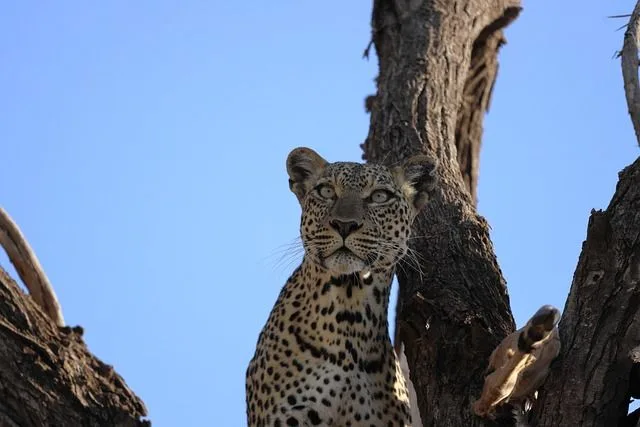
The best time for this Great Migration safari in Kenya is generally from July to October, when migrating wildebeest and zebra may move from the northern Serengeti into the Masai Mara. August and September often provide the strongest opportunities for viewing large herds near the Mara River, but crossings remain unpredictable.
| Month | Typical migration activity |
|---|---|
| July | The first large herds may enter the Masai Mara, depending on rainfall and grazing conditions. |
| August | Large concentrations often spread across the reserve, with possible Mara River crossing activity. |
| September | Strong migration viewing may continue, including herds, predators and possible river crossings. |
| October | Herds may remain in the Masai Mara before gradually moving south towards the Serengeti. |
Migration timing changes from year to year because wildebeest movements are influenced by rainfall, water availability and fresh grazing rather than fixed calendar dates. Read our Great Migration in Kenya guide for a broader explanation of seasonal herd movements.
Why Choose the Masai Mara for a Great Migration Safari?
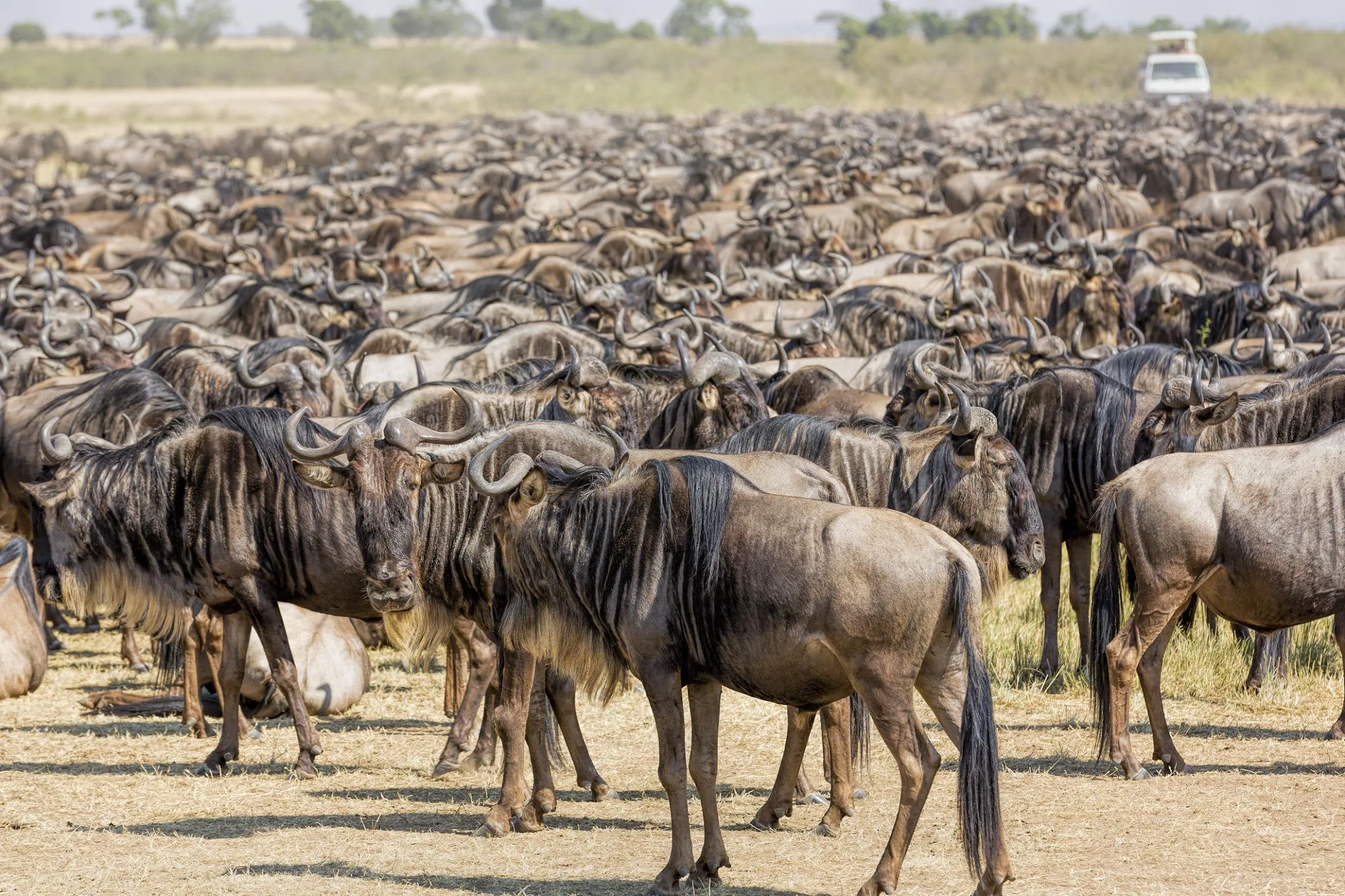
The Masai Mara is Kenya’s most important destination for viewing the Great Migration. Between July and October, migrating wildebeest and zebra may enter the reserve from the northern Serengeti, spreading across the Mara Triangle, central plains and areas surrounding the Mara and Talek rivers. Their exact location changes with rainfall, grazing conditions and river levels, so each day’s route should be based on current wildlife movement rather than a fixed crossing schedule.
A four-day itinerary provides three nights in the Masai Mara and two full game-viewing days. This is important because river crossings are unpredictable. Herds may gather near the river for several hours and then move away without crossing. Having two full days allows the guide to adjust the route, revisit promising areas and balance time near the river with wider wildlife viewing elsewhere in the reserve.
Areas Our Guides May Explore
The game-drive route depends on the location of the herds, the selected accommodation and current road conditions.
- Mara Triangle: Known for open plains, the Mara River and several seasonal crossing areas. It can be particularly productive when herds are concentrated in the western Masai Mara.
- Central Masai Mara: A strong year-round wildlife area with lions, cheetahs, elephants, plains game and access to sections of the Mara and Talek river systems.
- Talek and eastern plains: Productive for big cats and large grazing herds, especially when migration animals spread eastwards after entering the reserve.
- Musiara and northern Mara: Known for riverine habitat, marsh areas, elephants, lions and access to northern sections of the Mara River.
It is neither possible nor necessary to visit every sector during one safari. Our guide selects the most practical area based on recent sightings, travel time and the group’s priorities.
How a Full Migration Game Drive Works
During peak migration season, guests normally leave camp after an early breakfast, often between 6:00 am and 7:00 am, carrying a picnic lunch for a full-day game drive. The vehicle may remain in the reserve for approximately eight to ten hours, depending on wildlife activity, road conditions and the location of the accommodation.
The guide checks recent information from other professional guides, camp teams and sightings observed during previous game drives. However, these reports are treated as guidance rather than guarantees. Wildebeest can change direction quickly, and a crossing reported in the morning may be over before another vehicle reaches the area.
If large herds are gathering near the river, guests may wait for one or more hours. The guide continually assesses whether the animals appear likely to approach the water or whether it would be more rewarding to explore another wildlife area.
How Our Guides Approach River Crossings Responsibly
A good migration safari should never involve pressuring wildlife or blocking its route. Our guides use established viewing areas, maintain a suitable distance and follow instructions from reserve rangers. Vehicles should not surround the animals, drive between a herd and the river or obstruct an entry and exit point.
When a crossing area becomes heavily congested, the guide may:
- Wait from a less crowded position.
- Look for another active crossing point.
- Follow herds moving elsewhere along the river.
- Leave the immediate area and return later.
- Focus on predators and other wildlife until conditions improve.
This approach may not always provide the closest position, but it protects the animals and normally creates a calmer, more enjoyable safari experience.
Choosing Where to Stay
Accommodation location directly affects daily driving time.
| Accommodation area | Main advantage | Important consideration |
|---|---|---|
| Sekenani and eastern Mara | More affordable camps and convenient road access from Nairobi | Reaching some Mara River areas can require a long early-morning drive |
| Talek and central Mara | Good balance between price, central wildlife areas and game-drive access | Driving time to particular crossing points varies with herd location |
| Mara River or Musiara area | Quicker access to some northern river sections | Camps are frequently more expensive during migration season |
| Mara Triangle | Excellent western plains and river access | Access depends on the selected camp and entry arrangements |
A camp advertised as being “in the Masai Mara area” is not necessarily close to the Mara River. Before confirming the tour, East Africa Jungle considers the guest’s budget, travel dates and migration priorities when recommending accommodation.
Our Guide’s Practical Advice
A river crossing should be treated as a possibility rather than the only measure of a successful safari. On days when the wildebeest do not cross, the Masai Mara can still offer vast grazing herds, lion and cheetah activity, elephants, giraffes, hippos, crocodiles and exceptional landscapes. Our objective is to provide a complete migration-season safari while maximising—not guaranteeing—the opportunity to witness a crossing.
Accommodation Options for This Safari
This 4-Day Great Migration Safari in Masai Mara National Reserve can be customised to suit different travel styles and budgets. Whether you are looking for a budget-friendly group safari, a comfortable mid-range lodge, or an ultra-luxury migration experience, there are excellent accommodation choices located close to prime wildlife viewing areas and migration routes.
Budget Camps
Ideal for travellers looking for affordable safari experiences without missing the excitement of the Great Migration.
Enkorok Mara Camp
A popular budget-friendly tented camp offering comfortable ensuite tents, warm hospitality, and easy access to major game viewing areas in Masai Mara.
Jambo Mara Safari Lodge
Perfect for group safaris and budget travelers seeking a balance between comfort, affordability, and excellent wildlife experiences.
Miti Mingi Eco Camp
One of the most popular budget safari camps in Masai Mara, known for its friendly atmosphere, spacious tents, and convenient access to the reserve.
Mid-Range Lodges
Perfect for travelers seeking upgraded comfort, better amenities, and enhanced safari experiences during the migration season.
Mara Sopa Lodge
A well-known safari lodge featuring spacious cottages, beautiful gardens, swimming pool facilities, and excellent access to wildlife-rich areas.
Zebra Plains Mara Camp
A stylish mid-range tented camp offering comfortable safari tents, great service, and stunning views of the Masai Mara plains.
Basecamp Explorer Kenya
An eco-friendly safari camp located near the Talek River, offering authentic safari experiences combined with sustainable tourism practices.
Luxury Camps
Designed for travellers seeking premium safari experiences, exclusive game drives, fine dining, and luxury accommodation close to migration hotspots.
Entim Mara Camp
A luxury tented camp strategically located near the Mara River, making it one of the best places to witness dramatic wildebeest crossings.
Governors’ Camp
One of the most iconic luxury safari camps in Kenya, offering classic safari elegance, exceptional service, and outstanding wildlife viewing.
Sand River Masai Mara
A luxury safari camp inspired by classic 1920s safari style, located near migration crossing points and known for exceptional game viewing experiences.
Angama Mara
One of Africa’s most luxurious safari lodges, perched high above the Great Rift Valley with breathtaking panoramic views of the Masai Mara ecosystem.
Accommodation Upgrade Options
Enhance your Great Migration safari by upgrading your accommodation to suit your preferred level of comfort, service and exclusivity. All upgrade options include ensuite accommodation, full-board meals, and the same professionally guided safari experience. Accommodation availability is subject to confirmation at the time of booking, especially during the peak migration season (July to October).
| Category | Recommended Accommodation | Ideal For |
|---|---|---|
| Budget Upgrade | Miti Mingi Eco Camp • Rhino Tourist Camp • Enkorok Mara Camp | Budget-conscious travellers seeking extra comfort |
| Mid-Range Upgrade | Mara Sopa Lodge • Mara Simba Lodge • Zebra Plains Mara Camp • Jambo Mara Safari Lodge | Couples, families and small groups |
| Superior Mid-Range | Mara Serena Safari Lodge • Ashnil Mara Camp • Tipilikwani Mara Camp | Guests wanting premium facilities and excellent locations |
| Luxury Safari | Governors' Camp • Entim Mara Camp • Mara Ngenche Safari Camp • Sand River Masai Mara | Honeymooners and luxury safari enthusiasts |
| Ultra-Luxury | Angama Mara • Mara Bushtops • Mahali Mzuri • Sala's Camp | Travellers seeking an exclusive, once-in-a-lifetime safari experience |
Why Upgrade?
An upgraded lodge or tented camp can provide:
- Spacious ensuite rooms or luxury safari tents
- Swimming pool, spa and wellness facilities (selected properties)
- Premium dining and personalised service
- Exceptional views overlooking the Masai Mara plains
- Excellent wildlife viewing from the camp itself
- Enhanced comfort after full-day game drives
- Private decks or verandas for relaxing in the African wilderness
Many luxury camps are located in prime wildlife areas or private conservancies, offering a more exclusive safari atmosphere with fewer vehicles and highly personalised guiding. Availability is limited during the Great Migration season, so early booking is highly recommended.
Need something different? We can also tailor this itinerary using any preferred camp or lodge in the Masai Mara, from budget-friendly eco-camps to world-class luxury safari lodges, and provide a customised quotation based on your travel dates and accommodation preferences.
Great Migration Safari Price Comparison (2026–2028)
The cost of a Great Migration Safari in Masai Mara National Reserve varies depending on the travel season, accommodation category, level of luxury, group size, and whether the safari is private or shared. Below is an estimated safari price guide to help travellers choose the best migration safari package based on their budget and travel style.
| Safari Type | Estimated Price Per Person | Ideal For |
|---|---|---|
| Budget Group Safari | USD 1,200 – USD 1,800 | Backpackers, solo travellers, budget travellers |
| Mid-Range Group Safari | USD 1,800 – USD 2,800 | Couples, small groups, families |
| Mid-Range Private Safari | USD 2,200 – USD 4,000 | Families, photographers, flexible travel |
| Luxury Migration Safari | USD 5,000 – USD 12,000+ | Honeymooners, luxury travellers, VIP experiences |
| Fly-In Luxury Migration Safari | USD 6,500 – USD 15,000+ | High-end luxury safari travelers |
| Photography Safari Package | USD 4,500 – USD 10,000+ | Wildlife photographers & filmmakers |
Travellers comparing safari budgets can also read our detailed Kenya Safari Cost Breakdown Guide to better understand accommodation categories, park fees, safari transport options, and seasonal pricing differences.
What Affects the Cost of a Great Migration Safari?
Several factors influence safari pricing during the migration season:
- Accommodation category (budget, mid-range, luxury)
- Travel season and migration timing
- Private vs group safari
- Domestic flights vs road transfers
- Park entry fees
- Balloon safari add-ons
- Number of travelers
- Length of safari
- Exclusive conservancy access
Travelling during peak Mara River crossing season (August–September) usually attracts higher rates due to high demand and limited camp availability.
Ways to Reduce Safari Costs
Travellers can lower safari expenses by:
- Joining scheduled group safaris
- Travelling during July or October shoulder season
- Choosing mid-range camps
- Booking early migration deals
- Combining road and fly-in transport options
Luxury vs Budget Migration Safari Experience
Luxury migration safaris typically include:
- Premium tented camps
- Fly-in transfers
- Fine dining
- Private game drives
- River-view suites
- Exclusive wildlife viewing locations
Budget safaris still provide incredible wildlife experiences, shared game drives, and opportunities to witness the Great Migration while keeping costs affordable.
Safari Inclusions
- Transport in a custom 4×4 safari Land Cruiser with pop-up roof
- Services of a professional English-speaking safari guide
- All game drives in Masai Mara National Reserve
- Accommodation during the safari based on selected category
- Meals as specified in the itinerary
- Park entry fees to Masai Mara National Reserve
- Drinking water during game drives
- Pick-up and drop-off in Nairobi
- Great Rift Valley viewpoint stopover
- Government taxes and levies
- Assistance throughout the safari
- Airport transfers (where applicable)
- Emergency safari support assistance
Safari Exclusions
- International flights
- Kenya visa fees
- Travel insurance
- Tips and gratuities for guides and lodge staff
- Personal expenses such as laundry, drinks, and souvenirs
- Optional hot air balloon safari
- Maasai village cultural visit fees
- Alcoholic and soft drinks unless specified
- Items of personal nature
- Extra accommodation before or after the safari
- Optional activities not mentioned in the itinerary
- Medical expenses
- Porterage services where applicable
Optional Safari Add-Ons
Travellers can customise this Great Migration Safari with optional experiences such as:
- Hot air balloon safari over Masai Mara
- Maasai cultural village visit
- Fly-in safari upgrade
- Private safari vehicle
- Luxury accommodation upgrades
- Photography safari extensions
- Nairobi city excursions
These optional experiences can be arranged at an additional cost depending on traveller preferences and availability.
What to Pack for a Great Migration Safari
Packing properly for your Great Migration Safari in Masai Mara National Reserve helps ensure a comfortable and enjoyable wildlife experience. Weather conditions in Masai Mara can vary between warm sunny afternoons and chilly early morning game drives, especially during migration season between July and October. Below are some essential items recommended for your safari adventure.
Essential Clothing
- Neutral-colored safari clothes (khaki, green, beige, brown)
- Lightweight long-sleeve shirts for sun protection
- Comfortable safari trousers or shorts
- Warm fleece jacket for early morning and evening game drives
- Light rain jacket during green season months
- Comfortable hiking shoes or closed safari shoes
- Extra socks and breathable clothing
Safari Gear & Electronics
- Binoculars for wildlife viewing
- Camera with zoom lens for migration photography
- Extra camera batteries and memory cards
- Power bank for charging devices during long game drives
- Universal travel adapter
- Smartphone or GoPro for videos and photos
Sun Protection
- Sunscreen with high SPF
- Wide-brim safari hat or cap
- Sunglasses
- Lip balm and moisturiser
Personal Essentials
- Personal medications
- Insect repellent
- Reusable water bottle
- Wet wipes and hand sanitiser
- Small backpack or safari day bag
Optional Items
- Lightweight gloves for cold morning drives
- Travel pillow
- Notebook or safari journal
- Flashlight or headlamp
- Swimsuit for lodges with swimming pools
Safari Packing Tips
Soft-sided luggage or duffel bags are highly recommended, especially for travellers using domestic safari flights within Kenya, as most local airlines have luggage restrictions of approximately 15 kg per person. Avoid bright-colored clothing during game drives since neutral colours blend better with the natural environment and provide a more authentic safari experience.
Packing the right gear greatly improves comfort, wildlife viewing, and photography opportunities during the Great Migration Safari in Masai Mara.
Photography Tips for Mara River Crossings
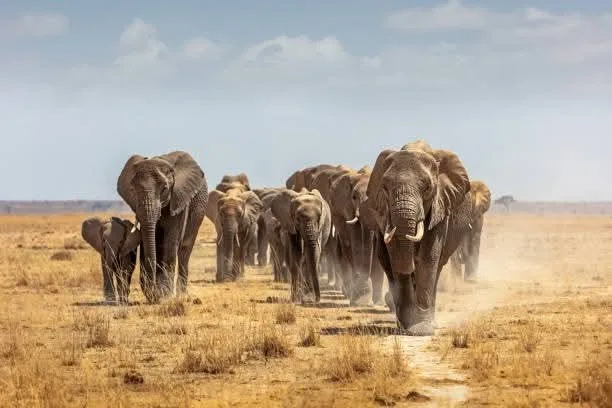
The Great Migration in Masai Mara National Reserve offers some of the most spectacular wildlife photography opportunities in Africa. Capturing dramatic Mara River crossings, predator action, and massive wildlife herds requires patience, proper camera equipment, and good positioning during game drives. Below are helpful photography tips to maximize your safari experience and improve your chances of capturing unforgettable migration moments.
Use the Right Camera Lens
A good zoom lens is highly recommended for wildlife photography in Masai Mara. Popular lens options include:
- 100–400mm lens for wildlife close-ups
- 200–600mm lens for distant river crossing action
- 24–70mm lens for landscapes and wide safari scenes
A zoom lens allows photographers to safely capture predators, river crossings, and dramatic wildlife behavior without disturbing the animals.
Take Advantage of Early Morning Lighting
Early morning game drives provide the best natural lighting conditions for safari photography. The soft golden sunrise light creates beautiful wildlife images with better contrast, fewer shadows, and more natural colors across the savannah plains.
Morning hours are also when predators such as lions, leopards, and cheetahs are more active, increasing chances of action-packed wildlife photography.
Positioning Is Everything
Successful migration photography often depends on vehicle positioning near the Mara River crossing points. Experienced safari guides understand animal movement patterns and can help position the safari vehicle for better viewing angles and cleaner photographic backgrounds.
Being patient at crossing points is very important because river crossings are unpredictable and may happen suddenly after several hours of waiting.
Be Prepared for Crossing Unpredictability
Mara River crossings do not follow a fixed schedule. Thousands of wildebeests may gather near the river for long periods before crossing unexpectedly within minutes. Keeping your camera ready at all times is essential to avoid missing dramatic moments.
Fast camera shutter speeds are recommended for capturing running herds, splashing water, predator attacks, and dust-filled action scenes.
Protect Your Equipment from Dust
The dry season in Masai Mara can be dusty, especially during migration months. Protect your photography gear by carrying:
- Camera rain/dust covers
- Lens cleaning cloths
- Extra batteries
- Waterproof camera bags
- Air blower for dust cleaning
Dust protection helps maintain image quality and prevents damage to sensitive camera equipment during long game drives.
Recommended Safari Photography Gear
For the best migration photography experience, consider carrying:
- DSLR or mirrorless camera
- Telephoto zoom lens
- Extra memory cards
- Tripod or monopod
- Binoculars
- Power bank
- Backup camera body if available
The Great Migration Safari provides incredible opportunities for wildlife photographers, content creators, filmmakers, and first-time safari travellers seeking breathtaking African wildlife images.
What Our Travellers Say
Real traveller experiences help future guests understand what to expect during a Great Migration Safari in Masai Mara National Reserve. Below are some experiences shared by travellers who explored the Masai Mara during migration season.
Sarah M. — United Kingdom
Travel Month: August 2023
Safari Type: Luxury Migration Safari
“The Mara River crossings were absolutely incredible. Our guide positioned us perfectly for photography, and we witnessed lions hunting near the river. One of the best wildlife experiences we have ever had. The luxury camp exceeded our expectations, and every game drive felt unique and exciting.”
David & Laura — USA
Travel Month: September 2025
Safari Type: Private Family Safari
“Our children loved the safari experience from beginning to end. We saw elephants, cheetahs, giraffes, and thousands of wildebeests crossing the river. Everything was very well organized, and our guide was extremely knowledgeable and patient with the kids. This was truly a once-in-a-lifetime family adventure.”
Michael T. — Australia
Travel Month: July 2025
Safari Type: Mid-Range Migration Safari
“The scenery in Masai Mara was breathtaking. We witnessed huge herds entering the reserve and enjoyed amazing predator sightings including cheetahs and hyenas. The balloon safari was one of the highlights of our entire Africa trip.”
Sophie & Daniel — Canada
Travel Month: October 2024
Safari Type: Honeymoon Safari
“Our honeymoon safari was unforgettable. Watching the sunset over the Masai Mara plains surrounded by wildlife was magical. The lodge staff, safari guide, and overall organisation were excellent throughout the trip.”
Emma R. — Germany
Travel Month: August 2025
Safari Type: Photography Safari
“As a wildlife photographer, Masai Mara during migration season is a dream destination. We captured dramatic river crossings, crocodile action, and beautiful sunrise landscapes. Our guide understood photography positioning perfectly.”
Why Travellers Love This Safari
- Incredible Mara River crossings
- Excellent Big Five sightings
- Experienced safari guides
- Great wildlife photography opportunities
- Family-friendly safari options
- Luxury and budget accommodation choices
- Flexible private safari experiences
- Breathtaking Masai Mara landscapes
Frequently Asked Questions About the Great Migration Safari in Kenya
What is the best month for Mara River crossings?
The best months to witness Mara River crossings in the Masai Mara National Reserve are usually between August and September. During this period, massive herds of wildebeests and zebras attempt dramatic river crossings while crocodiles and predators wait nearby. However, migration movement depends on rainfall patterns, meaning crossings can sometimes begin in late July and continue into October.
Is a 4-day migration safari enough?
Yes, a 4-day Great Migration Safari offers excellent opportunities to experience the highlights of Masai Mara, including game drives, Big Five sightings, and possible Mara River crossings. While longer safaris provide more flexibility and wildlife viewing time, a well-planned 4-day safari is ideal for travellers with limited time who still want to witness the migration spectacle.
Can children join this safari?
Absolutely. This safari is suitable for families with children and can be customized with family-friendly lodges, flexible game drive schedules, and private safari vehicles. Children often enjoy seeing elephants, giraffes, zebras, and other wildlife in their natural environment. Family rooms and interconnected tents are available in many Masai Mara safari camps.
Is this safari private or group?
This Great Migration Safari can be arranged as either a private safari or a shared group safari depending on your preference and budget. Private safaris offer flexibility, personalised game drives, and exclusive vehicle use, while group safaris are more affordable and ideal for solo travellers or budget-conscious visitors.
Which side of Masai Mara is best for the Great Migration?
Different sections of the Masai Mara offer excellent migration experiences depending on the season and herd movement. Areas near the Mara River are particularly popular during crossing season because they provide better opportunities to witness dramatic river crossings and predator activity. Conservancies and camps located near major crossing points are often preferred by photographers and luxury safari travellers.
Are hot air balloon safaris worth it?
Yes, hot air balloon safaris are considered one of the most unforgettable experiences in the Masai Mara. The sunrise flight provides breathtaking aerial views of wildlife herds, open savannah plains, and the migration below. Balloon safaris are especially popular during the Great Migration season and are highly recommended for honeymooners, photographers, and first-time safari travellers.
What camera lens is best for migration photography?
A telephoto zoom lens is highly recommended for migration photography in Masai Mara. Popular options include:
- 100–400mm lens for general wildlife photography
- 200–600mm lens for river crossings and distant action
- 24–70mm lens for landscapes and camp photography
Extra batteries, memory cards, and dust protection gear are also highly recommended during migration season.
What animals can I expect to see during the migration safari?
During the migration safari, travellers commonly see:
- Lions
- Leopards
- Cheetahs
- Elephants
- Rhinos
- Buffaloes
- Wildebeests
- Zebras
- Crocodiles
- Giraffes
- Hyenas
- Hippos
The migration season also attracts intense predator activity, making Masai Mara one of Africa’s top wildlife viewing destinations.
What is the best time to visit Masai Mara for the Great Migration?
The best time to visit Masai Mara for the Great Migration is from July to October. August and September are usually considered peak months for Mara River crossings and predator action. Travellers seeking fewer crowds and slightly lower rates may also consider July or October.
Can this safari be customised?
Yes, this safari can be fully customised based on traveller preferences, budget, accommodation style, and travel duration. Optional upgrades include:
- Luxury lodges and camps
- Fly-in safaris
- Balloon safaris
- Private safari vehicles
- Family-friendly itineraries
- Photography safari experiences
- Kenya and Tanzania combined safari extensions
Travellers are encouraged to follow conservation guidelines while visiting the Masai Mara. Updated wildlife conservation and park information can be found through the Kenya Wildlife Service.
Our Guide's Insight
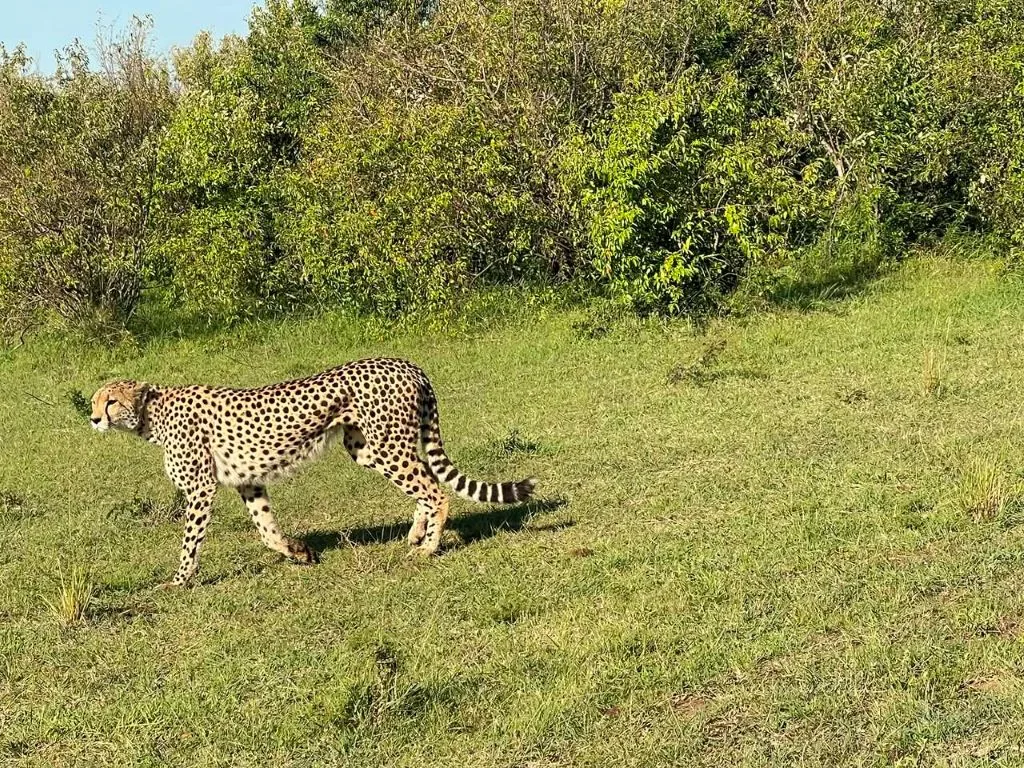
Having guided safaris in the Masai Mara for many years, we've learned that the most rewarding Great Migration experiences come from allowing enough time in the reserve rather than trying to visit too many destinations in a short trip. A 4-day itinerary gives your guide the flexibility to follow recent wildlife movements, spend more time in productive game-viewing areas, and adjust each day's route according to current sightings and road conditions.
While many travellers hope to witness a dramatic Mara River crossing, it's important to remember that these events are unpredictable and can occur at any time—or not at all on a particular day. For this reason, our guides focus on delivering a complete wildlife experience rather than chasing a single moment. Even without a river crossing, you'll have excellent opportunities to observe large wildebeest and zebra herds, lions, elephants, buffalo, giraffes, cheetahs, hyenas, and many other species throughout the ecosystem.
To maximise your safari, our guides usually begin game drives early in the morning when wildlife is most active, followed by another drive in the late afternoon. During the warmer hours of the day, animals often rest in the shade, making this the ideal time to relax at camp before heading out again.
Our advice is simple: bring a good pair of binoculars, a camera with plenty of storage and spare batteries, dress in neutral-coloured clothing, and remain patient during wildlife encounters. Nature operates on its own schedule, and some of the most memorable safari moments happen when you least expect them.
With local knowledge, regular communication between guides, and years of experience tracking wildlife across the Masai Mara, we'll do everything possible to give you an authentic, responsible, and unforgettable Great Migration safari experience.
About the Author
John Peter
Senior Kenya Safari Specialist | Operations Manager
John Peter is a senior Kenya safari specialist with more than 15 years of first-hand experience designing and operating wildlife safaris across Kenya and East Africa. As the Operations Manager at East Africa Jungle, he has personally planned and supervised hundreds of safaris to the Masai Mara National Reserve, helping travellers experience the Great Wildebeest Migration, Big Five wildlife, and Kenya's most iconic national parks.
His expertise comes from regular field inspections, working closely with professional safari guides, visiting lodges throughout the Masai Mara ecosystem, monitoring seasonal wildlife movements, and advising travellers on the best times and locations to maximise their safari experience. Rather than relying on generic itineraries, John tailors every safari to suit each traveller's interests, budget, travel dates, and wildlife priorities.
For the 4-Day Great Migration Safari, John recommends spending multiple game drives in the Masai Mara instead of rushing between destinations. This approach provides more opportunities to witness the migration, search for the Big Five, and experience the reserve's remarkable predator activity while allowing flexibility because wildebeest river crossings are natural events that cannot be guaranteed.
Areas of Expertise
- Great Wildebeest Migration safaris (July–October)
- Masai Mara National Reserve
- Big Five wildlife safaris
- Private and tailor-made Kenya safaris
- Family, honeymoon and photography safaris
- Luxury, mid-range and budget safari planning
- Kenya safari logistics and accommodation selection
Experience
- 15+ years planning Kenya safaris
- Hundreds of successful itineraries organised for travellers from around the world
- Extensive knowledge of wildlife behaviour and seasonal migration patterns
- Regular inspections of safari lodges, camps and game-viewing routes
- Specialist in customised Kenya safari itineraries
Connect with John Peter
- WhatsApp: +254 728 567 308
- Email: sales@eastafricajungle.com
- Website: https://eastafricajungle.com
Editorial Review
Last Reviewed: 31 July 2026
Reviewed By: John Peter
Senior Kenya Safari Specialist | East Africa Jungle
Editorial Review
This itinerary has been professionally reviewed by our Kenya safari specialists to ensure the information remains accurate, up to date and helpful for travellers planning a Great Migration safari. We regularly verify accommodation options, driving times, park regulations, seasonal wildlife movements and optional activities to reflect current travel conditions and operational updates.
Our Commitment to Accurate Safari Information
At East Africa Jungle, we review our safari itineraries on a regular basis to maintain the accuracy of:
- Wildlife viewing recommendations
- Great Wildebeest Migration timing and seasonal movements
- Kenya Wildlife Service (KWS) and Masai Mara park regulations
- Accommodation availability and recommended upgrades
- Road conditions and travel logistics
- Optional safari experiences such as hot air balloon flights and cultural visits
- Safari pricing, inclusions and operational information
While wildlife movements and natural events such as Mara River crossings cannot be guaranteed, our experienced local safari specialists continuously monitor seasonal conditions to help travellers choose the best travel dates and maximise their safari experience.
Our Guide’s Migration Advice
Plan Your Great Migration Safari Today
Experience the breathtaking Great Migration in Masai Mara National Reserve with expertly designed safari packages tailored to your travel style, budget, and interests. Whether you are looking for a luxury migration safari, private wildlife adventure, family safari holiday, or photography expedition, we can customise the perfect Kenya safari experience for you.
WhatsApp: +254 728 567 308
Email: tanzaniakenyatours@gmail.com
We Customise:
- Private Great Migration safaris
- Luxury safari lodge upgrades
- Family-friendly safari itineraries
- Honeymoon migration safaris
- Wildlife photography safaris
- Fly-in Masai Mara safari packages
- Budget group safaris
- Kenya & Tanzania combined migration safaris
Why Book With Us?
- Experienced local safari specialists
- Custom 4×4 Land Cruiser safari vehicles
- Carefully selected safari camps & lodges
- Flexible safari departures
- Transparent pricing with no hidden costs
- Personalised safari planning support
- Trusted East Africa safari expertise
Migration season accommodation fills quickly between July and October, especially near Mara River crossing points. Early booking is highly recommended to secure the best safari camps and migration viewing locations.
Looking for more safari ideas? Explore our top-rated Kenya Safari Packages, exclusive Kenya Luxury Safaris, and unforgettable Kenya Family Safaris for more wildlife adventures across East Africa.
Still comparing durations? Explore our recommended Masai Mara safari tours
Available Months
Dates are flexible. Request your preferred month and our team will advise the best safari timing.
Safari Route Map
Plan Your Safari Today
Tell us your travel month, budget level, and group size. We will shape this package around your preferred safari style.

 16+ Years
 English