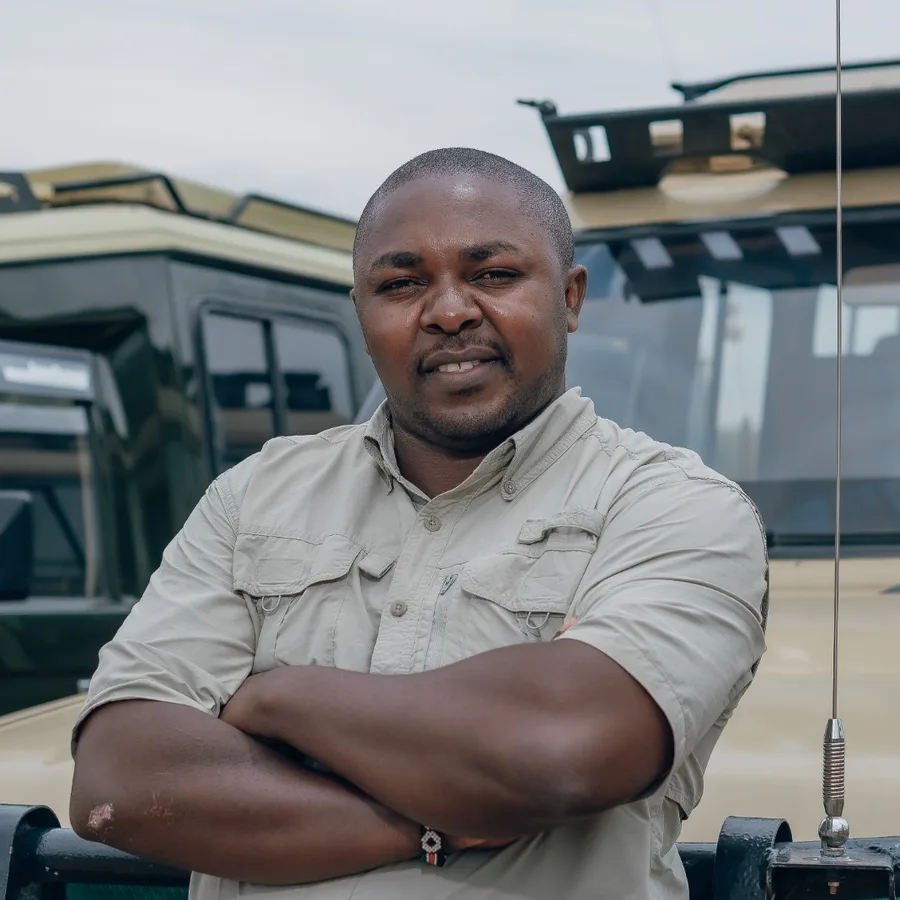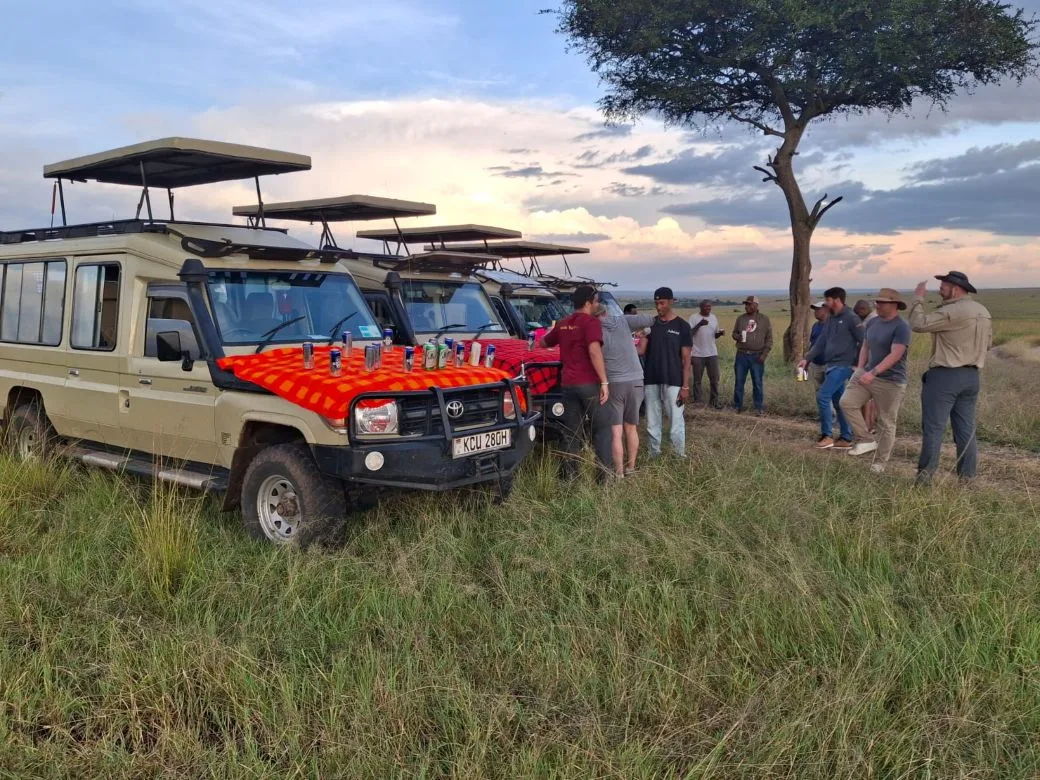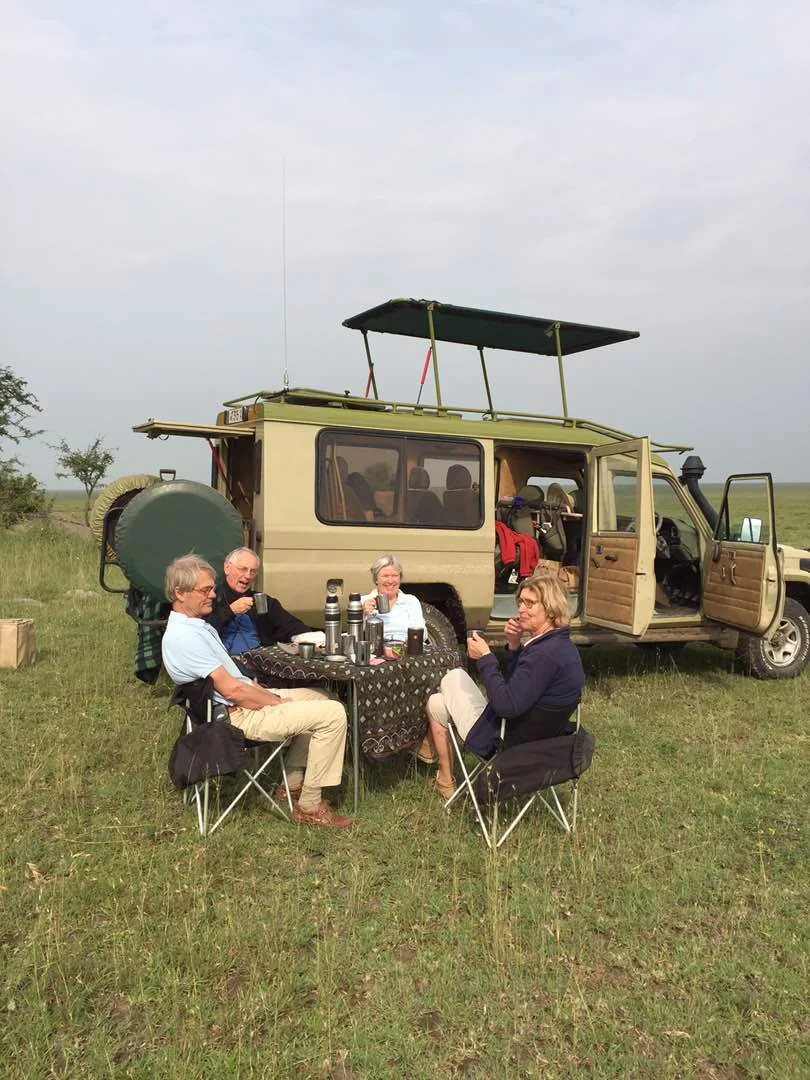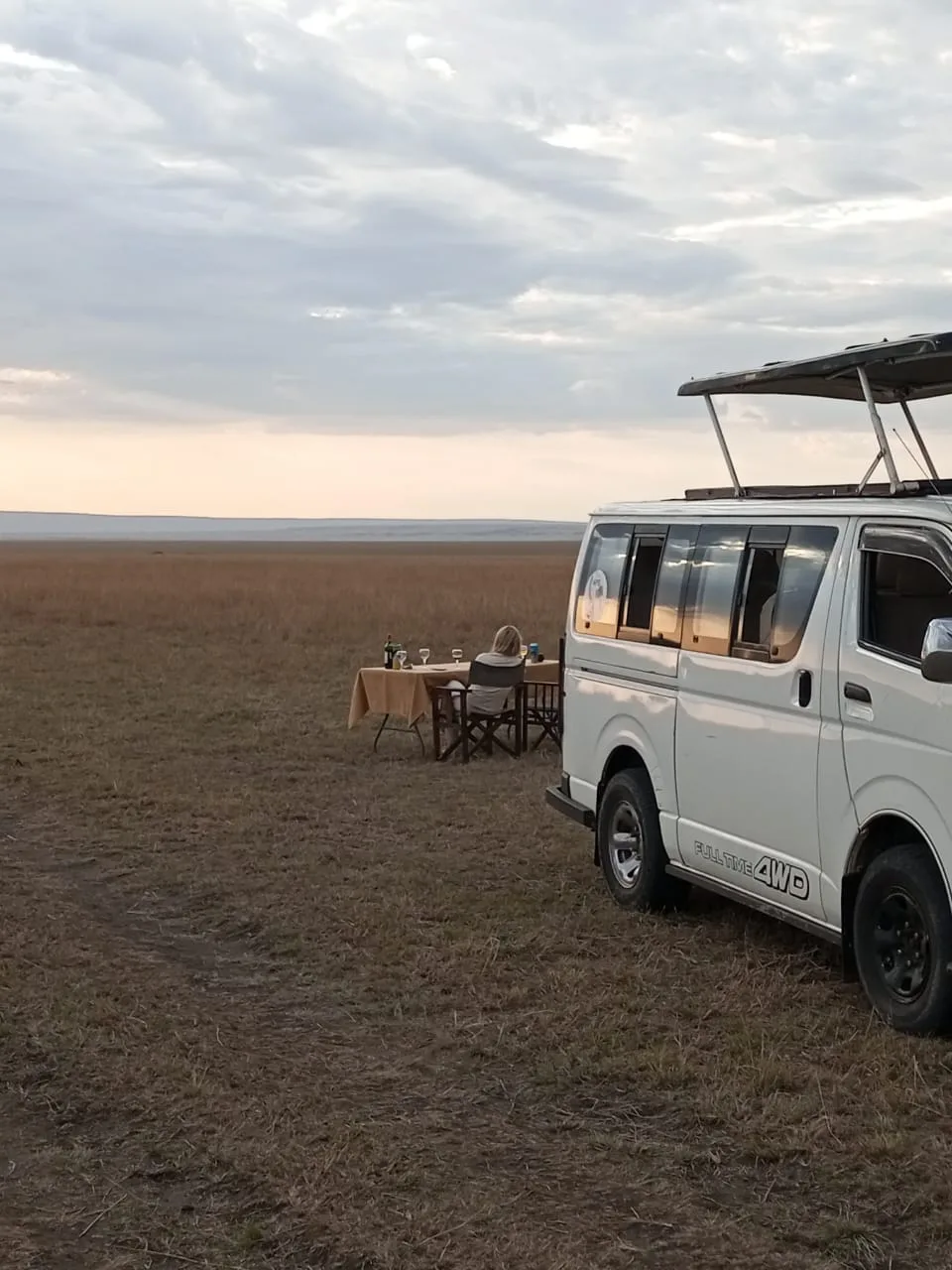
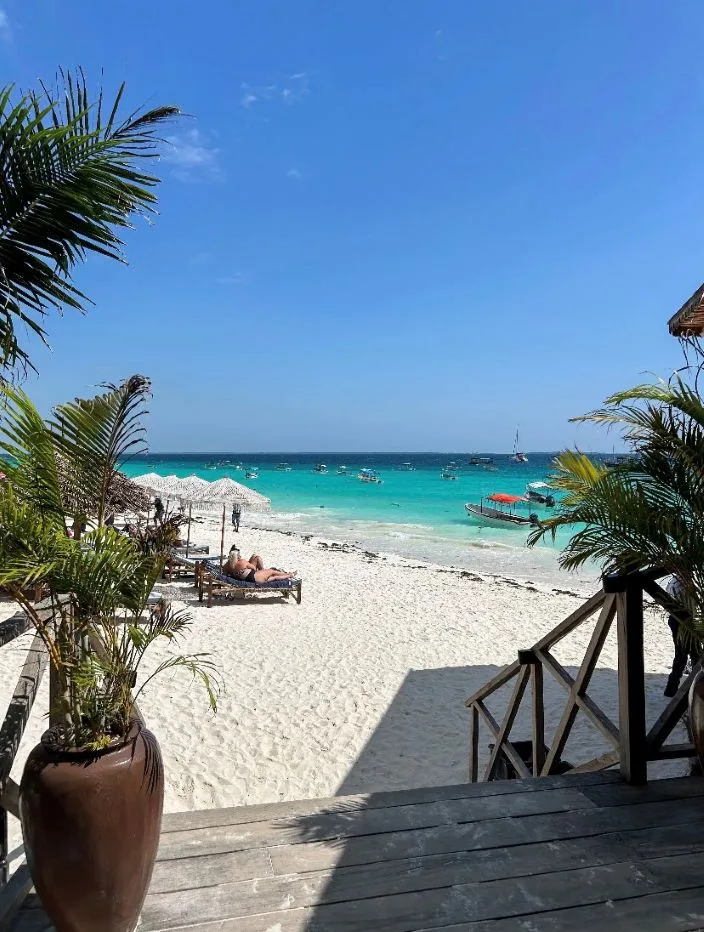
Trek through forests, moorlands and dramatic alpine scenery to reach Point Lenana, Mount Kenya’s most accessible trekking summit.
Explore private and small-group Mount Kenya climbing tours using the scenic Sirimon, Chogoria and Naro Moru routes. Each expedition is led by an experienced mountain guide and supported by a professional local crew.
From USD 780 per person
Guided climbs • Flexible itineraries • Experienced mountain crew • Customisable departures
Book Your Mount Kenya Climb | Request a Quote | WhatsApp +254 728 567308
Mount Kenya Climbing Gallery


Mount Kenya Climbing at a Glance
Climbing Mount Kenya is a rewarding high-altitude adventure through indigenous forest, open moorland and distinctive Afro-alpine scenery. Most trekking itineraries lead to Point Lenana at 4,985 metres, the mountain’s highest non-technical trekking summit. You can choose between the gradual Sirimon Route, the scenic Chogoria Route and the shorter but steeper Naro Moru Route.
For most first-time climbers, we recommend the five-day Sirimon–Chogoria traverse. This route provides a steadier ascent for acclimatisation and a scenic descent past mountain lakes, valleys and dramatic rock formations. Four-day climbs are better suited to fit trekkers with previous altitude experience, while six-day itineraries provide additional acclimatisation time and a more relaxed pace.
Mount Kenya climbing tours start from USD 780 per person, based on two travellers.
Recommended route: 5-Day Sirimon–Chogoria Traverse
Starting price: From USD 780 per person
Tour style: Private or small-group guided climb
| Climbing detail | Information |
|---|---|
| Destination | Mount Kenya National Park, Kenya |
| Main trekking summit | Point Lenana – 4,985 metres |
| Highest summit | Batian – 5,199 metres; technical climbing required |
| Typical duration | 4–6 days |
| Main routes | Sirimon, Chogoria and Naro Moru |
| Recommended route | Sirimon ascent and Chogoria descent |
| Difficulty | Moderate to challenging, depending on route and duration |
| Technical experience | Not required for Point Lenana |
| Accommodation | Mountain huts or expedition tents, depending on the route |
| Meals | Full-board meals while on the mountain |
| Starting points | Nairobi, Nanyuki, Naro Moru or Chogoria |
| Best climbing periods | January–February and June–October |
| Guided support | Professional mountain guide, porters and cook |
| Customisation | Route, duration, pace and safari extensions can be adjusted |
Start Planning Your Mount Kenya Climb
Tell us your preferred travel dates, group size, fitness level and previous altitude experience. We will recommend the most suitable route and climbing duration.
Book Your Mount Kenya Climb | Request a Custom Quote | WhatsApp +254 728 567308
Why Choose a Mount Kenya Climbing Tour?
1. Reach Point Lenana at 4,985 Metres
Point Lenana offers a rewarding high-altitude goal for trekkers without requiring technical rock-climbing skills. An early-morning summit attempt may reveal remarkable views across Mount Kenya’s rugged peaks and surrounding highlands when conditions are clear.
2. Experience Changing Mountain Landscapes
The routes pass through montane forest, bamboo zones, heather-covered moorland and dramatic alpine terrain. Glacial valleys, tarns, rocky ridges and unusual high-altitude vegetation make every stage visually different.
3. Choose From Several Climbing Routes
The Sirimon, Chogoria and Naro Moru routes provide different scenery, difficulty levels and accommodation styles. Routes can be combined to create a more varied ascent and descent.
4. Climb With an Experienced Local Crew
Each expedition is supported by a professional mountain team that may include a lead guide, assistant guides, cooks and porters. The crew manages navigation, camp logistics, meals and daily safety checks.
5. Allow Time for Acclimatisation
Our itineraries are designed around a controlled trekking pace, regular rest periods and gradual altitude gain. Longer routes generally provide a more comfortable acclimatisation schedule than rushed climbs.
6. Combine the Climb With a Kenya Safari
Mount Kenya can be combined with nearby wildlife destinations such as Ol Pejeta Conservancy, Samburu National Reserve or the Masai Mara, creating a balanced mountain-and-safari holiday in Kenya.
Mount Kenya Climbing Routes 2026 -2028
Mount Kenya has several trekking approaches, but Sirimon, Chogoria and Naro Moru are the main routes used for guided climbs to Point Lenana. Each offers a different balance of scenery, trail conditions, accommodation and acclimatisation.| Route | Best feature | Difficulty | Accommodation | Recommended use |
|---|---|---|---|---|
| Sirimon Route | Gradual approach and good acclimatisation profile | Moderate | Mountain huts or camping | Best for ascending |
| Chogoria Route | Dramatic valleys, lakes and varied scenery | Moderate to challenging | Mainly camping, with limited mountain facilities | Best for descending or scenic climbs |
| Naro Moru Route | Short, direct access to Point Lenana | Challenging due to the rapid altitude gain | Mountain huts or camping | Best for experienced trekkers with limited time |
| Sirimon–Chogoria Traverse | Combines two contrasting sides of the mountain | Moderate to challenging | Huts and camping | Best overall Mount Kenya experience |
Sirimon Route
The Sirimon Route approaches Mount Kenya from the northwest near Nanyuki. Its relatively steady altitude gain makes it a popular choice for trekkers concerned about acclimatisation. The trail passes through forest, open moorland and the Mackinder Valley before reaching Shipton’s Camp beneath the main peaks.
Sirimon can be completed as a return route, but it is more rewarding when combined with a descent through Chogoria.
Best for: First-time high-altitude trekkers, gradual ascents and hut-based itineraries.
Chogoria Route
The Chogoria Route approaches the mountain from the eastern side and is widely chosen for its dramatic alpine scenery. Depending on the itinerary, trekkers may encounter Lake Ellis, Lake Michaelson, the Gorges Valley, the Temple and sweeping views across the surrounding highlands.
The route is longer and has fewer hut facilities, so camping is normally required on some itineraries.
Best for: Scenic landscapes, photography, longer expeditions and adventurous trekkers.
Naro Moru Route
The Naro Moru Route is the mountain’s most direct established approach to Point Lenana. It passes through forest, moorland and the section commonly known as the Vertical Bog before reaching Mackinder’s Camp.
Although it can support shorter itineraries, its rapid altitude gain can make acclimatisation more difficult. We recommend allowing sufficient time rather than attempting a rushed ascent.
Best for: Fit, experienced trekkers and climbers prioritising a shorter, more direct route.
Which Mount Kenya Route Is Best?
For most travellers, we recommend the Sirimon–Chogoria traverse. Ascending through Sirimon allows a steadier approach to altitude, while descending through Chogoria provides some of Mount Kenya’s most impressive scenery. The traverse also avoids repeating the same trail in both directions.
Travellers who prefer mountain huts may favour Sirimon or Naro Moru, while those comfortable with camping and longer trekking days may prefer Chogoria. Your final route should reflect your available time, fitness, previous altitude experience and preferred accommodation.
The three routes are the mountain’s principal established approaches, while less-used trails may require special permission or additional logistical planning. Mount Kenya route overview.
How Many Days Does It Take to Climb Mount Kenya?
Most trekking expeditions to Point Lenana take between four and six days. The best duration depends on your chosen route, fitness level and previous experience at high altitude. Although faster climbs are possible, allowing additional time generally provides a better acclimatisation schedule and a more enjoyable mountain experience.Mount Kenya Climbing Duration Comparison
| Duration | Typical route | Acclimatisation | Best suited to |
|---|---|---|---|
| 4 days | Naro Moru or Sirimon | Limited | Fit trekkers with previous altitude experience |
| 5 days | Sirimon–Chogoria or Sirimon return | Good | Most first-time Mount Kenya climbers |
| 6 days | Sirimon–Chogoria with an extra acclimatisation day | Very good | Travellers wanting a slower, more comfortable climb |
| 7+ days | Extended traverse, Peak Circuit or technical expedition | Excellent | Photographers, experienced trekkers and technical climbers |
4-Day Mount Kenya Climb
A four-day climb is the shortest duration we generally recommend for reaching Point Lenana. It requires longer trekking days and provides limited time for acclimatisation. This option is better suited to physically fit travellers who have previously trekked at altitude.
5-Day Mount Kenya Climb
A five-day itinerary offers a better balance between cost, trekking pace and acclimatisation. It is particularly suitable for the popular Sirimon ascent and Chogoria descent, allowing trekkers to experience two contrasting sides of the mountain without making the expedition unnecessarily long.
6-Day Mount Kenya Climb
A six-day itinerary is our recommended option for first-time high-altitude trekkers. The additional day can be used for acclimatisation, a shorter trekking stage or exploring one of the mountain’s scenic valleys and lakes. This reduces the pressure to gain altitude too quickly.
Which Duration Should You Choose?
Choose a five-day climb if you are fit, active and comfortable with consecutive trekking days. Select a six-day climb if you prefer a slower pace, want more time for photography or have no previous experience above 4,000 metres.
No itinerary can eliminate the risk of altitude sickness. Your guide will monitor your condition throughout the climb, and reaching the summit will always remain secondary to your health and safety.
Best Time to Climb Mount Kenya 2026-2028
Mount Kenya can be climbed throughout the year, but the most favourable trekking conditions generally occur during the drier periods from January to February and June to October. These months usually offer firmer trails, improved visibility and a lower chance of prolonged rainfall.
Mountain weather can change rapidly at any time of year. Trekkers should always prepare for rain, strong wind, intense sunlight and temperatures below freezing near Point Lenana.
Mount Kenya Weather by Month
| Period | Typical conditions | Climbing suitability |
|---|---|---|
| January–February | Generally drier with clearer mornings | Excellent |
| March | Transitional period with increasing rainfall | Good to moderate |
| April–May | Long-rain season; wetter and muddier trails | Challenging |
| June–August | Drier but colder, particularly at night | Excellent with warm equipment |
| September–October | Generally favourable, with variable cloud and rain | Very good |
| November | Short rains and slippery trail sections | Moderate |
| December | Conditions often improve as the month progresses | Good to very good |
January and February
These are among the best months for climbing Mount Kenya. The weather is often relatively dry, and clear mornings may provide excellent views of the main peaks. Sunshine can be strong during the day, while summit temperatures remain very cold.
June to October
This is another popular climbing period. Conditions are generally drier, although June, July and August can be particularly cold at higher elevations. Trekkers need proper thermal layers, gloves and a sleeping bag suited to freezing temperatures.
April, May and November
Mount Kenya remains accessible during the rainy seasons, but trails may become muddy or slippery. The Chogoria and Naro Moru approaches can be more demanding after heavy rain. These months may appeal to experienced trekkers seeking quieter trails, provided they have suitable waterproof equipment.
What Time of Day Is Best for the Summit?
The final ascent to Point Lenana normally begins before dawn. Starting early provides time to reach the summit near sunrise and begin descending before the weather becomes more unsettled later in the day. Summit timing always depends on trail, weather and safety conditions.
How Difficult Is Climbing Mount Kenya?
Trekking to Point Lenana at 4,985 metres is physically demanding but does not require technical climbing experience. The main challenges are the high altitude, cold temperatures, steep trail sections and several consecutive days of walking.
Trekkers should be comfortable hiking for approximately five to eight hours per day while carrying a small daypack. Summit day is normally the most demanding stage because it begins before dawn and includes steep, rocky terrain at high altitude.
Mount Kenya Trekking Difficulty
| Challenge | What to expect |
|---|---|
| Altitude | Reduced oxygen above 3,000 metres can cause headaches, fatigue or nausea |
| Daily walking | Approximately 5–8 hours on most days, depending on the route |
| Summit day | An early start, steep ascent and long descent |
| Trail conditions | Forest paths, moorland, rocky tracks, mud and loose scree |
| Weather | Rapid changes, rain, strong wind and freezing summit temperatures |
| Technical climbing | Not required for Point Lenana; compulsory for Batian and Nelion |
Do You Need Previous Climbing Experience?
Previous mountaineering experience is not required to trek to Point Lenana. However, regular hiking experience and good cardiovascular fitness are strongly recommended. Travellers who have completed multi-day treks will generally find it easier to manage the daily walking and basic mountain facilities.
Batian and Nelion are technical climbing peaks. Ascents require rock-climbing ability, ropes, specialist equipment and an appropriately qualified technical guide.
Fitness Preparation
Begin preparing at least six to eight weeks before your climb. Your training should include:
- Regular hill walking with a light backpack
- Cardiovascular exercise such as running, cycling or swimming
- Stair climbing or inclined treadmill sessions
- Leg and core-strengthening exercises
- Longer back-to-back walks on consecutive days
- Time to test your trekking boots and other equipment
Altitude and Acclimatisation
Fitness does not prevent altitude sickness. A strong athlete can still experience symptoms if ascending too quickly. Choosing a five- or six-day itinerary, maintaining a steady pace, drinking sufficient water and communicating symptoms honestly with your guide can support safer acclimatisation.
If you develop serious or worsening altitude-related symptoms, the correct response may be to stop ascending or descend. Reaching Point Lenana is never more important than your health.
Who Is Mount Kenya Climbing Best For?
A Mount Kenya trek is suitable for active travellers seeking a high-altitude challenge, dramatic scenery and a quieter alternative to more heavily travelled African mountains. The route and duration should always be matched to each climber’s fitness, trekking experience and comfort with basic mountain accommodation.
First-Time High-Altitude Trekkers
Point Lenana is a suitable introduction to high-altitude trekking when approached through a well-paced five- or six-day itinerary. First-time climbers should choose a gradual route and allow sufficient time to acclimatise.
Experienced Hikers
Travellers accustomed to long hiking days can choose faster itineraries or more demanding trail combinations. Previous trekking experience is particularly helpful when managing uneven terrain, cold mornings and consecutive days of walking.
Solo Travellers
Solo climbers can book a private expedition or request an available small-group departure. A private climb provides greater control over the pace and itinerary, while a group departure may reduce the per-person cost.
Couples and Groups of Friends
Mount Kenya works well for couples and small groups looking for a shared adventure. Private departures can be adjusted around the group’s preferred route, duration and travel dates.
Photographers and Nature Lovers
The mountain’s forests, alpine vegetation, glacial valleys, lakes and volcanic formations provide varied photographic opportunities. A longer Chogoria itinerary gives photographers more time to explore without rushing each stage.
Travellers Combining Trekking and Safari
Mount Kenya can be paired with Ol Pejeta Conservancy, Samburu National Reserve, Lake Nakuru or the Masai Mara. This combination is ideal for travellers who want both an active mountain experience and a Kenya wildlife safari.
Who Should Seek Medical Advice Before Climbing?
Travellers with heart, lung, circulation or other medical conditions should consult a qualified medical professional before booking a high-altitude trek. Pregnancy, recent surgery or a history of serious altitude illness may also require specialist advice.
Children and older travellers should be assessed individually according to their health, fitness and previous trekking experience. Age alone does not determine whether someone is suitable for the climb.
Recommended Mount Kenya Climbing Tours 2026-2028
From USD 780 per person based on two travelers
Our Mount Kenya climbing packages can begin in Nairobi, Nanyuki or Chogoria. Each itinerary can be arranged as a private climb or adapted for an established group. The final route should reflect your available time, physical fitness and previous altitude experience.
4 Days Mount Kenya Climb – Naro Moru Route
This is a short and physically demanding trek designed for fit travellers with previous hiking or altitude experience. The Naro Moru Route provides direct access towards Point Lenana but allows limited time for acclimatisation.
Route: Naro Moru Gate → Met Station → Mackinder’s Camp → Point Lenana
Duration: 4 days / 3 nights
Accommodation: Mountain huts or camping
Best for: Experienced trekkers with limited time
Difficulty: Challenging
View 4-Day Mount Kenya Climb | Request a Quote
5 Days Mount Kenya Climb – Sirimon to Chogoria
This is our recommended itinerary for most active travellers. The climb begins on the gradual Sirimon Route, reaches Point Lenana and descends through the scenic Chogoria Route. It combines contrasting landscapes without repeating the same trail.
Route: Sirimon Gate → Old Moses Camp → Shipton’s Camp → Point Lenana → Chogoria
Duration: 5 days / 4 nights
Accommodation: Mountain huts and camping
Best for: Fit first-time climbers and regular hikers
Difficulty: Moderate to challenging
View 5-Day Sirimon–Chogoria Climb | Request a Quote
6 Days Mount Kenya Climb – Sirimon to Chogoria
The six-day itinerary follows the popular Sirimon–Chogoria traverse but adds more time for acclimatisation and exploration. It is the preferred option for first-time high-altitude trekkers and travellers who want a less hurried experience.
Route: Sirimon Gate → Old Moses Camp → Shipton’s Camp → Point Lenana → Lake or valley camp → Chogoria
Duration: 6 days / 5 nights
Accommodation: Mountain huts and camping
Best for: First-time high-altitude trekkers and photographers
Difficulty: Moderate to challenging
View 6-Day Mount Kenya Climb | Request a Quote
Mount Kenya Technical Climbing – Batian or Nelion
Batian and Nelion are technical mountaineering objectives requiring rock-climbing ability, specialist equipment and an appropriately qualified technical guide. These expeditions are arranged separately from standard Point Lenana trekking tours.
Summits: Batian – 5,199 metres; Nelion – 5,188 metres
Duration: Determined by the selected climbing route and weather allowance
Accommodation: Mountain huts and expedition camping
Best for: Experienced technical climbers
Difficulty: Technical and highly challenging
Request a Technical Climbing Proposal
Recommended option: For most travellers, the 5-day or 6-day Sirimon–Chogoria traverse provides the best combination of acclimatisation, scenery and trekking variety.
Mount Kenya Climbing Prices 2026–2028
Mount Kenya climbing tours from USD 780 per person
The following prices are per person and based on two travellers booking a private guided climb together. Prices vary according to the route, number of trekking days, group size, accommodation arrangements and services included.
Mount Kenya Climbing Price Table
| Climbing package | Route | Duration | Price per person |
|---|---|---|---|
| 4-Day Mount Kenya Climb | Naro Moru Route | 4 days / 3 nights | From USD 780 |
| 5-Day Mount Kenya Climb | Sirimon ascent and Chogoria descent | 5 days / 4 nights | From USD 975 |
| 6-Day Mount Kenya Climb | Sirimon ascent and Chogoria descent | 6 days / 5 nights | From USD 1,170 |
What the Mount Kenya Climbing Price Covers
The starting prices generally include:
- Professional Mount Kenya guide
- Porters and mountain cook
- Mount Kenya National Park entry and camping or hut fees
- Full-board meals during the climb
- Drinking water while trekking
- Mountain huts or tented accommodation, depending on the route
- Group climbing and safety equipment
- Rescue fee charged through the park
- Transfers between the mountain base and relevant park gates
Price Notes
- Prices are quoted per person based on two travelers.
- Solo-climber supplements apply because guide, porter, transport and logistical costs are not shared.
- Larger groups may qualify for a lower per-person price.
- Technical climbs to Batian or Nelion require a separate quotation.
- Personal trekking equipment, travel insurance and guide or porter gratuities are not included unless stated in the final quotation.
- Final prices depend on travel dates, route conditions, hut availability and any requested pre- or post-climb accommodation.
Nairobi transfers: Please confirm whether return transfers between Nairobi and Mount Kenya are included in these prices. Once confirmed, this should be stated consistently in the price table, inclusions, package cards and booking terms.
Private guided climbs • Professional mountain crew • Customizable routes
Book Your Climb | Request a Quote | WhatsApp +254 728 567308
5-Day Mount Kenya Climbing Sample Itinerary
This sample itinerary ascends through the Sirimon Route, reaches Point Lenana and descends through the scenic Chogoria Route. Walking times are approximate and may change according to weather, trail conditions, group pace and the guide’s safety assessment.
Day 1: Nairobi – Nanyuki – Sirimon Gate – Old Moses Camp
Depart Nairobi in the morning and travel north through Kenya’s central highlands towards Nanyuki. After meeting the mountain crew and completing any final equipment checks, continue to Sirimon Gate for registration and lunch.
Your Mount Kenya trek begins with a steady walk through montane forest and open moorland. The first day is deliberately shorter, allowing your body to begin adjusting to the increasing altitude. Depending on the weather and time of year, you may see colobus monkeys, baboons, antelope or mountain birdlife along the lower trail.
Arrive at Old Moses Camp, also known as Judmier Camp, in the late afternoon. Your guide will conduct a health check and explain the following day’s trekking plan before dinner.
Approximate trekking time: 3–4 hours
Accommodation: Old Moses/Judmier Camp
Meals: Lunch and dinner
Day 2: Old Moses Camp – Mackinder Valley – Shipton’s Camp
After breakfast, continue through the moorland as the landscape becomes more open and dramatic. The trail climbs gradually before crossing streams and ridges towards the Mackinder Valley.
As you gain altitude, giant lobelias and groundsels begin to appear across the Afro-alpine landscape. On a clear day, the route provides increasingly impressive views towards Batian, Nelion and the surrounding rocky peaks. Your guide will maintain a controlled pace and encourage regular water and rest stops.
The final approach leads through the valley to Shipton’s Camp, positioned beneath the main summit area. After arriving, rest, enjoy a warm meal and prepare for the next stage. Some trekkers may experience mild altitude symptoms, which should be reported to the guide immediately.
Approximate trekking time: 6–7 hours
Accommodation: Shipton’s Camp
Meals: Breakfast, lunch and dinner
Day 3: Shipton’s Camp – Simba Col – Mintos Camp
Begin with breakfast at Shipton’s Camp before following the trail around the main peak area towards Simba Col. Today’s stage continues at high altitude and helps prepare your body for the following morning’s summit attempt.
The terrain becomes rockier as you move above the broad moorland zone. Weather conditions may change quickly, so warm clothing and waterproof layers should remain accessible in your daypack. Your guide will monitor the group’s pace and condition throughout the trek.
Continue towards Mintos Camp on the Chogoria side of the mountain. After an early dinner, organise your summit clothing, headlamp, water and snacks before resting. The guide will give a final briefing and confirm the expected departure time for Point Lenana.
Approximate trekking time: 4–5 hours
Accommodation: Mintos Camp
Meals: Breakfast, lunch and dinner
Day 4: Mintos Camp – Point Lenana – Chogoria Route
Wake before dawn for the final ascent to Point Lenana at 4,985 metres. Using headlamps, follow the steep and rocky trail at a slow, controlled pace. If the weather is clear and the group progresses safely, you should reach the summit around sunrise.
After taking photographs and enjoying the views, begin descending through the Chogoria Route. The scenery changes significantly as the trail passes alpine lakes, rocky formations and the dramatic Gorges Valley. The descent is long and can be tiring, so trekking poles are particularly helpful.
Continue to the night’s camp or bandas on the lower Chogoria Route. Enjoy a well-earned dinner and rest after completing the expedition’s most demanding day.
Approximate trekking time: 8–10 hours
Accommodation: Chogoria Route camp or bandas
Meals: Breakfast, lunch and dinner
Day 5: Chogoria Route – Chogoria Town – Nairobi
After breakfast, complete the final descent through the forested lower slopes of Mount Kenya. Depending on trail and road conditions, part of the journey between the mountain and Chogoria may be completed using a suitable transfer vehicle.
Meet your driver and continue to Chogoria town before travelling back to Nairobi. A lunch stop will be arranged along the way. The journey passes through the fertile central highlands, with changing views of farms, market towns and rural communities.
Arrive in Nairobi during the late afternoon or early evening, depending on traffic and the morning’s departure time. You can be transferred to your hotel or another agreed location within the city.
Approximate trekking time: 2–3 hours
Approximate driving time: 4–5 hours
Meals: Breakfast and lunch
Itinerary note: This is a sample route. Camps, walking times and descent arrangements may be adjusted according to weather, park conditions, accommodation availability and the guide’s safety assessment. Reaching Point Lenana cannot be guaranteed.
What’s Included, Excluded and Available as an Add-On?
What’s Included
- Professional English-speaking Mount Kenya guide
- Services of porters and a mountain cook
- Mount Kenya National Park entrance fees
- Camping or mountain-hut fees specified in the itinerary
- Full-board meals during the climb
- Treated or boiled drinking water while trekking
- Tents and shared camping equipment where required
- Cooking equipment and dining facilities
- Transfers between the relevant town or mountain base and the park gates
- Porterage within the recommended weight allowance
- Government taxes and statutory charges
- Park rescue fees where applicable
- Pre-climb briefing and equipment check
What’s Excluded
- International and domestic flights
- Kenya visa or Electronic Travel Authorisation fees
- Travel and high-altitude trekking insurance
- Accommodation before or after the climb unless stated
- Transfers between Nairobi and Mount Kenya unless included in the confirmed package
- Personal trekking clothing and equipment
- Sleeping bag, trekking poles and personal daypack
- Alcoholic drinks, soft drinks and bottled water
- Laundry and other personal expenses
- Tips for guides, cooks and porters
- Medical treatment, evacuation and repatriation expenses
- Activities or services not listed in the confirmed itinerary
Optional Add-Ons
- Return private transfers from Nairobi
- Nairobi airport pickup and drop-off
- Pre-climb accommodation in Nairobi or Nanyuki
- Additional acclimatisation day
- Private portable toilet
- Sleeping-bag and trekking-pole rental
- Single tent upgrade
- Mount Kenya Peak Circuit extension
- Technical climbing arrangements for Batian or Nelion
- Ol Pejeta Conservancy safari extension
- Samburu National Reserve safari extension
- Masai Mara safari extension
- Diani Beach or Zanzibar holiday extension
Important: Every final quotation should clearly state the route, number of climbing days, accommodation style, included transfers and equipment supplied. Travellers should not assume that technical equipment or personal trekking gear is included unless it appears in writing.
Mount Kenya Accommodation and Meals
Accommodation on Mount Kenya is practical and designed for trekkers rather than luxury travel. Depending on the route and confirmed itinerary, climbers stay in basic mountain huts, shared bandas or expedition tents.
Huts normally provide dormitory-style sleeping arrangements with basic facilities. Campsites offer a more private sleeping space but have limited bathroom facilities. Hot showers, electricity and reliable mobile coverage should not be expected at higher elevations.
Sample Accommodation Plan
| Night | Location | Accommodation | Meal plan |
|---|---|---|---|
| Night 1 | Old Moses/Judmier Camp | Mountain hut or tented camp | Lunch and dinner |
| Night 2 | Shipton’s Camp | Mountain hut or tented camp | Breakfast, lunch and dinner |
| Night 3 | Mintos Camp | Expedition tent | Breakfast, lunch and dinner |
| Night 4 | Lower Chogoria Route | Camp or bandas | Breakfast, lunch and dinner |
Meals During the Climb
Your mountain cook prepares fresh, energy-supporting meals throughout the trek. A typical menu may include porridge, eggs, toast, soup, rice, pasta, potatoes, vegetables, meat dishes and fresh fruit when available.
Packed lunches may be provided on longer trekking days, while hot drinks and snacks are served at camp. Vegetarian and other dietary requirements can usually be accommodated when communicated before arrival.
Important Accommodation Notes
- Mountain huts use shared sleeping and dining areas.
- Hut beds and facilities are basic.
- Camping arrangements normally use shared two-person tents.
- A single tent may be requested at an additional cost.
- Trekkers should bring or rent a sleeping bag suitable for freezing temperatures.
- Toilet and washing facilities become increasingly limited at higher elevations.
- Accommodation may change because of weather, route conditions or hut availability.
Mount Kenya Packing List and Required Equipment
Packing correctly is essential for staying warm, dry and comfortable during a Mount Kenya climb. Conditions change quickly between the forested lower slopes and the alpine summit zone, so trekkers should prepare for rain, strong sunlight, cold wind and temperatures below freezing.
Use a waterproof duffel bag for porter-carried equipment and a comfortable daypack for items needed while trekking.
Essential Clothing
- Waterproof and windproof outer jacket
- Waterproof over-trousers
- Warm insulated jacket or down jacket
- Fleece jacket or warm mid-layer
- Moisture-wicking base layers
- Long-sleeved trekking shirts
- Lightweight trekking trousers
- Thermal top and leggings
- Warm hat or beanie
- Sun hat or cap
- Waterproof insulated gloves
- Lightweight inner gloves
- Several pairs of trekking socks
- Comfortable clothes for sleeping
- Gaiters, particularly during wetter months
Avoid cotton clothing for trekking because it retains moisture and becomes cold when wet.
Footwear
- Waterproof hiking boots with good ankle support
- Boots that have been worn and tested before the climb
- Lightweight shoes or sandals for use at camp
- Spare bootlaces
- Blister treatment and protective foot tape
New boots should not be worn for the first time on Mount Kenya.
Bags and Sleeping Equipment
- Waterproof duffel bag for porter-carried equipment
- Comfortable 25–35-litre daypack
- Daypack rain cover
- Sleeping bag suitable for below-freezing conditions
- Sleeping-bag liner
- Dry bags or waterproof packing sacks
- Small luggage locks
- Inflatable pillow, if preferred
Confirm the porter weight allowance before arrival. Any luggage not required on the mountain can normally be stored at the hotel or mountain base.
Trekking Equipment
- Adjustable trekking poles
- Headlamp with spare batteries
- Two or three reusable water bottles or a hydration system
- Sunglasses with strong UV protection
- High-protection sunscreen
- Lip balm with sun protection
- Quick-drying trekking towel
- Water purification tablets or personal filter as a backup
- Pocketknife or multi-tool packed in checked luggage
- Personal snacks and electrolyte supplements
Personal Health and Hygiene
- Personal prescription medication
- Small personal first-aid kit
- Blister plasters
- Pain relief medication
- Hand sanitiser
- Biodegradable wet wipes
- Toilet paper in a waterproof bag
- Toothbrush and toothpaste
- Insect repellent for the lower elevations
- Menstrual hygiene products where required
- Altitude medication prescribed by a qualified medical professional
Do not begin altitude medication without receiving appropriate medical advice.
Documents and Electronics
- Passport and Kenya travel documents
- Travel insurance certificate
- Emergency contact details
- Copies of prescriptions
- Mobile phone
- Camera and spare batteries
- Power bank
- Waterproof phone or camera case
- Charging cables
Cold temperatures can drain batteries quickly, so keep electronics and spare batteries protected inside warm clothing or your sleeping bag overnight.
Equipment That May Be Available to Rent
Depending on availability, we may arrange rental of:
- Sleeping bags
- Trekking poles
- Down jackets
- Waterproof jackets and trousers
- Gaiters
- Duffel bags
- Headlamps
Rental equipment should be requested before arrival so that availability and sizes can be confirmed.
Is Technical Climbing Equipment Required?
Technical equipment is not normally required for a standard trek to Point Lenana. However, trail conditions can change, and your guide may recommend additional equipment if snow or ice affects the summit route.
Climbs of Batian or Nelion require specialist mountaineering equipment, technical climbing experience and a separate equipment list prepared with the technical guide. These expeditions should not use the standard Point Lenana packing list alone.
Packing advice: Wear your hiking boots during travel and carry essential clothing, medication and basic trekking equipment in your hand luggage. This reduces disruption if checked baggage is delayed.
Training, Acclimatisation and Altitude Safety
Climbing Mount Kenya requires good general fitness, but physical fitness alone does not prevent altitude sickness. Your preparation should combine cardiovascular exercise, leg strength, long walks and a well-paced itinerary that allows your body time to adjust to increasing elevation.
How to Train for Mount Kenya
Begin focused training approximately six to eight weeks before departure, or earlier if you are not regularly active. Your programme should include:
- Long walks or hikes on uneven terrain
- Hill climbing and stair training
- Cardiovascular exercise such as cycling, jogging or swimming
- Squats, lunges and other leg-strengthening exercises
- Core and balance exercises
- Consecutive walking days to simulate the climb
- Training with the boots and daypack you will use on Mount Kenya
Gradually increase the length and intensity of your training. Include recovery days and avoid making sudden increases that could cause injury.
Acclimatisation on Mount Kenya
The body needs time to adapt to lower oxygen levels at altitude. Current medical guidance recommends gradual ascent and avoiding rapid increases in sleeping elevation, especially above 3,000 metres. The CDC also notes that physical fitness does not determine a traveller’s risk of developing altitude illness. CDC Yellow Book high-altitude guidance.
To support acclimatisation:
- Choose a five- or six-day itinerary instead of a rushed ascent
- Walk slowly and maintain a steady pace
- Drink regularly without forcing excessive amounts of water
- Eat enough even when your appetite decreases
- Avoid alcohol during the climb
- Report headaches, nausea or unusual fatigue to your guide
- Never hide symptoms to continue towards the summit
- Do not ascend to a higher sleeping altitude if symptoms are worsening
Common Signs of Acute Mountain Sickness
Mild altitude illness may include:
- Headache
- Nausea or loss of appetite
- Dizziness
- Unusual tiredness
- Disturbed sleep
- Vomiting
These symptoms should be reported immediately. The guide may recommend rest, delaying further ascent or descending to a lower elevation.
Emergency Warning Signs
Severe altitude illness can become life-threatening. Warning signs may include:
- Difficulty walking in a straight line
- Confusion or unusual behaviour
- Extreme drowsiness
- Breathlessness while resting
- Persistent coughing
- Chest congestion
- Severe weakness
- Symptoms that worsen despite rest
Suspected severe altitude illness requires urgent descent and medical attention. Authoritative guidance states that worsening symptoms at the same elevation are a clear reason to descend. CDC altitude-illness treatment guidance.
Medication and Medical Preparation
Consult a qualified travel-health professional before the climb, particularly if you have a heart, lung, circulation or other ongoing medical condition. A clinician can assess your personal risk and advise whether altitude medication is appropriate.
Do not rely on altitude medication as a substitute for gradual ascent. Travellers should also carry insurance covering high-altitude trekking, emergency evacuation and medical treatment.
Safety comes first: Reaching Point Lenana is never guaranteed. The guide may adjust the pace, change the route, delay the summit attempt or instruct a climber to descend when weather, trail conditions or health concerns make continuing unsafe.
Mount Kenya Guides, Porters and Responsible Trekking
A well-organised Mount Kenya climb depends on the skill and cooperation of the entire mountain crew. Depending on the group size and itinerary, your team may include a lead guide, assistant guide, cook and porters.
Each crew member has a specific role in supporting the climb, managing camp logistics and helping the group move safely through changing weather and altitude conditions.
Professional Mount Kenya Guides
Your lead guide manages the daily trekking programme and makes operational decisions throughout the expedition. Responsibilities include:
- Leading the group along the confirmed route
- Setting an appropriate walking pace
- Conducting daily health and altitude checks
- Monitoring weather and trail conditions
- Coordinating guides, cooks and porters
- Adjusting the itinerary when necessary
- Managing summit-day timing
- Responding to illness or emergencies
- Deciding whether a climber should stop ascending or descend
The guide’s safety decision is final. A summit attempt may be delayed or cancelled when a climber’s health, severe weather or difficult trail conditions make continuing unsafe.
What Do Mount Kenya Porters Carry?
Porters transport shared expedition equipment and the personal luggage placed in each climber’s duffel bag. This may include:
- Tents and camping equipment
- Food and cooking supplies
- Fuel and water-treatment equipment
- Group safety equipment
- Climbers’ sleeping bags and spare clothing
- Waste that must be carried off the mountain
Trekkers carry their own daypacks containing water, waterproof clothing, snacks, sunscreen, medication, a camera and other items needed during the day.
Your final briefing should confirm the personal porter weight allowance. Travellers must avoid bringing unnecessary luggage or expecting porters to carry overweight bags.
Mountain Cook and Meals
The mountain cook prepares breakfast, lunch and dinner using supplies carried by the crew. Meals are planned to provide energy and warmth while remaining practical for a multi-day expedition.
Dietary requirements should be communicated before the climb. Vegetarian meals and many common dietary requests can usually be accommodated with advance notice.
Responsible Porter Treatment
Responsible Mount Kenya climbing should protect both travellers and mountain crew members. Our approach includes:
- Agreeing on each crew member’s role before departure
- Keeping loads within the stated weight allowance
- Providing appropriate food and shelter during the climb
- Avoiding unnecessary pressure to continue in unsafe conditions
- Treating guides, cooks and porters with dignity and respect
- Encouraging direct feedback from climbers after the expedition
- Ensuring tips are distributed transparently
Do not state that the company is affiliated with a porter-welfare organisation unless that membership can be verified.
Tipping the Mountain Crew
Tips are not normally included in the climbing price but are customary when travellers are satisfied with the service. The amount depends on the expedition length, group size and number of crew members.
Your guide will explain a suitable distribution method during the final briefing. Tips should be given transparently at the end of the climb and shared among the guide, assistant guides, cooks and porters according to their roles.
Protecting Mount Kenya’s Environment
Mount Kenya’s alpine environment is fragile. All climbers should follow responsible trekking practices:
- Carry non-biodegradable waste off the mountain
- Use designated toilets where available
- Avoid contaminating streams and lakes
- Do not pick plants or disturb wildlife
- Remain on established trails
- Avoid single-use plastics where practical
- Use biodegradable toiletries sparingly
- Keep noise levels low around camps and wildlife
- Follow all park regulations and guide instructions
Responsible climbing helps protect the mountain’s forests, water sources, wildlife habitats and alpine landscapes for local communities and future trekkers.
Traveller responsibility: Treat every crew member respectfully, keep personal luggage within the agreed allowance and follow the guide’s environmental and safety instructions throughout the climb.
Mount Kenya Landscapes, Vegetation and Wildlife
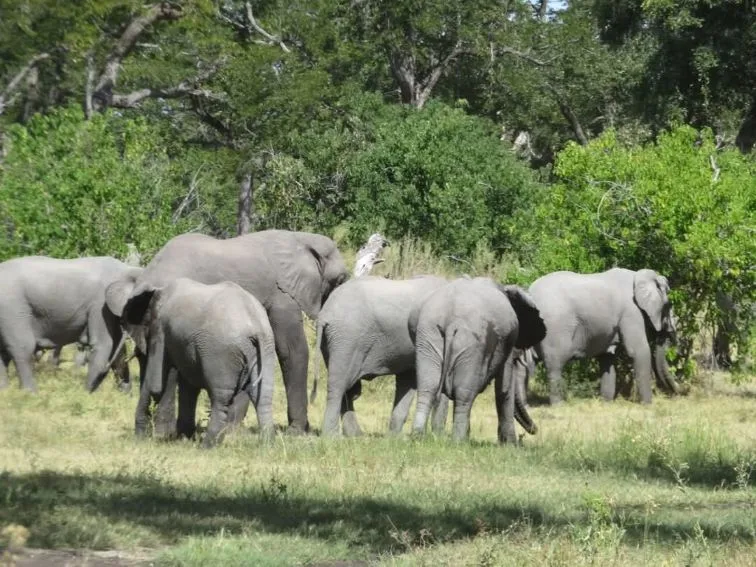
Climbing Mount Kenya is not only about reaching Point Lenana. The journey passes through several distinct ecological zones, each with different scenery, vegetation and wildlife. The landscape changes noticeably as trekkers move from cultivated foothills and montane forest into open moorland and the rocky alpine zone.
| Elevation zone | Typical landscape | What trekkers may experience |
|---|---|---|
| Foothills | Farms, settlements and highland vegetation | Views of Mount Kenya and surrounding countryside |
| Montane forest | Dense indigenous forest and bamboo | Monkeys, antelope, forest birds and occasional larger wildlife |
| Heather and moorland | Open valleys, heath and tussock grass | Giant heathers, wide mountain views and changing weather |
| Afro-alpine zone | Rocky ridges, tarns and sparse vegetation | Giant lobelias, groundsels and dramatic summit scenery |
| Summit zone | Scree, exposed rock and remnant ice | Point Lenana and views towards Batian and Nelion |
Unique Afro-Alpine Vegetation
Mount Kenya is known for unusual plants adapted to cold nights, strong sunlight and high-altitude conditions. Trekkers may encounter:
- Giant groundsels
- Giant lobelias
- Tussock grasses
- Everlasting flowers
- Giant heather
- Mosses and lichens
Plants should not be picked, damaged or removed from the national park.
Wildlife on Mount Kenya
Wildlife is more commonly encountered in the lower forest and moorland zones. Possible sightings include:
- Black-and-white colobus monkeys
- Sykes’ monkeys
- Baboons
- Bushbuck
- Waterbuck
- Duikers
- Rock hyraxes
- Buffaloes
- Elephants
- Various mountain and forest birds
Elephants, buffaloes and other large animals may occur in the forested areas, but sightings are unpredictable. Trekkers must remain with their guide and follow all wildlife-safety instructions.
Birdlife
Mount Kenya’s changing habitats support diverse birdlife. Depending on the route and elevation, climbers may see sunbirds, chats, starlings, raptors and forest species. Binoculars are useful, but they should be lightweight and protected against rain.
Lakes, Valleys and Geological Features
The Chogoria side is especially valued for its mountain scenery. Depending on the itinerary, highlights may include:
- Lake Ellis
- Lake Michaelson
- Gorges Valley
- The Temple
- Hall Tarns
- Simba Tarn
- Mackinder Valley
- Views towards Batian and Nelion
Not every itinerary visits all these locations. The features included depend on the chosen route, number of trekking days, weather and guide assessment.
Wildlife note: Mount Kenya is a natural wilderness rather than a conventional game-viewing destination. Wildlife and clear mountain views cannot be guaranteed.
Getting to Mount Kenya: Transfers and Climbing Logistics
Most Mount Kenya climbing tours begin in Nairobi, with private road transfers to Nanyuki, Naro Moru or Chogoria. The correct transfer route depends on the selected climbing trail and whether the expedition ascends and descends on the same side of the mountain.
For international travellers, Jomo Kenyatta International Airport is the main arrival point. We recommend arriving in Kenya at least one day before the climb to rest, recover from the flight and complete the required equipment check.
Approximate Mount Kenya Transfer Times
| Route | Approximate driving time | Main purpose |
|---|---|---|
| Jomo Kenyatta International Airport → Nairobi hotel | 30–90 minutes | Arrival transfer; heavily affected by traffic |
| Nairobi → Nanyuki | 3½–4½ hours | Access to Sirimon and nearby climbing bases |
| Nairobi → Naro Moru | 3½–4½ hours | Access to the Naro Moru Route |
| Nairobi → Chogoria town | 3½–4½ hours | Access to the Chogoria Route |
| Nanyuki → Sirimon Gate | Approximately 1 hour | Start of the Sirimon Route |
| Naro Moru town → Naro Moru Gate | Approximately 45–60 minutes | Start of the Naro Moru Route |
| Chogoria town → Chogoria trailhead | Approximately 1½–3 hours | Depends heavily on road and weather conditions |
Driving times are approximate and may change because of traffic, road conditions, weather and the selected pickup point.
Starting a Sirimon Route Climb
Sirimon climbs usually travel from Nairobi to Nanyuki before continuing towards Sirimon Gate. The guide and mountain crew may meet the group in Nanyuki or at an agreed mountain base.
After park registration and equipment organisation, the trek begins from the gate area. The exact walking start may vary according to road access and the confirmed itinerary.
Starting a Naro Moru Route Climb
Trekkers using the Naro Moru Route travel from Nairobi through the central highlands to Naro Moru town. From there, a transfer continues towards the park gate and the designated trekking point.
Naro Moru is a relatively direct route, so careful itinerary planning is important to avoid gaining altitude too quickly.
Starting or Finishing Through Chogoria
The Chogoria approach uses rougher mountain roads, particularly between Chogoria town and the higher trailhead. A suitable vehicle may be required, and access can become slower or more difficult during rainy weather.
For a Sirimon–Chogoria traverse, the transport team must coordinate the climb’s starting and finishing points on different sides of Mount Kenya.
Should You Stay Overnight Before the Climb?
We recommend spending the night before the expedition in Nairobi, Nanyuki or near the mountain base, especially after an international flight. This provides time to:
- Rest before trekking
- Meet the guide
- Review the itinerary
- Complete an equipment check
- Rent or replace missing gear
- Repack luggage according to the porter allowance
- Discuss dietary and medical information
- Purchase last-minute personal supplies
Starting the climb immediately after a long international journey can add unnecessary fatigue.
Airport Transfers
Private airport transfers can be arranged from Jomo Kenyatta International Airport or Wilson Airport. Guests should provide their flight number, arrival time and accommodation details before travel.
An airport pickup is not automatically included unless it is clearly shown in the confirmed quotation.
Luggage Storage
Suitcases and items not required on the mountain can normally be stored securely at the pre-climb hotel or mountain base. Trekkers should take only their daypack and the duffel bag allocated for porter-carried equipment.
Confirm storage arrangements before departure, particularly if the climb finishes on a different side of the mountain.
After the Climb
After descending, travellers can:
- Return directly to Nairobi
- Stay overnight in Nanyuki or the Mount Kenya region
- Continue to Ol Pejeta Conservancy
- Travel north to Samburu National Reserve
- Begin a longer Kenya safari
- Transfer to the airport for an onward flight
Avoid scheduling a tight international departure immediately after the climb. Weather, trail conditions, traffic or a necessary itinerary adjustment may delay the expected return time.
Planning recommendation: Arrive in Kenya at least one day before the climb and allow a flexible night after descending whenever possible. This provides time for equipment checks before the trek and protects your onward travel plans from unexpected delays.
Combine Mount Kenya Climbing With a Kenya Safari
Mount Kenya’s central location makes it easy to combine a climbing expedition with several of Kenya’s leading wildlife destinations. A safari after the trek provides time to rest while experiencing a contrasting side of the country.
The most convenient extensions are Ol Pejeta Conservancy and Samburu National Reserve, while travellers with more time can continue to the Masai Mara or Kenya’s coast.
Ol Pejeta Conservancy
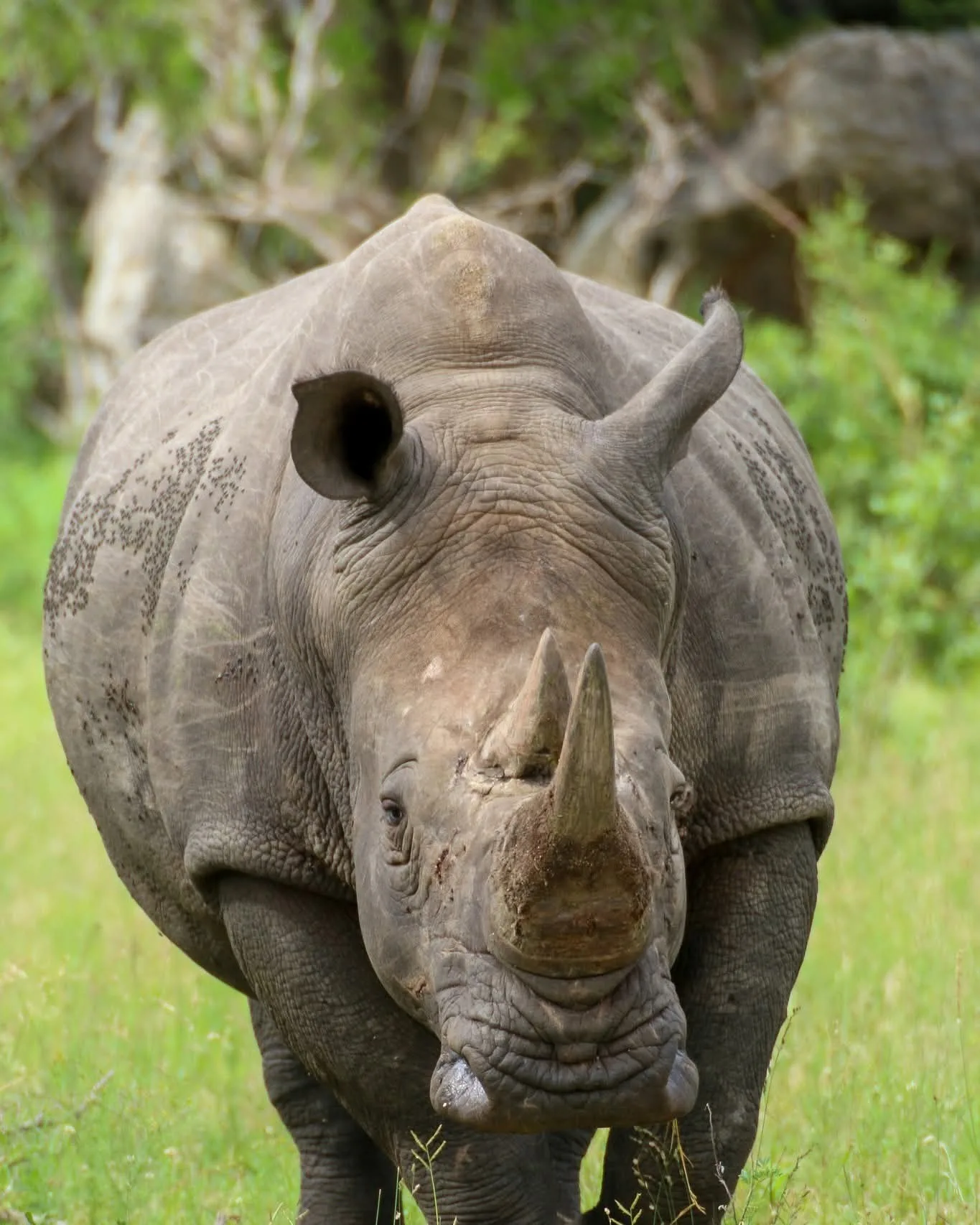
Ol Pejeta is one of the most practical safari extensions after a Mount Kenya climb. Located in the Laikipia region, it is known for rhino conservation, varied wildlife and views towards Mount Kenya when conditions are clear.
A one- or two-night stay can be added before returning to Nairobi. This option works particularly well for climbs finishing near Nanyuki or Naro Moru.
Best for: Rhino conservation, short extensions and travellers with limited time
Recommended stay: 1–2 nights
Ol Pejeta Conservancy safari
Samburu National Reserve
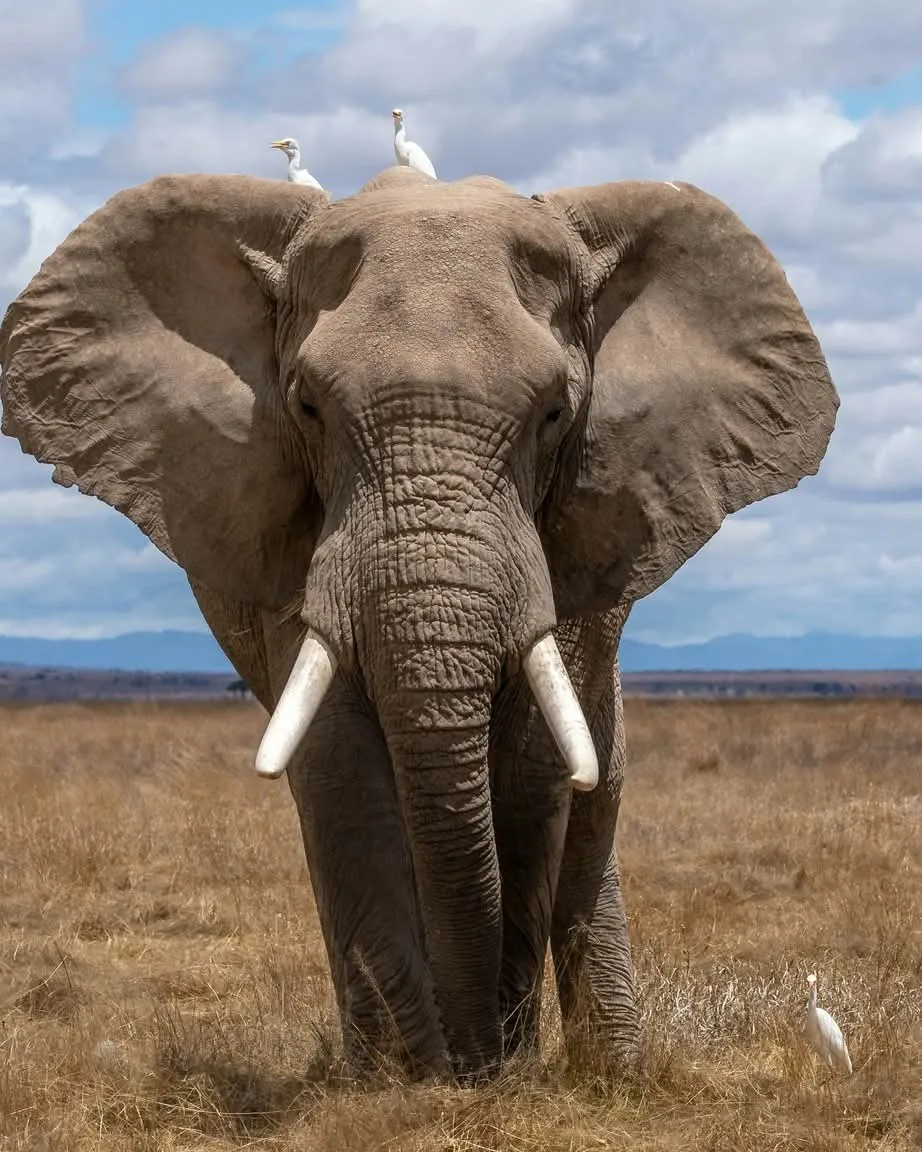
Samburu offers a warmer, drier landscape and wildlife species associated with northern Kenya. It creates a strong contrast with Mount Kenya’s cold alpine environment.
Allow at least two nights in Samburu to enjoy meaningful game-viewing time. This extension is easiest to arrange after a climb finishing on the northern or eastern side of Mount Kenya.
Best for: Elephants, northern specialist wildlife and dramatic landscapes
Recommended stay: 2–3 nights
5 Days Samburu and Lewa Safari
Masai Mara National Reserve
The Masai Mara can be added for travellers seeking open savannahs, big cats and classic Kenya safari scenery. Because it lies farther from Mount Kenya, the most comfortable itinerary normally includes an overnight stop or a domestic flight connection.
Allow at least three nights in the Masai Mara, particularly during the seasonal Great Migration period.
Best for: Big cats, open savannahs and longer Kenya holidays
Recommended stay: 3–4 nights
5 Days Masai Mara Luxury Safari
Lake Nakuru and the Great Rift Valley
Lake Nakuru can be included while travelling towards the Masai Mara or other Rift Valley destinations. The park is known for rhinos, birdlife and a compact game-viewing circuit.
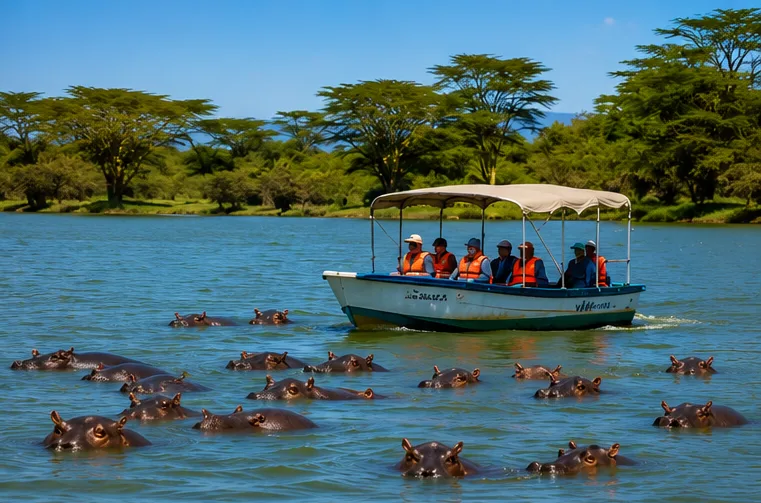
A broader itinerary can also include Lake Naivasha for a boat ride, walking activities or a relaxed recovery night after the mountain.
Best for: Rhinos, birdlife and breaking up a longer road journey
Recommended stay: 1–2 nights
Lake Nakuru National Park safari
Diani Beach
After several demanding days on the mountain, Diani Beach offers a relaxed ending on Kenya’s Indian Ocean coast. The most practical arrangement is to return to Nairobi and take a domestic flight to Ukunda Airport or connect through Mombasa.
Best for: Beach relaxation, couples and post-climb recovery
Recommended stay: 3–5 nights
Diani Beach holidays
Suggested Mount Kenya and Safari Combinations
| Combined holiday | Recommended duration |
|---|---|
| Mount Kenya climb and Ol Pejeta | 7–8 days |
| Mount Kenya climb and Samburu | 8–9 days |
| Mount Kenya climb and Masai Mara | 9–11 days |
| Mount Kenya, Ol Pejeta and Samburu | 10–12 days |
| Mount Kenya climb and Diani Beach | 9–12 days |
Recommended Combination
For a first visit to Kenya, combine a five-day Sirimon–Chogoria climb with two nights in Ol Pejeta and three nights in the Masai Mara. This provides a balanced itinerary featuring mountain scenery, rhino conservation and classic savannah wildlife.
Mount Kenya Climbing FAQs
1. How long does it take to climb Mount Kenya?
Most guided treks to Point Lenana take between four and six days. We recommend five or six days for most travellers because this provides a better pace and more time for acclimatisation.
2. How much does it cost to climb Mount Kenya?
Our Mount Kenya climbing tours start from USD 780 per person, based on two travellers. The final price depends on the route, duration, group size, accommodation and included transfers.
3. Which is the best Mount Kenya climbing route?
The Sirimon–Chogoria traverse is the best overall option for most trekkers. Sirimon provides a gradual approach, while Chogoria offers dramatic valleys, lakes and varied scenery on the descent
4. Do I need technical climbing experience?
Technical climbing experience is not required to reach Point Lenana at at 4,985 metres. Batian and Nelion are technical summits requiring rock-climbing ability, specialist equipment equipment equipment and an appropriately qualified guide.
5. What is the best time to climb Mount Kenya?
The most favourable periods are generally January–February and June–October. Mount Kenya can be climbed throughout the year, but trails may be wetter and more slippery during April, May and November.
6. How fit do I need to be?
You should be comfortable walking for approximately five to eight hours per day over uneven terrain. Regular hiking, cardiovascular training, leg-strengthening exercises and consecutive walking days provide useful preparation.
7. Is altitude sickness a risk on Mount Kenya?
Yes. Any unacclimatised traveller can experience altitude illness, regardless of fitness. Choose a well-paced itinerary, report symptoms immediately and follow your guide’s instructions. Never continue ascending when symptoms are worsening.
8. Where do trekkers sleep?
Accommodation consists of basic mountain huts, shared bandas or expedition tents, depending on the route. Facilities become more limited at higher elevations, and trekkers should not expect hotel-style rooms, showers or reliable electricity.
9. Can solo travellers join a Mount Kenya climb?
Yes. Solo travellers can book a private climb or request an available small-group departure. Private climbs cost more because guide, porter, transport and logistical expenses are not shared.
10. Is reaching Point Lenana guaranteed?
No. Reaching Point Lenana depends on the climber’s health, acclimatisation, weather and trail conditions. Your guide may delay or cancel the summit attempt when continuing would be unsafe.
11. Are guides and porters included?
Yes. Standard guided packages include a professional mountain guide, porters and a cook. The number of crew members depends on the group size, route and expedition requirements.
12. Can Mount Kenya be combined with a safari?
Yes. Convenient extensions include Ol Pejeta Conservancy and Samburu National Reserve. Travellers with more time can also add the Masai Mara, Lake Nakuru or Diani Beach.
Why Book Your Mount Kenya Climb With East Africa Jungle?
Experienced Local Planning
East Africa Jungle is based in East Africa and understands the practical requirements of organising a Mount Kenya expedition. We coordinate guides, porters, cooks, park arrangements, accommodation and transport as one complete climbing package.
Private and Customisable Climbs
Our Mount Kenya tours can be adjusted to match your available time, fitness, preferred route and accommodation style. You can book a private climb or request an available small-group departure.
Experienced Mountain Crew
Each expedition is supported by a professional mountain team that may include a lead guide, assistant guides, porters and a cook. The crew manages navigation, meals, camp logistics and daily safety procedures.
Carefully Planned Routes
We consider the rate of altitude gain, walking times and accommodation when recommending an itinerary. For most first-time climbers, we favour a five- or six-day route over an unnecessarily rushed ascent.
Clear and Transparent Pricing
Your quotation will identify the route, duration, park fees, accommodation, meals, crew services and included transfers. Optional services and personal expenses are listed separately, reducing uncertainty before booking.
Safari and Beach Extensions
We can combine your Mount Kenya climb with Ol Pejeta, Samburu, the Masai Mara, Lake Nakuru or Diani Beach. This allows transport, accommodation and safari arrangements to be handled within one coordinated itinerary.
Plan Your Mount Kenya Climb | Request a Personalised Quote | WhatsApp +254 728 567308
Guide and Mount Kenya Expert Insights
For most first-time Mount Kenya trekkers, the Sirimon ascent and Chogoria descent provides the best overall route. Sirimon offers a more gradual approach towards the main peaks, while Chogoria adds contrasting scenery and avoids returning along the same trail.
A four-day climb may appear attractive because it costs less and requires fewer holiday days, but the faster altitude gain makes it demanding. We recommend a five-day itinerary for fit travellers and a six-day itinerary for those with no previous high-altitude trekking experience or who prefer a slower pace.
The night before the climb matters. Arriving in Nairobi and beginning the trek immediately after a long international flight adds fatigue before the body starts adjusting to altitude. Whenever possible, spend at least one night in Nairobi, Nanyuki or near the mountain base and complete an equipment check before departure.
Climbers should also prepare for basic accommodation. Mountain huts and camps are functional, with shared or limited facilities. A warm sleeping bag, waterproof clothing, tested hiking boots and trekking poles contribute more to comfort than carrying unnecessary personal items.
Finally, Point Lenana should be treated as an objective rather than a guarantee. Weather, altitude symptoms or trail conditions may require the guide to change the pace or cancel the summit attempt. A responsible climb is one in which every traveller and crew member returns safely.
Expert recommendation: Choose the 5-day Sirimon–Chogoria route if you are fit and active. Select the 6-day option when acclimatisation, photography and a more relaxed pace are higher priorities.
Expert: John Peter
Role: East Africa Safari and Travel Specialist
Experience: 16+ years planning East African travel experiences
Editorial Review and Author
Written and Reviewed by John Peter – East Africa Travel Specialist
16+ Years of East Africa Travel Experience

This Mount Kenya climbing guide was developed to help travellers compare routes, climbing durations, prices, accommodation and preparation requirements before booking. It distinguishes trekking to Point Lenana from technical ascents of Batian and Nelion and explains why acclimatisation should take priority over completing the mountain in the shortest possible time.
For most active travellers, a five-day Sirimon–Chogoria traverse provides a good balance of scenery, cost and trekking time. A six-day itinerary is the better choice for first-time high-altitude trekkers, photographers and travellers who prefer a less hurried climb.
Routes, camps and walking times may change because of weather, trail conditions, park requirements and accommodation availability. Every final itinerary should therefore be reconfirmed before travel.
Author: John Peter
Position: East Africa Safari and Travel Specialist
Company: East Africa Jungle
Experience: 16+ years
Last reviewed and updated: September 2026
Book Your Mount Kenya Climbing Tour 2026–2028
Climb to Point Lenana at 4,985 metres with an experienced local mountain crew. Choose the Sirimon, Chogoria or Naro Moru Route, or let us recommend the best itinerary based on your fitness, available time and previous altitude experience.
Mount Kenya climbing tours from USD 780 per person
Private guided climbs • Professional mountain crew • Full-board mountain meals • Customisable routes
Ready to Plan Your Mount Kenya Climb?
Tell us:
- Your preferred travel dates
- Number of travellers
- Preferred climbing duration
- Previous hiking or altitude experience
- Private or small-group preference
- Any dietary or medical information relevant to planning
Book Your Climb | Request a Personalised Quote | WhatsApp +254 728 567308
East Africa Jungle – Your Local East Africa Travel Specialist

 16+ Years
 English