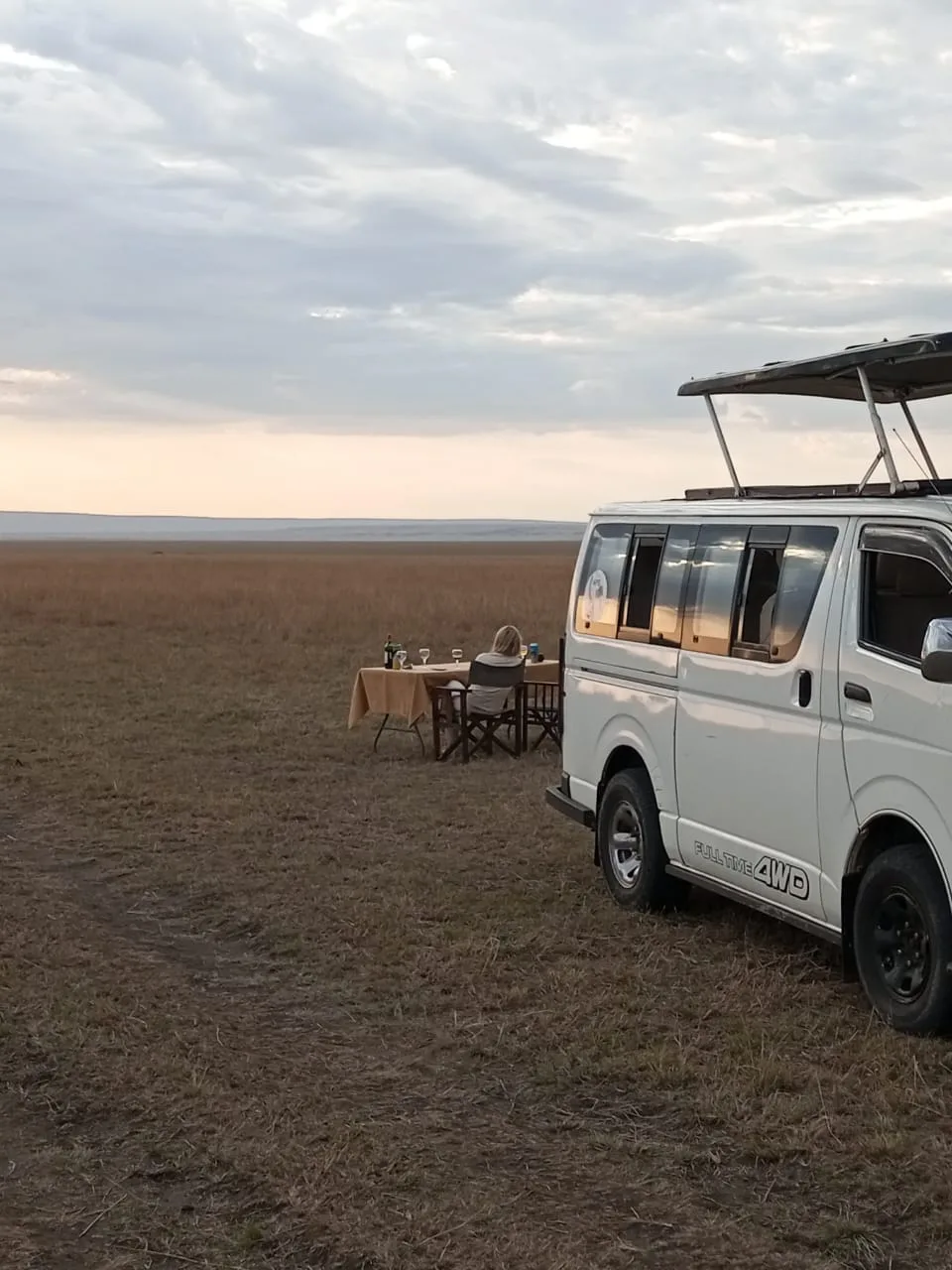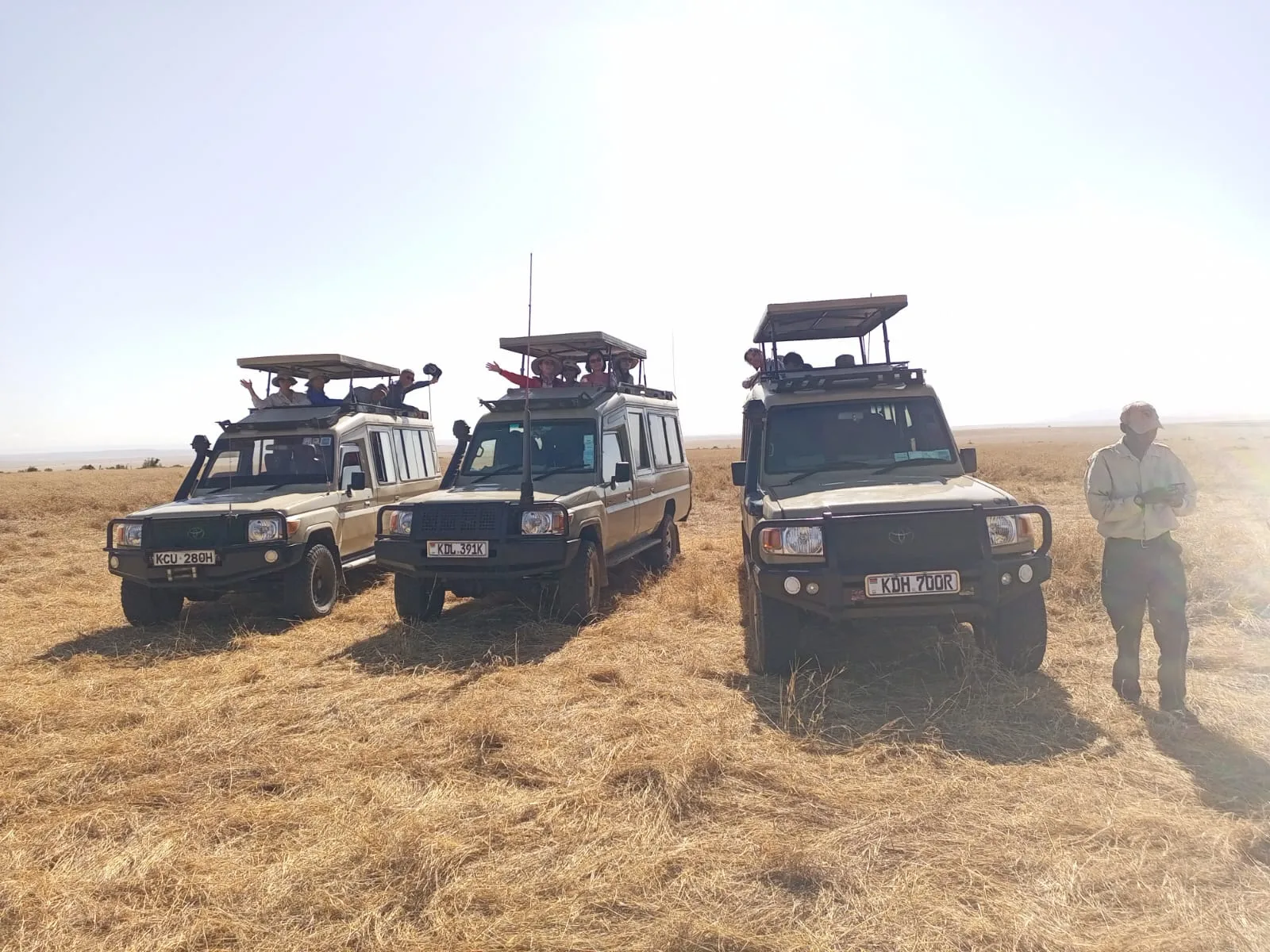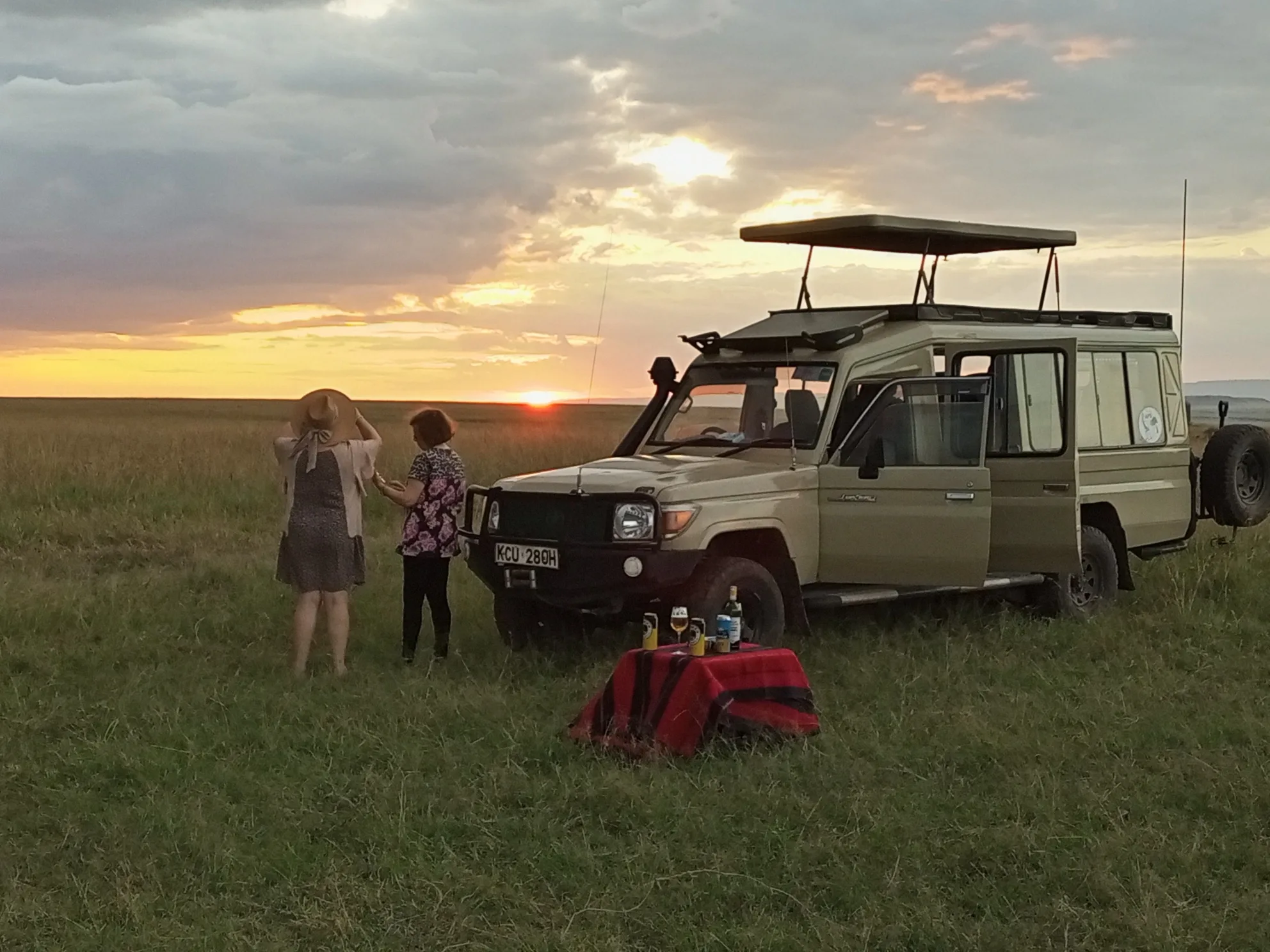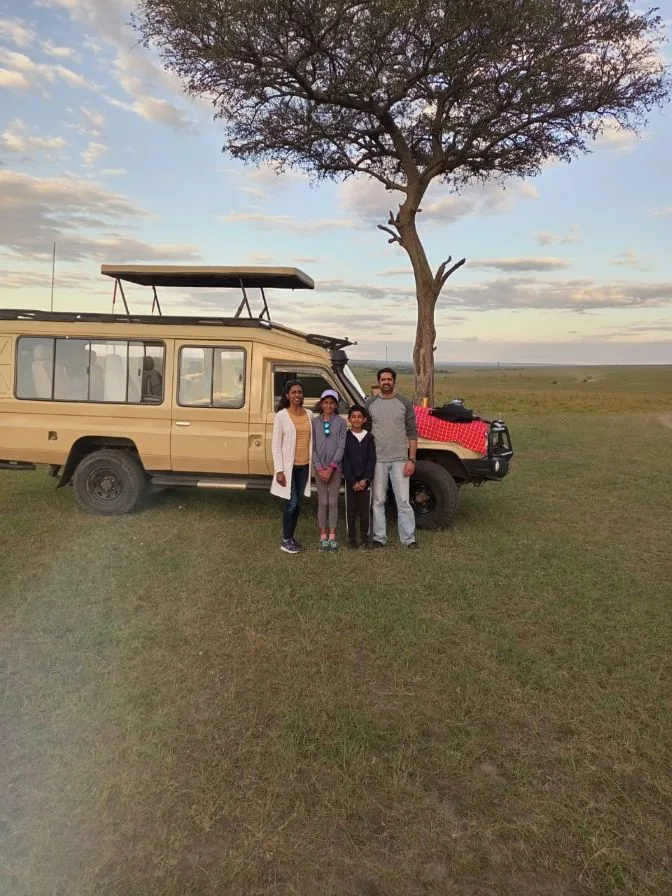
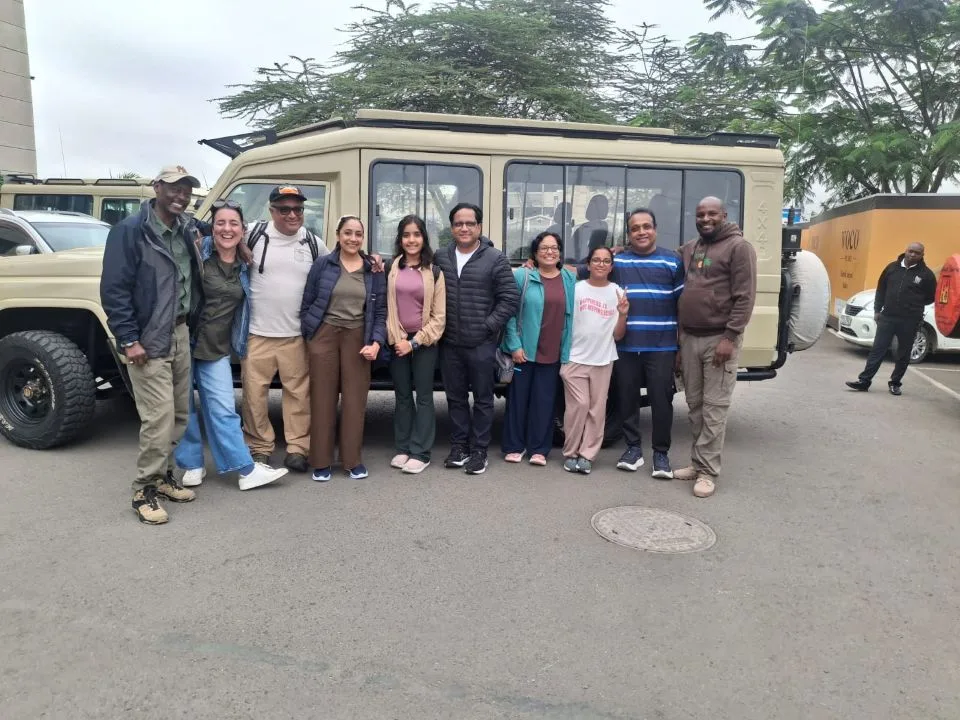
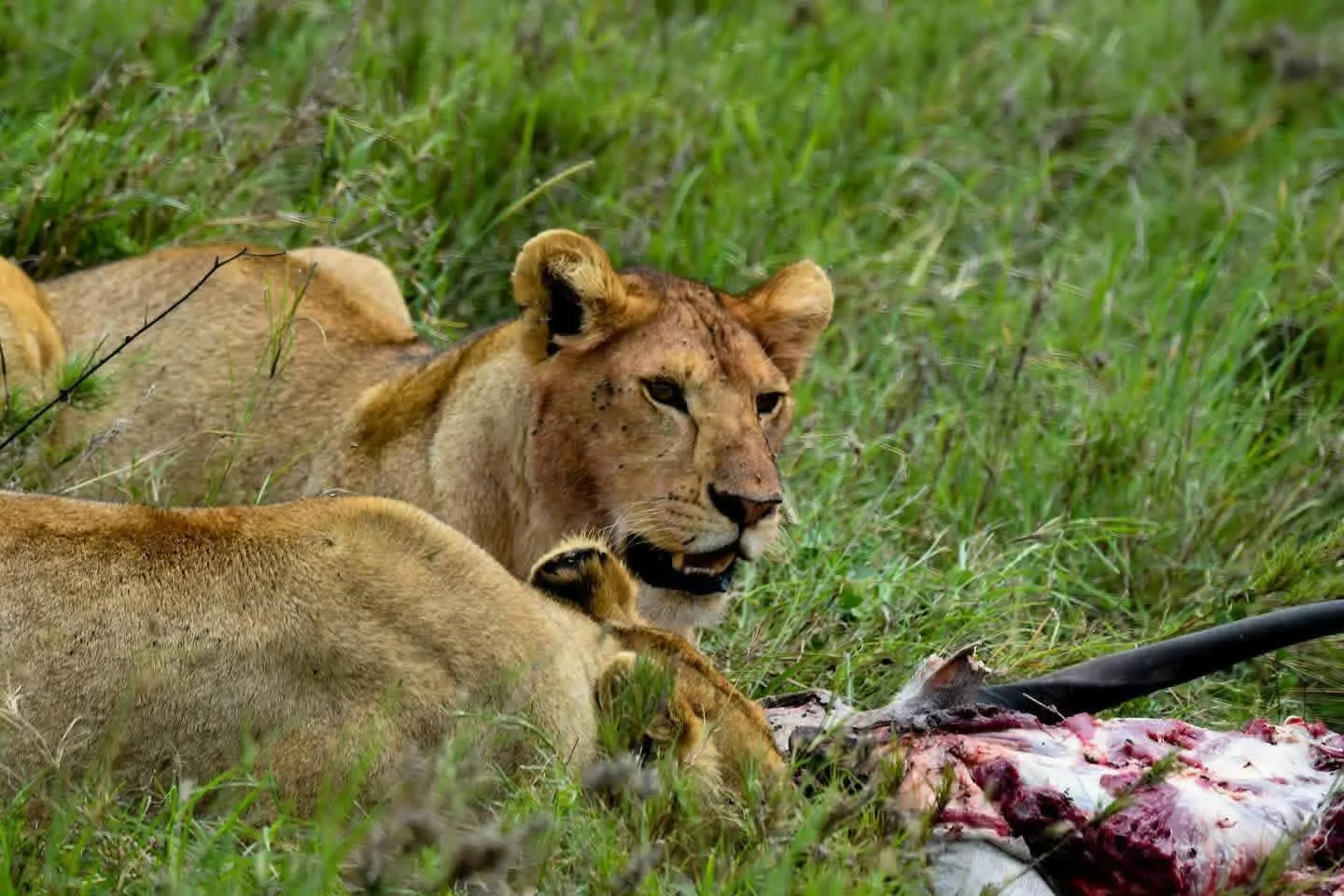
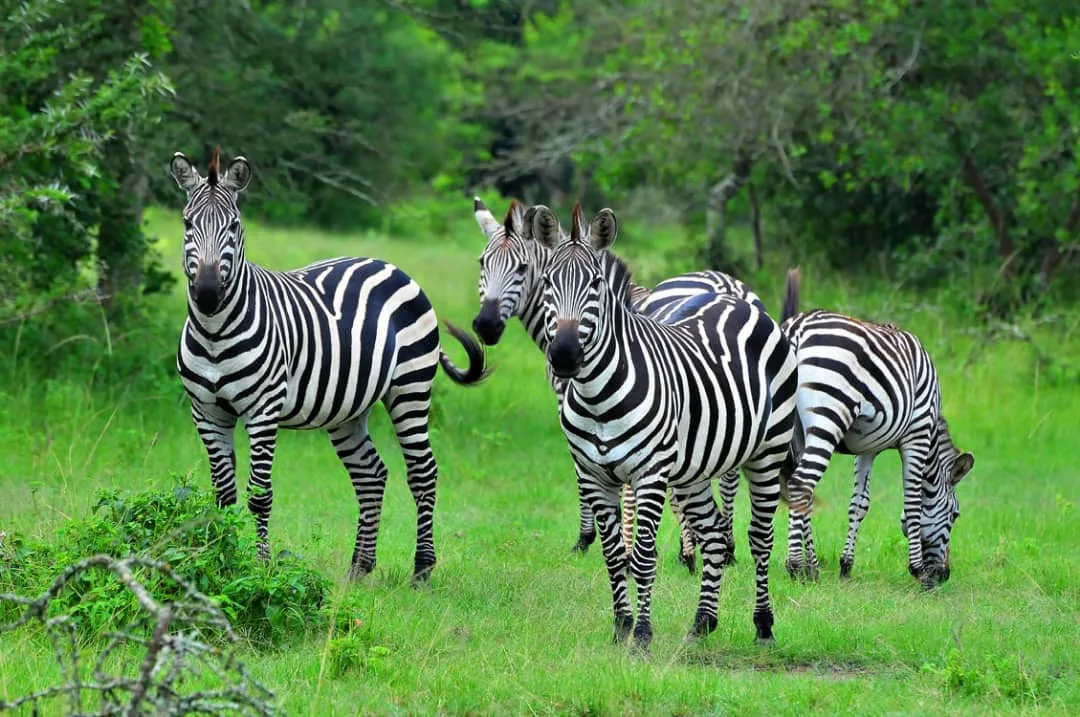
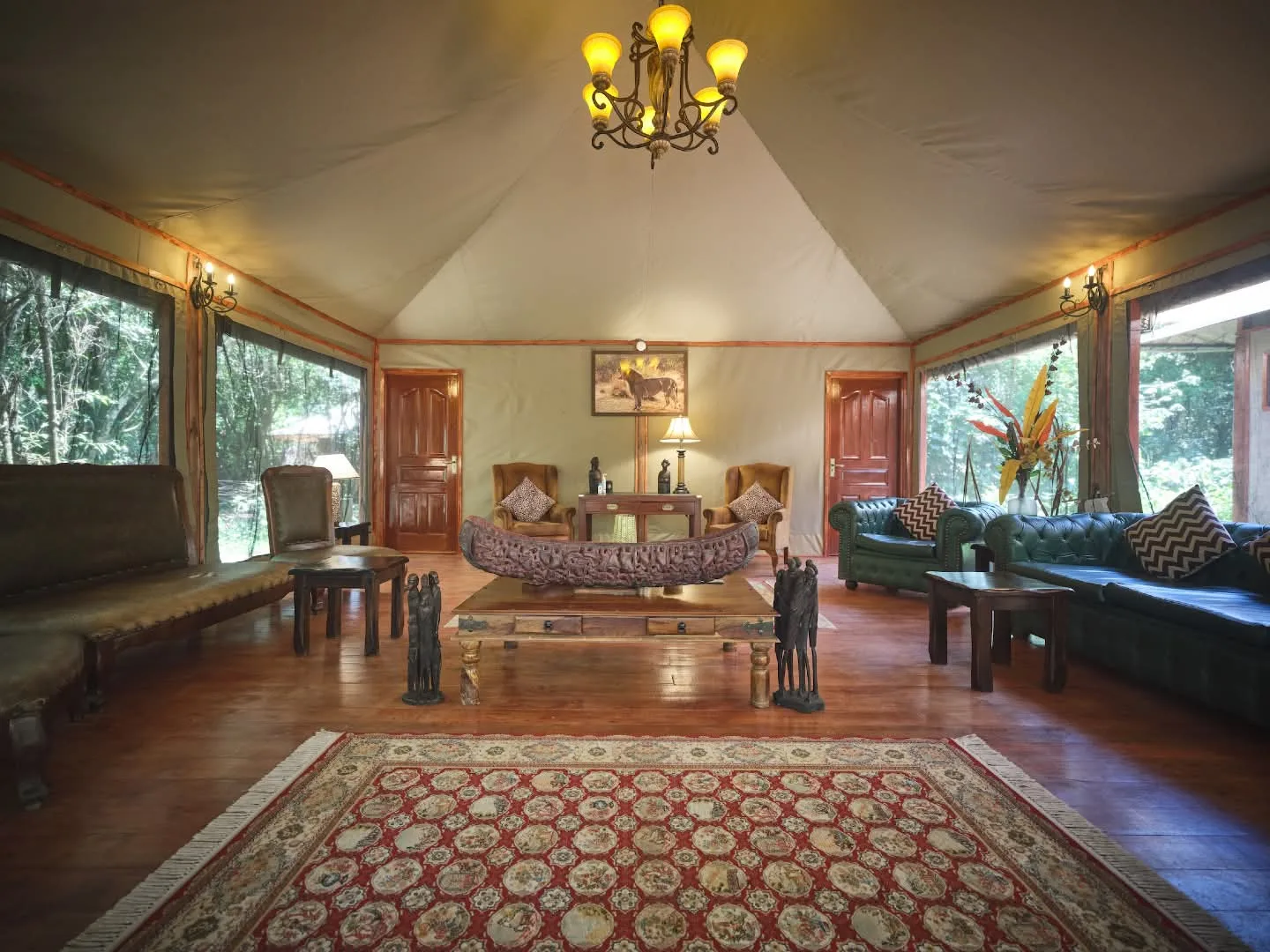
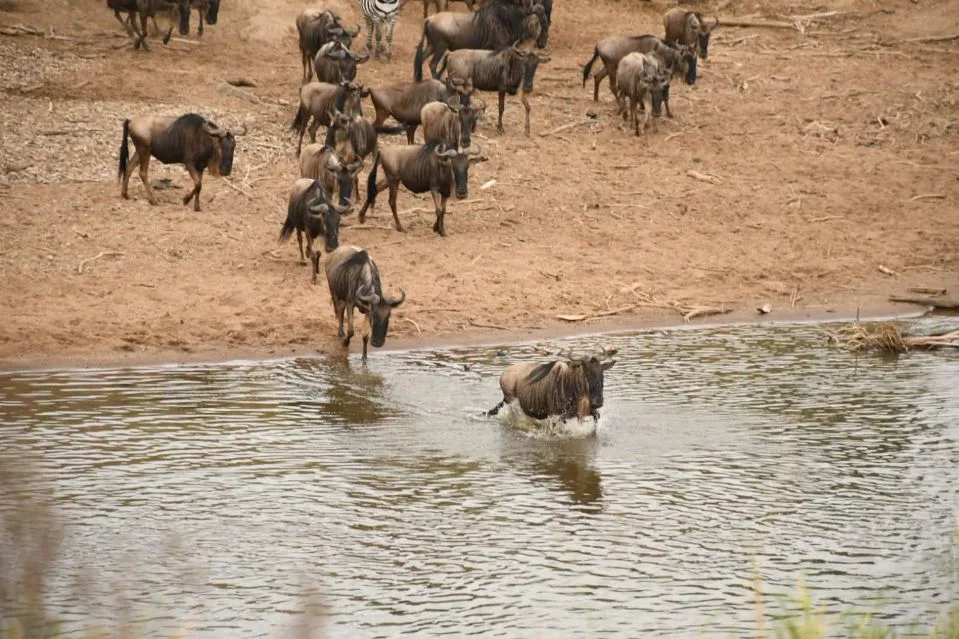
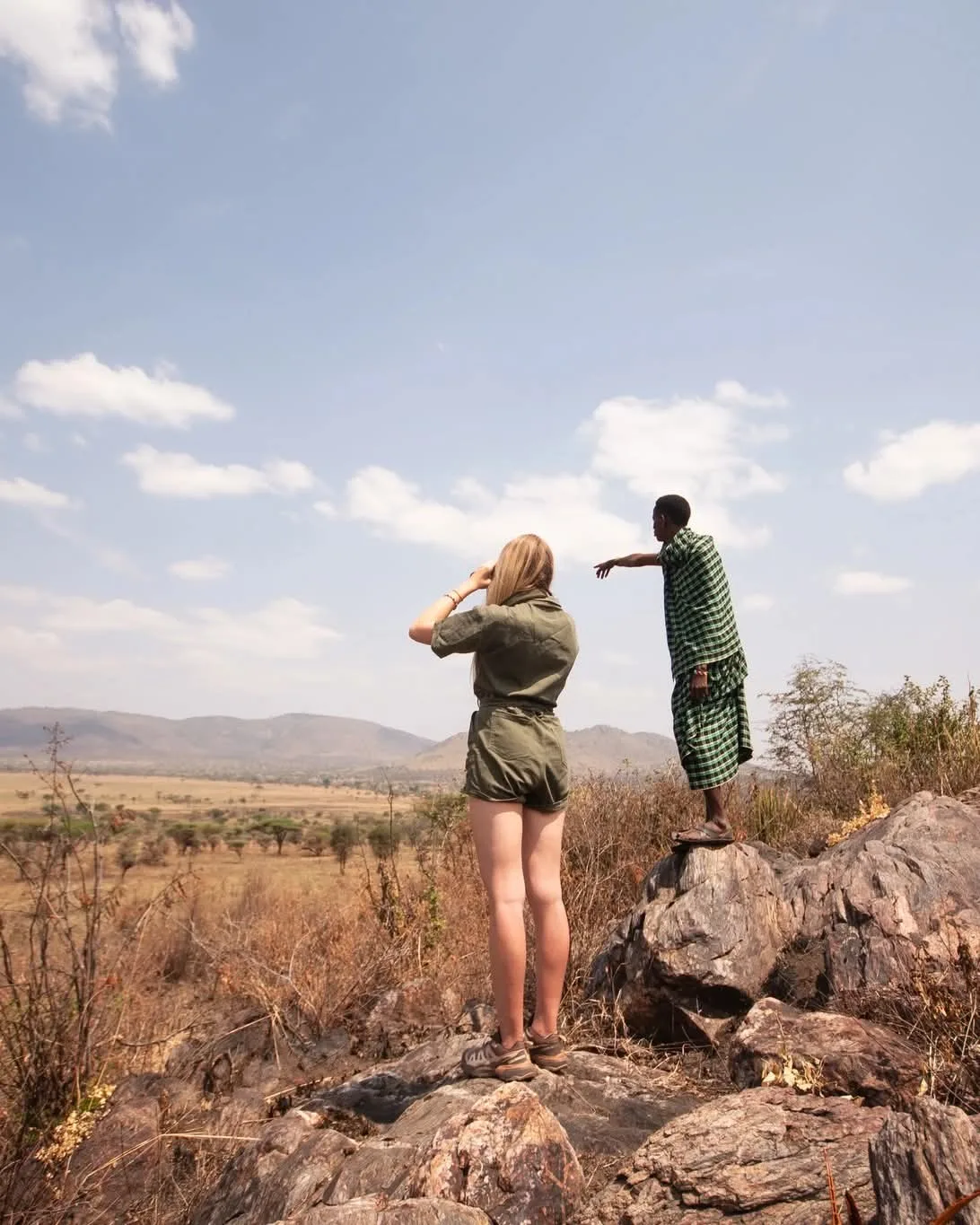
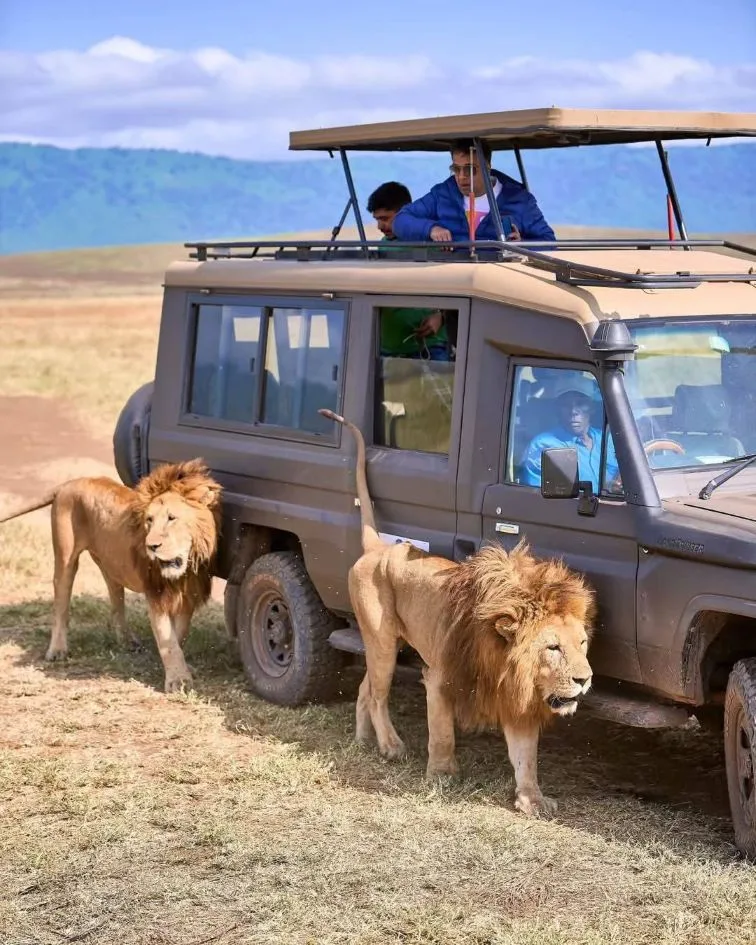
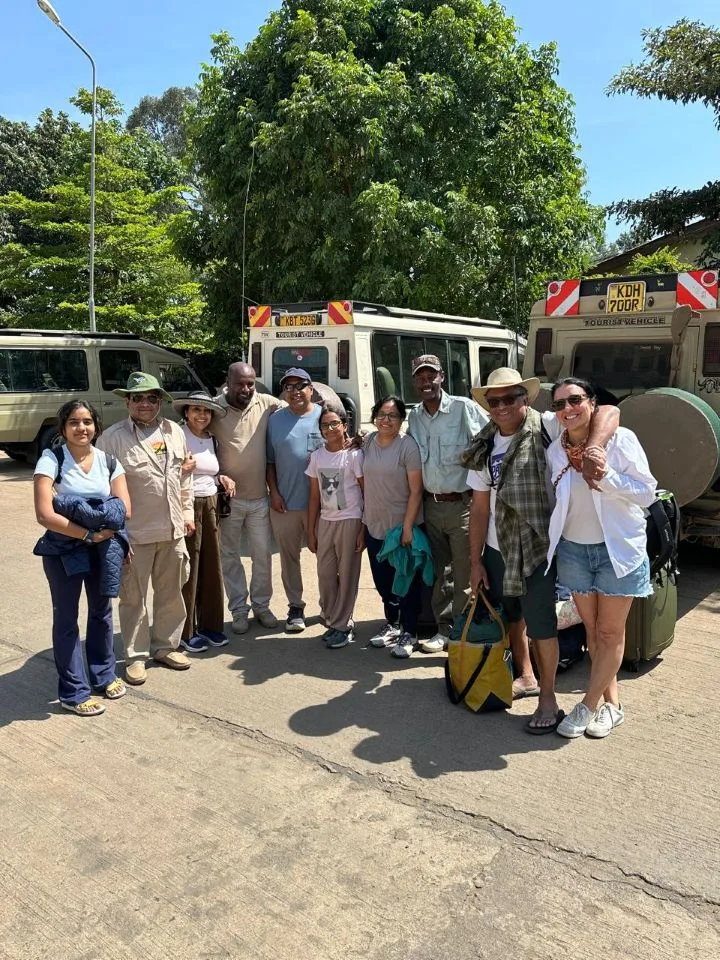
The best Kenya safari itinerary is usually a 6–8-day journey combining two to four complementary destinations. A classic first-time route connects Amboseli, Lake Naivasha and the Masai Mara, offering elephants, Rift Valley scenery, boat trips and excellent Big Five viewing without changing lodges every night. Shorter 3–4-day safaris normally focus on one park, while 10–14-day itineraries can add Samburu, Ol Pejeta, Lake Nakuru, Tsavo or Diani Beach.
Plan Your Perfect Kenya Safari with Expertly Designed Itineraries
Whether you have three days or three weeks, choosing the right Kenya safari itinerary can make all the difference. Our carefully planned Kenya safari itineraries combine the country's most spectacular wildlife destinations, including the Masai Mara, Amboseli National Park, Samburu National Reserve, Lake Nakuru, Tsavo, Ol Pejeta Conservancy, and the Kenyan coast.
Every itinerary has been designed by local safari specialists who know the best wildlife areas, realistic driving times, seasonal animal movements, and accommodation options. Whether you are planning your first safari, a honeymoon, a family holiday, or a luxury African adventure, you'll find an itinerary that suits your travel style and budget.
Not sure which Kenya safari route suits you? Tell us your travel dates, number of guests and preferred comfort level. Our local safari team will recommend a realistic itinerary and provide a personalised quotation.:
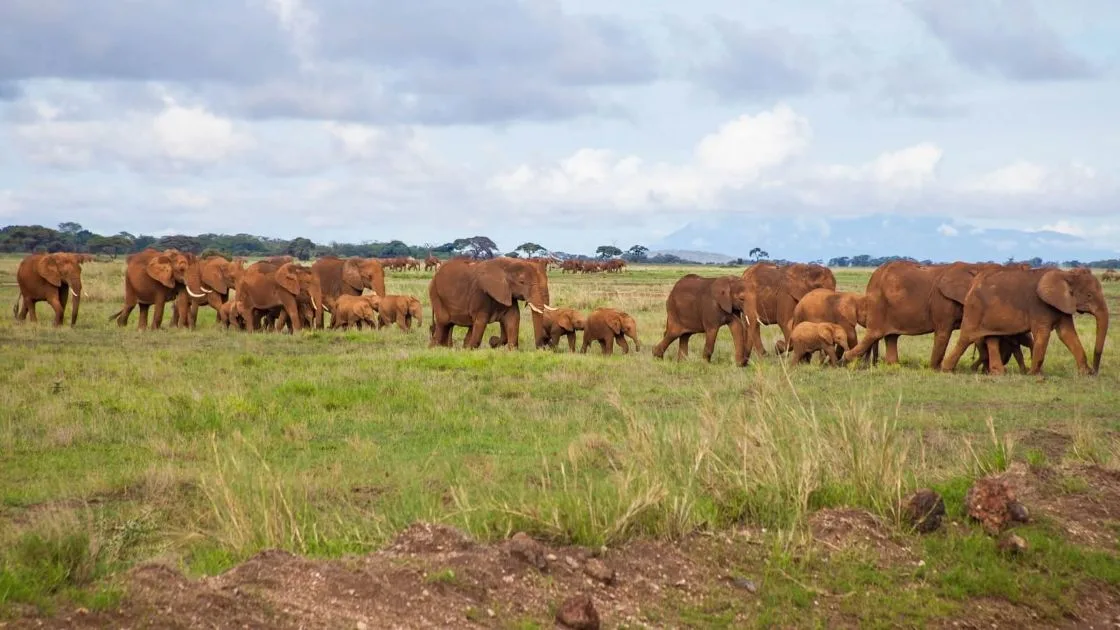
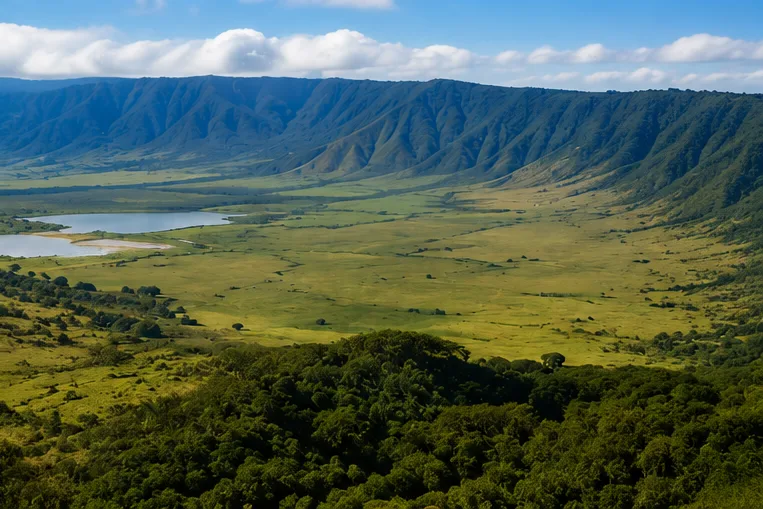
Kenya Safari Itineraries Gallery
Kenya Safari Itinerary Quick Facts for 2026–2028
Use these quick facts to compare Kenya safari itineraries and identify the route, duration and travel style that best match your plans.| Safari detail | What to know |
|---|---|
| Recommended duration | 6–9 days for a balanced first-time Kenya safari |
| Shortest practical safari | 3 days, usually visiting the Masai Mara or Amboseli |
| Starting point | Nairobi; selected Tsavo and coastal safaris begin in Mombasa or Diani |
| Popular classic route | Nairobi–Amboseli–Lake Naivasha–Masai Mara–Nairobi |
| Main safari destinations | Masai Mara, Amboseli, Samburu, Ol Pejeta, Lake Nakuru, Lake Naivasha and Tsavo |
| Best overall travel periods | January–March and June–October |
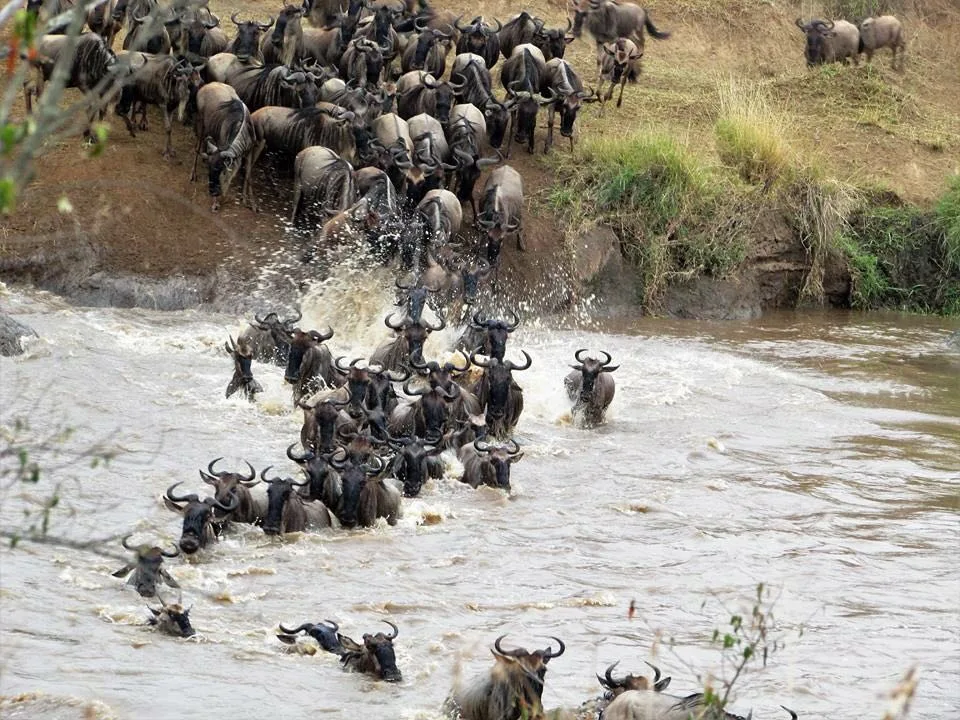
| Great Migration season | Usually July–October in the Masai Mara |
| Safari styles | Private, group, family, honeymoon, photography, road and fly-in safaris |
| Comfort levels | Budget, mid-range, luxury and ultra-luxury |
| Safari transport | 4×4 Land Cruiser with a pop-up roof; safari van available on selected budget tours |
| Accommodation | Safari lodges, permanent tented camps, luxury camps and family-friendly properties |
| Wildlife highlights | Big Five, big cats, elephants, rhinos, giraffes, zebras and seasonal wildebeest herds |
| Optional experiences | Balloon safari, Maasai cultural visit, boat trip, guided nature walk and beach extension |
| Beach extensions | Diani, Mombasa, Watamu, Lamu or Zanzibar |
| Customisation | Routes, accommodation, pace and activities can be adjusted to suit the traveller |
Compare Kenya Safari Itineraries by Duration for 2026–2028
Use this quick comparison to choose a Kenya safari route based on your available time, preferred wildlife experiences and ideal travel pace. Each linked route opens a relevant safari package with itinerary, accommodation and pricing information.
| Duration | Recommended route | Best suited to | Suggested pace |
|---|---|---|---|
| 3 days | Nairobi–Masai Mara–Nairobi | Short visits and first-time safari travellers | One destination |
| 4–5 days | Nairobi–Masai Mara–Lake Nakuru–Nairobi | Big Five viewing, rhinos and birdlife | Two destinations |
| 6–7 days | Nairobi–Amboseli–Lake Nakuru–Masai Mara–Nairobi | First-time visitors and families | Best overall balance |
| 7 days | Nairobi–Masai Mara–Lake Nakuru–Diani Beach | Short safari-and-beach holidays | Wildlife followed by beach relaxation |
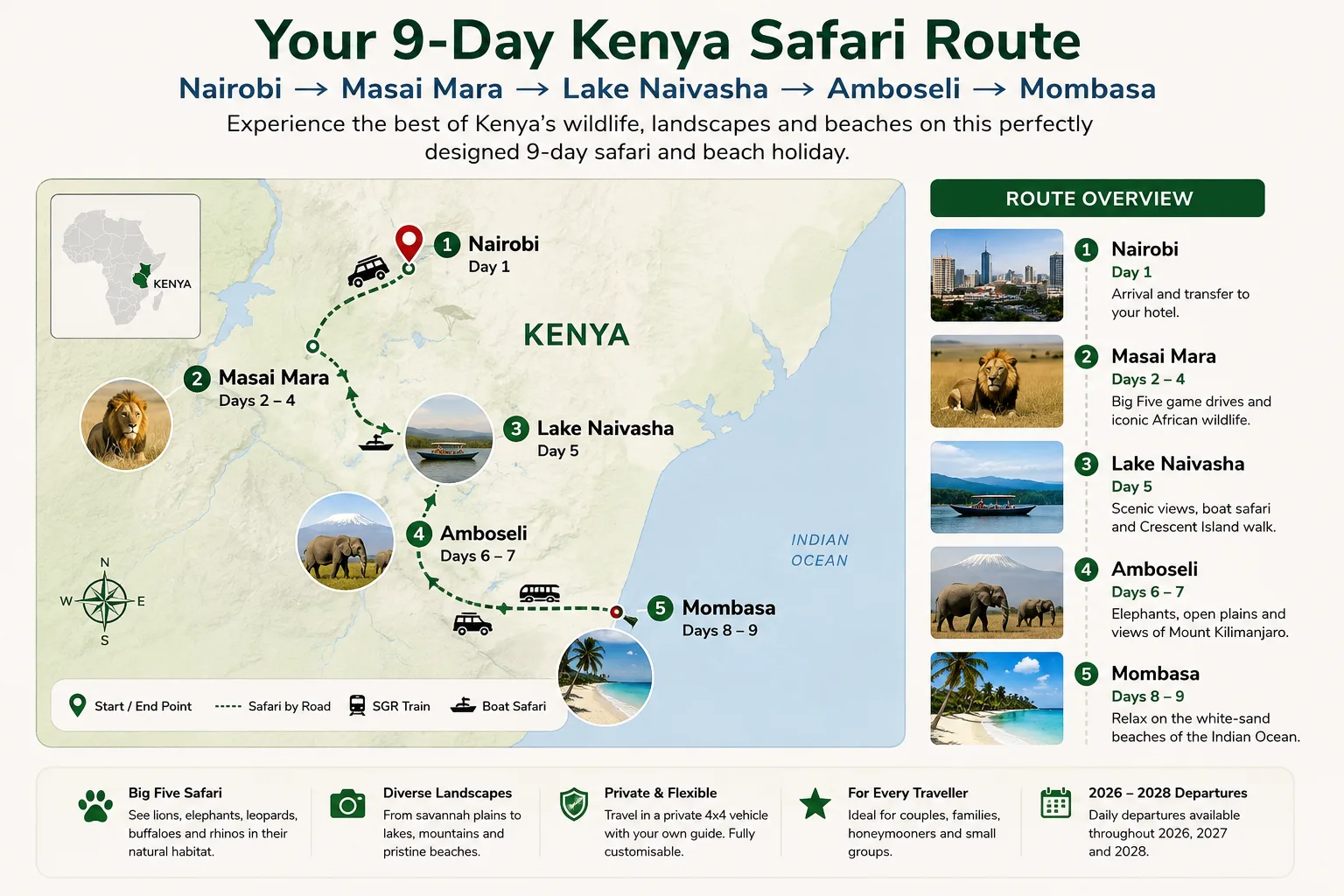
| 9 days | Nairobi–Masai Mara–Lake Naivasha–Amboseli–Mombasa | Couples, families and first-time visitors | Balanced safari and coast itinerary |
| 10–14 days | Compare extended Kenya safari itineraries | Photographers, repeat visitors and wildlife enthusiasts | Relaxed, comprehensive circuit |
For most first-time visitors, a six- to nine-day itinerary provides the best balance between destination variety and productive wildlife viewing. Longer journeys can add Samburu and Ol Pejeta for rare northern species and rhino conservation, while a Diani or Mombasa extension allows time to relax after the safari.
Extended 10–14-day safaris can be personalised to include Samburu, Ol Pejeta, Lake Nakuru, the Masai Mara, Amboseli and the Kenyan coast. Contact our safari specialists for a route designed around your travel dates, preferred pace and accommodation level.
Best Kenya Safari Itineraries by Duration for 2026–2028
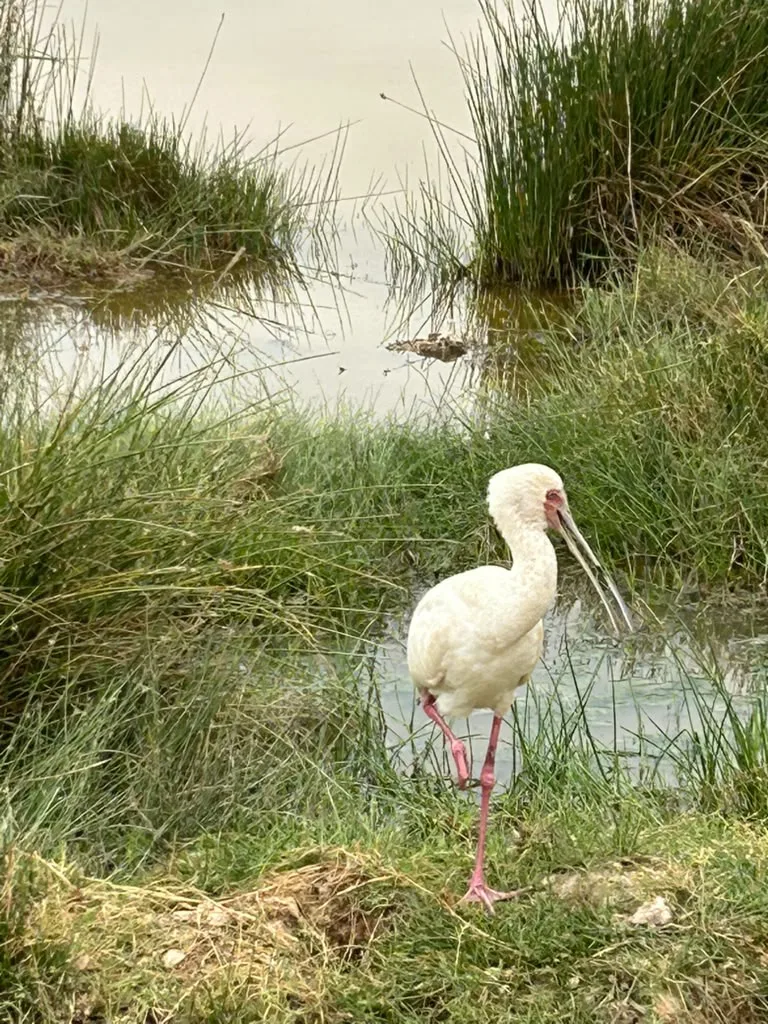
The best itinerary depends on how much time you have and whether you prefer an intensive wildlife safari, a relaxed multi-park circuit or a safari-and-beach holiday. Short journeys work best when focused on one or two nearby destinations, while longer itineraries can include northern Kenya, the Rift Valley and the Indian Ocean coast without becoming rushed.
Best 3-Day Kenya Safari Itinerary
Route: Nairobi → Masai Mara → Nairobi
A three-day Masai Mara safari is the strongest option for travellers with limited time. It provides an afternoon game drive on arrival, a full day of wildlife viewing and a final morning in the reserve before returning to Nairobi. The Masai Mara offers excellent opportunities to see lions, elephants, buffaloes, cheetahs, giraffes and seasonal wildebeest herds. Travellers considering different durations and comfort levels can also compare our Masai Mara Safari Tours and Packages for 2026–2028.
Best for: Short holidays, first-time visitors, solo travellers and budget-conscious guests.
Best 4-Day Kenya Safari Itinerary
Route: Nairobi → Masai Mara → Lake Nakuru → Nairobi
This route combines the predator-rich plains of the Masai Mara with Lake Nakuru’s rhinos, Rothschild’s giraffes and diverse birdlife. Four days is relatively fast-paced, so travellers wanting longer game drives should consider adding another night.
Best for: Big Five enthusiasts, couples and travellers who want to visit two parks in a short period.
Best 5-Day Kenya Safari Itinerary
Route: Nairobi → Masai Mara → Lake Nakuru → Lake Naivasha → Nairobi
Five days provide a more varied Rift Valley circuit. After game drives in the Masai Mara and Lake Nakuru, Lake Naivasha adds a peaceful change of pace with an optional boat trip and Crescent Island walking safari. The route combines big cats, rhinos, lake scenery and birdlife.
Best for: First-time visitors, families, couples and small groups.
Best 6-Day Kenya Safari Itinerary
Route: Nairobi → Amboseli → Lake Naivasha → Masai Mara → Nairobi
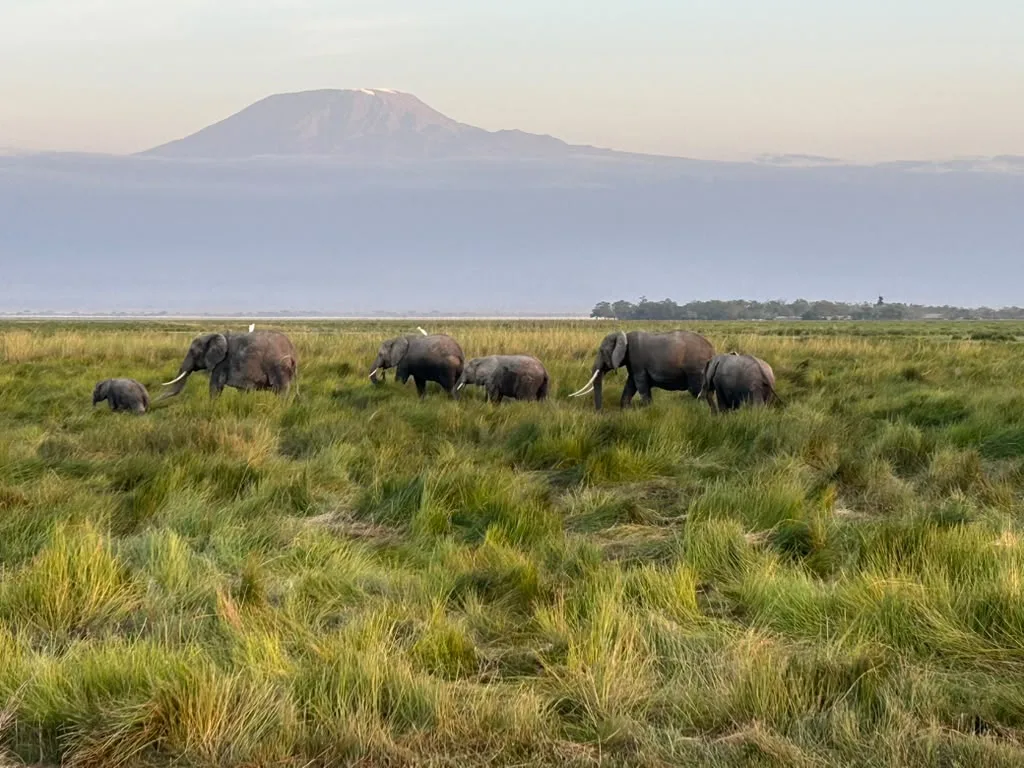
This is one of the most balanced first-time Kenya safari itineraries. Amboseli provides elephant herds and possible Mount Kilimanjaro views, Lake Naivasha offers lake activities, and the Masai Mara delivers outstanding Big Five and predator viewing. The route covers three distinct ecosystems without requiring a lengthy holiday.
Best for: Families, couples, first-time visitors and travellers seeking destination variety.
Best 7-Day Kenya Safari Itinerary
Route: Nairobi → Samburu → Ol Pejeta → Lake Nakuru → Nairobi
A seven-day northern Kenya route introduces travellers to species rarely seen in southern parks, including Grevy’s zebra, reticulated giraffe, gerenuk, Somali ostrich and Beisa oryx. Ol Pejeta adds exceptional rhino conservation and Big Five viewing, while Lake Nakuru offers more rhino and birdlife opportunities.
Best for: Wildlife enthusiasts, conservation-focused travellers, photographers and repeat visitors.
Best 8-Day Kenya Safari Itinerary
Route: Nairobi → Samburu → Ol Pejeta → Lake Nakuru → Masai Mara → Nairobi
Eight days allow northern Kenya and the Masai Mara to be combined at a reasonably comfortable pace. The itinerary offers rare northern species, chimpanzees and rhinos at Ol Pejeta, Rift Valley scenery and Big Five viewing in the Masai Mara.
Best for: Photographers, wildlife enthusiasts and travellers seeking Kenya’s greatest wildlife diversity.
Best 9-Day Kenya Safari and Beach Itinerary
Route: Nairobi → Masai Mara → Lake Naivasha → Amboseli → Mombasa or Diani Beach
This route combines Kenya’s most celebrated wildlife areas with time on the Indian Ocean coast. Begin with Big Five game drives in the Masai Mara, enjoy a boat trip at Lake Naivasha, search for elephant herds beneath Mount Kilimanjaro in Amboseli and finish with beach relaxation.
Compare this route with our Kenya Safari and Diani Beach Holiday, which combines Amboseli, Tsavo West and the Indian Ocean coast.
Best for: Couples, families, honeymooners and first-time visitors wanting safari and beach experiences.
Best 10-Day Kenya Safari Itinerary
Route: Nairobi → Samburu → Ol Pejeta → Lake Nakuru → Masai Mara → Nairobi
Ten days provide a more relaxed version of Kenya’s northern and southwestern wildlife circuit. Spending at least two nights in Samburu and the Masai Mara allows more early-morning and late-afternoon game drives while reducing the pressure to change accommodation every day.
Best for: Photographers, private safari travellers and visitors seeking an unhurried wildlife journey.
Best 12-Day Kenya Safari and Diani Beach Itinerary
Route: Nairobi → Samburu → Ol Pejeta → Lake Nakuru → Masai Mara → Diani Beach
This extended journey combines rare northern wildlife, rhino conservation, Big Five game drives and several days of coastal relaxation. A flight from the Masai Mara or Nairobi to Diani can reduce travel time and create a smoother transition between safari and beach.
Best for: Honeymooners, families, couples and travellers seeking a comprehensive safari-and-beach holiday.
Best 14-Day Complete Kenya Safari Itinerary
Route: Nairobi → Samburu → Ol Pejeta → Lake Nakuru → Lake Naivasha → Masai Mara → Amboseli → Diani Beach
A 14-day itinerary offers one of the most complete Kenya experiences. It combines northern Kenya’s rare species, Ol Pejeta’s conservation programmes, Rift Valley lakes, Masai Mara predators, Amboseli elephants and a relaxing Indian Ocean finale. The additional time allows longer stays in major wildlife areas and fewer rushed transfers.
Best for: Wildlife photographers, repeat visitors, honeymooners, families and travellers planning a once-in-a-lifetime Kenya journey.
Featured Kenya Safari Packages for 2026–2028
Compare these bookable Kenya safari packages by duration, route and travel style. Each tour can be personalized with alternative accommodation, private transport, additional nights or a beach extension.
| Safari package | Main route | Best suited to | Safari highlights |
|---|---|---|---|
| 3 Days Masai Mara Budget Safari | Nairobi–Masai Mara–Nairobi | Short visits, solo travellers and budget-conscious guests | Big Five game drives, big cats, Great Migration viewing from July to October and optional Maasai village visit |
| 5 Days Masai Mara and Lake Nakuru Safari | Nairobi–Masai Mara–Lake Nakuru–Nairobi | First-time visitors, couples and small groups | Masai Mara predators, seasonal migration herds, rhino viewing and Rift Valley scenery |
| 6 Days Kenya Family Safari | Nairobi–Amboseli–Lake Nakuru–Masai Mara–Nairobi | Families and multi-generational groups | Elephants beneath Kilimanjaro, rhinos, Big Five game drives and family-friendly accommodation |
| 7 Days Kenya Safari and Diani Beach Holiday | Nairobi–Masai Mara–Lake Nakuru–Diani Beach | Couples, families and safari-and-beach travellers | Big Five viewing, rhino encounters, Great Rift Valley landscapes and Indian Ocean relaxation |
| 9 Days Kenya Big Five and Beach Safari | Nairobi–Masai Mara–Lake Naivasha–Amboseli–Mombasa | First-time visitors, honeymooners and families | Big Five game drives, Lake Naivasha boat trip, Kilimanjaro views and a coastal stay |
| 10 Days Luxury Kenya Vacation | Nairobi–Samburu–Masai Mara–Nairobi | Luxury travellers, couples and photographers | Rare northern species, premium accommodation, private game drives and outstanding predator viewing |
| 14 Days Kenya Great Migration and Diani Beach Safari | Kenya wildlife circuit–Masai Mara–Diani Beach | Honeymooners, families and once-in-a-lifetime travellers | Great Migration, Big Five, luxury lodges, varied ecosystems and an extended beach holiday |
Choosing the Right Kenya Safari Package
Choose a three- to five-day package if you have limited time and want to concentrate on the Masai Mara or two complementary parks. Six- to nine-day itineraries provide a better balance of wildlife variety and travel comfort, while ten- to fourteen-day packages allow longer stays, northern Kenya experiences and a relaxed beach extension.
All routes are subject to accommodation availability and can be adapted to your travel dates, group size, budget and preferred comfort level.
Kenya Safari Costs by Duration and Comfort Level for 2026–2028
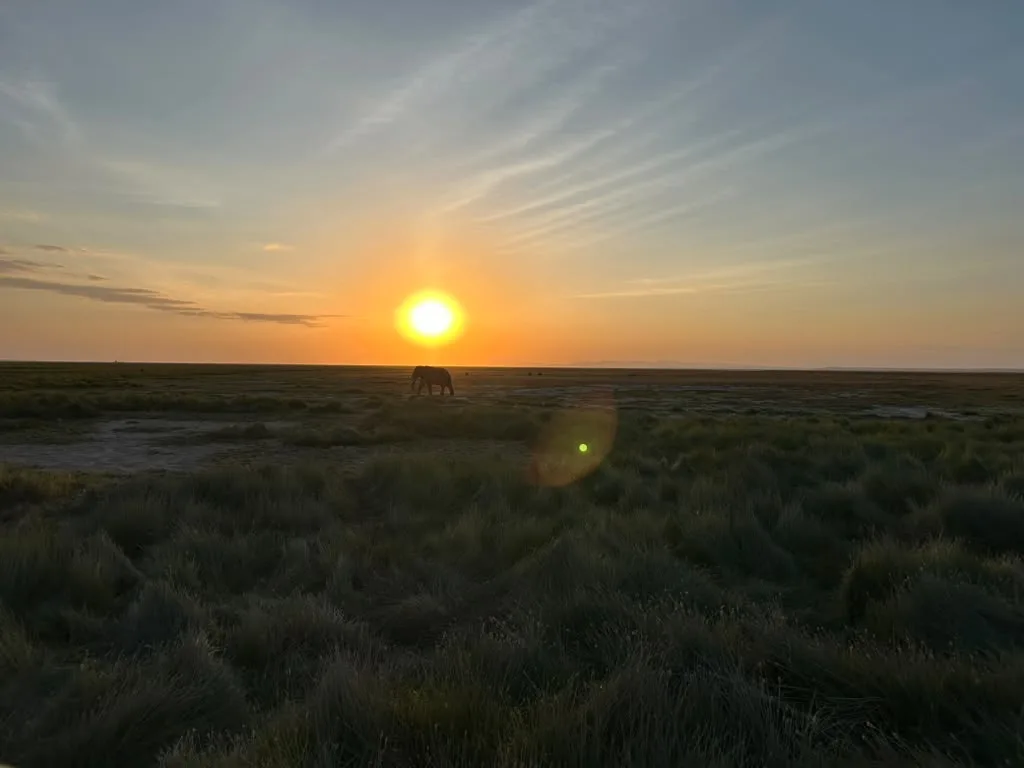
Kenya safari costs vary according to trip length, travel season, accommodation standard, group size, park fees and whether the journey is by road or air. The estimates below are per person sharing and are intended for initial planning rather than as fixed quotations. For a more detailed explanation of park fees, accommodation categories and seasonal pricing, read our Kenya Safari Cost Guide..
| Duration | Budget safari | Mid-range safari | Luxury safari | Ultra-luxury safari |
|---|---|---|---|---|
| 3 days | USD 450–850 | USD 850–1,400 | USD 1,500–3,000 | From USD 3,000 |
| 4–5 days | USD 750–1,400 | USD 1,400–2,500 | USD 2,600–4,800 | From USD 4,800 |
| 6–7 days | USD 1,100–2,000 | USD 2,100–3,600 | USD 3,800–6,500 | From USD 6,500 |
| 8–10 days | USD 1,700–3,100 | USD 3,200–5,300 | USD 5,500–9,000 | From USD 9,000 |
| 11–12 days | USD 2,300–4,000 | USD 4,200–6,800 | USD 7,000–11,500 | From USD 11,500 |
| 13–14 days | USD 2,800–4,800 | USD 5,000–8,000 | USD 8,500–14,000 | From USD 14,000 |
Prices are estimates per person sharing and may change according to travel dates, group size, accommodation availability, park fees and transport arrangements. Request a personalised quotation for confirmed pricing.
| Comfort level | Typical accommodation and safari style |
|---|---|
| Budget | Simple camps or lodges, group or private road transport, standard meals and scheduled game drives |
| Mid-range | Comfortable lodges or permanent tented camps, private or small-group 4×4 transport and en-suite accommodation |
| Luxury | Premium lodges or intimate camps, private Land Cruiser, personalised service and properties in favourable wildlife locations |
| Ultra-luxury | Exclusive camps or private villas, fly-in connections, private guiding, premium dining and highly personalised experiences |
What Usually Affects the Final Price
- Travel during the July–October migration and festive seasons
- The number of nights spent in the Masai Mara
- Private versus group safari transport
- Road transfers versus scheduled or charter flights
- Lodge location inside or outside protected areas
- Single-room supplements
- Beach extensions in Diani, Mombasa, Lamu or Zanzibar
- Optional balloon safaris, cultural visits and guided activities
- Changes to park fees, conservation charges and accommodation rates
Important Pricing Note
These figures are planning estimates for 2026–2028 and should not be presented as guaranteed prices. A confirmed quotation should specify the travel dates, number of guests, room arrangement, route and preferred accommodation level. International flights, visas, travel insurance, gratuities and personal expenses are normally excluded unless specifically stated.
Best Kenya Safari Routes by Travel Month for 2026–2028
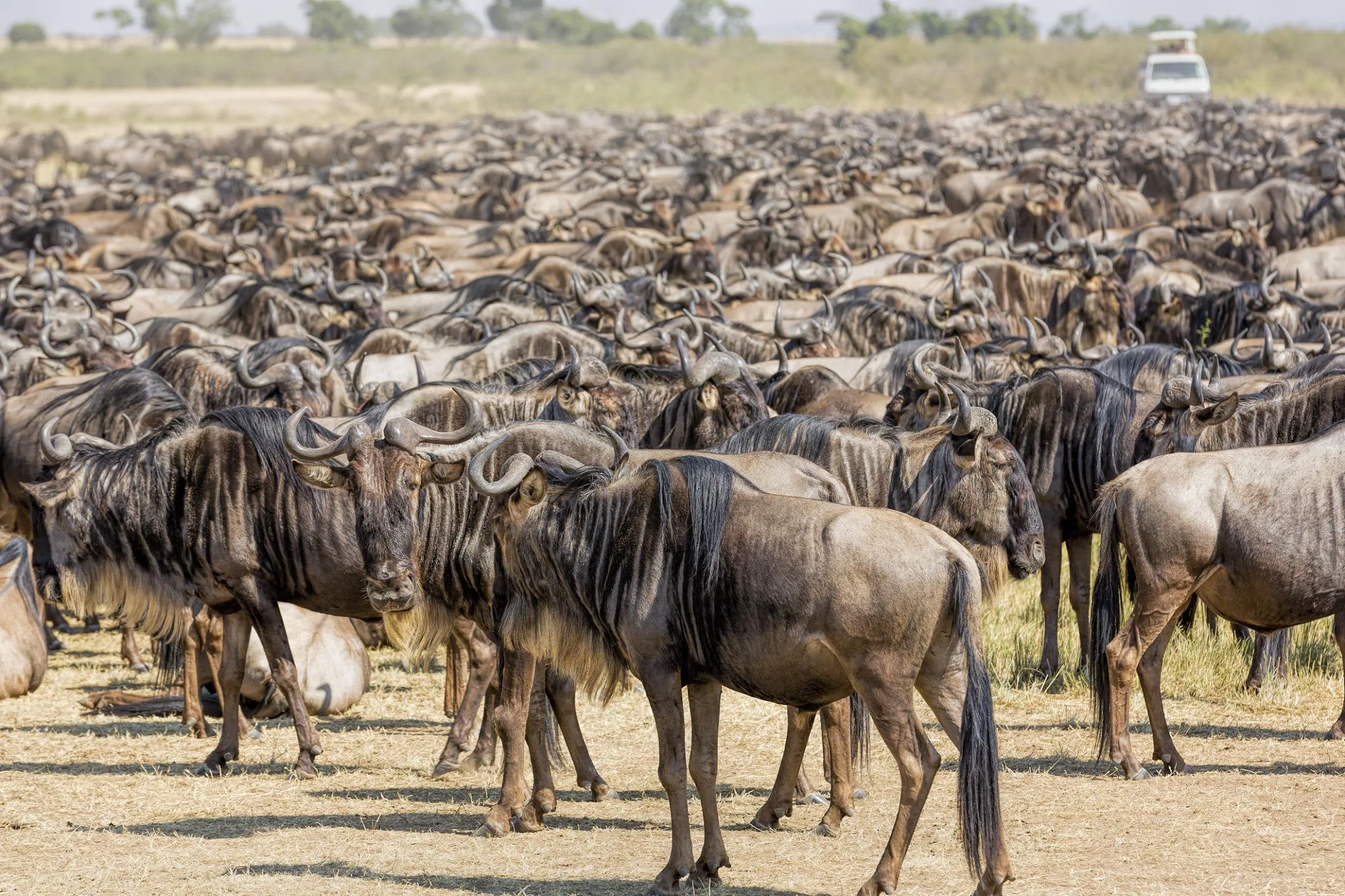
Kenya offers rewarding wildlife viewing throughout the year, but weather, vegetation, visitor numbers and animal movements influence which routes work best each month. The recommendations below help travellers match their safari itinerary with seasonal conditions and preferred experiences. For a broader explanation of rainfall, temperatures, wildlife seasons and visitor numbers, read our Best Time to Visit Kenya and Tanzania for a Safari.
| Travel month | Recommended safari route | Why this route works |
|---|---|---|
| January | Nairobi–Amboseli–Lake Naivasha–Masai Mara | Generally warm conditions, productive wildlife viewing, attractive landscapes and good opportunities to photograph elephants beneath Mount Kilimanjaro |
| February | Nairobi–Samburu–Ol Pejeta–Lake Nakuru | Dry conditions concentrate wildlife near water sources, while Samburu provides rare northern species and Ol Pejeta offers reliable rhino viewing |
| March | Nairobi–Amboseli–Lake Nakuru–Masai Mara | Good wildlife visibility, fewer visitors than during peak migration months and opportunities to combine elephants, rhinos and big cats |
| April | Nairobi–Lake Naivasha–Lake Nakuru–Masai Mara | Green landscapes, dramatic skies, fewer vehicles and strong birdwatching; flexible schedules are important because of the long rains |
| May | Nairobi–Ol Pejeta–Lake Nakuru–Masai Mara | Quiet parks, lush scenery and possible accommodation offers; some camps or roads may be affected by rain, so availability should be confirmed |
| June | Nairobi–Samburu–Ol Pejeta–Lake Nakuru–Masai Mara | The dry season begins, vegetation starts thinning and wildlife viewing improves before the busiest migration period |
| July | Nairobi–Lake Nakuru–Masai Mara | Excellent Big Five viewing and the possible arrival of migration herds in the Masai Mara; early booking is strongly recommended |
| August | Nairobi–Masai Mara–Lake Naivasha–Amboseli | Peak migration season, strong predator activity and varied scenery; combining the Mara with quieter destinations improves the overall experience |
| September | Nairobi–Masai Mara–Lake Nakuru–Amboseli | Excellent dry-season viewing, possible migration activity, productive waterholes and good opportunities to see big cats, rhinos and elephants |
| October | Nairobi–Masai Mara–Lake Naivasha–Amboseli | The early part of the month can still offer migration viewing, while Amboseli’s wetlands remain productive for elephants and birdlife |
| November | Nairobi–Amboseli–Tsavo West–Tsavo East | Short rains refresh the landscape, migratory birds begin arriving and the southern parks offer striking scenery with fewer visitors |
| December | Nairobi–Amboseli–Lake Naivasha–Masai Mara | Fresh landscapes, good resident wildlife, family-friendly holiday itineraries and a strong combination of elephants, lake activities and Big Five viewing |
Best Route for the Great Migration
For travellers prioritising the Great Wildebeest Migration, the recommended route between July and October is:
Nairobi → Lake Nakuru → Masai Mara → Nairobi
Spend at least three nights in the Masai Mara to allow time to explore different wildlife areas. Migration timing and river crossings are controlled by rainfall and grazing conditions, so they cannot be guaranteed for a particular date.
Best Route for Fewer Crowds
For quieter wildlife viewing, consider travelling from January to March, during June, or in November:
Nairobi → Samburu → Ol Pejeta → Lake Nakuru → Masai Mara
This route combines rare northern species, rhino conservation and Big Five viewing while reducing dependence on the busiest migration areas.
Best Green-Season Route
For lush scenery, birdwatching and photography during April and May, consider:
Nairobi → Lake Naivasha → Lake Nakuru → Masai Mara
Build flexibility into the itinerary because heavy rainfall can affect road conditions, transfer times and access to some camps.
Expert Seasonal Planning Advice
The best route is not determined by the month alone. It should also consider current rainfall, accommodation availability, park conditions and the traveller’s main interests. Guests focused on migration activity need more time in the Masai Mara, while photographers and repeat visitors may gain greater variety by combining Samburu, Ol Pejeta and the Rift Valley lakes.
Kenya Safari Itineraries by Traveller Type and Travel Style for 2026–2028
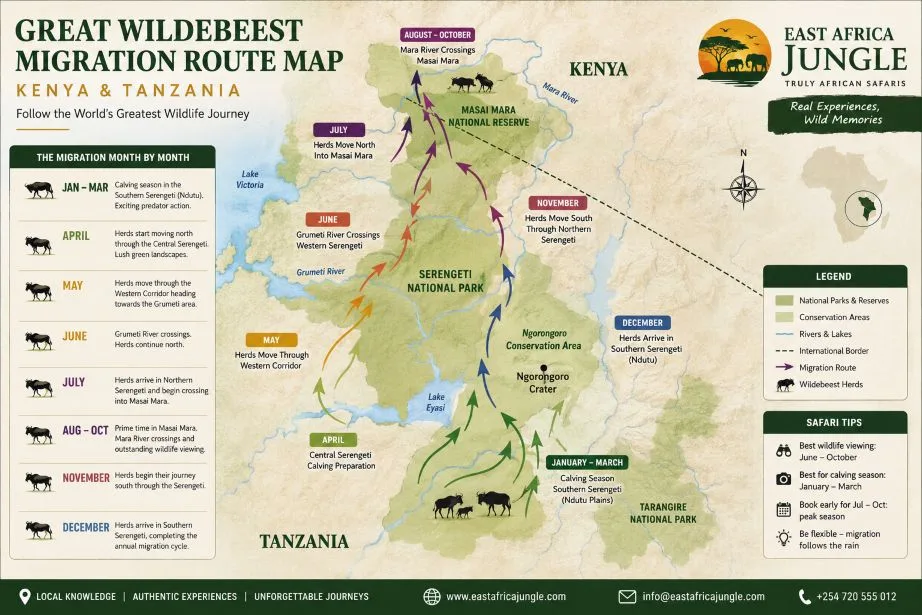
The best Kenya safari itinerary should reflect who is travelling, how much time you have and the type of experience you want. Families usually benefit from flexible schedules and fewer accommodation changes, while honeymooners may prioritise privacy and relaxation. Wildlife photographers need longer game drives, and luxury travellers can use scheduled flights to reduce lengthy road transfers.
| Traveller or safari style | Recommended duration | Suggested route | Why it works |
|---|---|---|---|
| First-time visitors | 6–8 days | Nairobi → Amboseli → Lake Naivasha or Lake Nakuru → Masai Mara → Nairobi | Combines elephants, Big Five viewing, Rift Valley scenery and contrasting ecosystems at a comfortable pace. |
| Families | 7–9 days | Nairobi → Amboseli → Lake Naivasha → Lake Nakuru → Masai Mara → Nairobi | Offers family-friendly lodges, flexible game drives, boat trips and varied wildlife experiences for different age groups. |
| Couples | 5–8 days | Nairobi → Amboseli → Lake Naivasha → Masai Mara → Nairobi | Balances wildlife viewing, scenic landscapes, private safari experiences and time to relax at the lodge. |
| Honeymooners | 9–12 days | Nairobi → Amboseli → Masai Mara → Diani Beach | Combines intimate camps, private activities, memorable wildlife viewing and an Indian Ocean beach holiday. |
| Luxury travellers | 7–10 days | Nairobi → Samburu → Ol Pejeta → Masai Mara → Nairobi | Provides premium accommodation, private guiding and the option of flights between distant safari destinations. |
| Wildlife photographers | 10–12 days | Nairobi → Samburu → Ol Pejeta → Lake Nakuru → Masai Mara → Amboseli → Nairobi | Covers varied habitats and wildlife while allowing longer stays and productive early-morning and late-afternoon game drives. |
| Solo travellers | 3–7 days | Nairobi → Masai Mara, with an optional Lake Nakuru extension | Group departures can reduce costs while providing guided game drives and opportunities to meet other travellers. |
| Safari-and-beach travellers | 9–14 days | Nairobi → Amboseli → Lake Naivasha → Masai Mara → Diani Beach | Provides sufficient wildlife-viewing time before ending with several relaxing days on Kenya’s Indian Ocean coast. |
Family Safari Planning
Families should avoid changing accommodation every night. Allow at least two nights in the major safari destinations and include breaks between longer game drives. A private 4×4 Land Cruiser provides greater flexibility for rest stops, meal times and adjusting the day around younger children.
For additional child-friendly routes, accommodation ideas and planning advice, explore our Best Kenya Family Safaris for 2026–2028.
Family-friendly accommodation may include Amboseli Sopa Lodge, Lake Naivasha Sopa Resort, Sarova Lion Hill and Mara Sopa Lodge. The final selection should consider children’s ages, room arrangements, swimming pools, meal flexibility and the lodge’s location.
Honeymoon Safari Planning
A honeymoon itinerary should provide time to enjoy the accommodation as well as the wildlife. Amboseli offers elephant encounters and possible Mount Kilimanjaro views, while the Masai Mara provides exceptional predator viewing, private game drives and optional balloon safaris.
Recommended experiences include sundowners, bush breakfasts, private dinners and a flight from the Masai Mara to Diani Beach. Accommodation options may include Elephant Gorge Camp, Mara Ngenche Safari Camp and a luxury beach resort in Diani.
Luxury Safari Planning
Luxury travellers can combine Samburu, Ol Pejeta and the Masai Mara using scheduled flights or a mixture of road transfers and flights. Suitable properties may include Samburu Intrepids, Sweetwaters Serena Camp, Kicheche Laikipia Camp and Mara Serena Safari Lodge.
Private vehicles, flexible game-drive schedules, carefully located accommodation and personalised service provide a more comfortable and exclusive experience. Camp-based shared game drives may still apply on some fly-in packages, so private vehicle use should be requested before booking.
Wildlife Photography Safari Planning
Photography itineraries should include longer stays in fewer destinations, early departures and enough vehicle space for equipment. Limiting a vehicle to two or three photographers provides better access to both sides of the Land Cruiser and more freedom to position around wildlife sightings.
Samburu offers rare northern species, Ol Pejeta provides rhino encounters, Lake Nakuru is rewarding for birds and rhinos, the Masai Mara is outstanding for predators, and Amboseli offers elephants against dramatic landscapes. A bean bag, spare batteries, additional memory cards and a telephoto lens are strongly recommended.
Expert Route-Planning Recommendation
Most first-time visitors get the best balance from a six- to eight-day safari covering two or three complementary wildlife destinations. Families should minimise lodge changes, honeymooners should include unstructured time, and photographers should spend more nights in the most productive wildlife areas. Flights can replace lengthy transfers when comfort and time are more important than cost.
Every itinerary can be adjusted according to your travel dates, group size, interests, accommodation preferences and budget.
For migration timing, recommended routes, river-crossing areas and planning advice, read our Great Migration in Kenya Guide for 2026–2028
Road Safari vs Fly-In Safari in Kenya for 2026–2028
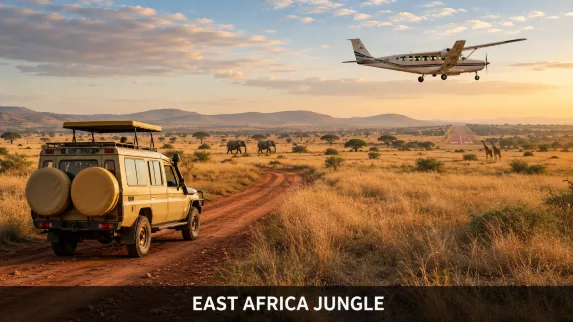
Kenya safaris can be organised using road transfers, scheduled flights or a combination of both. Road safaris provide flexibility and better value, while fly-in safaris reduce transfer times and offer quicker access to remote parks. The right option depends on your budget, available time, luggage and preferred level of comfort.
| Comparison | Road safari | Fly-in safari |
|---|---|---|
| Transport | Private or shared safari van or 4×4 Land Cruiser | Scheduled or charter flight followed by camp-based game-drive vehicles |
| Best suited to | Families, groups, first-time visitors and budget or mid-range travellers | Honeymooners, luxury travellers, photographers and travellers with limited time |
| Cost | Generally more affordable | More expensive because of flights and airstrip transfers |
| Travel experience | Scenic journeys through towns, rural areas and the Great Rift Valley | Aerial views and direct access to safari regions |
| Flexibility | Greater freedom to stop, adjust departure times and carry additional luggage | Flights operate according to fixed schedules and baggage restrictions |
| Time efficiency | Longer transfers between distant parks | Replaces lengthy road journeys with short flights |
| Safari vehicle | The same vehicle and driver-guide usually remain with you throughout the safari | Camps normally provide shared game-drive vehicles; private use may cost extra |
| Luggage | More generous allowance, although soft bags remain preferable | Usually limited to approximately 15 kg per person in a soft-sided bag, including hand luggage |
| Suitable routes | Nairobi–Amboseli–Lake Naivasha–Lake Nakuru–Masai Mara | Nairobi–Samburu, Nairobi–Amboseli or Nairobi–Masai Mara |
| Main limitation | Some travel days can be long and tiring | Higher cost, strict baggage rules and less flexibility if schedules change |
When to Choose a Road Safari
A road safari is suitable when you have at least six days, want to visit parks that form a logical circuit and prefer having one vehicle and guide throughout the journey. It is particularly practical for families, groups and travellers combining Amboseli, the Rift Valley lakes and the Masai Mara.
When to Choose a Fly-In Safari
Choose a fly-in safari when time and comfort are more important than price. Flying is especially useful for reaching the Masai Mara, Samburu or Amboseli on a short itinerary and for connecting a safari with Diani Beach or another coastal destination.
Combining Road Transfers and Flights
A combined itinerary often provides the best balance. Travellers can explore connected parks by road and then fly between distant regions. For example:
Nairobi → Amboseli → Lake Naivasha → Masai Mara by road, followed by a flight from the Masai Mara to Diani Beach.
This arrangement preserves the scenic road-safari experience while avoiding a lengthy return journey at the end of the wildlife circuit.
Important Flight Information
Domestic safari flights normally use small aircraft and may stop at several airstrips. Luggage is commonly restricted to approximately 15 kg per person in soft-sided bags, including hand luggage and camera equipment. Allowances vary by airline and route, so the applicable limit should be confirmed before travel.
Recommended Accommodation for Kenya Safari Itineraries 2026–2028
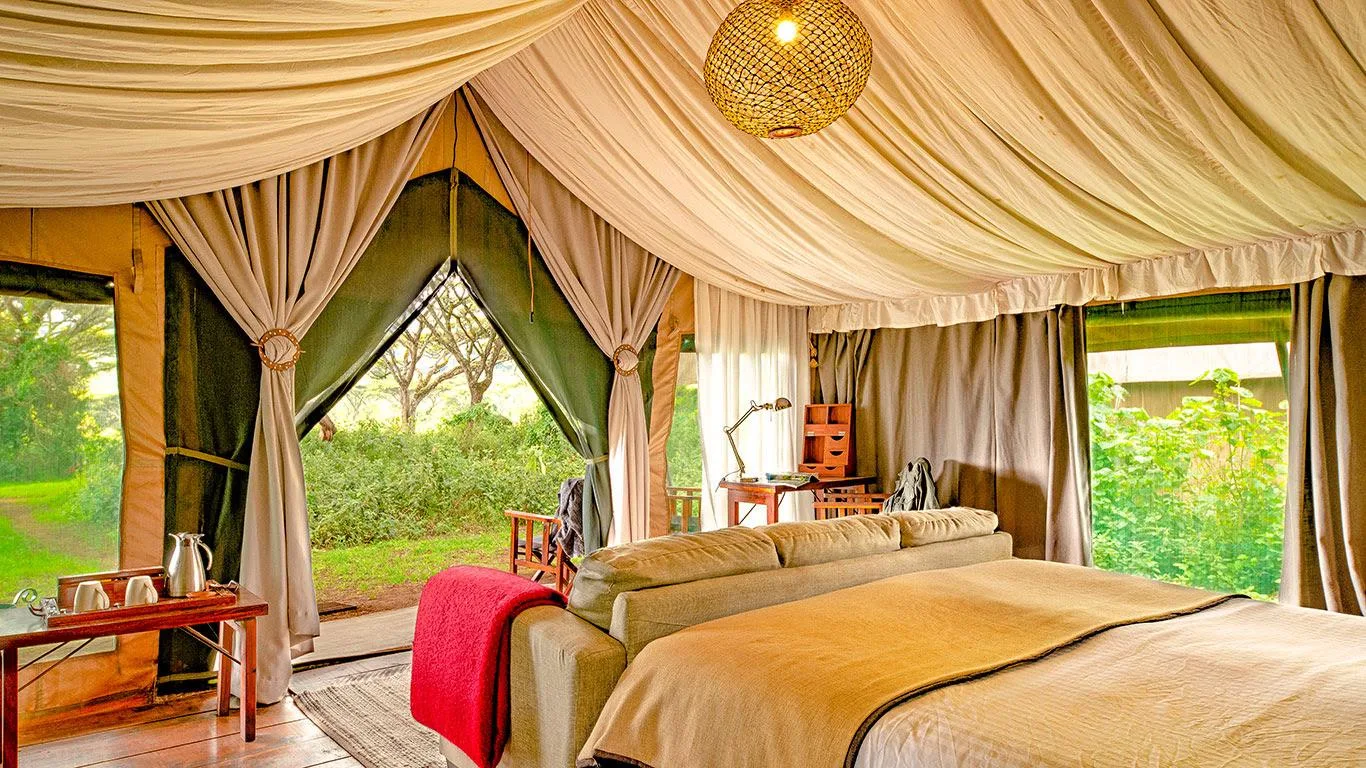
Kenya offers accommodation ranging from comfortable safari lodges to intimate luxury camps. The right property depends on your budget, preferred atmosphere, family requirements and proximity to productive wildlife areas. Availability and rates vary by season, so an equivalent property may be offered when the first choice is unavailable.
| Destination | Accommodation examples | Category | Best suited to |
|---|---|---|---|
| Masai Mara | Mara Sopa Lodge | Mid-range | Families, couples and first-time visitors |
| Masai Mara | Mara Serena Safari Lodge | Luxury | Couples, photographers and migration-season travellers |
| Masai Mara | Basecamp Masai Mara | Mid-range to luxury | Responsible travel, couples and families |
| Masai Mara | Mara Ngenche Safari Camp | Luxury | Honeymooners and travellers seeking an intimate camp |
| Amboseli | Amboseli Sopa Lodge | Mid-range | Families, groups and value-conscious travellers |
| Amboseli | Ol Tukai Lodge | Luxury | Travellers wanting a central park location and Kilimanjaro views |
| Amboseli | Elephant Gorge Camp | Ultra-luxury | Honeymooners and private luxury safaris |
| Samburu | Samburu Sopa Lodge | Mid-range | Families, groups and first-time northern Kenya visitors |
| Samburu and Shaba region | Sarova Shaba Game Lodge | Luxury | Families, couples and relaxed lodge stays |
| Samburu | Samburu Intrepids Luxury Tented Camp | Luxury | Couples, families and tented-camp enthusiasts |
| Ol Pejeta | Sweetwaters Serena Camp | Luxury | Families, rhino enthusiasts and first-time visitors |
| Ol Pejeta and Laikipia | Kicheche Laikipia Camp | Luxury | Photographers, couples and conservation-focused travellers |
| Lake Nakuru | Sarova Lion Hill Game Lodge | Luxury | Couples, families and convenient park access |
| Lake Nakuru | Lake Nakuru Lodge | Mid-range | Families, groups and value-conscious travellers |
| Lake Nakuru | The Cliff | Luxury | Couples, honeymooners and scenic stays |
| Lake Naivasha | Lake Naivasha Sopa Resort | Luxury | Families, couples and travellers seeking spacious grounds |
| Lake Naivasha | Lake Naivasha Resort | Mid-range to luxury | Families, groups and short Rift Valley stays |
Choosing the Right Safari Accommodation
Mid-range lodges provide comfortable rooms, full-board meals and convenient access to the parks. Luxury lodges and permanent tented camps add more personalised service, premium locations and refined dining, while ultra-luxury camps focus on privacy, exclusivity and individually tailored experiences.
Accommodation may be upgraded or changed according to your budget, travel dates and preferred safari style. During the Great Migration and other peak periods, early booking is recommended because well-located properties in the Masai Mara and other leading destinations can fill quickly.
What Our Guides Look for During Kenya Safari Game Drives
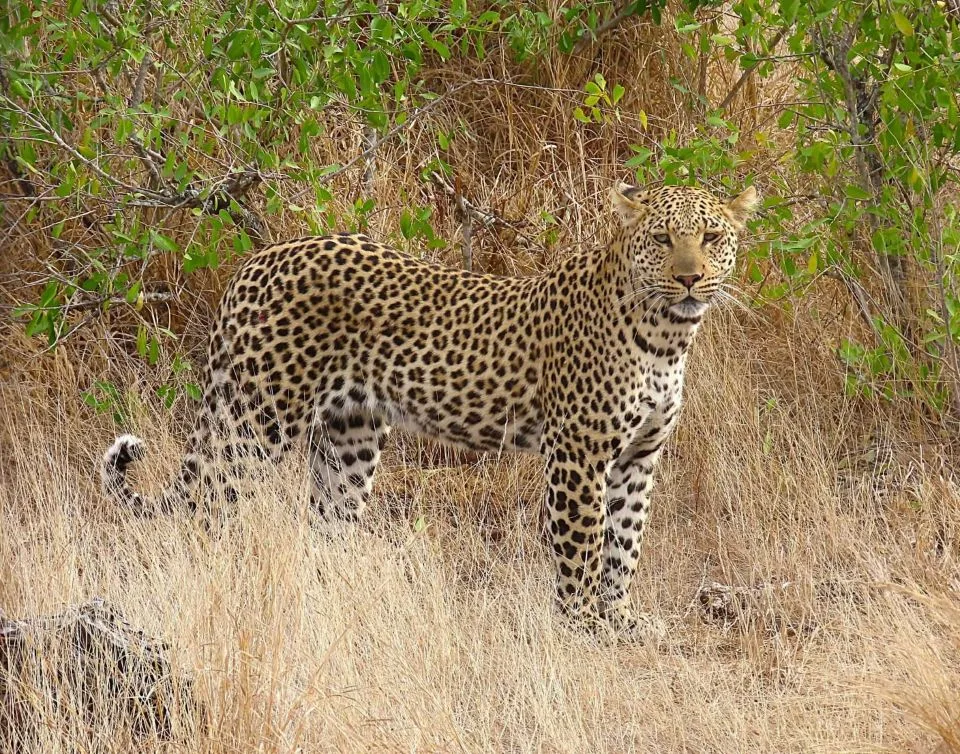
Finding wildlife requires more than driving through the park and hoping for a sighting. Our driver-guides study tracks, animal behaviour, weather, vegetation and information from other professional guides to decide where to search and when to wait.
| What guides observe | What it may reveal |
|---|---|
| Fresh tracks and disturbed soil | The species, direction and approximate time an animal passed through the area |
| Alarm calls | Impalas, baboons, monkeys and birds may signal that a lion, leopard or cheetah is nearby |
| Vultures circling or gathering | A recent kill, predator activity or an animal carcass |
| Herbivores staring in one direction | Possible predators hidden in grass, bushes or riverine woodland |
| Elephant movements | Routes towards wetlands, rivers, feeding grounds or shade |
| Water sources | Wildlife concentrations during dry periods, particularly elephants, buffaloes and predators |
| Weather and temperature | Cooler conditions often encourage predators and other animals to remain active longer |
| Seasonal vegetation | Areas where grazers are feeding, giving birth or following fresh grass |
| River levels and herd positions | Possible wildebeest movement towards crossing points during migration season |
| Information from guides and rangers | Recent sightings interpreted alongside tracks, habitat and animal behaviour |
National Parks Featured in Our Kenya Safari Itineraries for 2026–2028
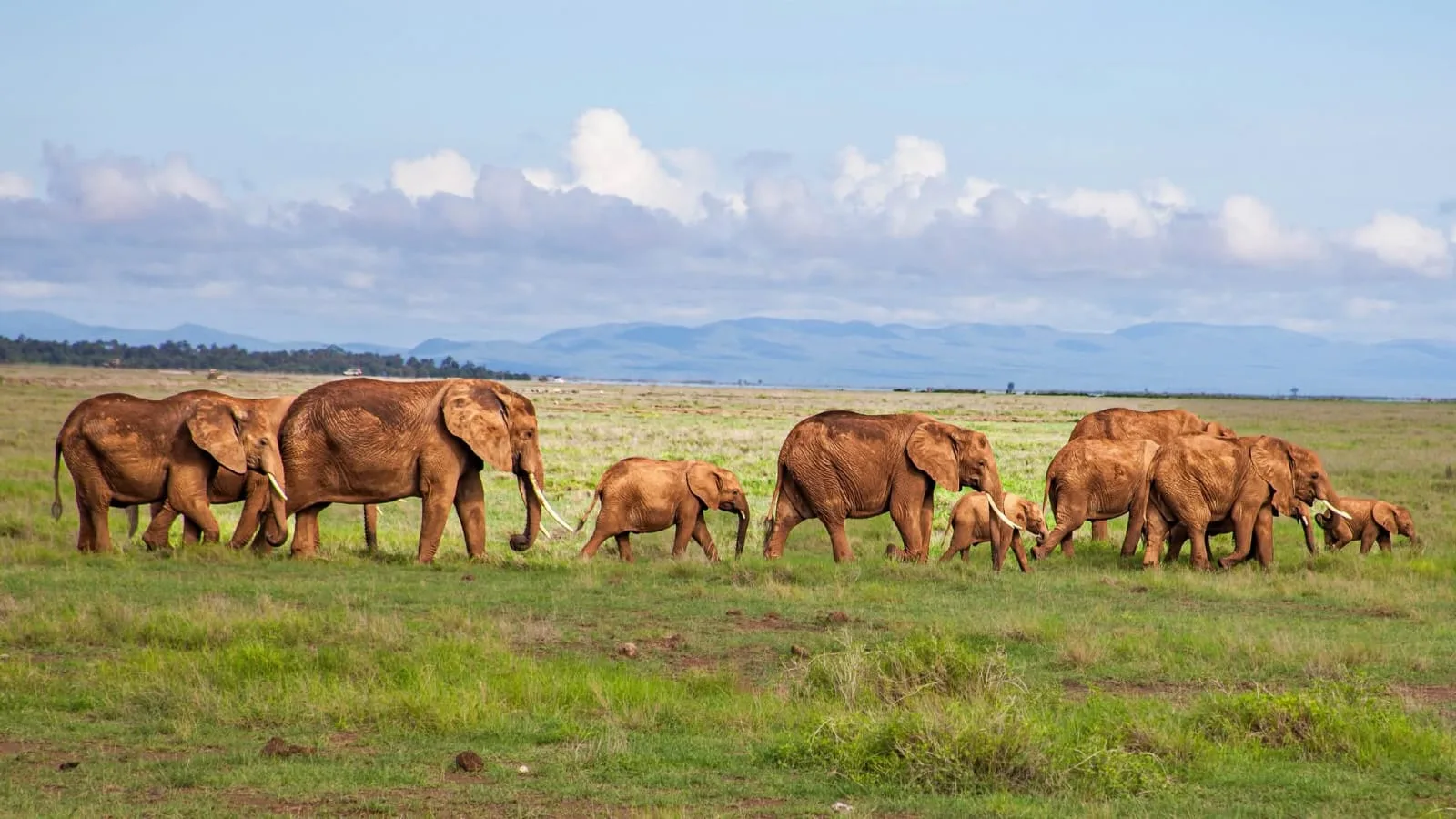
Kenya’s national parks, reserves and conservancies offer distinct wildlife, landscapes and activities. Combining two to four complementary destinations usually provides greater variety than attempting to include too many parks in a short itinerary.
| Destination | Known for | Recommended stay | Best suited to |
|---|---|---|---|
| Masai Mara National Reserve | Big cats, Big Five viewing, open savannah and the seasonal Great Migration | 2–4 nights | First-time visitors, photographers and migration travellers |
| Amboseli National Park | Large elephant herds, wetlands and possible Mount Kilimanjaro views | 2–3 nights | Families, photographers and elephant enthusiasts |
| Samburu National Reserve | Grevy’s zebra, reticulated giraffe, gerenuk, Beisa oryx and Somali ostrich | 2–3 nights | Repeat visitors, photographers and rare-species enthusiasts |
| Ol Pejeta Conservancy | Black and white rhinos, Big Five viewing and chimpanzee sanctuary | 1–2 nights | Families, conservation-focused travellers and first-time visitors |
| Lake Nakuru National Park | Black and white rhinos, Rothschild’s giraffes, woodland wildlife and waterbirds | 1–2 nights | Families, birdwatchers and travellers seeking rhinos |
| Lake Naivasha | Boat trips, hippos, birdlife and optional Crescent Island walks | 1–2 nights | Families, couples and travellers wanting a break from vehicle-based game drives |
| Tsavo East National Park | Red elephants, vast landscapes, lions and the Galana River | 2–3 nights | Travellers starting from Mombasa or Diani and visitors seeking uncrowded wilderness |
| Tsavo West National Park | Mzima Springs, volcanic scenery, wildlife and views towards Kilimanjaro | 1–2 nights | Safari-and-beach travellers and landscape enthusiasts |
| Aberdare National Park | Forests, waterfalls, mountain scenery and wildlife-viewing lodges | 1–2 nights | Repeat visitors and travellers seeking a contrasting highland environment |
| Meru National Park | Quiet wilderness, diverse habitats, elephants, lions and rhinos | 2–3 nights | Repeat visitors and travellers looking beyond Kenya’s busiest parks |
Choosing the Right Park Combination
For a first Kenya safari, combine Amboseli, Lake Naivasha or Lake Nakuru, and the Masai Mara. Travellers interested in rare northern species should add Samburu and Ol Pejeta, while those beginning or ending on the coast can combine Tsavo East, Tsavo West and Amboseli.
Lake Naivasha is not a national park, so keeping “national parks, reserves and conservancies” in the introduction is important. The heading may remain as written because it targets the primary search phrase, but the text should accurately explain the different protected-area categories.
Wildlife You May See on a Kenya Safari in 2026–2028
Kenya Safari Planning and Packing Advice for 2026–2028
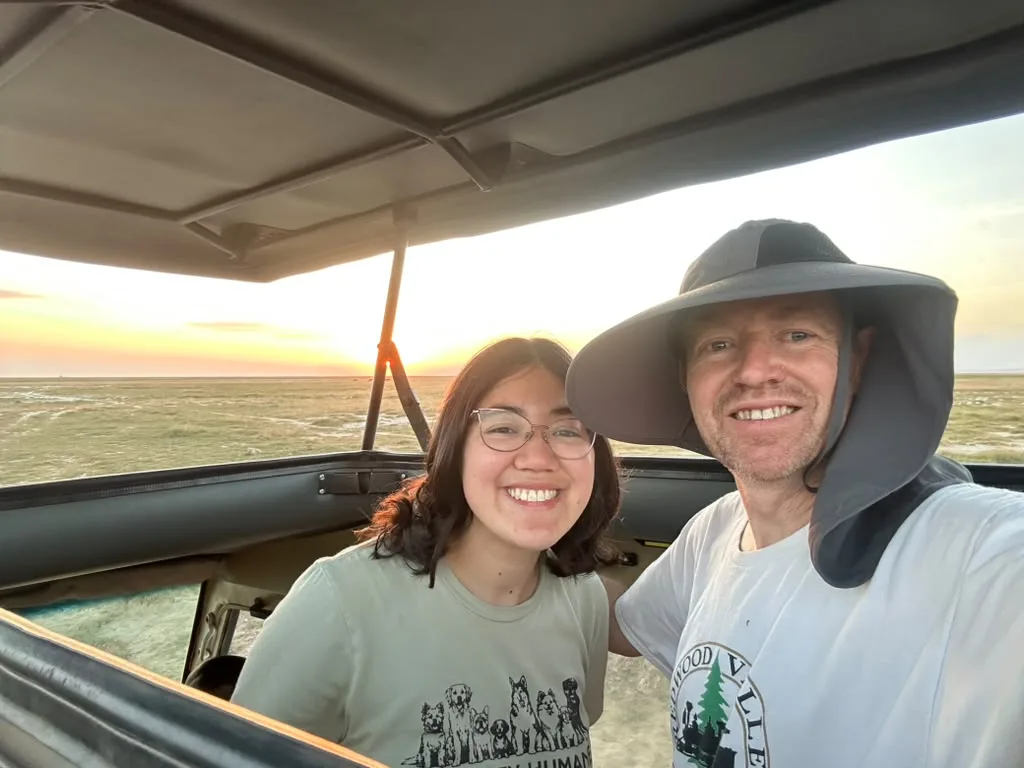
Good preparation makes a safari more comfortable, particularly when an itinerary combines different climates, long road transfers or domestic flights. Pack lightly, choose practical clothing and confirm all travel requirements before departure.
Essential Safari Planning Advice
| Planning area | Recommendation |
|---|---|
| Booking period | Reserve early for July–October, Christmas, New Year and other high-demand periods |
| Safari duration | Allow at least two nights in major destinations such as the Masai Mara, Amboseli and Samburu |
| Travel route | Follow a logical circuit to reduce backtracking and unnecessary driving |
| Accommodation | Confirm location, room type, meal plan, child policy and accessibility requirements |
| Transport | Choose a private 4×4 for flexibility or a group safari for lower costs |
| Domestic flights | Confirm departure airstrip, check-in time and luggage allowance before travelling |
| Travel documents | Check passport validity, Kenya entry requirements and any requirements for neighbouring countries |
| Health preparation | Consult a qualified travel-health professional about vaccinations, malaria prevention and personal medication |
| Travel insurance | Obtain comprehensive cover for medical care, evacuation, cancellation, delays and baggage loss |
| Dietary needs | Communicate allergies and dietary requirements before accommodation is confirmed |
| Payments | Carry a combination of cards and a reasonable amount of cash for tips and personal purchases |
| Connectivity | Expect limited mobile coverage in remote parks; download essential documents before departure |
What to Pack for a Kenya Safari
| Item | Why it is useful |
|---|---|
| Lightweight neutral-coloured clothing | Comfortable for game drives and less visually distracting around wildlife |
| Long-sleeved shirts and trousers | Protection from sun, dust and insects |
| Warm fleece or light jacket | Early mornings and evening game drives can be cold |
| Waterproof jacket | Useful during the long and short rainy seasons |
| Comfortable closed shoes | Suitable for transfers, lodge grounds and guided walks |
| Sandals or casual shoes | Comfortable for relaxing at the lodge |
| Wide-brimmed hat | Protection from strong daytime sun |
| Sunglasses | Reduces glare during open-vehicle game drives |
| Sunscreen | Essential for extended time outdoors |
| Insect repellent | Useful during evenings and near lakes or wetlands |
| Binoculars | Improves distant wildlife and bird viewing |
| Camera and telephoto lens | Recommended for wildlife photography |
| Spare batteries and memory cards | Charging or equipment availability may be limited in remote areas |
| Reusable water bottle | Helps maintain hydration during game drives |
| Personal medication | Bring enough for the entire journey, preferably in the original packaging |
| Small daypack | Keeps cameras, documents, medication and personal items accessible |
| Universal travel adaptor | Kenya generally uses Type G electrical sockets |
| Torch or headlamp | Helpful when moving around camps after dark |
Packing by Travel Season
| Travel period | Recommended additions |
|---|---|
| January–March | Lightweight clothing, sun protection and a light layer for early mornings |
| April–May | Waterproof jacket, quick-drying clothing and water-resistant footwear |
| June–October | Warm layers, fleece, scarf and gloves for cold morning drives |
| November–December | Lightweight rain jacket, breathable clothing and water-resistant shoes |
For road safaris, soft-sided bags are easier to arrange inside a safari vehicle than large hard-shell suitcases. Keep valuable items, travel documents and medication in a small daypack.
Domestic safari flights commonly permit approximately 15 kg per person in soft-sided luggage, including hand luggage and camera equipment. Limits vary between airlines, routes and aircraft, so confirm the allowance shown on your booking before packing.
What Not to Pack
Avoid military-style camouflage clothing, excessive valuables, oversized hard-shell suitcases and brightly coloured clothing intended for game drives. Single-use plastic carrier bags are restricted in Kenya, so use reusable packing and toiletry bags.
Final Pre-Departure Checklist
Before travelling, confirm your passport and entry documents, final itinerary, emergency contacts, accommodation, airport transfers, baggage allowance and travel insurance. Share dietary, mobility or medical information with the safari operator in advance so the necessary arrangements can be made before
Editorial Review and Safari Expert Credentials

Why Plan Your Kenya Safari With East Africa Jungle?
East Africa Jungle is a locally based safari operator with more than 16 years of experience planning journeys across Kenya and East Africa. We combine practical route knowledge, professional driver-guides and flexible itinerary planning to create safaris suited to each traveller’s dates, interests and budget.
- Tailor-made private and group safari itineraries
- Professional driver-guides with first-hand park knowledge
- Private 4×4 Land Cruisers with pop-up roofs
- Carefully selected accommodation across different comfort levels
- Support before arrival and throughout the safari
- Family, honeymoon, photography and safari-and-beach expertise
- Licensed safari operations with verifiable credentials
- Flexible upgrades, extensions and domestic-flight options
Start Planning Your Kenya Safari for 2026–2028
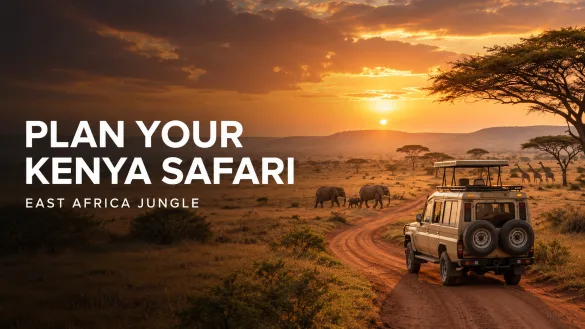
Not sure which Kenya safari itinerary best suits your travel dates, budget and interests? Our safari specialists can help you compare routes, choose suitable accommodation and create a personalised journey with realistic travel times and rewarding wildlife experiences.
Whether you are planning a family holiday, honeymoon, luxury fly-in safari, photography journey or safari-and-beach escape, every itinerary can be adjusted to match your preferred pace and comfort level.
Request a free, no-obligation safari quotation today.
Email: sales@eastafricajungle.com
WhatsApp: +254 728 567 308
Share your preferred travel dates, number of travellers, trip duration and accommodation level, and we will recommend the most suitable Kenya safari itinerary for you.
Why This Guide Helps
Questions
1. How many days are enough for a Kenya safari?
A 5 to 7-day Kenya safari is ideal for most travelers, providing enough time to visit two or three of Kenya's top national parks without feeling rushed. If you're short on time, a 3 to 4-day safari to destinations like the Masai Mara or Amboseli offers an excellent introduction. For a more comprehensive experience, 8 to 14 days allows you to explore multiple parks and even combine your safari with a beach holiday
2. Which Kenya safari itinerary is best for first-time visitors?
For first-time visitors, we recommend a 6 or 7-day itinerary that includes the Masai Mara National Reserve, Lake Nakuru National Park, and Amboseli National Park. This combination offers excellent opportunities to see the Big Five, diverse landscapes, and Kenya's most iconic wildlife.
3. What is the best month to visit Kenya?
Kenya is a year-round safari destination. July to October is the best time to witness the Great Wildebeest Migration in the Masai Mara, while January to March offers excellent wildlife viewing, pleasant weather, and fewer visitors. The green seasons in April–May and November–December feature lush landscapes, fewer crowds, and attractive accommodation rates.
4. Are Kenya safaris suitable for families?
Yes. Kenya is one of Africa's best family safari destinations. Many lodges offer family rooms, children's activities, and flexible schedules. Private safaris are especially popular with families, allowing game drives to be tailored to children's interests and comfort.
5. Can I combine Kenya with Tanzania or Zanzibar?
Absolutely. Many travelers combine Kenya with Tanzania to visit the Serengeti and Ngorongoro Crater, or finish their safari with a relaxing beach holiday in Zanzibar or Diani Beach. Combined itineraries are available from 7 to 16 days.
6. What wildlife can I expect to see?
Depending on the destinations and season, you may see the Big Five (lion, leopard, elephant, rhino, and buffalo), cheetahs, giraffes, zebras, wildebeest, hippos, crocodiles, hyenas, African wild dogs (occasionally), and more than 1,100 bird species.
7. Is a fly-in safari worth it?
Yes, especially if you have limited time or prefer to avoid long road journeys. Fly-in safaris reduce travel time, provide spectacular aerial views of Kenya's landscapes, and allow you to spend more time enjoying game drives and relaxing at your lodge.
8. What type of safari vehicle will I use?
Most private safaris use a custom-built 4×4 Toyota Land Cruiser with a pop-up roof for excellent wildlife viewing and photography. Shared group safaris may use either a safari van or a 4×4 Land Cruiser, depending on the itinerary and group size.
9. How much luggage can I bring?
For road safaris, standard luggage is generally accepted, although soft-sided bags are recommended. For fly-in safaris, most domestic airlines allow 15 kg (33 lbs) of luggage per person in a soft-sided bag, including hand luggage.
10. Do I need travel insurance?
Yes. We strongly recommend comprehensive travel insurance covering medical emergencies, trip cancellations, baggage loss, and evacuation. It provides peace of mind throughout your safari.
11. Are park entrance fees included in the safari price?
Yes. Unless stated otherwise, all national park and reserve entrance fees listed in your itinerary are included in the quoted safari price.
12. Can dietary requirements be accommodated?
Yes. Vegetarian, vegan, halal, gluten-free, and most other dietary requirements can be arranged. Please let us know your preferences before your safari so accommodations can prepare accordingly.
13. Is Kenya safe for tourists?
Yes. Kenya is one of Africa's leading safari destinations and welcomes thousands of international visitors every year. Traveling with a licensed safari operator, following your guide's instructions, and observing normal travel precautions will help ensure a safe and enjoyable experience.
14. When is the best time to see the Great Wildebeest Migration?
The Great Wildebeest Migration typically reaches the Masai Mara between July and October. Since the migration follows rainfall and grazing conditions, exact timing varies each year, but this period generally offers the best opportunities to witness large herds and dramatic river crossings.
15. Can I customize my Kenya safari itinerary?
Yes. Every itinerary can be tailored to match your travel dates, budget, preferred destinations, accommodation style, and interests. Whether you want a luxury fly-in safari, a family holiday, a honeymoon, or a photography-focused adventure, we can create a personalized itinerary.
16. What should I pack for a Kenya safari?
We recommend lightweight neutral-colored clothing, a light jacket for early morning game drives, comfortable walking shoes, a hat, sunglasses, sunscreen, insect repellent, binoculars, a camera, and any personal medications. For fly-in safaris, pack in a soft-sided bag that meets airline baggage limits.
17. Will I have a professional safari guide throughout my trip?
Yes. Your safari will be led by an experienced, English-speaking professional guide who knows Kenya's wildlife, ecosystems, and national parks. They will accompany you throughout your safari, sharing insights about animal behavior, conservation, and local culture while helping you enjoy the best possible wildlife viewing.
18. Can I see the Big Five on one safari?
Yes. Many itineraries that include destinations such as Masai Mara National Reserve, Ol Pejeta Conservancy, Lake Nakuru National Park, and Amboseli National Park offer excellent opportunities to see the Big Five. While wildlife sightings can never be guaranteed because animals roam freely, these parks consistently provide some of the best chances of spotting all five species during a well-planned safari.

 16+ Years
 English