Planning a Kenya safari? This guide explains typical budget, mid-range and luxury safari prices, current park fees, additional expenses and the factors that determine the final cost of travelling in Kenya.
Written and reviewed by John Peter, Operations Manager and Kenya safari planner with more than 16 years of experience. Prices and park fees last reviewed: August 2026
How Much Does a Kenya Safari Cost in 2026/2027?
A Kenya safari generally costs USD 200–350 per person per day for a budget group tour, USD 350–700 for a private mid-range safari and USD 700–1,500+ for a luxury safari. A typical seven-day Kenya safari may therefore cost approximately USD 1,400–2,450 for budget travel, USD 2,450–4,900 for mid-range travel and USD 4,900–10,500+ for luxury travel, excluding international flights. The final price depends mainly on the season, accommodation, group size, park fees and whether you travel by road or air.
Planning an African safari is an exciting experience, but one of the first questions travelers ask is: how much does a Kenya safari cost? Understanding the Kenya safari cost, Kenya safari price, and Kenya safari cost per day is essential when preparing for a wildlife adventure in East Africa. Kenya offers safari options for nearly every budget—from affordable group tours to luxurious private safaris—making it one of the most accessible safari destinations on the continent.
On average, the Kenya safari cost per day ranges between USD 200 and USD 900 per person, depending on several factors such as accommodation type, park entry fees, travel season, and the style of safari transport. Budget safaris that use shared vehicles and simple safari camps can cost significantly less, while luxury safaris that include private guides, boutique lodges, and fly-in transfers can reach several thousand dollars per traveler.
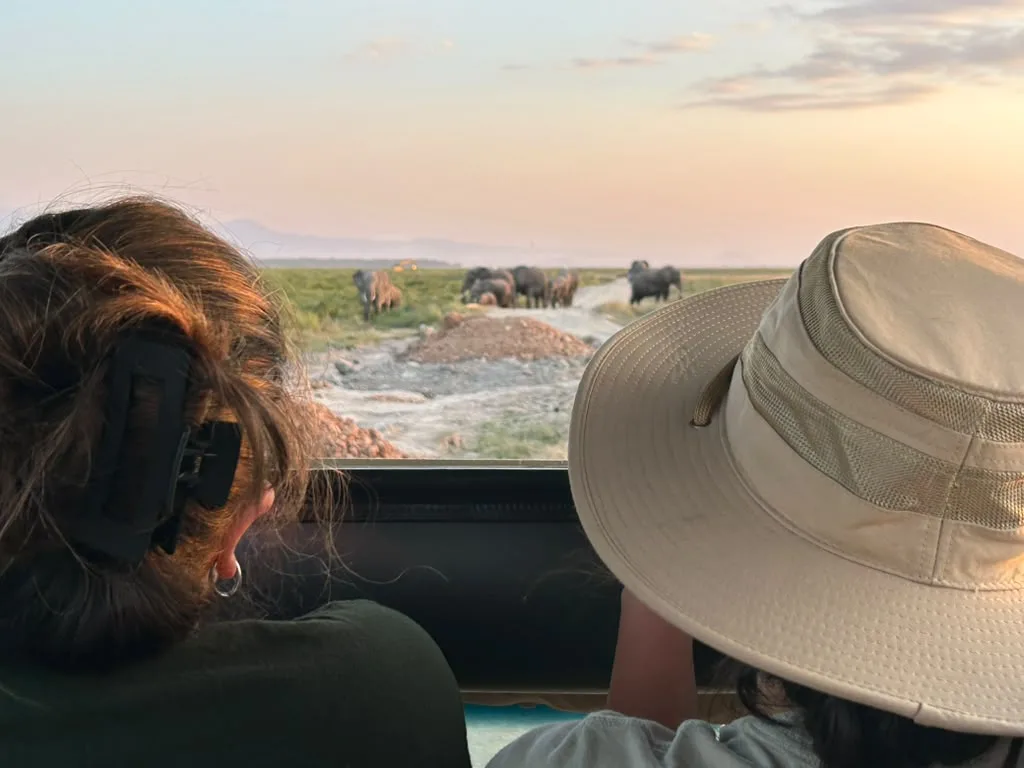
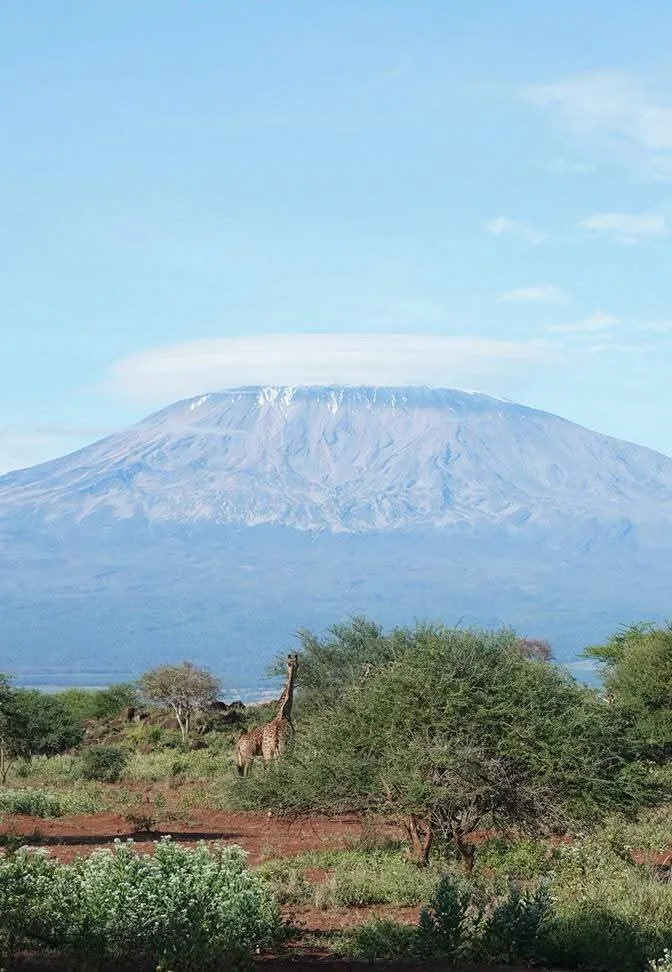
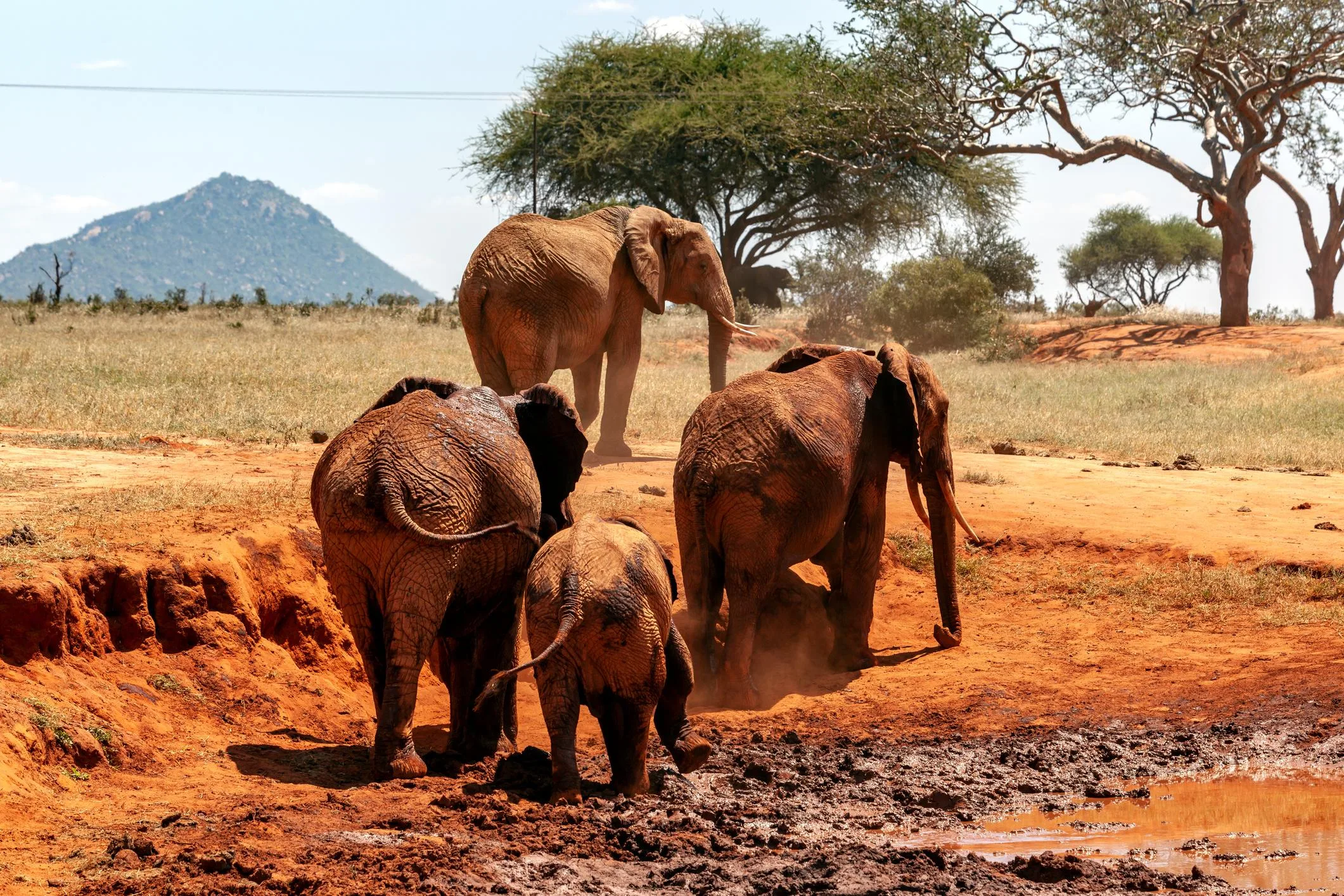
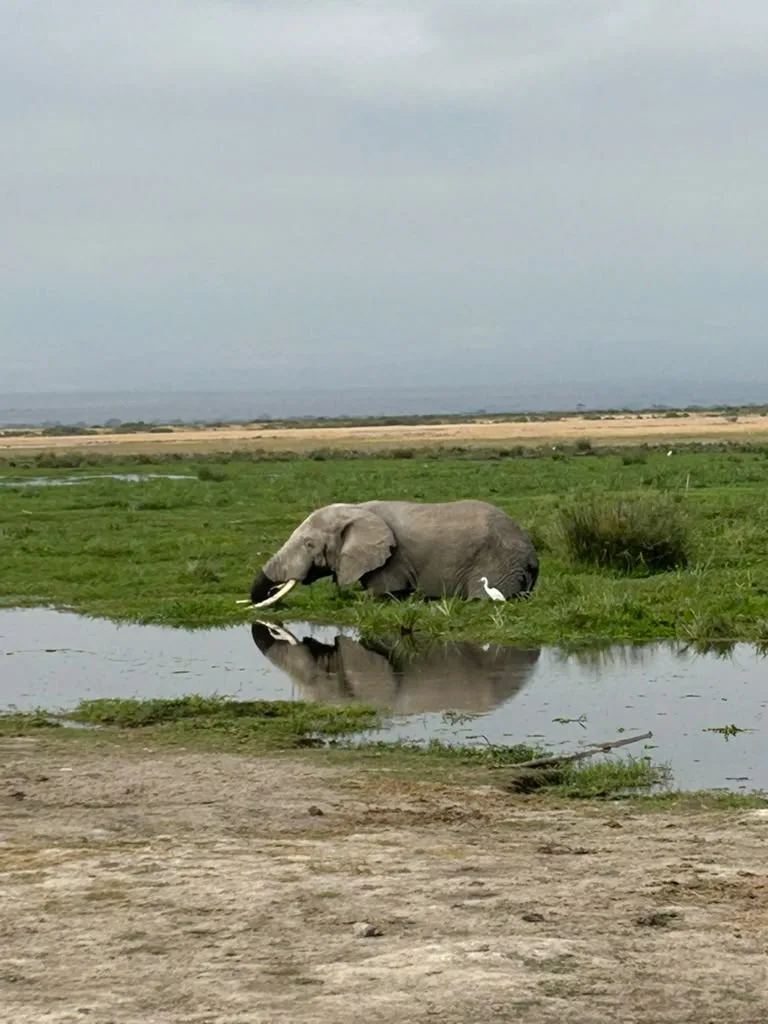
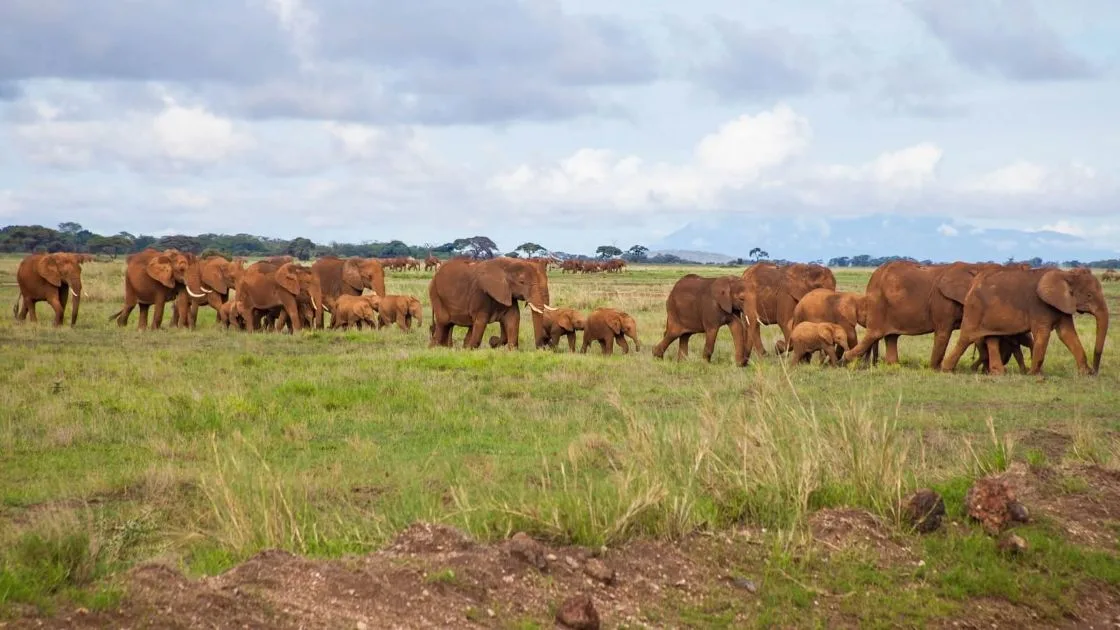
Kenya is famous for its spectacular national parks and wildlife reserves, which attract nature lovers and photographers from around the world. One of the most iconic destinations is Masai Mara National Reserve, known globally for the Great Migration and its extraordinary concentration of wildlife. Visitors also travel to Amboseli National Park, where large elephant herds roam beneath the majestic backdrop of Mount Kilimanjaro. Another popular destination is Lake Nakuru National Park, famous for its rhinos, flamingos, and scenic Rift Valley landscapes.
The Kenya safari price typically includes accommodation, meals, game drives, professional safari guides, and park entry fees. However, additional costs such as international flights, optional activities, and tips can influence the final budget. By understanding how safari pricing works, travellers can choose the best itinerary that fits their travel goals while enjoying one of the most extraordinary wildlife experiences on Earth.
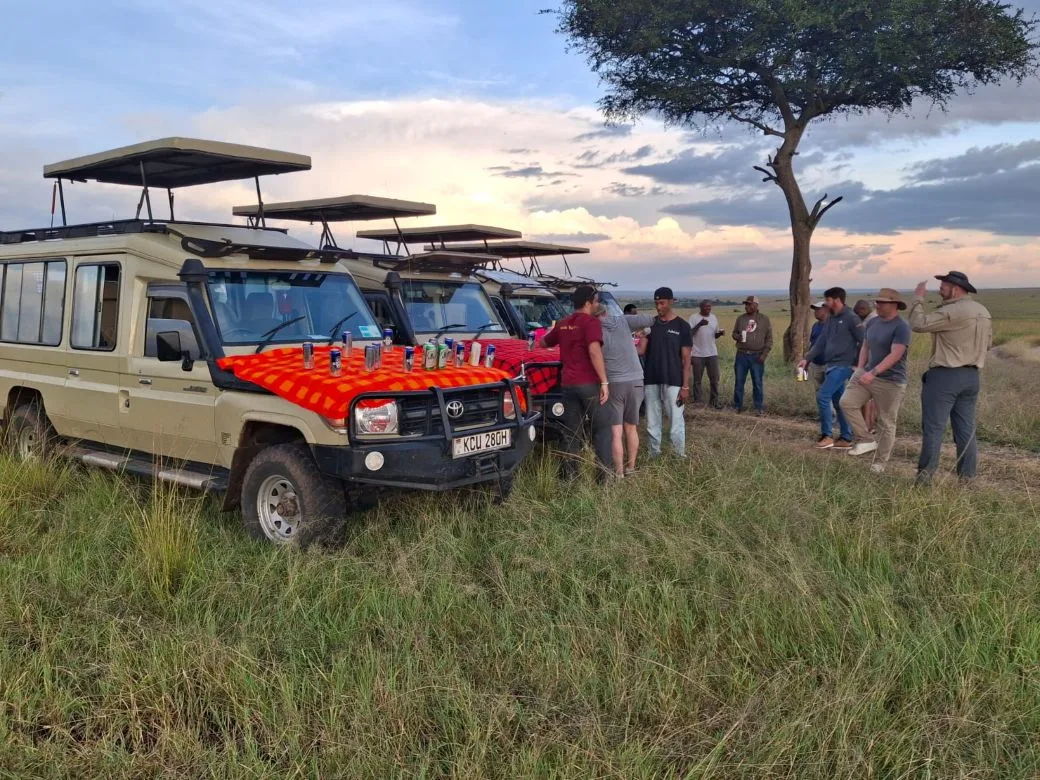
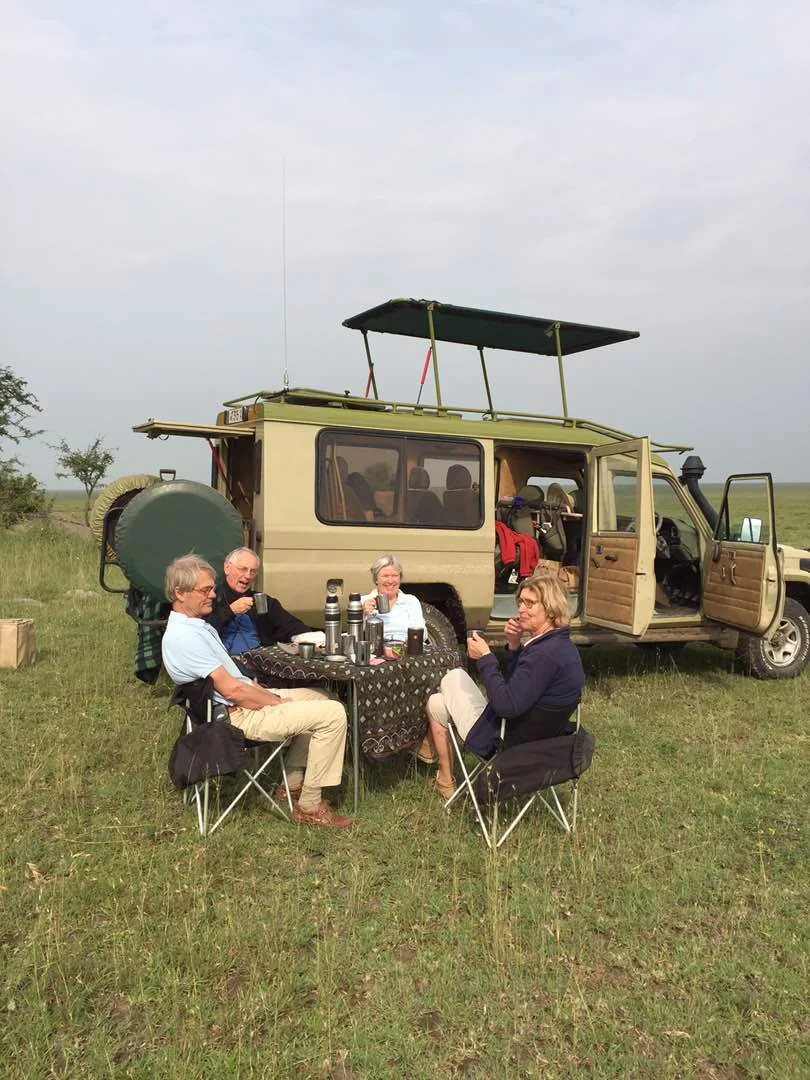
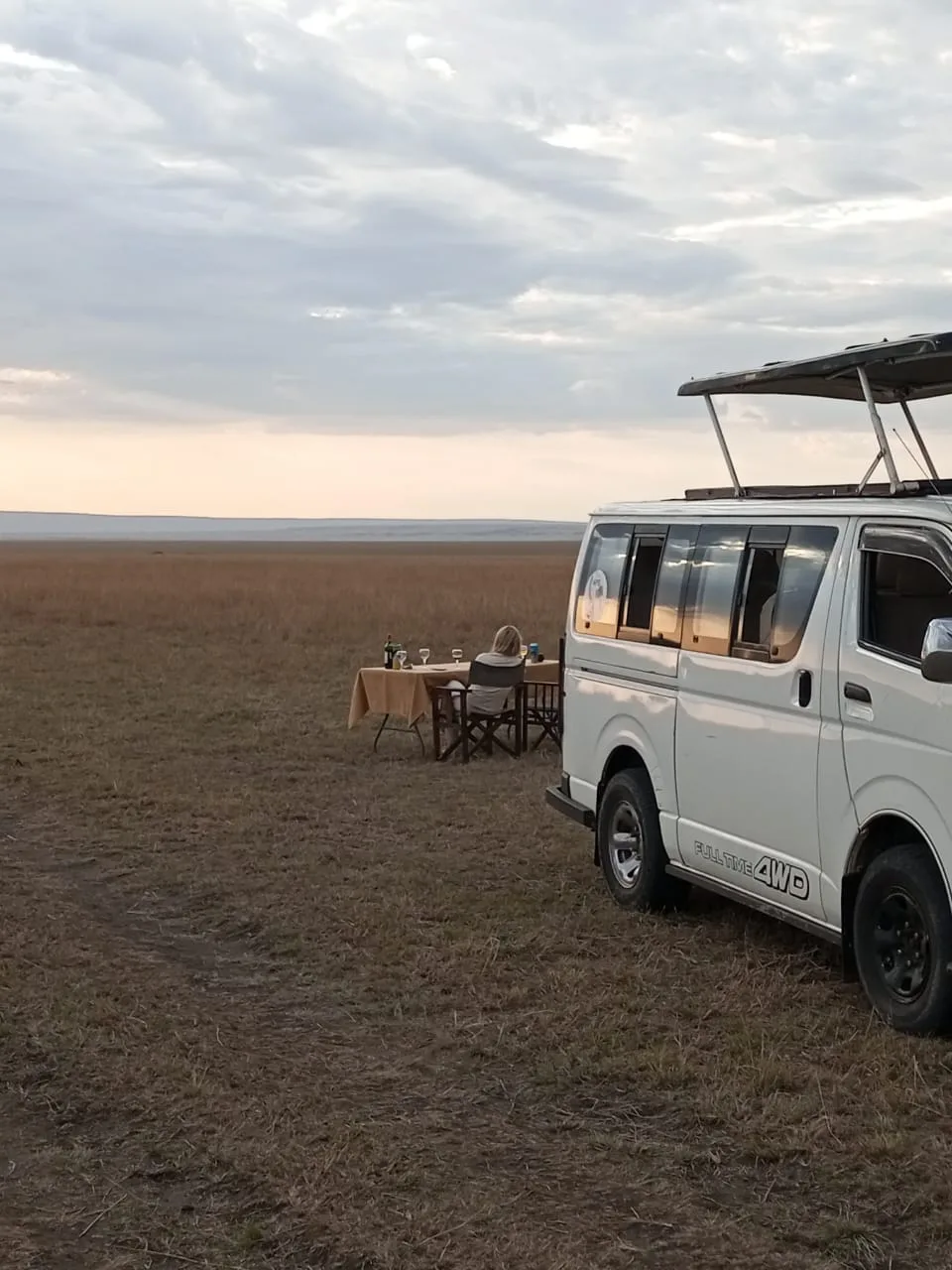
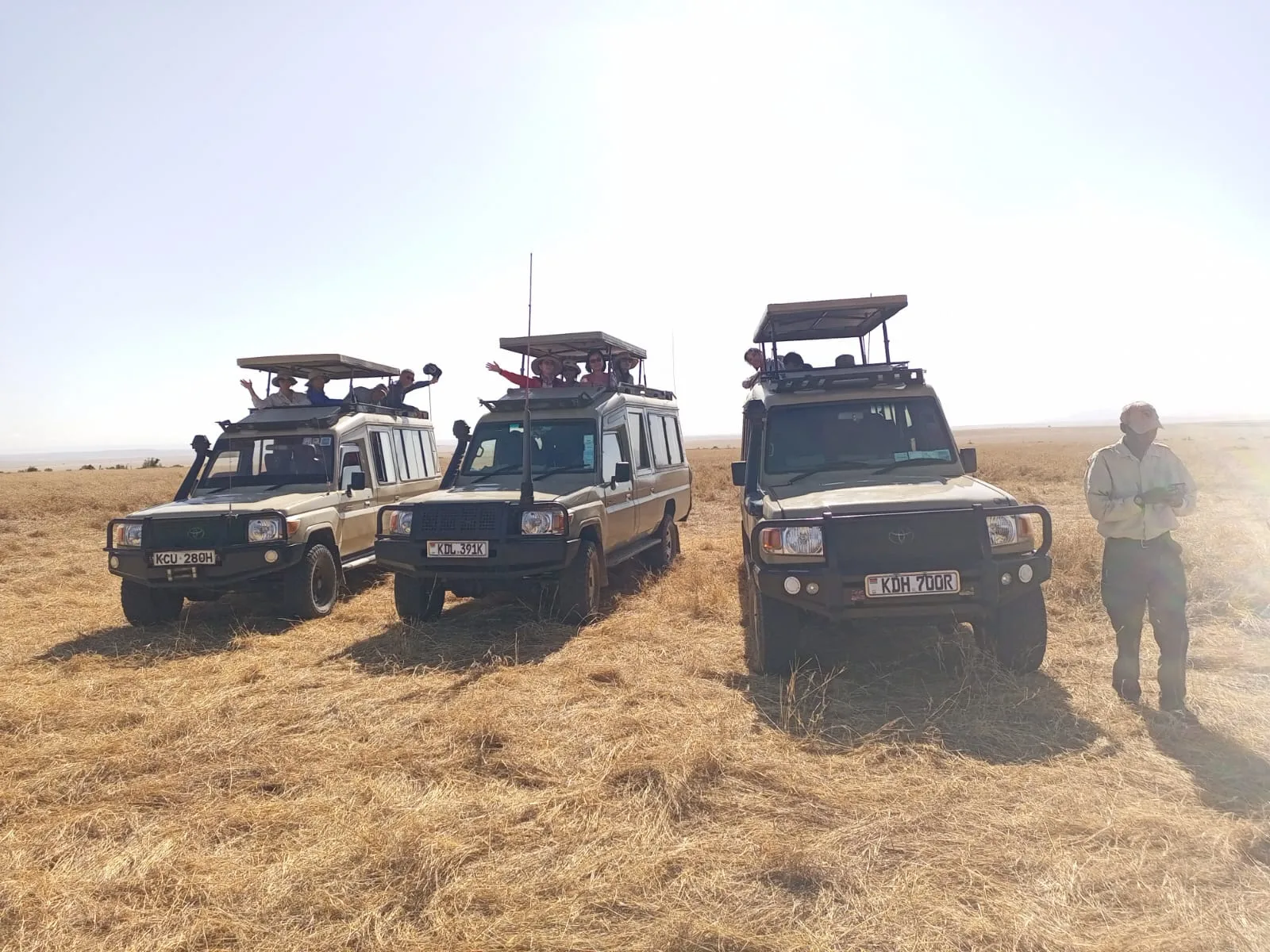
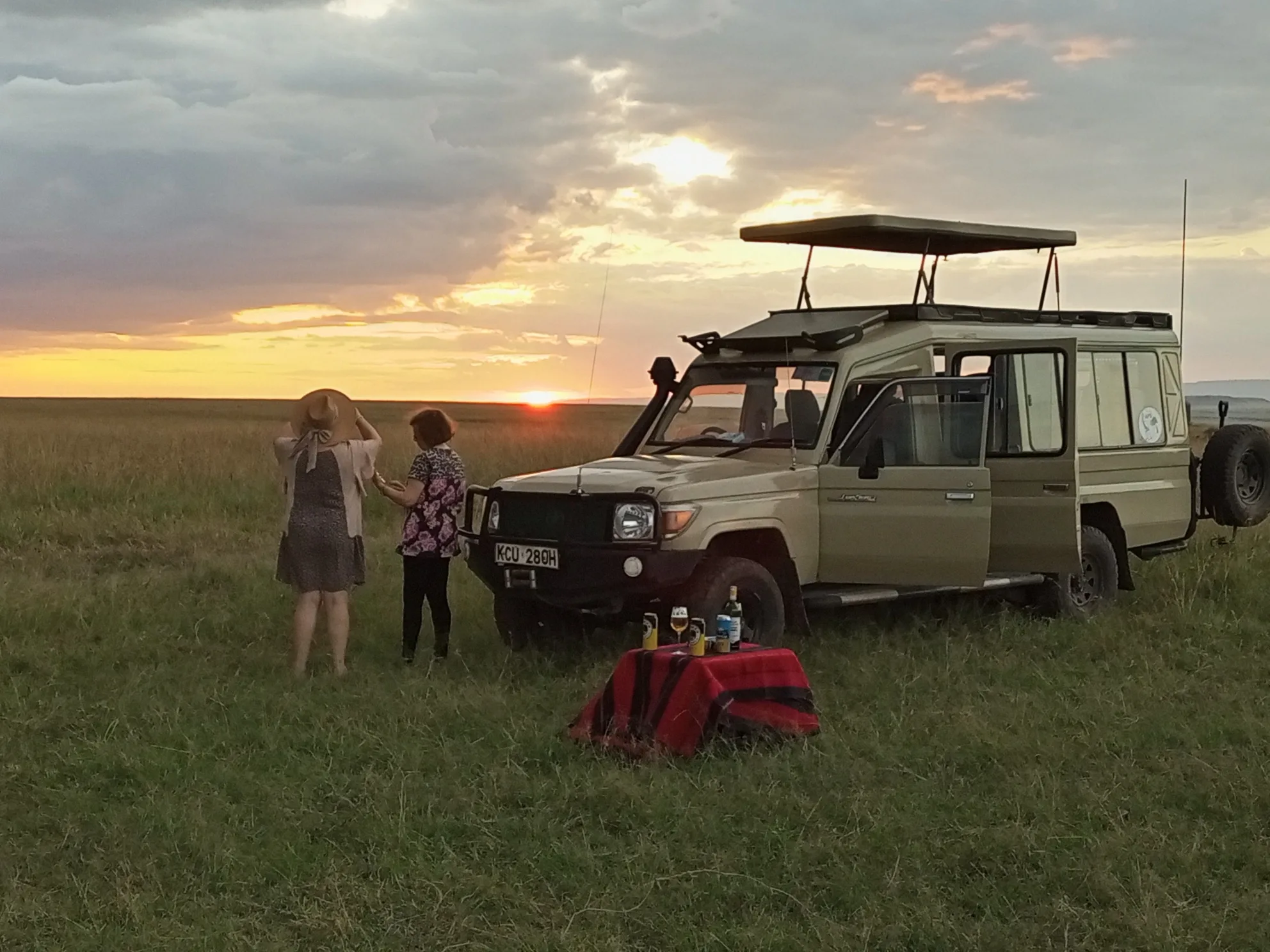
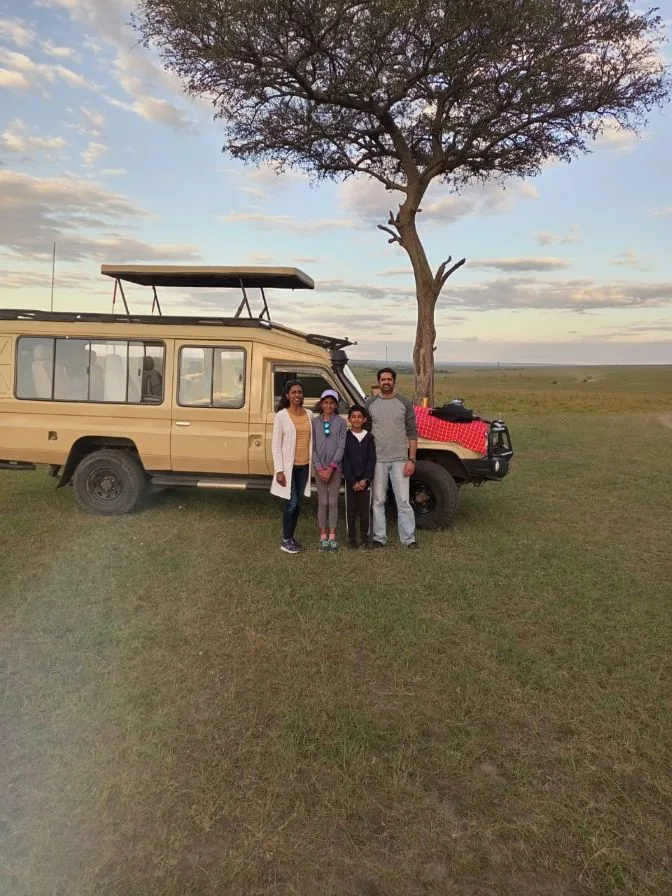
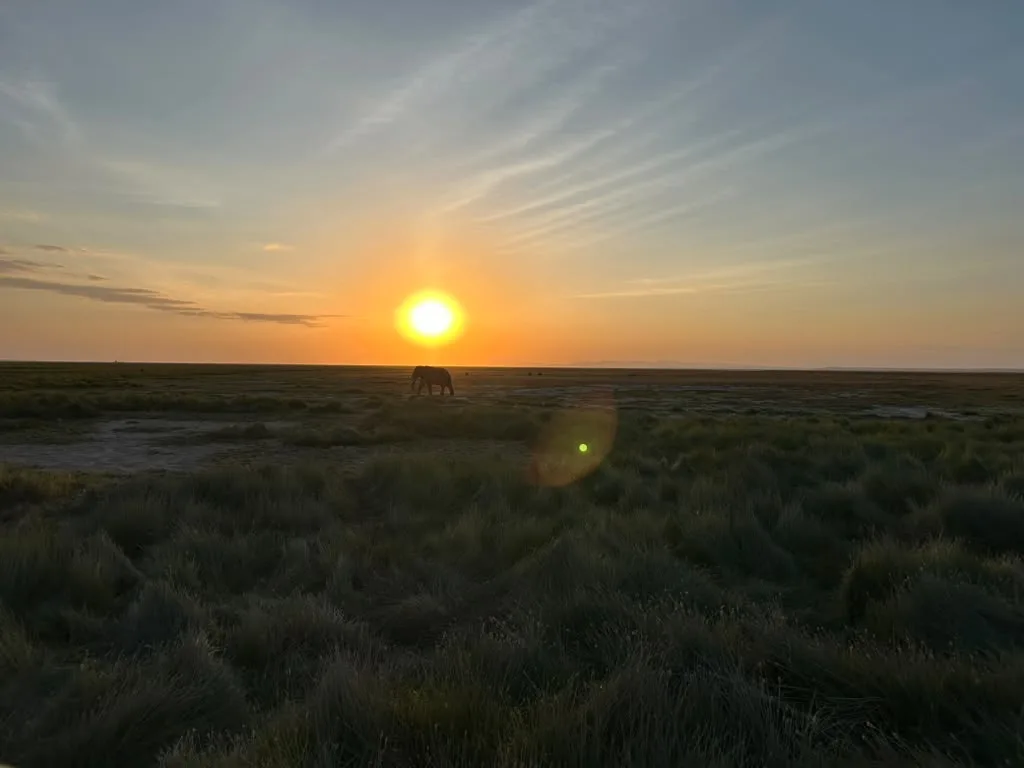
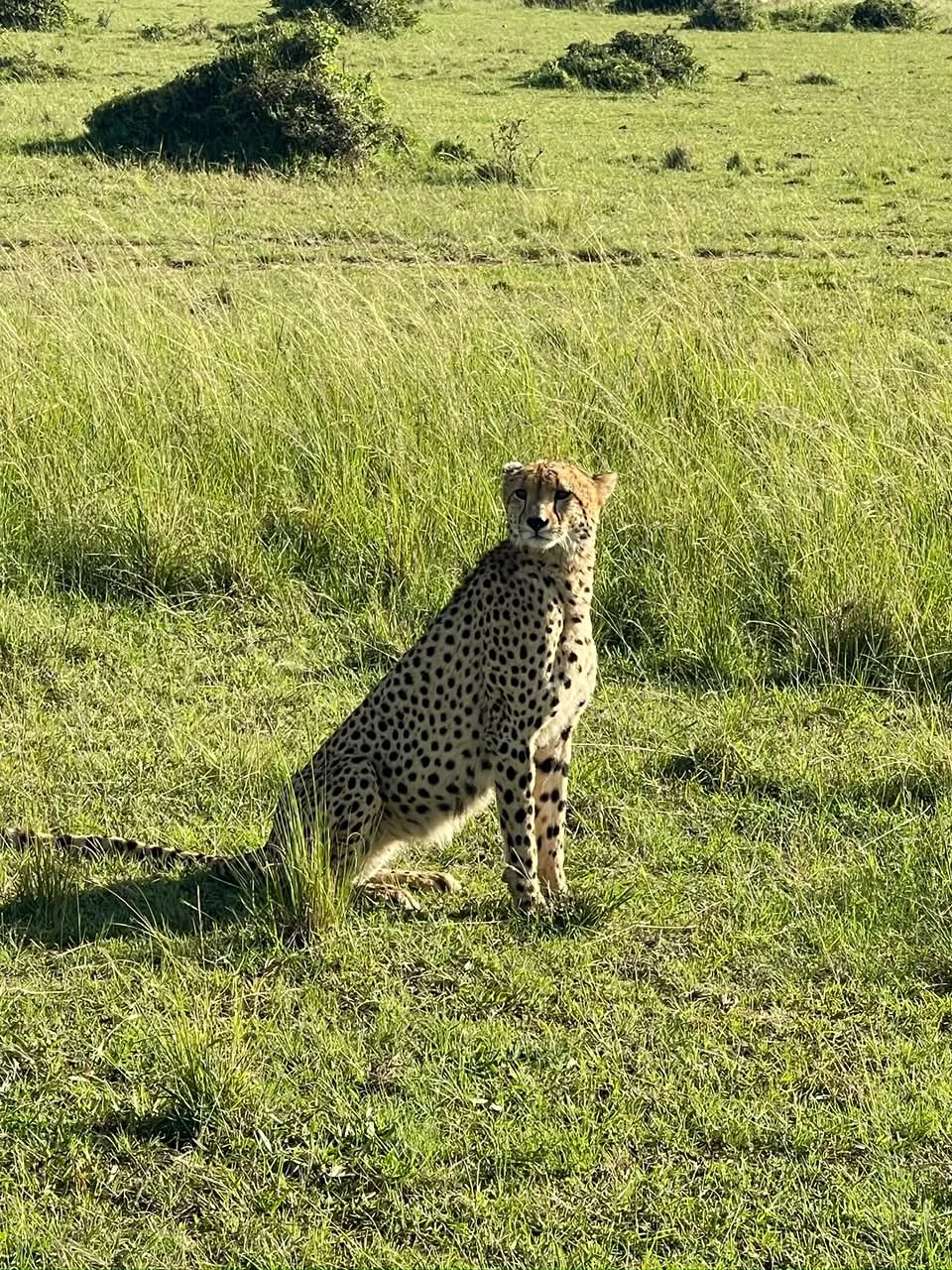
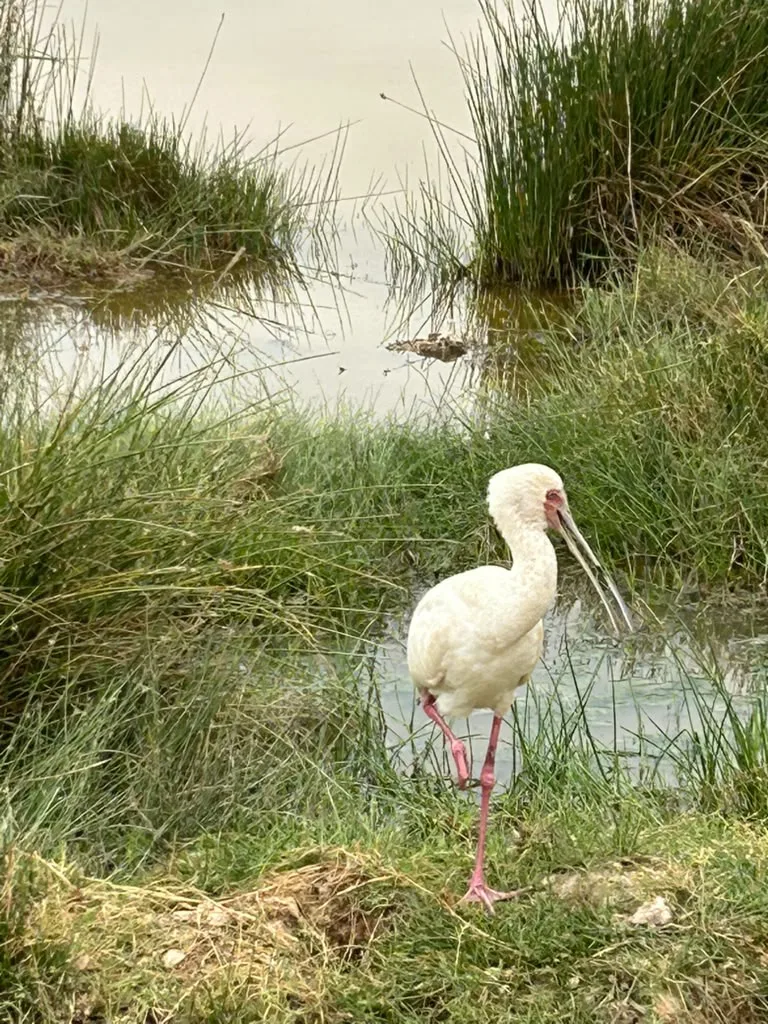
Guide to Kenya Safari Cost Gallery
Kenya Safari Cost Comparison 2026/2027
| Safari style | Typical cost per person/day | 5-day estimate | 7-day estimate |
|---|---|---|---|
| Budget group safari | USD 200–350 | USD 1,000–1,750 | USD 1,400–2,450 |
| Private mid-range safari | USD 350–700 | USD 1,750–3,500 | USD 2,450–4,900 |
| Luxury safari | USD 700–1,500+ | USD 3,500–7,500+ | USD 4,900–10,500+ |
What Determines the Cost of a Kenya Safari
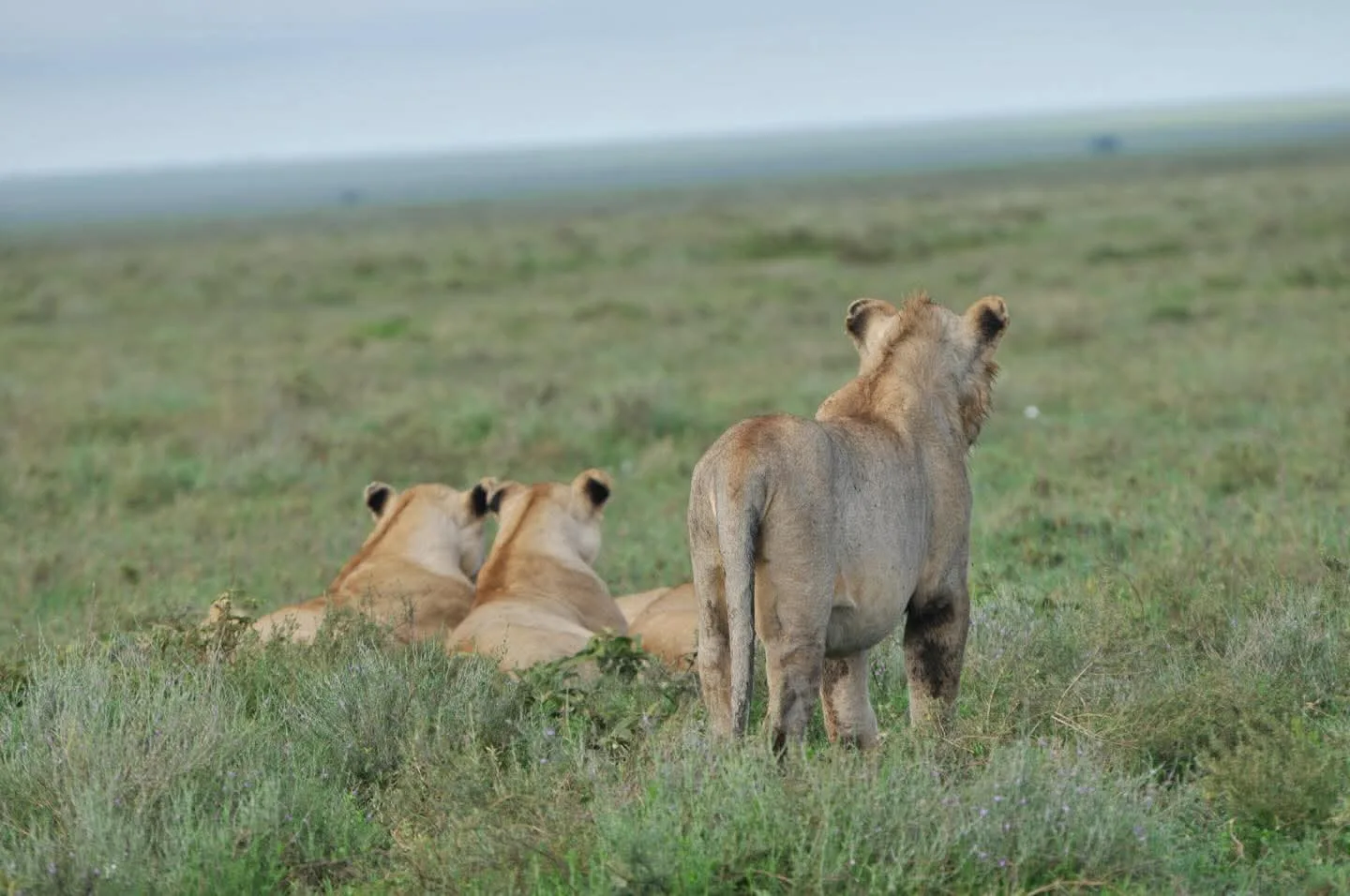
The total price of a Kenya safari can vary widely depending on several important factors. While some travelers may find affordable group safaris for a few thousand dollars, others may choose luxury fly-in safaris that cost significantly more. Understanding what influences safari pricing helps travelers plan their trip more effectively and select the safari style that best fits their expectations and budget.
Below are the main factors that determine the overall cost of a Kenya safari.
1. Accommodation Level
Accommodation is usually the largest factor influencing safari prices. The type of lodge or camp you stay in will greatly affect the total cost of the trip.
Kenya offers a wide range of accommodation options, generally categorised into three main levels:
Budget Camping Safaris
Budget safaris often involve staying in basic safari camps or public campsites. Travellers may sleep in tents equipped with simple beds, shared bathrooms, and communal dining areas. These safaris focus primarily on wildlife viewing rather than luxury amenities, making them popular among backpackers, students, and travelers seeking affordable adventures.
Mid-Range Tented Camps
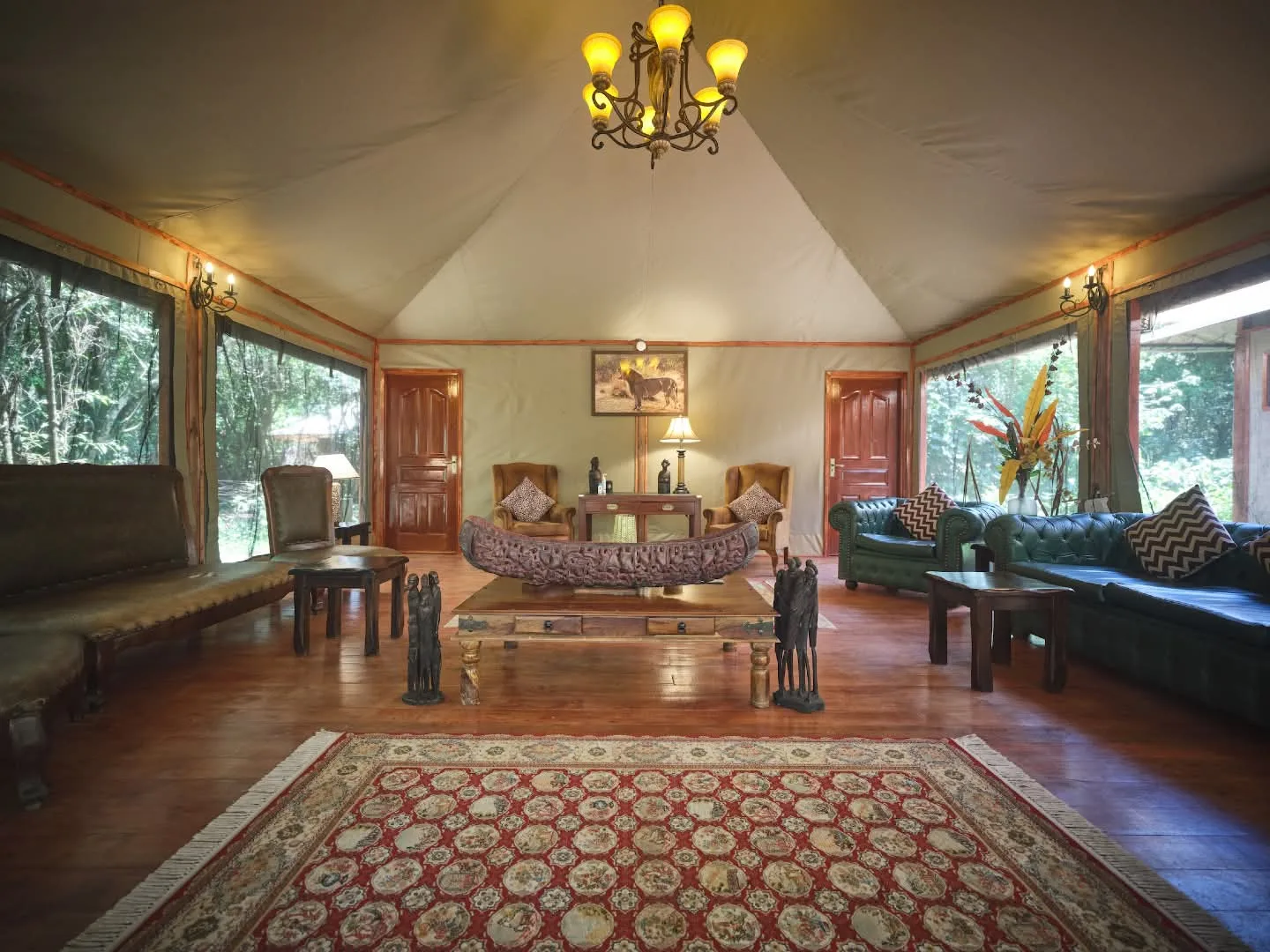
Mid-range safari camps offer a comfortable balance between affordability and comfort. These tented lodges usually provide private bathrooms, comfortable beds, electricity, and restaurant-style meals. Many of these camps are located close to wildlife areas, offering excellent game viewing while still maintaining reasonable prices.
Luxury Safari Lodges
Luxury safari lodges provide the highest level of comfort and exclusivity. These properties often feature spacious suites, private decks overlooking the savannah, gourmet dining, and personalised service. Some luxury lodges even include private plunge pools, spa services, and fine dining experiences.
One example is Angama Mara, which sits high above the Great Rift Valley escarpment and offers breathtaking panoramic views of the plains of Masai Mara National Reserve. While these lodges offer extraordinary experiences, they naturally cost much more than budget camps.
2. National Park Fees
Another important factor influencing safari costs is national park entry fees. Kenya’s national parks and reserves charge conservation fees to protect wildlife and maintain park infrastructure.
These fees vary depending on the park and are usually charged per person per day. For example:
| Park or reserve | Non-resident adult fee | Important note |
|---|---|---|
| Masai Mara National Reserve | USD 100–200 | Approximately USD 100 January–June and USD 200 July–December |
| Amboseli National Park | USD 90 | Per adult under the current KWS tariff |
| Lake Nakuru National Park | USD 90 | Per adult under the current KWS tariff |
| Tsavo East or Tsavo West | USD 80 | Each park is charged separately |
| Nairobi National Park | USD 80 | Suitable for a short safari from Nairobi |
3. Season of Travel
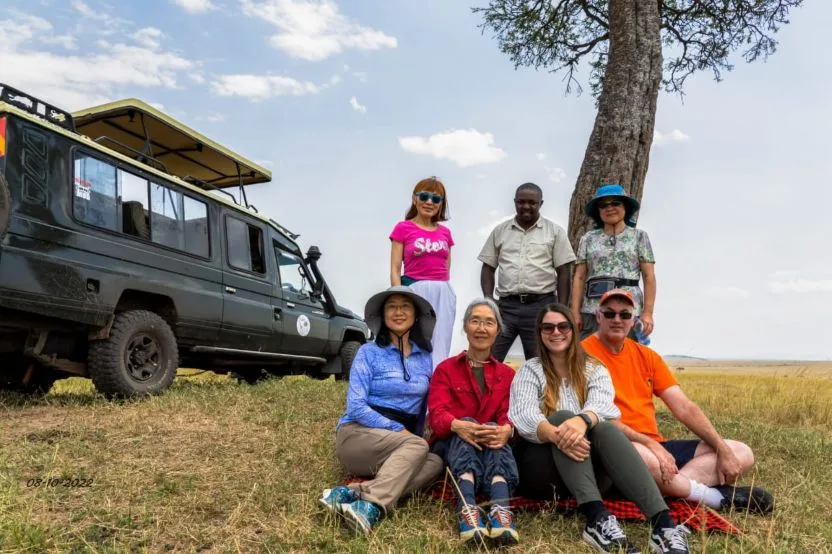
The time of year you visit Kenya also plays a major role in determining safari prices. Safari tourism follows seasonal patterns based on weather conditions and wildlife movements.
The peak safari season typically runs from July to October, when the Great Migration arrives in the Masai Mara. During this period, millions of wildebeest and zebras move across the plains, attracting travelers from around the world. Because demand for accommodation is very high during these months, safari prices often increase.
The cost of a private Masai Mara migration safari depends on the travel month, group size and camp location. Properties near productive river areas generally charge higher rates during August and September, while camps near the reserve gates may provide more affordable options but require longer daily drives.
In contrast, the low season, especially April and May, offers significantly lower prices. These months coincide with Kenya’s rainy season, but many travelers still enjoy excellent wildlife viewing and lush green landscapes. Safari lodges frequently offer discounted rates during this period, making it one of the most affordable times to travel.
4. Safari Transport
Transportation is another major factor affecting safari costs. Different types of safari transport offer different levels of comfort and flexibility.
4×4 Land Cruiser Safari Vehicles
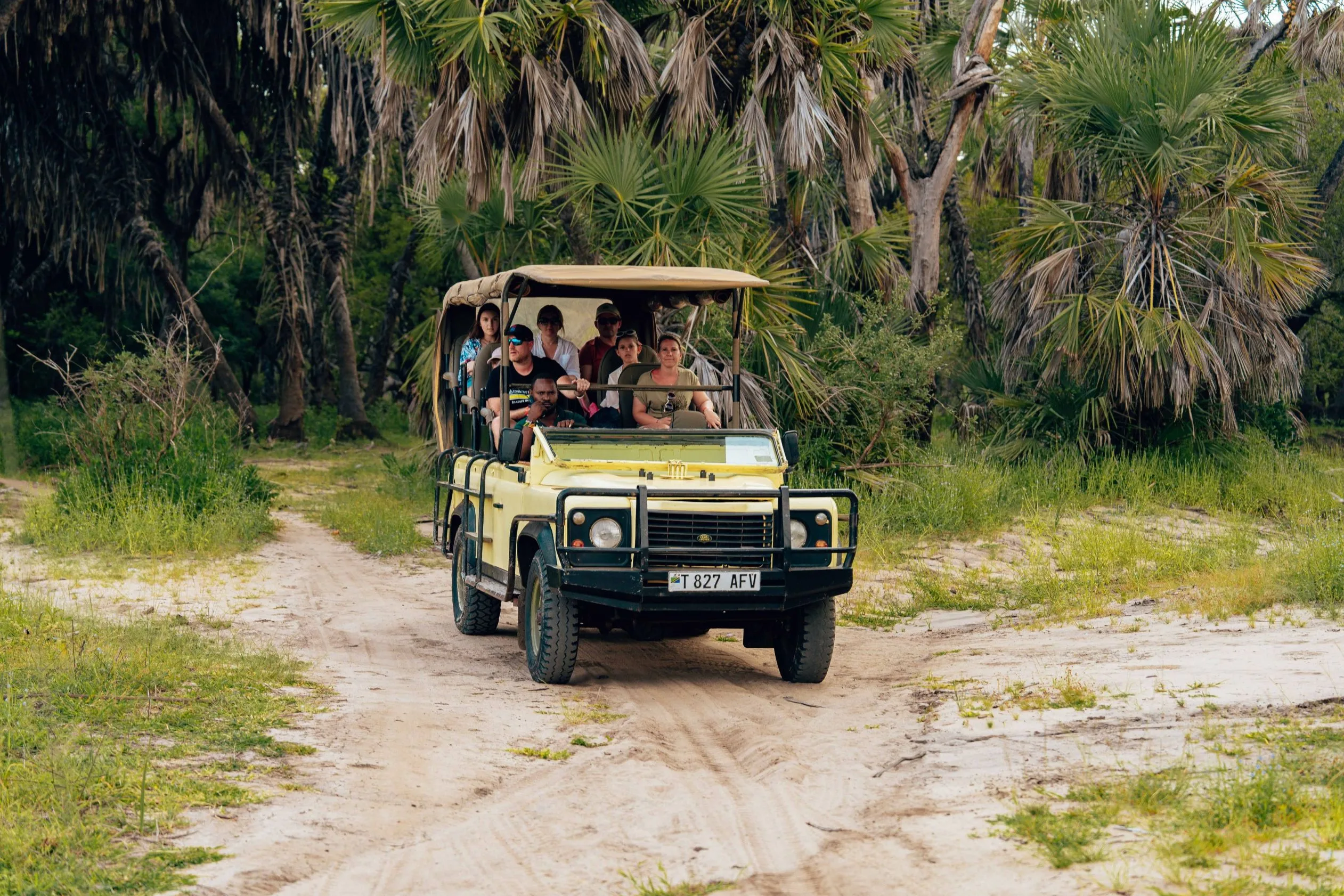
Most mid-range and luxury safaris use custom-built 4×4 Land Cruisers with pop-up roofs, designed for optimal wildlife viewing and comfort on rough terrain. These vehicles provide excellent visibility during game drives and can access remote areas of national parks.
Shared Safari Vans
Budget safaris often use shared safari vans, which are more affordable but slightly less comfortable than Land Cruisers. These vans are commonly used for group joining tours where several travelers share the same vehicle.
Fly-In Safaris
Luxury travelers sometimes choose fly-in safaris, where small bush planes transport guests between safari destinations. Flights usually depart from Nairobi and land at airstrips inside national parks such as the Masai Mara. While fly-in safaris save travel time and offer stunning aerial views of the landscape, they can significantly increase the overall safari price.
Example: How a Seven-Day Kenya Safari Is Priced
A seven-day private Kenya safari for two travellers normally combines full-board accommodation, a private 4×4 Land Cruiser, a professional driver-guide, park fees, game drives, drinking water and road transfers between the parks.
For a route covering Amboseli, Lake Nakuru and the Masai Mara, expect approximately USD 2,800–4,900 per person sharing, depending on the season and accommodation category. International flights, the Kenya eTA, travel insurance, tips, balloon safaris and personal expenses are normally separate.
Peak-season prices may be higher when the itinerary includes a private Masai Mara migration safari, especially during the busiest migration months.
How Destination Choice Affects Kenya Safari Cost ( 2026/2027)
The parks included in your itinerary influence the total price through entrance fees, accommodation rates and travel distance. Combining nearby destinations can reduce long transfers, while remote parks and fly-in routes normally cost more.
| Destination | Effect on safari cost | Best for |
|---|---|---|
| Masai Mara National Reserve | Usually most expensive from July to October because of migration-season demand and higher reserve fees | Great Migration, big cats and first-time safaris |
| Amboseli National Park | Generally more affordable than the Masai Mara, although premium lodges and private vehicles increase the price | Elephants and Mount Kilimanjaro views |
| Lake Nakuru National Park | Usually included as a one-night stop between safari destinations, adding accommodation and park fees | Rhinos, birdlife and Rift Valley scenery |
| Samburu National Reserve | Transport costs can be higher because of the longer journey from Nairobi | Northern wildlife and less-crowded game viewing |
| Tsavo East and Tsavo West | Good value for road safaris from Nairobi or the Kenya coast, but visiting both parks requires separate fees | Elephants, landscapes and safari-and-beach routes |
A shorter safari concentrating on one park may have a lower total price, while a multi-park itinerary provides greater wildlife variety but adds transport, accommodation and entry fees.
When Is the Cheapest Time for a Kenya Safari?
The cheapest time for a Kenya safari is generally during the green season in April, May and November. Lodges and camps may offer lower rates during these months because visitor numbers are below the July–October peak season.
| Travel period | Typical price level | What to expect |
|---|---|---|
| January–March | Moderate to high | Generally dry conditions, good wildlife viewing and calving activity in some areas |
| April–May | Lowest | Green landscapes, fewer visitors, occasional heavy rain and some seasonal camp closures |
| June | Moderate | Drier conditions begin and prices start increasing |
| July–October | Highest | Great Migration season in the Masai Mara, strong demand and limited lodge availability |
| November | Low to moderate | Short rains, green scenery, fewer vehicles and lower accommodation rates |
| Mid-December–early January | High | Christmas and New Year supplements may apply |
Travelling in June or November can provide a useful balance between price, road conditions and wildlife viewing. April and May may offer the lowest lodge rates, but travellers should allow for rain and possible itinerary adjustments.
For Great Migration travel, booking early is more important than finding the lowest price because the best-positioned Masai Mara camps often sell out during August and September.
Planning a Realistic Safari Budget
When planning a Kenya safari, travelers should always factor in these additional costs to build a realistic and stress-free travel budget. While the base safari package may cover accommodation, park fees, and game drives, expenses such as international flights, visas, tips, and optional activities can add several hundred or even thousands of dollars to the total cost of the trip.
By understanding these hidden costs in advance, travelers can make informed decisions about where to spend and where to save, ensuring that their safari experience in Kenya remains both unforgettable and financially comfortable.
Example Kenya Safari Prices by Trip Length
Why Travellers Book With East Africa Jungle
Kenya Safari Cost FAQs
Below are some of the most frequently asked questions travelers have when planning a safari in Kenya. Understanding these details helps visitors estimate the true cost of a Kenya safari in 2026 or 2027 and plan their trip with confidence.
Is a Kenya safari expensive?
A safari in Kenya can range from affordable to very luxurious depending on the type of experience you choose. On average, travelers spend between USD 200 and USD 900 per person per day. Budget safaris that include shared vehicles and basic lodges can cost around USD 1500–2500 for a 5-day safari, while mid-range safaris typically range between USD 2500–4500. Luxury safari packages, which often include boutique lodges, private guides, and sometimes charter flights, may cost USD 6000–10,000 or more per person.
Although a safari may appear expensive at first glance, it usually includes many services such as accommodation, meals, game drives, professional guides, and national park entry fees. When these elements are combined, a safari often provides excellent value compared to other adventure travel experiences around the world.
How much does a Masai Mara safari cost?
A safari to Masai Mara National Reserve is one of the most sought-after wildlife experiences in Africa, and prices vary depending on accommodation type, travel season, and transport options.
A 3-day Masai Mara safari typically costs between USD 900 and USD 1500 per person for budget group tours. Mid-range safaris with comfortable tented camps usually range between USD 1500 and USD 3000, while luxury safaris can exceed USD 4000 or more for the same duration.
Longer itineraries, such as 5-day or 7-day safaris, allow travelers to explore the reserve more deeply and increase the chances of seeing rare wildlife sightings. Prices increase during the Great Migration season (July–October) when millions of wildebeest and zebras cross into the Masai Mara from Tanzania.
How many days are ideal for a Kenya safari?
Most safari experts recommend spending 5 to 7 days in Kenya for a well-balanced safari experience. This timeframe allows travelers to visit multiple national parks, enjoy several game drives, and experience different wildlife ecosystems without feeling rushed.
A typical 5-day safari may focus on one or two major parks such as the Masai Mara and Lake Nakuru National Park, while a 7-day safari can include additional destinations like Amboseli National Park, famous for its elephant herds and views of Mount Kilimanjaro.
Travelers who want a more comprehensive experience may opt for 10-day or longer safaris that combine Kenya with neighboring destinations such as Tanzania’s Serengeti or Ngorongoro Crater. These longer journeys provide more time to explore diverse landscapes and wildlife habitats across East Africa.
Is Kenya cheaper than Tanzania for safari?
Both Kenya and Tanzania offer exceptional safari experiences, but Kenya is often considered slightly more affordable, particularly for shorter safari trips. One reason for this is that Kenya’s main safari parks, such as the Masai Mara, are relatively close to Nairobi, reducing travel distances and transportation costs.
In contrast, many of Tanzania’s famous safari destinations—including the Serengeti National Park and the Ngorongoro Crater—are located farther from major airports, often requiring longer drives or domestic flights.
However, Tanzania offers larger wilderness areas and fewer crowds in some parks, which can make it appealing for travelers seeking a more remote safari experience. Ultimately, the cost difference between the two countries depends on factors such as accommodation level, itinerary length, and travel season.
What is the cheapest way to do a Kenya safari?
The most affordable way to experience a safari in Kenya is by joining a group safari tour. These tours allow travelers to share transportation and guide services, significantly reducing the cost compared to private safaris.
Budget safaris often use shared safari vans with pop-up roofs, simple lodges or tented camps, and fixed itineraries. Group safaris usually visit popular destinations such as the Masai Mara, Lake Nakuru, or Amboseli National Park while keeping costs manageable.
Traveling during the low season (April–May or November) can also reduce safari prices, as many lodges and tour operators offer discounted rates during these months.
What is included in most Kenya safari packages?
Most Kenya safari packages are designed to be comprehensive, meaning they include many essential travel services in one price. Typical safari inclusions are:
Accommodation in safari lodges or tented camps
Meals (usually breakfast, lunch, and dinner)
Game drives in a safari vehicle
Professional driver-guide services
National park entry fees
Bottled drinking water during game drives
Some luxury safari packages may also include domestic flights between parks, airport transfers, and additional activities such as walking safaris or bush dinners.
Travelers should always check the itinerary details carefully to understand what is included and what may require additional payment.
Are Kenya safaris safe for tourists?
Kenya is one of Africa’s most established safari destinations and welcomes thousands of international travelers every year. Safari areas and national parks are generally considered safe for visitors, especially when traveling with experienced guides and licensed tour operators.
Safari guides are trained to ensure both wildlife safety and guest safety during game drives. Lodges and camps located inside national parks or private conservancies also maintain strong security measures for guests.
As with any international travel, visitors are advised to follow standard safety practices such as booking through reputable operators, purchasing travel insurance, and following the guidance of local guides.
What wildlife can you see on a Kenya safari?
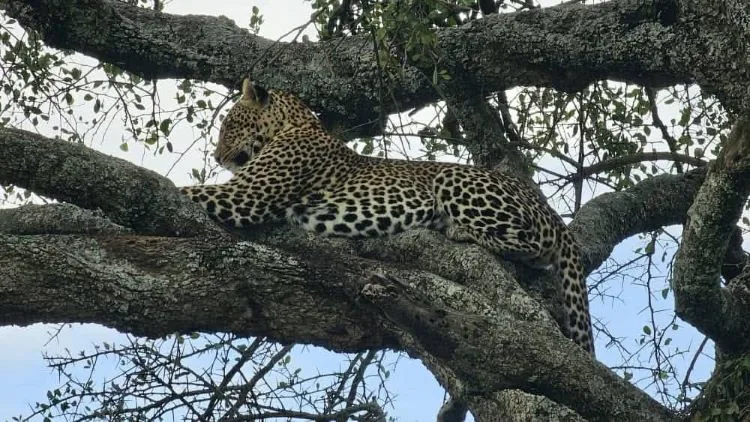
Kenya is famous for its incredible wildlife diversity. Travelers on safari can expect to see a wide variety of animals including the legendary Big Five—lion, elephant, buffalo, leopard, and rhino.
Other commonly spotted animals include giraffes, zebras, cheetahs, hyenas, antelopes, crocodiles, and hippos. Birdwatchers will also be delighted, as Kenya is home to more than 1,000 bird species across its national parks and reserves.
During the migration season, visitors to the Masai Mara can witness the dramatic spectacle of millions of wildebeest and zebras crossing rivers and plains in search of fresh grazing.
When is the best time for a Kenya safari?
The best time for wildlife viewing in Kenya is generally during the dry seasons, which run from June to October and January to February. During these months, animals gather around water sources, making them easier to spot during game drives.
The Great Migration typically reaches the Masai Mara between July and October, making this one of the most popular times to visit.
However, travelers seeking lower prices and fewer crowds may prefer visiting during the green season, when landscapes are lush and safari packages are often more affordable.
Choosing a Kenya Safari for Your Budget
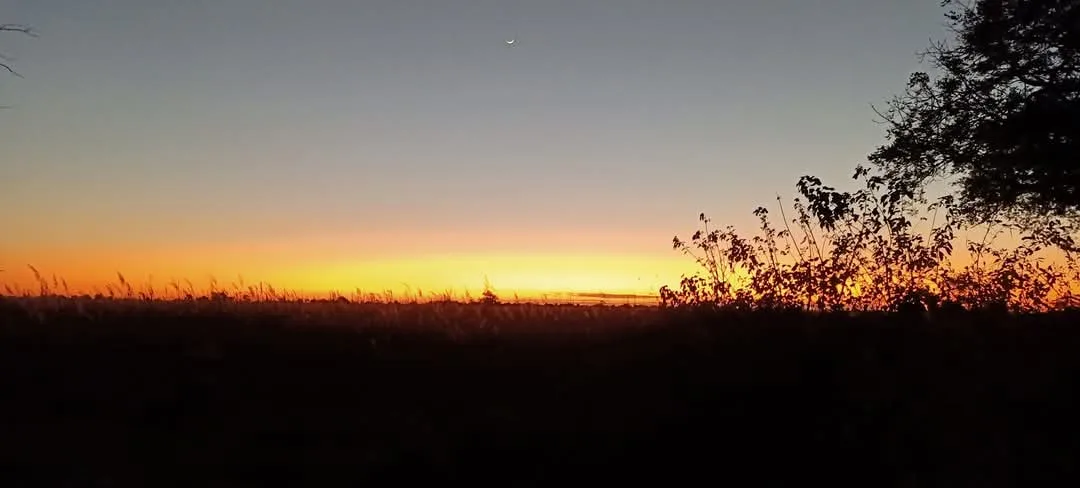
Kenya offers safari options for different budgets, from shared group tours and private road safaris to luxury fly-in packages. Budget safaris keep costs lower through shared transport and simple accommodation, while private mid-range safaris provide greater comfort and flexibility. Luxury safaris cost more because they may include premium camps, private vehicles, conservancy access and domestic flights.
The right option depends on your travel dates, group size, preferred accommodation and whether you want to travel by road or air.
Additional Kenya Safari Costs to Budget For
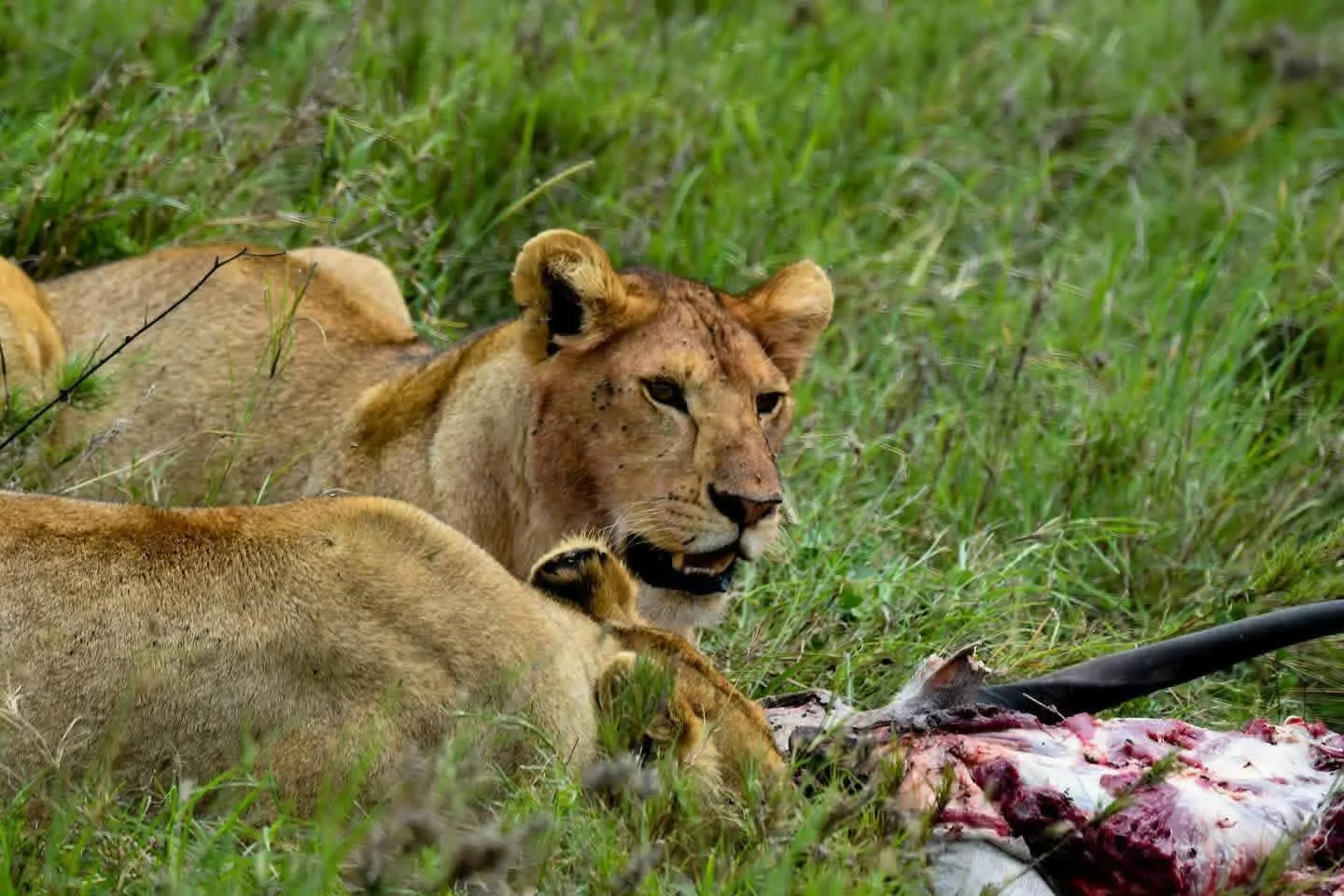
Most organised Kenya safari packages include accommodation, meals, park fees, game drives, a driver-guide and transport between the destinations shown in the itinerary. However, international flights, entry documents, optional activities, tips and personal expenses are normally charged separately.
Always check whether the advertised safari price includes park fees, taxes, airport transfers, domestic flights and single-room supplements. A low headline price may not represent the final amount payable.
| Additional expense | Typical amount |
|---|---|
| Kenya eTA | Confirm the current fee on the official application website |
| International flights | Normally excluded; cost depends on departure country |
| Nairobi–Masai Mara scheduled flight | Approximately USD 200–300 one way |
| Masai Mara balloon safari | USD 450 January–June; USD 480 July–December |
| Maasai village visit | Approximately USD 15–20 per person |
| Lake Naivasha boat ride | Approximately USD 20–30 per person |
| Driver-guide tip | About USD 10 per traveller per day |
| Single-room supplement | Often 15–35% above the sharing rate |
| Travel insurance | Depends on residence, age and level of cover |
| Credit-card surcharge | 3.8% when applicable |
| Personal expenses | Drinks, laundry, souvenirs and additional activities |
Important Questions to Ask Before Booking
Before paying a safari deposit, ask the operator to confirm:
- Whether the price is per person sharing or per vehicle
- The number of travellers used to calculate the price
- Whether all park and conservancy fees are included
- Whether the safari uses a van or 4×4 Land Cruiser
- Whether domestic flights and airport transfers are included
- Whether the quotation changes during peak season
- Whether a single-room supplement applies
- Which optional activities require additional payment
A transparent quotation should clearly separate the included services from optional and personal expenses.
Kenya Safari Costs by Travel Style
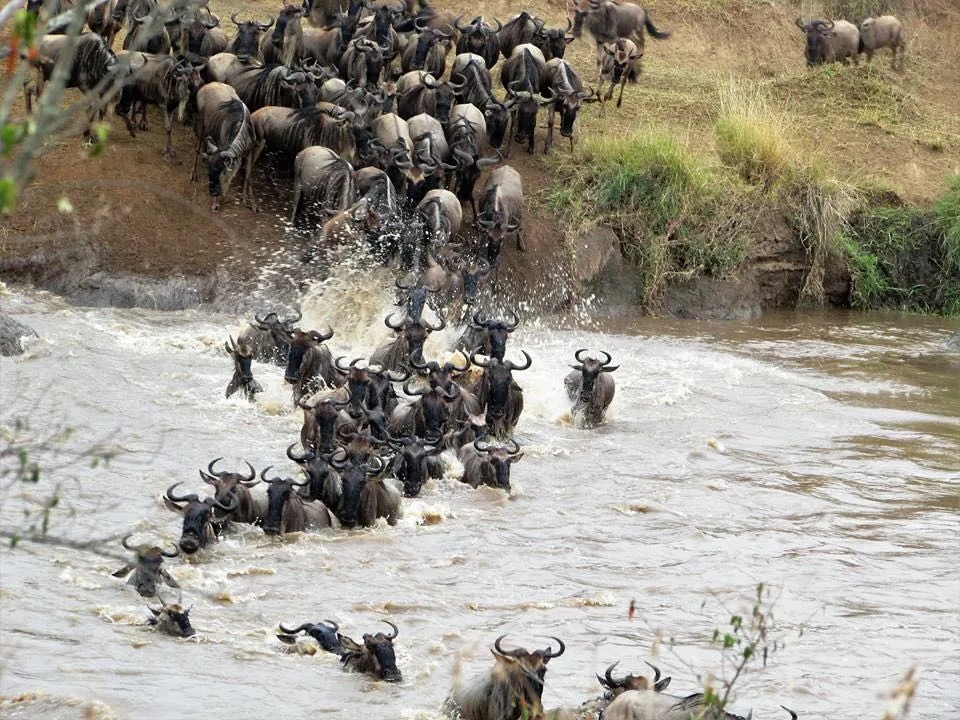
Kenya safari prices vary considerably according to accommodation, transport, season, group size and park selection. The three main pricing categories are budget, mid-range and luxury.
Budget Kenya Safari Cost
A budget Kenya safari generally costs USD 200–350 per person per day. It normally includes shared transport, a professional driver-guide, scheduled game drives, park fees, meals and accommodation in a basic lodge, campsite or budget tented camp. Most affordable packages follow fixed routes and departure dates.
Budget group safaris are suitable for solo travellers, students and visitors who prioritise wildlife viewing over accommodation luxury. Always confirm whether park fees are included, because the advertised price may exclude conservation charges during peak season.
Mid-Range Kenya Safari Cost
A mid-range Kenya safari generally costs USD 350–700 per person per day. It normally includes comfortable en-suite lodges or permanent tented camps, full-board meals, park fees, a professional driver-guide and travel in a customised 4×4 Land Cruiser.
Most mid-range safaris are private, allowing greater flexibility with departure times, game drives and accommodation selection. One or two travellers usually pay more per person because they share the vehicle and guide costs between fewer people. Groups of four to six normally receive better per-person value.
Luxury Kenya Safari Cost
A luxury Kenya safari generally costs USD 700–1,500+ per person per day. It may include premium lodges or boutique tented camps, private game drives, expert guides, gourmet dining, conservancy fees and scheduled flights between safari destinations.
The highest-priced safaris may also offer private plunge pools, spa treatments, bush meals, exclusive-use vehicles and accommodation in wildlife-rich private conservancies. Luxury prices increase during the Great Migration season, particularly for camps near the Mara River. International flights and some optional activities normally remain separate.
Budget vs Mid-Range vs Luxury Kenya Safari
| Feature | Budget safari | Mid-range safari | Luxury safari |
|---|---|---|---|
| Typical daily price | USD 200–350 | USD 350–700 | USD 700–1,500+ |
| Transport | Shared van or 4×4 | Private 4×4 Land Cruiser | Private 4×4 or fly-in |
| Accommodation | Basic camp or lodge | En-suite lodge or tented camp | Premium lodge or boutique camp |
| Game drives | Shared and scheduled | Private and flexible | Private and highly personalised |
| Meals | Normally full board | Full board | Premium or all-inclusive dining |
| Best suited to | Value-focused travellers | Couples, families and small groups | Privacy and premium-comfort travellers |
Which Kenya Safari Is Right for Your Budget?
Choose a budget group safari if keeping the total cost low is your main priority. A private mid-range safari offers the strongest balance of comfort, flexibility and value, particularly for four to six travellers. Choose a luxury safari if you prefer premium accommodation, private guiding, conservancy experiences or internal flights that reduce long road transfers.
About the Author

John Peter is the Operations Manager at East Africa Jungle and has more than 16 years of experience planning Kenya and East Africa safaris. His work includes safari pricing, route planning, lodge selection, park-fee calculations and private and group-tour operations.
This guide was reviewed in August 2026 using current operator pricing and published conservation-fee information. Safari prices remain indicative and should be confirmed for the traveller’s dates, group size and preferred accommodation.
Start Planning Your Kenya Safari Today
Why This Guide Helps
Use this page to compare safari packages that match the same travel intent. Each result can be reviewed by itinerary, price, duration, accommodation, route map, image gallery, inclusions, and downloadable program.
Questions
What safari packages match this page?
The packages shown are selected automatically from the filters attached to this Travel Guide.
Can this route be customized?
Yes. Use any listed package as a starting point and request adjustments to route, accommodation, timing, and pace.

 16+ Years
 English