
9 Days Kilimanjaro Lemosho Route Climb & Serengeti–Ngorongoro Group Safari 2027–2028
Starting Price: From USD 2,495 per person sharing
Duration: 9 Days / 8 Nights | Tour Type: Group Sharing | Destinations: Mount Kilimanjaro, Serengeti & Ngorongoro Crater
Start & End Point: Arusha, Tanzania | Alternative Pickup: Moshi on request
Experience the ultimate Tanzania adventure with our 9 Days Kilimanjaro Lemosho Route Climb and Serengeti–Ngorongoro Group Safari. This exciting journey combines a challenging six-day climb of Mount Kilimanjaro via the scenic Lemosho Route with a three-day wildlife safari exploring Serengeti National Park and the spectacular Ngorongoro Crater.
Trek through lush rainforest, cross the beautiful Shira Plateau and attempt to reach Uhuru Peak at 5,895 metres before discovering Tanzania's incredible wildlife in a shared 4×4 safari Land Cruiser. Travel with professional mountain guides, experienced safari guides and fellow adventurers while enjoying an affordable group-sharing experience.
Check Group Departure Dates & Book Your Adventure
Quick Facts: 9 Days Kilimanjaro Lemosho Route & Serengeti–Ngorongoro Group Safari
| our Details | Description |
|---|---|
| Tour Name | 9 Days Kilimanjaro Lemosho Route Climb & Serengeti–Ngorongoro Group Safari |
| Starting Price | From USD 2,495 per person sharing (subject to final price confirmation) |
| Price Validity | 2027–2028 |
| Duration | 9 Days / 8 Nights |
| Tour Type | Kilimanjaro Group Climb + Tanzania Group-Sharing Safari |
| Kilimanjaro Route | 6-Day Lemosho Route |
| Safari Duration | 3 Days – Serengeti National Park & Ngorongoro Crater |
| Starting Point | Arusha, Tanzania |
| Ending Point | Arusha, Tanzania |
| Alternative Pickup | Moshi, on request; additional transfer charges may apply |
| Maximum Altitude | Uhuru Peak – 5,895 metres |
| Difficulty Level | Very Challenging – Accelerated Ascent |
| Accommodation | 5 Nights Mountain Camping, 1 Night Arusha Hotel & 2 Nights Safari Camping |
| Safari Vehicle | Shared 4×4 Land Cruiser with Pop-Up Roof |
| Safari Group Size | Normally 6–7 Travellers, with a Window Seat for Each Guest |
| Climbing Group Size | Subject to Confirmed Group Availability |
| Meals | Full Board During Climb and Safari; Arusha Hotel Meals as Confirmed |
| Group Departures | Daily Requests Welcome; Confirmed Departures Subject to Availability |
| Best Travel Months | January–March and June–October |
| Suitable For | Physically Fit, Experienced Hikers |
| Booking | 30% Initial Deposit; Booking Conditions Apply |
Important – Climbing Difficulty: This package includes an accelerated six-day Lemosho Route climb with limited acclimatisation time. It is best suited to fit, experienced hikers. We recommend a seven- or eight-day Lemosho Route itinerary for better acclimatisation opportunities.
Overview of the 9 Days Kilimanjaro Lemosho Route & Serengeti–Ngorongoro Group Safari
Discover Tanzania's spectacular mountain landscapes and iconic wildlife on our 9 Days Kilimanjaro Lemosho Route Climb & Serengeti–Ngorongoro Group Safari. Starting from USD 2,495 per person sharing (proposed rate), this adventure combines a challenging six-day Mount Kilimanjaro climb with a three-day group safari through Serengeti National Park and the Ngorongoro Crater.
Begin your journey on the scenic western Lemosho Route, trekking through lush rainforest, open moorland and the breathtaking Shira Plateau. Cross the famous Barranco Wall and attempt to reach Uhuru Peak at 5,895 metres, Africa's highest point, accompanied by professional mountain guides and a dedicated trekking crew.
After descending Kilimanjaro, continue your Tanzania adventure in a shared 4×4 safari Land Cruiser. Explore the Serengeti's wildlife-rich plains, searching for lions, elephants, giraffes and other remarkable animals. Complete your safari with a game drive inside the Ngorongoro Crater, renowned for its diverse wildlife and spectacular scenery.
Designed for fit, experienced trekkers seeking a combined climbing and wildlife experience, this Kilimanjaro and Tanzania group-sharing safari offers two unforgettable adventures in one journey. The accelerated six-day Lemosho climb involves limited acclimatisation, so a longer climbing option is recommended where time allows.
Highlights of the 9 Days Kilimanjaro Lemosho Route & Serengeti–Ngorongoro Group Safari
Climb Mount Kilimanjaro via the Scenic Lemosho Route: Experience rainforest trails, alpine moorlands, the Shira Plateau and dramatic views of Kibo on a challenging six-day guided climb.
Attempt to Reach Uhuru Peak (5,895 m): Challenge yourself to reach Africa's highest summit, accompanied by experienced mountain guides and a dedicated trekking crew.
Experience the Barranco Wall and Lava Tower: Discover two of Kilimanjaro's famous landmarks while trekking through spectacular high-altitude landscapes.
Explore Serengeti National Park: Enjoy guided game drives across Tanzania's famous savannahs, searching for lions, elephants, giraffes, zebras and other wildlife.
Discover the Ngorongoro Crater: Descend into the UNESCO-listed Ngorongoro Conservation Area's famous volcanic crater for an unforgettable wildlife-viewing experience.
Travel in a 4×4 Safari Land Cruiser: Explore the Serengeti and Ngorongoro in a shared safari vehicle with a pop-up roof, ideal for wildlife viewing and photography.
Enjoy an Affordable Group-Sharing Adventure: Share the Kilimanjaro climbing experience and Tanzania safari with fellow travellers while benefiting from organised guiding, camping and transport.
Combine Mountain Trekking and Wildlife Safari: Experience two of Tanzania's greatest attractions in one nine-day adventure, starting and ending in Northern Tanzania.
Detailed 9-Day Kilimanjaro Lemosho Route Climb & Serengeti–Ngorongoro Group Safari Itinerary
Experience the adventure of a lifetime on this nine-day Tanzania journey combining a challenging six-day Mount Kilimanjaro climb via the scenic Lemosho Route with a three-day group-sharing safari in Serengeti National Park and the Ngorongoro Crater.
Your adventure begins in Arusha, Tanzania, with a transfer to Kilimanjaro's western slopes. Trek through rainforest, the Shira Plateau and the spectacular Barranco Valley before attempting to reach Uhuru Peak at 5,895 metres.
After descending Mount Kilimanjaro, return to Arusha for an overnight hotel stay before joining your three-day Serengeti and Ngorongoro group safari in a shared 4×4 Land Cruiser.
The tour concludes in Arusha on Day 9.
Starting Point: Arusha, Tanzania
Ending Point: Arusha, Tanzania
Alternative Pickup: Moshi pickup available on request, subject to availability and any applicable transfer supplement.
Important Information About the 6-Day Lemosho Route
This itinerary follows an accelerated six-day Lemosho climbing schedule with substantial altitude gains and limited acclimatisation time.
The route is best suited to physically fit, experienced hikers who understand the challenges of high-altitude trekking.
Altitude sickness can affect anyone, regardless of fitness or previous hiking experience. Climbers must report symptoms promptly and follow their mountain guide's safety instructions.
East Africa Jungle recommends a seven- or eight-day Lemosho Route itinerary for travellers seeking a more gradual ascent and additional acclimatisation time.
The six-day route should only be offered as a standard group departure following technical approval by the qualified mountain operations team and verification of appropriate safety and emergency arrangements.
Day 1: Arusha – Londorossi Gate – Lemosho Trailhead – Mti Mkubwa Camp
Your nine-day Kilimanjaro Lemosho Route climb and Serengeti–Ngorongoro safari begins with a scheduled morning pickup from your hotel in Arusha.
Meet your Kilimanjaro mountain team and travel towards Londorossi Gate on the western side of Mount Kilimanjaro.
Upon arrival, complete park registration, equipment checks and climbing preparations before continuing by vehicle to the Lemosho trailhead.
Your trek begins through Kilimanjaro's lush montane rainforest, home to colobus monkeys, colourful birds and diverse indigenous vegetation.
Follow the forest trail towards Mti Mkubwa Camp, also known as Big Tree Camp, where your mountain crew prepares the campsite.
Enjoy a freshly prepared dinner and a briefing about the following day's trek, expected altitude changes and mountain safety procedures.
Alternative Moshi Pickup: Travellers staying in Moshi may request an alternative pickup. The pickup time, meeting location and any applicable transfer supplement will be confirmed before booking.
Day 1 Trekking Details
| Details | Information |
|---|---|
| Route | Arusha → Londorossi Gate → Lemosho Trailhead → Mti Mkubwa |
| Starting Altitude | Approximately 2,100–2,400 m at the trailhead |
| Sleeping Altitude | Approximately 2,650 m |
| Hiking Distance | Approximately 6 km |
| Hiking Duration | 3–4 hours |
| Habitat | Montane rainforest |
| Accommodation | Mti Mkubwa Campsite |
| Meals | Lunch and dinner |
Climbing and Acclimatisation Advice: Maintain a comfortable walking pace, drink appropriate amounts of safe water and report unusual symptoms to your mountain guide. Although Day 1 is relatively short, it introduces you to Kilimanjaro's increasing altitude.
Day 2: Mti Mkubwa Camp – Shira 1 – Shira 2 Camp
After breakfast, leave the rainforest behind and ascend into Kilimanjaro's heathland and moorland zones.
The landscape gradually opens, revealing sweeping views of the Shira Plateau, distant Mount Meru and the impressive slopes of Kibo.
Continue through the Shira 1 area and across the plateau towards Shira 2 Camp.
This is one of the most demanding trekking days of the shortened Lemosho itinerary because of the considerable distance and rapid increase in sleeping altitude.
Your mountain guides will maintain an appropriate trekking pace and assess the group's condition as you progress through the changing terrain.
Arrive at Shira 2 Camp, where you can enjoy dinner and rest beneath Kilimanjaro's spectacular mountain scenery.
Day 2 Trekking Details
| Details | Information |
|---|---|
| Route | Mti Mkubwa → Shira 1 → Shira 2 |
| Starting Altitude | Approximately 2,650 m |
| Sleeping Altitude | Approximately 3,850 m |
| Hiking Distance | Approximately 16 km |
| Hiking Duration | 7–10 hours |
| Habitat | Heathland and moorland |
| Accommodation | Shira 2 Campsite |
| Meals | Breakfast, lunch and dinner |
Important Altitude Consideration – Day 2
Today's trek involves an increase in sleeping altitude of approximately 1,200 metres, from Mti Mkubwa Camp to Shira 2 Camp.
This rapid ascent increases the risk of altitude sickness, making careful symptom monitoring essential.
Climbers should walk slowly, avoid unnecessary exertion and immediately report headaches, nausea, dizziness, unusual fatigue or breathing difficulties.
Climbers with symptoms of altitude sickness should not continue ascending until assessed by their mountain guide. Descent and medical assistance may be necessary if symptoms worsen.
Day 3: Shira 2 Camp – Lava Tower – Barranco Camp
Today follows one of the most important acclimatisation sections of the Lemosho Route.
After breakfast, trek eastward across rocky alpine terrain towards Lava Tower, situated at approximately 4,600 metres above sea level.
The ascent exposes your body to a higher altitude before you descend towards Barranco Camp, following the well-known climb high, sleep low acclimatisation principle.
Although this approach may support altitude adaptation, it does not eliminate the risk of altitude sickness, particularly on an accelerated six-day itinerary.
As you descend into Barranco Valley, enjoy spectacular views of the Barranco Wall, Kibo's southern slopes and the distinctive giant groundsels growing in the valley.
Arrive at Barranco Camp for dinner and overnight accommodation, surrounded by dramatic mountain landscapes.
Day 3 Trekking Details
| Details | Information |
|---|---|
| Route | Shira 2 → Lava Tower → Barranco |
| Starting Altitude | Approximately 3,850 m |
| Highest Point | Lava Tower – approximately 4,600 m |
| Sleeping Altitude | Approximately 3,900–3,960 m |
| Hiking Distance | Approximately 10 km |
| Hiking Duration | 6–8 hours |
| Habitat | Alpine desert and moorland |
| Accommodation | Barranco Campsite |
| Meals | Breakfast, lunch and dinner |
Acclimatisation and Health Monitoring
Today's ascent towards Lava Tower provides valuable exposure to higher altitude before descending to sleep at Barranco Camp.
However, the shortened climbing schedule still limits overall acclimatisation time.
Climbers should continue reporting symptoms promptly and follow their guide's assessment of their condition.
Anyone experiencing worsening altitude-related symptoms should not continue to higher elevations. Descent and medical evaluation may be necessary.
Day 4: Barranco Camp – Barranco Wall – Karanga Valley – Barafu Camp
Begin the day by climbing the famous Barranco Wall, one of Kilimanjaro's most memorable trekking sections.
Although the wall appears steep and intimidating, it is normally completed without technical climbing equipment. Some sections require careful footing and occasional use of your hands for balance.
After reaching the top, enjoy spectacular views across the Barranco Valley before continuing towards Karanga Valley.
Cross the valley and begin the demanding ascent towards Barafu Camp, your final base before the summit attempt.
The landscape becomes increasingly barren as you enter Kilimanjaro's high-altitude alpine desert.
Arrive at Barafu Camp in the afternoon, depending on the group's pace and weather conditions.
Enjoy an early dinner, prepare your summit clothing and equipment, and rest before the overnight ascent towards Uhuru Peak.
Day 4 Trekking Details
| Details | Information |
|---|---|
| Route | Barranco → Karanga → Barafu |
| Starting Altitude | Approximately 3,900 m |
| Sleeping Altitude | Approximately 4,673 m |
| Hiking Distance | Approximately 9 km |
| Hiking Duration | 7–10 hours |
| Habitat | Alpine desert |
| Accommodation | Barafu Campsite |
| Meals | Breakfast, lunch and dinner |
Important Summit Preparation and Altitude Safety
Day 4 involves another significant increase in sleeping altitude, reaching approximately 4,673 metres at Barafu Camp.
Before the summit attempt, the mountain guide will assess each climber's condition, including symptoms of altitude sickness, physical exhaustion and ability to continue safely.
Climbers experiencing worsening headaches, persistent vomiting, confusion, difficulty walking steadily or other concerning symptoms must not continue ascending.
The guide may recommend immediate descent or emergency medical assistance when necessary.
Summit success is never guaranteed. Climber health and mountain safety always take priority over reaching Uhuru Peak.
Day 5: Barafu Camp – Stella Point – Uhuru Peak – Mweka Camp
Today is the most physically demanding and potentially rewarding stage of your six-day Kilimanjaro Lemosho Route climb.
Around midnight, weather and individual health permitting, begin your summit attempt under the supervision of your mountain guides.
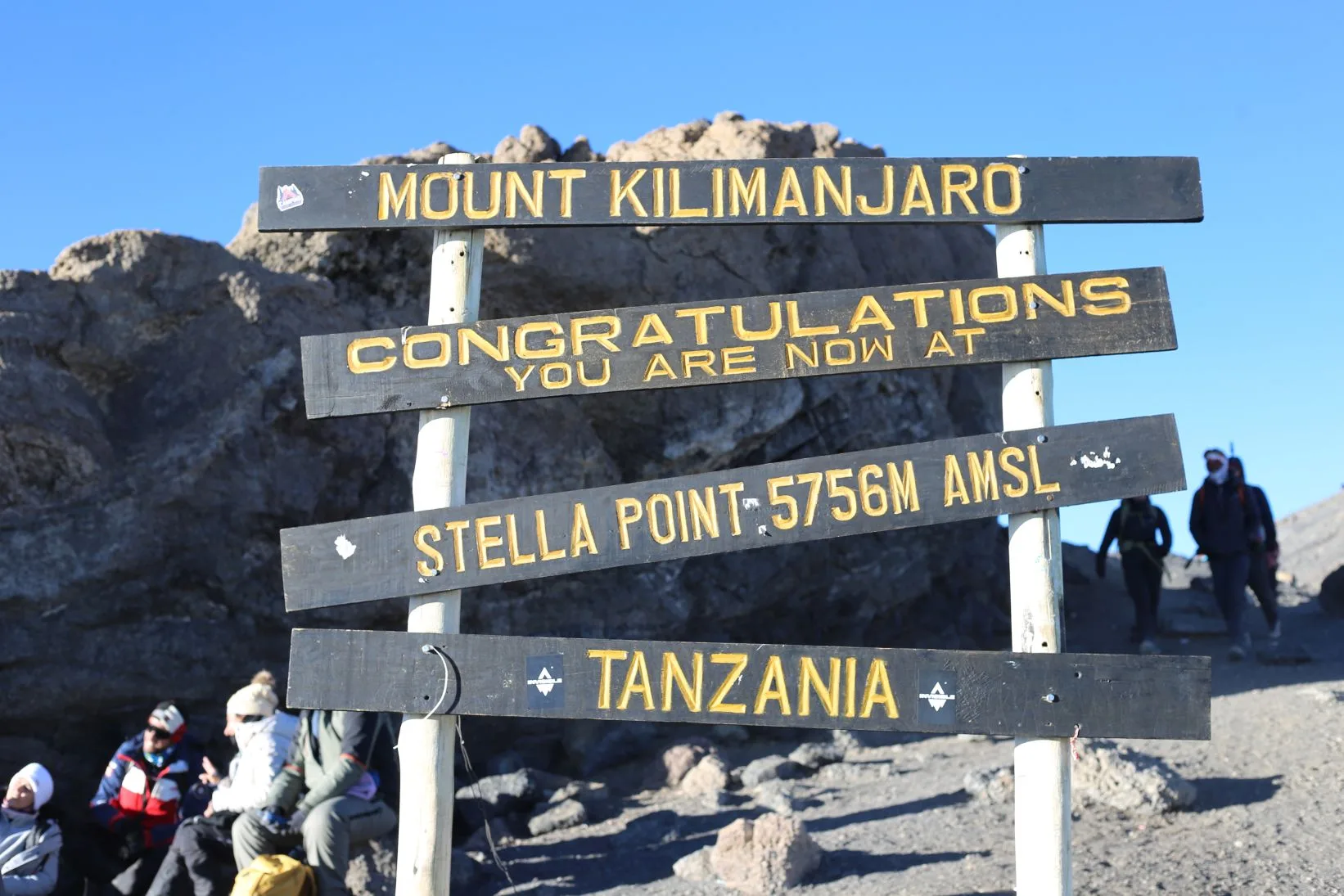
Ascend slowly over steep volcanic scree towards Stella Point at approximately 5,756 metres.
The climb takes place in extremely cold conditions, often with strong winds and reduced visibility. Your mountain team will determine the appropriate pace and whether conditions remain suitable for continuing.
Upon reaching Stella Point, continue along the crater rim towards Uhuru Peak, standing at 5,895 metres above sea level.
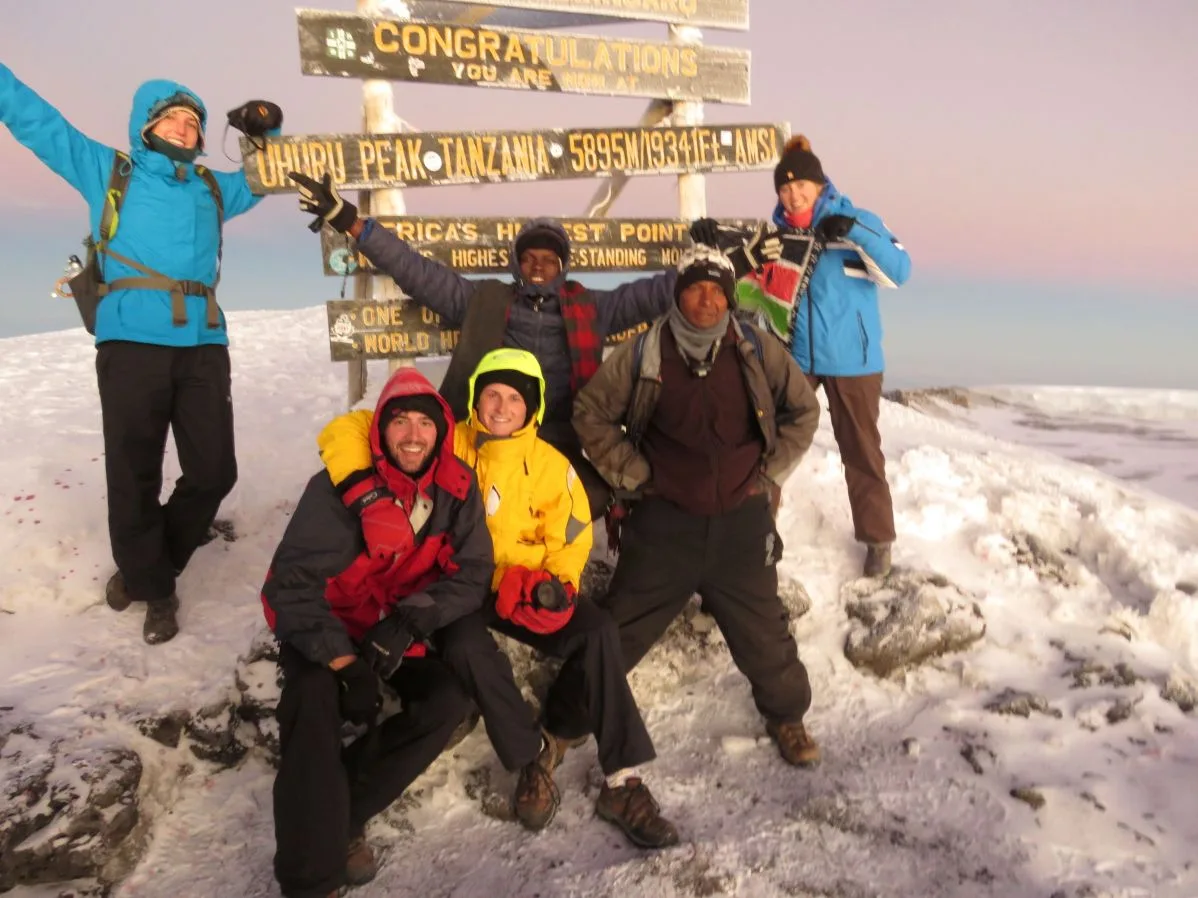
Reaching Africa's highest summit is an extraordinary achievement, offering unforgettable views across Kilimanjaro's glaciers and surrounding landscapes.
After your summit attempt, descend towards Barafu Camp for a short rest before continuing down to Mweka Camp, where you will spend your final night on the mountain.
Day 5 Trekking Details
| Details | Information |
|---|---|
| Route | Barafu → Stella Point → Uhuru Peak → Mweka |
| Starting Altitude | Approximately 4,673 m |
| Maximum Altitude | Uhuru Peak – 5,895 m |
| Sleeping Altitude | Approximately 3,100 m |
| Hiking Distance | Approximately 17 km |
| Hiking Duration | 12–16 hours |
| Habitat | Arctic summit zone and moorland |
| Accommodation | Mweka Campsite |
| Meals | Breakfast, lunch and dinner |
Summit Safety and Emergency Procedures
The summit attempt involves prolonged physical exertion at extreme altitude.
Mountain guides will assess climbers' condition throughout the ascent and may stop an individual's summit attempt if altitude symptoms, exhaustion, weather or other safety concerns make continuing unsafe.
Severe altitude-related symptoms require urgent action, including descent and appropriate medical assistance.
Reaching Uhuru Peak depends on individual health, weather, trail conditions and the mountain guide's safety assessment.
No climber should continue ascending when serious or worsening altitude sickness symptoms are present.
Day 6: Uhuru Peak Summit Attempt – Descent to Mweka Gate – Transfer to Arusha
Your final Kilimanjaro climbing day begins shortly after midnight with the summit attempt from Barafu Camp. Accompanied by your professional mountain guides, you will ascend slowly through the darkness towards Stella Point (5,756 metres), following the steep mountain trail across rocky and volcanic terrain.
After reaching Stella Point, continue along the crater rim towards Uhuru Peak (5,895 metres), the highest point in Africa. Weather and individual fitness permitting, you may enjoy spectacular sunrise views over Kilimanjaro's glaciers and surrounding landscapes.
Following your summit attempt, descend carefully to Barafu Camp for a short rest and refreshments before continuing towards Mweka Gate through the mountain's changing vegetation zones.
At Mweka Gate, complete the park exit formalities and meet your transfer vehicle for the journey to Arusha.
Upon arrival in Arusha, check in at your standard hotel for a well-deserved rest after your Kilimanjaro climb. The hotel property and room arrangement will be confirmed in your booking documents.
Day 6 Travel and Accommodation Details
| Item | Details |
|---|---|
| Starting Point | Barafu Camp |
| Summit Destination | Uhuru Peak – 5,895 metres |
| Descent Route | Barafu Camp to Mweka Gate |
| Transfer | Mweka Gate to Arusha |
| Accommodation | Standard hotel in Arusha; hotel name provided in the booking confirmation |
| Room Arrangement | Twin or double room for two travellers booking together; solo occupancy subject to the confirmed quotation |
| Meals Included | Breakfast on Day 7 included |
| Main Activities | Kilimanjaro summit attempt, mountain descent and transfer to Arusha |
Important: This is a physically demanding day involving a high-altitude summit attempt and a long descent. Summit success is not guaranteed, and mountain guides may adjust the climbing plan according to weather, trail conditions and traveller safety.
Day 7: Arusha to Serengeti National Park – Scenic Drive and Afternoon Game Drive
After checking out of your hotel in Arusha, meet your professional safari driver-guide and begin your three-day Serengeti–Ngorongoro group-sharing safari.
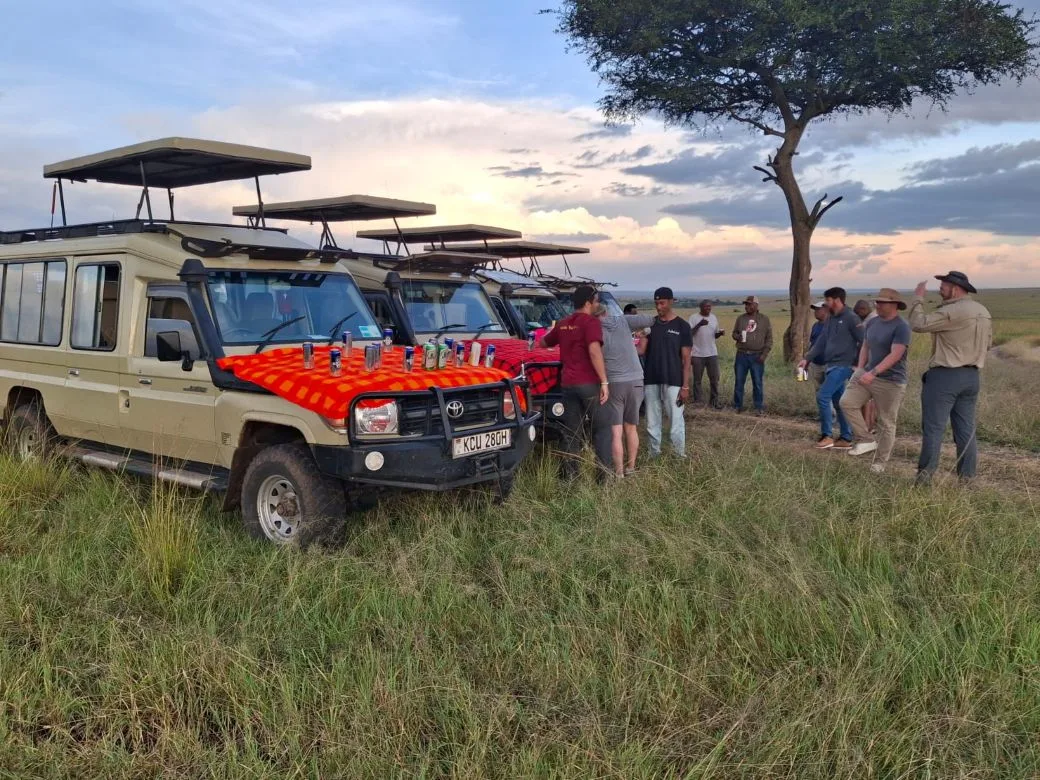
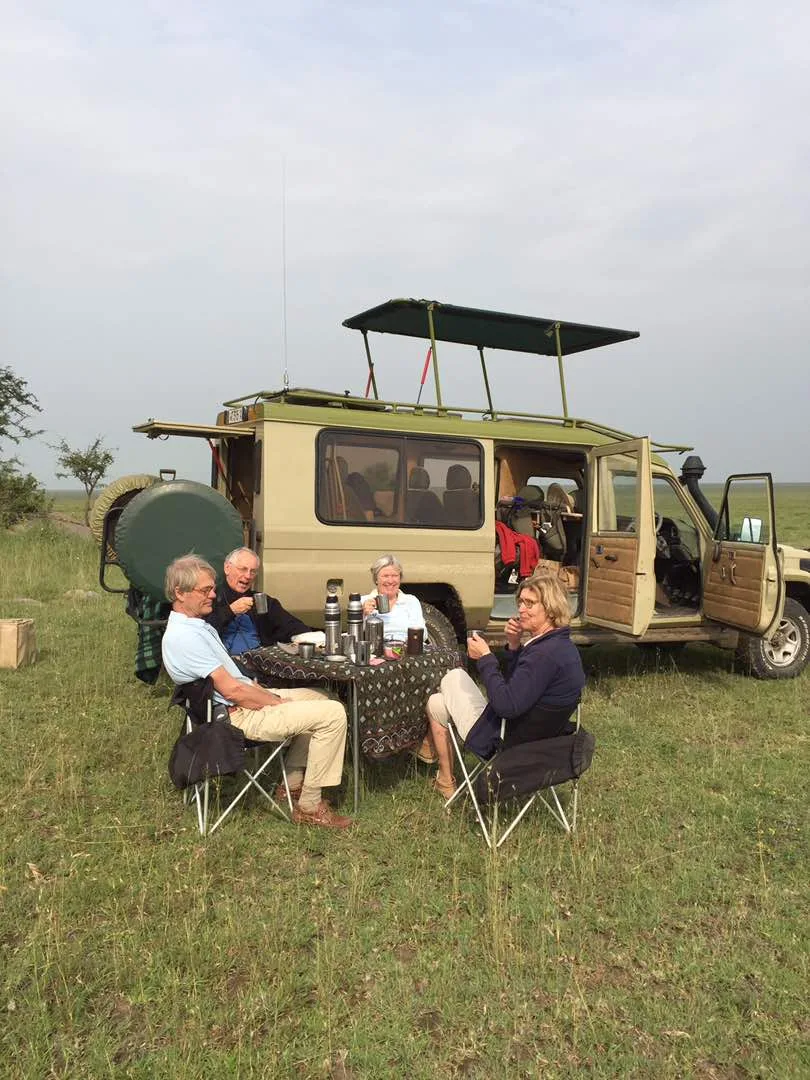
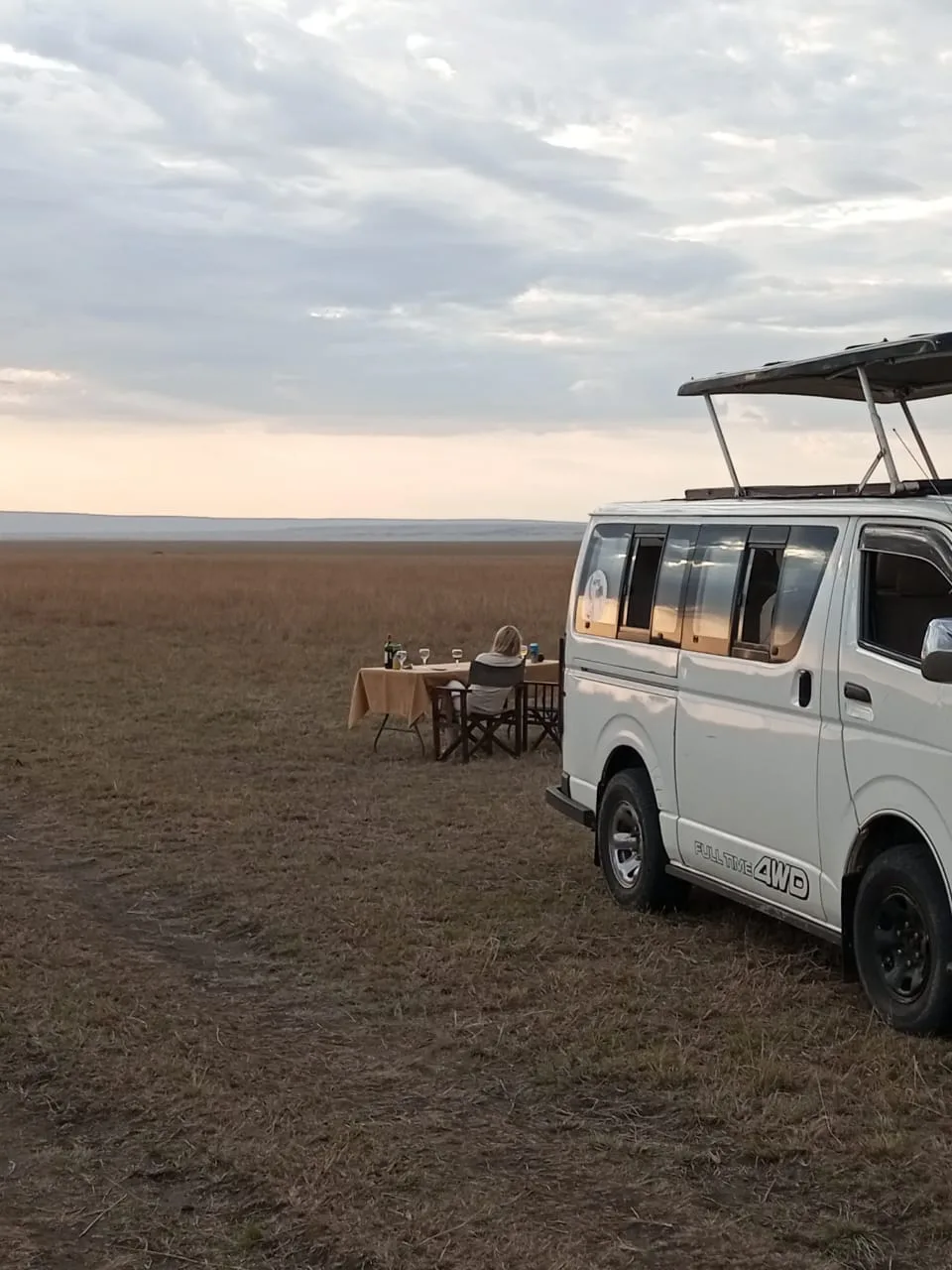
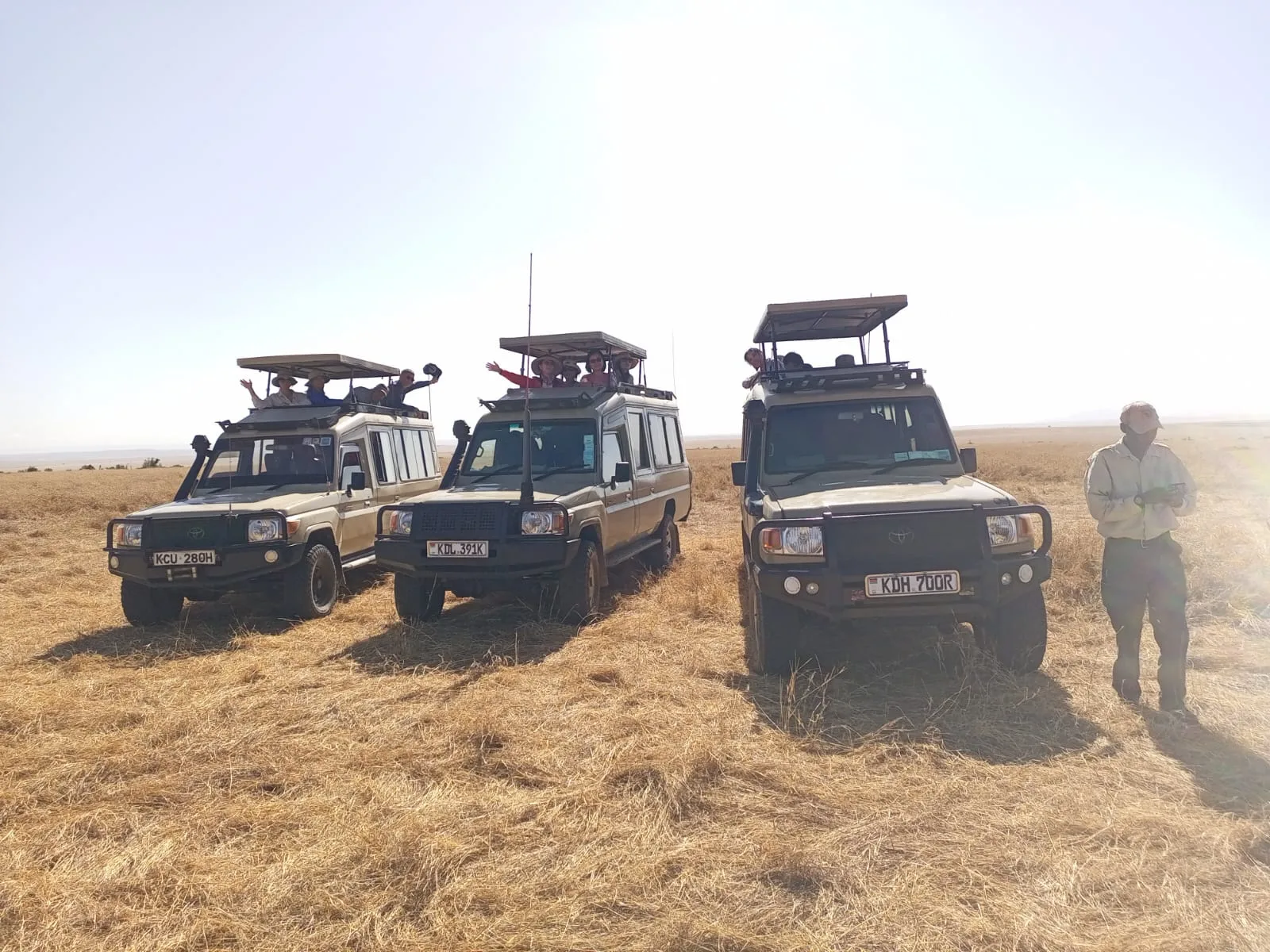
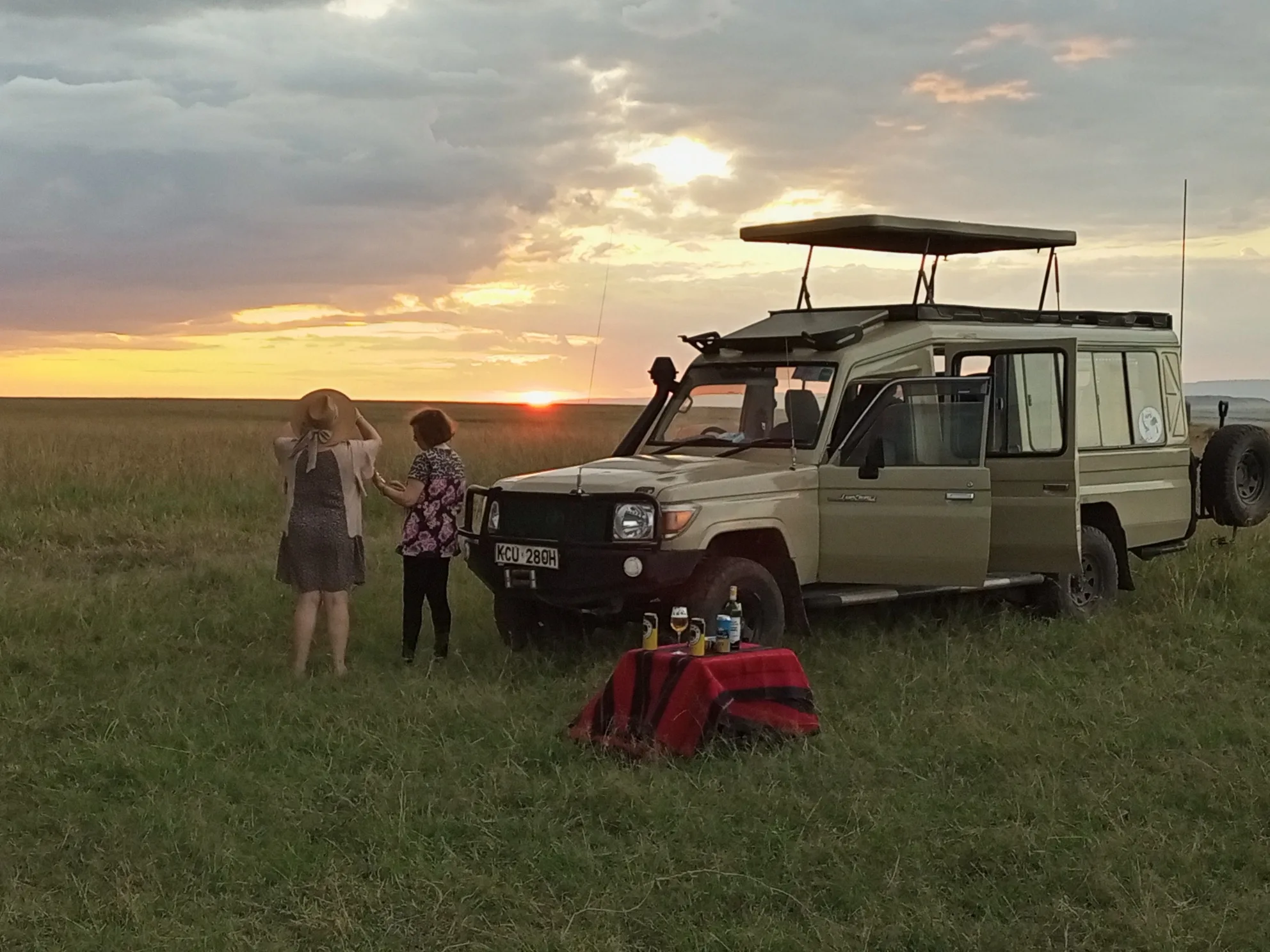
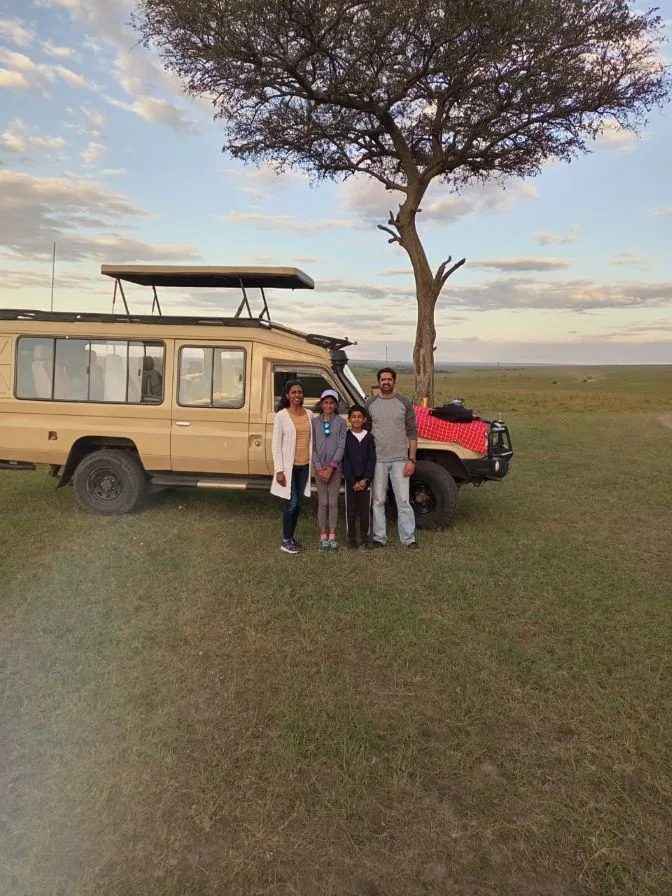
Travel in a 4×4 safari Land Cruiser with a pop-up roof, designed for comfortable wildlife viewing and photography. Your safari journey takes you through Tanzania's beautiful highland landscapes towards Serengeti National Park.
Along the way, enjoy views of rural communities, rolling hills and the changing scenery of northern Tanzania. Continue towards the Serengeti, travelling through the Ngorongoro Conservation Area where the route and park conditions permit.
Arrive in Serengeti National Park and begin your scheduled game drive as you make your way towards the campsite.
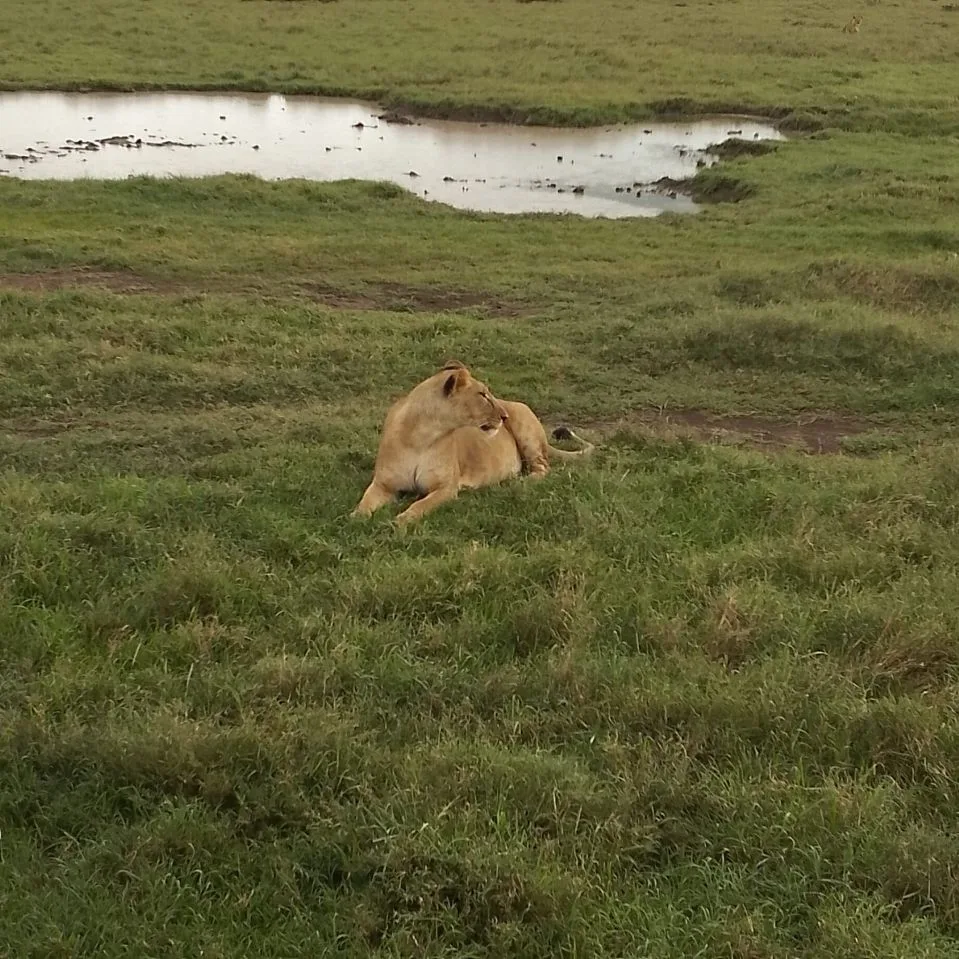
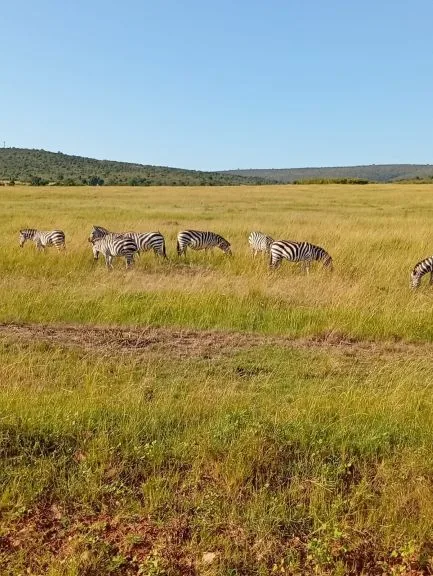
The Serengeti is famous for its extensive savannah plains and diverse wildlife, including lions, elephants, giraffes, buffaloes, zebras, wildebeest and numerous antelope species. Wildlife sightings vary according to season, weather and animal movements.
Your professional safari guide will help you identify wildlife and explain animal behaviour while following park regulations and responsible wildlife-viewing practices.
In the evening, proceed to your designated public campsite, where your camping crew will prepare the tents and campsite arrangements.
Enjoy dinner and spend the night camping in the Serengeti, surrounded by the sounds of the African wilderness.
Day 7 Travel and Accommodation Details
| Item | Details |
|---|---|
| Starting Point | Arusha |
| Destination | Serengeti National Park |
| Road Transfer | Approximately 7–8 hours, depending on route, road conditions and stops |
| Safari Vehicle | Shared 4×4 Land Cruiser with pop-up roof |
| Main Activity | Scenic transfer and scheduled Serengeti game drive |
| Accommodation | Budget camping at a designated Serengeti public campsite |
| Tent Arrangement | Shared tent for travellers booking together; single tent for solo travellers |
| Meals Included | Lunch and dinner; hotel breakfast on Day 7 depends on the confirmed hotel meal plan |
| Overnight | Serengeti National Park |
Safari Experience: Game-drive duration and wildlife sightings depend on arrival time, road conditions, park regulations and animal movements. Your safari guide will organise the day's activities according to the available time and conditions.
Day 8: Serengeti Morning Game Drive – Ngorongoro Conservation Area
Wake up early to experience the Serengeti during one of the best periods for wildlife activity.
After breakfast, enjoy a morning game drive through the central Serengeti, particularly the wildlife-rich Seronera region.
Search for lions, leopards, cheetahs, elephants, giraffes and other animals roaming the savannah.
The Seronera area is well known for its resident predators and diverse wildlife, although animal sightings can never be guaranteed.
After lunch, begin your journey towards the Ngorongoro Conservation Area, travelling through the spectacular landscapes of the Serengeti and Ngorongoro highlands.
Arrive at Simba Public Campsite near the crater rim, where you will enjoy dinner and overnight accommodation.
Day 8 Safari Details
| Details | Information |
|---|---|
| Route | Serengeti → Ngorongoro Conservation Area |
| Main Activity | Morning Serengeti game drive |
| Afternoon | Scenic transfer towards Ngorongoro |
| Safari Vehicle | Shared 4×4 Land Cruiser |
| Accommodation | Simba Public Campsite |
| Meals | Breakfast, lunch and dinner |
Accommodation Note: Simba Public Campsite provides basic shared facilities near the Ngorongoro Crater rim. Temperatures can become cold at night, so warm clothing is recommended.
Day 9: Ngorongoro Crater Game Drive – Return to Arusha
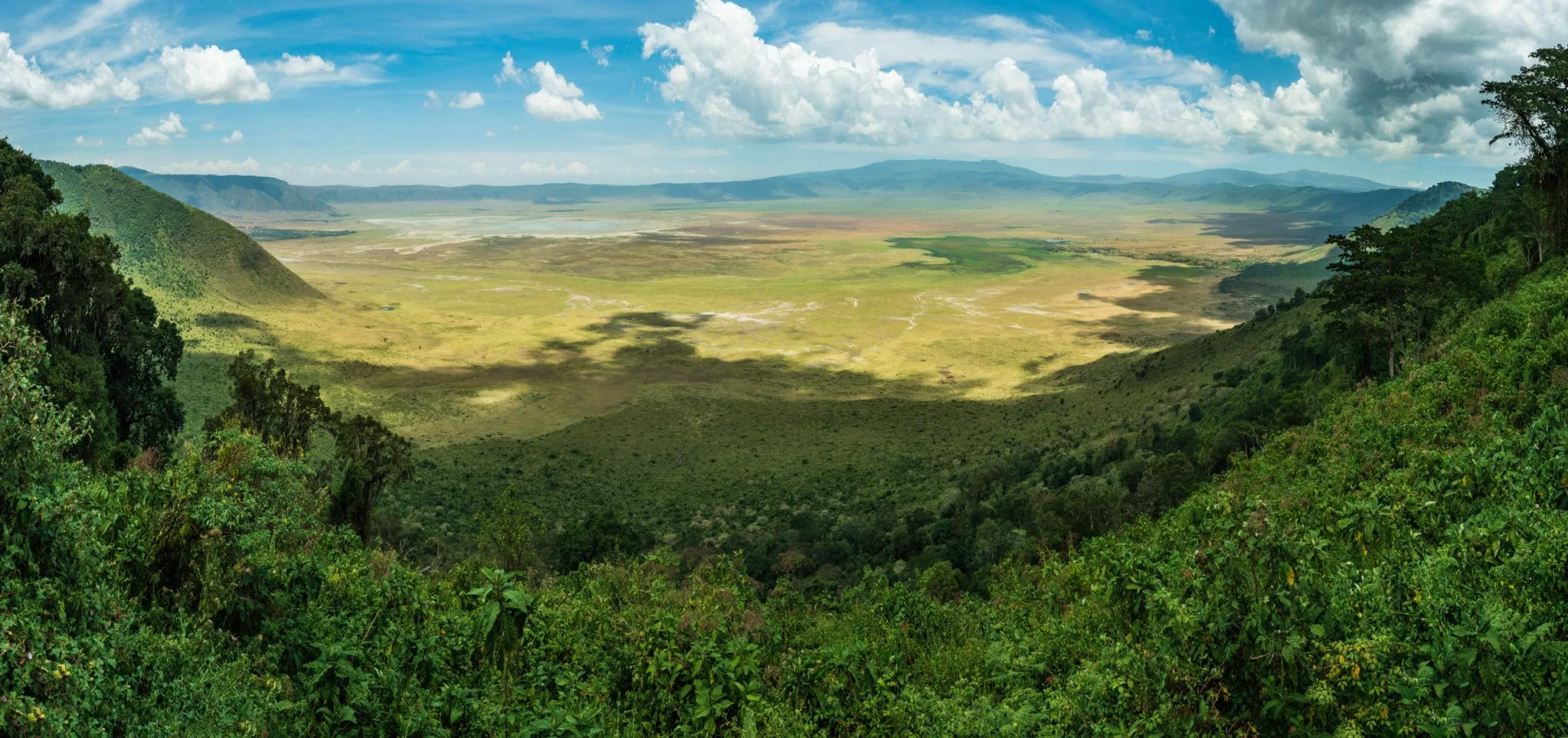
After an early breakfast, descend approximately 600 metres into the Ngorongoro Crater for an unforgettable wildlife-viewing experience.
The crater is one of Tanzania's most remarkable natural attractions, supporting an extraordinary concentration of wildlife within its volcanic caldera.
Explore the crater floor with your professional safari driver-guide, searching for lions, elephants, buffalo, zebras, hippos, hyenas and the endangered black rhinoceros.
The crater's grasslands, wetlands and freshwater habitats support diverse wildlife throughout the year.
Enjoy a picnic lunch at a designated location before ascending from the crater and beginning your return journey to Arusha.
Arrive in Arusha in the late afternoon or evening, depending on road conditions, wildlife-viewing time and traffic.
Your nine-day Kilimanjaro Lemosho Route Climb & Serengeti–Ngorongoro Group Safari concludes with drop-off at your agreed location in Arusha.
Day 9 Safari Details
| Details | Information |
|---|---|
| Route | Ngorongoro Crater → Arusha |
| Main Activity | Ngorongoro Crater game drive |
| Game Drive Duration | Up to approximately 5–6 hours, subject to park regulations and operations |
| Return Transfer | Approximately 3–4 hours to Arusha |
| Ending Point | Arusha, Tanzania |
| Accommodation | Not included after the safari unless arranged |
| Meals | Breakfast and lunch |
| Drop-Off | Arusha town or agreed location |
End of Your 9-Day Kilimanjaro Climb and Tanzania Wildlife Safari
Complete your Tanzania adventure with unforgettable memories of Mount Kilimanjaro, Serengeti National Park and the Ngorongoro Crater.
Pickup, Transfers and Drop-Off Information
The standard nine-day package begins and ends in Arusha, Tanzania.
The planned itinerary includes transfers from Arusha to the Kilimanjaro trailhead, from Mweka Gate to the Arusha hotel, and transportation throughout the three-day Serengeti–Ngorongoro safari.
Travellers requesting pickup from Moshi or another location should contact East Africa Jungle in advance. Any additional transfer charges will be confirmed before booking.
Airport transfers are included only when specifically stated in the confirmed package quotation.
Important: Kilimanjaro climbing group availability, safari connections, hotel accommodation and final transfer arrangements must be verified before booking confirmation.
How Difficult Is the 6-Day Kilimanjaro Lemosho Route?
The 6-day Kilimanjaro Lemosho Route is a very challenging high-altitude trek, best suited to physically fit, experienced hikers. Although the Lemosho Route is famous for its scenic landscapes and opportunities for gradual acclimatisation on longer itineraries, this shortened six-day version involves faster altitude gains and fewer days for your body to adjust.
The climb begins in Kilimanjaro's rainforest, crosses the Shira Plateau and continues through the Barranco Valley towards Barafu Camp. The greatest challenges are the rapid altitude gain, long trekking days, cold temperatures and demanding overnight summit attempt to Uhuru Peak at 5,895 metres.
No technical mountaineering experience is normally required, but previous multi-day hiking experience, good endurance and appropriate high-altitude preparation are strongly recommended.
Kilimanjaro Lemosho Route Difficulty at a Glance
| Climbing Factor | What to Expect |
|---|---|
| Overall Difficulty | Very Challenging |
| Climbing Duration | 6 Days / 5 Nights |
| Maximum Altitude | 5,895 m – Uhuru Peak |
| Technical Climbing | Normally not required |
| Daily Trekking | Approximately 3–10 hours |
| Summit Day | Approximately 12–16 hours |
| Terrain | Rainforest, moorland, rocky trails, volcanic scree and alpine desert |
| Main Challenge | Rapid altitude gain and limited acclimatisation |
| Fitness Required | High |
| Recommended Experience | Previous multi-day trekking |
| Best Suited For | Fit, experienced hikers comfortable with demanding trekking days |
Acclimatisation on the 6-Day Lemosho Route
Acclimatisation is essential when climbing Mount Kilimanjaro. As altitude increases, oxygen availability decreases, and climbers may experience headaches, nausea, dizziness, fatigue or other symptoms of altitude illness.
This six-day itinerary includes an ascent towards Lava Tower at approximately 4,600 metres before descending to Barranco Camp, following the climb high, sleep low principle.
However, the shortened route provides substantially less time for acclimatisation than a seven- or eight-day Lemosho climb. The rapid ascent from Mti Mkubwa to Shira 2 and the subsequent progression towards Barafu increase the importance of careful altitude monitoring.
East Africa Jungle recommends a longer seven- or eight-day Lemosho itinerary whenever possible, particularly for first-time high-altitude trekkers.
How to Prepare for the Kilimanjaro Lemosho Climb
Build hiking endurance: Train on hills and uneven trails while carrying a light daypack.
Improve cardiovascular fitness: Include regular walking, hiking, cycling or other aerobic exercise.
Practise consecutive hiking days: Prepare your body for multiple days of physical activity.
Maintain a steady climbing pace: Follow your mountain guide's instructions and avoid rushing.
Stay hydrated and eat regularly: Maintain appropriate fluid and food intake throughout the trek.
Recognise altitude symptoms: Report headaches, nausea, dizziness or unusual fatigue immediately.
Seek medical advice before travelling: Discuss altitude exposure, existing medical conditions and preventive medication with a qualified healthcare professional.
Mountain Safety and Altitude Monitoring
Your mountain guide will assess your condition throughout the climb and determine whether it is safe to continue ascending.
Altitude sickness can affect even highly fit climbers. Severe or worsening symptoms require immediate attention, and descent may be necessary. Summit attempts are always subject to individual health, weather and mountain conditions.
Important: Summit success is never guaranteed. Safety takes priority over reaching Uhuru Peak, and your guide may stop the climb or arrange a descent when necessary.
For travellers who prefer a more gradual ascent, our longer Lemosho Route climbing packages offer additional acclimatisation time before summit day.
Kilimanjaro Lemosho Route & Tanzania Safari Group Sharing Arrangements
Our 9 Days Kilimanjaro Lemosho Route and Serengeti–Ngorongoro Group Safari combines a guided mountain climbing expedition with a shared wildlife safari, allowing travellers to experience Tanzania's famous attractions alongside fellow adventurers.
The six-day Kilimanjaro climb and three-day safari are organised as two separate group-sharing activities. Travellers may join different participants for the mountain climb and the safari portion.
How Does Group Sharing Work?
| Arrangement | Details |
|---|---|
| Tour Type | Group Kilimanjaro Climb + Group Sharing Safari |
| Kilimanjaro Route | 6-Day Lemosho Route |
| Safari Destinations | Serengeti National Park and Ngorongoro Crater |
| Mountain Guides | Professional mountain guide and supporting trekking crew |
| Mountain Accommodation | Shared expedition camping tents |
| Safari Vehicle | Shared 4×4 Land Cruiser with pop-up roof |
| Safari Group Size | Normally 6–7 travellers per vehicle |
| Window Seats | Window seat provided for each safari participant |
| Safari Guide | Professional English-speaking driver-guide |
| Safari Accommodation | Shared camping tents or confirmed lodge rooms, depending on package |
| Solo Travellers | Welcome to request available group departures |
| Departure Dates | Subject to confirmed group availability |
| Private Upgrade | Available on request, subject to quotation |
Kilimanjaro Group Climbing Experience
During the six-day Lemosho climb, you will trek with fellow climbers accompanied by a professional mountain team. The trekking crew supports the expedition with campsite preparation, meal arrangements and equipment transportation.
Group members follow a coordinated mountain itinerary, with the guides setting an appropriate pace and monitoring climbers' conditions.
Camping arrangements depend on the confirmed booking, including whether travellers share a tent or require single occupancy.
Serengeti and Ngorongoro Group Safari Experience
After completing the Kilimanjaro climb, continue your adventure on a three-day group-sharing safari.
Travel in a specially equipped 4×4 safari Land Cruiser with a pop-up roof, designed for comfortable wildlife viewing and photography.
Safari vehicles normally accommodate six to seven travellers, with a window seat for each participant. Your English-speaking driver-guide leads game drives in Serengeti National Park and the Ngorongoro Crater.
Group sharing means travellers follow the same planned safari route and game-drive schedule, while benefiting from shared vehicle and guiding costs.
Kilimanjaro and Safari Group Departure Availability 2027–2028
East Africa Jungle welcomes daily departure requests for our 9 Days Kilimanjaro Lemosho Route Climb & Serengeti–Ngorongoro Group Safari 2027–2028, subject to group availability and confirmed operational arrangements.
The package combines a six-day Kilimanjaro Lemosho Route climb with a three-day Serengeti–Ngorongoro group safari. Mountain climbing groups and safari groups may have different participants, and availability must be confirmed for both activities before the complete package can be booked.
Group Departure Availability
| Departure Arrangement | Availability |
|---|---|
| 2027 Kilimanjaro Group Departures | Available to request; specific dates confirmed by our reservations team |
| 2028 Kilimanjaro Group Departures | Available to request; specific dates confirmed by our reservations team |
| Serengeti–Ngorongoro Group Safari | Subject to confirmed group availability and itinerary connection |
| Solo Travellers | Welcome to request available group-sharing departures |
| Private Departure Option | Available on request, subject to operational confirmation |
Important: Daily departure requests do not mean that a group is already confirmed for every date. East Africa Jungle will confirm the climbing group, safari connection, available accommodation and total package cost before accepting a booking.
How to Confirm Your Departure
To check availability, please send us:
Your preferred departure date.
Number of travellers.
Whether you are travelling solo or sharing.
Your preferred accommodation arrangement.
Any additional safari or Kilimanjaro requirements.
Our reservations team will check the available Kilimanjaro climbing group and the connecting Serengeti–Ngorongoro safari before issuing your booking confirmation.
Accommodation on the 9 Days Kilimanjaro Lemosho Route & Tanzania Safari
Our 9 Days Kilimanjaro Lemosho Route Climb & Serengeti–Ngorongoro Group Safari includes seven nights of camping: five nights on Mount Kilimanjaro and two nights during the Tanzania wildlife safari.
Mountain camping and safari camping have different facilities, equipment requirements and sleeping arrangements. The tables below explain these differences and help travellers prepare for their adventure.
Kilimanjaro Mountain Camping Equipment – 5 Nights
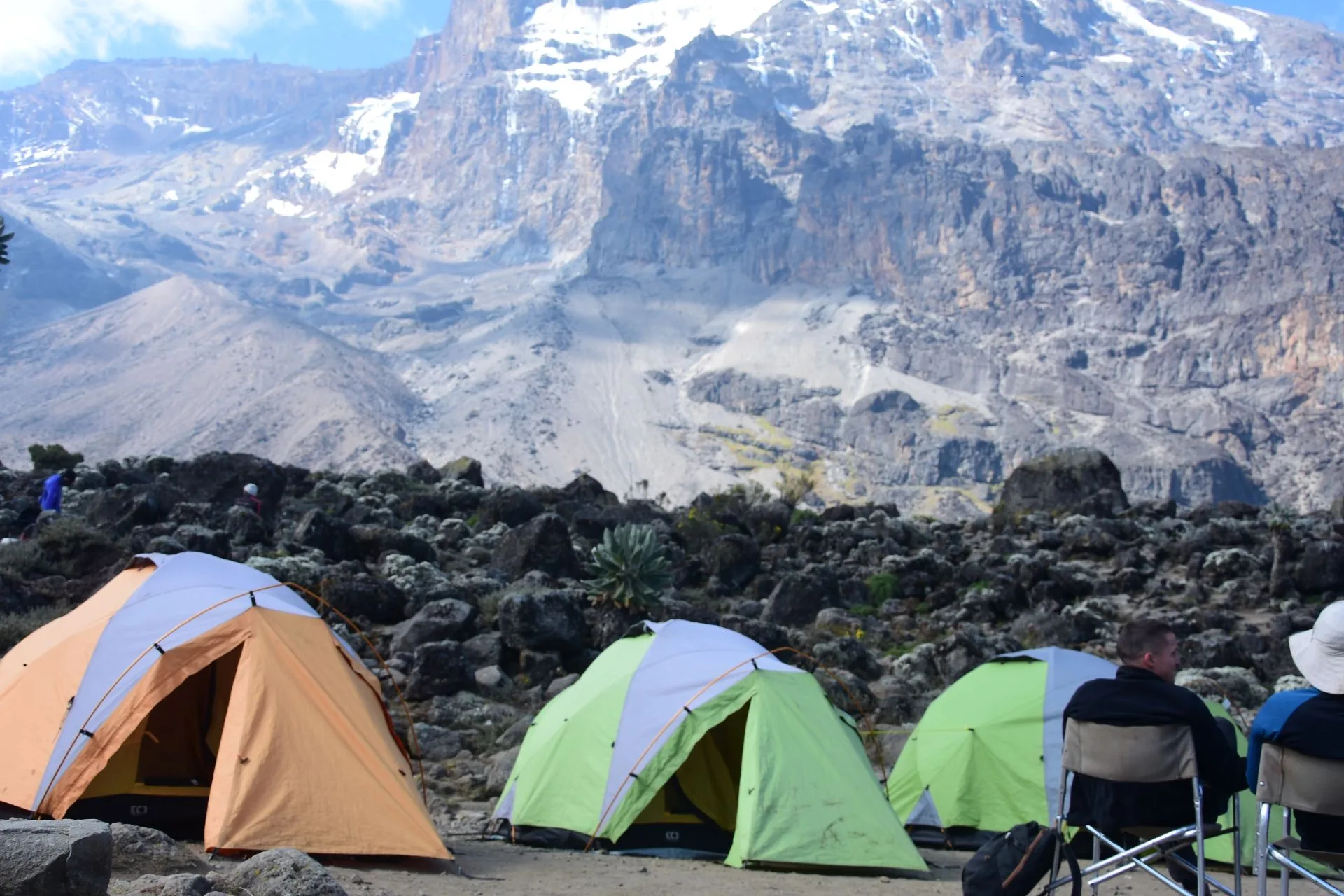
During the six-day Lemosho Route climb, accommodation is provided at designated mountain campsites, including Mti Mkubwa, Shira 2, Barranco, Barafu and Mweka.
| Equipment / Facility | Provision |
|---|---|
| Mountain sleeping tents | Group expedition tents provided |
| Tent occupancy | Shared tents for two travellers; single occupancy subject to confirmed arrangements |
| Sleeping mattresses | Provision and specifications to be confirmed |
| Sleeping bags | Travellers should bring a suitable cold-weather sleeping bag unless rental or provision is confirmed |
| Dining tent | Availability to be confirmed |
| Camping tables and chairs | Availability to be confirmed |
| Mountain cooking equipment | Provided by the mountain crew |
| Meals | Breakfast, lunch and dinner as specified in the climbing itinerary |
| Drinking water | Treatment method, quantity and refill arrangements to be confirmed |
| Toilet facilities | Designated mountain campsite toilets where available |
| Private portable toilet | Availability and additional cost to be confirmed |
| Porter luggage allowance | Maximum weight per climber to be confirmed |
| Personal trekking equipment | Travellers bring their own clothing, boots, daypack and other personal gear |
| Equipment rental | Available items, sizes, prices and collection arrangements to be confirmed |
Mountain Camping Conditions
Kilimanjaro campsites provide basic expedition-style accommodation rather than hotel facilities. Climbers should prepare for cold temperatures, changing weather conditions and limited washing facilities.
A suitable cold-weather sleeping bag, insulated sleeping surface, waterproof clothing and appropriate trekking equipment are essential for comfort and safety.
Travellers should confirm their personal equipment requirements before arriving in Tanzania.
Serengeti and Ngorongoro Safari Camping Equipment – 2 Nights
Our Serengeti and Ngorongoro group camping safari includes two nights at designated public campsites. Camping tents and essential campsite equipment are arranged by East Africa Jungle.
Our camping crew prepares the tents before guests settle in, allowing travellers to relax after their game drives. Solo travellers receive a single tent, while travellers booking together share a tent unless alternative arrangements are agreed.
| Camping Equipment / Service | Arrangement |
|---|---|
| Camping Tents | Included. Tents are provided by East Africa Jungle. |
| Tent Sharing | Two travellers booking together share a tent. |
| Solo Traveller Tent | Included. Solo travellers receive their own tent. |
| Tent Setup | Included. The camping crew pitches and prepares tents before guests arrive. |
| Sleeping Mattress | Specify the mattress type and whether it is included. |
| Sleeping Bag | Specify whether it is provided or must be brought or rented. |
| Drinking Water | Specify the included quantity per traveller per day and whether it is bottled or treated/refilled. |
| Luggage Allowance | Specify the maximum luggage weight per traveller and preferred bag type. |
| Camping Facilities | Shared campsite toilets and washing facilities, depending on the campsite. |
| Safari Transport | Shared 4×4 Land Cruiser with pop-up roof. |
Travellers should bring suitable personal clothing, toiletries and other essential items for camping in Serengeti National Park and the Ngorongoro Conservation Area. A detailed packing list is available in the tour preparation section.
Safari Camping Conditions
Seronera and Simba public campsites offer a traditional Tanzania camping experience close to important wildlife-viewing areas.
Facilities are basic and generally shared. Simba Campsite can be particularly cold at night because of its highland location near the Ngorongoro Crater rim.
Travellers should bring warm clothing, a flashlight or headlamp, personal toiletries and suitable footwear.
What Should Travellers Bring?
Travellers should prepare separate equipment for the Kilimanjaro climb and safari.
For Kilimanjaro: Insulated clothing, waterproof jacket and trousers, trekking boots, gloves, warm hat, suitable sleeping bag, daypack, personal medication and other recommended mountain equipment.
For the Safari: Comfortable neutral-coloured clothing, warm layers for Ngorongoro, closed shoes, sunscreen, insect repellent, a reusable water bottle, personal toiletries and a camera.
Important: Mountain and safari equipment arrangements are confirmed separately. The final booking quotation and equipment checklist will specify the items provided, personal equipment requirements, rental availability and any additional charges.
9 Days Kilimanjaro Lemosho Route & Serengeti–Ngorongoro Safari Prices 2027–2028
Experience Mount Kilimanjaro and Tanzania's spectacular wildlife parks on our nine-day group-sharing adventure, combining a six-day Lemosho Route climb, one overnight hotel stay in Arusha and a three-day Serengeti–Ngorongoro safari.
Starting Price: From USD 2,495 per person sharing
9-Day Kilimanjaro and Safari Group-Sharing Price
| Package Details | Price / Arrangement |
|---|---|
| 9 Days Lemosho Route + Serengeti & Ngorongoro Group Safari | From USD 2,495 per person sharing |
| Price Validity | 2027–2028 |
| Mountain Accommodation | 5 Nights Shared Mountain Camping |
| Arusha Accommodation | 1 Night Standard Hotel |
| Safari Accommodation | 2 Nights Budget Safari Camping |
| Safari Transport | Shared 4×4 Land Cruiser with Pop-Up Roof |
| Safari Group Size | Normally 6–7 Travellers per Vehicle |
| Kilimanjaro Group | Subject to Confirmed Group Availability |
| Group Departures | Daily Requests Welcome; Confirmed Departures Subject to Availability |
| Mid-Range Safari Upgrade | Quoted on Request |
| Private Kilimanjaro & Safari Package | Quoted on Request |
The starting price of USD 2,495 per person sharing applies to the standard nine-day group camping package, including a six-day guided Kilimanjaro Lemosho Route climb, five nights of mountain camping, one night at a standard hotel in Arusha and a three-day Serengeti–Ngorongoro camping safari.
The rate is based on shared mountain camping accommodation and group safari transportation in a 4×4 Land Cruiser. Group departures are subject to confirmed availability. Single accommodation requests, private upgrades and applicable seasonal supplements are quoted separately.
Your final booking quotation will confirm the total price, accommodation arrangements, included services and any applicable additional charges.
Seasonal Price Considerations for 2027–2028
Package prices may vary depending on travel dates, accommodation availability, group arrangements and applicable national park tariffs.
| Travel Period | Seasonal Considerations |
|---|---|
| January–March | Popular Kilimanjaro climbing period; group availability should be confirmed in advance |
| April–May | Long-rain season, with wetter mountain trails and safari conditions |
| June–October | Popular climbing and safari season; early booking recommended |
| November–December | Variable weather conditions; festive-season accommodation may attract supplements |
Seasonal Supplements: Any applicable seasonal supplements will be communicated before booking confirmation.
The advertised starting price is not a guarantee that every departure throughout 2027–2028 will be available at USD 2,495. The applicable rate will be confirmed according to your selected travel dates and group arrangements.
Single Traveller and Private Upgrade Prices
Solo travellers are welcome to join available Kilimanjaro climbing groups and Serengeti–Ngorongoro group-sharing safaris.
The mountain climbing group and safari group may have different participants, and group availability is confirmed separately for each activity.
Travellers requesting single tent accommodation, private hotel rooms or upgraded safari accommodation may incur additional charges.
Available Accommodation and Tour Options:
| Accommodation or Tour Option | Price Arrangement |
|---|---|
| Standard Group-Sharing Camping Package | From USD 2,495 per person sharing |
| Single Mountain Tent | Supplement confirmed on request |
| Private Arusha Hotel Room | Supplement confirmed on request, where applicable |
| Single Safari Tent | Occupancy and applicable supplement confirmed before booking |
| Mid-Range Safari Lodge Upgrade | Quoted on Request |
| Private Kilimanjaro Climb and Safari | Quoted on Request |
Travellers seeking greater flexibility may request a private Kilimanjaro climb and Serengeti–Ngorongoro safari with dedicated mountain arrangements and a private 4×4 safari Land Cruiser.
Booking, Payment and Cancellation Conditions
East Africa Jungle provides clear booking and payment conditions for our 9 Days Kilimanjaro Lemosho Route Climb & Serengeti–Ngorongoro Group Safari 2027–2028.
Before confirming your reservation, our team will provide your final package quotation, available departure dates, accommodation arrangements, payment instructions and applicable cancellation conditions.
Booking and Payment Schedule
| Payment Stage | Payment Requirement |
|---|---|
| Initial Deposit | 30% of the total package cost to secure the booking |
| Second Payment | An additional 30% due 21 days before departure |
| Final Balance | Remaining 40%, payable according to the confirmed booking agreement, normally on arrival or before the tour begins |
| Late Bookings | For reservations made within 21 days of departure, an initial deposit of 40% applies |
| Credit Card Payments | A 3.8% processing surcharge applies |
All payments must follow the instructions provided in your official East Africa Jungle booking confirmation or invoice.
A booking is confirmed only after the required payment has been received and East Africa Jungle has issued written confirmation of the travel arrangements.
Cancellation and Refund Policy
We understand that travel plans may change. The following cancellation conditions apply under East Africa Jungle's standard booking policy, subject to any specific terms disclosed in your confirmed booking agreement.
| Cancellation Notice | Refund or Credit Arrangement |
|---|---|
| 45 days or more before departure | Deposit refundable, less applicable transaction charges and any disclosed non-refundable costs |
| 30–44 days before departure | Deposit refundable, subject to applicable deductions and confirmed supplier conditions |
| Fewer than 30 days before departure | Deposit retained as travel credit, valid for 12 months, subject to the applicable booking terms |
Cancellation requests must be submitted in writing to East Africa Jungle.
Refunds, where applicable, are processed after the relevant booking arrangements and supplier conditions have been reviewed.
Where additional instalments have already been paid, the treatment of those payments will follow the applicable booking agreement and disclosed supplier cancellation conditions.
Non-Refundable Park Fees and Third-Party Services
Certain services may have separate cancellation or refund conditions, particularly where reservations or payments have already been made to third-party providers.
These may include:
Kilimanjaro National Park fees and climbing-related reservations.
Serengeti National Park and Ngorongoro Conservation Area fees.
Hotel accommodation and campsite reservations.
Domestic flights or separately booked transport.
Other prepaid services governed by supplier cancellation conditions.
Any non-refundable amounts or supplier-specific conditions will be communicated before the traveller makes a deposit.
Booking Amendments and Date Changes
Travellers who wish to change their departure date, accommodation, group arrangements or other booking details should contact East Africa Jungle as early as possible.
Amendments are subject to availability and may result in additional charges where the revised arrangements involve different park fees, accommodation rates, transport costs or third-party supplier conditions.
Requests to transfer a booking to another departure date will be reviewed individually. Any applicable charges and the treatment of payments already received will be confirmed in writing before the amendment is accepted.
Travel Insurance and Personal Responsibility
Travellers are strongly advised to obtain comprehensive travel insurance covering trip cancellation, medical emergencies, high-altitude trekking up to 5,895 metres, emergency evacuation and unexpected travel interruptions.
Kilimanjaro climbing involves physical exertion and altitude-related risks. Travellers should ensure they meet the fitness and health requirements of the selected climbing itinerary.
Insurance policies should specifically cover high-altitude trekking, as standard travel insurance may exclude activities above certain elevations.
Important Booking Information
The six-day Lemosho Route climb and three-day Serengeti–Ngorongoro group safari are subject to confirmed operational arrangements and group availability.
Before making a payment, travellers should review their final quotation, inclusions and exclusions, cancellation conditions, departure confirmation and any applicable supplier-specific terms.
For booking assistance, amendments or cancellation enquiries, contact East Africa Jungle directly.
Best Time for Kilimanjaro Lemosho Route Climbing and Serengeti Safari
The best time for a Kilimanjaro Lemosho Route climb and Serengeti–Ngorongoro safari is generally January to early March and June to October. These periods offer comparatively favourable mountain trekking conditions while providing excellent opportunities to explore Tanzania's famous wildlife parks.
January and February are particularly attractive for climbers seeking relatively dry conditions and travellers interested in the southern Serengeti's wildebeest calving season. June to October is another popular period, offering generally drier mountain trails, clear views and excellent wildlife viewing across the Serengeti ecosystem.
Although Kilimanjaro climbing and Tanzania safaris operate throughout the year, April and May normally experience heavier rainfall, making mountain trails wetter and more challenging.
Best Months for Kilimanjaro Climbing and Tanzania Safari
| Month | Kilimanjaro Conditions | Serengeti & Ngorongoro Safari | Our Recommendation |
|---|---|---|---|
| January | Generally favourable, relatively dry | Southern Serengeti calving season begins | Excellent |
| February | Often favourable trekking conditions | Calving season and predator activity | Excellent |
| March | Increasing rainfall later in the month | Green landscapes and wildlife viewing | Good early in the month |
| April | Long rains; wet, slippery trails | Green season, possible muddy roads | Challenging |
| May | Often wet, improving towards June | Green scenery and fewer visitors | Challenging |
| June | Generally drier conditions | Excellent resident wildlife viewing | Very Good |
| July | Dry season, popular climbing month | Migration activity in northern/western Serengeti areas | Excellent |
| August | Generally dry; cold summit conditions | Northern Serengeti migration possibilities | Excellent |
| September | Generally favourable trekking | Excellent dry-season wildlife viewing | Excellent |
| October | Often good early; short rains may begin | Good resident wildlife viewing | Very Good |
| November | Short rains, variable conditions | Green-season wildlife and birdwatching | Fair to Good |
| December | Conditions often improve later in the month | Wildlife viewing and returning migration herds | Good |
Weather and migration movements vary annually. Wildlife sightings and summit conditions cannot be guaranteed.
January to March: Kilimanjaro Climbing and Serengeti Calving Season
January and February offer a particularly attractive combination of mountain trekking and wildlife viewing.
The Lemosho Route is often relatively dry during these months, although summit temperatures remain extremely cold.
In the southern Serengeti and Ndutu region, wildebeest herds may gather for the calving season, attracting predators such as lions, cheetahs and hyenas.
Important: Our standard three-day safari focuses on the central Serengeti and Ngorongoro Crater. Visiting Ndutu specifically requires an appropriate seasonal route adjustment.
June to October: Dry-Season Kilimanjaro Climbing and Serengeti Wildlife
June to October is one of the most popular periods for combining Mount Kilimanjaro with a Tanzania wildlife safari.
The mountain generally experiences drier trails and clearer conditions, although temperatures at higher elevations can be extremely cold.
The Serengeti offers excellent resident wildlife viewing, while the Great Migration may move through the western and northern regions depending on rainfall and grazing conditions.
Travellers hoping to witness Mara River crossings should consider a longer safari with dedicated time in the northern Serengeti.
April, May and November: Rainy-Season Considerations
Kilimanjaro remains accessible during much of the year, but the rainy seasons introduce additional challenges.
April and May typically bring heavier rainfall, muddy trails and reduced visibility. November can experience shorter periods of rain.
The six-day Lemosho climb is already physically demanding, so travellers should carefully consider the additional challenges of wet mountain conditions.
Our Recommended Travel Period
For the best balance of climbing conditions, wildlife viewing and overall comfort, East Africa Jungle generally recommends:
January–February: Excellent for relatively favourable mountain conditions and seasonal southern Serengeti wildlife.
July–September: Excellent for dry-season climbing and wildlife viewing.
June and October: Good alternatives, depending on weather and departure availability.
Book early for popular group departures, especially during the main dry-season travel months.
What to Pack for the 9 Days Kilimanjaro Lemosho Route & Tanzania Safari
Packing correctly for your 9 Days Kilimanjaro Lemosho Route Climb and Serengeti–Ngorongoro Group Safari is essential for comfort, safety and enjoyment.
Mount Kilimanjaro has several distinct climate zones, ranging from warm rainforest at lower elevations to freezing temperatures near Uhuru Peak at 5,895 metres. Climbers should prepare for rain, strong winds, cold nights and demanding summit conditions.
Because this package also includes a three-day Tanzania wildlife safari, we recommend lightweight safari clothing in addition to your mountain trekking equipment.
Essential Kilimanjaro Clothing and Equipment
| Category | Recommended Items | Importance |
|---|---|---|
| Base Layers | Moisture-wicking thermal tops and leggings | Essential |
| Mid-Layers | Fleece jacket and warm trekking layers | Essential |
| Insulation | Warm down or synthetic insulated jacket | Essential |
| Waterproof Clothing | Waterproof jacket and trousers | Essential |
| Trekking Trousers | 2–3 comfortable hiking trousers | Essential |
| Trekking Shirts | 3–4 moisture-wicking shirts | Essential |
| Hiking Boots | Waterproof, well-fitting, broken-in boots | Essential |
| Hiking Socks | 4–6 pairs, including warm summit socks | Essential |
| Gloves | Lightweight gloves and insulated waterproof mittens | Essential |
| Headwear | Warm hat, sun hat and neck gaiter | Essential |
| Trekking Poles | Adjustable trekking poles | Strongly Recommended |
| Daypack | Approximately 25–35 litres | Essential |
| Duffel Bag | Durable bag for porter-carried equipment | Essential |
| Sleeping Bag | Four-season sleeping bag suitable for approximately -15°C to -20°C comfort conditions | Essential |
| Headlamp | Reliable headlamp with spare batteries | Essential |
| Water Containers | Bottles or insulated containers totalling approximately 2–3 litres | Essential |
| Sunglasses | UV-protective sunglasses | Essential |
| Sun Protection | High-SPF sunscreen and lip balm | Essential |
| Personal Medical Kit | Prescribed medicines and basic first-aid supplies | Essential |
| Power Bank | Portable charger and suitable cables | Recommended |
What to Wear on Kilimanjaro Summit Night
Summit night is normally the coldest and most physically demanding part of the climb.
Prepare a layered clothing system consisting of:
Thermal base layers.
Fleece or warm mid-layer.
Insulated down or synthetic jacket.
Waterproof and windproof outer shell.
Thermal leggings and warm trekking trousers.
Insulated gloves or mittens.
Warm hat, neck protection and suitable sunglasses for daylight.
Warm socks and well-fitting waterproof trekking boots.
Headlamp with fully charged batteries.
Avoid cotton clothing for mountain trekking because it retains moisture and provides poor insulation when wet.
Recommended Safari Packing List
After completing Kilimanjaro, you will continue to Serengeti National Park and the Ngorongoro Crater.
For the three-day safari, pack:
Lightweight, neutral-coloured safari clothing.
Comfortable walking shoes or trainers.
Warm fleece or jacket for early morning game drives.
Sun hat and sunglasses.
Sunscreen and insect repellent.
Camera, binoculars and spare batteries.
Reusable water bottle.
Personal toiletries and medication.
Small backpack for daily essentials.
Ngorongoro Crater rim campsites can be cold at night, so retain some of your warm mountain clothing for the safari.
Luggage and Equipment Arrangements
Your mountain crew transports shared expedition equipment and the agreed porter-carried luggage, while you carry your personal daypack.
Before departure, East Africa Jungle will confirm the applicable porter luggage allowance, available equipment rentals and arrangements for storing belongings not needed during the climb.
Packing Advice: Bring properly fitted hiking boots, reliable waterproof clothing and sufficient insulation for summit night. Never rely on purchasing essential specialist equipment immediately before departure without checking availability.
Kilimanjaro Lemosho Route Safety, Altitude Sickness and Emergency Procedures
Climbing Mount Kilimanjaro is an extraordinary adventure, but reaching Uhuru Peak at 5,895 metres requires careful preparation, responsible guiding and an understanding of high-altitude risks.
At East Africa Jungle, climber safety is a central consideration when organising our 9 Days Kilimanjaro Lemosho Route and Serengeti–Ngorongoro Group Safari. The mountain expedition is guided by a professional trekking team, with decisions about continuing the ascent based on weather, trail conditions and individual climber health.
The six-day Lemosho Route follows an accelerated climbing schedule, allowing less acclimatisation than longer seven- or eight-day itineraries. For this reason, we recommend the longer routes whenever travellers have sufficient time.
Understanding Altitude Sickness on Mount Kilimanjaro
Altitude sickness can develop when the body does not have enough time to adjust to reduced oxygen availability at higher elevations.
It can affect anyone, including experienced hikers and physically fit travellers.
The most common form is Acute Mountain Sickness (AMS), which may cause headaches, nausea, dizziness, unusual fatigue and reduced appetite.
More serious altitude-related conditions include High-Altitude Pulmonary Edema (HAPE) and High-Altitude Cerebral Edema (HACE). These conditions can be life-threatening and require urgent action.
Altitude Sickness Symptoms to Recognise
| Condition | Possible Symptoms | Required Response |
|---|---|---|
| Mild AMS | Headache, nausea, dizziness, fatigue | Inform the guide immediately; do not ascend higher while symptomatic |
| Worsening AMS | Increasing headache, persistent vomiting or deteriorating condition | Stop ascent and arrange descent and medical assessment |
| Suspected HAPE | Breathlessness at rest, cough, severe weakness or chest symptoms | Emergency descent, oxygen if available and urgent medical care |
| Suspected HACE | Confusion, loss of coordination, inability to walk steadily or altered consciousness | Immediate emergency response, descent and urgent medical care |
Important: Never hide altitude sickness symptoms to continue towards the summit. Early reporting allows guides to respond before a condition becomes more serious.
Mountain Guide Supervision and Health Monitoring
During the climb, mountain guides assess participants' wellbeing, including their ability to continue trekking safely.
Climbers should communicate openly about headaches, nausea, breathing difficulties, unusual exhaustion and other symptoms.
A mountain guide may recommend rest, stop further ascent or arrange descent when a climber's condition requires it.
A pulse oximeter can provide additional information about oxygen saturation, but its readings must be interpreted alongside symptoms and clinical judgement.
Acclimatisation and Safe Climbing Practices
To reduce the risk of altitude-related problems:
Maintain a slow, steady trekking pace.
Avoid unnecessary physical exertion.
Drink appropriate amounts of safe water and eat regularly.
Avoid alcohol during the climb.
Report symptoms promptly to your mountain guide.
Never continue ascending with worsening altitude sickness.
Discuss altitude medication with a qualified healthcare professional before travelling.
The Day 3 trek towards Lava Tower followed by descent to Barranco Camp provides some acclimatisation exposure, but it does not compensate fully for the shortened six-day climbing schedule.
Kilimanjaro Emergency and Evacuation Procedures
In a mountain emergency, the immediate priority is to assess the climber, prevent further exposure to danger and arrange appropriate descent or evacuation.
Depending on the location, weather, medical condition and available evacuation resources, an emergency response may involve:
Stopping the climb and assessing the climber's condition.
Providing appropriate first aid within the guide team's training.
Arranging descent to a safer altitude when indicated.
Requesting additional assistance through the available communication channels.
Coordinating evacuation through an accessible mountain route or designated rescue point.
Arranging transfer to a suitable medical facility when necessary.
Emergency evacuation methods depend on actual conditions. Helicopter evacuation cannot be guaranteed because of weather, terrain, availability and operational restrictions.
Medical Preparation and Travel Insurance
Before climbing Kilimanjaro, travellers should consider a medical consultation, particularly if they have existing health conditions or concerns about high-altitude exposure.
Travel insurance should specifically cover:
Trekking up to 5,895 metres.
Emergency medical treatment.
High-altitude rescue and evacuation.
Hospitalisation and medical repatriation.
Relevant trip interruption or cancellation risks.
Not all standard travel insurance policies cover trekking at Kilimanjaro's summit altitude, so travellers should check the policy wording carefully.
Weather Safety and Summit Decisions
Kilimanjaro's weather can change rapidly, with freezing temperatures, strong winds, rain, snow and reduced visibility possible at higher elevations.
The mountain guide has responsibility for making safety-related decisions during the expedition, including whether summit conditions are suitable.
A summit attempt may be delayed, shortened or cancelled if weather or a participant's health makes continuing unsafe.
Reaching Uhuru Peak is never guaranteed. Climber safety always takes priority over summit success.
Is the 6-Day Lemosho Route Right for You?
The six-day Lemosho climb is most appropriate for experienced, well-prepared hikers who understand the challenges of rapid altitude gain.
For travellers attempting their first high-altitude expedition, East Africa Jungle recommends considering a seven- or eight-day Lemosho itinerary with additional acclimatisation time.
Why Book Your Kilimanjaro Climb and Tanzania Safari With East Africa Jungle?
At East Africa Jungle, we specialise in organising Mount Kilimanjaro climbing adventures and Tanzania wildlife safaris. Our 9 Days Kilimanjaro Lemosho Route and Serengeti–Ngorongoro Group Safari brings together experienced local guides, coordinated transport and carefully planned accommodation for travellers seeking an affordable mountain and wildlife adventure.
1. Local Kilimanjaro and Tanzania Safari Expertise
Our local operations team understands the logistics of Kilimanjaro trekking, Northern Tanzania safari routes, national park requirements and group departures. We help coordinate your mountain climb, Arusha overnight stay and connecting Serengeti–Ngorongoro safari.
2. Professional Mountain Guides and Safari Driver-Guides
Climb Kilimanjaro with professional mountain guides and a supporting trekking crew. During your wildlife safari, travel with an experienced English-speaking driver-guide who understands the Serengeti ecosystem, Ngorongoro Crater and local wildlife behaviour.
3. Well-Organised Group Sharing Adventures
Our group-sharing arrangements allow travellers to enjoy Kilimanjaro climbing and Tanzania wildlife experiences while sharing selected expedition and transport costs. Solo travellers and couples are welcome to enquire about available group departures.
4. Comfortable 4×4 Safari Land Cruisers
Explore Serengeti National Park and the Ngorongoro Crater in a shared 4×4 safari Land Cruiser with a pop-up roof. Safari groups normally accommodate six to seven travellers, with a window seat for each participant.
5. Transparent Pricing and Booking Arrangements
We provide detailed quotations outlining accommodation, park fees, transport, meals and applicable supplements. Our standard booking arrangements include a 30% initial deposit, with the remaining payments scheduled according to the confirmed booking agreement.
6. Responsible Kilimanjaro Climbing Advice
We explain the physical demands and acclimatisation limitations of the accelerated six-day Lemosho Route. For travellers seeking a more gradual ascent, we recommend considering a longer seven- or eight-day Lemosho climb.
7. Mountain Climbing and Wildlife Safari in One Package
Instead of arranging separate operators, transfers and accommodation, book your Kilimanjaro climb and Serengeti–Ngorongoro safari through one coordinating team. We help organise the transition from the mountain expedition to your three-day wildlife safari.
8. Personalised Assistance Before Departure
Our team assists with departure planning, equipment guidance, accommodation arrangements, safari preparation and travel logistics. We also help travellers understand the booking requirements and practical preparations needed for their Tanzania adventure.
Traveller Experiences – Kilimanjaro Lemosho Route & Serengeti–Ngorongoro Safari
1. An Unforgettable Kilimanjaro and Serengeti Adventure
Nathaniel Brooks – Canada
Rating: ★★★★★ 5/5
Travel Month: September 2025
Experience: Kilimanjaro Lemosho Route & Serengeti Safari
“The combination of climbing Kilimanjaro and exploring the Serengeti was exactly the kind of adventure I had hoped for. The Lemosho Route offered incredible landscapes, especially across the Shira Plateau and around Barranco Wall. The mountain guides were encouraging throughout the challenging trek. After the climb, seeing lions and elephants in the Serengeti was an amazing way to finish the trip. The group-sharing arrangement also made it easy to meet other travellers.”
2. Challenging Mountain Trek with Supportive Guides
Freya Lindström – Sweden
Rating: ★★★★★ 5/5
Travel Month: February 2026
Experience: Kilimanjaro Lemosho Group Climb
“The Kilimanjaro climb was physically demanding, especially the long trekking days and summit night. Our guides maintained a steady pace and regularly asked how everyone was feeling. I particularly enjoyed the changing landscapes from rainforest to alpine desert. The support from the mountain crew made a huge difference. I would recommend preparing properly for the altitude and considering additional acclimatisation days if your schedule allows.”
3. Amazing Wildlife in Serengeti and Ngorongoro
Matteo Ricci – Italy
Rating: ★★★★★ 5/5
Travel Month: August 2025
Experience: Serengeti & Ngorongoro Group Safari
“The safari was a wonderful experience after several days of mountain trekking. Our guide was knowledgeable about the wildlife and took time to explain animal behaviour. We saw lions, giraffes, elephants and large herds of zebras in the Serengeti. Ngorongoro Crater was another highlight, with beautiful scenery and wildlife throughout the game drive. Travelling in the shared Land Cruiser was comfortable, and everyone had a good view.”
4. A Great Group-Sharing Experience in Tanzania
Amélie Laurent – France
Rating: ★★★★★ 5/5
Travel Month: July 2025
Experience: Kilimanjaro Climb & Tanzania Group Safari
“I travelled alone and enjoyed being part of a group for both the mountain climb and safari. The trekking days were challenging, but the group atmosphere helped keep everyone motivated. The camping experience on Kilimanjaro was memorable, and the meals prepared by the mountain crew were appreciated after long days of hiking. The transition to the safari was straightforward, and exploring the Serengeti with fellow travellers was a fantastic experience.”
5. Beautiful Landscapes and an Incredible Adventure
Callum Fraser – Scotland
Rating: ★★★★★ 5/5
Travel Month: January 2026
Experience: Lemosho Route, Serengeti & Ngorongoro
“The variety of landscapes made this Tanzania adventure special. Kilimanjaro was the most demanding part, with unforgettable views from the Shira Plateau and the higher mountain camps. The safari offered a completely different experience, from the open Serengeti plains to the beautiful Ngorongoro Crater. I particularly appreciated the organisation of the transfers and the friendly guides. It was an adventurous and memorable journey.”
Frequently Asked Questions About the 9 Days Kilimanjaro Lemosho Route & Serengeti–Ngorongoro Safari
1. How difficult is the 6-day Kilimanjaro Lemosho Route?
The six-day Lemosho Route is very challenging because it involves rapid altitude gain, long trekking days and limited acclimatisation. Although technical mountaineering skills are normally unnecessary, good physical fitness and previous hiking experience are strongly recommended. A seven- or eight-day Lemosho itinerary provides more time for acclimatisation and is generally preferable.
2. How much does the 9-day Kilimanjaro Lemosho Route and Serengeti safari cost?
The proposed starting price is USD 2,495 per person sharing, subject to final quotation confirmation. The planned package combines a six-day Kilimanjaro climb, an overnight hotel stay in Arusha and a three-day Serengeti–Ngorongoro group safari. Final prices depend on confirmed group arrangements, accommodation and applicable park fees.
3. Can solo travellers join the Kilimanjaro and Tanzania group safari?
Yes. Solo travellers can request available group-sharing departures. The Kilimanjaro climbing group and Serengeti safari group may have different participants. Shared tent arrangements, single accommodation requests and applicable supplements are confirmed before booking.
4. What is the best time to climb Kilimanjaro and visit Serengeti?
January to early March and June to October generally offer favourable conditions for combining Kilimanjaro climbing with a Tanzania wildlife safari. January and February are particularly attractive for seasonal wildlife activity in the southern Serengeti ecosystem, while July to September is popular for dry-season trekking and wildlife viewing.
5. Is climbing equipment included in the Kilimanjaro package?
The planned group expedition includes shared mountain camping equipment and support from the trekking crew. Climbers normally bring personal trekking clothing, suitable hiking boots, a sleeping bag and a daypack. Sleeping mat provision, equipment rentals and porter luggage allowances will be confirmed before departure.
6. What wildlife can I see in Serengeti and Ngorongoro Crater?
The Serengeti is home to lions, elephants, giraffes, zebras, buffalo, cheetahs and many other species. Ngorongoro Crater supports diverse wildlife, including lions, hippos, elephants and endangered black rhinos. Wildlife sightings depend on seasonal movements and natural conditions and cannot be guaranteed.
7. What accommodation is provided during the nine-day tour?
The itinerary includes five nights of Kilimanjaro mountain camping, one hotel night in Arusha and two nights of safari accommodation. The standard safari is planned around public camping in Serengeti and Ngorongoro, while mid-range lodge upgrades can be requested. Final properties and occupancy arrangements are confirmed at booking.
8. How many people share the safari vehicle?
The Serengeti and Ngorongoro group safari normally operates with six to seven travellers in a shared 4×4 Land Cruiser equipped with a pop-up roof. Each participant is provided with a window seat for wildlife viewing and photography. Kilimanjaro climbing group sizes are confirmed separately.
9. Is altitude sickness a concern on the 6-day Lemosho Route?
Yes. Altitude sickness can affect climbers regardless of fitness or previous hiking experience. The six-day Lemosho itinerary involves a relatively rapid ascent, increasing the importance of careful acclimatisation and symptom monitoring. Climbers must report symptoms immediately and follow their mountain guide's safety instructions. A longer Lemosho itinerary is recommended when possible.
10. How do I book the 9-day Kilimanjaro and Serengeti group safari?
Contact East Africa Jungle with your preferred travel dates, number of travellers and accommodation preferences. Our team will check the Kilimanjaro group departure, connecting Serengeti safari, accommodation and final package price. Once availability and booking terms are confirmed, you can secure your reservation by paying the required deposit.
About the Author and Editorial Review
Written by: John Peter
Position: Safari and Travel Specialist, East Africa Jungle
Published by: East Africa Jungle
Last Updated: 22 October 2026
Travel Information Period: 2027–2028
About the Author
John Peter is a safari and travel specialist involved in planning and coordinating East African wildlife safaris, Kilimanjaro climbing itineraries and group-sharing adventures.
Through East Africa Jungle, he helps travellers explore Tanzania's national parks, understand safari accommodation options, compare Kilimanjaro climbing routes and organise travel arrangements across Northern Tanzania.
His travel content focuses on practical itinerary planning, transparent booking information, realistic driving and trekking schedules, accommodation arrangements and responsible travel guidance.
Editorial Standards and Information Accuracy
East Africa Jungle aims to provide practical, accurate and useful travel information based on its safari planning experience, mountain climbing operations and applicable national park guidance.
Our travel content is developed to help visitors understand the physical demands of Kilimanjaro climbing, compare available routes, evaluate accommodation options and prepare for wildlife safaris in Tanzania.
We aim to maintain clear information about:
Kilimanjaro climbing routes, difficulty levels and altitude considerations.
Safari itineraries, destinations and realistic travel schedules.
Accommodation, camping facilities and available equipment.
Group-sharing arrangements and departure availability.
Package prices, inclusions, exclusions and booking conditions.
Mountain safety, emergency procedures and responsible travel preparation.
Tour prices, accommodation, departure dates, park regulations and operational arrangements may change. Travellers should request a current quotation and confirmed departure information before making reservations.
Content Updates and Traveller Information
Last Content Update: 22 October 2026
Applicable Travel Period: 2027–2028
Content Publisher: East Africa Jungle
East Africa Jungle reviews its Kilimanjaro climbing and Tanzania safari information when relevant operational details, park requirements, accommodation arrangements or travel conditions change.
For the latest group departure availability, confirmed package prices, climbing arrangements and safari information, contact our team before booking your Tanzania adventure.
Book Your 9 Days Kilimanjaro Lemosho Route & Serengeti–Ngorongoro Group Safari
Combine a challenging six-day Kilimanjaro Lemosho Route climb with a three-day Serengeti and Ngorongoro group safari. Enjoy professional guides, organised camping, an overnight stay in Arusha and wildlife game drives in a shared 4×4 Land Cruiser.
Duration: 9 Days / 8 Nights
Starting Point: Arusha, Tanzania
Ending Point: Arusha, Tanzania
Alternative Pickup: Moshi on request; additional transfer charges may apply
Indicative Price: USD 2,495 per person sharing, subject to confirmation
Departures: Subject to confirmed group availability
Send us your preferred travel date and number of travellers to receive a confirmed quotation and available departure options.
Check Availability & Request Your Safari Quote
What's Included and Excluded in the 9-Day Kilimanjaro and Safari Package?
Our 9 Days Kilimanjaro Lemosho Route Climb & Serengeti–Ngorongoro Group Safari combines six days of mountain trekking with a three-day Tanzania wildlife safari.
The package covers the principal climbing and safari arrangements outlined below. Personal expenses, international travel and certain optional services are not included unless specifically stated in your confirmed booking quotation.
| Included in the Package | Excluded from the Package |
|---|---|
| Six-day guided Kilimanjaro Lemosho Route climb | International flights to and from Tanzania |
| Kilimanjaro National Park entry and applicable climbing fees | Tanzania visa fees and passport-related expenses |
| Services of the Kilimanjaro mountain guide team, cooks and porters | Personal trekking clothing, boots and other individual equipment |
| Mountain camping accommodation for five nights | Sleeping-bag purchase or rental, unless specifically included in the quotation |
| Meals during the mountain climb as specified in the itinerary | Alcoholic drinks, soft drinks and beverages not listed as included |
| One night of hotel accommodation in Arusha after the climb | Additional hotel nights before or after the scheduled package |
| Three-day Serengeti and Ngorongoro group-sharing safari | Optional activities such as a Serengeti hot-air balloon safari |
| Shared 4×4 Land Cruiser with pop-up roof for safari game drives | Tips and gratuities for mountain guides, porters, cooks and safari driver-guides |
| Serengeti National Park and Ngorongoro Conservation Area entry fees | Personal travel insurance, including high-altitude trekking and medical evacuation cover |
| Ngorongoro Crater game drive and applicable crater service fees | Laundry, telephone calls, souvenirs and other personal expenses |
| Two nights of safari camping accommodation | Additional transfers, private transport or itinerary changes not included in the confirmed booking |
| Meals during the safari as specified in the daily itinerary | Costs resulting from personal itinerary changes or additional services requested during the trip |
| Professional English-speaking safari driver-guide | Any service not specifically listed in the confirmed package inclusions |
Arusha Hotel Accommodation: The package includes one hotel night in Arusha following the Kilimanjaro climb. The exact hotel, room arrangement and breakfast inclusion will be specified in your confirmed booking quotation.
Transfers: The itinerary includes the scheduled transport between the Kilimanjaro trailhead, mountain exit gate, Arusha and the safari destinations. Airport transfers and any additional transfers must be confirmed in the final quotation.
Mountain Camping Equipment: Group mountain tents and communal camping equipment are provided as part of the organised climb. Personal sleeping-bag arrangements, sleeping mats and equipment rental requirements must be confirmed before booking.
Drinking Water: The type and quantity of drinking water provided during the mountain climb and safari will be specified in your confirmed package inclusions.
Travel Insurance: Travellers are strongly advised to obtain comprehensive travel insurance covering high-altitude trekking up to 5,895 metres, medical emergencies, evacuation, trip cancellation and unexpected travel disruptions.
Important Booking Information: The final inclusions and exclusions are determined by your confirmed East Africa Jungle quotation. Optional services, extra accommodation and additional transport arrangements may be available at an additional cost.
Available Months
Dates are flexible. Request your preferred month and our team will advise the best safari timing.
Safari Route Map
Plan Your Safari Today
Tell us your travel month, budget level, and group size. We will shape this package around your preferred safari style.

 16+ Years
 English