
6 Days Mount Kilimanjaro Machame Route Climb 2027–2028
From USD 1,600 per person | 6 Days / 5 Nights | Group Joining | Moshi, Tanzania
Experience Africa's highest mountain on our 6 Days Kilimanjaro Machame Route Group Climb, an unforgettable trekking adventure through tropical rainforest, the scenic Shira Plateau, Lava Tower and the famous Barranco Wall before the final ascent to Uhuru Peak (5,895 m).
Starting from USD 1,600 per person, this guided Kilimanjaro group climb includes professional mountain guides, porters, camping accommodation, meals during the trek and national park fees. Join fellow adventurers on one of Tanzania's most spectacular mountain routes, with departures subject to group availability.
Book Your 6 Days Machame Route Group Climb – Check 2027–2028 Departures & Request Your Free Quote!
6 Days Machame Route Quick Facts
| Climb Details | Information |
|---|---|
| Tour Name | 6 Days Mount Kilimanjaro Machame Route Group Climb |
| Duration | 6 Days / 5 Nights |
| Destination | Mount Kilimanjaro, Tanzania |
| Climbing Route | Machame Route (Whiskey Route) |
| Highest Point | Uhuru Peak – 5,895 m (19,341 ft) |
| Starting Point | Machame Gate – approximately 1,800 m |
| Finishing Point | Mweka Gate – approximately 1,640 m |
| Total Trekking Distance | Approximately 62 km |
| Difficulty Level | Challenging – good physical fitness recommended |
| Accommodation | Mountain camping tents |
| Meals | Full-board meals during the mountain trek |
| Tour Type | Group joining or private climb |
| Departure Location | Moshi, Tanzania |
| Best Time to Climb | January–March and June–October |
| Main Highlights | Shira Plateau, Lava Tower, Barranco Wall, Uhuru Peak |
| Travel Dates | 2027–2028 |
| Tour Price | From USD 1,600 per person (group joining, 2027–2028). |
Overview of the 6 Days Kilimanjaro Machame Route
The 6 Days Kilimanjaro Machame Route, also called the Whiskey Route, approaches Mount Kilimanjaro from the southern slopes. The approximately 62 km trek begins at Machame Gate (1,800 m) and passes through five mountain camps before descending via Mweka Gate.
The itinerary follows Machame Camp, Shira Camp, Lava Tower, Barranco Camp and Barafu Camp before the summit attempt. On Day 3, climbers ascend towards Lava Tower (4,600 m) and descend to Barranco Camp (3,960 m), providing an opportunity for altitude adaptation.
Unlike the seven-day Machame itinerary, the six-day climb continues from Barranco Camp through Karanga Valley to Barafu Camp without an additional overnight stop. This reduces acclimatization time and makes the route more demanding, particularly before the summit attempt.
Why Choose the 6 Days Machame Route?
The six-day Machame Route suits physically prepared climbers who prefer a shorter trekking schedule and understand the challenges of limited acclimatization time.
1. Complete Kilimanjaro in Six Trekking Days
This itinerary is suitable for travellers with limited holiday time. It follows the established Machame ascent and Mweka descent, with the summit attempt scheduled for Day 5.
2. Experience Diverse Mountain Landscapes
The trail crosses rainforest, heath, moorland and alpine desert, providing varied trekking conditions and excellent landscape photography opportunities.
3. Acclimatization at Lava Tower
The Day 3 ascent towards Lava Tower (4,600 m), followed by descent to Barranco Camp, provides a climb-high, sleep-low opportunity. However, altitude sickness remains a significant risk.
4. Trek Across Barranco Wall
Barranco Wall involves steep rocky sections and hands-on scrambling. Guides assist climbers with route navigation and safe movement according to trail conditions.
5. Join a Group-Sharing Expedition
Group joining allows solo climbers and small parties to share expedition arrangements. Departures are subject to confirmed group availability.
Our Recommendation: Choose the six-day Machame Route if you have good trekking fitness and limited time. Consider the seven-day option if your schedule allows an additional acclimatization day.
6 Days Machame Route Itinerary – Day by Day
Our 6 Days Kilimanjaro Machame Route itinerary takes climbers through some of Mount Kilimanjaro's most spectacular landscapes, from lush rainforest and alpine moorland to dramatic volcanic terrain and the summit at Uhuru Peak (5,895 m). This guided trek follows the scenic southern circuit, with overnight camping at Machame, Shira, Barranco, Barafu and Mweka camps.
The itinerary covers approximately 62 km and combines challenging trekking, high-altitude acclimatization and a rewarding summit attempt. Below is the detailed day-by-day itinerary, including trekking distances, elevations, hiking durations, accommodation and meals.
Day 1: Machame Gate to Machame Camp – Rainforest Trek
Elevation: 1,800 m – 3,000 m
Distance: Approximately 11 km
Trekking Time: 5–7 hours
Habitat: Montane Rainforest
Accommodation: Machame Camp
Meals: Lunch and Dinner
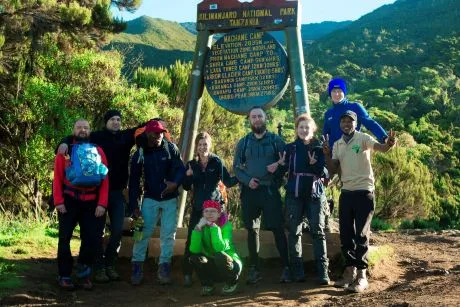
Your 6 Days Kilimanjaro Machame Route climb begins with a morning transfer from your hotel in Moshi to Machame Gate, situated on the southern slopes of Mount Kilimanjaro. Upon arrival, your mountain guide assists with registration, park entry formalities and final equipment checks before the trekking adventure begins.
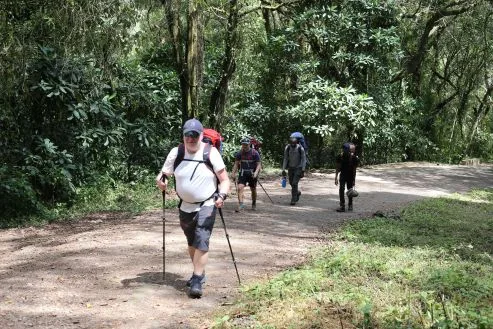
Follow a scenic trail through dense tropical rainforest, where towering trees, lush vegetation and the sounds of forest birds create an unforgettable introduction to Kilimanjaro. Along the way, you may spot black-and-white colobus monkeys and other wildlife inhabiting the mountain's lower slopes.
The trail gradually ascends through sometimes muddy and slippery terrain before reaching Machame Camp at approximately 3,000 metres. After settling into your mountain tent, enjoy a freshly prepared dinner and receive a briefing from your guide about the following day's trek.
Day 2: Machame Camp to Shira Camp – Explore the Shira Plateau
Elevation: 3,000 m – 3,840 m
Distance: Approximately 5 km
Trekking Time: 4–6 hours
Habitat: Heath and Moorland
Accommodation: Shira Camp
Meals: Breakfast, Lunch and Dinner
After breakfast at Machame Camp, continue your Kilimanjaro Machame Route trekking adventure as the trail climbs through the upper rainforest and gradually enters the heath and moorland vegetation zone. The landscape opens up, revealing spectacular mountain scenery and panoramic views of the surrounding valleys.
The path becomes steeper and rockier as you ascend along ridges towards the Shira Plateau, one of Mount Kilimanjaro's most remarkable volcanic formations. Along the way, enjoy impressive views of Kibo Peak, the mountain's highest volcanic cone, and the expansive African plains below when visibility is clear.
Arrive at Shira Camp at approximately 3,840 metres, where your mountain crew will have prepared the campsite. Spend the afternoon resting, enjoying the scenery and adjusting to the higher altitude. Your guide will provide an evening briefing and monitor your well-being as you prepare for the important acclimatization trek towards Lava Tower.
Day 3: Shira Camp to Lava Tower and Barranco Camp – Acclimatization Trek
Starting Elevation: 3,840 m
Highest Point: Lava Tower – approximately 4,600 m
Sleeping Elevation: Barranco Camp – approximately 3,960 m
Distance: Approximately 10–11 km
Trekking Time: 6–8 hours
Habitat: Alpine Desert and Moorland
Accommodation: Barranco Camp
Meals: Breakfast, Lunch and Dinner
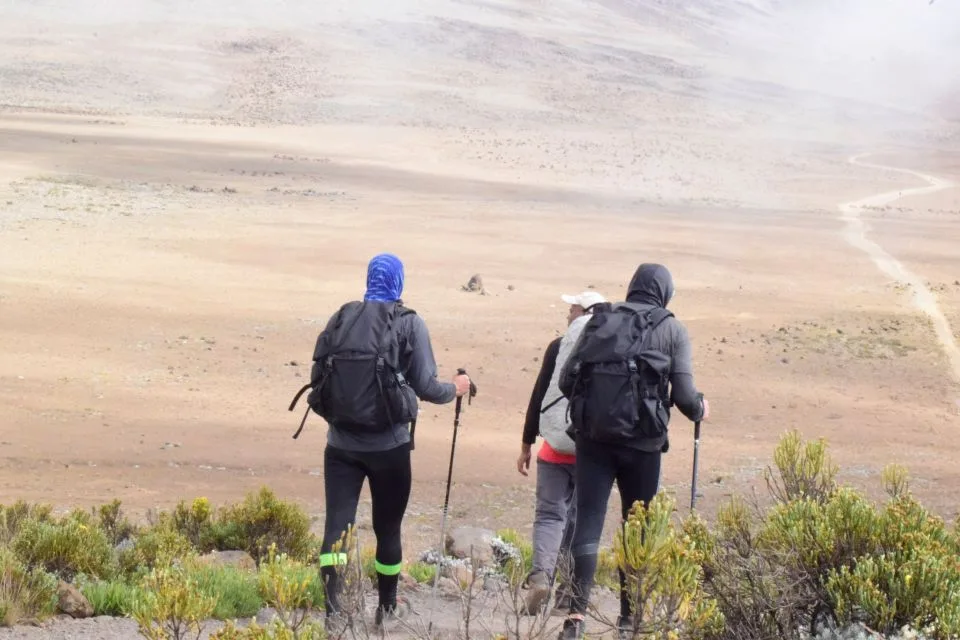
Today's trek is one of the most important stages of the 6 Days Machame Route acclimatization itinerary. After breakfast, leave Shira Camp and gradually ascend through increasingly barren volcanic terrain towards Lava Tower, a dramatic rock formation standing at approximately 4,600 metres above sea level.
The landscape changes noticeably as vegetation becomes sparse and the air grows thinner. Your guide will encourage a slow, steady pace, allowing time to rest and monitor how your body responds to the increasing altitude.
After reaching the Lava Tower area and stopping for lunch, begin descending towards Barranco Valley. This section follows the important mountaineering principle of climbing high and sleeping lower, providing an opportunity for altitude adaptation without eliminating the risk of altitude sickness.
Arrive at Barranco Camp, surrounded by giant groundsels and dramatic mountain scenery. The famous Barranco Wall rises above the campsite, offering a preview of the following day's adventure. Enjoy dinner and overnight camping beneath Kilimanjaro's impressive southern slopes.
Day 4: Barranco Camp to Barafu Camp via Karanga Valley – Barranco Wall Adventure
Starting Elevation: 3,960 m
Highest Sleeping Elevation: Barafu Camp – approximately 4,670 m
Distance: Approximately 9–12 km
Trekking Time: 7–9 hours
Habitat: Alpine Desert
Accommodation: Barafu Camp
Meals: Breakfast, Lunch and Dinner
Begin the morning with one of the most exciting sections of the Kilimanjaro Machame Route climb: the ascent of the famous Barranco Wall. Although the wall appears intimidating from below, the route follows a series of rocky ledges and scrambling sections that experienced mountain guides help climbers navigate safely.
After reaching the top, enjoy breathtaking views of Kibo Peak, the surrounding valleys and the dramatic southern slopes of Mount Kilimanjaro. Continue across undulating ridges before descending into Karanga Valley, where the trail crosses a seasonal stream and climbs towards Karanga Camp.
Unlike the seven-day Machame Route, the six-day Machame itinerary does not include an overnight stay at Karanga Camp. Instead, climbers continue directly towards Barafu Camp, the final base camp before the summit attempt.
Arrive at Barafu Camp in the afternoon, where your guide will conduct a summit briefing and explain the expected weather conditions, equipment requirements and climbing schedule. Enjoy an early dinner and rest before the demanding midnight ascent to Uhuru Peak.
Day 5: Barafu Camp to Uhuru Peak and Mweka Camp – Kilimanjaro Summit Day
Starting Elevation: Barafu Camp – approximately 4,670 m
Summit Elevation: Uhuru Peak – 5,895 m
Finishing Elevation: Mweka Camp – approximately 3,100 m
Distance: Approximately 16–18 km
Trekking Time: 12–16 hours
Habitat: Arctic Summit Zone and Moorland
Accommodation: Mweka Camp
Meals: Breakfast, Lunch and Dinner
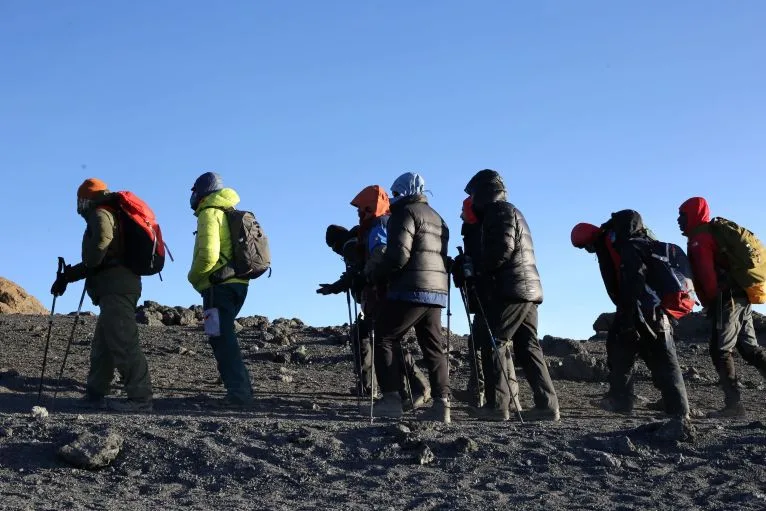
Summit day is the most demanding and rewarding stage of your 6 Days Mount Kilimanjaro Machame Route climb. Your adventure normally begins around midnight, when you leave Barafu Camp equipped with warm clothing, headlamps and essential trekking gear.
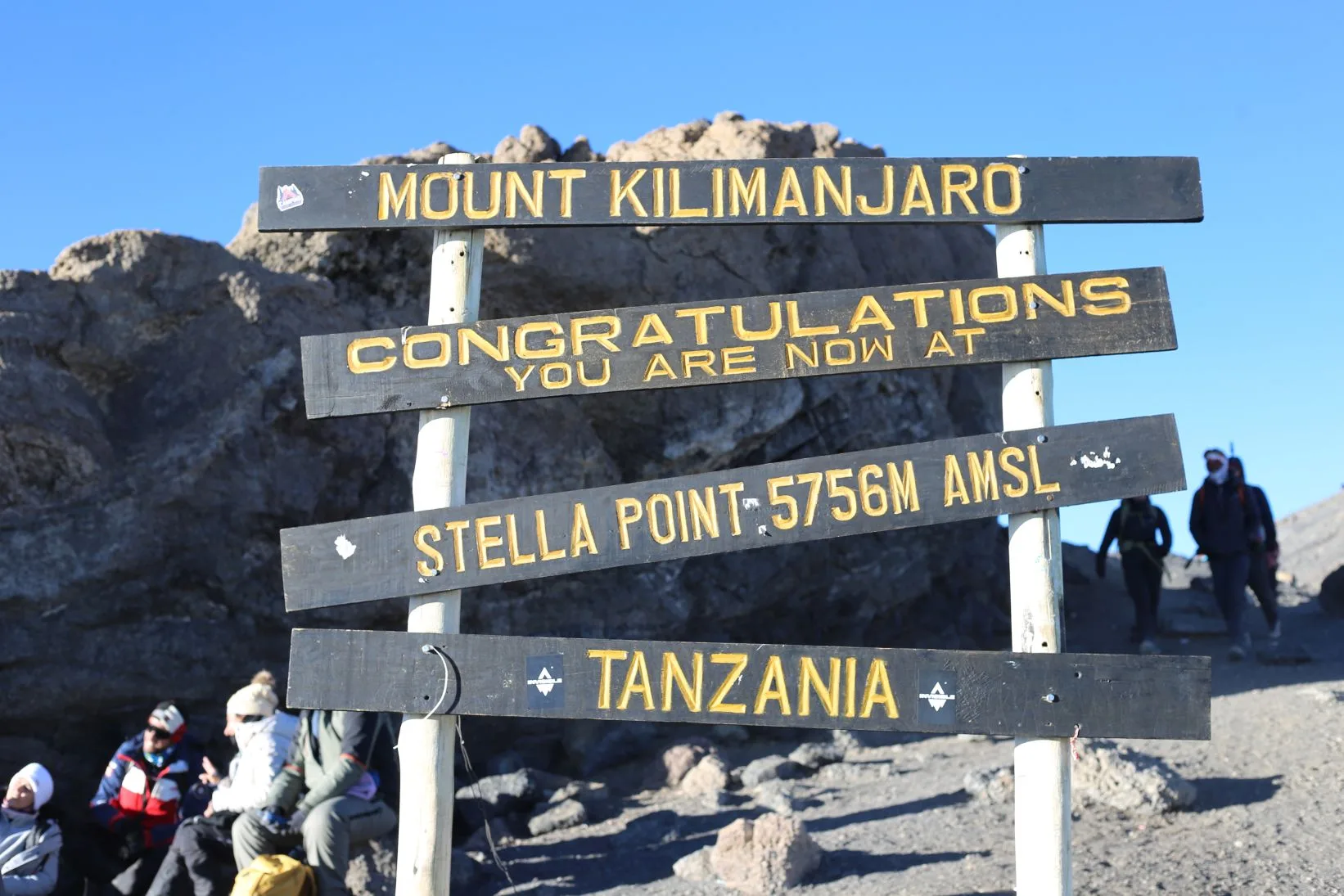
Follow a steep, winding trail across volcanic scree towards Stella Point, situated at approximately 5,756 metres on the crater rim. The high altitude, freezing temperatures and challenging terrain require determination, patience and a slow, steady climbing pace under the supervision of your mountain guides.
From Stella Point, continue along the crater rim towards Uhuru Peak (5,895 m), the highest point in Africa. If weather, health and trail conditions permit, celebrate your achievement with unforgettable summit photographs and spectacular views across Kilimanjaro's glaciers and volcanic landscape.
After the summit, descend carefully to Barafu Camp for a short rest and refreshments before continuing down towards Mweka Camp. The long descent brings you back into lower-altitude vegetation zones, where a well-deserved dinner and overnight rest await.
Summit success is never guaranteed. Your mountain guide will make safety decisions based on weather, altitude symptoms and individual climbing conditions.
Day 6: Mweka Camp to Mweka Gate – Final Descent and Transfer to Moshi
Elevation: 3,100 m – 1,640 m
Distance: Approximately 10 km
Trekking Time: 3–4 hours
Habitat: Montane Rainforest
Accommodation: End of Mountain Trek
Meals: Breakfast and Lunch
After breakfast at Mweka Camp, begin the final descent of your 6 Days Kilimanjaro Machame Route trekking adventure. Follow a scenic trail through the lush montane rainforest, where the vegetation becomes increasingly dense as you descend towards the lower slopes of Mount Kilimanjaro.
The trail may be muddy or slippery, particularly during the rainy season, so careful footing and trekking poles are recommended. Along the way, enjoy the refreshing forest atmosphere and occasional sightings of birds and monkeys.
Upon reaching Mweka Gate, complete the park exit formalities and receive your Kilimanjaro climbing certificate if you reached the qualifying summit point. Celebrate the conclusion of your mountain adventure with your guides, porters and fellow climbers.
Your transfer vehicle will then take you back to Moshi, where you can relax at your hotel or continue with your onward travel arrangements.
For travellers wishing to extend their African adventure, East Africa Jungle can arrange a Tanzania wildlife safari to Serengeti National Park, Ngorongoro Crater or Tarangire National Park, or a relaxing Zanzibar beach holiday.
Machame Route Map, Distance and Elevation Profile
The 6 Days Kilimanjaro Machame Route approaches Mount Kilimanjaro from the southern slopes, beginning at Machame Gate and ascending through rainforest, moorland, alpine desert and the summit zone. The route follows a scenic circuit across the mountain's southern side before reaching Uhuru Peak at 5,895 metres, with the descent following the Mweka Route.
Understanding the Machame Route's trekking distances, elevation changes and campsite locations helps climbers prepare for the physical demands of this six-day Kilimanjaro adventure.
6 Days Machame Route Distance and Elevation Table
| Day | Trekking Route | Approx. Distance | Elevation Profile | Hiking Time |
|---|---|---|---|---|
| Day 1 | Machame Gate → Machame Camp | 11 km | 1,800 m → 3,000 m | 5–7 hrs |
| Day 2 | Machame Camp → Shira Camp | 5 km | 3,000 m → 3,840 m | 4–6 hrs |
| Day 3 | Shira Camp → Lava Tower → Barranco Camp | 10–11 km | 3,840 m → 4,600 m → 3,960 m | 6–8 hrs |
| Day 4 | Barranco Camp → Karanga Valley → Barafu Camp | 9–12 km | 3,960 m → 4,670 m | 7–9 hrs |
| Day 5 | Barafu Camp → Stella Point → Uhuru Peak → Mweka Camp | 16–18 km | 4,670 m → 5,895 m → 3,100 m | 12–16 hrs |
| Day 6 | Mweka Camp → Mweka Gate | 10 km | 3,100 m → 1,640 m | 3–4 hrs |
Total Trekking Distance: Approximately 62 km, depending on trail variations and campsite locations.
Highest Elevation: Uhuru Peak – 5,895 m (19,341 ft).
Starting Point: Machame Gate – approximately 1,800 m.
Finishing Point: Mweka Gate – approximately 1,640 m.
Machame Route Elevation and Acclimatization Profile
The Machame Route gains elevation rapidly during the first two days before following a more varied altitude profile across Kilimanjaro's southern slopes.
On Day 3, climbers ascend from Shira Camp to approximately 4,600 metres at Lava Tower before descending to Barranco Camp at around 3,960 metres. This climb-high, sleep-low section provides an important opportunity for acclimatization.
Day 4 involves a demanding trek from Barranco Camp through Karanga Valley to Barafu Camp at approximately 4,670 metres. The summit attempt then reaches 5,895 metres before descending to Mweka Camp.
Because the six-day itinerary includes fewer nights for altitude adjustment than the seven-day Machame Route, climbers should be physically prepared, maintain a comfortable trekking pace and follow their guide's altitude safety instructions.
Machame Route Campsites and Summit Highlights
Machame Gate: Starting point and national park registration.
Machame Camp: First overnight campsite in the upper rainforest zone.
Shira Camp: Scenic campsite on the Shira Plateau.
Lava Tower: Important high-altitude acclimatization point.
Barranco Camp: Campsite beneath the famous Barranco Wall.
Karanga Valley: Scenic valley crossed on the way to Barafu Camp.
Barafu Camp: Final campsite before the summit attempt.
Stella Point: Crater rim landmark at approximately 5,756 metres.
Uhuru Peak: Africa's highest summit at 5,895 metres.
Mweka Camp: Overnight campsite after the summit descent.
Mweka Gate: Finishing point of the Machame Route trek.
Note: All distances, elevations and hiking times are approximate. Actual conditions vary with trail routing, weather, individual fitness and trekking pace.
6 Days Machame Route Prices 2027–2028
The 6 Days Kilimanjaro Machame Route climb price depends on the type of expedition, group size, departure date and services included. East Africa Jungle offers affordable group-sharing climbs and private Kilimanjaro trekking packages for travellers seeking a professionally organised mountain adventure.
Our Kilimanjaro climbing packages are designed to include essential mountain support, guided trekking, camping accommodation and meals during the climb.
6 Days Machame Route Climbing Price Comparison
| Climbing Package | Tour Type | Price Per Person |
|---|---|---|
| 6 Days Machame Route Group Climb | Group sharing | From USD 1,600 |
| 6 Days Machame Route Private Climb | Private guided expedition | Request a Quote |
Price validity: The published starting price applies to the advertised 2027–2028 climbing period, subject to confirmation of the selected departure, group arrangements and applicable rates.
What Determines the Cost of a 6 Days Machame Route Climb?
Several factors influence the total cost of climbing Mount Kilimanjaro via the Machame Route.
1. Group-Sharing vs Private Climb
A group-sharing Kilimanjaro climb generally offers a more affordable option because certain operational costs are shared among participants. Private climbs provide greater flexibility and a dedicated mountain support team.
2. Kilimanjaro National Park Fees
Climbing packages must account for applicable national park entrance, camping, rescue and other statutory fees. These fees represent a significant portion of the total Kilimanjaro climbing cost.
3. Mountain Guides, Porters and Support Crew
A professionally organised Kilimanjaro expedition requires licensed mountain guides, porters and cooks. Crew numbers depend on the group size, equipment requirements and operating arrangements.
4. Mountain Camping Equipment and Meals
The Machame Route uses designated mountain campsites rather than permanent mountain huts. Climbing packages typically include shared sleeping tents, dining arrangements and meals prepared by the mountain crew.
5. Transfers and Additional Accommodation
Airport transfers, pre-climb hotel accommodation, post-climb hotel stays and other travel arrangements may influence the final package price, depending on the services selected.
Group-Sharing vs Private Machame Route Climb
| Feature | Group-Sharing Climb | Private Climb |
|---|---|---|
| Mountain guides | Shared expedition team | Dedicated expedition team |
| Departure dates | Scheduled departures | Flexible by arrangement |
| Accommodation | Mountain camping | Mountain camping |
| Trekking itinerary | Fixed six-day schedule | Customisable arrangements |
| Group experience | Meet fellow climbers | Travel with your chosen companions |
| Cost | Generally more affordable | Depends on group size |
| Best suited for | Solo travellers, couples and budget-conscious adventurers | Couples, families and private groups |
What's Included and Excluded in the 6 Days Machame Route Climb?
Our 6 Days Kilimanjaro Machame Route climbing package is designed to provide an organised mountain trekking experience, including professional guides, mountain camping, meals and essential climbing support. Understanding what is included in the tour price helps travellers plan their Kilimanjaro adventure and avoid unexpected expenses.
Machame Route Climb – Package Inclusions and Exclusions
| Included in the Climbing Package | Not Included in the Climbing Package |
|---|---|
| Kilimanjaro National Park entrance fees | International and domestic flights |
| National park camping and applicable rescue fees | Tanzania visa fees |
| Professional mountain guides | Travel and high-altitude trekking insurance |
| Mountain porters and cooking crew | Personal trekking clothing and equipment |
| Five nights of mountain camping accommodation | Personal sleeping bag |
| Shared mountain sleeping tents | Trekking poles and other personal equipment |
| Full-board meals during the mountain trek | Tips for mountain guides, porters and cooks |
| Drinking water supplied during the climb | Alcoholic beverages and personal purchases |
| Transfers between Moshi and Machame/Mweka Gates | Additional hotel accommodation before or after the climb |
| Mountain camp cooking and dining arrangements | Optional Tanzania safaris and Zanzibar extensions |
| Pre-climb briefing and route orientation | Expenses resulting from itinerary changes or personal requests |
| Assistance with park registration | Additional transfers not specified in the itinerary |
Package details should be checked against the confirmed 2027–2028 East Africa Jungle quotation. Equipment, drinking-water arrangements, transfers and rescue provisions must be explicitly confirmed before publication.
Professional Mountain Guides and Support Crew
Your 6 Days Machame Route group climb is supported by a mountain trekking team responsible for route navigation, campsite arrangements, meal preparation and assistance throughout the expedition.
Mountain guides lead the trek, monitor climbers' well-being and make safety decisions according to mountain conditions. Porters transport designated camping equipment and expedition supplies, while the cooking crew prepares meals at the mountain campsites.
Mountain Camping Accommodation and Meals
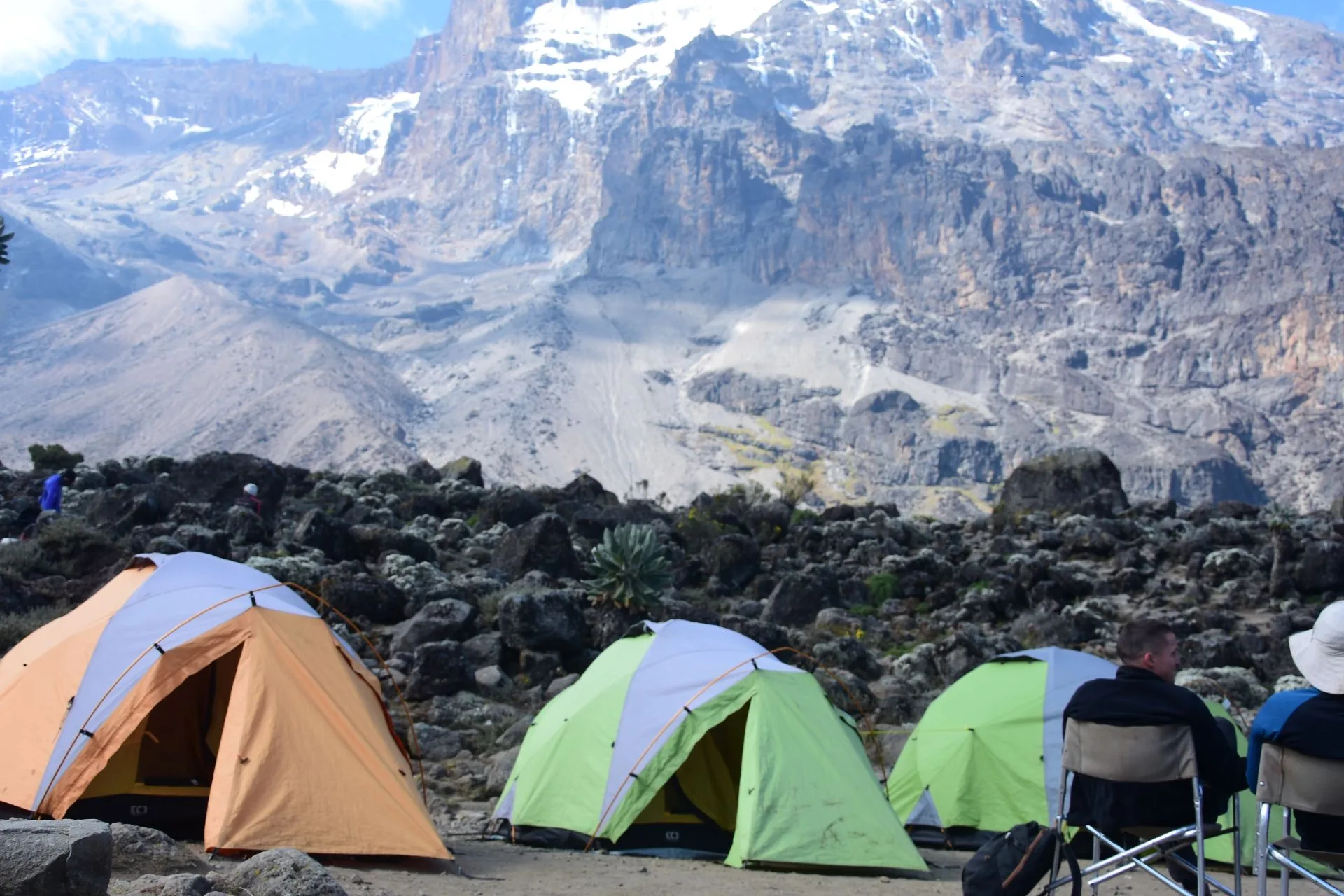
The Machame Route is a camping-only Kilimanjaro climbing route, with overnight stays at Machame Camp, Shira Camp, Barranco Camp, Barafu Camp and Mweka Camp.
Climbers stay in mountain tents and receive freshly prepared meals during the trek. Breakfast, lunch and dinner are provided according to the daily itinerary, with meal arrangements adapted to the demands of high-altitude trekking.
Travellers with vegetarian, vegan, gluten-free or other dietary requirements should inform East Africa Jungle before departure so that suitable arrangements can be discussed.
Optional Services and Kilimanjaro Climbing Extras
Additional arrangements may include:
Kilimanjaro International Airport transfers.
Hotel accommodation in Moshi before and after the climb.
Personal trekking equipment rental.
Private Kilimanjaro climbing arrangements.
Additional acclimatization days or alternative climbing routes.
Tanzania wildlife safari extensions.
Zanzibar beach holiday packages.
Planning Tip: Before booking your Kilimanjaro Machame Route climb, review the confirmed package inclusions, equipment requirements, tipping guidance and insurance coverage to understand the full cost of your mountain adventure.
Machame Route Difficulty, Altitude and Acclimatization
The 6 Days Kilimanjaro Machame Route is considered a challenging high-altitude trek requiring good physical fitness, mental determination and careful acclimatization. Although technical mountaineering experience is generally not required under normal trail conditions, climbers must be prepared for steep ascents, rocky terrain, cold temperatures and a demanding summit attempt at Uhuru Peak (5,895 metres).
The six-day itinerary is particularly demanding because it combines significant daily elevation gains with a relatively short acclimatization schedule. Understanding the route's difficulty and altitude profile is essential when preparing for a safe and rewarding Kilimanjaro climbing adventure.
How Difficult Is the 6 Days Machame Route?
The Machame Route is more physically demanding than many first-time climbers expect. The trek includes steep forest trails, rocky ridges, high-altitude camping and the famous Barranco Wall, where some hands-on scrambling is required.
The most challenging stages include:
Day 1 – Machame Gate to Machame Camp: A sustained uphill trek through rainforest, with approximately 1,200 metres of elevation gain.
Day 3 – Shira Camp to Lava Tower: A high-altitude acclimatization trek reaching approximately 4,600 metres before descending to Barranco Camp.
Day 4 – Barranco Camp to Barafu Camp: A long trekking day involving Barranco Wall, Karanga Valley and the ascent to Barafu Camp without an additional overnight acclimatization stop.
Day 5 – Barafu Camp to Uhuru Peak: The most demanding stage, usually involving 12–16 hours of trekking, freezing temperatures and a steep summit ascent followed by a lengthy descent.
The six-day Machame Route is best suited to physically prepared travellers with hiking experience, good endurance and realistic expectations about high-altitude trekking.
Machame Route Altitude and Acclimatization Profile
Acclimatization is the process through which the body gradually adapts to reduced oxygen availability at higher elevations. On Mount Kilimanjaro, altitude-related illness is a significant concern because climbers ascend from approximately 1,800 metres to nearly 5,900 metres within a relatively short period.
| Day | Campsite / Destination | Approx. Sleeping Elevation | Acclimatization Considerations |
|---|---|---|---|
| 1 | Machame Camp | 3,000 m | First significant altitude gain |
| 2 | Shira Camp | 3,840 m | Higher sleeping elevation and reduced oxygen availability |
| 3 | Barranco Camp via Lava Tower | 3,960 m | Climb to approximately 4,600 m before descending |
| 4 | Barafu Camp | 4,670 m | Significant sleeping-altitude increase |
| 5 | Mweka Camp via Uhuru Peak | 3,100 m | Summit at 5,895 m followed by substantial descent |
| 6 | Mweka Gate | 1,640 m | Return to lower altitude |
The ascent to Lava Tower on Day 3 provides an opportunity to follow the climb-high, sleep-low principle. However, this does not guarantee successful acclimatization or prevent altitude sickness.
Understanding Altitude Sickness on Kilimanjaro
Altitude sickness, also known as acute mountain sickness (AMS), can affect climbers regardless of age, fitness level or previous hiking experience.
Common symptoms include headache, nausea, dizziness, fatigue and loss of appetite. More serious altitude-related illness can involve difficulty walking normally, confusion, breathlessness at rest or a persistent cough.
Climbers should report symptoms promptly to their mountain guide. Anyone experiencing symptoms of altitude illness should not continue ascending to a higher sleeping altitude. Worsening symptoms or signs of severe illness require urgent descent and appropriate medical attention.
How to Improve Acclimatization on the Machame Route
1. Maintain a Slow and Steady Trekking Pace
Walk at a comfortable pace, commonly described in Swahili as pole pole, meaning slowly. Avoid unnecessary rushing, especially during steep ascents.
2. Allow Additional Time for Acclimatization
Travellers with flexible schedules should consider the 7 Days Machame Route, which includes an additional overnight stay at Karanga Camp and offers more time for altitude adaptation.
3. Maintain Appropriate Hydration and Nutrition
Drink regularly according to your needs, eat sufficient meals and avoid excessive physical exertion outside the planned trek. Hydration supports general well-being but does not prevent altitude sickness.
4. Recognize Early Altitude Symptoms
Report headaches, nausea, dizziness, unusual fatigue or other concerning symptoms to your guide immediately. Do not conceal symptoms to continue towards the summit.
5. Consult a Healthcare Professional Before Climbing
Travellers should seek pre-trip medical advice about high-altitude trekking, particularly if they have existing medical conditions. A clinician can also advise whether altitude illness prevention medication is appropriate.
6 Days vs 7 Days Machame Route – Which Is Better for Acclimatization?
| Feature | 6 Days Machame Route | 7 Days Machame Route |
|---|---|---|
| Duration | 6 days / 5 nights | 7 days / 6 nights |
| Difficulty | Challenging | Challenging |
| Karanga Camp overnight | No | Yes |
| Acclimatization time | Shorter | Longer |
| Barranco to Barafu | Completed in one day | Split across two days |
| Summit elevation | 5,895 m | 5,895 m |
| Best suited for | Fit trekkers with limited time | Travellers seeking additional acclimatization time |
Our Recommendation: Although the six-day Machame Route offers a rewarding Kilimanjaro climbing experience, the seven-day itinerary is generally the better choice for travellers who can spare an additional day. More time for acclimatization can improve comfort and reduce altitude-related risks, although no itinerary guarantees summit success.
Best Time to Climb Kilimanjaro via Machame Route
The best time to climb Mount Kilimanjaro via the Machame Route is generally during Tanzania's drier climbing seasons, particularly January to February and June to October. These periods typically offer more favourable trekking conditions, clearer mountain views and less rainfall than the main rainy season.
Mount Kilimanjaro can be climbed throughout the year, but weather conditions vary significantly by season and elevation. The Machame Route approaches the mountain from the wetter southern slopes, making seasonal rainfall an important consideration when planning a six-day trekking adventure.
Best Months for the 6 Days Machame Route – 2027–2028
| Month | Typical Weather | Trail Conditions | Climbing Recommendation |
|---|---|---|---|
| January | Generally drier, relatively warm lower slopes | Often favourable | Excellent |
| February | Generally dry with good visibility | Often favourable | Excellent |
| March | Increasing chance of rainfall | Variable, wetter later in the month | Good early; variable later |
| April | Main rainy season | Wet and muddy | Less recommended |
| May | Main rainy season | Wet and slippery | Less recommended |
| June | Transition towards drier conditions | Improving during the month | Good |
| July | Generally dry and cool | Often favourable | Excellent |
| August | Dry season, cold at altitude | Often favourable | Excellent |
| September | Generally dry with clear conditions | Often favourable | Excellent |
| October | Transitional conditions, increasing rain risk | Variable | Good, especially early |
| November | Short rainy season | Wet and unpredictable | Less recommended |
| December | Variable, often improving later | Mixed conditions | Good with flexibility |
This table reflects typical seasonal patterns rather than a weather forecast. Actual conditions in 2027–2028 will depend on rainfall, temperature, wind and mountain weather systems.
January to March – Short Dry Season
January and February are among the most attractive months for a 6 Days Kilimanjaro Machame Route climb. These months generally offer relatively dry conditions, pleasant daytime trekking temperatures on the lower slopes and opportunities for spectacular mountain views.
The rainforest and moorland landscapes remain green, while higher elevations may feature snow and dramatic cloud formations. Early March can also provide favourable trekking conditions, although rainfall becomes more likely as the long rainy season approaches.
This period is especially suitable for travellers wishing to combine their Kilimanjaro climb with a Serengeti wildebeest calving safari in Ndutu.
June to October – Main Kilimanjaro Climbing Season
The main dry season, from June through September and often into October, is one of the most popular periods for climbing Mount Kilimanjaro.
These months typically provide reduced rainfall, clearer skies and favourable trekking conditions along much of the Machame Route. July, August and September are particularly popular with international travellers, so mountain campsites and trails may be busier.
Despite the generally dry weather, temperatures at Barafu Camp and near Uhuru Peak can fall well below freezing. Climbers should carry appropriate thermal clothing, insulated jackets, gloves and cold-weather sleeping equipment.
October can remain a rewarding climbing month, although the likelihood of rainfall generally increases as the short rainy season approaches.
April to May – Long Rainy Season
April and May are generally the wettest months on Mount Kilimanjaro and are less suitable for most climbers attempting the Machame Route.
Heavy rainfall can make rainforest trails muddy, reduce visibility and create slippery conditions on rocky sections, including the Barranco Wall. Higher elevations may also experience snow, strong winds and challenging summit conditions.
Although climbing may still be possible when park and weather conditions allow, travellers should carefully consider the additional difficulties associated with wet-season trekking.
November to December – Short Rains and Transitional Weather
November typically brings a shorter rainy season to northern Tanzania, with unpredictable showers and wetter conditions along Kilimanjaro's southern slopes.
December can offer improving weather, particularly later in the month, but conditions remain variable. Climbers travelling during this period should prepare for rain, changing temperatures and possible disruptions caused by mountain weather.
What Is the Best Month to Climb the Machame Route?
For travellers seeking generally favourable weather, January, February, July, August and September are particularly attractive months.
Best for relatively dry conditions: January, February, July, August and September.
Best for travellers seeking a quieter period: Consider January, February or early June, while recognising that crowd levels vary.
Best for combining Kilimanjaro with a Tanzania safari: January–February for Ndutu calving or July–October for dry-season wildlife viewing.
Months requiring greater weather flexibility: March, April, May, November and early December.
Regardless of the month, Kilimanjaro's weather can change rapidly. Climbers should prepare for rain, cold temperatures, strong winds and possible snow near the summit.
Machame Route Accommodation, Meals and Camping
Accommodation on the 6 Days Kilimanjaro Machame Route Group Climb consists of five nights of mountain camping at designated campsites within Kilimanjaro National Park. Unlike the Marangu Route, which offers mountain huts, the Machame Route uses tents throughout the expedition.
East Africa Jungle organises mountain camping, meals and support crew arrangements to help climbers prepare for the challenging six-day ascent. Below is an overview of campsite accommodation, sleeping arrangements, luggage requirements, hygiene facilities and drinking water.
Where Do Climbers Sleep on the 6 Days Machame Route?
| Day | Campsite | Approx. Elevation | Accommodation |
|---|---|---|---|
| Day 1 | Machame Camp | 3,000 m | Mountain camping tent |
| Day 2 | Shira Camp | 3,840 m | Mountain camping tent |
| Day 3 | Barranco Camp | 3,960 m | Mountain camping tent |
| Day 4 | Barafu Camp | 4,670 m | Mountain camping tent |
| Day 5 | Mweka Camp | 3,100 m | Mountain camping tent |
| Day 6 | Return to Moshi | — | Hotel on request |
The six-day itinerary does not include an overnight stay at Karanga Camp. Climbers cross Karanga Valley on Day 4 before continuing to Barafu Camp.
Mountain Sleeping Tents and Tent Sharing
Group climbers generally share mountain sleeping tents with another participant. Private tent arrangements may be available on request, subject to availability and any applicable additional charge.
Mountain tents provide shelter from wind and precipitation, although conditions at higher camps can be very cold, particularly at Barafu Camp.
Tent arrangements:
Group climbs: Shared mountain sleeping tents, generally accommodating two climbers.
Solo travellers: Tent-sharing arrangements are confirmed before departure.
Private tents: Available only where specifically confirmed in the booking quotation.
Sleeping bags: Climbers should bring a suitable cold-weather sleeping bag or enquire about rental arrangements.
Sleeping Mats and Camping Equipment
A suitable sleeping mat is important for insulation and comfort during five nights of mountain camping.
Insulated sleeping mats are included in the 6 Days Machame Route climbing package for all five nights of mountain camping. Climbers should bring their own cold-weather sleeping bags or arrange rentals in advance.
A sleeping bag with a comfort rating appropriate for sub-zero temperatures is recommended. The appropriate rating depends on the climber, equipment and expected conditions.
Before departure, confirm:
Whether insulated sleeping mats are supplied.
Whether sleeping bags are available for rental.
Whether a private sleeping tent can be arranged.
Whether any additional camping equipment carries a rental charge.
Meals and Drinking Water on the Machame Route
The 6 Days Machame Route climbing package includes full-board meals during the mountain trek, prepared by the expedition cooking crew.
Meals are designed to provide energy during consecutive trekking days and the demanding summit attempt.
| Meal | Typical Food Options |
|---|---|
| Breakfast | Porridge, eggs, toast, fruit, tea and coffee |
| Lunch | Packed lunch or prepared hot meal, depending on the trekking schedule |
| Dinner | Soup, rice, pasta, potatoes, vegetables and protein-rich dishes |
| Dietary Requirements | Vegetarian, vegan and other requirements by advance arrangement |
Drinking Water: East Africa Jungle provides drinking water during the six-day Machame Route climb. Water collected from suitable mountain sources is boiled by the expedition cooking crew before being supplied to climbers. Travellers should carry reusable water bottles or hydration containers with a combined capacity of approximately 2–3 litres.
Climbers should carry reusable water bottles or hydration containers with a combined capacity of approximately 2–3 litres, adjusting their intake to personal needs and guide advice.
Toilet Facilities, Hygiene and Private Toilets
Machame Route campsites provide basic shared toilet facilities. Conditions vary between camps, and facilities generally do not offer the same level of comfort as hotel accommodation.
Shared toilets: Basic campsite toilets, commonly including pit toilets.
Private portable toilets: Private portable toilet facilities are not included in the standard 6 Days Machame Route group climbing package. Climbers use the basic shared toilet facilities at designated mountain campsites.
Showers: Generally unavailable during the six-day mountain trek.
Personal hygiene: Bring toilet paper, hand sanitiser, biodegradable toiletries, wipes and a small quick-drying towel.
Travellers who require private toilet arrangements should discuss their needs with East Africa Jungle before confirming their climb.
Porter Luggage Allowance and Personal Daypack
Mountain porters carry designated expedition equipment and climbers' main duffel bags, while each climber carries a personal daypack containing essential items required during the trek.
Each climber is permitted a maximum of 15 kg of personal luggage in their porter-carried duffel bag. Climbers must carry their own daypack containing drinking water, rainwear, warm clothing, personal medication and other essential items needed during the trek.
Recommended luggage arrangements:
| Luggage Type | Guidance |
|---|---|
| Main duffel bag | Soft-sided, weather-resistant bag |
| Porter-carried personal luggage | Approximately 15 kg, subject to confirmation |
| Personal daypack | Approximately 25–35 litres |
| Daypack contents | Water, snacks, rainwear, warm layers, medication and personal essentials |
| Waterproof protection | Use dry bags or waterproof liners |
Climbers should pack responsibly and follow their mountain crew's luggage requirements.
Kilimanjaro Trekking Equipment Rental
Travellers who do not own all the necessary mountain equipment may be able to arrange rentals in Moshi before their climb.
Depending on local supplier availability, commonly rented equipment may include:
Cold-weather sleeping bags.
Trekking poles.
Insulated jackets.
Waterproof jackets and trousers.
Warm gloves and other summit clothing.
Suitable duffel bags.
Rental availability, equipment condition, sizing and prices must be confirmed before arrival. Travellers should not assume that all equipment is included in the USD 1,600 starting price.
Important Camping Advice for Machame Route Climbers
Temperatures vary considerably between Kilimanjaro's rainforest, moorland, alpine desert and summit zones. Nights at higher camps can be below freezing, so suitable thermal clothing, insulated sleeping equipment and waterproof protection are essential.
Before departure, East Africa Jungle will provide the confirmed climbing arrangements, including accommodation details, luggage requirements, equipment information and applicable rental options.
Machame Route vs Marangu, Lemosho and Rongai
Choosing the right Kilimanjaro climbing route depends on your fitness level, available trekking days, accommodation preferences, budget and acclimatization needs. The Machame, Marangu, Lemosho and Rongai routes all lead towards Uhuru Peak (5,895 m), but each offers a different trekking experience.
The 6 Days Machame Route is particularly popular for its dramatic scenery, Barranco Wall adventure and varied landscapes, while other routes may offer hut accommodation, quieter trails or additional acclimatization opportunities.
Kilimanjaro Climbing Routes Comparison
| Feature | Machame Route | Marangu Route | Lemosho Route | Rongai Route |
|---|---|---|---|---|
| Common duration | 6–7 days | 5–6 days | 7–8 days | 6–7 days |
| Difficulty | Challenging | Moderate to challenging | Challenging | Moderate to challenging |
| Starting side | Southern | Southeastern | Western | Northern |
| Accommodation | Camping | Mountain huts | Camping | Camping |
| Scenery | Very diverse | Forest and alpine landscapes | Highly diverse | Northern wilderness and Mawenzi views |
| Acclimatization | Better with 7 days | Better with 6 days | Generally favourable on longer itineraries | Better with 7 days |
| Barranco Wall | Yes | No | Usually yes | No |
| Trail popularity | Popular | Popular | Popular | Generally quieter |
| Best suited for | Scenic adventure trekking | Travellers preferring huts | Travellers with more acclimatization time | Travellers seeking northern approach |
Difficulty and acclimatization vary according to itinerary length, daily altitude gain, weather and individual health. No route guarantees summit success.
Machame Route vs Marangu Route
The Machame Route, commonly called the Whiskey Route, offers a scenic camping adventure through rainforest, the Shira Plateau and the famous Barranco Wall. Its varied terrain and demanding summit approach appeal to adventurous trekkers seeking an immersive mountain experience.
The Marangu Route, often called the Coca-Cola Route, is the only major Kilimanjaro route offering mountain hut accommodation instead of camping. It follows a more direct ascent and descent corridor and is popular with climbers who prefer sleeping in huts.
Choose Machame for varied scenery and camping. Choose Marangu if hut accommodation is a priority.
Machame Route vs Lemosho Route
Both Machame and Lemosho offer spectacular scenery and traverse Kilimanjaro's southern circuit. However, the Lemosho Route begins on the western side of the mountain and typically provides a longer approach before joining the southern trails.
The standard seven- or eight-day Lemosho itineraries offer additional acclimatization time compared with the six-day Machame Route. This makes longer Lemosho climbs attractive to travellers who can spend more days on the mountain.
Choose Machame for a shorter, scenic climbing itinerary. Choose Lemosho if you prefer a longer trek with more time for altitude adaptation.
Machame Route vs Rongai Route
The Rongai Route approaches Kilimanjaro from the northern side, near the Kenya–Tanzania border. It is known for its relatively quiet approach, open wilderness landscapes and impressive views of Mawenzi Peak.
Machame approaches from the wetter southern slopes and includes more varied terrain, particularly the Shira Plateau and Barranco Wall. Rongai generally follows a more gradual northern approach but still involves demanding high-altitude trekking.
Choose Machame for dramatic scenery and varied terrain. Choose Rongai for a quieter northern approach and a different mountain perspective.
Which Kilimanjaro Route Should You Choose?
For travellers with six days available, the Machame Route provides a scenic and challenging Kilimanjaro climbing experience. However, the 7 Days Machame Route or a longer Lemosho itinerary is generally preferable when additional acclimatization time is possible.
Kilimanjaro Machame Route Packing List
Preparing the right Kilimanjaro Machame Route packing list is essential for a comfortable and well-organised six-day mountain adventure. Climbers experience several climate zones, ranging from warm and humid rainforest to freezing alpine conditions near Uhuru Peak (5,895 m).
The most important items include layered trekking clothing, waterproof protection, sturdy hiking boots, a cold-weather sleeping bag and essential personal equipment. Pack lightweight, practical gear that can withstand rain, wind, dust and rapidly changing mountain temperatures.
Essential Clothing for the 6 Days Machame Route
| Clothing Item | Recommended Quantity | Purpose |
|---|---|---|
| Moisture-wicking trekking shirts | 3–4 | Comfortable daytime hiking |
| Thermal base-layer tops | 2 | Insulation during cold conditions |
| Thermal leggings | 1–2 | Warmth at high altitude |
| Hiking trousers | 2 | Daily trekking |
| Waterproof jacket | 1 | Protection from rain and wind |
| Waterproof trousers | 1 | Rain and summit protection |
| Insulated down or synthetic jacket | 1 | Warmth at camp and on summit night |
| Warm fleece or mid-layer | 1–2 | Layering during colder trekking days |
| Hiking socks | 4–5 pairs | Foot comfort and blister prevention |
| Warm summit socks | 1–2 pairs | Additional cold protection |
| Thermal gloves | 1 pair | Base insulation |
| Waterproof insulated gloves or mittens | 1 pair | Summit protection |
| Warm hat or beanie | 1 | Head insulation |
| Sun hat | 1 | UV protection |
| Neck gaiter or buff | 1–2 | Wind, dust and cold protection |
| Comfortable camp clothing | 1 set | Evening comfort |
Essential Kilimanjaro Trekking Equipment
| Equipment | Recommendation |
|---|---|
| Hiking boots | Waterproof, well-fitted and broken in before departure |
| Daypack | Approximately 25–35 litres |
| Main duffel bag | Soft-sided, weather-resistant; confirm porter weight limit |
| Sleeping bag | Comfort-rated for approximately −10°C to −15°C, or colder if appropriate |
| Sleeping mat | Confirm whether provided by the operator |
| Trekking poles | Adjustable poles for steep ascents and descents |
| Headlamp | Essential for summit night, with spare batteries |
| Water bottles or hydration system | Combined carrying capacity of approximately 2–3 litres |
| Waterproof bag liners | Protect clothing and sleeping equipment |
| Sunglasses | UV-protective, suitable for high-altitude use |
| Gaiters | Useful for scree, mud and snow |
| Small dry bags | Organise and protect equipment |
| Portable power bank | Charge essential devices during the trek |
Personal Hygiene and Health Essentials
High-SPF sunscreen and SPF lip balm.
Toothbrush, toothpaste and biodegradable toiletries.
Toilet paper and hand sanitizer.
Personal medications in original packaging.
Blister plasters and basic first-aid supplies.
Rehydration salts if advised by your healthcare professional.
Personal prescription medication.
Small quick-drying towel.
Wet wipes and tissues.
Insect repellent for lower-altitude areas where appropriate.
Discuss altitude-related medication with a qualified healthcare professional before your climb. Do not begin prescription medication without appropriate medical advice.
Documents and Travel Essentials
Carry your passport, Tanzania visa or entry documentation where applicable, travel insurance details and emergency contact information.
Your travel insurance should explicitly cover trekking up to 5,895 metres, including emergency evacuation where applicable. Many standard travel policies exclude high-altitude activities, so confirm the maximum covered elevation before departure.
Keep important documents in waterproof protection and store digital copies securely.
What to Pack in Your Kilimanjaro Daypack
Your daypack should contain the items you may need while trekking, since your main duffel bag will normally be carried separately by the porter team.
Recommended daypack essentials include:
Drinking water and energy snacks.
Waterproof jacket and trousers.
Warm fleece or insulated layer.
Sunscreen, sunglasses and sun hat.
Personal medication and basic first-aid supplies.
Camera or phone.
Headlamp and spare batteries.
Gloves and warm hat.
Personal identification and emergency information.
What to Wear on Kilimanjaro Summit Night
The summit ascent from Barafu Camp to Uhuru Peak is usually the coldest and most physically demanding stage of the Machame Route.
Wear a moisture-wicking thermal base layer, insulating mid-layers, a warm down or synthetic jacket and waterproof outer layers. Combine thermal leggings with suitable trekking trousers and waterproof protection.
Insulated gloves or mittens, warm socks, a thermal hat, neck protection and sturdy hiking boots are essential. Your mountain guide should review your summit clothing before departure from Barafu Camp.
Kilimanjaro Packing Tips from East Africa Jungle
Pack in Layers: Mountain temperatures vary dramatically between rainforest, alpine desert and summit zones. Layering allows you to adjust clothing according to changing conditions.
Avoid Cotton for Trekking: Cotton retains moisture and can increase discomfort in cold conditions. Choose moisture-wicking synthetic or wool-based layers.
Test Your Hiking Boots: Wear your trekking boots on training hikes before travelling to Tanzania to reduce the risk of blisters.
Protect Equipment from Rain: Use waterproof liners and dry bags to keep clothing, sleeping equipment and electronics dry.
Respect Porter Weight Limits: Confirm the permitted duffel weight before departure and avoid unnecessary equipment.
Rent Equipment When Necessary: Some trekking items may be available for rental in Moshi, subject to availability and condition. Confirm arrangements before arrival.
Final Packing Advice: A well-prepared 6 Days Kilimanjaro Machame Route climb begins with appropriate clothing, reliable equipment and realistic expectations about mountain weather. Contact East Africa Jungle before departure for guidance on your equipment requirements and available rental arrangements.
Machame Route Group Departure Dates 2027–2028
Planning to climb Mount Kilimanjaro in 2027 or 2028? East Africa Jungle offers 6-day Machame Route group climbs from USD 1,600 per person, with departure dates arranged according to confirmed group bookings and mountain crew availability.
Solo climbers, couples and small groups are welcome to enquire about joining an existing departure. Private climbs can also be arranged for travellers who prefer flexible dates.
Kilimanjaro Machame Route Departure Calendar 2027–2028
| Travel Period | Group Departure Status | Booking Options |
|---|---|---|
| January–March 2027 | Dates available on request | Group joining or private |
| April–May 2027 | Dates available on request | Subject to conditions and availability |
| June–October 2027 | Dates available on request | Group joining or private |
| November–December 2027 | Dates available on request | Group joining or private |
| January–March 2028 | Dates available on request | Group joining or private |
| April–May 2028 | Dates available on request | Subject to conditions and availability |
| June–October 2028 | Dates available on request | Group joining or private |
| November–December 2028 | Dates available on request | Group joining or private |
Important Group Departure Information: East Africa Jungle accepts booking enquiries for the 6 Days Kilimanjaro Machame Route throughout 2027–2028. The periods shown above indicate when travellers can request a climb; they are not confirmed group departure dates. Solo travellers and couples can request to join an existing group, subject to availability. Our reservations team will confirm the exact departure date, available places, mountain crew arrangements and final climbing price before accepting a booking.
How to Join a Machame Route Group Climb
Choose your travel dates: Send us your preferred departure date and the number of climbers.
Check group availability: Our reservations team will confirm whether an existing group has space or another departure can be arranged.
Receive your quotation: We will provide the confirmed price, inclusions, payment terms and preparation information.
Secure your booking: Once the arrangements are confirmed, you can reserve your place with the required deposit.
Private Machame Route Departures
Private 6-day Machame Route climbs are available on request for couples, families, friends and organised groups. Departure dates, guide arrangements and pricing are tailored to your requirements.
Check Machame Route Departure Availability
Contact East Africa Jungle to request confirmed 2027–2028 departure dates, available group places and a detailed climbing quotation.
Safety, Mountain Guides and Emergency Procedures
Safety is a fundamental part of preparing for the 6 Days Mount Kilimanjaro Machame Route climb. Reaching Uhuru Peak at 5,895 metres involves significant physical demands, changing mountain weather and the risks associated with high-altitude trekking.
At East Africa Jungle, we recognise the importance of experienced mountain leadership, appropriate climbing preparation, altitude awareness and clear emergency procedures. Climbers should understand the challenges of the Machame Route before departure and follow their mountain guide's instructions throughout the expedition.
Professional Kilimanjaro Mountain Guides and Support Crew
A guided Machame Route climb requires a qualified mountain team responsible for navigation, trekking coordination, campsite arrangements and climber assistance.
The expedition team normally includes:
Lead Mountain Guide: Oversees route planning, trekking pace, altitude awareness and mountain safety decisions.
Assistant Guides: Support climbers during demanding sections and assist when individual attention is required.
Mountain Porters: Transport designated camping equipment, food supplies and permitted personal luggage.
Mountain Cook: Prepares meals to support climbers throughout the expedition.
Climbers should follow their guide's instructions, particularly during the Barranco Wall ascent, the approach to Barafu Camp and the summit attempt.
Altitude Sickness Prevention and Daily Health Monitoring
Climbing Mount Kilimanjaro to Uhuru Peak (5,895 m) involves a significant risk of altitude sickness, particularly on the six-day Machame Route, which allows less acclimatization time than the seven-day itinerary.
Our mountain guides encourage climbers to maintain a gradual trekking pace, report symptoms promptly and follow altitude safety instructions throughout the expedition.
Health Monitoring and Altitude Safety
Daily health assessments: Climbers are asked about headaches, nausea, dizziness, fatigue, appetite and breathing difficulties.
Pulse oximeter monitoring: Our mountain guides carry a pulse oximeter to monitor climbers' oxygen saturation and pulse during the expedition. Guides also assess altitude-related symptoms, including headaches, nausea, dizziness, unusual fatigue and breathing difficulties. Pulse oximeter readings support clinical assessment but do not replace symptom evaluation or medical advice.
Altitude awareness: Guides monitor climbers for symptoms of acute mountain sickness (AMS) and potentially serious altitude-related conditions.
Acclimatization: The route includes the ascent towards Lava Tower (approximately 4,600 m) followed by descent to Barranco Camp (approximately 3,960 m).
Safety decisions: Guides may stop an ascent or arrange descent when symptoms or mountain conditions make continued climbing unsafe.
Important: Climbers experiencing worsening altitude symptoms must not continue ascending. Confusion, loss of coordination or breathlessness at rest requires urgent descent and medical assistance. Supplemental oxygen is not a substitute for descent or appropriate medical treatment.
Emergency Procedures and Mountain Evacuation
Climber safety is a priority during our 6 Days Kilimanjaro Machame Route expeditions. Mountain emergencies may involve altitude illness, injuries, severe weather or exhaustion, requiring timely decisions and coordinated assistance.
Our Mountain Emergency Response Procedures
1. Initial Assessment
The mountain guide evaluates the climber's symptoms, physical condition and immediate safety needs. The guide determines whether the ascent should stop and whether urgent descent or medical assistance is required.
2. Emergency Oxygen and First Aid
Our Kilimanjaro mountain team carries emergency oxygen and first-aid equipment during the 6 Days Machame Route climb. In the event of suspected altitude sickness, injury or other medical emergencies, the lead mountain guide assesses the climber's condition, initiates the appropriate emergency response and coordinates descent or evacuation when necessary.
Emergency oxygen is a temporary supportive measure and does not replace urgent descent or medical treatment when serious altitude illness is suspected.
3. Assisted Descent
When a climber develops serious altitude-related symptoms or an injury that prevents safe continuation, the priority is to arrange assisted descent to a safer elevation. The guide coordinates support according to the climber's condition, terrain and available resources.
4. Emergency Communication
Our Kilimanjaro mountain guides use mobile phones and two-way radios to coordinate communication between expedition team members and available emergency support services. In the event of an emergency, the lead guide coordinates assistance with Kilimanjaro National Park authorities and the relevant rescue or medical services.
Communication coverage may be limited in some mountain areas, and emergency response times depend on weather, terrain and operational conditions.
5. Mountain Evacuation and Medical Assistance
Depending on the climber's condition, location and weather, evacuation may involve assisted walking, stretcher transport, park rescue arrangements or other available evacuation services. Helicopter evacuation is not guaranteed and depends on operational availability and conditions.
6. Insurance and Emergency Preparation
All climbers should arrange travel insurance covering high-altitude trekking to at least 5,895 metres, emergency medical treatment and mountain evacuation. Climbers should provide relevant medical information and emergency contact details before departure.
Pre-Departure Safety Confirmation
Before a climb is confirmed, East Africa Jungle provides expedition-specific information about mountain guide arrangements, emergency equipment, communication procedures and available evacuation support.
Weather Conditions and Summit Safety
Weather conditions on Mount Kilimanjaro vary significantly with altitude and season. Climbers may experience rain in the rainforest, strong winds across exposed ridges and freezing temperatures near the summit.
The summit attempt normally begins around midnight from Barafu Camp, requiring appropriate thermal clothing, headlamps, insulated gloves and reliable hiking equipment.
Mountain guides may adjust trekking schedules, delay movement or stop an ascent when conditions present unacceptable risks.
Reaching the summit is never more important than climber safety.
Kilimanjaro Travel Insurance and Medical Preparation
All travellers should arrange comprehensive travel insurance covering high-altitude trekking up to at least 5,895 metres, emergency medical treatment and mountain evacuation.
Before travelling, consult a healthcare professional about your fitness for high-altitude trekking and any medical conditions or medications that may affect your climb.
Travellers should also complete appropriate physical training, test their hiking equipment and allow sufficient time for rest before beginning the expedition.
Our Approach to Responsible Kilimanjaro Climbing
A well-organised Kilimanjaro expedition should prioritise climber welfare, responsible mountain operations and fair treatment of mountain support crews.
East Africa Jungle encourages climbers to respect national park regulations, follow Leave No Trace principles, minimise waste and treat guides, porters and cooks with respect.
Why Climb Kilimanjaro With East Africa Jungle?
Choosing the right Kilimanjaro tour operator involves more than comparing prices. Travellers need clear climbing arrangements, experienced mountain support, transparent inclusions and reliable assistance before departure.
1. Tanzania-Based Travel and Climbing Arrangements
East Africa Jungle organises Tanzania trekking and safari experiences, helping travellers coordinate climbing itineraries, accommodation, transfers and onward travel arrangements from Moshi, Arusha and other destinations.
2. Professional Mountain Support
Our Machame Route climbs are supported by mountain guides, porters and a cooking crew responsible for trekking coordination, campsite preparation and climber assistance. Mountain guides monitor altitude-related symptoms, assess changing trail conditions and coordinate emergency responses when necessary. Expedition-specific safety equipment and evacuation arrangements are communicated to climbers before departure.
3. Transparent Group Climbing Prices
Our 6 Days Machame Route Group Climb starts from USD 1,600 per person, with the climbing itinerary, inclusions, exclusions and booking conditions provided before reservation. Private climbing quotations are available for travellers requiring dedicated arrangements.
4. Practical Pre-Climb Assistance
We help travellers prepare for the physical demands of Kilimanjaro by providing itinerary information, packing guidance, equipment requirements, arrival arrangements and advice on preparing for high-altitude trekking.
5. Kilimanjaro and Tanzania Safari Extensions
Travellers can combine their Kilimanjaro climb with a wildlife safari to Tarangire, Serengeti or Ngorongoro, or arrange a Zanzibar beach holiday after their mountain expedition.
Plan your Kilimanjaro climb with East Africa Jungle and receive a detailed quotation based on your preferred travel dates and climbing arrangements.
Kilimanjaro Machame Route Climbing Reviews – Guest Experiences
1. An Unforgettable Kilimanjaro Summit Experience
Sophie Bennett – United Kingdom
★★★★★ 5/5
Travel Month: September 2025
Climbing Route: 6 Days Machame Route
“The Machame Route was one of the most incredible adventures of my life. Every day brought different landscapes, from beautiful rainforest to the spectacular Shira Plateau and Barranco Wall. Summit night was extremely challenging, but the encouragement from our guides made a huge difference. Reaching Uhuru Peak at sunrise was an emotional and unforgettable experience. The mountain crew was wonderful throughout the journey.”
2. Excellent Mountain Guides and Well-Organised Camping
Daniel Müller – Germany
★★★★★ 5/5
Travel Month: February 2026
Climbing Route: Machame Route Group Climb
“Our Kilimanjaro climb was an amazing experience from beginning to end. The mountain guides were knowledgeable, patient and attentive to everyone's condition. The camping arrangements were comfortable considering the mountain environment, and the meals were surprisingly good. The trek through Lava Tower and Barranco Valley was spectacular. I particularly appreciated the steady pace and encouragement during the difficult summit ascent.”
3. Beautiful Scenery and an Amazing Group Adventure
Emily Carter – Australia
★★★★★ 5/5
Travel Month: August 2025
Climbing Route: 6 Days Kilimanjaro Machame Route
“Joining a group climb was a fantastic decision. I met wonderful people, and we encouraged each other throughout the six-day adventure. The scenery was breathtaking, especially the Shira Plateau and the views from Barranco Camp. Climbing Barranco Wall was exciting, and the summit attempt was physically demanding but incredibly rewarding. The guides and porters worked hard to make the journey memorable.”
4. A Challenging but Rewarding Kilimanjaro Climb
James Wilson – United States
★★★★★ 5/5
Travel Month: January 2026
Climbing Route: Machame Route
“Climbing Mount Kilimanjaro via the Machame Route exceeded my expectations. The trail offered incredible scenery and a real sense of adventure. The final climb from Barafu Camp was the hardest part, especially with the cold temperatures and high altitude. Our guides were supportive and constantly reminded us to maintain a slow pace. Standing at Uhuru Peak made every difficult step worthwhile.”
5. Memorable Kilimanjaro Adventure With a Great Mountain Crew
Laura van Dijk – Netherlands
★★★★★ 5/5
Travel Month: July 2025
Climbing Route: Kilimanjaro Machame Route Group Climb
“The six-day Machame Route was a beautiful and demanding adventure. I loved the changing landscapes, the atmosphere at the mountain camps and the spectacular views of Kibo Peak. Our mountain crew was friendly and hardworking, and the guides helped us understand the importance of acclimatization. The summit night was unforgettable. I would recommend the experience to anyone who enjoys hiking and is prepared for a serious challenge.”
Frequently Asked Questions About the 6 Days Machame Route
Planning a 6 Days Kilimanjaro Machame Route climb involves understanding the difficulty, altitude, cost, accommodation, summit experience and best travel seasons. Below are answers to frequently asked questions about climbing Mount Kilimanjaro via the scenic Machame Route in 2027–2028.
1. How difficult is the 6 Days Kilimanjaro Machame Route?
The 6 Days Machame Route is a challenging high-altitude trek requiring good physical fitness, endurance and mental preparation. Climbers encounter steep rainforest trails, rocky terrain, the Barranco Wall and a demanding summit ascent to Uhuru Peak at 5,895 metres. Technical mountaineering experience is generally not required under normal conditions, but previous hiking experience is beneficial. The six-day itinerary is more demanding than the seven-day option because it provides less time for acclimatization.
2. How much does the 6 Days Machame Route cost in 2027–2028?
The 6 Days Kilimanjaro Machame Route Group Climb starts from USD 1,600 per person with East Africa Jungle. The group-sharing package includes professional mountain guides, porters, five nights of mountain camping, full-board meals during the trek, national park fees and transfers between Moshi and the mountain gates. Private climbs are available at an additional cost based on group size and preferred travel dates. A 30% booking deposit is normally required, with the remaining payments made according to the confirmed booking schedule. Contact East Africa Jungle for departure availability and your final 2027–2028 quotation.
3. Is six days enough to climb Mount Kilimanjaro via Machame?
Yes, the Machame Route can be completed in six days, but the itinerary is physically demanding and provides limited time for altitude acclimatization. Climbers travel from Machame Gate through Shira Plateau, Lava Tower, Barranco Camp and Barafu Camp before attempting Uhuru Peak. The seven-day Machame Route includes an additional overnight stop at Karanga Camp and is generally preferable for travellers who can allow more time for acclimatization.
4. What is the difference between the 6-day and 7-day Machame Route?
The main difference is the number of trekking days and the acclimatization schedule. On the 6-day Machame Route, climbers trek directly from Barranco Camp to Barafu Camp via Karanga Valley. The 7-day Machame Route includes an overnight stay at Karanga Camp, dividing this section into two shorter trekking days. Both routes follow the same general trail towards Uhuru Peak, but the seven-day itinerary allows more time for altitude adjustment.
5. What is the best time to climb Kilimanjaro via the Machame Route?
The best time to climb the Machame Route is generally during Tanzania's drier seasons, particularly January to February and June to October. These months typically provide more favourable trekking conditions, reduced rainfall and clearer mountain views. July, August and September are especially popular climbing months. April, May and November are generally wetter, although Mount Kilimanjaro can be climbed throughout the year when conditions permit.
6. Where do climbers sleep on the Machame Route?
The Machame Route is a camping-only Kilimanjaro climbing route. During the six-day itinerary, climbers spend five nights at Machame Camp, Shira Camp, Barranco Camp, Barafu Camp and Mweka Camp. Accommodation consists of mountain sleeping tents, usually shared by two climbers on group departures. Meals are prepared by the mountain cooking crew, while basic toilet facilities are available at designated campsites.
7. Do I need previous mountain climbing experience for the Machame Route?
Previous technical mountaineering experience is not normally required for the Machame Route, but good physical fitness and hiking preparation are important. Climbers should be comfortable walking for several hours on consecutive days, ascending steep trails and trekking at high altitude. Training should include regular hiking, cardiovascular exercise, leg strengthening and endurance preparation. Previous multi-day trekking experience can be particularly helpful.
8. What happens if I experience altitude sickness on Kilimanjaro?
Altitude sickness can affect climbers regardless of age or fitness level. Common symptoms include headache, nausea, dizziness, fatigue and loss of appetite. Report any symptoms immediately to your mountain guide. Climbers with symptoms of acute mountain sickness should not continue ascending to a higher sleeping altitude. Severe or worsening symptoms require urgent descent and medical assessment. Your guide will assess the situation and coordinate the appropriate response according to available emergency procedures.
9. What should I pack for the 6 Days Kilimanjaro Machame Route?
Essential equipment includes waterproof hiking boots, thermal base layers, insulated jackets, waterproof clothing, trekking poles, a headlamp, warm gloves, a cold-weather sleeping bag and a comfortable daypack. Climbers should also carry sunscreen, sunglasses, personal medication and suitable hydration containers. Temperatures near Uhuru Peak can fall well below freezing, making appropriate summit clothing particularly important. East Africa Jungle can provide guidance on packing requirements before departure.
10. Can solo travellers join a Machame Route group climb?
Yes. Solo travellers can request a place on a 6 Days Kilimanjaro Machame Route group-sharing climb, subject to confirmed departure availability. Group climbing allows individual travellers to join other adventurers and share selected expedition costs while receiving organised mountain support. East Africa Jungle also offers private Machame Route climbing arrangements for travellers who prefer a dedicated expedition.
About the Author and Editorial Review
John Peter is the CEO of East Africa Jungle, a Tanzania and East Africa safari and trekking tour operator specialising in Kilimanjaro climbing itineraries, wildlife safaris and tailor-made travel experiences.
Through his involvement in tour planning and travel operations, John contributes practical knowledge of Tanzania's travel logistics, Kilimanjaro route planning, accommodation arrangements and traveller preparation.
This 6 Days Machame Route guide has been prepared to help climbers understand the itinerary, trekking distances, elevation changes, camping arrangements, costs and considerations involved in planning a Kilimanjaro expedition.
Kilimanjaro Mountain Operations and Technical Verification
Technical Review Status: Awaiting completion by East Africa Jungle's Kilimanjaro mountain operations team.
Our Machame Route climbing information includes the six-day trekking itinerary, campsite elevations, altitude acclimatization, camping facilities and mountain safety procedures.
Before each departure, our mountain operations team confirms the applicable climbing arrangements, including mountain guides, emergency equipment, camping provisions and porter luggage allowances.
Last Updated: 21 October 2026
Editorial Standards and Content Accuracy
East Africa Jungle aims to provide accurate, practical and transparent information to help travellers make informed decisions about climbing Mount Kilimanjaro.
Climbing distances, elevations and trekking times are approximate and may vary according to trail conditions, weather and operational arrangements. Prices, departure availability and package inclusions should be confirmed before booking.
Medical and altitude-related information is provided for general travel planning and does not replace professional medical advice.
Content Updated: 21 October 2026
Technical Review Status: Pending verification by the mountain operations team.
Check Available Machame Route Group Departures 2027–2028
Planning to climb Kilimanjaro in 2027 or 2028? Send East Africa Jungle your preferred departure date, number of climbers and whether you prefer a group-sharing or private climb.
Our reservations team will check existing group departures, confirm available places and provide a detailed quotation starting from USD 1,600 per person for group joining.
Request Your Machame Route Departure Date & Free Quote
Available Months
Dates are flexible. Request your preferred month and our team will advise the best safari timing.
Safari Route Map
Map coordinates are not yet available for these stops, so a route summary is shown.
Plan Your Safari Today
Tell us your travel month, budget level, and group size. We will shape this package around your preferred safari style.

 16+ Years
 English