2 Days Meru National Park Safari 2026/2027/2028 – Private Safari from Nairobi
Why This 2-Day Meru Safari Is Different
This 2-Day Meru National Park Safari is designed for travellers who want to experience Meru but cannot dedicate three or four days to the park. Rather than combining several destinations in a rushed itinerary, the safari focuses entirely on Meru National Park, giving you an afternoon game drive on Day 1 and further wildlife viewing on Day 2 before returning to Nairobi.
1. An Overnight Safari Rather Than a Day Trip
The overnight stay is what makes this short itinerary worthwhile. Instead of attempting to travel from Nairobi to Meru and back in a single day, you spend one night in the Meru area and have opportunities for game viewing across two days.
This gives you a better chance to experience the park during cooler wildlife-viewing hours while still keeping the safari to just one night.
2. One Park, Not a Rushed Multi-Park Itinerary
With only two days available, we prefer to concentrate on Meru National Park rather than trying to combine Meru with another destination.
This reduces unnecessary transfers and allows your guide to focus the available safari time on Meru's different habitats, wildlife areas and current animal movements.
3. Wildlife Beyond the Classic Safari Species
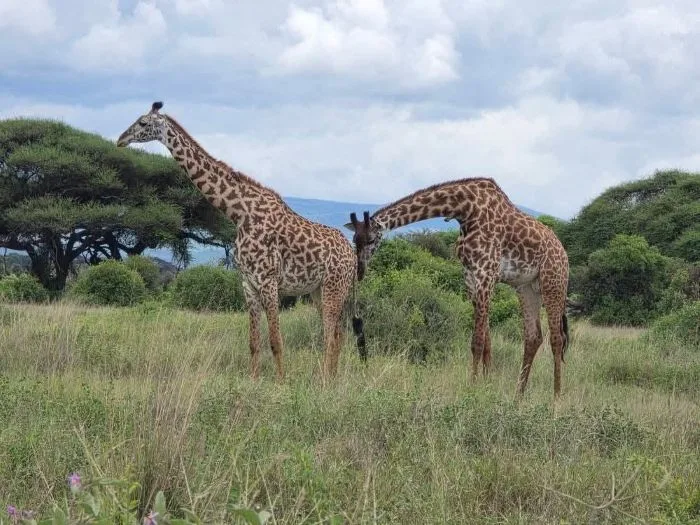
Meru offers opportunities to look for elephants, lions, buffaloes and rhinos alongside species associated with northern Kenya, including Grevy's zebra, reticulated giraffe, gerenuk and Beisa oryx.
These northern species give the safari a different wildlife character from itineraries focused entirely on destinations such as the Masai Mara or Amboseli.
Wildlife sightings are natural and cannot be guaranteed. Your guide will adjust game-drive routes according to recent sightings, rainfall, vegetation, water availability and animal movements.
4. Rhino Conservation and Born Free Heritage
Meru's wildlife experience also has an important conservation dimension. The park is known for its rhino conservation programme and its historical connection with Elsa the Lioness, Joy Adamson and George Adamson.
For travellers interested in conservation as well as traditional game viewing, this gives Meru an identity that goes beyond simply searching for the Big Five.
5. A Quieter Alternative to Kenya's Busiest Safari Parks
Meru generally receives fewer safari vehicles than Kenya's most famous safari destinations. This can create a quieter game-viewing experience, with more space to observe wildlife and appreciate the park's rivers, woodland, open plains and changing landscapes.
This makes the safari particularly appealing to repeat Kenya visitors, photographers and travellers who prefer less crowded wildlife areas.
The Important Trade-Off: 2 Days vs 3 Days
A two-day Meru safari is a compact and relatively fast-paced itinerary. The road journey between Nairobi and Meru uses part of both travel days, so the amount of game-viewing time is naturally more limited than on a longer safari.
Choose the 2-day safari if your priority is experiencing Meru within a limited schedule or budget.
Choose the 3-Day Meru Safari if wildlife viewing is your main priority. The additional night allows considerably more time inside the park, including a full day that can be dedicated to exploring different wildlife areas without having to return to Nairobi.
For first-time visitors whose schedule allows it, we recommend three days for the more complete Meru experience. The two-day itinerary remains an excellent option when time is limited.
2-Day Meru Safari Highlights
Explore the quieter wilderness of Meru National Park on private guided game drives.
Enjoy wildlife viewing on both days, including an afternoon game drive on Day 1 and morning game viewing on Day 2.
Look for elephants, lions, buffaloes, rhinos and other wildlife across Meru’s varied habitats.
Search for northern Kenya species including Grevy’s zebra, reticulated giraffe, gerenuk and Beisa oryx.
Explore areas associated with Meru’s rhino conservation programme, with opportunities to see black and white rhinos.
Discover the landscapes and conservation history associated with Elsa the Lioness and the Born Free story.
Experience Meru’s rivers, woodland, open grasslands and diverse birdlife.
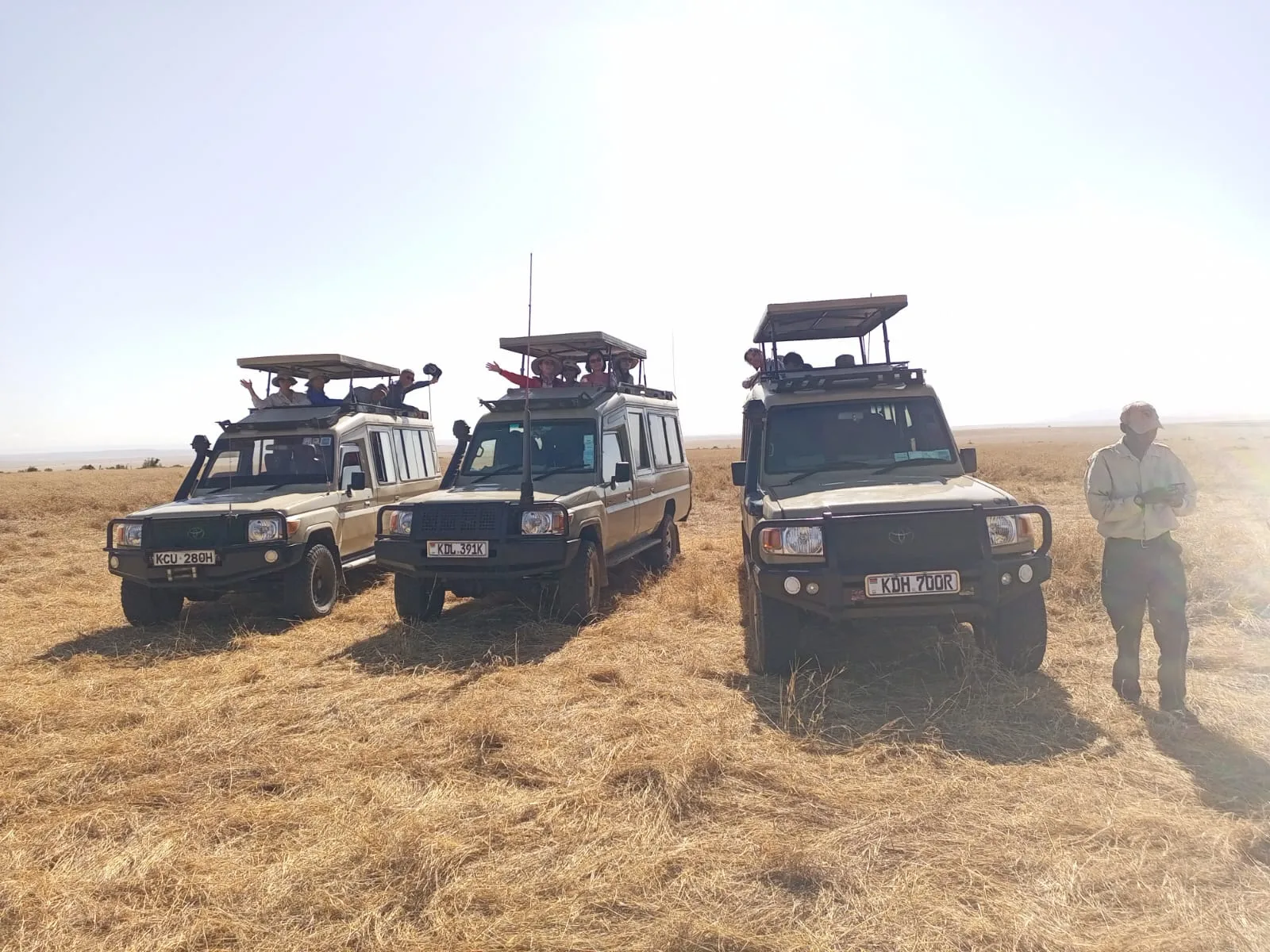
Travel from Nairobi in a private 4×4 safari Land Cruiser with a professional driver-guide.
Spend one night in the Meru area, allowing wildlife-viewing opportunities across two days rather than attempting a same-day return from Nairobi.
Enjoy a short Kenya safari suited to travellers who have limited time but want to explore beyond the country’s busiest wildlife destinations.
Wildlife sightings are not guaranteed and vary according to season, rainfall, vegetation, water availability and natural animal movements.
Detailed 2-Day Meru National Park Safari Itinerary
Day 1: Nairobi → Meru National Park – Afternoon Game Drive
Your 2-Day Meru National Park Safari begins with an early-morning pick-up from your Nairobi hotel or agreed meeting point. Meet your professional safari driver-guide and travel north through Kenya's Central Highlands towards Meru National Park, enjoying changing countryside and views along the journey.
On arrival in the Meru area, continue to your lodge or camp for check-in and lunch, depending on your arrival time and the location of your accommodation. Later, head into Meru National Park for an afternoon game drive, exploring a landscape of open grasslands, woodland, riverine habitats and areas fed by the park's numerous rivers.
During the game drive, your guide will look for wildlife according to current sightings and animal movements. Species you may encounter include elephants, buffaloes, lions, reticulated giraffes, Grevy's zebras, gerenuks, Beisa oryx and a variety of antelopes and birdlife.
As the afternoon draws to a close, return to your lodge or camp for dinner and your overnight stay.
Accommodation: Selected safari lodge or tented camp
Meals: Lunch & Dinner
Main Experience: Afternoon game drive in Meru National Park
Day 2: Morning Game Drive in Meru National Park → Nairobi
Start the day early with a morning game drive in Meru National Park, when temperatures are cooler and wildlife can be particularly active. Your guide will select the game-drive route according to recent wildlife sightings, road conditions and animal movements, giving you another opportunity to explore Meru's varied habitats.
Depending on your route and available time, you may search for elephants, buffaloes, lions, rhinos and northern Kenya species such as reticulated giraffes and Grevy's zebras. The morning also offers rewarding opportunities for birdwatching and photography as the park comes to life.
After the morning wildlife experience, return for breakfast and check out. Depending on the day's timing, there may be additional game viewing as you leave the park before beginning the road journey back to Nairobi.
Lunch will be provided during the return journey or arranged as a packed lunch, depending on the day's schedule. Arrive in Nairobi later in the afternoon or evening, where your guide will drop you at your agreed hotel or other designated drop-off point.
Meals: Breakfast & Lunch
Main Experience: Morning game drive and return to Nairobi
Game-drive routes, timings and wildlife sightings may vary according to weather, road conditions, park regulations and natural animal movements.
Is 2 Days Enough for Meru National Park?
Yes, two days can be enough for a short introduction to Meru National Park, particularly if you have limited time in Kenya and want to experience the park without committing to a longer safari.
The 2-day itinerary gives you wildlife-viewing opportunities on both days: an afternoon game drive after arriving from Nairobi on Day 1, followed by morning game viewing on Day 2 before beginning the return journey.
However, there is an important trade-off. The road journey between Nairobi and Meru takes a significant part of both travel days, which means this itinerary does not provide a complete uninterrupted day of game viewing inside the park.
When the 2-Day Safari Works Best
Choose the 2-Day Meru Safari if:
You have only one night available for safari.
You want a short private wildlife safari from Nairobi.
You prefer concentrating on one national park rather than combining several destinations.
You want to keep the overall safari cost lower.
Meru forms part of a longer Kenya itinerary and your available time is limited.
When We Recommend 3 Days Instead
If your main priority is wildlife viewing, photography, birdwatching or exploring different areas of Meru National Park, we recommend spending three days rather than two.
Our 3-Day Meru Safari includes two nights in the Meru area and, most importantly, a full day dedicated to exploring the national park. This gives your guide considerably more flexibility to follow wildlife activity, spend longer at rewarding sightings and explore different habitats without having to begin the return journey to Nairobi.
2-Day vs 3-Day Meru Safari
| Safari | 2-Day Meru | 3-Day Meru |
|---|---|---|
| Duration | 2 Days / 1 Night | 3 Days / 2 Nights |
| Pace | Fast-paced | More relaxed |
| Full Day in Meru | No | Yes |
| Wildlife Viewing | Afternoon + morning | Afternoon + full day + morning |
| Photography Time | Limited | Better |
| Best For | Travellers with limited time | Travellers prioritising wildlife |
| Price From | USD 395 pp | USD 690 pp |
Which Meru Safari Do We Recommend?
If you have only two days available, the 2-Day Meru Safari is the better fit and still gives you an overnight experience with game viewing across both days.
If your schedule and budget allow an additional night, however, we recommend the 3-Day Meru Safari for a more complete Meru experience. The extra day makes a meaningful difference because it gives you a full day inside the park rather than using part of every day for the Nairobi road journey.
Neither itinerary is intended to guarantee particular wildlife sightings. Wildlife movements vary according to rainfall, vegetation, water availability and natural animal behaviour.
2-Day Meru Safari Prices 2026/2027/2028
Our 2-Day Meru National Park Safari starts from USD 395 per person sharing. This is an indicative starting rate for a private Nairobi–Meru–Nairobi safari and is based on travellers sharing the safari vehicle and accommodation.
The final safari cost depends on your travel dates, number of travellers, accommodation selected and any optional upgrades or extensions.
| Safari Detail | Package Information |
|---|---|
| Price From | USD 395 per person sharing |
| Duration | 2 Days / 1 Night |
| Safari Type | Private safari |
| Route | Nairobi → Meru National Park → Nairobi |
| Transport | Private 4×4 safari Land Cruiser |
| Accommodation | 1 night in the selected camp or lodge |
| Meals | As specified in the itinerary |
| Park Fees | Included |
| Game Drives | Private guided game drives as described in the itinerary |
| Guide | Professional English-speaking safari driver-guide |
What Affects the Price of a 2-Day Meru Safari?
Although prices start from USD 395 per person sharing, your final quotation can vary for several reasons.
Number of Travellers
Because this is a private safari, vehicle and guide costs are shared among the people travelling together. Couples, families and small private groups may therefore have different per-person rates. Solo travellers normally pay a higher per-person price because they are not sharing these fixed safari costs.
Accommodation Choice
The starting price is based on the accommodation category specified in your quotation. Upgrading to a higher-category safari lodge or tented camp will increase the overall safari cost.
Travel Dates
Accommodation rates and other tourism costs can vary according to season and availability. Travelling during busy holiday periods may therefore affect the final price.
Park Fees and Government Charges
The quotation will use the applicable park fees, taxes and government charges for your confirmed travel dates. Any future statutory changes may affect safari prices.
Optional Upgrades
Additional nights, accommodation upgrades, specialist activities, airport transfers or extensions to other destinations are priced separately unless they are specifically included in your confirmed quotation.
Comparing different safari options within a similar budget? Explore our affordable Kenya safari tours for additional routes, durations and wildlife destinations.
Important Price Note
The USD 395 per person rate should be treated as a starting price rather than a guaranteed rate for every departure.
Before booking, we will provide a personalised quotation based on your exact travel dates, number of travellers and preferred accommodation. Your quotation will clearly show what is included so you can review the total safari cost before confirming your reservation.
Accommodation for Your 2-Day Meru Safari
This safari includes one night in the Meru area, with accommodation selected according to your package level, travel dates and availability. Because this is a short two-day itinerary, we prioritise properties with convenient access to Meru National Park so that unnecessary transfer time does not reduce your game-viewing experience.
Value Package – iKWETA Safari Camp or Similar
For the value version of this safari, iKWETA Safari Camp or a similar property provides comfortable tented accommodation close to Meru National Park.
Its location near the park makes it a practical choice for a short safari, allowing you to reach the game-viewing areas without adding a lengthy transfer between your accommodation and the park.
Safari Level: Budget / Value
Nights: 1
Accommodation: iKWETA Safari Camp or similar
Room Type: En-suite safari tent
Meal Plan: Full Board
Best For: Travellers looking for comfortable accommodation while keeping the safari cost affordable
Luxury Upgrade – Rhino River Camp or Similar
Travellers looking for a more intimate and higher-end safari experience can upgrade to Rhino River Camp or a comparable luxury property near Meru National Park.
This option is particularly suitable for couples, honeymooners and travellers who want the accommodation itself to form a more significant part of their short Meru experience.
The luxury upgrade is quoted separately according to your travel dates and room availability.
Premium Luxury – Elsa’s Kopje
For travellers wanting a premium Meru experience, Elsa’s Kopje can be offered as an upgrade subject to availability.
The property has a particularly strong connection with Meru’s conservation history and the story of Elsa the Lioness, making it well suited to honeymooners, anniversaries and travellers for whom the lodge experience is as important as the game drives.
Which Accommodation Should You Choose?
For a 2-day safari, location is particularly important because you have limited time inside Meru National Park.
If value is your priority, we recommend keeping the accommodation simple and conveniently located.
If this is a honeymoon, anniversary or special trip, upgrading the single night can make the short safari feel considerably more distinctive without extending the itinerary.
If your main priority is wildlife viewing rather than accommodation, we recommend putting the additional budget towards a third day in Meru instead. The extra night provides substantially more game-viewing time than upgrading the lodge on a two-day itinerary.
Accommodation Note: All camps and lodges are subject to availability for your travel dates. If the proposed property is unavailable, we will recommend a comparable alternative and confirm it with you before the safari is booked.
What’s Included in the 2-Day Meru Safari?
The safari price includes the essential transport, park entry, accommodation, meals and guiding services required for the 2-Day Meru National Park Safari from Nairobi.
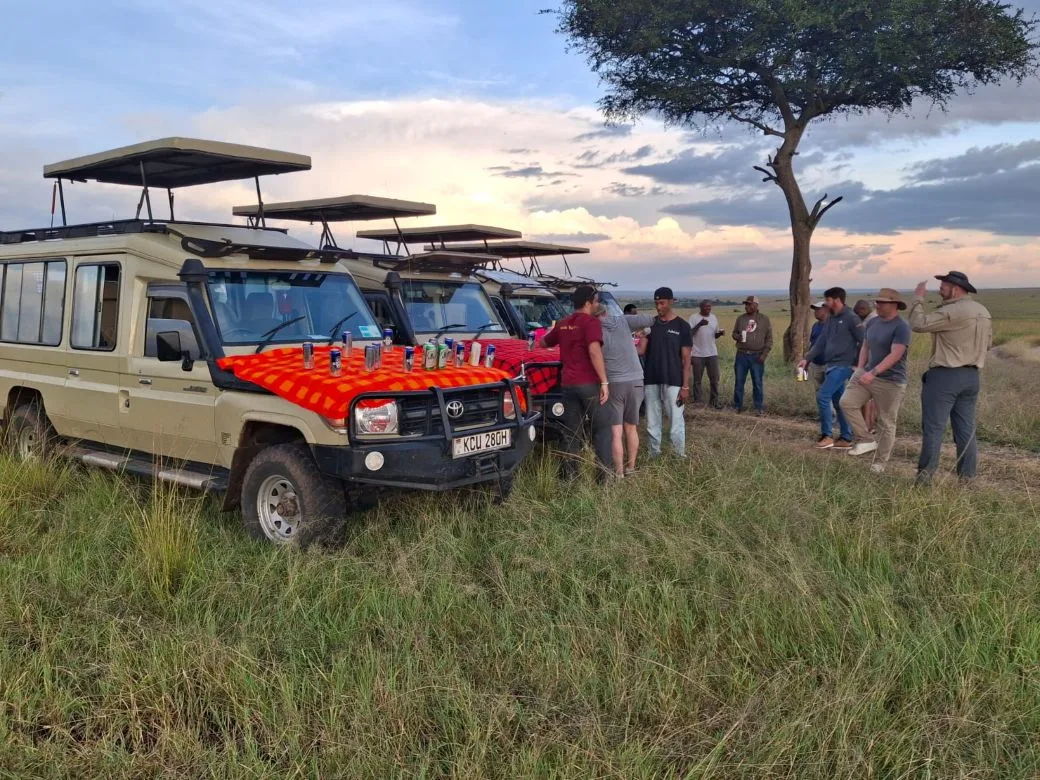
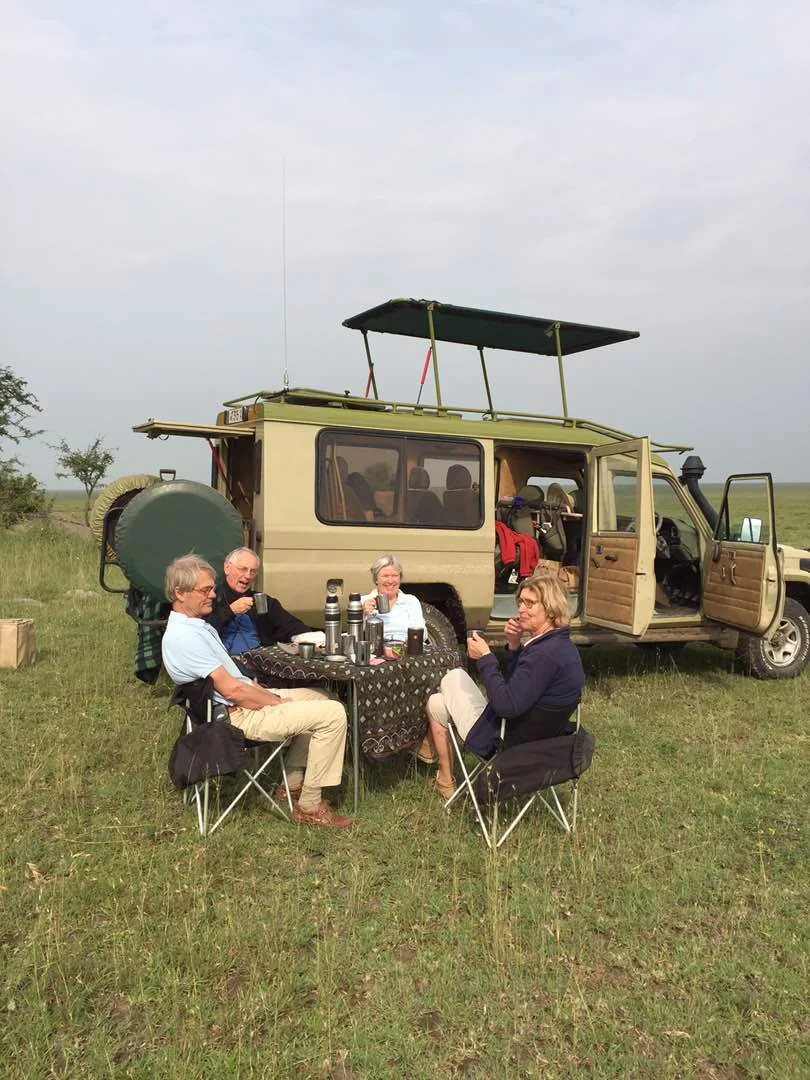
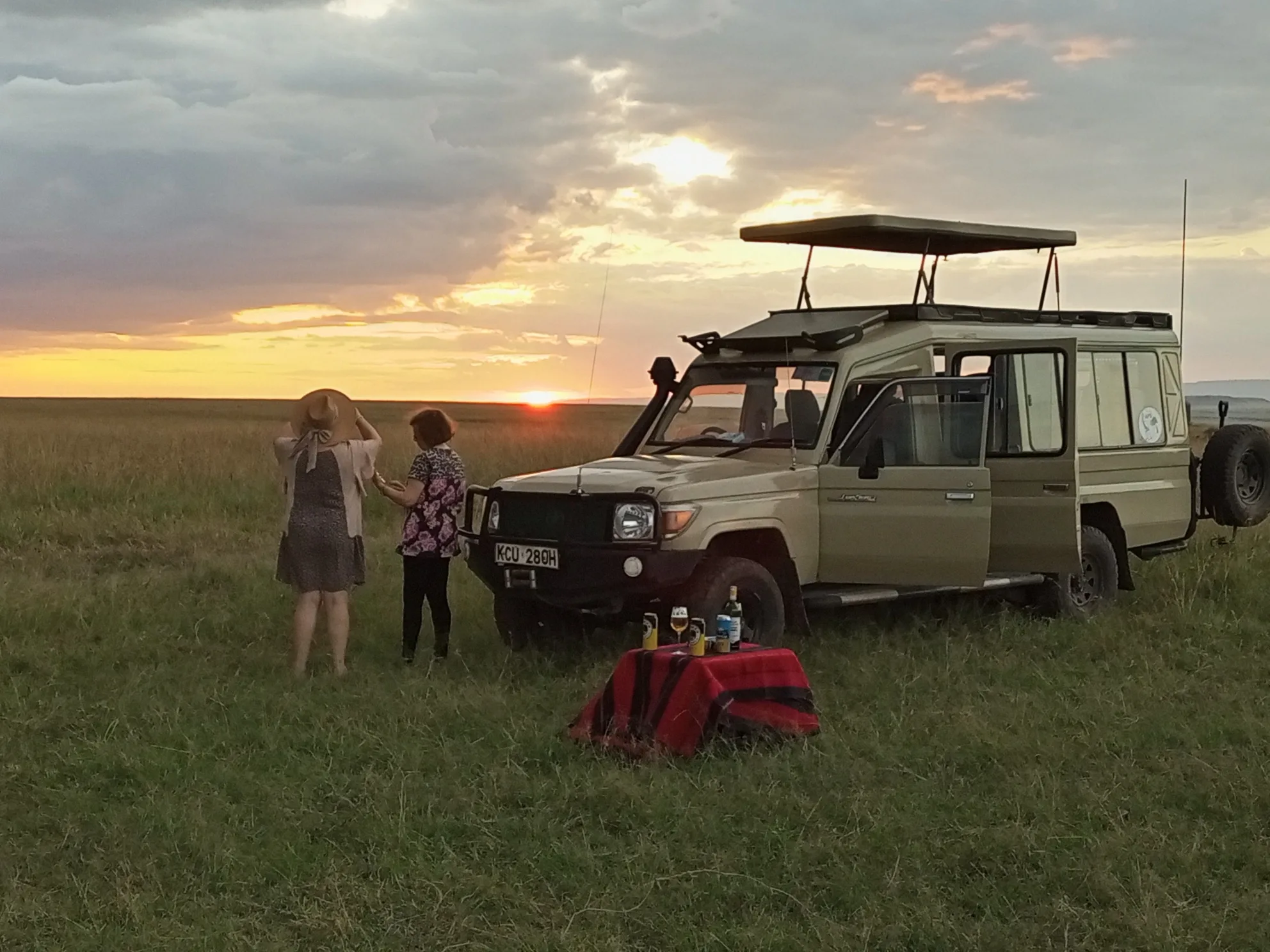
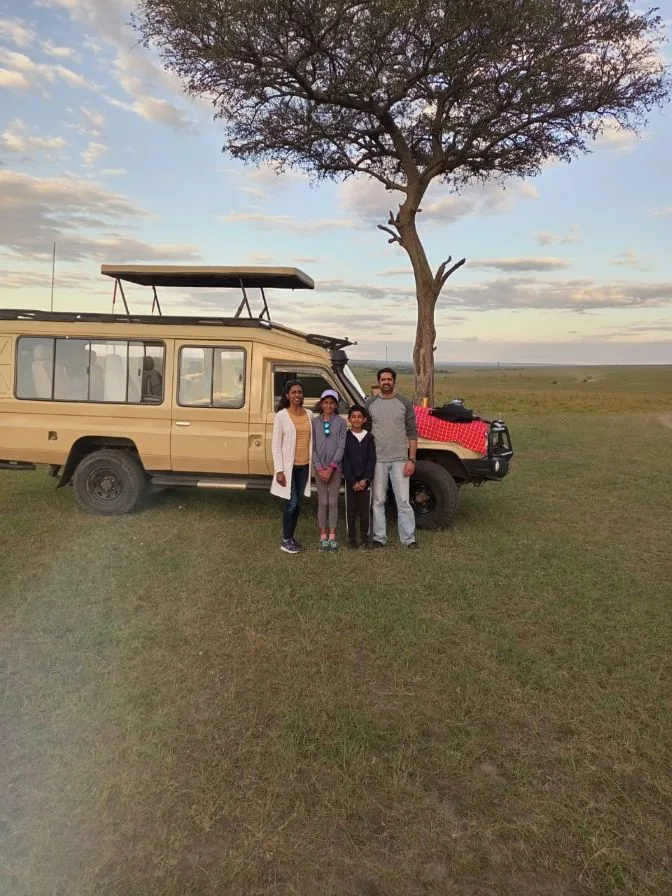
Private transport in a customised 4×4 safari Land Cruiser with a pop-up roof for game viewing and photography.
Services of a professional English-speaking safari driver-guide throughout the safari.
Pick-up from your Nairobi hotel or agreed meeting point on Day 1.
Drop-off at your Nairobi hotel or agreed location at the end of Day 2.
Meru National Park entry fees for the itinerary as quoted.
Private guided game drives in Meru National Park as described in the itinerary.
One night’s accommodation at the camp or lodge specified in your confirmed quotation.
Meals as indicated in the itinerary: Day 1 – lunch and dinner; Day 2 – breakfast and lunch.
Bottled drinking water during the safari.
All scheduled road transfers between Nairobi and Meru National Park.
Driver-guide allowances and related safari vehicle expenses.
Applicable taxes and statutory charges included in the confirmed safari quotation.
Important Inclusion Note
The exact accommodation, park fees and services included will be clearly stated in your personalised quotation before booking. If you request accommodation upgrades, additional nights, activities or changes to the standard itinerary, these will be quoted separately before confirmation.
What’s Excluded from the 2-Day Meru Safari?
The following services and personal expenses are not included in the standard safari price unless specifically stated in your confirmed quotation:
International and domestic flights.
Kenya visa or Electronic Travel Authorisation (eTA) fees where applicable.
Travel, medical and personal insurance.
Accommodation in Nairobi before or after the safari.
Airport transfers unless specifically included in your quotation.
Alcoholic drinks, soft drinks and other beverages not included in the lodge or camp meal plan.
Optional activities, excursions and experiences not listed in the confirmed itinerary.
Accommodation upgrades or additional nights requested before or during the safari.
Laundry services and other personal expenses.
Telephone calls, internet charges and other personal communication costs where applicable.
Tips and gratuities for your safari driver-guide, lodge staff and other service personnel.
Any additional transport, meals or services resulting from changes to the confirmed itinerary requested by the traveller.
Any other service not specifically listed under What’s Included.
Optional Activities and Upgrades
Optional experiences, accommodation upgrades and safari extensions can be added to your itinerary at an additional cost. Where requested, these will be quoted separately so that you can review the price before confirming your safari.
Popular options may include an additional night in Meru, an accommodation upgrade, Nairobi accommodation or airport transfers, and extensions to other Kenya safari destinations.
Wildlife You May See in Meru National Park
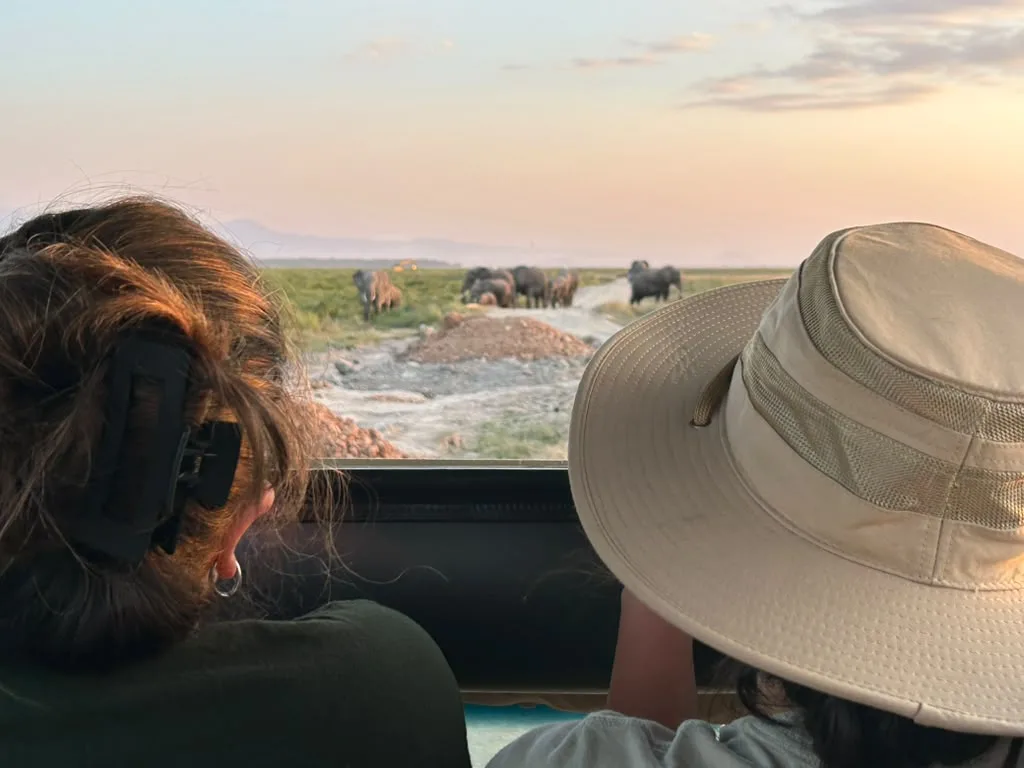
Meru National Park supports a diverse range of wildlife across its open grasslands, woodland, riverine habitats and areas surrounding permanent and seasonal water sources. During your 2-Day Meru National Park Safari, your driver-guide will use recent sightings, local conditions and knowledge of the park to select the most rewarding game-drive routes available.
Wildlife sightings are always natural and cannot be guaranteed, but the following are among the species you may encounter during your safari.
Elephants
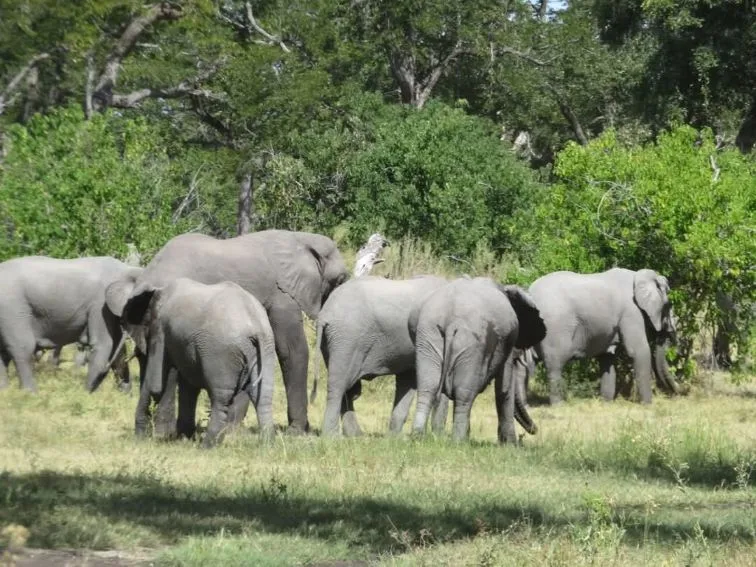
Meru supports African elephants, which may be seen individually or in family groups moving between woodland, open areas and water sources. Their location changes according to rainfall, vegetation and water availability.
Lions and Other Predators
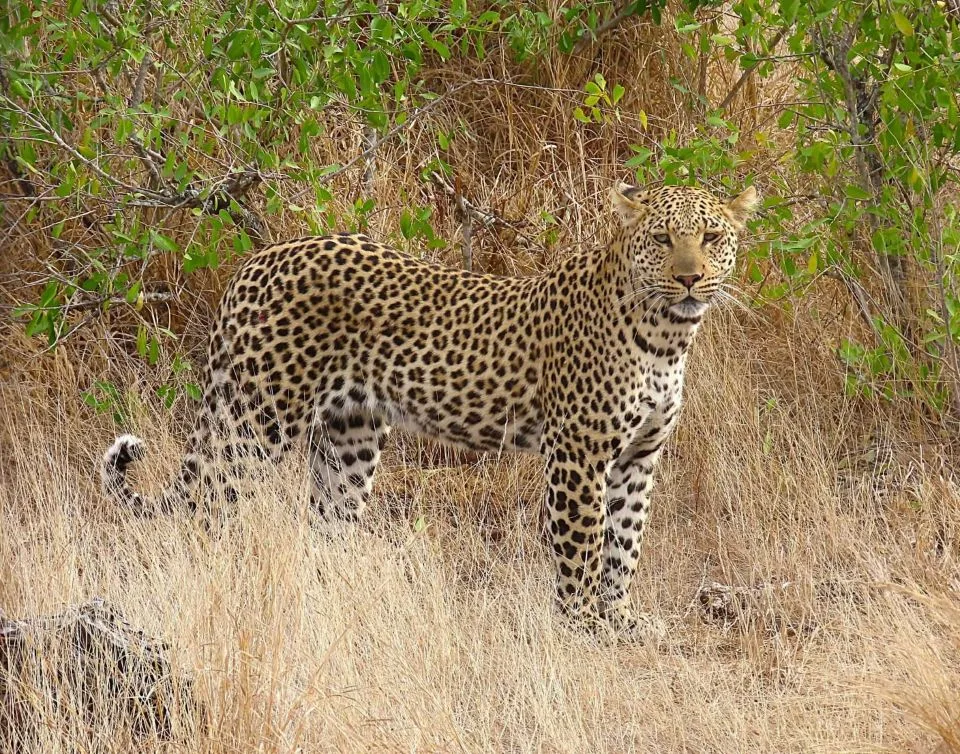
Lions occur in Meru National Park and may be encountered during game drives. Other predators found within the wider ecosystem include leopards, cheetahs and spotted hyenas, although sightings vary considerably and should never be expected on every safari.
Black and White Rhinos
Rhino conservation is an important part of Meru's wildlife story. The park offers opportunities to see both black and white rhinos in protected conservation areas.
Rhino sightings remain dependent on the animals' movements and prevailing conditions, so they should be treated as a possibility rather than a guaranteed part of the itinerary.
Buffaloes and Other Large Mammals
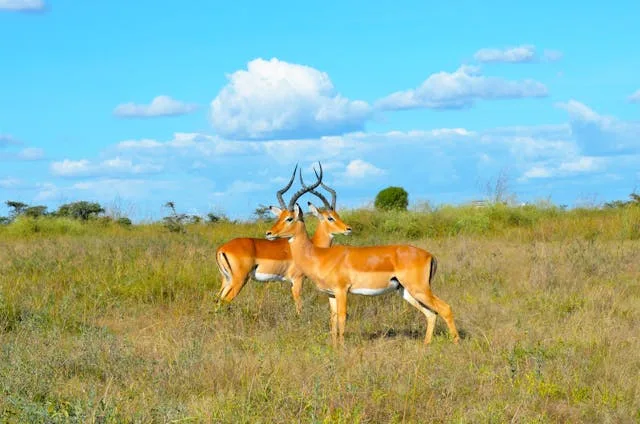
African buffaloes are among Meru's prominent large mammals. You may also encounter hippos around suitable river habitats, warthogs and several species of antelope during your game drives.
Northern Kenya Wildlife
One of the reasons Meru is particularly interesting is the opportunity to look for wildlife species associated with northern Kenya.
These may include:
Reticulated giraffe
Grevy's zebra
Gerenuk
Beisa oryx
Lesser kudu
For travellers who have already visited destinations such as the Masai Mara or Amboseli, these species can make Meru feel noticeably different from a more traditional southern Kenya safari itinerary.
Birdlife
Meru is also rewarding for birdwatchers because of its combination of rivers, woodland, grassland and wetland habitats. Numerous resident and migratory bird species may be encountered depending on the season and areas visited.
Travellers with a particular interest in birds should tell us before the safari so that, where practical, your guide can incorporate more birdwatching into the game drives.
Can You See the Big Five in Meru National Park?
Meru National Park is home to the lion, leopard, elephant, buffalo and rhino, giving travellers the possibility of encountering all five traditional Big Five species.
However, a 2-day safari should never be presented as a guaranteed Big Five itinerary. Wildlife is free-ranging, and the relatively short time available in the park means sightings depend heavily on animal movements and conditions during your visit.
Rather than trying to complete a checklist, we recommend experiencing Meru for its combination of large mammals, northern Kenya species, rhino conservation, birdlife and quieter wilderness.
Why Meru National Park Is Different
Meru National Park offers a different safari experience from Kenya's better-known destinations such as the Masai Mara and Amboseli. Rather than being defined by one famous wildlife event or landscape, Meru combines diverse habitats, northern Kenya wildlife, rhino conservation and a strong conservation history within a comparatively quiet wilderness setting.
A Quieter Kenya Safari Experience
One of Meru's greatest attractions is its sense of space. The park generally receives fewer safari vehicles than Kenya's busiest wildlife destinations, which can make game drives feel more relaxed.
This does not mean wildlife will always be easier to find. In fact, Meru's vegetation and large wilderness areas can sometimes make sightings more challenging. The reward is a safari that often feels less crowded and more exploratory.
Rivers, Woodland and Open Plains
Meru is crossed by numerous rivers and seasonal waterways that support a varied landscape of riverine vegetation, woodland, grassland and open country.
As you move through the park, the scenery can change considerably, creating different habitats for elephants, buffaloes, antelopes, predators, birds and other wildlife.
This landscape diversity is an important part of the Meru experience and makes the park particularly rewarding for travellers who enjoy the wilderness itself rather than focusing only on individual animal sightings.
Northern Kenya Wildlife
Meru also gives travellers opportunities to look for species associated with northern Kenya, including reticulated giraffe, Grevy's zebra, gerenuk and Beisa oryx.
These species help distinguish Meru from safari itineraries concentrated around southern Kenya destinations such as Amboseli and the Masai Mara.
For repeat visitors to Kenya, this can make Meru an especially interesting addition to a second or third safari.
Rhino Conservation
Rhino conservation forms an important part of Meru National Park's modern wildlife story. Protected areas within the park support both black and white rhinos, giving visitors an opportunity to learn about rhino conservation while searching for these animals during their safari.
As with all wildlife encounters, rhino sightings depend on natural animal movements and cannot be guaranteed.
Elsa the Lioness and the Born Free Story
Meru National Park has an important connection with Elsa the Lioness, whose story became internationally known through Joy Adamson's book Born Free and the film that followed.
Joy and George Adamson's conservation work helped make Meru part of one of Africa's best-known wildlife stories. Travellers interested in conservation history can therefore experience the park not only as a wildlife destination but also as a landscape connected with the early development of modern wildlife conservation awareness.
Meru vs Masai Mara and Amboseli
Meru should not be viewed as a replacement for the Masai Mara or Amboseli because each park offers a different experience.
The Masai Mara is particularly famous for its open savannah, high predator concentrations and the seasonal Great Migration.
Amboseli National Park is best known for its elephant viewing and landscapes associated with Mount Kilimanjaro.
Meru National Park, by comparison, is particularly attractive for its quieter atmosphere, varied habitats, northern Kenya species, rhino conservation and Born Free heritage.
Travellers choosing Meru are therefore usually looking for something different rather than simply another version of Kenya's most famous safari parks.
Who Is Meru Best For?
Meru is particularly well suited to:
Travellers looking for a quieter safari away from the busiest parks.
Repeat visitors who have already experienced the Masai Mara or Amboseli.
Wildlife enthusiasts interested in northern Kenya species.
Travellers interested in rhino and wildlife conservation.
Birdwatchers and nature photographers.
Couples and private travellers who value wilderness and fewer safari vehicles.
Travellers who prefer exploring one destination in greater depth rather than rushing between several parks.
For first-time visitors with limited time in Kenya, the Masai Mara or Amboseli may still be the more obvious choice. For travellers looking beyond Kenya's most famous safari circuit, however, Meru National Park offers a distinctive and rewarding alternative.
Best Time to Visit Meru National Park
Meru National Park can be visited throughout the year, but wildlife viewing, vegetation, rainfall and road conditions vary between seasons. The best time for your safari therefore depends on whether your priority is easier wildlife viewing, greener landscapes, birdwatching or travelling during a quieter period.
For a short 2-Day Meru National Park Safari, seasonal conditions are particularly worth considering because you have limited game-viewing time inside the park.
January to February – Generally Dry and Good for Wildlife Viewing
January and February are generally among the drier months in Meru and can be an excellent time for a safari.
Vegetation may be less dense than during the wetter periods, which can make some wildlife easier to locate. Animals may also concentrate around reliable water sources as conditions become drier.
These months can be particularly suitable for travellers who want good general wildlife viewing while avoiding the wetter long-rain period.
Best for: General wildlife viewing, photography and relatively dry conditions.
March to May – Green Season and Long Rains
March to May generally brings the long rains, although the exact timing and intensity vary from year to year.
The landscape becomes greener and more lush, creating attractive conditions for landscape photography and birdwatching. The park can feel particularly wild during this period, and there may be fewer visitors.
However, heavy rainfall can affect some roads and game-drive routes. Vegetation can also become thicker, which may make certain wildlife more difficult to locate.
This does not mean Meru closes for safari during the rains, but travellers should be prepared for changing weather and potentially slower road conditions.
Best for: Green scenery, birdlife, fewer visitors and travellers comfortable with possible rain.
June to October – Excellent Safari Conditions
June through October is generally one of the most popular periods for wildlife viewing in Meru National Park.
Conditions become progressively drier after the long rains, vegetation may become easier to see through in some areas, and wildlife movements are increasingly influenced by the availability of water and grazing.
July, August and September are particularly attractive for travellers combining Meru with a longer Kenya safari because they coincide with the main dry-season travel period across much of the country.
Best for: Wildlife viewing, photography and combining Meru with other Kenya safari destinations.
November to December – Short Rains and Greener Landscapes
November and December can bring the short rains, although rainfall patterns vary considerably.
The return of rain transforms the landscape, encouraging fresh vegetation and creating attractive photographic conditions. Birdwatching can also be rewarding as seasonal and migratory species add to Meru's already diverse birdlife.
Rain showers may occasionally affect game-drive conditions, but there can also be long periods of suitable safari weather between showers.
Best for: Green landscapes, birdwatching, photography and travellers who do not mind occasional rain.
Meru National Park Seasonal Guide
| Period | Typical Conditions | Wildlife Viewing | Best For |
|---|---|---|---|
| January–February | Generally drier | Very good | Wildlife & photography |
| March–May | Long rains / green season | Variable | Scenery, birds & fewer visitors |
| June–October | Generally dry | Very good to excellent | General safari & photography |
| November–December | Short rains / greener | Good | Birding & green landscapes |
So, What Is the Best Time for a 2-Day Meru Safari?
For travellers whose main priority is general wildlife viewing, we particularly recommend the generally drier periods of January–February and June–October.
However, Meru is not a safari destination that should only be considered during the dry season. The wetter months bring greener landscapes, rewarding birdlife and a different wilderness atmosphere.
Weather patterns are increasingly variable, so the dates of the rains cannot be guaranteed. Wildlife distribution also changes according to rainfall, vegetation, water availability and other natural conditions.
Planning a longer East Africa trip? Read our Best Time to Visit Kenya and Tanzania for a Safari guide for a broader month-by-month comparison of wildlife seasons across both countries.
Getting to Meru National Park from Nairobi
Meru National Park is located northeast of Nairobi and is most commonly reached by road as part of a private safari. For this 2-Day Meru National Park Safari, an early departure from Nairobi is important because the road journey takes a significant part of Day 1.
Nairobi to Meru National Park by Road
According to the Kenya Wildlife Service, Meru National Park can be reached by road from Nairobi via the Nyeri–Nanyuki–Meru or Embu routes. The most appropriate route for your safari will depend on your accommodation, planned park entry point and prevailing road conditions.
For this safari, your driver-guide will select the most practical route according to your accommodation, planned park entry point and prevailing road conditions.
We recommend departing Nairobi early in the morning so that you can reach the Meru area with enough time remaining for your planned afternoon game drive.
What Is the Drive from Nairobi to Meru Like?
The road journey is also part of the experience, taking you away from Nairobi through Kenya's Central Highlands and towards the Mount Kenya and Meru regions.
There will be opportunities for comfort stops along the way when required. Your driver-guide will manage the journey according to traffic, road conditions and the day's safari schedule.
Because this is a private safari, the journey offers more flexibility than travelling according to a fixed group departure schedule.
Why an Early Nairobi Departure Matters
A two-day Meru safari has a relatively tight schedule.
Day 1 needs to accommodate:
Nairobi departure → road journey → arrival/check-in → lunch → afternoon game drive.
Leaving Nairobi early therefore helps maximise the amount of time available for wildlife viewing after you reach Meru.
We do not recommend scheduling important activities in Nairobi on the morning of departure.
Can You Fly from Nairobi to Meru National Park?
Meru National Park can also be accessed by air. Airstrips serving the park include Kinna, Mulika and Mughwongo, depending on the accommodation and flight arrangements available.
A fly-in option can reduce the amount of time spent travelling by road and may be attractive to travellers prioritising comfort or maximising their time in Meru.
However, flights are not included in the standard USD 395 starting package and should be quoted separately according to your travel dates, flight availability, baggage requirements and chosen accommodation.
Road Safari or Fly-In Safari?
For most travellers booking this particular 2-day value safari, travelling by private 4×4 Land Cruiser from Nairobi provides the more practical and cost-effective option.
A fly-in safari may make more sense for travellers staying at higher-end accommodation or combining Meru with other fly-in safari destinations.
If your main concern is having more wildlife-viewing time rather than reducing the road journey, another option is to extend the safari to 3 days / 2 nights. The additional day provides a full day for exploring Meru National Park and creates a more relaxed itinerary.
Returning to Nairobi
After your morning wildlife experience on Day 2, you will begin the return journey to Nairobi.
Arrival time depends on your departure from Meru, traffic, road conditions and stops made during the journey. We therefore recommend avoiding a tightly scheduled international flight or other time-sensitive commitment immediately after the safari unless sufficient time has been allowed.
Your final drop-off will be at the Nairobi hotel or other agreed location specified in your confirmed itinerary.
Responsible Safari Guidelines
Meru National Park is a protected wildlife area, and responsible behaviour helps protect both visitors and the animals that live there. During your safari, your driver-guide will follow Kenya Wildlife Service regulations and advise you on appropriate behaviour inside the park.
Respect Wildlife and Keep a Safe Distance
Wild animals should always be given sufficient space to move naturally. Never attempt to attract, touch or approach wildlife for photographs.
Your driver-guide will position the safari vehicle at an appropriate distance while taking into consideration animal behaviour, other vehicles and park regulations.
Remain Inside the Safari Vehicle
Remain inside the safari vehicle during game drives unless your guide advises that you are at an officially designated area where leaving the vehicle is permitted.
Wildlife can behave unpredictably, even when animals appear calm or are some distance away.
Never Feed Wildlife
Do not feed animals or leave food where wildlife can access it.
Feeding wild animals can alter their natural behaviour, create dependency on people and potentially create dangerous interactions between wildlife and visitors.
Keep Noise to a Minimum
Speak quietly during wildlife encounters and avoid shouting, loud music or unnecessary noise.
A quieter safari not only reduces disturbance to wildlife but can also improve your own experience by allowing you to observe natural animal behaviour.
Stay on Designated Roads
Safari vehicles should remain on established roads and authorised tracks. Your driver-guide will follow the routes permitted by Kenya Wildlife Service and current park regulations.
Off-road driving can damage vegetation, disturb wildlife and affect sensitive habitats.
Respect Park Speed Limits
The maximum driving speed within the park is 40 km/h, but game drives will often be considerably slower while searching for and observing wildlife.
Driving slowly improves safety and creates better opportunities to notice smaller animals, birds and wildlife signs that can easily be missed at higher speeds.
Keep Meru Clean
Never leave bottles, food packaging, cigarette ends or other rubbish inside the national park.
Keep waste inside the safari vehicle until it can be disposed of appropriately at your lodge, camp or another designated location.
Avoid Single-Use Plastics
Kenya Wildlife Service protected areas are single-use-plastic-free zones. Travellers should therefore avoid bringing prohibited single-use plastic items into Meru National Park.
Reusable water bottles and other reusable travel items are encouraged where practical.
Follow Your Safari Guide's Instructions
Your safari driver-guide understands park regulations, road conditions and wildlife behaviour.
Always follow your guide's instructions, particularly during close wildlife encounters or when conditions inside the park change unexpectedly.
Responsible game viewing allows you to enjoy Meru National Park while helping protect the wildlife and wilderness that make the safari experience possible.
Optional Upgrades & Safari Extensions
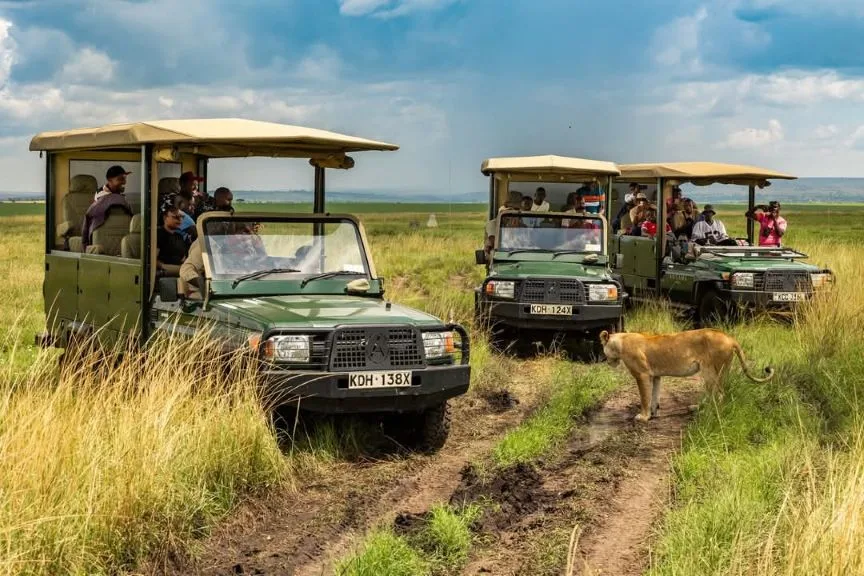
Your 2-Day Meru National Park Safari can be customised with additional nights, upgraded accommodation or extensions to other Kenya safari destinations.
Because this is already a short and relatively fast-paced itinerary, we recommend choosing upgrades that either increase your time in Meru or improve the overall comfort of the safari, rather than trying to fit too many additional activities into two days.
1. Extend to a 3-Day Meru Safari
Our recommended upgrade
If your schedule allows, adding a second night is the most valuable upgrade you can make to this itinerary.
A 3-Day Meru Safari gives you a full day inside Meru National Park in addition to your arrival and departure days. This provides considerably more time for wildlife viewing, photography and exploring different areas of the park without having to begin the return journey to Nairobi.
Best for: Wildlife enthusiasts, photographers, birdwatchers and first-time visitors to Meru.
2. Upgrade Your Meru Accommodation
Travellers who want greater comfort can upgrade the standard accommodation to a higher-category safari camp or lodge.
Possible options may include Rhino River Camp or similar, while travellers looking for a premium experience can consider Elsa’s Kopje, subject to availability.
An accommodation upgrade is particularly suitable for honeymooners, anniversary trips and travellers who want their single night in Meru to be an important part of the overall safari experience.
Best for: Couples, honeymooners and luxury travellers.
3. Extend Your Safari to Samburu
Meru can form part of a longer northern Kenya safari incorporating Samburu National Reserve.
Combining the two destinations gives you additional opportunities to explore northern Kenya landscapes and wildlife while turning the short Meru trip into a more complete safari itinerary.
Because of the additional travel involved, Samburu should be added as an extension with extra nights rather than attempted within the standard two-day itinerary.
Best for: Travellers wanting a longer northern Kenya wildlife safari.
4. Combine Meru with Ol Pejeta Conservancy
Another option is to extend your safari to Ol Pejeta Conservancy, particularly if rhino conservation is one of your main interests.
Ol Pejeta can add another conservation-focused experience to your Kenya itinerary and works particularly well for travellers continuing through the Mount Kenya and Laikipia region.
This extension requires additional safari days and will be quoted according to your preferred route and accommodation.
Best for: Rhino enthusiasts, families and conservation-focused travellers.
5. Add Nairobi Accommodation or Airport Transfers
If you arrive in Nairobi shortly before the safari or have an international flight after returning from Meru, we can arrange additional Nairobi accommodation and airport transfers.
For travellers arriving on a late international flight, we generally recommend spending the night in Nairobi before beginning the safari rather than attempting to travel immediately to Meru.
Similarly, avoid scheduling a tightly timed international departure immediately after returning from Meru on Day 2.
Best for: International travellers requiring easier arrival or departure arrangements.
6. Fly-In Meru Safari Option
For travellers who want to reduce road-transfer time, a fly-in arrangement can be considered depending on available flight or charter services and the location of your selected accommodation.
Flights are not included in the standard road-safari price and must be quoted separately for your travel dates.
A fly-in arrangement generally makes the most sense when combined with higher-end accommodation or as part of a longer luxury Kenya safari.
Best for: Luxury travellers and visitors prioritising travel time and comfort.
Which Upgrade Do We Recommend?
For most travellers, our first recommendation is simple:
Add an extra night before adding extra activities.
The Nairobi–Meru road journey uses part of both days on the standard itinerary. Extending to three days therefore makes a bigger difference to the actual wildlife experience than trying to fit several additional excursions into an already short safari.
If you only have two days available, keep the itinerary focused on Meru National Park and consider upgrading the accommodation instead.
All extensions, accommodation upgrades and additional services are subject to availability and will be quoted separately before confirmation.
If Meru is part of a longer Kenya holiday, explore our Kenya Safari Itineraries guide to compare different park combinations, recommended safari lengths and routes across Kenya.
Packing, Planning & Travel Tips for Your Meru Safari
A 2-Day Meru National Park Safari requires relatively little luggage, but packing the right essentials will make the road journey and game drives more comfortable. Because this is only a one-night safari, we recommend travelling light and keeping important items easily accessible inside the safari vehicle.
What to Pack
For your Meru safari, consider bringing:
Lightweight, comfortable clothing in neutral or earth-toned colours.
A light jacket, fleece or sweater for cooler mornings and evenings.
Comfortable closed walking shoes or trainers.
A sun hat and sunglasses.
Sunscreen.
Insect repellent.
Binoculars for wildlife and birdwatching.
Camera, smartphone and spare batteries or power bank.
Personal toiletries and medication.
A small day bag for items you want accessible during game drives.
Copies of important travel documents.
For a two-day safari, a small soft-sided travel bag is generally more convenient than a large hard-shell suitcase.
Clothing for Game Drives
Safari clothing does not need to be specialised. Comfortable trousers, shorts, shirts and T-shirts are generally suitable.
Neutral colours such as khaki, beige, brown, olive and grey work well for game drives. Dressing in layers is useful because temperatures can change between early morning, midday and evening.
A light rain jacket is also useful, particularly if you are travelling during one of Kenya's wetter periods.
Cameras, Binoculars and Charging
Meru's wildlife, birdlife and landscapes offer excellent photographic opportunities, so bring your camera or smartphone with sufficient storage space.
Binoculars are particularly useful for observing birds and wildlife that may be some distance from the safari vehicle.
We recommend travelling with spare batteries, charging cables and a power bank. Charging facilities vary between camps and lodges, so keeping your devices charged whenever electricity is available is sensible.
Drinking Water
Bottled drinking water is provided in the safari vehicle as specified under the package inclusions.
You may also bring a reusable water bottle for use during your safari. Avoid bringing prohibited single-use plastic items into protected areas and always follow current park regulations.
Prepare for the Nairobi–Meru Road Journey
The road journey between Nairobi and Meru takes a significant part of both travel days.
Wear comfortable clothing, keep water, your camera and personal essentials accessible, and let your driver-guide know whenever you require a comfort stop.
We strongly recommend being ready for an early departure from Nairobi on Day 1, as this helps maximise the time available for your afternoon game drive in Meru National Park.
Travel Documents
Before travelling, check that your passport and any required Kenya entry authorisation or other travel documents are valid for your journey.
Entry requirements and exemptions can change, so international travellers should check the latest requirements through the official Kenya Electronic Travel Authorisation (eTA) website before travelling.
Keep digital and/or printed copies of important documents such as:
Passport details.
Travel authorisation where required.
Travel insurance information.
Flight details.
Safari confirmation and accommodation information.
Emergency contact details.
Travel Insurance
We strongly recommend comprehensive travel insurance covering your entire trip.
Your policy should be appropriate for your individual travel arrangements and activities. Review the policy wording carefully before travelling, including relevant coverage, exclusions and emergency-assistance procedures.
Personal Medication and Health Planning
Bring sufficient quantities of any personal medication you normally require and keep essential medication accessible rather than placing it deep inside checked luggage.
For vaccinations, malaria prevention and other individual health considerations, consult an appropriately qualified healthcare professional or travel-health service before travelling.
Tipping
Tipping in Kenya is appreciated but should remain discretionary and based on the service you receive.
If you would like guidance before travelling, we can provide our current suggested tipping guidelines for safari driver-guides, lodge staff and other service personnel.
Cash and Personal Expenses
It is useful to carry a small amount of money for personal expenses, gratuities, drinks, souvenirs and other items that are not included in your safari package.
Payment options vary between lodges and locations, so do not rely entirely on one payment method when travelling on safari.
Before Leaving Nairobi
On the evening before your safari, we recommend:
Packing your overnight bag.
Charging your phone, camera and other devices.
Keeping your passport and important documents accessible.
Confirming your Nairobi pick-up point.
Being ready at the agreed departure time.
An organised early departure helps make the most of a short 2-day Meru safari, where every hour available for game viewing matters.
Who Is This 2-Day Meru Safari For?
The 2-Day Meru National Park Safari is best suited to travellers who want to experience Meru but have limited time for a longer Kenya safari. With one night in the Meru area and game viewing across two days, it provides a compact introduction to one of Kenya's quieter wildlife destinations.
However, because the Nairobi–Meru road journey takes up part of both days, this itinerary is not the best choice for every traveller.
Travellers With Limited Time
This safari works particularly well if you have only two days available but still want an overnight wildlife experience outside Nairobi.
Instead of attempting to combine several parks within a short itinerary, the safari concentrates entirely on Meru National Park.
Why it works: You experience one destination properly rather than spending most of the safari transferring between different parks.
Repeat Visitors to Kenya
Meru is particularly interesting for travellers who have previously visited destinations such as the Masai Mara, Amboseli or Lake Nakuru and now want to experience a different side of Kenya.
Its combination of quieter game viewing, northern Kenya wildlife, varied habitats, rhino conservation and Born Free heritage gives it a noticeably different character from Kenya's classic first-time safari circuit.
Why it works: Meru adds wildlife and landscapes that complement rather than simply repeat Kenya's better-known parks.
Couples
A private 2-day safari can work well for couples who want a short wildlife escape from Nairobi without joining a larger safari group.
Travelling in your own private 4×4 Land Cruiser gives you greater flexibility during transfers and game drives, while the overnight stay creates more of a safari experience than a same-day excursion.
Why it works: Private transport, one overnight stay and quieter wildlife areas make it suitable for couples wanting a short safari together.
Families
Families can also book this safari privately, allowing the itinerary to be managed around the needs of the people travelling together.
However, parents should consider the amount of road travel involved when deciding whether two days is appropriate for younger children.
For families wanting a more relaxed pace, adding a second night in Meru may be more comfortable.
Why it works: A private vehicle provides flexibility, but the 3-day option may be better for families who prefer shorter, less rushed safari days.
Wildlife Photographers
Meru can be rewarding for photographers because of its landscapes, wildlife diversity and generally lower safari-vehicle density.
However, serious wildlife photographers should strongly consider the 3-Day Meru Safari instead.
Photography often requires patience. Spending additional time with wildlife, waiting for better light or searching different areas of the park is considerably easier when you have a complete day available for game viewing.
Our recommendation: Choose two days if your schedule is fixed. Choose three days if photography is one of the main reasons for visiting Meru.
Birdwatchers
Meru's combination of riverine habitat, woodland, grassland and wetlands makes it an interesting destination for birdwatching alongside traditional wildlife viewing.
Travellers with a strong interest in birds should mention this when booking so that your guide can incorporate birdwatching into the game drives where practical.
As with photography, dedicated birdwatchers will benefit considerably from adding an additional day.
Solo Travellers
Solo travellers can book the safari privately, but the per-person cost will normally be higher because vehicle, guide and transport expenses are not shared with another traveller.
If budget is an important consideration, ask for a personalised quotation before deciding between the two-day and three-day options.
Travellers Interested in Conservation
Meru is particularly suitable for travellers interested in wildlife conservation.
The park's rhino conservation work and historical connection with Elsa the Lioness, Joy Adamson and George Adamson add another dimension to the safari beyond traditional game viewing.
This makes Meru particularly appealing to travellers who want to understand more about Kenya's wildlife and conservation history.
Who Should Consider a Different Safari?
The 2-Day Meru Safari may not be the best choice if your main priority is:
Spending a complete uninterrupted day on safari.
Maximising opportunities for wildlife photography.
Having more time to search for predators and other less predictable wildlife.
Travelling at a slower, more relaxed pace.
Avoiding long road journeys within a short itinerary.
Experiencing the Great Migration.
Combining several national parks within only two days.
If your priority is more time inside Meru National Park, choose our 3-Day Meru Safari instead.
If your priority is the Great Migration or maximum big-cat viewing opportunities, a Masai Mara safari may be more suitable.
Our Recommendation
Choose the 2-Day Meru Safari when your available time is limited and you specifically want to experience Meru National Park.
Choose the 3-Day Meru Safari when you have an additional day available and wildlife viewing is the main purpose of your trip.
For most travellers visiting Meru for the first time, we prefer the three-day itinerary because the additional night creates a full day for game viewing. However, when only two days are available, this itinerary provides a practical way to experience Meru without trying to combine multiple destinations into an unrealistic schedule.
Expert Safari Guide Insights
A successful game drive in Meru National Park is not simply about following a fixed route. Wildlife moves constantly according to water, vegetation, weather, breeding behaviour and the presence of predators.
Our guides therefore treat the planned itinerary as a framework while adjusting the actual game-drive route according to conditions inside the park.
How Our Guides Approach a Meru Game Drive
At the beginning of a game drive, your guide considers recent wildlife sightings, weather conditions, road accessibility and the amount of time available.
Once inside the park, experienced guides also look for signs that may indicate wildlife activity.
These can include:
Fresh animal tracks on the road.
Elephant and buffalo movements.
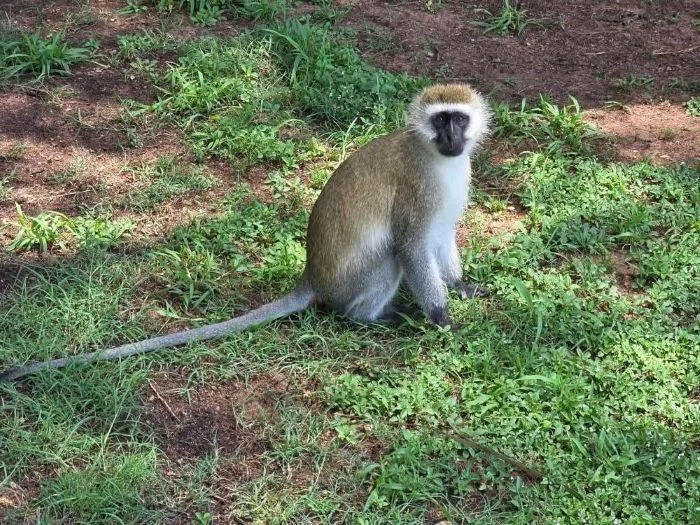
Alarm calls from antelopes, monkeys and birds.
Vultures gathering or circling above an area.
Changes in herbivore behaviour.
Wildlife activity around rivers and water sources.
Information from other professional guides operating inside the park.
These signs do not guarantee a sighting, but they help an experienced guide decide where spending additional time may be worthwhile.
Water Is Particularly Important
Meru's rivers and water sources play an important role in wildlife distribution.
During drier periods, your guide may concentrate more attention around reliable water sources and surrounding habitats where animals may gather to drink.
After rainfall, wildlife can become more widely distributed because temporary water and fresh vegetation become available across a larger area.
This is one reason why the best game-drive route in Meru can change between seasons and even from one day to another.
Why We Do Not Promise Specific Wildlife Sightings
Meru National Park is a natural ecosystem rather than a controlled wildlife attraction.
Elephants, lions, rhinos, leopards and other animals move freely, and no responsible safari operator should guarantee that a particular species will be seen on a particular game drive.
Instead, your guide's role is to use experience, current information and knowledge of animal behaviour to improve your opportunities while respecting wildlife and park regulations.
For a short 2-day Meru safari, this flexibility is particularly important because the available game-viewing time is limited.
Why We Do Not Publish an Exact Game-Drive Route
You may notice that this itinerary does not tell you that your safari vehicle will follow a specific road or visit a particular wildlife area at an exact time.
That is intentional.
A route that produced excellent wildlife sightings yesterday may be much quieter today. Rain can also affect road conditions, while wildlife movements can make another area of the park more productive.
Your guide will therefore select the route according to the conditions encountered during your safari rather than following a rigid predetermined circuit.
Photography Requires Patience
When a rewarding wildlife sighting is found, rushing away simply to cover more kilometres is not always the best approach.
Where conditions and the itinerary allow, spending additional time observing an animal can reveal much more interesting behaviour and provide better photographic opportunities.
Your guide will balance this against the limited time available on a two-day itinerary.
Travellers whose main objective is wildlife photography should consider the 3-Day Meru Safari, where the additional full day provides considerably more flexibility.
Meru Rewards Travellers Who Enjoy the Whole Ecosystem
Meru should not be approached only as a checklist of lions, elephants, buffaloes and rhinos.
Part of the park's appeal is its combination of rivers, woodland, open country, northern Kenya species, birdlife and quieter wilderness.
Some game drives may produce dramatic predator sightings. Others may be memorable because of a large elephant herd, unusual bird activity, northern species or simply having a wildlife sighting with few other vehicles nearby.
Understanding this before travelling generally leads to a more rewarding Meru safari experience.
Our Guide's Advice for a 2-Day Meru Safari
Because this itinerary is short, we recommend keeping it simple:
Leave Nairobi early, concentrate on Meru National Park, remain flexible with game-drive routes and avoid adding activities that reduce your wildlife-viewing time.
If you have an additional day available, use it to stay longer in Meru rather than trying to add another destination.
The extra night gives your guide more time to respond to wildlife movements and gives you a much better opportunity to experience the different habitats within the park.
Safari Planning Note from John Peter
“For a two-day Meru safari, I recommend leaving Nairobi as early as possible and keeping the itinerary focused entirely on Meru National Park. The safari is short, so flexibility is more valuable than trying to follow a rigid game-drive schedule. If your travel plans allow a third day, the additional night makes a significant difference because your guide then has a full day to explore the park.”
John Peter
Safari Consultant & East Africa Travel Specialist
16+ years of safari planning experience
Why Book This Meru Safari With East Africa Jungle?
Booking a short safari requires careful planning because there is little room for unnecessary transfers, poorly located accommodation or unrealistic schedules. Our approach to the 2-Day Meru National Park Safari is to keep the itinerary focused, explain the limitations of a two-day safari clearly and confirm the important arrangements before you travel.
Private 4×4 Safari Vehicle
This itinerary is operated as a private safari in a customised 4×4 Land Cruiser with a pop-up roof.
You travel with your own driver-guide rather than following the schedule of an unrelated group. This provides greater flexibility during the road journey and game drives and allows the safari to be planned around the people travelling together.
Safari Planned Around Your Travel Dates
Before confirmation, we check your travel dates, number of travellers, accommodation requirements and any additional arrangements you may need.
Your quotation is then prepared according to those details rather than assuming that one package price or accommodation arrangement is suitable for every traveller.
Accommodation Confirmed Before Booking
The accommodation included in your safari will be clearly identified in your quotation and confirmed according to availability.
If the proposed camp or lodge is unavailable, we will recommend an appropriate alternative and discuss it with you before the booking is finalised.
You can also request an accommodation upgrade if you would like a higher-category experience.
Clear Inclusions and Exclusions
Before you confirm your safari, you will receive a quotation showing the services included in the price.
This allows you to review important details such as accommodation, transport, park fees, meals and game drives before making your booking decision.
Optional upgrades and additional services are quoted separately where applicable.
Professional Safari Driver-Guide
Your safari is accompanied by a professional English-speaking driver-guide responsible for both the road journey and your game drives in Meru National Park.
Rather than following an exact wildlife route published months in advance, your guide can adjust game-drive areas according to recent sightings, wildlife movements, weather, road conditions and the time available.
Nairobi Pick-Up and Drop-Off
The standard road itinerary begins and ends in Nairobi.
Your confirmed itinerary will specify the agreed pick-up and drop-off arrangements so that you know where your safari begins and where you will be returned at the end of Day 2.
Airport transfers, additional Nairobi accommodation and other arrangements can also be added when required.
A Safari That Can Be Customised
Although this page describes our standard 2-day Meru itinerary, it does not have to remain exactly the same for every traveller.
Depending on your available time and budget, we can help you:
Extend the safari to three days.
Upgrade your Meru accommodation.
Add Nairobi accommodation or airport transfers.
Explore a fly-in arrangement.
Extend the journey to other Kenya safari destinations.
Any requested changes will be incorporated into your personalised quotation before confirmation.
Local Safari Planning Experience
East Africa Jungle specialises in planning safari itineraries across East Africa.
Our role is not simply to reserve a vehicle and accommodation. We help travellers understand practical considerations such as travel time, safari pacing, accommodation location, seasonal conditions and how many days are realistically required for the experience they want.
For this particular itinerary, that means being clear that two days is suitable when time is limited, while three days provides the more complete Meru wildlife experience.
Support Before and During Your Safari
You can contact our safari team while planning your trip if you have questions about the itinerary, accommodation, transport or other arrangements.
Once the safari is confirmed, we remain available to assist with the arrangements covered by your booking before and during your journey.
Our Approach to Meru
We prefer to keep a short Meru safari realistic.
We do not guarantee specific wildlife sightings, and we do not recommend filling a two-day itinerary with unnecessary additional activities.
Instead, the safari concentrates on what matters most: reaching Meru efficiently, spending the available time on wildlife viewing and giving your guide enough flexibility to respond to conditions inside the park.
Need Help Planning Your Meru Safari?
Tell us your travel date, number of travellers and preferred accommodation level, and we will prepare a personalised quotation for your 2-Day Meru National Park Safari.
Email: sales@eastafricajungle.com
Safari: Private 4×4 Land Cruiser
Duration: 2 Days / 1 Night
Starting Price: From USD 395 per person sharing
Traveler Reviews and Ratings
⭐⭐⭐⭐⭐ Daniel & Brooke Jensen – Australia
Travel Month: August 2025
Group Type: Couple
Safari Highlights: Rhino Sanctuary, Lion Sightings, Scenic Landscapes
"Our 2-Day Meru National Park Safari exceeded all expectations. We loved the peaceful atmosphere and the fact that we could enjoy wildlife viewing without large crowds. We spotted lions, elephants, giraffes, and several rhinos during our game drives. The scenery was breathtaking, and our guide was incredibly knowledgeable. Meru is truly one of Kenya's hidden gems."
⭐⭐⭐⭐⭐ Matteo Ricci & Family – Italy
Travel Month: June 2025
Group Type: Family Safari
Safari Highlights: Elephant Herds, Birdwatching, Family Adventure
"Meru National Park was the perfect choice for our family. The wildlife was abundant, and we especially enjoyed watching large elephant herds near the rivers. The lodge was comfortable, the food was excellent, and the safari vehicle offered fantastic views. Our children learned so much about wildlife and conservation."
⭐⭐⭐⭐⭐ Yuki Nakamura – Japan
Travel Month: September 2025
Group Type: Solo Traveller
Safari Highlights: Wildlife Photography, Rhino Encounters, Birdlife
"As a wildlife photographer, I was looking for a destination with fewer vehicles and authentic safari experiences. Meru delivered exactly that. The landscapes were beautiful, and I captured incredible photographs of rhinos, giraffes, and numerous bird species. This was one of my favorite safari experiences in Africa."
⭐⭐⭐⭐⭐ Oliver & Freya Thompson – New Zealand
Travel Month: February 2025
Group Type: Honeymoon Safari
Safari Highlights: Romantic Safari, Leopard Sighting, Luxury Lodge
"We chose Meru National Park for our honeymoon and could not have made a better decision. The park felt exclusive and wild. Seeing a leopard during our evening game drive was unforgettable. The lodge staff made our stay special, and every moment felt personalized."
⭐⭐⭐⭐⭐ Henrik Andersen & Friends – Denmark
Travel Month: July 2025
Group Type: Friends Adventure
Safari Highlights: Big Five Sightings, Game Drives, Wilderness Experience
"Meru offered some of the best wildlife viewing we experienced during our Kenya trip. The park was uncrowded, allowing us to spend quality time observing animals in their natural habitat. We saw elephants, buffaloes, lions, rhinos, and countless antelope species. Highly recommended."
⭐⭐⭐⭐⭐ Camila Ferreira – Brazil
Travel Month: October 2025
Group Type: Solo Safari Traveller
Safari Highlights: Born Free History, Wildlife Viewing, Birdwatching
"I was fascinated by the conservation history of Meru National Park and the connection to Elsa the Lioness. The game drives were excellent, and the birdlife was incredible. The entire safari was well organized, and the guide's expertise made a huge difference."
Ready to Explore Meru National Park?
Experience one of Kenya's most beautiful and least-crowded safari destinations on our carefully crafted 2-Day Meru National Park Safari 2026/2027/2028. From thrilling wildlife encounters and scenic game drives to comfortable accommodation and expert local guides, every detail is designed to create unforgettable memories.
Whether you're a couple, family, solo traveller, photographer, or wildlife enthusiast, Meru National Park offers a truly authentic safari experience away from the crowds.
Your Adventure Includes:
- Exciting wildlife game drives
- Opportunity to spot the Big Five
- Rhino Sanctuary visits
- Comfortable lodge or tented camp accommodation
- Professional safari guide
- Private and group safari options
- Convenient departures from Nairobi
- Flexible travel dates throughout 2026, 2027 & 2028
Book Your Meru Safari Today
Email: sales@eastafricajungle.com
WhatsApp/Call: +254 728 567 308
Website: EastAfricaJungleSafari.com
Limited Availability During Peak Safari Seasons
Secure your preferred travel dates early and discover why Meru National Park is considered one of Kenya's best-kept safari secrets.
Contact East Africa Jungle Safari today for a personalized quote and start planning your unforgettable Meru National Park adventure.
Frequently Asked Questions About the 2-Day Meru National Park Safari
1. How much does a 2-Day Meru National Park Safari cost?
The 2-Day Meru National Park Safari starts from USD 395 per person sharing.
The final price depends on your travel dates, number of travellers and accommodation selected. Because this is a private safari, the per-person cost can also change according to how many people are sharing the safari vehicle.
We will provide a personalised quotation showing the applicable price and inclusions before you confirm your booking.
2. Is this a private or group safari?
This is a private safari.
You travel in a private 4×4 safari Land Cruiser with your professional driver-guide rather than joining unrelated travellers in a shared safari vehicle.
Private operation gives you greater flexibility during the road journey and game drives and is particularly useful for couples, families and small groups travelling together.
3. Where does the safari start and end?
The standard safari starts and ends in Nairobi.
Your confirmed itinerary will specify your agreed Nairobi pick-up and drop-off points. Additional airport transfers or Nairobi accommodation can be arranged separately when required.
4. How long does it take to travel from Nairobi to Meru National Park?
The journey takes a significant part of the first day, and actual travel time varies according to your Nairobi starting point, traffic, road conditions, the route used, your accommodation and the park entry point.
For this reason, we recommend an early-morning departure from Nairobi so that you can reach the Meru area with enough time available for your planned afternoon game drive.
5. Is two days enough for Meru National Park?
Two days can provide a good introduction to Meru National Park if your time in Kenya is limited.
The itinerary gives you an afternoon game drive on Day 1 and further wildlife viewing on Day 2 before returning to Nairobi.
However, the Nairobi–Meru road journey uses part of both days. If wildlife viewing is your main priority and you have another day available, we recommend the 3-Day Meru Safari, which provides a full day inside the park.
6. What wildlife can I see in Meru National Park?
Wildlife you may encounter includes elephants, buffaloes, lions, rhinos, reticulated giraffes, Grevy's zebras, gerenuks, Beisa oryx, antelopes and numerous bird species.
Leopards, cheetahs, hyenas and other wildlife also occur within the wider ecosystem.
All wildlife is free-ranging, so sightings vary according to animal movements, rainfall, vegetation, water availability and other natural conditions.
7. Can I see the Big Five in Meru National Park?
Meru National Park is home to the traditional Big Five: lion, leopard, elephant, buffalo and rhino.
However, seeing all five during a two-day safari cannot be guaranteed. The relatively short amount of time available inside the park makes it particularly important to approach the safari as a wildlife experience rather than a Big Five checklist.
8. Where will I stay during the safari?
The safari includes one night's accommodation in the Meru area at the property specified in your confirmed quotation.
For the value package, accommodation may be at iKWETA Safari Camp or a similar property, subject to availability.
Travellers looking for a higher-category experience can request upgrades such as Rhino River Camp or Elsa's Kopje, depending on availability and budget.
9. What meals are included?
Meals are provided as specified in the itinerary.
The standard meal arrangement is:
Day 1: Lunch and dinner
Day 2: Breakfast and lunch
Your confirmed quotation will specify the accommodation and meal plan included in your safari.
If you have dietary requirements, please tell us when booking so that we can pass the information to the accommodation providers.
10. What type of safari vehicle will we use?
The safari is operated in a customised 4×4 safari Land Cruiser with a pop-up roof suitable for wildlife viewing and photography.
The vehicle is used for both the Nairobi–Meru road journey and your scheduled game drives.
11. What is the best time to visit Meru National Park?
Meru National Park can be visited throughout the year.
For general wildlife viewing, the generally drier periods of January–February and June–October can be particularly attractive.
The wetter months bring greener landscapes and can be rewarding for birdwatching and photography, although rainfall may affect some roads and wildlife distribution.
Weather patterns vary between years, so seasonal dates should be treated as a guide rather than a guarantee.
12. Is the 2-Day Meru Safari suitable for children?
Yes, families can book this safari privately.
However, parents should consider the amount of road travel involved when travelling with younger children. If your family prefers a slower pace and more time between transfers, the 3-Day Meru Safari may be more comfortable.
Tell us the ages of the children when requesting a quotation so that we can advise on the most appropriate arrangements.
13. Can a solo traveller book this safari?
Yes. Solo travellers can book the safari privately.
However, the per-person price will normally be higher than the advertised sharing rate because the vehicle, guide and other fixed safari costs are not being shared with another traveller.
Ask us for a solo-traveller quotation based on your exact travel dates.
14. Can I customise the itinerary?
Yes.
Depending on your available time, budget and accommodation preferences, the safari can be customised with an additional night, upgraded accommodation, Nairobi accommodation, airport transfers or an extension to another Kenya safari destination.
For most travellers wanting to improve the wildlife experience, our first recommendation is to add a third day in Meru rather than adding several activities to the two-day itinerary.
15. How do I book the 2-Day Meru National Park Safari?
Send us your:
Preferred travel date.
Number of adults travelling.
Number and ages of any children.
Preferred accommodation level.
Any dietary or special travel requirements.
We will then check the relevant arrangements and prepare a personalised quotation.
Once you are satisfied with the itinerary and quotation, we will provide the booking and payment information required to confirm your safari.
Author & Editorial Review

John Peter – East Africa Safari Specialist
John Peter is a Safari Consultant and East Africa Travel Specialist with 16+ years of experience planning safaris across Kenya and East Africa.
His experience includes designing private and group safari itineraries covering Meru National Park, Masai Mara, Amboseli, Samburu, Ol Pejeta, Lake Nakuru and other wildlife destinations across Kenya, as well as safari circuits in Tanzania and Uganda.
His specialist areas include:
Kenya private safaris
Meru and northern Kenya safari planning
Kenya and Tanzania wildlife itineraries
Family and small-group safaris
Safari accommodation planning
Multi-destination East Africa itineraries
Author: John Peter
Role: Safari Consultant & East Africa Travel Specialist
Experience: 16+ years in East Africa safari planning
This safari itinerary has been reviewed for accuracy of the route, safari duration, accommodation information, inclusions and exclusions, wildlife guidance and practical travel information.
Safari conditions can change due to weather, road conditions, park regulations, accommodation availability and natural wildlife movements. Wildlife sightings are therefore never guaranteed.
Prices shown as “from” rates are indicative starting prices. Your final safari price will be confirmed according to your travel dates, number of travellers, accommodation and requested arrangements before booking.
Last Reviewed: August 2026
Book Your 2-Day Meru National Park Safari
Experience Meru National Park on a private 2-day safari from Nairobi, with guided wildlife viewing, one overnight stay and private transport in a 4×4 safari Land Cruiser.
This itinerary is designed for travellers who have limited time but still want to experience Meru's wildlife, northern Kenya species, rhino conservation areas and quieter wilderness.
Safari at a Glance
Duration: 2 Days / 1 Night
Route: Nairobi → Meru National Park → Nairobi
Safari Type: Private Safari
Vehicle: Private 4×4 Safari Land Cruiser
Accommodation: 1 Night
Price: From USD 395 per person sharing
Start / End: Nairobi
Request Your Personalised Safari Quotation
Send us your preferred travel date, number of travellers and accommodation preference, and we will prepare a personalised quotation for your safari.
Your quotation will confirm the accommodation, applicable safari price, park fees, meals, transport and other services included before you make your booking decision.
Email: sales@eastafricajungle.com
WhatsApp: +254 728 567308
Have More Than Two Days?
If your schedule allows an additional night, consider our 3-Day Meru Safari.
The three-day itinerary includes a full day for exploring Meru National Park and is our recommended option for travellers who want more wildlife-viewing time, photography opportunities and a less rushed safari experience.
If two days is all you have available, this private itinerary provides a practical way to experience Meru while keeping the safari focused entirely on one national park.
Ready to Start Planning?
Send us your travel details and we will help you confirm the most suitable accommodation and arrangements for your Meru safari.
Available Months
Dates are flexible. Request your preferred month and our team will advise the best safari timing.
Safari Route Map
Map coordinates are not yet available for these stops, so a route summary is shown.
Plan Your Safari Today
Tell us your travel month, budget level, and group size. We will shape this package around your preferred safari style.

 16+ Years
 English