10 Days Kilimanjaro Rongai Route & Tanzania Safari Group Tour 2027–2028
From USD 3,200 Per Person | Group Sharing Adventure
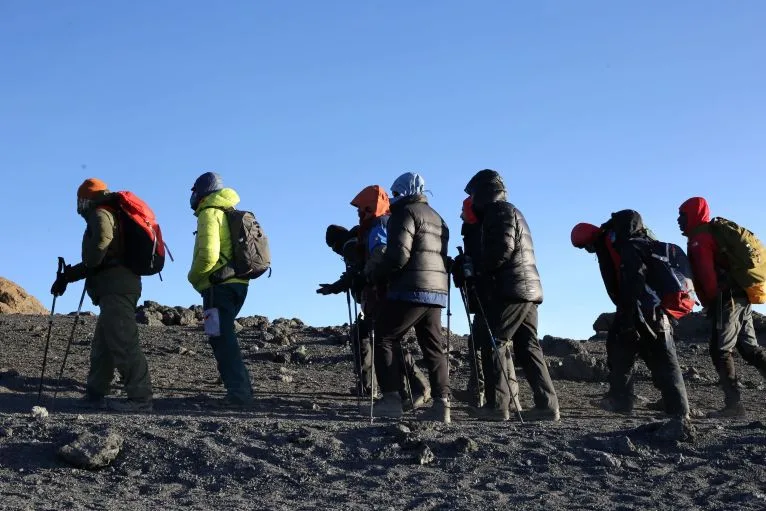
Climb Mount Kilimanjaro via the scenic Rongai Route and experience Tanzania's spectacular wildlife on this 10-day group-sharing adventure. Enjoy a 6-day Kilimanjaro trek to Uhuru Peak (5,895 m), followed by a 4-day safari exploring Tarangire National Park, Serengeti National Park and Ngorongoro Crater.
Travel with experienced mountain guides and professional safari guides, sharing the adventure with fellow travellers while enjoying breathtaking landscapes, unforgettable wildlife encounters and excellent value.
Ready to climb Kilimanjaro and explore Tanzania?
Check Availability & Book Your 10-Day Adventure
Kilimanjaro & Safari Quick Facts
| Tour Details | Information |
|---|---|
| Package Name | 10 Days Kilimanjaro Rongai Route & Tanzania Safari |
| Tour Duration | 10 Days / 9 Nights |
| Travel Years | 2027–2028 |
| Starting Price | From USD 3,200 per person |
| Tour Type | Group-Sharing Kilimanjaro Trek & Tanzania Wildlife Safari |
| Starting Point | Arusha, Tanzania |
| Ending Point | Arusha, Tanzania |
| Kilimanjaro Route | Rongai Route – Northern Approach |
| Mountain Duration | 6 Days / 5 Nights |
| Safari Duration | 4 Days / 3 Nights |
| Highest Point | Uhuru Peak – 5,895 m (19,341 ft) |
| Trekking Difficulty | Challenging – High Altitude |
| Mountain Accommodation | Mountain camping at Simba, Kikelewa and Mawenzi Tarn; overnight arrangements at Kibo and Horombo subject to confirmation |
| Safari Accommodation | Budget camping at designated safari campsites |
| Arusha Accommodation | One hotel night following the Kilimanjaro climb |
| Safari Destinations | Tarangire, Serengeti & Ngorongoro Crater |
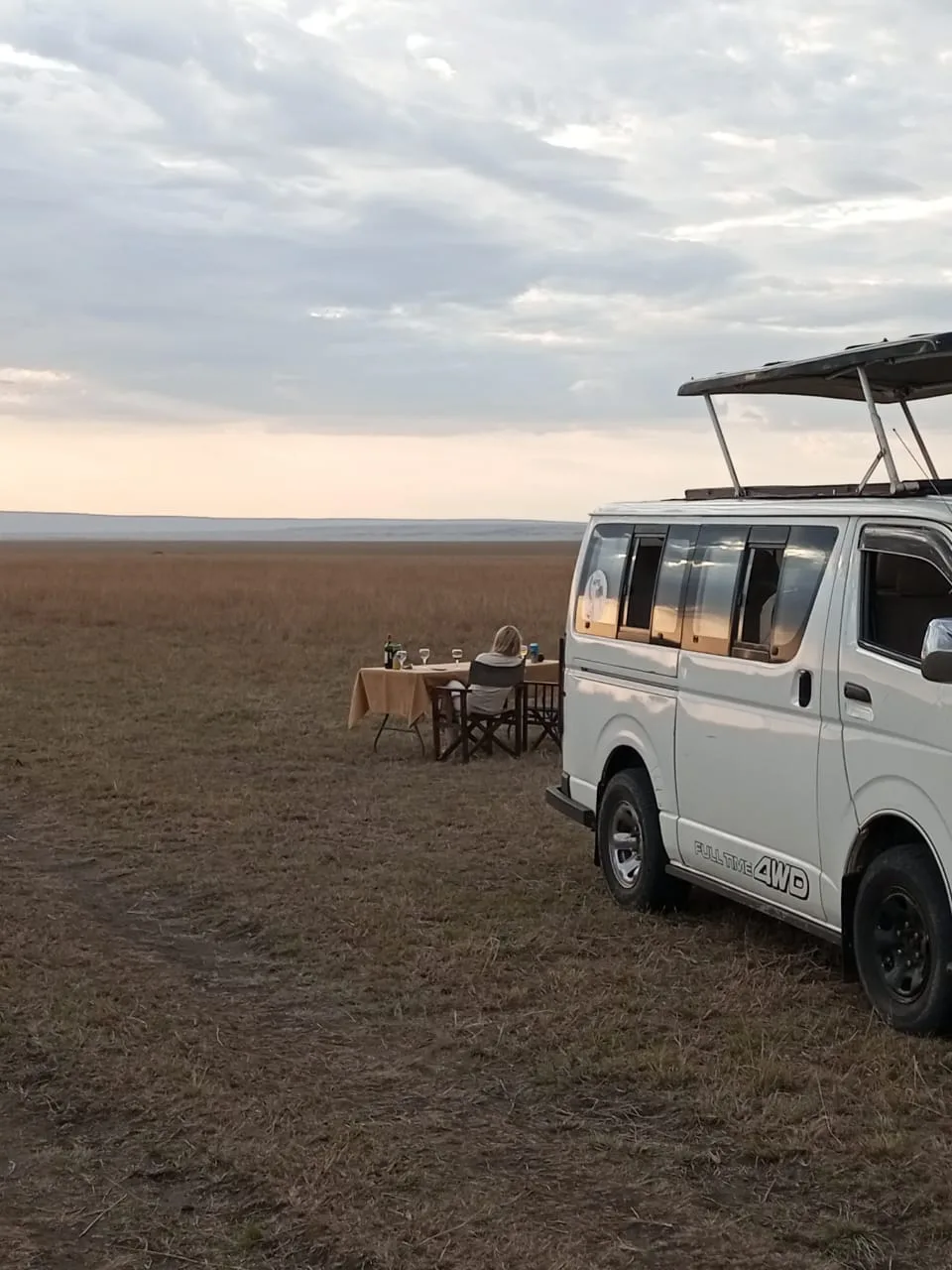
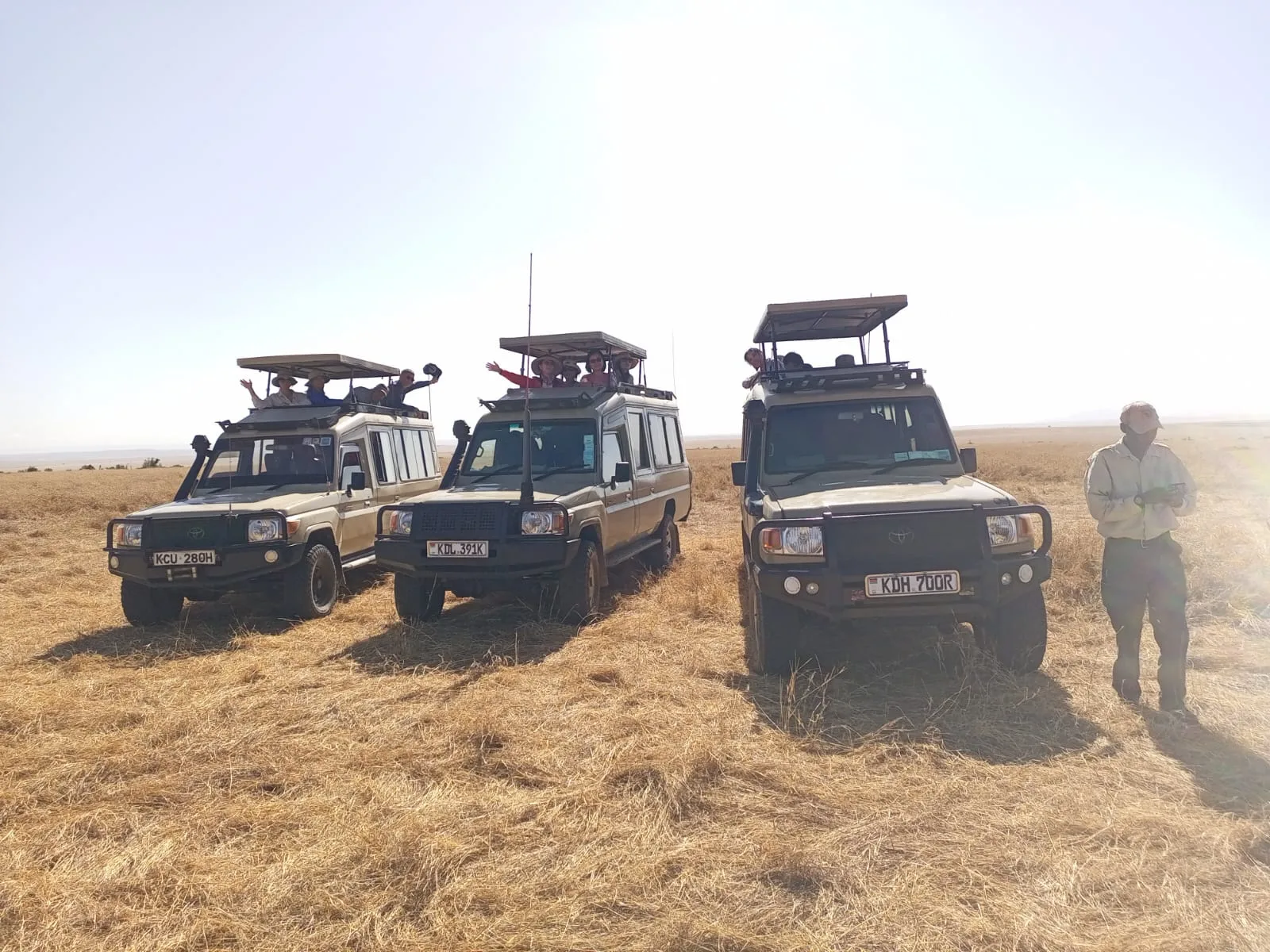
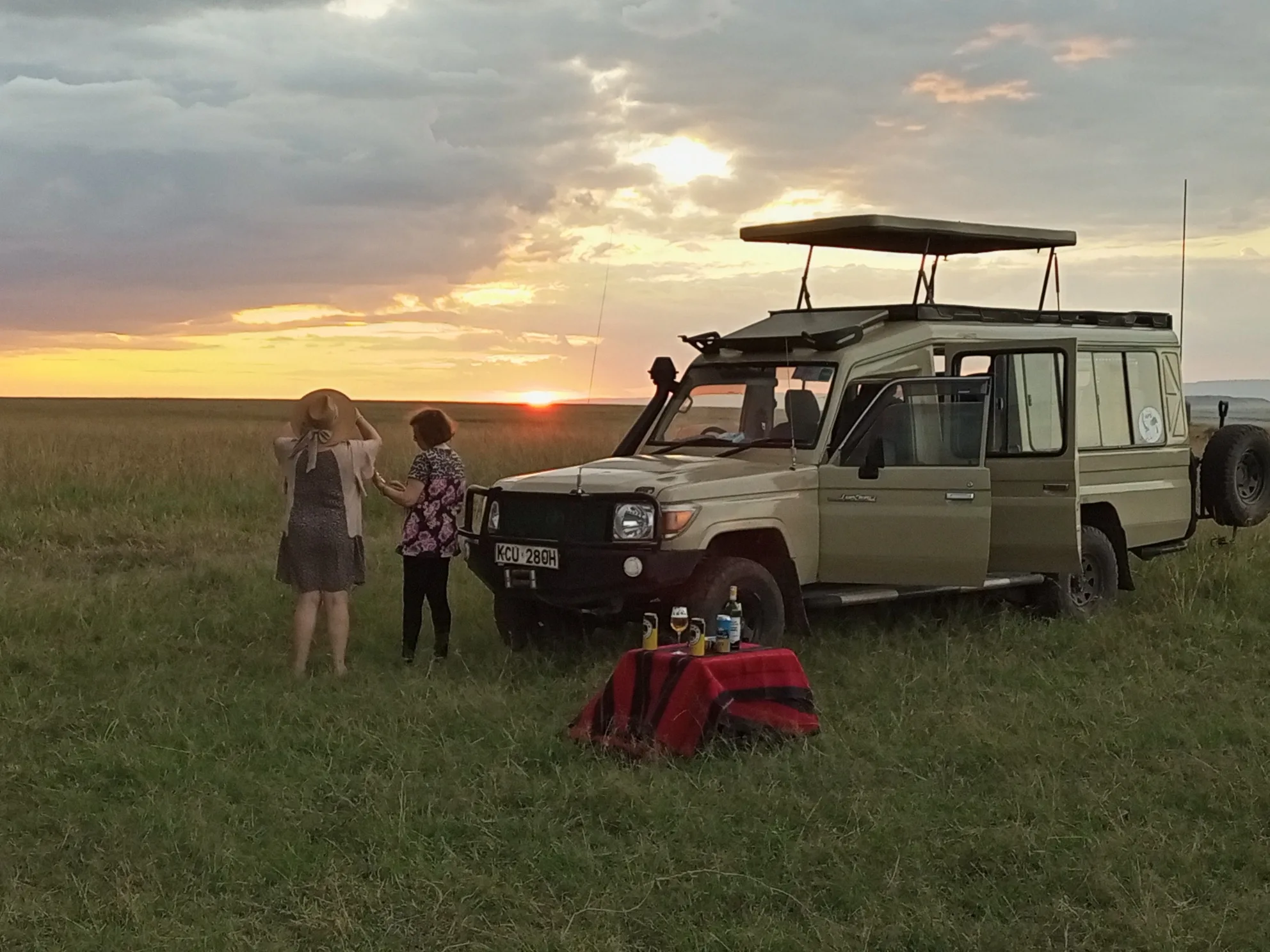
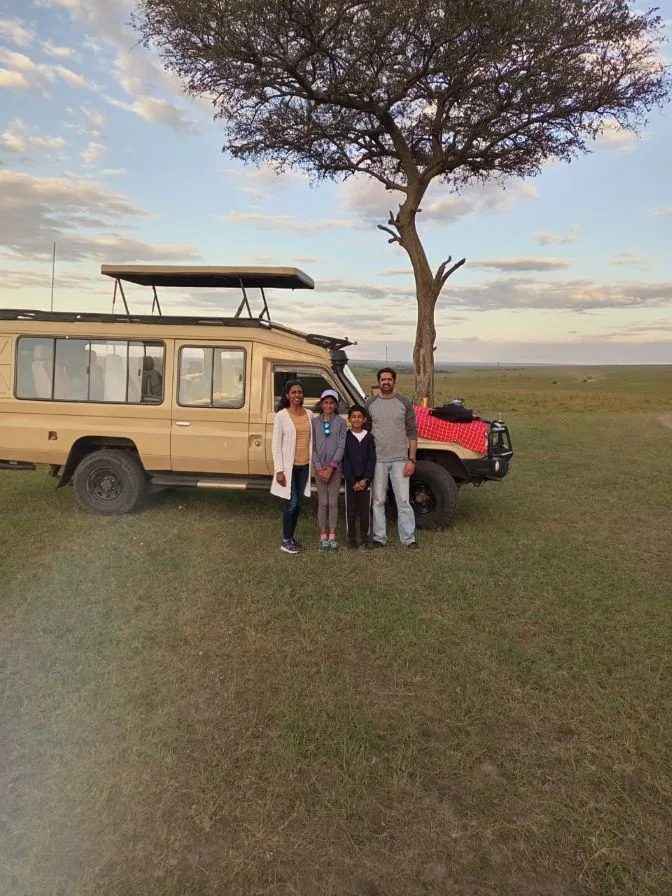
| Safari Vehicle | Shared 4×4 Land Cruiser with Pop-Up Roof |
| Safari Group Size | Up to 6–7 Travellers per Vehicle |
| Safari Seating | Guaranteed Window Seat |
| Mountain Guide | Professional Kilimanjaro Mountain Guide |
| Safari Guide | Professional English-Speaking Driver-Guide |
| Meals | Full Board During Mountain Trek and Safari; Arusha Hotel Meal Plan Subject to Confirmation |
| Best Climbing Months | January–March and June–October |
| Fitness Level | Good Physical Fitness and High-Altitude Preparation Required |
| Suitable For | Solo Travellers, Couples, Friends & Adventure Groups |
| Departures | Group Joining – Dates Subject to Confirmation |
| Tour Operator | East Africa Jungle |
Tour Highlights – 10 Days Kilimanjaro Rongai Route & Tanzania Safari
Climb Mount Kilimanjaro via the Scenic Rongai Route: Approach Africa's highest mountain from its quieter northern slopes, enjoying spectacular wilderness, remote trekking trails and changing mountain landscapes.
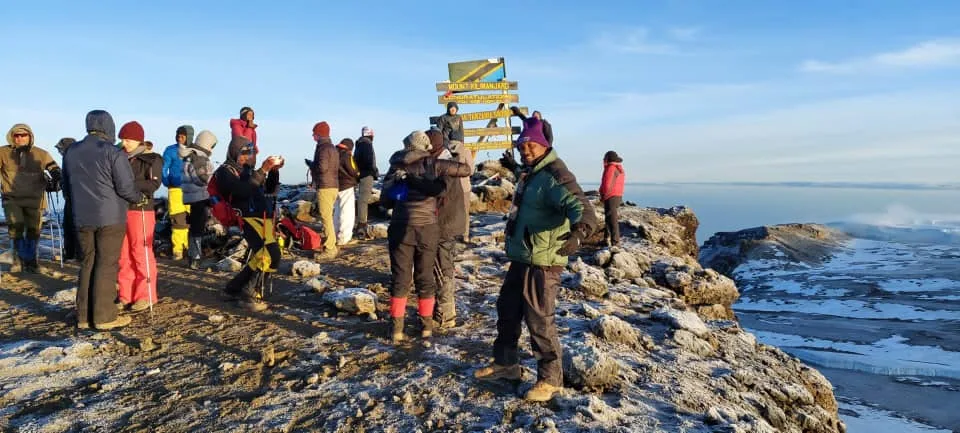
Summit Uhuru Peak at 5,895 Metres: Experience the extraordinary achievement of reaching Kilimanjaro's highest point, with breathtaking sunrise views over the glaciers and surrounding African plains, weather and altitude permitting.
Explore Kilimanjaro's Diverse Ecological Zones: Trek through mountain forests, heathlands, alpine moorlands and dramatic high-altitude desert terrain while discovering the mountain's unique vegetation and landscapes.
Experience Mawenzi Tarn and Kibo's Alpine Scenery: Discover the rugged volcanic peaks of Mawenzi, dramatic mountain ridges and the extraordinary high-altitude scenery surrounding Kilimanjaro's summit approach.
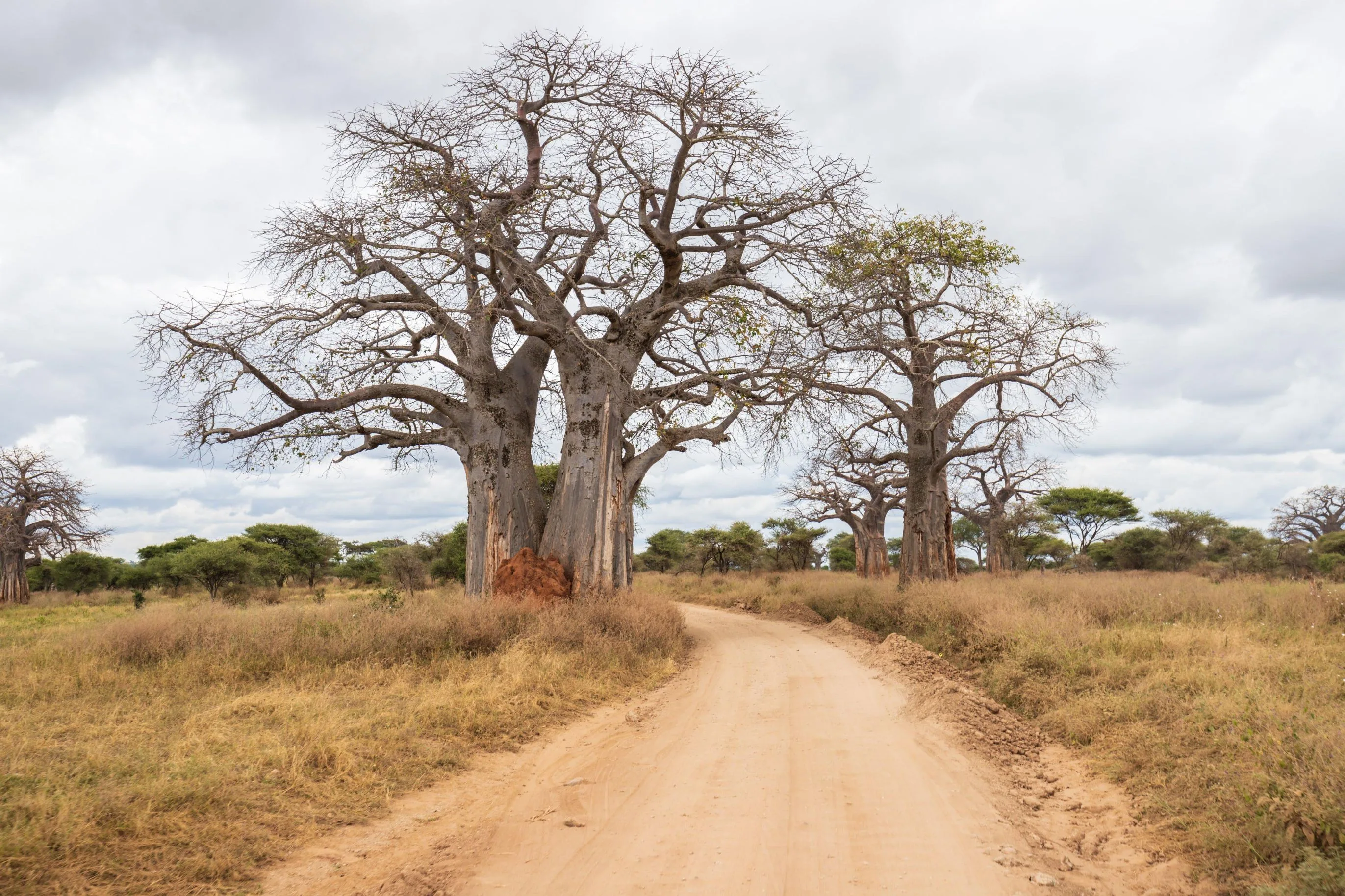
Discover Tarangire's Elephants and Ancient Baobabs: Enjoy exciting game drives through Tarangire National Park, renowned for large elephant herds, distinctive baobab trees and diverse African wildlife.
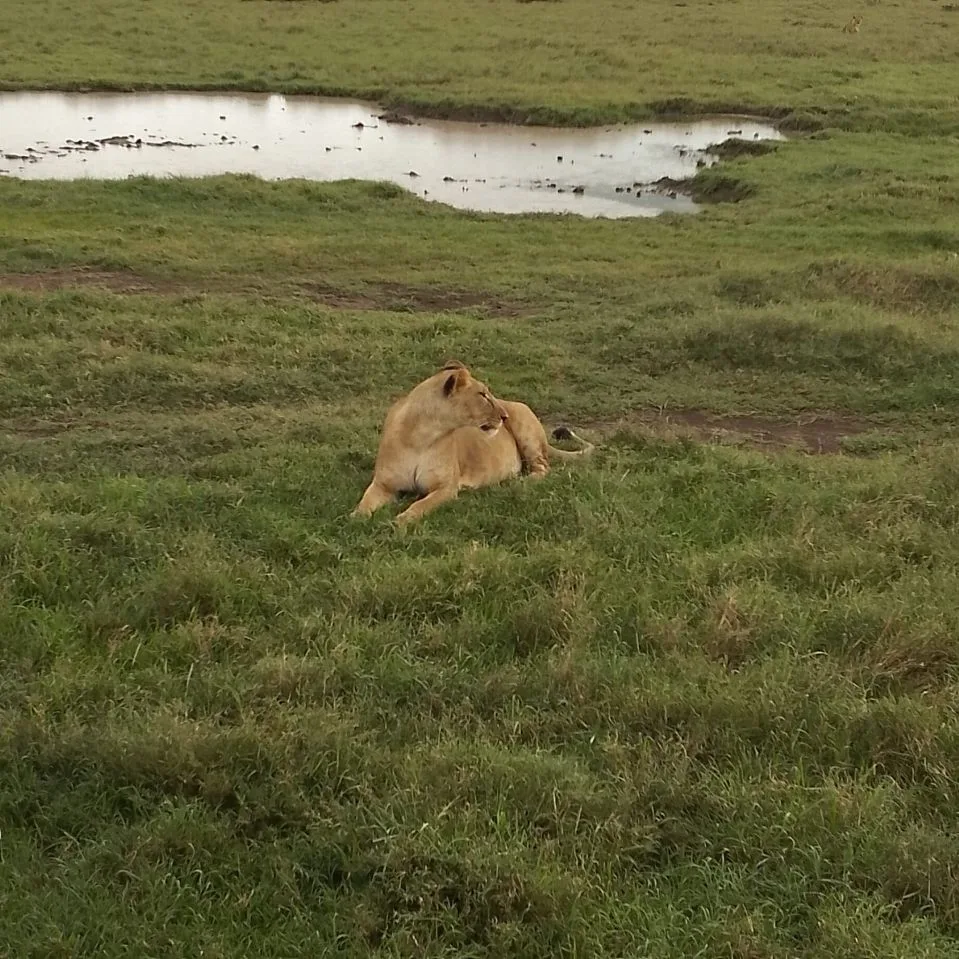
Enjoy Unforgettable Serengeti Game Drives: Explore the world-famous Serengeti National Park, searching for lions, elephants, buffaloes, leopards, cheetahs and other wildlife across its vast savannah plains.
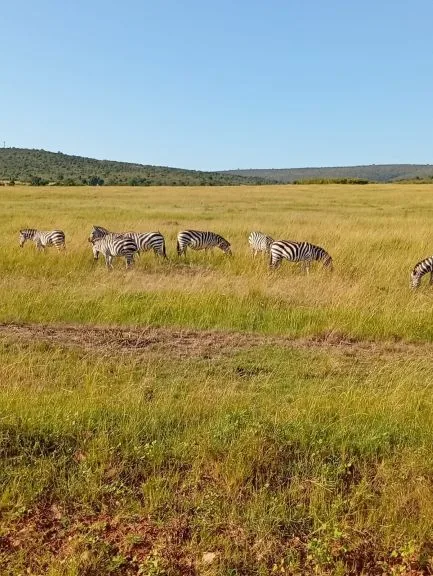
Witness the Great Migration When Seasonally Possible: Experience the Serengeti's extraordinary wildlife ecosystem, with opportunities to encounter migrating wildebeest and zebras depending on seasonal movements and your safari location.
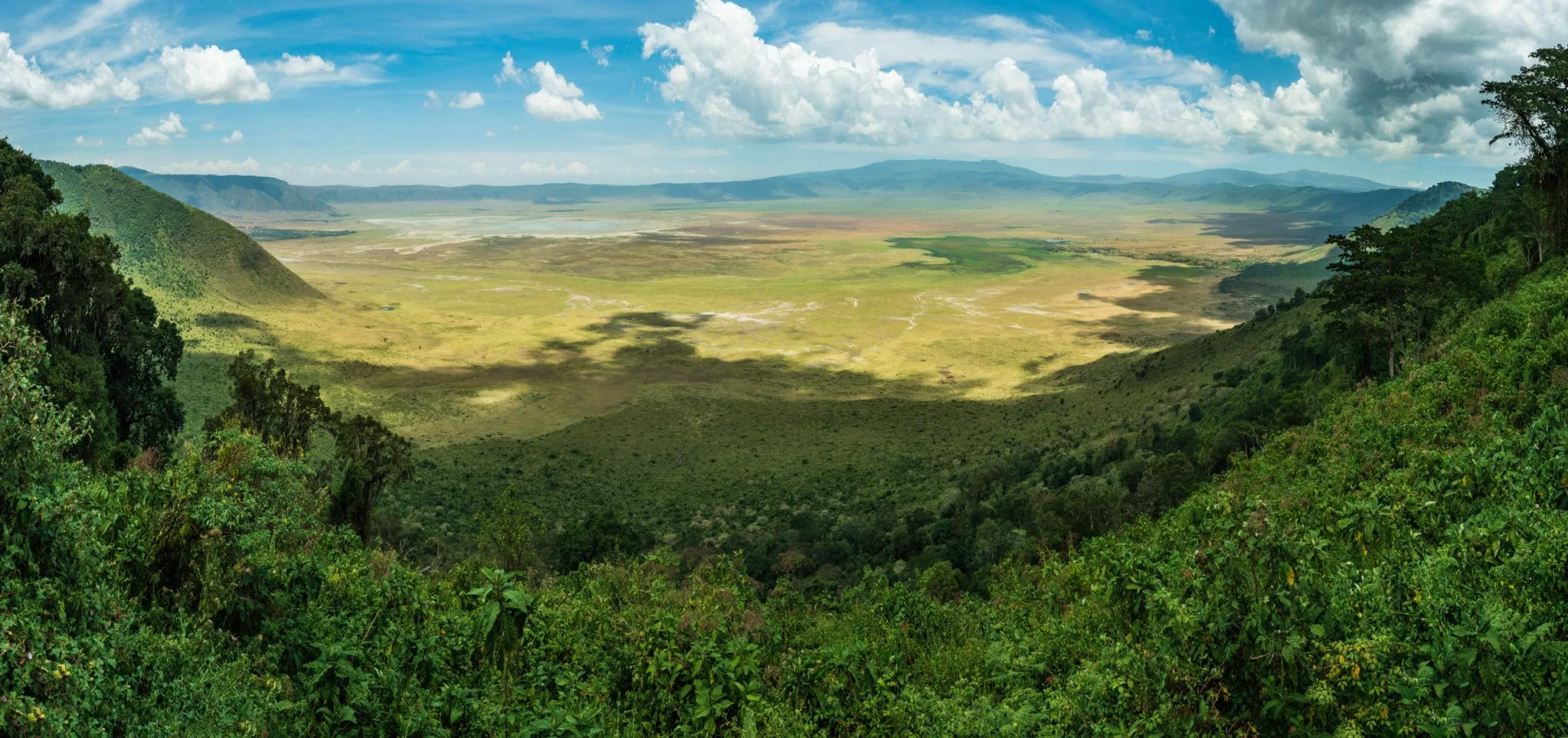
Explore Ngorongoro Crater's Wildlife-Rich Floor: Descend into one of Africa's most remarkable volcanic calderas for a game drive, with opportunities to observe lions, buffaloes, hippos, zebras and potentially endangered black rhinos.
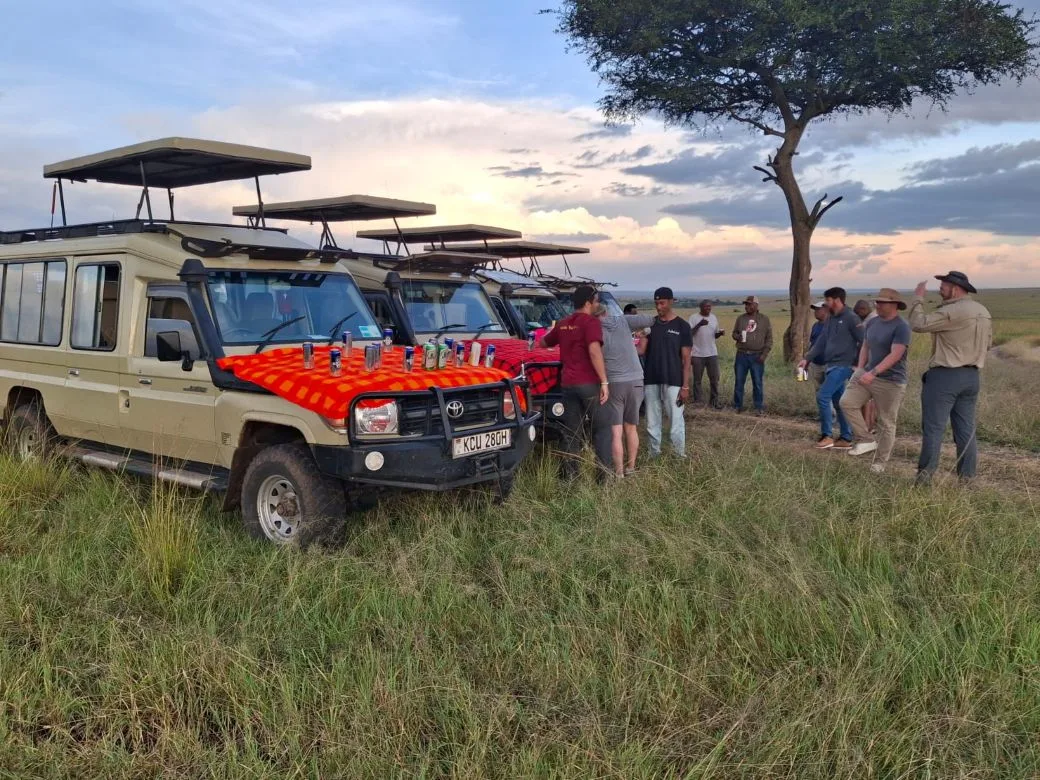
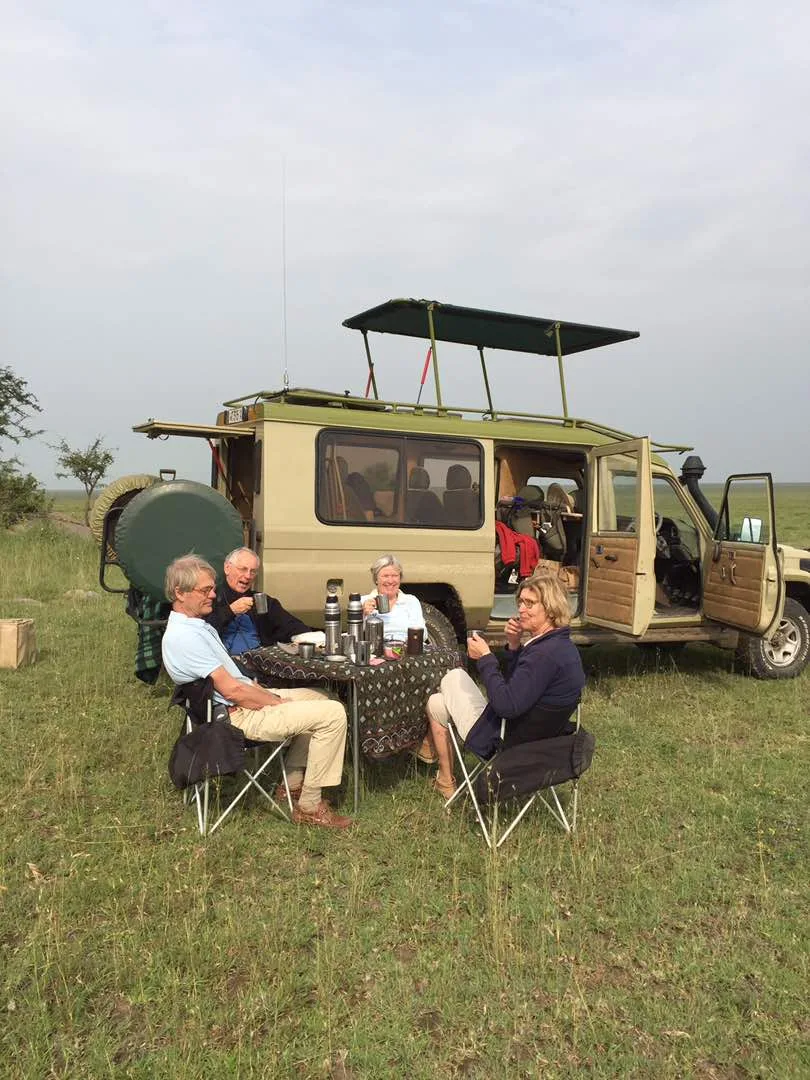
Travel in a Small-Group 4×4 Safari Land Cruiser: Share the safari with fellow adventurers while enjoying a pop-up roof, guaranteed window seating and expert wildlife guidance.
Combine Mountain Adventure and Wildlife Safari in One Journey: Experience Kilimanjaro trekking, Tanzania's iconic national parks, scenic campsites and authentic African wilderness adventures within one carefully planned 10-day itinerary.
Why Choose the 10 Days Kilimanjaro Rongai Route & Tanzania Safari?
Our 10 Days Kilimanjaro Rongai Route & Tanzania Safari Group Tour combines the challenge of climbing Africa's highest mountain with unforgettable wildlife experiences in Tanzania's northern safari circuit. This group-sharing adventure offers travellers an opportunity to experience two of Tanzania's greatest attractions in one journey.
1. Experience Kilimanjaro's Quieter Northern Route
Unlike the busier Machame and Marangu routes, Rongai approaches Mount Kilimanjaro from the northern side near the Kenyan border. Its relatively quiet trails, scenic wilderness and gradual initial ascent make it an attractive choice for trekkers seeking a less crowded mountain experience.
2. Challenge Yourself to Reach Uhuru Peak
Follow the Rongai Route towards Uhuru Peak, standing 5,895 metres above sea level. The six-day climb takes you through changing ecological zones, with spectacular views of Mawenzi Peak and Kibo. Reaching the summit is a remarkable achievement, although success depends on fitness, acclimatization, weather and individual health.
3. Combine Kilimanjaro Trekking With Three Iconic Safari Destinations
After descending Kilimanjaro, continue your adventure through Tarangire National Park, Serengeti National Park and Ngorongoro Crater. Discover elephant herds, ancient baobabs, big cats and extraordinary wildlife habitats without arranging a separate safari holiday.
4. Enjoy Affordable Group-Sharing Travel
Starting from USD 3,200 per person, this combined Kilimanjaro and safari package offers a cost-effective way to explore Tanzania. Share the safari vehicle with fellow travellers while enjoying professional guidance and organised accommodation throughout the adventure.
5. Travel With Experienced Local Guides
Explore Kilimanjaro with professional mountain guides and a dedicated trekking support team. During the safari, an experienced English-speaking driver-guide helps you discover Tanzania's wildlife, landscapes and ecosystems.
6. Discover Tanzania's Diverse Landscapes
Experience the dramatic contrasts of Tanzania, from Kilimanjaro's mountain forests and alpine desert to Tarangire's baobab woodlands, the Serengeti's open savannah and the wildlife-rich Ngorongoro Crater.
7. An Adventure for Solo Travellers, Couples and Friends
Our group-sharing format is suitable for adventurous solo travellers, couples and friends looking to meet like-minded explorers. It combines the camaraderie of mountain trekking with the excitement of a shared African wildlife safari.
8. Book With a Tanzania Safari and Kilimanjaro Specialist
East Africa Jungle brings local destination knowledge and organised safari logistics to your journey. From mountain trekking arrangements to national park visits and group safari transportation, our team helps coordinate your Kilimanjaro and Tanzania safari experience.
Detailed 10-Day Kilimanjaro Rongai Route & Tanzania Safari Itinerary
Day 1: Arusha – Rongai Gate – Simba Camp (2,650 m)
Your 10-day Kilimanjaro Rongai Route and Tanzania safari adventure begins with an early morning departure from Arusha. Travel through Moshi and the scenic countryside towards Rongai Gate, located near the Kenyan border on Kilimanjaro's northern slopes.
After completing park registration and meeting your mountain support team, begin your trek through cultivated farmland and montane forest. Look out for colobus monkeys and colourful birdlife as the trail gradually ascends towards the moorland zone.
The relatively gentle first day's hike provides an opportunity to settle into your trekking rhythm while enjoying Kilimanjaro's quieter northern wilderness.
Arrive at Simba Camp in the afternoon, where your mountain crew prepares dinner and your overnight accommodation. Enjoy your first evening beneath the African mountain sky.
Accommodation: Simba Camp – Mountain Camping
Meals: Lunch & Dinner
Trekking Distance: Approximately 7–8 km
Hiking Time: 3–5 hours
Altitude: 1,950 m → 2,650 m
Day 2: Simba Camp – Second Cave – Kikelewa Camp (3,600 m)
Wake up to spectacular views of Kilimanjaro's northern slopes before enjoying breakfast at Simba Camp. Today's trek continues through open moorland, where the landscape gradually becomes more rugged and the vegetation changes with increasing altitude.
Follow the trail towards Second Cave, approximately 3,450 metres above sea level, where you may stop for lunch and enjoy views towards Mawenzi Peak. Continue across exposed highland terrain towards Kikelewa Camp.
The increasing altitude makes maintaining a comfortable walking pace particularly important. Your mountain guide will monitor your condition and encourage regular hydration and rest breaks throughout the journey.
Arrive at Kikelewa Camp in the afternoon, surrounded by beautiful mountain scenery. Enjoy a warm dinner and rest in preparation for the following day's ascent.
Accommodation: Kikelewa Camp – Mountain Camping
Meals: Breakfast, Lunch & Dinner
Trekking Distance: Approximately 10–12 km
Hiking Time: 6–8 hours
Altitude: 2,650 m → 3,600 m
Day 3: Kikelewa Camp – Mawenzi Tarn Camp (4,315 m)
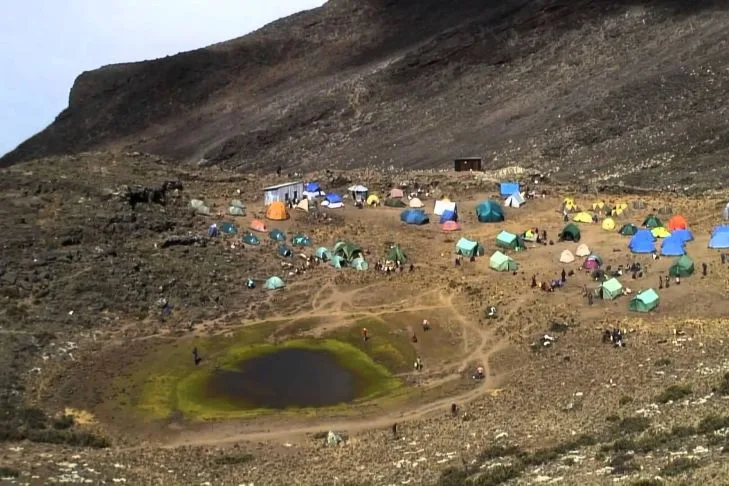
After breakfast, leave Kikelewa Camp and begin a steeper ascent towards Mawenzi Tarn, one of the most scenic locations on the Rongai Route. The trail climbs through increasingly sparse vegetation as the mountain environment transitions into alpine terrain.
Enjoy breathtaking views of Mawenzi's jagged volcanic ridges and the surrounding high-altitude landscape. The trail eventually reaches Mawenzi Tarn Camp, situated beneath the dramatic cliffs of Kilimanjaro's second-highest volcanic peak.
Your mountain guide will assess your acclimatization and overall condition throughout the day. Upon arrival, enjoy lunch and spend the afternoon resting or taking a short guided acclimatization walk if conditions permit.
Dinner is served at camp, followed by an early night beneath Mawenzi's spectacular mountain skyline.
Accommodation: Mawenzi Tarn Camp – Mountain Camping
Meals: Breakfast, Lunch & Dinner
Trekking Distance: Approximately 5–6 km
Hiking Time: 3–5 hours
Altitude: 3,600 m → 4,315 m
Day 4: Mawenzi Tarn – The Saddle – Kibo Hut (4,720 m)
Today's Kilimanjaro adventure takes you across the spectacular Saddle, a vast alpine desert separating Mawenzi and Kibo, two of Mount Kilimanjaro's volcanic peaks. After an early breakfast at Mawenzi Tarn, begin your gradual ascent across the rocky high-altitude landscape, enjoying extraordinary views of the surrounding mountains.
As you approach Kibo, the vegetation becomes increasingly sparse and the effects of altitude may become more noticeable. Your professional mountain guide will maintain a slow, steady pace while monitoring the group's condition.
Arrive at the Kibo overnight area around lunchtime or early afternoon, depending on trekking conditions. Following lunch, receive a detailed summit briefing covering clothing, equipment, weather conditions and the planned midnight ascent. Spend the afternoon resting before an early dinner and preparations for the challenging summit attempt.
Accommodation: Kibo overnight area – final hut or designated camping arrangement to be confirmed.
Meals: Breakfast, Lunch & Dinner
Trekking Distance: Approximately 8–9 km
Hiking Time: 5–6 hours
Altitude: 4,315 m → 4,720 m
Day 5: Kibo Hut – Uhuru Peak (5,895 m) – Horombo (3,720 m)
Your Kilimanjaro summit adventure begins around midnight after a light meal and final preparations. Equipped with headlamps and warm clothing, follow your professional mountain guide along the demanding ascent towards Gilman's Point on the crater rim.
Continue towards Uhuru Peak, Africa's highest point at 5,895 metres. Weather and personal health permitting, celebrate your achievement with breathtaking views of Kilimanjaro's glaciers and surrounding landscapes.
After taking photographs at the summit, begin the long descent towards Kibo for a short rest and refreshments. Continue down the mountain towards Horombo, passing through changing alpine landscapes.
This is the most physically demanding day of the Rongai Route, requiring careful pacing, determination and attention to your guide's instructions. Arrive at the Horombo overnight area for dinner and a well-deserved rest after your summit adventure.
Accommodation: Horombo overnight area – final hut or designated camping arrangement to be confirmed.
Meals: Breakfast, Lunch & Dinner
Trekking Distance: Approximately 21–22 km
Hiking Time: 12–16 hours
Altitude: 4,720 m → 5,895 m → 3,720 m
Day 6: Horombo – Marangu Gate – Arusha
Enjoy your final breakfast on Mount Kilimanjaro before beginning the descent along the Marangu Route. The trail passes through moorland and lush montane forest, offering a refreshing contrast to the alpine landscapes experienced during the summit ascent.
Continue past Mandara Hut towards Marangu Gate, where successful summit climbers can collect their Kilimanjaro certificates following the completion of park formalities.
Meet your transfer driver and travel back towards Arusha, passing through Moshi and the surrounding Tanzanian countryside.
Arrive at your Arusha hotel in the afternoon or evening, depending on the group's descent and road conditions. Enjoy a hot shower, a comfortable bed and a relaxing evening after six unforgettable days on Africa's highest mountain.
Accommodation: Arusha Hotel
Meals: Breakfast & Lunch; Hotel Dinner Subject to Booking Arrangement
Trekking Distance: Approximately 19–20 km
Hiking Time: 5–7 hours
Altitude: 3,720 m → 1,860 m
Day 7: Arusha – Tarangire National Park Safari
After breakfast at your Arusha hotel, meet your professional English-speaking safari driver-guide and fellow travellers before departing for Tarangire National Park, one of Tanzania's most rewarding wildlife destinations.
Enjoy a scenic drive through the Maasai Steppe and traditional Tanzanian villages towards Tarangire, famous for its ancient baobab trees, large elephant herds and diverse wildlife.
Upon arrival, enter Tarangire National Park for an exciting game drive through acacia woodlands, open savannah and the Tarangire River ecosystem. Look out for elephants, giraffes, zebras, wildebeest, buffaloes and predators such as lions and leopards.
Enjoy a picnic lunch at a designated location before continuing your afternoon wildlife exploration. During the dry season, the Tarangire River attracts numerous animals, providing excellent opportunities for wildlife photography.
Later in the afternoon, leave the park and travel towards the Mto wa Mbu/Lake Manyara area, where you will settle into your budget safari campsite for dinner and an overnight stay.
Accommodation: Budget Safari Campsite – Mto wa Mbu/Lake Manyara area (exact campsite to be confirmed).
Meals: Breakfast, Lunch & Dinner
Safari Activity: Tarangire National Park Game Drive
Driving Time: Approximately 2–3 hours from Arusha to Tarangire, excluding game drives and the onward transfer to the campsite.
Safari Vehicle: Shared 4×4 Land Cruiser with Pop-Up Roof and Guaranteed Window Seat.
Day 8: Tarangire Area – Serengeti National Park
After an early breakfast, depart your campsite and travel towards the world-famous Serengeti National Park, passing through the scenic highlands of the Ngorongoro Conservation Area.
Enjoy spectacular views of the surrounding landscapes as the journey continues towards the Serengeti's vast open plains. The scenery gradually changes from highland forests to sweeping savannah, creating excellent opportunities for photography.
Upon entering Serengeti National Park, begin an exciting en-route game drive, searching for lions, elephants, giraffes, buffaloes, cheetahs and other African wildlife.
Stop for a picnic lunch before continuing towards the central Serengeti, also known as Seronera, where wildlife sightings are possible throughout the year.
Arrive at Seronera Campsite in the evening, where dinner and your overnight camping arrangements await.
Accommodation: Seronera Public Campsite – Serengeti
Meals: Breakfast, Lunch & Dinner
Safari Activity: Scenic Transfer & Afternoon Serengeti Game Drive
Driving Time: Approximately 5–7 hours, excluding extended game drives
Day 9: Serengeti Game Drive – Ngorongoro Conservation Area
Wake up in the heart of Serengeti National Park and enjoy an early breakfast before setting out for a morning game drive across the wildlife-rich Seronera region.
Explore the Serengeti's endless plains and riverine habitats, searching for lions, leopards, cheetahs, elephants, giraffes and numerous antelope species. Depending on the season, you may also encounter large herds of wildebeest and zebras moving through the ecosystem.
After an exciting morning of wildlife viewing, enjoy lunch before departing towards the Ngorongoro Conservation Area.
Travel through the spectacular highland scenery, with opportunities to appreciate the dramatic landscapes surrounding the Ngorongoro Crater.
Arrive at Simba Campsite on the crater rim in the late afternoon or evening. Enjoy dinner and prepare for tomorrow's Ngorongoro Crater safari.
Accommodation: Simba Public Campsite – Ngorongoro
Meals: Breakfast, Lunch & Dinner
Safari Activity: Serengeti Game Drive & Transfer to Ngorongoro
Driving Time: Approximately 3–4 hours, excluding game drives and stops
Day 10: Ngorongoro Crater Game Drive – Return to Arusha
Begin your final safari day with an early breakfast before descending into the spectacular Ngorongoro Crater, one of Africa's most remarkable wildlife destinations.
From approximately 7:00 AM, explore the crater floor in your shared 4×4 Land Cruiser, searching for lions, elephants, buffaloes, zebras, wildebeest, hippos and numerous bird species. The crater is also one of Tanzania's important habitats for the endangered black rhinoceros, although sightings are never guaranteed.
Enjoy a picnic lunch at a designated site while surrounded by the extraordinary volcanic landscape.
Complete your crater game drive around 2:00 PM before ascending the crater rim and beginning the return journey to Arusha.
Arrive in Arusha in the early evening, marking the conclusion of your unforgettable Kilimanjaro Rongai Route and Tanzania group safari adventure.
Accommodation: End of Tour – No Overnight Included
Meals: Breakfast & Lunch
Safari Activity: Ngorongoro Crater Game Drive
Crater Game Drive: Approximately 7:00 AM–2:00 PM
Driving Time: Approximately 3–4 hours to Arusha after leaving the conservation area
Kilimanjaro Rongai Route Mountain Accommodation
Our 10 Days Kilimanjaro Rongai Route & Tanzania Safari Group Tour includes basic mountain accommodation at designated campsites along the Rongai ascent and Marangu descent routes. Accommodation is designed for trekkers seeking a practical and comfortable camping experience while climbing Mount Kilimanjaro.
Mountain Camps and Sleeping Arrangements
| Mountain Location | Accommodation Type |
|---|---|
| Simba Camp | Shared mountain tents |
| Kikelewa Camp | Shared mountain tents |
| Mawenzi Tarn Camp | Shared mountain tents |
| Kibo Area | Mountain camping or hut arrangements, subject to confirmation |
| Horombo Area | Mountain camping or hut arrangements, subject to confirmation |
What to Expect During Your Kilimanjaro Climb
Mountain accommodation is basic, with shared facilities and limited access to electricity and running water. Temperatures can fall significantly at higher elevations, especially near Kibo and Mawenzi Tarn.
Sleeping arrangements at Kibo and Horombo depend on the confirmed mountain itinerary and applicable park accommodation arrangements. The final accommodation details will be communicated before departure.
Rongai Route Map, Altitude & Trekking Distances
Rongai Route Altitude, Hiking Distance & Trekking Time
| Day | Trekking Route | Altitude | Distance | Hiking Time |
|---|---|---|---|---|
| 1 | Rongai Gate → Simba Camp | 1,950 → 2,650 m | 7–8 km | 3–5 hrs |
| 2 | Simba → Second Cave → Kikelewa | 2,650 → 3,600 m | 10–12 km | 6–8 hrs |
| 3 | Kikelewa → Mawenzi Tarn | 3,600 → 4,315 m | 5–6 km | 3–5 hrs |
| 4 | Mawenzi Tarn → Kibo Hut | 4,315 → 4,720 m | 8–9 km | 5–6 hrs |
| 5 | Kibo → Uhuru Peak → Horombo | 4,720 → 5,895 → 3,720 m | 21–22 km | 12–16 hrs |
| 6 | Horombo → Marangu Gate | 3,720 → 1,860 m | 19–20 km | 5–7 hrs |
Total Estimated Trekking Distance: 70–77 km
Highest Point: Uhuru Peak – 5,895 m (19,341 ft)
Highest Overnight Location: Kibo Hut – approximately 4,720 m
Starting Gate: Rongai / Nalemoru Gate – approximately 1,950 m
Exit Gate: Marangu Gate – approximately 1,860 m
Rongai Route Altitude and Acclimatization
The Rongai Route begins with a gradual ascent through forest and moorland before reaching the higher alpine landscapes surrounding Mawenzi and Kibo.
Although the initial sections are relatively gentle, the six-day itinerary includes significant altitude gains and a demanding summit attempt. Travellers should prepare through regular hiking, cardiovascular exercise and appropriate high-altitude awareness.
The mountain guide will assess each climber's condition throughout the trek. A seven-day or longer Rongai itinerary may provide additional acclimatization time for travellers who prefer a less compressed ascent.
All trekking distances, elevations and walking times are approximate and may vary according to the exact trail, weather, group pace and park arrangements.
Group Tour Prices & Seasonal Rates 2027–2028
Experience the adventure of climbing Mount Kilimanjaro via the scenic Rongai Route, followed by an unforgettable Tanzania wildlife safari through Tarangire National Park, Serengeti National Park and Ngorongoro Crater.
Our 10 Days Kilimanjaro Rongai Route & Tanzania Safari Group Tour starts from USD 3,200 per person, combining a six-day guided Kilimanjaro climb with a four-day group-sharing safari.
The package is designed for solo travellers, couples, friends and small groups seeking an affordable Kilimanjaro trekking and Tanzania safari experience, with organised group arrangements and shared safari transportation.
Kilimanjaro Rongai Route & Safari Prices 2027–2028
| Travel Season | Group-Sharing Price Per Person |
|---|---|
| January – March 2027 | From USD 3,200 |
| April – May 2027 | On request |
| June – October 2027 | On request |
| November – December 2027 | On request |
| January – March 2028 | On request |
| April – May 2028 | On request |
| June – October 2028 | On request |
| November – December 2028 | On request |
Price Validity
The starting price of USD 3,200 per person applies to January–March 2027 departures for the 10 Days Kilimanjaro Rongai Route & Tanzania Safari Group Tour, based on the standard group-sharing arrangement.
Prices for other travel periods in 2027–2028 are available on request and may vary depending on departure availability, accommodation arrangements and operational costs. Any applicable single supplements will be confirmed before booking.
Group-Sharing Price & Occupancy Arrangements
The advertised starting price of USD 3,200 per person applies to the group-sharing package. The final accommodation-sharing basis must be confirmed for the selected departure.
Kilimanjaro Trekking Group: Travellers join a guided six-day Rongai Route climb with a professional mountain guide and mountain support team.
Mountain Accommodation: Scheduled overnight arrangements follow the Rongai Route itinerary. Camping is planned at Simba, Kikelewa and Mawenzi Tarn, while the final sleeping arrangements at Kibo and Horombo require confirmation.
Tent Sharing: The standard tent occupancy and whether the advertised price assumes two travellers sharing a mountain tent must be confirmed.
Arusha Hotel Occupancy: The package includes one hotel night in Arusha following the Kilimanjaro climb. Whether the starting price assumes twin or double occupancy must be confirmed.
Safari Camping: Travellers use scheduled budget safari campsites during the four-day wildlife safari. Standard safari tent occupancy and sharing arrangements are confirmed with the final booking.
Safari Vehicle: The group safari uses a shared 4×4 Land Cruiser with a pop-up roof, accommodating approximately 6–7 travellers, with a guaranteed window seat for each passenger.
Solo Traveller Prices & Single Accommodation Supplements
Solo travellers are welcome to request a place on an available Kilimanjaro Rongai Route group climb and Tanzania shared safari.
Joining a group allows solo travellers to share the safari vehicle and participate in an organised mountain expedition without necessarily booking an exclusive private tour.
However, accommodation arrangements may affect the final quotation.
| Accommodation Arrangement | Supplement |
|---|---|
| Shared mountain tent, where available | Subject to confirmation |
| Private mountain tent, where permitted | On request |
| Single room at Arusha hotel | On request |
| Private safari camping tent | On request |
| Solo traveller joining an existing group | Final price subject to sharing availability |
Single-accommodation supplements are not included as fixed amounts in the published starting price because the applicable charges have not yet been confirmed.
Important: Solo travellers should not assume that USD 3,200 includes private sleeping arrangements. The final quotation will specify the applicable sharing arrangements and any additional accommodation charges.
Private Kilimanjaro Climb & Safari Upgrade Prices
Travellers who prefer greater flexibility can request a private version of the 10 Days Kilimanjaro Rongai Route & Tanzania Safari.
Private arrangements may include an exclusive trekking group, a dedicated safari vehicle or customised accommodation arrangements.
Private tour prices depend on the number of travellers, selected accommodation and requested services.
Private Tour Price: Available on request.
Group Tour Price Validity 2027–2028
The published USD 3,200 starting price provides a reference point for planning your Kilimanjaro Rongai Route and Tanzania safari adventure.
Final quotations depend on:
Selected travel dates and available group departures.
Number of travellers joining the departure.
Confirmed accommodation occupancy and sharing arrangements.
Applicable single-accommodation supplements.
Seasonal park fees and supplier charges.
Any requested private or customised arrangements.
Price Confirmation: East Africa Jungle will provide the applicable per-person rate and any supplements in the final quotation before the booking is confirmed.
What's Included & Excluded in the 10 Days Rongai Route & Safari?
What's Included
Kilimanjaro National Park Fees: Applicable park entry, camping, conservation and mountain rescue fees for the scheduled six-day trek.
Professional Mountain Guides: Licensed mountain guide services throughout the Rongai Route climb.
Mountain Support Crew: Porters and mountain cooks supporting the trekking expedition.
Mountain Accommodation: Five nights of scheduled accommodation during the six-day Kilimanjaro Rongai Route climb, including camping at Simba, Kikelewa and Mawenzi Tarn. Overnight arrangements at Kibo and Horombo will be confirmed according to the mountain operator's approved accommodation allocation for the selected departure.
Mountain Meals: Breakfast, lunch and dinner during the Kilimanjaro trek, as specified in the itinerary.
Mountain Drinking Water: Treated or otherwise safe drinking water supplied during the trek.
Mountain Transfers: Scheduled road transfers from Arusha to Rongai Gate and from Marangu Gate back to Arusha.
Arusha Hotel Accommodation: One night in Arusha following the Kilimanjaro climb.
Safari Transportation: Shared 4×4 Land Cruiser with a pop-up roof and guaranteed window seat.
Professional Safari Guide: English-speaking driver-guide throughout the four-day Tanzania safari.
Safari Park Fees: Applicable entry fees for Tarangire National Park, Serengeti National Park and Ngorongoro Conservation Area.
Ngorongoro Crater Service: Scheduled crater descent and game drive, including applicable vehicle crater service charges.
Safari Camping Accommodation: Two nights at scheduled budget safari campsites.
Safari Meals: Breakfast, lunch and dinner during the safari, except where the final day's itinerary specifies breakfast and lunch only.
Safari Drinking Water: Bottled or otherwise safe drinking water supplied during safari activities.
Camping Equipment: Safari tents, sleeping mattresses and essential shared camping equipment.
Scheduled Game Drives: Wildlife viewing in Tarangire, Serengeti and Ngorongoro Crater.
Government Taxes: Applicable statutory taxes included in the confirmed package quotation.
What's Excluded
International and domestic flights to or from Tanzania.
Tanzania visa fees and travel-document expenses.
International travel insurance and personal medical insurance.
Personal trekking equipment, including hiking boots, insulated clothing and waterproof jackets.
Personal sleeping bag and other equipment not specifically confirmed as supplied.
Tips and gratuities for mountain guides, porters, cooks and safari guides.
Alcoholic beverages, soft drinks and additional drinks not specified as included.
Personal expenses, laundry, souvenirs and telephone charges.
Optional activities or excursions outside the published itinerary.
Additional hotel nights before or after the scheduled tour.
Private vehicle upgrades or accommodation upgrades.
Costs resulting from personal itinerary changes or independently arranged activities.
Operator verification before publication: Confirm the mountain equipment inventory, drinking-water arrangements, rescue cover, final accommodation plan and supplier inclusions against the USD 3,200 quotation. The list above is a proposed package specification, not a verified supplier contract.
Kilimanjaro Rongai Route Difficulty, Acclimatization & Safety
How Difficult Is the Six-Day Kilimanjaro Rongai Route?
The six-day Kilimanjaro Rongai Route is a challenging high-altitude trek suitable for physically prepared travellers with good stamina, determination and an understanding of mountain trekking conditions. Although the Rongai Route is known for its relatively gradual initial ascent and quieter northern approach, reaching Uhuru Peak at 5,895 metres requires considerable physical and mental endurance.
The route passes through mountain forests, moorlands, alpine desert and exposed summit terrain. Climbers experience significant altitude changes, cold temperatures and reduced oxygen availability as they approach the summit.
The most demanding section is summit day, when trekkers ascend from Kibo at approximately 4,720 metres to Uhuru Peak before descending to Horombo at approximately 3,720 metres. This journey can involve 12–16 hours of walking.
No technical mountaineering experience is normally required, but good physical preparation, appropriate equipment and professional mountain guidance are essential.
Rongai Route Acclimatization: Why Altitude Preparation Matters
Acclimatization is one of the most important considerations when climbing Mount Kilimanjaro. As altitude increases, atmospheric pressure decreases, reducing the amount of oxygen available to the body.
Our six-day Rongai Route itinerary follows these overnight stops:
Day 1: Simba Camp – approximately 2,650 m.
Day 2: Kikelewa Camp – approximately 3,600 m.
Day 3: Mawenzi Tarn Camp – approximately 4,315 m.
Day 4: Kibo overnight area – approximately 4,720 m.
Day 5: Summit attempt at Uhuru Peak (5,895 m), followed by descent to Horombo – approximately 3,720 m.
Day 6: Descent to Marangu Gate – approximately 1,860 m.
The itinerary provides opportunities for gradual walking, rest and adjustment to altitude. However, the six-day schedule includes substantial elevation gains and relatively limited acclimatization time.
Travellers who have flexibility in their schedule should consider a seven-day or longer Rongai Route itinerary, which allows additional time for altitude adjustment before the summit attempt.
Important: Good physical fitness does not prevent altitude sickness. Every climber must pay attention to symptoms and follow their mountain guide's instructions.
Understanding Altitude Sickness on Kilimanjaro
Altitude sickness can affect anyone climbing Kilimanjaro, regardless of age, physical fitness or previous trekking experience.
Acute Mountain Sickness (AMS) may develop when the body struggles to adjust to reduced oxygen availability at higher elevations.
Common symptoms include:
Persistent headache.
Dizziness or light-headedness.
Nausea, vomiting or loss of appetite.
Unusual tiredness or weakness.
Difficulty sleeping.
Reduced exercise tolerance.
More serious warning signs include confusion, difficulty walking normally, severe breathlessness at rest and worsening coordination.
Climbers should immediately inform their mountain guide about any symptoms. Worsening altitude sickness requires urgent assessment, and serious symptoms may require immediate descent and emergency medical assistance.
Safety Priority: Reaching Uhuru Peak is never more important than a climber's health. Travellers should never conceal symptoms or continue ascending against medical or guide advice.
Mountain Guide Supervision & Daily Health Monitoring
Professional mountain guidance is essential throughout the six-day Rongai Route expedition.
Mountain guides coordinate trekking activities, assess trail and weather conditions, monitor climbers' progress and help determine whether it is safe to continue ascending.
Health monitoring should include regular discussions about altitude symptoms, hydration, fatigue and general wellbeing.
Where appropriate equipment and trained personnel are available, monitoring may also include pulse oximeter readings, heart rate checks and structured altitude-symptom assessments.
Pulse oximeter readings alone cannot determine whether a climber is safe to ascend. Symptoms, clinical condition and the guide's assessment remain important.
Operational confirmation: East Africa Jungle will confirm the assigned mountain team's guide-to-climber ratio, monitoring equipment and health-check procedures for the selected departure before booking confirmation.
Emergency Oxygen & Mountain First-Aid Arrangements
Emergency preparedness is an important part of planning a Kilimanjaro expedition, particularly when trekking above 4,000 metres.
Supplemental oxygen may be used as an emergency measure for serious altitude-related illness when appropriate equipment and trained personnel are available. It is not a substitute for descent or professional medical care.
Before departure, travellers should establish whether their assigned mountain expedition provides:
Emergency supplemental oxygen and suitable delivery equipment.
Trained personnel responsible for administering oxygen.
Mountain first-aid equipment.
Pulse oximeters and other monitoring equipment.
Procedures for responding to suspected altitude illness.
Arrangements for obtaining emergency medical assistance.
Package-specific provision: The availability, quantity and operating arrangements for emergency oxygen and medical equipment must be confirmed with the assigned mountain operator. These services should not be assumed to be included until confirmed in writing.
Emergency Communication on the Rongai Route
Reliable emergency communication is important because parts of Kilimanjaro's trekking routes have limited or inconsistent mobile network coverage.
Mountain teams may use mobile telephones, radios or satellite communication devices, depending on their equipment and operating procedures.
In an emergency, communication arrangements should enable the mountain guide to contact the relevant support personnel, park authorities or medical assistance providers.
Before confirming the expedition, East Africa Jungle will establish which communication devices are carried by the assigned mountain team and how emergency contact procedures operate along the Rongai Route.
Travellers should not rely exclusively on their personal mobile telephones for emergency communication while climbing Kilimanjaro.
Kilimanjaro Emergency Evacuation & Rescue Procedures
An emergency evacuation may be necessary if a climber develops serious altitude sickness, experiences an injury or becomes medically unable to continue trekking.
Depending on the climber's condition, location, weather and available rescue services, evacuation may involve assisted descent, stretcher transportation or coordination with Kilimanjaro National Park personnel.
Where medically indicated, the priority is to move the affected climber to a safer altitude and obtain appropriate medical care as quickly as possible.
Before departure, the assigned mountain operator's evacuation procedures should be confirmed, including:
The guide's authority to stop a climb and initiate descent.
Available mountain rescue and evacuation arrangements.
Emergency communication with park authorities and ground support.
Access to medical facilities following descent.
The scope of applicable rescue fees and insurance coverage.
Important: Helicopter evacuation is not guaranteed. Its availability depends on weather, terrain, operating conditions and the services available at the time.
Travellers should arrange travel insurance that specifically covers trekking up to 5,895 metres, altitude-related medical emergencies and emergency evacuation.
Physical Preparation for the Six-Day Rongai Route
Preparing physically for Kilimanjaro can improve trekking endurance and make the experience more manageable.
We recommend beginning structured preparation approximately 8–12 weeks before departure, depending on your current fitness level and previous hiking experience.
Useful training activities include:
Regular hill walking and longer-distance hiking.
Cardiovascular exercise, including cycling, swimming or running.
Stair climbing to develop leg strength and endurance.
Strength training for legs and core muscles.
Consecutive-day hikes to simulate mountain trekking.
Walking with a loaded daypack and trekking poles.
Where possible, practise hiking at higher elevations before travelling to Tanzania.
Although good fitness improves endurance, it does not eliminate the risk of altitude sickness.
Travellers with relevant medical conditions or concerns about high-altitude trekking should seek advice from a qualified healthcare professional before booking.
Summit Day Safety: Kibo to Uhuru Peak
The summit attempt normally begins around midnight from the Kibo overnight area.
Climbers ascend through cold, exposed terrain towards Gilman's Point before continuing along the crater rim towards Uhuru Peak at 5,895 metres.
Summit conditions may include:
Freezing or extremely cold temperatures.
Strong winds and reduced visibility.
Snow, ice or loose volcanic terrain.
Physical exhaustion.
Significant effects of high altitude.
Climbers should wear appropriate thermal layers, insulated jackets, gloves, headlamps and suitable trekking footwear.
The mountain guide will assess weather conditions, group progress and individual health before and during the ascent.
If a climber becomes seriously unwell or conditions become unsafe, the summit attempt must be stopped and appropriate descent or emergency procedures initiated.
Summit success is never guaranteed. Weather, acclimatization, personal health and safety considerations determine whether a climber can continue towards Uhuru Peak.
Is the Rongai Route Suitable for Beginners?
The Rongai Route can be suitable for first-time Kilimanjaro climbers who have prepared adequately, possess good trekking fitness and understand the challenges of high-altitude travel.
Its northern approach features relatively gradual initial trekking sections, making it attractive to travellers seeking a quieter alternative to some of Kilimanjaro's busier routes.
However, the six-day Rongai itinerary is relatively demanding because it provides limited time for acclimatization.
Beginners without previous high-altitude trekking experience should consider a seven-day or longer Rongai itinerary where their travel schedule and budget allow.
East Africa Jungle's Kilimanjaro Safety Recommendations
At East Africa Jungle, we encourage every traveller to prepare carefully for the physical demands of Mount Kilimanjaro and make informed decisions about high-altitude trekking.
Before your expedition, we recommend that you:
Select a climbing itinerary appropriate to your fitness and altitude experience.
Obtain suitable high-altitude trekking and evacuation insurance.
Prepare with regular hiking and endurance training.
Carry appropriate clothing and personal trekking equipment.
Discuss medical concerns with a qualified healthcare professional.
Report altitude-related symptoms promptly to your mountain guide.
Follow professional guide instructions and never prioritize summit success over safety.
Our Recommendation: The six-day Rongai Route offers a rewarding Kilimanjaro adventure for well-prepared travellers. However, a seven-day or longer climbing schedule generally provides a more conservative acclimatization approach.
For your selected departure, East Africa Jungle will confirm the assigned mountain operator's emergency equipment, health-monitoring procedures, communication arrangements and evacuation protocols before the expedition is finalized.
Best Time to Climb Kilimanjaro & Visit Tanzania on a 10-Day Group Tour
The best time for our 10 Days Kilimanjaro Rongai Route & Tanzania Safari Group Tour is generally January to early March and June to October, when conditions are often more favourable for mountain trekking and wildlife viewing.
The Rongai Route approaches Kilimanjaro from the northern side, which is typically drier than the mountain's southern slopes. This makes it an attractive option for travellers seeking a quieter trekking experience, including during some transitional weather periods.
Best Months for Kilimanjaro Rongai Route Climbing
January – Early March: Clearer Conditions and Scenic Mountain Views
These months frequently provide favourable climbing conditions, with relatively dry trails and good opportunities for mountain photography. January and February are particularly attractive for travellers combining Kilimanjaro with the Serengeti's southern calving season.
June – October: Popular Dry-Season Trekking
The main dry season is among the most popular periods for Kilimanjaro climbing. Trails are often drier, visibility can be excellent and conditions are generally suitable for trekking. However, mountain nights and summit temperatures can be extremely cold.
April – May: Long Rainy Season
These months typically bring heavier rainfall, muddy trails, increased cloud cover and potentially difficult trekking conditions. Rongai's northern approach may receive less rain than some southern routes, but wet weather remains possible.
November – December: Short Rains and Green Landscapes
November and parts of December may experience intermittent rainfall. These months can appeal to travellers seeking quieter trails, although weather conditions are less predictable.
Month-by-Month Kilimanjaro & Tanzania Safari Guide
| Month | Kilimanjaro Conditions | Safari Experience | Overall Suitability |
|---|---|---|---|
| January | Generally favourable | Southern Serengeti calving season begins | Excellent |
| February | Generally favourable | Calving and predator activity | Excellent |
| March | Increasing rainfall | Green landscapes and wildlife | Good early in month |
| April | Heavy rains likely | Lush parks, fewer visitors | Challenging |
| May | Wet conditions | Green scenery and quieter parks | Challenging |
| June | Drier, colder conditions | Wildlife viewing improves | Very Good |
| July | Dry season | Excellent Tarangire and Serengeti viewing | Excellent |
| August | Dry, cold mountain nights | Strong dry-season wildlife viewing | Excellent |
| September | Generally dry | Excellent northern-circuit safari conditions | Excellent |
| October | Mostly favourable; variable late month | Good wildlife viewing | Very Good |
| November | Short rains possible | Green landscapes and birdwatching | Variable |
| December | Variable, often improving | Wildlife returning towards southern plains | Good |
Best Time to Visit Tarangire National Park
Tarangire is especially rewarding during the dry season, generally June to October, when elephants and other wildlife gather near the Tarangire River and remaining water sources.
The park remains accessible during greener months, when lush vegetation and birdlife create excellent photographic opportunities.
Best Time for Serengeti Wildlife Viewing
Serengeti National Park offers rewarding wildlife viewing throughout the year.
From approximately January to March, the southern Serengeti and Ndutu region become important areas for wildebeest calving and predator activity.
Between June and October, the Great Migration generally progresses through the western and northern Serengeti, although movements vary with rainfall and grazing conditions.
Our scheduled safari visits the central Serengeti, where resident wildlife can be seen year-round. Migration sightings depend on the herds' actual location and cannot be guaranteed.
Best Time to Visit Ngorongoro Crater
Ngorongoro Crater provides excellent wildlife-viewing opportunities throughout the year.
The dry season often offers easier game viewing because vegetation is shorter, while the wet season produces beautiful green scenery and excellent birdwatching.
Early morning crater game drives are particularly rewarding, with opportunities to observe lions, buffaloes, hippos, elephants and, occasionally, endangered black rhinos.
Our Recommended Travel Periods
Best Overall Combination: July to September offers a particularly strong balance of Kilimanjaro trekking conditions and northern Tanzania wildlife viewing.
Best for Calving-Season Wildlife: January and February are excellent months to consider, although this itinerary's central Serengeti route does not specifically visit the southern calving grounds.
Best for Quieter Travel: Early March and November may appeal to travellers seeking fewer visitors, provided they are comfortable with less predictable weather.
Weather, summit conditions and wildlife movements vary from year to year. Travellers should remain flexible and prepare for changing conditions throughout the adventure.
Kilimanjaro Rongai Route & Tanzania Safari Packing List
Preparing the right equipment for our 10 Days Kilimanjaro Rongai Route & Tanzania Safari Group Tour is essential for a comfortable and well-organised adventure. This journey combines a challenging six-day Kilimanjaro climb to Uhuru Peak (5,895 metres) with a four-day wildlife safari through Tarangire National Park, Serengeti National Park and Ngorongoro Crater.
Kilimanjaro's weather varies considerably with altitude, from warm conditions at the lower elevations to freezing temperatures and strong winds near the summit. Proper trekking clothing, suitable camping equipment and careful luggage planning are therefore important.
The following Kilimanjaro packing list covers recommended personal equipment, mountain camping arrangements, porter luggage, rental options and essential items for your Tanzania safari.
Essential Kilimanjaro Trekking Clothing
Waterproof Hiking Boots: Comfortable, broken-in trekking boots with reliable grip and ankle support for rocky mountain trails.
Thermal Base Layers: Moisture-wicking thermal tops and leggings to retain warmth during cold mornings, evenings and summit night.
Insulated Down or Synthetic Jacket: A warm jacket suitable for freezing temperatures at higher elevations.
Waterproof Jacket and Trousers: Breathable outer layers that protect against rain, snow and strong mountain winds.
Fleece or Mid-Layer Jacket: Insulating clothing for daily trekking and changing mountain temperatures.
Trekking Trousers: Lightweight, quick-drying trousers suitable for walking through Kilimanjaro's different ecological zones.
Warm Gloves and Mittens: Insulated gloves for summit night and lighter gloves for daytime trekking.
Warm Hat and Sun Hat: A thermal hat for cold conditions and a wide-brimmed hat for sun protection.
Hiking Socks: Several pairs of moisture-wicking trekking socks, including warmer pairs for summit night.
Neck Gaiter or Buff: Protection against dust, cold air and strong winds.
Kilimanjaro Trekking Equipment & Personal Gear
Sleeping Bag: A four-season sleeping bag with an appropriate comfort rating for sub-zero mountain temperatures. Travellers should confirm whether a suitable sleeping bag is supplied, available for rental or must be brought personally.
Daypack (25–35 Litres): A comfortable backpack for carrying drinking water, snacks, rainwear, warm layers, medication and personal essentials.
Duffel Bag: A durable, preferably waterproof bag for clothing and equipment transported by mountain porters.
Trekking Poles: Recommended for stability on rocky trails, steep ascents and long descents.
Headlamp: Essential for the overnight summit attempt, with spare batteries.
Water Bottles or Hydration System: Sufficient water-carrying capacity for each trekking day. Insulated bottles are particularly useful during summit night.
Sunglasses: UV-protective sunglasses suitable for high-altitude sunlight.
Sunscreen and Lip Balm: High-SPF protection against intense sun exposure and dry mountain conditions.
Personal First-Aid Kit: Include blister treatment, personal medication and other basic health essentials.
Waterproof Dry Bags: Useful for protecting clothing, documents and electronic equipment from rain and moisture.
Kilimanjaro Porter Luggage Allowance
Mountain porters transport designated trekking luggage and expedition equipment between camps, allowing climbers to carry a smaller personal daypack during the ascent.
For planning purposes, travellers should prepare a manageable duffel bag and avoid unnecessary luggage.
Porter-Carried Duffel Bag: The maximum permitted weight for each traveller's porter-carried personal luggage must be confirmed for the selected departure.
Personal Daypack: Travellers carry their own essential daily items, including drinking water, snacks, medication, rainwear and additional clothing.
Excess Luggage: Items exceeding the confirmed porter allowance may need to be left in secure storage or require alternative arrangements, subject to availability.
Important: East Africa Jungle will confirm the applicable porter-carried luggage allowance, bag requirements and any excess-luggage arrangements before departure.
Mountain Camping Equipment & Sleeping Mattresses
The six-day Rongai Route itinerary includes five scheduled mountain overnight stops at Simba, Kikelewa, Mawenzi Tarn, Kibo and Horombo.
Camping is planned at Simba, Kikelewa and Mawenzi Tarn. Final hut or designated camping arrangements at Kibo and Horombo must be confirmed for the selected expedition.
The mountain accommodation arrangements determine which sleeping equipment is required.
Mountain Sleeping Tents: Suitable tents are required for overnight stops where camping is used. Tent type, occupancy and allocation will be confirmed according to the assigned expedition.
Sleeping Mattresses: An insulated sleeping mat is important for warmth and comfort at high altitude. Whether mattresses are supplied by the mountain operator or must be arranged separately remains subject to confirmation.
Sleeping Bags: Travellers should prepare for sub-zero overnight temperatures. Sleeping-bag provision or rental availability must be verified before departure.
Shared Camping Equipment: Expedition equipment requirements depend on the selected mountain operator and confirmed camping arrangements.
Kibo and Horombo Accommodation: The final sleeping arrangements at these locations will be confirmed before booking. Travellers should not assume that hut beds, mattresses or camping tents are included without written confirmation.
Kilimanjaro Equipment Rental Options
Travellers who do not own all the required trekking equipment may be able to rent selected items in Arusha or Moshi, subject to local supplier availability.
Commonly rented Kilimanjaro equipment includes:
Four-season sleeping bags.
Insulated sleeping mattresses.
Trekking poles.
Insulated jackets.
Waterproof jackets and trousers.
Duffel bags.
Headlamps and selected trekking accessories.
Equipment Rental Charges: Prices are available on request and are not included in the advertised USD 3,200 starting price unless specifically stated in the final quotation.
Rental Availability: Equipment availability, sizes, condition and suitability must be confirmed before departure.
Recommended Preparation: Travellers should bring their own well-fitting hiking boots and other essential personal items whenever possible.
East Africa Jungle can advise travellers about equipment requirements and help establish which rental arrangements are available for their selected departure.
Tanzania Safari Packing Essentials
After completing the Kilimanjaro climb, travellers continue on a four-day Tanzania group safari exploring Tarangire National Park, Serengeti National Park and Ngorongoro Crater.
Recommended safari items include:
Lightweight, breathable clothing in neutral colours.
Comfortable walking shoes or trainers.
A light jacket or fleece for cool mornings and evenings.
Sun hat, sunglasses and sunscreen.
Binoculars for wildlife viewing.
Camera with spare batteries and memory cards.
Insect repellent.
Small backpack for game drives.
Reusable water bottle.
Personal toiletries and hand sanitiser.
Safari camping equipment, including tents and sleeping mattresses, is listed as included in the package. Travellers should confirm the final safari camping allocation before departure.
Travel Documents & Personal Essentials
Before travelling to Tanzania, prepare the following documents and essentials:
Passport: Ensure your passport meets Tanzania's applicable entry requirements.
Visa: Obtain the appropriate Tanzania visa where required.
Travel Insurance: Arrange insurance covering high-altitude trekking to 5,895 metres, medical emergencies and emergency evacuation.
Travel Confirmations: Carry copies of your flight tickets, safari booking confirmation and accommodation information.
Personal Medication: Bring sufficient prescribed medication and any relevant medical documentation.
Emergency Contacts: Keep important emergency contact information accessible.
Personal Spending Money: Carry suitable cash or payment methods for personal expenses, gratuities and optional services.
Kilimanjaro Packing Tips From East Africa Jungle
1. Dress in layers: Use thermal base layers, insulating mid-layers and waterproof outer clothing to adapt to changing mountain conditions.
2. Avoid cotton during trekking: Cotton retains moisture and can increase heat loss in cold conditions.
3. Break in your hiking boots: Wear your trekking boots during training hikes before travelling to Tanzania.
4. Pack efficiently: Keep your porter-carried duffel organised and within the confirmed luggage allowance.
5. Protect important items: Store medication, travel documents, electronics and spare clothing in waterproof bags.
6. Prepare for summit night: Keep your headlamp, gloves, thermal clothing and insulated jacket easily accessible.
7. Check rental equipment: Confirm the availability and suitability of rented equipment before beginning the climb.
8. Separate mountain and safari essentials: Pack lightweight safari clothing so it is easily accessible after returning to Arusha.
Kilimanjaro Equipment & Porter Allowance Confirmation
Before your six-day Rongai Route climb, East Africa Jungle will provide the equipment requirements applicable to your selected departure.
The final pre-departure information should confirm:
Maximum porter-carried personal luggage weight.
Mountain tent or hut arrangements.
Sleeping mattress provision.
Sleeping-bag requirements.
Available trekking equipment rentals.
Applicable equipment rental charges.
Duffel bag and personal daypack requirements.
Important: The advertised package price starts from USD 3,200 per person. Personal trekking equipment and equipment rentals should not be assumed to be included unless expressly confirmed in the final package specification.
Preparing carefully for Kilimanjaro will help you enjoy the Rongai Route's beautiful northern landscapes, challenging summit adventure and unforgettable Tanzania wildlife safari.
Kilimanjaro Rongai Route Group Departures & Solo Traveller Arrangements 2027–2028
Join our 10 Days Kilimanjaro Rongai Route & Tanzania Safari Group Tour 2027–2028, combining a six-day guided climb of Mount Kilimanjaro with a four-day group-sharing safari through Tarangire National Park, Serengeti National Park and Ngorongoro Crater.
Starting from USD 3,200 per person, this adventure is designed for solo travellers, couples, friends and small groups looking to experience Tanzania's highest mountain and world-famous wildlife destinations in one organised journey.
Our group-sharing programme combines professional mountain guides, trekking support teams and shared 4×4 safari Land Cruisers, offering an opportunity to travel with fellow adventurers while sharing selected operational costs.
Kilimanjaro Rongai Route Group Departure Dates 2027–2028
East Africa Jungle welcomes enquiries throughout 2027 and 2028. Group departures are arranged according to available trekking groups, safari schedules and confirmed operating arrangements.
The periods below indicate when travellers may request departures. They are not a list of guaranteed or confirmed departure dates.
| Travel Period | Departure Status | Availability |
|---|---|---|
| January – March 2027 | On request | Subject to group confirmation |
| April – May 2027 | On request | Subject to group confirmation |
| June – October 2027 | On request | Subject to group confirmation |
| November – December 2027 | On request | Subject to group confirmation |
| January – March 2028 | On request | Subject to group confirmation |
| April – May 2028 | On request | Subject to group confirmation |
| June – October 2028 | On request | Subject to group confirmation |
| November – December 2028 | On request | Subject to group confirmation |
Confirmed Departures: No specific guaranteed departure dates are currently published for this combined package.
Requested Departures: Travellers may submit preferred travel dates for availability checks and group-matching arrangements.
Departure Confirmation: A departure is considered confirmed only after East Africa Jungle has verified the mountain trekking arrangements, safari group availability and applicable booking conditions.
How Our Kilimanjaro Rongai Route Group Climb Works
The Kilimanjaro portion follows a six-day guided Rongai Route itinerary, approaching Mount Kilimanjaro from its quieter northern slopes near the Kenyan border.
Travellers join an organised trekking expedition supported by professional mountain guides, porters and a mountain cook.
The climb follows the scheduled route through Simba Camp, Kikelewa Camp, Mawenzi Tarn and Kibo before the summit attempt at Uhuru Peak (5,895 metres). The descent follows the Marangu Route through Horombo to Marangu Gate.
Mountain guides coordinate daily trekking activities, monitor climbers' progress and provide guidance on acclimatization, pacing and mountain conditions.
Final mountain group sizes, guide-to-climber ratios and accommodation arrangements are confirmed for the selected departure.
How Our Tanzania Group Safari Works
After completing the six-day Kilimanjaro climb, travellers return to Arusha for an overnight hotel stay before beginning the four-day Tanzania group safari.
The safari visits three of northern Tanzania's most celebrated wildlife destinations:
Tarangire National Park: Famous for elephant herds, ancient baobab trees and diverse wildlife.
Serengeti National Park: Renowned for lions, leopards, cheetahs, extensive savannah landscapes and seasonal wildebeest migration.
Ngorongoro Crater: A spectacular volcanic caldera offering opportunities to observe lions, buffaloes, elephants, hippos and endangered black rhinos.
Safari transportation is provided in a shared 4×4 Land Cruiser with a pop-up roof, accommodating approximately six to seven travellers.
Every guest receives a window seat for wildlife viewing and photography.
An experienced English-speaking safari driver-guide accompanies the group throughout the safari.
Can Solo Travellers Join the Rongai Route & Safari Group?
Yes. Solo travellers are welcome to enquire about joining our Kilimanjaro Rongai Route group climb and Tanzania shared safari.
Group joining offers an opportunity to meet fellow travellers, enjoy an organised trekking expedition and share safari transportation without booking an exclusive private tour.
Solo travellers can request available departures throughout 2027 and 2028, subject to group availability and operational confirmation.
Solo Traveller Accommodation: Mountain tent-sharing, the Arusha hotel room and safari camping arrangements depend on the selected departure.
Travellers requesting private accommodation may be subject to additional single-accommodation charges.
The applicable sharing arrangements and any supplements will be confirmed before booking.
Group Accommodation & Tent-Sharing Arrangements
Accommodation during the combined Kilimanjaro and safari tour follows the scheduled itinerary.
Kilimanjaro Mountain Accommodation: Five nights at scheduled Rongai Route overnight locations, with camping at Simba, Kikelewa and Mawenzi Tarn. Accommodation arrangements at Kibo and Horombo remain subject to confirmation.
Arusha Hotel: One overnight hotel stay following the mountain descent, with room-sharing arrangements confirmed for the selected booking.
Tanzania Safari Accommodation: Budget camping at designated safari campsites during the four-day safari.
Travellers requesting private sleeping arrangements should enquire about availability and applicable supplements.
Minimum Group Size & Guaranteed Departures
The minimum operating group size for this combined Kilimanjaro and Tanzania safari package is determined by the confirmed mountain and safari arrangements.
A requested travel date does not automatically constitute a guaranteed departure.
East Africa Jungle will confirm the departure status after checking the availability of the trekking group, mountain support arrangements and safari transportation.
Important: Travellers should obtain written confirmation of their departure before purchasing non-refundable international flights or making other non-refundable travel arrangements.
Can Couples, Friends & Small Groups Join Together?
Yes. Couples, friends and small groups can request to join the same Kilimanjaro Rongai Route and Tanzania safari departure, subject to available places.
Travellers booking together can request coordinated mountain accommodation, hotel rooms and safari camping arrangements.
Groups seeking greater privacy or flexibility may request a private Kilimanjaro climb, an exclusive safari vehicle or a customised Tanzania adventure.
Private arrangements are quoted separately according to the number of travellers and requested services.
How to Confirm Your 2027–2028 Group Departure
To check availability for the 10 Days Kilimanjaro Rongai Route & Tanzania Safari Group Tour, share your preferred travel dates, number of travellers and accommodation preferences with East Africa Jungle.
Our reservations team will review available mountain trekking groups and Tanzania safari arrangements before providing a quotation and confirming whether the requested departure can operate.
Once confirmed, travellers receive their final itinerary, accommodation information, payment instructions and practical preparation guidance.
Departure Status: All published seasonal periods remain available for enquiries. Specific dates will be identified as confirmed departures only after the operating arrangements have been verified.
Why Book Your Kilimanjaro Rongai Route & Tanzania Safari With East Africa Jungle?
Choosing the right local tour operator is an important part of planning a successful Kilimanjaro climb and Tanzania safari. East Africa Jungle combines local destination knowledge, mountain trekking coordination and northern Tanzania safari experience to help travellers enjoy a well-organised adventure.
1. Local Tanzania Destination Knowledge
Our team understands the logistics of travelling between Arusha, Mount Kilimanjaro and Tanzania's northern safari destinations. We help coordinate transfers, accommodation and safari activities within one combined itinerary.
2. Professional Mountain and Safari Guides
Experience Kilimanjaro with professional mountain guides and explore Tanzania's national parks with knowledgeable English-speaking safari driver-guides.
Our guided approach helps travellers understand the landscapes, wildlife and practical challenges encountered throughout the journey.
3. Small-Group Safari Experience
Our shared 4×4 safari Land Cruisers accommodate approximately 6–7 travellers, with window seating for every passenger.
This arrangement provides comfortable wildlife viewing and opportunities for photography while maintaining the social atmosphere of a group safari.
4. Affordable Kilimanjaro & Safari Combination
With prices starting from USD 3,200 per person, our combined package offers travellers a practical way to experience Kilimanjaro and Tanzania's leading wildlife destinations within one organised adventure.
5. Mountain Trekking and Wildlife Safari in One Booking
Avoid the complexity of organising separate mountain and safari trips. Our combined itinerary brings together Kilimanjaro trekking, accommodation, scheduled transfers and wildlife game drives under one coordinated travel programme.
6. Personalised Booking Assistance
Our reservations team helps travellers understand the proposed itinerary, available departures, accommodation arrangements and preparation requirements before confirming their adventure.
Whether travelling alone, as a couple or with friends, guests can request guidance on selecting the most suitable group departure.
7. Flexible Travel Options
Travellers seeking additional acclimatization time, alternative accommodation or a private safari arrangement can enquire about customised options.
Changes to the standard itinerary are subject to availability and a revised quotation.
8. Responsible Mountain and Wildlife Travel
We encourage travellers to follow national park regulations, respect wildlife, minimise waste and support responsible trekking practices.
Guests are expected to follow mountain guide instructions and observe safe, respectful behaviour throughout the safari.
Expert Mountain Guide & Tanzania Safari Insights
Climbing Mount Kilimanjaro via the Rongai Route requires careful preparation, appropriate acclimatization and experienced mountain support. East Africa Jungle works with local mountain guides and safari professionals to help travellers prepare for a safe and rewarding adventure.
Kilimanjaro Rongai Route Climbing Advice
The Rongai Route approaches Kilimanjaro from the northern side, offering quieter trails, varied mountain scenery and views of Mawenzi Peak. Climbers should maintain a comfortable trekking pace, drink sufficient water and follow their mountain guide's advice throughout the ascent.
The six-day itinerary provides a relatively short acclimatization period, making physical preparation and awareness of altitude sickness particularly important. A longer itinerary may be preferable for travellers seeking additional acclimatization time.
Mountain Safety and Acclimatization
Altitude sickness can affect climbers regardless of fitness or previous hiking experience. Travellers should report headaches, dizziness, nausea or unusual fatigue to their mountain guide immediately.
Mountain guides assess trekking conditions, monitor climbers' wellbeing and make safety decisions according to weather, altitude symptoms and individual circumstances. Summit success cannot be guaranteed.
Tanzania Safari Guide Insights
Following the Kilimanjaro climb, the adventure continues through Tarangire National Park, Serengeti National Park and Ngorongoro Crater.
Our Tanzania safari driver-guides help travellers explore wildlife habitats, understand animal behaviour and experience the landscapes of northern Tanzania. Wildlife sightings vary with seasonal conditions and natural animal movements.
Our Approach to Mountain and Safari Experiences
East Africa Jungle combines locally coordinated trekking arrangements, experienced mountain support and guided wildlife safaris to create an organized Kilimanjaro and Tanzania adventure.
Travellers receive practical preparation guidance, information about mountain equipment and support with safari logistics before departure.
Traveller Reviews – Kilimanjaro Rongai Route & Tanzania Safari
1. An Amazing Six-Day Rongai Route Adventure
Oliver Bennett – United Kingdom
Rating: ★★★★★ 5/5
Travel Month: September 2025
Experience: Kilimanjaro Rongai Route Group Climb
Oliver's published review describes the peaceful northern trails, beautiful views of Mawenzi Peak and supportive mountain guides. He highlights the difficulty of summit night and the unforgettable experience of reaching Uhuru Peak.
2. Excellent Guides and an Unforgettable Kilimanjaro Summit
Charlotte Fischer – Germany
Rating: ★★★★★ 5/5
Travel Month: February 2025
Experience: Kilimanjaro Rongai Route Group Climb
Charlotte's published feedback praises the organisation of the mountain expedition, the professionalism of the trekking team and the guides' attention to climbers' wellbeing at altitude. She particularly enjoyed the scenery around Mawenzi Tarn and the group atmosphere.
3. A Wonderful Kilimanjaro Group-Sharing Experience
Ethan Mitchell – Australia
Rating: ★★★★★ 5/5
Travel Month: August 2026
Experience: Six-Day Rongai Route Group Climb
Ethan's review focuses on his experience joining the Kilimanjaro climb as a solo traveller. He describes the welcoming group atmosphere, spectacular campsites, mountain meals and encouragement provided by the guides during the challenging summit attempt.
4. Spectacular Rongai Route Scenery and Mountain Support
Isabelle Moreau – France
Rating: ★★★★★ 5/5
Travel Month: July 2026
Experience: Kilimanjaro Rongai Route
Isabelle's published feedback highlights the quieter Rongai trails, views of Kibo and Mawenzi, and the dedication of the mountain crew. She describes the summit climb as physically demanding and particularly remembers the sunrise near the summit.
5. An Incredible Journey to the Roof of Africa
Alexander Reed – United States
Rating: ★★★★★ 5/5
Travel Month: January 2026
Experience: Six-Day Kilimanjaro Group Climb
Alexander's review describes the journey from Rongai Gate through the mountain's changing landscapes and the final descent through the rainforest. He praises the guides and porters and highlights the achievement of reaching Uhuru Peak.
About These Traveller Experiences
These five review summaries relate to the six-day Kilimanjaro Rongai Route, which forms the mountain portion of our ten-day adventure. They are not presented as reviews of the complete Kilimanjaro, Tarangire, Serengeti and Ngorongoro package.
For feedback on the safari portion, explore our other Tanzania group safari experiences and guest reviews.
Frequently Asked Questions – 10 Days Kilimanjaro Rongai Route & Tanzania Safari
1. How much does the 10 Days Kilimanjaro Rongai Route and Tanzania Safari cost?
Our 10 Days Kilimanjaro Rongai Route & Tanzania Safari Group Tour starts from USD 3,200 per person for 2027–2028. The package combines six days of Kilimanjaro trekking with a four-day group-sharing safari visiting Tarangire National Park, Serengeti National Park and Ngorongoro Crater. Final prices depend on the selected departure, accommodation arrangements and applicable seasonal charges.
2. Is the six-day Kilimanjaro Rongai Route suitable for beginners?
The six-day Rongai Route can be suitable for physically prepared beginners, but it is a demanding high-altitude climb. Although the initial trails are relatively gradual, summit day involves a challenging ascent to 5,895 metres. Previous hiking experience, good fitness and appropriate preparation are recommended. A seven-day or longer itinerary generally offers better acclimatization opportunities.
3. What is the success rate of the six-day Rongai Route?
Summit success varies according to acclimatization, weather, individual fitness, altitude response and guide decisions. There is no single independently verified success rate applicable to every six-day Rongai departure. The shorter itinerary provides less acclimatization time than longer alternatives. Travellers should prioritise safety and consider adding an extra climbing day rather than relying on advertised summit-success percentages.
4. What is the best time to climb Kilimanjaro and visit Tanzania?
January to early March and June to October are generally favourable periods for combining Kilimanjaro trekking with a Tanzania safari. January and February offer opportunities to experience the Serengeti's calving season, while July to September often provides excellent dry-season wildlife viewing. Mountain weather remains unpredictable, and wildlife movements depend on rainfall and seasonal conditions.
5. Can solo travellers join the Kilimanjaro Rongai Route and safari group?
Yes. Solo travellers can request to join an available Kilimanjaro trekking group and shared Tanzania safari departure. This arrangement provides opportunities to meet fellow adventurers and share safari transportation. Departure dates, group availability, mountain accommodation arrangements and any applicable single-tent supplements must be confirmed before booking. Private arrangements may also be requested.
6. Which national parks are included in the four-day Tanzania safari?
The four-day safari visits Tarangire National Park, Serengeti National Park and Ngorongoro Crater. Tarangire is known for elephants and baobab trees, Serengeti offers exceptional savannah wildlife viewing, and Ngorongoro supports a remarkable concentration of animals within its volcanic caldera. Wildlife sightings, including the Big Five and Great Migration, are possible but never guaranteed.
7. How many days does it take to climb Kilimanjaro via the Rongai Route?
The Rongai Route is commonly completed in six or seven days, although longer itineraries are also possible. This package follows a six-day trekking schedule, ascending through Simba Camp, Kikelewa, Mawenzi Tarn and Kibo before attempting Uhuru Peak. Climbers descend via the Marangu Route. A longer itinerary provides additional time for altitude adjustment.
8. What accommodation is provided during the Kilimanjaro climb and safari?
The proposed itinerary uses mountain camping arrangements along the Rongai Route, one hotel night in Arusha and budget safari campsites in northern Tanzania. Overnight arrangements at Kibo and Horombo require confirmation because these locations are associated with designated mountain hut facilities. Travellers should verify the final accommodation allocation, sleeping equipment and tent-sharing arrangements before booking.
9. What should I pack for the Kilimanjaro Rongai Route and Tanzania safari?
Essential Kilimanjaro equipment includes broken-in hiking boots, thermal clothing, an insulated jacket, waterproof outer layers, warm gloves, a suitable sleeping bag, trekking poles and a headlamp. For the safari, pack lightweight clothing, binoculars, sun protection and a camera. Confirm the mountain operator's equipment provisions and porter luggage allowance before departure.
10. Is altitude sickness a concern on the Rongai Route?
Yes. Altitude sickness is a significant concern when climbing Kilimanjaro, particularly on shorter itineraries. Symptoms may include headaches, nausea, dizziness and unusual fatigue. Climbers should ascend slowly, report symptoms immediately and follow their guide's instructions. Severe or worsening symptoms require prompt medical assessment and descent. Physical fitness does not eliminate altitude sickness risk.
11. Can I see the Big Five during the Tanzania safari?
The safari offers opportunities to encounter lions, elephants, buffaloes, leopards and black rhinos across Tarangire, Serengeti and Ngorongoro. However, wildlife sightings depend on animal movements, weather and natural conditions. Leopards and black rhinos can be particularly difficult to locate. Your safari driver-guide will help identify suitable wildlife-viewing areas during scheduled game drives.
12. How do I book the 10 Days Kilimanjaro Rongai Route and Tanzania Safari?
Contact East Africa Jungle with your preferred travel dates, number of travellers and accommodation preferences. Our reservations team will check available group departures and provide a detailed quotation. Once arrangements are confirmed, you will receive booking instructions, payment information and pre-departure guidance. We recommend confirming the departure before purchasing non-refundable international flights.
Author, Technical Reviewer & Last Updated
Written by: John Peter
Position: Safari Travel Specialist, East Africa Jungle
John Peter specializes in organizing Kilimanjaro trekking expeditions, Tanzania wildlife safaris and combined mountain and safari holidays across East Africa.
Mountain Technical Review: East Africa Jungle works with experienced Kilimanjaro mountain guides who provide specialist guidance on Rongai Route trekking conditions, altitude acclimatization, summit preparation, mountain safety, emergency procedures and equipment requirements.
Last Updated: 26 October 2026
Tour Operator: East Africa Jungle
Check Availability & Book Your 10 Days Kilimanjaro Rongai Route & Tanzania Safari
Ready to climb Mount Kilimanjaro and explore Tarangire, Serengeti and Ngorongoro Crater? Join our 10 Days Kilimanjaro Rongai Route & Tanzania Safari Group Tour 2027–2028, starting from USD 3,200 per person.
We welcome solo travellers, couples and small groups. Departures are available on request, subject to confirmation.
How to Book
Send Your Enquiry: Share your preferred travel dates, number of travellers and accommodation preferences.
Check Availability: We confirm group departure availability, final pricing and applicable supplements.
Confirm Your Booking: Review your itinerary and secure your reservation with the required deposit.
Prepare for Your Adventure: Receive your booking details, packing guidance and travel information.
Payment & Cancellation Terms
Deposit: 30% upon booking.
Second Payment: 30% due 21 days before departure.
Balance: 40% on arrival or before the tour, as agreed.
Late Bookings: 40% deposit for bookings within 21 days.
Card Payments: 3.8% surcharge.
Cancellations: Refunds or booking credits depend on cancellation timing and applicable charges. Full terms are provided before booking.
Enquire & Reserve Your Safari
Complete the booking enquiry form or contact East Africa Jungle via WhatsApp or email to check availability and receive your personalised quotation.
Tour Price: From USD 3,200 per person
Duration: 10 Days / 9 Nights
Starting Point: Arusha, Tanzania
Departures: Group joining, subject to confirmation
Check Availability & Book Your Adventure Today!
Available Months
Dates are flexible. Request your preferred month and our team will advise the best safari timing.
Safari Route Map
Plan Your Safari Today
Tell us your travel month, budget level, and group size. We will shape this package around your preferred safari style.

 16+ Years
 English