
Planning a Tanzania safari starts with four important decisions: when to travel, how many days you have, what you want to see and how much you want to spend. Get these right, and choosing your route, parks and accommodation becomes much easier.
For most first-time travellers, a 5–7 day Tanzania safari itinerary through the Northern Circuit provides a good balance between wildlife viewing and travel time. A classic route combines Tarangire National Park, Serengeti National Park and Ngorongoro Crater, with additional days available for Lake Manyara, Ndutu or a Zanzibar beach extension.
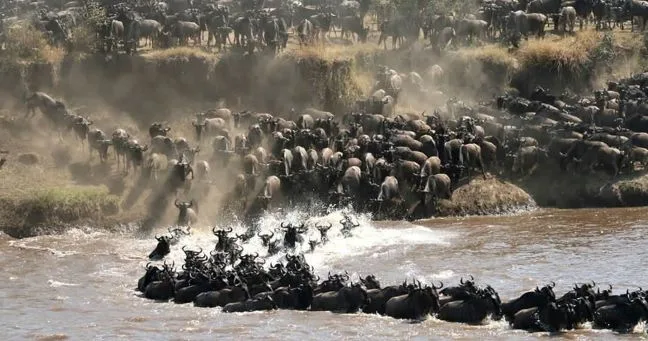
The best time for a Tanzania safari depends on your priorities. June to October is popular for dry-season wildlife viewing, while January to March is particularly important for travellers interested in the wildebeest calving season around Ndutu. If you are planning a Great Migration safari in Tanzania, your Serengeti location should be matched to your travel month rather than using the same itinerary year-round.
This Tanzania safari planning guide for 2026/2027/2028 explains safari costs, routes, accommodation, private 4×4 travel, wildlife seasons and practical logistics to help you plan a safari that spends more time experiencing Tanzania and less time unnecessarily moving between parks.
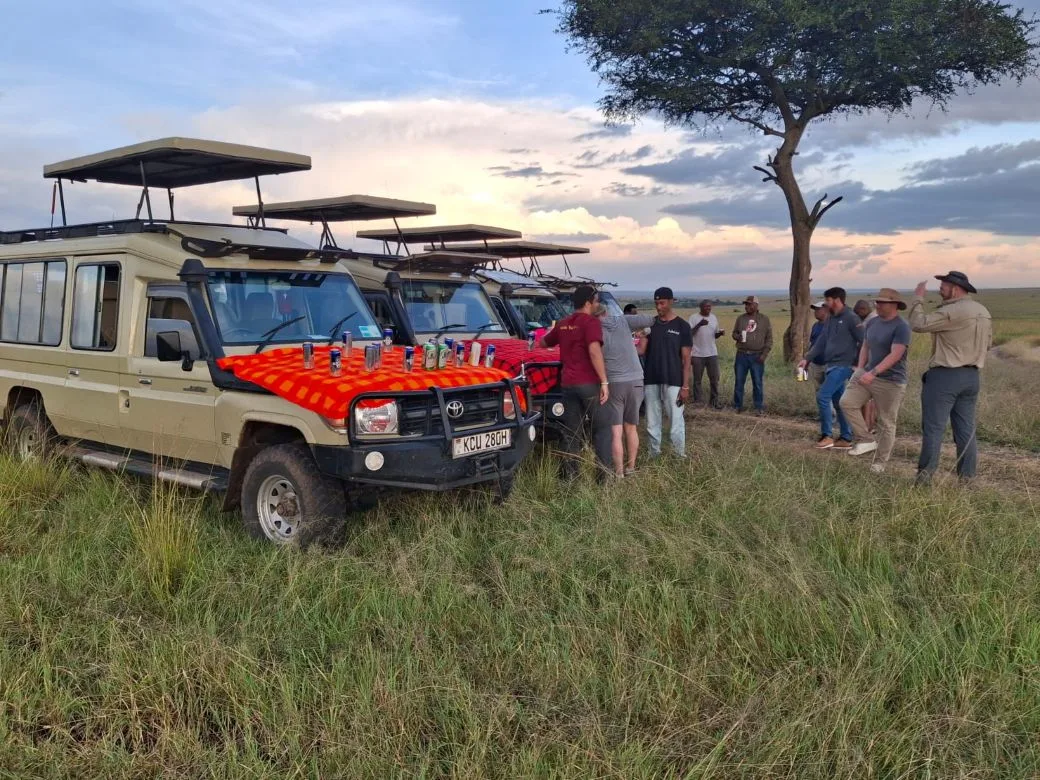
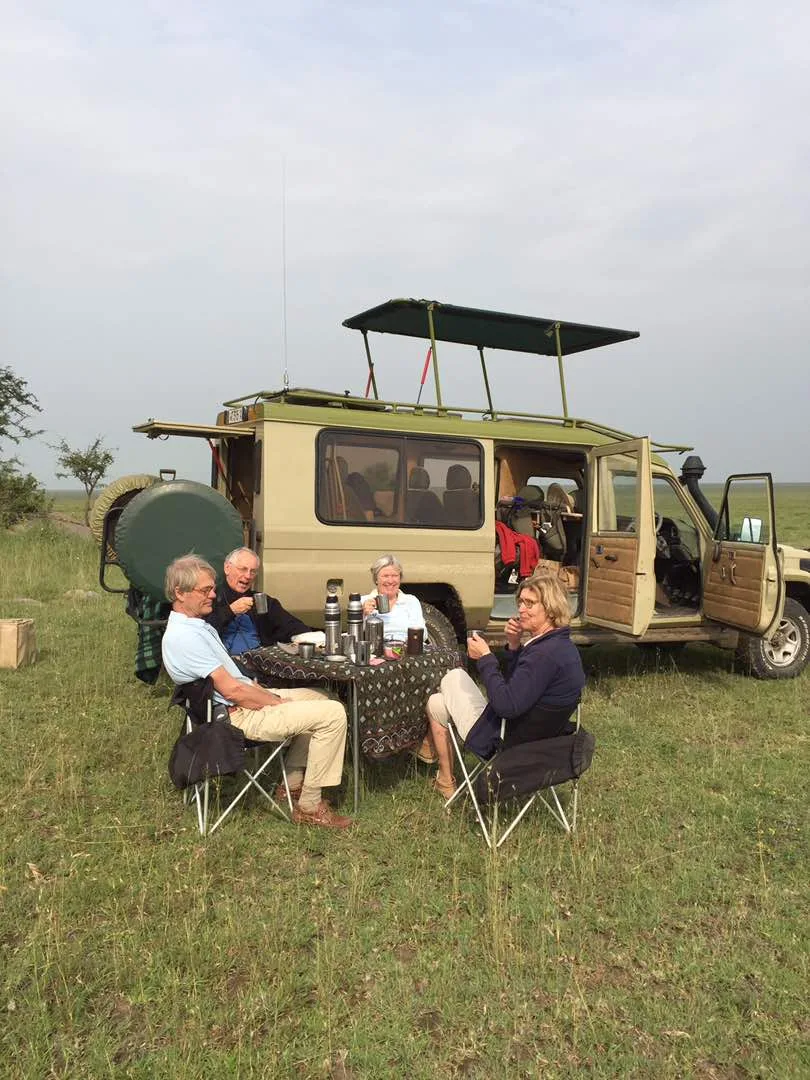
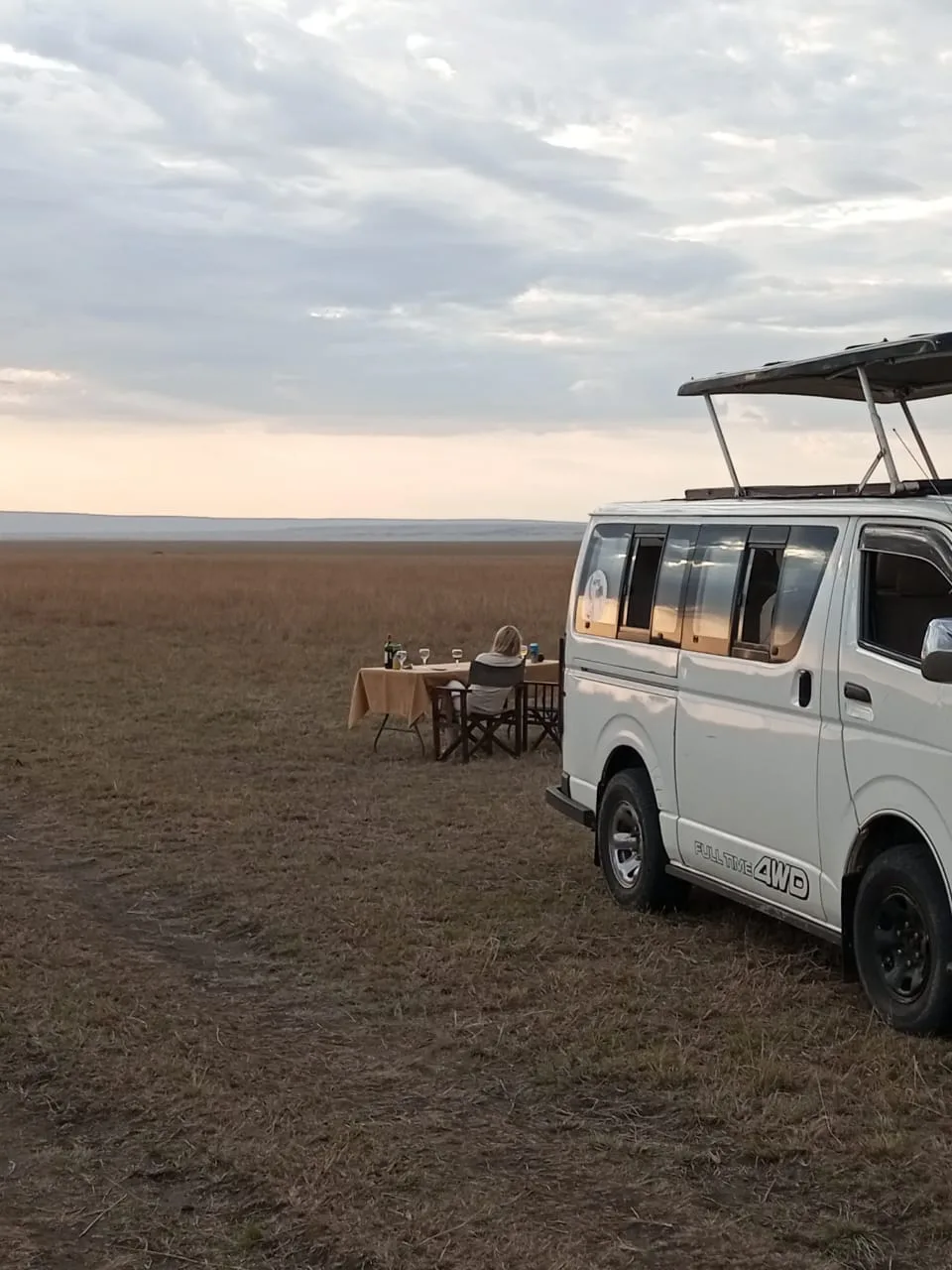
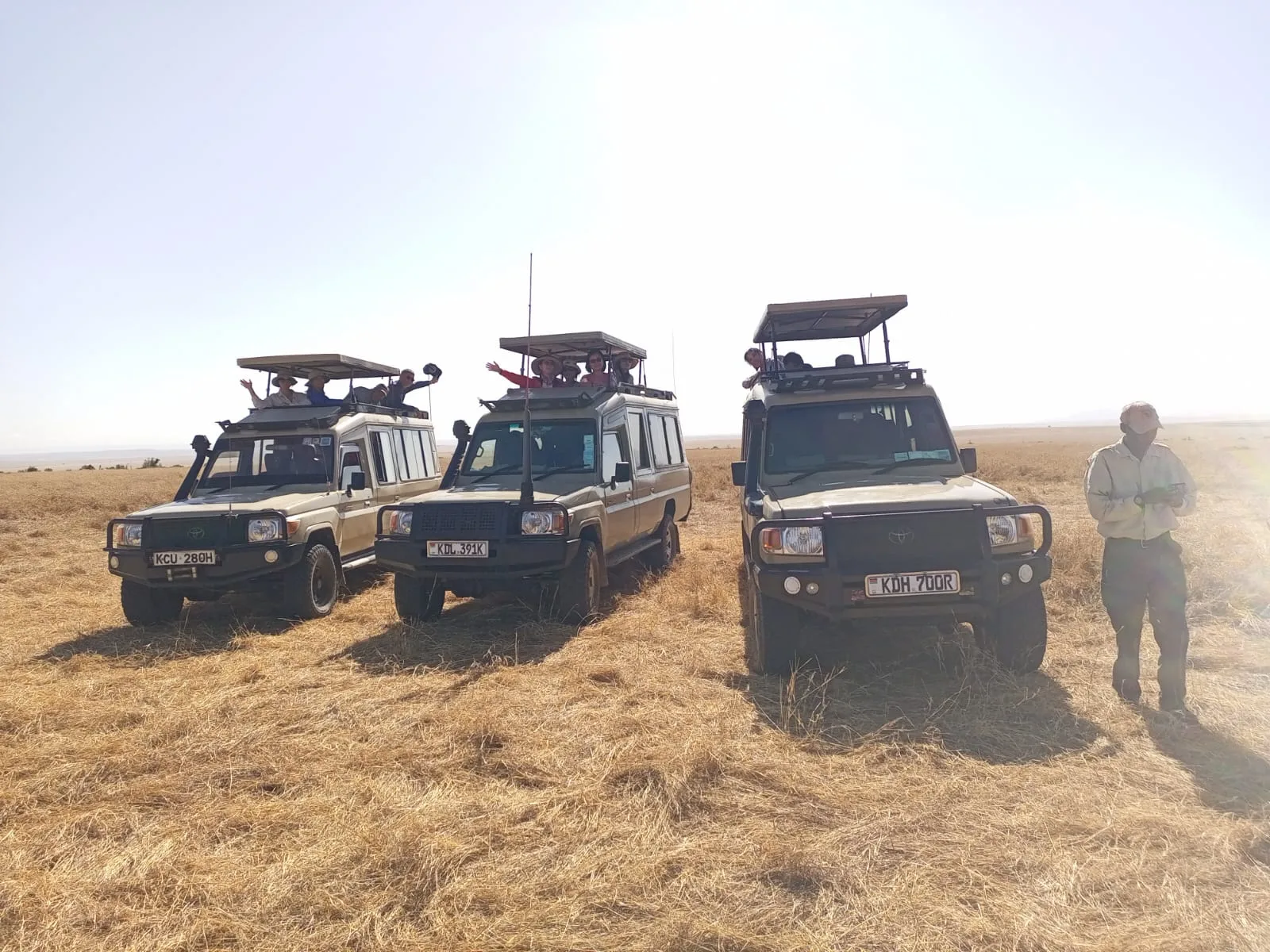
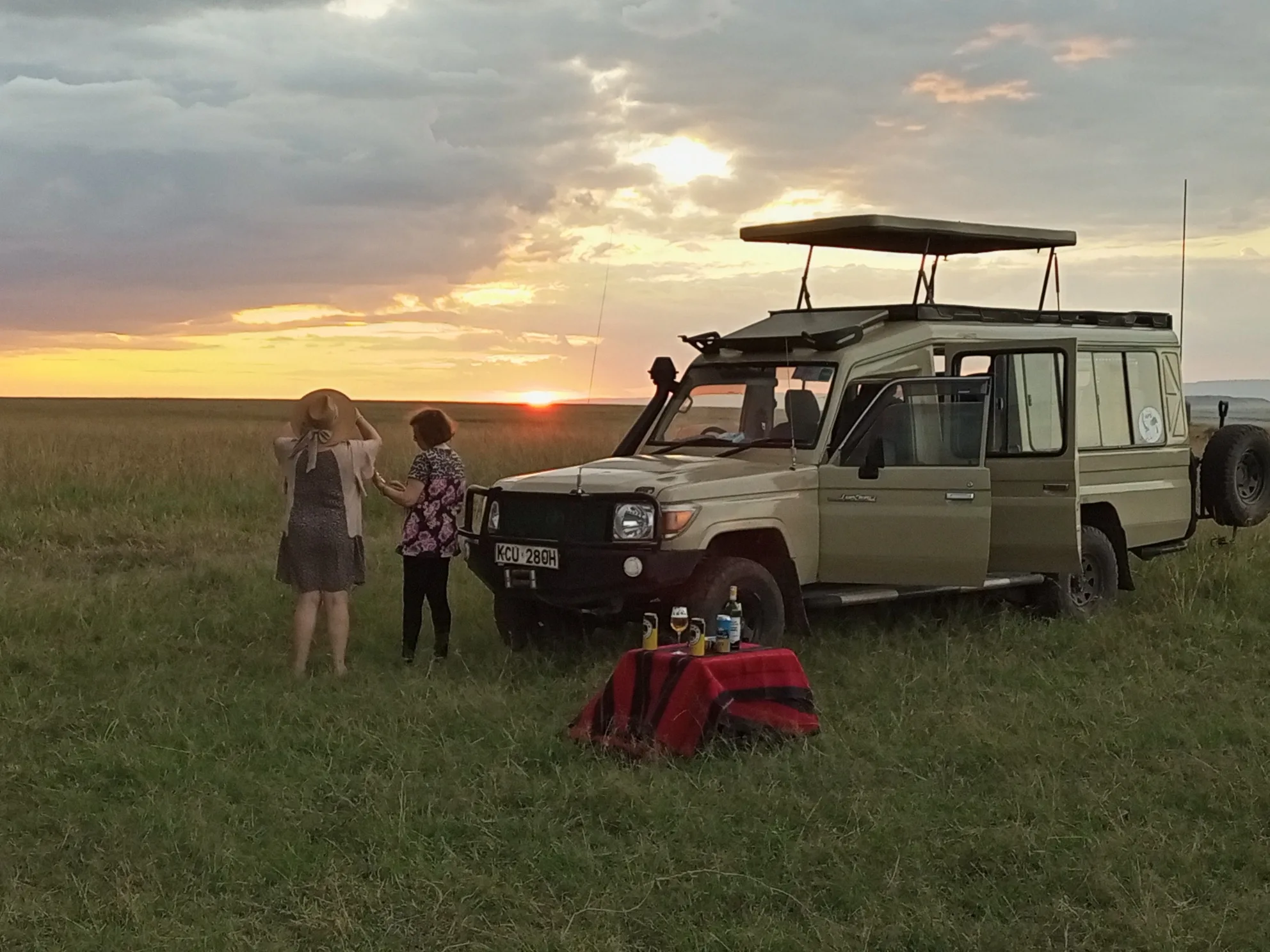
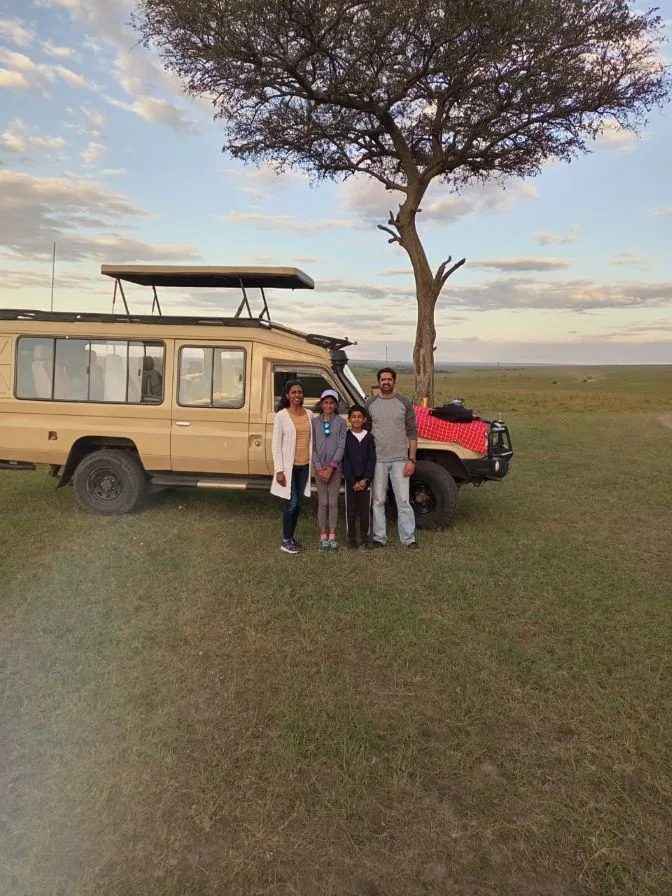
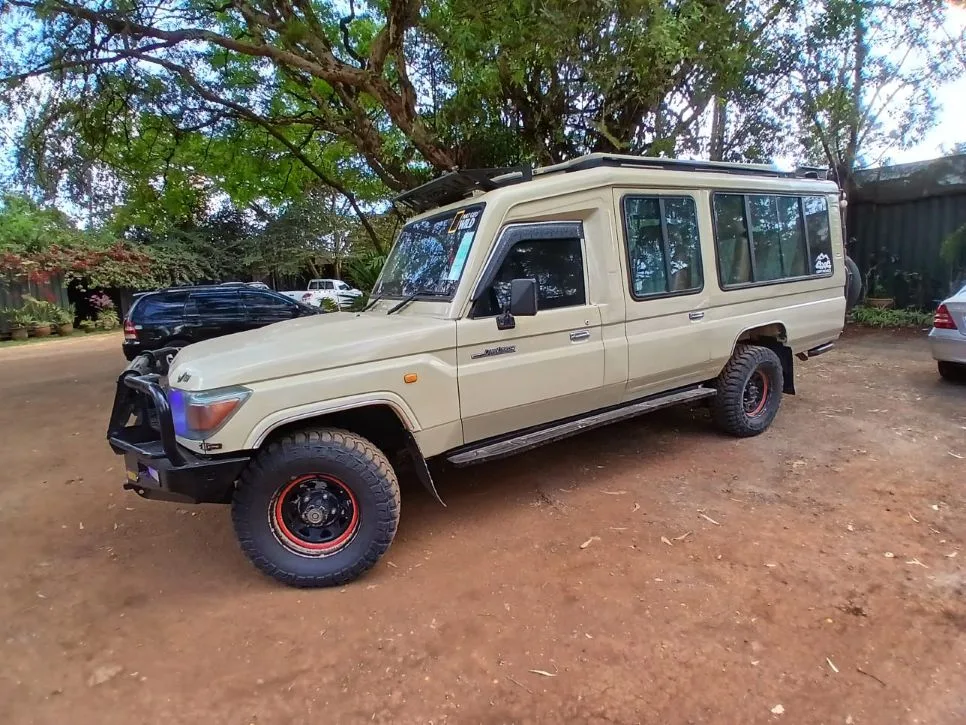
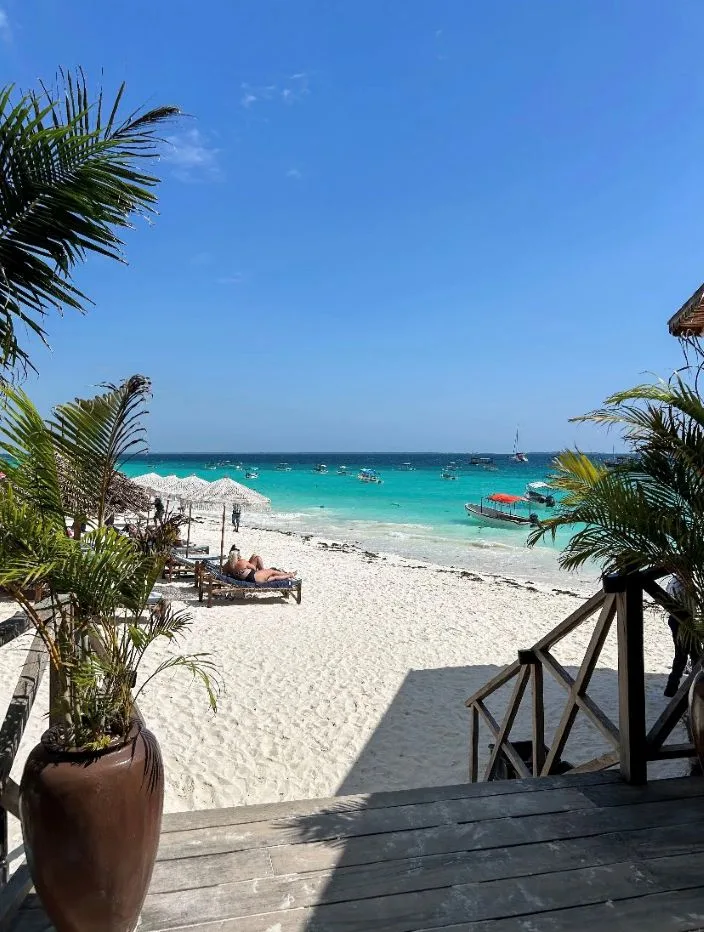
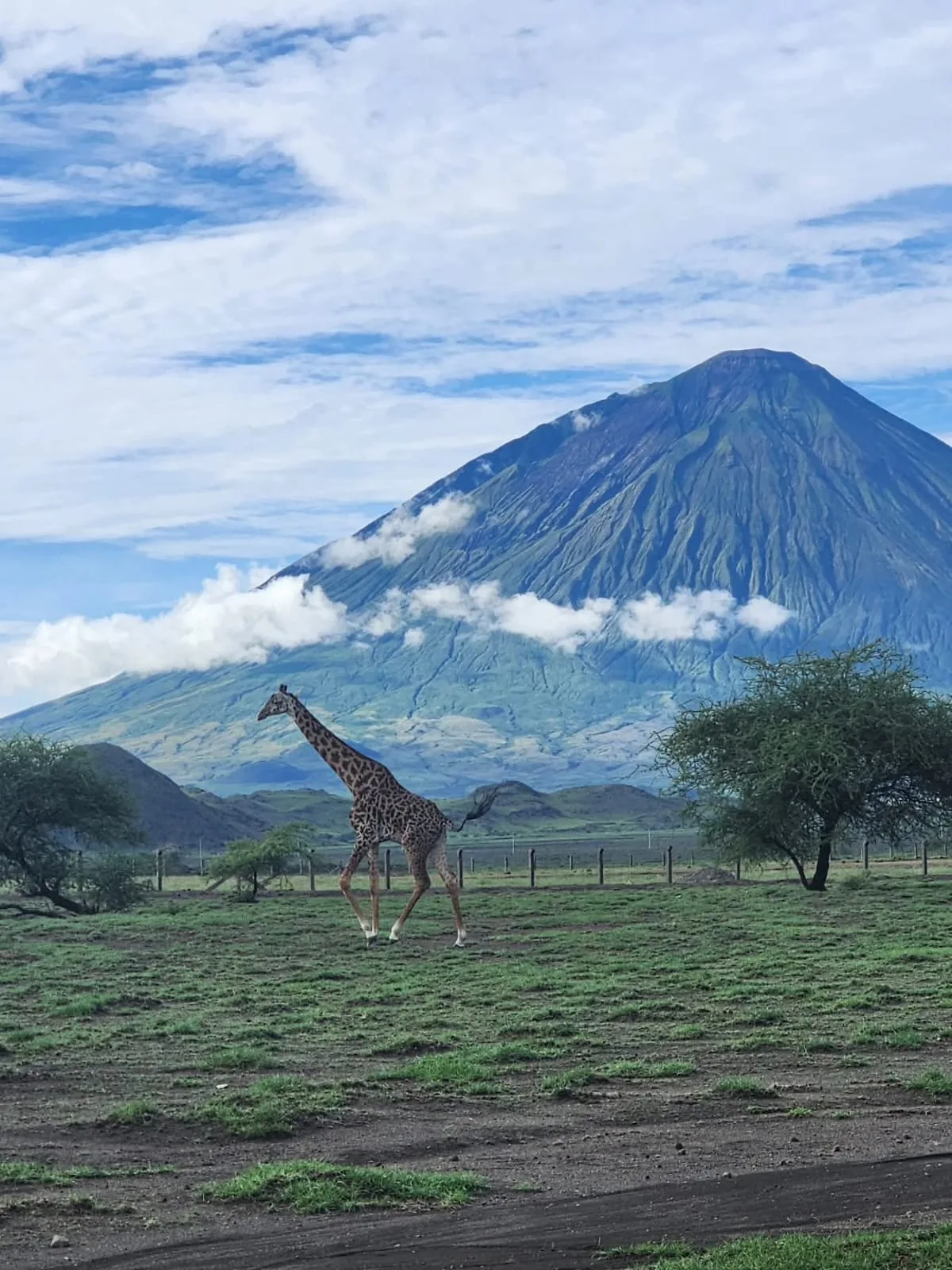
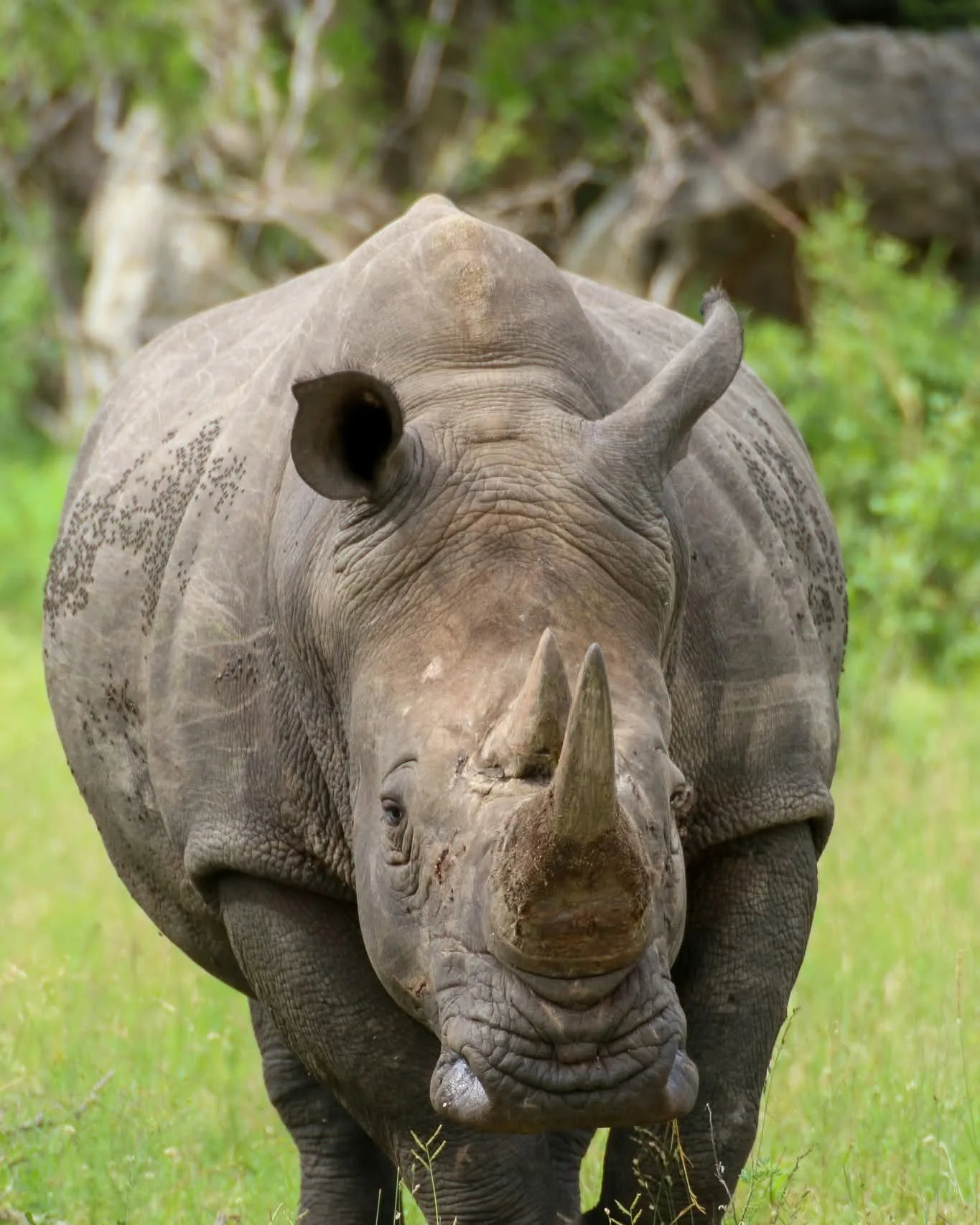
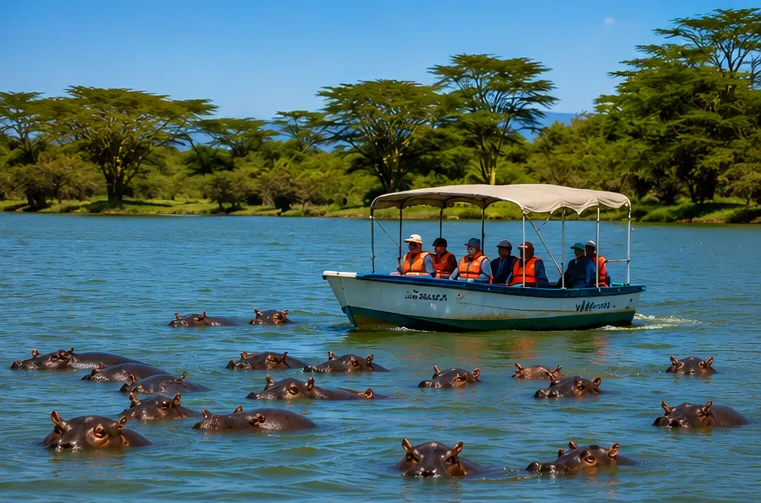
How to plan a Tanzania Safari Gallery
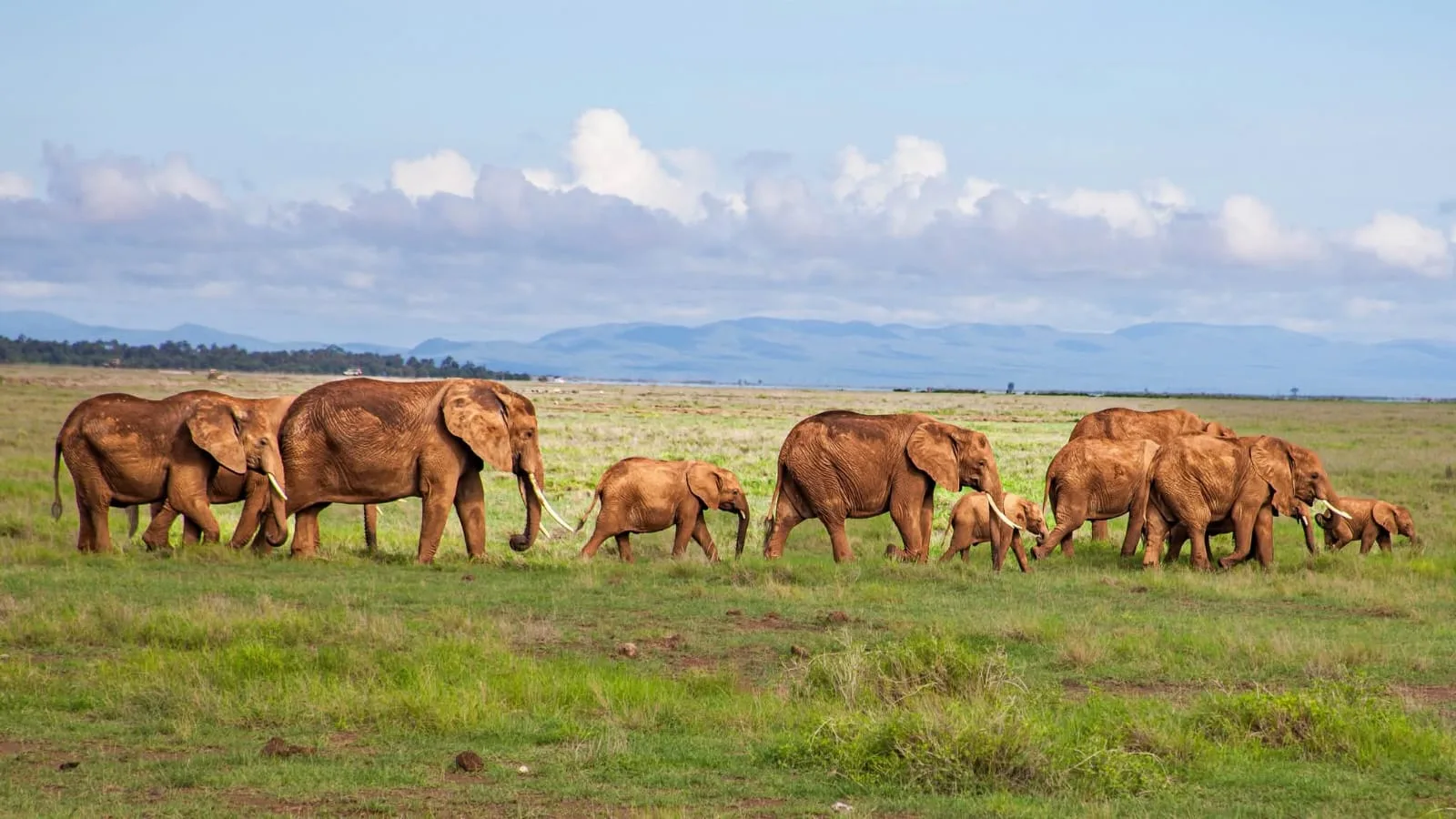
Tanzania Safari Planning at a Glance
A well-planned Tanzania safari should balance wildlife priorities, travel time, season, budget and accommodation location. For most first-time visitors, the Northern Circuit is the easiest place to start because Serengeti, Ngorongoro and Tarangire can be combined into one practical safari route.
| Planning Factor | Practical Recommendation |
|---|---|
| Ideal safari length | 5–7 days for most first-time visitors |
| Classic first safari route | Tarangire → Serengeti → Ngorongoro |
| Main safari gateway | Arusha / Kilimanjaro |
| Popular dry-season period | June–October |
| Wildebeest calving period | January–March, particularly around Ndutu |
| Great Migration planning | Match the Serengeti region to your travel month |
| Recommended transport | Private 4×4 safari Land Cruiser |
| Accommodation choices | Tented camps, safari lodges and luxury camps |
| Short safari | 2–4 days |
| Classic Tanzania safari | 5–7 days |
| Extended safari | 8–10 days |
| Safari + Zanzibar | Around 10–14 days overall |
| Best planning approach | Spend enough time in fewer well-chosen destinations |
| When to book | Earlier for peak seasons, migration areas and festive dates |
| Wildlife guarantee | Wildlife and migration events cannot be guaranteed |
What Does a Tanzania Safari Offer?
A Tanzania safari combines some of East Africa's most distinctive wildlife areas in a single journey. Depending on your route and season, you can explore the Serengeti plains, descend into Ngorongoro Crater, watch elephant herds among Tarangire's baobabs and, at certain times of year, experience different stages of the Great Wildebeest Migration.
What makes Tanzania particularly useful for safari planning is the variety. A trip can be designed around Big Five wildlife, the Great Migration, photography, family travel, honeymoon experiences, private game drives or a safari-and-Zanzibar holiday.
The key is not to include every available park. Choose destinations that fit naturally together and give yourself enough time to experience them properly.
How to Plan a Tanzania Safari in 8 Steps
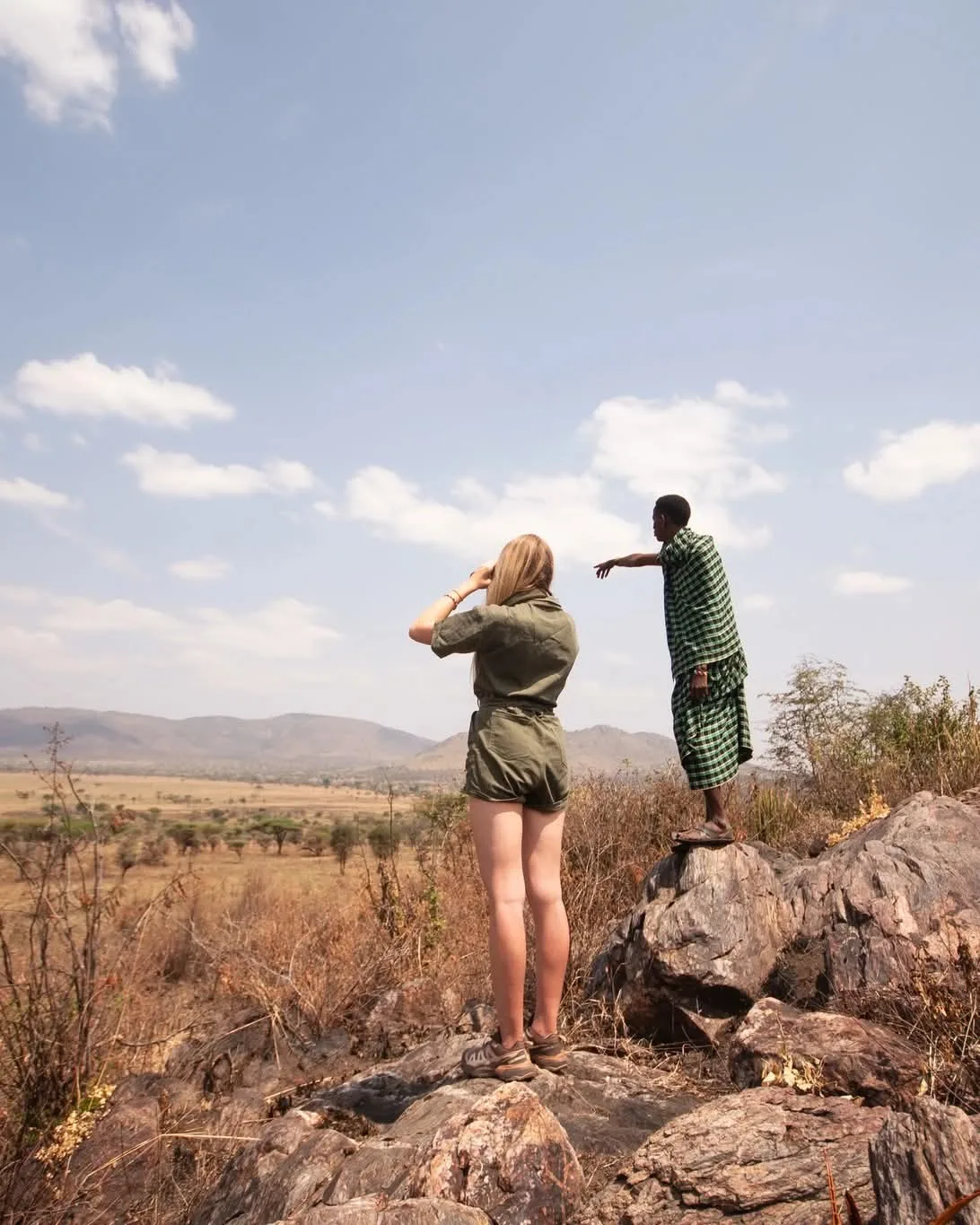
Planning a Tanzania safari becomes much easier when you make the major decisions in the right order. Instead of choosing lodges or copying a ready-made itinerary first, begin with your travel dates, available time, wildlife priorities and budget.
1. Decide When You Want to Visit Tanzania
Your travel month influences wildlife movements, weather, accommodation availability and safari prices.
June to October is generally associated with drier conditions and excellent wildlife viewing. January to March is particularly rewarding around Ndutu and the Southern Serengeti, where wildebeest calving usually takes place.
If the Great Migration is important to you, choose your Serengeti area according to the season rather than assuming the herds remain in one location throughout the year.
2. Decide How Many Safari Days You Have
For most first-time travellers, 5–7 days provides enough time for a well-paced Northern Tanzania safari.
With fewer days, concentrate on two or three compatible destinations. With 8–10 days, you can slow the pace, spend additional time in Serengeti or include another park without turning every day into a transfer.
3. Set a Realistic Tanzania Safari Budget
Your Tanzania safari cost depends on the season, accommodation level, group size, route, park fees and whether you travel by road or use domestic flights.
Rather than comparing headline prices alone, compare what each quotation actually includes: park and conservation fees, accommodation, meals, safari vehicle, driver-guide, transfers and any domestic flights.
4. Choose the Right Tanzania Safari Circuit
Tanzania has several safari regions, but the Northern Circuit is the most practical starting point for many first-time visitors.
It includes Serengeti National Park, Ngorongoro Conservation Area, Tarangire National Park and Lake Manyara National Park, with Arusha commonly used as the gateway.
Southern Tanzania, including Nyerere and Ruaha, offers a different safari experience and can suit travellers looking for more remote wilderness or returning for another Tanzania safari.
5. Match the Parks to What You Want to Experience
Do not choose a park simply because its name appears on most itineraries.
Serengeti – big cats, expansive landscapes and the Great Migration.
Ngorongoro – concentrated wildlife viewing within the crater.
Tarangire – elephants, baobab landscapes and seasonal wildlife concentrations.
Lake Manyara – varied scenery, birdlife and a useful addition to some Northern Circuit routes.
Ndutu – particularly important for migration and calving-focused safaris during the appropriate season.
Your route should reflect your interests rather than trying to include every park.
6. Choose Accommodation by Location, Not Only Luxury Level
A safari lodge can look exceptional online and still be poorly positioned for your itinerary.
Consider how far the property is from park gates and the wildlife areas you intend to explore. During a migration-focused Serengeti safari, camp location becomes even more important because the most practical area changes with the season.
A well-located mid-range tented camp can sometimes give you more useful game-viewing time than a more luxurious property requiring long daily transfers.
7. Choose Your Safari Vehicle and Travel Style
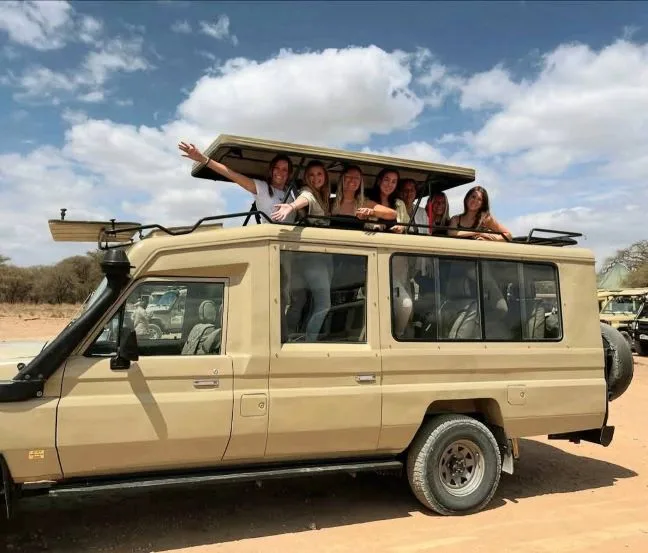
For a private road safari, a 4×4 safari Land Cruiser is the practical choice for Tanzania's wildlife areas.
A private vehicle gives your travelling party greater control over game-drive times, photography stops and the pace of the safari.
Travellers with limited time can also consider fly-in sectors, particularly when combining distant safari areas or connecting the mainland with Zanzibar.
8. Check the Details Before Paying Your Deposit
Before confirming your Tanzania safari tour, ask for a clear written itinerary and quotation.
Check the exact accommodation, meal plan, park fees, transport, airport transfers, domestic flights, payment schedule, cancellation conditions and exclusions.
Also check how much actual game-drive time the itinerary provides.
A safari that looks impressive because it lists many destinations may involve considerably more driving than wildlife viewing. In many cases, spending longer in three well-chosen destinations creates a better safari than rushing through five parks.
Safari Expert Tip
Plan the experience first and the accommodation second.
Start with your travel month, wildlife priorities and number of days. Build the most practical route around those factors, then choose accommodation that supports that route.
This is particularly important for Serengeti Great Migration safaris, where choosing the right area can matter more than choosing the most luxurious camp.
How Many Days Do You Need for a Tanzania Safari?
For most first-time visitors, 5–7 days is a practical length for a Tanzania safari, particularly when exploring the Northern Circuit. This gives you enough time to combine Tarangire, Serengeti and Ngorongoro without turning every day into a long transfer.
However, the right safari length depends on what you want to see. A 3-day safari can work for travellers with limited time or those combining Tanzania with Zanzibar, while 8–10 days allows for more time in Serengeti, a slower pace and greater flexibility for wildlife photography.
Tanzania Safari Length Comparison
| Safari Length | Suggested Route | Best For | Planning Consideration |
|---|---|---|---|
| 2–3 Days | Tarangire + Ngorongoro OR Serengeti fly-in | Short trips, Zanzibar extensions | Focus on fewer destinations |
| 4 Days | Serengeti + Ngorongoro | Wildlife-focused short safari | Prioritise Serengeti rather than adding too many parks |
| 5 Days | Tarangire + Serengeti + Ngorongoro | First-time visitors with limited time | Good balance when carefully routed |
| 6–7 Days | Tarangire + Serengeti + Ngorongoro | Most first-time safari travellers | Allows more meaningful Serengeti time |
| 8–10 Days | Extended Northern Circuit | Migration, photography, slower travel | More time for game drives and seasonal routing |
| 10–14 Days | Northern Circuit + Zanzibar | Safari-and-beach holidays | Combines wildlife with Indian Ocean relaxation |
Is 3 Days Enough for a Tanzania Safari?
Yes, but you need to be selective.
A 3-day Tanzania safari is best when you concentrate on one or two main wildlife areas rather than attempting the entire Northern Circuit.
From Arusha, Tarangire and Ngorongoro can work well for a short road safari. Another option is a Serengeti fly-in safari, which reduces road-transfer time and gives you more time inside the park.
For travellers already staying on the coast, a short Tanzania safari from Zanzibar can also be arranged using domestic flights.
Is 4 Days Enough for Serengeti and Ngorongoro?
Yes. Four days can work particularly well for travellers whose priorities are Serengeti and Ngorongoro Crater.
The important consideration is how the itinerary reaches Serengeti. Driving from Arusha takes time, so the route needs to be realistic.
If Serengeti is your main reason for visiting Tanzania, we would generally prefer giving it meaningful game-drive time rather than adding Tarangire or Lake Manyara simply to increase the number of parks visited.
Is 5 Days Enough for a Tanzania Safari?
For many travellers, yes.
A well-planned 5-day Tanzania safari itinerary can combine Tarangire, Serengeti and Ngorongoro while still providing worthwhile wildlife viewing.
A typical framework could be:
Day 1: Arusha → Tarangire
Day 2: Tarangire/Karatu → Serengeti
Day 3: Full-day Serengeti game drive
Day 4: Serengeti → Ngorongoro/Karatu
Day 5: Ngorongoro Crater → Arusha
Five days is particularly suitable for travellers who want the classic Northern Circuit experience but also plan to spend part of their holiday in Zanzibar.
Why Do We Often Recommend 6–7 Days?
For a first Tanzania safari, 6–7 days offers one of the best balances between wildlife viewing and travel time.
The extra days can be used where they matter most—often in Serengeti.
Instead of arriving in Serengeti one afternoon and leaving shortly afterwards, you can spend proper time exploring different wildlife areas, waiting at sightings and enjoying game drives without constantly watching the clock.
A seven-day itinerary can also be adjusted more easily according to the season.
During the wildebeest calving season, additional time may be allocated to Ndutu and the Southern Serengeti. At other times of year, your Serengeti nights may be positioned differently according to wildlife movements and your interests.
When Is an 8–10 Day Tanzania Safari Worth It?
Consider 8–10 safari days if wildlife is the main purpose of your trip.
The additional time is particularly valuable for:
Wildlife photography
Great Migration-focused travel
Spending 3–4 nights in Serengeti
Families wanting a less rushed pace
Adding Tarangire or Lake Manyara without sacrificing Serengeti time
Travellers who prefer longer game drives and fewer hotel changes
Longer does not mean you need to keep adding destinations. An extra two nights in the right wildlife area can be more rewarding than visiting two additional parks.
How Long Should You Spend in Serengeti?
For most first-time visitors, we recommend at least two nights and preferably three or more nights in Serengeti when the overall itinerary allows.
Serengeti is enormous. Wildlife viewing also does not operate according to a timetable—you may find lions close to camp one morning and spend several hours tracking cheetahs or following a herd the next day.
During a Great Migration safari, the appropriate number and location of Serengeti nights should also reflect the season.
Safari Planning Tip
Do not measure the quality of a Tanzania safari by the number of parks visited.
Measure it by how much useful time you will have inside the wildlife areas.
If two itineraries cost roughly the same, but one includes five parks in six days while another includes three parks with two full days in Serengeti, look carefully at the driving times before deciding.
For many travellers, fewer destinations with more meaningful game-drive time creates the more satisfying safari.
Which Tanzania Safari Parks Should You Visit?
Choosing the right parks is one of the most important parts of planning a Tanzania safari. For a first visit, you do not need to see every national park. Instead, choose destinations that work well together and match your wildlife interests, travel month and available time.
For most first-time travellers, Serengeti, Ngorongoro and Tarangire form a strong Northern Tanzania safari combination. Ndutu becomes particularly relevant during the wildebeest calving period, while Nyerere and Ruaha offer a different experience for travellers interested in Southern Tanzania.
Tanzania Safari Parks at a Glance
| Safari Area | Known For | Suggested Stay | Particularly Suited To |
|---|---|---|---|
| Serengeti National Park | Big cats, Great Migration, vast plains | 2–4 nights | First safaris, migration, photography |
| Ngorongoro Crater | Concentrated wildlife, dramatic scenery | 1 night nearby | Big Five-focused itineraries, first visits |
| Tarangire National Park | Elephants, baobabs, seasonal wildlife | 1–2 nights | Elephants, landscapes, photography |
| Lake Manyara National Park | Birdlife, forest and Rift Valley scenery | 1 night or en route | Short Northern Circuit additions |
| Ndutu | Wildebeest calving, predators, migration | 2–3 nights seasonally | January–March migration safaris |
| Nyerere National Park | Large wilderness, varied safari activities | 2–4 nights | Southern Tanzania, repeat visitors |
| Ruaha National Park | Elephants, predators, remote landscapes | 3–4 nights | Wilderness and longer safaris |
Serengeti National Park – Big Cats & Great Migration
For many travellers, Serengeti National Park is the centrepiece of a Tanzania safari.
Its vast ecosystem supports wildebeest, zebras, giraffes, elephants, buffaloes, gazelles and an impressive range of predators, including lions, cheetahs, leopards and hyenas.
Serengeti is also closely associated with the Great Wildebeest Migration, but the migration should not be treated as a single fixed-location attraction. Herd movements change throughout the year in response to rainfall, grazing and other natural conditions.
This is why the location of your Serengeti accommodation matters.
How Long Should You Stay in Serengeti?
For a first Tanzania safari, we generally recommend 2–4 nights when time and budget allow.
One night can make an itinerary look impressive on paper, but after accounting for the journey into and out of Serengeti, the actual wildlife-viewing time may be limited.
If Serengeti is your main priority, an additional night here will often add more to your safari than squeezing another park into the itinerary.
Best for: Big cats, Great Migration, photography and classic African landscapes.
Ngorongoro Crater – Concentrated Wildlife Viewing
Ngorongoro Crater offers a very different safari experience from Serengeti.
After descending from the crater rim, game drives explore grassland, woodland and wetland habitats within the crater floor. Wildlife may include lions, elephants, buffaloes, zebras, wildebeest, hippos, hyenas and endangered black rhinos.
Because wildlife can be relatively concentrated, Ngorongoro works particularly well on a first Tanzania safari.
However, it does not require several days for most Northern Circuit itineraries. A well-planned crater game drive can normally be incorporated while travelling between Serengeti and the Karatu/Arusha area.
Best for: First-time visitors, varied wildlife, scenery and Big Five-focused itineraries.
Tarangire National Park – Elephants & Baobab Landscapes
Tarangire National Park is sometimes overshadowed by Serengeti and Ngorongoro, but it adds something genuinely different to a Northern Tanzania safari.
The landscape is characterised by large baobab trees, open savannah and the Tarangire River, while elephants are among the park's best-known wildlife attractions.
During the drier months, the river and remaining water sources can attract wildlife from the surrounding ecosystem.
Tarangire also works conveniently near the beginning or end of many Northern Circuit itineraries because it is considerably closer to Arusha than Serengeti.
Recommended stay: 1–2 nights.
Best for: Elephants, baobab landscapes, birdlife and adding variety to a Northern Circuit safari.
Lake Manyara National Park – Forest, Birdlife & Rift Valley Scenery
Lake Manyara National Park is much smaller than Serengeti, but its landscapes are surprisingly varied.
The park includes groundwater forest, open areas, wetlands and views beneath the Great Rift Valley escarpment. Travellers may encounter elephants, giraffes, buffaloes, baboons, hippos and numerous bird species.
Lake Manyara can be useful when it fits naturally into your route, but we would not automatically add it to every Tanzania safari.
If your itinerary is already short, an additional day in Serengeti may provide better value than trying to include another park simply to increase the destination count.
Best for: Birdlife, varied landscapes and selected Northern Circuit itineraries.
Ndutu – Best Known for the Wildebeest Calving Season
For travellers visiting between roughly January and March, Ndutu can become one of the most important areas in a migration-focused itinerary.
The broader Ndutu and Southern Serengeti ecosystem is associated with the wildebeest calving period, when large numbers of wildebeest gather on the short-grass plains.
The presence of young animals can also create excellent opportunities for observing predator activity.
For a calving-season safari, we would normally consider 2–3 nights around Ndutu rather than treating the area as a quick stop.
Exact wildlife locations vary according to rainfall and natural herd movements, so neither calving activity nor individual sightings should be guaranteed.
Best for: Calving season, predators, photographers and Great Migration-focused safaris.
Nyerere National Park – Southern Tanzania Wilderness
Travellers do not have to follow the classic Northern Circuit.
Nyerere National Park offers a different style of Tanzania safari and can be particularly attractive to travellers seeking a more remote wilderness experience.
Depending on the camp and itinerary, experiences may extend beyond conventional vehicle game drives and can include boat-based wildlife viewing in appropriate areas.
Because Southern Tanzania involves different logistics from the Northern Circuit, Nyerere is often best planned as its own safari or combined carefully with other southern destinations.
Best for: Wilderness, repeat safari travellers and those wanting an alternative to the classic Northern Circuit.
Ruaha National Park – Remote Landscapes & Predators
Ruaha National Park is another major Southern Tanzania wildlife destination.
It is known for expansive wilderness, elephants and predator populations, while generally offering a very different atmosphere from the busier sections of Tanzania's Northern Circuit.
Ruaha works particularly well for travellers who have enough time to spend several nights in one destination rather than moving every day.
Because of the distances involved, fly-in arrangements are commonly worth considering when building Ruaha into a wider Tanzania itinerary.
Best for: Experienced safari travellers, photographers, predators and remote wilderness.
Which Parks Are Best for a First Tanzania Safari?
If you are visiting Tanzania for the first time and have around 5–7 safari days, a practical starting route is:
Tarangire → Serengeti → Ngorongoro
Why this combination?
Tarangire provides elephants and baobab landscapes, Serengeti delivers expansive plains, predators and seasonal migration opportunities, while Ngorongoro adds a completely different environment with concentrated wildlife viewing.
Rather than three versions of the same safari experience, each destination contributes something different.
If you travel during the wildebeest calving period, the itinerary can be adjusted to give Ndutu and the Southern Serengeti greater emphasis.
Which Tanzania Safari Park Is Best for the Great Migration?
There is no single Serengeti location that is best throughout the year.
The Great Migration moves through a large ecosystem, so your travel month should influence where you stay.
As a general planning pattern:
| Period | Area Often Considered | Migration Interest |
|---|---|---|
| January–March | Ndutu / Southern Serengeti | Calving and predator activity |
| April–May | Central/western areas depending on conditions | Herd movement northwards |
| June–July | Western/Northern movement | Transitional migration period |
| July–October | Northern Serengeti | Seasonal river-crossing opportunities |
| November–December | Central/Southern movement | Herds moving back south |
These periods are planning guidelines, not guarantees. Rainfall can influence the timing and location of the herds, and river crossings cannot be scheduled or guaranteed.
Safari Expert Tip: Choose Experiences, Not Park Names
When comparing Tanzania safari itineraries, ask:
What does each destination add to my trip?
If two parks provide similar experiences but adding the second creates a long transfer, it may not improve the safari.
For a first trip, we usually prefer a route that gives travellers meaningful time in Serengeti, a full Ngorongoro Crater experience and a complementary destination such as Tarangire.
A well-paced Tanzania safari should feel like a wildlife journey—not a race to collect park names.
Northern vs Southern Tanzania Safari: Which Should You Choose?
For most first-time visitors, Northern Tanzania is the more familiar starting point, especially if Serengeti, Ngorongoro Crater or the Great Migration is high on your wish list. Southern Tanzania offers a different experience, with large wilderness areas such as Nyerere and Ruaha and itineraries that are often built around fewer destinations and longer stays.
Neither circuit is automatically better. The right choice depends on the wildlife experiences you want, how many days you have, your budget and whether this is your first or a repeat African safari.
Northern vs Southern Tanzania Safari at a Glance
| Planning Factor | Northern Tanzania | Southern Tanzania |
|---|---|---|
| Main safari areas | Serengeti, Ngorongoro, Tarangire, Lake Manyara, Ndutu | Nyerere, Ruaha, Mikumi |
| Main gateway | Arusha / Kilimanjaro | Dar es Salaam / domestic flights |
| Great Migration | Yes – Serengeti ecosystem | No |
| Classic Big Five safari | Strong choice | Wildlife mix varies by destination |
| Big cats | Excellent opportunities, particularly Serengeti | Strong opportunities, particularly Ruaha |
| Elephants | Tarangire is particularly well known | Strong populations in several southern areas |
| Safari style | Road and fly-in options | Fly-in often useful because of distances |
| Typical first safari | Very suitable | More commonly chosen for a different or repeat safari experience |
| Safari + Zanzibar | Easy to combine by domestic flight | Also practical by air |
| Recommended duration | About 5–10 safari days | About 5–10 days depending on route |
Why Choose Northern Tanzania?
The Northern Tanzania safari circuit contains several of the country's best-known wildlife destinations within a route that can be organised efficiently from Arusha.
A first safari can combine Tarangire, Serengeti and Ngorongoro without requiring a domestic flight between every destination.
The north is particularly suitable if your priorities include:
Serengeti National Park
The Great Wildebeest Migration
Ngorongoro Crater
Big-cat viewing
Tarangire's elephants and baobabs
A classic first Tanzania safari
Combining safari with Zanzibar
The main advantage is not simply the number of famous parks. It is that several contrasting wildlife environments can be combined into one logical journey.
Who Is Northern Tanzania Best For?
Northern Tanzania works particularly well for first-time safari travellers, families, couples, photographers and Great Migration-focused visitors.
It also offers considerable flexibility.
A five-day itinerary can concentrate on Tarangire, Serengeti and Ngorongoro, while travellers with seven to ten days can spend longer in Serengeti or adjust the route according to seasonal wildlife movements.
Why Choose Southern Tanzania?
Southern Tanzania appeals to travellers looking for a different safari rhythm.
Nyerere National Park and Ruaha National Park cover enormous wilderness areas, and a southern itinerary can work particularly well when you prefer spending several nights in one location rather than moving between parks frequently.
Depending on the destination and camp, safari activities may also include experiences beyond conventional vehicle game drives.
Southern Tanzania is particularly worth considering if you:
Have already experienced the Northern Circuit
Prefer remote wilderness areas
Want to spend several nights in fewer locations
Are interested in Nyerere or Ruaha specifically
Prefer a fly-in safari structure
Want to combine a southern safari with Zanzibar
The logistics need careful planning because distances between southern destinations can be considerable.
Is Northern Tanzania Better for a First Safari?
For many first-time visitors, Northern Tanzania is the more straightforward circuit to plan, particularly when Serengeti and Ngorongoro are priorities.
A route such as:
Arusha → Tarangire → Serengeti → Ngorongoro → Arusha
provides several different landscapes and wildlife experiences without requiring an overly complicated itinerary.
However, this does not mean Southern Tanzania is unsuitable for a first safari. A traveller primarily interested in wilderness, Nyerere or Ruaha may reasonably choose the south from the beginning.
The decision should follow your interests rather than a rule that everyone must visit the same parks.
Can You Combine Northern and Southern Tanzania?
Yes, but it does not always make practical sense.
For a shorter holiday, trying to combine Serengeti, Ngorongoro, Nyerere and Ruaha can introduce unnecessary flights, transfers and additional costs.
If you have 7–10 safari days, we would usually build a strong itinerary within one circuit rather than trying to cover the entire country.
With a longer trip, Northern and Southern Tanzania can be combined using domestic flights, provided each destination receives enough time to justify the additional travel.
Northern Tanzania or Southern Tanzania With Zanzibar?
Both circuits can be combined with Zanzibar, but the logistics differ.
From Northern Tanzania, travellers commonly connect to Zanzibar by air after completing their safari around Arusha, Kilimanjaro or one of the safari airstrips.
Southern safari itineraries can also connect conveniently to Zanzibar by domestic flight.
If Zanzibar is important to your holiday, decide how many total days you have before dividing them between safari and beach.
For a 10–14 day Tanzania holiday, approximately 6–8 days of safari followed by 3–5 days in Zanzibar can create a comfortable balance for many travellers.
Safari Expert Insight
For a first visit of around 5–7 safari days, we commonly build the itinerary around Northern Tanzania rather than trying to combine north and south.
The reason is practical: Serengeti, Ngorongoro and Tarangire already provide three very different wildlife environments within one logical route.
Southern Tanzania becomes particularly interesting when the traveller specifically wants Nyerere or Ruaha, prefers a different wilderness style, or is returning to Tanzania after already experiencing the Northern Circuit.
Choose the circuit first. Then choose the parks.
That approach usually produces a more coherent safari than selecting individual destinations first and trying to connect them afterwards.
Best Time to Plan a Tanzania Safari: Month-by-Month Guide
The best time for a Tanzania safari depends on what you want to experience. June to October is popular for generally drier conditions and wildlife viewing, while January to March is particularly important for travellers interested in the wildebeest calving season around Ndutu and the Southern Serengeti.
There is no single month that is best for everyone. Your ideal travel period should consider wildlife priorities, Great Migration movements, weather, visitor levels, accommodation availability and budget.
Tanzania Safari Month-by-Month
| Month | Typical Conditions | Wildlife & Migration Planning | Good For |
|---|---|---|---|
| January | Generally warm; green landscapes | Herds often associated with southern Serengeti/Ndutu | Migration, photography, green scenery |
| February | Warm; generally green | Major calving period around Ndutu ecosystem | Calving, predators, photography |
| March | Green; rains may begin later in the month | Calving/migration activity can remain in southern areas | Wildlife, fewer visitors later in month |
| April | Long-rain period | Herds gradually move as grazing conditions change | Green landscapes, lower-season travel |
| May | Often wet, becoming drier later | Migration generally progressing north/west depending on rainfall | Fewer visitors, value |
| June | Dry season developing | Herds may move through western/central areas | General wildlife, migration |
| July | Generally dry | Northern movement; seasonal crossing opportunities may begin | Wildlife, migration-focused safaris |
| August | Dry and popular | Northern Serengeti is often important | Migration, general wildlife |
| September | Generally dry | Northern Serengeti remains important in many years | Migration, predators, photography |
| October | Dry season transitioning | Herd distribution depends increasingly on rainfall | Wildlife, late-season migration planning |
| November | Short rains possible | Herds may begin moving south again | Green scenery, birdlife, fewer visitors |
| December | Green season developing | Migration may be moving towards southern plains | Wildlife, festive holidays, photography |
Great Migration locations are approximate seasonal patterns rather than fixed dates. Rainfall and grazing conditions influence herd movements, so exact locations and river crossings cannot be guaranteed.
June to October – Dry-Season Tanzania Safaris
June to October is one of Tanzania's most popular safari periods.
As conditions become drier, vegetation can become less dense in many areas and wildlife may concentrate around available water sources. These months work particularly well for travellers interested in general wildlife viewing, Serengeti, Ngorongoro and Tarangire.
July through October is also associated with migration activity farther north in the Serengeti ecosystem, although the exact timing changes from year to year.
The trade-off is demand.
Popular camps, lodges and migration areas can book well in advance, and prices are generally higher than during lower-demand periods.
Best suited to:
First-time visitors, families, general wildlife safaris, photographers and travellers interested in northern Serengeti migration activity.
January to March – Calving Season & Green Landscapes
For travellers interested in the Great Migration calving season, January through March can be an excellent period to consider.
Large wildebeest herds are typically associated with Ndutu and the Southern Serengeti ecosystem, with the main calving period usually concentrated around February.
The presence of large herds and newborn animals can also attract predators such as lions, cheetahs and hyenas.
The landscape is greener than during the main dry season, which can be particularly attractive for photography.
For a dedicated calving safari, accommodation location matters enormously. We would generally prioritise staying close to Ndutu or the relevant southern plains rather than basing the entire safari in Central Serengeti and making unnecessarily long transfers.
Best suited to:
Calving-season travellers, photographers, predator enthusiasts and migration-focused safaris.
April and May – Green Season & Fewer Visitors
April and May are associated with Tanzania's long-rain season.
This does not necessarily mean continuous rain throughout every safari day. Conditions vary by year and location, but heavier showers can affect roads, game-drive schedules and some accommodation operations.
There are advantages.
The landscapes can be exceptionally green, visitor numbers are generally lower than during peak periods, and some camps and lodges offer seasonal rates.
This period can therefore suit flexible travellers who value fewer vehicles, scenery and potential savings more than predictable dry-season conditions.
Best suited to:
Repeat safari travellers, flexible travellers, photographers and visitors looking for quieter periods.
November and Early December – Short Rains & Green Season
November commonly brings the short rains, although their timing and intensity vary.
The rains begin refreshing the landscape, migratory birds increase and wildlife viewing remains possible across Tanzania's major safari areas.
Migration herds may also begin their journey back towards the southern Serengeti ecosystem as rainfall encourages new grass growth.
For travellers who do not need a specific migration event, November can offer an interesting compromise between wildlife viewing, visitor numbers and seasonal pricing.
When Is the Best Time for the Great Migration in Tanzania?
There is no single best month for the Great Migration because different stages occur in different parts of the ecosystem.
If you want to experience a particular migration phase, plan around the experience first:
| Migration Experience | Typical Planning Period | Area to Consider |
|---|---|---|
| Wildebeest calving | January–March | Ndutu / Southern Serengeti |
| Large southern herds | January–March | Southern plains |
| Northward migration | April–June | Central/western areas depending on conditions |
| River-crossing opportunities | July–October | Northern Serengeti |
| Southward movement | October–December | Central → Southern ecosystem |
Can You Guarantee a Mara River Crossing?
No.
A Mara River crossing cannot be scheduled or guaranteed. Wildebeest may gather near a crossing point and wait for hours or even days before crossing. They may also change direction.
Choosing the appropriate season, staying in a well-positioned camp and allowing several nights in Northern Serengeti can improve your opportunity to experience migration activity, but nature determines what happens.
Any itinerary promising a guaranteed river crossing should therefore be treated cautiously.
What Is the Best Time for Serengeti Safari?
Serengeti is a year-round wildlife destination, but the most suitable area depends on your interests and travel dates.
For example:
January–March: Consider the southern ecosystem and Ndutu for calving-focused travel.
April–June: Central and western areas may become increasingly relevant as the migration progresses.
July–October: Northern Serengeti becomes particularly important for travellers interested in northern migration activity.
November–December: Wildlife remains strong while migration patterns increasingly shift towards central and southern areas.
If migration is not your primary goal, Central Serengeti can offer rewarding resident wildlife and predator viewing throughout much of the year.
When Is the Best Time for Tarangire?
Tarangire is particularly rewarding during the dry season, when wildlife from surrounding areas can concentrate around the Tarangire River and other remaining water sources.
Elephants are a major attraction, and the park's baobab-filled landscapes provide a visual contrast to Serengeti.
Tarangire should not, however, be viewed as a dry-season-only destination. Green-season landscapes, birdlife and lower visitor numbers can also make other months worthwhile.
When Should You Book a Tanzania Safari?
For July–October, January–February and the Christmas/New Year period, we recommend planning early, particularly if you want a specific lodge, family room or well-positioned migration camp.
Booking earlier matters even more when:
You have fixed international flights
You need family or triple rooms
You want a specific migration camp
You are travelling during school holidays
You are planning a honeymoon
You want a balloon safari
Your itinerary includes domestic flights
If your dates are flexible, travelling outside the busiest weeks can give you a wider choice of accommodation and sometimes better value.
Safari Expert Insight: Choose Your Month Before Your Serengeti Camp
One of the most common mistakes when planning a Great Migration safari in Tanzania is choosing a famous camp first and then trying to make the wildlife itinerary fit around it.
We recommend doing the opposite.
First choose your travel month and the migration experience you hope to see. Then identify the most practical Serengeti region. Only after that should you choose your camp.
For example, a beautifully reviewed camp in Central Serengeti may not be the most practical base for a traveller whose main priority is calving around Ndutu.
The same applies to northern migration travel.
The goal is not simply to stay at the most impressive property. It is to sleep close enough to the wildlife area you actually came to experience.
How Much Does a Tanzania Safari Cost in 2026/2027/2028?
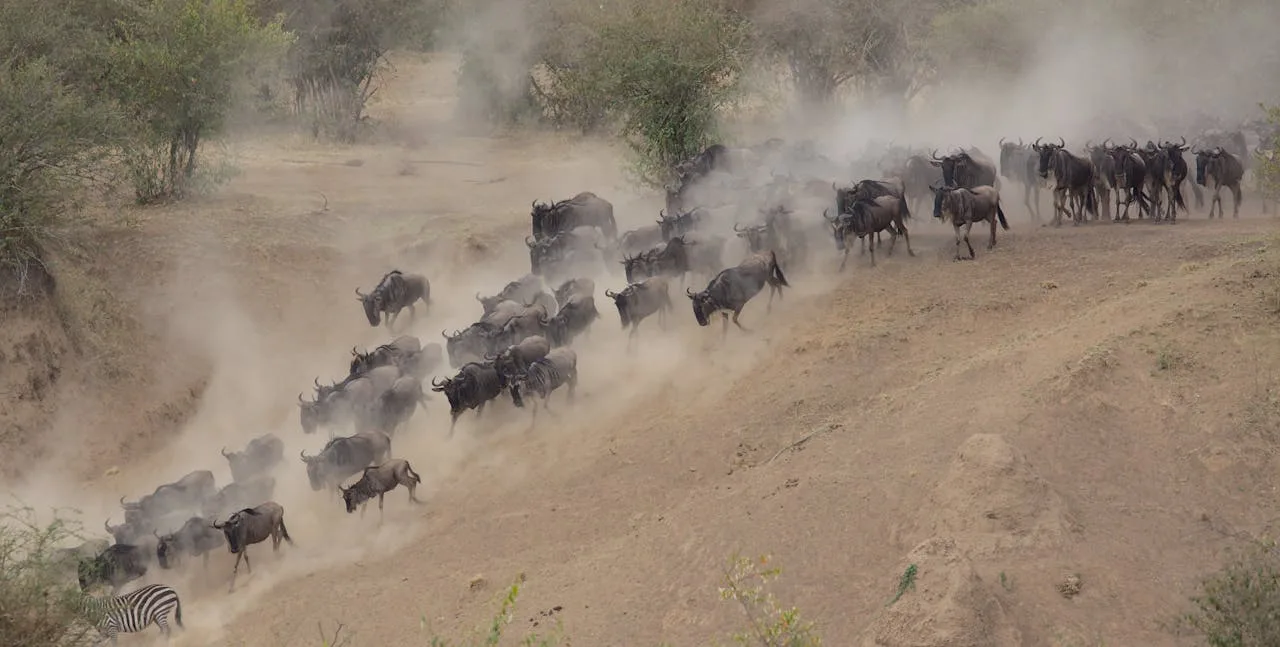
The cost of a Tanzania safari in 2026/2027/2028 depends on your travel season, number of safari days, accommodation level, group size, parks visited and whether you travel entirely by road or include domestic flights.
As a broad planning guide, a Tanzania safari may cost around USD 250–450 per person per day for budget travel, USD 400–700 for a mid-range safari and USD 700–1,500+ for luxury travel. Premium fly-in safaris can cost considerably more.
These figures should be used for planning rather than as fixed quotations. Tanzania park and conservation fees, lodge rates and flight costs can change, while private safari costs are also influenced significantly by the number of travellers sharing the vehicle.
Tanzania Safari Price Comparison
| Safari Style | Approx. Cost Per Person/Day | Typical Accommodation | Best Suited To |
|---|---|---|---|
| Budget Safari | USD 250–450 | Camping, simple lodges or value camps | Cost-conscious travellers |
| Mid-Range Safari | USD 400–700 | Comfortable lodges and ensuite tented camps | Couples, families, first-time visitors |
| Luxury Safari | USD 700–1,500+ | Luxury lodges and tented camps | Honeymoons, premium travel |
| Premium/Fly-In Safari | USD 900–2,000+ | High-end camps plus domestic flights | Travellers prioritising time and comfort |
Prices are indicative planning ranges rather than fixed quotations. Your final Tanzania safari cost depends on travel dates, group size, route, accommodation availability, park/conservation fees and included services.
What Determines the Cost of a Tanzania Safari?
Two Tanzania safaris with the same number of days can have very different prices.
The main factors are:
1. Number of Travellers
Group size has a major impact on the cost per person of a private Tanzania safari.
A private 4×4 safari Land Cruiser and professional driver-guide involve operating costs that are shared by the travelling party.
For example, two travellers sharing one private vehicle will generally pay more per person than four or six travellers sharing the same vehicle.
This is also why you should check the small print when you see a safari advertised as “from USD X per person.” The starting price may be calculated on five or six travellers sharing.
2. Travel Season
Safari accommodation prices vary according to season.
July–October, parts of January–February and Christmas/New Year can attract stronger demand, particularly in Serengeti and migration areas.
Travelling during quieter periods may provide access to lower accommodation rates, although weather and wildlife priorities should still guide your decision.
3. Accommodation Level
Accommodation can make a substantial difference to the final safari price.
A mid-range Tanzania safari might use comfortable ensuite tented camps and lodges, while a luxury itinerary may include smaller premium camps, higher service levels, private dining or particularly sought-after locations.
Do not compare accommodation only by the word “luxury.”
Location can be just as important as room quality.
Paying for a well-positioned camp can reduce transfer time and increase the amount of your day available for wildlife viewing.
4. Parks and Conservation Areas Visited
Each safari destination has its own entrance, conservation or related charges.
A route including Serengeti and Ngorongoro therefore has a different cost structure from a short safari visiting only Tarangire.
Ngorongoro Crater also involves specific vehicle-related crater access costs in addition to applicable conservation fees.
These charges can represent a significant portion of a Tanzania safari price.
5. Road Safari vs Fly-In Safari
A traditional Northern Tanzania road safari uses a 4×4 safari Land Cruiser between destinations.
Fly-in safaris use domestic aircraft to reduce certain long road transfers and can be particularly useful for travellers with limited time or those staying in more remote camps.
Flights increase the price but can sometimes give you additional usable safari time.
6. Length of the Safari
Longer safaris naturally cost more overall because you are paying for additional accommodation, meals, park fees, guiding and vehicle days.
However, the average daily cost does not always increase proportionally.
Fixed vehicle-related expenses are shared differently across longer itineraries and larger groups, so compare the complete safari quotation rather than simply multiplying an advertised daily rate.
Example Tanzania Safari Costs by Duration
The following figures are useful only as initial planning ranges:
| Safari Length | Budget | Mid-Range | Luxury |
|---|---|---|---|
| 3 Days | USD 750–1,350 | USD 1,200–2,100 | USD 2,100–4,500+ |
| 5 Days | USD 1,250–2,250 | USD 2,000–3,500 | USD 3,500–7,500+ |
| 7 Days | USD 1,750–3,150 | USD 2,800–4,900 | USD 4,900–10,500+ |
| 10 Days | USD 2,500–4,500 | USD 4,000–7,000 | USD 7,000–15,000+ |
These are broad per-person planning estimates derived from the daily ranges above—not East Africa Jungle package quotations. Actual safari prices should be calculated from your exact dates, route, accommodation and group size.
What Should Be Included in a Tanzania Safari Price?
When comparing Tanzania safari packages, check whether each company is quoting the same services.
A clearly presented safari quotation should specify whether it includes:
Private 4×4 safari Land Cruiser
Professional driver-guide
National park and conservation fees
Ngorongoro Crater fees where applicable
Safari accommodation
Meals according to the itinerary
Drinking water during the safari
Airport/hotel transfers
Domestic flights where specifically listed
Government taxes and applicable statutory charges
It should also clearly state what is not included.
Common exclusions can include international flights, Tanzania visa costs, personal travel insurance, gratuities, alcoholic drinks, optional activities and personal expenses.
Why Can One Tanzania Safari Be Much Cheaper Than Another?
A cheaper safari is not necessarily poor quality, and a more expensive safari is not automatically better.
The difference may come from:
Accommodation location: A camp inside or strategically positioned near a wildlife area may cost more than one requiring additional driving.
Group size: A six-person price can appear substantially cheaper per person than a two-person private safari.
Park fees: Check whether all required park and conservation fees are already included.
Transport: Confirm whether the quotation uses a private 4×4, shared vehicle or domestic flights.
Season: The same itinerary may have different accommodation rates at different times of year.
Inclusions: Airport transfers, flights and activities can make apparently similar quotations very different.
Compare like with like before deciding.
Private Tanzania Safari Cost: Why Group Size Matters
Suppose two travellers and six travellers each use one private safari Land Cruiser.
Both groups still require the vehicle, fuel and driver-guide.
The six travellers can divide a large part of those shared operating costs among more people, which reduces the cost per person.
That is why a responsible safari price table should clearly state the number of travellers on which the price is based.
When requesting a quotation, provide:
Number of adults + number and ages of children + travel dates + preferred accommodation level.
That allows the safari cost to be calculated much more accurately.
Are Tanzania Safari Park Fees Included?
Do not assume they are.
Before booking, ask whether your quotation includes all national park, conservation and crater-related fees required by the itinerary.
This is particularly important when comparing unusually low advertised prices.
Park and conservation fees are not optional extras once your itinerary requires entry into those areas.
For current official park information and regulations, travellers can also check the Tanzania National Parks Authority (TANAPA).
How Can You Reduce the Cost of a Tanzania Safari?
Reducing the price does not always require sacrificing the core wildlife experience.
Consider:
Travelling with four to six people and sharing vehicle costs
Choosing comfortable mid-range camps instead of luxury properties
Travelling outside the busiest weeks
Spending longer in fewer destinations
Avoiding unnecessary domestic flights
Choosing accommodation based on location and value
Combining parks in a logical geographical order
Booking early when you have fixed peak-season dates
One place we would not recommend cutting costs is by creating an unrealistic route.
Saving on one accommodation night can be poor value if it forces you to spend most of the following day driving.
Safari Expert Insight: Compare the Safari, Not Just the Price
When comparing two Tanzania safari quotations, put the prices aside temporarily and compare the itineraries line by line.
Ask:
How many genuine game-drive hours do I get? Where are the camps located? Is the vehicle private? Are park fees included? How many people share the vehicle? Are transfers included? Is the itinerary realistic?
Only then compare the final prices.
A USD 2,000 safari and a USD 2,500 safari may not be the same product with a USD 500 difference. One may include a private Land Cruiser, better-positioned accommodation, all park fees and more useful wildlife-viewing time.
The best-value Tanzania safari is therefore not automatically the cheapest.
It is the safari where the route, inclusions, accommodation, vehicle and price make sense together.
Best Tanzania Safari Routes & Itineraries
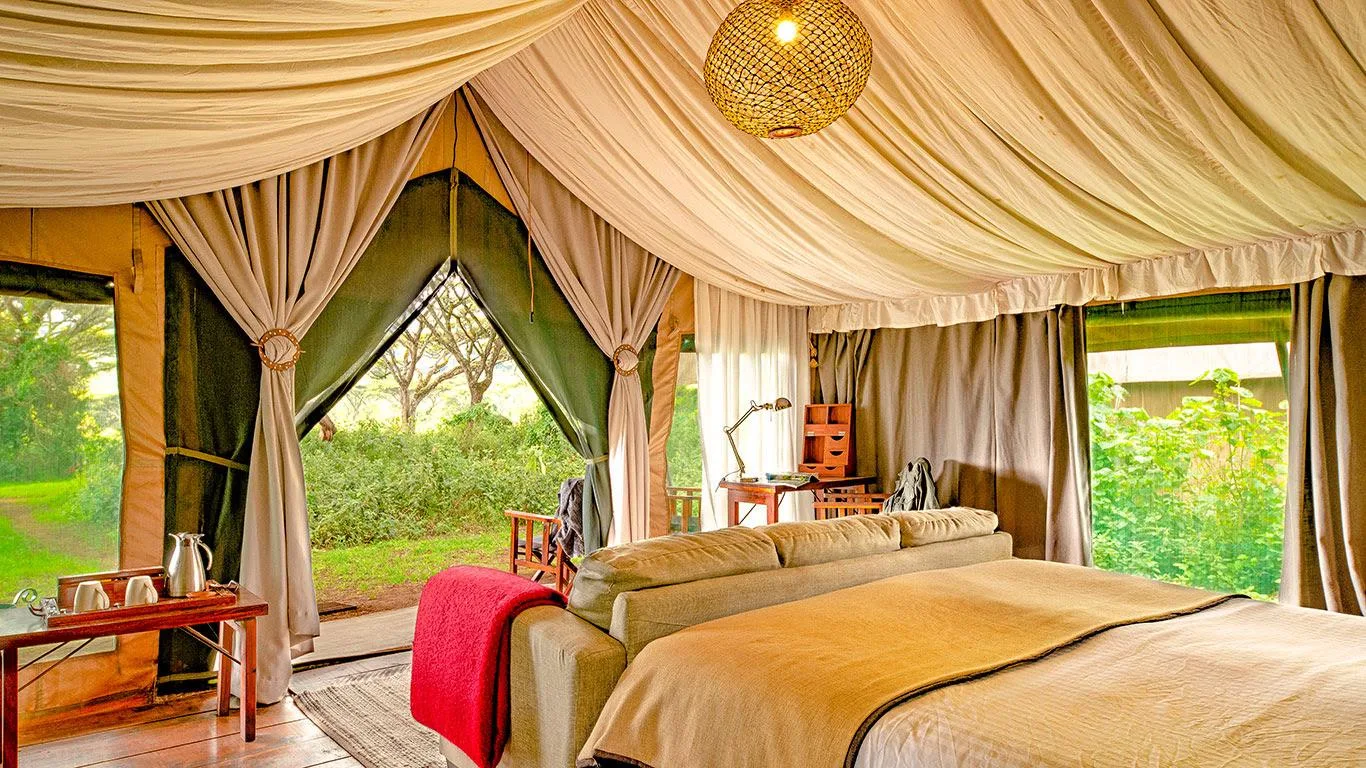
The best Tanzania safari itinerary is not necessarily the one that visits the most parks. It is the route that matches your available days, travel month, wildlife interests and preferred pace.
For most first-time visitors, the Northern Tanzania safari circuit provides the easiest route to build around. Tarangire, Serengeti and Ngorongoro complement each other well and can be combined without unnecessary backtracking.
If the Great Migration is your priority, however, the route should change according to the season. A January safari may give more time to Ndutu and Southern Serengeti, while a migration-focused trip later in the year may require a different Serengeti location.
Tanzania Safari Itineraries at a Glance
| Duration | Suggested Safari Route | Best For |
|---|---|---|
| 3 Days | Tarangire → Ngorongoro OR Serengeti fly-in | Short safari, Zanzibar extension |
| 4 Days | Serengeti → Ngorongoro | Wildlife-focused short safari |
| 5 Days | Tarangire → Serengeti → Ngorongoro | First safari with limited time |
| 6–7 Days | Tarangire → Serengeti → Ngorongoro | Classic first Tanzania safari |
| 8–10 Days | Tarangire → Serengeti → Ngorongoro + additional nights/park | Photography, migration, slower travel |
| 10–14 Days | Northern Tanzania Safari → Zanzibar | Safari-and-beach holiday |
3 Days Tanzania Safari – Best for a Short Wildlife Trip
With only three days, the key is to avoid trying to see too much.
A practical road itinerary from Arusha can concentrate on Tarangire and Ngorongoro, while travellers primarily interested in Serengeti can consider flying into the park to reduce transfer time.
Example 3-Day Road Safari
Day 1: Arusha → Tarangire National Park
Day 2: Tarangire/Karatu → Ngorongoro area
Day 3: Ngorongoro Crater → Arusha
This route gives you two contrasting wildlife environments without spending the entire safari moving between distant parks.
For travellers coming from Zanzibar, domestic flights can also make a short mainland safari more practical.
Best for: Short holidays, business-trip extensions and travellers combining safari with Zanzibar.
4 Days Serengeti & Ngorongoro Safari
If Serengeti is your main priority, four days can be used more effectively by concentrating on Serengeti and Ngorongoro rather than trying to add several other parks.
Example Route
Day 1: Arusha → Serengeti
Day 2: Full-day Serengeti game drive
Day 3: Serengeti → Ngorongoro/Karatu
Day 4: Ngorongoro Crater → Arusha
A fly-in option can reduce road-transfer time and provide additional game-viewing opportunities, although it increases the cost.
Best for: Couples, short wildlife holidays and travellers prioritising Serengeti.
5 Days Tanzania Safari – Classic Short Northern Circuit
A 5-day Tanzania safari is one of the shortest practical ways to combine Tarangire, Serengeti and Ngorongoro.
Suggested 5-Day Route
Day 1: Arusha → Tarangire National Park
Day 2: Tarangire/Karatu → Serengeti National Park
Day 3: Full-day Serengeti game drive
Day 4: Serengeti → Ngorongoro/Karatu
Day 5: Ngorongoro Crater → Arusha
This route works because each destination contributes a different experience.
Tarangire brings elephants and baobabs. Serengeti provides expansive plains, predators and seasonal migration opportunities. Ngorongoro adds concentrated wildlife viewing within a dramatic volcanic landscape.
The main compromise is Serengeti time. If you can add another day, we would usually use it there.
Best for: First-time visitors with limited time and safari-and-Zanzibar holidays.
6–7 Days Tanzania Safari – Recommended for Most First-Time Visitors
For many travellers, 6–7 days is the sweet spot for a first Tanzania safari.
The extra time allows you to slow down and spend more meaningful time in Serengeti instead of arriving and leaving almost immediately.
Example 7-Day Tanzania Safari
Day 1: Arusha → Tarangire National Park
Day 2: Tarangire → Karatu / Ngorongoro Highlands
Day 3: Karatu → Serengeti National Park
Day 4: Full-day Serengeti game drive
Day 5: Full-day Serengeti game drive
Day 6: Serengeti → Ngorongoro/Karatu
Day 7: Ngorongoro Crater → Arusha
Depending on arrival times and accommodation location, the itinerary can be adjusted so that transfers do not unnecessarily reduce wildlife-viewing time.
Best for: First Tanzania safaris, families, couples, photographers and wildlife-focused travellers.
7 Days Great Migration Safari
A Great Migration safari should not use exactly the same route throughout the year.
During approximately January to March, we may build the itinerary around:
Tarangire → Ndutu → Southern Serengeti → Ngorongoro
During periods when the migration is farther north, more time may instead be allocated to the appropriate Serengeti region.
The principle is simple:
Follow the seasonal wildlife pattern rather than forcing the wildlife experience around a fixed hotel itinerary.
Exact migration locations vary according to rainfall and grazing conditions. River crossings and individual wildlife sightings cannot be guaranteed.
Best for: Migration-focused travellers and photographers.
8–10 Days Tanzania Safari – More Wildlife, Not Just More Parks
With eight to ten days, there is a temptation to keep adding destinations.
We generally prefer using the additional time to improve the quality of the safari.
An example might be:
Day 1: Arusha → Tarangire
Day 2: Full-day Tarangire / onward to Karatu
Day 3: Karatu → Serengeti
Days 4–6: Serengeti game drives
Day 7: Serengeti → Ngorongoro
Day 8: Ngorongoro Crater
Day 9: Additional Northern Circuit experience / return towards Arusha
Day 10: Departure or onward travel
The exact route should be adjusted according to season.
An 8–10 day safari is especially valuable for wildlife photography, because interesting sightings rarely occur according to a fixed timetable.
Best for: Photographers, migration safaris, repeat visitors and travellers wanting a slower pace.
10–14 Days Tanzania Safari & Zanzibar
For travellers wanting both wildlife and beach time, a Tanzania safari and Zanzibar itinerary can provide a natural combination.
A practical structure is:
6–8 days: Northern Tanzania safari
3–5 days: Zanzibar
Remaining time: Arrival, departure and flight connections
Example Safari & Zanzibar Route
Days 1–2: Tarangire
Days 3–5: Serengeti
Day 6: Ngorongoro
Day 7: Return/flight connection
Days 8–12: Zanzibar
The safari section should come first for many travellers, followed by Zanzibar as a slower end to the holiday.
Domestic flights can connect the Northern Circuit with Zanzibar without requiring a return journey entirely by road.
Best for: Honeymoons, couples, families and first-time Tanzania holidays.
Tanzania Safari Driving Times
Driving times matter because a route that looks short on a map can consume a significant part of your safari day.
| Route | Approximate Driving Time | Planning Note |
|---|---|---|
| Arusha → Tarangire | 2–2.5 hours | Practical first safari day |
| Tarangire → Karatu | 2–2.5 hours | Convenient overnight positioning |
| Karatu → Ngorongoro Gate | 30–45 minutes | Useful for an early crater start |
| Ngorongoro/Karatu → Serengeti | Approx. 3–5+ hours | Varies with stops, road and destination within Serengeti |
| Ngorongoro → Arusha | 3–4 hours | Common final-day transfer |
Driving times are approximate and can vary with road conditions, wildlife stops, park procedures, weather and the exact location of your accommodation.
Why Driving Times Matter
Imagine two seven-day Tanzania safaris.
One visits five parks.
The other visits three parks, but includes two full days in Serengeti.
The first itinerary may look more impressive because it lists more destinations. The second may actually provide considerably more useful wildlife-viewing time.
This is why we look at the hours available for game drives, not simply the number of places listed in the itinerary.
Road Safari or Fly-In Safari?
A road safari is the classic way to experience Northern Tanzania.
Travelling in a private 4×4 Land Cruiser allows you to see changing landscapes between destinations and keeps the same driver-guide with you throughout much of the journey.
A fly-in safari can make sense when:
You have limited time
You want to reduce a particularly long road transfer
You are visiting remote camps
You are combining safari with Zanzibar
Comfort and time are higher priorities than price
Flying is not automatically better.
On a well-designed Northern Circuit itinerary, road travel forms part of the experience. The question is whether each transfer contributes to the journey or simply consumes time that could be better spent elsewhere.
Which Tanzania Safari Itinerary Should You Choose?
Use your number of days and main wildlife priority as the starting point.
3–4 days: Keep the route focused.
5 days: Tarangire, Serengeti and Ngorongoro can work with careful planning.
6–7 days: Give Serengeti additional time.
8–10 days: Slow the safari down rather than automatically adding more parks.
10–14 days: Consider combining a strong Northern Circuit safari with Zanzibar.
For migration travel, make one additional decision:
What migration experience are you hoping to see during your travel month?
Only after answering that question should you decide which part of Serengeti—or the wider ecosystem—deserves the most nights.
Safari Expert Insight: Build the Route Backwards
One technique we use when planning a Tanzania safari is to work backwards from the traveller's main priority.
If the priority is the wildebeest calving season, we first protect enough nights around Ndutu.
If it is Serengeti wildlife photography, we protect several full game-drive days in Serengeti.
If the traveller has an early flight from Kilimanjaro, we make sure the final night's location creates a realistic departure.
Only then do we add the complementary destinations.
This prevents the itinerary from becoming a collection of famous park names and turns it into a route that works on the ground, not just on paper.
Where to Stay on a Tanzania Safari: Lodges vs Tented Camps
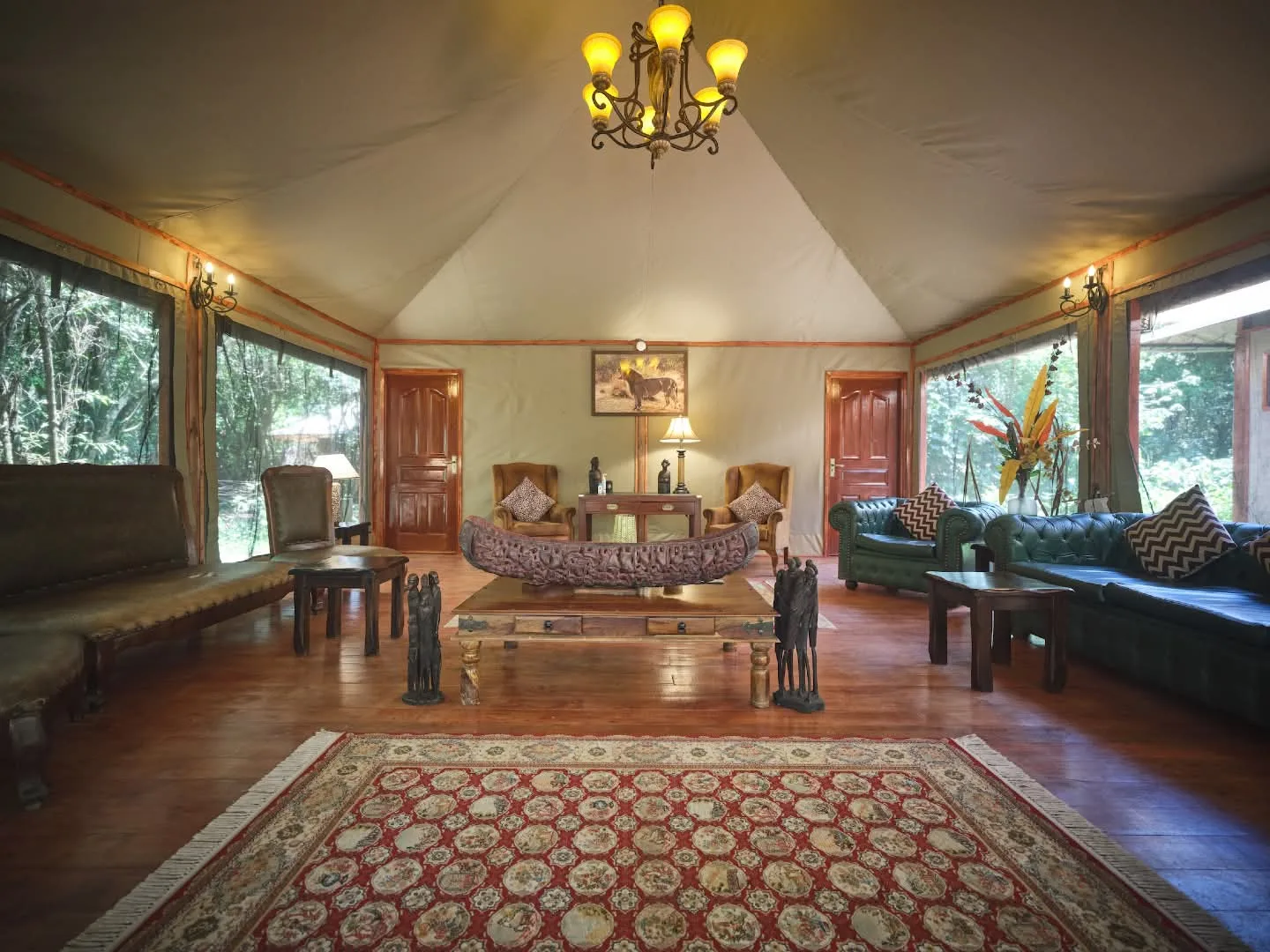
Choosing Tanzania safari accommodation is about more than deciding between budget, mid-range and luxury. The location of your lodge or tented camp can directly affect how much time you spend watching wildlife instead of driving to and from the areas you want to explore.
Tanzania offers everything from simple camps and comfortable safari lodges to ensuite tented camps, seasonal migration camps and high-end luxury properties.
For most travellers, we recommend choosing the safari route first and accommodation second.
Tanzania Safari Accommodation Comparison
| Accommodation Style | What to Expect | Best For |
|---|---|---|
| Budget Camping | Simple facilities and practical overnight stays | Cost-conscious travellers |
| Budget/Value Lodge | Permanent rooms and essential comforts | Travellers prioritising price |
| Mid-Range Lodge | Ensuite rooms, restaurant, comfortable facilities | Families, couples, first safaris |
| Mid-Range Tented Camp | Ensuite safari tents, meals and bush atmosphere | Classic safari experience |
| Luxury Camp/Lodge | Higher service levels, premium rooms and locations | Honeymoons, premium travel |
| Seasonal Migration Camp | Camp positioned around seasonally important wildlife areas | Great Migration-focused safaris |
Safari Lodge or Tented Camp: Which Is Better?
Both can provide an excellent Tanzania safari experience.
The main difference is the style of accommodation rather than whether one is automatically better.
Safari Lodges
Safari lodges are permanent properties and may offer:
Solid-walled rooms
Ensuite bathrooms
Restaurants and lounges
Swimming pools at some properties
Electricity and charging facilities
Family rooms
Larger communal areas
Lodges can be particularly convenient for families, first-time safari travellers and guests who prefer more conventional hotel-style facilities.
Tented Safari Camps
A tented camp should not automatically be confused with basic camping.
Many mid-range and luxury tented camps in Tanzania provide proper beds, private ensuite bathrooms, hot showers, dining areas and attentive staff.
The main difference is atmosphere.
Canvas walls and smaller camp layouts can create a stronger sense of being within the safari environment while still providing comfortable facilities.
For many travellers, an ensuite tented camp offers one of the most memorable ways to experience Serengeti.
Why Accommodation Location Matters
Consider two camps.
Camp A has a more luxurious room but requires a lengthy drive each morning to reach your main wildlife-viewing area.
Camp B is simpler but positioned close to where you plan to spend the day.
For a wildlife-focused safari, Camp B may provide the better overall experience.
You may be able to leave camp earlier, reach sightings faster and spend less of the afternoon worrying about the drive back before required park or camp timings.
This is particularly important in Serengeti, where distances can be considerable.
Safari Planning Rule
Choose the wildlife area → build the route → choose the accommodation.
Do not choose a famous lodge first and force the entire safari itinerary around it.
Where Should You Stay in Serengeti?
The best area to stay in Serengeti National Park depends on your travel month and wildlife priorities.
Serengeti is not one small safari area. It is a vast ecosystem, and different regions become particularly useful at different times.
| Serengeti Area | Planning Strength | When It May Be Relevant |
|---|---|---|
| Central Serengeti / Seronera | Resident wildlife and predators | Year-round |
| Southern Serengeti / Ndutu ecosystem | Calving and seasonal migration | Mainly January–March |
| Western Serengeti | Seasonal migration movements | Often around May–July |
| Northern Serengeti | Northern migration and river-crossing opportunities | Often July–October |
Migration timing varies according to rainfall, grazing and natural herd movements. These periods should be treated as planning guidelines rather than guaranteed wildlife schedules.
Central Serengeti
Central Serengeti is a strong option for year-round resident wildlife and predators and can work particularly well when the Great Migration is not your only objective.
Its central location also makes it useful in many road itineraries.
Southern Serengeti & Ndutu
During the calving period, staying around Ndutu or the Southern Serengeti ecosystem can substantially reduce unnecessary daily driving.
If calving is the main reason for travelling, accommodation location here may matter more than selecting the most luxurious camp available elsewhere in Serengeti.
Northern Serengeti
For travellers interested in northern migration activity, accommodation in the Northern Serengeti may become particularly relevant during the appropriate months.
Allowing several nights gives you more opportunity to explore the area.
River crossings remain natural events and cannot be scheduled or guaranteed.
Should You Stay Inside or Outside the National Park?
Both options have advantages.
Staying Inside or Close to the Wildlife Area
The biggest benefit is usually time.
You may spend less time travelling between your accommodation and the main game-drive areas, which can be particularly valuable for photographers and travellers who want early starts.
The trade-off is that accommodation in prime locations can cost more.
Staying Outside the Park
Properties outside park boundaries can sometimes provide:
Better value
Larger facilities
Swimming pools
Convenient access to towns or communities
A wider selection of accommodation styles
This works particularly well around Karatu, which is commonly used when visiting Ngorongoro and as part of Northern Circuit routing.
The correct choice depends on the itinerary.
We would not recommend paying more to stay inside a particular area unless the location provides a practical benefit to your safari.
Where Should You Stay for Ngorongoro Crater?
There are two common approaches.
Ngorongoro Crater Rim
Properties around the crater rim can provide exceptional views and convenient access for a crater visit.
They can also be considerably more expensive.
Karatu
Karatu offers a broad selection of lodges at different price levels and is conveniently positioned for Ngorongoro and Northern Circuit routes.
From Karatu, reaching the Ngorongoro entrance generally takes around 30–45 minutes, depending on the property's exact location and conditions.
For many mid-range safaris, Karatu provides a practical balance between comfort, price and location.
Where Should You Stay in Tarangire?
For a one-night Tarangire visit, accommodation can be selected either within/close to the park or positioned to make the following day's route more efficient.
If the next destination is Ngorongoro or Serengeti, staying around Karatu after the Tarangire game drive can sometimes make sense.
If Tarangire itself is a major priority, spending a night closer to the park may provide additional wildlife-viewing time.
Again, the best choice depends on what happens the following day.
Mid-Range Tanzania Safari Accommodation
For many first-time visitors, mid-range accommodation provides an excellent balance between comfort and safari value.
A typical mid-range safari may combine:
Ensuite tented camps in Serengeti
Comfortable lodges around Karatu
Full-board meals during safari
Private bathrooms
Proper beds and bedding
Charging facilities
Comfortable communal dining areas
Mid-range does not need to mean staying far away from wildlife.
When designing the itinerary, we prioritise practical location, cleanliness, comfort and reliable service rather than selecting accommodation purely by category.
Luxury Tanzania Safari Accommodation
Luxury Tanzania safaris can include intimate tented camps, premium lodges and properties in highly sought-after wildlife locations.
The higher cost may reflect:
Premium location
Smaller guest numbers
Larger or more elaborate rooms
Higher staff-to-guest ratios
Enhanced dining
Private or additional services
More exclusive surroundings
However, the word “luxury” alone does not tell you whether a property is right for your safari.
A luxury camp in the wrong Serengeti region for your migration priorities can still create unnecessary driving.
What Meal Plan Should You Expect on Safari?
Many Tanzania safari itineraries use full-board accommodation while inside the main safari circuit.
This commonly means breakfast, lunch and dinner are included at the lodge or camp, with picnic lunches arranged when you are spending a full day on game drives.
Always check your quotation.
Meal arrangements may differ on arrival and departure days, in Arusha, during Zanzibar extensions or at properties booked under a different meal plan.
Vegetarian and other dietary requirements can generally be arranged when communicated in advance.
Questions to Ask Before Choosing Safari Accommodation
Before confirming a lodge or camp, ask:
Where exactly is the property located?
How far is it from the park gate or main game-drive area?
Is the bathroom private and ensuite?
What meal plan is included?
Is drinking water included?
Are charging facilities available?
Is Wi-Fi available, and where?
Does the property accept children?
Are family or triple rooms available?
Does the location suit my travel month?
How will staying here affect the following day's driving time?
These questions are often more useful than simply asking, “How many stars is the lodge?”
Safari Expert Insight: Location Can Be Worth More Than an Upgrade
One of the easiest ways to overspend on a Tanzania safari is to upgrade accommodation without asking whether the upgrade improves the actual safari.
If your main priority is wildlife, consider what you are buying.
A more expensive room may improve the hours you spend at camp.
A better location, however, can improve the hours you spend on safari.
This becomes particularly important in Serengeti during migration-focused travel.
Our approach is therefore to choose accommodation according to three questions:
Is it comfortable enough for the traveller? Is it well positioned for the itinerary? Does the price make sense for what it adds to the safari?
When all three answers are yes, you have probably found the right accommodation.
Private vs Group Tanzania Safari: Which Travel Style Should You Choose?
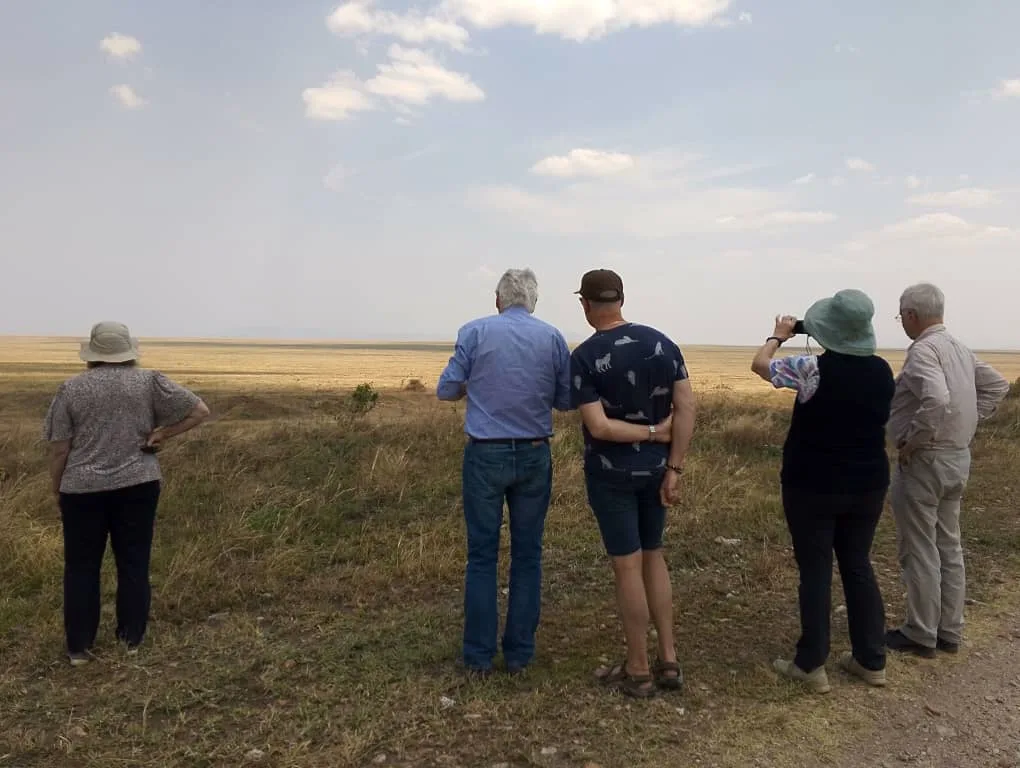
One of the biggest decisions when planning a Tanzania safari is whether to book a private safari or join a shared group departure.
A private Tanzania safari gives your travelling party its own vehicle and driver-guide, providing greater flexibility over game-drive times, photography stops and the overall pace of the trip. A group safari can reduce the cost per person because vehicle and guiding expenses are shared among more travellers.
Neither option suits everyone. Your choice should depend on budget, group size, flexibility and the type of wildlife experience you want.
Private vs Group Tanzania Safari
| Feature | Private Safari | Group Safari |
|---|---|---|
| Safari vehicle | Dedicated to your party | Shared with other travellers |
| Driver-guide | Dedicated to your party | Shared with the group |
| Game-drive flexibility | High | Usually follows group schedule |
| Photography stops | Easier to customise | Must consider other travellers |
| Departure times | More flexible | Usually predetermined |
| Family travel | Particularly practical | Depends on group format |
| Route flexibility | Can be tailor-made | Usually fixed |
| Cost per person | Higher for small parties | Often lower |
| Best for | Couples, families, photographers, private groups | Solo travellers and budget-conscious guests |
What Is a Private Tanzania Safari?
On a private safari, the safari vehicle and driver-guide are reserved for your travelling party.
If two people book the safari, the two travellers have the vehicle privately. If a family of five books together, the vehicle is used by that family rather than adding unrelated travellers.
This gives you greater control over the rhythm of each day.
For example, you may choose an early departure to look for predators, spend longer photographing elephants at a waterhole or remain at an interesting sighting rather than moving because another passenger wants to leave.
A private safari does not mean wildlife areas themselves are private. You will still encounter other safari vehicles in popular parks and at major sightings.
The difference is that your vehicle's schedule belongs to your travelling party.
What Is a Group-Joining Tanzania Safari?
A group safari allows travellers to share a vehicle and guide with other guests following the same or a similar itinerary.
The main advantage is cost.
Vehicle, fuel and guiding expenses can be divided among more travellers, making the safari more accessible—particularly for solo travellers and couples travelling on a tighter budget.
The trade-off is flexibility.
Departure times, game-drive length, photography stops and daily schedules generally need to work for the entire group.
Before booking, ask:
Maximum passengers per vehicle
Whether everyone follows the same itinerary
Luggage allowance
Window/seating arrangements
Whether accommodation is fixed
How game-drive decisions are made
What happens if other passengers have different arrival/departure schedules
Why Use a 4×4 Safari Land Cruiser in Tanzania?
A proper 4×4 safari Land Cruiser is designed to handle the conditions encountered on Tanzania's safari routes while providing practical wildlife viewing.
Road conditions can change significantly between seasons. Inside parks and conservation areas, travellers may encounter gravel roads, dust, mud, corrugations and uneven tracks.
Four-wheel-drive capability becomes particularly important when conditions deteriorate during or after rainfall.
For our private Tanzania road safaris, we use 4×4 safari Land Cruisers rather than ordinary road vehicles.
What Should a Tanzania Safari Vehicle Have?
When comparing safari quotations, do not ask only whether transport is included.
Ask what vehicle you will actually use.
A practical Tanzania safari vehicle should normally provide:
Pop-Up Roof
A pop-up roof allows travellers to stand safely within the vehicle while viewing and photographing wildlife.
It provides a higher viewing position without requiring passengers to leave the vehicle in wildlife areas.
Window Access
Good window access matters for wildlife photography.
The number of travellers in the vehicle should therefore be considered alongside the number of seats.
A vehicle may technically accommodate more passengers than is comfortable for serious photography.
Charging Facilities
Modern safari vehicles may provide charging points for phones, cameras and other small devices.
You should still travel with spare batteries or a power bank, particularly if photography is important.
Cooler or Drinking-Water Storage
Game drives can last for many hours, so convenient access to drinking water is important.
Communication Equipment
Driver-guides commonly communicate with other guides and safari operations teams to coordinate logistics and share relevant information from the field.
How Many People Share a Safari Land Cruiser?
This depends on the safari format and vehicle configuration.
For a private safari, only your booked travelling party uses the vehicle.
For group-joining safaris, around six to seven passengers per vehicle is common depending on the specific configuration and operator.
If photography is a major priority, fewer passengers can make positioning equipment and changing viewing angles easier.
Before paying, ask the operator to state the maximum number of passengers expected in your vehicle.
Is a Private Safari Worth the Extra Cost?
For many couples, families and photographers, the biggest advantage of a private safari is not luxury—it is control over time.
Imagine finding a leopard resting in a tree late in the afternoon.
On a private safari, your guide can discuss whether you want to remain at the sighting, subject to park regulations and your return schedule.
On a shared departure, the decision must consider everyone in the vehicle.
The same applies to early starts.
Photographers may want to leave camp as early as permitted, while families with younger children may prefer a slower morning.
A private safari makes those adjustments easier.
Why Does a Private Safari Cost More for Two People?
A private safari has several vehicle-related costs regardless of whether two or six travellers are inside.
These can include:
Vehicle operation
Fuel
Driver-guide
Vehicle park/conservation charges
Guide accommodation and meals
Maintenance and logistical support
With six travellers, many shared costs are divided among six people.
With two travellers, they are divided between two.
This explains why the per-person price usually decreases as private group size increases.
Private Safari for Families
Private vehicles can be particularly useful for family Tanzania safaris.
Children may become tired during long game drives, while parents may want more control over lunch stops and the length of each wildlife-viewing session.
A private itinerary also makes it easier to select accommodation according to family-room availability and plan the day's pace around the children's ages.
Families should always check minimum-age restrictions for specific camps and optional safari activities before booking.
Private Safari for Photographers
Wildlife photographers have different priorities from many general safari travellers.
You may want to:
Leave camp early
Wait longer at a sighting
Position the vehicle for better light
Spend more time with one species
Carry multiple camera bodies and lenses
Avoid changing accommodation every night
For a photography-focused safari, vehicle occupancy can be just as important as accommodation level.
A private vehicle with fewer passengers may provide more practical value than upgrading to a more expensive lodge.
Road Safari vs Fly-In Safari
Not every Tanzania safari needs to be completed entirely by road.
Road Safari
A road safari is particularly practical across the Northern Circuit.
It allows travellers to experience changing landscapes between Arusha, Tarangire, Ngorongoro and Serengeti while travelling with their driver-guide.
Road safaris are generally more cost-effective than using multiple domestic flights.
Fly-In Safari
A fly-in safari uses scheduled or charter aircraft to connect selected destinations.
Flying can be worthwhile when:
Your holiday is short
You want to reduce a long transfer
You are staying in a remote safari area
You are combining mainland Tanzania with Zanzibar
Time is more important than minimising cost
Flights can also involve strict baggage limits, particularly on smaller safari aircraft, so travellers should check the permitted weight and bag type before packing.
Is an Open Safari Vehicle Used in Tanzania?
Open-sided safari vehicles exist in Tanzania, particularly for certain camp-based activities and specific safari arrangements, but they are not the standard vehicle for most Northern Tanzania road safaris.
A closed-body 4×4 Land Cruiser with large windows and a pop-up roof is commonly used for longer road itineraries because it provides protection from dust and weather while remaining practical for wildlife viewing.
If travelling specifically because you want an open-sided vehicle, confirm the arrangement with your safari operator before booking rather than assuming it is included.
Questions to Ask About Your Safari Vehicle Before Booking
Before confirming your Tanzania safari, ask:
Is the safari vehicle a 4×4 Land Cruiser?
Is the vehicle private or shared?
What is the maximum number of passengers?
Does it have a pop-up roof?
Will everyone have suitable window access?
Are charging points available?
Is drinking water carried in the vehicle?
How much luggage can the vehicle accommodate?
Will the same driver-guide remain with us throughout the road safari?
Are any sections of the itinerary operated by flight or another transfer vehicle?
The answers can tell you considerably more about the safari than the phrase “transport included.”
Safari Expert Insight: Your Vehicle Is Part of the Safari Experience
Travellers sometimes spend hours comparing lodges but only a few seconds checking the safari vehicle.
Yet on a wildlife-focused day, you may spend most of your waking hours in that vehicle.
It is your transport, viewing platform, photography position and the place from which you experience many of the safari's most memorable moments.
When comparing two Tanzania safari packages, look beyond the accommodation.
Ask what vehicle you will use, how many people will share it and how much flexibility you will have once the game drive begins.
Those details can influence your safari experience every single day.
Tanzania Safari + Zanzibar: How to Plan the Perfect Combination
Combining a Tanzania safari with Zanzibar gives you two very different experiences in one holiday: wildlife viewing across Tanzania's mainland parks followed by time on the Indian Ocean coast.
For most travellers, a 10–14 day Tanzania safari and Zanzibar holiday provides a comfortable balance. Around 5–8 days can be allocated to safari, followed by 3–5 days in Zanzibar, depending on your interests and international flight schedule.
The key is not to divide the days equally. If wildlife is your main reason for visiting Tanzania, protect enough safari days first and then build the Zanzibar stay around them.
Tanzania Safari + Zanzibar Duration Guide
| Total Trip Length | Suggested Safari | Suggested Zanzibar | Best For |
|---|---|---|---|
| 7 Days | 3–4 days | 3–4 days | Very short combination |
| 10 Days | 5–6 days | 3–4 days | First-time visitors |
| 12 Days | 6–7 days | 4–5 days | Balanced safari + beach |
| 14 Days | 7–8 days | 5–6 days | Couples, families, honeymoons |
| 16+ Days | 8–10+ days | 5–7 days | Slower, more comprehensive holiday |
Allow separately for international arrival and departure logistics where required.
Should You Do Safari or Zanzibar First?
For many travellers, we recommend safari first and Zanzibar afterwards.
A safari usually involves early starts, game drives, road transfers and changing accommodation. Zanzibar provides a natural opportunity to slow down afterwards.
A typical holiday therefore flows:
Arrive in Tanzania → Northern Circuit safari → Fly to Zanzibar → Beach stay → International departure
There are exceptions.
If your international flights or available domestic connections make Zanzibar first more practical, the itinerary can be reversed.
The important thing is to avoid unnecessary backtracking simply to follow a fixed formula.
How Many Safari Days Do You Need Before Zanzibar?
For a first visit, we generally recommend at least 4–5 safari days if Serengeti is included.
With five days, a route can combine:
Tarangire → Serengeti → Ngorongoro
With six or seven days, you can give Serengeti more time and create a less rushed experience.
If you have only two or three safari days, consider concentrating on fewer destinations rather than attempting the entire Northern Circuit.
Example 10-Day Tanzania Safari & Zanzibar Itinerary
A practical ten-day combination might look like this:
Day 1: Arusha → Tarangire National Park
Day 2: Tarangire/Karatu → Serengeti
Day 3: Full-day Serengeti game drive
Day 4: Serengeti → Ngorongoro/Karatu
Day 5: Ngorongoro Crater → Arusha
Day 6: Fly to Zanzibar
Days 7–9: Zanzibar
Day 10: Departure
If wildlife is the main priority and your flight schedule allows it, an additional Serengeti night can improve this itinerary.
Example 12-Day Tanzania Safari & Zanzibar Itinerary
With twelve days, the safari can be more relaxed:
Day 1: Arrival in Arusha
Day 2: Tarangire National Park
Day 3: Tarangire/Karatu → Serengeti
Days 4–5: Serengeti game drives
Day 6: Serengeti → Ngorongoro/Karatu
Day 7: Ngorongoro Crater
Day 8: Fly to Zanzibar
Days 9–11: Zanzibar
Day 12: Departure
This structure gives the safari enough time to stand on its own rather than treating it as a short excursion before the beach.
Can You Fly Directly From Safari to Zanzibar?
Yes, depending on the route and flight schedule.
Domestic flights can connect safari airstrips and mainland airports with Zanzibar, reducing the need to return entirely by road before continuing to the coast.
Your best connection depends on:
Your final safari destination
Flight schedules on your travel date
Zanzibar hotel location
International departure airport
Baggage allowance
Overall budget
Safari aircraft often have more restrictive baggage allowances than international flights, so check the permitted weight and whether soft-sided luggage is required before travelling.
Can You Take a Tanzania Safari From Zanzibar?
Yes.
Travellers already staying in Zanzibar can fly to the mainland for a safari.
For a very short trip, a fly-in safari can focus on one wildlife area. With more time, you can fly to the mainland and complete a 3–5+ day Northern Tanzania safari before returning to Zanzibar or continuing elsewhere.
If Serengeti is your main priority, flying can save valuable time compared with building a short itinerary around long road transfers.
The mistake to avoid is trying to fit too many distant parks into a two- or three-day Zanzibar safari extension.
Which Tanzania Safari Is Best to Combine With Zanzibar?
For most first-time visitors with enough time, the classic combination remains:
Tarangire → Serengeti → Ngorongoro → Zanzibar
Each safari destination contributes something different before the beach portion begins.
During the wildebeest calving season, the safari can instead place greater emphasis on Ndutu and Southern Serengeti.
For a Great Migration-focused trip later in the year, your Serengeti accommodation should be selected according to the season and wildlife priorities.
Zanzibar does not change this principle.
Build the safari around the wildlife first, then connect it efficiently to the beach.
How Many Days Should You Spend in Zanzibar?
For most safari-and-beach travellers, 3–5 nights in Zanzibar provides enough time to relax and add one or two activities without turning the trip into another rushed itinerary.
Travellers primarily interested in beaches may prefer five to seven nights.
Your Zanzibar stay can include:
Beach time
Stone Town
Spice experiences
Snorkelling or diving
Boat excursions
Cultural experiences
A completely unscheduled day
After several early safari mornings, leaving some Zanzibar time genuinely free can be worthwhile.
Stone Town or Zanzibar Beach?
You do not necessarily have to choose one.
Travellers interested in Zanzibar's history and culture can spend time in Stone Town before continuing to a beach property.
If you have only three Zanzibar nights and relaxation is the main objective, changing hotels may not be worthwhile.
With four or five nights, combining Stone Town with the coast becomes easier.
Again, consider how much time each hotel change consumes.
Tanzania Safari + Zanzibar for Honeymoons
A Tanzania safari and Zanzibar honeymoon works particularly well because the two parts of the holiday feel very different.
The safari can include private game drives, carefully positioned tented camps and special accommodation, followed by a slower beach stay.
For honeymoon planning, we would prioritise:
Privacy + route pace + accommodation location + enough downtime.
Trying to visit every Northern Circuit park before squeezing Zanzibar into the final two nights can make an expensive honeymoon unnecessarily tiring.
Tanzania Safari + Zanzibar for Families
Families should consider the children's ages when deciding how many safari and beach days to include.
A private safari vehicle can provide useful flexibility around game-drive duration, meals and rest stops.
Zanzibar then gives children and parents time to slow down after the safari.
Before booking, check:
Family-room configurations
Minimum ages for safari activities
Swimming-pool availability where important
Domestic-flight baggage limits
Zanzibar transfer times
Meal arrangements
Child policies at individual camps
What Does a Tanzania Safari & Zanzibar Package Usually Include?
A complete package may include:
Private 4×4 safari Land Cruiser
Professional safari driver-guide
Safari park and conservation fees
Mainland safari accommodation
Meals according to the itinerary
Drinking water during safari
Domestic flight to/from Zanzibar where specified
Zanzibar accommodation
Airport and hotel transfers
Selected activities where specifically listed
Do not assume every Zanzibar excursion or domestic flight is automatically included.
The quotation should clearly distinguish included services, optional activities and exclusions.
Common Tanzania Safari & Zanzibar Planning Mistakes
Giving Serengeti Only One Night
If Serengeti is one of your main reasons for travelling, protect enough time for it before allocating most of the holiday to Zanzibar.
Trying to See Too Many Parks
A five-day safari does not improve simply because four or five parks are listed.
Ignoring Domestic Flight Times
The day you fly to Zanzibar may not provide a full beach day. Plan the itinerary around realistic departure, transfer and check-in times.
Packing Only for the Beach
Safari mornings can be considerably cooler than Zanzibar's coast. Pack for both environments.
Changing Zanzibar Hotels Too Often
A short beach extension should feel relaxing. Multiple hotel changes can defeat the purpose.
Safari Expert Insight: Protect Your Safari Days First
When planning Tanzania and Zanzibar in one holiday, start with the experience that has the least flexibility.
Wildlife seasons, migration patterns, park distances and safari routes require careful planning.
Beach days are generally easier to adjust.
We therefore recommend this order:
1. Confirm your travel dates.
2. Identify your wildlife priorities.
3. Protect enough safari days.
4. Build the most practical safari route.
5. Connect to Zanzibar efficiently.
6. Use the remaining days for the beach experience you want.
This prevents Zanzibar from accidentally squeezing Serengeti into an unrealistic one-night visit and creates a holiday where both the safari and beach portions have enough time to be enjoyed properly.
Why This Guide Helps
Use this page to compare safari packages that match the same travel intent. Each result can be reviewed by itinerary, price, duration, accommodation, route map, image gallery, inclusions, and downloadable program.
Questions
What safari packages match this page?
The packages shown are selected automatically from the filters attached to this Travel Guide.
Can this route be customized?
Yes. Use any listed package as a starting point and request adjustments to route, accommodation, timing, and pace.

 16+ Years
 English