Best Time to Visit Kenya & Tanzania for a Safari (2026–2027 Complete Guide)
What is the best time to visit Kenya and Tanzania for a safari?
The best time to visit Kenya and Tanzania for a safari is during the dry seasons from June to October and January to February. These months offer excellent wildlife viewing because animals gather around water sources, and vegetation is sparse. The Great Migration river crossings in the Masai Mara usually occur from July to September, while the Serengeti calving season occurs between January and March, making both periods exceptional for safari travellers.
Planning an African safari is one of the most exciting travel experiences in the world. For travellers dreaming of witnessing vast savannah landscapes, incredible wildlife encounters, and the legendary Great Migration, knowing the best time to visit Kenya and Tanzania for a safari is essential.
East Africa offers exceptional wildlife viewing year-round, but seasonal patterns strongly influence where animals gather and what type of safari experience you can expect. Whether you want to witness river crossings in the Masai Mara, see newborn wildebeest in the Serengeti, or enjoy fewer crowds and lower prices, timing your safari carefully can make all the difference.
Both Kenya and Tanzania are home to world-renowned national parks, including
Masai Mara National Reserve
Serengeti National Park
Ngorongoro Crater
Amboseli National Park
These destinations host the famous Great Wildebeest Migration, often described as the greatest wildlife spectacle on Earth.
In this comprehensive safari guide, our local experts explain:
-
The best safari months
-
seasonal wildlife movements
-
migration timing
-
weather patterns
-
safari costs
-
recommended itineraries
This guide will help you plan the perfect Kenya-Tanzania safari in 2026 or 2027.
Kenya & Tanzania Safari Seasons Explained
Understanding the safari seasons in East Africa is essential when planning a trip to destinations like Masai Mara National Reserve and Serengeti National Park. Kenya and Tanzania share a similar climate pattern influenced by the equatorial weather system, resulting in two main safari seasons: the Dry Season and the Green (Rainy) Season. Each season offers unique wildlife experiences, landscapes, and travel advantages.
Map: Kenya & Tanzania Safari Ecosystem

The map above highlights the famous Serengeti–Mara ecosystem, one of the most spectacular wildlife regions on Earth. The migration of over 1.5 million wildebeest and zebras moves through this region every year between Tanzania’s Serengeti and Kenya’s Masai Mara, creating the most famous wildlife event in Africa.
Dry Season (Best Wildlife Viewing)
June – October
January – February

The dry season is widely considered the best time to visit Kenya and Tanzania for a safari. During these months, rainfall is minimal, vegetation becomes sparse, and animals congregate around permanent water sources such as rivers, lakes, and watering holes. This concentration of wildlife makes it much easier for safari guides and travelers to spot animals during game drives.
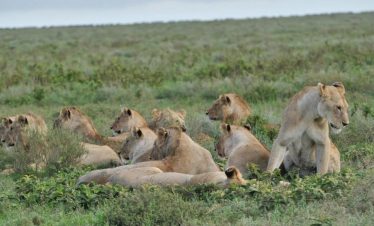
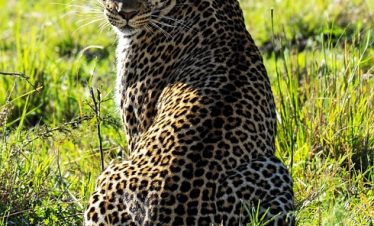
Because grass levels are low and the landscape becomes more open, visibility across the savannah improves dramatically. Visitors can often observe predators such as lions, cheetahs, and leopards from greater distances as they patrol territories and hunt near water sources. This period also offers ideal conditions for photography, thanks to bright sunlight, dramatic skies, and dust-filled golden landscapes that create classic African safari imagery.
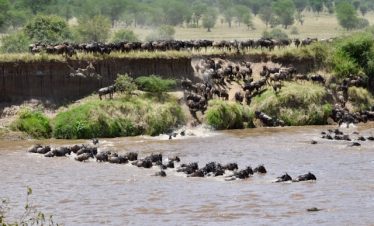
The dry season is also when the Great Migration reaches its most dramatic phase, especially in the northern Serengeti and Masai Mara. Between July and September, enormous herds of wildebeest attempt to cross the crocodile-filled Mara River in one of nature’s most thrilling spectacles. This event draws photographers, wildlife enthusiasts, and documentary filmmakers from around the world.
Advantages of the Dry Season
Animals gather around rivers and waterholes
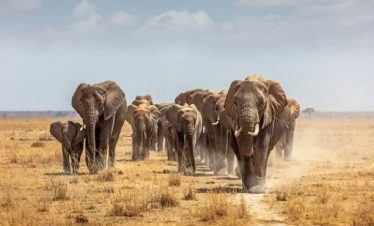
With limited water sources available, wildlife becomes easier to locate. Large concentrations of elephants, buffalo, giraffes, and antelope gather around rivers and lakes, increasing the likelihood of extraordinary sightings during a safari.
Easier wildlife spotting
Short grass and open plains allow guides to track animals more easily. Predators are also more visible as they follow migrating herbivores across the savannah.
Clear skies and stable weather
Dry months typically bring warm sunny days and cool evenings. This creates ideal conditions for morning and afternoon game drives without heavy rains disrupting travel plans.
Excellent photography conditions
Clear skies, warm light, and dust-filled sunsets produce some of the most iconic African landscapes. Wildlife photographers often prefer the dry season for capturing dramatic action shots.
Green Season (Low Season)
March – May
November

The green season, sometimes called the rainy season, transforms the landscapes of East Africa into lush green ecosystems filled with life. Seasonal rains replenish rivers, revive grasslands, and create vibrant scenery across national parks and conservation areas.
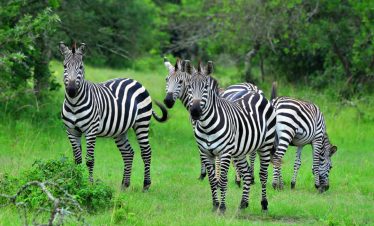
While many travellers focus on the dry season for classic wildlife viewing, the green season offers its own remarkable experiences. During this period, the savannah bursts with fresh vegetation, attracting herbivores such as wildebeest, gazelles, and zebras. This abundance of prey also draws predators into active hunting patterns.
One of the biggest highlights of the green season occurs in the southern plains of the Serengeti, where the Great Migration calving season takes place between January and March. Hundreds of thousands of wildebeest calves are born within a few weeks, creating incredible predator-prey interactions as lions, hyenas, and cheetahs take advantage of the vulnerable newborns.
Birdwatchers also consider the green season one of the best times to visit East Africa. Migratory birds arrive from Europe and Asia, filling the skies with color and song. Many species display their breeding plumage during this time, making it a paradise for wildlife photographers and ornithologists.
Additionally, the green season offers a quieter safari experience. With fewer tourists visiting the parks, travelers can enjoy more private wildlife sightings and a more relaxed atmosphere in lodges and camps.
Advantages of the Green Season
Lush landscapes and dramatic scenery
Rainfall turns the savannah into a vibrant green paradise filled with blooming plants and fresh grasslands.
Exceptional birdwatching
East Africa becomes a birdwatching hotspot as migratory species arrive from different continents.
Fewer tourists and quieter parks
Travellers visiting during this time often enjoy a more intimate safari experience with fewer vehicles around wildlife sightings.
Lower safari prices
Many lodges offer discounted rates during the green season, making it one of the most affordable times to experience an African safari.
Seasonal Safari Comparison
| Season | Months | Wildlife Viewing | Landscape | Prices |
|---|---|---|---|---|
| Dry Season | Jun–Oct, Jan–Feb | Excellent | Golden savannah | Highest |
| Green Season | Mar–May, Nov | Good | Lush green | Lower |
Which Safari Season Should You Choose?
Choosing the best time for a safari depends largely on your travel goals.
Travelers interested in iconic wildlife sightings and Great Migration river crossings should plan their trip during the dry season between July and September. These months offer the most dramatic wildlife encounters in the Masai Mara and northern Serengeti.
However, visitors seeking beautiful landscapes, fewer crowds, and more affordable safari prices may find the green season equally rewarding. The calving season in the southern Serengeti during early months of the year is one of the most extraordinary wildlife experiences in Africa.
Ultimately, Kenya and Tanzania are year-round safari destinations. Each season reveals a different side of the African wilderness, ensuring unforgettable experiences no matter when you travel.
Month-by-Month Safari Guide for Kenya & Tanzania
Planning an East African safari becomes much easier when you understand how wildlife moves throughout the year. The famous migration cycle between Serengeti National Park and Masai Mara National Reserve follows seasonal rainfall and fresh grazing areas.
Below is a month-by-month safari guide explaining what to expect, where to go, and why each period offers a unique wildlife experience.
Great Migration Route Map (Annual Wildlife Movement)

The migration follows a circular route of nearly 800 km through the Serengeti–Mara ecosystem. More than 1.5 million wildebeest, accompanied by zebras and gazelles, move continuously in search of fresh grass and water.
January – February
Calving Season in Southern Serengeti

January and February mark one of the most extraordinary wildlife events in Africa: the Great Migration calving season. During this time, massive herds gather on the nutrient-rich short grass plains of the southern Serengeti and Ndutu region. These plains provide ideal conditions for newborn animals because the grass is short and predators can be spotted more easily.
Over 500,000 wildebeest calves are born within just a few weeks, creating an explosion of life across the savannah. The newborn calves can stand and run within minutes of birth, an evolutionary survival trait necessary to avoid predators.
Because so many vulnerable animals are present, predator activity increases dramatically. Lions, cheetahs, hyenas, and leopards take advantage of the abundance of prey, creating incredible wildlife encounters for safari travelers. This period is particularly popular among wildlife photographers due to the dramatic predator-prey interactions and the abundance of young animals.
Best Locations
-
Southern Serengeti plains
-
Ndutu region
-
Ngorongoro Conservation Area
March – May
The Long Rain Season

March through May marks the long rainy season in East Africa. Afternoon showers become more frequent, transforming the savannah into vibrant green landscapes filled with fresh vegetation and blooming wildflowers.
Although wildlife remains present in the parks, animals tend to disperse over wider areas due to the abundance of water and grazing. This can make wildlife slightly more difficult to locate compared to the dry season. Additionally, some dirt roads may become muddy or temporarily inaccessible after heavy rains.
However, this season also has several unique advantages. Because fewer tourists travel during the rainy months, safari lodges often offer discounted rates, making it one of the most affordable times to visit East Africa. Photographers also appreciate the dramatic skies and lush landscapes that create spectacular scenic images.
Advantages
-
Fewer crowds in national parks
-
Lower accommodation prices
-
Dramatic green landscapes
Disadvantages
-
Muddy roads in some areas
-
Wildlife more dispersed
June – July
Migration Begins Moving North

By June, the rains begin to fade and the migration starts moving northward across the Serengeti ecosystem. The enormous herds travel through the central Serengeti and toward the Western Corridor, following the scent of fresh grass and water.
This is a fascinating period for safari travelers because the landscape is still relatively green from recent rains while wildlife becomes increasingly concentrated as water sources begin to dry up. Massive columns of migrating animals stretch across the horizon, creating one of the most impressive wildlife spectacles on Earth.
Predators also follow these herds closely. Lions establish territories near the migration routes, while crocodiles wait patiently at river crossings. This makes June and early July an excellent time for dramatic wildlife encounters and classic safari photography.
Best Parks During This Period
-
Central Serengeti
-
Western Corridor
-
Grumeti River region
July – September
Peak Safari Season and Mara River Crossings

July through September represents the peak safari season in East Africa. During this time, the migration reaches the northern Serengeti and crosses into the Masai Mara ecosystem. The highlight of this period is the dramatic Mara River crossings, where thousands of wildebeest and zebras plunge into crocodile-infested waters while attempting to reach fresh grazing grounds.
These crossings are unpredictable and can occur several times per day, making them one of the most thrilling wildlife spectacles in the world. Visitors often witness dramatic scenes as predators wait along the riverbanks while herds gather courage before crossing.
Wildlife viewing during this season is exceptional not only because of the migration but also because the dry conditions force animals to gather around rivers and waterholes. This concentration of wildlife makes it easier to observe elephants, buffalo, giraffes, and predators during game drives.
Best Location
-
Masai Mara National Reserve
This period is considered the best time to witness the Great Migration river crossings.
October
Migration Begins Moving South Again

By October, the dry season begins to end and the migration slowly starts moving back toward Tanzania’s Serengeti plains. Although the dramatic river crossings become less frequent, wildlife viewing remains excellent because animals are still concentrated around remaining water sources.
The landscapes during this time often display beautiful golden grasslands under warm sunlight, creating classic safari scenery. Predator sightings are still common as lions and hyenas follow the migrating herds southward.
October is also slightly quieter compared to the peak months of July and August, making it a wonderful time for travelers who want exceptional wildlife viewing with fewer safari vehicles around.
November – December
Short Rain Season and Birdwatching Paradise

November and December bring the short rainy season in East Africa. Rainfall during this period usually occurs in short bursts rather than long storms, allowing safari activities to continue normally most days.
The return of rain revitalizes the savannah, turning landscapes lush and green once again. Migratory birds arrive from Europe and Asia, making this an exceptional time for birdwatching enthusiasts. Many species display vibrant breeding plumage, adding bursts of color to the scenery.
Wildlife sightings remain good because animals are widely distributed across the parks, and the migration begins moving south again toward the calving grounds of the Serengeti.
This season also offers quieter safari experiences because visitor numbers tend to be lower compared to peak migration months.
Good For
-
Birdwatching safaris
-
Scenic landscapes
-
Quiet safari experiences
Summary of the Best Months for Safari
| Months | Safari Highlights |
|---|---|
| Jan–Feb | Calving season and predator activity |
| Mar–May | Green landscapes and fewer tourists |
| Jun–Jul | Migration moving north through Serengeti |
| Jul–Sep | Mara River crossings in Masai Mara |
| Oct | Excellent wildlife viewing with fewer crowds |
| Nov–Dec | Birdwatching and scenic green landscapes |
Kenya vs Tanzania Safari Comparison
Both Kenya and Tanzania offer extraordinary safari experiences, but each destination has unique characteristics that appeal to different types of travellers.
| Feature | Kenya | Tanzania |
|---|---|---|
| Best park | Masai Mara National Reserve | Serengeti National Park |
| Migration viewing | July – September | Year-round migration movement |
| Landscapes | Rolling open savannah | Vast wilderness ecosystems |
| Accessibility | Easier access from Nairobi | More remote and expensive |
Kenya Safari Advantages
Kenya is often considered the most accessible safari destination in East Africa. The Masai Mara is relatively close to Nairobi and can be reached either by road or a short flight. The reserve also has one of the highest densities of wildlife in Africa.
Tanzania Safari Advantages
Tanzania offers larger wilderness areas and more diverse landscapes. The Serengeti ecosystem is nearly ten times larger than the Masai Mara and forms part of a broader network of parks including Ngorongoro Crater and Tarangire National Park.
Many travelers choose to combine both countries for a Kenya–Tanzania safari circuit, allowing them to experience the full migration route.
Safari Cost Comparison
Safari prices vary depending on travel season, accommodation type, and itinerary length. The dry season tends to be more expensive due to higher demand, especially during the migration months.
| Season | Budget Safari | Mid-range Safari | Luxury Safari |
|---|---|---|---|
| Low Season | From $150 | From $350 | From $800 |
| Peak Season | From $250 | From $550 | From $1200 |
Budget safaris typically involve camping or simple lodges, while mid-range safaris include comfortable tented camps and boutique lodges. Luxury safaris often feature exclusive camps, private guides, and premium services.
Typical 7-Day Safari Cost
For travellers planning a week-long safari adventure, prices usually fall within the following ranges.
| Destination | Average Price |
|---|---|
| Kenya Safari | $2200 – $4500 |
| Tanzania Safari | $2500 – $5000 |
These prices generally include park fees, accommodation, meals, safari vehicles, and professional guides. Luxury itineraries or private fly-in safaris can exceed these ranges depending on the lodges selected.
Why Many Travelers Combine Kenya and Tanzania
Because the migration travels between both countries, many safari itineraries combine the highlights of each destination. Visitors can start their journey in Nairobi, explore the Masai Mara, and then continue south into the Serengeti and Ngorongoro ecosystems.
This cross-border safari route offers one of the most comprehensive wildlife experiences in Africa and allows travelers to witness different stages of the migration throughout the year.


 Inquire via WhatsApp