4 Days Great Migration Safari in Kenya 2026/2027 – Masai Mara Wildebeest Migration Tour
The 4 Days Great Migration Safari in Kenya 2026/2027 is designed for travelers who want to spend more of their holiday where the migration action happens—the Masai Mara. Starting and ending in Nairobi, this private safari gives you three nights in the Mara, an afternoon game drive on arrival and two full days dedicated to exploring one of Africa's most wildlife-rich ecosystems.
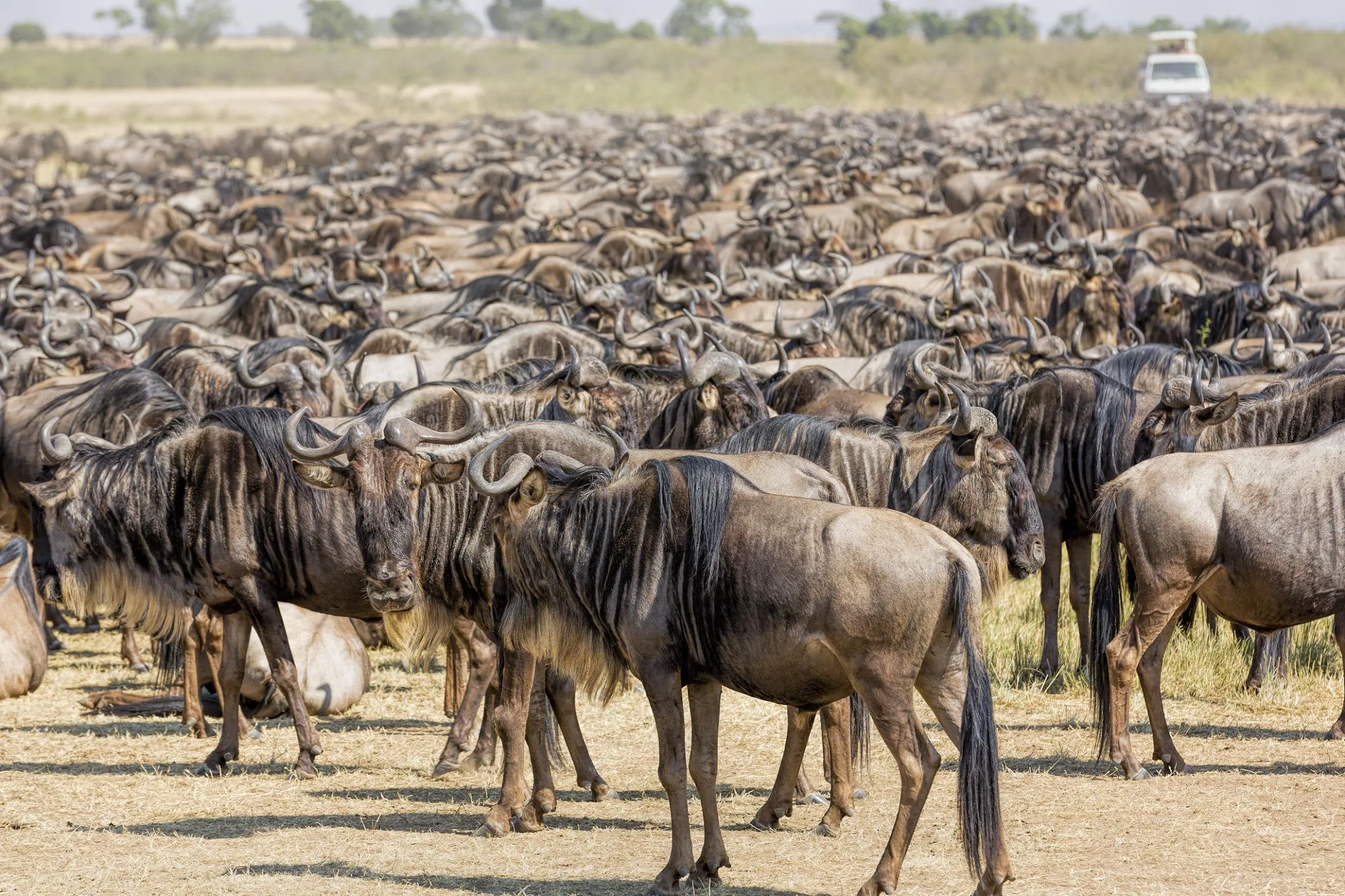
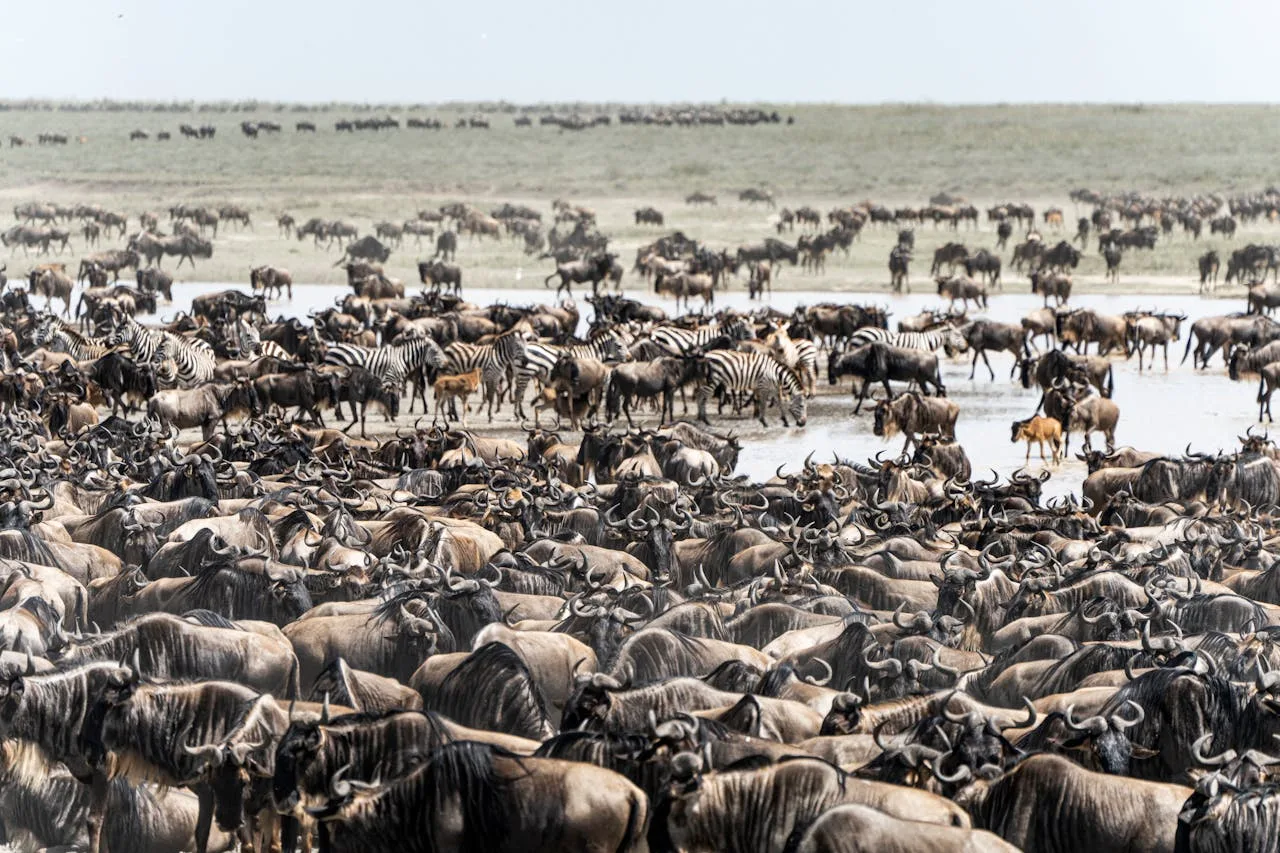
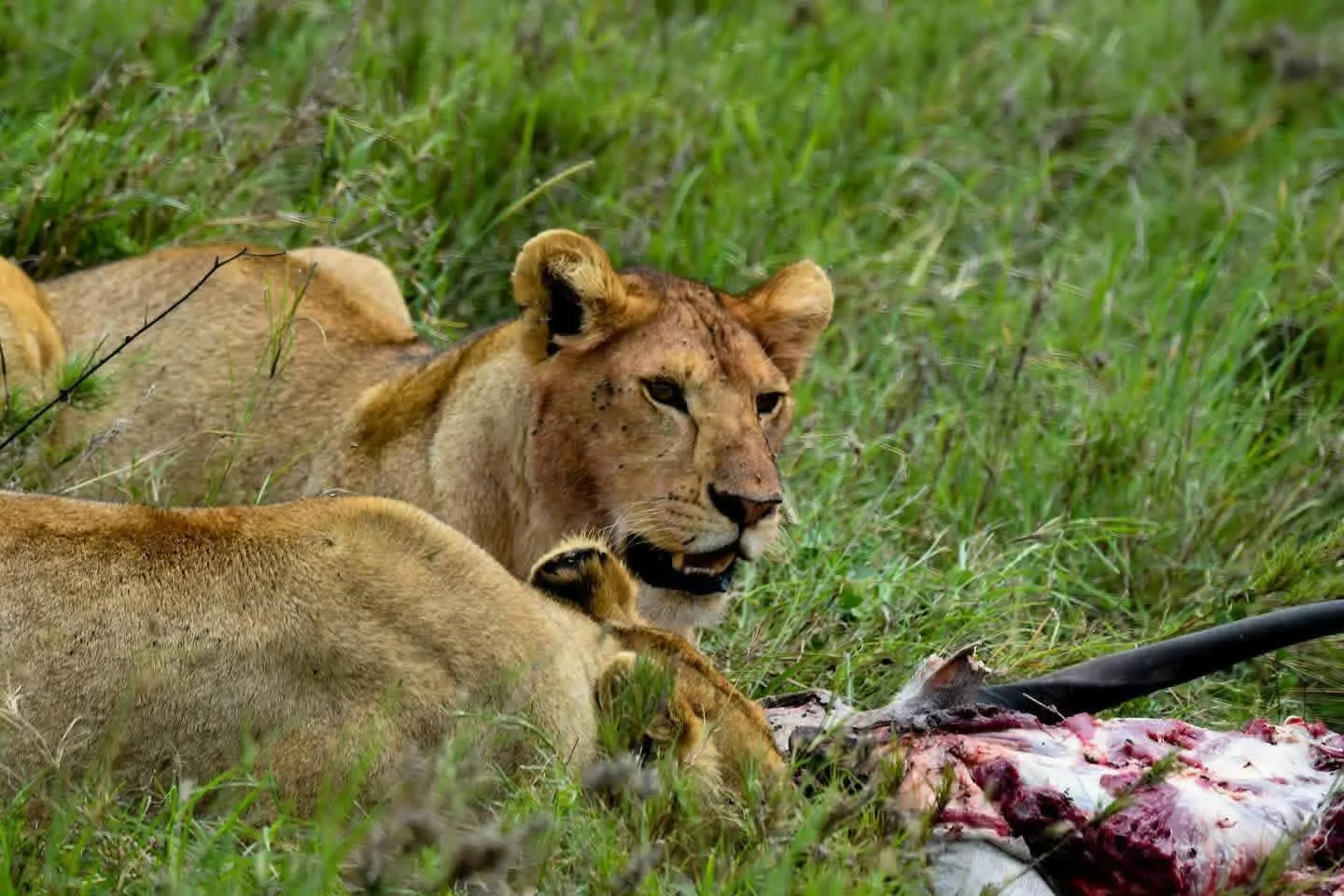
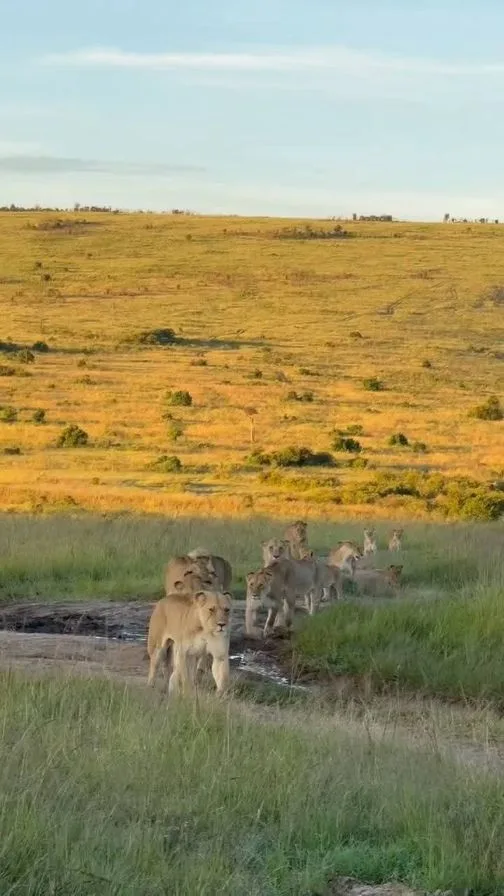
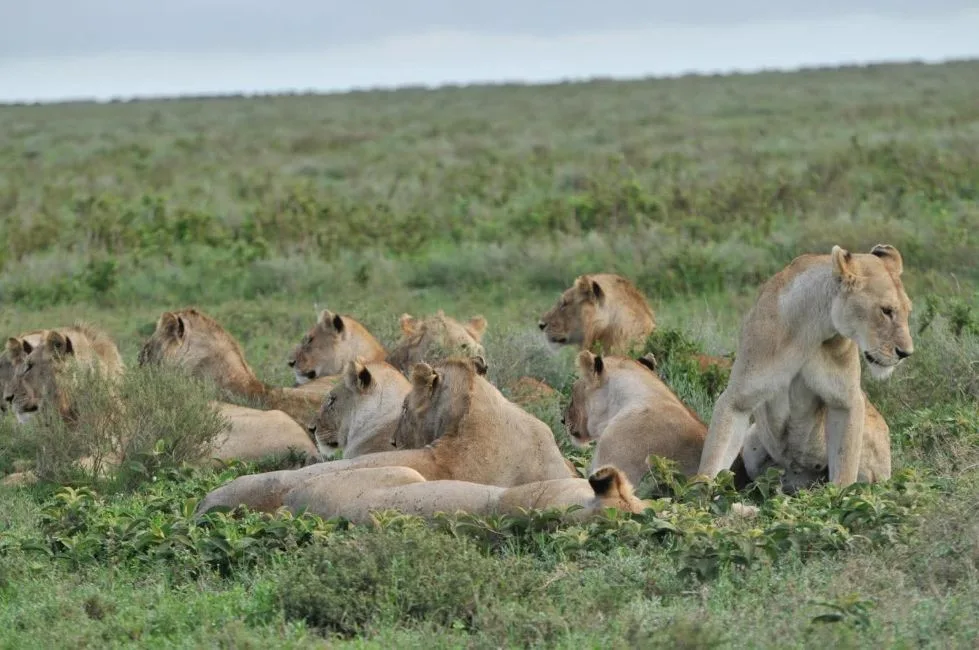
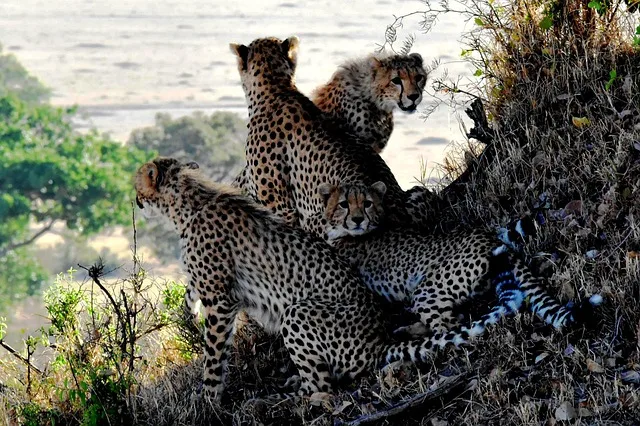
From around July to October, vast herds of wildebeest and zebra move through the Masai Mara in search of fresh grazing. Your guide follows current wildlife movements rather than relying on a fixed game-drive route, searching the open plains and river areas for large herds, lions, cheetahs, elephants, buffaloes, giraffes and, with luck, elusive leopards.
During the migration season, you may also witness the dramatic activity around the Mara River. River crossings, however, are completely natural events and cannot be scheduled or guaranteed.
What makes this Masai Mara Great Migration safari particularly rewarding is time. Instead of combining several parks in only four days, you stay within the Mara ecosystem, giving you more opportunities for meaningful wildlife encounters, photography and unhurried game viewing from your private 4×4 safari vehicle.
A 4 Days Great Migration Safari in Kenya 2026/2027 is a 3-night Masai Mara wildlife safari from Nairobi, designed around the seasonal wildebeest migration, Big Five game viewing and possible Mara River crossings. With two full days in the Masai Mara, travelers have more time to follow migrating herds, predators and changing wildlife activity with an experienced safari guide.
4 Days Great Migration Safari Quick Facts – 2026/2027
| Safari detail | Information |
|---|---|
| Duration | 4 days / 3 nights |
| Country | Kenya |
| Destination | Masai Mara National Reserve |
| Route | Nairobi → Masai Mara → Nairobi |
| Starting and ending point | Nairobi hotel or airport |
| Safari type | Private Great Migration safari |
| Safari level | Mid-range, with luxury upgrades available |
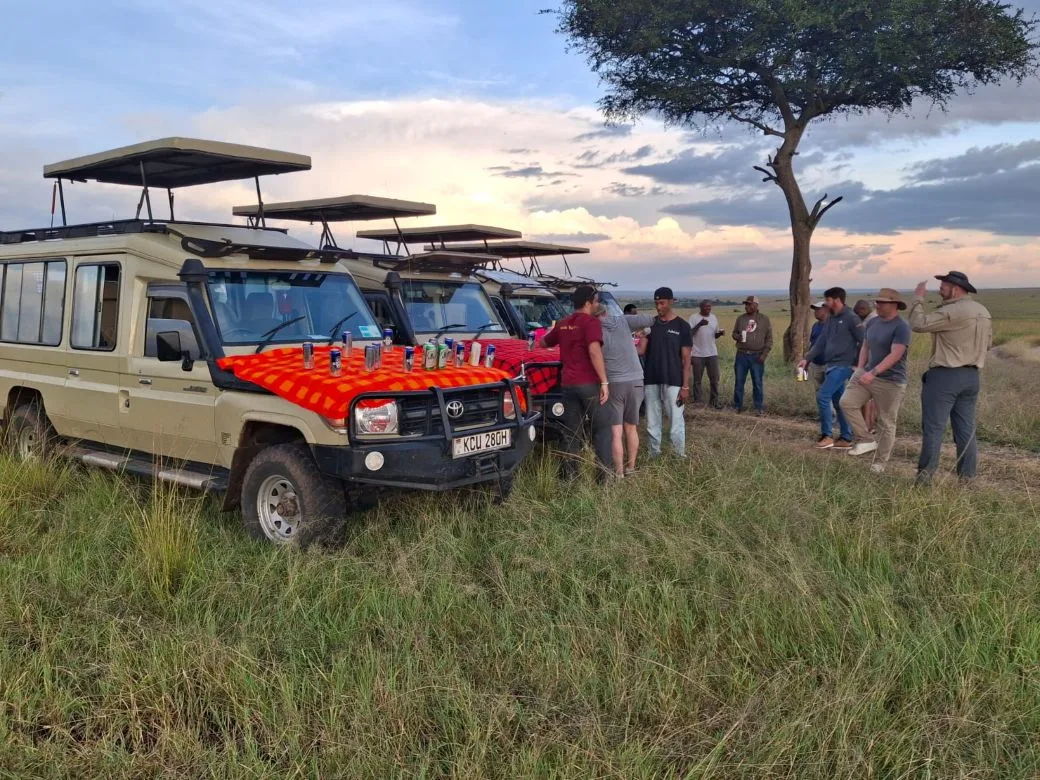
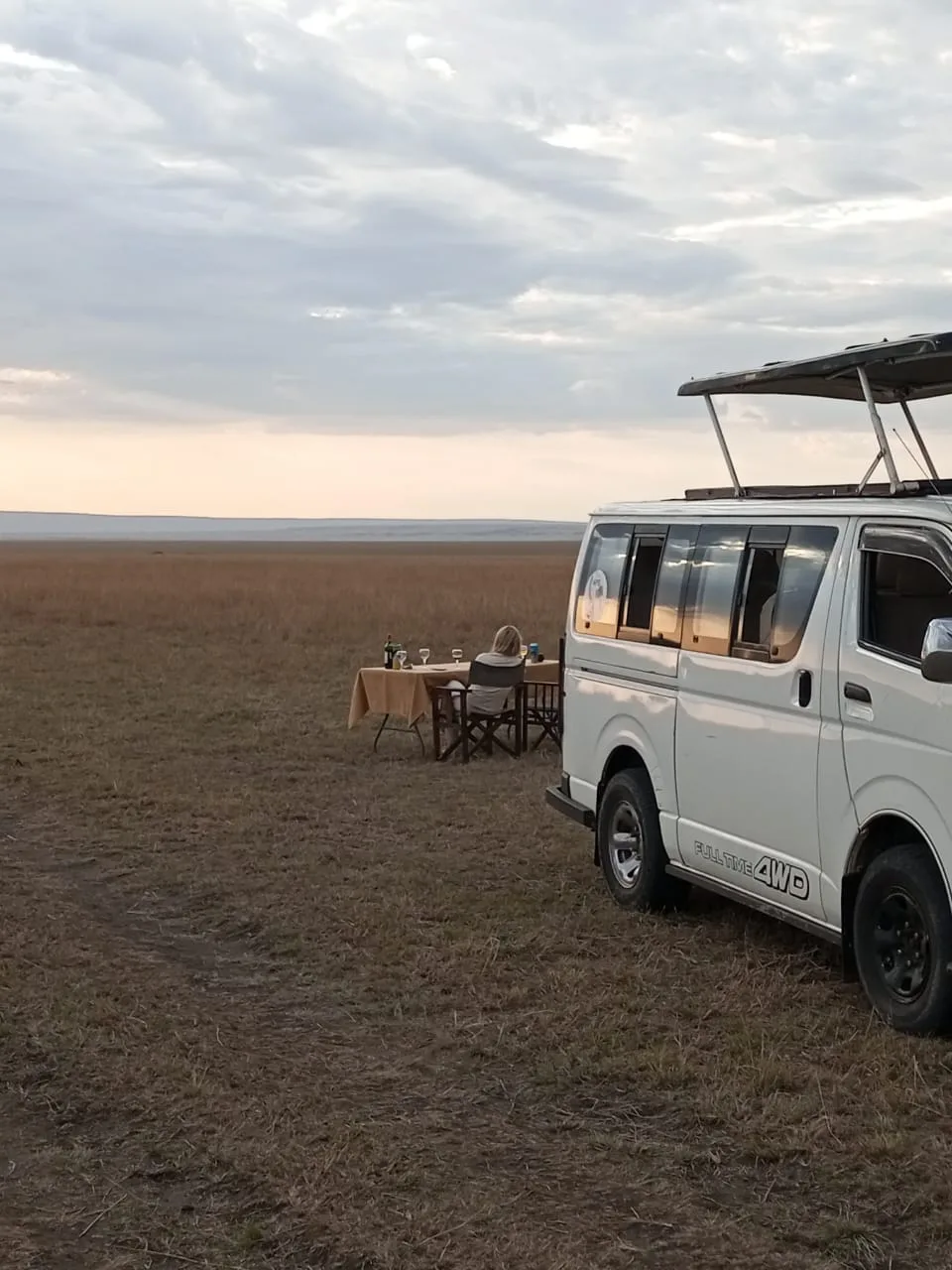
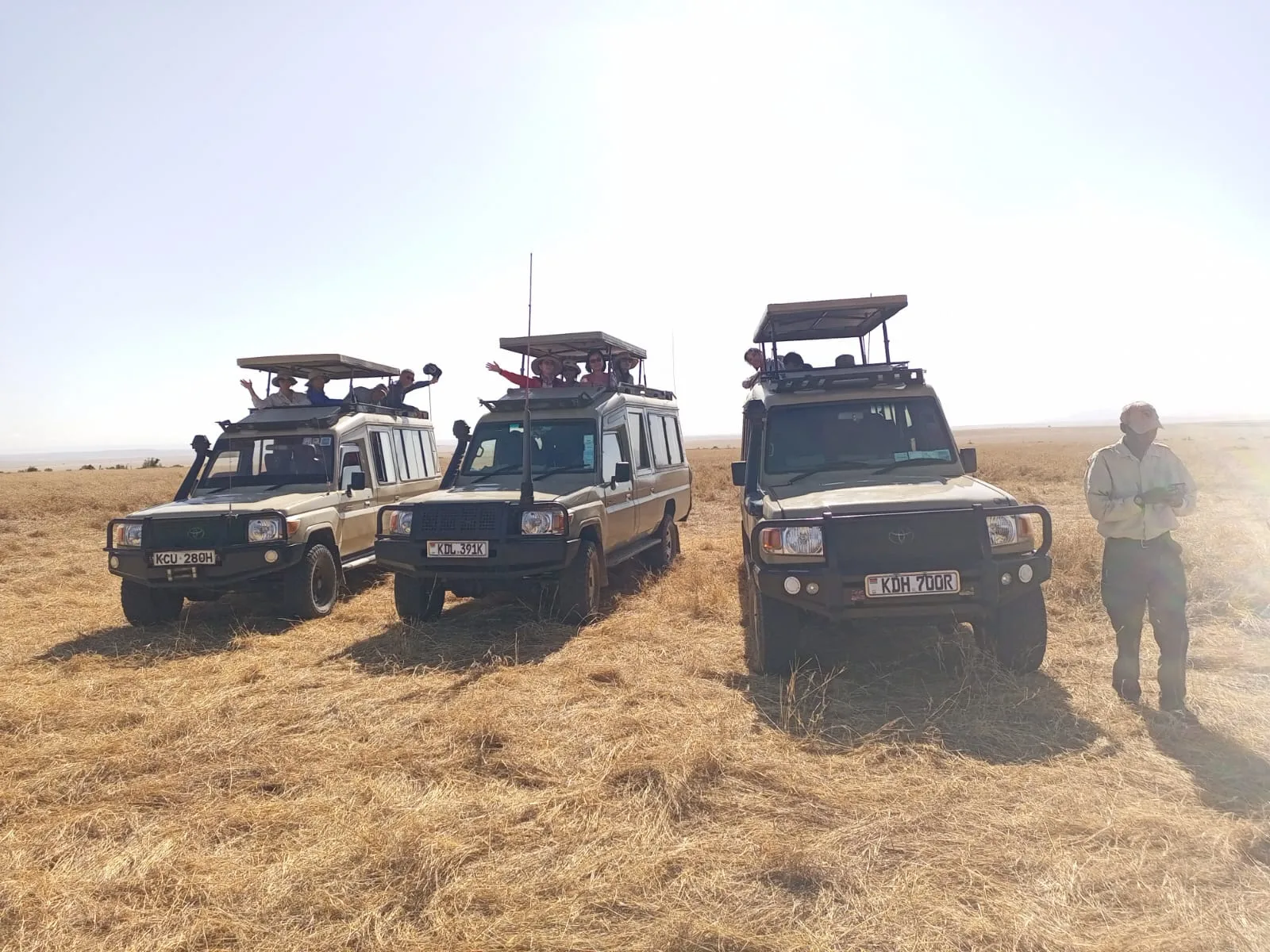
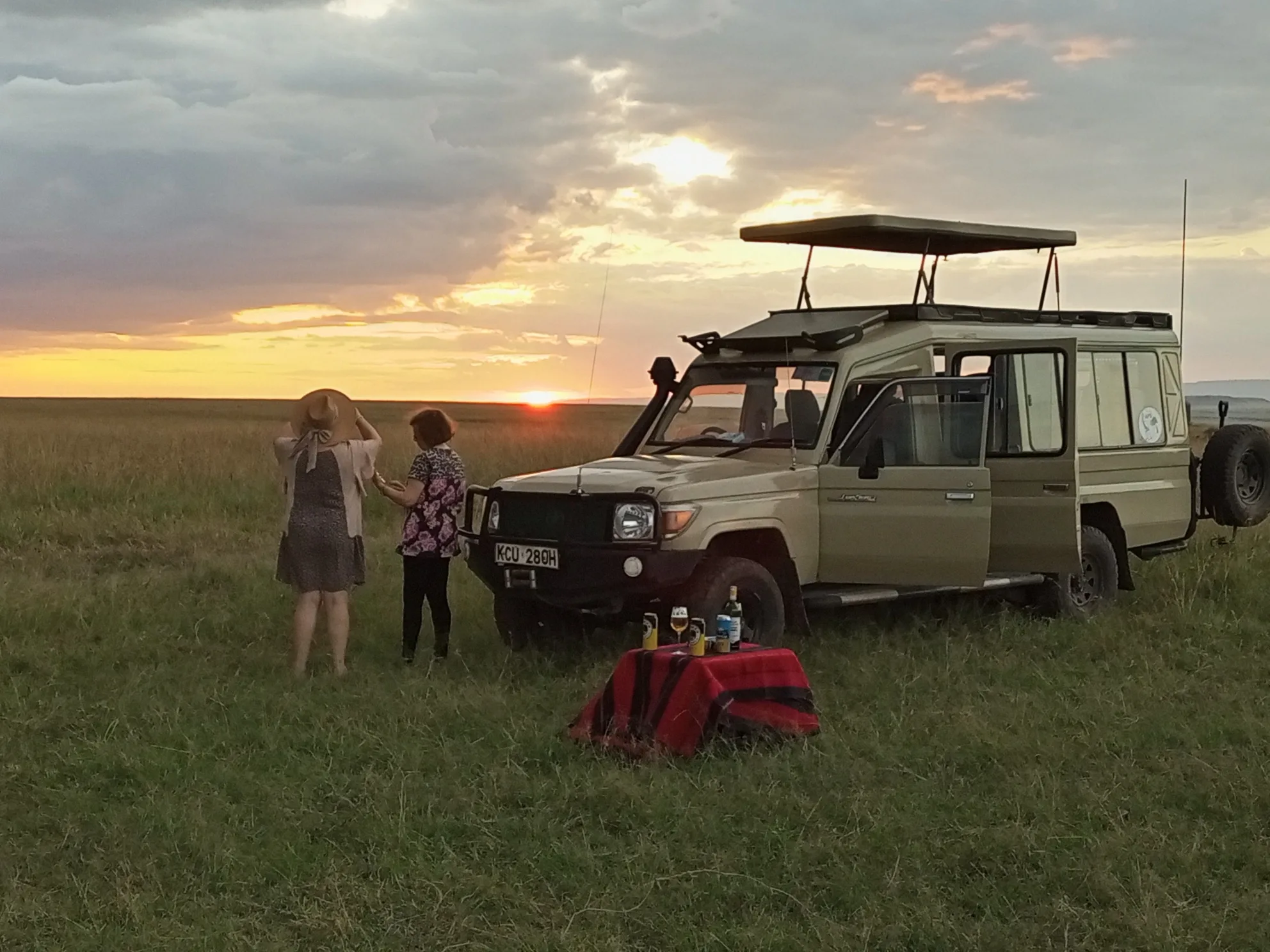
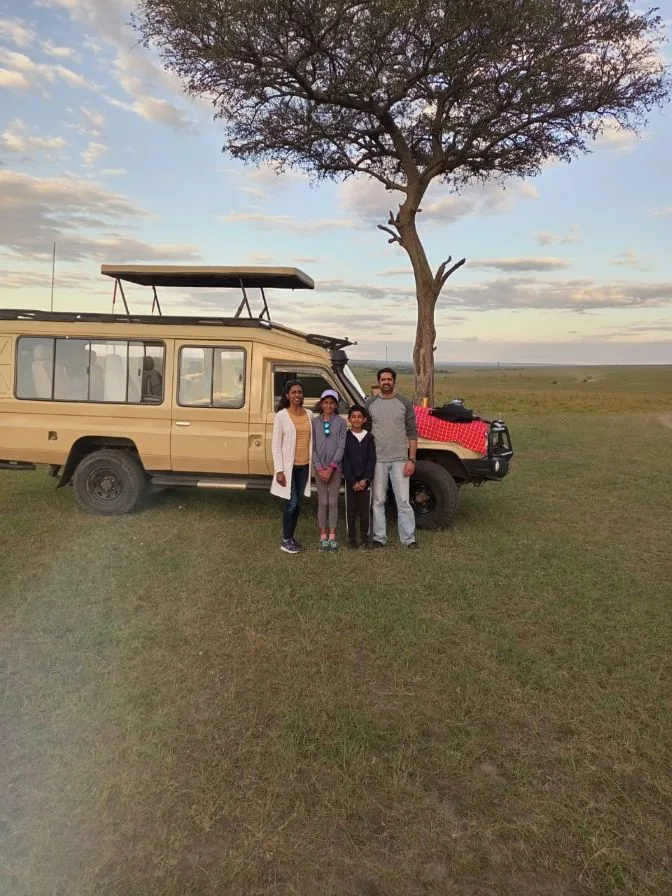
| Transport | Private 4×4 safari Land Cruiser with a pop-up roof |
| Accommodation | Three nights in a selected Masai Mara safari camp or lodge |
| Game drives | Afternoon game drive on Day 1 and two full-day game drives |
| Best migration period | July to October |
| Peak migration months | August and September |
| Year-round wildlife | Big Five, big cats, elephants, giraffes, hippos and plains game |
| River crossings | Possible during migration season but never guaranteed |
| Meals | Lunch and dinner on Day 1; breakfast, lunch and dinner on Days 2–3; breakfast on Day 4 |
| Safari price | From USD 1,695 per person sharing |
| Suitable for | Couples, families, honeymooners, photographers and private groups |
| Customisation | Accommodation upgrades, flights, balloon safari and extra nights available |
Who Is This 4 Days Great Migration Safari For? – 2026/2027
This 4 Days Great Migration Safari in Kenya is ideal for travelers who want to experience the Masai Mara and seasonal wildebeest migration without committing to a longer Kenya itinerary. With three nights in the Mara and two full days for game viewing, the safari balances wildlife, photography and relaxation while keeping travel time manageable.
| Traveler type | Why this safari works |
|---|---|
| First-Time Safari Travelers | A focused introduction to the Masai Mara with opportunities to see the Big Five, wildebeest herds and classic African landscapes. |
| Great Migration Travelers | Ideal for travelers visiting between July and October who want more time to follow seasonal herd movements and search for possible Mara River crossings. |
| Couples | Private game drives, beautiful Mara scenery and intimate safari camps make the itinerary well suited to couples. |
| Families | A short four-day itinerary keeps the safari manageable while still providing enough time for memorable wildlife experiences. |
| Wildlife Photographers | Two full days in the Mara provide more time to wait for good light, animal behavior, predator activity and migration scenes. |
| Honeymooners | The safari can be upgraded with luxury accommodation, private dining and an optional hot-air balloon experience. |
| Friends & Small Groups | Private 4×4 travel allows the group to enjoy game drives together while maintaining greater flexibility during wildlife sightings. |
| Travelers Short on Time | An excellent choice for visitors who have only four days available but want their safari concentrated in Kenya's most famous wildlife destination. |
Is This Safari Right for You?
Choose this safari if your priority is quality time in the Masai Mara rather than visiting several parks quickly. It is particularly rewarding during the Great Migration season, but the Mara's resident wildlife makes the itinerary worthwhile throughout the year.
For travelers with additional time, the safari can also be extended to include Amboseli, Lake Nakuru, the Serengeti or a relaxing beach holiday on the Kenyan coast.
Why Is This 4 Days Great Migration Safari Unique? – 2026/2027
4 Days Great Migration Safari Highlights – 2026/2027
This 4 Days Great Migration Safari in Kenya puts the Masai Mara at the heart of the journey. With three nights in the reserve and two full days of game viewing, you have more time to follow seasonal wildebeest herds, search for the Big Five and experience the changing rhythm of the Mara with an experienced safari guide.
- Three Nights in the Masai Mara – Stay longer in Kenya's most famous wildlife destination instead of spending valuable safari time moving between several parks.
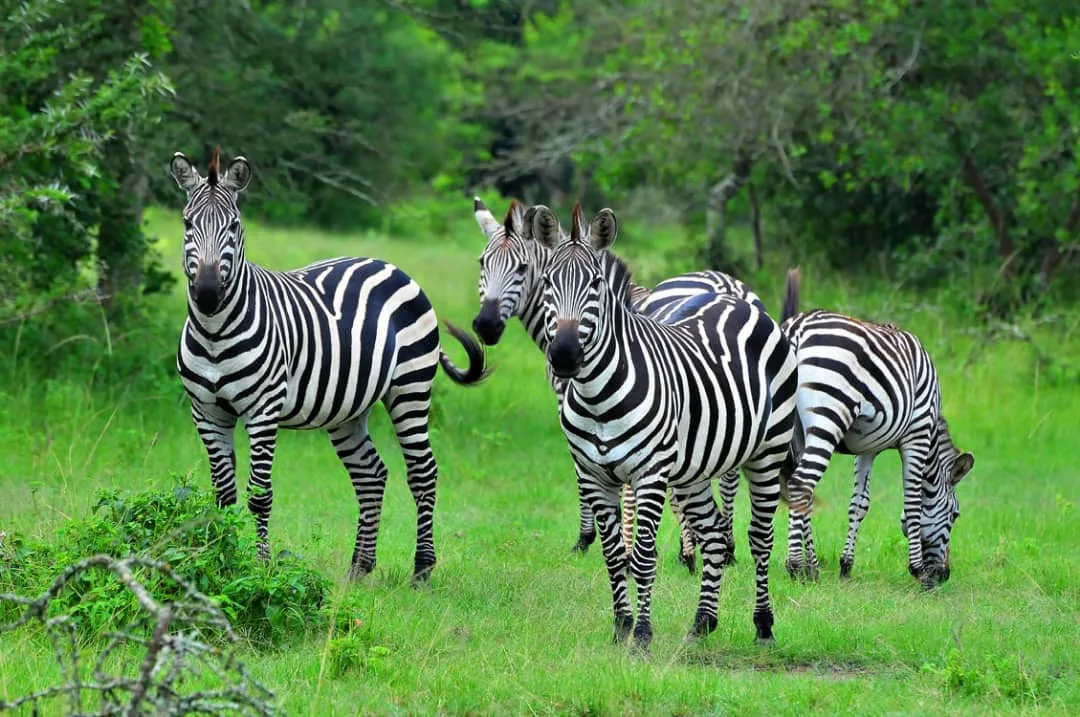
- The Great Wildebeest Migration – Follow vast herds of wildebeest and zebra as they move through the Masai Mara ecosystem during the migration season.
- Possible Mara River Crossings – Explore key river areas where wildebeest may gather and cross during the season. Crossings are natural events and cannot be guaranteed.
- Two Full Days of Game Viewing – Enjoy extended game drives with time to follow wildlife activity rather than rushing from one sighting to another.
- Big Five Wildlife Viewing – Search for lion, leopard, elephant, buffalo and rhino, alongside cheetahs, giraffes, hyenas, hippos and numerous antelope species.
- Predator Action – The abundance of migrating prey attracts lions, cheetahs, leopards and hyenas, creating excellent opportunities to observe natural wildlife behavior.
- Private 4×4 Safari Experience – Travel in a safari Land Cruiser with a pop-up roof, giving you flexibility and unobstructed opportunities for wildlife viewing and photography.
- Professional Safari Guiding – Your driver-guide uses local knowledge, recent sightings and wildlife movements to decide which areas of the Mara to explore each day.
- Great Rift Valley Scenery – Enjoy changing landscapes and panoramic views as you travel between Nairobi and the Masai Mara.
- Optional Hot-Air Balloon Safari – Take an early-morning flight over the Mara plains, followed by a bush breakfast for a memorable addition to your safari.
- Excellent Wildlife Photography – Open savannah, large herds, predators and golden morning and evening light make the Masai Mara one of Africa's outstanding photography destinations.
- Flexible Safari Style – Choose from mid-range, luxury or premium accommodation to match your preferred comfort level and travel budget.
Why Visit the Masai Mara for a Great Migration Safari in 2026/2027?
The Masai Mara is one of Africa's most celebrated wildlife destinations and the Kenyan stage of the Great Migration. Its open grasslands, river systems and abundant resident wildlife make it rewarding beyond the migration itself. During the main migration season, vast herds of wildebeest and zebra enter the Mara, while lions, cheetahs, leopards and hyenas take advantage of the concentration of prey.
The Great Wildebeest Migration
From around July to October, migrating wildebeest and zebra typically move through the greater Mara ecosystem. Their exact timing varies with rainfall and grazing conditions, making every season different.
Mara River Crossing Opportunities
The Mara River is one of the most dramatic locations associated with the migration. Herds may gather along its banks before attempting crossings, but these events are unpredictable and cannot be guaranteed on any particular day.
Exceptional Big Five Viewing
The Masai Mara is not only about wildebeest. Lions, elephants, buffaloes and leopards are among its important resident species, while rhinos may occasionally be encountered. Cheetahs, giraffes, hippos, crocodiles and numerous antelope species add further variety.
Outstanding Predator Activity
Large populations of herbivores support an impressive predator community. Lions, cheetahs, leopards and spotted hyenas provide opportunities to observe hunting, territorial behavior and interactions between competing predators.
Excellent Wildlife Photography
Wide savannah landscapes, dramatic skies and beautiful early-morning and late-afternoon light make the Mara particularly rewarding for photographers. During migration months, large herds add scale and movement to wildlife images.
A Rewarding Destination Beyond Migration Season
Although July to October is the headline period for the Great Migration in Kenya, the Masai Mara remains a strong safari destination throughout the year because of its resident wildlife.
For travelers with only four days, concentrating the safari in the Masai Mara means less time changing destinations and more time experiencing the wildlife, landscapes and natural behavior that make this part of Kenya extraordinary.
Best Time for a 4 Days Great Migration Safari in Kenya – 2026/2027
The best time for a Great Migration safari in Kenya is generally from July to October, when migrating wildebeest and zebra are typically present within the greater Masai Mara ecosystem. August and September are often the strongest months for travelers hoping to see large concentrations of herds and possible Mara River crossings.
For a broader month-by-month comparison of weather, wildlife, visitor numbers and safari prices, read our guide to the best time to visit Kenya and Tanzania.
However, the migration follows rainfall and fresh grazing rather than fixed dates. Herd locations can therefore change from year to year, and no safari operator can guarantee a river crossing on a particular day.
| Month | Migration & wildlife conditions | Our recommendation |
|---|---|---|
| January | Resident wildlife, predators and generally good game viewing | Good |
| February | Often drier with excellent visibility and predator sightings | Very Good |
| March | Good resident wildlife before the heavier rains | Good |
| April | Long rains, greener landscapes and fewer visitors | Low Season |
| May | Green season with fewer vehicles and attractive scenery | Good for Value |
| June | Conditions become drier as the Mara approaches migration season | Very Good |
| July | Migrating herds may begin arriving in the greater Mara ecosystem | Excellent |
| August | Large wildebeest herds and possible Mara River crossing activity | Excellent – Peak Migration |
| September | Strong migration viewing with possible river crossings and predator activity | Excellent – Peak Migration |
| October | Herds may remain in the Mara before gradually moving south | Excellent |
| November | Short rains bring greener landscapes; resident wildlife remains strong | Good |
| December | Green scenery, resident wildlife and good predator viewing | Very Good |
July to October – Best for the Great Migration
If seeing the wildebeest migration in the Masai Mara is your main reason for booking this safari, plan for July through October. These months generally provide the strongest opportunity to encounter large migrating herds on the Kenyan side of the ecosystem.
August to September – Best for River Crossing Opportunities
For travelers particularly interested in the famous Mara River crossings, August and September are often among the most sought-after months. Wildebeest may gather near crossing points before entering the river, sometimes waiting for hours or even days.
Crossings remain unpredictable. A four-day safari improves your chances by providing two full days in the Mara, but patience and flexibility are essential.
January to March – Best for Fewer Crowds and Resident Wildlife
The migration herds are generally farther south in the Serengeti during this period, but the Masai Mara still offers excellent resident wildlife. This can be a rewarding period for travelers more interested in Big Five viewing, predators and quieter game drives than the migration itself.
April to May – Best for Green Scenery and Value
The long-rain period transforms the Mara into a lush landscape. Visitor numbers are generally lower, and some camps offer attractive seasonal rates. Rain can occasionally affect road conditions, so this period is better suited to flexible travelers.
Our Guide's Recommendation
For a 4 Days Great Migration Safari in 2026/2027, we recommend late July through September if migration viewing is your highest priority.
If your dates are flexible, don't choose a departure date based solely on a predicted river crossing. The migration is a natural cycle influenced by rainfall, grazing and herd movement. Instead, allow enough time in the Masai Mara and let your guide respond to current wildlife activity once you are on safari.
Best overall: July–October
Peak migration: August–September
Possible river crossings: July–October
Best for fewer crowds: January–March and November
Best for green scenery & value: April–May
Big Five viewing: Year-round
4 Days Great Migration Safari Price – 2026/2027
Our 4 Days Great Migration Safari in Kenya starts from USD 1,695 per person sharing. The final safari cost depends on your travel month, number of travelers and preferred accommodation level.
During the peak Great Migration months of July to October, rates may be higher because of increased Masai Mara accommodation demand and seasonal pricing.
4 Days Great Migration Safari Price Comparison
| Safari Style | Estimated Price Per Person | Best For |
|---|---|---|
| Budget / Shared Safari | USD 1,200–1,500 | Budget-conscious travelers and small groups |
| Mid-Range Private Safari | From USD 1,695 | Couples, families and first-time safari travelers |
| Luxury Safari | USD 2,300–3,200+ | Travelers wanting premium camps and added comfort |
| Ultra-Luxury Safari | USD 3,500+ | Honeymooners and travelers seeking exclusive camps |
What Affects the Safari Price?
Travel season: July to October is the main Great Migration period and generally attracts higher accommodation rates.
Group size: Traveling with family or friends can reduce the per-person cost because vehicle and guide expenses are shared.
Accommodation: The choice between mid-range camps, luxury lodges and premium tented camps can significantly change the final package price.
Private or shared safari: A private 4×4 safari generally costs more than joining a scheduled group departure but provides greater flexibility during game drives.
Travellers comparing different comfort levels can read our detailed Kenya safari cost guide for typical budget, mid-range and luxury safari prices.
Our Recommended Option
For the best balance between price, comfort and wildlife experience, we recommend the mid-range private safari from USD 1,695 per person sharing.
This option is particularly suitable for a Great Migration safari because having your own safari vehicle gives your guide greater flexibility to respond to wildebeest movements, predator sightings and changing wildlife activity rather than following the schedule of a larger group.
Starting Price: USD 1,695 per person sharing
Duration: 4 Days / 3 Nights
Destination: Masai Mara, Kenya
Safari Style: Private 4×4 safari
Best Migration Period: July–October
Peak Months: August–September
Prices are indicative and subject to travel dates, availability, accommodation choice and group size. Request a personalized quotation for your exact 2026/2027 travel dates.
4 Days Great Migration Safari Itinerary – 2026/2027
This 4 Days Great Migration Safari itinerary gives you three nights in the Masai Mara and two full days dedicated to wildlife viewing. Rather than combining several parks in a short trip, the itinerary keeps you in the Mara long enough to follow seasonal wildebeest movements, search for the Big Five and explore different wildlife areas according to conditions on the day.
Day 1: Nairobi – Great Rift Valley – Masai Mara National Reserve
Your safari begins in Nairobi, where your driver-guide will meet you in the morning for a short briefing before departing in your 4×4 safari Land Cruiser. Travel toward the Masai Mara through Kenya's scenic highlands, with a stop around the Great Rift Valley viewpoint to enjoy the landscape and take photographs.
Continue through Narok and onward to the Masai Mara, arriving at your camp or lodge in time for lunch or early afternoon, depending on road conditions. After settling in, head out for your first game drive across the Mara's open plains.
This introductory drive gives you your first opportunity to see elephants, giraffes, buffaloes, zebras, antelopes and predators such as lions or cheetahs. During migration season, your guide will also begin looking for the current location of wildebeest herds.
Return to your camp or lodge before nightfall for dinner and overnight.
Accommodation: Masai Mara safari camp/lodge
Meals: Lunch & Dinner
Safari activity: Afternoon game drive
Day 2: Full-Day Great Migration Safari – Masai Mara
After an early breakfast, set out for your first full-day Masai Mara game drive. During the Great Migration season, your guide will use recent wildlife information and observations from the previous day to decide which areas offer the most promising game viewing.
The day may take you across open grasslands, riverine woodland and areas used by migrating wildebeest and zebra. Along the way, look for lions resting near the herds, cheetahs scanning the plains, elephants, buffaloes, giraffes, hyenas and, with luck, leopards.
If migration conditions are favorable, your guide may explore areas around the Mara River, where wildebeest sometimes gather before attempting a crossing. These events are completely natural and unpredictable, so patience is part of the experience.
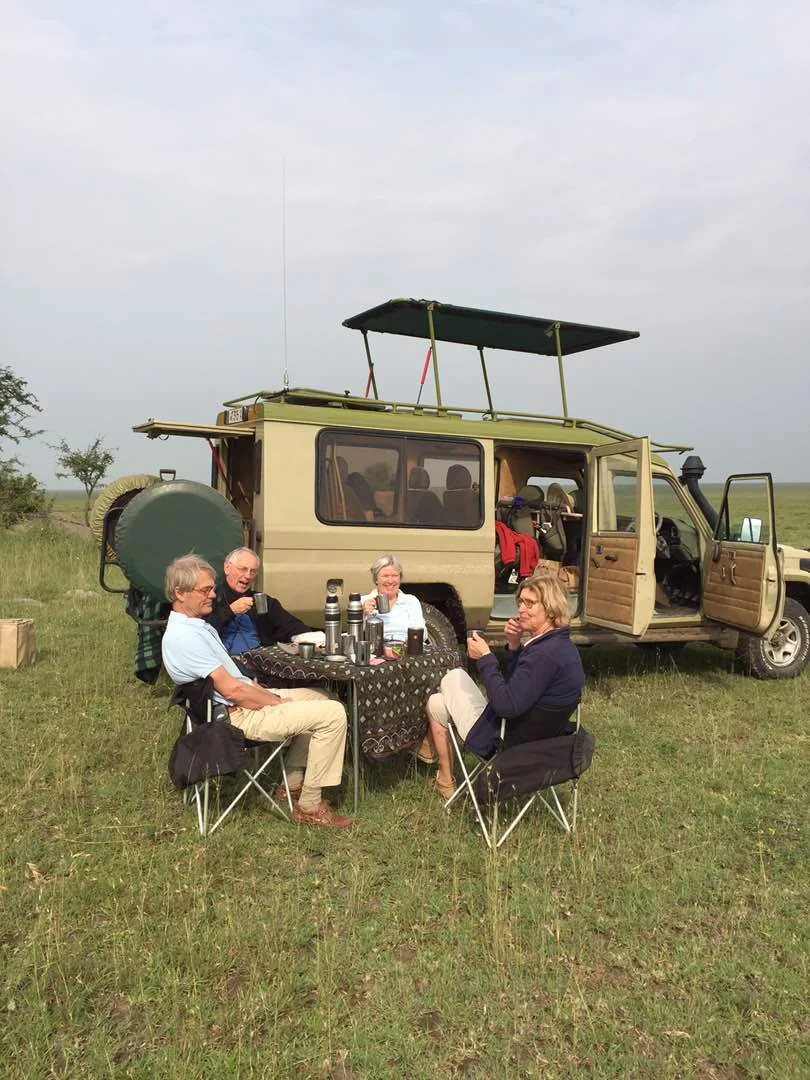
Enjoy a picnic lunch at a suitable location in the reserve before continuing your afternoon game drive. Return to camp in the evening for dinner and a relaxed overnight stay.
Accommodation: Masai Mara safari camp/lodge
Meals: Breakfast, Lunch & Dinner
Safari activity: Full-day game drive
Optional: Early-morning hot-air balloon safari
Day 3: Full-Day Masai Mara – Wildebeest Migration & Big Five Safari
Today gives you another full day to explore the Masai Mara ecosystem, an important advantage of this four-day itinerary. Wildlife conditions change constantly, so your guide can choose a different area from the previous day or return to a productive location where migration or predator activity has developed.
During the migration months, thousands of wildebeest and zebra may spread across the plains as they search for fresh grazing. Their presence attracts predators, creating opportunities to observe lions, cheetahs, hyenas and other natural interactions. Away from the migration herds, the Mara also supports elephants, buffaloes, giraffes, hippos and a remarkable variety of plains game and birdlife.
If there are reports of herds approaching the river, your guide can position the vehicle in an appropriate area while respecting park regulations and wildlife space. A crossing can never be promised, but having a second full day increases the time available to follow unfolding wildlife activity.
After your picnic lunch, continue exploring until late afternoon before returning to your camp for your final evening in the Mara.
Accommodation: Masai Mara safari camp/lodge
Meals: Breakfast, Lunch & Dinner
Safari activity: Full-day Great Migration & Big Five game drive
Day 4: Masai Mara – Nairobi
Wake up for your final morning in the Masai Mara and enjoy breakfast at the camp or lodge. Depending on your departure schedule and accommodation location, there may be time to enjoy the surrounding scenery before beginning the journey back to Nairobi.
Drive through the Mara countryside and Narok before continuing toward the Great Rift Valley and Nairobi. Your guide will make suitable comfort stops along the way, with lunch arranged according to the final package and travel schedule.
On arrival in Nairobi, you will be transferred to your hotel or the airport, marking the end of your 4 Days Great Migration Safari in Kenya.
Although the safari is short, spending three nights in the Masai Mara gives you significantly more time for wildlife viewing than an itinerary that tries to combine several destinations within four days.
Meals: Breakfast
Safari activity: Return journey to Nairobi
Destination: Nairobi – hotel or airport drop-off
Accommodation Options for the 4 Days Great Migration Safari – 2026/2027
Your accommodation can make a significant difference to a Great Migration safari in the Masai Mara. For this 4-day itinerary, we recommend staying all three nights in the same camp or lodge, reducing unnecessary packing and allowing more time for game drives.
We can arrange mid-range, luxury or ultra-luxury accommodation depending on your budget and preferred safari style. During the July–October migration season, we also consider camp location carefully so that your daily game drives are practical for the areas where wildlife activity is expected.
Safari Accommodation Plan
| Nights | Destination | Recommended accommodation |
|---|---|---|
| Nights 1–3 | Masai Mara | Selected mid-range safari camp or lodge |
All three nights are spent in the Masai Mara, allowing you to remain in one accommodation throughout the safari. The final camp or lodge will be selected according to your travel dates, budget, availability and the most practical location for game viewing.
| Accommodation Level | Example Camps & Lodges | Best For |
|---|---|---|
| Mid-Range | Mara Sopa Lodge, Enkorok Mara Camp, Jambo Mara Safari Lodge | Families, couples and travelers seeking good comfort and value |
| Luxury | Ashnil Mara Camp, Fig Tree Camp, Mara Serena Safari Lodge | Couples, photographers and travelers wanting upgraded comfort and locations |
| Premium Luxury | Entim Mara Camp, Governors' Camp, &Beyond Kichwa Tembo | Honeymooners and travelers looking for a more exclusive safari experience |
| Ultra-Luxury | Angama Mara, Mahali Mzuri, Sanctuary Olonana | Luxury travelers seeking exceptional service, privacy and premium accommodation |
Mid-Range Safari Accommodation
Our mid-range option provides comfortable rooms or permanent safari tents, private bathrooms, restaurant facilities and convenient access to game-drive areas. It is our recommended choice for travelers who want to prioritize wildlife viewing while maintaining a good level of comfort.
Luxury Safari Accommodation
Luxury camps and lodges generally provide more refined rooms or tents, enhanced dining, attractive locations and a higher level of personalized service. Some properties are positioned close to productive wildlife areas, helping reduce travel time during game drives.
Ultra-Luxury Masai Mara Accommodation
For honeymooners, special occasions and travelers looking for a high-end safari, the itinerary can be upgraded to one of the Masai Mara's premium camps. Depending on the property, experiences may include spacious suites, private decks, fine dining, exceptional views and highly personalized service.
Which Accommodation Should You Choose?
For a 4 Days Great Migration Safari, we recommend choosing accommodation based on location first and luxury level second.
During migration season, the most expensive camp is not automatically the best choice for every traveler. Your travel dates, current seasonal patterns, preferred game-drive areas and budget should all influence the decision.
Because July, August and September are among the busiest months in the Masai Mara, booking early gives you a much better choice of well-positioned camps and lodges.
Our recommendation: Tell us your travel dates and preferred comfort level, and we will suggest accommodation that offers the best balance of location, safari experience and value for your 2026/2027 Great Migration safari.
Travel Tips & Packing Tips for a Great Migration Safari – 2026/2027
A little preparation can make your 4 Days Great Migration Safari in the Masai Mara considerably more comfortable. Early mornings can be cool, afternoons may become warm and dusty, and wildlife sightings sometimes require patience. Pack light, dress in layers and bring the essentials you will actually use during game drives.
Great Migration Safari Travel Tips
| Travel Tip | Our Guide's Advice |
|---|---|
| Book early for July–October | Migration season is popular, and well-located Masai Mara camps can fill months in advance. |
| Allow time for wildlife | Wildebeest and river crossings do not follow a timetable. Avoid putting pressure on your guide to rush between sightings. |
| Start game drives early | Early mornings often provide cooler temperatures, softer photography light and good predator activity. |
| Listen to your guide | Guides use tracks, animal behavior, recent sightings and local information to decide where to search for wildlife. |
| Keep expectations realistic | The migration can be spectacular, but no operator can guarantee a Mara River crossing on a specific day. |
| Carry some cash | Small amounts of US dollars or Kenyan shillings are useful for tips, souvenirs and optional expenses. |
| Stay hydrated | Drink water regularly, particularly during long full-day game drives. |
| Protect yourself from the sun | Use sunscreen, sunglasses and a hat even when mornings begin cool or cloudy. |
| Respect wildlife | Keep voices low around animals and never pressure your guide to drive too close or break park regulations for a photograph. |
| Keep your camera ready | Wildlife encounters can happen quickly, so have your camera or phone accessible during game drives. |
| Ask questions | Your safari guide is an important source of knowledge about wildlife behavior, conservation, landscapes and local culture. |
What to Pack for a Masai Mara Great Migration Safari
| Packing Essential | Why You Need It |
| Lightweight neutral clothing | Comfortable beige, brown, khaki or similar neutral clothing works well for safari conditions. |
| Warm fleece or light jacket | Early-morning and evening game drives in the Masai Mara can feel surprisingly cool. |
| Long trousers | Useful during cooler mornings and evenings and for added protection from insects and vegetation. |
| Comfortable closed shoes | Ideal for travel days, camp surroundings and general safari use. Heavy hiking boots are usually unnecessary for a vehicle-based safari. |
| Sun hat | Helps protect your face and neck during sunny game drives. |
| Sunglasses | Useful against bright sunlight, wind and dust. |
| Sunscreen | The equatorial sun can be strong even on cooler or cloudy days. |
| Binoculars | Excellent for viewing distant wildlife, birds and activity across the open plains. |
| Camera & spare batteries | Full-day game drives provide many photography opportunities, so carry enough battery capacity. |
| Extra memory cards | Migration herds and predator encounters can quickly fill your camera storage. |
| Power bank | Helpful for keeping phones and small electronics charged during long game drives. |
| Reusable water bottle | Convenient for staying hydrated throughout the safari. |
| Insect repellent | Particularly useful during evenings and around camp. |
| Small day bag | Keep your camera, binoculars, sunscreen, documents and other essentials together in the safari vehicle. |
| Personal medication | Carry enough prescribed medication for the entire trip, preferably in your hand luggage. |
| Travel documents | Keep your passport, travel insurance details, Kenya entry documents and booking information easily accessible. |
Photography Tip for the Great Migration
If photography is important to you, bring a camera with a telephoto lens rather than relying only on a mobile phone. A bean bag can also be useful for stabilizing a long lens on the safari vehicle. Keep spare batteries and memory cards within reach rather than packed inside your main luggage.
What Not to Overpack
A four-day safari does not require a large wardrobe. Safari camps are generally relaxed, so formal clothing is unnecessary. Pack comfortable layers that can be worn more than once and avoid bringing bulky items that you are unlikely to use.
Our Guide's Packing Advice
Pack for changing conditions rather than one type of weather. A Masai Mara morning may begin cold, become warm by midday and turn cool again after sunset. Dressing in layers allows you to adjust comfortably without carrying unnecessary clothing.
Most importantly, leave some space in your bag. You need far less on a four-day safari than you may expect, and lighter luggage makes the journey easier.
Getting to the Masai Mara for Your 4 Days Great Migration Safari – 2026/2027
Most 4 Days Great Migration Safaris begin in Nairobi, Kenya's main international gateway. From Nairobi, you can reach the Masai Mara either by road in a private 4×4 safari vehicle or by scheduled domestic flight. Both options work well, but the best choice depends on your budget, available time and preferred travel style.
Nairobi to Masai Mara by Road
The standard itinerary travels from Nairobi to the Masai Mara in a private 4×4 Land Cruiser. The journey normally takes approximately 5–6 hours, although travel time varies with traffic, road conditions, stops and the location of your camp.
Driving gives you a chance to see more of the Kenyan countryside along the way. The route passes through the Great Rift Valley and Narok before continuing toward the Masai Mara.
For most travelers, this is the best-value option because the same safari vehicle and driver-guide can remain with you throughout the tour.
Nairobi to Masai Mara by Flight
Travelers who prefer to reduce road time can take a scheduled flight from Wilson Airport in Nairobi to one of the Masai Mara airstrips.
Flights generally take around 45–60 minutes, depending on the service and number of stops. Your arrival airstrip will depend on the location of your selected camp or lodge.
On arrival, you are met by a safari vehicle and transferred to your accommodation, often with wildlife viewing possible along the way.
Road Safari vs Fly-In Safari
| Option | Approx. Travel Time | Advantages | Best For |
|---|---|---|---|
| Private 4×4 by Road | 5–6 hours | Scenic journey, private vehicle, flexible stops and better overall value | Families, couples, groups and first-time visitors |
| Scheduled Flight | 45–60 minutes flying time | Saves travel time and provides aerial views | Honeymooners, luxury travelers and short stays |
| Fly One Way + Drive One Way | Combination | Balances convenience, scenery and cost | Travelers wanting both experiences |
Which Option Do We Recommend?
For the standard 4 Days Great Migration Safari, we recommend traveling by private 4×4 from Nairobi. Your safari experience begins from the moment you leave the city, and you retain the flexibility of your own vehicle throughout the trip.
If maximizing your time in the Masai Mara is more important than keeping the cost lower, upgrading to a fly-in safari is worth considering. On a short four-day itinerary, reducing road travel can provide additional time to relax or enjoy wildlife activities in the Mara.
International Arrival in Kenya
Most international travelers arrive through Jomo Kenyatta International Airport (NBO) in Nairobi. Depending on your flight arrival time, we can arrange an airport transfer and overnight stay in Nairobi before your safari begins.
For a smoother start, we generally recommend arriving in Nairobi at least one day before the safari departure, particularly after a long international flight.
Main Safari Route: Nairobi → Masai Mara → Nairobi
Road Distance: Approximately 250–280 km each way, depending on the route and camp location
Road Travel Time: Approximately 5–6 hours
Flight Departure: Wilson Airport, Nairobi
Typical Flight Time: Approximately 45–60 minutes
Safari Vehicle: Private 4×4 Land Cruiser
What's Included in the 4 Days Great Migration Safari – 2026/2027
Your 4 Days Great Migration Safari package includes the essential services needed for a comfortable and well-organized Masai Mara experience. From private safari transport and professional guiding to accommodation and game drives, the package is designed so you can concentrate on the wildlife rather than daily logistics.
- Private transport in a 4×4 safari Land Cruiser with pop-up roof
- Services of a professional English-speaking safari driver-guide
- 3 nights' accommodation in the Masai Mara
- Full-board meals while staying at the safari camp or lodge
- Afternoon game drive on Day 1
- Two full days of game drives in the Masai Mara
- Great Migration and Big Five wildlife viewing
- Masai Mara National Reserve entry fees as specified in your confirmed quotation
- Bottled drinking water during game drives
- Pick-up from your Nairobi hotel on Day 1
- Drop-off at your Nairobi hotel or airport on Day 4
- Great Rift Valley viewpoint stop when traveling by road
- All scheduled safari transportation
- Flying Doctors emergency evacuation cover where specified in the confirmed package
- Government taxes and applicable safari service charges
What's Excluded From the 4 Days Great Migration Safari – 2026/2027
To keep the safari price clear and flexible, certain personal expenses and optional experiences are not included in the standard package. We recommend reviewing these items before travel so you can budget comfortably for any extras you would like to add.
- International flights to and from Kenya
- Kenya entry visa/eTA and related travel documentation
- Travel and comprehensive medical insurance
- Accommodation in Nairobi before or after the safari unless specifically included
- Alcoholic beverages, soft drinks and premium drinks
- Personal expenses such as souvenirs, laundry and telephone charges
- Tips and gratuities for your safari driver-guide, camp staff, porters and waiters
- Optional hot-air balloon safari
- Optional Maasai village or cultural visit
- Scheduled flights between Nairobi and the Masai Mara unless booked as part of a fly-in package
- Additional activities not mentioned in the confirmed itinerary
- Any meals not specified in the itinerary
- Changes or additional services requested during the safari
Optional Add-Ons for Your Great Migration Safari – 2026/2027
Your Masai Mara Great Migration safari can be personalized with additional experiences before or during your trip. These optional add-ons are not necessary to enjoy the safari, but they can be arranged for travelers who want more comfort, cultural experiences, photography opportunities or additional time in Kenya.
- Hot-Air Balloon Safari – Fly over the Masai Mara at sunrise for a completely different perspective of the plains and wildlife below.
- Maasai Village Visit – Learn about Maasai traditions, family life and culture during a guided community visit.
- Nairobi–Masai Mara Flights – Replace one or both road transfers with scheduled flights to reduce travel time and maximize your stay in the Mara.
- Luxury Accommodation Upgrade – Upgrade from a mid-range camp to a luxury or premium safari camp.
- Private Photography Safari – Arrange game drives with additional consideration for photography, including positioning, lighting and time at sightings.
- Extra Night in the Masai Mara – Add another night if you want more time to follow migration movements and explore different areas of the ecosystem.
- Nairobi Hotel Stay – Add accommodation before or after your safari, particularly if your international flights do not connect comfortably with the safari schedule.
- Amboseli Safari Extension – Extend your Kenya itinerary to see Amboseli's elephants and views of Mount Kilimanjaro.
- Serengeti Extension – Continue into Tanzania with a Serengeti safari for a longer Great Migration journey combining the Masai Mara and Serengeti ecosystems.
- Kenya Beach Extension – Finish your wildlife safari with a relaxing stay at Diani Beach, known for its white sand, warm Indian Ocean waters and beachfront resorts.
Personalize Your Safari
Optional experiences should complement your safari rather than make the itinerary unnecessarily busy. For a four-day trip, we particularly recommend the hot-air balloon safari, accommodation upgrade or fly-in option, as these can enhance the experience without taking significant time away from wildlife viewing.
Wildlife You Can Expect to See on a 4 Days Great Migration Safari – 2026/2027
The Masai Mara supports exceptional wildlife throughout the year, while the Great Migration adds huge seasonal concentrations of wildebeest and zebra. During this 4-day safari, you may encounter the Big Five, large predators, plains game, river wildlife and an impressive variety of birds.
Wildlife is free-ranging, so individual sightings can never be guaranteed. However, spending three nights and two full game-drive days in the Mara gives your guide more time to search different habitats and follow current wildlife activity.
| Wildlife | What You May Experience | Sightings |
|---|---|---|
| Wildebeest | Huge migrating herds during the Great Migration season | Excellent in season |
| Zebra | Often travel alongside migrating wildebeest | Excellent |
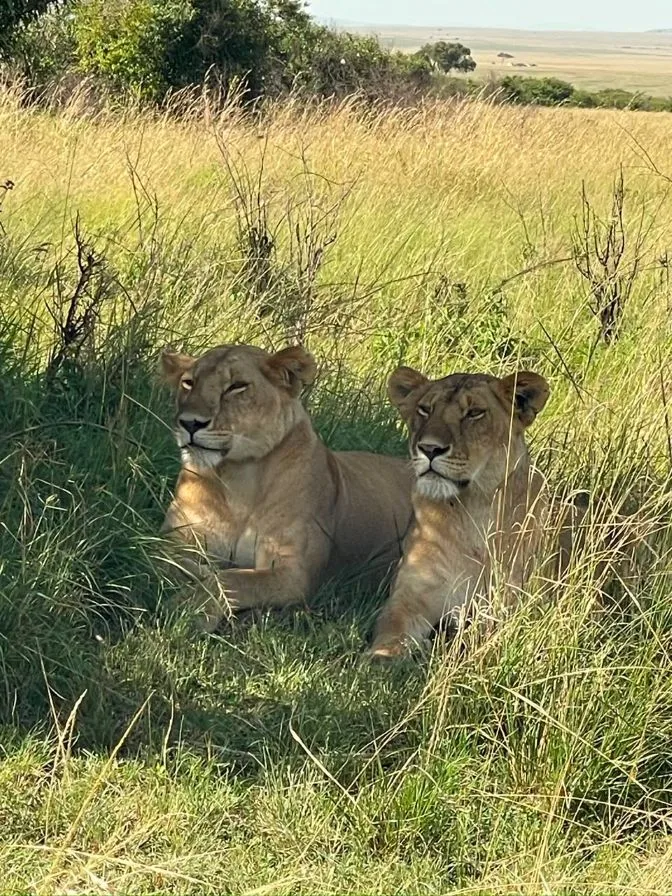
| Lion | Prides, territorial males and possible hunting behavior | Excellent |
| Elephant | Families moving across grasslands and woodland | Excellent |
| Buffalo | Large herds and solitary bulls | Excellent |
| Cheetah | Often seen scanning the open plains for prey | Very Good |
| Giraffe | Frequently encountered across the Mara ecosystem | Excellent |
| Spotted Hyena | Active predators and scavengers, especially around large herds | Very Good |
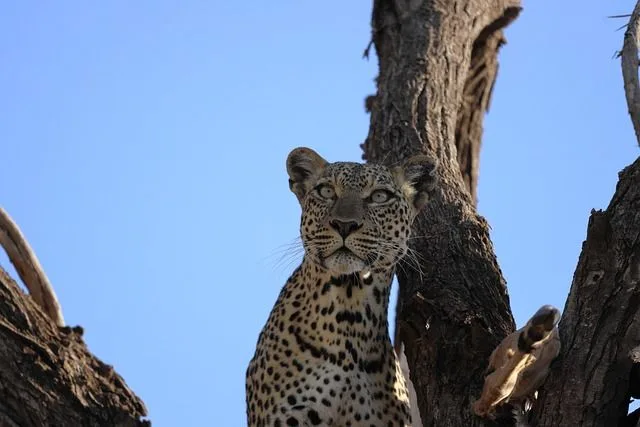
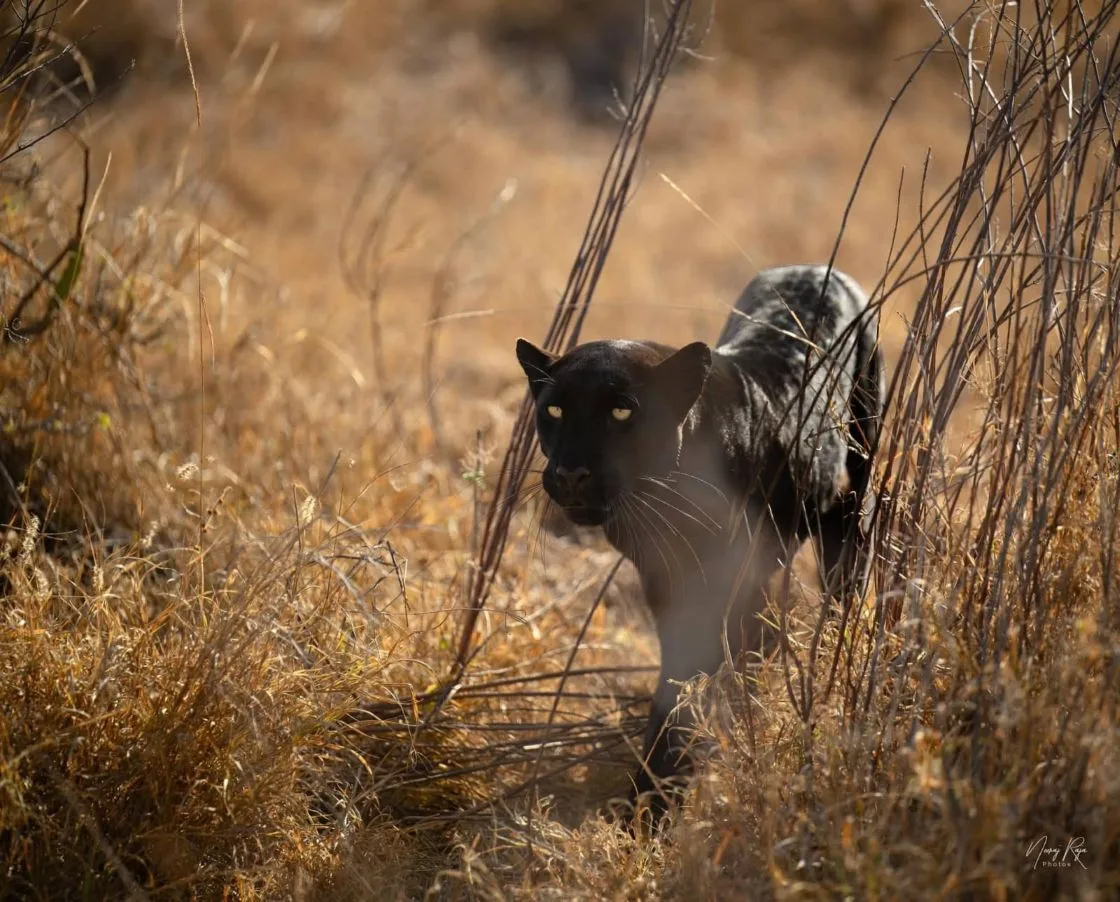
| Leopard | Often associated with riverine woodland and denser vegetation | Possible |
| Black Rhino | Rare and more difficult to locate | Possible |
| Hippo | Found in the Mara and Talek river systems | Very Good |
| Nile Crocodile | Particularly associated with the Mara River | Very Good |
| Thomson's & Grant's Gazelles | Common plains game and important predator prey | Excellent |
| Topi & Hartebeest | Regularly seen on the open grasslands | Excellent |
| Eland | Africa's largest antelope may be encountered on the plains | Good |
Great Migration Wildlife
Between roughly July and October, wildebeest and zebra typically move into the greater Masai Mara ecosystem as part of their annual migration between Tanzania's Serengeti and Kenya's Mara.
Large herds can transform the landscape, while their presence attracts lions, cheetahs, leopards and hyenas. If conditions are right, you may also encounter herds gathering around the Mara River. River crossings are unpredictable natural events and cannot be guaranteed.
The Big Five
The Masai Mara offers opportunities to search for lion, leopard, elephant, buffalo and black rhino. Lions, elephants and buffaloes are generally encountered more frequently, while leopards and particularly rhinos can require considerably more patience.
Predators of the Masai Mara
For many travelers, predator sightings are as memorable as the migration itself. The Mara is renowned for its lions, cheetahs, leopards and spotted hyenas.
Your guide will look for tracks, alarm calls, circling vultures and the behavior of prey species to help identify areas where predators may be active.
Birds of the Masai Mara
The safari is also rewarding for birdwatchers. Depending on habitat and season, look for secretary birds, lilac-breasted rollers, martial eagles, vultures, ostriches, crowned cranes and various storks and raptors.
Guide & Travel Expert Insights – 4 Days Great Migration Safari 2026/2027
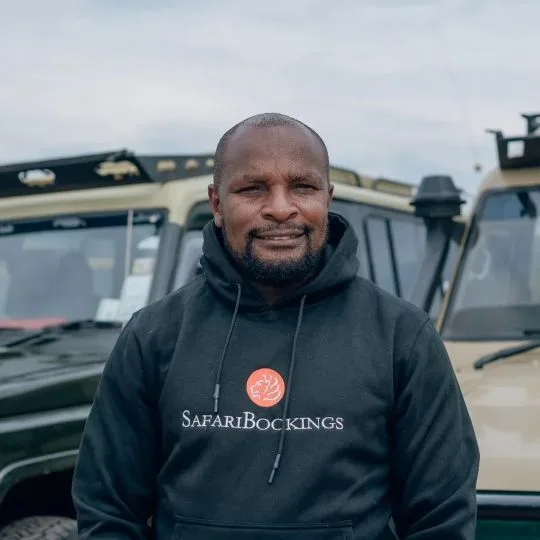
The Great Migration does not follow a fixed timetable or route. Rainfall, water availability and fresh grazing influence where wildebeest and zebra move throughout the greater Masai Mara ecosystem. Our guides therefore plan each game drive according to current wildlife conditions rather than following the same route every day.
How Our Guides Locate Migrating Herds
During the migration season, our guides monitor the direction, concentration and behaviour of wildebeest and zebra herds. They also consider recent rainfall, grass conditions, water availability and information shared by other professional guides operating in the Masai Mara.
Large groups moving steadily towards a river, gathering in one area or changing direction can indicate developing migration activity. Your guide uses these signs to select the most promising game-drive areas while remaining flexible as conditions change.
Tracks, Alarm Calls and Predator Behaviour
Finding wildlife involves more than driving until an animal appears. Early in the morning, guides look for fresh lion, leopard, cheetah and hyena tracks along roads, riverine areas and water sources. The direction and condition of the tracks can help indicate where an animal may have travelled during the night.
Guides also listen for alarm calls from impalas, baboons, monkeys and birds. These signals can reveal the presence of a predator before it becomes visible.
Predator behaviour provides further clues. A lion watching a herd, a cheetah moving through the grass or hyenas gathering in one area may indicate that hunting or feeding activity is developing. Circling or descending vultures can also point towards a carcass or recent predator activity.
Why Patience Near the Mara River Matters
Wildebeest may approach the Mara River, wait along the banks and then retreat without crossing. This behaviour can continue for several hours or even days. A river crossing cannot be predicted or guaranteed, even when large herds are gathered nearby.
Our guides assess herd movement and activity while maintaining an appropriate distance and respecting park regulations. When conditions appear promising, patience is often more productive than repeatedly moving between crossing points. However, your guide may recommend exploring another area when there is little indication that a crossing is likely.
The migration should be appreciated as a complete wildlife experience—not only as a river crossing. Large herds moving across the plains, predator activity and interactions between different species can be equally memorable.
Why Camp Location Matters
For a Great Migration safari, accommodation location can be just as important as comfort level. A well-positioned camp can reduce daily driving time and provide easier access to productive wildlife areas.
The most expensive camp is not automatically the best option for every traveller. We consider your travel month, expected migration patterns, budget, preferred comfort level and practical access to game-drive areas before recommending accommodation.
Because well-positioned camps can fill quickly during July, August and September, early booking provides a better choice of accommodation.
Why We Recommend Two Full Game-Drive Days
One of the strongest features of this four-day safari is the inclusion of two complete game-drive days in the Masai Mara. Wildlife conditions change daily, and one day may provide large wildebeest herds while another may produce exceptional predator activity or promising movement near the Mara River.
Two full days allow your guide to explore different parts of the ecosystem, revisit productive areas and respond to new wildlife information. They also give you more time to observe animal behaviour without rushing from one sighting to another.
Our Expert Recommendation
For the best overall experience, combine three nights at a well-positioned Masai Mara camp with two full game-drive days and a private 4×4 safari Land Cruiser. Remain flexible, allow wildlife behaviour to develop naturally and avoid planning the entire safari around a guaranteed river crossing.
Great Migration Safari Reviews – What Our Travellers Say
★★★★★ “An Incredible Great Migration Experience”
Traveller:
Jackson Kanyi
Country: United Kingdom
Travelled: August 2025
Group Type: Couple
Safari Highlights: Wildebeest herds, knowledgeable guiding and unhurried Masai Mara game drives
Rating: 5/5
“The Masai Mara was the highlight of our Kenya trip. Our guide was extremely knowledgeable and patient, especially when following the wildebeest herds. We never felt rushed during the game drives, and the wildlife viewing was incredible.”
★★★★★ “Excellent Guide and Wildlife Viewing”
Traveller:
Sarah Mary
Country: United States
Travelled: September 2025
Group Type: Family
Safari Highlights: Lions, elephants, cheetahs, wildebeest herds and wildlife photography
Rating: 5/5
“Our guide made the safari special. He explained animal behaviour, knew where to look for wildlife and gave us plenty of time for photographs. We saw lions, elephants, cheetahs and huge numbers of wildebeest.”
★★★★★ “Four Days Was Perfect for the Masai Mara”
Traveller: Denis Weatherall
Country: Australia
Travelled: July 2025
Group Type: Friends
Safari Highlights: Two full game-drive days, relaxed itinerary and smooth Nairobi transfers
Rating: 5/5
“We were happy that we stayed in the Masai Mara instead of trying to visit several parks. Having two full days gave us time to enjoy the sightings rather than constantly moving. The entire safari was well organised from Nairobi and back.”
★★★★★ “A Safari We Will Always Remember”
Traveller: Teri
Country: Canada
Travelled: August 2025
Group Type: Couple
Safari Highlights: Wildebeest herds, lions, elephants and patient wildlife observation
Rating: 5/5
“From the first game drive, the experience exceeded our expectations. The large herds were amazing to see, but some of our favourite moments were simply watching lions and elephants without being rushed.
Frequently Asked Questions – 4 Days Great Migration Safari 2026/2027
1. How much does the 4-day Great Migration safari cost?
The 4-day Masai Mara Great Migration safari starts from USD 1,695 per person sharing. The final cost depends on your travel dates, group size, accommodation level and whether you travel by road or fly between Nairobi and the Masai Mara. Prices are generally higher during the peak migration months of July to October.
2. What is included in the safari price?
The package includes three nights’ accommodation in the Masai Mara, full-board meals during the safari, private transport in a 4×4 safari Land Cruiser, an experienced English-speaking driver-guide, scheduled game drives, drinking water, Nairobi pick-up and drop-off, applicable taxes and the park fees specified in your confirmed quotation.
3. Is four days enough for the Great Migration?
Yes. Four days is suitable when the itinerary focuses entirely on the Masai Mara. This safari includes three nights in the Mara, an afternoon game drive on arrival and two full days for following wildlife and seasonal wildebeest movements. It provides more game-viewing time than a four-day itinerary covering several different parks.
4. What is the best time to see the migration in the Masai Mara?
The Great Migration is generally present in the greater Masai Mara ecosystem from July to October, depending on rainfall and grazing conditions. August and September are usually the most popular months for large herds and possible Mara River crossings. However, the precise timing and location of the herds vary each year.
5. Can a Mara River crossing be guaranteed?
No. Mara River crossings are unpredictable natural events and cannot be guaranteed for a particular day. Wildebeest may gather beside the river for hours or days before crossing, and they sometimes turn away. Your guide will follow current migration information and explore the most promising areas during your game drives.
6. Is this a private safari?
Yes. The recommended package is a private safari, meaning the safari vehicle and driver-guide are reserved exclusively for your booking. This provides greater flexibility over departure times, game-drive pacing, photography stops and the amount of time spent at wildlife sightings.
7. What vehicle is used for the safari?
The safari is operated in a private 4×4 safari Land Cruiser with a pop-up roof. The vehicle provides elevated wildlife viewing, space for photography and better handling on the Masai Mara’s unpaved roads. Window seats can be arranged according to the final group size.
8. Can I see the Big Five on this safari?
The Masai Mara offers opportunities to see lions, leopards, elephants, buffaloes and black rhinos. Lions, elephants and buffaloes are commonly encountered, while leopards and especially black rhinos can be more difficult to locate. Because wildlife is free-ranging, sightings of every Big Five species cannot be guaranteed.
9. Where will I stay during the safari?
You will spend all three nights at a selected Masai Mara safari camp or lodge. The standard package uses comfortable mid-range accommodation, while luxury and premium upgrades are available. The final property will depend on your travel dates, budget, availability and the most practical location for game viewing.
10. Can I fly between Nairobi and the Masai Mara?
Yes. Scheduled flights operate between Nairobi’s Wilson Airport and several Masai Mara airstrips. Flying normally takes approximately 45–60 minutes and can replace one or both road transfers. Flights are optional and will affect the final package price.
What Not to Do During a Great Migration Safari – 2026/2027
| Safari rule | Why it matters |
|---|---|
| Remain inside the vehicle unless your guide permits otherwise | Wild animals may be closer than they appear. Leave the vehicle only in designated areas or when your guide confirms it is safe. |
| Keep voices low around wildlife | Loud voices can disturb animals, interrupt natural behaviour and affect the experience of other travellers. |
| Do not pressure guides to approach animals too closely | Giving wildlife enough space reduces stress and provides safer, more natural sightings. |
| Never block wildlife or interfere with river crossings | Animals must be allowed to move freely, particularly when wildebeest are gathering near the Mara River. |
| Do not feed animals or leave litter | Feeding wildlife changes its natural behaviour, while litter can harm animals and damage the environment. |
| Follow park regulations and your guide’s instructions | Regulations protect wildlife, habitats and visitors. Your guide understands local conditions and safe wildlife-viewing practices. |
Do Not Chase a Mara River Crossing
Wildebeest may approach the Mara River, wait along the banks and then retreat without crossing. Avoid pressuring your guide to race between crossing points or position the vehicle inappropriately. River crossings are unpredictable natural events, and patient, responsible viewing protects the animals while allowing you to appreciate the wider Great Migration experience.
Editorial Review – 4 Days Great Migration Safari 2026/2027
Last Updated: August 2026
Reviewed by: John Peter
Role: Senior Safari Consultant & Operations Manager
Safari Experience: 16+ years planning and operating East African safaris
Specialist Destinations: Kenya, Tanzania and Uganda
This 4 Days Great Migration Safari 2026/2027 has been reviewed to ensure that the itinerary reflects realistic travel times, seasonal wildlife patterns and the practical experience of exploring the Masai Mara during the Great Migration.
The itinerary has been intentionally designed around three nights in the Masai Mara and two full game-drive days. For a four-day safari, this provides more meaningful wildlife time than trying to combine several national parks and spending a large part of the trip transferring between destinations.
What We Reviewed
The itinerary and travel information were assessed using:
- First-hand safari planning and operational experience in Kenya
- Seasonal Great Migration and wildlife movement patterns
- Realistic Nairobi–Masai Mara driving times
- Masai Mara game-drive logistics
- Camp and lodge locations in relation to game-viewing areas
- Seasonal accommodation availability and pricing
- Feedback from safari driver-guides operating in the Masai Mara
- Previous guest experiences and safari feedback
- Practical requirements for families, couples and private groups
- Wildlife photography and game-viewing considerations
- Current park regulations and responsible wildlife-viewing practices
Editorial Approach
We do not present the Great Migration as a scheduled event. Wildebeest movements depend on rainfall, grazing conditions and water availability, while Mara River crossings are unpredictable and cannot be guaranteed.
For this reason, the itinerary prioritizes time, flexibility and experienced guiding rather than promising a particular wildlife event on a particular day.
Accommodation recommendations are also reviewed according to more than comfort level alone. During migration season, we consider location, accessibility, travel month and game-drive practicality when recommending where guests should stay.
Our Editorial Assessment
This safari is best suited to travelers who want a short but focused Masai Mara Great Migration experience. Its strongest feature is not the number of destinations visited, but the amount of time allocated to the Mara.
With three nights in one ecosystem, two full days for game viewing and a private safari vehicle, the itinerary provides enough flexibility to respond to changing wildlife conditions while remaining practical for travelers with limited time in Kenya.
Editorial conclusion: A well-balanced four-day itinerary for travelers whose priority is the Masai Mara, Great Migration, Big Five and quality game-viewing time rather than covering multiple destinations quickly.
Safari information is periodically reviewed because park regulations, accommodation rates, road conditions and seasonal wildlife patterns can change.
About the Author – John Peter

John Peter is a Senior Safari Consultant and Operations Manager with more than 16 years of experience planning and operating safaris across East Africa. His work focuses on designing practical, wildlife-focused itineraries across Kenya, Tanzania and Uganda for couples, families, honeymooners, photographers and private groups.
His safari planning experience includes the Masai Mara, Amboseli, Samburu, Lake Nakuru, Ol Pejeta and Tsavo in Kenya, as well as Tanzania's Serengeti, Ngorongoro Conservation Area, Tarangire and other major East African wildlife destinations.
For Great Migration itineraries, John focuses on realistic travel times, seasonal wildlife movements, camp locations and the amount of actual game-viewing time available to travelers. He believes a good migration safari should remain flexible because rainfall, grazing conditions and wildlife movements can change throughout the season.
John also works with safari guides and accommodation partners to review itineraries using current operational information and feedback from travelers returning from safari.
Areas of Safari Expertise
Safari planning: Kenya, Tanzania and Uganda
Specialization: Great Migration, wildlife, family, private and luxury safaris
Masai Mara experience: Great Migration planning, accommodation selection and safari logistics
Professional experience: 16+ years in East African safari planning and operations
Author: John Peter
Role: Senior Safari Consultant & Operations Manager
Last reviewed: August 2026
Why Book Your Great Migration Safari With East Africa Jungle?
Booking a Great Migration safari is about more than choosing a hotel and a safari vehicle. Timing, camp location, guiding and flexibility can all influence the experience. At East Africa Jungle, we plan each safari around your travel dates, budget and the experience you want from the Masai Mara.
1. Kenya-Based Safari Expertise
Your safari is planned by a team with on-the-ground knowledge of Kenya and extensive experience arranging East African wildlife journeys. This helps us recommend practical routes, suitable accommodation and realistic safari schedules.
2. 16+ Years of Safari Planning Experience
Our safari planning is supported by more than 16 years of experience arranging itineraries across Kenya and East Africa. We use that experience to balance wildlife time, driving distances, accommodation and traveler comfort.
3. Great Migration-Focused Planning
The migration does not follow fixed dates. We consider your travel month, expected seasonal patterns, camp location and available game-viewing time when planning your Masai Mara safari.
4. Private 4×4 Safari Experience
Our recommended Great Migration safari uses a private 4×4 Land Cruiser with a pop-up roof, allowing greater flexibility for wildlife viewing, photography stops and time spent at sightings.
5. Experienced Safari Driver-Guides
A knowledgeable guide can make a significant difference in the Masai Mara. Our guides look beyond simply finding animals, paying attention to tracks, herd movements, predator behavior, alarm calls and changing wildlife conditions.
6. Accommodation Selected for Your Trip
We do not recommend accommodation based only on how luxurious it is. We consider location, travel dates, budget, comfort and game-drive practicality, particularly during the busy migration season.
7. Flexible, Personalized Safaris
Your safari can be adjusted to suit couples, families, honeymooners, photographers or private groups. Accommodation upgrades, additional nights, domestic flights and extensions to other destinations can also be arranged.
8. Realistic Wildlife Expectations
We will never promise a Mara River crossing on a particular day. Wildlife is unpredictable, and wildebeest movements depend on natural conditions. Instead, we focus on giving you enough time and flexibility to experience the best wildlife opportunities available during your visit.
9. Local Support From Planning to Safari
From your first inquiry through to your arrival and safari, you have a local team available to assist with itinerary planning, accommodation arrangements, transfers and safari logistics.
10. More Time Where It Matters
For this four-day itinerary, we prioritize three nights in the Masai Mara and two full game-drive days instead of adding destinations simply to make the itinerary appear longer. The result is less rushing and more time experiencing the Mara.
Book With Confidence
A successful Great Migration safari cannot guarantee what nature will do, but it can be planned around the right season, suitable accommodation, experienced guiding and enough time in the Masai Mara.
That is what we focus on at East Africa Jungle: creating a safari that is realistic, well organized and built around the experience you came to Kenya for.
Book Your 4 Days Masai Mara Great Migration Safari 2026/2027
Experience three nights in the Masai Mara with two full game-drive days, an experienced safari guide and a private 4×4 Land Cruiser. Prices start from USD 1,695 per person sharing, subject to travel dates, group size and accommodation availability.
Book This Safari | Request a Quote | WhatsApp: +254 728 567308
Available Months
Dates are flexible. Request your preferred month and our team will advise the best safari timing.
Safari Route Map
Plan Your Safari Today
Tell us your travel month, budget level, and group size. We will shape this package around your preferred safari style.

 16+ Years
 English